The 30 Worst Chevrolet Models Ever Built: Ranked From Bad to Worst
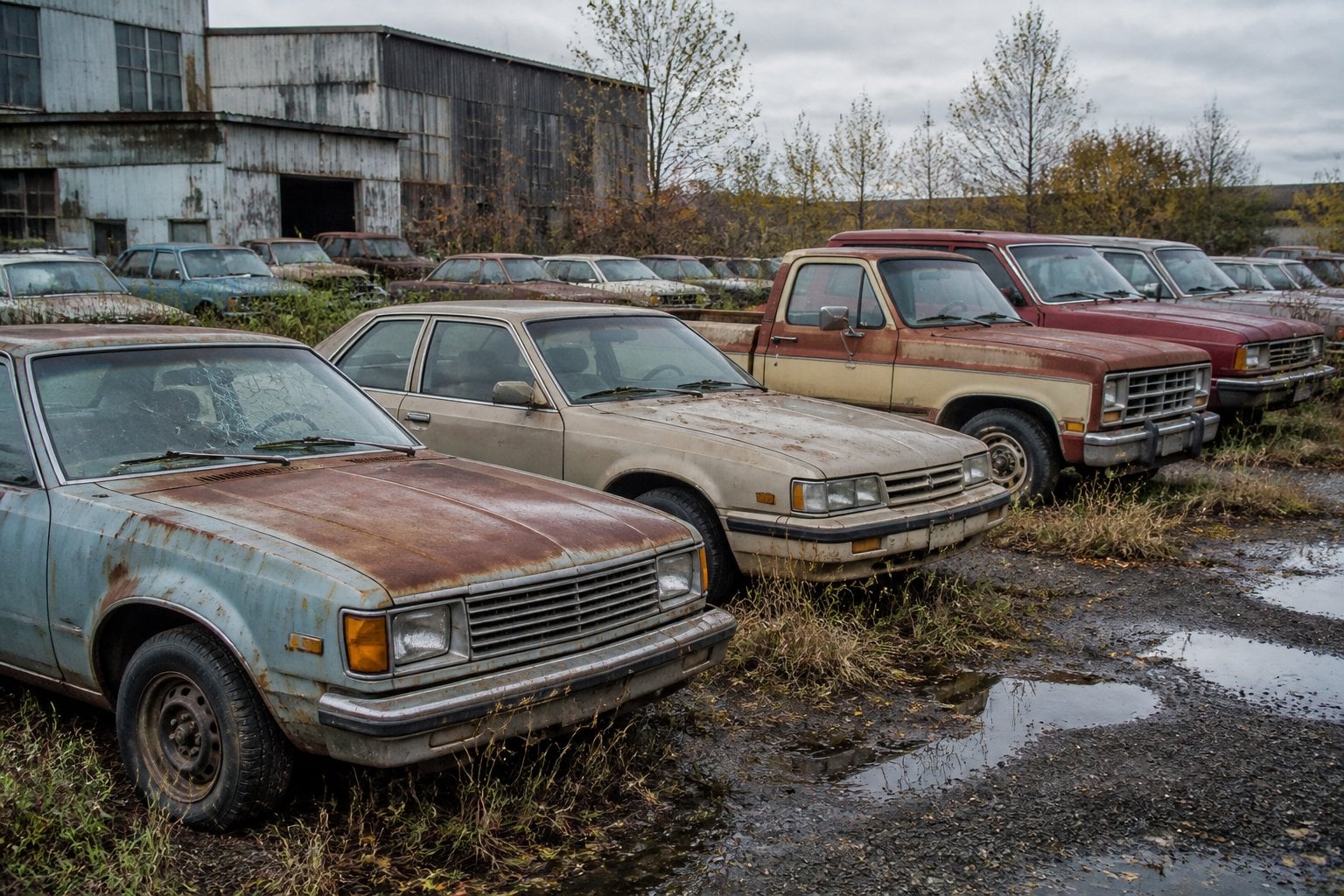
Chevrolet has produced millions of vehicles across more than a century of business. Some of these models earned praise for their design, performance, or value. Others fell short of expectations and left owners dealing with mechanical problems, poor build quality, or designs that missed the mark entirely.
This article looks at 30 Chevrolet models that failed to meet standards, whether due to engineering flaws, unreliable components, or simple missteps in planning.
You’ll find a range of vehicles here, from early production cars to more recent models, each included because of documented issues that affected owners or hurt the brand’s reputation.
Understanding these low points gives you a fuller picture of Chevrolet’s history, beyond the well-known successes.
1. Chevrolet Vega
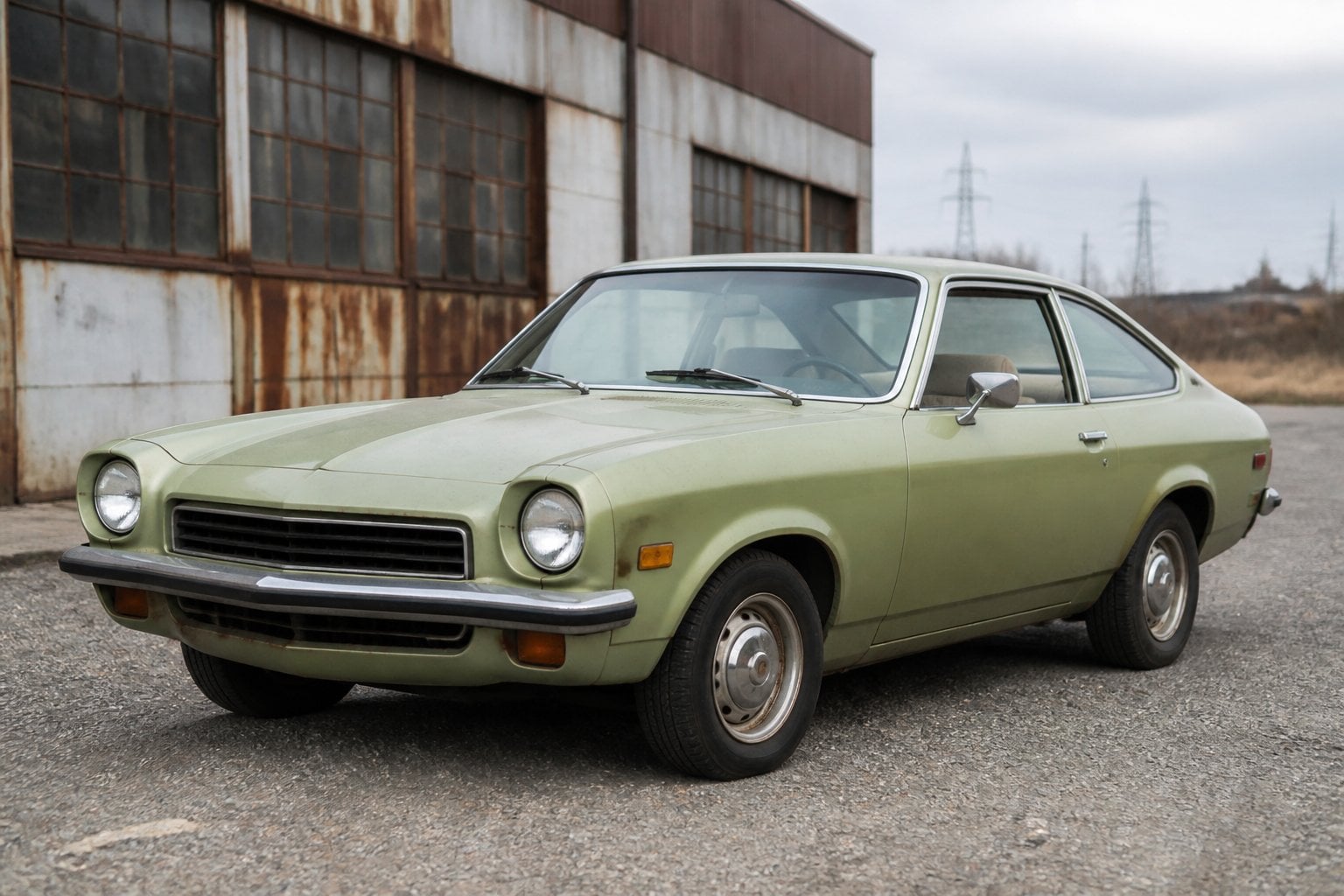
The Vega arrived in 1971 with real promise, but the rushed production timeline left you with a car full of defects. GM wanted a fast launch, and the corners cut during that process caught up with the vehicle quickly.
The aluminum engine block became the Vega’s defining flaw. Without cylinder liners, the block wore out prematurely, and you’d often see oil consumption problems and overheating within the first few years of ownership.
Rust was another major issue you couldn’t avoid. Thin body panels and inadequate rustproofing meant visible corrosion on many Vegas within a year or two, even in moderate climates.
Later production years brought improvements, including better engine reliability and revised rust protection. By then, though, the damage to the Vega’s reputation was done, and you were left with a car remembered more for its failures than its potential.
2. Chevrolet Chevette
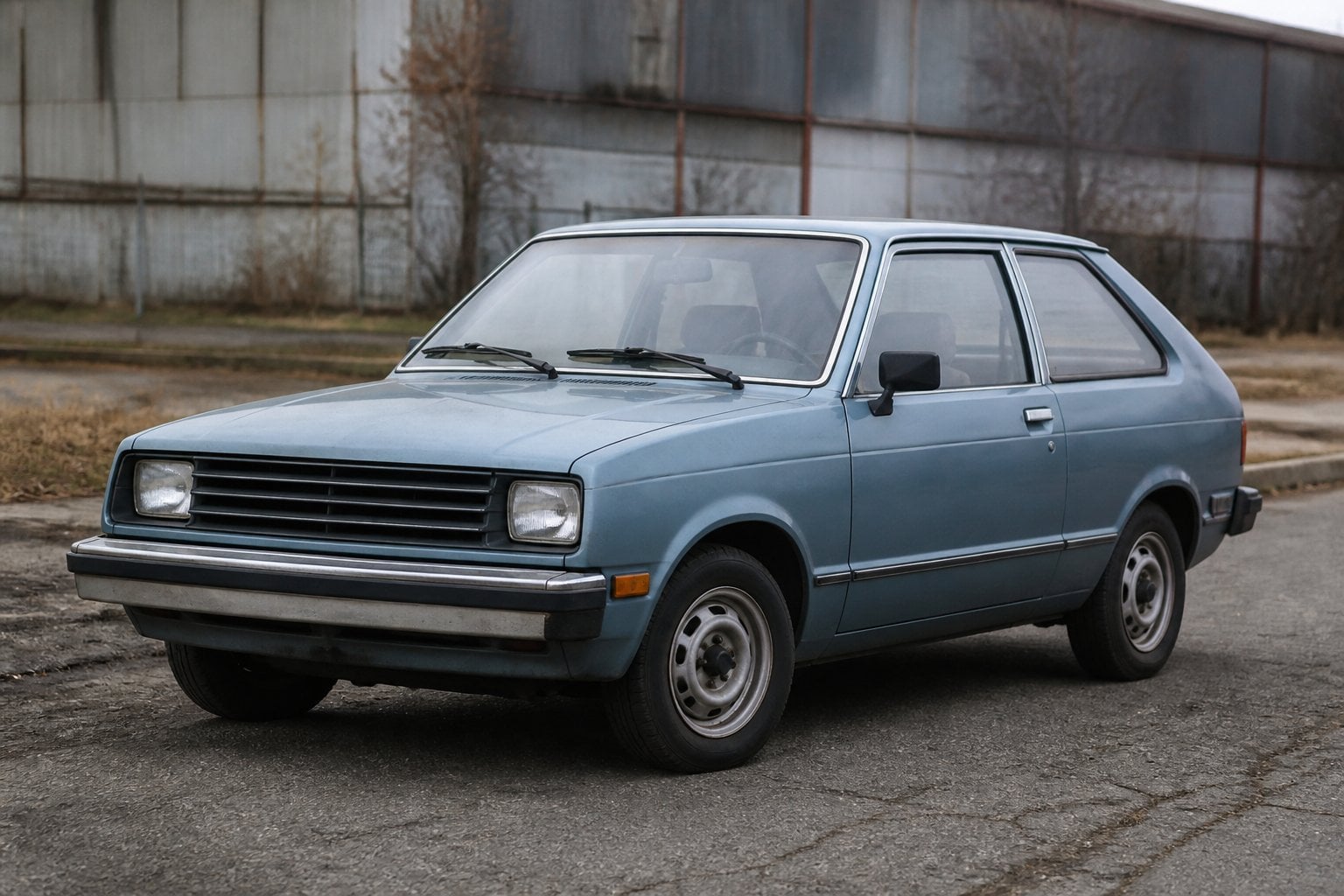
You’ll find the Chevette on nearly every list of Chevrolet’s worst cars, and for good reason. Introduced in 1976 as a subcompact response to the oil crisis, it prioritized fuel economy over almost everything else.
The build quality left much to be desired. Rust problems appeared early, and many owners reported mechanical issues well before the 60,000-mile mark.
Performance was minimal at best. The base engine produced barely enough power to merit the term, making highway driving a slow and uncomfortable experience.
Despite these flaws, you can’t ignore its sales numbers. It became America’s best-selling small car in 1979 and 1980, proving that consumers valued price and fuel efficiency over refinement.
The Chevette’s long production run also delayed GM’s development of a proper front-wheel-drive subcompact. That decision left Chevrolet relying on rebadged imports for years afterward.
3. Chevrolet Citation
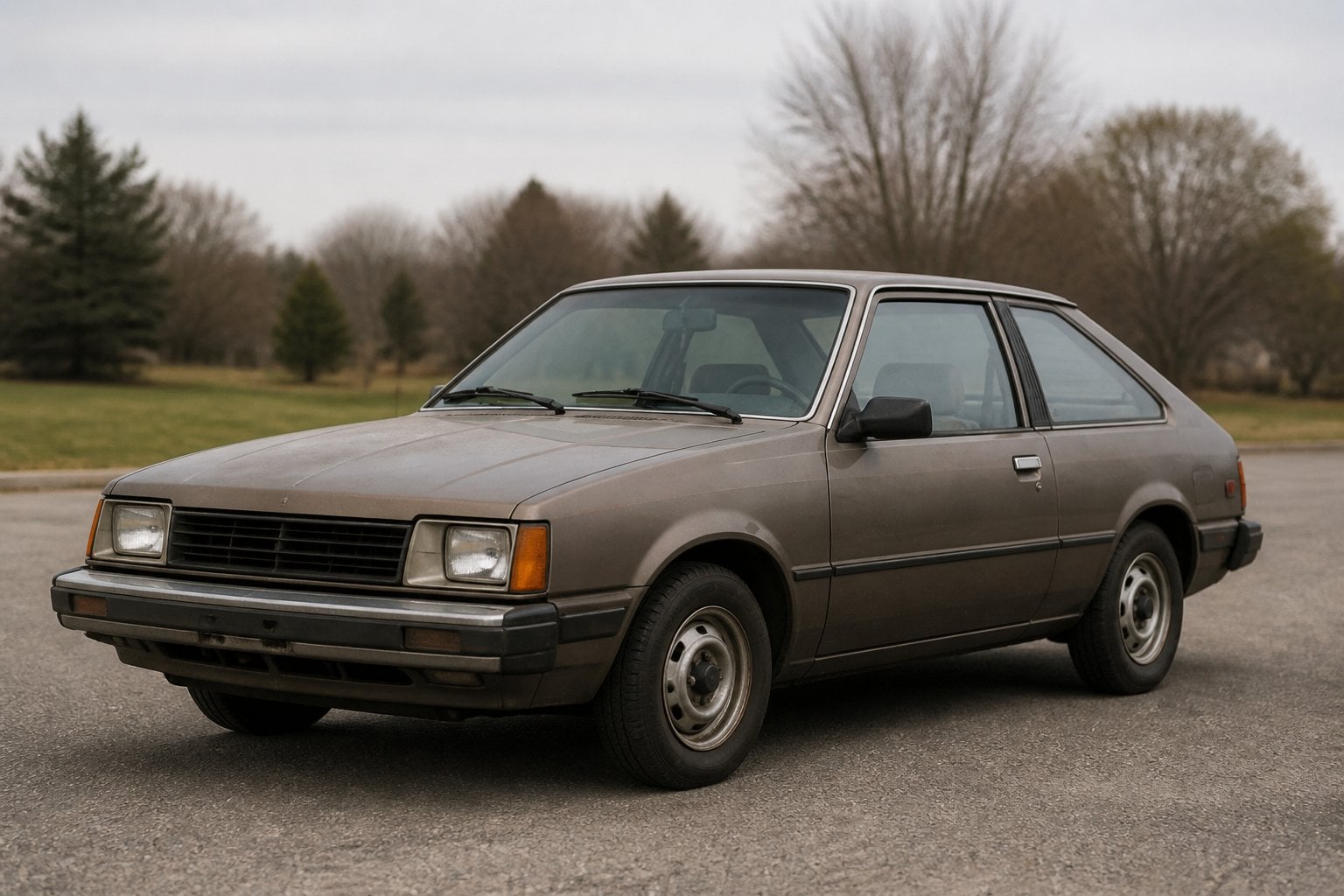
The Citation arrived in 1980 as Chevrolet’s first front-wheel-drive compact, replacing the Nova. You could see why GM had high hopes for it. Early sales were strong, and it even won Motor Trend’s Car of the Year award.
That early success didn’t last. You’ll find that quality control problems surfaced quickly, including stalling engines, faulty brakes, and rear wheels that could lock up unexpectedly.
The National Highway Traffic Safety Administration received thousands of complaints about the Citation’s brakes and steering. Recalls followed, and your confidence in the car’s reliability would have taken a hit if you owned one.
By 1985, the Citation was gone. What started as a groundbreaking design ended up damaging GM’s reputation for building dependable compact cars, and it left a lasting mark on the company’s engineering credibility.
4. Chevrolet Celebrity
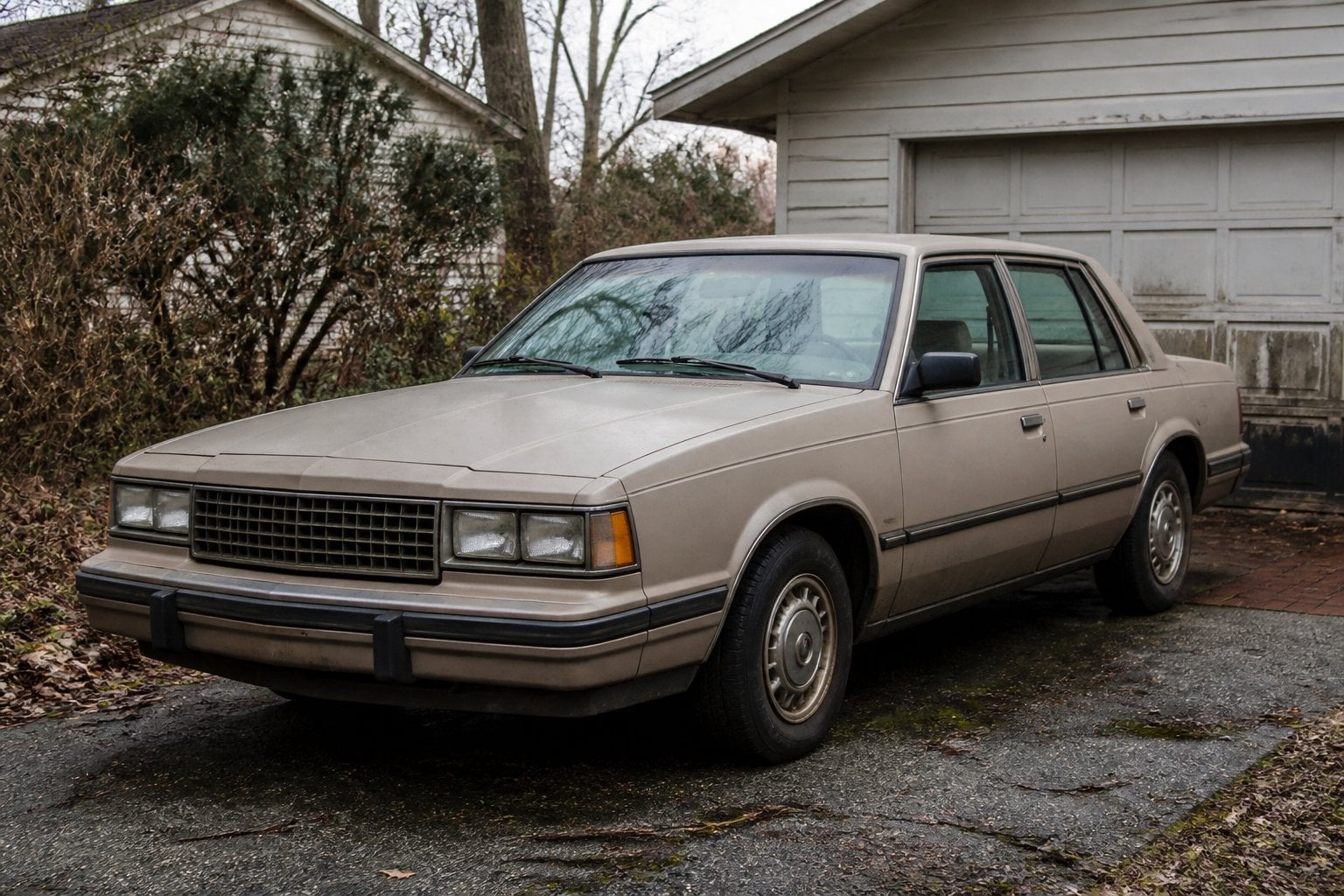
You get a car that defined “unremarkable” in the 1980s. The Celebrity was a mid-size sedan built on GM’s A-body platform, and it delivered exactly what you’d expect from committee-designed transportation.
Reliability data shows the Celebrity had issues across its production run, with 1988 standing out as a particularly weak year. You’d deal with electrical gremlins, transmission troubles, and interior materials that aged poorly.
The styling didn’t help matters either. You’re looking at a boxy, forgettable shape that blended into parking lots full of similar GM products from the same era.
Performance was equally uninspired. Your options were underpowered four-cylinder and V6 engines that struggled to move the car with any enthusiasm.
The Celebrity sold well simply because it existed in the right place at the right time, not because you were getting a genuinely good car.
5. Chevrolet Cavalier
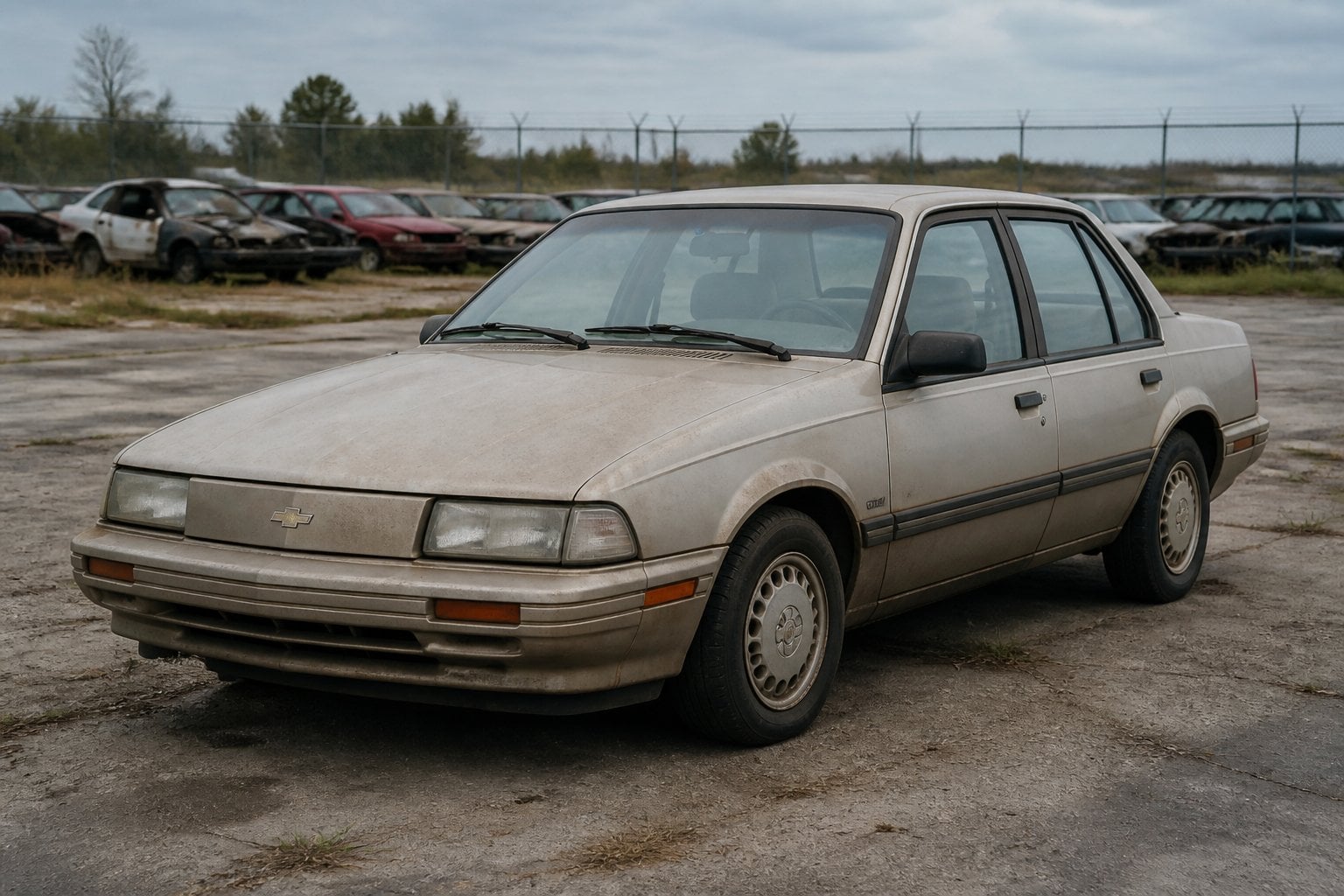
If you owned a Cavalier in the 1990s or early 2000s, you likely dealt with more than a few electrical gremlins. Complaint data shows electrical faults as the most commonly reported issue across the model’s production run.
Reliability varies sharply by year. The 2003 model averages 5.08 complaints per production run, compared to just 1 for the 1986 model — a gap of more than five times between cars carrying the same name.
You should also know that failures tend to show up around the four-year mark. That timing means only about 37% of reported problems fall within the standard three-year basic warranty, leaving you responsible for repair costs in most cases.
The Cavalier sold well for decades, but its inconsistent build quality across model years makes it a car you need to research carefully before buying used.
6. Chevrolet Beretta
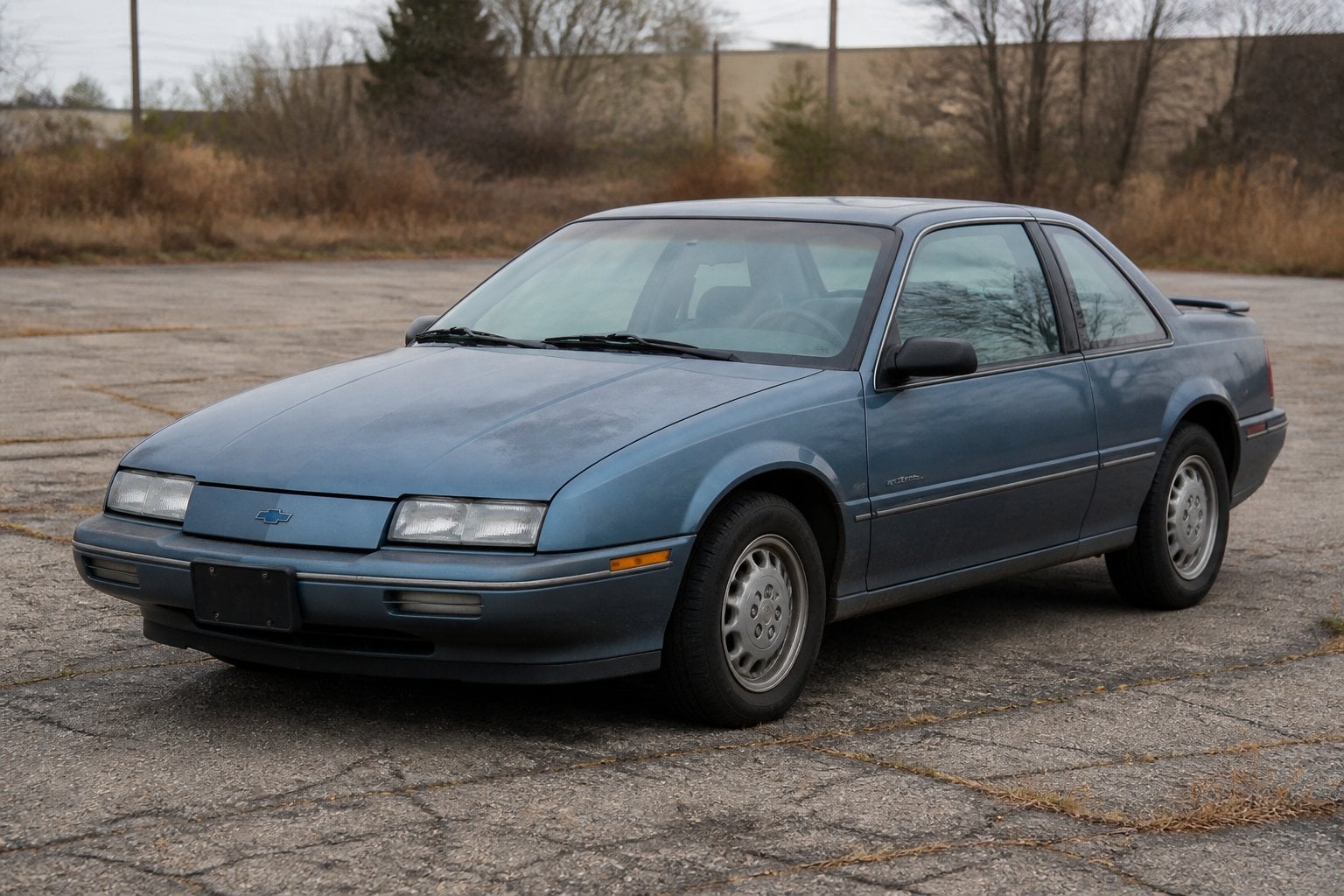
The Chevrolet Beretta arrived in 1987 as a sportier alternative to the sedate Corsica, but you’ll find its reputation didn’t age well. Built on GM’s L-body platform, the compact coupe suffered from persistent mechanical problems throughout its production run.
The 1994 model stands out as the weakest year. Head gasket failures plagued both the 2.2L and 3.1L engines, leaving you with costly repairs. Electrical gremlins and brake system issues added to the frustration for many owners.
You can trace the Beretta’s decline through steadily falling sales figures. Two-door compacts fell out of favor as the market shifted, and Chevrolet discontinued the Beretta in 1996 alongside the Corsica. The Malibu took its place the following year.
Despite decent styling for its era, the Beretta’s reliability issues overshadowed any design merits it had.
7. Chevrolet Corsica
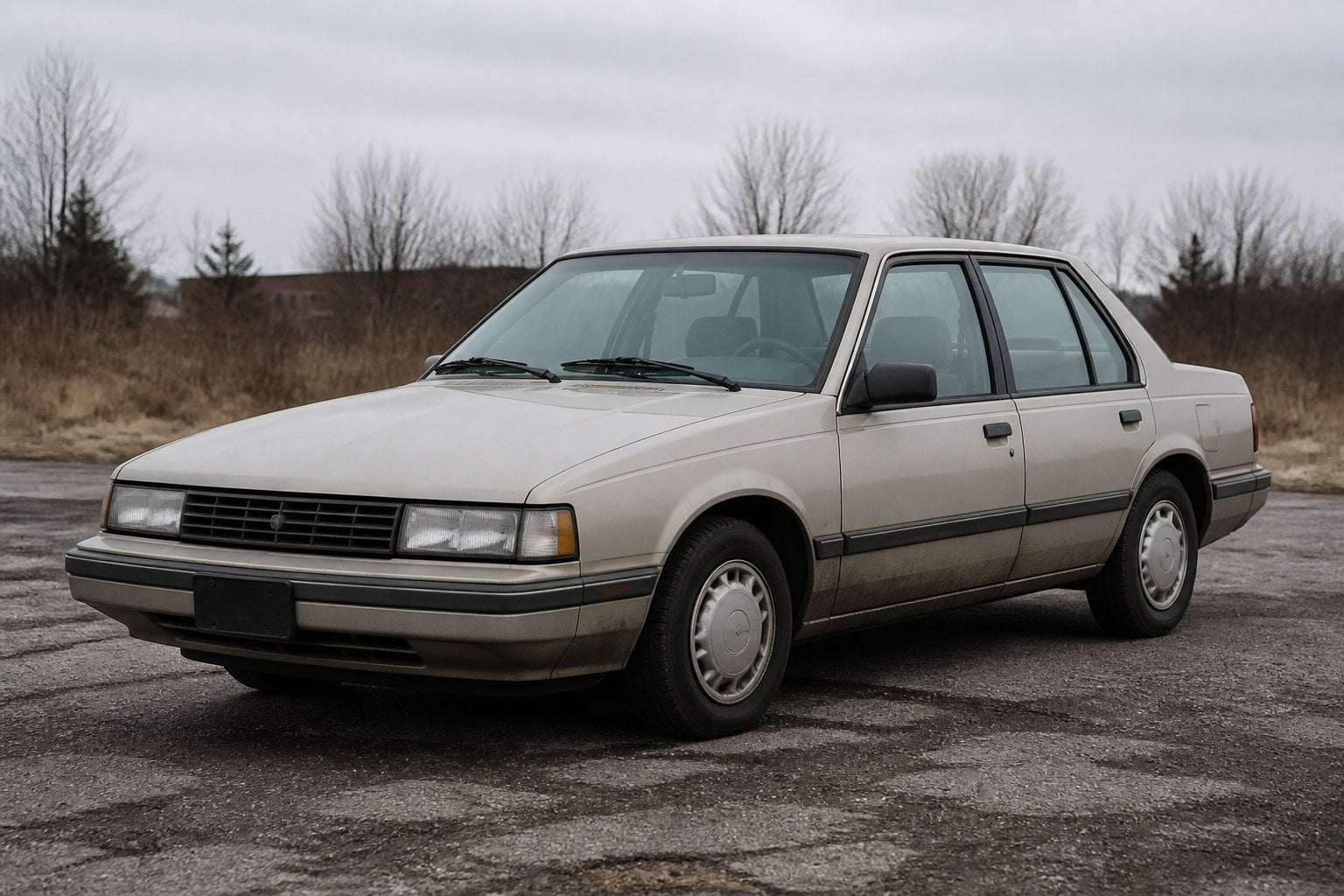
You’ll find the Corsica sitting firmly in the compact car category, produced from 1987 to 1996 on GM’s L-body platform. It was meant to give you a practical, affordable alternative to imports, but reliability issues undercut that goal.
The 1992 model year stands out as the one you should avoid most. Owners reported engine failures, transmission problems, and safety-related defects at rates higher than other years in the lineup.
You’d also encounter electrical gremlins and cooling system failures across multiple production years. These weren’t isolated incidents—complaint records show recurring patterns that point to design shortcomings rather than random defects.
If you were shopping for a Corsica new, you got a car that looked reasonable on paper but often left you dealing with repair bills sooner than expected. Chevrolet eventually discontinued it, replacing it with the Malibu in 1997.
8. Chevrolet Lumina APV
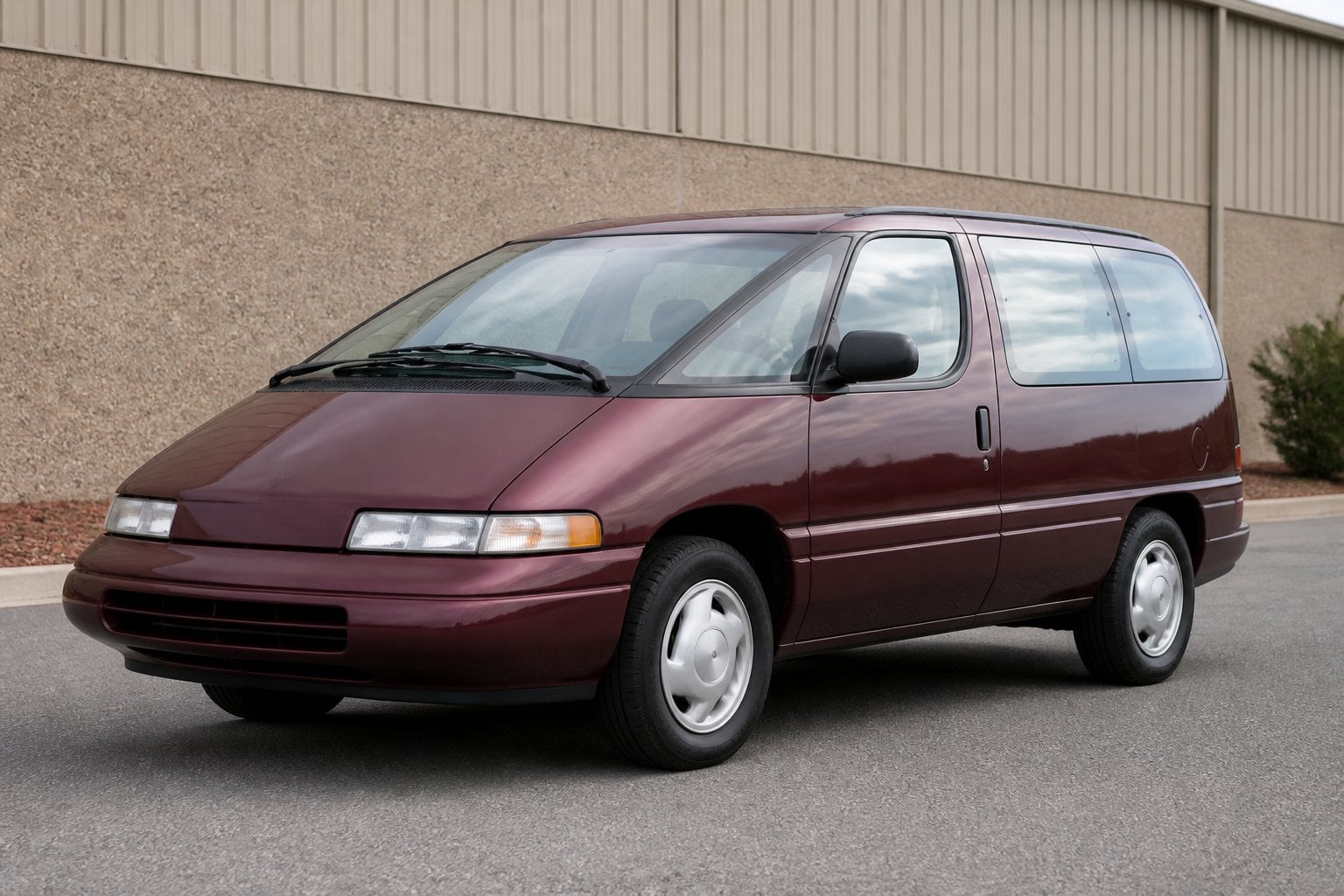
You know this van by its nickname: the “Dustbuster.” The sharply raked windshield and long, tapered nose gave it a shape unlike anything else on the road at the time.
Produced from 1990 to 1996, the Lumina APV was Chevrolet’s first front-wheel-drive minivan. It shared its platform with the Pontiac Trans Sport and Oldsmobile Silhouette, both of which had the same unusual styling.
The dashboard sat far from the driver, creating an odd sense of distance behind the wheel. Critics at the time noted the deep dash made forward visibility feel strange, especially for shorter drivers.
Underneath the styling, you’d find middling performance and a build quality that didn’t match rivals like the Dodge Caravan. GM revised the front end in 1994, shortening the nose by three inches to tone down the design.
By 1996, the Lumina APV was discontinued, replaced by more conventional models.
9. Chevrolet Venture
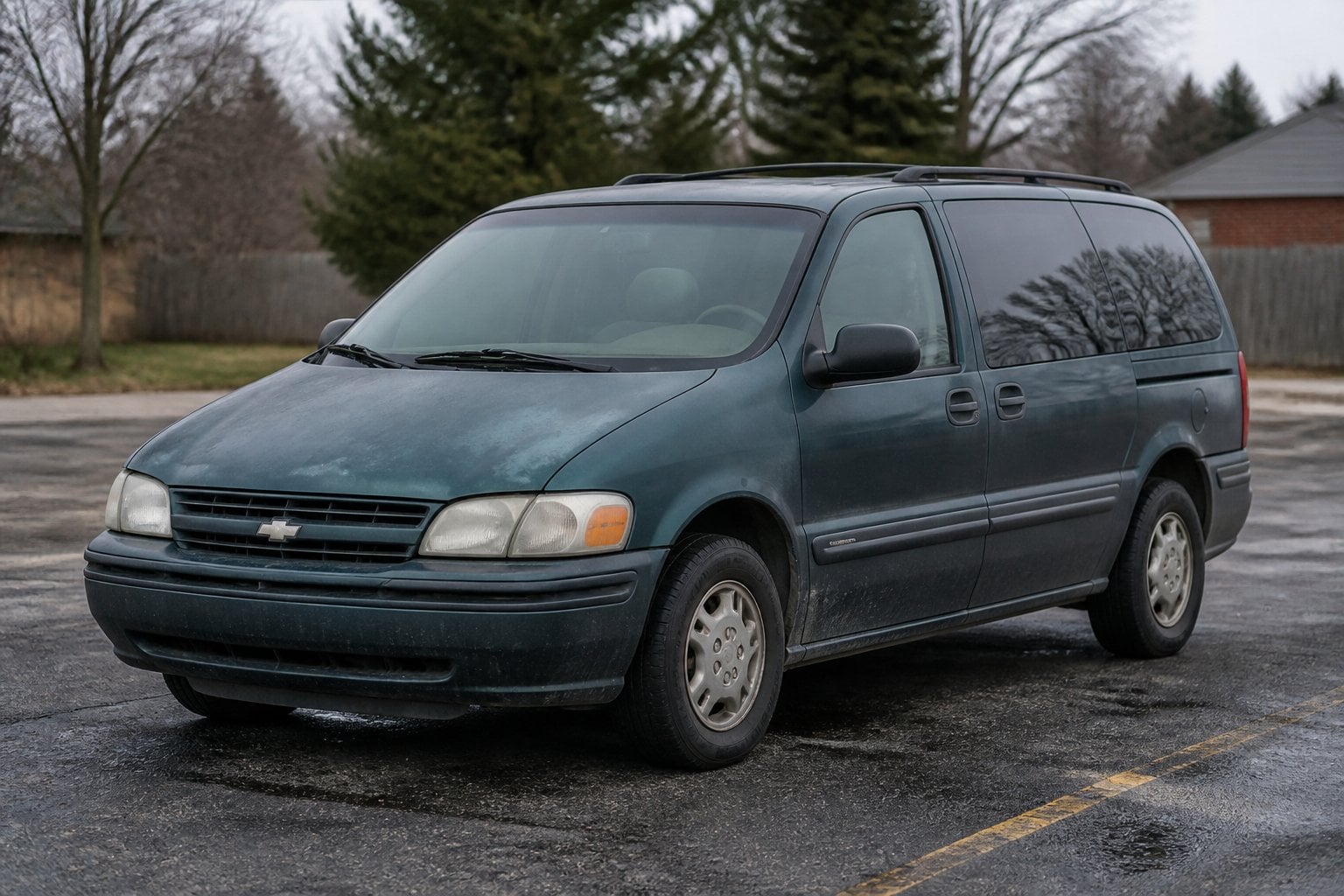
The Chevrolet Venture was a minivan built from 1997 to 2005. You’ll find it remembered less for innovation and more for the problems it developed after a few years on the road.
Transmission failures were a common complaint, often showing up well before the vehicle reached 100,000 miles. You’d also encounter issues with intake manifold gaskets, which could lead to coolant leaks and engine damage if left unaddressed.
Interior quality didn’t hold up well either. Plastic trim pieces cracked and faded, and the dashboard was prone to developing a sticky, deteriorating surface over time.
Compared to rivals like the Honda Odyssey or Dodge Caravan, the Venture felt outdated in both design and reliability. You were paying for a vehicle that couldn’t keep pace with segment leaders, and its resale value reflected that gap.
10. Chevrolet Uplander
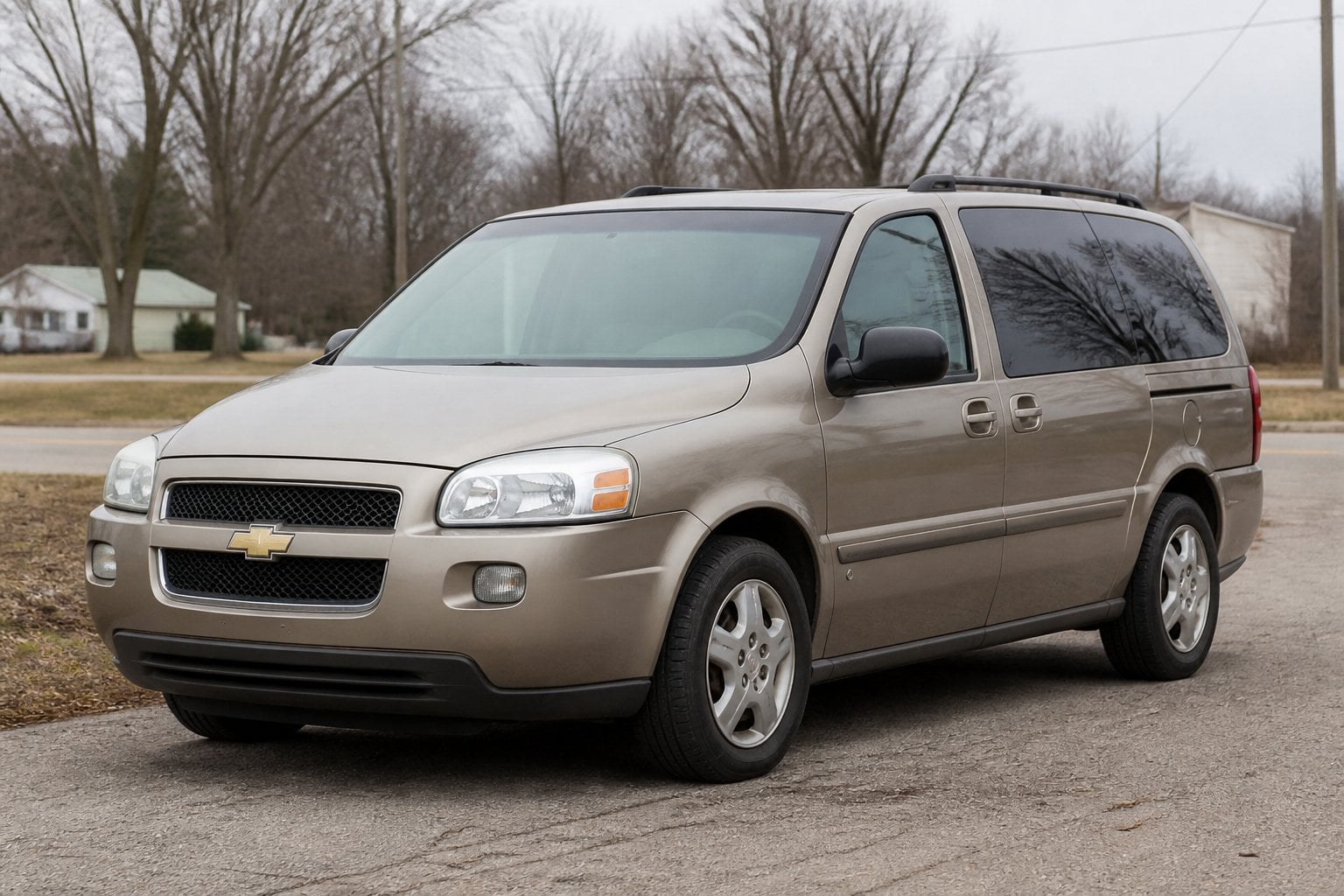
You get a minivan built on a truck-derived platform, and it shows. GM designed the Uplander to replace the Venture and Astro, but the compromises are obvious once you drive it.
The interior feels dated compared to competitors like the Honda Odyssey or Toyota Sienna. Cheap plastics and an uninspired dashboard layout make it clear where GM cut corners.
Reliability is another issue you should weigh carefully. Owners report transmission problems, power steering failures, and electrical glitches showing up well before higher mileage marks.
Fuel economy doesn’t help your case for buying one, either. The V6 engine drinks more gas than rivals while offering unremarkable performance.
Resale value reflects these shortcomings. You won’t find much demand for a used Uplander, and depreciation hits hard.
Produced from 2005 to 2009, it never gained traction against established minivans. If you’re looking for a reliable family hauler, this isn’t the model you want.
11. Chevrolet SSR
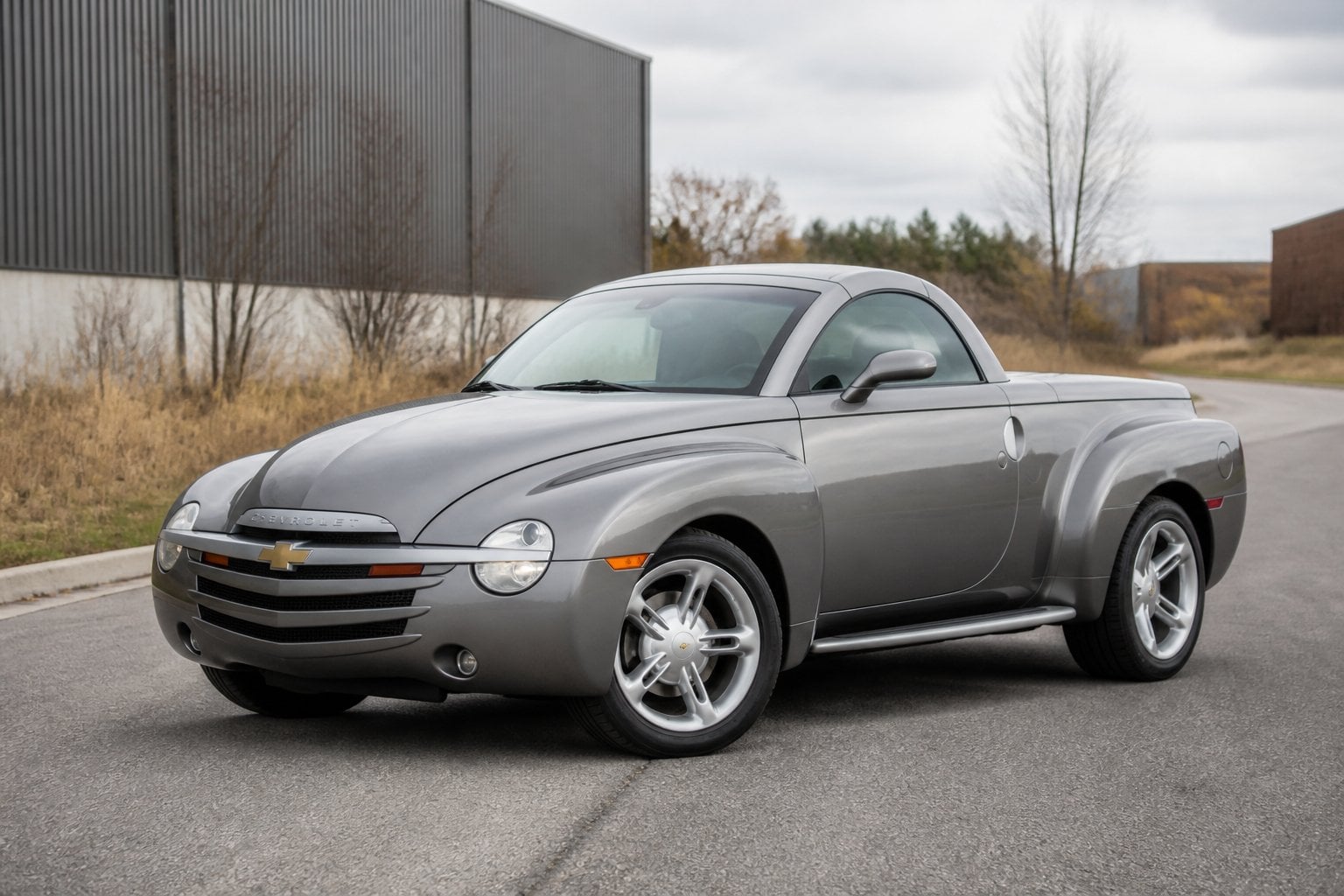
You look at the SSR and see a genuine identity crisis on wheels. Chevrolet marketed it as a Super Sport Roadster, but it also carried a retractable hardtop and a pickup bed. You get a vehicle that tried to be a hot rod, a convertible, and a truck all at once.
The bubble-shaped front end drew mixed reactions from the start. Some buyers found it charming; most found it confusing. You could see the styling as a callback to 1940s Chevy trucks, but the execution felt bulky rather than nostalgic.
Performance didn’t help matters either. The 2003 model packed a 5.3-liter V8 with 300 horsepower, yet the SSR still needed about 7.5 seconds to hit 60 mph due to its near 4,500-pound weight.
You saw sales numbers confirm the mismatch between concept and demand. Chevrolet moved only 24,112 units across three years before pulling the plug in 2006.
12. Chevrolet HHR
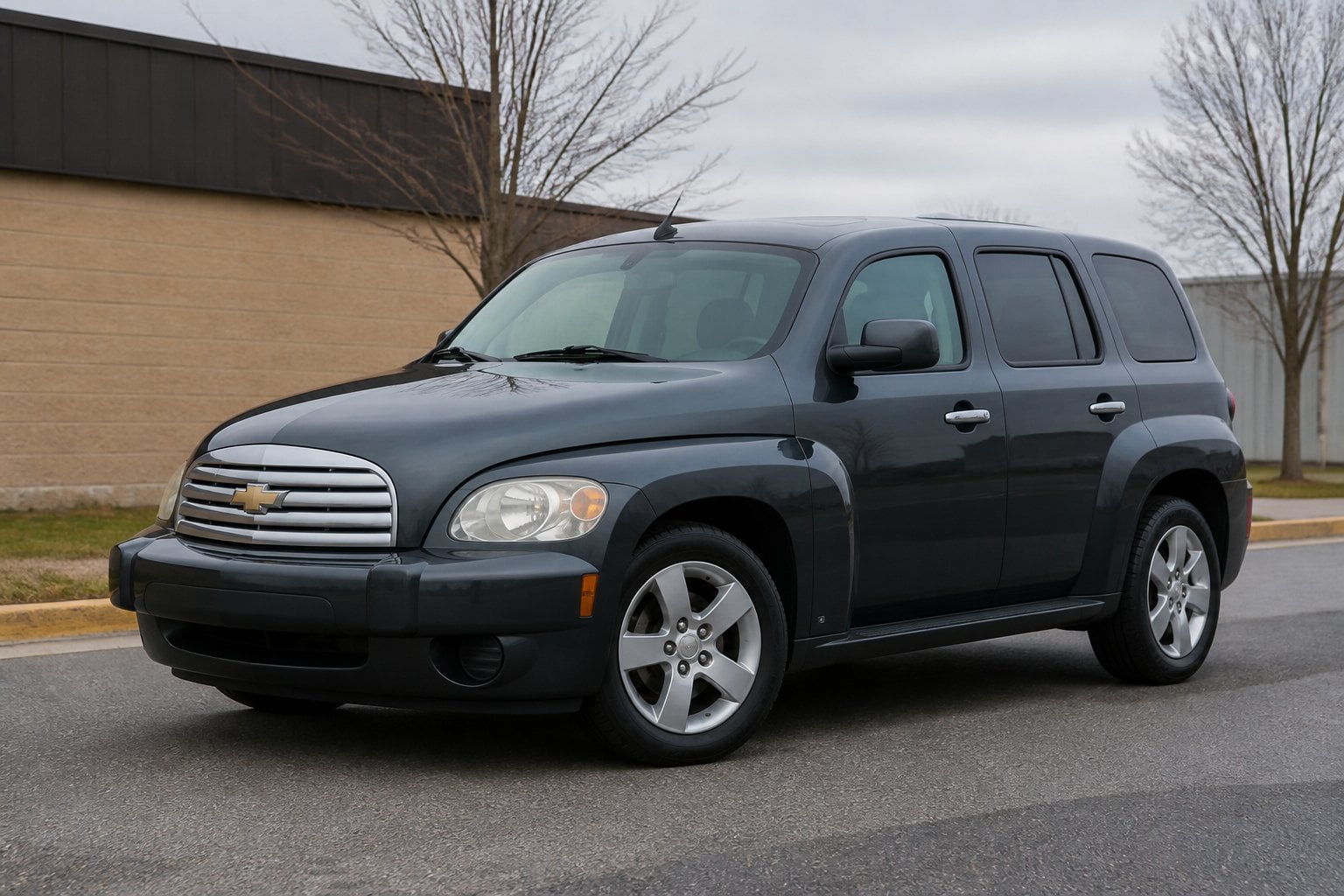
The HHR ran from 2006 to 2011, and its retro wagon styling drew comparisons to the Chrysler PT Cruiser. You’ll find its design memorable, but reliability tells a different story.
The 2007 model year stands out for the wrong reasons, with over 550 NHTSA complaints logged against it. Steering problems show up repeatedly across the lineup, and power steering shutdowns became a common complaint on several model years.
You also need to know about the ignition switch recall, which affected 2.6 million GM vehicles including the HHR. Door handle failures and suspension issues added to owner frustrations in early production years.
With more than 30 official recalls spanning the entire run, you’re looking at a car with a troubled maintenance history. If you’re considering a used HHR, checking the specific model year’s complaint record matters more than usual.
13. Chevrolet Avalanche
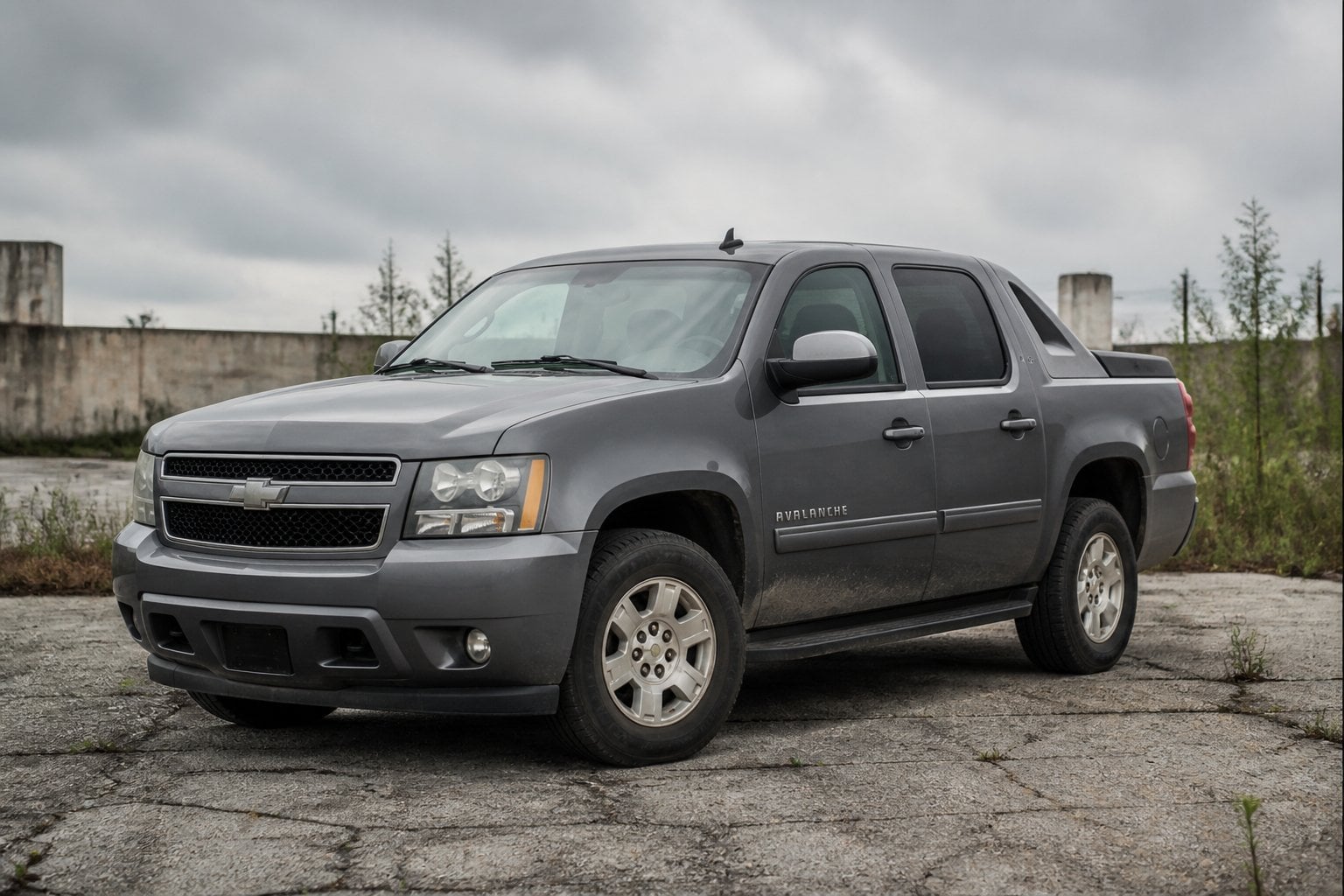
The Chevrolet Avalanche ran from 2002 to 2013, blending a pickup bed with SUV-style seating and a midgate that opened between the cabin and cargo area. You’ll find this feature clever in concept, but it created long-term durability problems.
Early models, especially 2002 through 2006, are known for cracked dashboards and instrument cluster failures. If you’re looking at these years, expect to deal with faulty gauges and interior trim issues.
The 4L60E transmission also caused trouble in several model years, particularly when the truck was used for towing. You’ll want to check transmission history carefully before buying one used for heavy-duty work.
The midgate system, while useful for hauling long items, was prone to water leaks over time. This led to interior damage and rust in some units, making the Avalanche a risky choice if you prioritize long-term reliability.
14. Chevrolet Cobalt
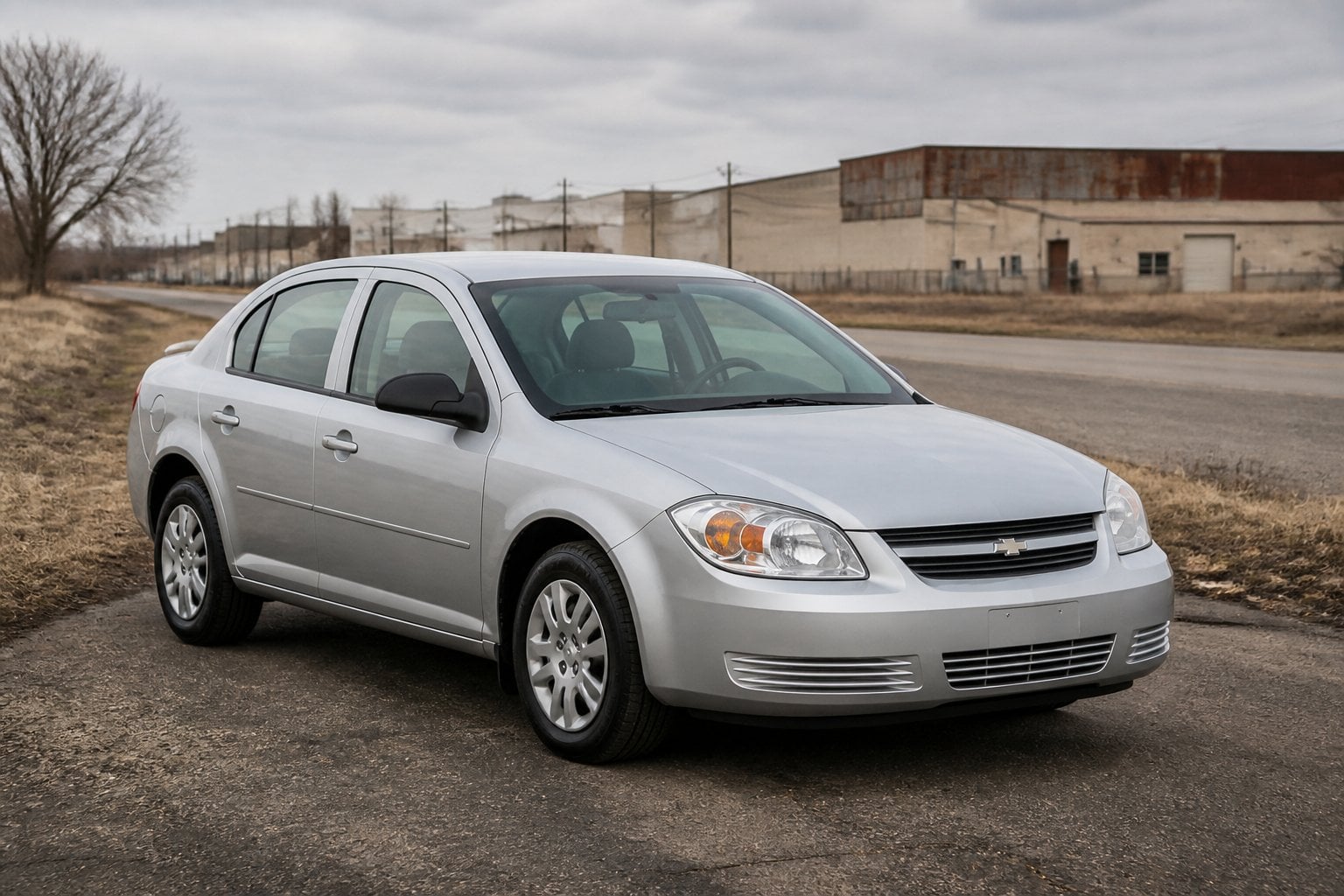
The Chevrolet Cobalt replaced the Cavalier in 2005, and it never quite escaped that legacy. You get a compact car that felt cheap in almost every way that mattered, from the interior materials to the driving experience.
The ignition switch problem stands out as the Cobalt’s most serious flaw. Faulty switches could shut off the engine and disable airbags while driving, a defect linked to over a dozen deaths and a massive GM recall in 2014.
You also deal with power steering failures, especially in early models. The electric power steering system frequently lost assist without warning, making the car harder to control at low speeds.
Interior quality doesn’t hold up well either. Cheap plastics, road noise, and a stiff ride remind you this was built on a tight budget, not for comfort or refinement.
15. Chevrolet Cruze
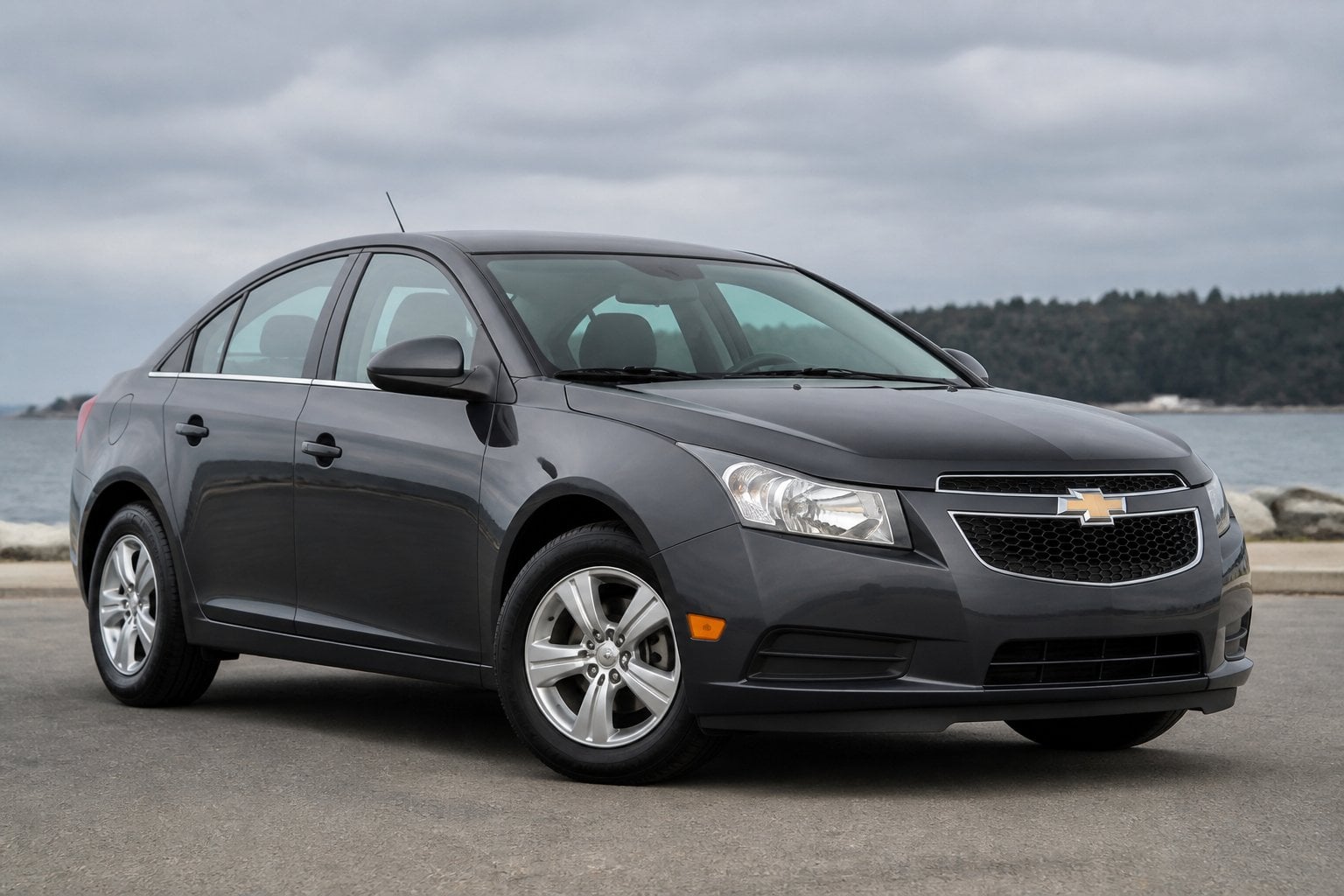
You might remember the Chevrolet Cruze as GM’s attempt to compete in the compact car segment, but early models gave you plenty of reasons for regret. The 2011 and 2012 model years stand out as the weakest, with turbocharger failures, coolant leaks, and PCV valve issues topping complaint lists.
You’ll find that early Cruze owners frequently reported engine stalling and transmission problems, sometimes occurring well before 100,000 miles. Electrical gremlins added to the frustration, affecting power windows and infotainment systems.
If you’re shopping for a used Cruze, you should know reliability improved significantly by 2017 through 2019. The 2016 model deserves extra scrutiny since Chevrolet sold both a redesigned Cruze and the older Cruze Limited that year, creating confusion for buyers.
Your best bet is avoiding anything from 2011 through 2014 if dependability matters to you.
16. Chevrolet Malibu Maxx
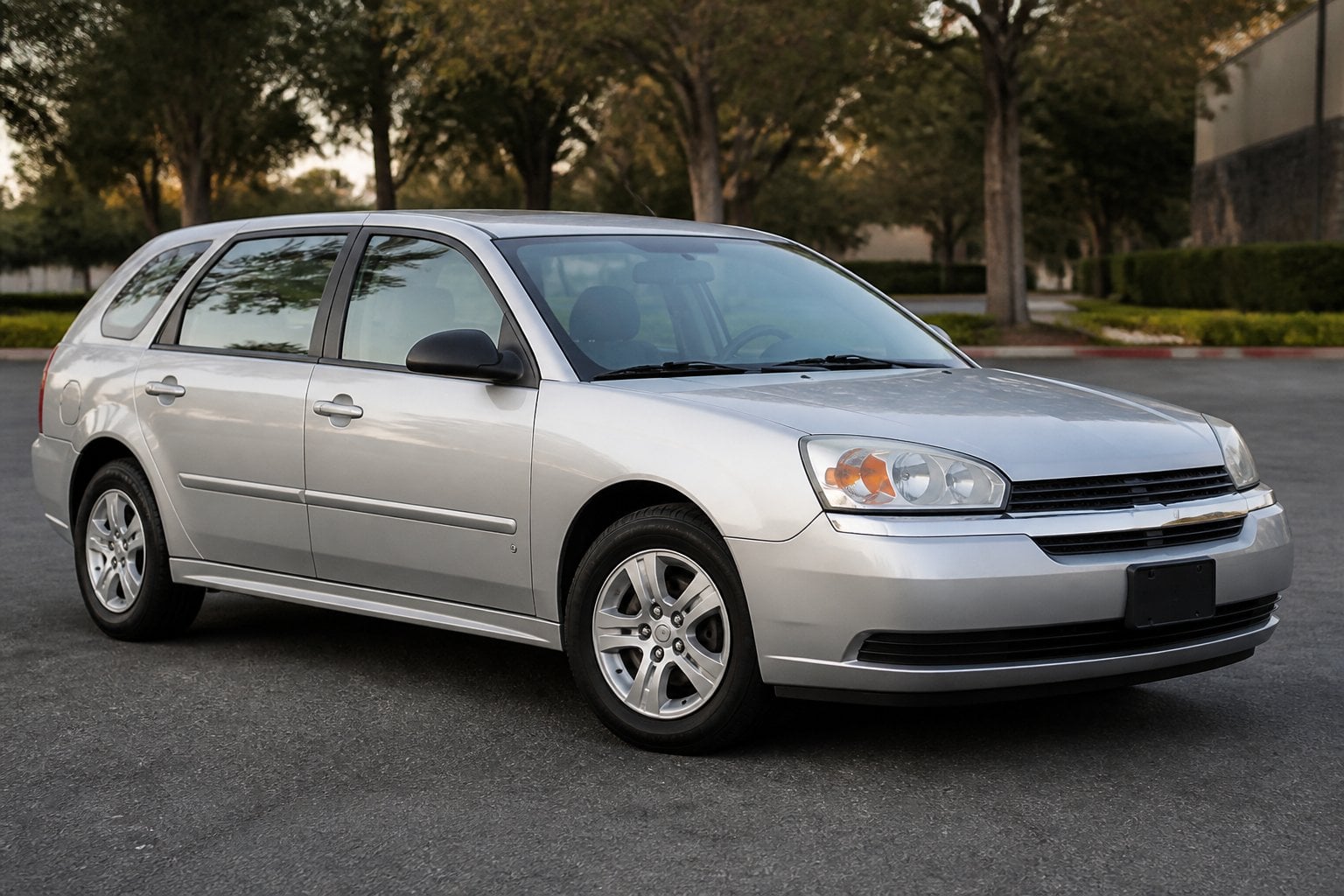
You’ll find the Malibu Maxx was Chevrolet’s attempt at a hatchback-sedan hybrid, produced from 2004 to 2007. The extended body and liftback design set it apart from the standard Malibu, but the execution left owners with a list of complaints.
Your biggest concerns center on the 2004 model year. Electrical issues and power steering failures were common early problems, and NHTSA complaint data shows this year drew the most owner reports.
If you’re considering one, know that lighting system failures also rank among the frequent complaints across the lineup. GM did improve things over time, and the 2006 and 2007 models addressed many of these early flaws.
You should still approach earlier examples with caution. The Malibu Maxx never sold as well as its sedan counterpart, and its reliability record explains why it didn’t last beyond four model years.
17. Chevrolet Impala (2000–2005)
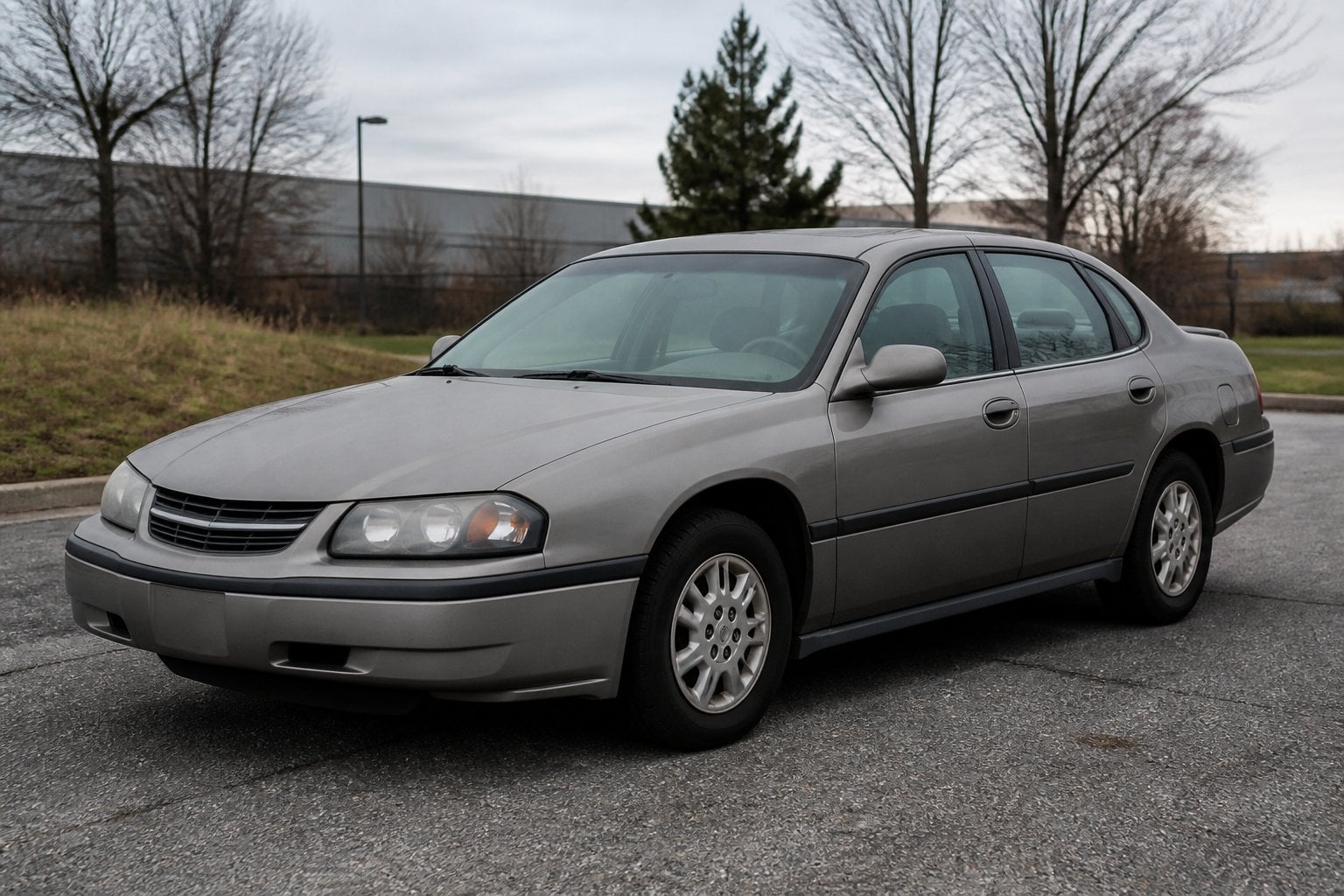
You’ll find this generation of Impala near the bottom of most reliability rankings, and the complaint numbers back that up. Intake manifold gasket failures on the 3.4L V6 were common, often leading to coolant leaks that could go unnoticed until real damage occurred.
Electrical issues plagued these cars too. You might deal with faulty gauges, warning lights that won’t turn off, or intermittent starting problems tied to the security system.
Transmission trouble shows up frequently in owner reports, especially as mileage climbs past 100,000. Repairs weren’t cheap, and many owners faced repeat visits to the shop for the same underlying issues.
If you’re considering one of these years, you should factor in the likelihood of ongoing maintenance costs. The low purchase price often gets offset by what you’ll spend keeping it running reliably.
18. Chevrolet Monte Carlo (1995–1999)
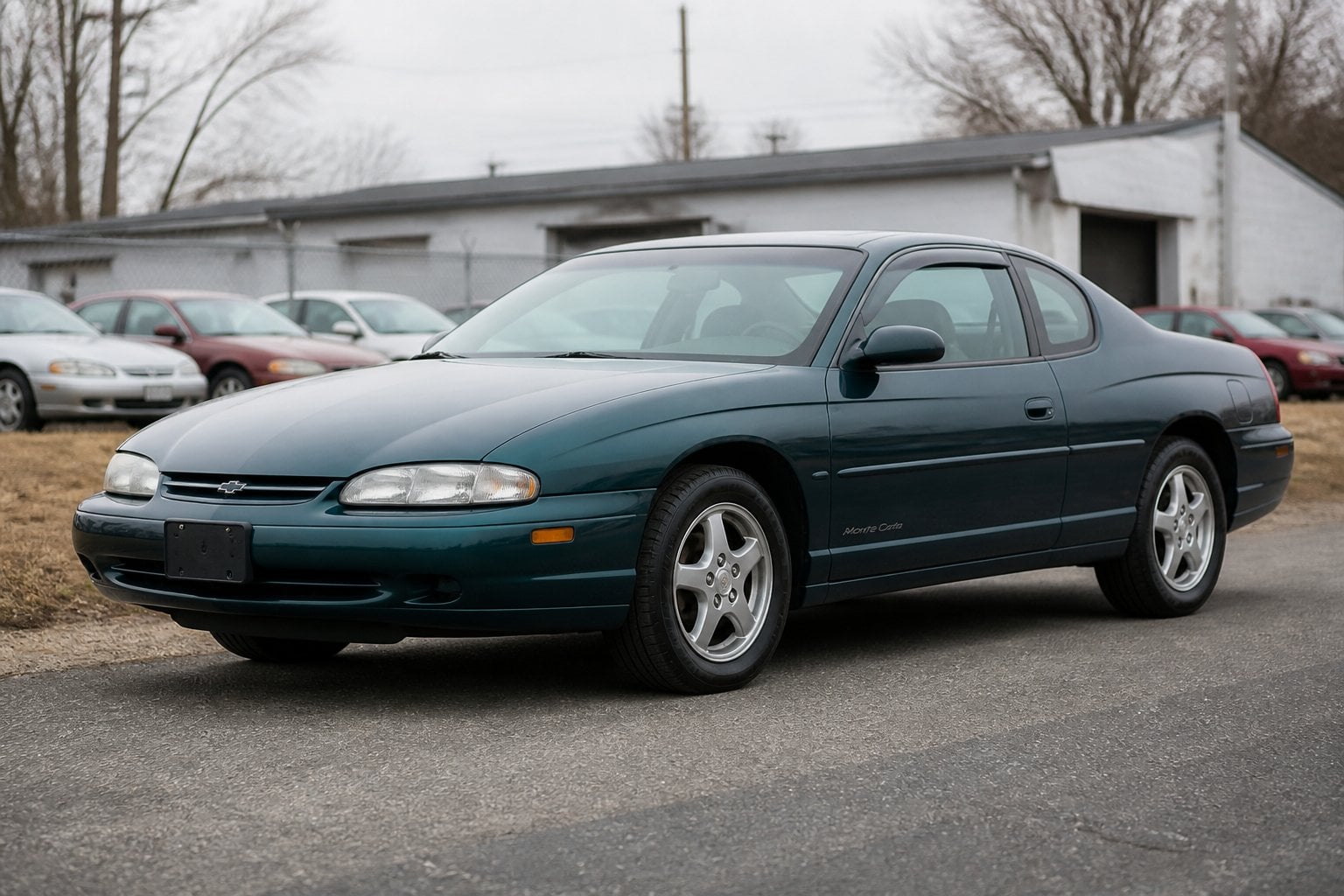
If you’re shopping for one of these Monte Carlos, you should know the fifth generation had a rocky start. The 1995 model alone accumulated over 250 owner complaints, with transmission failures topping the list.
You’ll also want to watch for electrical gremlins. Owners reported dashboard warning lights, power window failures, and wiring issues that cropped up without warning.
Engine problems plagued this generation too. The 3.1L V6 found in these cars developed a reputation for intake gasket failures, and you’ll likely encounter complaints about stalling and rough idling if you look at owner forums.
By 1999, brake and HVAC issues joined the list of recurring headaches. You should expect to budget for AC repairs if you’re considering a used model from this era.
Given the volume of complaints across these five model years, you’re better off looking at later Monte Carlo generations if reliability matters to you.
19. Chevrolet Caprice Classic (1977–1990)
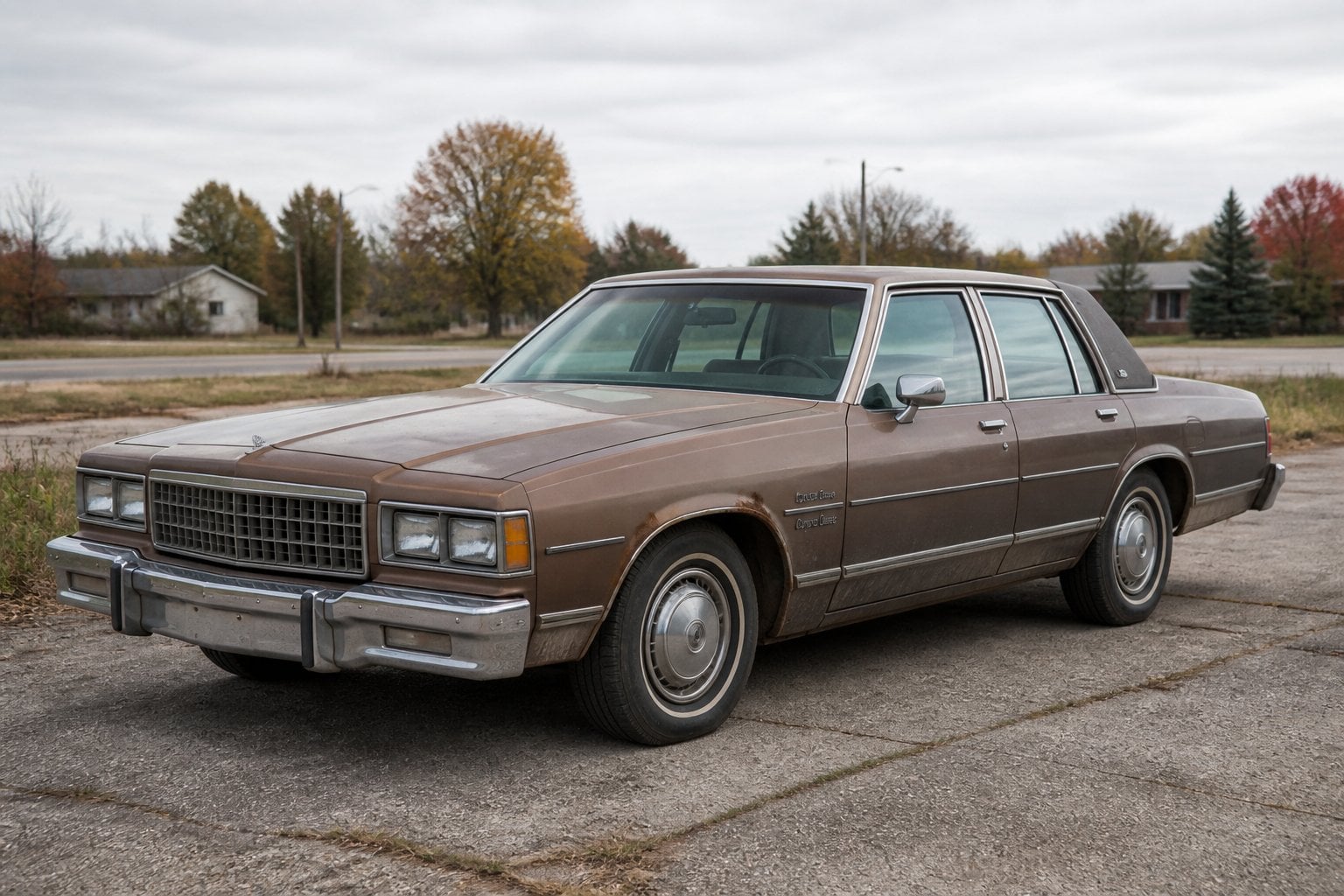
You get a full-size sedan that prioritizes comfort over excitement. The fourth-generation Caprice trimmed weight and size compared to earlier models, but you still end up with a car that feels sluggish and disconnected on the road.
Handling is soft and vague. If you push it through corners, you’ll notice significant body roll and imprecise steering response.
The 3-speed automatic transmission stuck around longer than it should have on several engine options, leaving you with a drivetrain that feels dated even by late-1970s standards. Fuel economy improvements from the weight reduction come at the cost of driving engagement.
You’re buying this car for cruising and hauling, not for performance. It works fine as a highway commuter or family car, but you won’t find any driving satisfaction here. Compared to import sedans of the same era, the Caprice Classic falls short in refinement and road feel.
20. Chevrolet Camaro (1982)
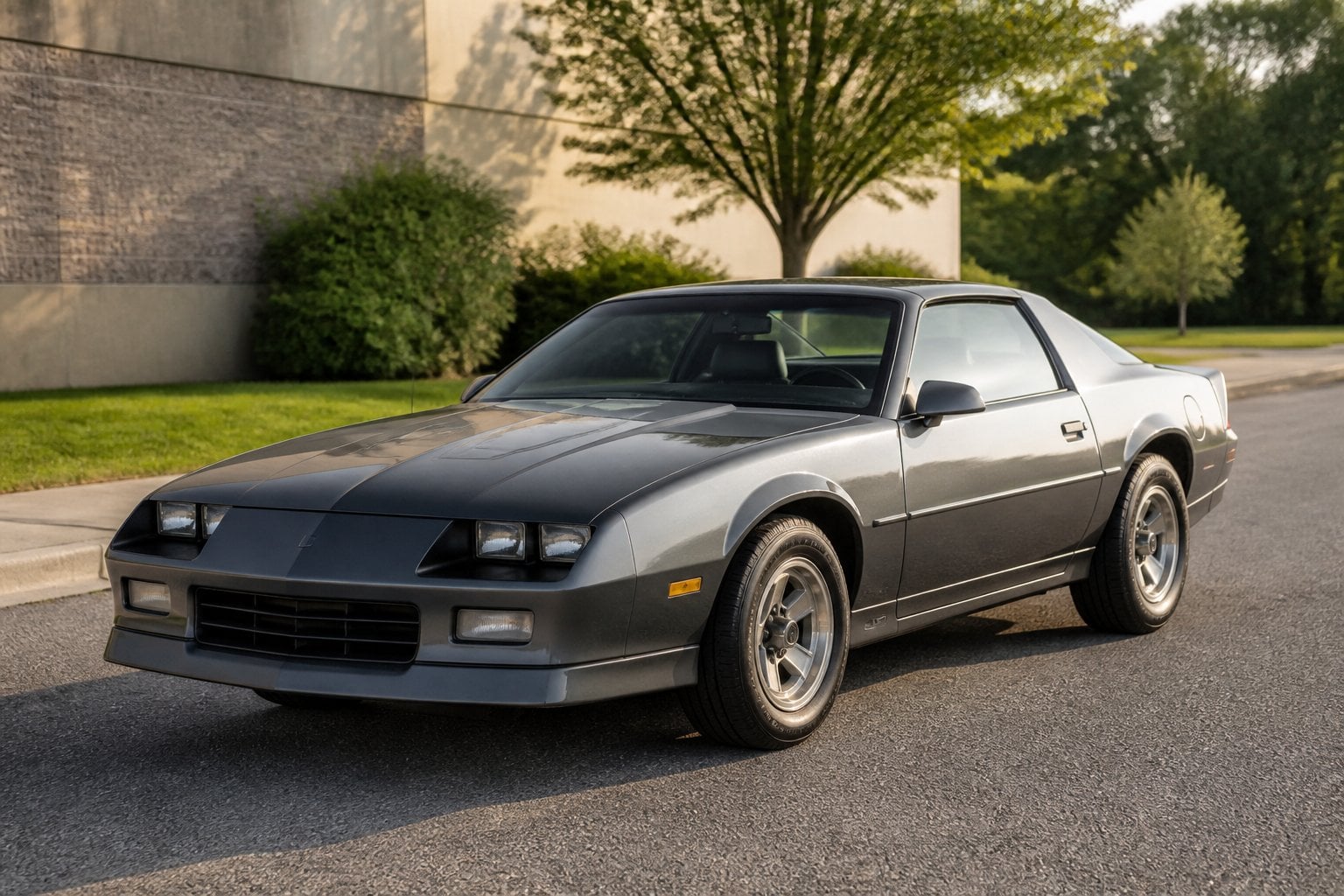
The 1982 Camaro introduced the third generation, and it brought a major styling and handling update over the previous model. But if you look under the hood, you’ll find a letdown.
The range-topping Z28 came with the Cross-Fire Injection 305 V8, which produced only 165 horsepower. That figure fell well short of what buyers expected from a Camaro nameplate built on decades of muscle car history.
You’ll also notice the performance numbers reflect this weakness. Acceleration was sluggish by muscle car standards, and the car’s aggressive looks promised more than the engine could deliver.
Early third-generation models like this one struggled with these output issues until Chevrolet improved the platform later in the decade. If you’re shopping for a classic Camaro, you should know the 1982 model represents one of the weakest performance years in the car’s lineup.
21. Chevrolet Camaro (1993–2002)
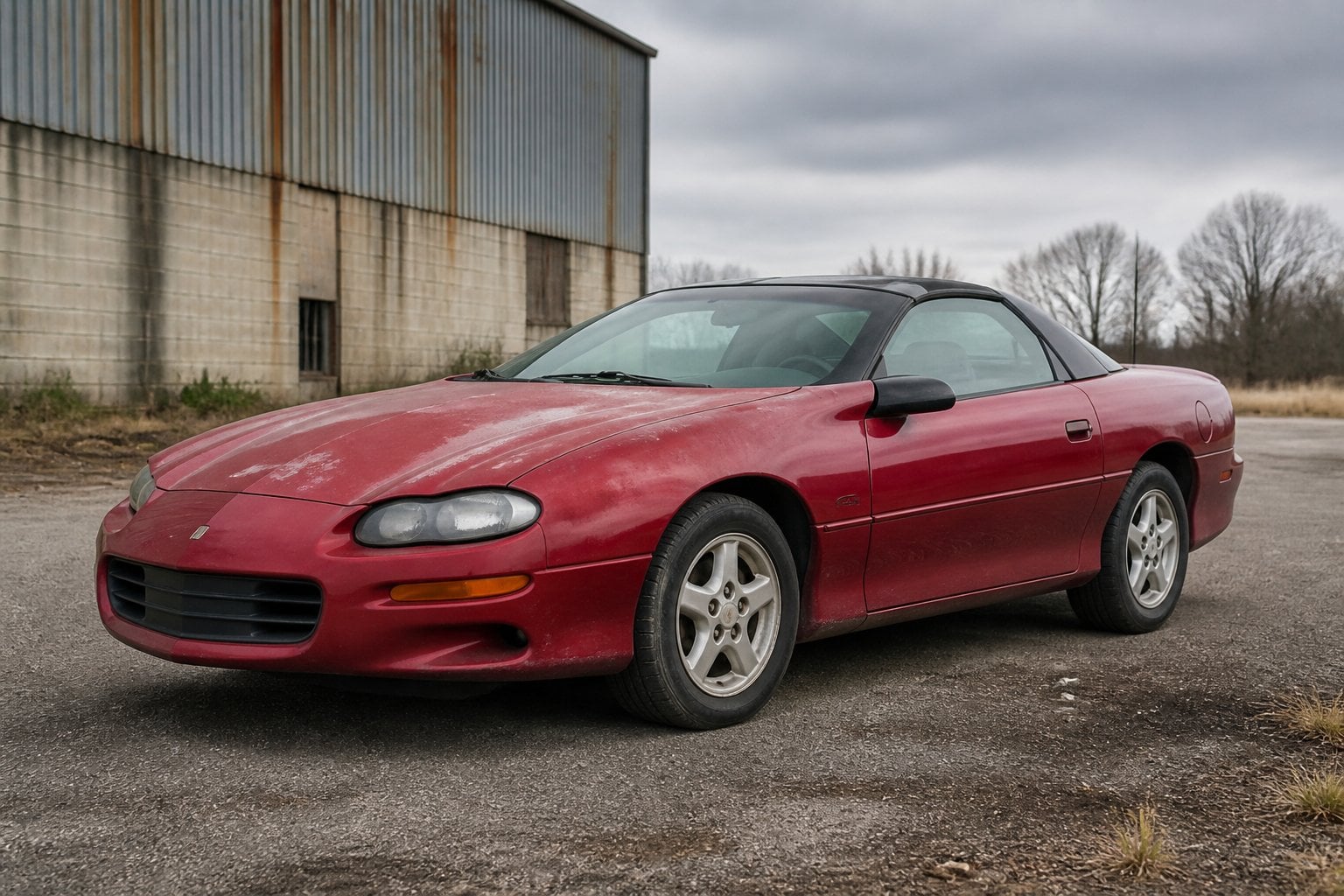
This fourth-generation Camaro brought back real V8 power, but you’re taking on a mixed reliability record when you buy one. Owners have logged nearly 100 complaints, and the generation ranks near the bottom of Chevrolet’s overall reliability list.
Engine and cooling system issues show up most often. You may encounter overheating problems, gasket failures, and coolant leaks that require frequent attention.
The final two years, 2001 and 2002, tend to be the weakest of the bunch. By then, the platform was aging, and several mechanical shortcomings had become well documented.
If you’re considering one, expect ongoing maintenance costs tied to the cooling system and engine components. Electrical gremlins and interior wear are also common complaints among owners who’ve kept these cars long-term.
You’ll get muscle car styling and V8 performance, but you should budget for repairs if you want one to stay road-ready.
22. Chevrolet Corvette 305 Cross-Fire Injection
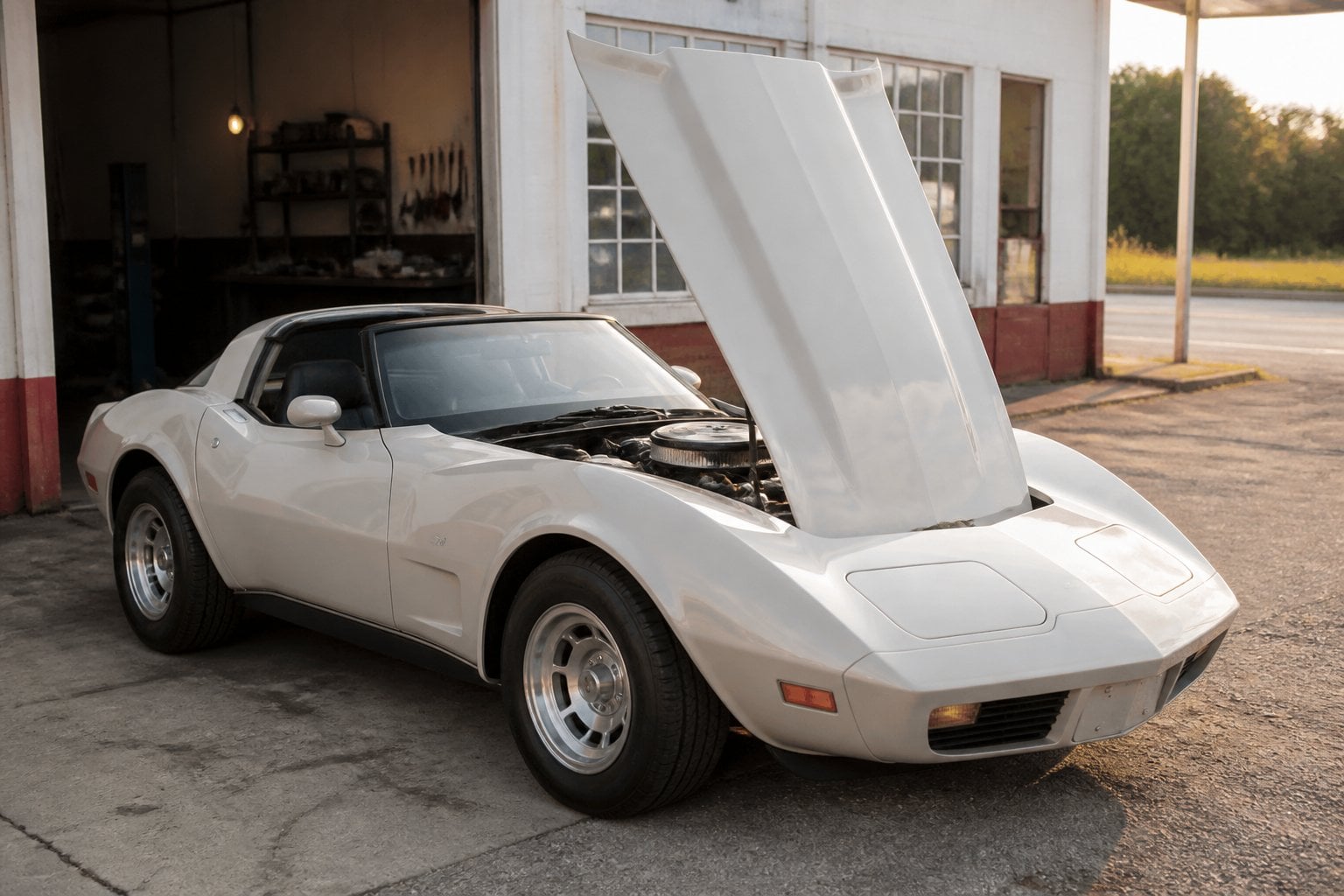
You might expect Chevrolet’s first fuel-injected Corvette since the 1960s to be a triumph. Instead, you get a lesson in how good intentions on paper don’t always translate to the road.
The Cross-Fire system used two throttle bodies mounted on a 305 V8, designed to meet emissions standards while trying to preserve some performance. GM needed a solution that would satisfy federal fuel economy rules without gutting the Corvette’s reputation entirely.
You end up with an engine that produces less power than you’d expect from a Corvette of any era. The dual throttle body setup created complications rather than solving them, and the electronics of the time weren’t refined enough to manage it well.
You can find 1982 and 1984 model years equipped with this system. Both are remembered as low points in an otherwise strong performance lineage.
23. Chevrolet Monza
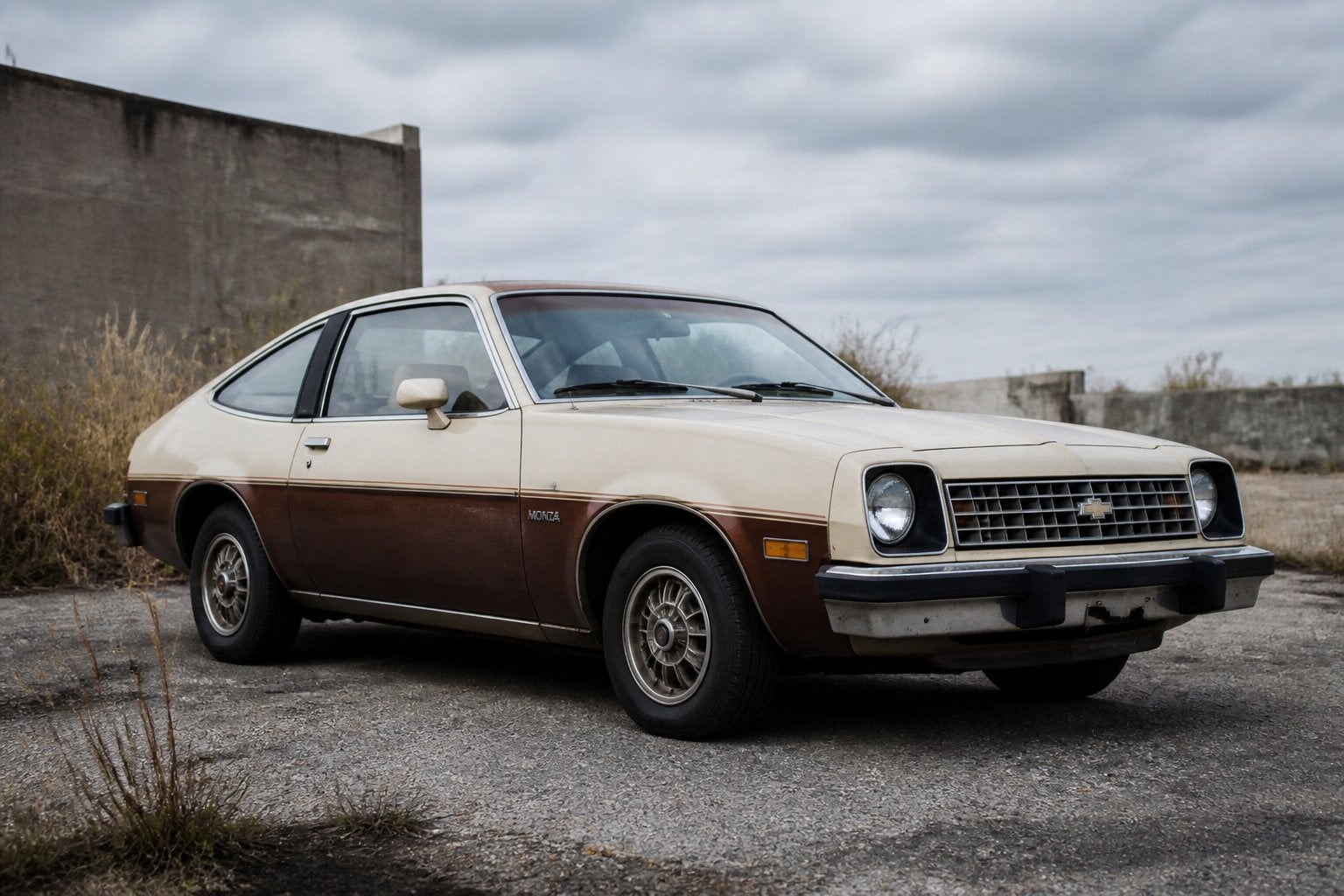
You get a subcompact that promised sporty performance but rarely delivered on it. Built from 1975 to 1980, the Monza shared its platform, wheelbase, and standard inline-four engine with the troubled Chevrolet Vega.
That shared foundation meant you inherited the Vega’s weaknesses along with its parts. Weak engines left you underpowered, and the tight interior didn’t do the sporty image any favors.
Rust was a persistent problem you couldn’t ignore. Body panels corroded faster than expected, and several components were placed in spots that made basic maintenance a frustrating chore.
You ended up with a car that looked the part but couldn’t back it up mechanically. Combine underwhelming performance with durability issues, and it’s clear why the Monza faded from Chevrolet’s lineup without much resistance from buyers.
24. Chevrolet LUV
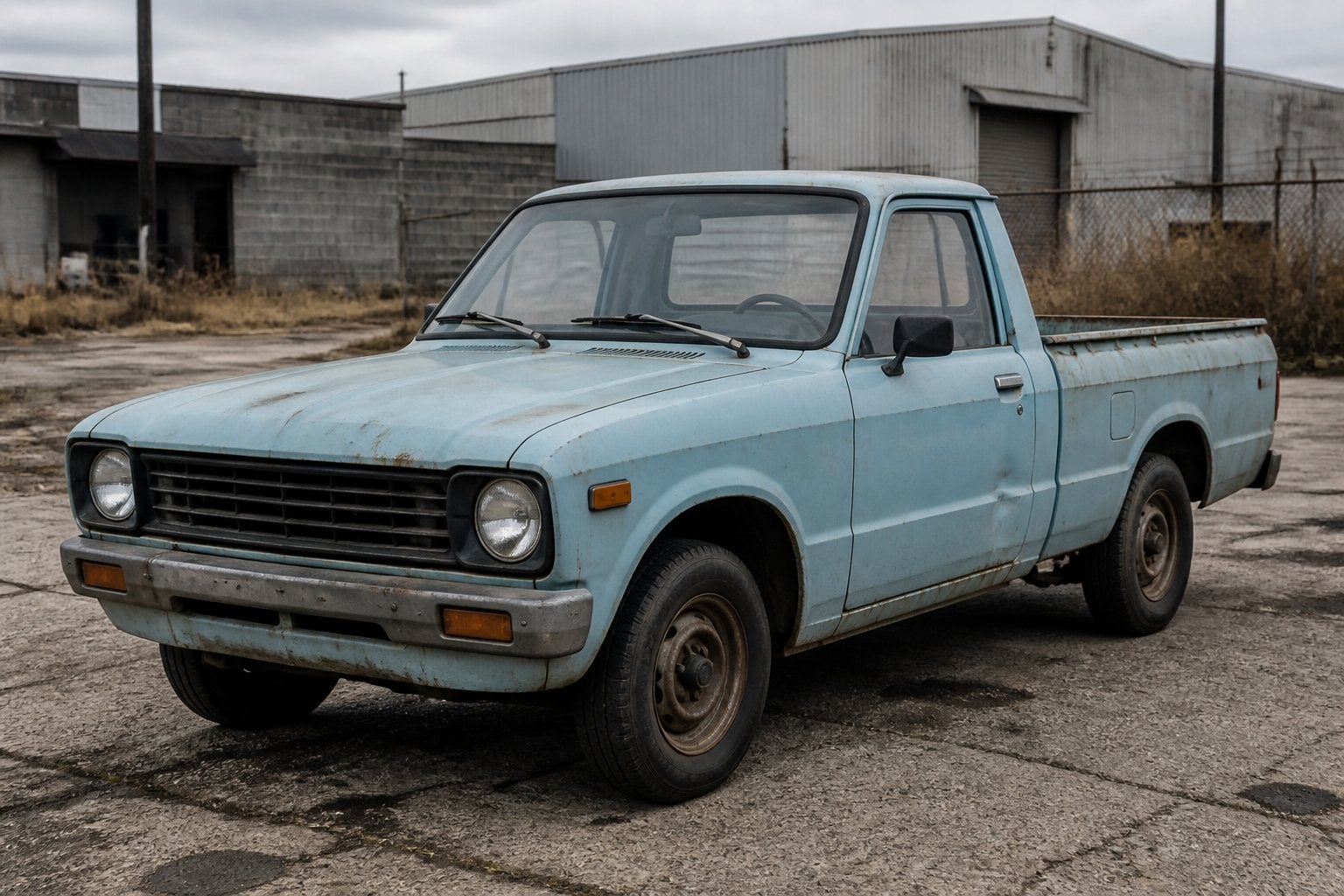
The Chevrolet LUV wasn’t technically a Chevy design at all. You were buying a rebadged Isuzu pickup, sold in the US from 1972 through 1982 to give Chevy a foothold in the small truck market.
The name stood for Light Utility Vehicle, and that description was about as exciting as the truck itself. You got a small, underpowered engine that struggled with any real workload, making it a poor choice if you needed a truck for actual labor.
Rust was another major issue. If you owned a LUV in a wet or snowy climate, you likely watched the body corrode faster than comparable trucks from the era.
The LUV also lacked any real personality or performance to make up for its shortcomings. It served a purpose, but you’d struggle to find anyone who remembers it fondly.
25. Chevrolet Sprint
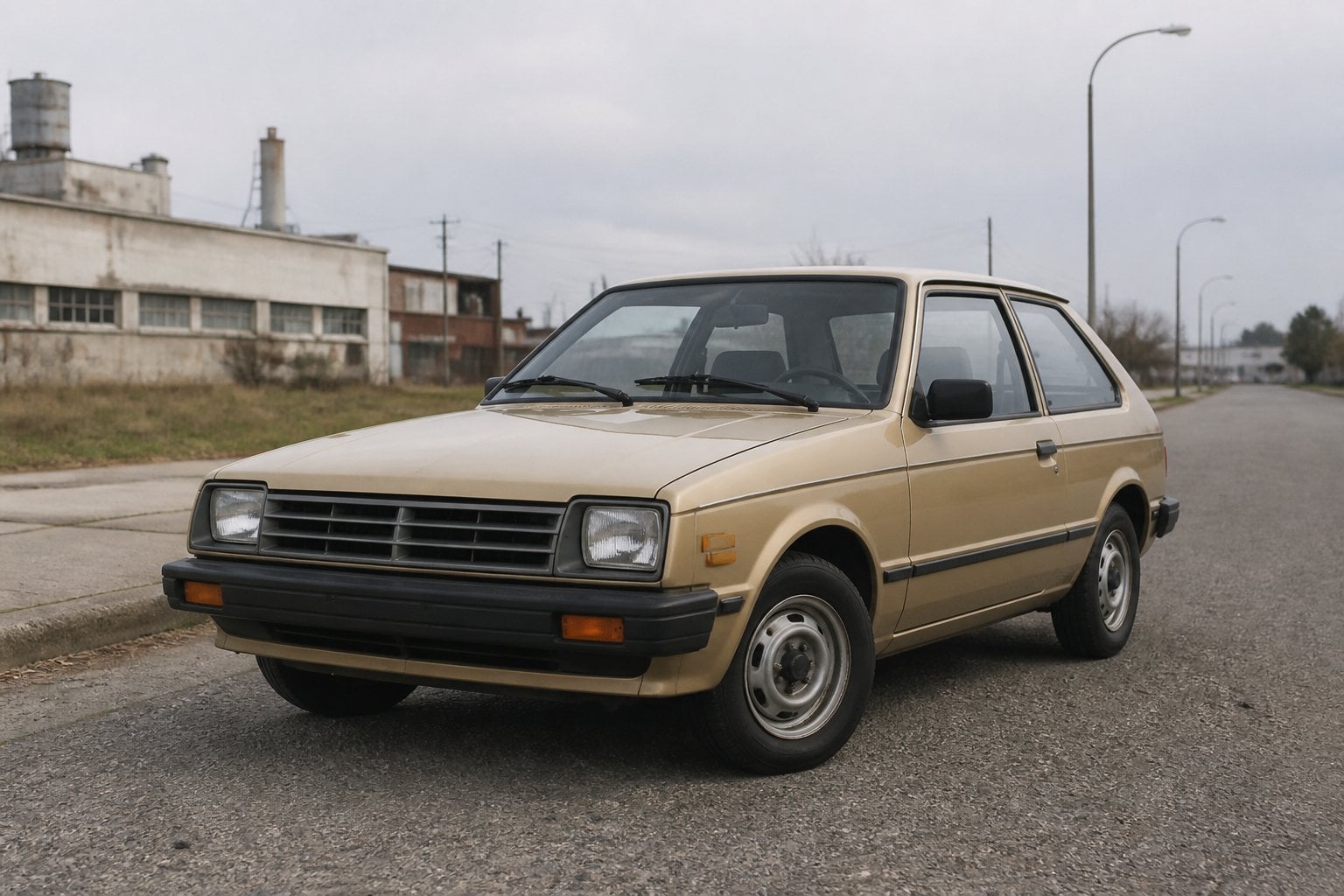
The Chevrolet Sprint arrived in the mid-1980s as a rebadged Suzuki Cultus, giving you a compact, fuel-efficient option during a period when gas mileage mattered to buyers.
You got a lightweight body and a small three-cylinder engine, which helped with fuel economy but left you with sluggish acceleration and minimal power for merging or highway driving.
The interior felt sparse, and you’d notice the thin sheet metal and basic build quality compared to other subcompacts on the market at the time.
Rust became a common issue, especially in colder climates, and you’d find the Sprint’s structural durability lacking after just a few years of regular use.
While it served its purpose as cheap transportation, the Sprint didn’t offer much in terms of comfort, safety, or long-term reliability for your money.
26. Chevrolet Spectrum
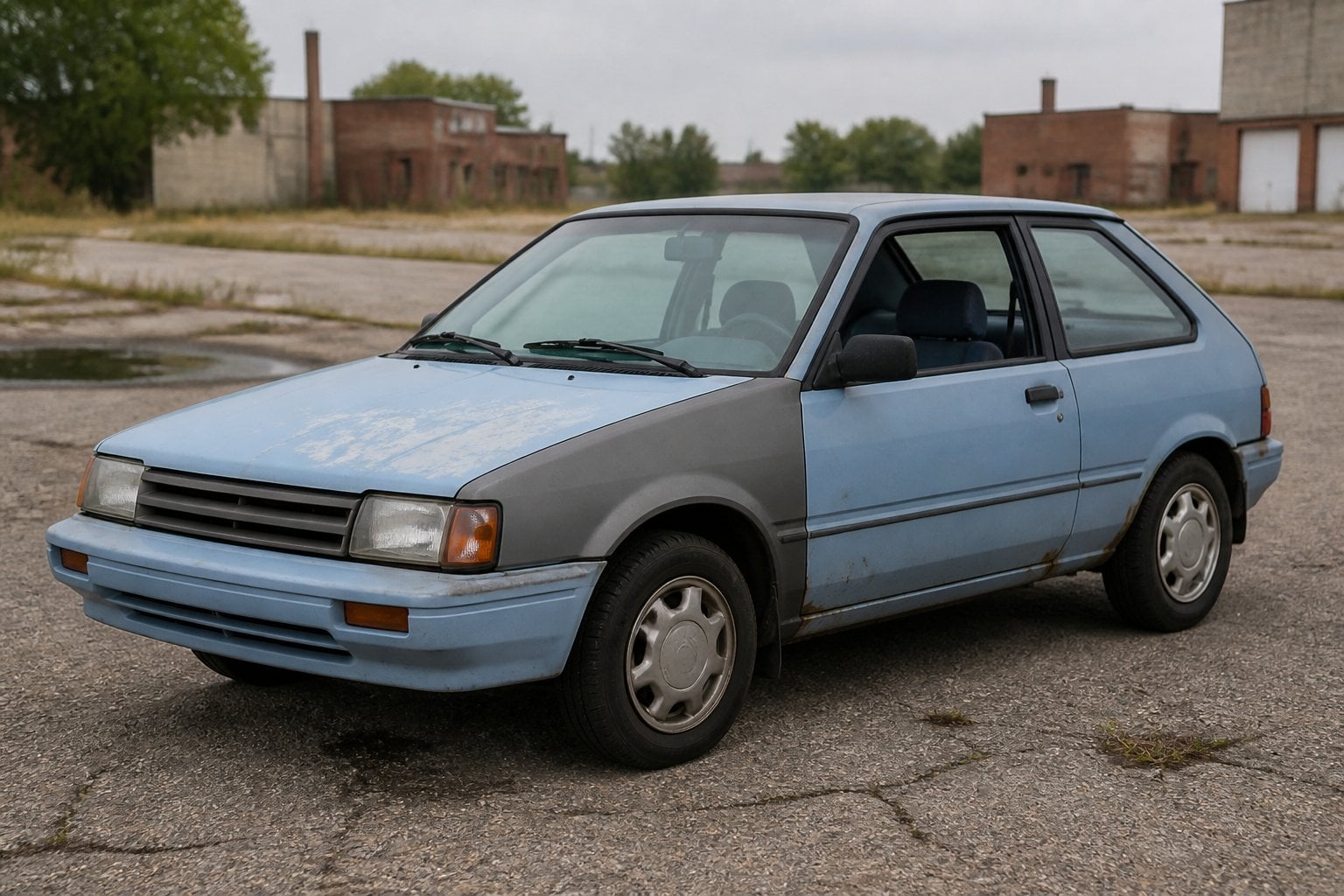
The Chevrolet Spectrum was a compact car sold in the late 1980s, built on a design licensed from Isuzu. You got basic transportation with little personality and few features that stood out against competitors.
Its four-cylinder engine gave you adequate fuel economy but underwhelming performance. Acceleration felt sluggish, and the ride quality did little to inspire confidence on longer drives.
Build quality was inconsistent, and interior materials felt cheap even by economy car standards of that era. You’d notice road noise and a lack of refinement compared to rivals from Honda or Toyota.
The Spectrum never developed a following or a lasting identity within Chevrolet’s lineup. It disappeared from showrooms after a short run, overshadowed by more capable compacts.
Today, you’d struggle to find one on the road, and there’s little collector interest in preserving them. It remains a forgettable chapter in Chevrolet’s history of imported, rebadged models.
27. Chevrolet Metro
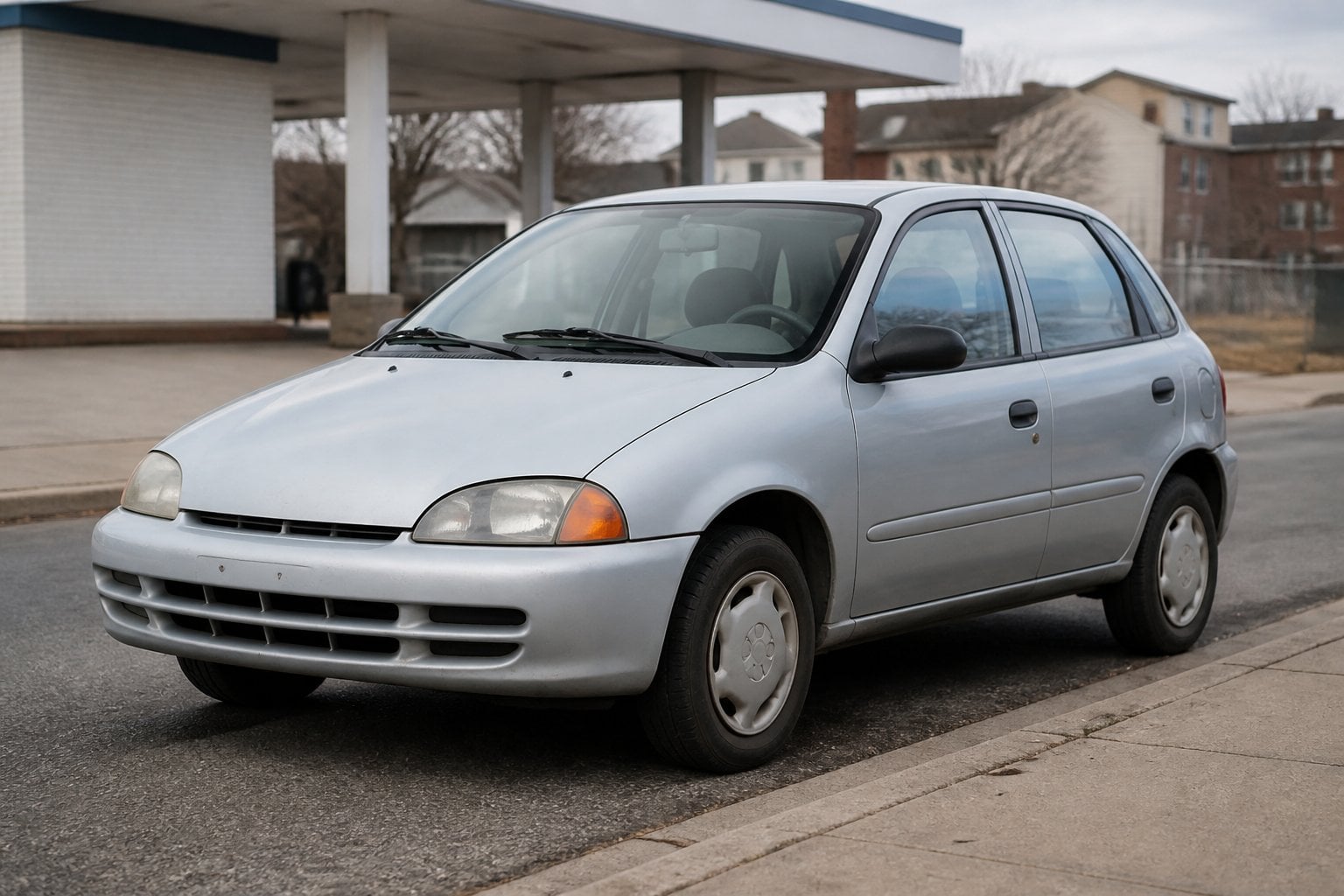
You get a car built for one purpose: basic transportation at the lowest possible cost. The Metro was Chevrolet’s rebadged version of the Suzuki-designed subcompact, sold through the 1990s.
Power came from tiny three-cylinder or four-cylinder engines, some producing barely 55 horsepower. You won’t find quick acceleration or highway confidence here; merging onto fast-moving traffic often felt like a gamble.
The interior matched the budget mission. Hard plastics, thin seats, and minimal sound insulation were the norm, so you heard every bit of road and engine noise.
Safety ratings were unimpressive even by 1990s standards, with crash tests showing poor protection in collisions. You also dealt with a car that felt flimsy at highway speeds, easily pushed around by crosswinds or passing trucks.
Fuel economy was its one genuine strength, but that single benefit couldn’t offset the compromises you accepted everywhere else.
28. Chevrolet Tracker
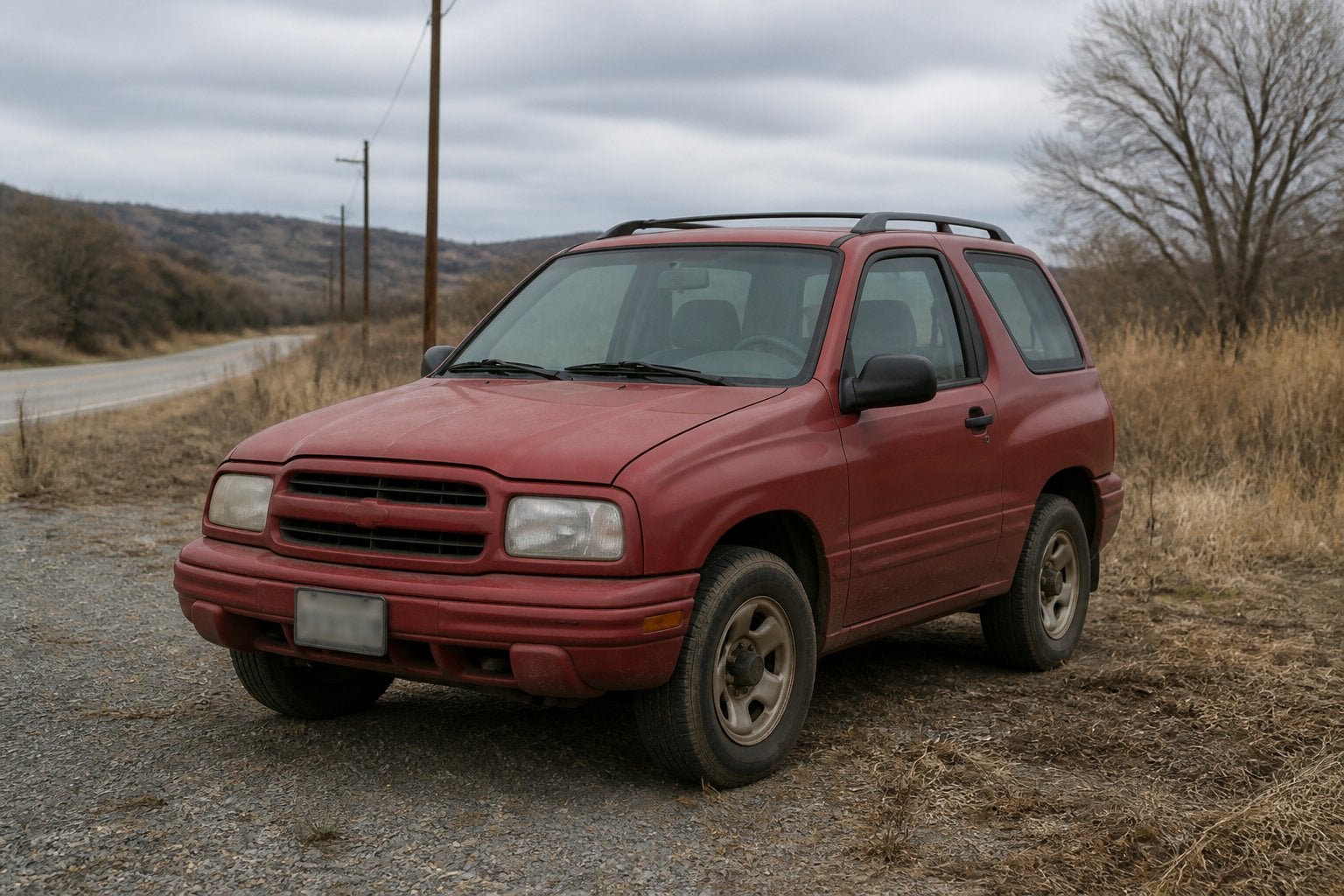
The Chevrolet Tracker was a compact SUV built on Suzuki underpinnings, and it showed. You get a vehicle that feels underpowered and cheaply put together, especially in early 2000s model years like 2000 through 2004.
Reliability data points to frequent complaints about engine and transmission problems during this stretch. You’ll also notice a stiff ride and interior materials that feel dated even for the era.
Off-road capability was limited despite the SUV badge, so you don’t get much versatility for the price. The Tracker never really competed well against rivals like the Honda CR-V or Toyota RAV4.
If you’re shopping used, you’ll want to steer clear of the early 2000s versions specifically. Later years improved slightly, but the Tracker never shook its reputation as a budget SUV with budget problems.
29. Chevrolet Blazer (1995–2005)
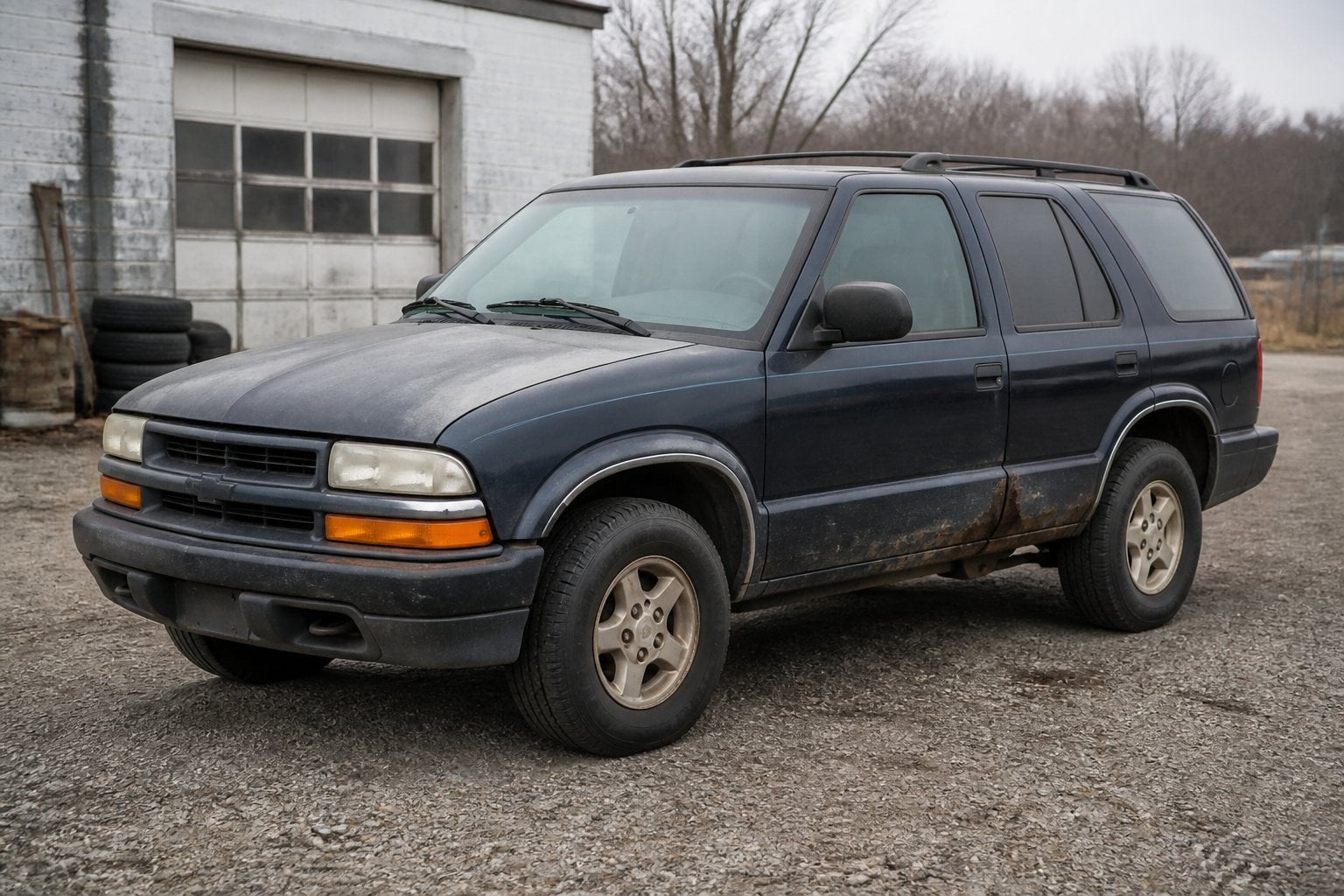
If you’re considering a used Blazer from this generation, you should know its reputation. Owners have logged over 600 complaints against these model years, and transmission failures rank among the most common issues you’ll encounter.
You’ll also want to watch for electrical problems, which surface repeatedly in owner reports. Wiring faults, dashboard warning lights that won’t turn off, and failing sensors are frequent headaches.
Engine stalling affects a notable share of these vehicles too. You might find your Blazer cutting out unexpectedly at low speeds or idle, a problem that’s both inconvenient and potentially dangerous in traffic.
Oil leaks are another recurring complaint you’ll find in owner records. Combined with interior wear issues, these problems add up to significant repair costs over time.
Given the frequency and range of these mechanical faults, you should approach any 1995–2005 Blazer with caution and a thorough inspection.
30. Chevrolet Trailblazer (2002–2005)
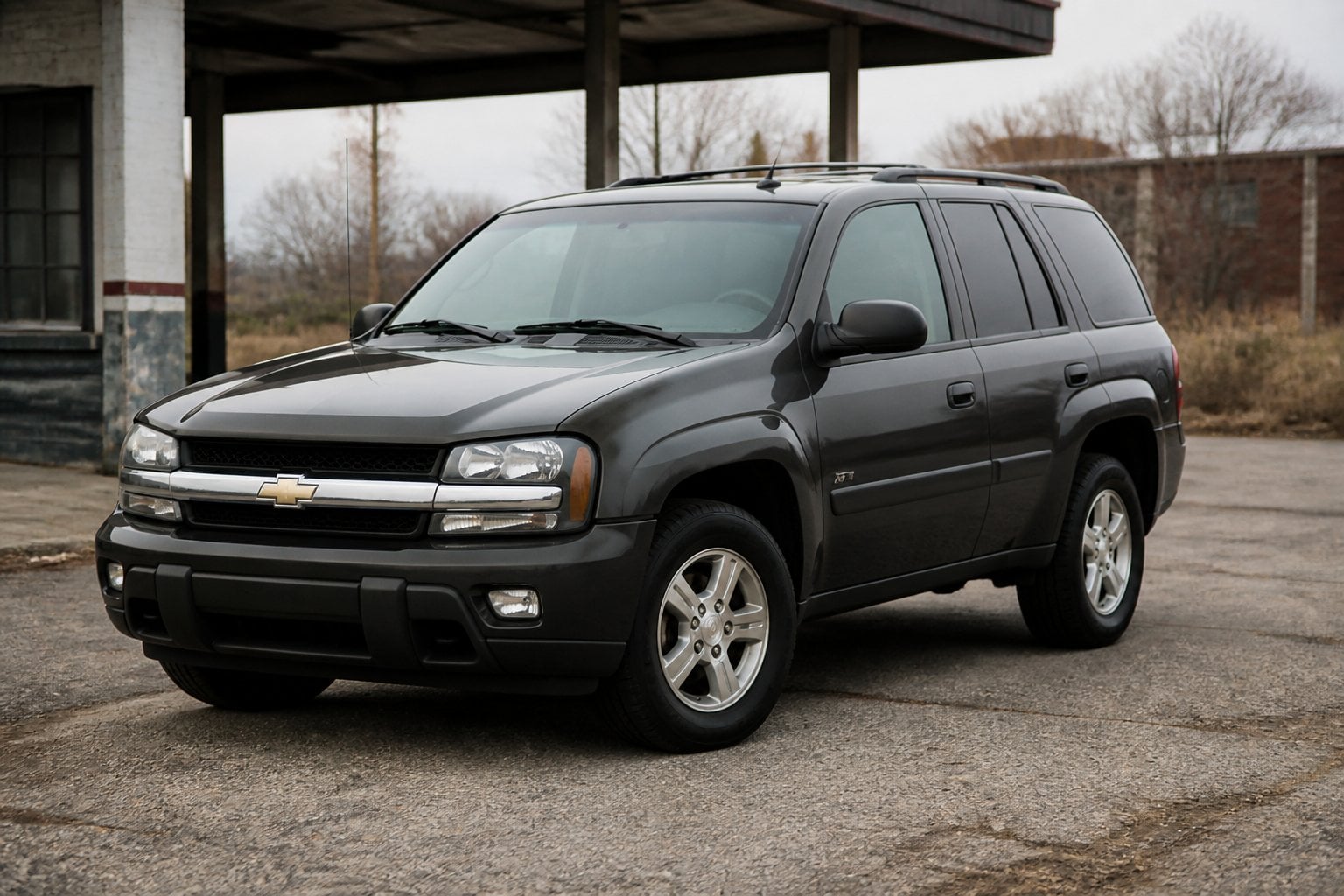
You’ll find these early Trailblazer years among the most complaint-heavy SUVs Chevrolet has produced. The 4.2L inline-6 engine suffers from coolant leaks, timing chain wear, and fan clutch failures that lead to overheating.
Electrical problems are common across these model years. You may encounter faulty sensors, malfunctioning fuel injectors, and instrument panel glitches that can leave you guessing about your vehicle’s actual condition.
The 2005 model stands out as particularly troublesome, with the highest number of NHTSA complaints in the lineup. Engine failures tied to the inline-6 are frequently reported, along with recurring electrical system breakdowns.
If you’re shopping for a used Trailblazer, you should approach these specific years with caution. Repair costs add up quickly when you’re dealing with both engine and electrical issues at once, and the frequency of these problems makes reliability difficult to count on.
How Design, Quality Control, And Market Shifts Shaped Chevrolet’s Missteps
Several factors led to Chevrolet’s worst models, including corporate cost-cutting, rushed engineering, and a failure to read what buyers actually wanted. You can trace most of these failures back to decisions made in boardrooms rather than in engineering labs.
The Role Of Cost Cutting And Platform Sharing
GM’s practice of sharing platforms across multiple brands often forced Chevrolet into compromises. You’ll notice this pattern in models like the Cavalier and Vega, where budget constraints limited material quality and engineering refinement.
Platform sharing made sense financially, but it frequently produced cars that felt generic or underbuilt. Some specific issues included:
- Cheap interior materials that degraded quickly
- Reused engines not suited to newer vehicle weights or uses
- Rushed production timelines to meet sales quotas
- Corner-cutting on rust prevention, as seen in the Vega’s body panels
When your goal is minimizing cost per unit, quality control often suffers. You can see this reflected in recall rates and consumer complaints tied to Chevrolet’s most criticized vehicles.
Why Changing Consumer Expectations Matter
Chevrolet sometimes misjudged what drivers wanted at a given moment. You’ll find this most clearly in the fuel-conscious 1970s and 1980s, when models like the Chevette lagged behind Japanese competitors in reliability and efficiency.
Buyers began expecting more from smaller cars—better fuel economy, tighter build quality, and modern styling. Chevrolet’s slower adaptation left gaps that competitors filled quickly.
You can also see this shift affect larger vehicles. As SUVs and minivans grew in popularity, models like the Uplander failed to match evolving expectations for interior space, safety features, and driving dynamics, making them feel outdated the moment they launched.
What Buyers Can Learn From Chevrolet’s Past Problems
Chevrolet’s recurring issues follow patterns tied to specific engines, transmissions, and production years. Recognizing these patterns before you buy can help you avoid costly repairs and negotiate a fair price.
Common Warning Signs When Shopping Used
Before you inspect a used Chevrolet, check the VIN against NHTSA recall and complaint databases. Look for repeated patterns rather than isolated reports.
Watch for these specific red flags:
- Oil consumption or blue exhaust smoke, common in Cruze and Equinox models with certain four-cylinder engines
- Transmission hesitation or harsh shifting, frequently reported in early Malibu and Impala models
- Dashboard warning lights for stability or traction control, often linked to electrical faults in Bolt and Trax models
- Uneven tire wear or steering pull, sometimes tied to suspension recalls on trucks and SUVs
You should also ask for service records. A pattern of repeat visits for the same issue tells you more than a single repair ever will.
Reliability Records And Ownership Costs
Your ownership costs depend heavily on which model and year you choose. Some Chevrolets hold up well past 100,000 miles; others require major repairs far earlier.
You can reduce risk by comparing complaint data across model years before settling on a specific vehicle. A model with a strong reputation in one year may have a troubled redesign the next.