The 30 Most Expensive Porsches Ever Sold: Record-Breaking Sales at Auction
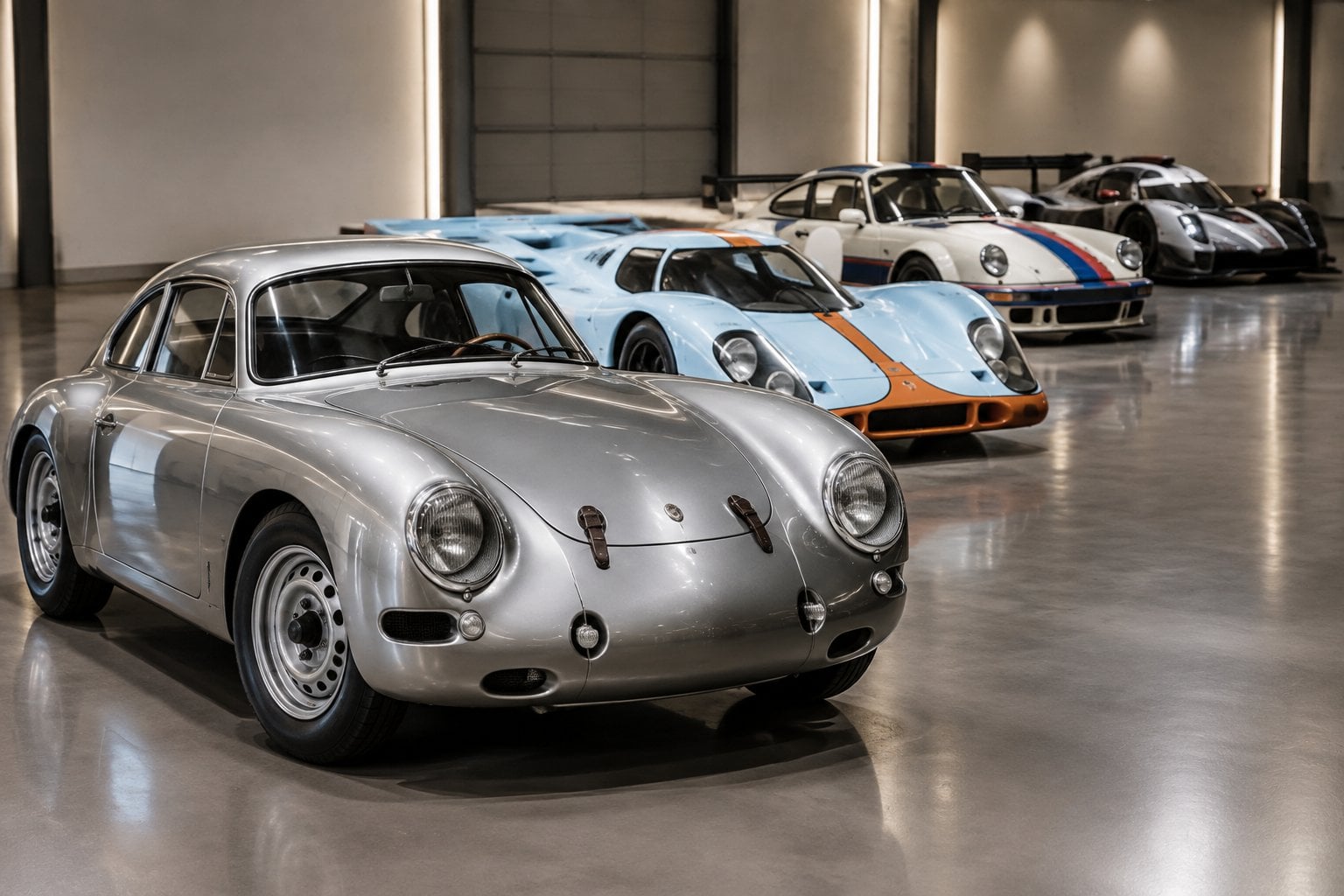
Porsche has built race cars and road cars that collectors now treat as investment pieces rather than transportation. Prices at major auctions reflect racing history, rarity, and original condition, with certain chassis numbers carrying documented provenance from championship events.
When you look at the full list of the most expensive Porsches ever sold, you find a mix of pure racing machines and street-legal models built in extremely limited numbers. Some of these cars won major endurance races before being sold decades later for sums far beyond their original price. Others gained value because Porsche built only a handful of units, making surviving examples rare at auction.
1. 1970 Porsche 917K Le Mans Film Car: $14.08 Million
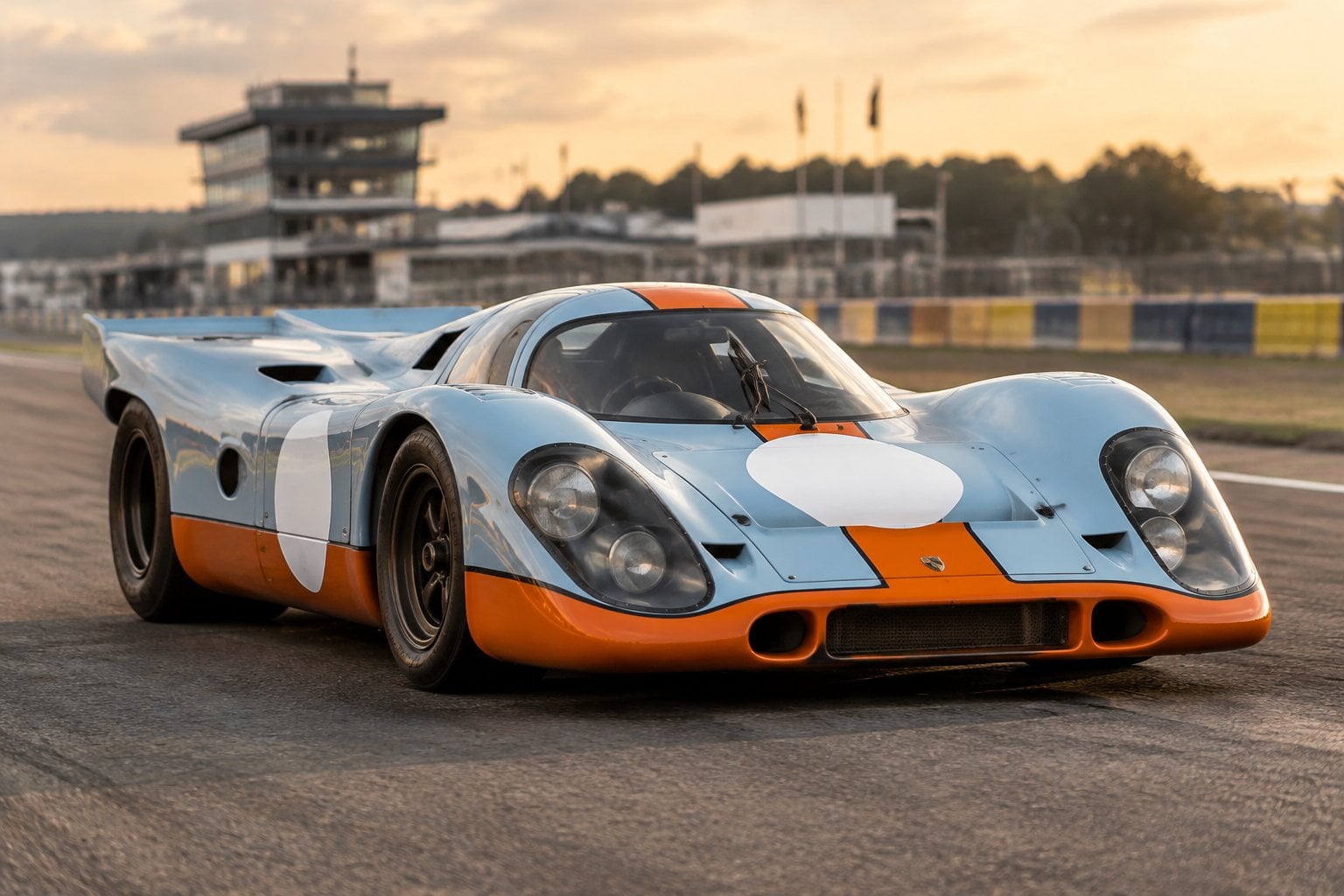
You’re looking at the most expensive Porsche ever sold at auction. This 1970 917K sold for $14,080,000 through Gooding & Co. at Pebble Beach in 2017, and the price reflects both its racing pedigree and its connection to one of the most famous motorsport films ever made.
The 917K was used during the production of the 1971 film “Le Mans,” starring Steve McQueen.
Beyond its screen time, the 917K represents a high point in Porsche’s racing history. The model powered Porsche to its first overall win at Le Mans, and it remains one of the most recognizable race cars from the era.
When you consider what drives value in collector car auctions, this sale checks every box: a legendary chassis, a direct link to a cultural touchstone, and the rarity of a car that blends motorsport success with Hollywood history. Few vehicles carry that combination as convincingly as this one does.
2. 1982 Porsche 956 Le Mans Winner: $10.12 Million
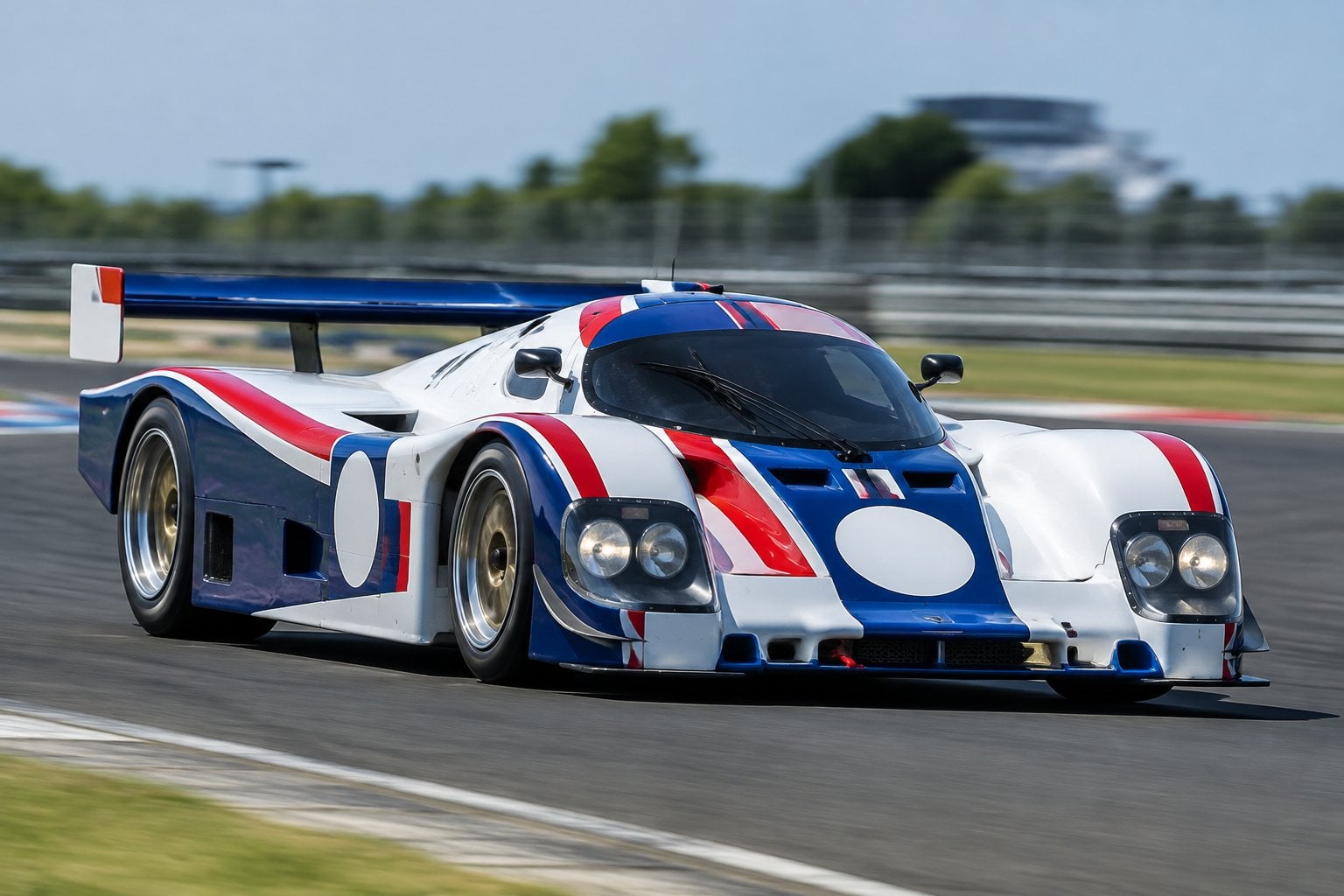
You are looking at one of the most significant Group C race cars ever built. Porsche developed the 956 to dominate the FIA World Sportscar Championship, and this example delivered on that goal in dramatic fashion.
It won the 24 Hours of Le Mans outright in 1983, a result that cemented its place among the great endurance racers of the era. You can trace that victory directly to the car’s engineering: a lightweight aluminum monocoque chassis paired with a twin-turbocharged flat-six engine.
This combination gave Porsche a decisive edge over its rivals throughout the early 1980s. The 956 also introduced ground-effect aerodynamics to Porsche’s prototype program, improving cornering speeds well beyond what previous models could achieve.
You see this history reflected in the sale price. Gooding & Co. sold the car for $10,120,000 at its Pebble Beach auction in 2015, setting a record at the time.
Few cars carry both a genuine Le Mans win and this level of technical innovation. That combination explains why collectors and race historians alike regard this 956 as a benchmark of Porsche’s motorsport achievements.
3. 1997 Porsche 911 GT1 Race Car: $7.045 Million
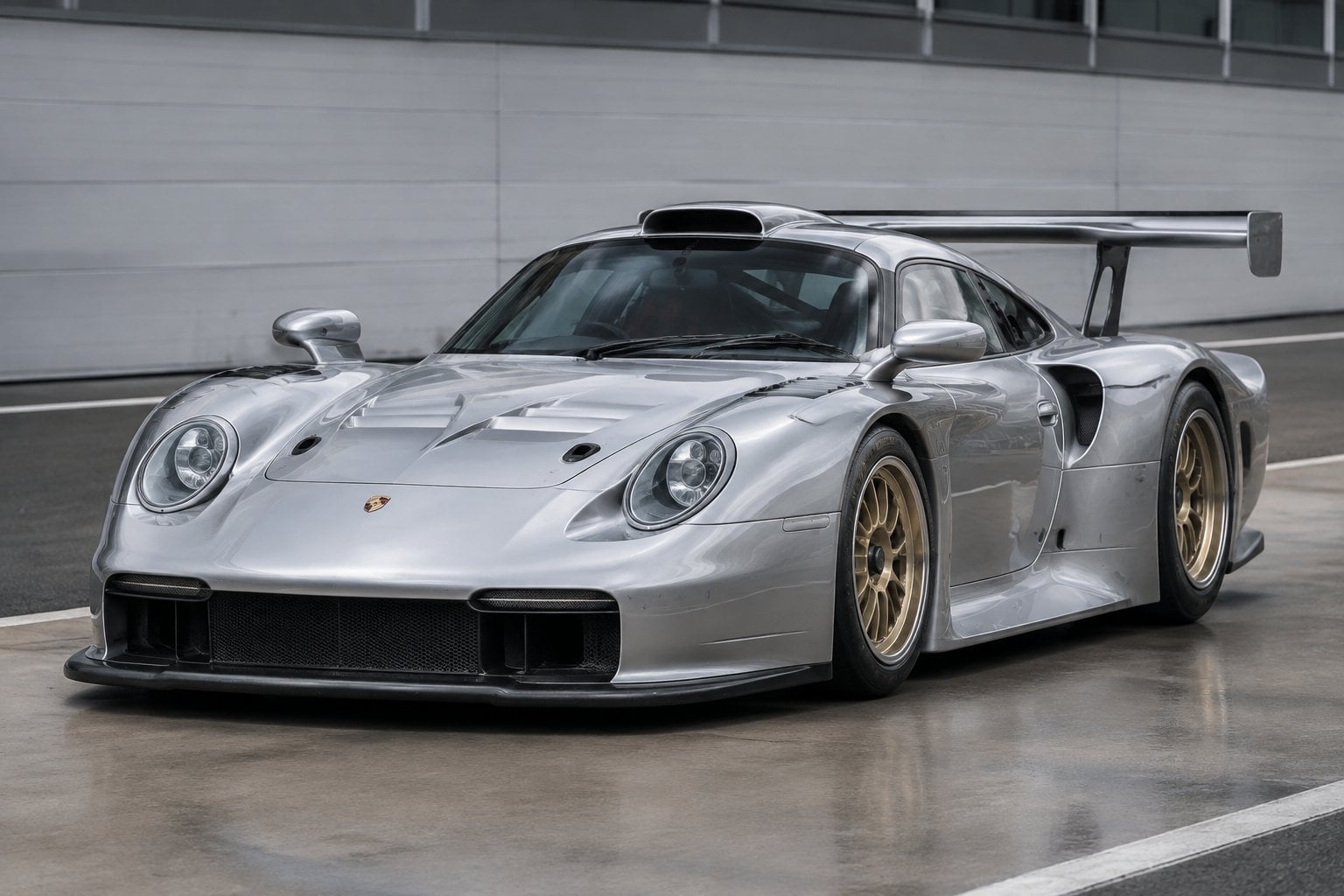
You’re looking at one of the most important homologation racers Porsche ever built. The 911 GT1 was created to satisfy GT racing regulations, pairing a mid-mounted twin-turbo flat-six with a tubular steel frame and carbon-fiber bodywork.
This particular example carries factory racing pedigree, having competed under Roock Racing before moving to Rohr Racing. You can trace its history through actual international endurance competition, not just a showroom build.
The car’s design blurred the line between prototype and production rules, forcing Porsche to build just enough street-legal versions to qualify it for competition.
When Broad Arrow sold this GT1 in Monterey in 2024, the $7,045,000 result confirmed how much collectors value documented competition history over cosmetic rarity alone. You’re essentially looking at a car that represents Porsche’s engineering response to a rulebook loophole, turned into one of the brand’s most coveted racing machines.
4. 2005 Porsche Carrera GT Gulf Blue: $6.715 Million
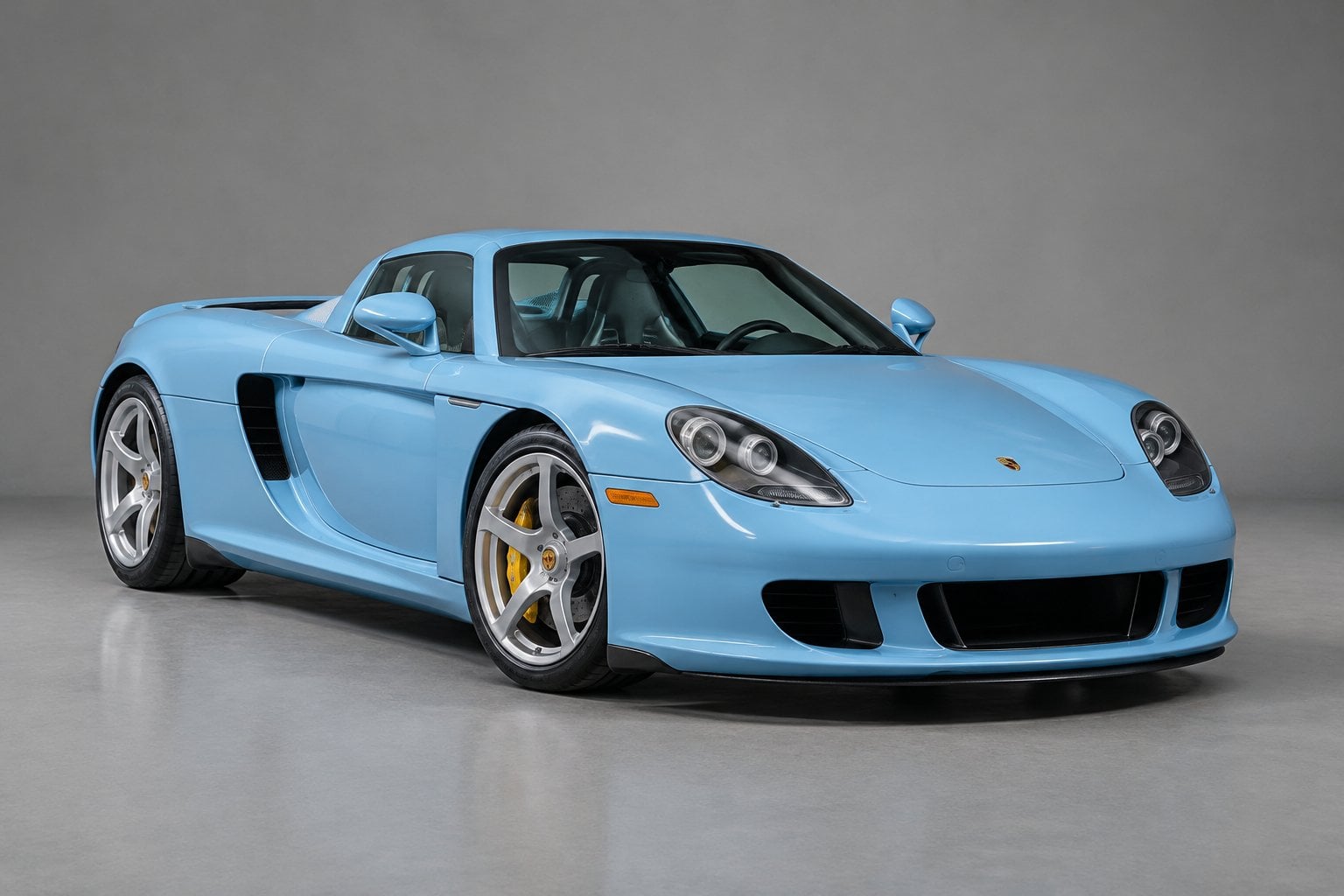
When you look at the Carrera GT, you’re looking at Porsche’s return to building a true analog supercar after decades away from the halo-car segment. This example sold for $6,715,000 at Broad Arrow’s Amelia auction in March 2026, a figure that reflects both its rarity and its exceptional condition.
You won’t find another Carrera GT quite like this one. It’s the only example finished in Paint-to-Sample Gulf Blue, which makes it a standout even within an already exclusive model line.
Mileage matters here too. With just 2,807 miles on the odometer, you’re seeing a car that has been preserved rather than used hard, which helps explain the price it commanded.
Under the skin, you still get the 5.7-liter V10 producing 605 horsepower, paired with a six-speed manual transmission and no driver aids to soften the experience. That raw mechanical character is central to why collectors value the Carrera GT so highly today.
5. 1956 Porsche 550 Spyder Unrestored: £4.59 Million (About $6.1 Million)
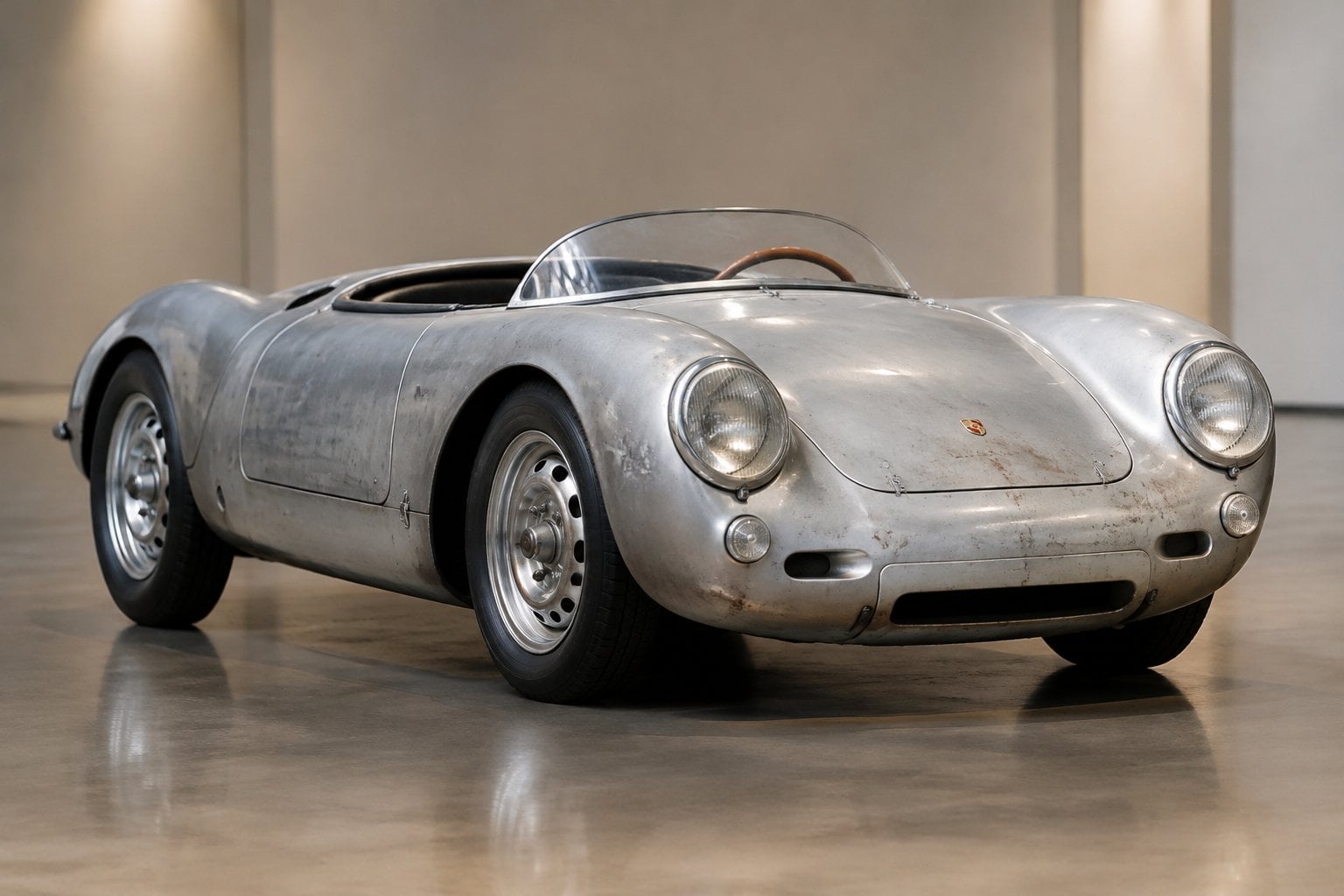
You are looking at a car that defies the usual logic of collector values. This unrestored 1956 Porsche 550 Spyder sold for £4,593,500 (about $6.1 million) at Bonhams’ Goodwood Revival sale in September 2016.
Its appeal lies in originality. Most surviving 550 Spyders have been restored at some point, but this example retained its unrestored condition, offering you a rare glimpse of the car exactly as it left the factory decades ago.
The 550 Spyder itself holds an important place in Porsche’s history. It was the company’s first purpose-built racing car, built in small numbers during the mid-1950s.
Power came from a complex four-cam flat-four engine, a design that was advanced for its time and contributed to the model’s competitive success against larger, more powerful rivals.
You should also know the 550 Spyder carries cultural weight beyond racing circuits, since one example was famously owned by actor James Dean. That connection, combined with scarcity and untouched condition, helps explain why this particular car commanded such a high price.
6. 2015 Porsche 918 Spyder Weissach Pure Orange: $6.05 Million
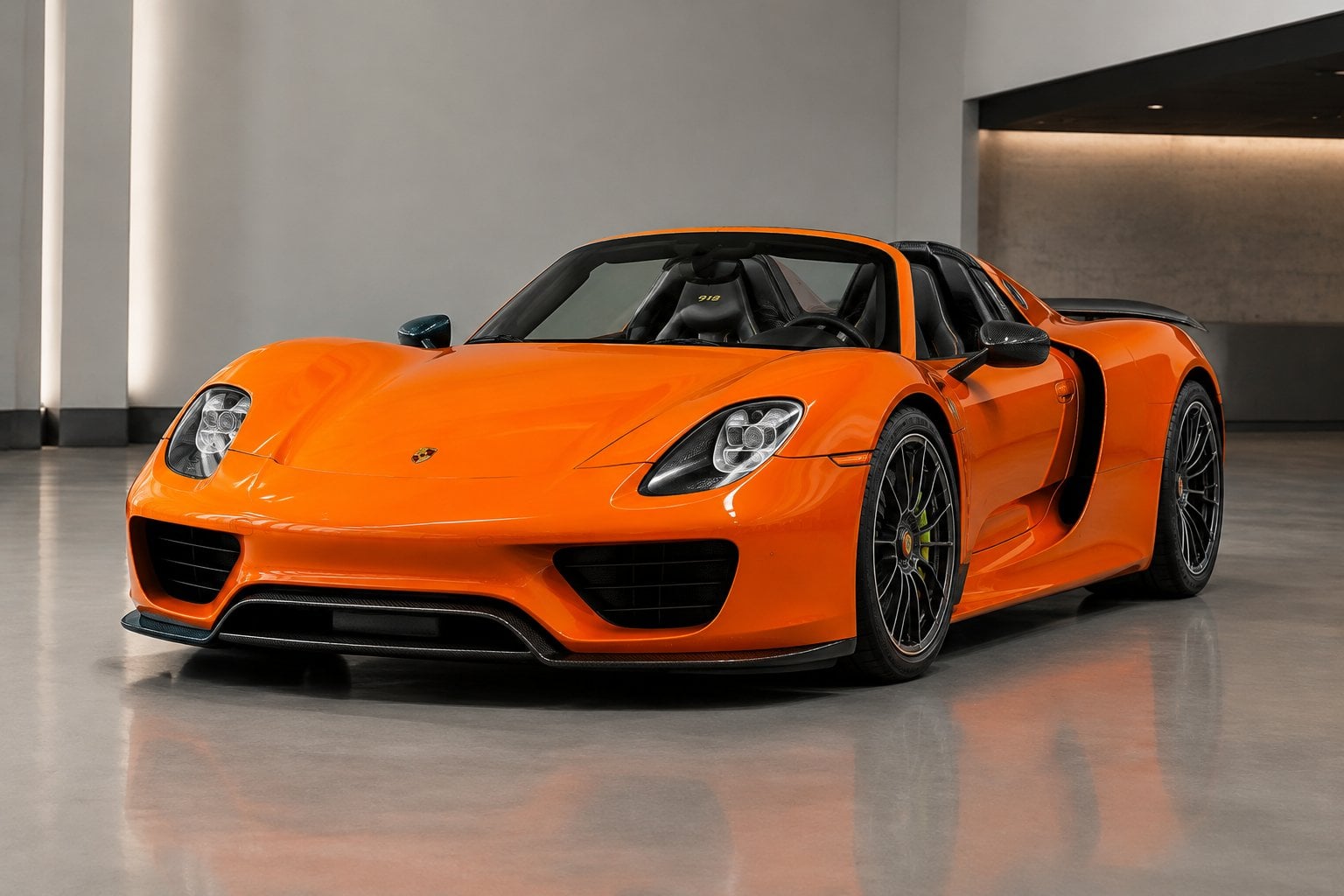
You are looking at the only 918 Spyder ever finished in Paint-to-Sample Pure Orange. Porsche built the 918 Spyder as its flagship hybrid hypercar, pairing a naturally aspirated V8 with electric motors for a drivetrain that blurred the line between road car and race technology.
This particular example carries the Weissach Package, a lightweight option that reduces weight through extensive use of carbon fiber and magnesium wheels. You get a car built not just for speed, but for razor-sharp handling on top of that straight-line performance.
With only 845 miles recorded, the car remains close to factory-new condition. Low use combined with the bespoke orange finish made it a genuine one-of-one example, something collectors rarely encounter with a model already limited in production.
At Mecum’s Kissimmee auction in January 2026, you saw the car sell for $6,050,000. That result set a new record for the model, surpassing the previous high by more than two million dollars. The sale reflects how strongly the market values rare color combinations paired with low mileage on Porsche’s hybrid hypercar.
7. 1985 Porsche 959 Paris-Dakar: $5.945 Million
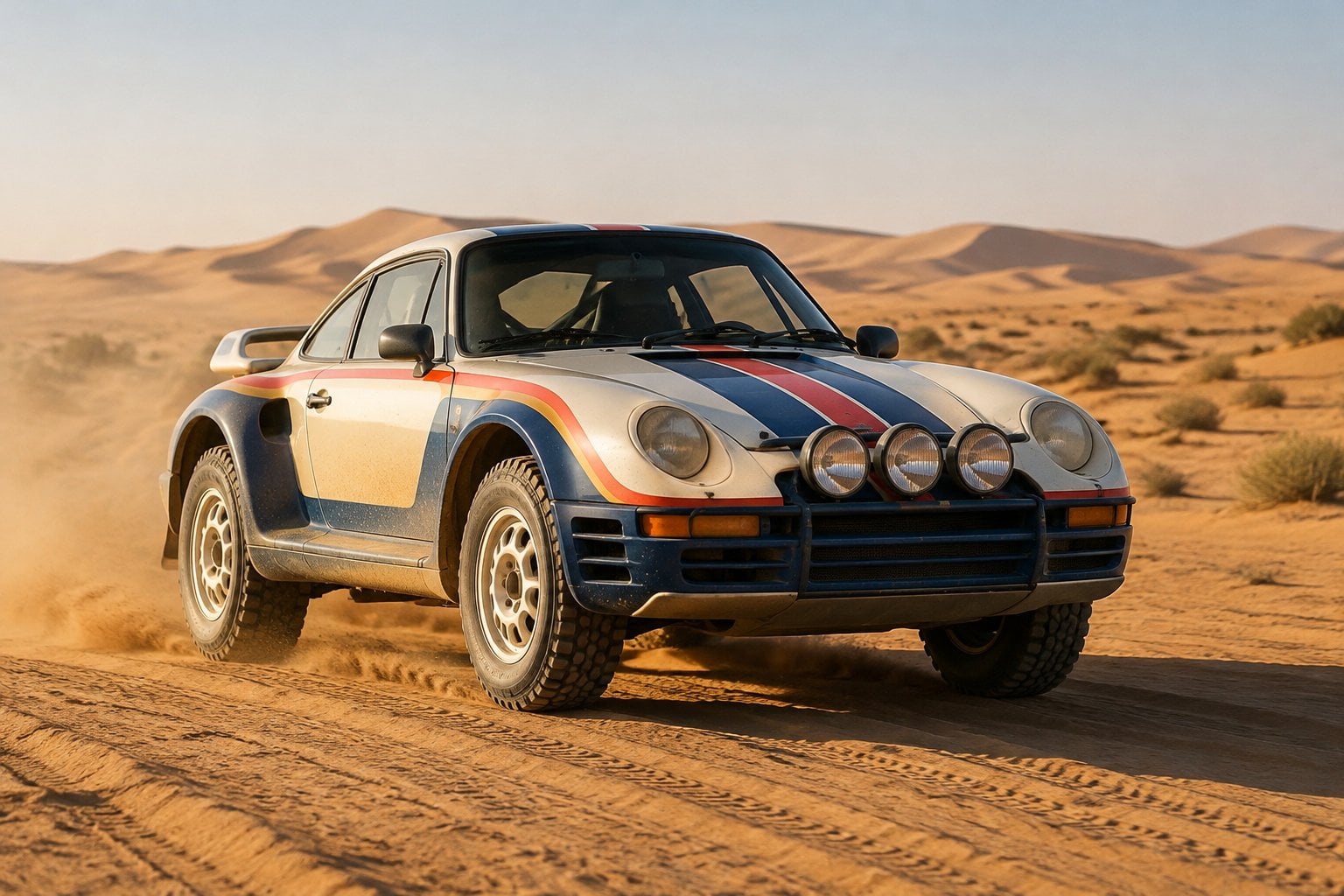
You’re looking at one of the most important rally machines Porsche ever built. This 959 was driven by René Metge, a three-time Paris-Dakar winner, during the 1985 edition of the grueling rally. It sold for $5,945,000 at RM Sotheby’s Porsche 70th Anniversary Auction in 2018.
Only a handful of these cars were built for factory competition. Porsche constructed just a few 959s specifically to contest the Paris-Dakar rally, and several of those were retained by the factory itself. That leaves an extremely small number available to private buyers, which explains the car’s significance in the market.
You can trace the 959’s design directly to this rally program. Porsche developed its sophisticated all-wheel-drive system and high-performance engineering partly through lessons learned on the brutal terrain of Paris-Dakar. The rally car wears Rothmans livery, instantly recognizable to anyone familiar with Porsche’s motorsport history of that era.
Mechanical issues ended the car’s run in the 1985 race, but that doesn’t diminish its historical weight. You’re buying a direct link to Porsche’s dominance in all-wheel-drive performance during the 1980s.
8. 1972 Porsche 917/10 Can-Am Spyder: $5.83 Million
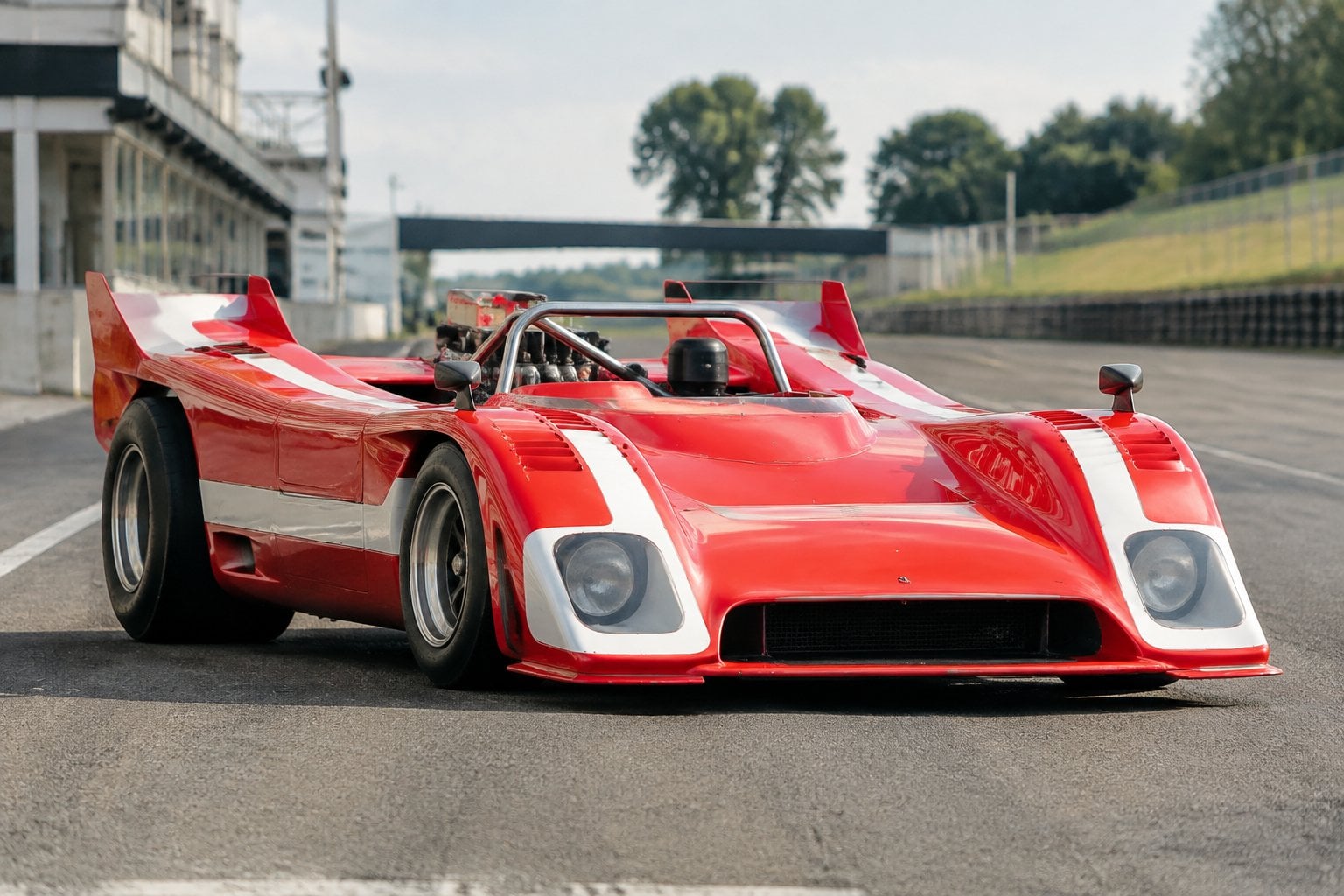
You’re looking at a car that sits at the heart of Porsche’s Can-Am legacy. This 917/10 is the championship-winning machine driven by George Follmer, and it carries one of the most significant racing resumes of any car on this list.
When new engine displacement rules pushed the original 917 out of endurance racing, you’d have seen Porsche redirect that technology toward North America’s Can-Am series. The result was the 917/10, a spyder built to compete against McLaren’s dominant cars of the era.
With Follmer behind the wheel, this car secured the 1972 Can-Am championship for Porsche, marking a turning point in the series. You can trace the lineage from this car directly to the even more powerful 917/30 that followed.
The car sold for $5,830,000 at Mecum’s Monterey auction in 2012. For you as a collector or enthusiast, this price reflects not just the car’s power and engineering, but its direct connection to a title-winning season and a driver whose name remains closely tied to Porsche’s Can-Am success.
9. 1998 Porsche 911 GT1 Strassenversion: $5.665 Million
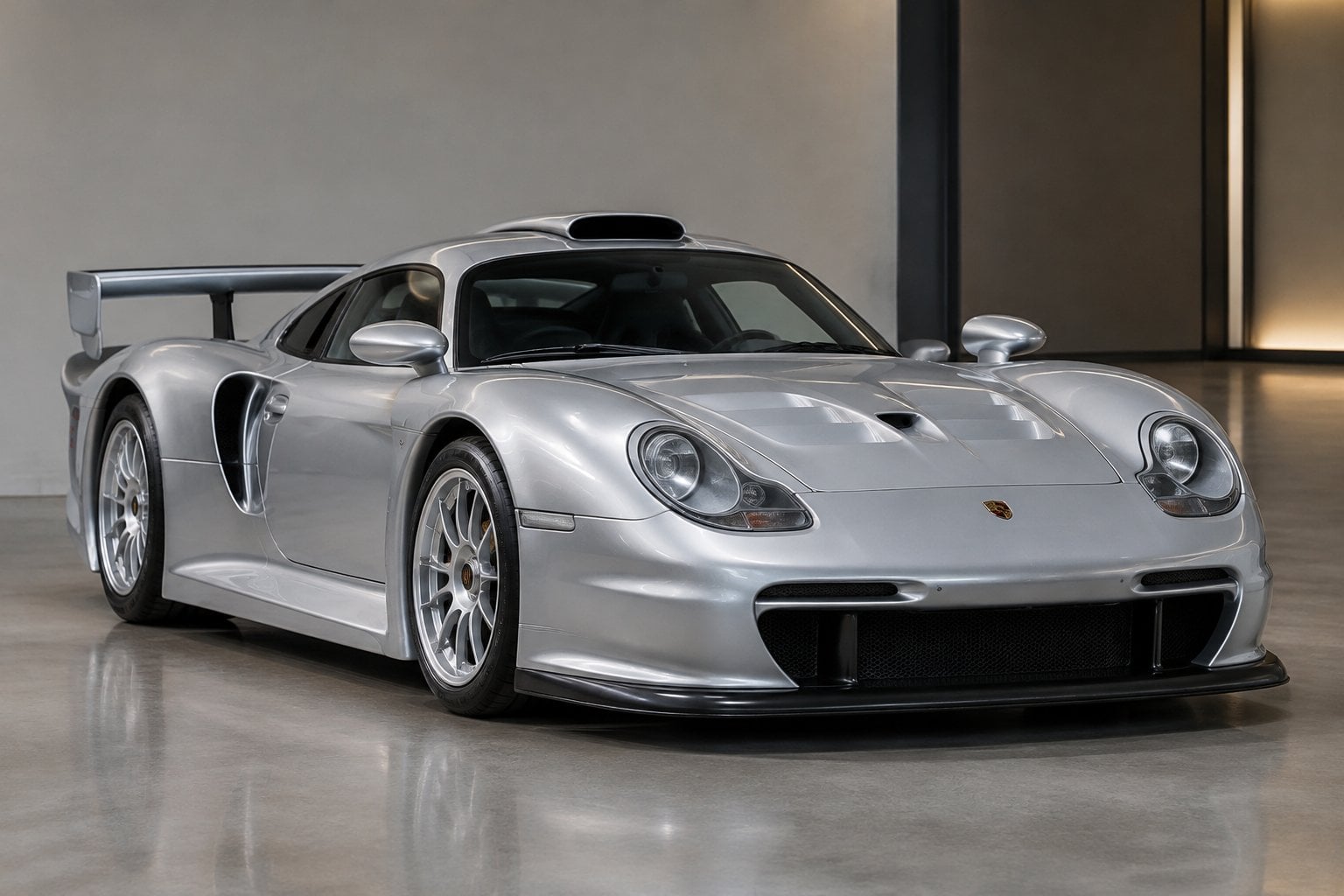
You’re looking at the road-legal sibling of Porsche’s Le Mans-winning race car, and that connection explains its value. Gooding & Co. sold this example for $5,665,000 at its Amelia Island auction in 2017.
The Strassenversion existed because homologation rules required Porsche to build street versions of its GT1 race cars. Only a small number were produced, making this one of the rarest Porsches you can own.
Under the rear bodywork sits a twin-turbocharged flat-six engine, borrowed directly from the racing program. You get race-bred engineering wrapped in a package detuned just enough for public roads, though performance remained extraordinary for its era.
When you consider that Porsche’s GT1 program won Le Mans outright in 1998, you understand why collectors value any car wearing this bodywork.
Low production numbers and genuine race-car DNA keep demand high. You’re essentially buying a slice of Porsche’s most successful Le Mans era, built for the street but engineered for the track.
10. 2007 Porsche RS Spyder Evo: $5.615 Million
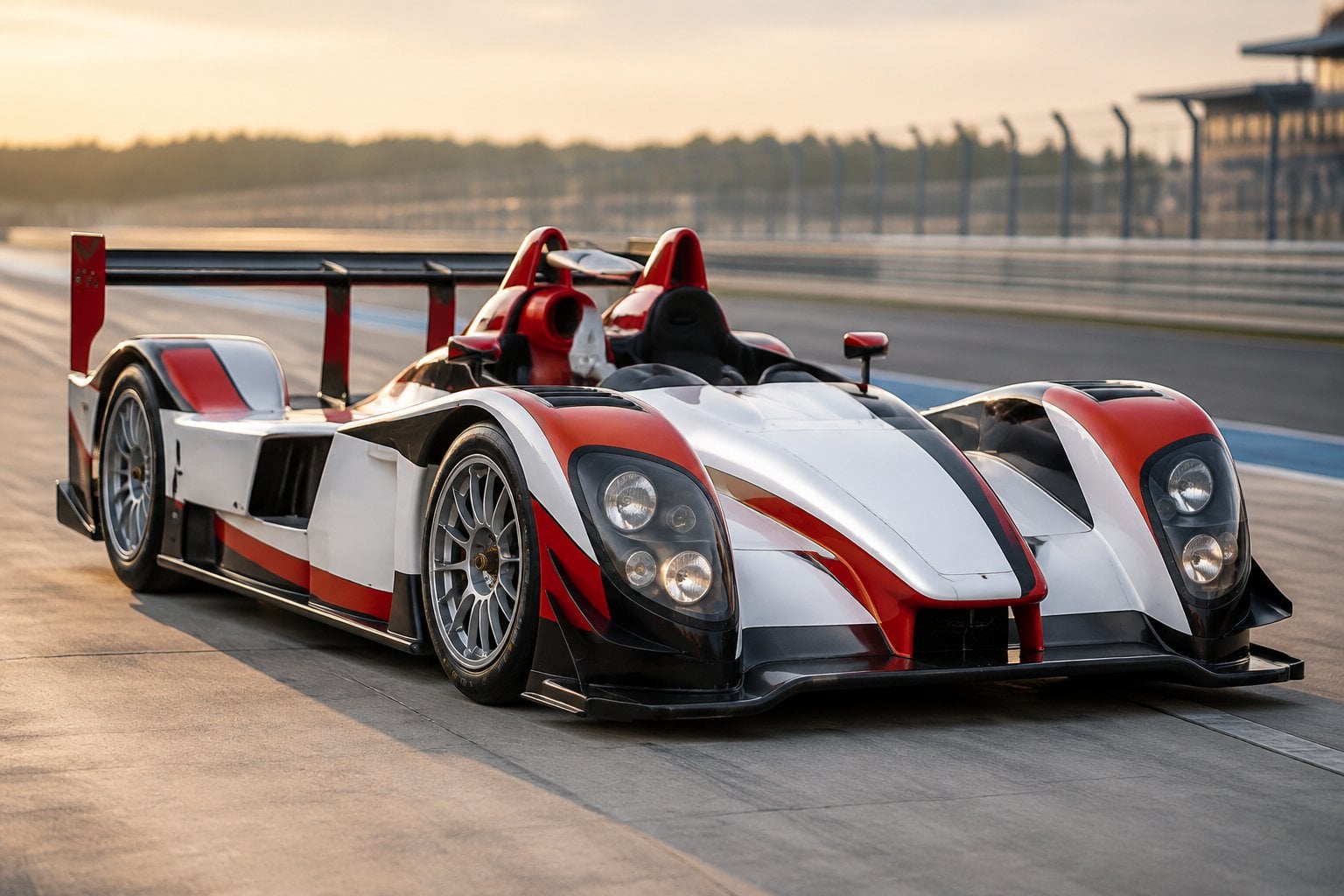
You’re looking at one of the most successful prototype race cars Porsche has ever produced. This RS Spyder Evo sold for $5,615,000 at Gooding & Co.’s Pebble Beach auction in 2022.
Porsche built only a small number of RS Spyders between 2005 and 2008, and this one carries real racing pedigree. It was part of Penske Racing’s championship-winning efforts in the American Le Mans Series during the 2007 and 2008 seasons.
You’ll find its competition record hard to overlook. The car recorded multiple outright wins and several class victories, proving itself against both LMP2 rivals and faster LMP1 prototypes.
What makes this car stand out is its combination of engineering sophistication and factory backing. Porsche Motorsport built the RS Spyder as a purpose-built prototype, and its partnership with Penske turned it into one of the most dominant forces in American sports car racing during its era.
You’re essentially looking at a piece of modern motorsport history, one that bridges Porsche’s engineering department and one of racing’s most respected teams.
11. 1988 Porsche 959 Sport: $5.505 Million
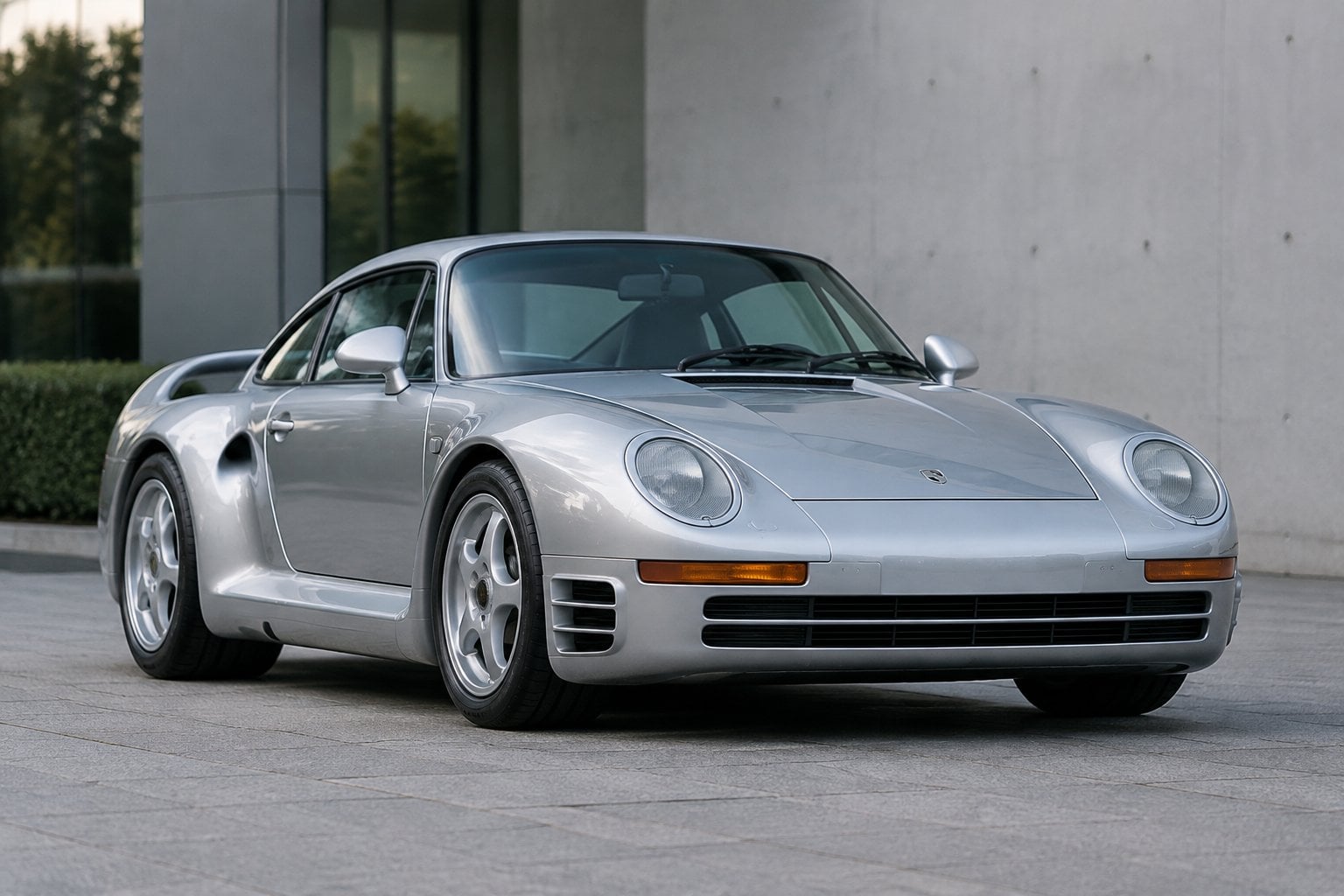
You’re looking at a car that defined what a supercar could be in the 1980s. The 959 Sport sold for $5,505,000 at Broad Arrow’s Amelia Island auction in March 2026, making it one of the most valuable road-going Porsches you’ll find at any sale.
This particular example is one of just 29 built for the US market, a figure that alone tells you how rare these cars are. The 959 Sport was Porsche’s lightweight, performance-focused variant of the original 959, stripped of some comfort features in favor of speed and handling.
When Porsche introduced the 959 in the mid-1980s, you were getting a car built to satisfy Group B rally homologation rules. The technology packed into it, including all-wheel drive and advanced aerodynamics, was years ahead of anything else on the road.
The 959 Sport version pushed that further, shedding weight to sharpen the driving experience. For collectors, owning one means holding a piece of Porsche engineering history that bridged motorsport ambition with street-legal reality, a combination that still commands serious money today.
12. 1960 Porsche RS60 Works Car: $5.4 Million
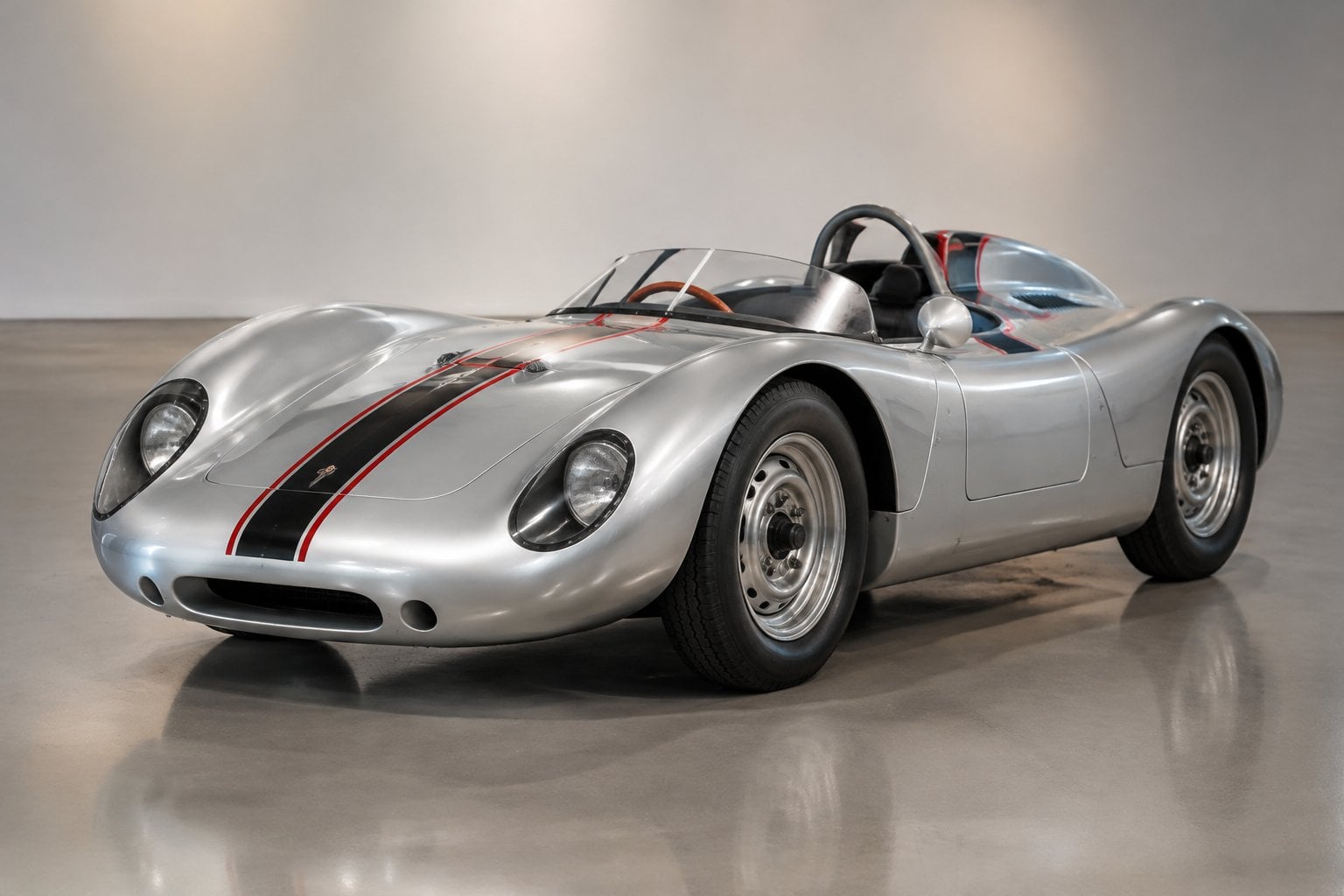
You are looking at one of the rarest Porsche race cars ever offered to the public. Porsche built only a handful of RS60 Spyders, and this example was one of just four retained by the factory for its own works team, rather than sold to a private customer.
The RS60 marked the final stage of Porsche’s four-cam Spyder program, a lineage that traced back to the original 550 of the early 1950s. By 1960, Porsche had refined the formula with improved suspension and chassis updates over the earlier RSK, giving you a car built specifically to compete at the highest level of international sports car racing.
Its works status gave it an exceptional driver roster. The car was driven by Stirling Moss, Graham Hill, Jo Bonnier, Dan Gurney, Edgar Barth and Hans Herrmann, a lineup that reads like a who’s who of period motorsport talent.
The car sold for $5.4 million at Gooding & Company’s 2015 Pebble Beach auction, reflecting its documented factory racing history and scarcity among surviving works-built Spyders.
13. 1955 Porsche 550 Spyder Ex-Seinfeld: $5.335 Million
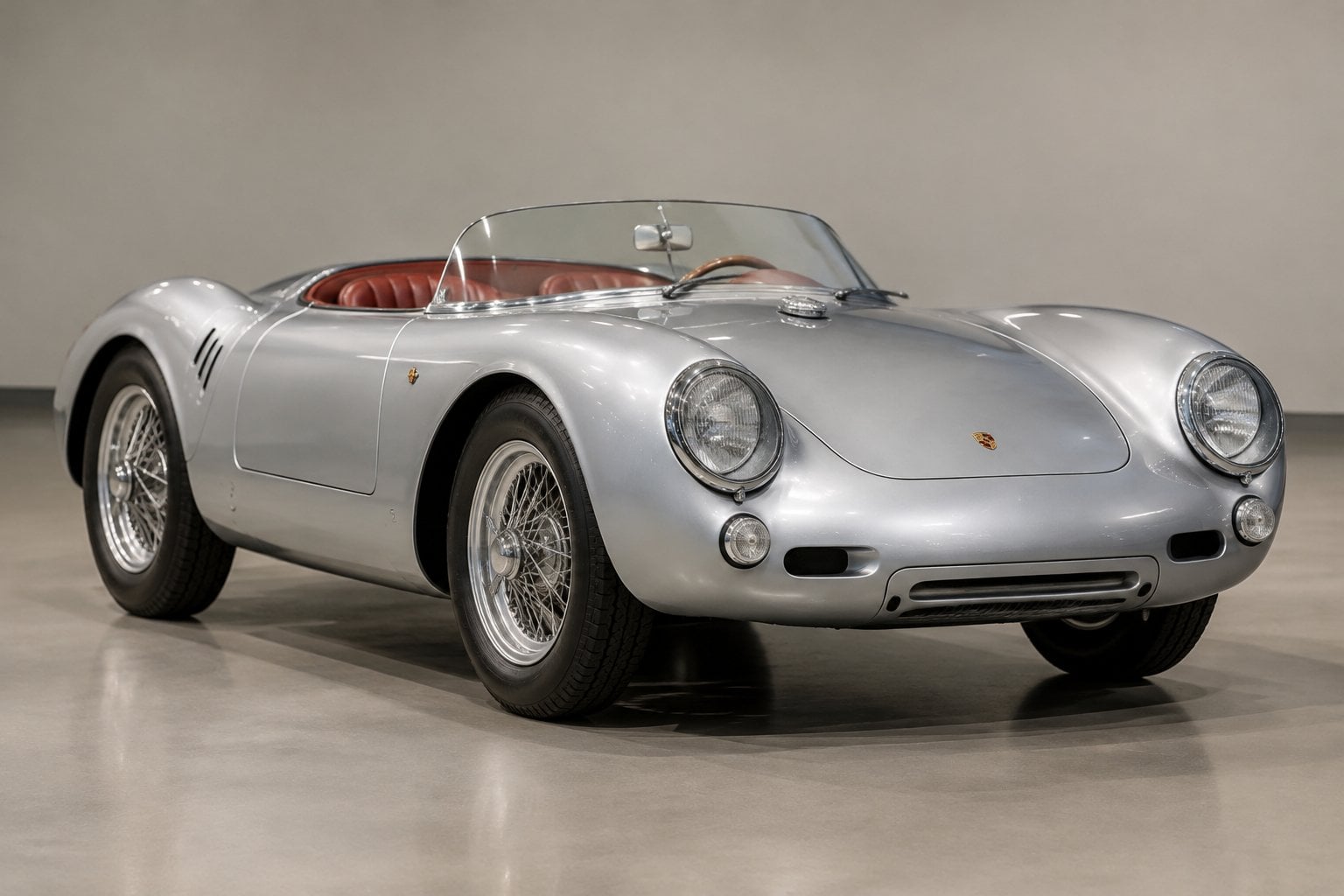
You’re looking at one of the most significant road-going examples of Porsche’s first purpose-built race car. The 550 Spyder arrived in 1953 as a lightweight, mid-engined machine designed to compete rather than simply impress on the street. Its four-cam flat engine was unusual engineering for the era and became a hallmark of Porsche’s early racing success.
Only 90 units were ever produced, so you’re dealing with genuine scarcity. This particular car came from the collection of comedian Jerry Seinfeld, a well-known Porsche collector whose cars carry added appeal for buyers.
This example sold with just over 10,000 original miles, an exceptionally low figure that left it in near-new condition decades after production. You can see why that combination of originality and celebrity provenance drove strong bidding.
Gooding & Company handled the sale at the 2016 Amelia Island auction, where it brought $5,335,000.
You should also note this car’s cultural weight, since the 550 Spyder is permanently linked to James Dean and to Porsche’s rise in international racing circles.
14. 1958 Porsche 550A Spyder: $5.17 Million
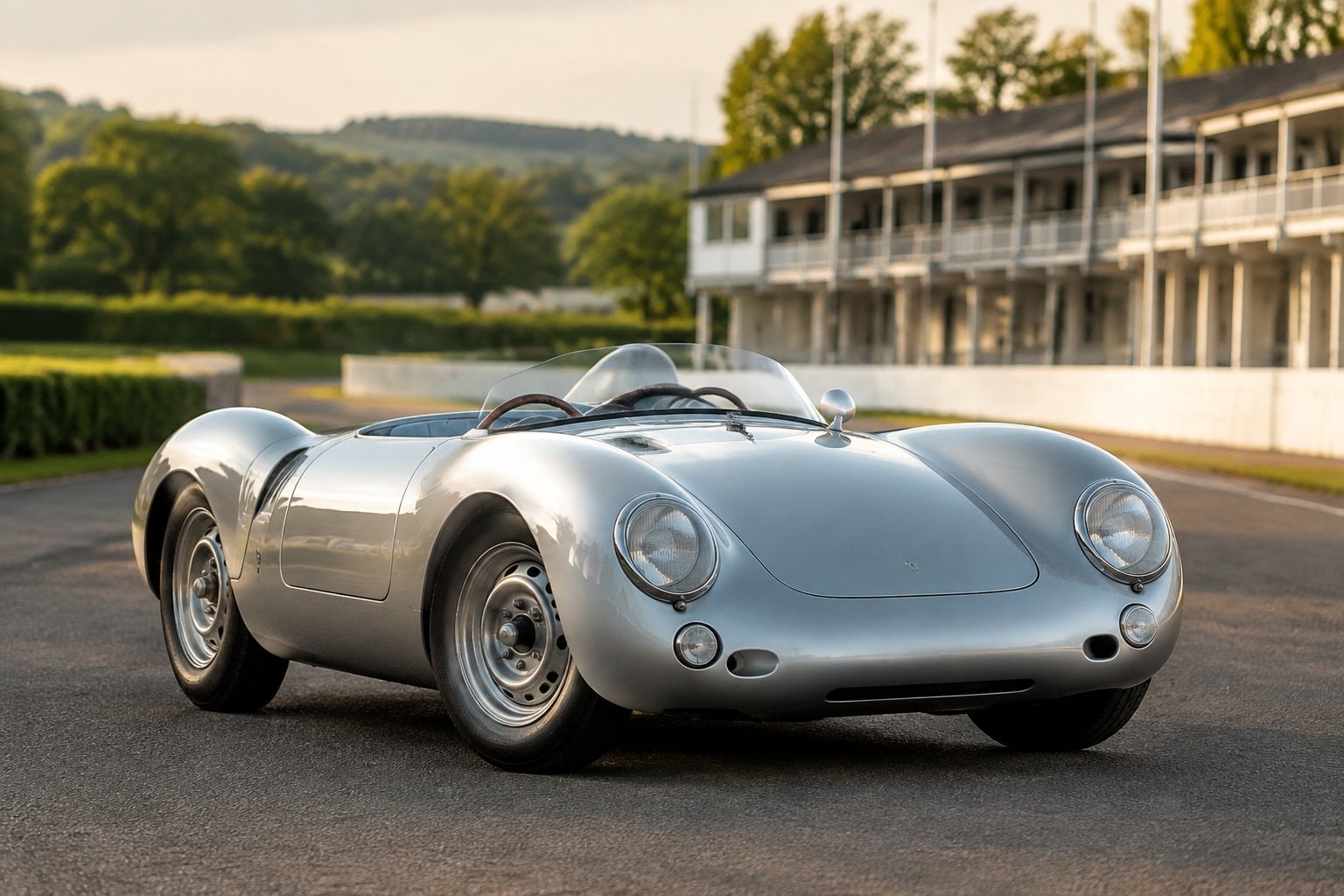
You are looking at one of the most significant privateer racing Porsches of the 1950s. The 550A sold at Bonhams’ Scottsdale auction in 2018 for $5.17 million, cementing its place among the most valuable Porsches ever brought to market.
The 550A was Porsche’s answer to its own success. After the original 550 Spyder proved itself on tracks around the world, the factory developed this improved version with a lighter chassis and sharper handling. You get a car that was faster and more agile than its predecessor, while still carrying the same four-cylinder racing engine that made the 550 series famous.
Only a small number of 550A Spyders were ever built, and that scarcity drives much of their value today. This particular example carries genuine racing pedigree: raced by Carel Godin de Beaufort, it finished second in class at Le Mans in 1958.
You can trace its reputation back to a nickname earned on the track: the “giant killer.” Despite its small engine, the 550A regularly outperformed larger, more powerful competitors, a quality that still defines its appeal to collectors.
15. 1968 Porsche 907: €4.39 Million (About $4.85 Million)
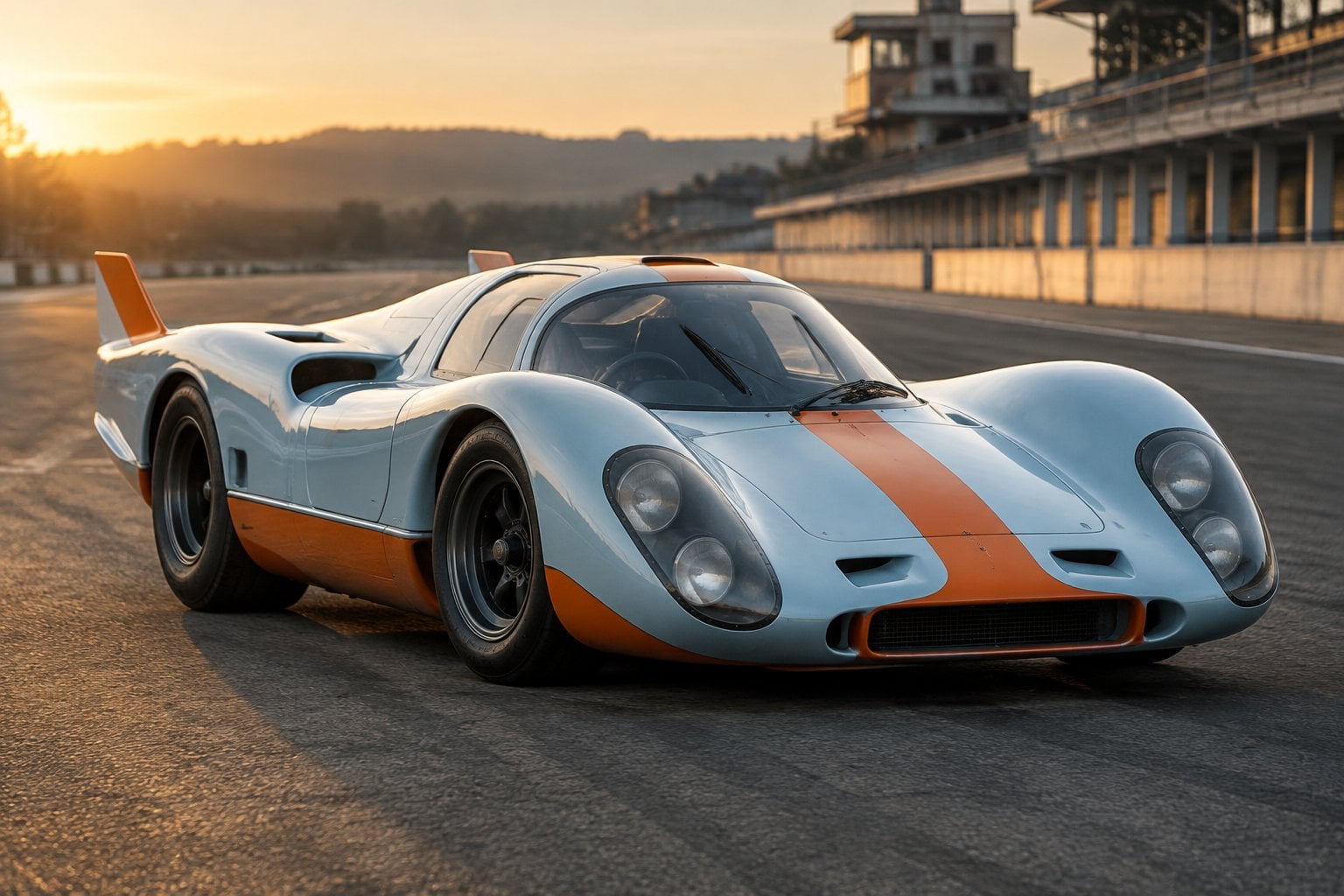
You’re looking at one of Porsche’s most sophisticated endurance racers from the late 1960s. The 907 arrived at a pivotal moment for Porsche, as the manufacturer pushed harder to compete for outright wins against larger-displacement rivals from Ferrari and Ford.
Under the bodywork sits an air-cooled flat engine built for high-revving reliability rather than brute power. You get a car engineered around aerodynamics as much as horsepower, with a long-tail body shape designed to maximize top speed on circuits like Le Mans.
This approach worked. The 907 platform helped Porsche secure its first outright victory in a 24-hour race, a milestone that reshaped the company’s reputation in endurance racing.
You’re also buying into genuine rarity. Few 907s were built, and even fewer survive in a form that reflects their original factory specification and racing history.
When this example sold at Artcurial in Paris in March 2022, it brought €4,390,400 (about $4.85 million) after three Le Mans starts, reflecting strong collector demand for Porsche’s pre-917 factory prototypes.
16. 1979 Porsche 935 Hawaiian Tropic: $4.84 Million
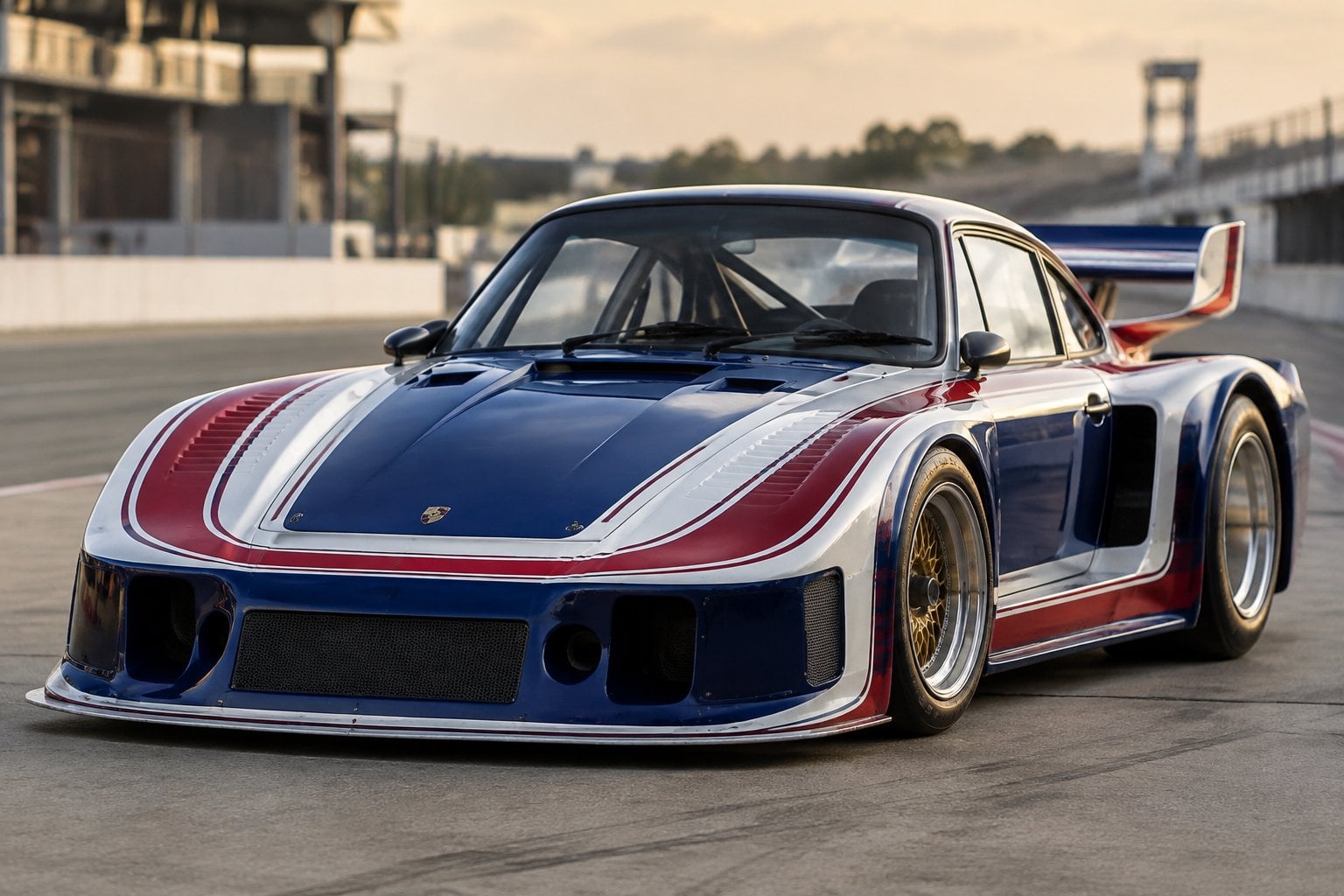
You’re looking at one of the most successful endurance racers of its era, and part of its appeal comes from who sat behind the wheel. Paul Newman drove this 935 at the 24 Hours of Le Mans in 1979, finishing second overall and first in class, a result that cemented the car’s reputation.
The 935 platform itself was Porsche’s dominant force in endurance racing during the late 1970s and early 1980s. Its twin-turbocharged flat-six engine gave it the power to compete with purpose-built prototypes, despite its roots as a modified production car.
You’ll recognize it instantly by its Hawaiian Tropic livery. When it crossed the auction block with Gooding & Company in 2016, it sold for $4.84 million, reflecting both its racing pedigree and its connection to Newman’s motorsport career.
17. Porsche Carrera GT Sold on Bring a Trailer: $4,575,500
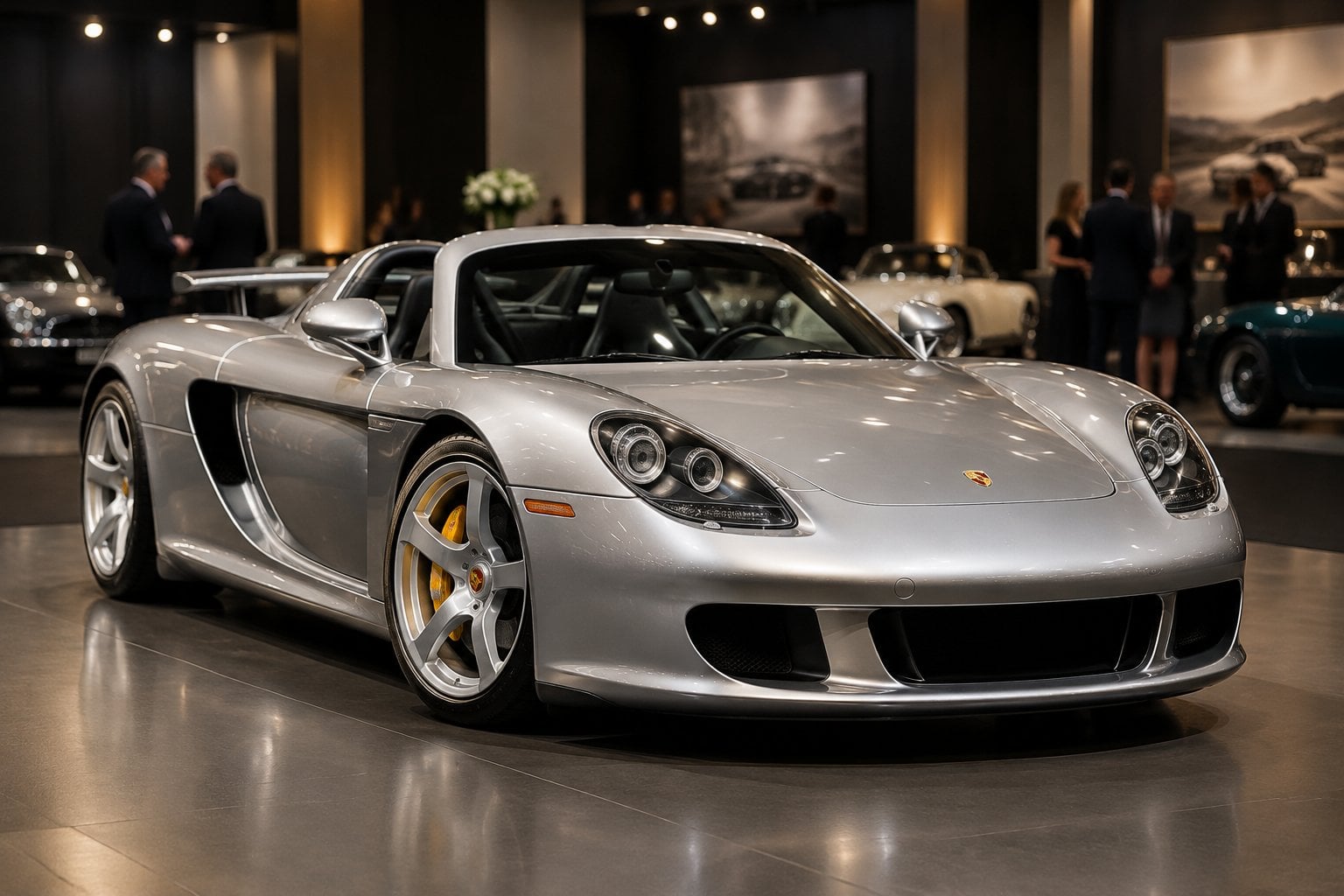
You are looking at one of the strongest online results ever recorded for a Porsche Carrera GT. This example sold on Bring a Trailer in 2026 for $4,575,500, a figure that reflects just how much demand has grown for this model in recent years.
The Carrera GT was built from 2004 to 2006, with production limited to around 1,270 units worldwide. Its V10 engine was originally developed for a Porsche Le Mans prototype program that never raced, which gives the car genuine motorsport DNA even though it never competed itself.
You get a naturally aspirated 5.7-liter V10 producing 605 horsepower, paired exclusively with a six-speed manual transmission. No automated or paddle-shift option was ever offered, which keeps the driving experience raw and demanding by modern supercar standards.
18. 2007 Porsche RS Spyder: $4.51 Million
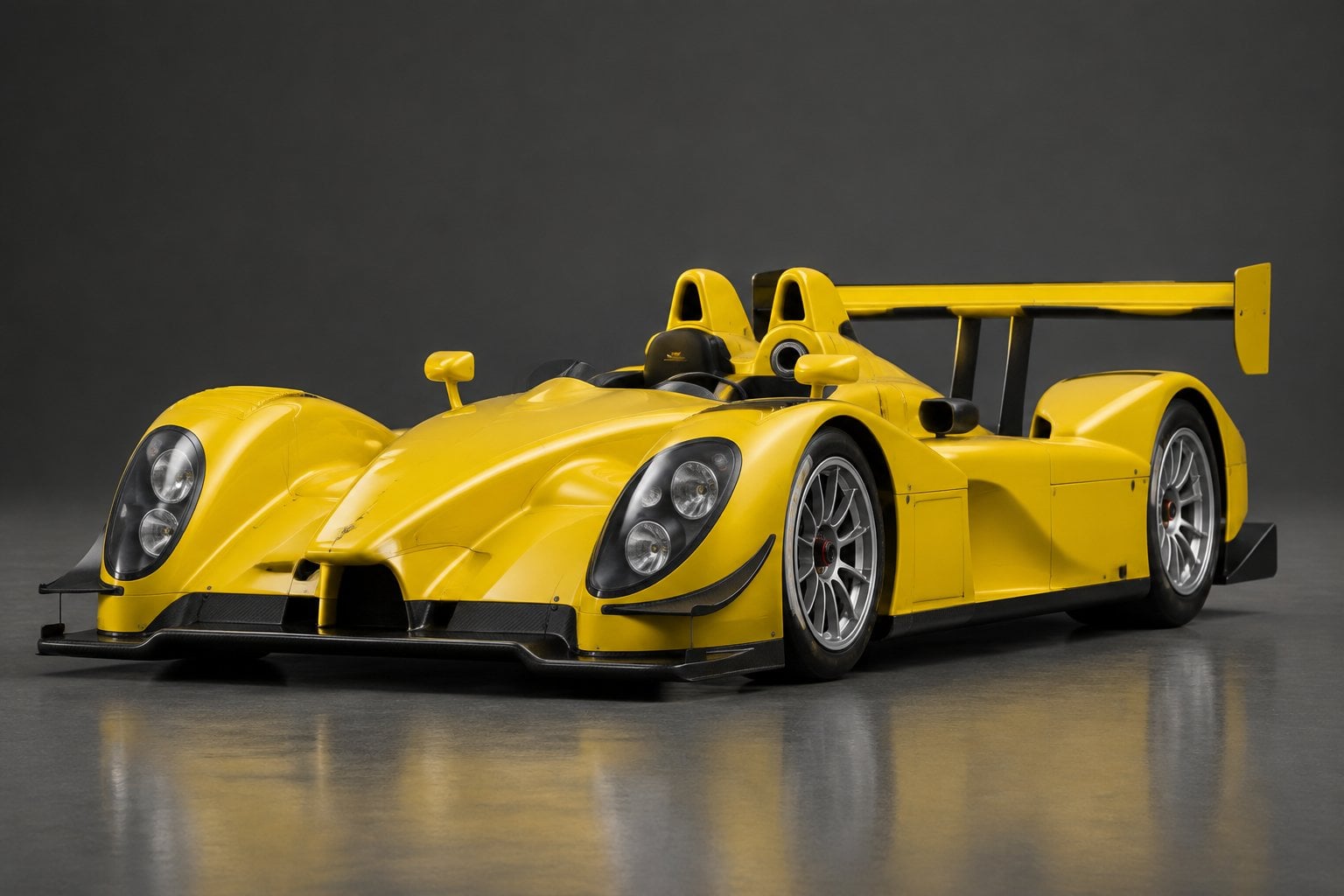
The RS Spyder represents one of the most dominant prototype racers of its era, and when you look at its competition record, that reputation becomes obvious. Built by Porsche for the LMP2 class, you’ll find this car was engineered with a high-revving V8 engine and a chassis designed specifically for endurance racing rather than road use.
Penske Racing campaigned these cars with remarkable success, taking multiple class wins and overall victories against larger prototypes. You can trace this success directly to the car’s lightweight construction and aerodynamic efficiency, which allowed it to outpace much of the LMP1 field on certain circuits.
Only a small number of RS Spyders were built, so surviving examples rarely come to market. This one sold for $4,510,000 at Gooding & Co.’s Pebble Beach auction in 2018.
Its connection to Penske Racing adds significant value for collectors who prioritize documented team history. You’re also getting a piece of Porsche’s prototype racing legacy, built during a period when the manufacturer focused heavily on LMP2 dominance rather than top-tier LMP1 competition.
19. 1973 Porsche 917/30 Can-Am Spyder: $4.4 Million
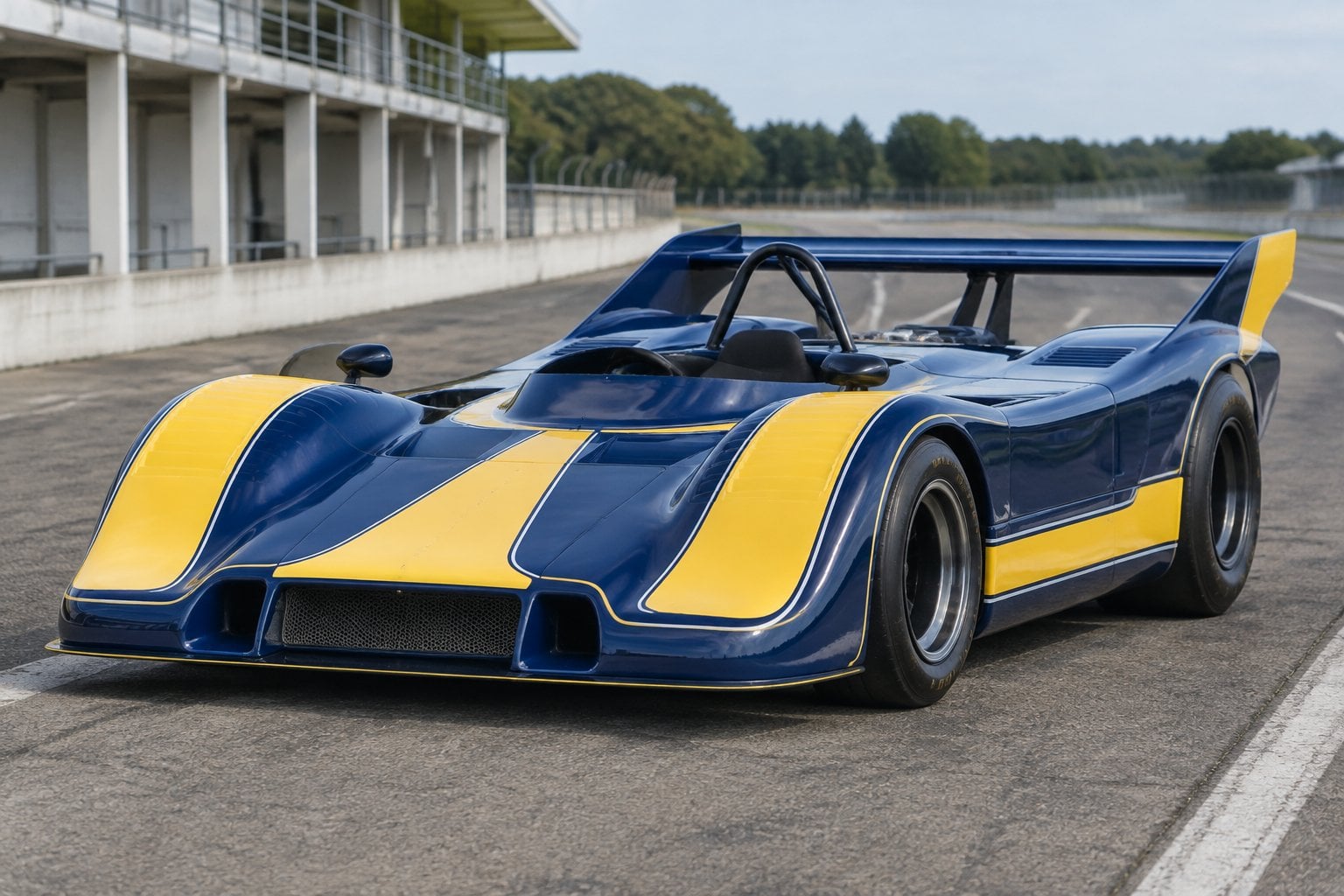
You are looking at one of the most powerful racing cars Porsche ever built. The 917/30 was developed for Can-Am racing, where rules allowed for massive engines and minimal restrictions on power output.
Its twin-turbocharged flat-12 engine produced horsepower figures so high that the car effectively ended the Can-Am series by making competition pointless. Mark Donohue drove the 917/30 to the 1973 Can-Am championship, cementing its reputation as one of the most dominant race cars of its era.
Porsche built only a handful of 917/30 chassis, making surviving examples extremely rare.
You can trace its sale back to the 2012 Amelia Island auction, where Gooding & Company handled the transaction.
At $4.4 million, this car set a record at the time for the most expensive Porsche ever sold at auction, a title it held before later sales surpassed it.
20. 1959 Porsche 718 RSK Works Spyder: $4.3 Million
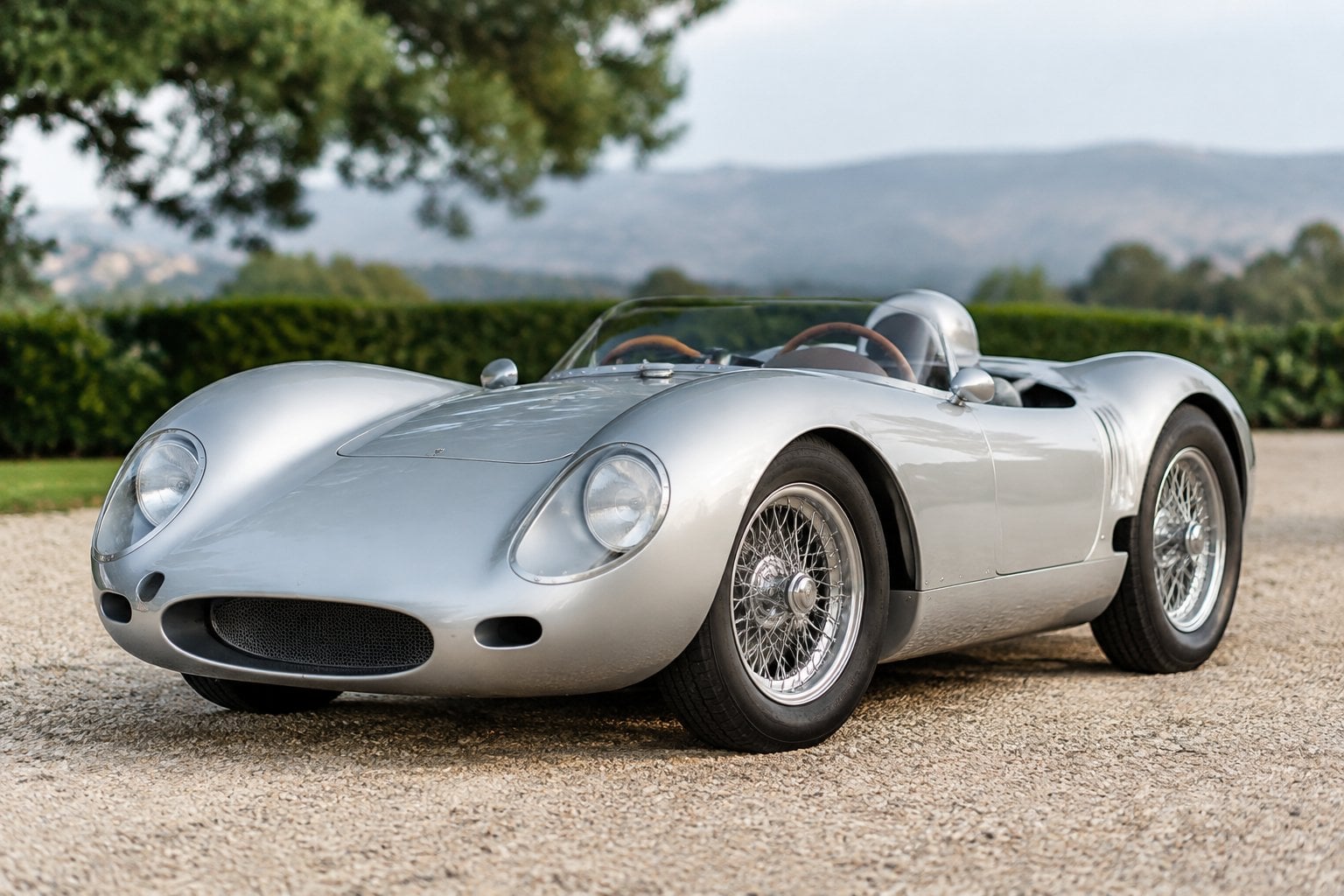
You’re looking at a car built during one of Porsche’s most important engineering periods. The 718 RSK marked the moment Porsche’s chassis development truly matured, giving the company a competitive edge in lightweight race car design.
The RSK was built in small numbers, which makes it one of Porsche’s rarest competition models.
The RSK name comes from its front suspension design, which used a torsion bar layout shaped like the letter K. This engineering choice helped Porsche achieve better handling and weight distribution on the racetrack.
You should recognize the RSK as part of Porsche’s early works racing program, a period when the factory competed directly against larger manufacturers with far more resources. Its success helped establish Porsche’s reputation in sports car racing well before road-going models carried that same prestige.
This Works Spyder sold for $4,300,000 at RM Sotheby’s Monterey auction in 2022, reflecting the rarity and historical significance collectors place on these early factory race cars.
21. 1976 Porsche 935 First Car Built: $4.295 Million
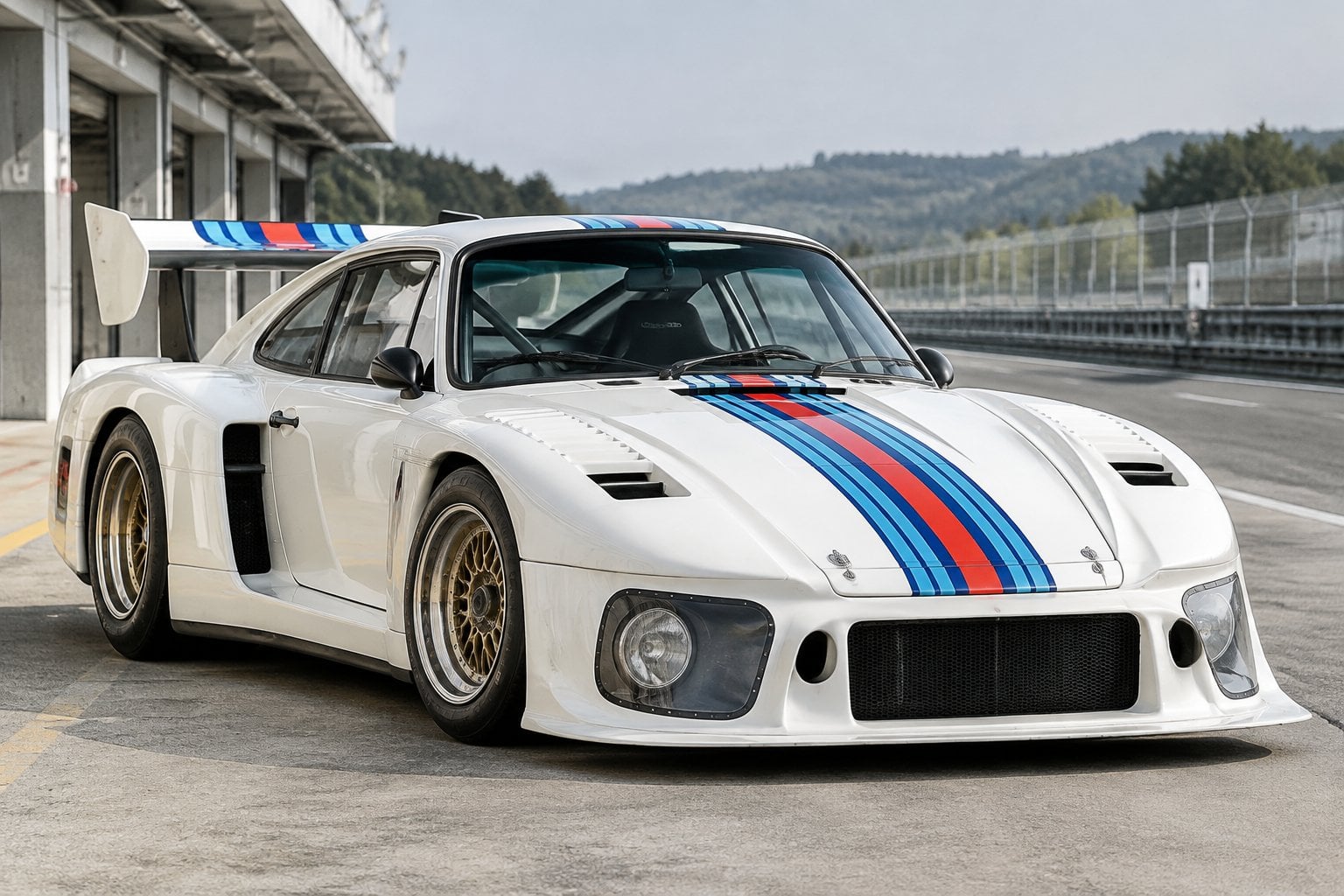
If you examine the history of Porsche’s dominant racing programs, the 935 stands out as one of the most feared silhouette racers of its era. This particular example holds special status as the very first 935 constructed, making it the foundation for a model line that would go on to dominate endurance racing through the late 1970s.
You’ll find that the 935’s turbocharged flat-six engine was a direct result of Porsche’s shift toward forced induction technology in motorsport. That powerplant gave the car a significant advantage over naturally aspirated competitors, and it helped the 935 secure numerous victories, including an overall win at Le Mans in 1979.
As the first chassis built, this car represents the starting point of the 935’s development process. Early testing and refinements that shaped later examples trace back to this specific vehicle, giving it historical weight beyond its racing results.
You should recognize that first-of-type race cars rarely come to market, which explains the $4,295,000 it brought at Gooding & Co.’s Pebble Beach auction in 2024.
22. 1969 Porsche 908/02: $4.185 Million
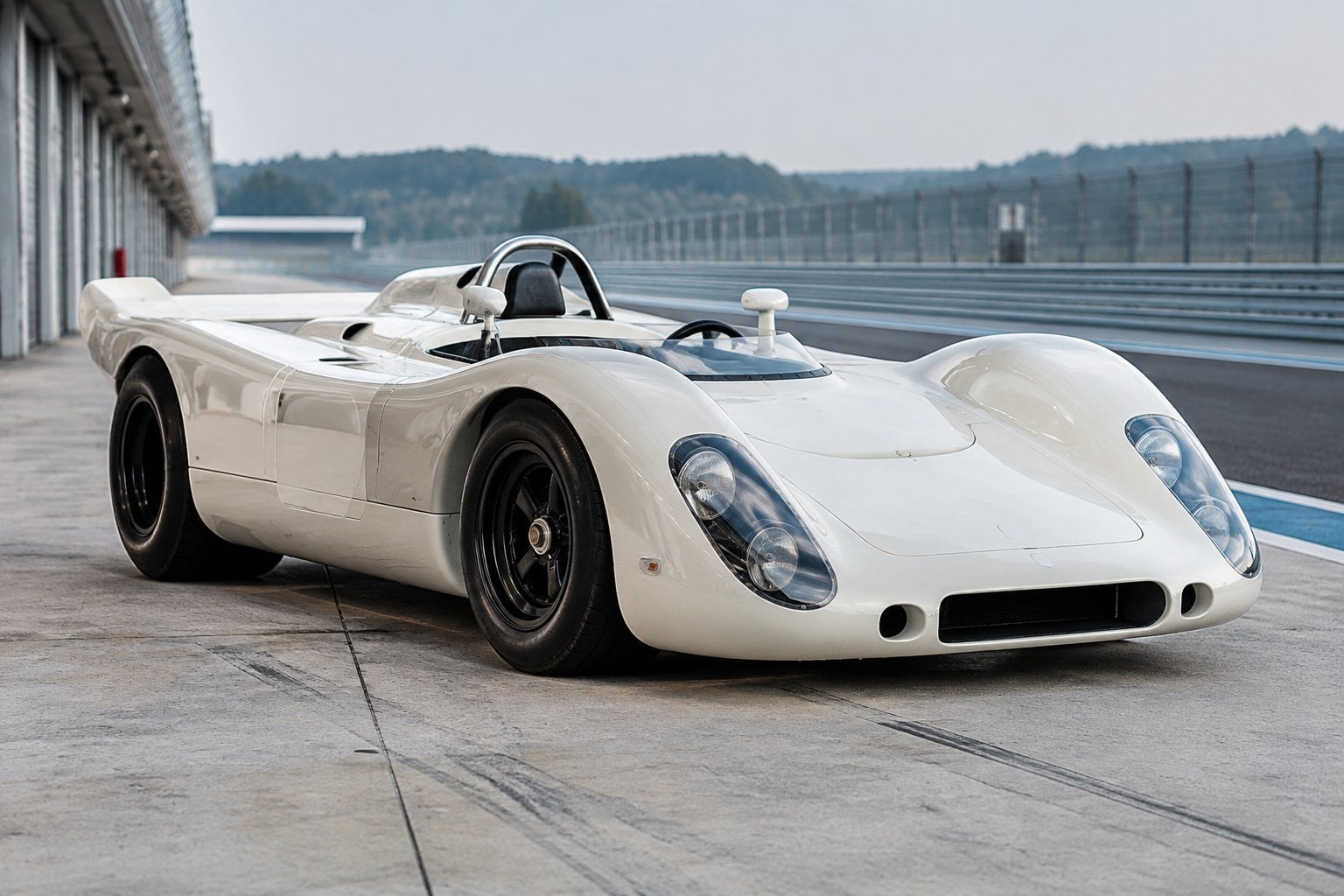
You’re looking at one of the most historically significant factory prototypes Porsche ever campaigned. This 908/02 carried a flat-eight engine, the configuration that defined Porsche’s endurance racing program in the late 1960s.
Works drivers included some of the biggest names in sports car racing at the time. You’ll find connections to Vic Elford, Richard Attwood, and Pedro Rodriguez among those who raced similar 908/02 chassis during the era.
Factory entries from Porsche in 1969 competed at Brands Hatch, the Targa Florio, and the Nürburgring, building a reputation that privateers later chased with their own 908/02 purchases.
Gooding & Co. handled the sale at Pebble Beach in 2022, where it brought $4,185,000. The result reflects what collectors expect to pay for a genuine, well-documented factory prototype from Porsche’s golden era of sports car racing.
23. 1955 Porsche 550 Spyder by Wendler: $4.185 Million
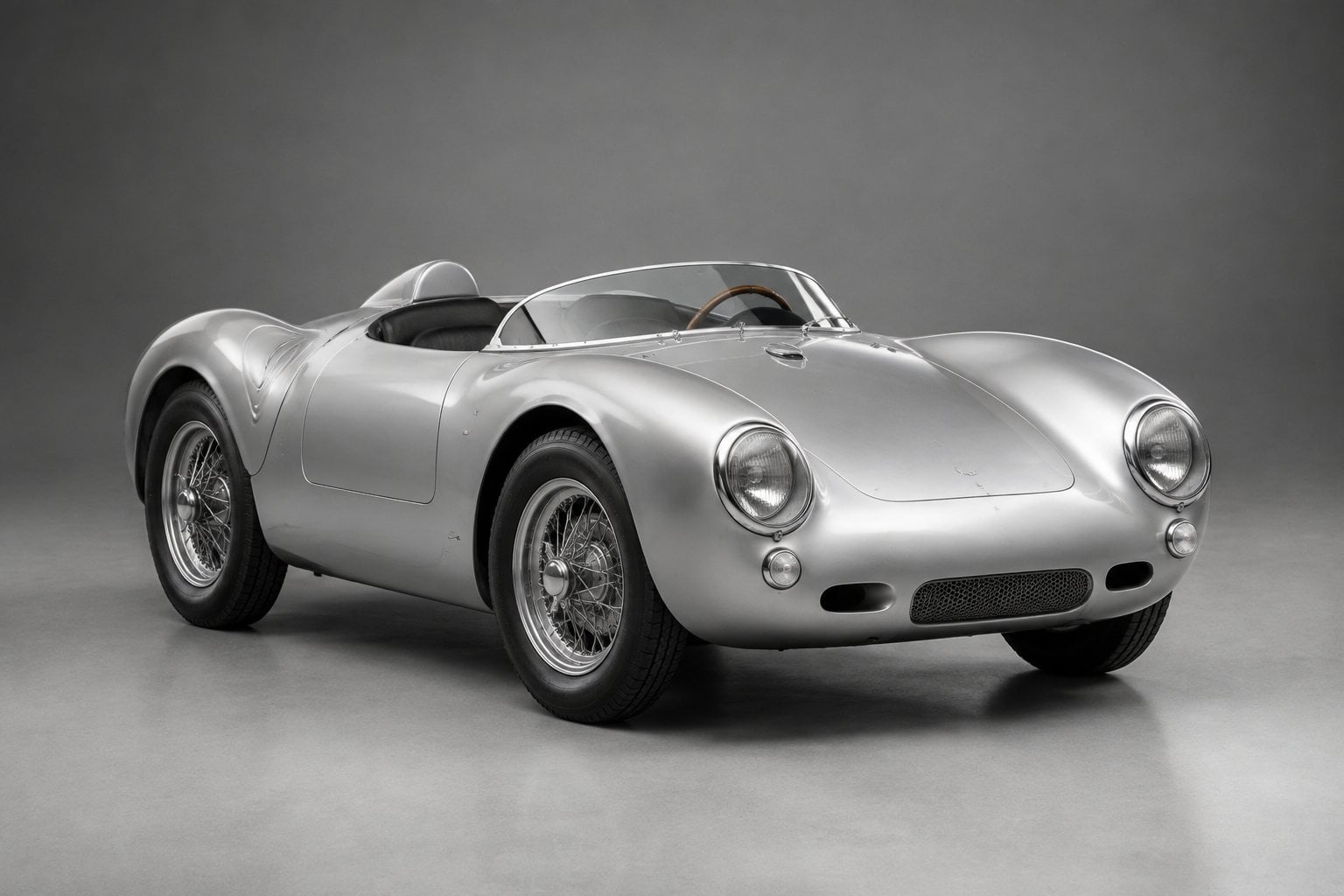
You are looking at one of the earliest purpose-built Porsche race cars, and it carries weight far beyond its small size. Porsche produced only 90 examples of the Wendler-bodied 550 Spyder between 1953 and 1956, making every surviving car a genuine rarity.
This mid-engine lightweight was built to win races outright, not just compete in them. Its aluminum body, crafted by coachbuilder Wendler, wrapped around a four-cam engine that would go on to define Porsche’s performance reputation for the next decade.
You can trace the 550 Spyder’s importance to its role as Porsche’s template for outside coachbuilders shaping the company’s most significant early models. That partnership approach shaped how Porsche developed cars for years afterward.
Buyers and collectors value these cars for their documented competition history, since most 550 Spyders were campaigned by serious enthusiasts and recognized racing teams rather than left idle. You find that this ownership pattern adds credibility and depth to each car’s story.
This particular example sold for $4,185,000 at Bonhams’ Amelia Island auction in 2022, reflecting the strong demand collectors continue to show for early, race-proven Porsche machinery with verified provenance.
24. 1970 Porsche 917K Interserie Spyder: $3.967 Million
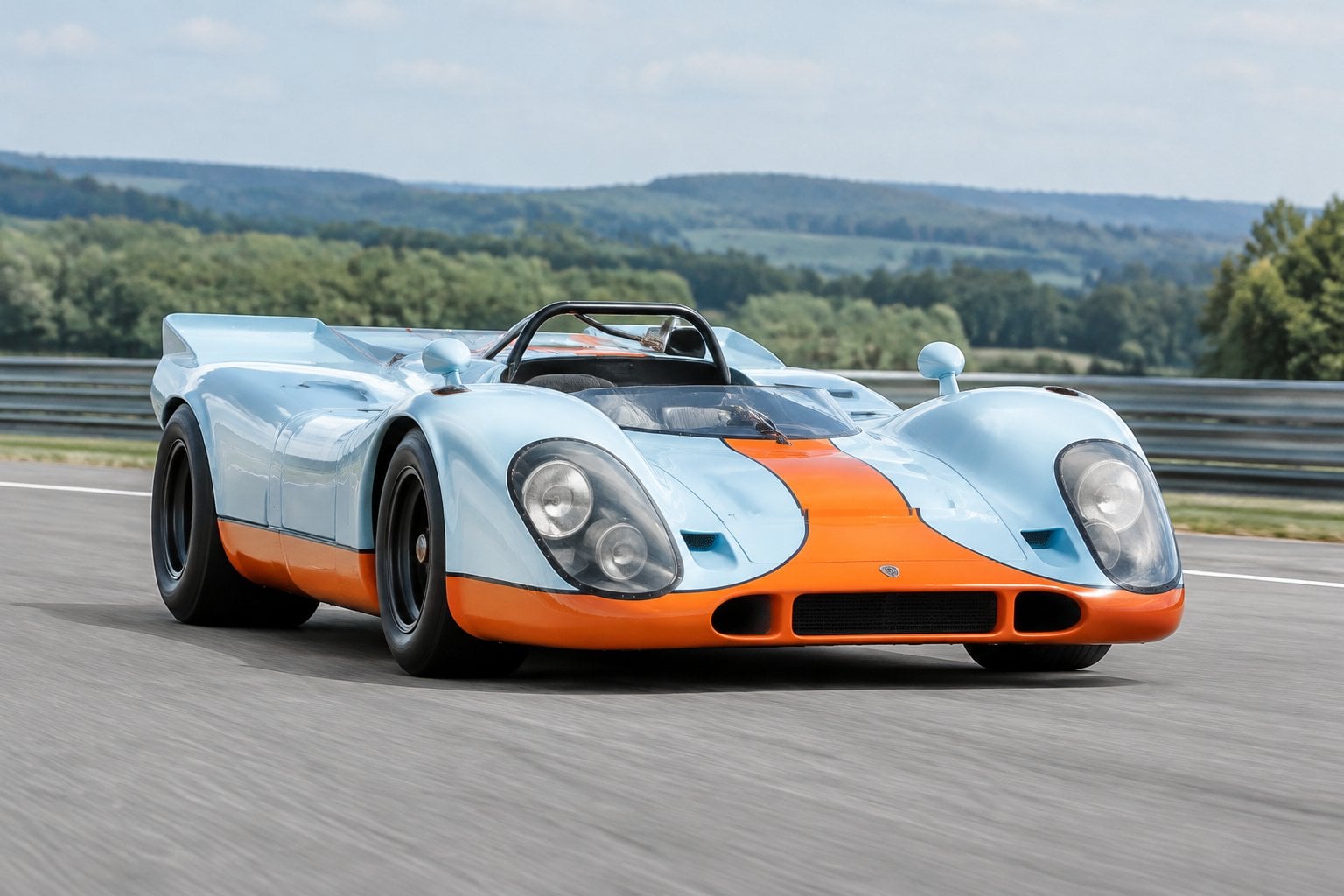
You’re looking at one of the most unusual 917 derivatives ever built. Porsche converted this car into open-top Spyder configuration in the early 1970s, a practice that wasn’t unusual at the time as factory teams adapted chassis for different racing series.
This modification allowed the car to compete in the Interserie, a European-based championship that followed the same free-formula spirit as Can-Am racing in North America. The Interserie gave Porsche another stage to showcase the 917 platform outside of endurance racing.
You can trace the 917’s dominance back to its 5.0-liter flat-12 engine, a design that powered the model to overall victory at Le Mans in 1970. That same engineering foundation carried over into the Spyder variants built for sprint-style racing.
The model’s success in that championship helped cement its reputation before the 917/10 took over in 1972.
It sold for $3,967,000 at Bonhams’ Quail Lodge auction in 2010. Collectors value this car for its connection to one of the most significant race car lineages Porsche ever produced.
25. 2015 Porsche 918 Spyder Weissach Grand Prix White: $3.9375 Million
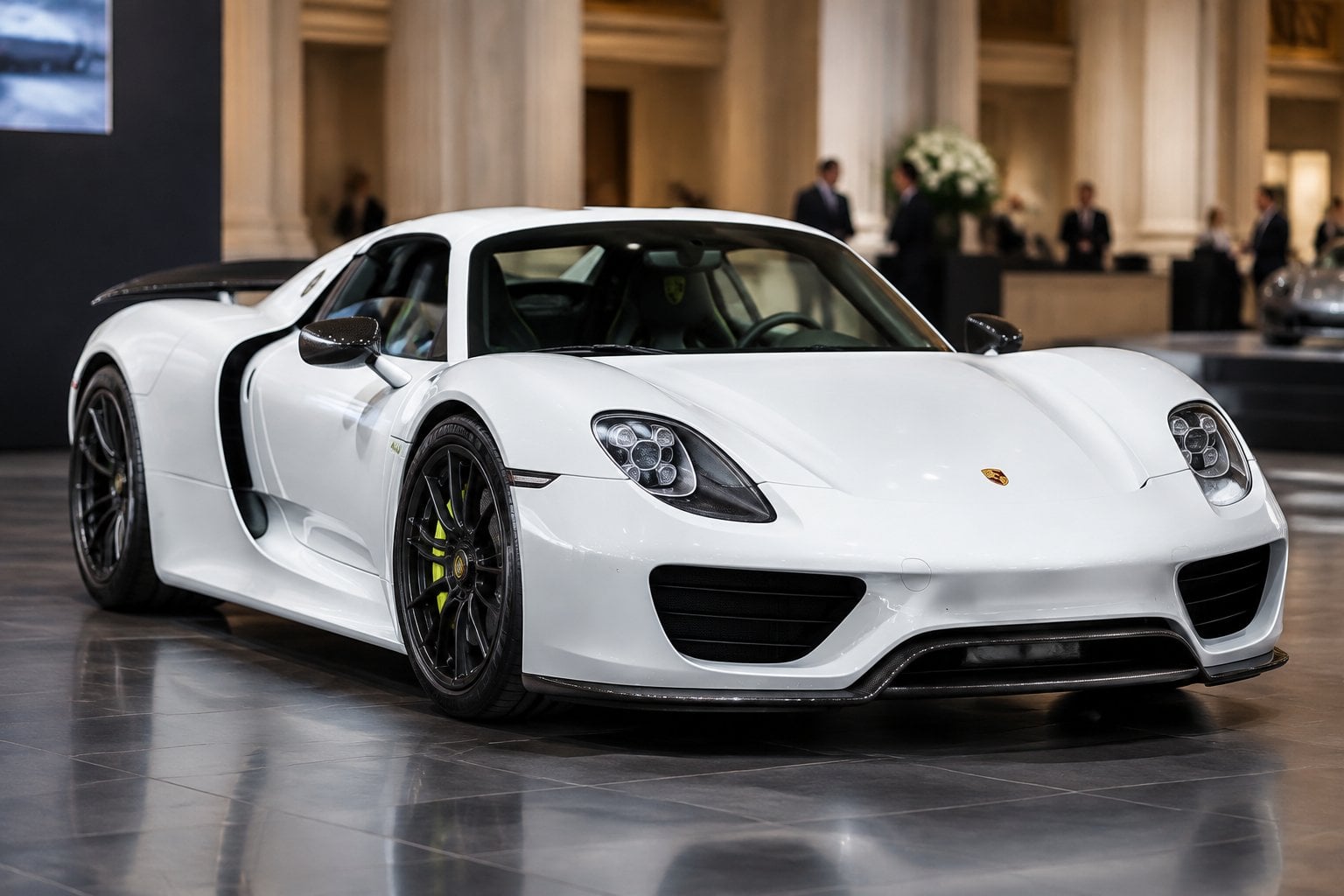
You’re looking at one of the best-known 918 Spyders to come to auction.
Finished in Grand Prix White, this example carries the Weissach performance package. That package adds magnesium wheels, extra carbon fiber components, and lighter suspension hardware, trimming weight while sharpening handling.
Under the bodywork, you get the same hybrid powertrain found in every 918: a naturally aspirated V8 paired with two electric motors, producing a combined output close to 900 horsepower. Porsche built only 918 examples of this model, and the Weissach package was selected on a limited number of them, making this car doubly scarce.
It sold at RM Sotheby’s in 2023 for $3,937,500, reflecting both the rarity of the specification and the strength of collector demand for the 918 platform.
26. 1955 Porsche 550 Spyder by Wendler Sold in Munich: €3.46 Million (About $3.6 Million)
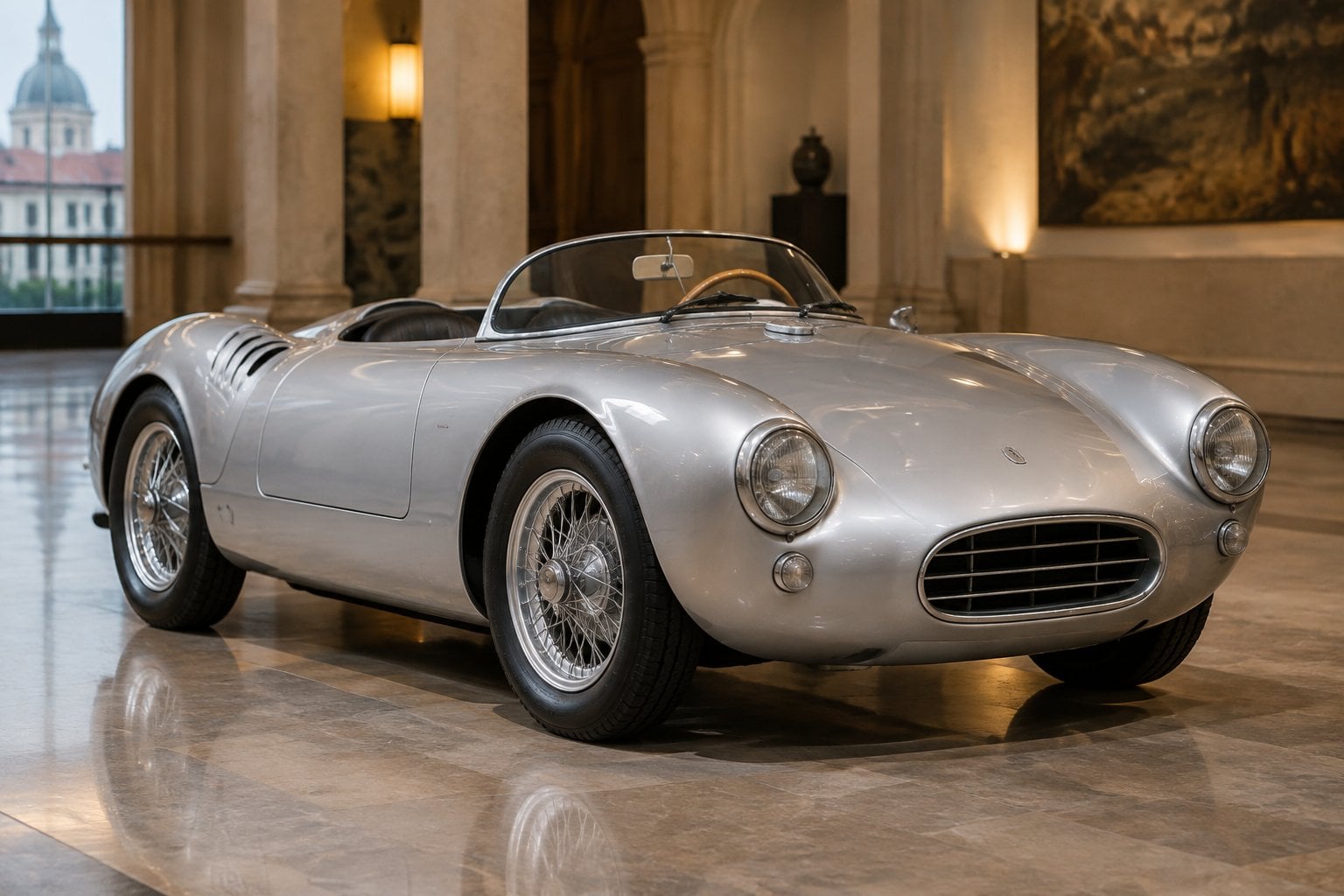
You see in this 550 Spyder one of only 90 examples Porsche built between 1953 and 1956, making it a genuinely rare piece of the brand’s early racing history. Its aluminum body was crafted by Wendler, the coachbuilder whose work helped define Porsche’s first purpose-built competition car. The partnership between Porsche and outside coachbuilders would become a recurring theme in the company’s history, and this car stands as an early example of that approach.
You should note the 550 Spyder’s significance as Porsche’s first model developed specifically for racing rather than adapted from a road car. Its lightweight construction and mid-engine layout gave it a competitive edge against larger rivals of its era, and examples like this one saw genuine use in period motorsport.
When it crossed the block at RM Sotheby’s Munich sale in 2024, it brought €3,464,375 (about $3.6 million), a price that confirms the enduring collector demand for these pioneering Spyders, regardless of which individual chassis comes to market.
27. 2022 Porsche 911 Sally Special: $3.6 Million
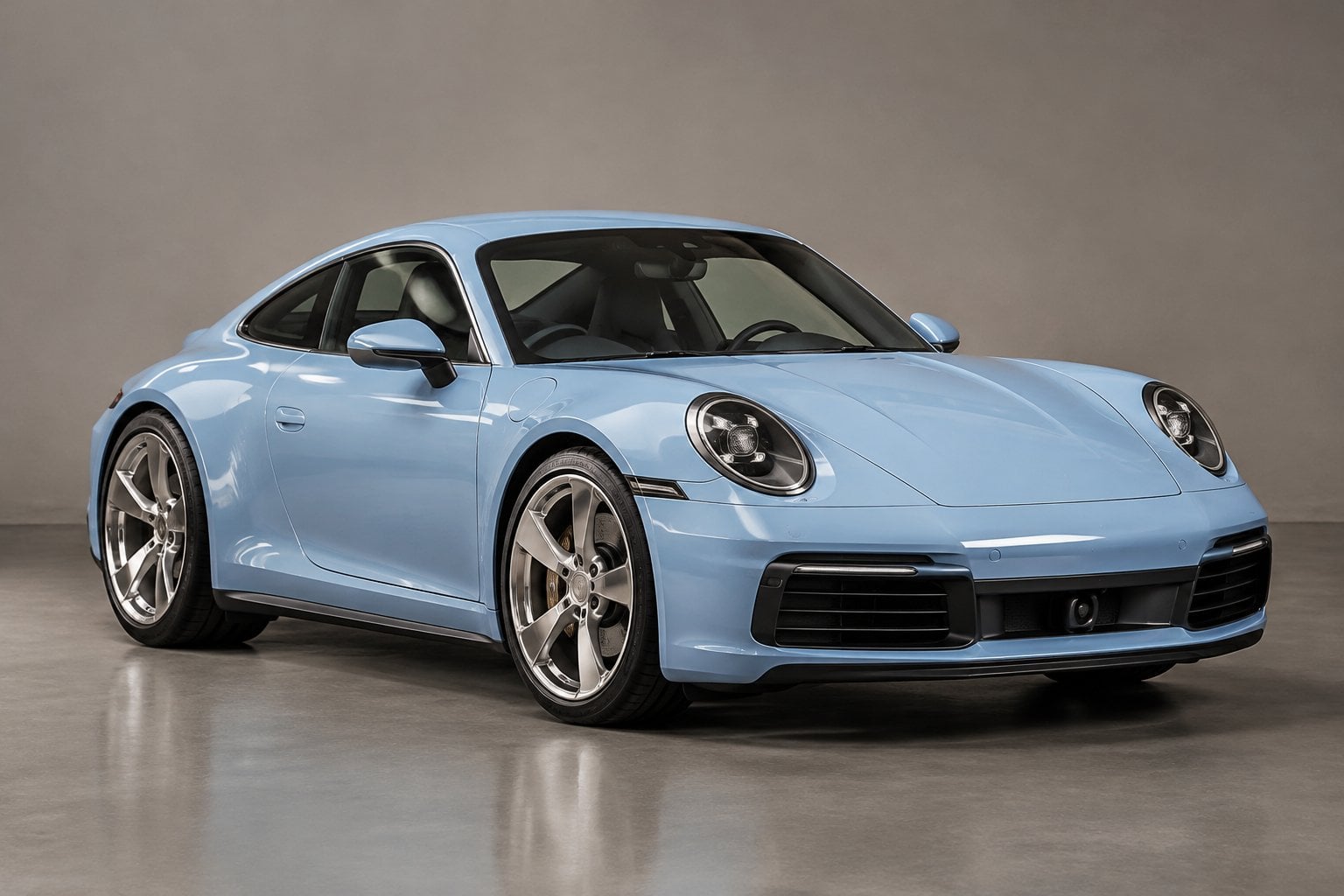
You can see why this car broke new ground for Porsche. The 911 Sally Special was a one-of-one build created in collaboration with Pixar, drawing direct inspiration from the character Sally Carrera in the Cars film franchise.
Based on a 2022 911 Carrera GTS, the car carried custom Sally Blue paintwork along with design cues pulled straight from the animated character. Porsche’s own design and Exclusive Manufaktur teams worked directly with Pixar’s creative staff to get the details right, making this far more than a simple paint job or badge exercise.
When it crossed the block at RM Sotheby’s Monterey Auction in August 2022, it sold for $3.6 million, setting a record at the time for a new Porsche sold at auction. You should note that every dollar of the sale went to charity, with proceeds split between Girls Inc. and USA for UNHCR.
The result reflects how collectors value cultural crossover projects, not just raw performance or racing pedigree. This sale proved that a modern, non-race Porsche built around a film tie-in could command a price rivaling some of the marque’s most storied competition cars.
28. 1970 Porsche 908/03 Spyder: $3.575 Million
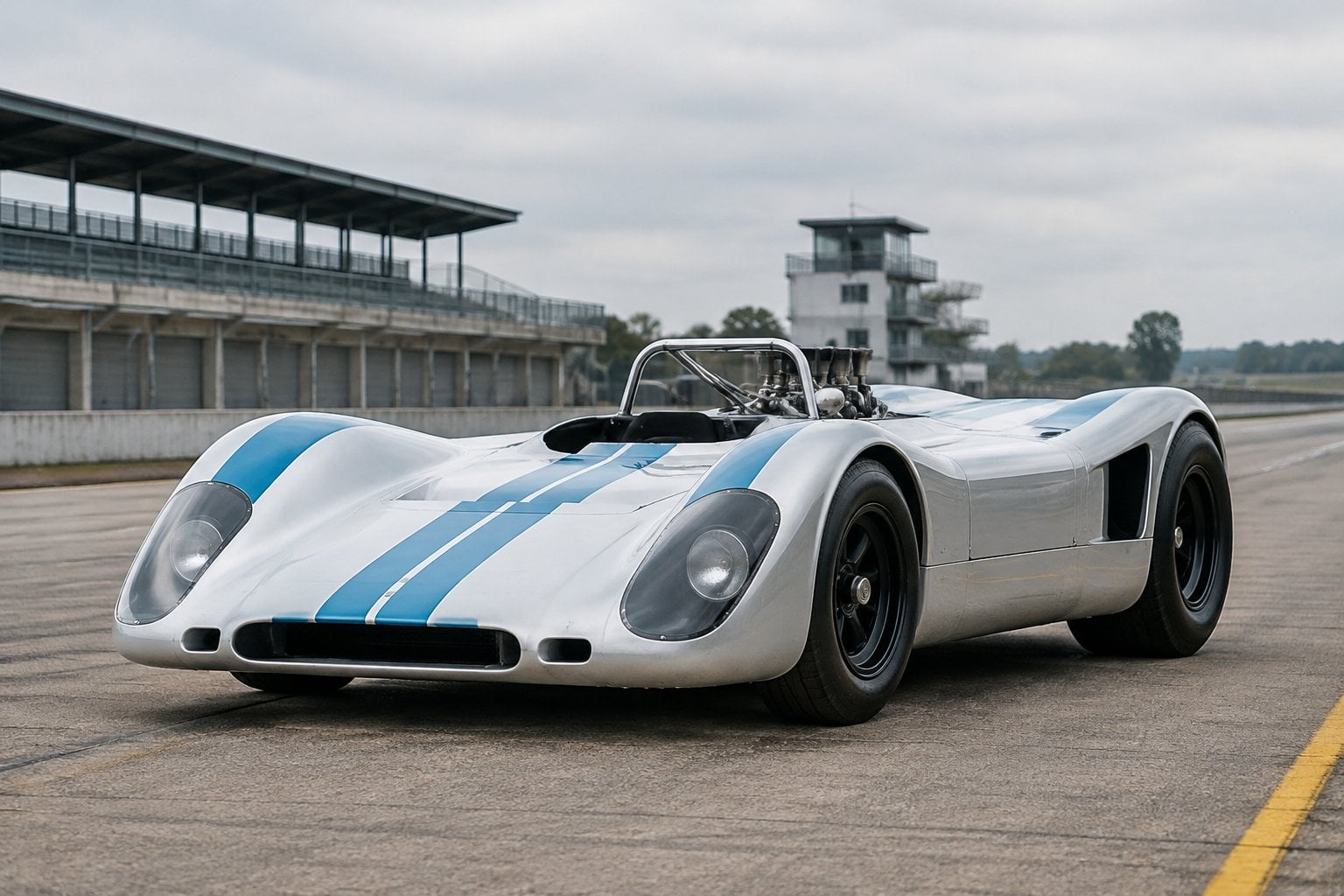
You can see why the 908/03 holds a unique place in Porsche’s racing history. This spyder was built specifically for tight, twisty circuits like the Targa Florio and the Nürburgring, where agility mattered more than top speed.
Weighing in at just around 1,190 pounds, you get a sense of how aggressively Porsche pursued lightweight design here. The chassis used titanium components and a minimal body structure to keep weight down.
Power came from a 3.0-liter flat-eight engine producing roughly 350 horsepower. For a car this light, that output gave it exceptional performance through mountain roads and winding circuits.
This particular example sold at RM Sotheby’s Monterey auction in 2017 for $3,575,000. The result reflects the car’s documented racing pedigree and its role in Porsche’s championship efforts during that era.
29. Porsche Carrera GT Sold at RM Sotheby’s Miami: $3.305 Million
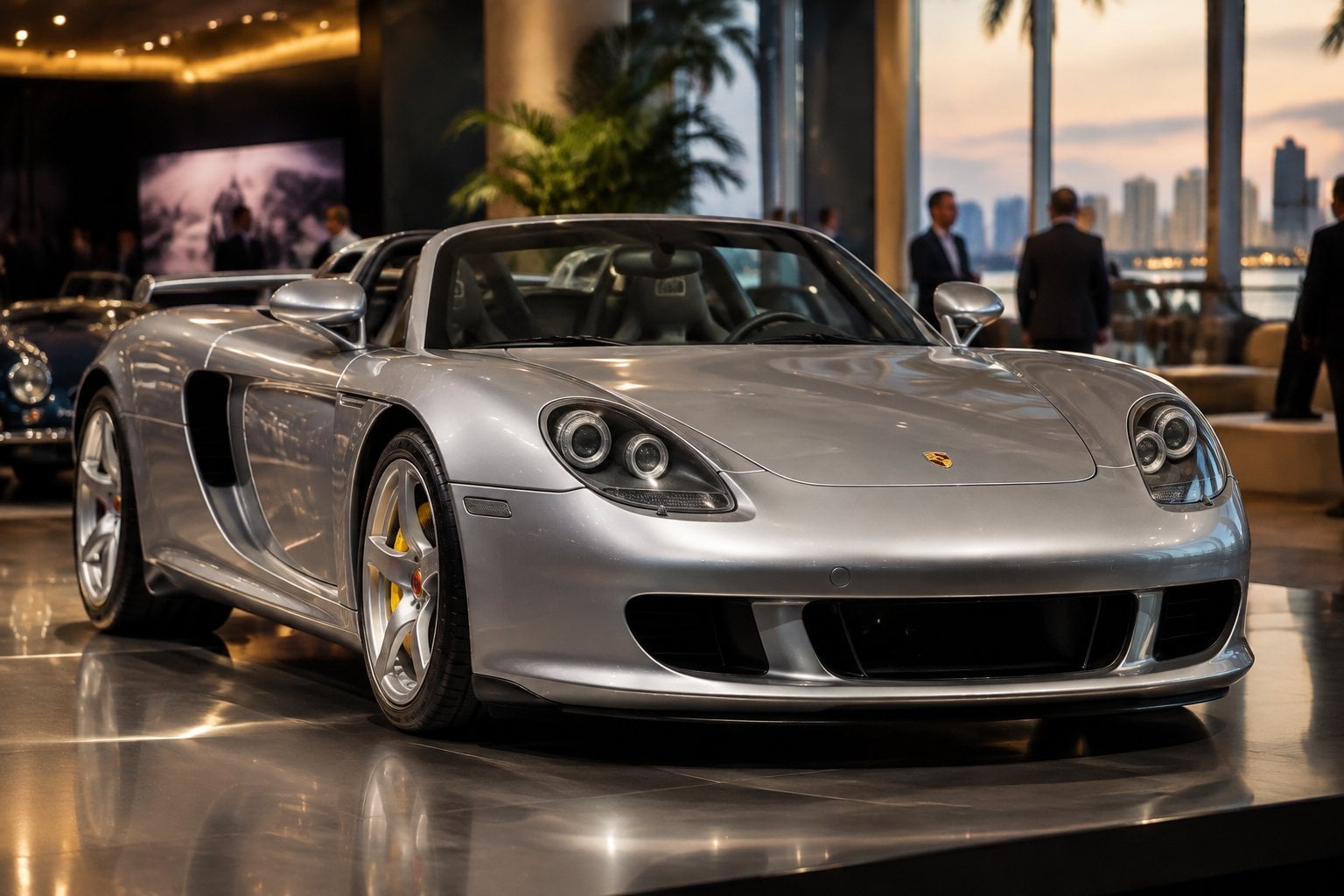
You can see why collectors rushed to bid when this Carrera GT crossed the block at RM Sotheby’s Miami sale, where it sold for $3.305 million.
The Carrera GT holds a specific place in Porsche’s lineup. Built from 2004 to 2006, it was the brand’s first and only production car to use a V-10 engine, a design originally developed for a canceled Le Mans prototype program. You get 605 horsepower sent through a six-speed manual transmission, with no electronic driver aids to soften the experience.
Only 1,270 units were produced worldwide, and each one left the factory with a carbon-fiber monocoque chassis, a feature almost unheard of in a road car at that price point in the mid-2000s.
This particular result reflected a broader trend you could watch unfold across the 2026 auction season, as Carrera GT values climbed sharply at sale after sale. The Miami price slotted into that pattern, arriving shortly after other examples had already pushed past previous benchmarks for the model.
30. 1974 Porsche 911 Carrera RSR Turbo: $3.245 Million
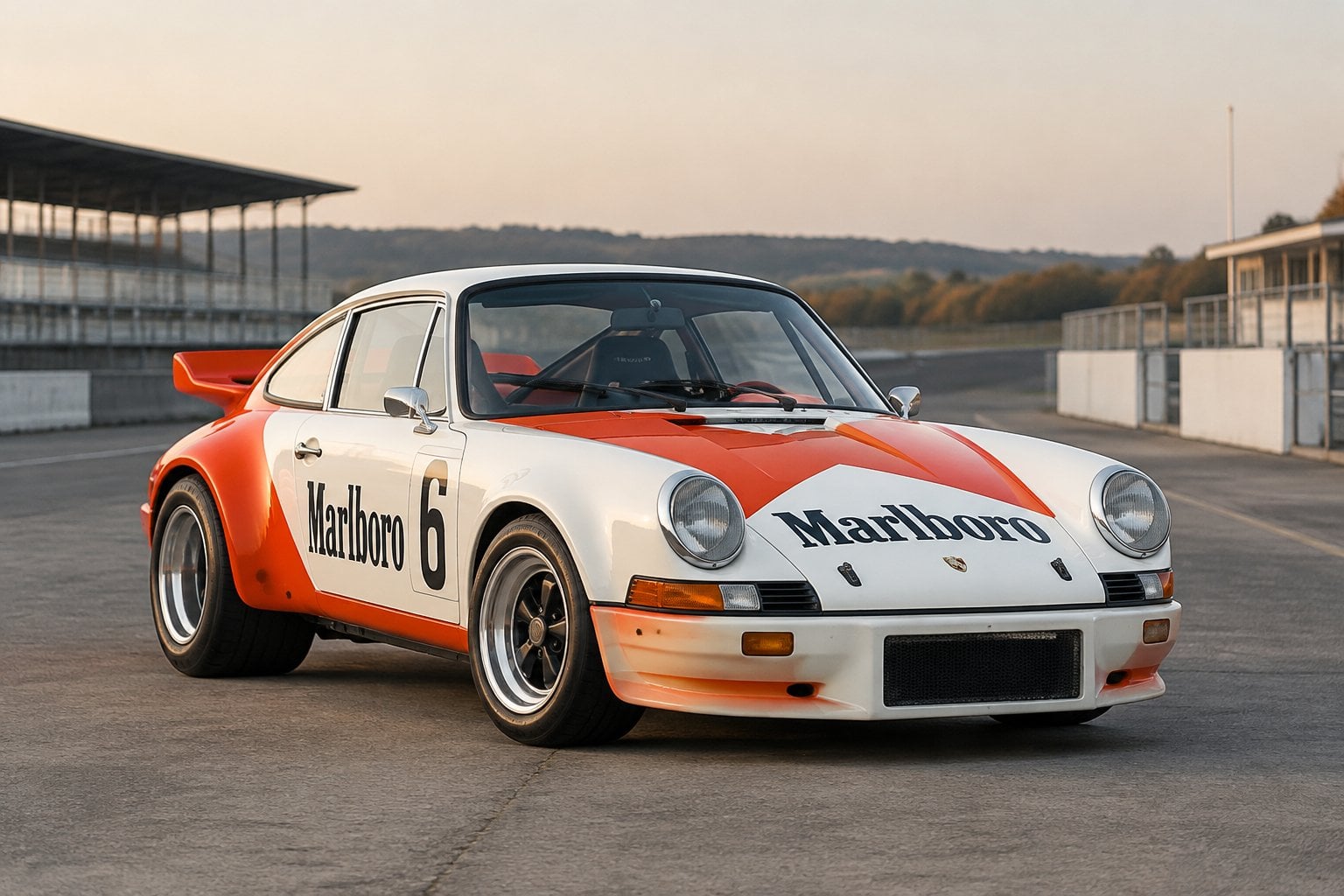
When you look at this car, you’re looking at the origin point of Porsche’s turbocharged racing dynasty. Gooding & Company sold this 1974 Porsche 911 Carrera RSR Turbo for $3,245,000 at its Amelia Island auction in 2012.
You should know this was one of only four Martini-liveried RSR Turbo 2.1 models Porsche built for factory use that season. The car wasn’t intended for customer sale; it served as a rolling test bed for turbocharging technology that would later define the 911 Turbo road car.
Under the rear decklid, you’ll find a 2.1-liter flat-six fitted with a turbocharger, a radical departure from the naturally aspirated RSR 3.0 built for privateer teams. This smaller displacement was chosen deliberately to meet FIA equivalency formulas while still producing substantial power.
Turbo lag made the car demanding to drive, especially out of corners, but it proved the concept worked. You can trace a direct line from this experimental racer to decades of Porsche turbo dominance on both road and track.
What Drives Exceptional Porsche Values
Several factors determine why one Porsche sells for six figures while a similar-looking model crosses the block for eight figures. You’ll find that rarity, racing history, and physical condition carry the most weight in these valuations.
Rarity, Originality, and Documented Provenance
Production numbers matter more than you might expect. A Porsche built in single or double digits, like the 917K or certain 959 variants, will always outperform mass-produced siblings at auction.
Originality adds another layer. Cars that retain their factory-original paint, interior, and mechanical components command premiums over restored examples.
You should also pay attention to provenance records. A documented ownership history, especially one tracing back to the original buyer or a notable collector, verifies authenticity and removes doubt about a car’s background.
Key provenance elements include:
- Factory build sheets
- Service records from authorized dealers
- Chain-of-custody documentation
- Period photographs matching the specific chassis
Racing Pedigree and Historical Significance
You’ll notice that cars with verified competition history sell for substantially more than road-going counterparts. A Porsche that competed at Le Mans, Daytona, or Targa Florio carries a different weight in the market than a showroom model.
Specific race results matter too. A chassis that finished on the podium, or one driven by a recognized driver, adds measurable value beyond the model’s base worth.
This explains why the 917K commands over $14 million while other Porsches from the same era sell for a fraction of that price. The car’s connection to Porsche’s Le Mans victories gives it historical weight that collectors are willing to pay for.
Condition, Restoration Quality, and Matching Numbers
Matching numbers, meaning the engine, transmission, and chassis all carry their original factory-assigned numbers, remain a baseline requirement for top-tier sales. You’ll find that cars missing this alignment sell at a discount, regardless of their rarity.
Restoration quality also separates similar cars at auction. A concours-level restoration performed with period-correct parts and techniques holds more value than a car with aftermarket substitutions or incomplete work.
Condition assessments typically cover:
- Original paint/interior: Increases value significantly
- Matching numbers: Required for top-tier pricing
- Mechanical functionality: Must be verified, not assumed
- Restoration documentation: Supports authenticity claims
You should expect auction houses to inspect these details closely before assigning estimates.
How to Interpret Porsche Sale Records
Reported sale prices vary based on where the transaction happened, what fees are included, and when the sale occurred. Understanding these factors helps you compare figures accurately and avoid drawing false conclusions from headline numbers.
Auction Results Versus Reported Private Sales
Auction results come from public bidding at houses like Gooding & Company or RM Sotheby’s, and these figures are verified and documented. Private sales, by contrast, often rely on unconfirmed reports from sources close to the deal.
A figure attributed to a private sale may be inflated, rounded, or simply inaccurate since no public record exists to confirm it. You should treat private sale numbers with more caution than auction results.
Some rankings mix both categories together, which can distort comparisons. A verified auction result, like the 917K’s $14.08 million in 2017, is the safer number to rely on.
Always check whether a number comes from a documented auction or an unverified private deal before using it for comparison.
Hammer Prices, Buyer’s Premiums, and Final Totals
The hammer price is the amount bid at auction before fees are added. Most auction houses then apply a buyer’s premium, typically ranging from 10% to 15% of the hammer price, which increases the final total paid.
This distinction matters because some reports cite hammer prices while others cite totals including premiums. A car with a $12 million hammer price might carry a published result of $13.5 million once fees are factored in.
When comparing two sales, confirm you’re looking at the same type of figure. Mixing hammer prices with final totals creates inaccurate rankings, even when the underlying sales are legitimate and well-documented.
Currency Conversion, Inflation, and Sale Dates
Many Porsche auctions happen outside the United States, so prices get converted from euros, British pounds, or other currencies into dollars. Exchange rates shift over time, meaning the same sale could show different dollar figures depending on when the conversion was calculated.
Inflation also affects how you should read older sale prices. A Porsche sold for $2 million in 1990 represents significantly more purchasing power than $2 million today, so direct comparisons across decades can be misleading without adjustment.
Sale dates matter for context, too. The collector car market fluctuates, and prices from peak years like 2015 or 2022 may not reflect current valuations. Always note the date and currency behind any figure you’re evaluating.