The 30 Worst American Cars Ever Made: A Historical Analysis of Automotive Failures
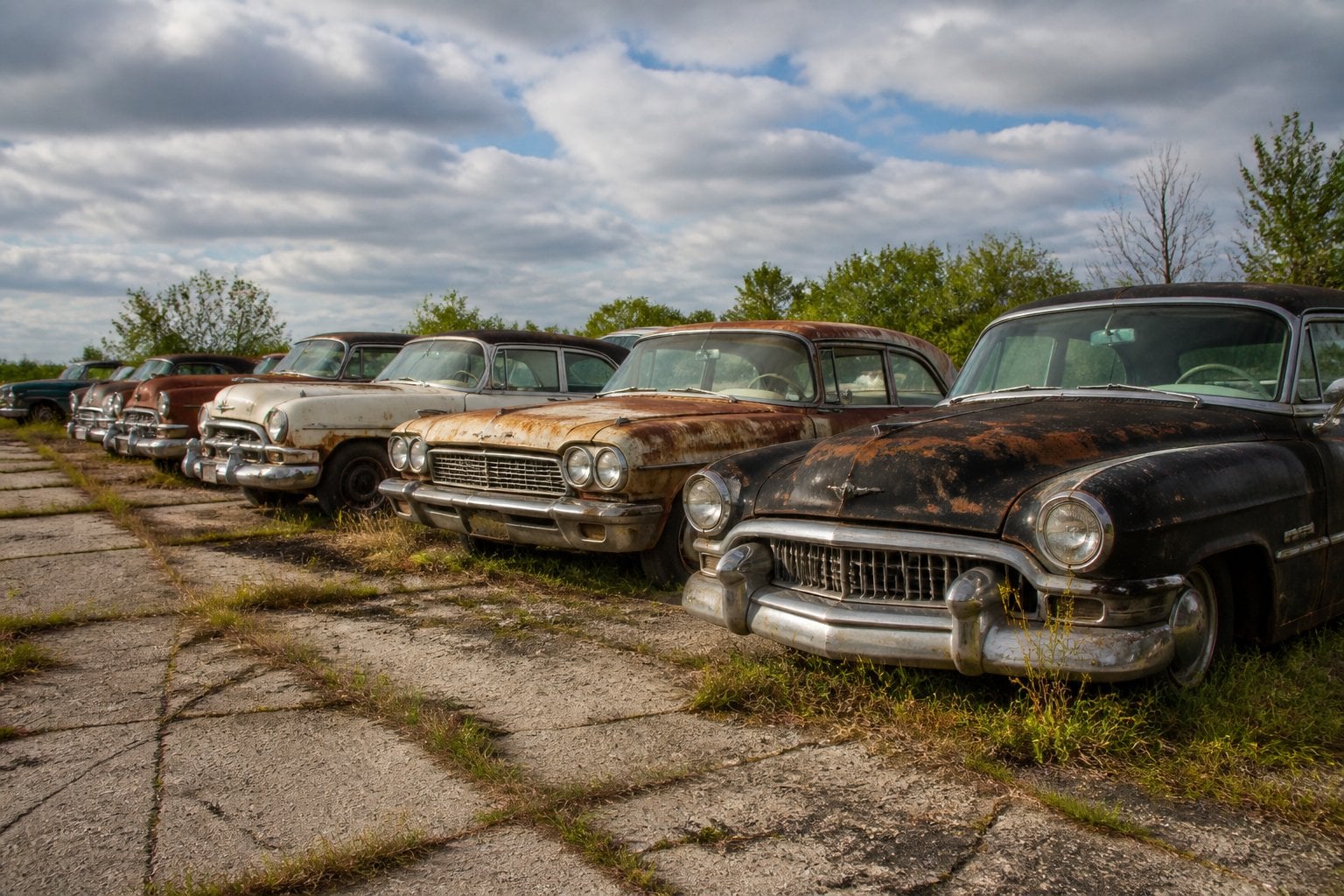
American automotive history features both groundbreaking achievements and notable missteps. Not every vehicle that rolled off the assembly line became a success story, and some cars earned lasting reputations for their shortcomings in design, reliability, or market positioning.
This examination of the 30 worst American cars ever made explores vehicles that disappointed consumers through safety concerns, quality problems, poor performance, or misguided concepts.
From compact economy cars plagued by mechanical issues to luxury vehicles that failed to deliver on their promises, these automobiles represent cautionary tales in automotive engineering and marketing.
Understanding these failures provides valuable insight into what makes a vehicle succeed or fail in the competitive automotive market. The following vehicles span several decades and various categories, each with unique reasons for earning their place on this list.
1. Ford Pinto (1971–1980)
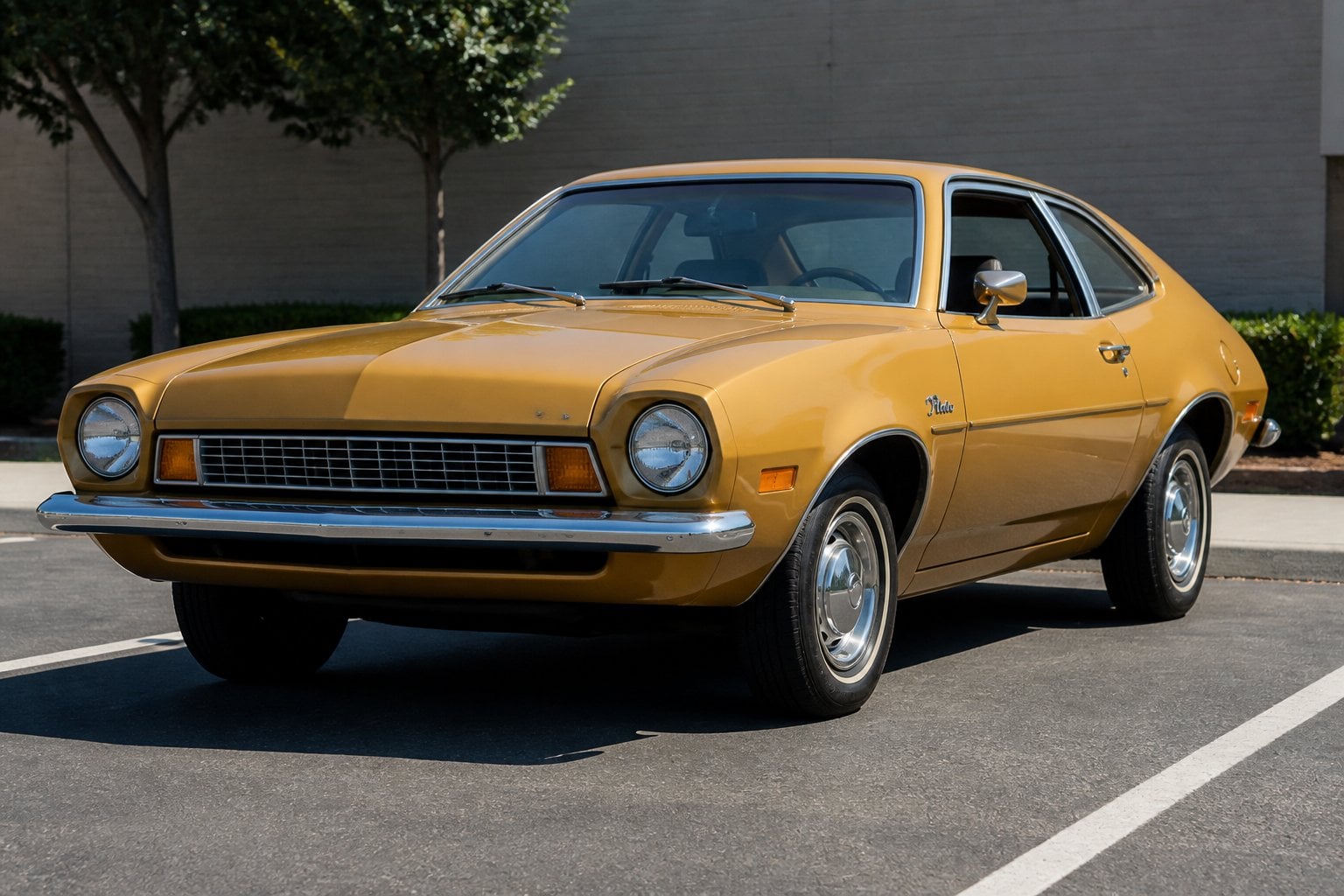
The Ford Pinto stands as one of the most controversial vehicles in American automotive history. Produced from 1971 to 1980, this subcompact car was Ford’s answer to affordable foreign imports like the Volkswagen Beetle.
The Pinto’s main issue centered on its fuel tank design. The tank’s rear-mounted position made it vulnerable during rear-end collisions, potentially causing ruptures and fires.
Despite its safety concerns, the Pinto achieved commercial success. Over 3 million units were sold during its production run, with 1974 marking the peak year at 544,209 units sold. You could buy an affordable, entry-level vehicle that offered decent fuel economy for the era.
The Pinto’s legacy extends beyond its problems. It influenced future automotive safety regulations and sparked important conversations about manufacturer responsibility and cost-benefit analysis in vehicle design.
2. Chevrolet Corvair (1960–1969)
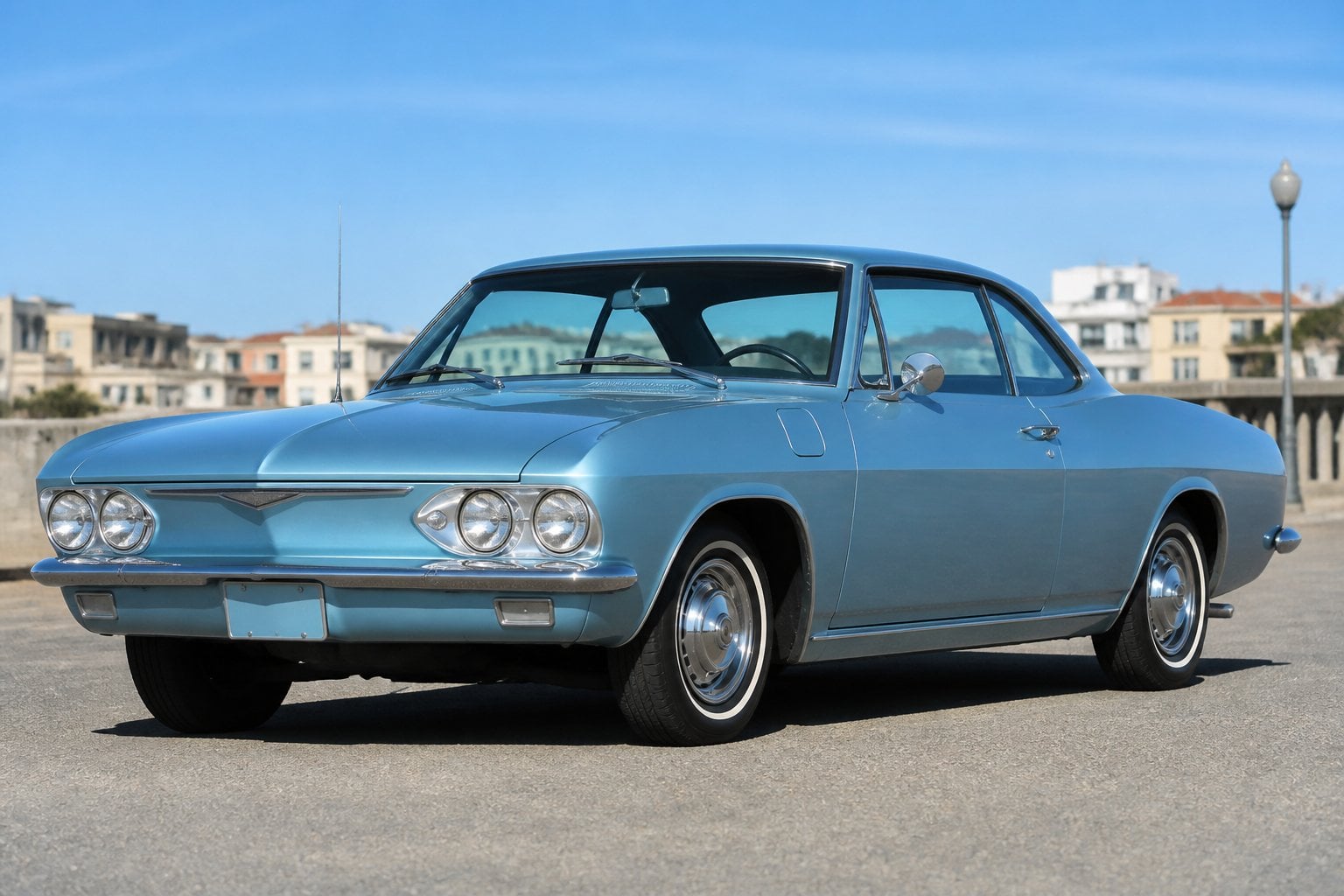
The Chevrolet Corvair was designed as an American answer to the Volkswagen Beetle, featuring a rear-mounted air-cooled engine and compact dimensions. While it offered a modern design for its time, the early models became infamous for serious safety concerns.
Consumer advocate Ralph Nader targeted the Corvair in his 1965 book “Unsafe at Any Speed,” focusing particularly on the 1960-1961 models. The book highlighted design flaws that compromised vehicle safety, which severely damaged the car’s reputation.
The Corvair’s unconventional engineering choices, while innovative, created handling problems that made it difficult to control in certain situations. Despite Chevrolet producing 1.8 million units over its production run, the safety controversy overshadowed any technical merits.
Today, you’ll find a 1963 Corvair displayed at the American Museum of Tort Law, serving as a reminder of this automotive cautionary tale.
3. Chevrolet Chevette (1976–1987)
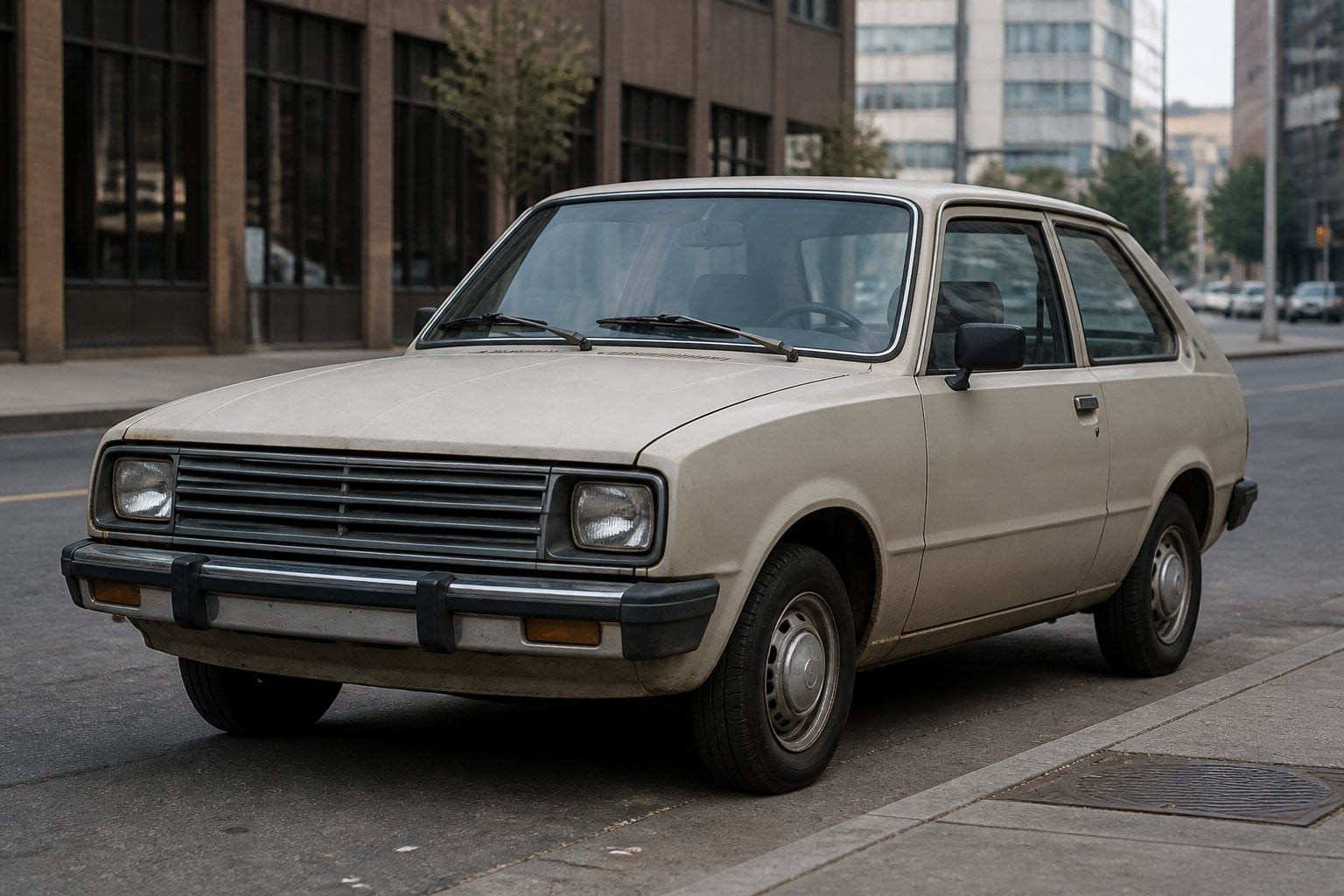
The Chevrolet Chevette represented GM’s attempt to compete in the subcompact market during the fuel crisis era. With a starting price of just $2,899, it became one of America’s most affordable new cars.
However, the Chevette’s bargain price came with significant compromises. The engine was underpowered and struggled with basic acceleration. Build quality was poor, with flimsy construction that led to frequent breakdowns and repairs.
You would have experienced a noisy, uncomfortable ride in this vehicle. The interior lacked basic features and felt cheap throughout.
Despite these shortcomings, GM sold 2.7 million Chevettes over its production run. Many American buyers chose it as an affordable second car, valuing its domestic origins over better-built foreign competitors. The Chevette remained a symbol of cost-cutting over quality in American automotive manufacturing.
4. Pontiac Aztek (2001–2005)
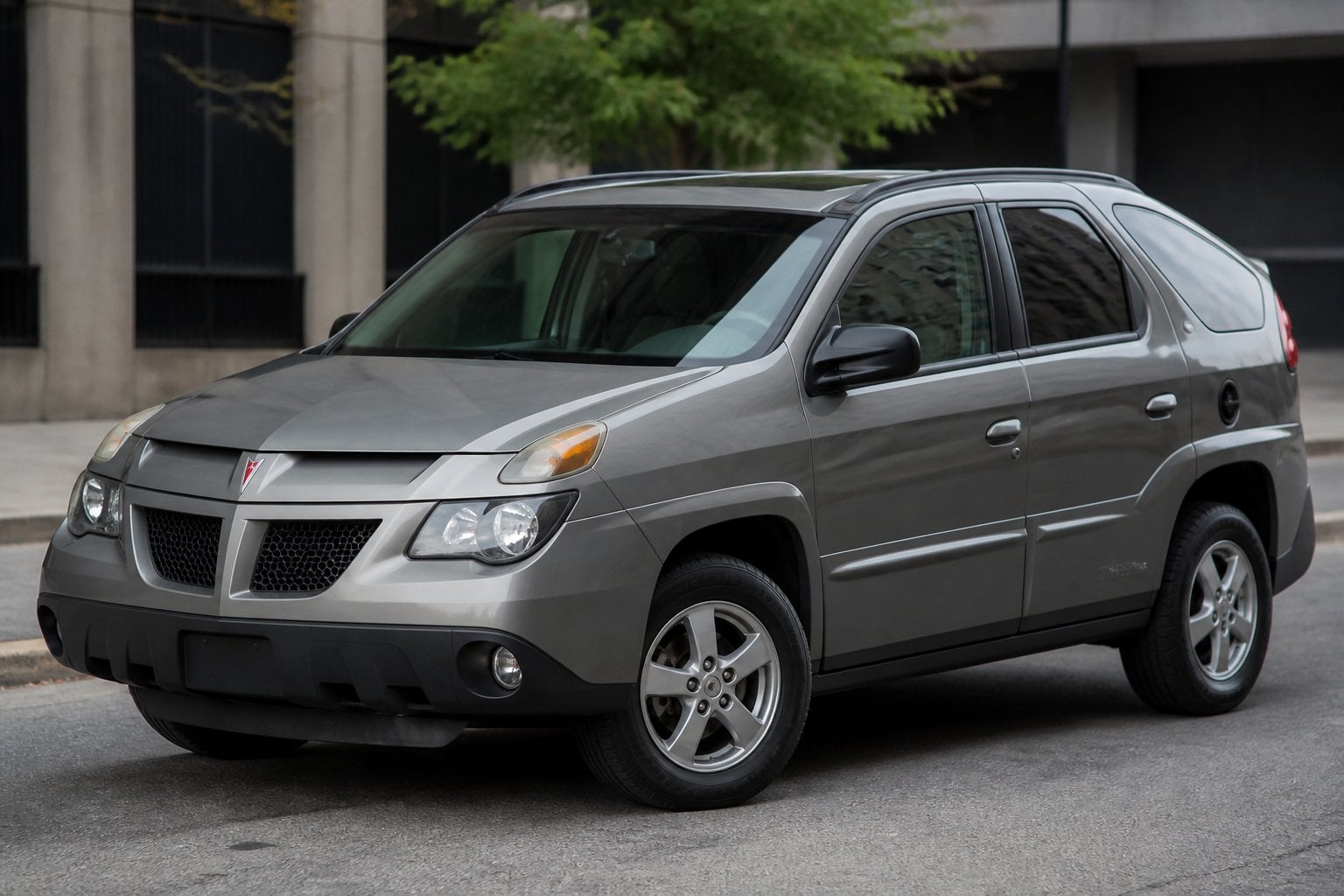
The Pontiac Aztek stands as one of the most criticized vehicles in automotive history. Produced from 2001 to 2005, this mid-size crossover SUV featured a 3.4-liter V6 engine producing 185 horsepower with front-wheel drive and optional all-wheel drive.
The Aztek’s unconventional styling drew widespread criticism from both critics and consumers. Its design included an unusual double hood, plastic body panels, and proportions that failed to resonate with buyers.
Despite being marketed as a futuristic adventure vehicle for young, active consumers, the Aztek struggled to find its audience. You’ll find it frequently listed among automotive failures, including Time’s “50 Worst Cars” and similar rankings.
The vehicle was discontinued after 2005 following poor sales performance. While it attempted to revolutionize the crossover market, its polarizing appearance ultimately overshadowed its practical features and innovations.
5. Yugo GV (1985–1992)
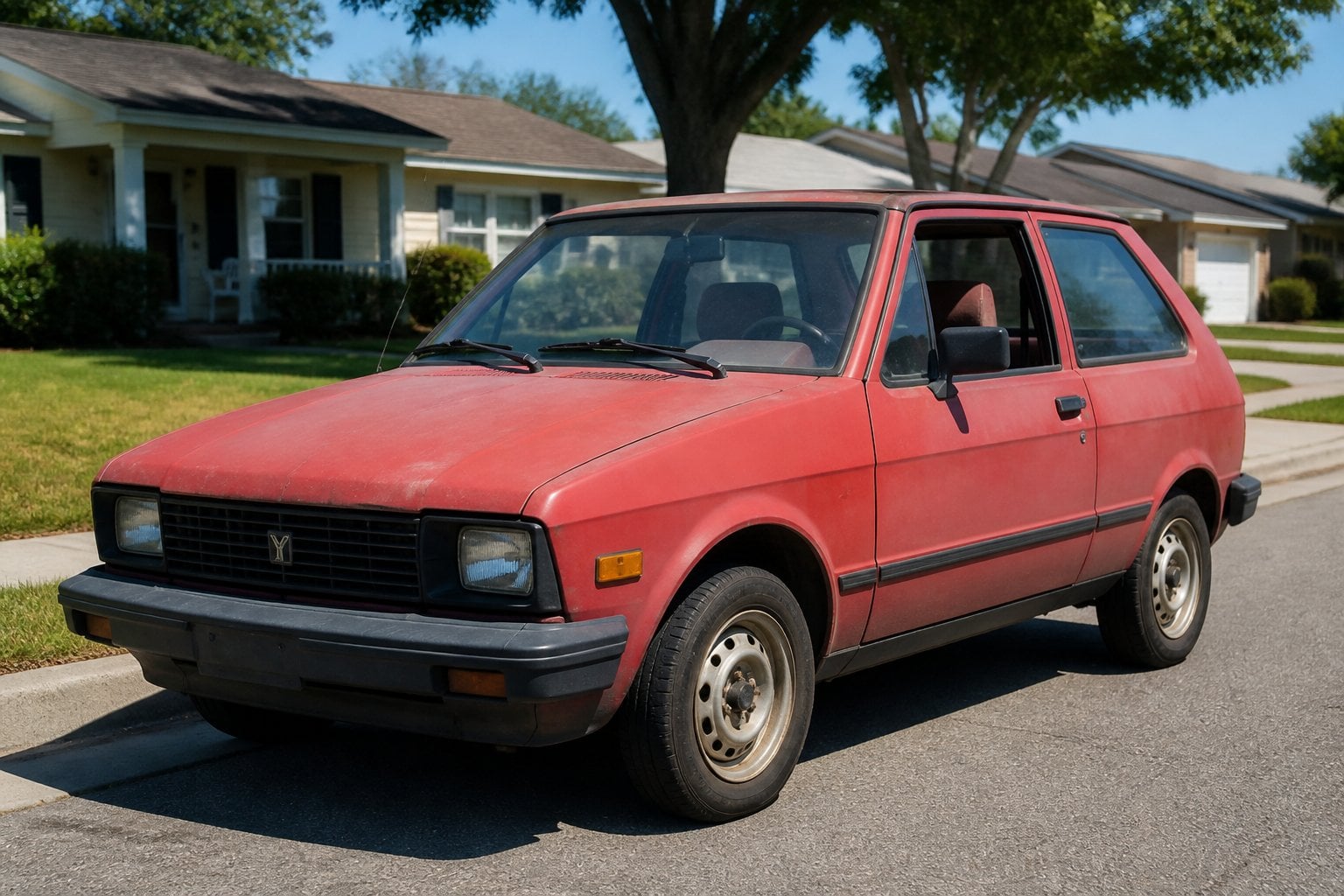
The Yugo GV arrived in American dealerships in 1985 with an eye-catching price of $3,990, making it the cheapest new car you could buy at the time. Malcolm Bricklin imported this Yugoslavian-made vehicle, and nearly 50,000 units sold in the first year alone.
The initial appeal quickly faded as quality problems emerged. Built by Zastava Automobiles and based on the discontinued Fiat 127, the Yugo suffered from persistent mechanical failures and poor build quality. You could expect issues ranging from electrical problems to premature component wear.
Between 1985 and 1992, approximately 140,000 Yugos were sold before the importer went bankrupt. The car became a frequent target of late-night comedians and earned a reputation as one of America’s most unreliable vehicles. What seemed like a bargain turned into a cautionary tale about prioritizing low price over quality and reliability.
6. AMC Gremlin (1970–1978)
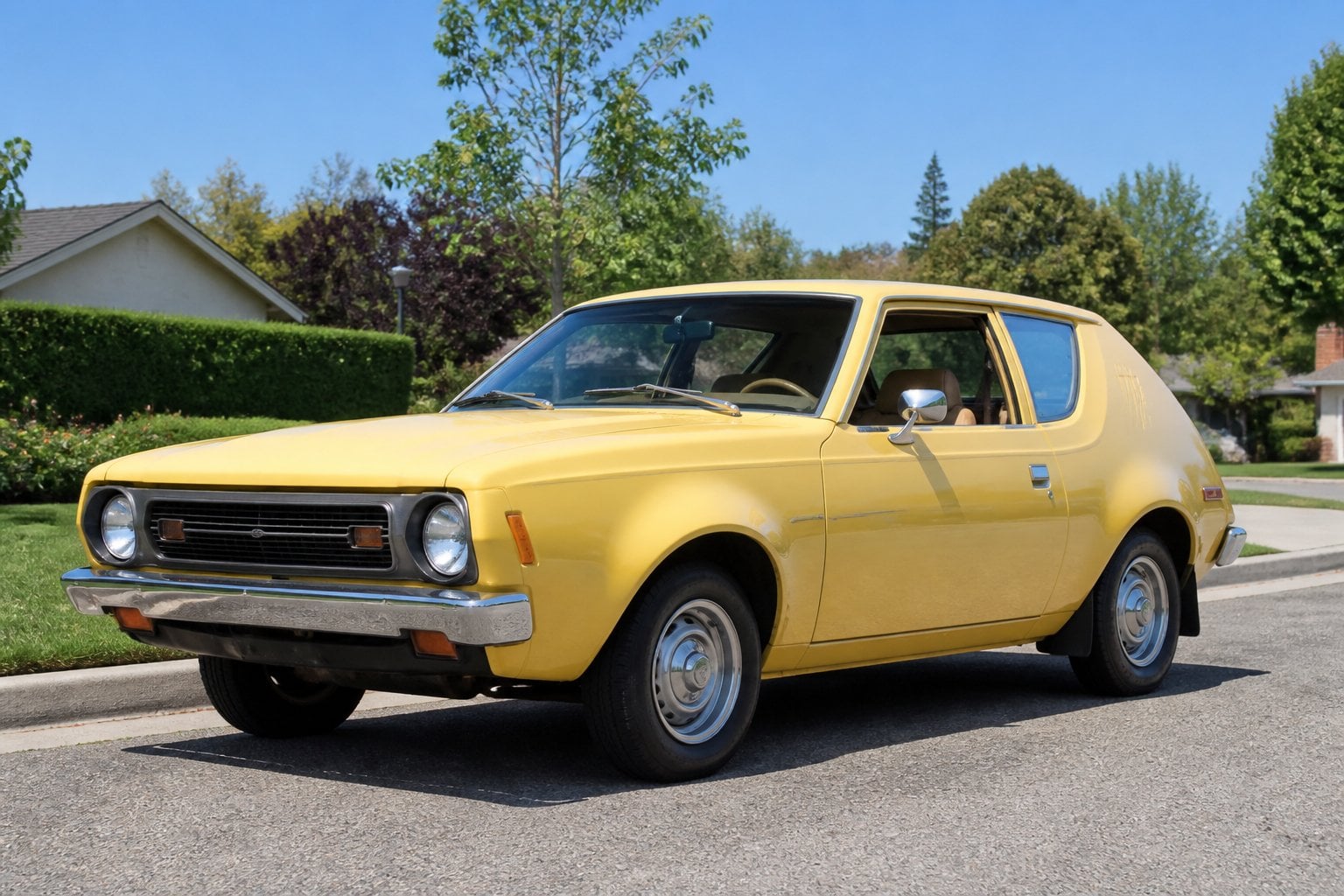
American Motors Corporation launched the Gremlin in 1970 to compete in the emerging subcompact market. Designer Richard Teague created it by shortening the AMC Hornet, resulting in awkward proportions that became the car’s defining characteristic.
The truncated rear end gave the Gremlin a distinctive appearance that drew criticism for looking unfinished. You’d find a cramped interior with limited cargo space, which undermined its practicality as a compact vehicle.
Despite its flaws, the Gremlin achieved commercial success during the 1973-1974 fuel crisis. It sold over 171,000 units in 1974, making it one of AMC’s best-selling models.
The car suffered from outdated technology and reliability issues that frustrated owners. Its cost-cutting construction methods resulted in subpar materials and inconsistent build quality throughout its production run.
7. Ford Edsel (1958–1960)
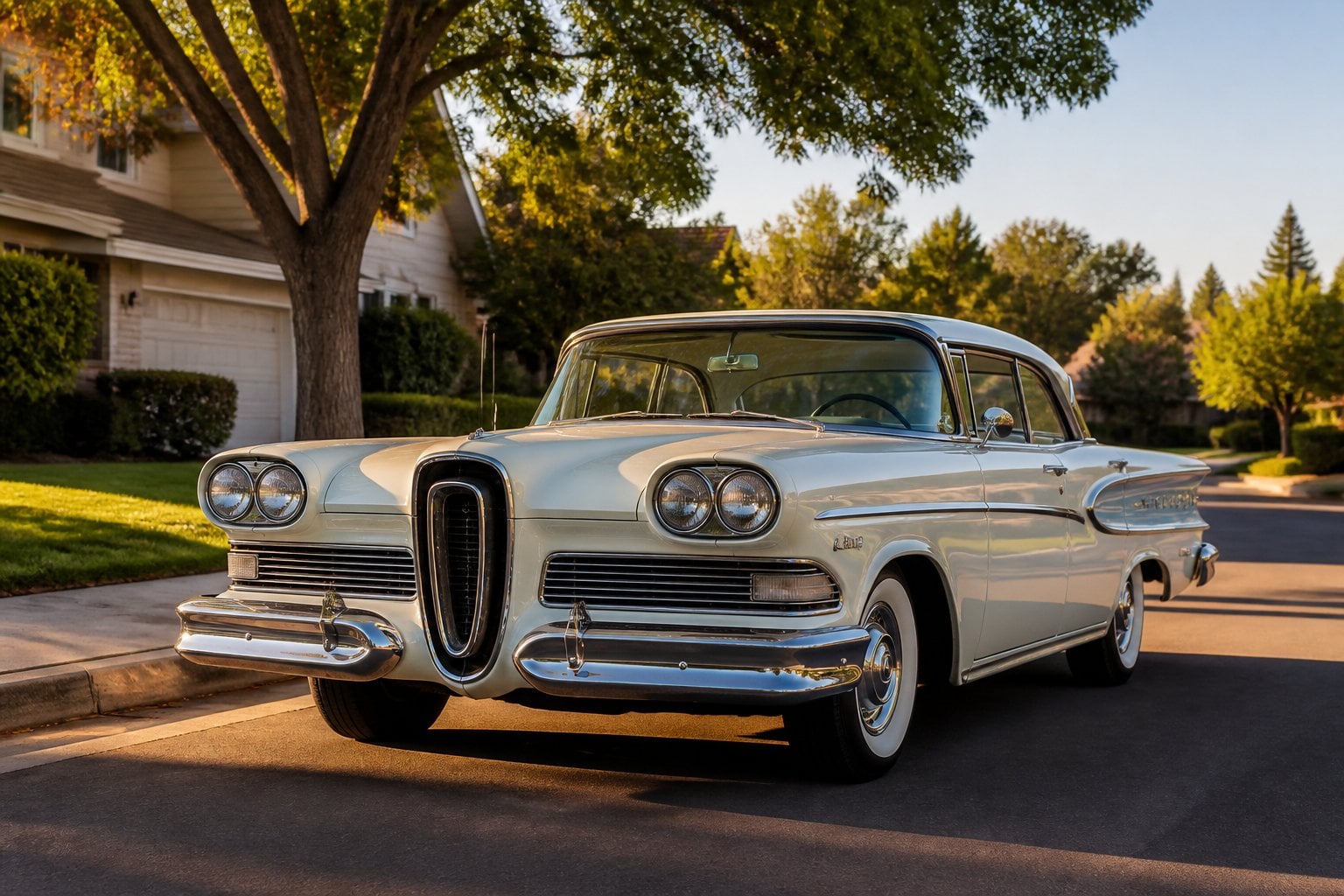
The Ford Edsel stands as one of the automotive industry’s most notorious commercial failures. Ford invested heavily to position it as a revolutionary luxury vehicle that would compete between their existing brands, but the execution fell far short of expectations.
The styling divided consumers, particularly the distinctive vertical grille that many found unappealing. You’d also encounter overly complicated engineering that made maintenance and repairs unnecessarily difficult for mechanics.
Ford misjudged market demand at a critical moment. The Edsel launched during an economic recession when buyers were shifting toward smaller, more economical vehicles rather than premium options.
Despite the expensive marketing campaign, the Edsel failed to attract its intended audience. Poor build quality and an inflated price tag further discouraged potential buyers. Production ended after just three model years, cementing the Edsel’s reputation as a cautionary tale in automotive history.
8. Cadillac Cimarron (1982–1988)
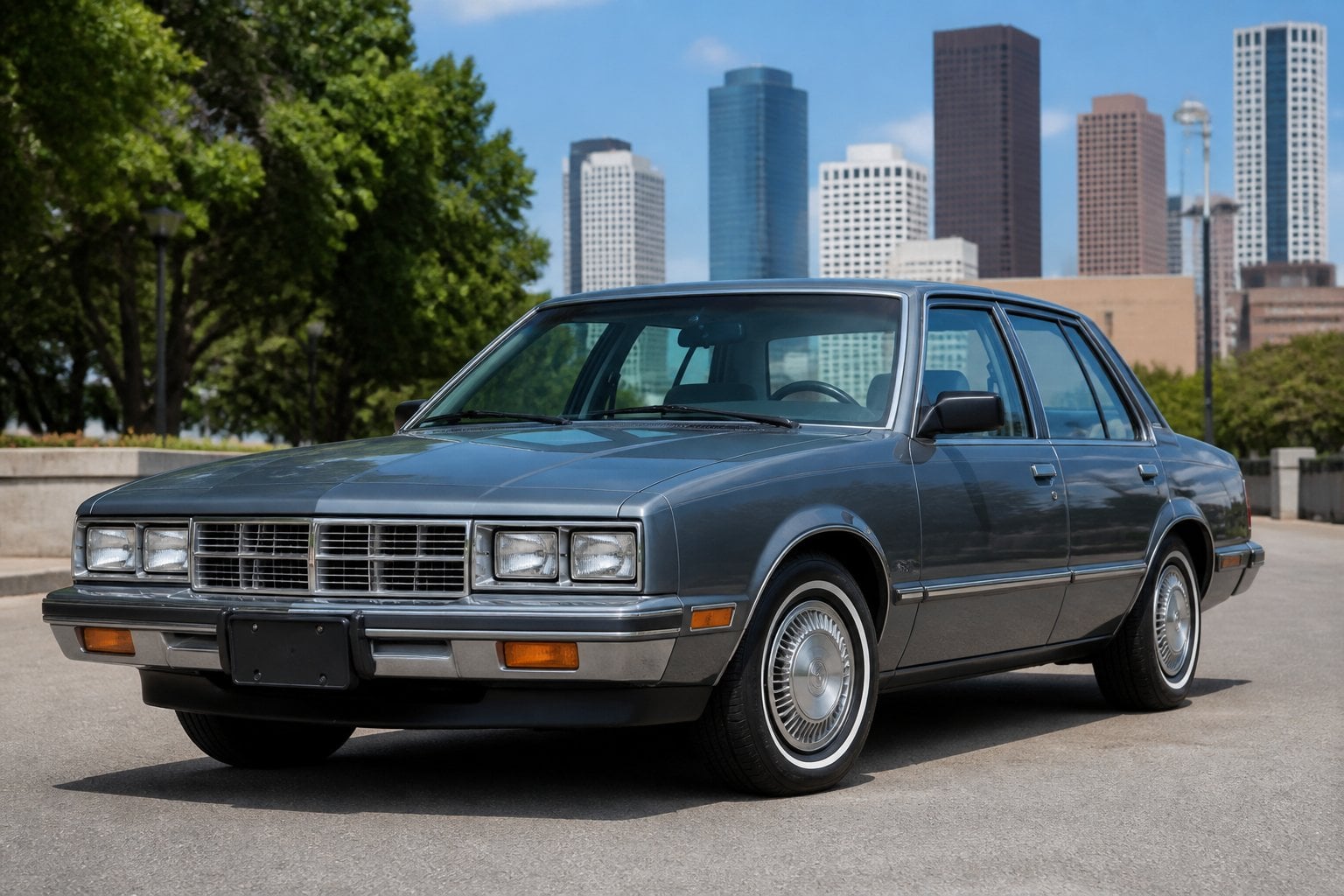
The Cadillac Cimarron stands as one of the most significant missteps in American automotive history. When you examine this vehicle, you’ll find it was essentially a rebadged Chevrolet Cavalier with minimal upgrades to justify its luxury badge.
GM rushed the Cimarron into production with less than a year of development following the 1979 oil crisis. The company intended it to compete with European luxury compacts like the Audi 5000 and Mercedes 190E, but the execution fell dramatically short.
Sales figures tell the story of this failure. Initial sales of 25,968 units in 1982 plummeted to just 6,454 by 1988, its final production year.
The Cimarron damaged Cadillac’s reputation for decades. You’ll find it on virtually every “worst cars” list, representing everything that went wrong with GM’s badge engineering strategy during the 1980s.
9. DeLorean DMC-12 (1981–1983)
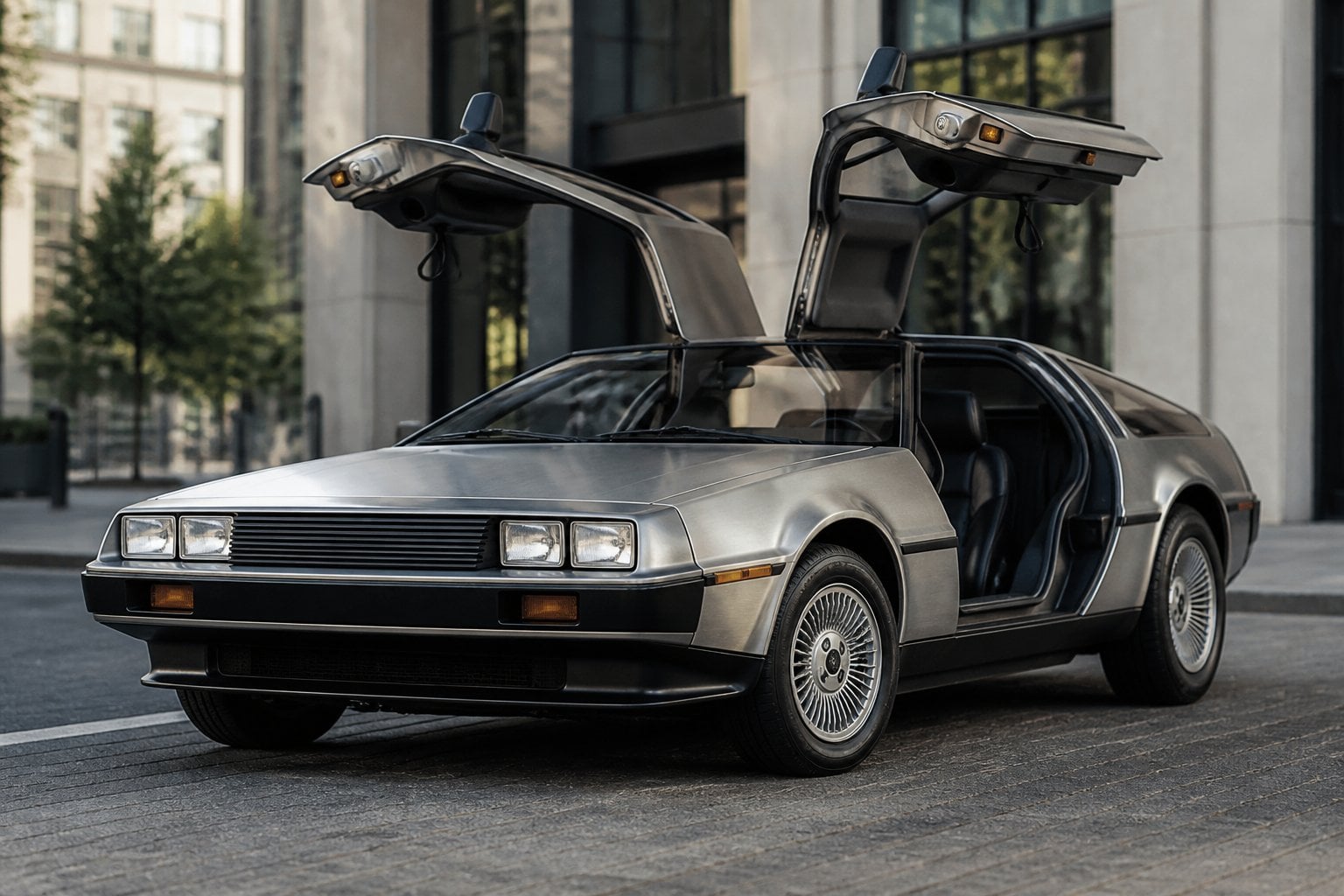
The DeLorean DMC-12 became iconic through its stainless steel body and role in Back to the Future, but the reality didn’t match the hype. You’d have found a car that was poorly built, underpowered, and plagued with reliability issues from the start.
Production launched in 1981 with an unskilled workforce, resulting in numerous quality problems. The car’s original $12,000 price tag more than doubled by release, making it a poor value proposition.
Despite its futuristic appearance, the DMC-12 delivered disappointing performance and mediocre build quality. The company produced roughly 9,000 units between 1981 and 1983 before collapsing. Sales peaked at 7,452 units in 1981-1982, then dropped to just 1,844 in 1983-1984.
The DeLorean represented ambitious vision but failed execution, becoming more famous for its appearance than its actual capabilities as a sports car.
10. Chrysler PT Cruiser (2001–2010)
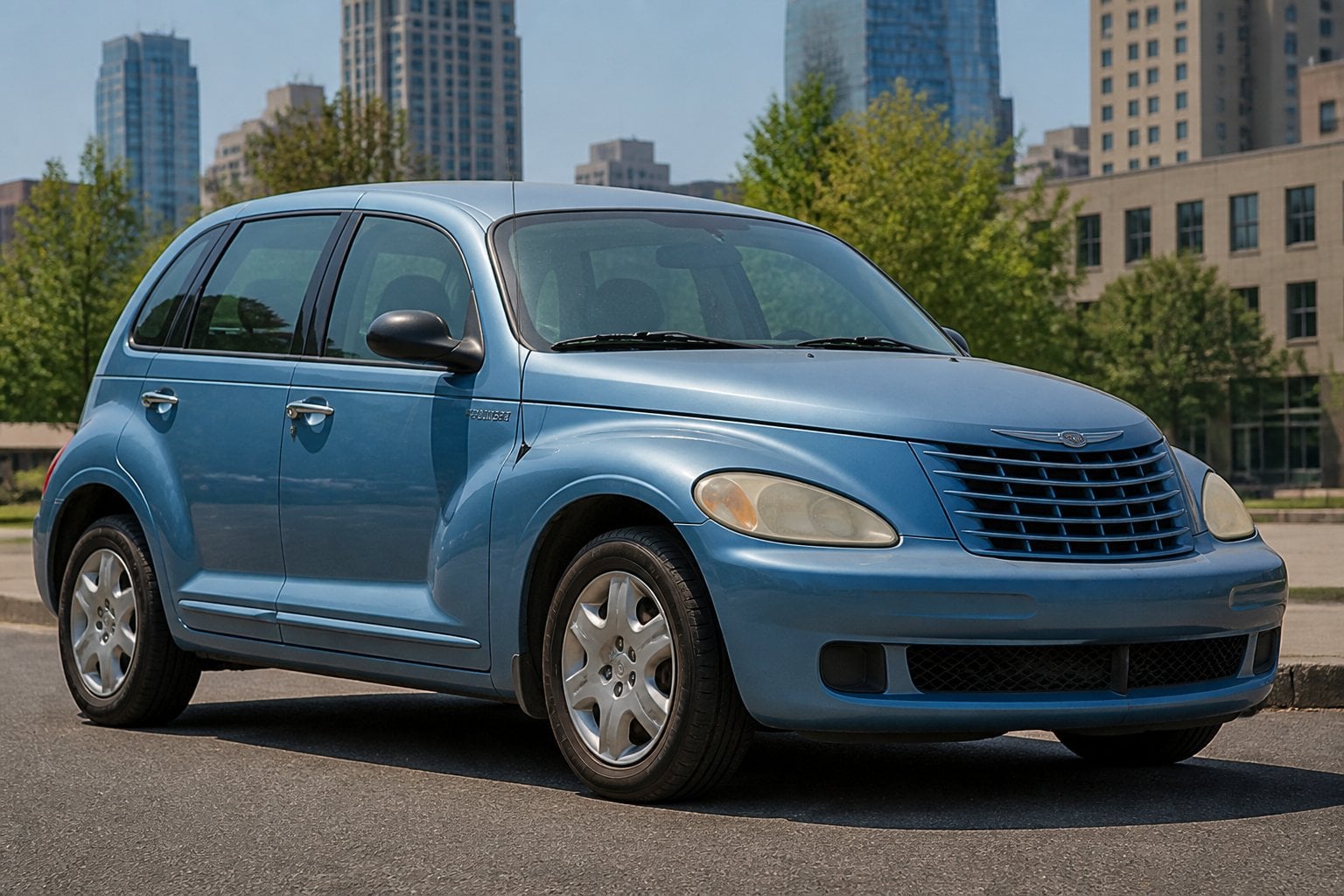
The PT Cruiser suffered from reliability issues throughout its entire production run. You’ll find that certain model years were particularly problematic, with 2001, 2002, 2006, and 2007 experiencing the highest number of complaints and recalls.
The vehicle’s electrical system was a frequent source of trouble for owners. Engine cradle rust became a notorious issue in models from 2004 to 2008, often requiring expensive repairs. The 2006 model year stands out as especially problematic, with reported failures in the head gasket, transmission, air conditioning system, and onboard computer.
If you’re considering a used PT Cruiser, you should be aware that these vehicles depreciate rapidly. The combination of mechanical problems and poor long-term reliability contributed to the model’s reputation as one of Chrysler’s more disappointing offerings.
11. Maserati Biturbo (1981–1994)
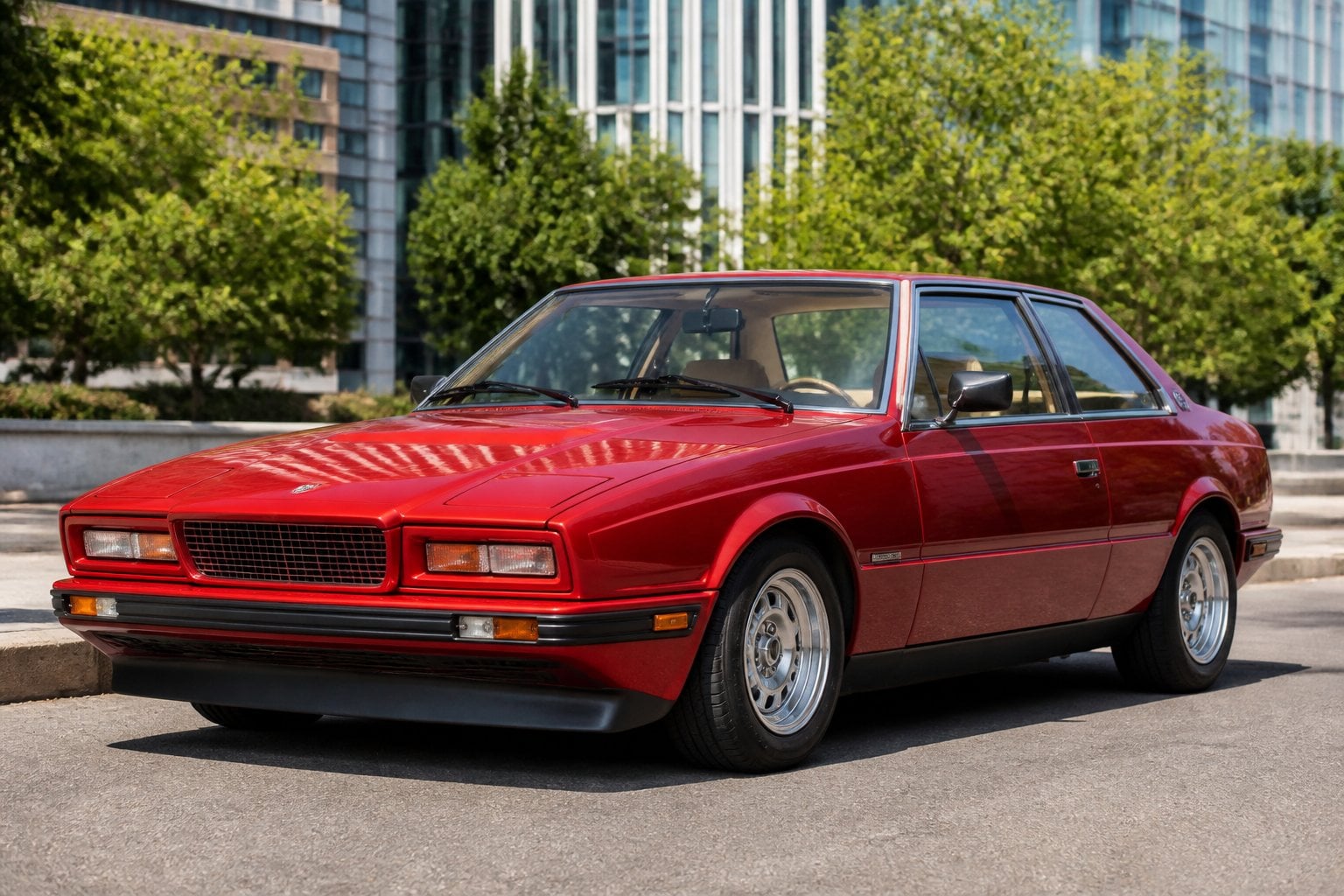
The Maserati Biturbo arrived as “every man’s Maserati,” priced lower than traditional models to attract buyers seeking Italian luxury on a budget. You’d get a twin-turbocharged V6 engine and sharp 80s styling, but the initial appeal quickly faded.
The Biturbo’s production years were marked by significant reliability problems. You’d encounter faulty automatic transmissions, poor build quality, and numerous mechanical defects that damaged Maserati’s reputation. These issues became widely known, turning the model into a cautionary tale.
Despite its troubled nature, the Biturbo paradoxically saved Maserati from bankruptcy while simultaneously destroying the company’s quality reputation. The car was produced in Modena, Italy, with the name changing to 222 in 1988 during its first major redesign.
While the Biturbo offered ambitious engineering and Italian flair, its execution fell short of expectations, making it a significant disappointment for owners.
12. Kaiser-Frazer Henry J (1950–1954)
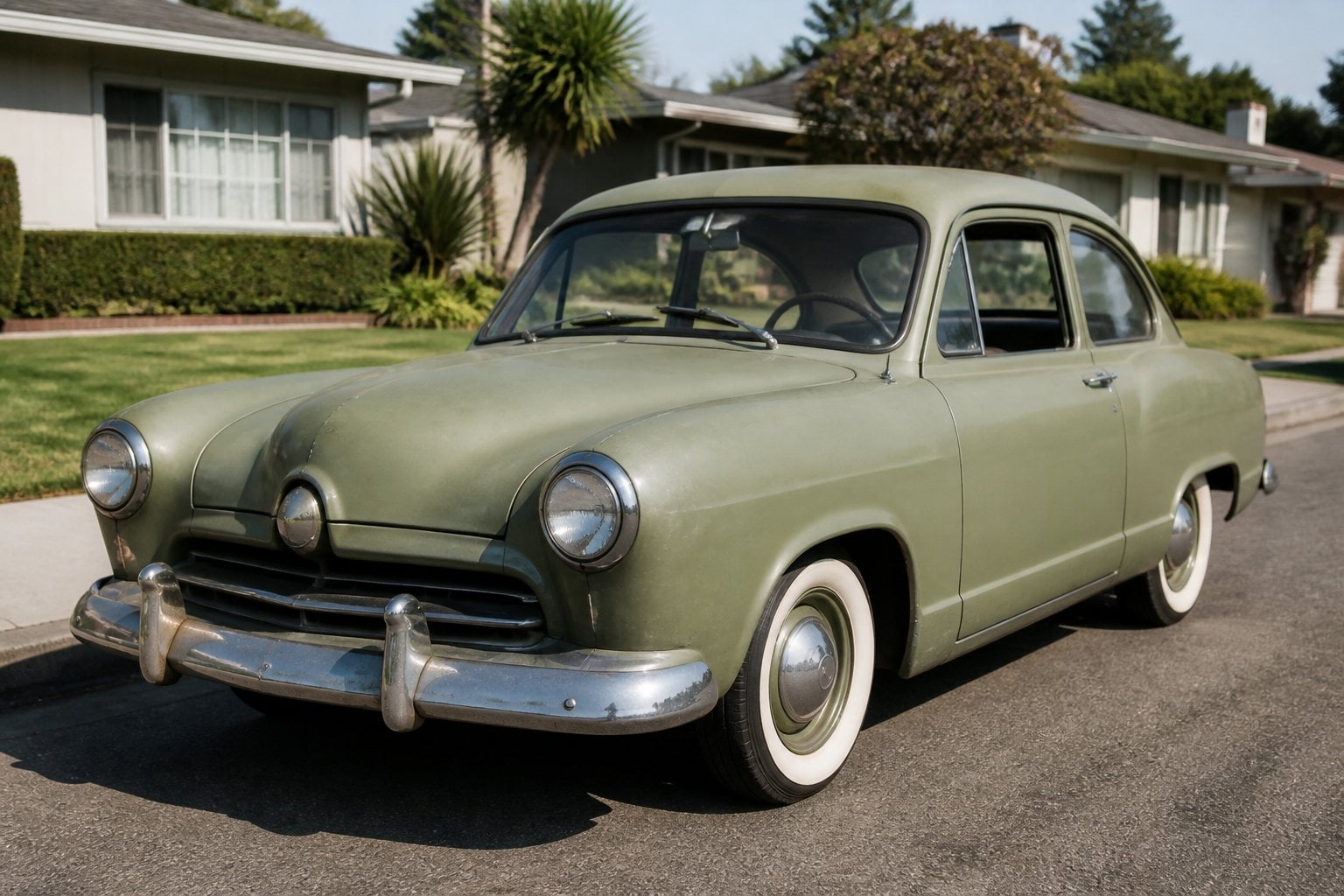
The Henry J represented Henry Kaiser’s ambitious attempt to bring affordable transportation to post-war American families. Production began in July 1950 with six-cylinder models, followed by four-cylinder versions after Labor Day.
What made this car problematic was its extreme cost-cutting approach. Base models lacked a trunk lid, requiring you to access storage through folding rear seats. Many units shipped without glove boxes, radios, or heaters as standard equipment.
The 100-inch wheelbase and fastback styling gave it a compact profile, but the minimalist design felt cheap rather than economical. You got a three-speed manual transmission without overdrive on most models, limiting highway performance.
Despite contemporary styling with rear fender fins, the Henry J failed to attract budget-conscious buyers who wanted basic features, not stripped-down vehicles. Production ended in 1954 after Kaiser’s automotive venture ultimately failed.
13. Lincoln Continental Mark VII (1984–1989)
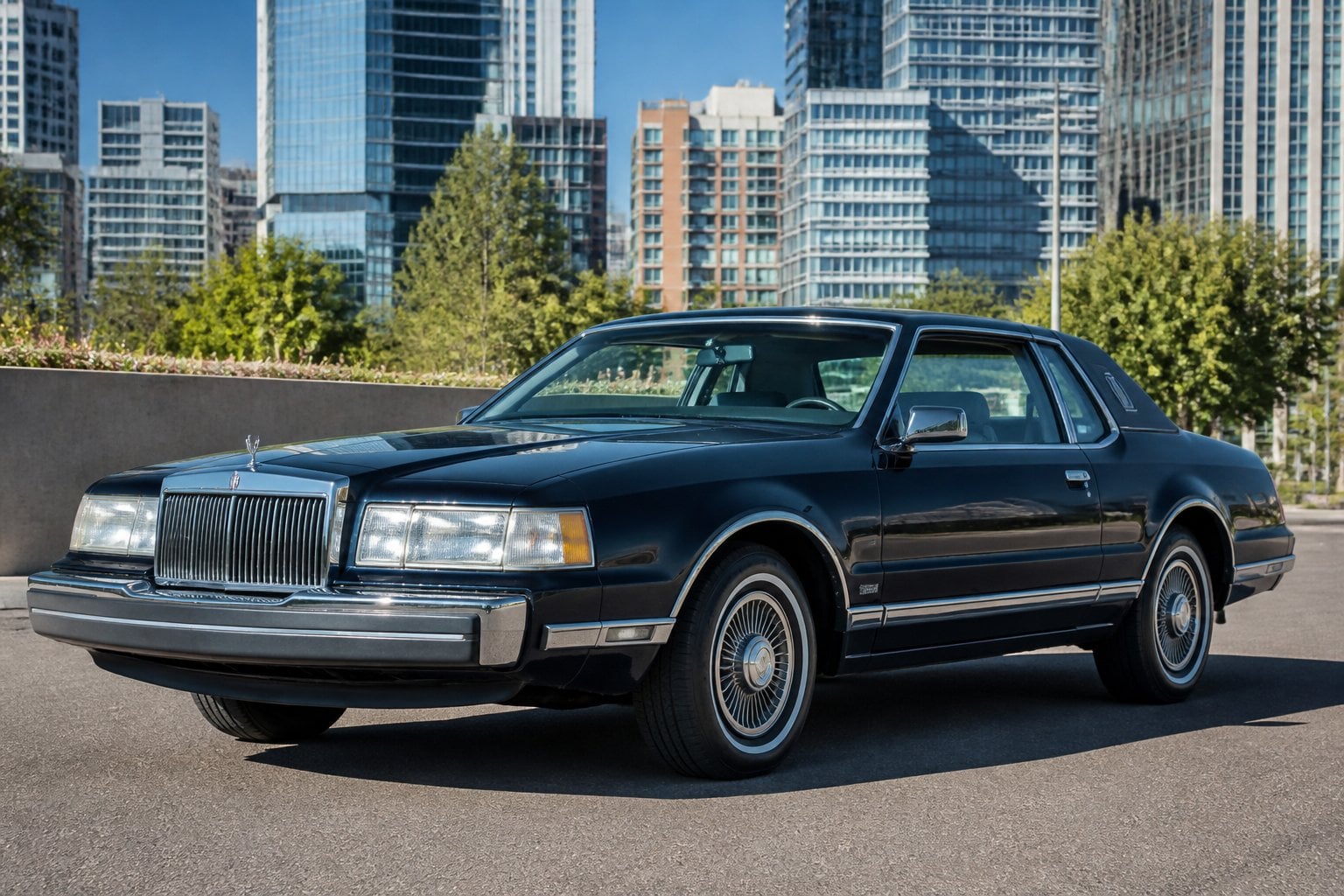
The Continental Mark VII arrived in 1984 as Lincoln’s attempt at a European-inspired luxury coupe, but its early years were plagued by questionable decisions. Ford equipped the 1984-1985 models with BMW’s M21 turbo diesel engine, which sounds impressive until you consider the reliability nightmares that followed.
This diesel experiment became a disaster for owners. The engine suffered from frequent failures and expensive repairs that tarnished the car’s reputation from launch.
Beyond the problematic powertrain, the Mark VII struggled with an identity crisis. It shared the Ford Fox platform with more pedestrian models like the Thunderbird, undermining its luxury credentials. While later years improved once Lincoln dropped the diesel option, the damage to buyer confidence was done.
The Continental name was quietly removed after 1985, reflecting Ford’s acknowledgment that this wasn’t the prestigious vehicle they’d promised.
14. Chevrolet Chevelle Malibu (1978–1983 bad-era models)
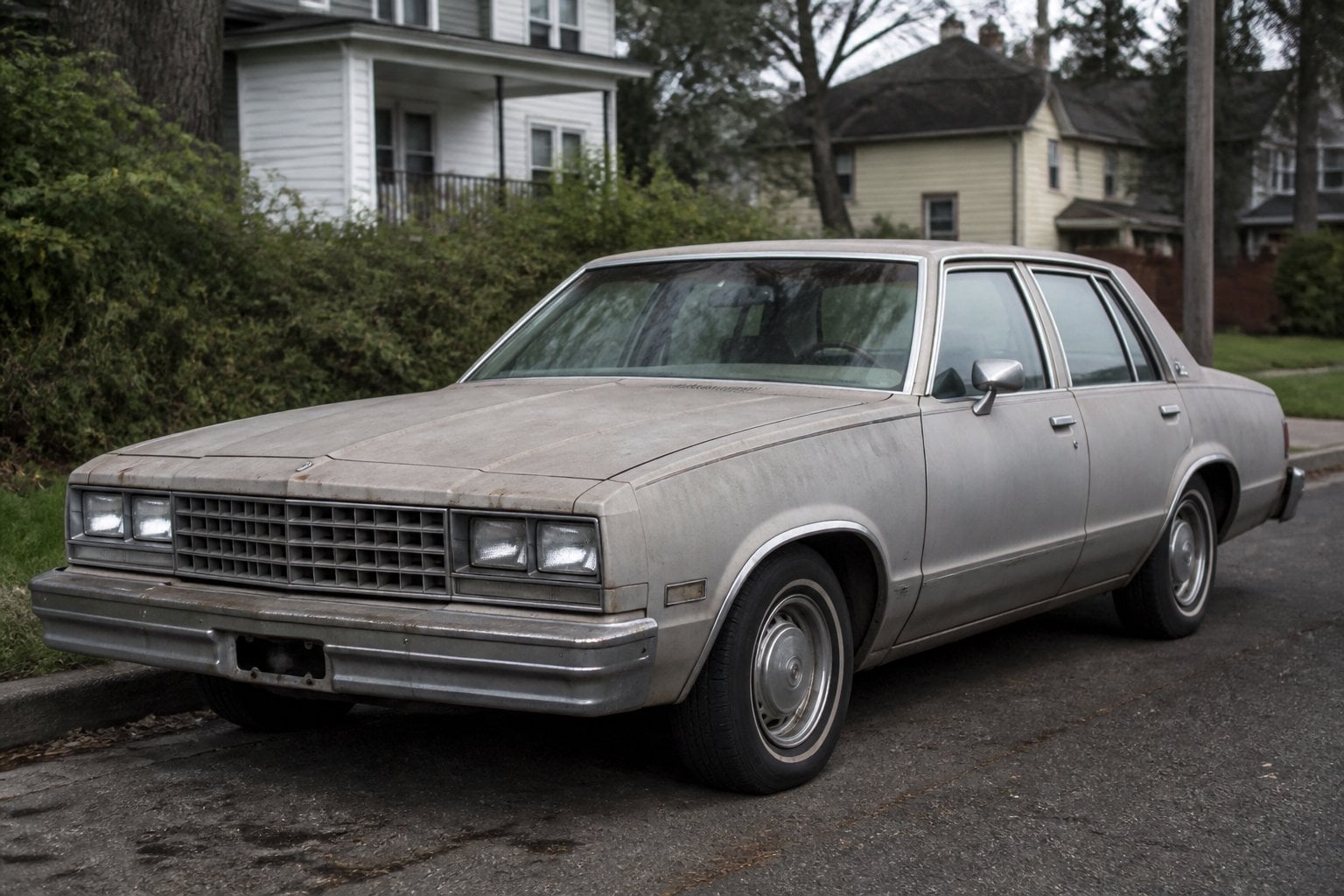
The Malibu became its own model line in 1978 after years as a Chevelle trim level. This transition coincided with unfortunate timing in American automotive history.
The late 1970s and early 1980s brought downsizing and emissions regulations that stripped away performance. You got underpowered engines that struggled to move the vehicle with any enthusiasm. The build quality declined noticeably compared to earlier Chevelle models.
These Malibus lost the muscle car appeal that made their predecessors desirable. Instead, you received a compromised sedan that satisfied neither performance enthusiasts nor practical buyers seeking reliability.
The styling became bland and forgettable during this era. Interior materials felt cheap, and mechanical issues became more common. These factors combined to create models that failed to capture the spirit of what made the Chevelle name respected in the first place.
15. Ford Maverick (1970–1977 poorly executed economy variants)
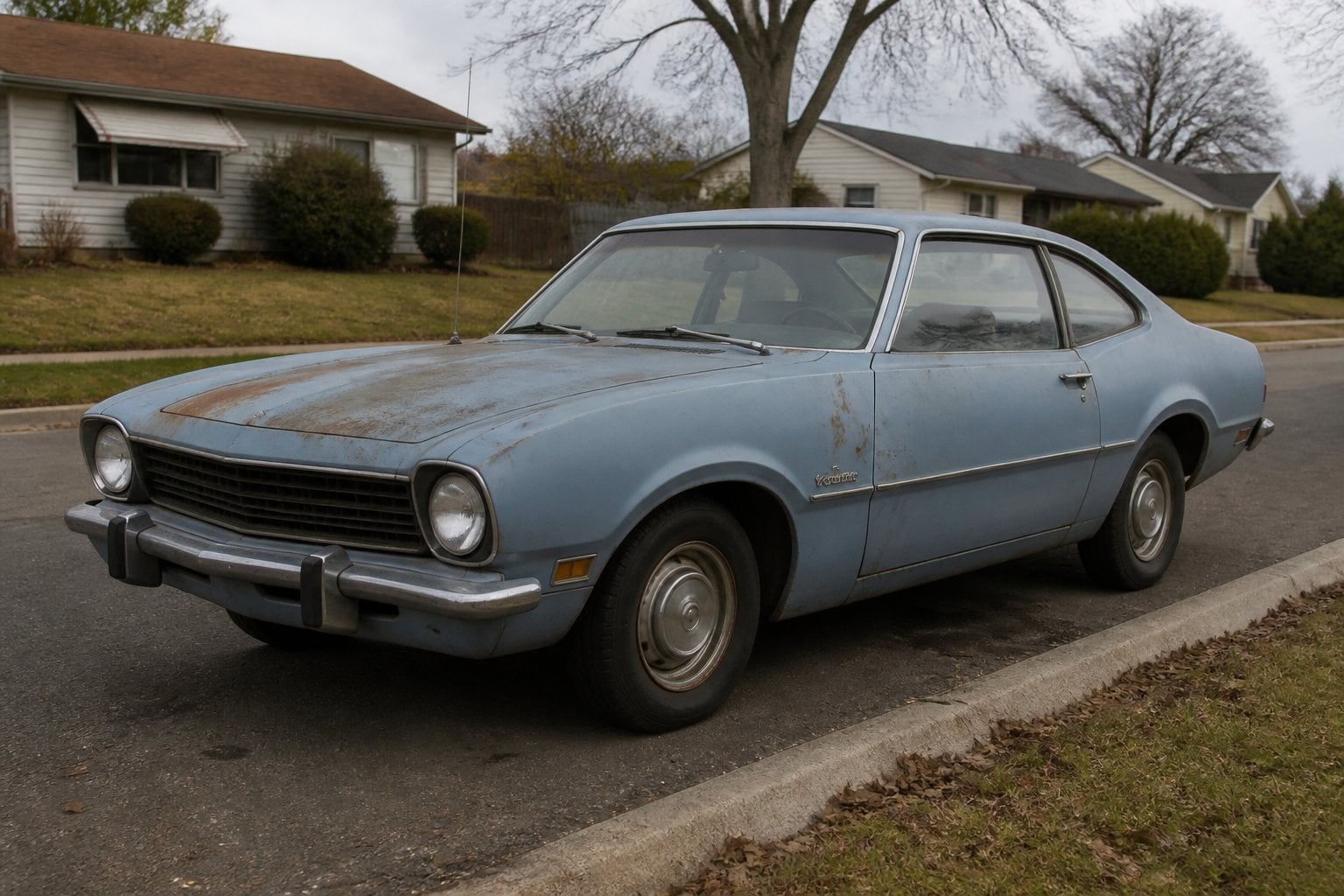
Ford introduced the Maverick in April 1969 as a 1970 model, positioning it as an affordable compact car to compete with imported vehicles. While the concept showed promise, the economy-focused variants revealed significant shortcomings.
The budget-oriented models suffered from cost-cutting measures that compromised quality and performance. Ford used recycled Falcon platform components to minimize production expenses, which contributed to uninspiring driving dynamics.
As the 1970s progressed, the Maverick fell victim to the automotive industry’smalaise era. Engine outputs decreased substantially while build quality remained inconsistent. The base economy versions lacked adequate power and refinement, leaving you with a vehicle that struggled to deliver on its economical promises.
The Maverick’s poorly executed budget variants demonstrated that affordable transportation required more than just a low sticker price. These models highlighted how excessive cost-cutting could undermine a vehicle’s overall value proposition.
16. Buick Skyhawk (1975–1989)
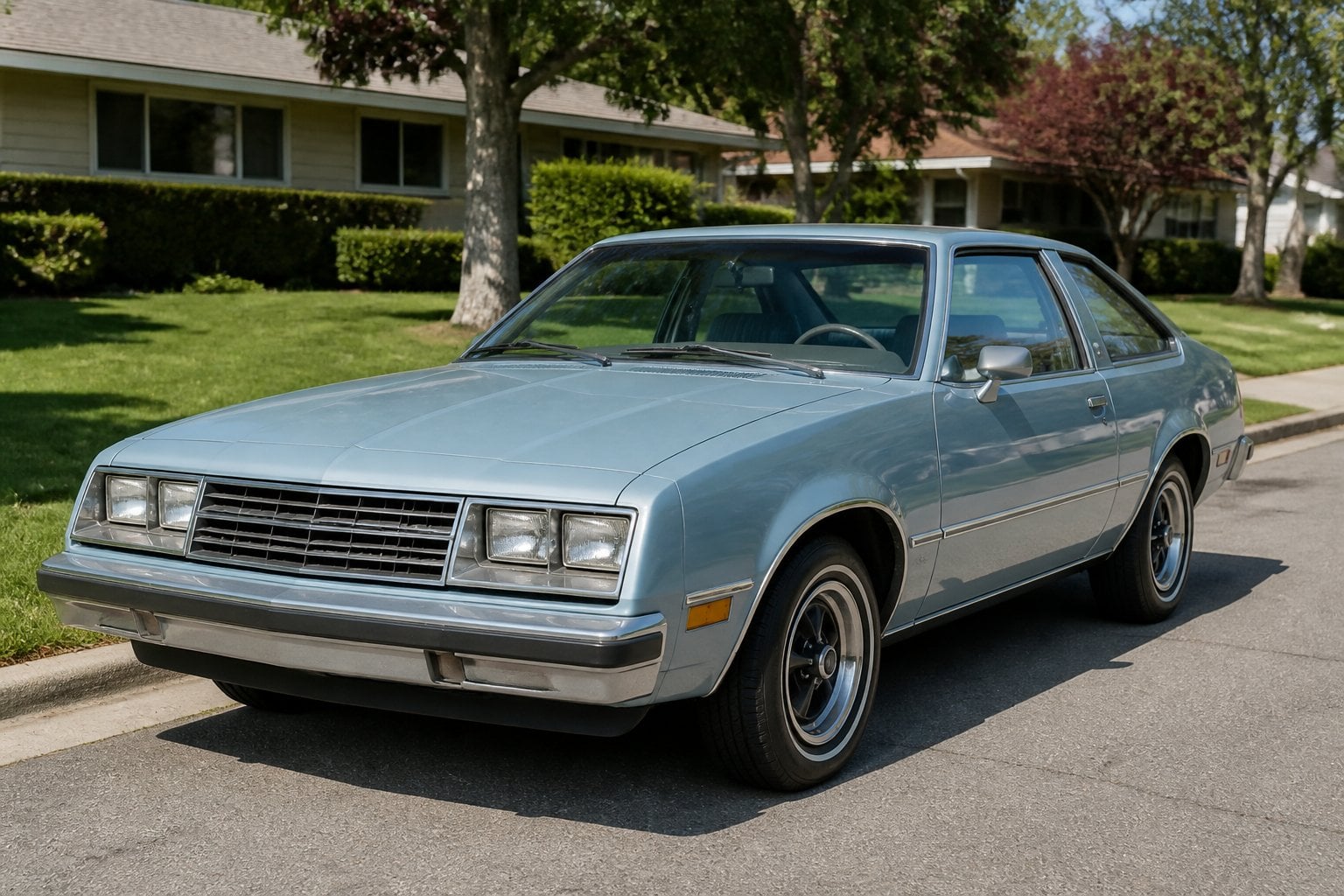
The Buick Skyhawk arrived as General Motors’ attempt to enter the subcompact market during the oil crisis era. Built on the H-body platform, the first generation (1975-1980) shared its bones with the Chevrolet Monza and Vega.
If you drove an early Skyhawk, you quickly discovered its problems. Road & Test famously concluded that “the Skyhawk loses points because it isn’t a finished car.” The suspension was poorly sorted, creating dangerous oversteering tendencies. The brakes were inadequate for the car’s performance capabilities.
The second generation (1982-1989) moved to a front-wheel-drive platform but failed to redeem the nameplate’s reputation. While the Skyhawk had distinctive styling, particularly in its first iteration, the execution fell short. You got a car that looked sporty but couldn’t deliver on basic safety and performance fundamentals.
17. Plymouth Prowler (1997–2002)
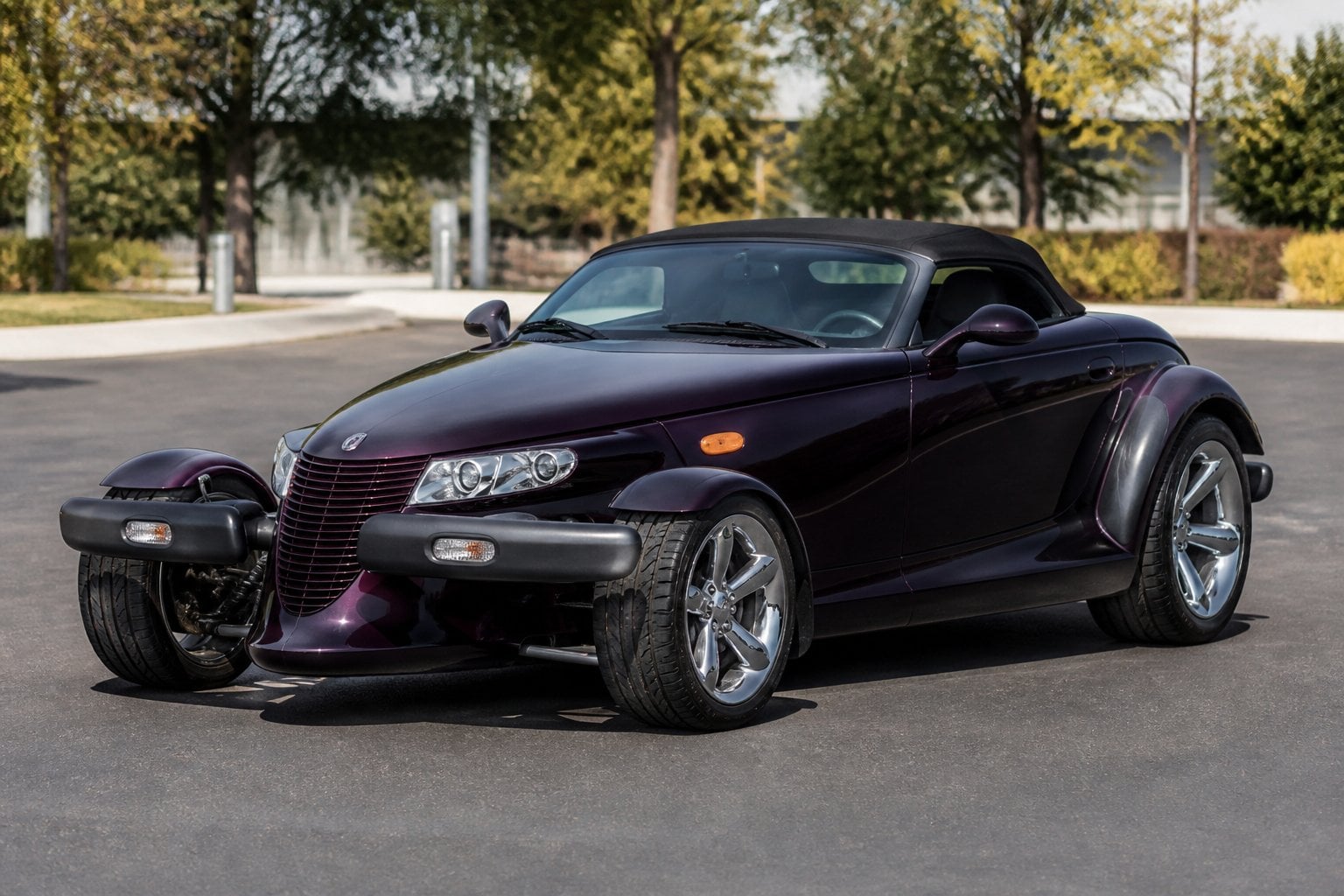
The Plymouth Prowler promised retro styling and sports car excitement but failed to deliver meaningful performance. Its 3.5-liter V-6 engine produced just 214 horsepower and 221 lb-ft of torque when it launched in 1997, borrowed from Chrysler’s front-drive sedans like the Dodge Intrepid.
You couldn’t even get a manual transmission, which eliminated any hope of genuine sports car thrills. The automatic-only setup made it impossible to extract what little performance the underpowered engine offered.
The Prowler’s cartoon-like appearance turned heads, but its lack of substance became apparent quickly. It was expensive, impractical, and couldn’t compete with actual sports cars in its price range.
Production ended in 2002 after just five model years. The 1999 models reported the most problems with 23 documented issues. While visually distinctive, the Prowler remains a cautionary tale of style without performance.
18. Dodge Omni/Plymouth Horizon (1978–1990 reliability issues)
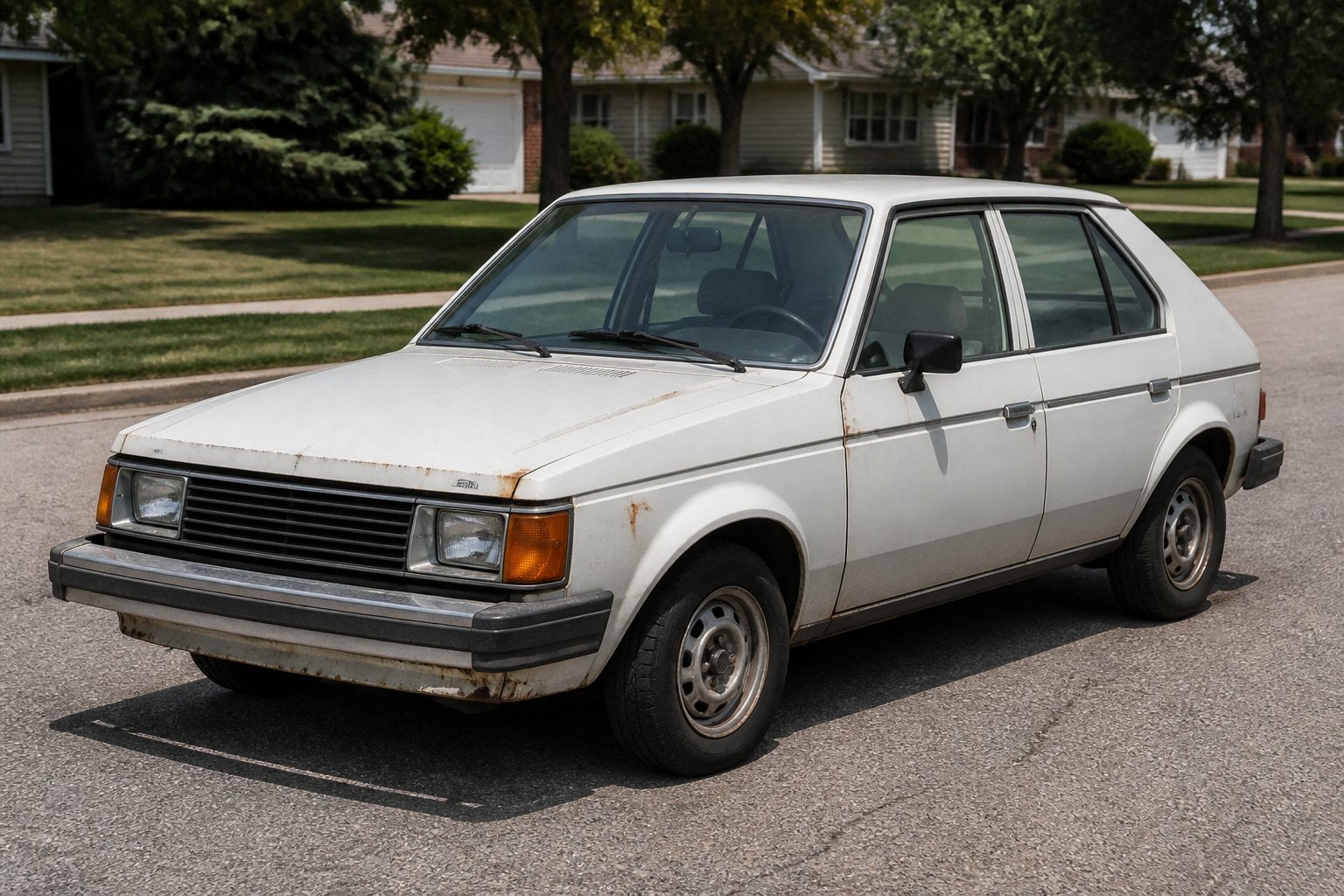
The Dodge Omni and Plymouth Horizon marked Chrysler’s entry into front-wheel-drive subcompacts in 1978. While these twins offered fuel efficiency and affordability, they quickly gained a reputation for reliability problems.
Owners reported frequent steering rack failures, with some needing replacement multiple times during ownership. The cars faced serious safety concerns early in their production run, drawing significant scrutiny from consumer advocacy groups.
Build quality proved inconsistent across model years. You’d find various mechanical issues plaguing these vehicles throughout their production run, from electrical problems to transmission concerns.
Despite being named a fuel-efficient alternative to larger American cars, the Omni and Horizon struggled to match the reliability of their Japanese competitors. The practical design couldn’t overcome the persistent quality control issues that plagued Chrysler during this era.
19. Cadillac STS (late 2000s with electronics problems)
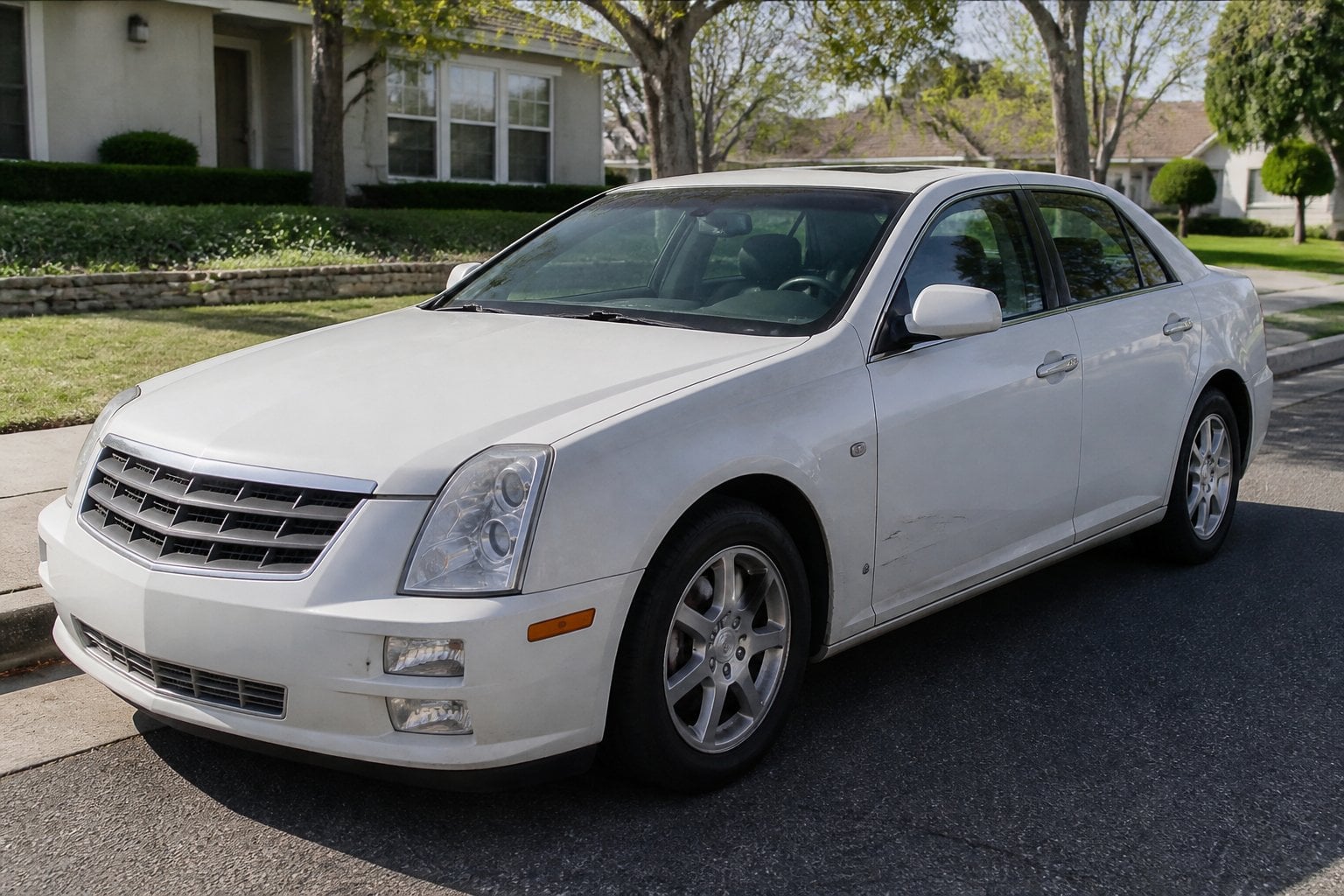
The Cadillac STS suffered from significant reliability issues during its 2005-2011 production run, particularly in the earlier model years. If you’re considering a used STS, you’ll want to avoid the 2005-2008 editions.
Electrical problems plagued these vehicles, ranking among the most common complaints from owners. The STS placed 12th in reliability out of 27 Cadillac models, with 29 complaints filed across its seven-year run.
The 2005 model year stands out as particularly problematic. You’ll find numerous reports of engine performance issues alongside the electrical failures, often requiring expensive repairs. The air bag system also generated complaints.
Your best option, if you’re set on an STS, would be the 2009-2011 model years. These later editions showed improved reliability compared to their predecessors.
20. Oldsmobile Toronado (1979–1981 problematic generations)
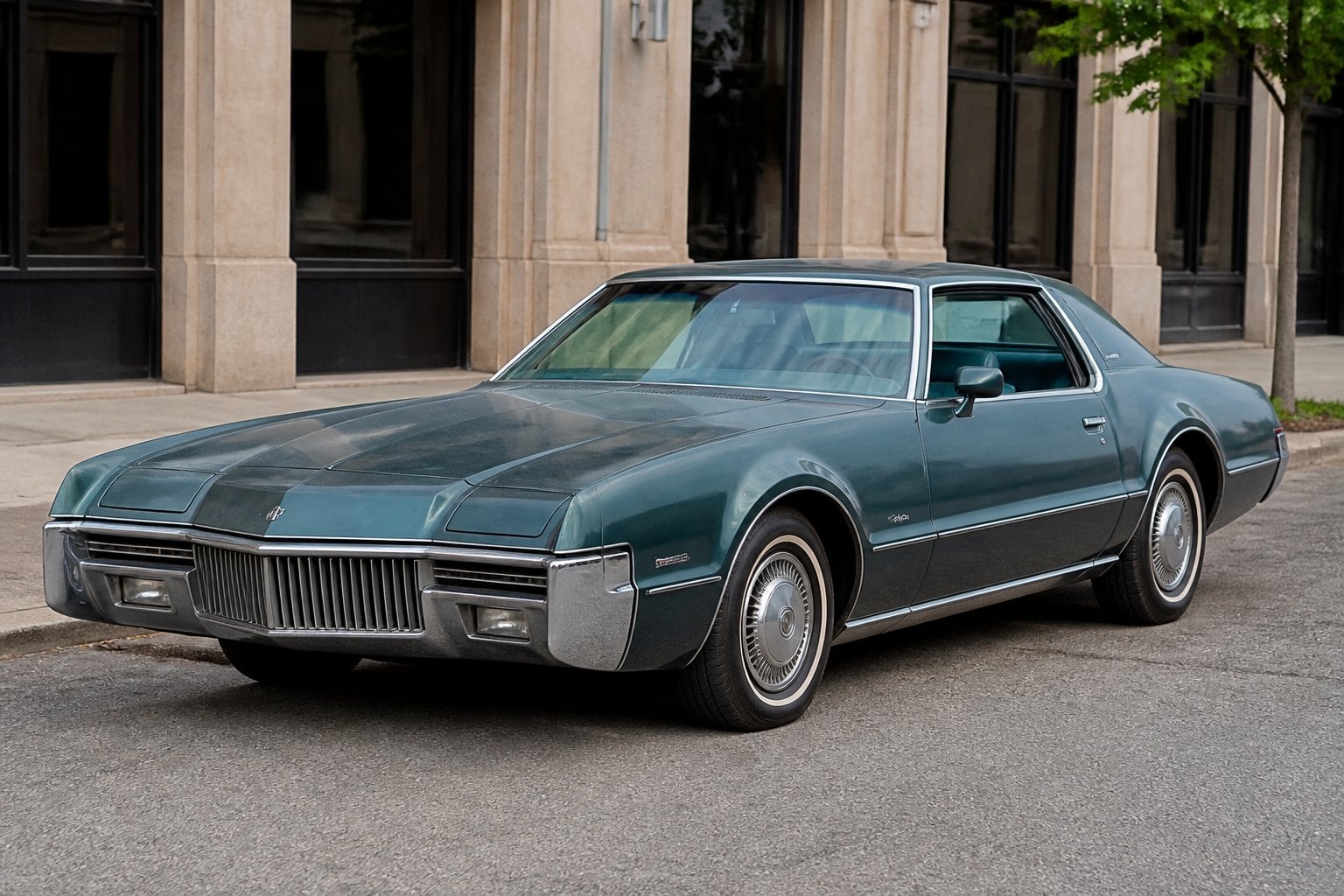
The Toronado underwent a radical downsizing for 1979, shedding over 800 pounds and 20 inches in length compared to its mid-1970s predecessor. While this transformation aimed to improve efficiency and handling, the early years of this generation suffered from significant teething problems.
You’ll find that the 1979–1981 models experienced reliability issues that plagued owners during this transition period. The front-wheel-drive system, which had been a hallmark of the Toronado since 1966, faced new challenges in the downsized platform.
Federal safety data indicates these early years had elevated complaint rates compared to later models in the same generation. The 1979–1985 generation eventually improved, but those first three years earned their reputation for problematic ownership experiences. Your money would have been better spent waiting for GM to work out the initial bugs.
21. Saturn Ion (2003–2007)
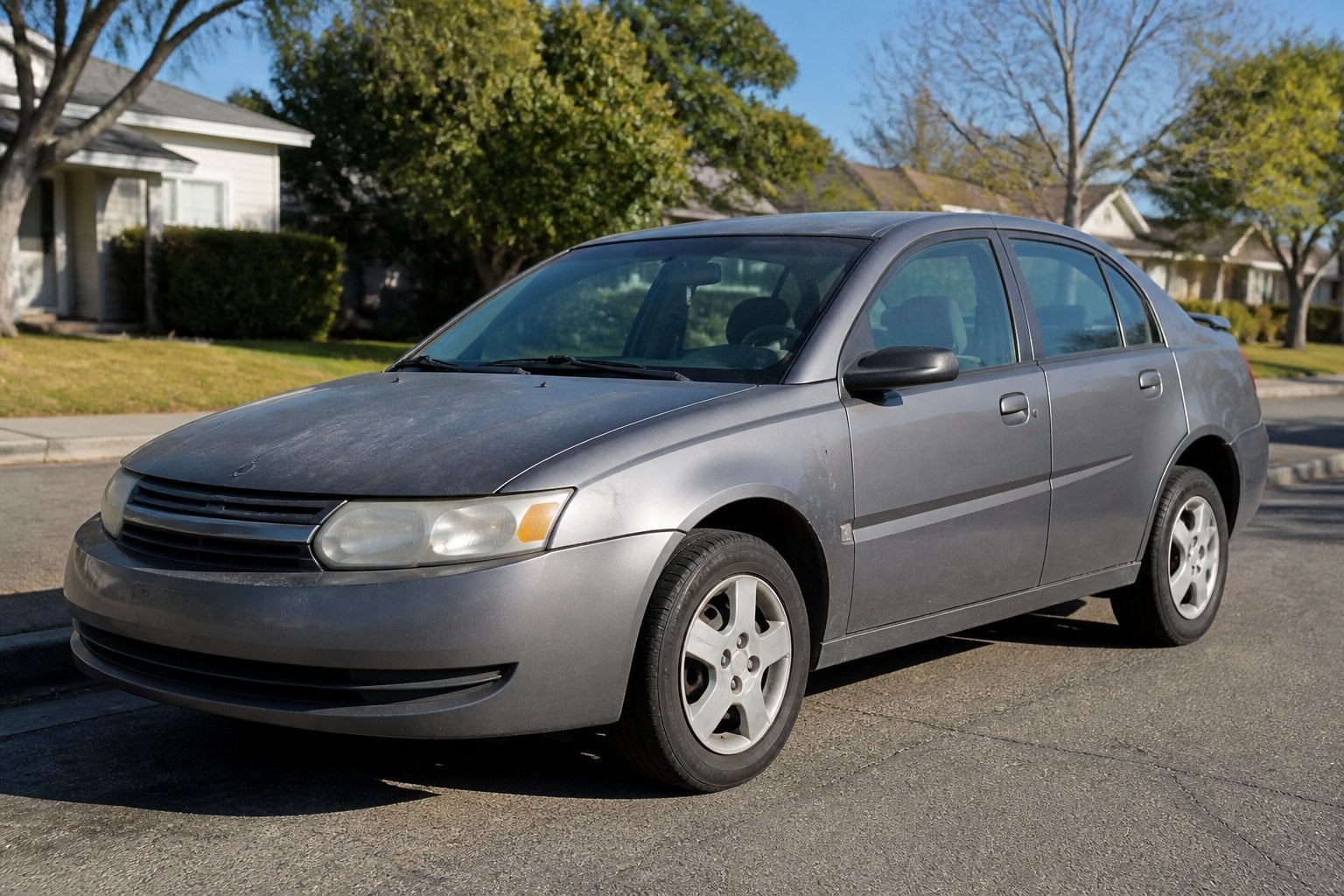
The Saturn Ion represented General Motors’ attempt to compete in the compact car segment, but it quickly became known for quality issues that undermined consumer confidence. If you owned one, you likely experienced problems with the ignition switch and electrical system, which led to multiple recalls.
The interior quality disappointed buyers who expected better from an American manufacturer. You could feel the unrefined engine performance and lackluster build quality in daily driving.
The 2003 model year proved particularly problematic, with owners reporting numerous mechanical failures. While later years showed some improvement as GM addressed early mistakes, the damage to the Ion’s reputation was already done.
Production ended in 2007 after just four years, marking a failed attempt to revitalize the Saturn brand. The Ion’s reliability issues and poor execution placed it among the least desirable compact cars of its era.
22. Geo/Chevrolet Metro (1990s cheap small-car variants)
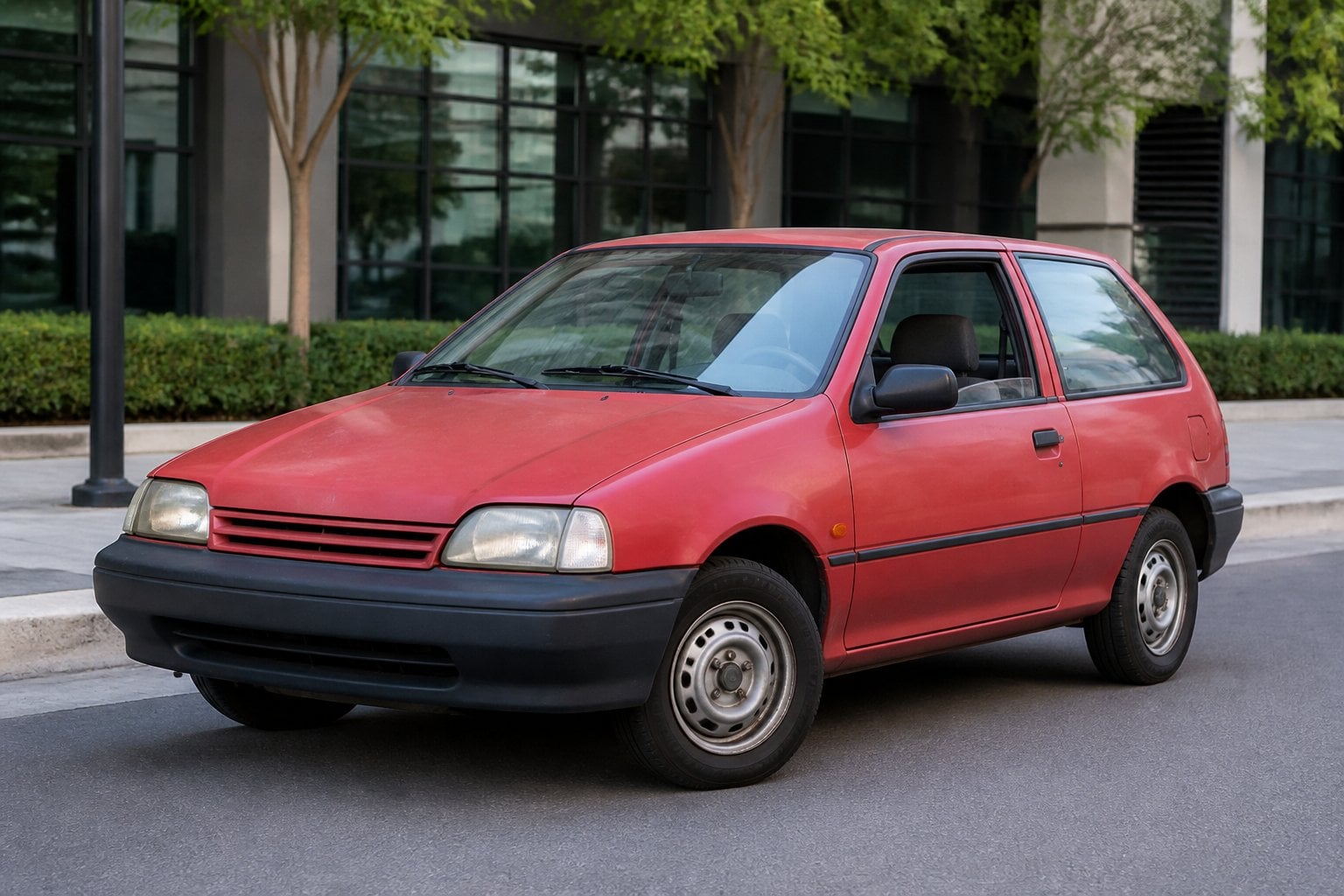
The Geo Metro represented General Motors’ attempt to compete in the small car market through a partnership with Suzuki. It was essentially a rebadged Suzuki Cultus sold from 1989 through 2001.
While the Metro achieved impressive fuel economy, it made significant sacrifices to get there. The interior was cheap and stripped-down, offering little beyond basic transportation. Build quality felt flimsy, and the driving experience was uninspiring at best.
GM marketed these vehicles as budget options for first-time buyers, but the Metro carried a stigma. Walking into a dealership to buy one felt less like purchasing a real car and more like settling for discounted merchandise.
When GM phased out the Geo brand in 1997, the Metro continued as a Chevrolet through 2001. The second generation became even more unimaginative, cementing its reputation as forgettable transportation.
23. Pontiac Fiero (1984–1988 early reliability/safety issues)
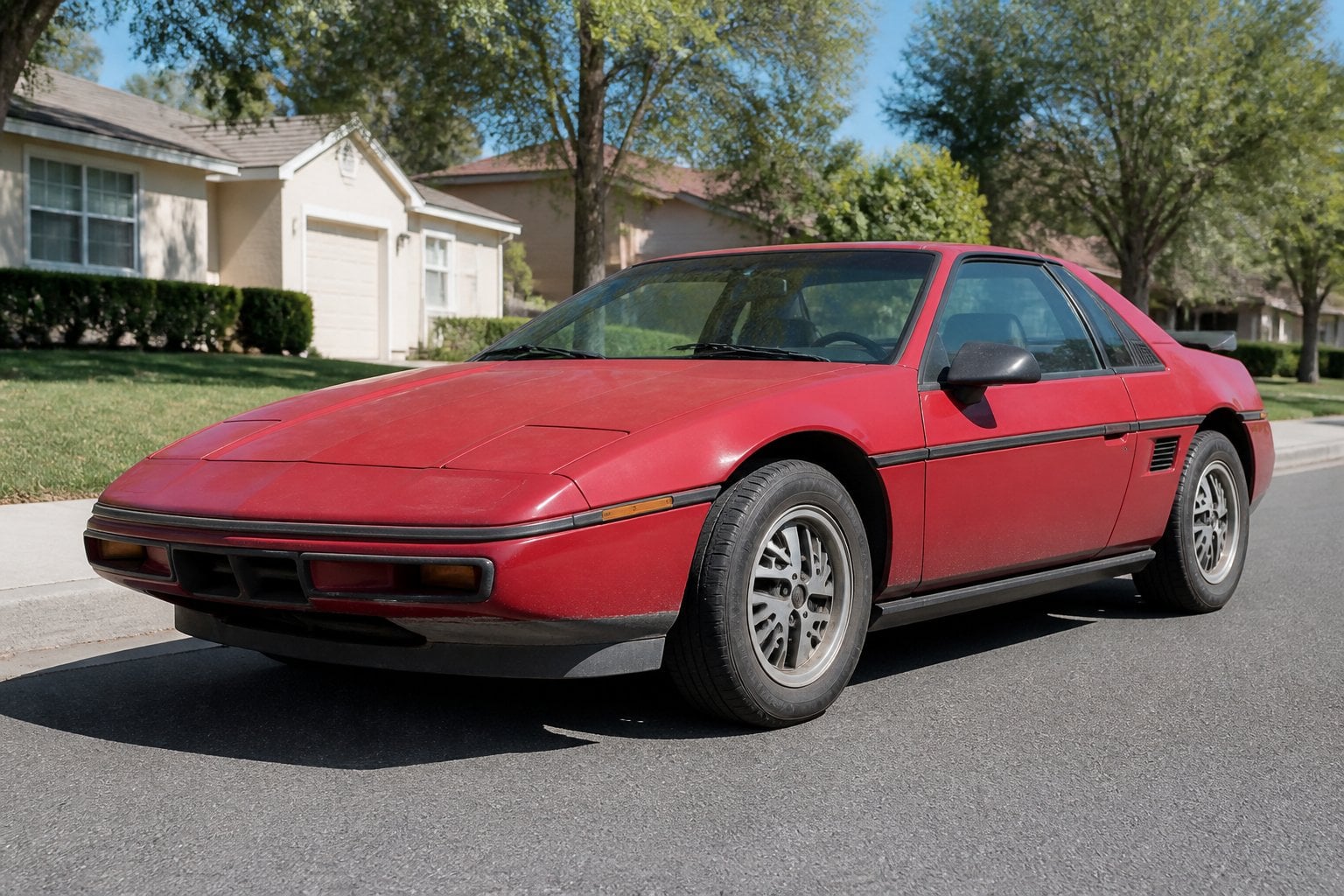
The Pontiac Fiero represented America’s first mass-produced mid-engine sports car, but early models suffered from critical defects that damaged its reputation permanently.
The 1984 and 1985 model years faced a serious engine fire risk. Problems with the exhaust manifold and oil leaks caused numerous vehicles to catch fire, leading to recalls and safety concerns. This issue became the car’s defining characteristic in the public eye.
Beyond fire hazards, you’d encounter various quality control problems typical of 1980s American manufacturing. The initial models had reliability issues that required attention throughout GM’s production run.
Later versions, particularly the 1988 model, incorporated improvements including better suspension and fixes to address the fire risk. However, the damage to the Fiero’s reputation had already occurred. The car was discontinued in 1988 after just five years of production.
24. Mercury Cougar (1999–2002 awkward redesign)
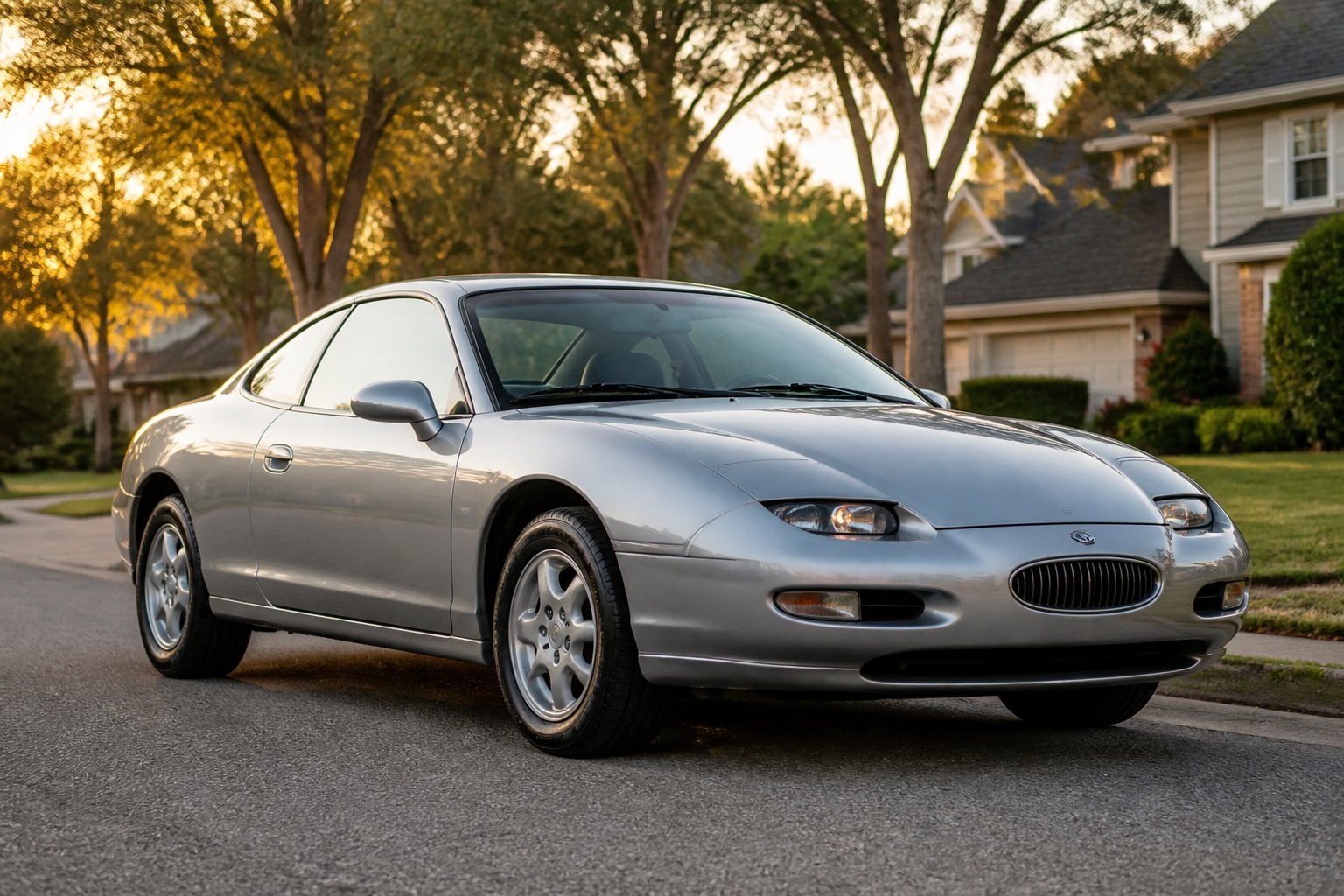
The eighth-generation Mercury Cougar abandoned its personal luxury roots to become a sports compact aimed at younger buyers. This radical shift in market positioning proved disastrous for the brand.
The redesigned Cougar suffered from persistent quality problems that undermined its sporty aspirations. Electrical issues dominated owner complaints, with the model ranking 22nd in reliability out of 28 Cougar generations. You’d also encounter frequent engine problems that frustrated owners throughout its short production run.
The vehicle’s attempt to revitalize Mercury’s image fell flat. Its polarizing styling and subpar build quality failed to attract the intended audience. With only 71 documented complaints for this generation alone, the concentrated problem rate speaks to widespread dissatisfaction.
The Cougar’s poor reception contributed to Mercury’s declining reputation, and production ended in 2002 after just four model years.
25. Chevrolet Vega (1970–1977)
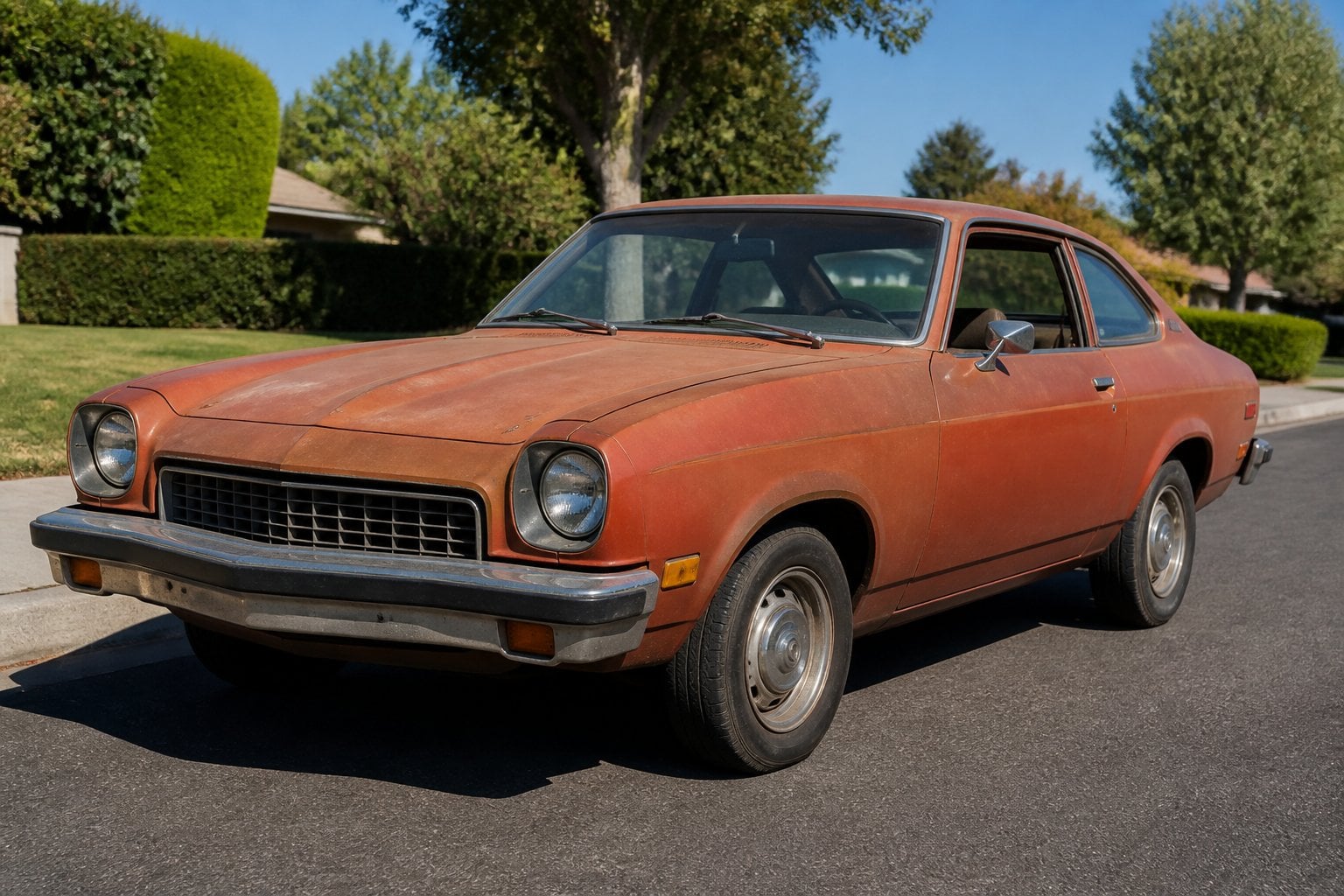
The Chevrolet Vega arrived with genuine promise as GM’s answer to efficient imports like the Volkswagen Beetle and Toyota Corolla. You could appreciate its spacious cabin and modern styling, which borrowed cues from the successful Camaro.
Unfortunately, the execution failed spectacularly. The Vega suffered from catastrophic quality control problems that destroyed its reputation almost immediately. You’d face engine overheating, excessive oil consumption, and severe rust issues that could appear within the first year of ownership.
GM’s aluminum block engine design proved fundamentally flawed in practice. The cylinder walls would warp and deteriorate, often requiring major repairs before 50,000 miles.
Production ended in 1977 after persistent reliability failures made the car commercially unsustainable. The damage was done—Edmunds later ranked it among the five worst cars ever made. What started as a competitive subcompact became a cautionary tale in American automotive history.
26. Ford Taurus (third-generation mid-1990s styling and quality decline)
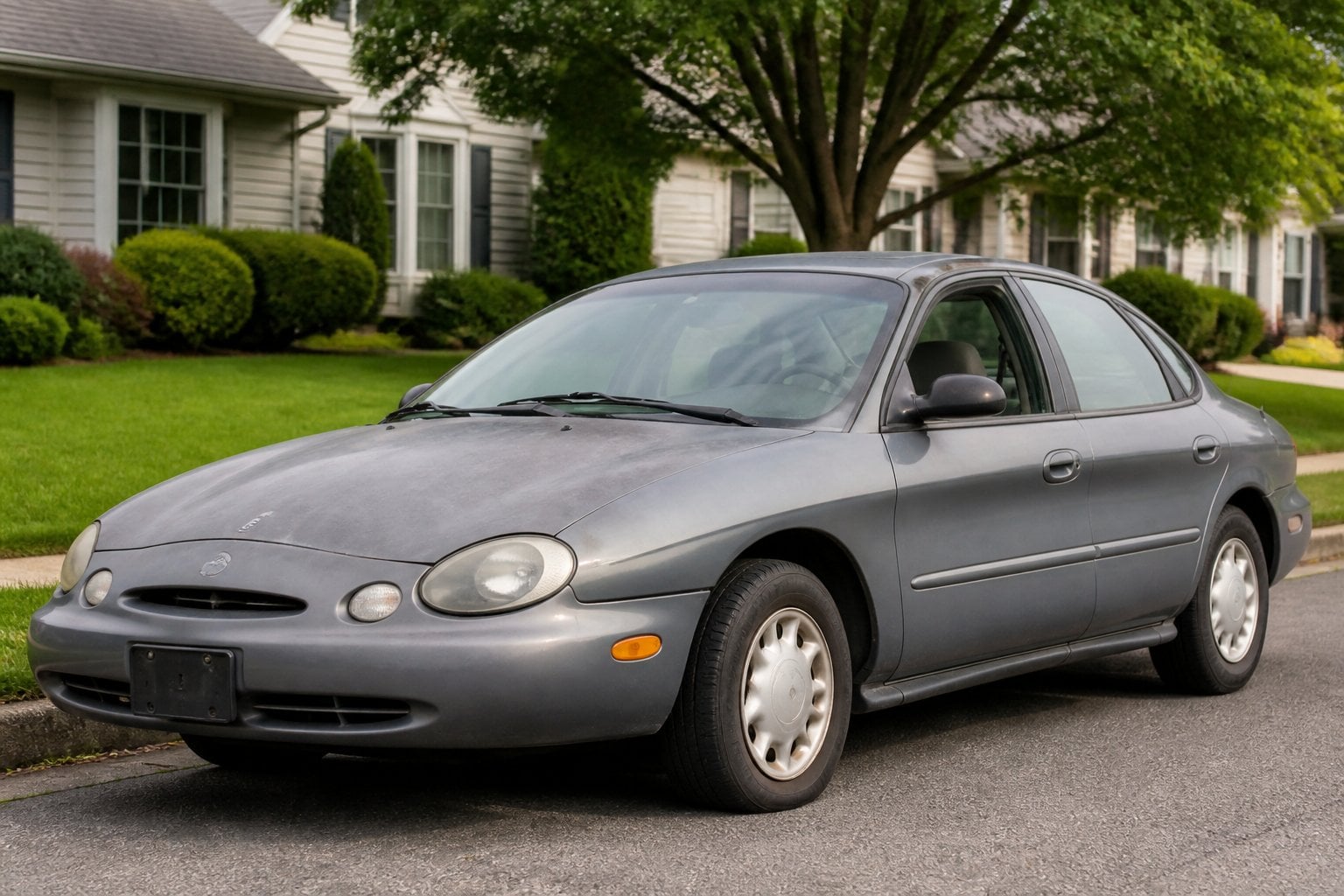
The third-generation Ford Taurus arrived in 1996 with radical oval-centric styling that departed sharply from its successful predecessors. Ford’s designers applied rounded shapes throughout the interior and exterior, creating a polarizing look that quickly divided consumers.
You could see the controversial design in every detail, from the oval-shaped windows to the dashboard layout. While initial sales showed promise, buyers soon rejected the awkward appearance. The dramatic styling shift proved too extreme for the conservative family sedan market.
Beyond aesthetics, this generation suffered from mechanical problems that further damaged its reputation. Transmission failures became a common complaint among owners. These reliability issues, combined with the divisive design, caused sales to decline significantly.
Ford had replaced America’s former best-selling car with a product that alienated its core customer base and tarnished the Taurus nameplate for years to come.
27. Dodge Neon (1995–2005 early models unreliable)
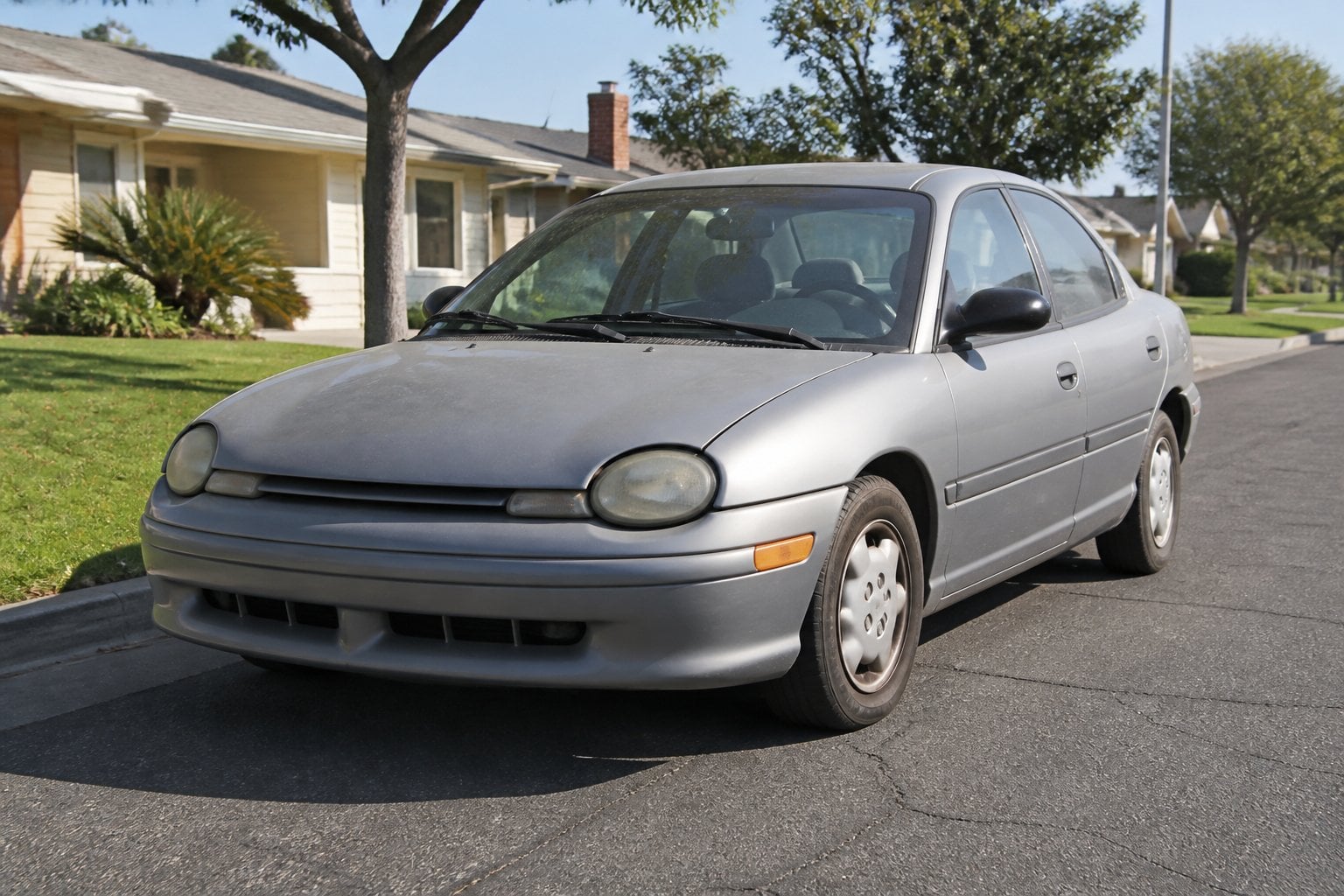
The Dodge Neon entered the compact car market with promise but quickly became known for reliability problems. Early first-generation models from 1995 to 1997 experienced the most significant issues, with owners reporting frequent transmission failures, engine cooling problems, and electrical system malfunctions.
The 2002, 2004, and 2005 model years also presented notable concerns. You’d likely encounter radiator failures and engine troubles if you owned these particular years.
The 1995 and 1996 models accumulated a particularly high number of complaints compared to later versions. Build quality suffered from low-grade materials and inconsistent assembly, leading to premature component wear.
If you’re considering a used Neon, the 2003-2005 models, especially the SRT-4 variant, offer better reliability than their predecessors. However, the Neon’s reputation for breakdowns ultimately contributed to its discontinuation as Chrysler shifted focus to more competitive models.
28. AMC Pacer (1975–1980)
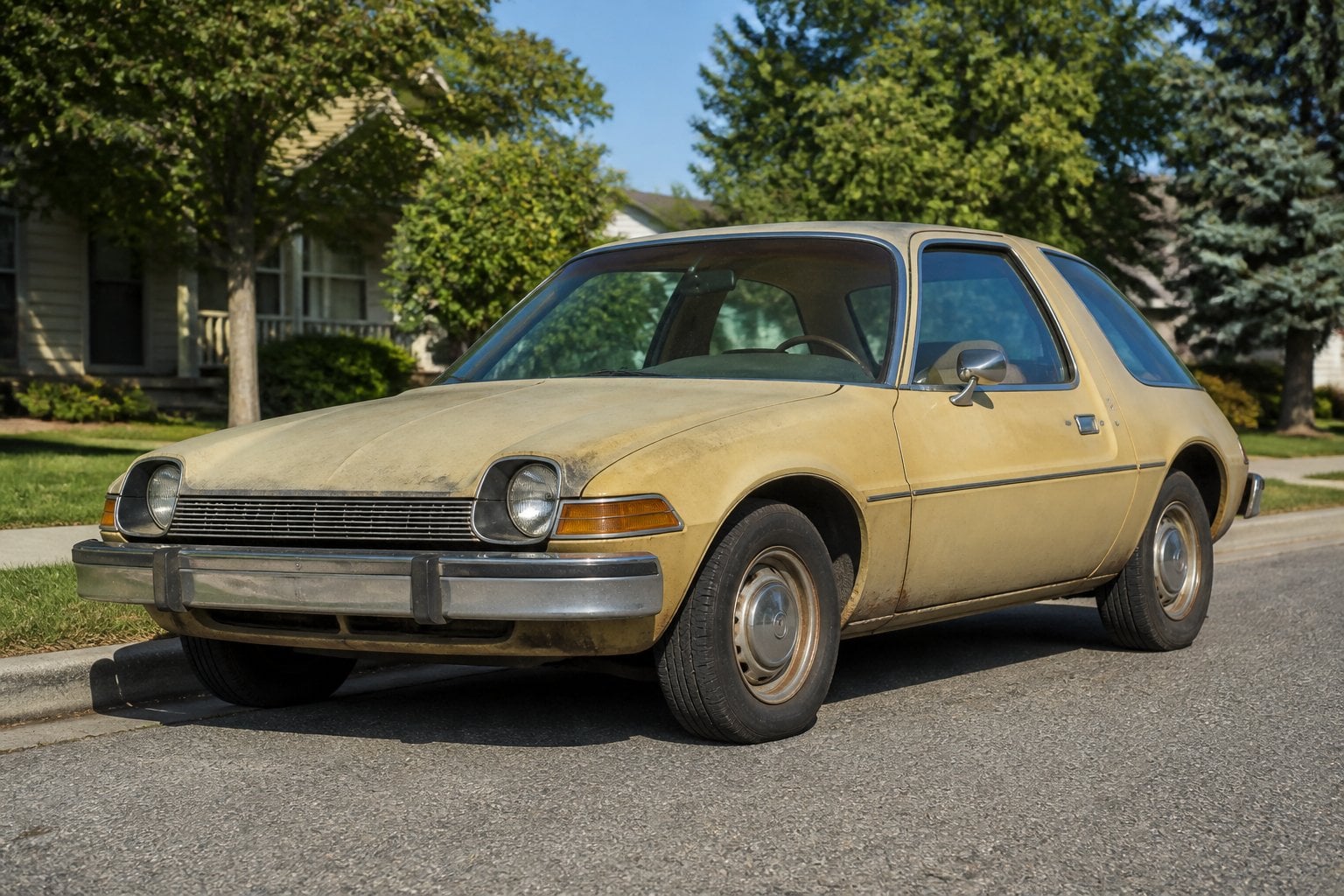
The AMC Pacer represented American Motors’ ambitious but flawed attempt at reinventing the compact car. Marketed as the “first wide small car,” it featured an unusually broad body paired with extensive glass surfaces that created a distinctive fishbowl appearance.
AMC invested approximately $40 million in development, making it the company’s most expensive design project of the 1970s. Despite this investment, the Pacer’s unconventional styling failed to resonate with buyers. The massive glass area that defined its look also created practical problems for you as an owner, making the interior uncomfortably hot in sunny conditions.
Sales started moderately strong with 72,000 units in 1975 and peaked at 117,000 in 1976. However, interest quickly declined, and production ended in 1980 after approximately 280,000 total units. The Pacer’s commercial failure significantly contributed to AMC’s eventual demise as an independent automaker.
29. Lincoln Continental (1980s large, underperforming models)
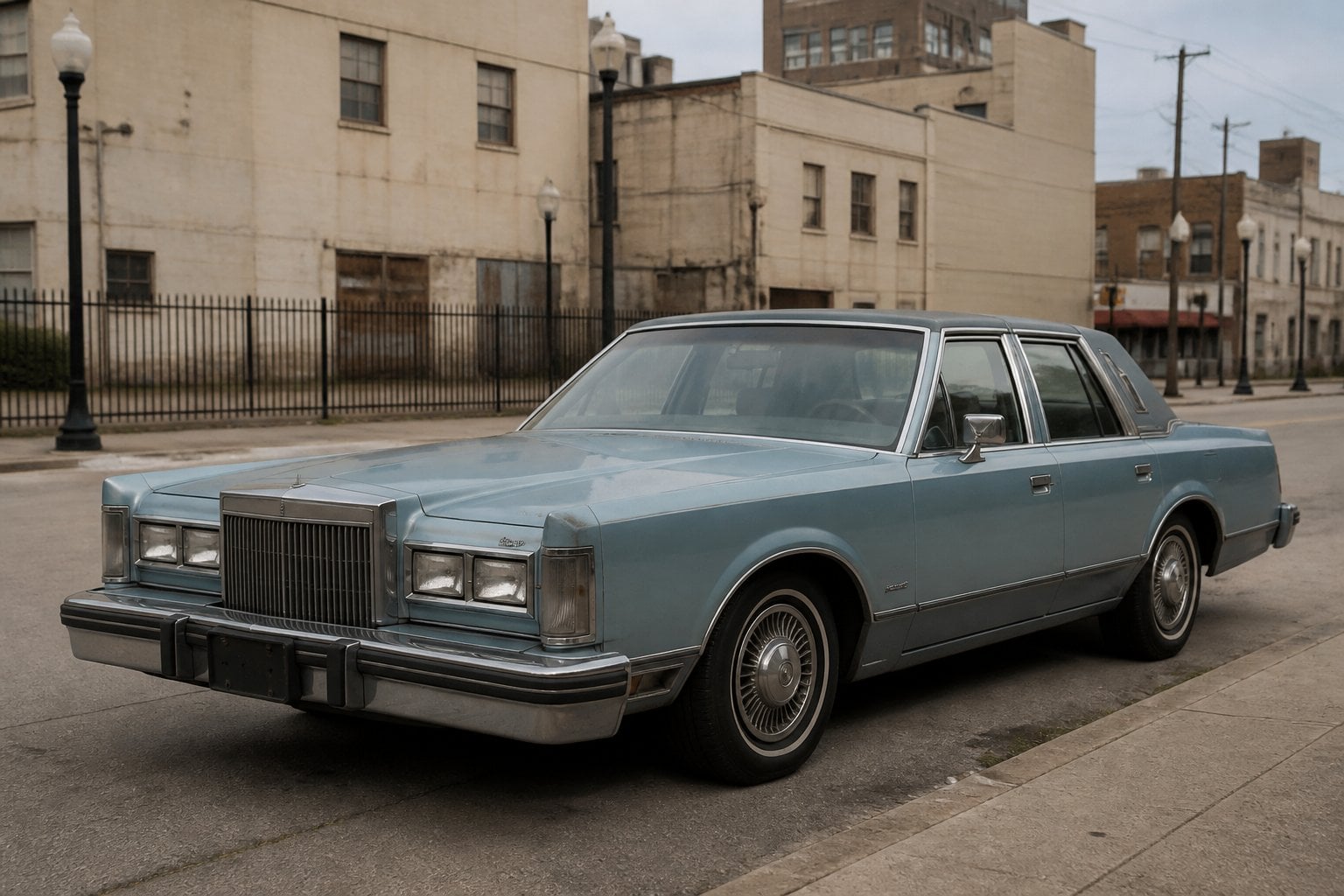
The early 1980s Lincoln Continental struggled to find its footing during a turbulent period for American luxury cars. When Lincoln downsized the Continental for 1980-1983, buyers rejected the smaller exterior dimensions despite improved efficiency. The timing couldn’t have been worse.
Industry sales dropped nearly 30% between 1978 and 1981, with large luxury cars suffering the most severe losses. Lincoln’s traditional customers wanted substantial presence, not compromise.
The Continental’s performance disappointed compared to its imposing size. You got a car that looked like a luxury flagship but delivered lackluster power and handling. European competitors like Mercedes and BMW were capturing more of the luxury market with superior engineering and driving dynamics.
Detroit’s attempts to adapt during the fuel crisis years produced vehicles that satisfied neither efficiency-minded buyers nor traditional luxury customers seeking presence and refinement.
30. Chrysler Imperial (1981–1983 ill-fated luxury rebadge)
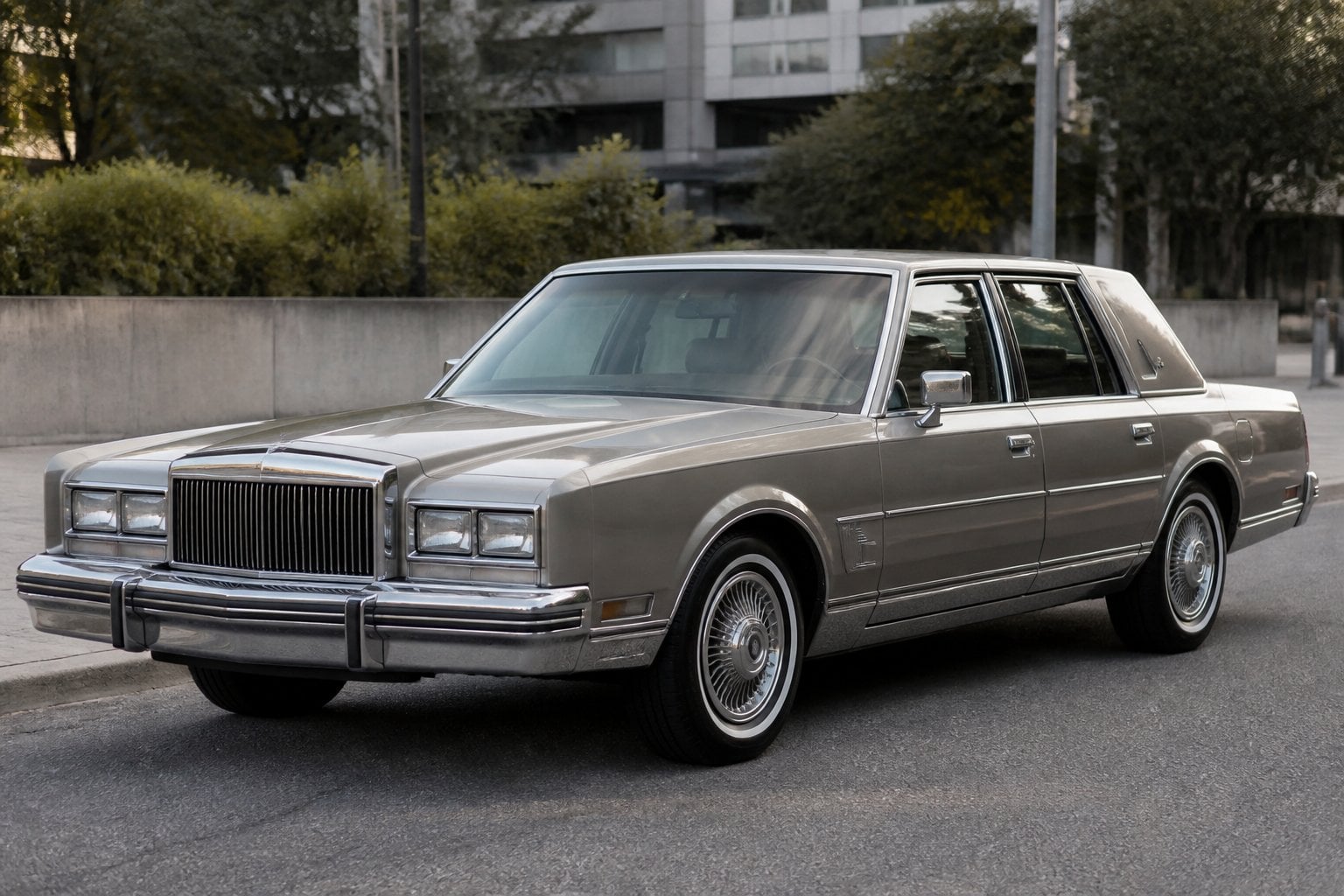
The 1981-1983 Chrysler Imperial arrived at a difficult moment for Chrysler. After a five-year absence, the Imperial returned as a personal luxury coupe built on the Cordoba platform. You got a car that looked distinctive with its razor-edge styling and long hood, but underneath sat conventional underpinnings shared with lesser Chrysler products.
The Imperial featured advanced technology for its time, including electronic fuel injection and digital displays. However, these cutting-edge features proved unreliable in an era when such systems weren’t fully developed. You were essentially paying premium prices for experimental technology.
Sales reflected the market’s skepticism. The car failed to compete with established luxury coupes from Cadillac and Lincoln. Chrysler discontinued the Imperial after just three model years, making it a brief and unsuccessful attempt to reclaim luxury market share during the company’s financial struggles.
Common Factors Behind Automotive Failures
American automotive failures share recurring problems: structural weaknesses and mechanical defects that compromise safety, shifts in buyer expectations that manufacturers failed to anticipate, and production shortcuts that destroyed brand credibility.
Design Flaws and Reliability Issues
Poor engineering decisions create the foundation for automotive disasters. Structural weaknesses frequently appeared in frames that couldn’t withstand normal driving conditions, leading to premature wear and safety concerns. Engine designs proved particularly problematic when manufacturers prioritized cost savings over proven technology.
Head gasket failures plagued multiple models, forcing owners into expensive repairs within the first few years of ownership. Electrical systems malfunctioned due to inadequate wire gauge selection and poorly planned circuit layouts. Suspension components wore out prematurely because engineers underestimated stress loads during real-world driving.
Common mechanical failures included:
- Transmission breakdowns before 50,000 miles
- Cylinder deactivation systems that caused engine damage
- Cooling systems unable to maintain proper operating temperatures
- Brake systems with insufficient stopping power for vehicle weight
You encountered vehicles where critical components failed well before their expected lifespan, turning what seemed like reasonable purchases into financial burdens.
Changing Consumer Preferences
Market miscalculations happen when automakers ignore shifting buyer priorities. Manufacturers invested heavily in vehicle types that consumers no longer wanted, producing models that sat unsold on dealer lots. Gas prices fluctuated dramatically, yet some companies continued building fuel-inefficient vehicles right as buyers demanded economy.
Style preferences evolved faster than product development cycles allowed. What looked trendy in concept sketches appeared dated by the time production began. Your expectations for features and technology increased each year, but some manufacturers offered outdated amenities in new models.
Size considerations changed as urban populations grew and parking became scarcer. Vehicles that seemed practical during development felt oversized and cumbersome to actual buyers.
Manufacturing Mistakes and Quality Control
Production shortcuts directly impacted vehicle longevity and owner satisfaction. Assembly line workers faced pressure to meet quotas, resulting in loose fasteners, misaligned panels, and incomplete quality checks. Parts suppliers delivered components that barely met minimum specifications, saving pennies while costing dollars in warranty claims.
Rust protection received insufficient attention, with vehicles developing corrosion within months in harsh climates. Paint quality varied wildly between production runs as manufacturers switched to cheaper materials. You discovered rattles and squeaks that revealed hasty assembly practices.
Quality control inspectors missed obvious defects, allowing vehicles with known problems to reach dealerships. The rush to market meant testing programs didn’t expose critical failures that emerged during normal use.
Impact on American Automotive Reputation
The worst American cars damaged domestic manufacturers’ credibility for decades and forced fundamental changes in how automakers approached quality control and customer satisfaction. These failures created openings for foreign competitors and reshaped buyer expectations across the industry.
Public Perception and Brand Legacy
When you consider American automotive history, certain failures stand out as turning points in consumer trust. The Chevrolet Vega’s catastrophic reliability issues in the 1970s contributed directly to General Motors’ declining market share, as buyers who experienced premature engine failures and body rust spread their experiences through word-of-mouth.
Key reputation impacts included:
- Loss of buyer loyalty across entire brand families
- Increased market share for Japanese manufacturers emphasizing reliability
- Persistent stereotypes about American build quality lasting into the 1990s
- Financial losses from warranty claims and recalls
The Ford Pinto’s safety scandal transcended typical product failure and became a cultural reference point for corporate negligence. Your perception of American cars likely still carries echoes of these disasters, even if you weren’t alive when they occurred. Edmunds ranked vehicles like the Vega among the top five worst cars of all time based on their negative impact on American car culture and lasting damage to brand reputations.
Lessons Learned by Manufacturers
American automakers responded to these failures by implementing quality standards that transformed their operations. You can trace modern reliability testing protocols directly to disasters like the Vega’s aluminum engine failures and the Pinto’s fuel tank design flaws.
Manufacturers adopted statistical quality control methods from Japanese competitors and invested billions in research and development. They established customer feedback systems and extended warranty coverage to rebuild trust. Ford’s development of the Taurus in the 1980s represented a conscious effort to apply lessons from previous failures through improved build quality and comprehensive pre-launch testing.
Your newer American vehicle benefits from crash testing requirements, emissions standards, and manufacturing processes that emerged from these painful lessons. The industry learned that cutting corners on engineering or rushing products to market created costs far exceeding any initial savings.