The 30 Worst Pontiac Models Ever Made: A Definitive Ranking
Pontiac built cars for more than 80 years, and the brand’s output varied widely in quality and reception. Some models struggled with poor build quality, underwhelming performance, or design choices that didn’t hold up over time.
You’ll find that certain Pontiacs became cautionary tales rather than success stories. This list looks at the models that fell short, whether due to mechanical issues, market missteps, or execution that didn’t match the brand’s reputation.
You can use this as a guide to understand which Pontiacs to approach with caution.
1. Pontiac Aztek (2001–2005)
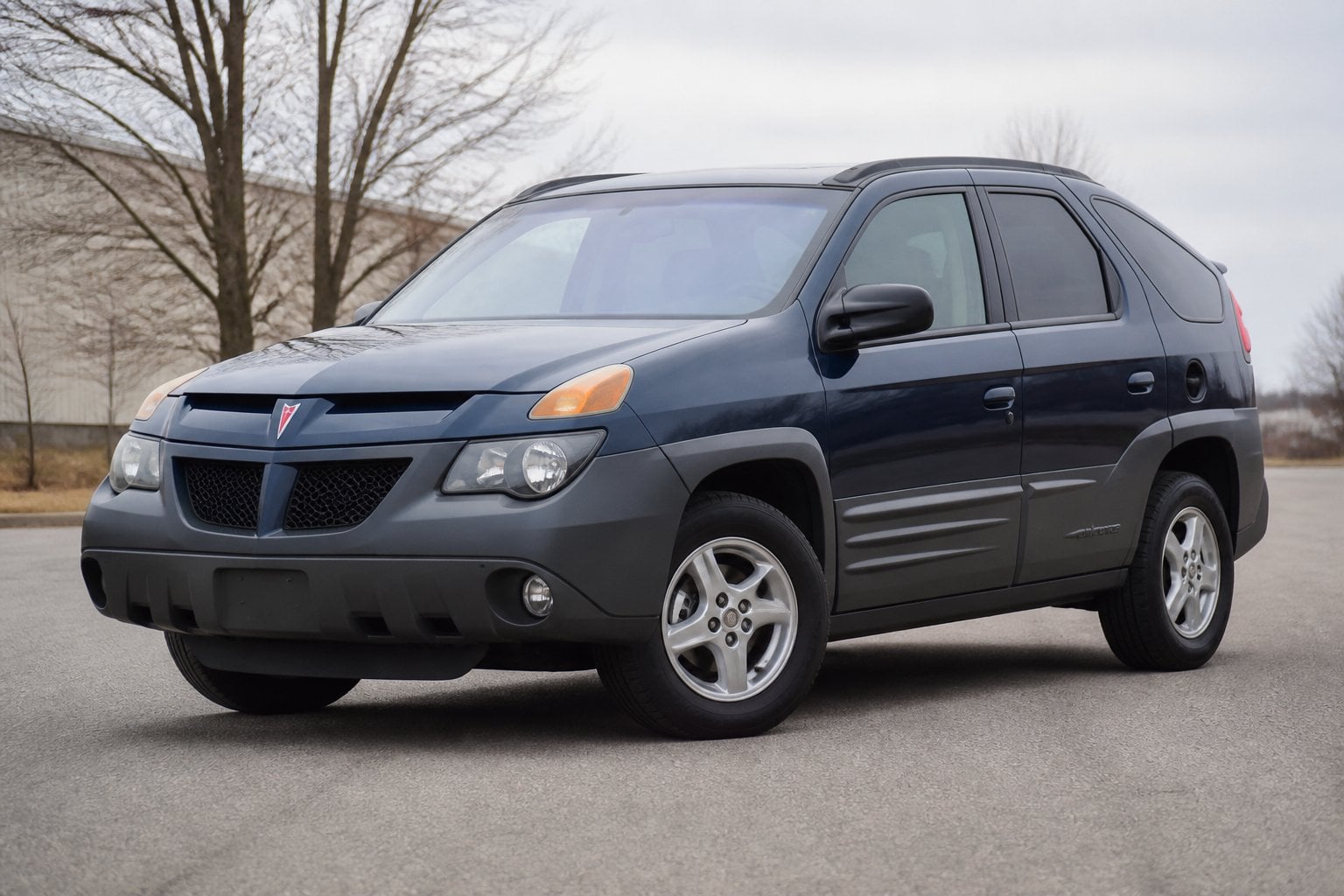
You can’t discuss bad car design without landing on the Aztek first. Pontiac built it for the 2001 model year, aiming at active, younger buyers who wanted an all-in-one adventure vehicle.
You got a 3.4-liter V6 with 185 horsepower, plus optional all-wheel drive. On paper, that’s reasonable for a crossover of its time.
Your eyes tell a different story, though. The double hood, oddly small wheels, and heavy plastic paneling gave it a disjointed, unfinished look that critics mocked from its Detroit Auto Show debut onward.
You should also know the 2001 models had mechanical problems, including intake manifold gasket failures. Combined with the styling backlash, this cemented the Aztek’s reputation.
Time magazine later named it one of the 50 worst cars ever made, and Edmunds ranked it at the top of its “100 Worst Cars of All Time” list.
2. Pontiac Sunbird (1982–1994)
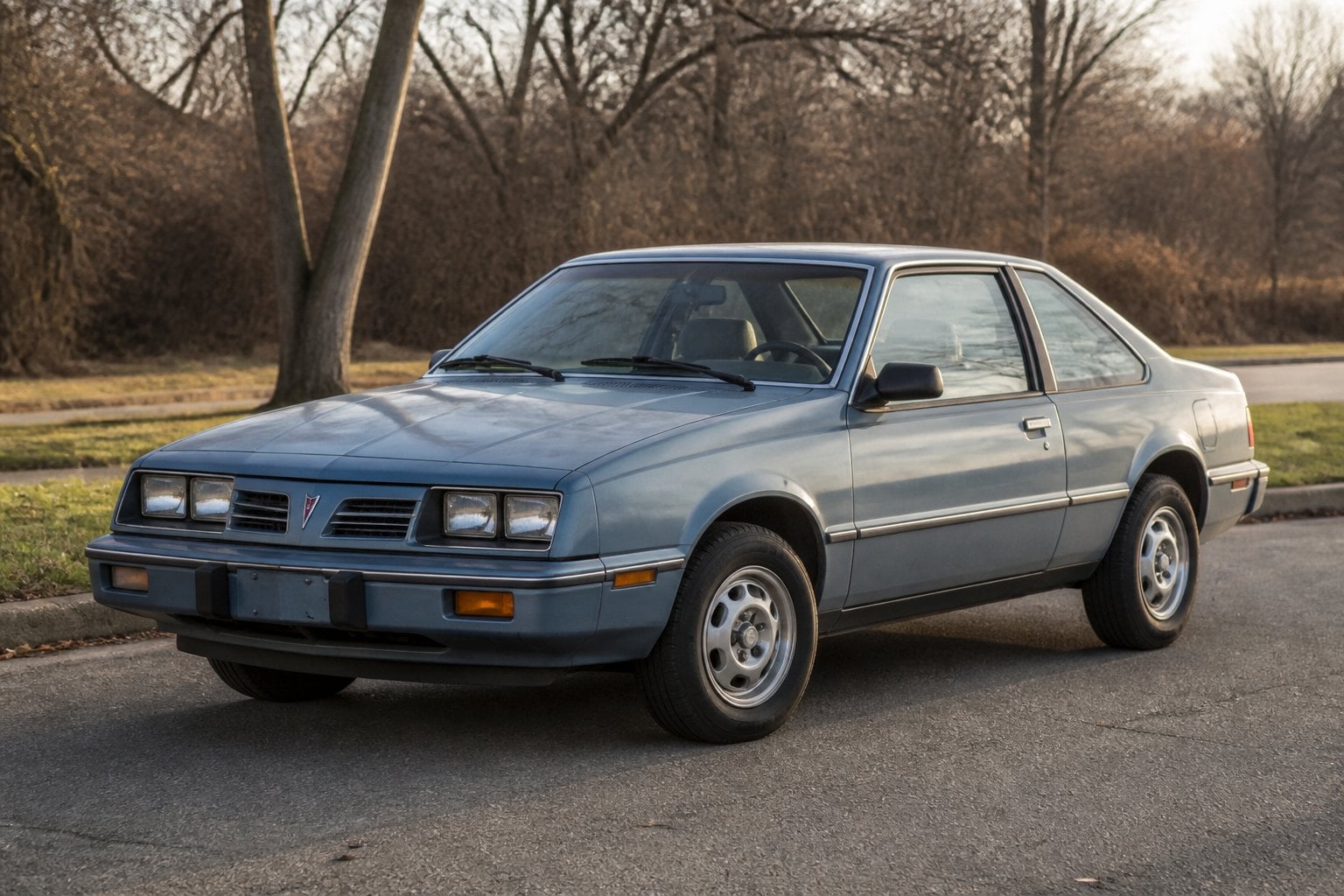
You get a compact car built during Pontiac’s era of budget-conscious engineering. The Sunbird shared its platform with the Chevrolet Cavalier, and the shared underpinnings didn’t do it any favors.
Engine problems account for most of the complaints you’ll find on record. Owners report issues with stalling, rough idling, and premature wear on internal components.
The 1989-1990 models tend to show fewer reported issues than later years in the second generation. Still, you’re dealing with a car that’s now decades old, so finding one in good condition takes patience and a careful inspection.
The interior materials feel cheap by modern standards, and the ride quality doesn’t inspire confidence. Pontiac positioned the Sunbird as an affordable option, but affordability came with tradeoffs you’d notice within the first few years of ownership.
3. Pontiac Sunfire (1995–2005)
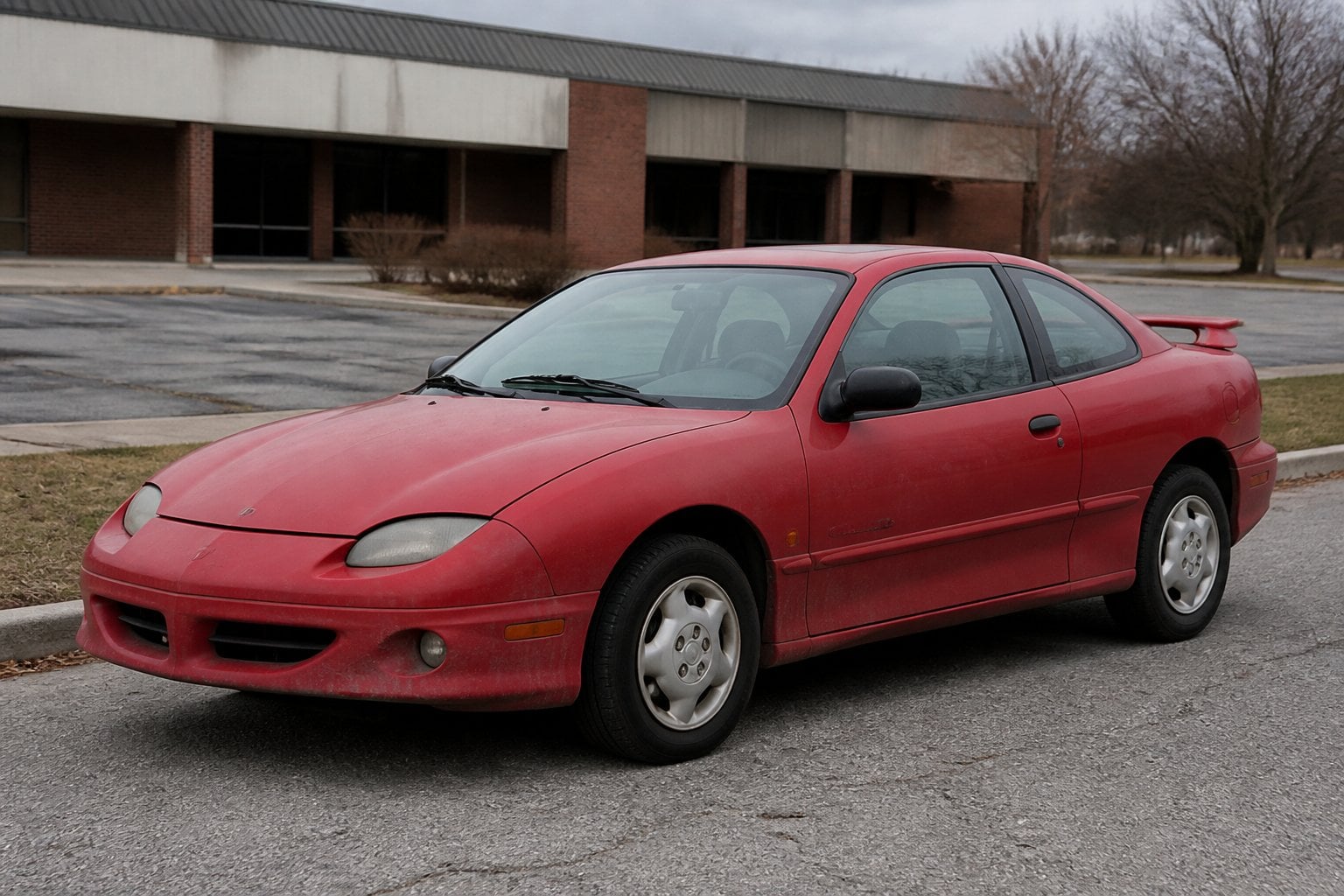
You get a compact car built to compete with the Cavalier’s low price tag, but that meant cutting corners you’ll notice quickly.
Electrical problems show up across owner complaints, and the power window mechanisms are a known weak point. The plastic components inside the pulley assembly break down, and once they fail, dealers typically replace the entire assembly rather than the single part.
Reliability data shows the average Sunfire breaks down around the three-year mark, which isn’t what you want from a daily driver. The 1996 and 1997 model years draw the most criticism, with electrical system failures topping the list of owner complaints.
If you’re shopping used, later years like 2003 through 2005 reflect some improvements, but you’re still dealing with a car built to a budget. The interior materials feel cheap, and the ride quality never matches what competitors offered at the same price point.
4. Pontiac 6000 (1982–1991)
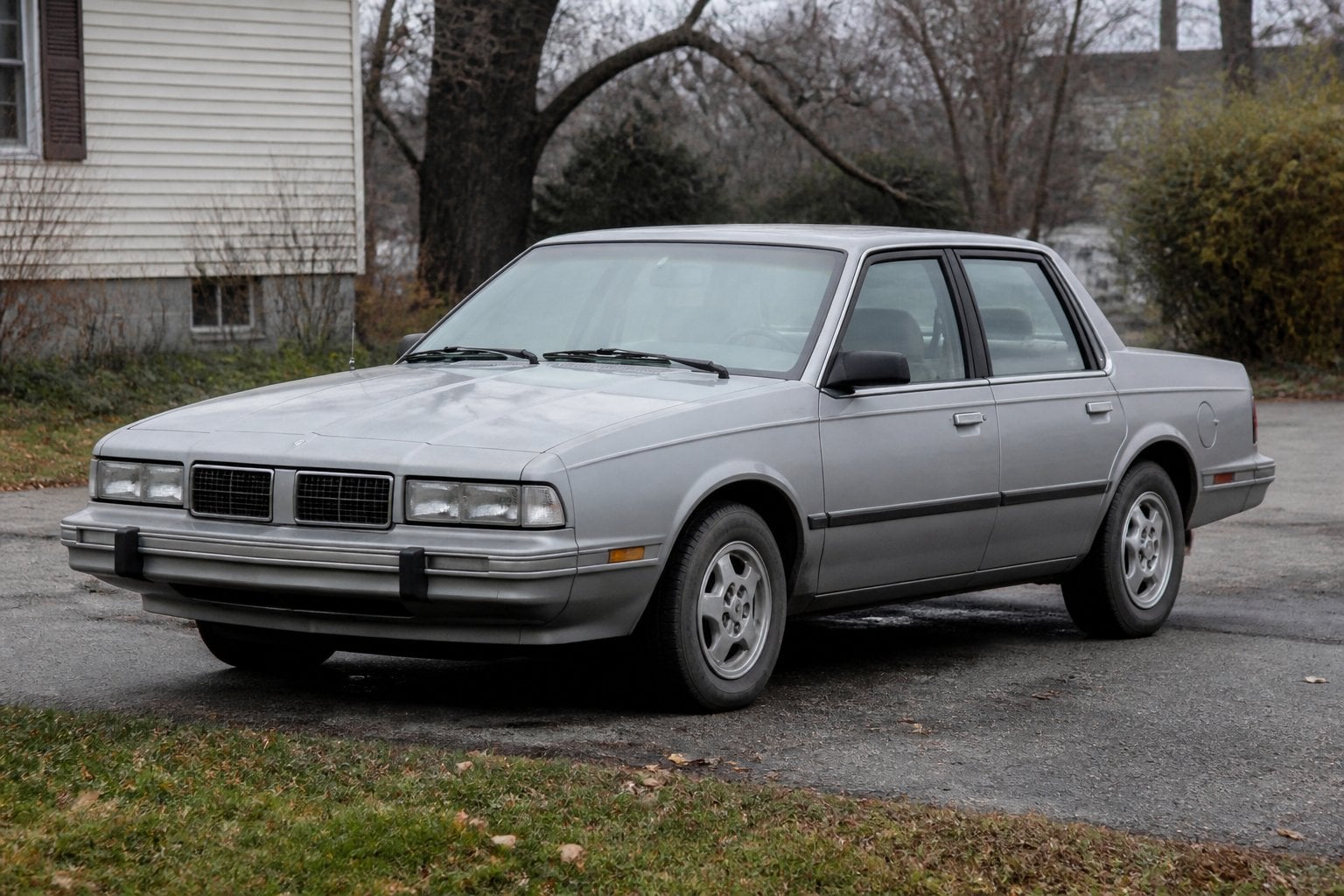
You get a car that replaced the LeMans but never quite found its own identity. Pontiac marketed the 6000 as a mid-size sedan positioned between the Phoenix and Bonneville, yet you’d struggle to find anything that set it apart from its corporate cousins.
The base models offered little in the way of driving excitement or distinctive styling. You could option into the Special Touring Edition for a more engaging experience, but most buyers never went that route.
Sales figures tell you the real story. From a peak of over 211,000 units in 1986, numbers dropped to under 140,000 by the time production ended.
You won’t find many surviving examples today. The 6000 blended into GM’s lineup so thoroughly that it became one of the most forgettable nameplates of its era, despite selling in significant volumes throughout its production run.
5. Pontiac T1000 (1981–1987)
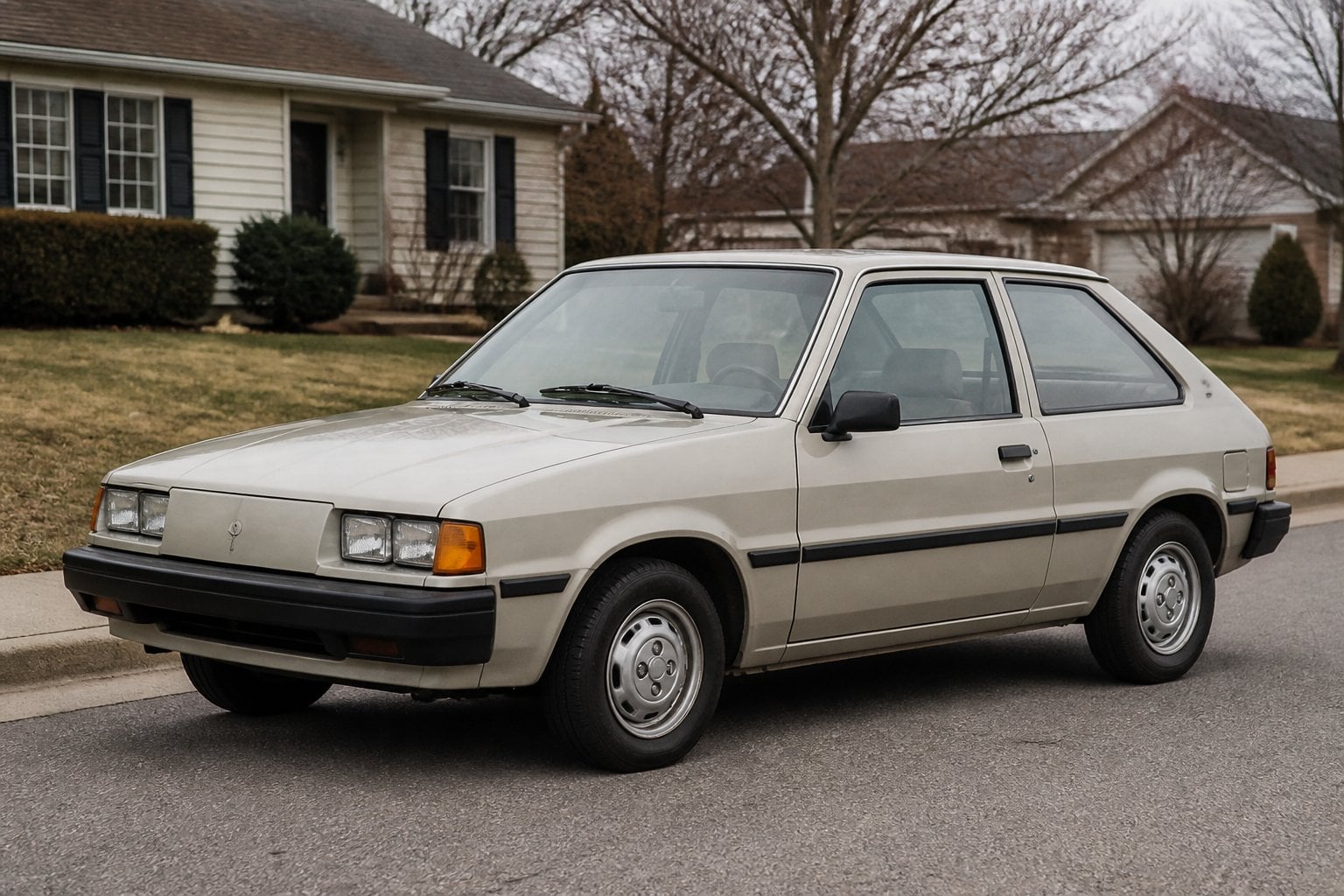
You get a Chevette with a Pontiac badge when you buy the T1000. GM introduced this rebadge in 1981 to give the division an entry-level subcompact without spending on new engineering.
Under the hood, you’re looking at a small four-cylinder engine producing around 65 horsepower. Some road tests clocked the 0-60 time at roughly 30 seconds, and top speed hovered near 59 mph.
You won’t find much to praise in the driving experience. The interior feels sparse, the ride is unrefined, and performance lags behind most economy cars of its era.
Sales never matched Pontiac’s stronger nameplates, though the T1000 (later shortened to 1000) did sell in modest numbers through the mid-1980s. It represents a period when Pontiac leaned on corporate cost-cutting rather than distinct engineering, and you can see why enthusiasts rank it among the brand’s weakest efforts.
6. Pontiac LeMans (1988–1993)
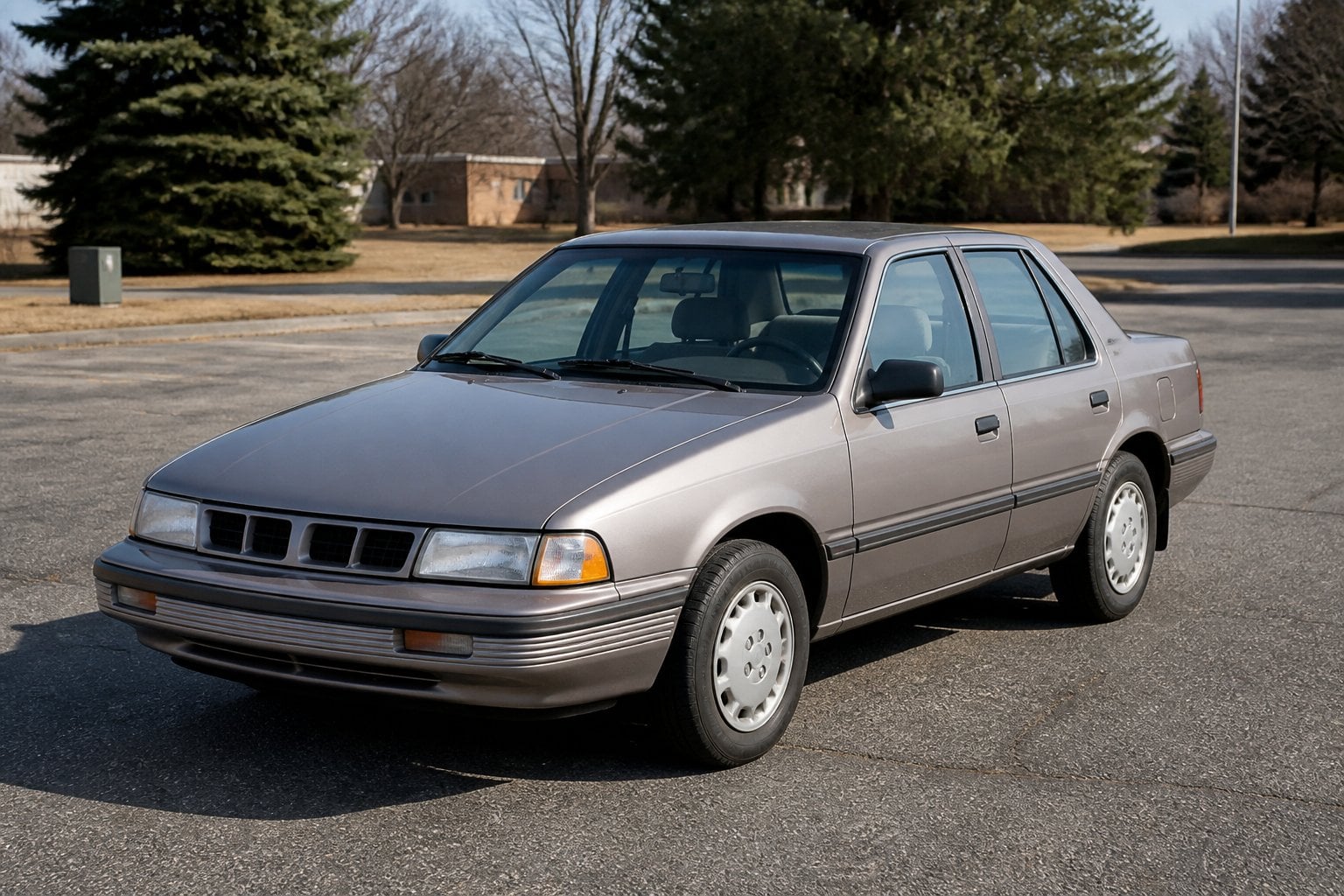
By 1988, you weren’t getting a genuine Pontiac when you bought a LeMans. This version was a rebadged Daewoo, built in South Korea and based on an older Opel design.
The car shared little with the muscle car heritage the LeMans name once carried. You got a bland, underpowered subcompact instead of anything resembling performance.
Build quality was inconsistent, and interior materials felt cheap even by late-1980s economy car standards. Reliability issues piled up quickly, and owners reported frequent mechanical problems.
Sales never took off, since you had better options from Japanese automakers at similar price points. GM’s partnership with Daewoo soured by 1992, and production ended in 1993.
This LeMans damaged the nameplate’s reputation permanently. It stands as a clear example of a storied name attached to a product that couldn’t live up to it.
7. Pontiac Tempest (1961–1970)
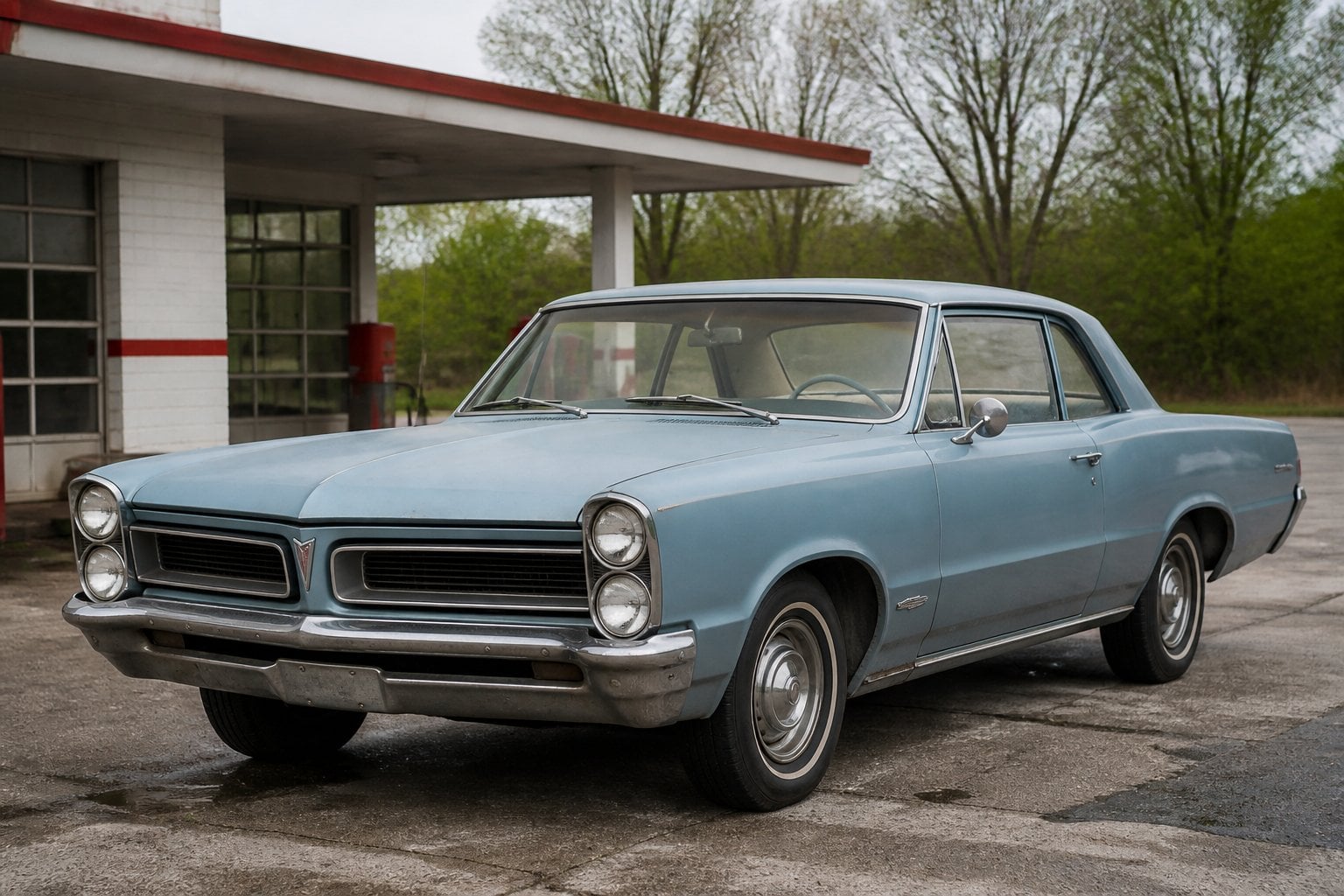
You’ll find the first-generation Tempest an odd mix of clever engineering and questionable execution. Pontiac gave it a rear-mounted transaxle and a curved driveshaft nicknamed the “rope drive,” a design meant to improve weight distribution but one that proved fragile and expensive to repair.
Your engine options weren’t much better at first. The base “Trophy 4” was essentially half a V8, and it ran rough, shook excessively, and lacked refinement.
By 1963, Pontiac dropped these quirks for a more conventional layout, which tells you the original concept didn’t hold up. The Tempest name later reappeared in the late 1960s on a mid-size platform, but it lived in the shadow of the GTO.
You end up with a model remembered more for its early missteps than for lasting innovation.
8. Pontiac Fiero (1984–1988)
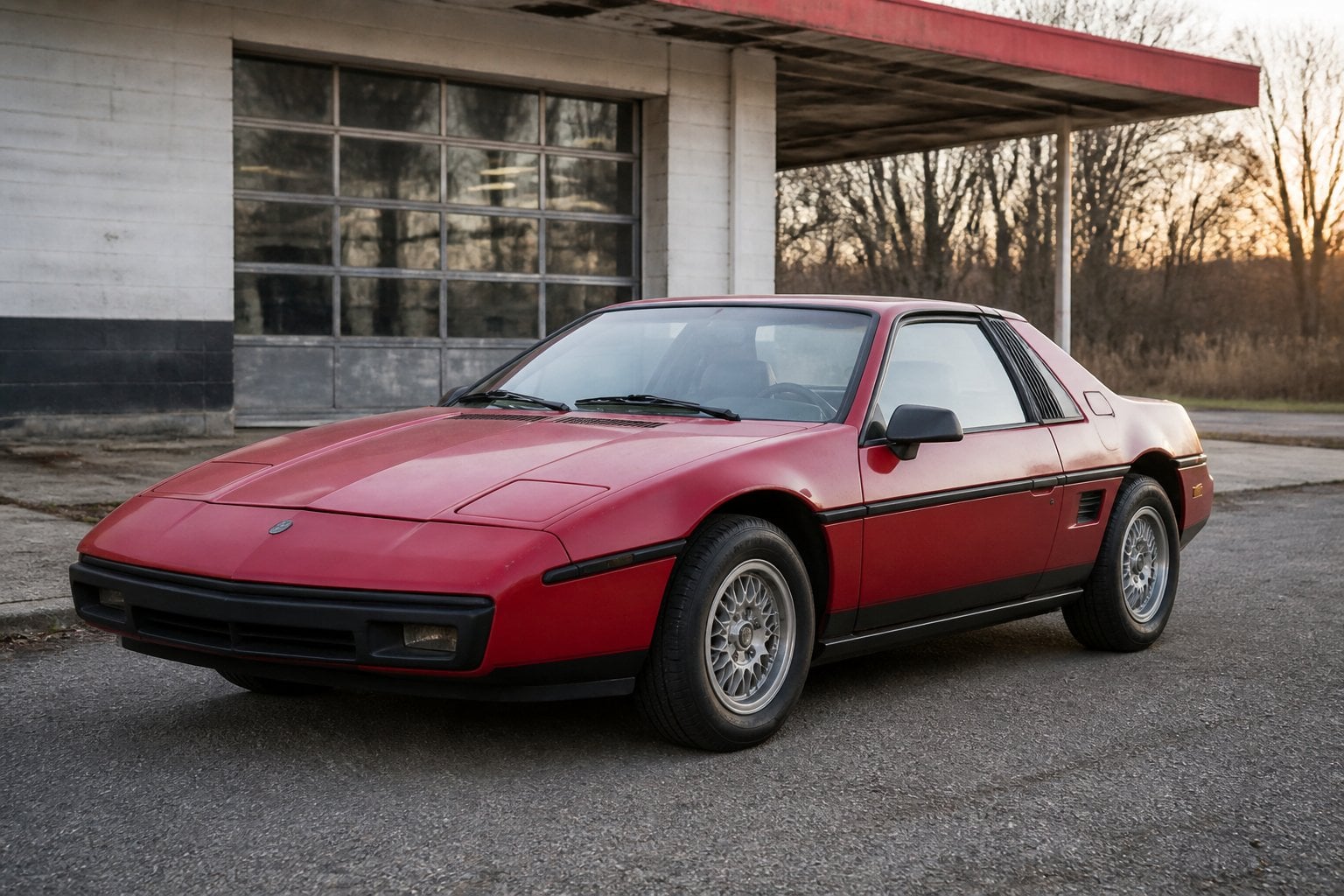
You’ll find the Fiero fascinating for one reason: it was America’s first mass-produced mid-engine car. On paper, that made it groundbreaking. In practice, GM cut corners that undermined the concept.
Early models paired a mid-mounted engine with a suspension borrowed from the Chevrolet Chevette, an economy car with no sporting pretensions at all. You’d notice the mismatch immediately in the handling.
The bigger issue was fire risk. Engine bay design flaws in 1984 models led to a real chance of engine fires, enough that owners and safety regulators took notice.
By 1988, GM finally fixed things with a Lotus-tuned suspension and a stronger V6. It arrived too late. You’re left with a car that hints at brilliance but spent most of its life underdeveloped.
9. Pontiac Fiero 2M4 (1984)
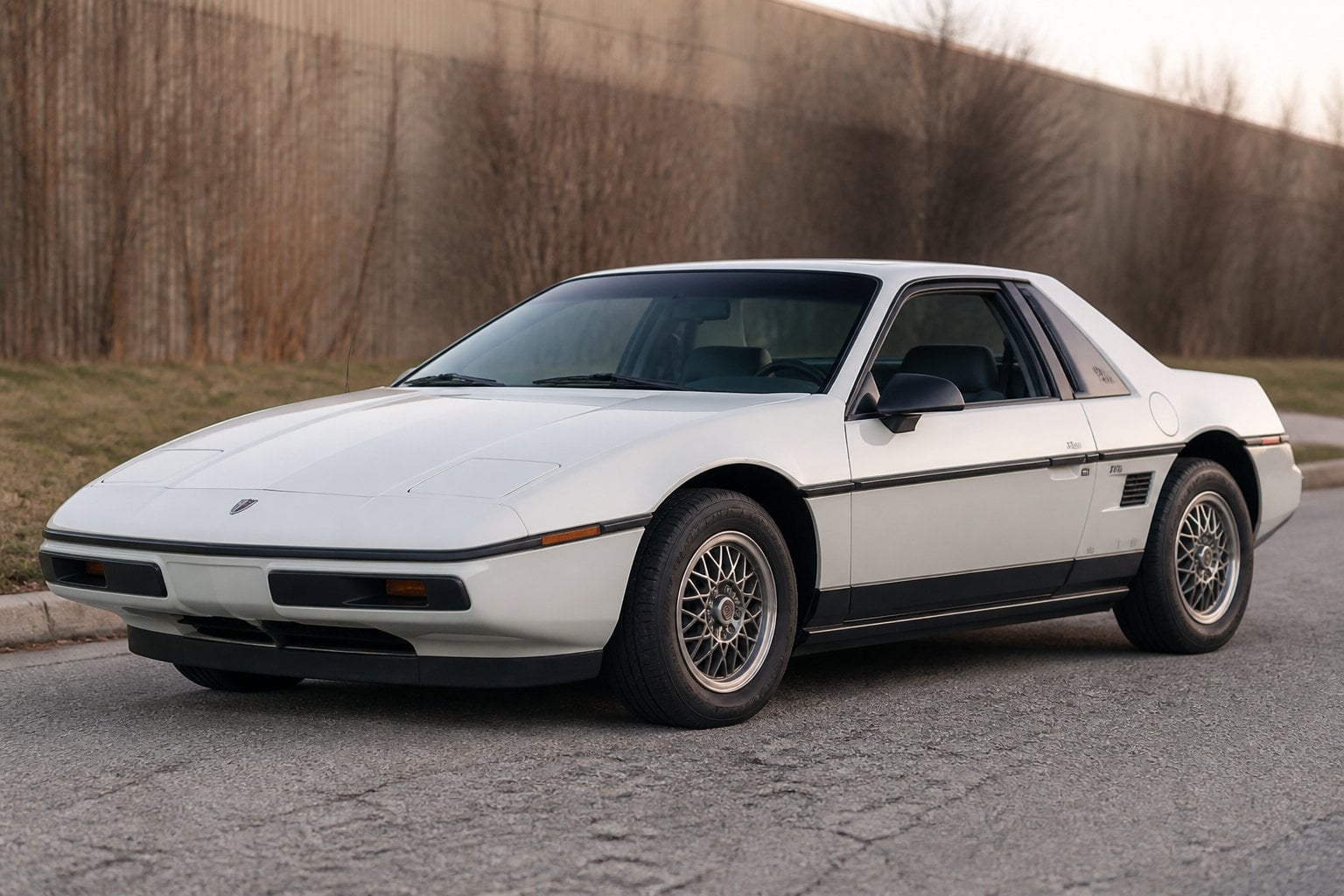
If you bought a 1984 Fiero, you got Pontiac’s first mid-engine production car, and that novelty came with real risks. The base 2M4 used the Iron Duke four-cylinder, an engine borrowed from other GM models and never designed for mid-engine placement.
You’ll find the most serious issue involved engine fires. Low oil levels combined with connecting rods that could contact the crankcase created a fire hazard, prompting a recall of hundreds of thousands of vehicles.
Beyond the fire risk, you’re dealing with a car built under tight budget constraints. GM reused parts from other models, including suspension components from the Chevette, which limited handling performance despite the Fiero’s sporty appearance.
Electrical problems plagued early units, too. You should expect wiring issues and sensor failures if you’re considering one of these first-year models today.
10. Pontiac Fiero GT (1985–1988)
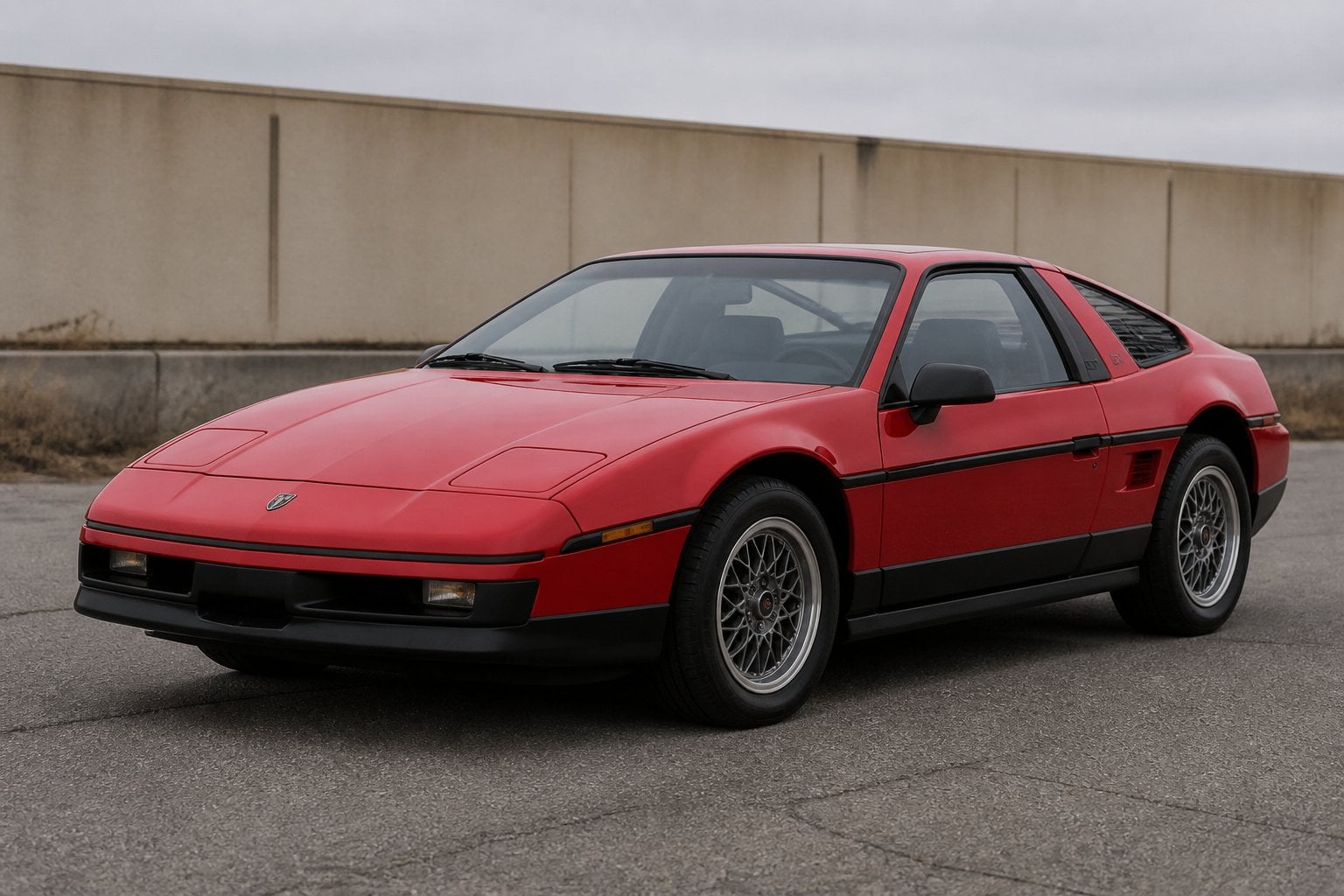
You get more power with the GT trim, but that doesn’t mean you avoid the problems that defined the Fiero’s reputation.
The GT arrived in 1985 with a 2.8L V6 producing 140 horsepower, replacing the underwhelming four-cylinder base engine. That upgrade helped, but it came after Pontiac had already built a reputation for engine fires in earlier models.
You should know the early Fieros suffered from engine compartments that ran too hot, sometimes causing fires due to poor clearance and oil starvation issues. GM addressed some of these defects in later years, but the damage to consumer trust was done.
The mid-engine layout was innovative for an American car, and you can appreciate that ambition. Still, quality control problems and a rushed development process meant the GT never fully escaped the Fiero’s troubled legacy.
11. Pontiac Firebird V6 (1982–1983)
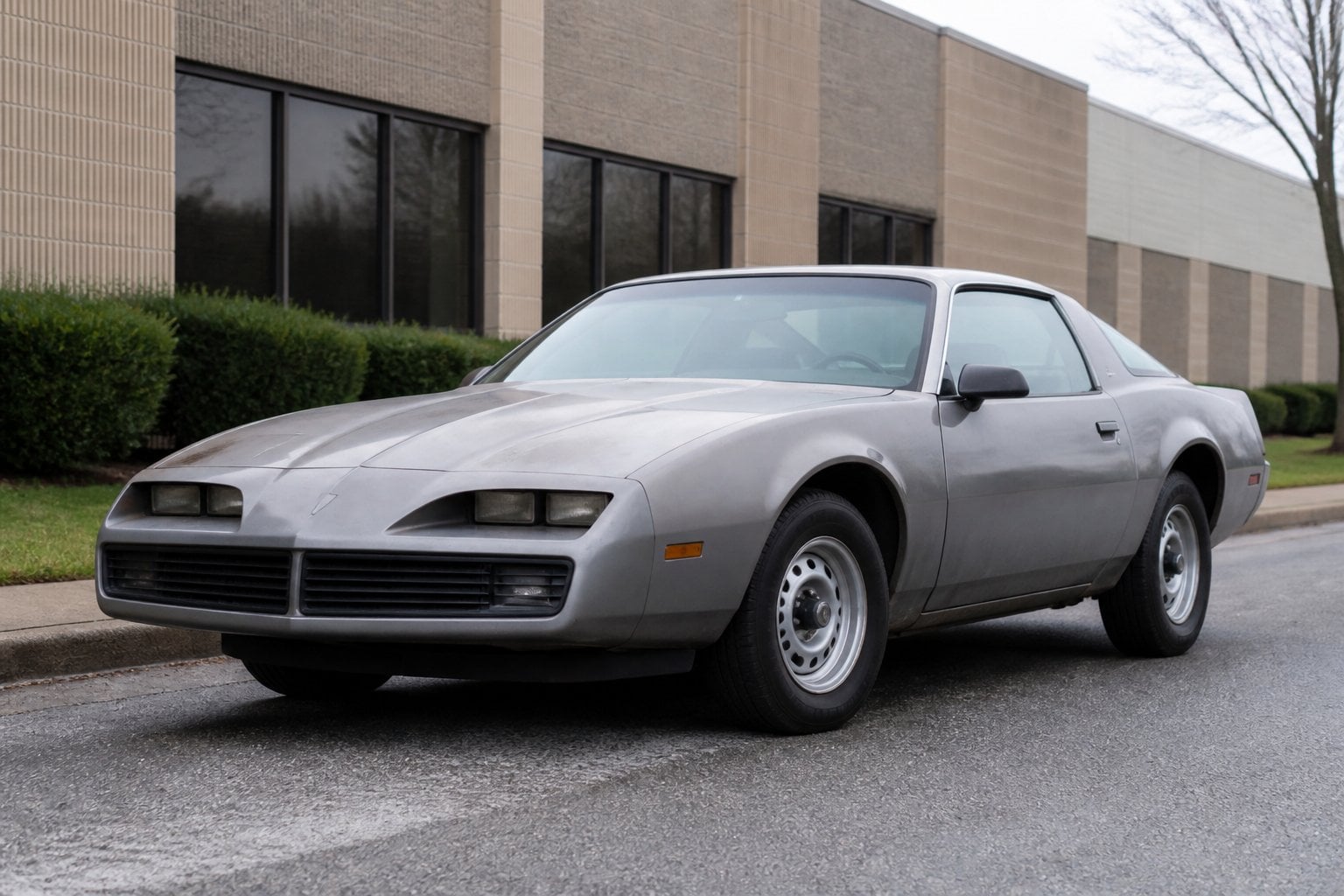
When Pontiac redesigned the Firebird for 1982, you got a car with new sheet metal but a weaker heart underneath. The base engine was a 2.5-liter four-cylinder, and the V6 option wasn’t much better in practice.
You were looking at output that barely cleared 100 horsepower in many configurations. That number felt out of place on a car wearing Firebird badges and Trans Am styling cues.
Fuel delivery issues plagued these early third-generation cars. You’d deal with hesitation and rough idle that stemmed from the transition to computer-controlled carburetors and early fuel injection systems still being sorted out.
Electrical gremlins showed up often, too. If you owned one, you likely became familiar with troubleshooting sensors and wiring that GM hadn’t fully refined yet.
The V6 Firebird represented style without the substance buyers expected from the nameplate.
12. Pontiac Firebird Trans Am GTA (1984–1987)
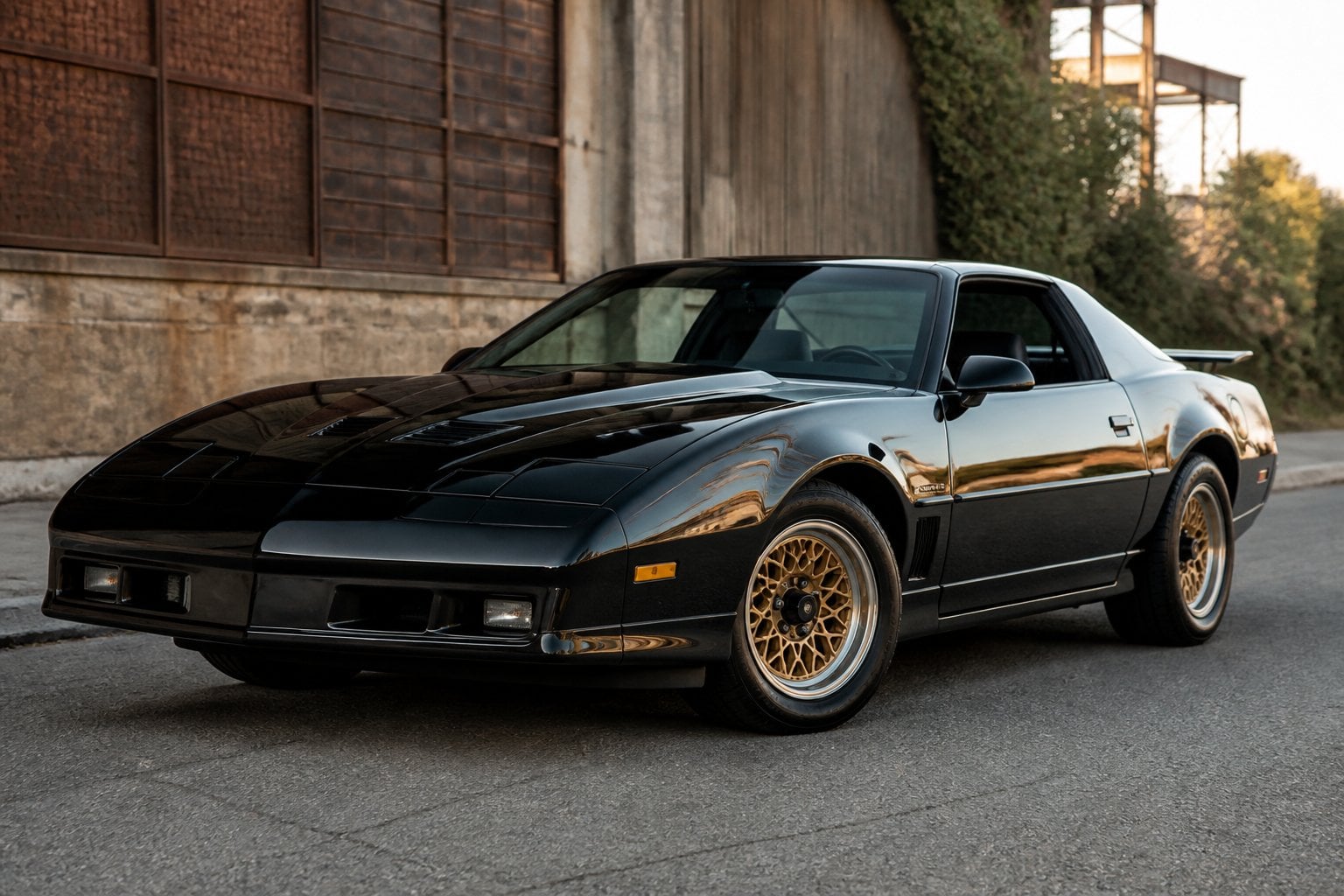
You’d expect the GTA badge to mean something special, but the early versions fall short of that promise. The GTA name officially arrived in 1987, and if you’re looking at pre-1987 cars marketed under this designation, you’re dealing with confused branding and mismatched expectations.
Your engine options during this stretch include underpowered V8s that struggle against the era’s emissions requirements. You’ll find throttle body injection systems that limit output and responsiveness compared to what came later.
If you’re chasing the performance image these cars project, you’ll likely be disappointed by the numbers. Handling feels dated next to competitors, and your fuel economy doesn’t compensate for the lack of power.
You’re also stuck with build quality issues common to GM products of this period, including interior materials that wear poorly and electrical gremlins that surface early.
13. Pontiac Firebird (1993–2002)
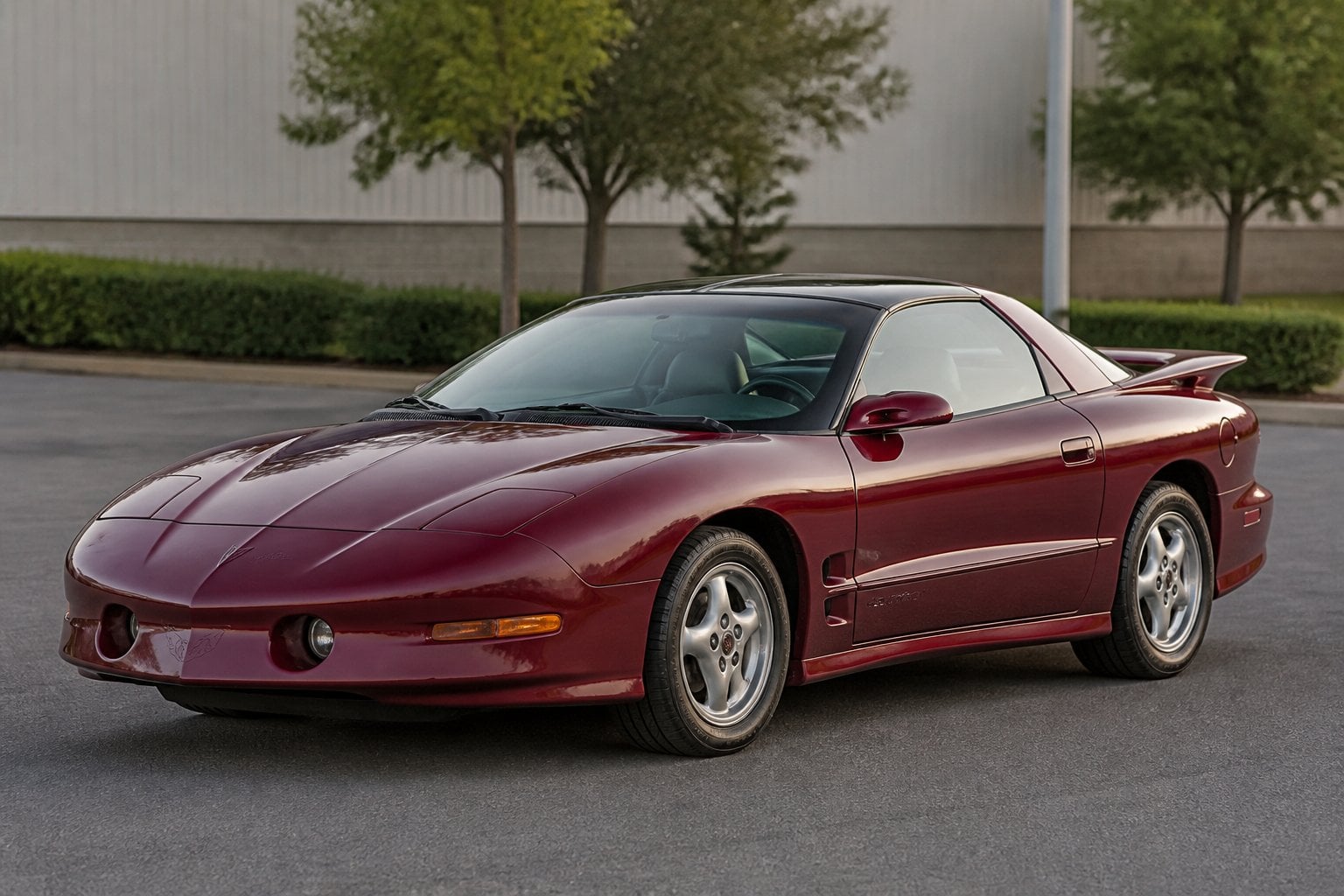
The fourth-generation Firebird brought sharper styling and a longer run than its predecessor, but you’ll find reliability took a step back. Owner complaints center on engine problems, with the model logging dozens of reported issues across its production years.
If you’re shopping for one of these, pay close attention to the later years. Data on complaints and recalls points to 2000 through 2002 as the weakest years, with elevated rates of owner-reported issues tied to braking systems, including antilock and traction control components.
You’ll also want to check maintenance records carefully, since electronic and hydraulic brake system faults showed up repeatedly across multiple model years. While the LS1 V8 introduced late in this generation improved performance, it doesn’t erase the reliability concerns that affected the lineup as a whole.
14. Pontiac Firebird Trans Am WS6 (1998–2002)
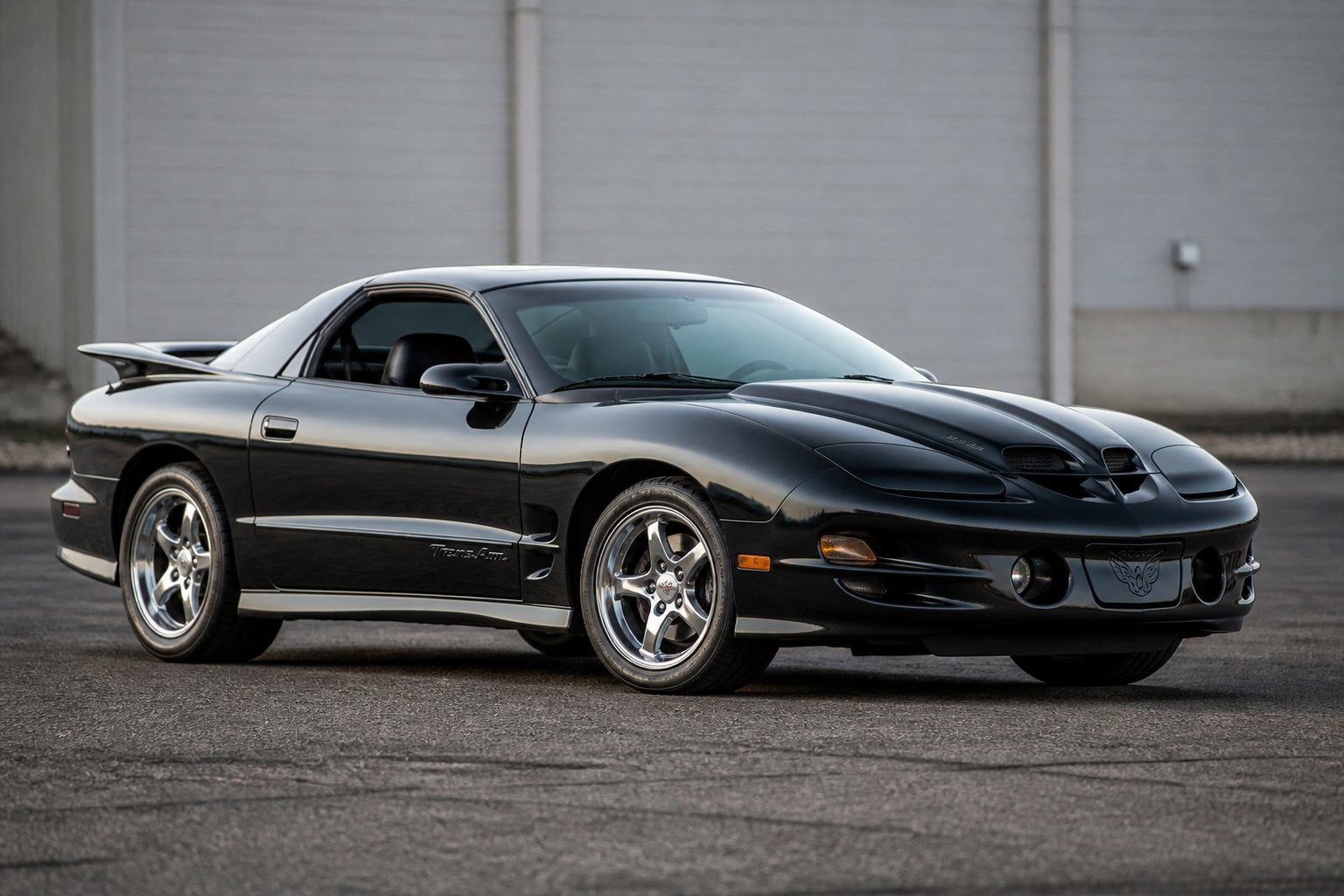
You get real performance with the WS6 package. The LS1 V8 delivers strong horsepower, and the Ram Air hood adds a bit of extra flow. On paper, this is one of the quickest Firebirds Pontiac ever built.
But you’ll notice the build quality doesn’t match the power under the hood. Interior materials feel cheap, with hard plastics and panel gaps that remind you this is still a 1990s GM product.
The manual transmission has a known quirk, too. You may find it skipping from first gear to fourth under light throttle, which catches many owners off guard.
Exterior styling doesn’t help matters. You’re looking at a car covered in fake scoops and add-on plastic trim, giving it a busy, dated look compared to its rivals.
You get genuine speed, but you also inherit compromises that keep this generation from aging gracefully.
15. Pontiac Grand Am (1985–1991)
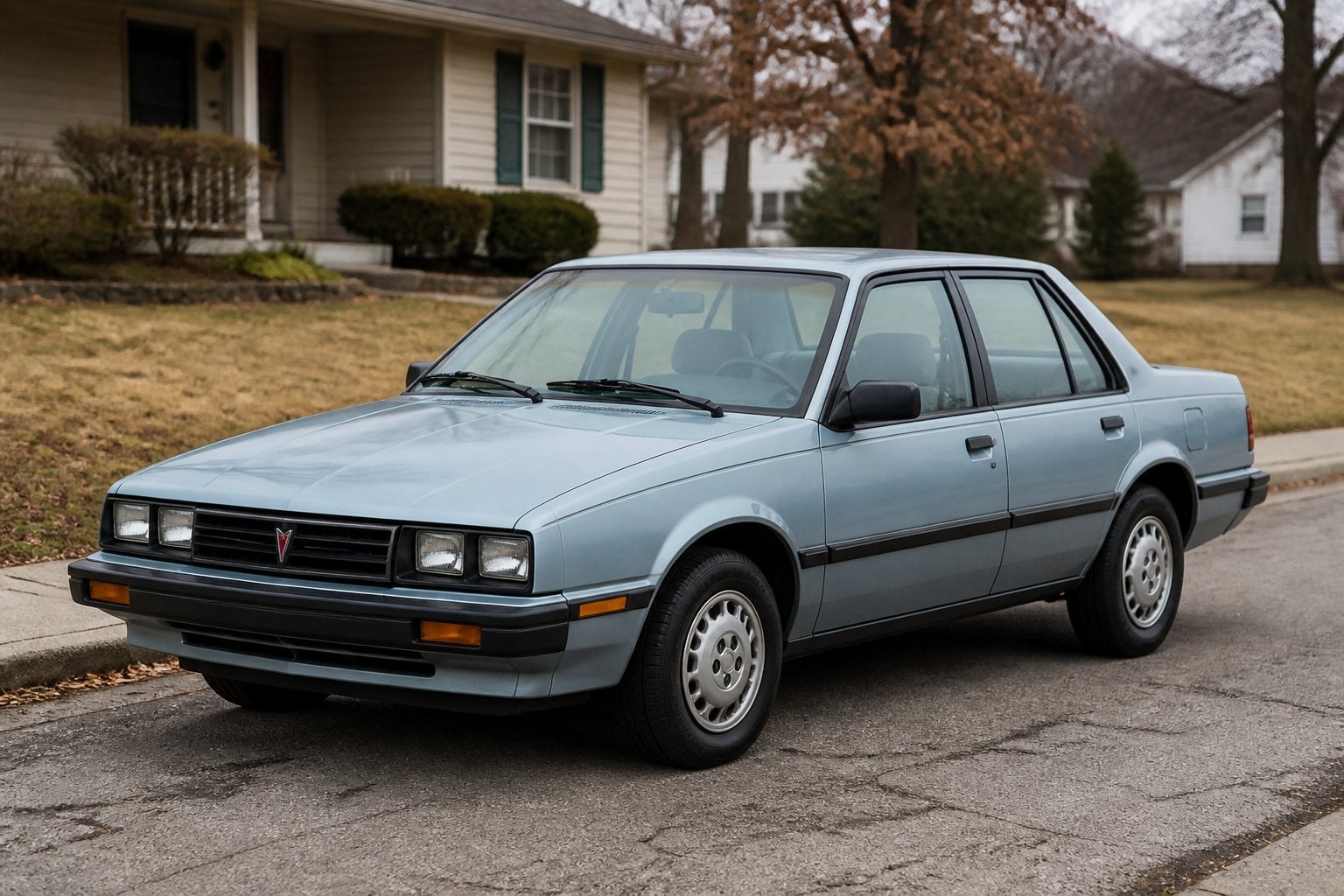
You’ll find this generation built on GM’s front-wheel-drive N-body platform, a replacement for the troubled X-body cars that came before it.
That change didn’t solve everything, though. You’ll still run into common GM problems from this era, including electrical faults and rust that spreads through the body over time.
Engine complaints show up frequently in owner records. If you’re looking at one of these models, expect issues with cooling systems and general wear that comes with age.
The interior lighting and wiring can also give you trouble, based on documented complaints from this period. You should factor in regular maintenance if you own one, since minor repairs tend to become routine rather than occasional.
This generation isn’t the worst in Pontiac’s lineup, but it demands patience and mechanical know-how from anyone who keeps one running long-term.
16. Pontiac Grand Am (1999–2005)
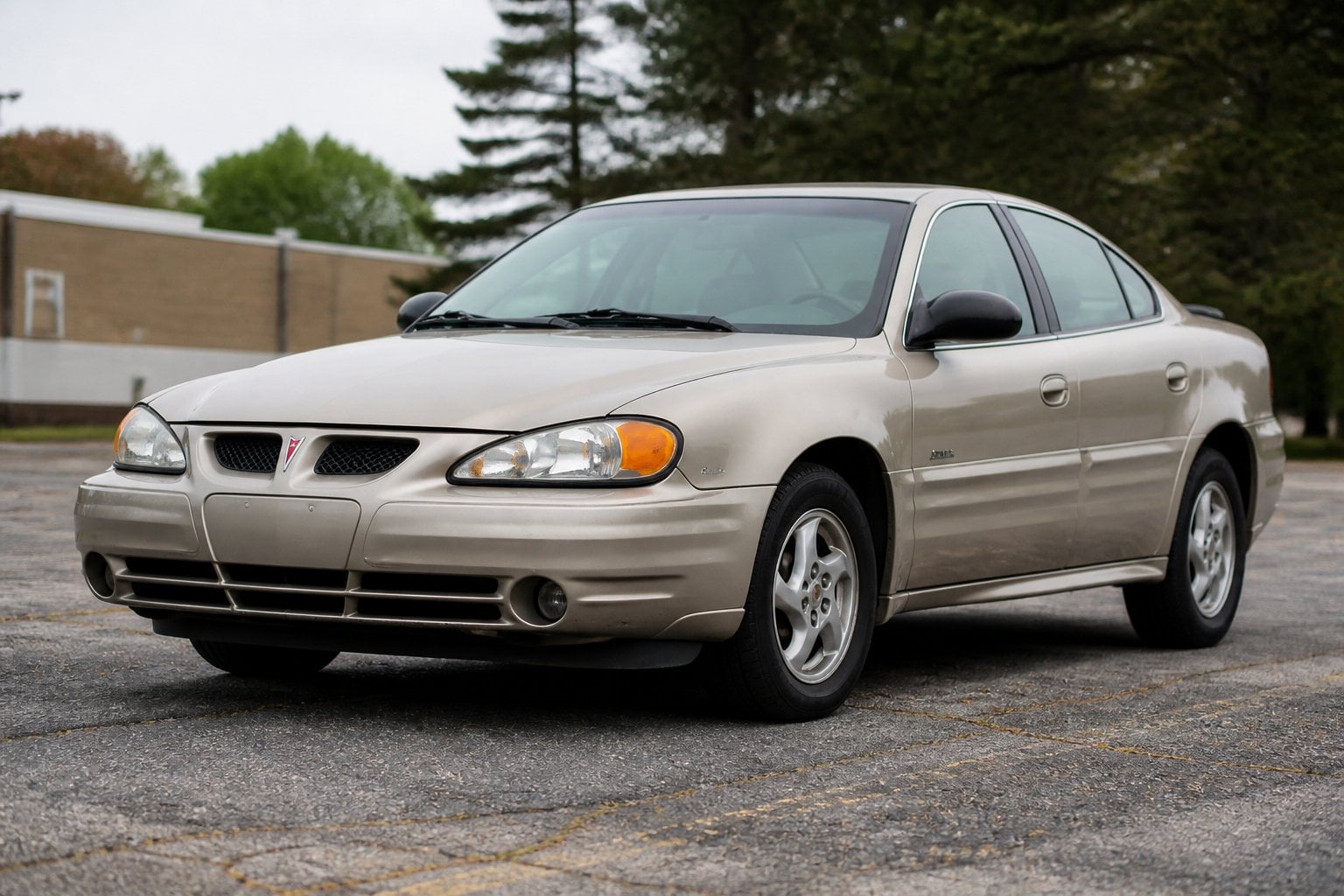
If you owned one of these, you likely dealt with a cracked intake manifold gasket at some point. This let coolant leak into the engine, and repairs weren’t cheap.
Power windows were another weak point. The mechanism relied on plastic pulley components that broke down over time, and GM dealers typically required you to replace the entire assembly rather than just the failed part.
The 1999 model year stands out as the worst offender, with owners reporting nearly 1,500 problems. Cooling system failures, electrical faults, and window malfunctions topped the list.
Your risk of encountering issues dropped somewhat in later years, but the fifth-generation Grand Am never fully shook its reputation for cheap components. Engine problems remained the most common complaint category across the entire production run, according to owner-reported data.
17. Pontiac Grand Prix (1988–1996)
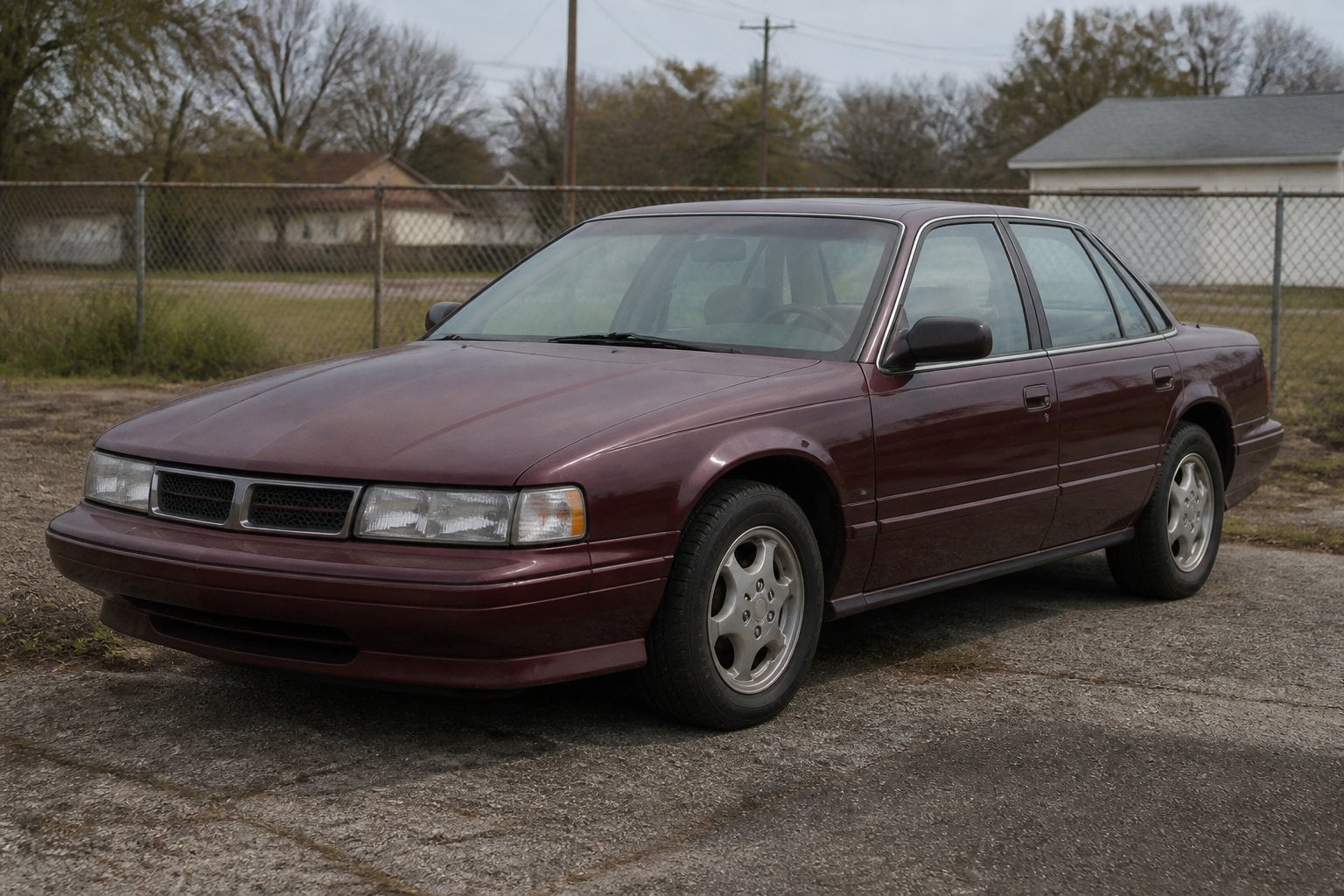
If you’re considering this generation of the Grand Prix, you’re looking at a car that holds up reasonably well compared to later versions. It ranks 7th out of 27 generations for reliability, which puts it in the middle of the pack rather than the bottom.
Your main concern will be engine problems, since these account for the bulk of owner complaints on record. The optional 3.8L V6 is generally durable, so choosing that engine option works in your favor.
You should expect age-related issues rather than design flaws. Electrical systems tend to wear down, suspension components loosen over time, and rust develops in the usual spots for cars of this era.
None of these problems are unique to the Grand Prix. They’re typical for a W-body platform vehicle from this period, so you’re not dealing with anything unusual for a car pushing three decades old.
18. Pontiac Grand Prix GTP (1997–2003)
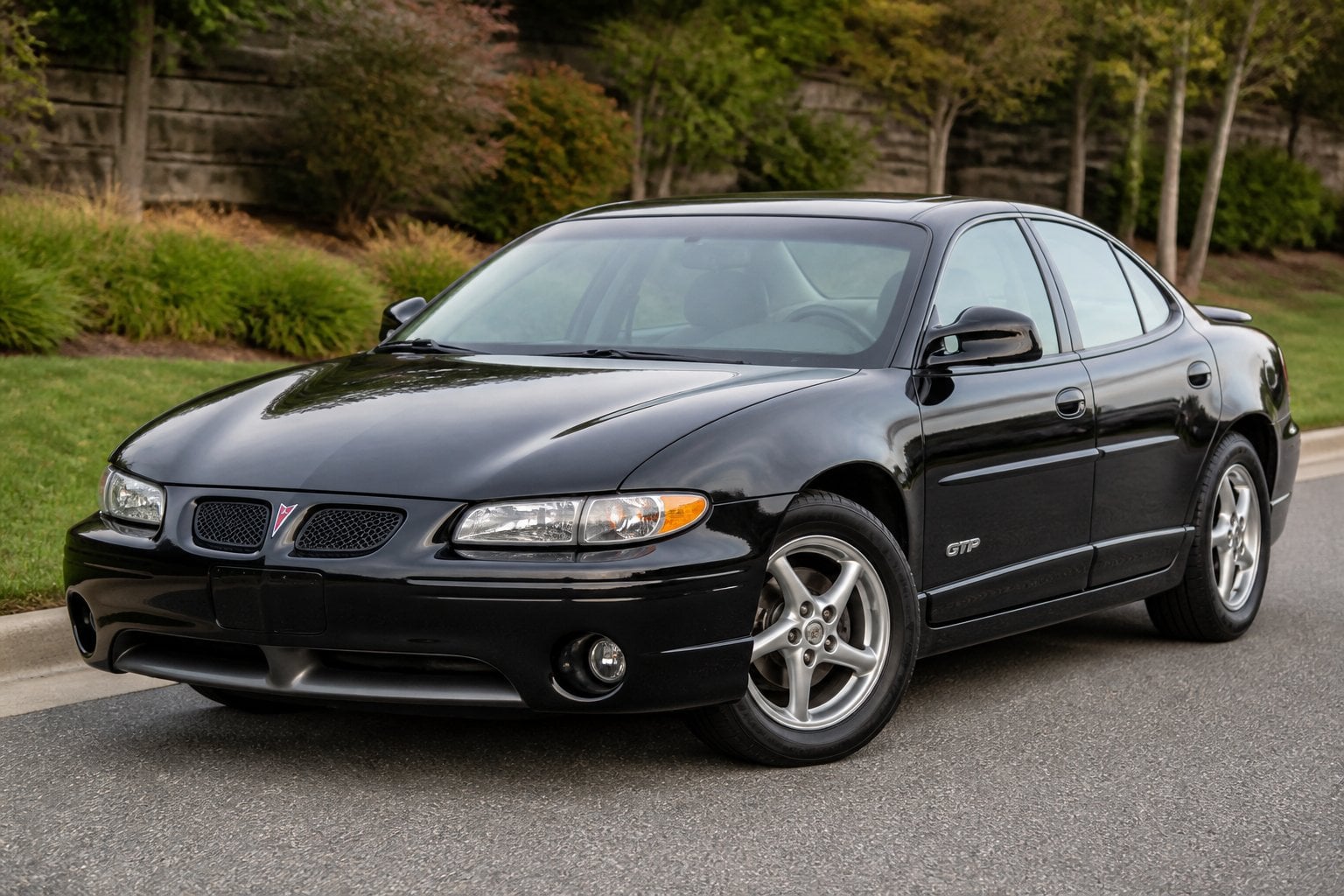
You get performance and comfort with the GTP trim, but you also inherit the sixth-generation Grand Prix’s most persistent flaw. The supercharged 3.8L V6 relies on an intake manifold gasket prone to failure, letting coolant seep into the engine.
If you own one, you’ll likely notice overheating or coolant loss well before higher mileage sets in. Owners across these model years report the same issue repeatedly, and complaint volumes back that up.
Beyond the engine, you may run into transmission problems that add to repair costs. Electrical glitches show up often enough that you shouldn’t be surprised by dashboard warning lights or accessory malfunctions.
Interior quality holds up reasonably well, but you’ll hear more rattles and squeaks than expected, especially with the GTP’s firmer suspension tuning. Combined with mechanical issues, this generation asks more patience from you than it should.
19. Pontiac Bonneville SSEi (1987–1999)
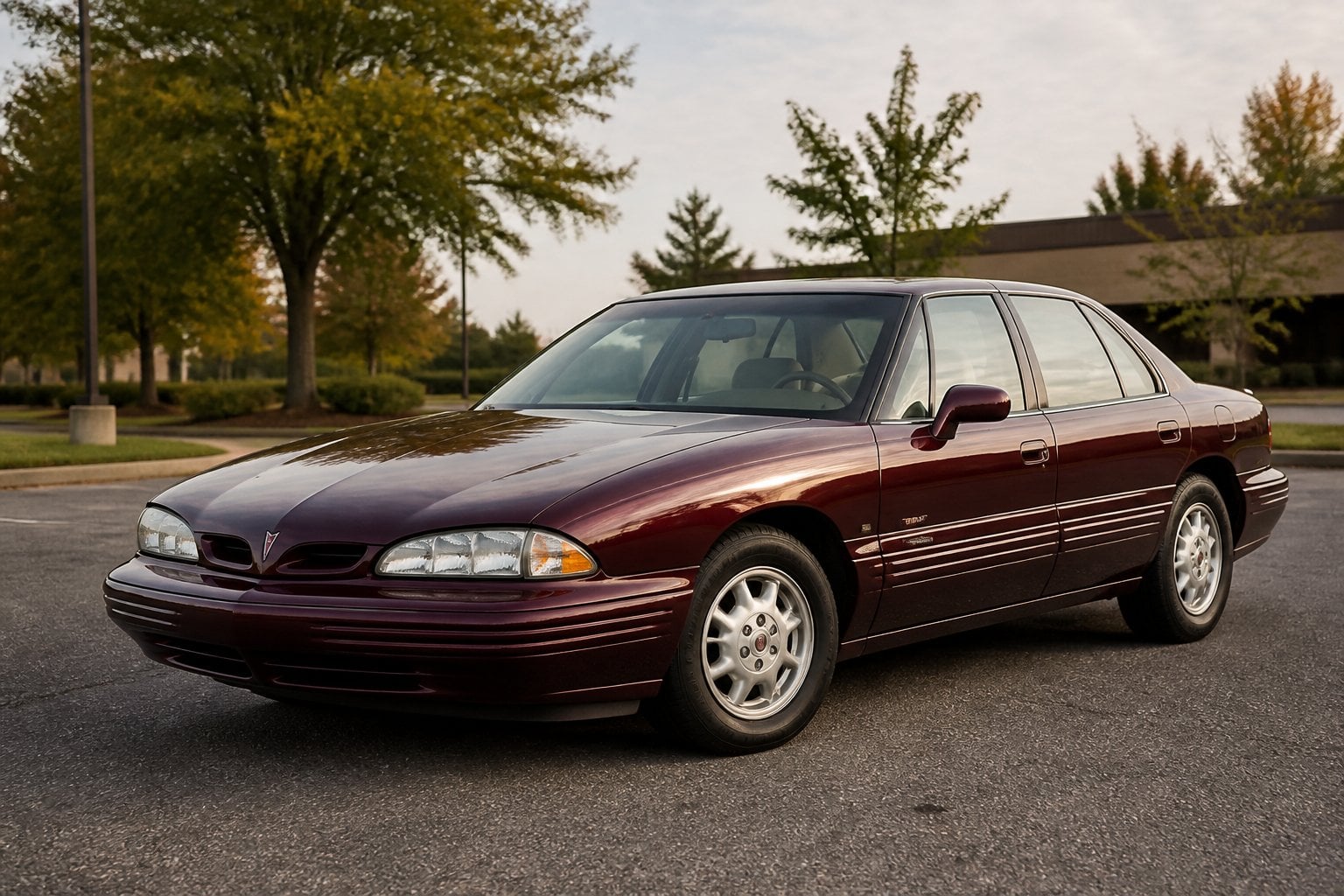
You’re looking at the sportiest trim of Pontiac’s flagship sedan, but the SSEi’s performance ambitions came with real ownership costs. The supercharged 3800 V6 delivered strong power, yet it also exposed you to intake manifold gasket failures, a well-documented weakness across GM’s 3800 lineup.
Late-1990s models, especially 1998 and 1999, brought the highest complaint volumes. You’d commonly face electrical faults, transmission problems, and cooling system failures on these cars.
Owners also reported frequent power window motor failures, an annoyance that added up in repair costs over time. If you’re considering an SSEi from this era, budget for maintenance beyond typical sedan expectations.
The combination of complex electronics and supercharger-related wear means you’ll want a thorough pre-purchase inspection before committing to one of these.
20. Pontiac Bonneville (2000–2005)
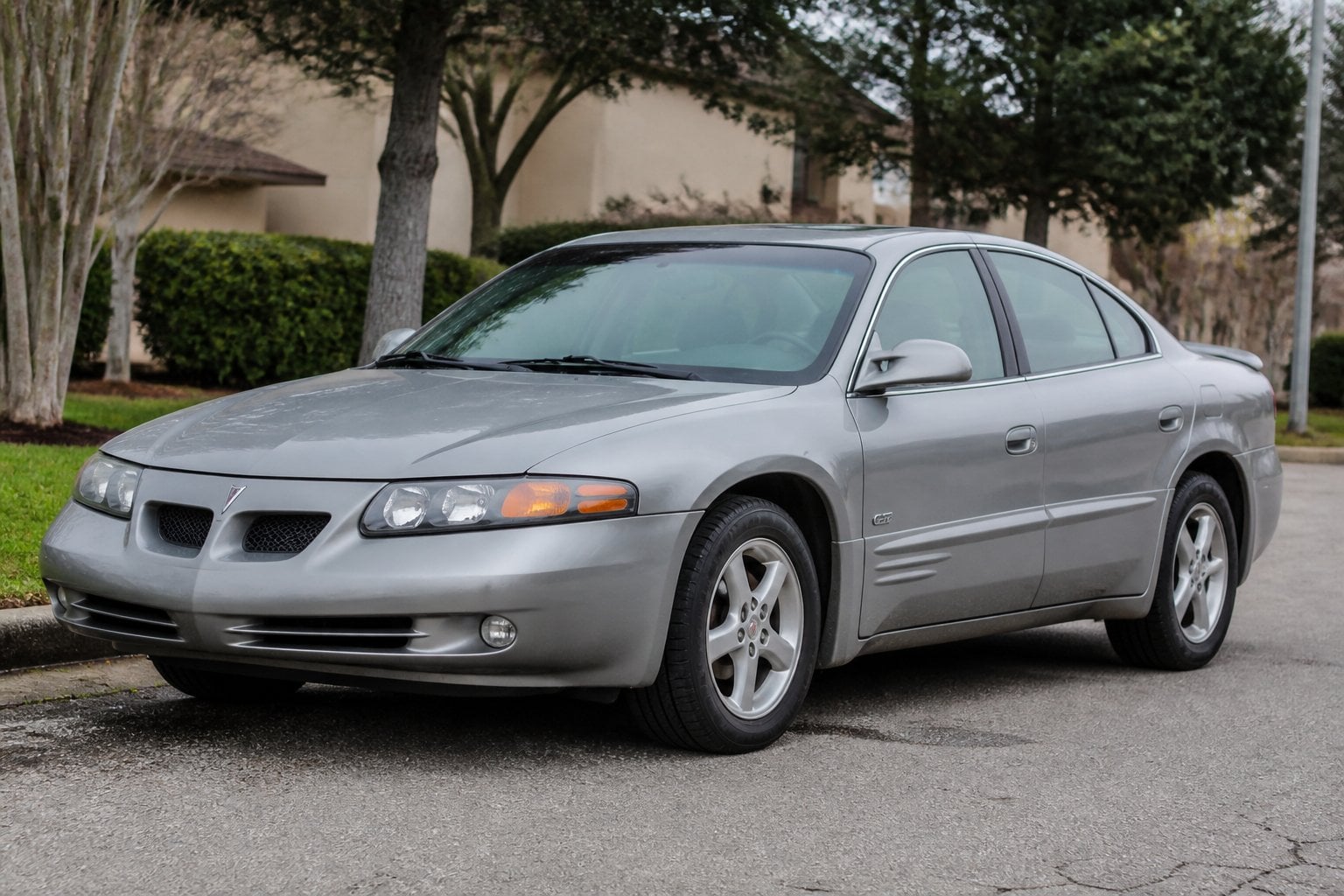
If you’re considering this generation, know it carries the weakest reliability record in the Bonneville’s history. The 2000 model year drew the highest number of complaints, with power window failures topping the list. You can expect repair costs around $400 for that issue alone, since GM dealers typically replace the entire window assembly rather than individual parts.
Electrical problems extend beyond the windows. Steering, visibility, and engine cooling components also show recurring issues across these model years, with 2002 accounting for a disproportionate share of reported complaints.
Styling didn’t help matters either. The front-heavy design, paired with fake scoops and excessive chrome trim, missed the sporty look Pontiac intended.
You’ll find better value and dependability by looking at earlier Bonneville generations or other Pontiac models from this era instead.
21. Pontiac Parisienne (1977–1986)
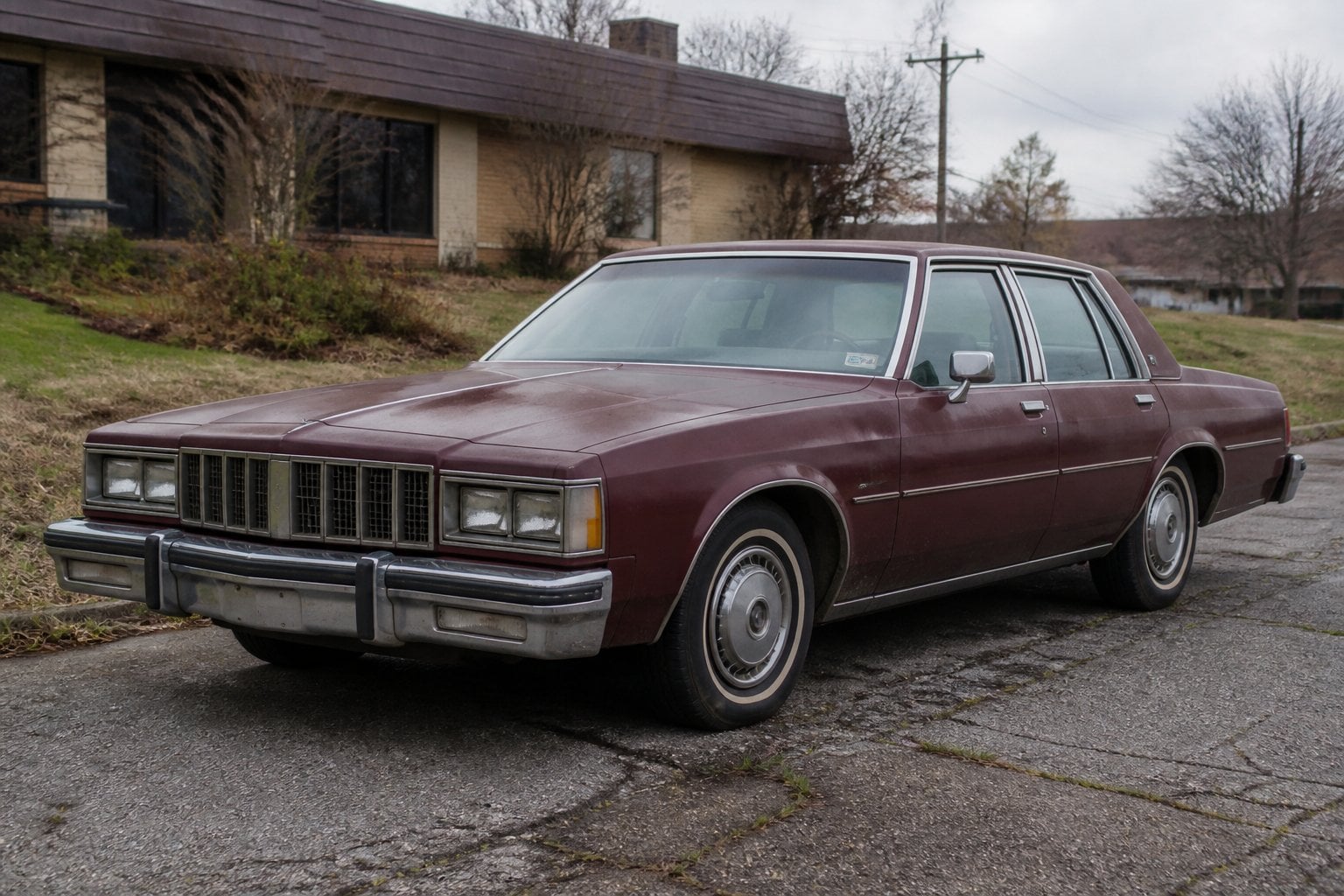
You get a car that struggled to define itself. Pontiac introduced the Parisienne to the US market in 1983 as a replacement for the Catalina and Bonneville, but it was essentially a rebadged Chevrolet Caprice with minor styling tweaks.
You won’t find much that distinguishes it from its Chevy sibling under the sheet metal. The full-size, rear-wheel-drive platform was reliable enough, but it lacked any performance edge you’d expect from Pontiac’s brand identity.
You can point to the Parisienne as proof that Pontiac had lost its way by the mid-1980s. Instead of building excitement, the division was recycling GM’s B-platform with a different grille and taillights.
You end up with a car that feels more like badge engineering than genuine innovation, and that’s exactly the criticism it drew from buyers who expected more from the Pontiac name.
22. Pontiac Phoenix (1977–1984)
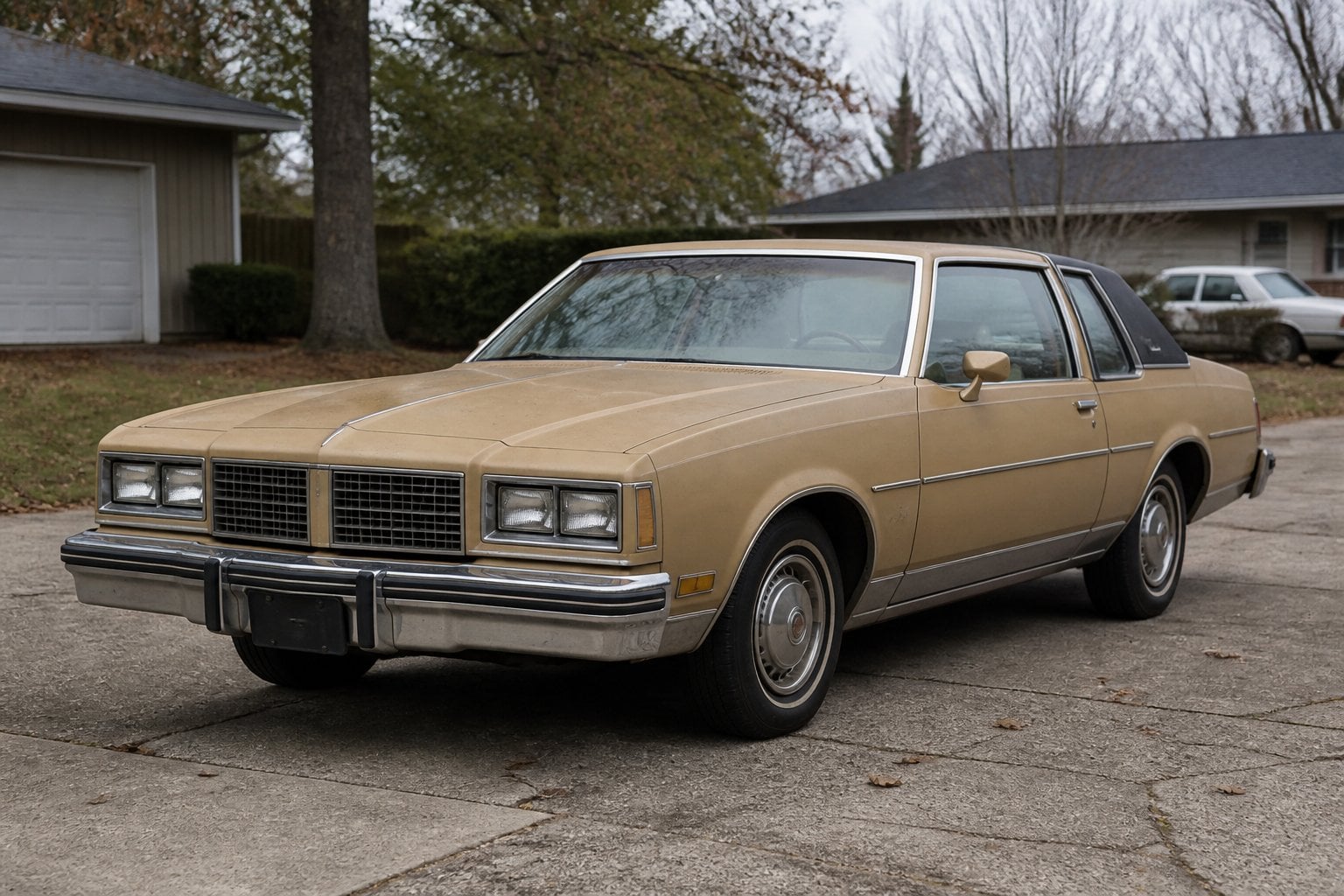
You get two distinct versions of the Phoenix, and neither one impresses you much. The first generation ran from 1977 to 1979 as a rear-wheel-drive compact sharing its bones with the Chevy Nova. It replaced the Ventura, but you won’t find much improvement in build quality or performance.
The second generation, launched in 1980, switched to the front-wheel-drive X-body platform. This version came with its own set of problems, including recalls tied to braking and steering issues.
You’re looking at a car plagued by cheap materials and an unremarkable driving experience. Sales dropped steadily through its run, bottoming out at under 23,000 units in its final year, 1984.
The Iron Duke four-cylinder engine paired with a clunky manual transmission didn’t help matters either. When you compare the Phoenix to its rivals, it falls short in both reliability and design appeal.
23. Pontiac J2000 (1982)
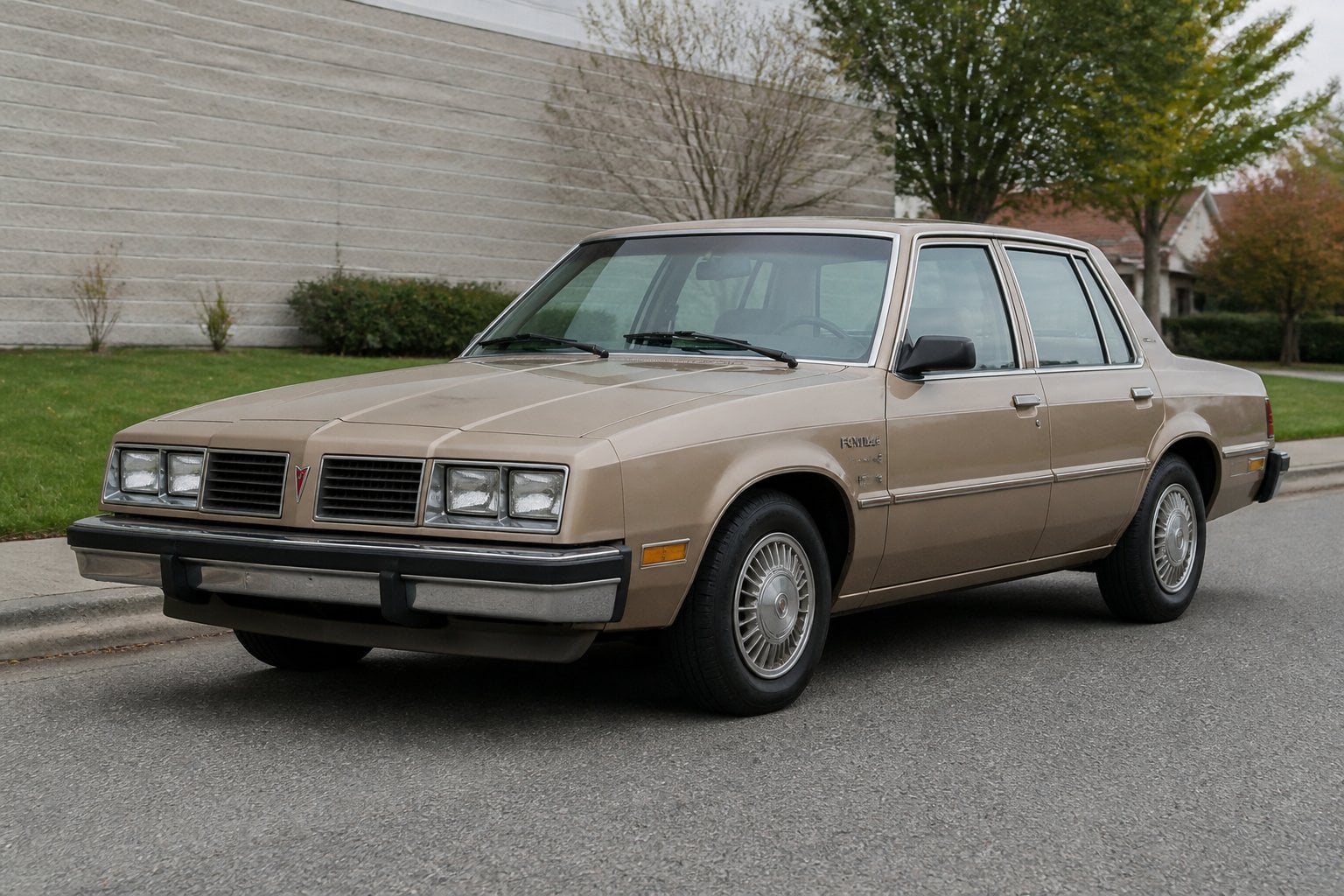
You get a subcompact that arrived at exactly the wrong time. GM introduced the J2000 to compete against increasingly capable Japanese imports, but the execution fell short of the goal.
The base engine, a 1.8-liter four-cylinder, produced around 84 horsepower. You’d notice the sluggish acceleration immediately, especially paired with the standard three-speed automatic transmission.
Build quality was inconsistent. You’d find panel gaps, interior materials that felt cheap, and trim pieces that didn’t hold up well over time.
The J2000 wore the Pontiac badge but shared its platform with several other GM J-body siblings, diluting any sense of distinct identity. Reviewers at the time noted the car felt underdeveloped compared to established import competitors like the Toyota Corolla and Honda Civic.
You were essentially buying a car that needed another year or two of refinement before release. Pontiac would improve the formula later, but the 1982 model earned its reputation as an underwhelming first attempt.
24. Pontiac 2000 Sunbird (1983–1984)
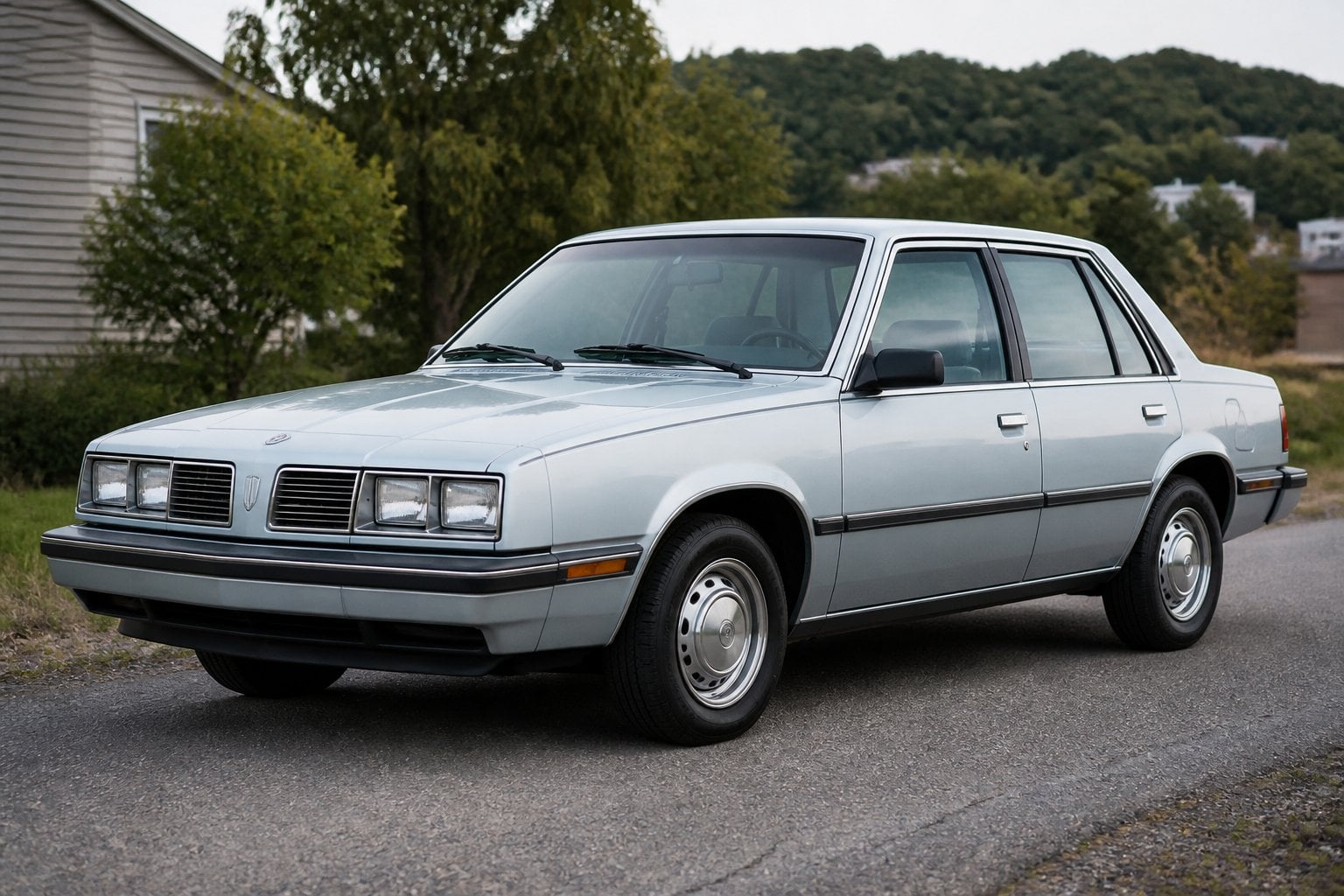
You get a naming problem before you even get a car. Pontiac couldn’t settle on what to call this thing, cycling through J2000, 2000, and 2000 Sunbird within a few years. That kind of indecision tells you something about the product itself.
The 1983-1984 versions were built on GM’s J-car platform, shared with several other bland compacts of the era. You’re looking at underwhelming base engines and a driving experience that never rises above adequate.
The 1984 turbocharged option added some pep, but it arrived too late to fix the model’s identity crisis. You were essentially buying a car still figuring out its own name.
Reliability wasn’t a strong point either, and the styling did little to stand out in a crowded compact segment. This is a forgettable chapter in Pontiac’s lineup.
25. Pontiac G3 (2009)
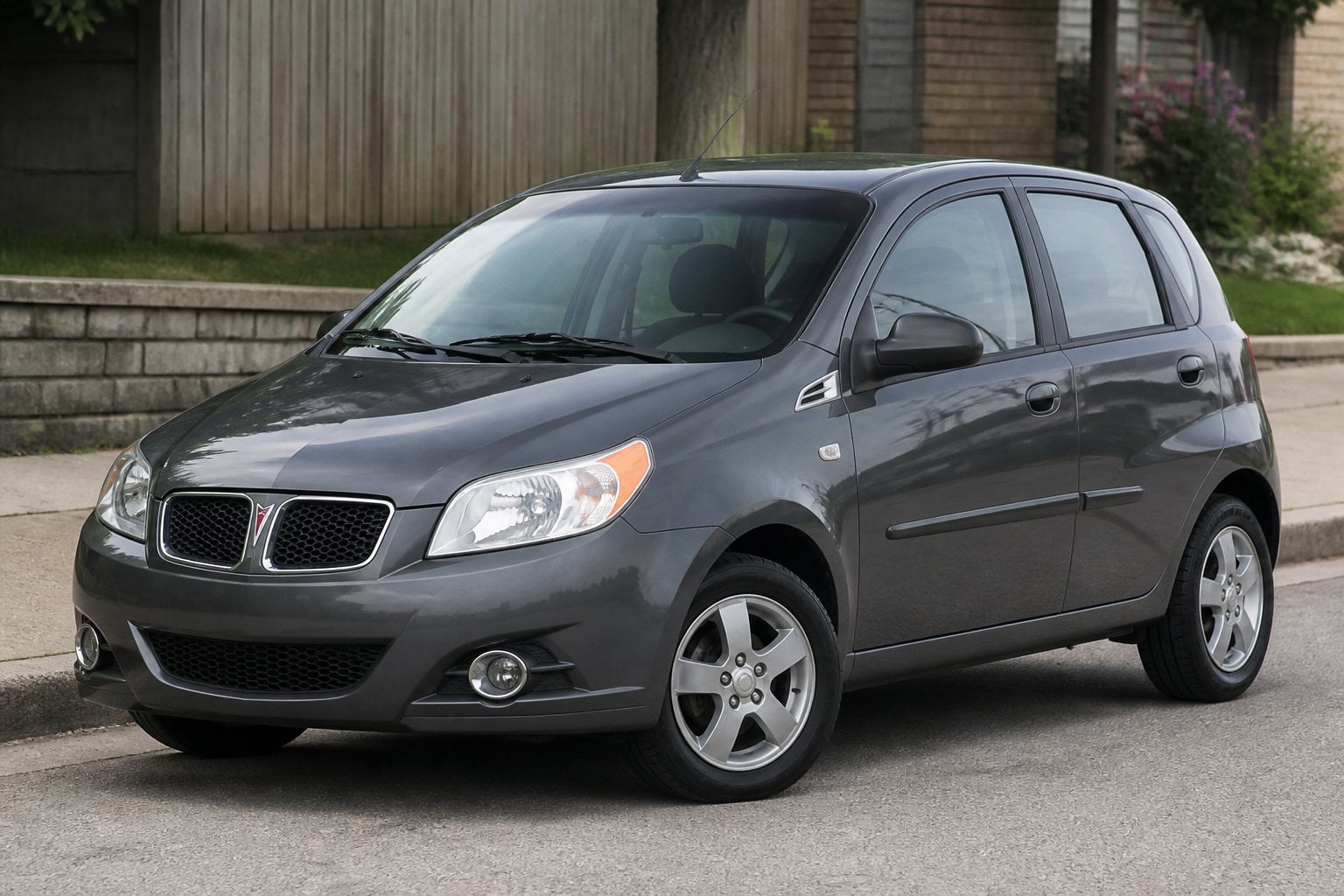
The G3 arrived as a rebadged Chevrolet Aveo, and you can tell almost immediately. Pontiac added a grille badge and a few trim tweaks, but the underlying car stayed nearly identical to its Chevy sibling.
You get a 1.6-liter engine producing modest power, paired with a ride that feels cheap and unrefined. Interior materials are hard plastic throughout, and road noise intrudes at highway speeds.
Owner complaints from the 2009 model year point to engine problems as a recurring issue, along with electrical faults and exterior accessory failures. If you’re shopping for a used G3, expect to budget for repairs sooner than you’d like.
The badge-engineering approach did Pontiac no favors here. You’re essentially paying for a Pontiac emblem on a car that offered nothing the brand was known for—no distinct performance, no styling identity, just a rebranded economy car with reliability concerns attached.
26. Pontiac G5 (2007–2010)
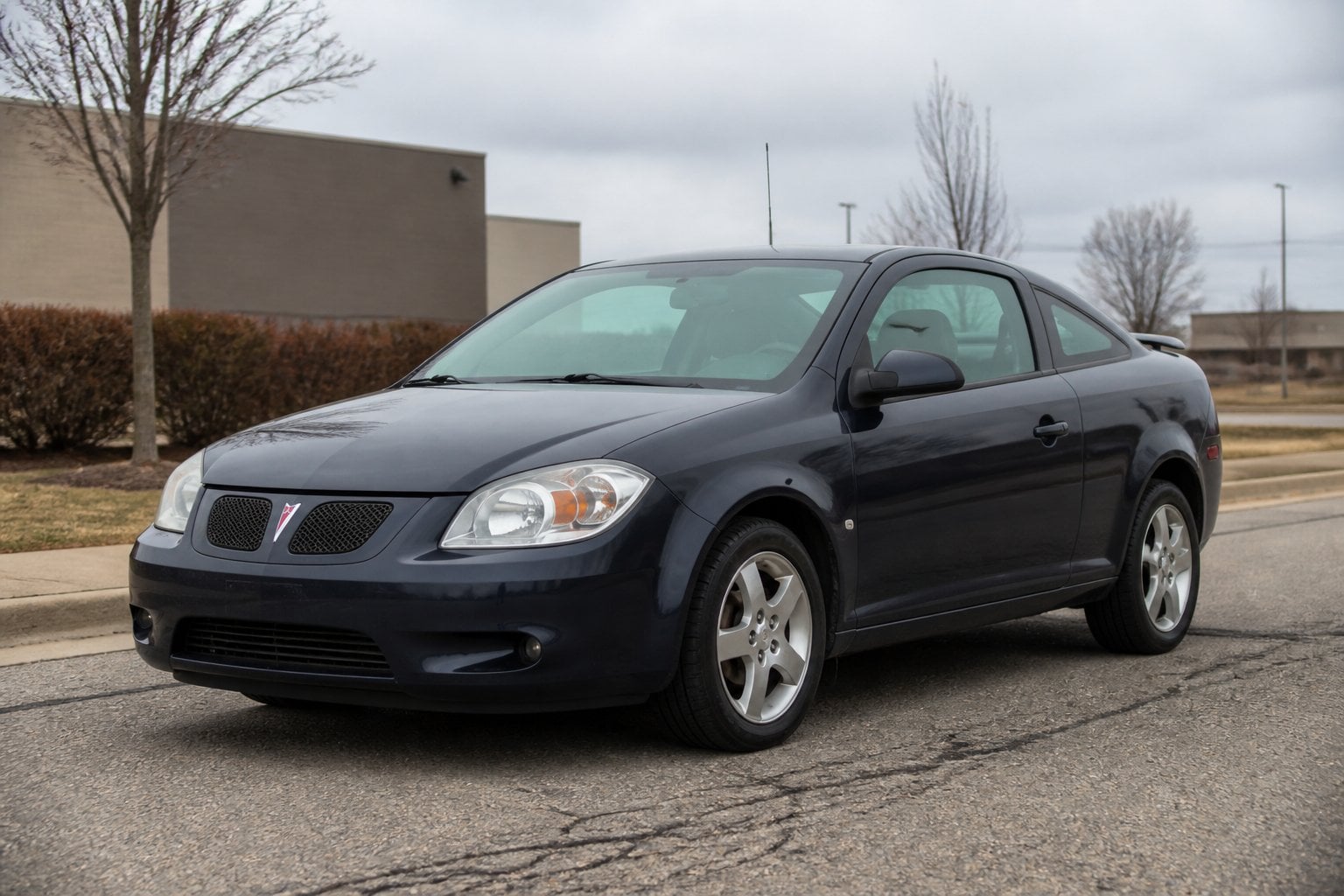
The G5 was Pontiac’s rebadged version of the Chevrolet Cobalt, and you don’t get much beyond a different grille and some trim changes for your money.
It shared the Cobalt’s underlying issues, including a link to the GM ignition switch recall that affected millions of vehicles across the automaker’s lineup.
Owners reported steering and suspension problems most often, with steering complaints frequently showing up around 64,000 miles. Electrical issues also appear regularly in complaint data, adding to repair costs you’ll want to budget for.
The 2007 model year drew the highest number of complaints among the four years produced.
If you’re looking at a used G5, you’re really buying a Cobalt with a badge swap. That’s fine if the price reflects it, but you shouldn’t expect Pontiac styling to translate into meaningfully better engineering or reliability.
27. Pontiac G6 (2005–2010)
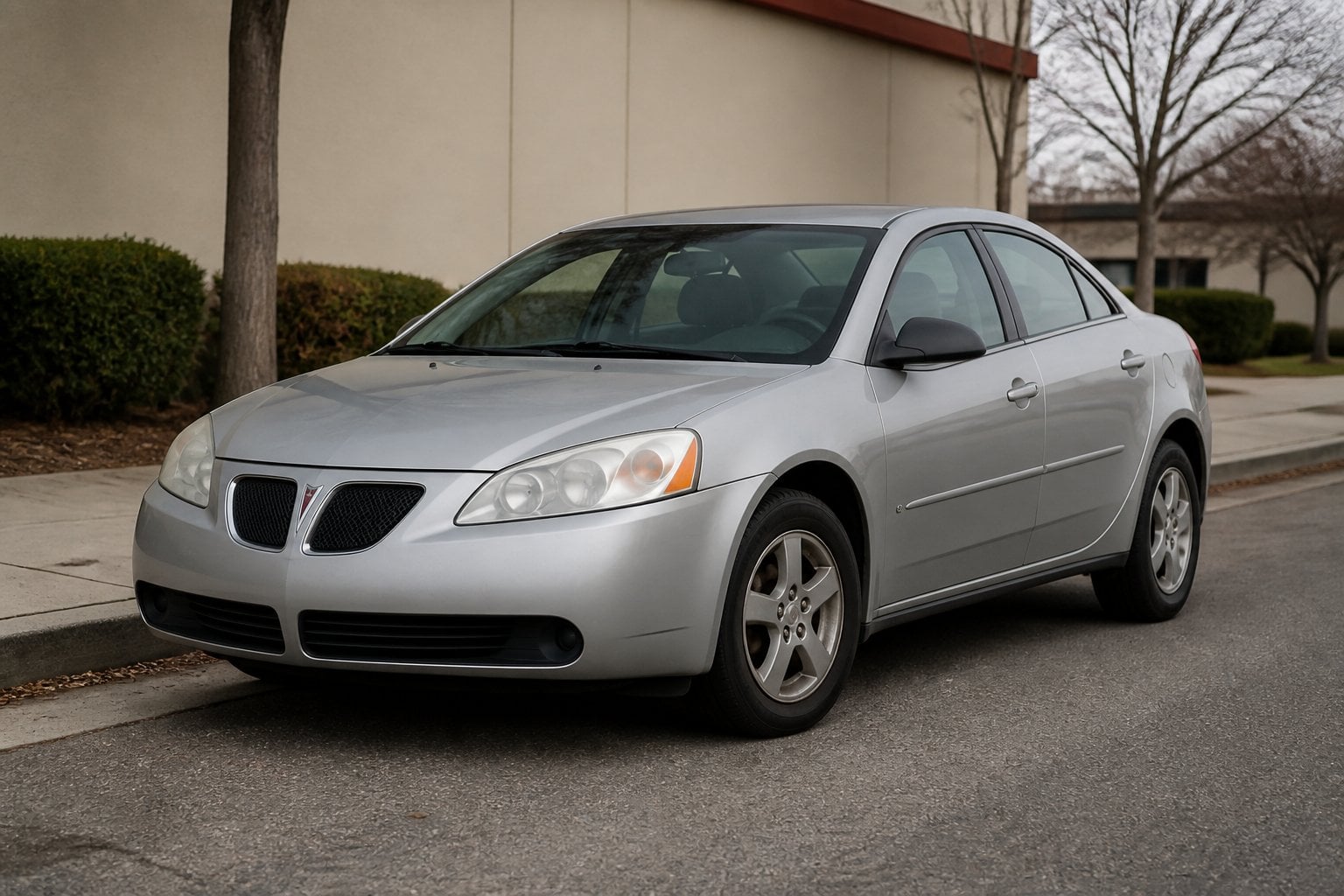
You’ll find the G6 was meant to replace the Grand Am, but it struggled to match that car’s reputation.
Steering problems dominate the complaint records for this model. You’re looking at power steering failures and faulty electronic stability control, particularly in the 2005 and 2006 model years.
If you’re considering an early G6, know that complaint rates run higher than average for the segment. The 2005 model tops the list for issues per production run, while 2009 and 2010 show noticeable improvement.
You should also expect electrical gremlins alongside the steering concerns. Interior quality feels cheap for the era, and the retractable hardtop convertible variant adds mechanical complexity you don’t need in a used car.
If you’re shopping this generation, stick to the final two years and verify recall history before you buy.
28. Pontiac G6 GXP (2007–2009)
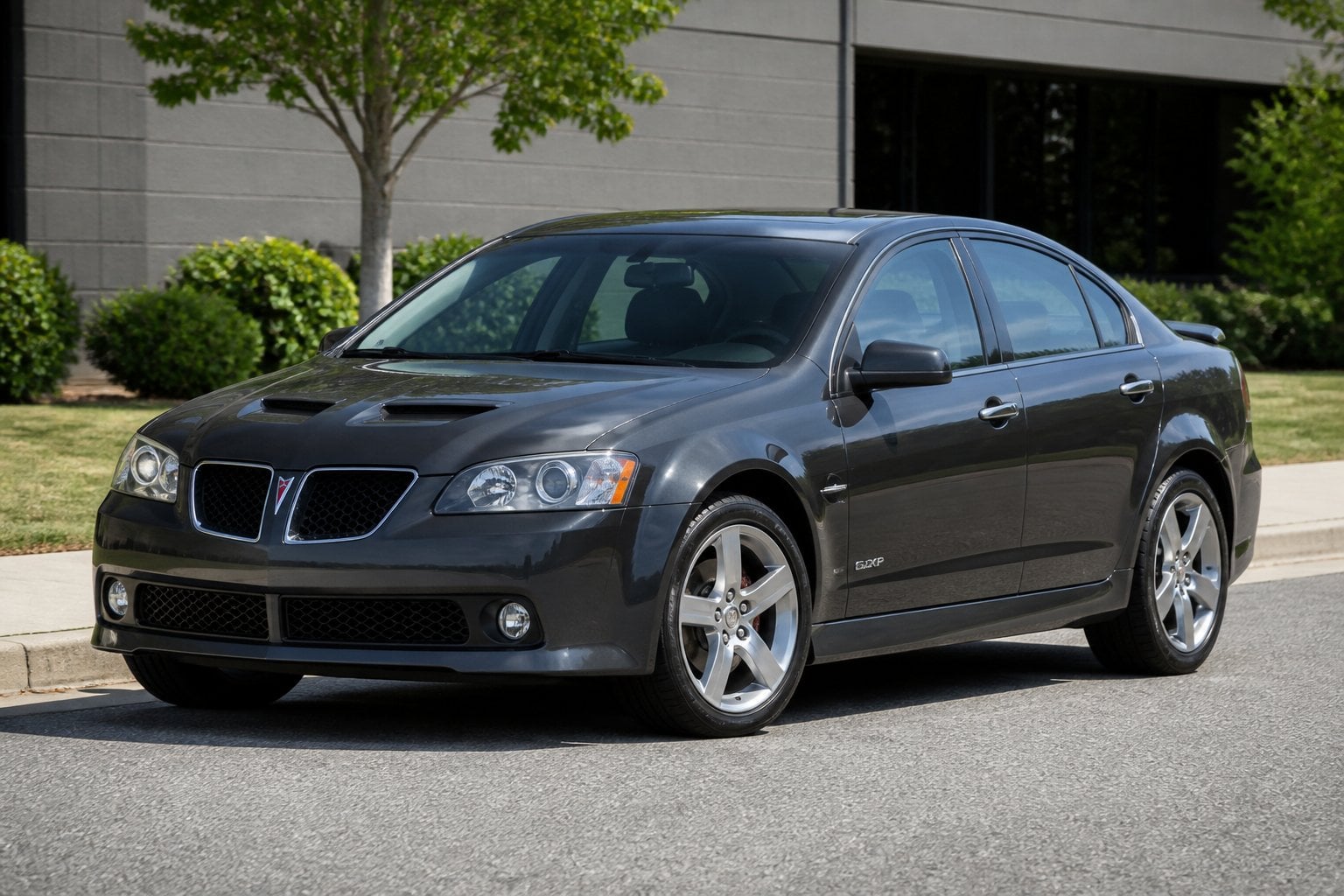
The GXP was Pontiac’s attempt to give the G6 some performance credibility. You got a 3.6-liter V6 or, in some versions, a 3.9-liter V8, paired with sport-tuned suspension and larger brakes. On paper, it looked like a reasonable step up from the base G6.
In practice, you inherited most of the same problems that plagued the standard G6 lineup. Power steering failures and electrical gremlins didn’t disappear just because you added horsepower. The added weight and performance components also meant more parts that could fail.
You paid a premium for the GXP trim, but reliability scores didn’t improve much over cheaper G6 variants. Repair costs climbed higher due to the more complex drivetrain. If you wanted a genuinely sporty American sedan from this era, the GXP wasn’t the safest bet.
29. Pontiac G8 Base (2008–2009)
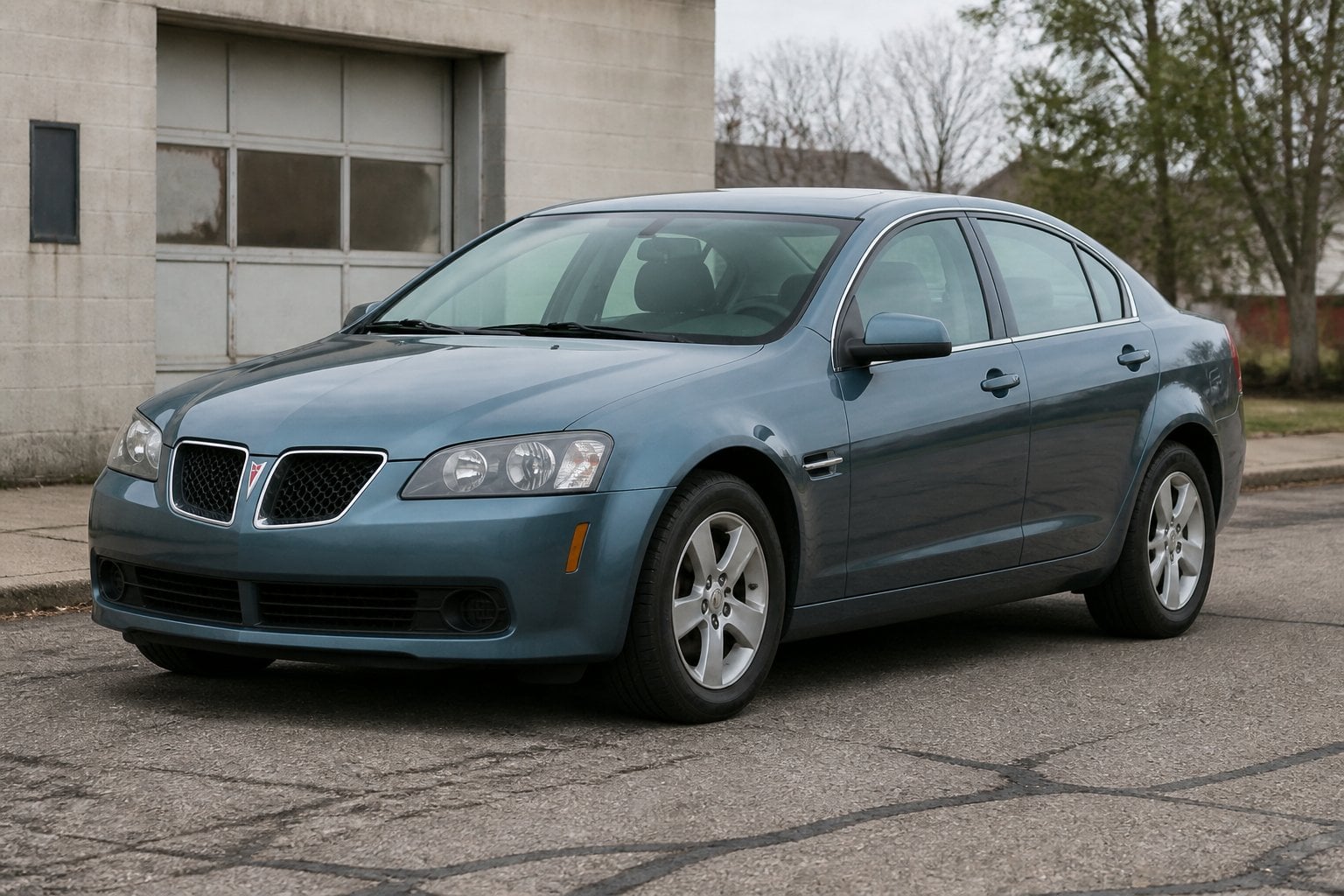
You get the Pontiac G8 as a rebadged Holden Commodore, imported from Australia to give Pontiac a rear-wheel-drive sport sedan for the US market. The Base trim comes with a 3.6-liter V6 producing 256 horsepower, a reasonable output but far less exciting than the V8 GT trim sold alongside it.
Your ownership experience often includes suspension complaints, one of the most frequently reported issues across both model years. You’re also buying into a car whose production run barely lasted two years before GM discontinued Pontiac entirely.
The G8 Base doesn’t offer the performance credibility that made the GT and GXP trims memorable. You end up with a car that feels like an afterthought, sharing showroom space with faster siblings while lacking their appeal.
30. Pontiac GTO (2004–2006)
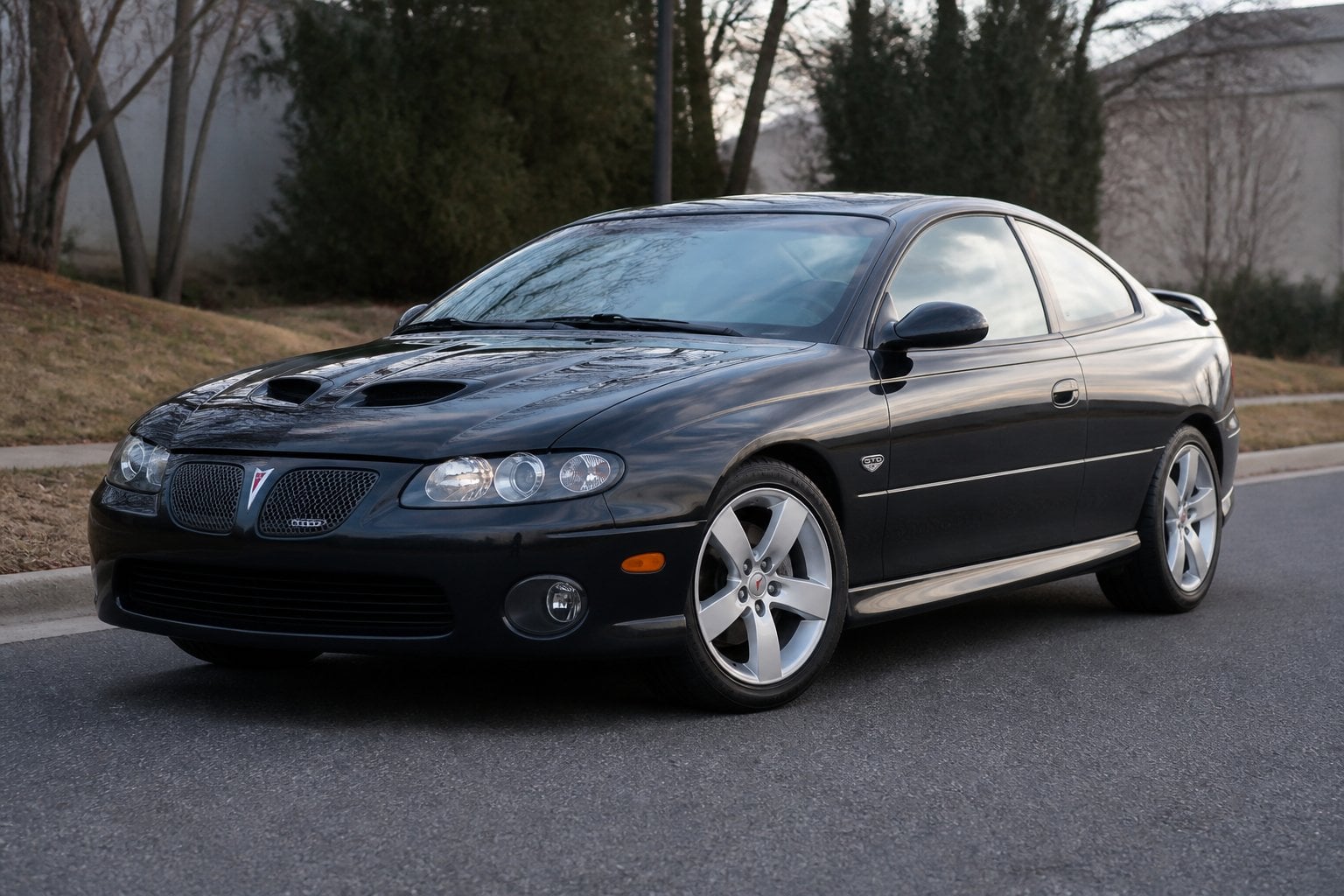
You get a strange case with this GTO. General Motors imported the Holden Monaro from Australia and slapped a GTO badge on it, but you won’t find the styling flair that made the original nameplate famous.
The body looks bland next to the muscle car heritage it carries. You have a 5.7L LS1 in the 2004 model and a 6.0L LS2 for 2005-2006, both capable engines, but the exterior design undercuts the performance underneath.
Reliability data shows electrical problems and suspension complaints across all three years. You’ll find the 2004 model logged the highest complaint rate, while 2005 fared better by comparison.
If you’re shopping for this generation, you’re buying a fast car wearing a forgettable suit. The name deserved better than a rebadged import with styling that never matched its performance credentials.
Why Pontiac Models Fell Short
Several Pontiac models struggled due to corporate cost-cutting, rushed engineering, and a failure to keep pace with what buyers actually wanted. These problems compounded over time, weakening the brand’s reputation before its eventual shutdown.
Quality Control And Reliability Challenges
You’ll find that many low-rated Pontiacs suffered from parts-sharing decisions made across GM’s lineup. Badge-engineering practices meant your Pontiac often used the same underpinnings as a Chevrolet or Oldsmobile, but with less attention to fit and finish.
Common issues included:
- Interior materials that felt cheap compared to competitors
- Electrical gremlins in models built during GM’s 1980s cost-cutting era
- Engine reliability concerns, particularly in models rushed to market
- Body panel fitment problems, especially on plastic-clad vehicles like the Aztek
You can trace many of these shortcomings to GM’s broader strategy of platform-sharing without giving Pontiac distinct engineering resources.
Market Shifts And Changing Buyer Expectations
Your understanding of Pontiac’s decline improves when you look at how buyer preferences moved away from what the brand offered. As fuel economy and practicality became priorities in the 1970s and 1980s, Pontiac’s muscle-car identity became a liability rather than an asset.
By the 1990s and 2000s, you saw buyers gravitating toward:
- Import reliability ratings that outpaced domestic offerings
- SUV and crossover practicality, a segment Pontiac entered late and awkwardly
- Distinct styling cues, which Pontiac diluted through excessive badge-engineering
This mismatch between consumer demand and Pontiac’s product lineup left you with cars that felt outdated the moment they launched.
Pontiac’s Legacy After Discontinuation
GM shut down Pontiac in 2010 as part of its bankruptcy restructuring, ending 84 years of production. Your understanding of the brand’s value today depends on knowing why it ended and which models have gained or lost worth since then.
The End Of The Pontiac Brand
You can trace Pontiac’s shutdown directly to GM’s 2009 federal bailout and bankruptcy filing. GM needed to cut costs and reduce overlapping brands, and Pontiac was one of four brands eliminated (alongside Saturn, Saab, and Hummer).
The last Pontiac, a G6, rolled off the line in 2010. By that point, Pontiac’s identity had blurred into badge-engineered versions of other GM vehicles.
You’ll notice dealerships stopped taking new orders in 2009, with existing inventory sold off through 2010. GM kept parts and warranty support running for years afterward, but no new Pontiac vehicles have been produced since the shutdown.
How Collectibility Has Changed Over Time
Your view of which Pontiacs hold value has likely shifted since 2010. Muscle car era models like the GTO, Trans Am, and Firebird have seen steady price increases at auction, particularly low-mileage or documented originals.
Here’s how collectibility breaks down by era:
- 1960s-70s muscle cars: Strong demand, rising values, especially GTO Judge and Ram Air Trans Ams
- 1980s performance models: Growing interest in Firebird Formula and Trans Am GTA
- 2000s models: Limited collector interest, with the Solstice GXP and G8 GT as exceptions
- Badge-engineered models: Little to no collector value
You’ll find that scarcity now drives much of the market. Models that were mass-produced or poorly reviewed when new, like the Aztek, have gained a different kind of attention—not for value, but for cultural curiosity.