The 30 Worst Economy Sports Cars Ever Made: Analysis of Automotive Failures
Economy sports cars promised an affordable entry point into the world of high-performance driving, combining sporty aesthetics with budget-friendly price tags.
These vehicles were designed to deliver excitement and style without the premium costs associated with traditional sports cars. However, many manufacturers struggled to balance performance expectations with economic constraints, resulting in compromises that often left enthusiasts disappointed.
This comprehensive examination reveals how cost-cutting measures, design flaws, and engineering shortcuts transformed promising concepts into automotive disappointments.
From American muscle car attempts to European imports and Japanese offerings, economy sports cars from various manufacturers fell short of their ambitious goals.
The vehicles featured in this analysis span several decades and represent a diverse range of approaches to affordable performance, each failing in unique ways that ultimately earned them spots among the most problematic cars in automotive history.
Here are the 30 worst economy sports cars ever made:
1. Pontiac Fiero
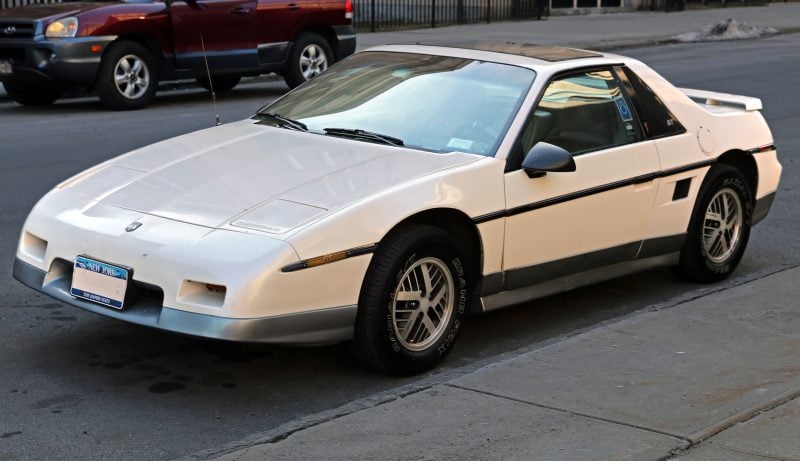
The Pontiac Fiero debuted in 1984 as America’s first mass-produced mid-engine sports car. GM initially pitched it as a fuel-efficient commuter vehicle to avoid competing with the Corvette.
The car suffered from numerous engineering problems that damaged its reputation. Early models were particularly unreliable and prone to mechanical failures.
Engine fires became a notorious issue with the Fiero. Poor quality control and suspension problems further plagued the vehicle throughout its production run.
The car’s sporty appearance promised more performance than it could deliver. Its weight and underpowered engine resulted in disappointing acceleration and handling characteristics.
Pontiac issued 403 service bulletins attempting to address the Fiero’s various problems. Despite improvements in later years, the damage to its reputation was irreversible.
GM discontinued the Fiero after just four years in 1988. The car remains a cautionary tale of ambitious design undermined by poor execution.
2. Ford EXP
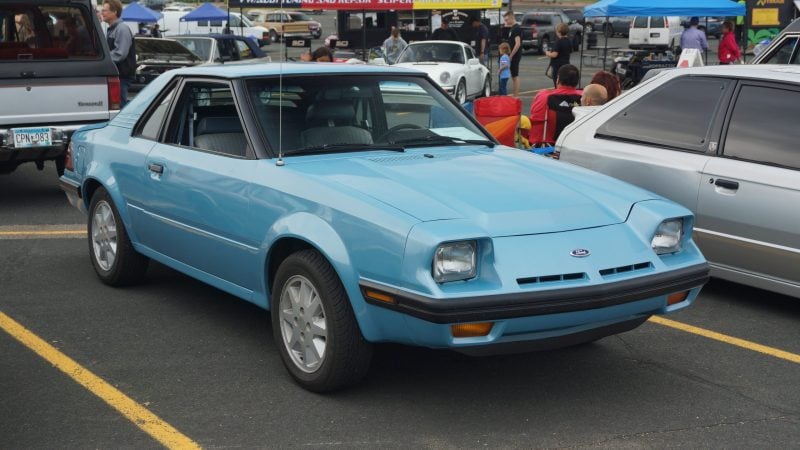
The Ford EXP represented Ford’s ambitious but misguided attempt at creating an affordable sports coupe. Manufactured from 1982 to 1988, this compact two-seater was based on the Escort platform.
Ford marketed the EXP as a sporty alternative to economy cars. However, the vehicle failed to deliver genuine sports car performance despite its appearance.
The EXP suffered from underwhelming engine options and lackluster handling characteristics. Its styling promised more excitement than the drivetrain could provide.
Sales figures reflected consumer disappointment with the model. The EXP became Ford’s slowest-selling vehicle in an already competitive compact sports coupe segment.
Ford discontinued the EXP in 1988 after six years of poor market performance. The company later replaced it with the Ford Probe, which was developed in partnership with Mazda.
3. Volkswagen Scirocco
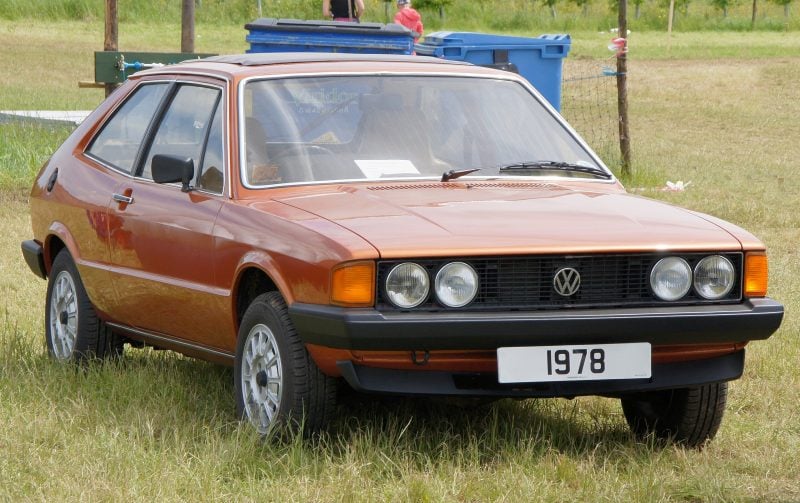
The Volkswagen Scirocco was manufactured across three generations from 1974 to 1992 and later from 2008 to 2018. This sport compact car promised sporty performance but failed to deliver on many fronts.
The first-generation Scirocco suffered from underpowered engines that couldn’t match its sporty appearance. Many drivers found the acceleration disappointing compared to competitors in the same price range.
Build quality issues plagued multiple generations of the Scirocco. Electrical problems were common, particularly with the dashboard and lighting systems. Interior components often wore out prematurely.
The third-generation model faced criticism for its high price relative to performance. Buyers could find better value in rival sports cars that offered superior handling and acceleration.
Reliability concerns made the Scirocco expensive to maintain. Frequent visits to service centers became a common complaint among owners who expected better from the Volkswagen brand.
4. Chevrolet Corvette C3
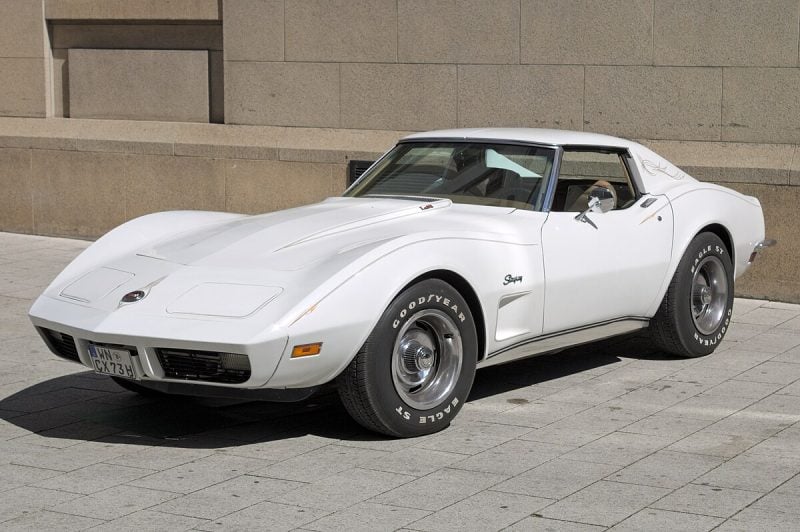
The C3 Corvette ran from 1968 to 1982, making it the longest-produced generation. Despite its iconic status, several model years proved problematic for buyers seeking reliable performance.
The 1977 model year stands out as particularly disappointing. Power output dropped significantly due to emissions regulations, while build quality suffered from cost-cutting measures.
Early production models from 1969 faced quality control issues. Manufacturing defects and inconsistent assembly plagued these vehicles, leading to frequent repairs.
The final 1982 model marked a low point for the series. Engine problems and electrical issues made this year especially troublesome for owners.
Mid-1970s models generally delivered poor performance relative to their predecessors. Reduced horsepower and increased weight created a sluggish driving experience that contradicted the Corvette’s sporting reputation.
5. Isuzu Impulse
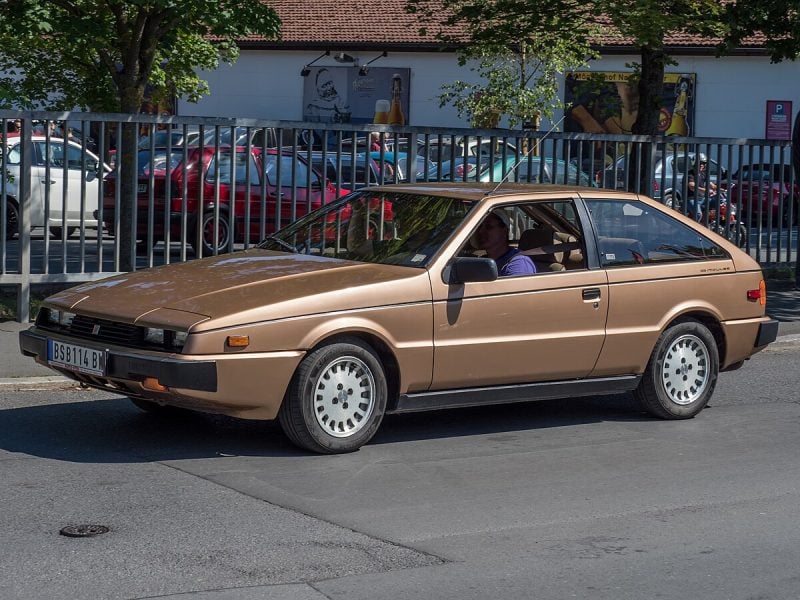
The Isuzu Impulse featured Italian styling by Giorgetto Giugiaro and Lotus-tuned suspension. Despite these impressive credentials, it became one of the most disappointing sports cars of the 1980s.
At 2,714 pounds, the Impulse was too heavy for its naturally aspirated engine. Performance felt sluggish compared to lighter Japanese competitors like the Honda CRX.
Build quality issues plagued the model throughout its production run. While the powertrain proved reliable, supporting components frequently failed. This gave Isuzu a reputation below Honda and Toyota standards.
The Impulse sold poorly in the United States market. Only about 10,000 examples found buyers during its entire run. Poor timing and lackluster performance doomed what should have been a compelling sports car.
Despite its European design and sophisticated engineering, the Impulse never delivered the driving experience buyers expected from a proper sports car.
6. Plymouth Barracuda
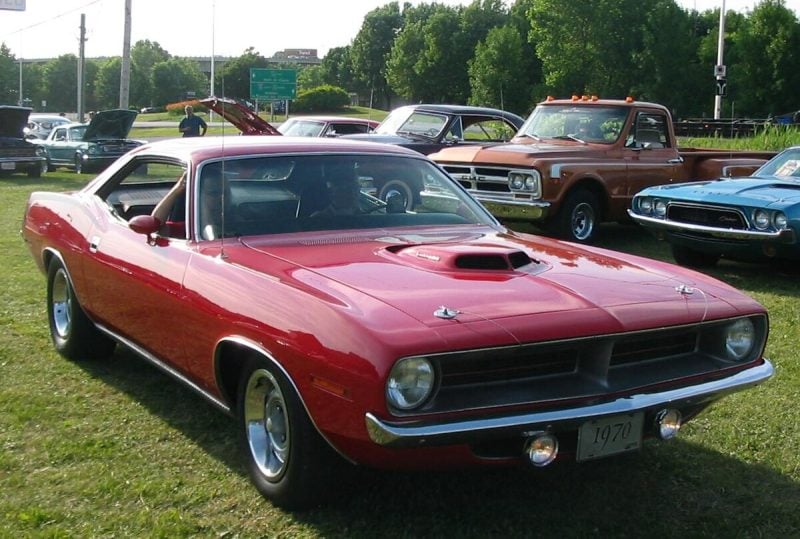
The Plymouth Barracuda started production in 1964 as Chrysler’s entry into the pony car market. It was based on the compact Valiant platform, which limited its performance potential from the start.
Early Barracudas suffered from underwhelming engine options. The base models came with weak six-cylinder engines that struggled to deliver sports car performance.
The first-generation models from 1964 to 1966 were particularly disappointing. They featured awkward proportions with an oversized rear window that looked more gimmicky than sporty.
Plymouth positioned the Barracuda as a budget alternative to the Ford Mustang. This economy-focused approach resulted in cheap interior materials and poor build quality.
The car’s A-body platform wasn’t designed for high performance. This created handling issues and limited the potential for meaningful upgrades.
Despite later improvements with more powerful engines, the early Barracuda models earned their reputation as economy sports cars that prioritized affordability over genuine performance capabilities.
7. Dodge Neon SRT-4
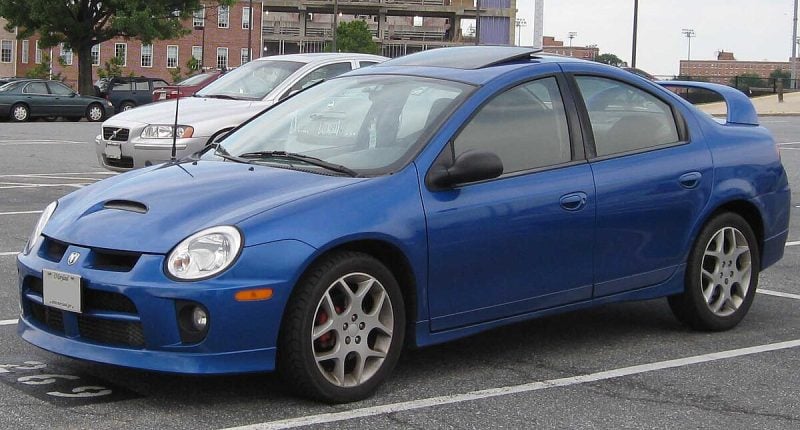
The Dodge Neon SRT-4 transformed an economy car into a turbocharged performance machine. The vehicle featured a 2.4-liter turbocharged engine producing 215 horsepower initially, later increased to 230 horsepower.
Despite impressive acceleration of 0-60 mph in 5.3 seconds, the SRT-4 suffered from significant drawbacks. The interior remained cheap and economy-focused, reflecting its commuter car origins.
The car lacked a limited-slip differential, hampering its performance capabilities. Build quality issues plagued the model throughout its short three-year production run from 2003 to 2005.
Starting at $19,995, the SRT-4 competed directly with the Honda Civic Si. However, its turbocharged performance couldn’t overcome the fundamental economy car limitations that made it feel unrefined compared to purpose-built sports cars.
8. Volvo 480 ES
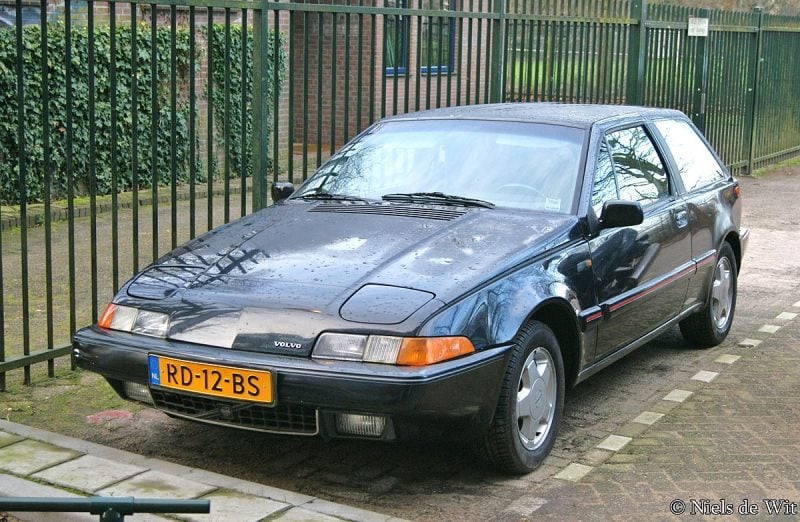
The Volvo 480 ES marked Volvo’s return to sports cars after the 1800ES ended in 1973. Produced from 1986 to 1995 in the Netherlands, it represented significant firsts for the Swedish manufacturer.
This compact coupe became Volvo’s first front-wheel-drive production car. It featured the brand’s only pop-up headlights and a distinctive wedge-shaped design with a glass tailgate.
The 480 ES emerged from Project Galaxy, a $2.5 billion development program. Despite its innovative engineering and sporty aspirations, the car failed to capture widespread appeal.
Performance fell short of true sports car expectations. The front-wheel-drive layout compromised handling dynamics that enthusiasts expected from a proper sports coupe.
Only 76,375 units were produced during its nine-year run. The UK became its largest market with 22,000 sales, but global reception remained lukewarm throughout its production period.
9. Lotus Elite
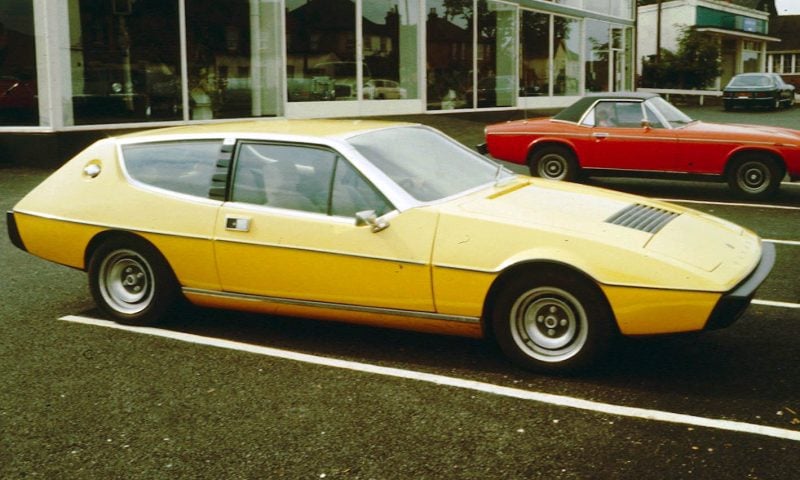
The Lotus Elite Type 14 earned its place among disappointing sports cars despite its racing pedigree. Colin Chapman’s obsession with weight reduction led to a car that weighed only 1,100 pounds thanks to its all-fiberglass construction.
This extreme lightness made the Elite successful on the track. However, the same characteristic created serious problems for road use.
The fiberglass body proved extremely fragile for daily driving conditions. Minor impacts that other cars would shrug off caused significant damage to the Elite’s delicate structure.
Early production models suffered from numerous quality control issues. The car’s advanced design couldn’t overcome its fundamental reliability problems and high maintenance requirements.
While the Elite showcased innovative engineering when it debuted at the 1957 London Motor Show, its impractical nature made it unsuitable as an everyday sports car. The fragility and reliability issues overshadowed its performance capabilities.
10. Nissan NX2000
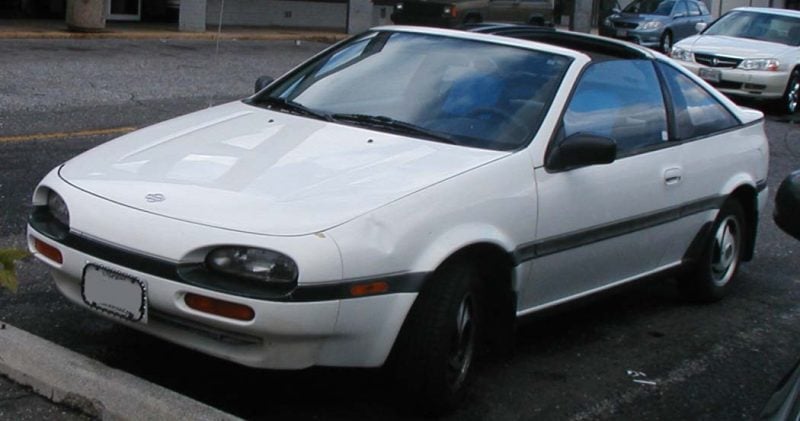
The Nissan NX2000 debuted in 1991 as Nissan’s attempt at an affordable sports car for younger buyers. Built on the Sentra platform, it featured front-wheel drive and a 2.0-liter SR20DE engine producing 140 horsepower.
The car’s design polarized critics and consumers alike. Its angular styling and removable T-top panels aimed to attract attention, but many found the appearance awkward and ungainly.
Performance fell short of sports car expectations. The NX2000 struggled with understeer and lacked the engaging driving dynamics found in competitors like the Honda CRX or Toyota MR2.
Build quality issues plagued the model throughout its brief production run. Interior materials felt cheap and flimsy, while reliability problems emerged as vehicles aged.
The NX2000 disappeared after 1993, lasting only three model years. Its failure to capture market share demonstrated the challenges of creating compelling budget sports cars.
11. Saturn SC
The Saturn SC emerged in 1991 as General Motors’ attempt at an affordable sports coupe. The car featured plastic body panels and a distinctive design that stood out from traditional economy vehicles.
Under the hood, the SC offered underwhelming performance for a sports car. The base model produced just 85 horsepower from its 1.9-liter engine. Even the twin-cam version managed only 124 horsepower.
Acceleration proved disappointing with 0-60 times exceeding 9 seconds in most configurations. The automatic transmission further hampered performance, making the car feel sluggish during everyday driving.
Build quality issues plagued early models. Interior materials felt cheap and rattled frequently. The manual transmission suffered from poor shift quality and premature wear.
The SC’s handling characteristics failed to inspire confidence on winding roads. Body roll remained excessive, and the suspension setup prioritized comfort over sporting dynamics. These compromises left enthusiasts questioning Saturn’s sports car credentials.
12. Fiat X1/9
The Fiat X1/9 arrived in 1972 as Bertone’s ambitious mid-engine sports car design. This wedge-shaped two-seater aimed to compete with expensive European sports cars at a budget price.
The X1/9 featured proper mid-engine layout and handled well for its class. However, its small displacement engine produced minimal power, making acceleration sluggish compared to true sports cars.
Build quality issues plagued the model throughout its production run from 1972 to 1989. Rust problems were common, particularly affecting the structural integrity of the removable roof panels.
The car’s reliability record disappointed owners who expected Italian flair with dependable performance. Electrical problems and mechanical failures occurred frequently, leading to high maintenance costs that negated its affordable purchase price.
13. Mitsubishi Eclipse GS
The Mitsubishi Eclipse GS represented the base model in the Eclipse lineup, offering sporty looks without the performance to match. This naturally aspirated variant delivered underwhelming power output that failed to justify its sports car positioning.
The GS came equipped with a 2.0-liter four-cylinder engine producing modest horsepower. Acceleration proved sluggish compared to competitors in the same price range.
Build quality issues plagued many Eclipse GS models throughout production. Common problems included transmission failures, electrical system malfunctions, and premature wear of interior components.
The third-generation Eclipse GS particularly disappointed enthusiasts. Mitsubishi’s design changes moved the car away from its sports-oriented roots, resulting in a vehicle that looked sporty but lacked genuine performance credentials.
Despite its attractive exterior styling, the Eclipse GS failed to deliver the driving experience expected from a sports car.
14. Toyota MR2 AW11
The first-generation Toyota MR2 AW11 produced from 1984 to 1989 suffered from several economy-focused compromises. Its naturally aspirated 4A-GE engine produced just 112 horsepower, limiting performance capabilities.
The car’s lightweight construction prioritized fuel efficiency over refinement. Interior materials felt cheap and basic compared to contemporary sports cars from European manufacturers.
Handling characteristics proved challenging for inexperienced drivers. The mid-engine layout created snap oversteer tendencies that caught many owners off guard during spirited driving.
Storage space was practically nonexistent. The small front trunk and lack of rear storage made the MR2 impractical for daily use or longer trips.
Build quality issues plagued early models. Common problems included electrical failures, cooling system leaks, and premature wear of suspension components that required expensive repairs.
15. Mazda RX-7 FB
The first-generation Mazda RX-7 FB earned its place among economy sports car disappointments despite its innovative rotary engine. Production ran from 1978 to 1985, introducing the Wankel rotary powerplant to affordable sports cars.
The 12A rotary engine produced modest power output compared to conventional engines of similar displacement. Fuel economy proved disappointing, particularly during the oil crisis years when efficiency mattered most to buyers.
Reliability issues plagued the rotary engine throughout the FB’s production run. Apex seals frequently failed, requiring expensive rebuilds that many economy-minded owners couldn’t afford.
The car’s lightweight construction came at the cost of interior quality and noise isolation. Road noise and vibration made longer drives uncomfortable compared to contemporary sports cars.
While the FB established Mazda’s sports car credentials, its combination of poor fuel economy, reliability concerns, and modest performance made it a questionable choice for budget-conscious enthusiasts.
16. BMW Z1
The BMW Z1 was produced from 1989 to 1991 in limited numbers. This roadster served as the first model in BMW’s Z series lineup.
The Z1’s most notable feature was its sliding doors that disappeared into the body sills. While visually striking, this innovation came at the cost of practicality and reliability.
Performance fell short of sports car expectations. The Z1 struggled with disappointing acceleration and handling characteristics that failed to match its exotic appearance.
Build quality issues plagued the model throughout its brief production run. The complex door mechanism frequently malfunctioned, leaving owners with expensive repair bills.
Limited production meant parts were scarce and costly. The Z1’s high purchase price couldn’t justify its mediocre performance compared to conventional sports cars of the era.
The model represents BMW’s ambitious but flawed attempt at innovation over substance.
17. DeLorean DMC-12
The DeLorean DMC-12 stands as one of the most disappointing sports cars despite its iconic status. John DeLorean’s ambitious project produced only about 9,000 units between 1981-1983 before the company collapsed.
The car’s performance never matched its futuristic appearance. Its stainless steel body and gull-wing doors created visual appeal, but the underpowered engine delivered lackluster acceleration compared to contemporary sports cars.
Pricing became a major obstacle to success. Originally planned to cost $12,000, the final price doubled due to shipping costs and currency exchange issues, making it one of the most expensive cars of its era.
Production quality suffered from mechanical problems and manufacturing inconsistencies. The combination of poor reliability, high costs, and underwhelming performance created a sports car that looked better than it performed.
18. Cadillac Cimarron
The Cadillac Cimarron stands as one of the most notorious failures in automotive history. General Motors introduced this compact car between 1982 and 1988 as their answer to luxury European competitors.
The Cimarron was essentially a rebadged Chevrolet Cavalier with minor luxury appointments. GM built it on their J-platform at facilities in South Gate, California and Janesville, Wisconsin.
The car failed to deliver genuine luxury features that justified its premium price point. Buyers could purchase a nearly identical Cavalier for significantly less money.
Sales numbers reflected the market’s rejection of this concept. During its final production year, Cadillac manufactured over 130,000 units but sold only 6,000.
The Cimarron damaged Cadillac’s reputation and nearly brought the luxury brand to bankruptcy. It represented everything wrong with GM’s approach to badge engineering during the 1980s.
19. Geo Storm
The Geo Storm was a compact sports car designed by Isuzu and sold in the United States under General Motors’ Geo brand. It entered the market as an economy-focused alternative to traditional sports cars.
The Storm featured front-wheel drive and a small displacement engine that prioritized fuel efficiency over performance. This configuration limited its sporting credentials significantly.
Available in both coupe and wagon body styles, the Storm struggled with weak acceleration and uninspiring handling characteristics. The lightweight construction felt cheap rather than purposeful.
Power output remained disappointing throughout its production run. The base engine produced modest horsepower figures that failed to deliver the excitement buyers expected from a sports car.
Despite its sporty styling cues, the Storm’s performance never matched its appearance. The car represented a compromise between economy and sport that satisfied neither requirement effectively.
20. Peugeot 205 GTI
The Peugeot 205 GTI earned recognition as a capable hot hatch but suffered from significant reliability issues that plagued owners. The French manufacturer’s reputation for mediocre dependability became a major concern for buyers seeking long-term ownership.
Peugeot vehicles were known for expensive service costs and limited parts availability in many markets. These factors made maintenance expensive and difficult for average consumers.
The 1.6-liter variant produced 107 horsepower, which was adequate but not exceptional compared to competitors. Performance was respectable with its lightweight design, but the powertrain lacked refinement.
Build quality issues frequently emerged as the cars aged. Electrical problems and mechanical failures became common complaints among owners who expected better reliability from their sports cars.
The 205 GTI represented a classic case of initial promise overshadowed by ownership costs and dependability concerns that frustrated buyers.
21. Renault Fuego
The Renault Fuego arrived in the U.S. market for the 1982 model year as France’s attempt to create an affordable sports car for the masses. It was designed as a Porsche 924 alternative with European styling and a respectable drag coefficient of 0.35.
The car shared its platform with the mundane Renault 18 sedan. Its front suspension came from the larger Renault 20, creating an odd mix of components that didn’t work cohesively.
Americans expected genuine sports car performance, but the Fuego delivered soft springs and over-boosted steering instead. The comfortable seats felt more like easy chairs than performance equipment.
Reliability problems plagued owners who struggled to find qualified mechanics or replacement parts. This combination of poor performance and maintenance difficulties caused rapid depreciation, making Fuegos nearly worthless within a few years of purchase.
22. Alfa Romeo GTV6
The Alfa Romeo GTV6 arrived in North America in 1981 as a performance-oriented variant of the Alfetta Coupe. It featured a 2.5-liter V6 engine that required a distinctive hood bulge to accommodate the larger powerplant.
Despite its appealing Italian styling and free-revving V6 engine, the GTV6 suffered from significant reliability issues. The car’s complex gear linkage system proved particularly troublesome, leading to frequent mechanical failures.
The GTV6’s rear-mounted transaxle and De Dion rear suspension created an unusual weight distribution. While this design aimed to improve handling, it often resulted in unpredictable driving dynamics that many drivers found challenging.
Build quality remained inconsistent throughout the model’s short production run. The car departed the American market by 1986, lasting only five years due to poor sales and mounting reliability concerns that overshadowed its sporty credentials.
23. Suzuki Cappuccino
The Suzuki Cappuccino produced from 1991 to 1998 was Japan’s attempt at creating a micro sports car. This two-seater roadster weighed just 1,600 pounds and featured a tiny 657cc engine designed to meet kei car regulations.
Despite its lightweight construction, the Cappuccino struggled with serious performance limitations. The minuscule engine output made acceleration sluggish compared to proper sports cars.
Safety concerns plagued the vehicle due to missing essential features that made it dangerous to drive. The car’s extremely small size offered minimal protection in crashes.
Build quality issues were common throughout its production run. Many owners reported reliability problems with the compact engine and transmission.
The Cappuccino’s cramped interior made it impractical for most drivers. Storage space was virtually nonexistent, limiting its usability as a daily driver or weekend sports car.
24. Ford Probe
The Ford Probe launched in 1989 as Ford’s attempt at a global sports coupe. Built on Mazda MX-6 underpinnings through a Ford-Mazda collaboration, it aimed to replace the EXP in America and the Capri in Europe.
Ford originally considered using the Probe platform for the fourth-generation Mustang. This decision sparked massive backlash from enthusiasts who demanded rear-wheel drive.
The car suffered from an identity crisis. It shared too many components with the Mazda MX-6 while lacking Ford’s distinctive character.
Performance fell short of expectations for a sports coupe. The front-wheel-drive layout limited handling dynamics compared to traditional rear-drive sports cars.
Ford targeted 20,000 annual sales in Britain alone. However, the Probe failed to capture significant market share against established Japanese and German competitors.
The model’s generic styling and compromised driving experience left it forgotten among economy sports cars of the era.
25. Honda CRX Si
The Honda CRX Si suffers from a fundamental power deficit that undermines its sports car credentials. Its 1.3-liter four-cylinder engine produces just 91 horsepower, making it severely underpowered by sports car standards.
This lack of power becomes apparent during acceleration and highway merging. The engine lacks the punch needed for spirited driving experiences that buyers expect from sports cars.
The CRX Si’s design prioritizes fuel economy over performance. This compromise leaves drivers wanting more from the driving experience, especially when compared to V8-powered alternatives of the era.
The vehicle’s lightweight construction cannot compensate for its anemic power output. The engine feels strained under load and fails to deliver the excitement associated with proper sports cars.
26. Hyundai Tiburon
The Hyundai Tiburon promised sports car excitement with its sleek exterior design. The reality fell short of expectations for performance-minded drivers.
Hyundai’s first attempt at a global sports model struggled to compete with established sports coupes. The car looked the part but lacked the driving dynamics to match its appearance.
The 2003 model year stands out as particularly problematic. Fuel system issues plagued this version, ranging from poor economy to complete failures.
Transmission problems added to the Tiburon’s reliability concerns. The car ranks 16th out of 30 Hyundai models for dependability.
Clutch issues represent the most common complaint among owners. These mechanical problems undermined the sports car experience buyers expected.
The Tiburon delivered adequate transportation but failed as a true sports car. Its shortcomings in performance and reliability place it among economy sports cars that disappointed enthusiasts.
27. Saab Sonett III
The Saab Sonett III represented Sweden’s ambitious attempt at creating an affordable sports car between 1970 and 1974. Built on a modified Saab 95 chassis with a fiberglass body, it promised European sports car excitement at a reasonable price.
The front-wheel-drive configuration immediately set it apart from traditional rear-wheel-drive sports cars. This unconventional layout compromised the driving dynamics that enthusiasts expected from a proper sports car.
Power came from a modest V4 engine that delivered underwhelming performance for its sports car aspirations. The acceleration figures failed to match competitors in the segment.
Despite its fiberglass construction preventing rust issues, the Sonett III struggled with build quality concerns. The interior felt spartan and lacked the refinement found in other European sports cars of the era.
Saab produced only a limited number of these vehicles before discontinuing the model in 1974.
28. Subaru XT
Subaru marketed the XT as the “future car” when it debuted in 1985. The wedge-shaped design was meant to showcase futuristic styling that would appeal to sports car buyers.
The public wasn’t ready for the unconventional appearance. The angular design failed to resonate with consumers who expected more traditional sports car aesthetics.
Performance proved disappointing despite the futuristic looks. The turbocharged flat-four engine was underpowered for a vehicle marketed as a sports car.
Buyers expected more power from the XT’s aggressive styling. The engine output didn’t match the visual promises of high performance.
Sales suffered in the U.S. market due to these shortcomings. The disconnect between appearance and performance left consumers feeling misled about the XT’s capabilities.
29. Chevrolet Spectrum
The Chevrolet Spectrum arrived in 1984 as a rebadged Isuzu I-Mark. Chevrolet marketed it as an affordable sports compact option.
The Spectrum’s 1.5-liter four-cylinder engine produced just 70 horsepower. This power output proved inadequate for spirited driving or highway merging.
Build quality issues plagued the model throughout its production run. Interior materials felt cheap and showed wear quickly.
The suspension tuning prioritized comfort over handling. Cornering generated excessive body roll that undermined any sporting pretensions.
Road noise levels were notably high at highway speeds. The steering lacked precision and provided minimal feedback to the driver.
Chevrolet discontinued the Spectrum after the 1989 model year. The car failed to compete effectively against established economy sports cars from Honda and Toyota.
30. Honda Beat
The Honda Beat arrived in 1991 as Japan’s attempt at creating an affordable mid-engine sports car. This tiny roadster measured just 129 inches long and weighed under 1,700 pounds.
Honda equipped the Beat with a 656cc three-cylinder engine producing only 63 horsepower. The small displacement was dictated by Japan’s kei car regulations, which limited engine size to keep costs low.
The Beat’s acceleration proved disappointing for sports car enthusiasts. It required over 13 seconds to reach 60 mph, with a top speed barely exceeding 80 mph.
Build quality issues plagued early models, including electrical problems and premature engine wear. The cramped interior offered minimal storage space and uncomfortable seating for taller drivers.
Honda discontinued the Beat in 1996 after poor sales performance. The car’s underpowered engine and reliability concerns prevented it from delivering the engaging driving experience that sports car buyers expected.
Common Issues With Economy Sports Cars
Economy sports cars face distinct challenges that stem from manufacturers attempting to balance performance aspirations with budget constraints. These compromises typically manifest in three critical areas that directly impact the driving experience and ownership satisfaction.
Performance Limitations
Economy sports cars often struggle with underpowered engines that fail to deliver genuine sports car acceleration. Many models feature naturally aspirated four-cylinder engines producing 140-180 horsepower, resulting in 0-60 mph times exceeding 8 seconds.
Weight distribution becomes problematic when manufacturers prioritize cost savings over engineering balance. Front-heavy layouts create understeer during cornering, contradicting the agile handling expectations of sports car buyers.
Suspension systems represent another common weakness. Basic strut designs with minimal adjustability limit handling capabilities compared to more sophisticated multi-link setups found in premium sports cars.
Transmission options frequently disappoint enthusiasts. CVT automatics rob engines of responsiveness, while manual transmissions often feature vague shifters and poorly-spaced gear ratios that hinder performance driving.
Build Quality Concerns
Interior materials suffer significantly in economy sports cars. Hard plastics dominate cabin surfaces, creating an unrefined environment that feels disconnected from the sporty exterior design.
Reliability issues plague many budget performance models. Common problems include premature clutch wear, electrical system failures, and cooling system inadequacies under performance driving conditions.
Panel gaps and paint quality often fall below standards expected in the sports car segment. Doors may not align properly, and exterior trim pieces can develop rattles or become loose over time.
Seat construction typically uses thin padding and basic fabric materials. This results in poor long-term comfort and accelerated wear patterns that become visible within the first few years of ownership.
Fuel Efficiency Challenges
Economy sports cars paradoxically deliver poor fuel economy despite their smaller engines. Real-world testing often reveals EPA estimates to be optimistic, with many models achieving only 22-26 mpg in combined driving.
Aerodynamic compromises contribute to efficiency problems. Sporty styling elements like large rear spoilers and aggressive front air dams create drag that negatively impacts highway fuel consumption.
Engine tuning prioritizes peak power over efficiency curves. This approach results in higher fuel consumption during normal driving conditions when maximum performance is not required.
Aggressive gear ratios designed to improve acceleration times force engines to operate at higher RPMs during highway cruising, further reducing fuel economy compared to conventional economy cars.
Factors That Contribute To Poor Reputation
Economy sports cars develop negative reputations through compromised engineering decisions, weak brand positioning in the performance market, and chronic mechanical failures that undermine their sporting credentials. These issues often stem from manufacturers attempting to balance affordability with performance expectations.
Cost-Cutting Decisions
Manufacturers frequently compromise critical components to reach lower price points. Engine specifications suffer when automakers use underpowered units or restrict performance tuning to save costs.
Suspension systems represent another common sacrifice area. Budget sports cars often retain basic strut designs instead of implementing sophisticated multi-link setups found in premium vehicles.
Interior materials frequently expose cost-cutting measures. Hard plastics replace soft-touch surfaces, while manual adjustments substitute for power-operated features.
Common Cost-Cutting Areas:
- Engine displacement reduction
- Single overhead cam instead of dual cam designs
- Steel wheels rather than alloy options
- Simplified transmission options
- Basic audio systems without premium features
Safety equipment sometimes faces reductions too. Advanced driver assistance features get eliminated, and structural reinforcements may use lighter-gauge materials.
These decisions directly impact driving dynamics and owner satisfaction. Performance suffers when engines lack torque, while handling deteriorates with inadequate suspension tuning.
Brand Perception
Luxury manufacturers entering economy segments often damage their performance credibility. Mercedes-Benz faced criticism when the SLK’s early models felt disconnected from their traditional sports car heritage.
Economy brands struggle with opposite challenges. Hyundai and Kia required years to convince enthusiasts their sports cars deserved serious consideration despite competitive specifications.
Previous model failures create lasting negative impressions. The Pontiac Fiero’s fire incidents haunted GM’s sports car reputation for decades afterward.
Marketing positioning mistakes compound perception problems. When manufacturers promote economy sports cars against established performance leaders, comparisons highlight shortcomings rather than value propositions.
Dealer network limitations affect brand credibility too. Economy sports cars sold through mainstream dealerships lack the specialized service expertise performance vehicles require.
Long-Term Reliability
Mechanical failures destroy sports car reputations faster than poor performance. Engine problems particularly damage credibility when power units fail prematurely or require expensive repairs.
Electrical systems cause frequent owner complaints.
Budget sports cars often experience issues with:
- Window regulators
- Dashboard displays
- Climate control systems
- Audio components
Transmission problems plague many economy performance vehicles. CVT units in sports applications often fail under enthusiastic driving conditions.
Paint and trim quality issues create visible reminders of build quality problems. Clear coat failures and interior piece breakage frustrate owners daily.
Service costs escalate when parts availability becomes limited. Discontinued models leave owners facing expensive repairs with scarce replacement components.