The 30 Most Expensive Muscle Cars Ever Sold at Auction
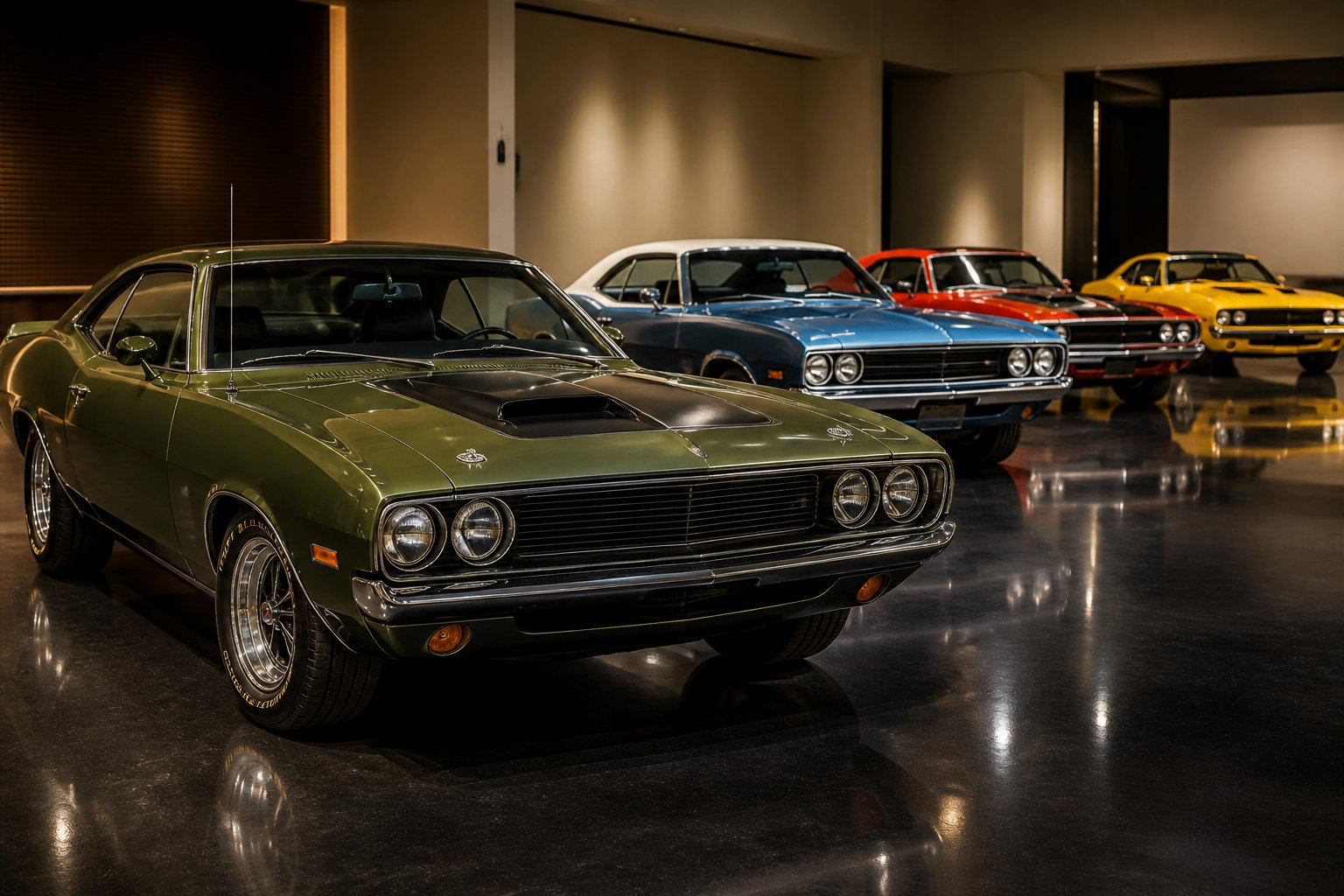
Muscle cars represent a distinct era of American automotive history, built for speed and power at an affordable price. Over the decades, certain models have moved far beyond their original sticker prices, becoming some of the most sought-after vehicles at collector car auctions.
Several factors influence why specific muscle cars command such high prices, including rarity, original condition, documented history, and factory-installed performance options.
Auction results now show that some muscle cars have sold for well over a million dollars, reflecting demand from collectors who value both their engineering and cultural significance.
You will find that the vehicles on this list share common traits that separate them from standard production models.
This list breaks down the 30 highest sale prices recorded for muscle cars at auction, giving you a clear picture of what drives value in this segment of the collector car market. Each entry reflects verified auction data and highlights the specific qualities that made these cars stand out to buyers.
1. 1962 Shelby Cobra 260
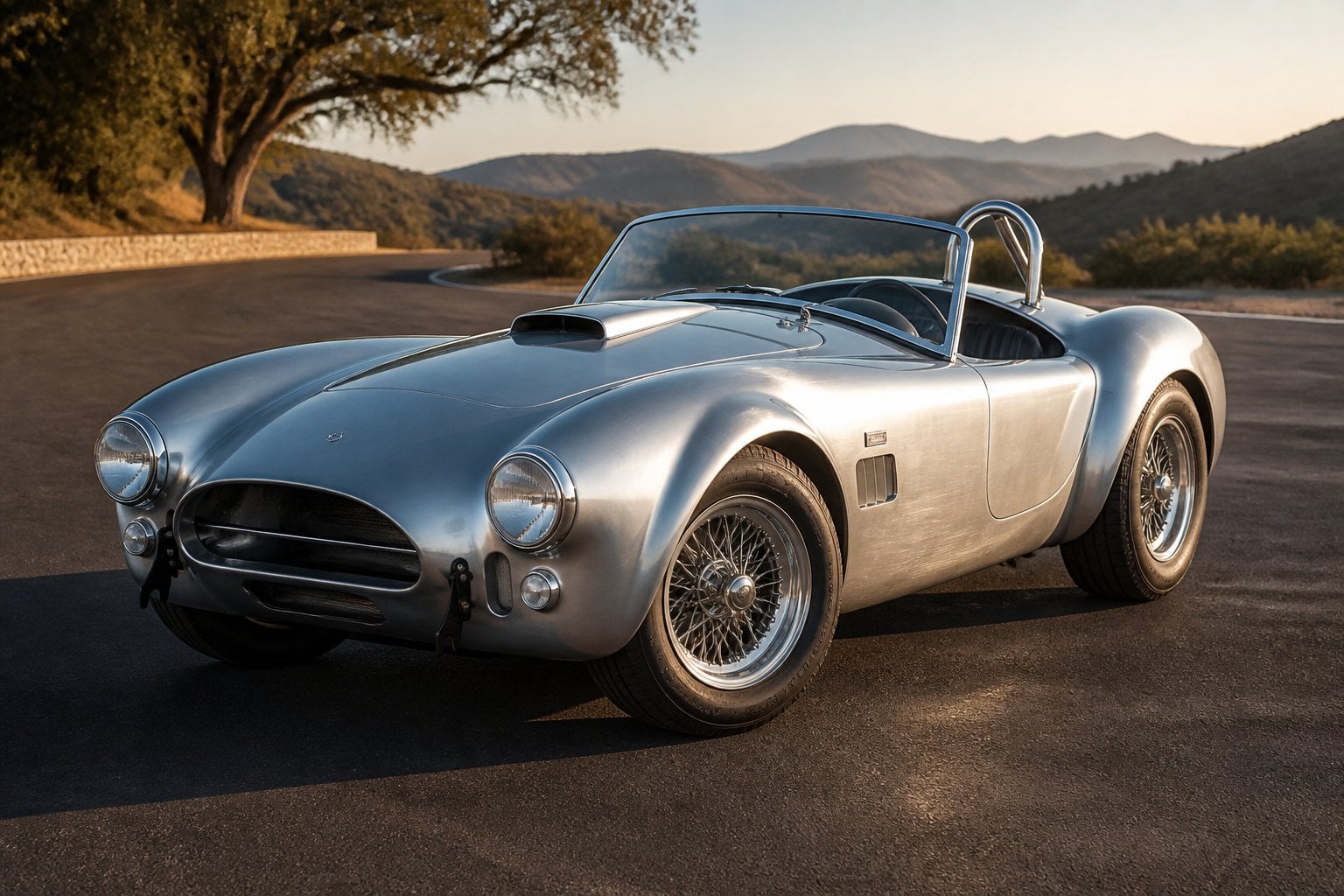
Chassis CSX2000 holds the record for the most expensive American car sold at auction. Carroll Shelby built this Cobra first, using it as the prototype for the entire Cobra lineup.
You can trace its significance to more than just being the original. It stayed in single ownership for over five decades before reaching the auction block.
RM Sotheby’s sold CSX2000 at Monterey in 2016 for $13,750,000. The Carroll Hall Shelby Trust offered it from the estate, marking a rare opportunity for collectors.
This particular chassis features inboard rear disc brakes, a detail unique among Shelby-built Cobras. You won’t find that configuration on any other car in the lineup.
The sale price reflects both its historical status and its untouched originality. Few vehicles combine prototype status with this level of documented provenance.
2. 1966 Shelby Cobra 427 Super Snake
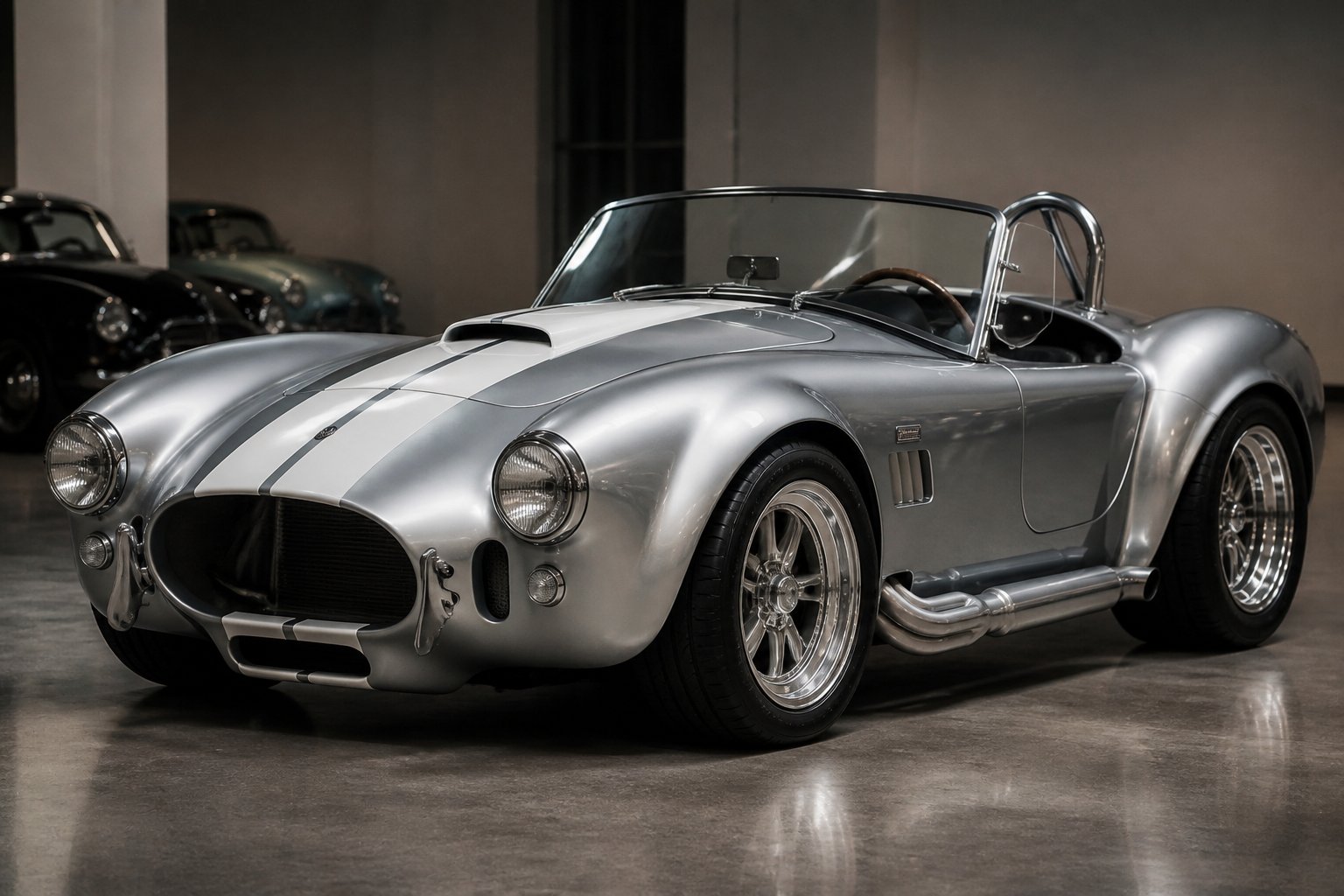
You’re looking at one of only two 427 Super Snake Cobras ever built by Carroll Shelby. This particular car, chassis CSX3015, started life as a 427 Competition roadster and toured Europe as a promotional vehicle in 1965.
In 1967, Shelby converted it into street-legal Semi-Competition specification, creating the configuration that defines the Super Snake name. Dual superchargers pushed output to roughly 800 horsepower, making it the fastest street-legal Cobra Shelby ever owned personally.
Shelby kept this car for himself rather than selling it to a customer, which adds to its significance among collectors.
At Barrett-Jackson‘s Scottsdale auction in January 2007, you would have watched it sell for $5.5 million. That price set a record at the time for the highest amount ever paid for an American car at public auction.
3. 1967 Chevrolet Corvette L88
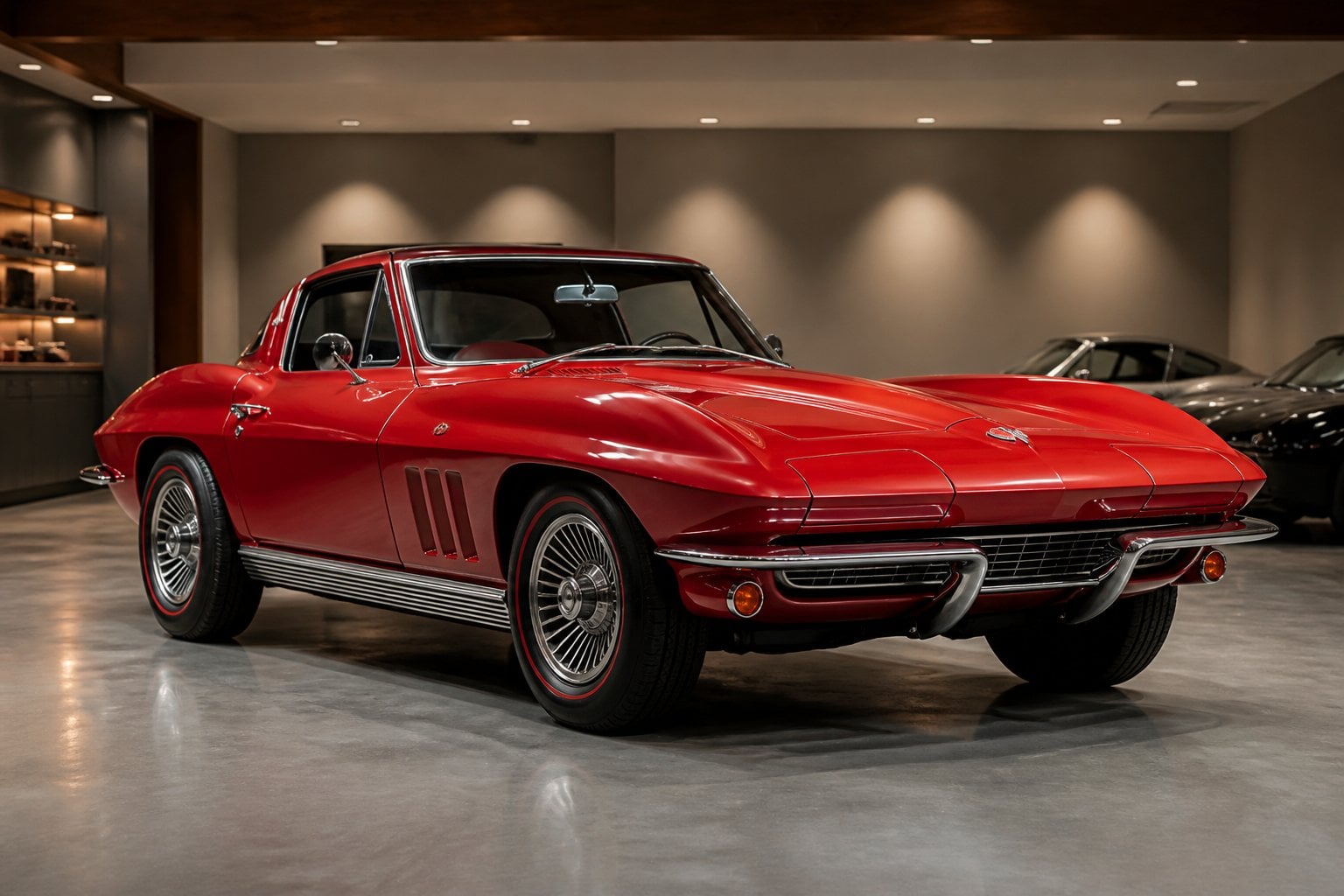
You’ll find the 1967 Corvette L88 at the top of the Corvette auction market. This coupe sold for $3,850,000 at Barrett-Jackson’s Scottsdale auction in 2014, setting a record that still stands for a production Corvette.
Chevrolet built only 20 L88 Corvettes for the 1967 model year. This particular car is the only known example finished in red-on-red, which sets it apart from the rest of the small production run.
The L88 package added a racing-derived engine designed for competition rather than street use. In 1967, the option cost about $1,500 more than a standard Corvette, which equals well over $13,000 today.
You can trace the car’s value to its rarity, race-focused engineering, and documented history. Its return to auction a decade later confirmed its status among collectors and reinforced its place in Corvette history.
4. 1967 Chevrolet Camaro Z/28
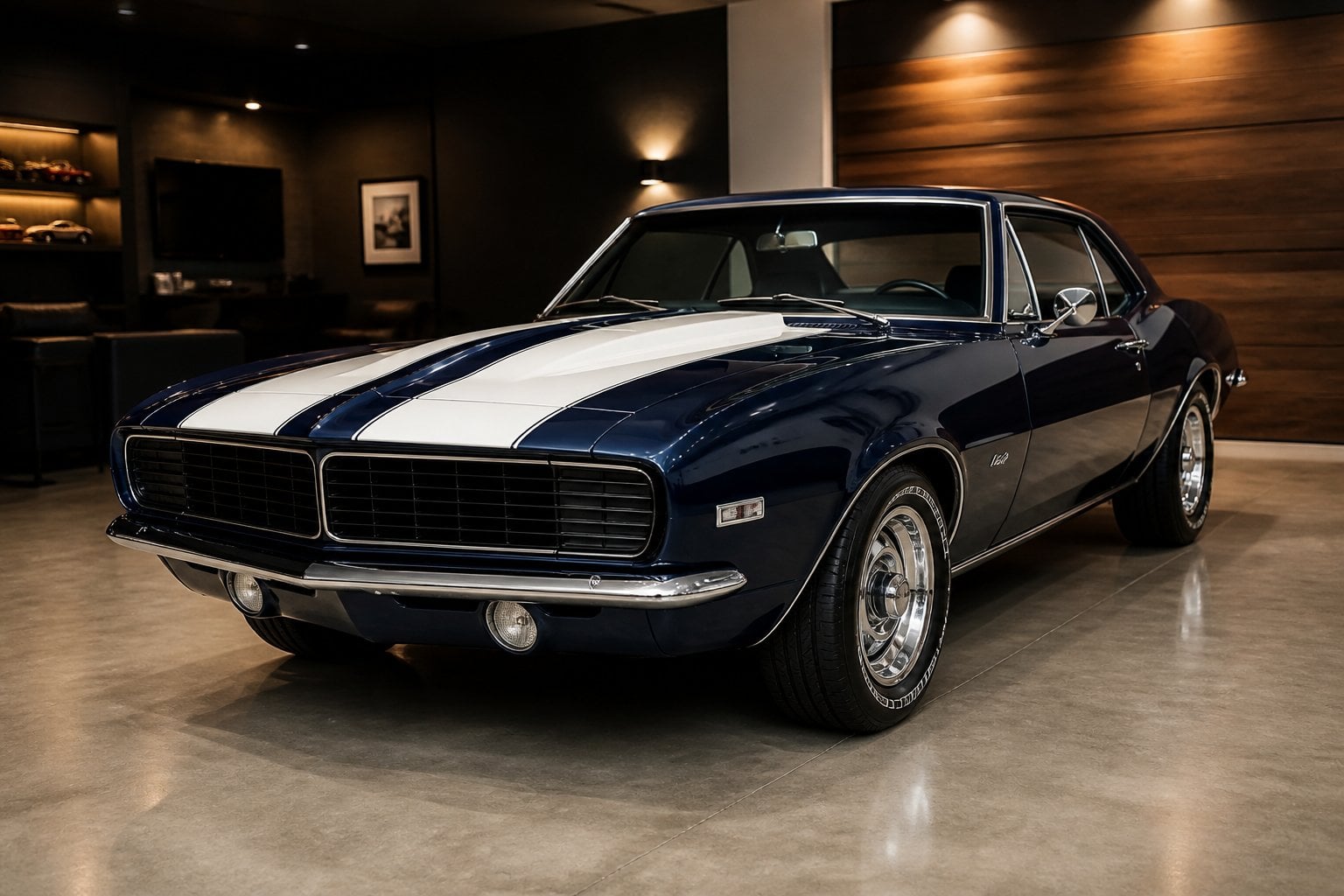
You’re looking at the car that started it all for Camaro performance. Chevrolet built the Z/28 specifically to qualify for SCCA Trans-Am racing, where engine size was capped at 305 cubic inches.
Under the hood, you’ll find a 302 cubic-inch V8 that could rev to 7,000 RPM, making it one of the highest-revving engines of its era. Only 602 units were produced in 1967, which explains the scarcity you see in today’s market.
At its original retail price of $3,273, the Z/28 cost more than either the Camaro SS or the base six-cylinder model. GM’s own internal records suggest sales support for the car was limited when it first launched, which only adds to its rarity now.
When you find a well-documented example with matching numbers, you’re looking at a genuine piece of muscle car history commanding six-figure prices at auction.
5. 1968 Ford Mustang GT Lightweight
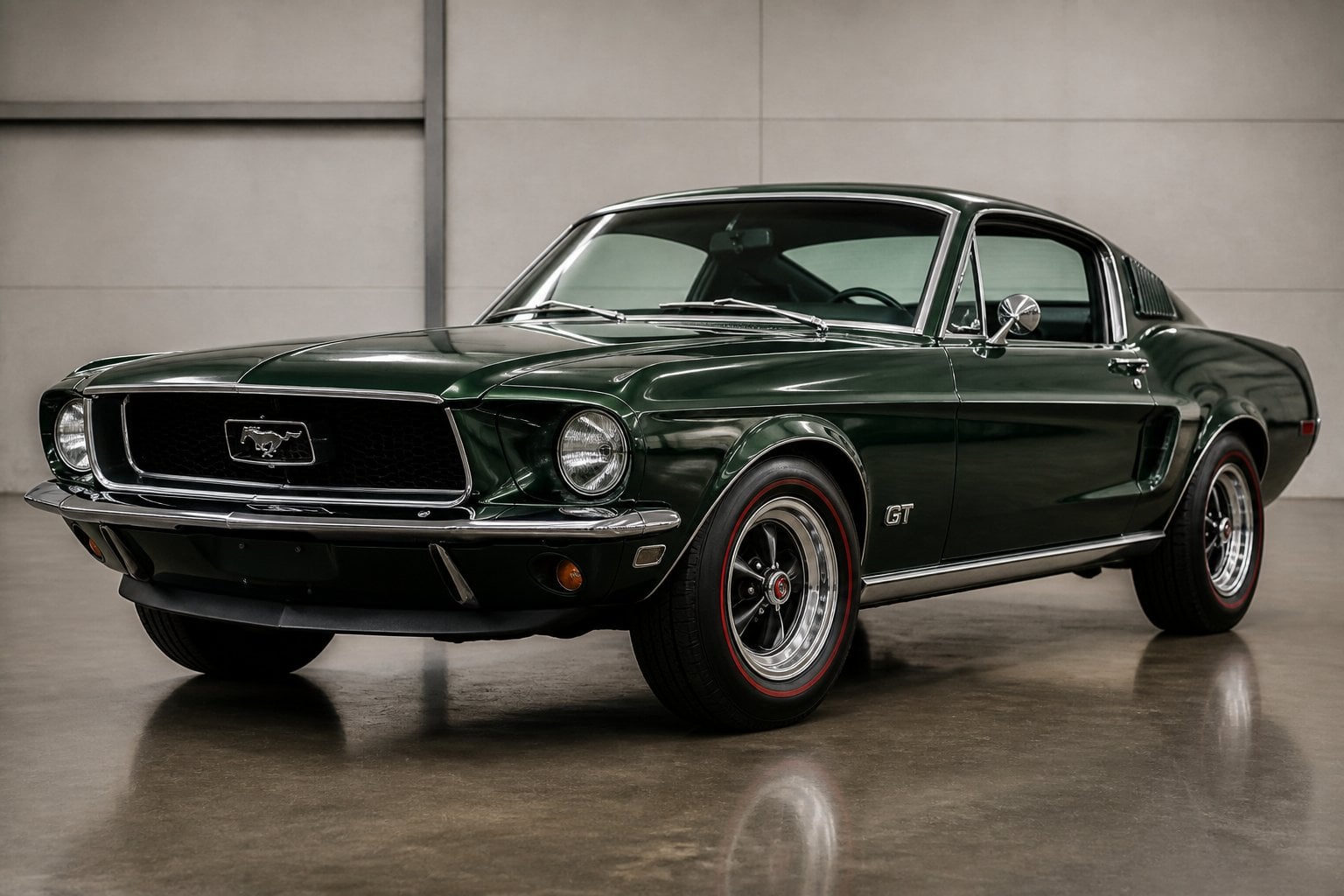
You’re looking at one of the rarest Mustangs Ford ever built. The GT Lightweight was a stripped-down version designed for drag racing, with sound deadening, carpeting, and other non-essential components removed to cut weight.
Under the hood, you’ll find a 428-cubic-inch Cobra Jet V8, an engine that helped define Ford’s performance reputation in the late 1960s. Fewer than 50 examples were produced with this specific lightweight configuration, making surviving cars extremely difficult to find.
When one comes up for auction, you can expect serious competition among collectors. Condition, documentation, and originality all play a major role in determining final sale prices.
This model doesn’t carry the same movie fame as some other Mustangs, but its rarity and racing pedigree place it firmly among the most valuable examples of the era. Its scarcity alone justifies its position on this list.
6. 1968 Dodge Hemi Charger R/T
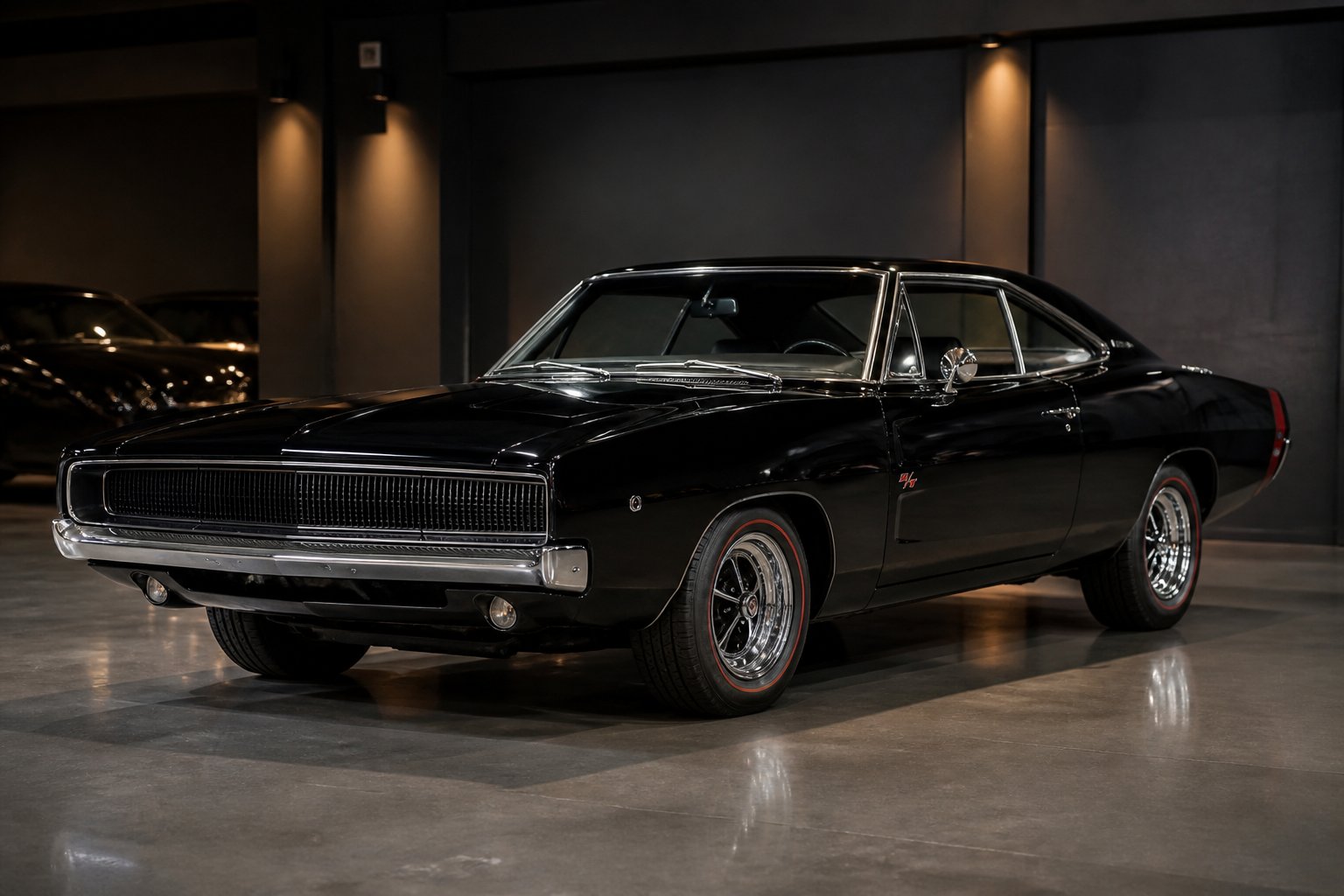
You’ll find this generation of Charger among the most recognizable muscle cars of the era, thanks to its “Coke bottle” body and hidden headlights. When paired with the 426 Hemi, it becomes one of the most sought-after variants on the collector market.
A numbers-matching example finished in RR-1 Burgundy Metallic sold at auction for $302,500, including buyer’s premium. That result made it the most expensive 1968 Charger sold publicly at the time.
You should know that only about 475 Hemi Chargers were built for the 1968 model year, which keeps demand high relative to supply. Rare color combinations and documented originality push values even further.
Compared to later Daytona and Super Bee models, this Charger offers you a more accessible entry point into Hemi ownership, though prices remain firmly in six-figure territory for well-preserved cars.
7. 1968 Plymouth Hemi Barracuda Convertible
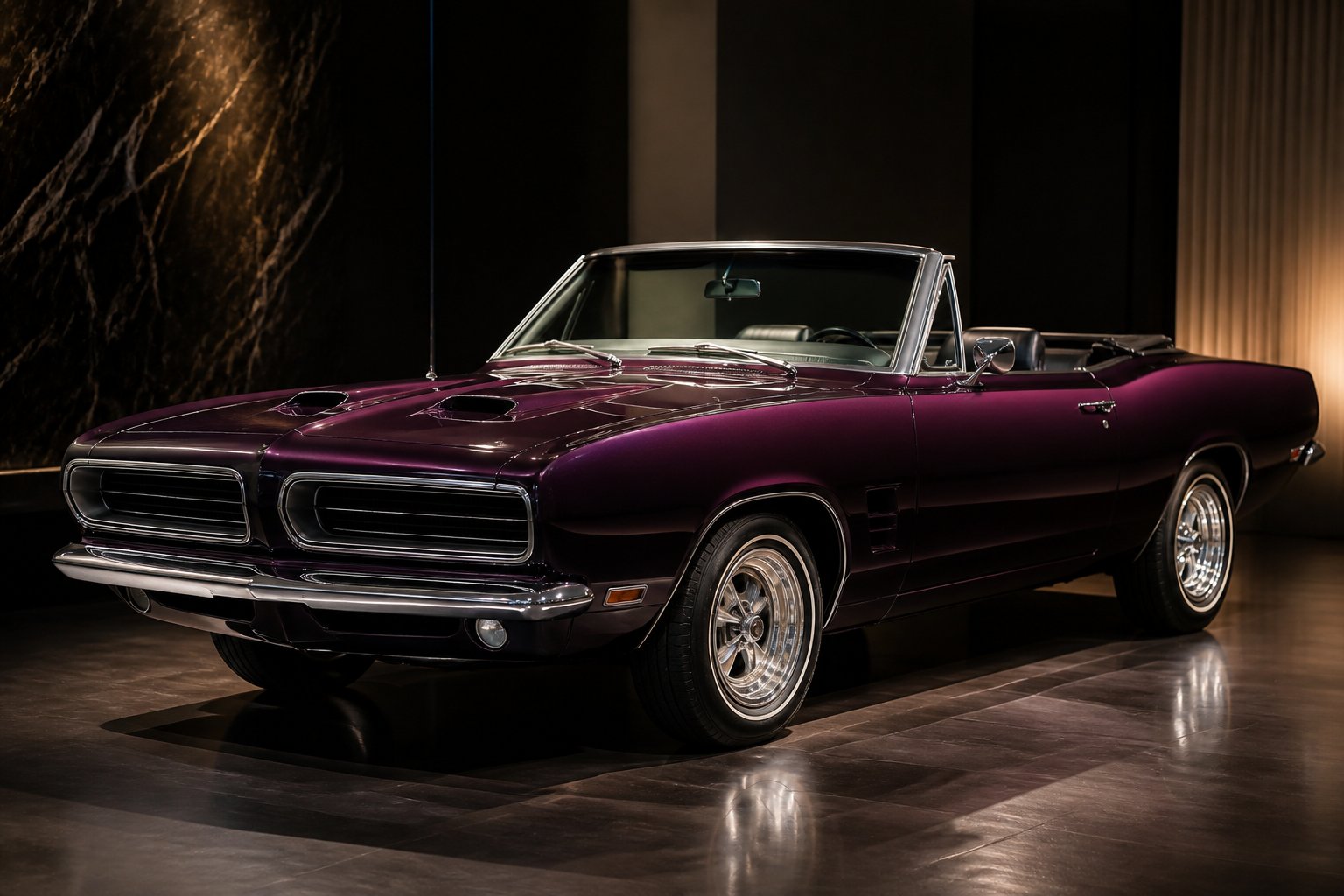
You won’t find many surviving examples of the 1968 Plymouth Hemi Barracuda Convertible. Plymouth built the Barracuda as a budget-friendly alternative to other pony cars, but the Hemi option changed that equation entirely.
The 426 Hemi engine transformed this convertible into a serious performer. Few buyers chose this combination when new, which explains why so few remain today.
Regular 1968 Barracuda convertibles carried a base price around $2,907, but Hemi-equipped versions cost considerably more. That price difference discouraged most buyers, making the surviving cars extremely scarce.
Collectors recognize this rarity when these cars appear at auction. You’re looking at a vehicle that combines Chrysler’s most powerful production engine with the open-air Barracuda body style, a pairing that Plymouth rarely offered.
The scarcity, combined with the Hemi’s performance reputation, drives values well beyond standard Barracuda models. When one surfaces for sale, it typically commands attention from serious Mopar collectors who understand how uncommon this specific configuration truly is.
8. 1968 Dodge Hemi Dart LO23
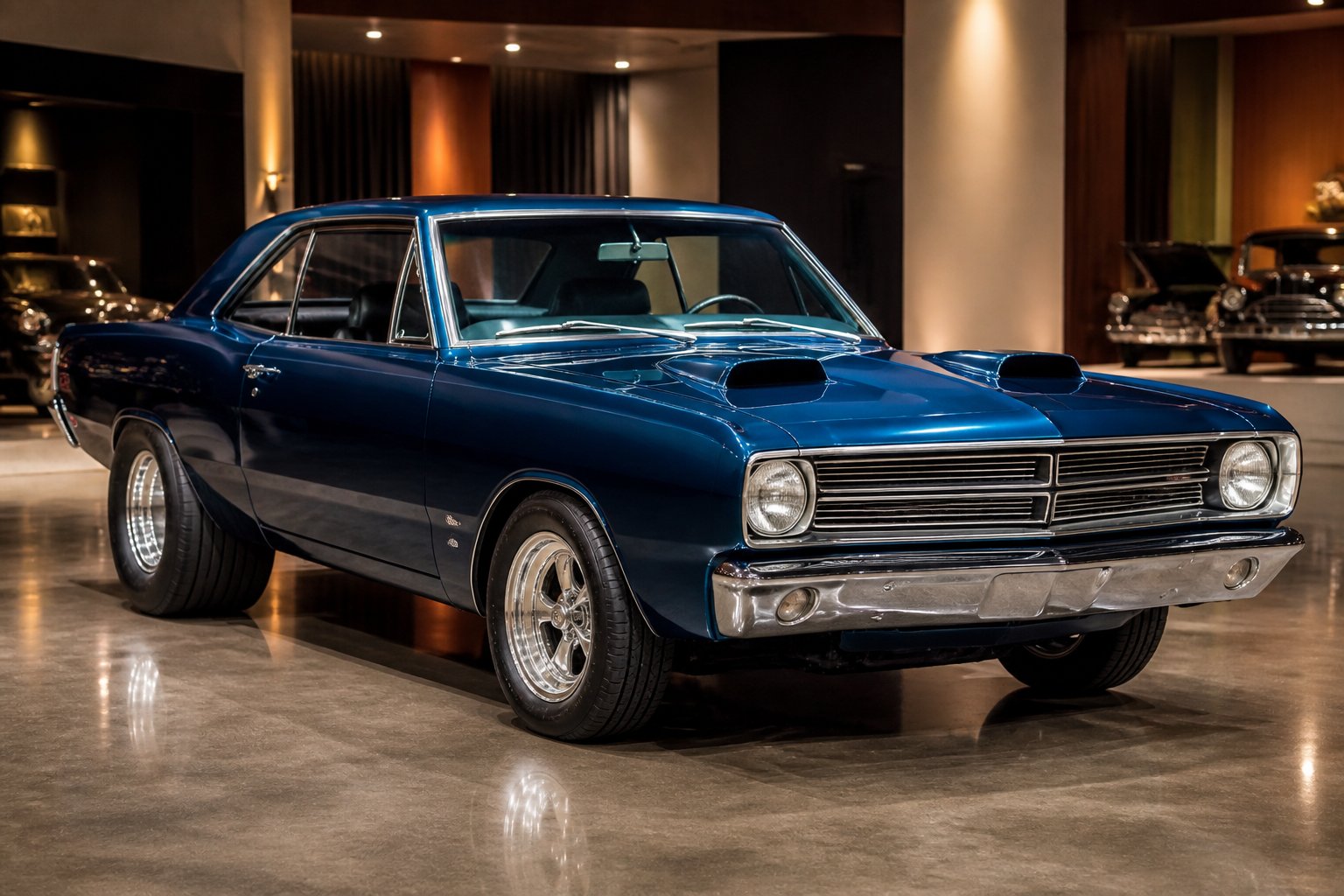
You’re looking at one of the most extreme factory drag cars Dodge ever built. The LO23 traces back to the Dart’s 1960 debut as a compact, unibody sedan, but by 1968 it had been transformed into a purpose-built Super Stock racer.
Chrysler contracted Hurst Performance in Madison Heights, Michigan, to finish these cars after they left the assembly line. You’d find a 426 cubic-inch Hemi V8 under the hood, paired with lightweight body panels designed to shave weight for the strip.
Only 80 examples were built, and they were sold through select Dodge dealers, including Mr. Norm’s Grand Spaulding Dodge in Chicago. These cars weren’t intended for daily driving; Chrysler officially labeled them for “supervised acceleration trials,” meaning drag racing was their real purpose.
Driver Herb McCandless piloted an LO23 to prominence in NHRA and AHRA competition, cementing the car’s reputation among collectors and racing historians alike.
9. 1969 Chevrolet Camaro ZL1
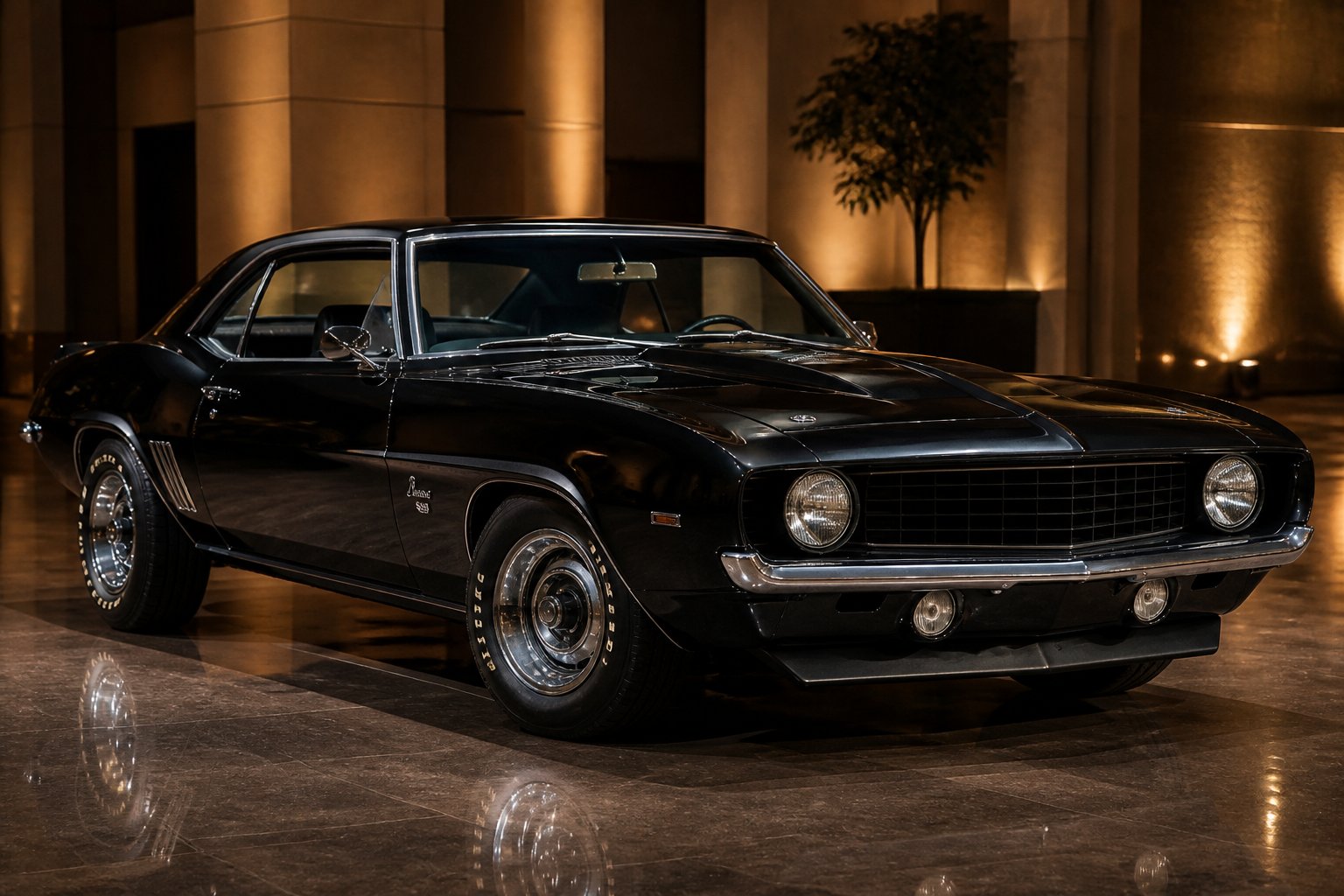
You’re looking at one of the rarest muscle cars Chevrolet ever built. Only 69 units of the 1969 Camaro ZL1 were produced under the COPO 9650 program, making it exceptionally scarce today.
Under the hood, you’ll find an all-aluminum 427 big-block V8, an engine originally designed for racing applications. This lightweight construction gave the ZL1 a power-to-weight advantage that few muscle cars of its era could match.
At a Mecum Auction in Indianapolis, a numbers-matching ZL1 sold for $1.43 million, setting a new benchmark for this model. That price makes it the most expensive 1969 Camaro ZL1 sold at auction and one of the highest prices ever paid for a Camaro.
You can attribute this value to the car’s rarity, race-bred engineering, and its documented originality. Collectors view it as a high point in COPO history.
10. 1969 Chevrolet Corvette L88
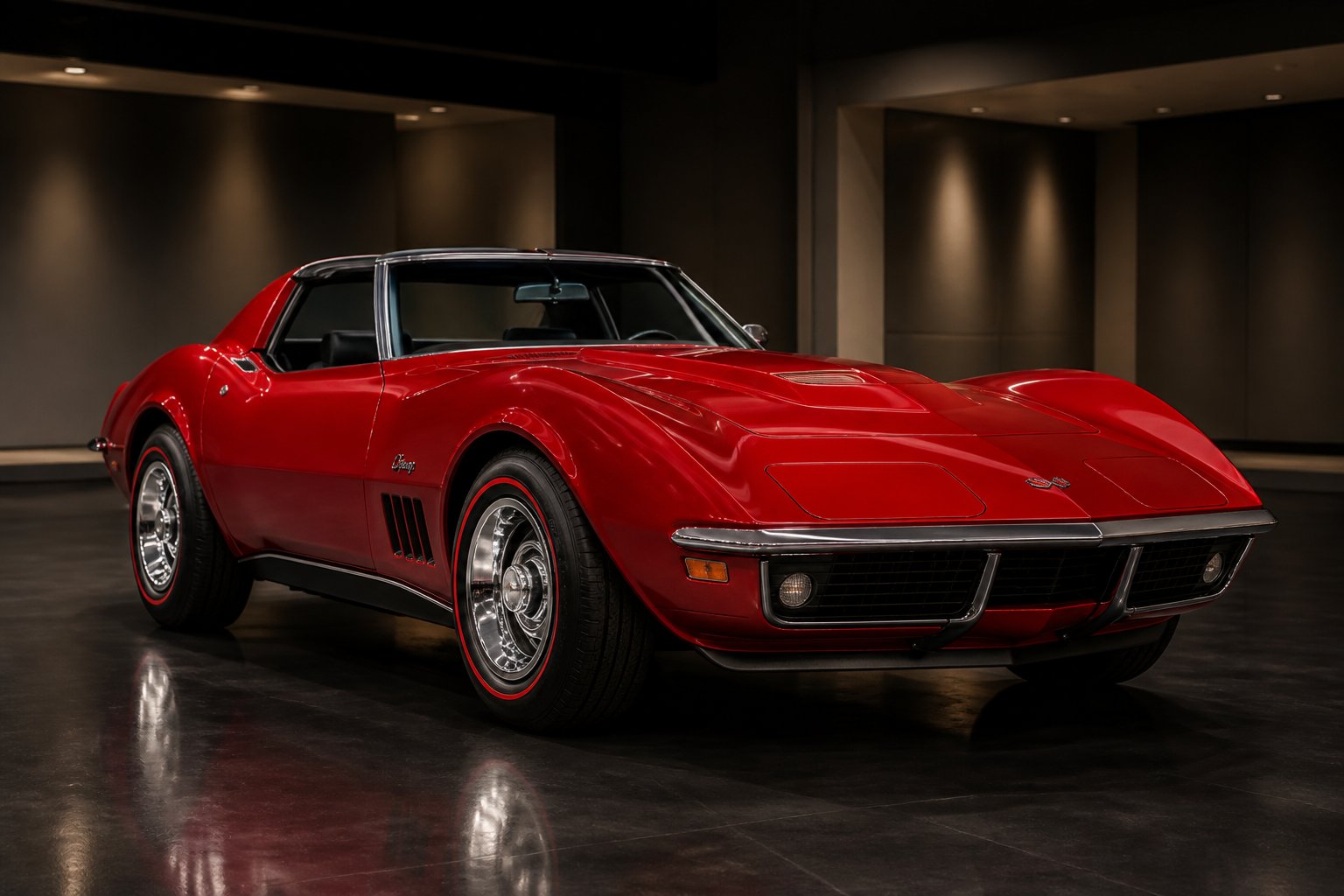
You’re looking at one of the most desirable Corvettes ever built. The 1969 L88 came from a three-year production run spanning 1967 to 1969, with only 216 examples made in total. Of those, 116 were built in 1969, making it the most common L88 year, though “common” is relative here.
Under the hood, you get a 427 cubic-inch V8 rated at 430 horsepower, though the real output was higher. Chevrolet underrated the engine on paper to keep it out of certain racing classes and away from insurance scrutiny.
You should know this wasn’t a car built for comfort. It lacked a radio, heater, and other conveniences, since Chevrolet intended it purely for racing.
A 1969 L88 Convertible sold for $860,000, reflecting strong collector demand for this specific configuration.
11. 1969 Ford Mustang Boss 429
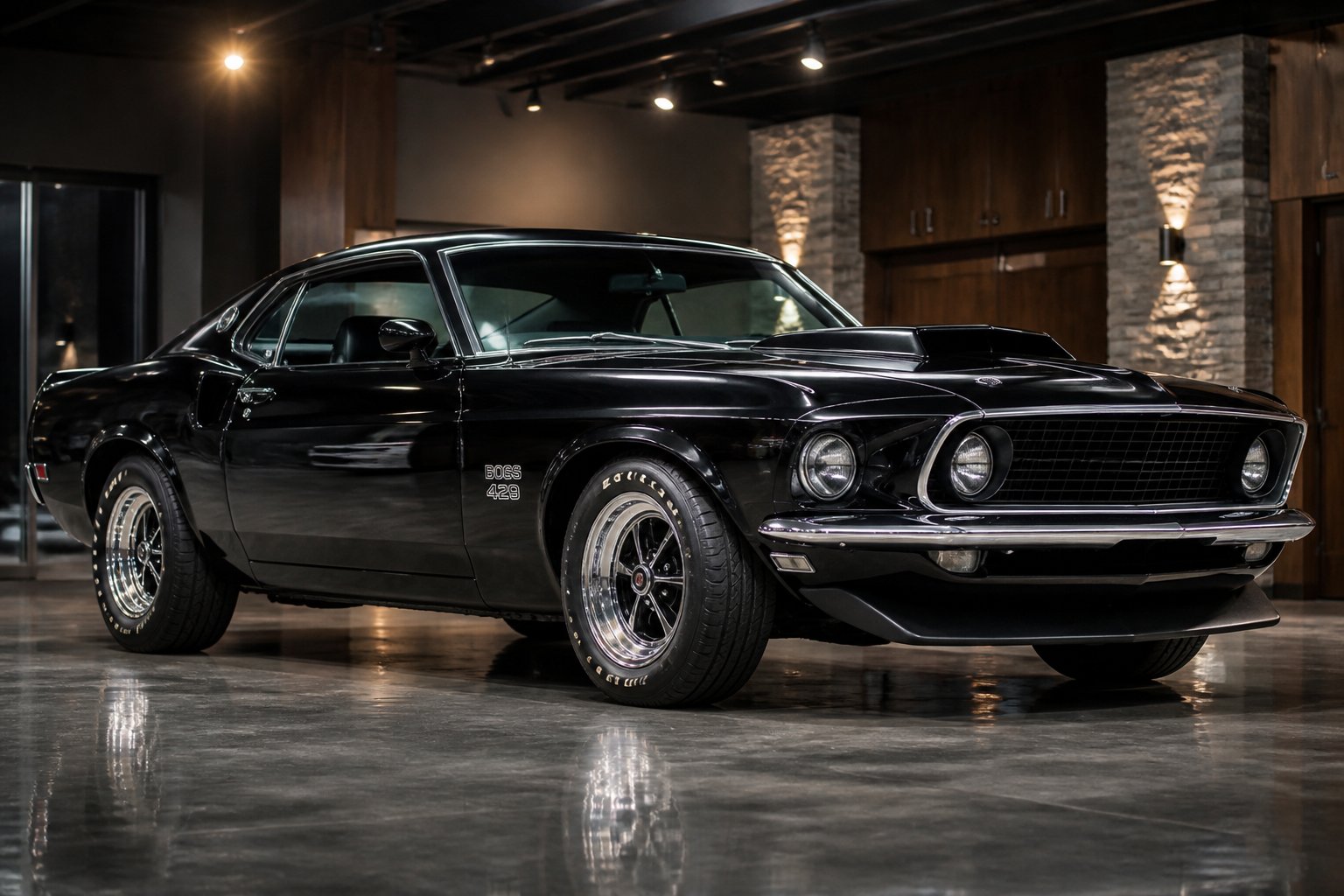
If you’re looking at the priciest muscle cars ever sold, the Boss 429 belongs on your list. Ford built it to homologate its 429 cubic-inch engine for NASCAR, and fewer than 900 rolled off the line in 1969.
Kar Kraft handled the conversion work in Brighton, Michigan, since Ford couldn’t fit the massive engine on its regular assembly line. At $4,087, it was the most expensive non-Shelby Mustang you could buy that year.
Its rarity and racing pedigree explain the auction results. An unrestored, low-mileage example sold at Barrett-Jackson for $1,045,000, setting a record for the model.
Other originals have brought in figures close to $950,000 and $660,000, depending on condition and history. You’ll find restored versions trading hands for $150,000 to $215,000, still a substantial sum for a production muscle car.
12. 1969 Ford Mustang Boss 302 Trans Am
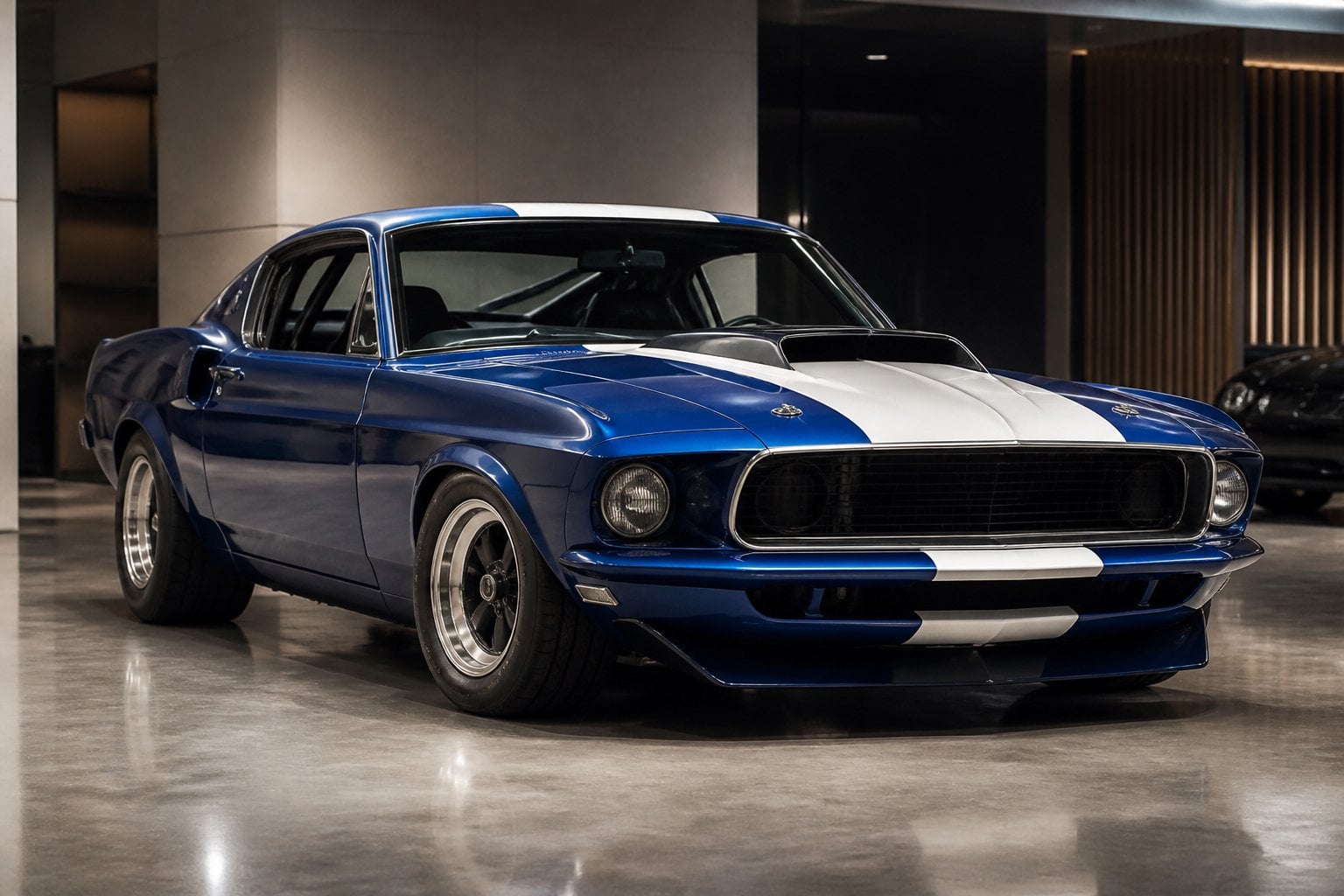
You’re looking at one of the rarest homologation specials Ford ever built. This particular car is one of three Boss 302s constructed by Kar Kraft and prepared by Shelby for the 1969 Trans-Am season, numbered sequentially as chassis “628.”
Under the hood, you get a 302 cubic inch OHV V8 producing an estimated 525 horsepower, paired with a four-speed manual transmission. That output far exceeds the street-legal Boss 302’s factory rating, reflecting its purpose-built racing specification.
Ford developed the Boss 302 to meet SCCA homologation rules, giving you a direct link to the brand’s rivalry with Chevrolet’s Camaro Z/28. Only three of these Trans-Am examples exist, which explains why collectors and auction houses treat this car as a significant piece of American racing history. Its combination of documented provenance, rarity, and competition pedigree places it firmly among the most valuable muscle cars ever brought to market.
13. 1969 Dodge Hemi Daytona
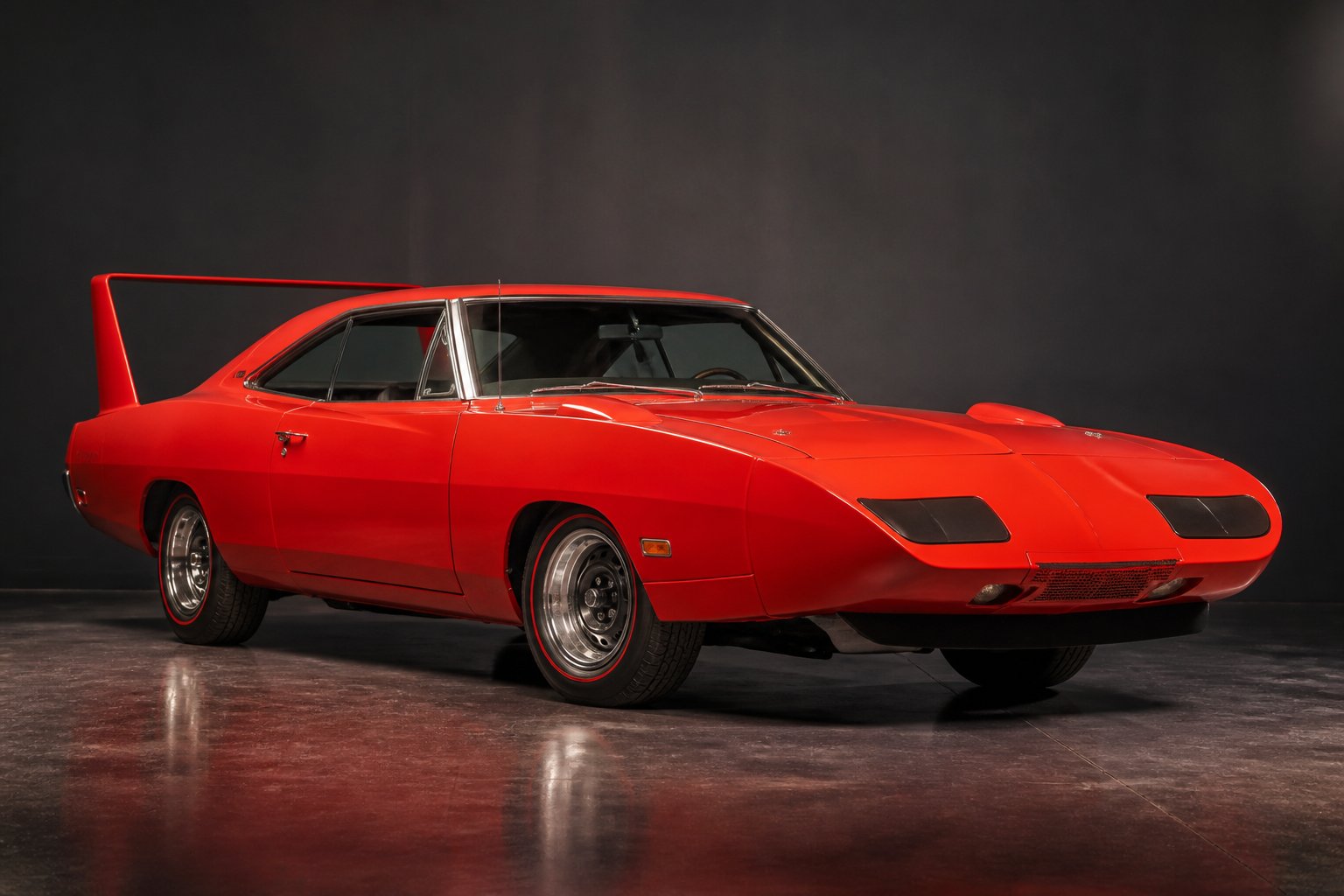
You’re looking at one of the most significant winged warriors from Chrysler’s aero-car era. This particular Hemi Daytona sold for $3.3 million at Mecum’s Monterey auction, doubling the previous record for the model.
Only 22 Hemi Daytona four-speed cars were built in 1969, making this one of the rarest muscle cars you’ll ever encounter. This F8 Dark Green Metallic example is considered the most highly optioned Daytona known to exist.
You can trace an interesting sales history here too. The same car had already set a record when it sold for $1.32 million in 2022, then returned to auction and nearly tripled that price.
The Daytona’s 200-mph aerodynamic package and 426 Hemi engine made it a genuine racing homologation special. Its rarity and documented history explain why bidders pushed the price so high.
14. 1969 Plymouth Road Runner Hemi Convertible
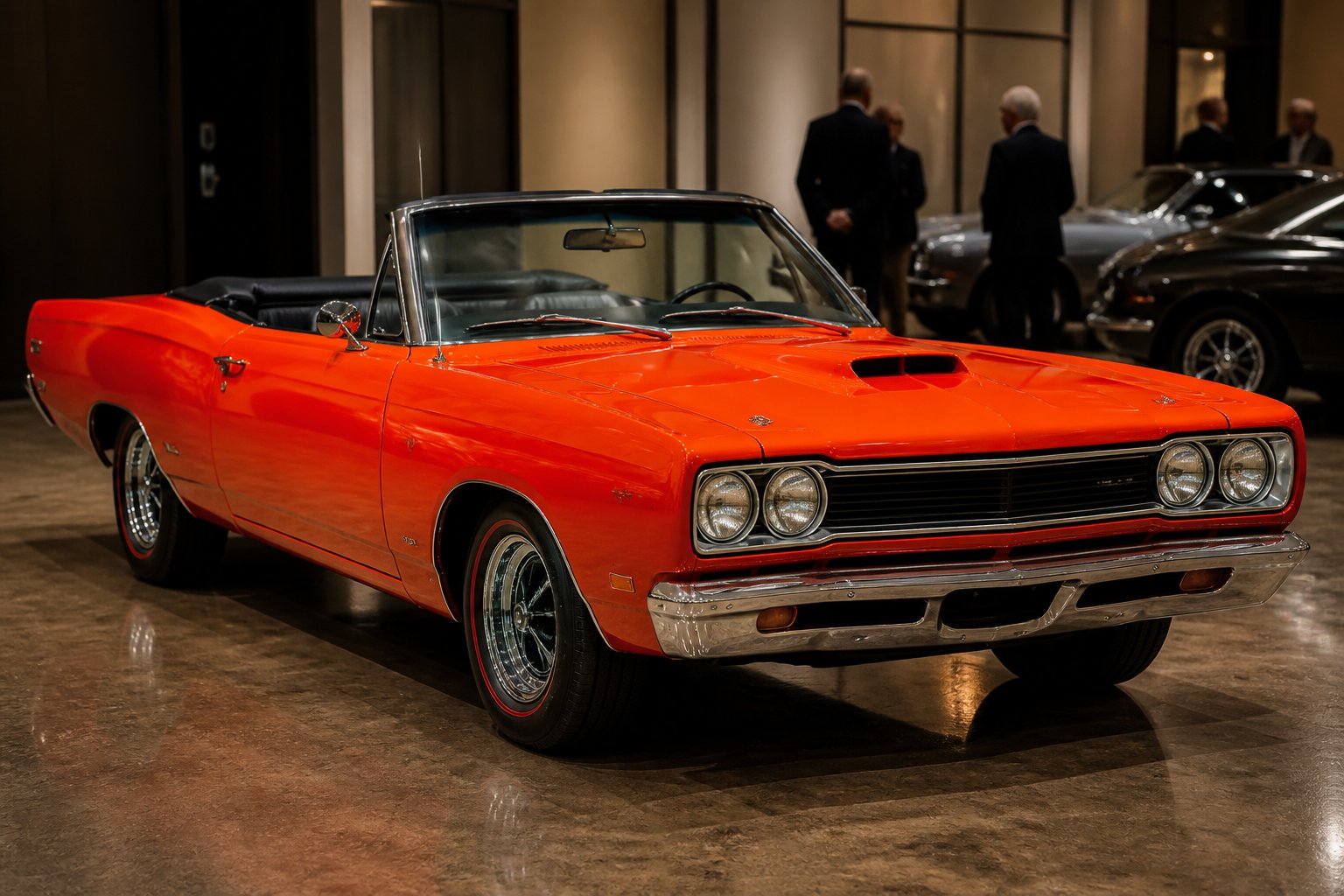
You’re looking at one of the rarest muscle car configurations ever produced. Plymouth only built the Road Runner convertible for two model years, 1969 and 1970, and pairing that body style with the 426 Hemi made for an exceptionally small production number.
Your engine choice mattered here. The 426 Hemi produced 425 horsepower and sat at the top of Plymouth’s performance lineup that year, well above the standard 383-cubic-inch V8 most buyers selected.
You can see why this combination commands such high prices at auction. Some examples have sold in the $200,000 to $275,000 range, particularly those with desirable factory options like the A33 Track Pak or a four-speed manual transmission.
You’re dealing with a car built during the Road Runner’s best sales year, 1969, when roughly 81,000 units left the factory. Very few were Hemi convertibles.
15. 1969 Plymouth GTX 440 Convertible
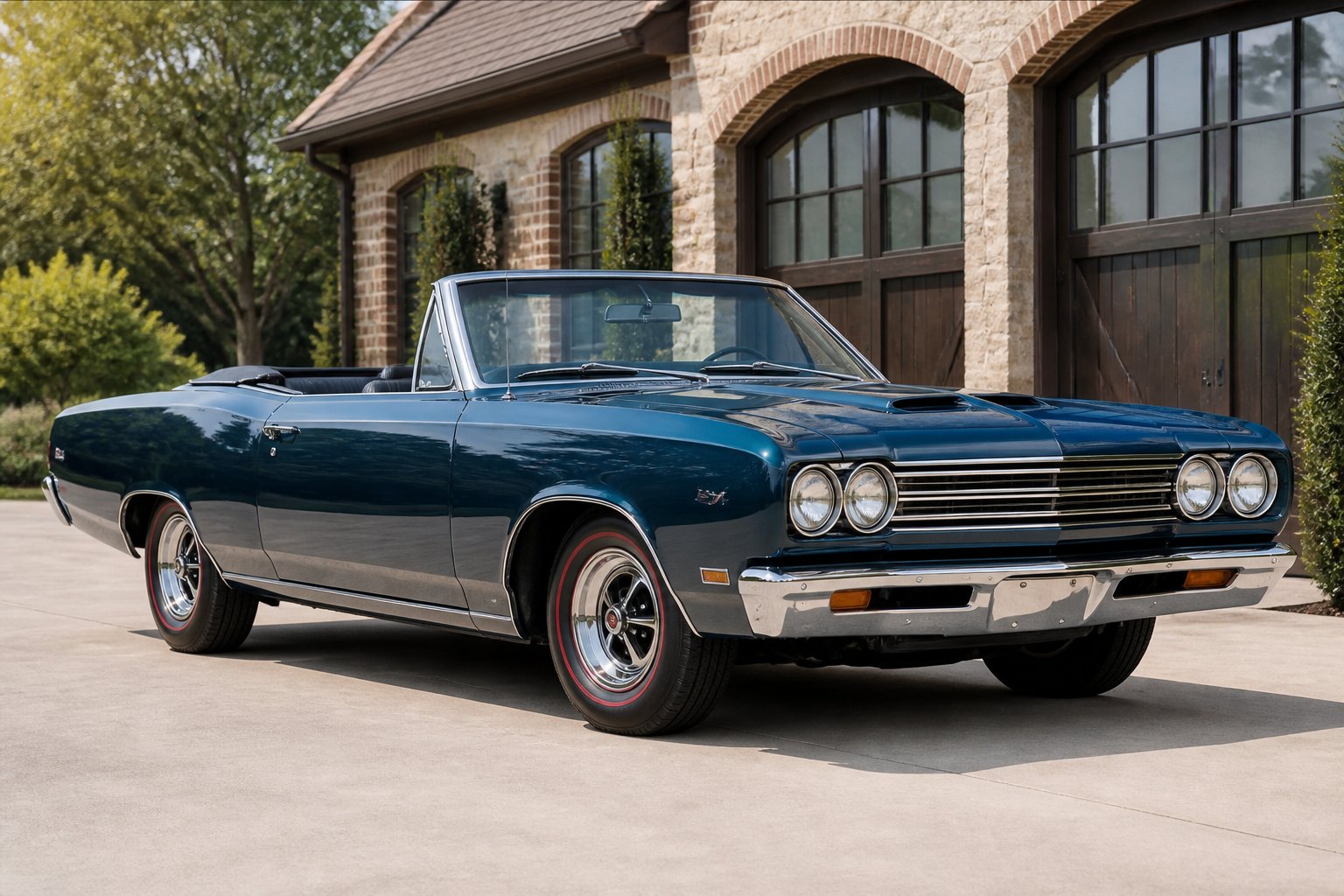
You’ll find the 1969 Plymouth GTX convertible among the rarer muscle cars of its era. Plymouth built 15,602 GTX models that year, but only 700 were convertibles, and just 178 of those came with a four-speed manual transmission.
The GTX carried Plymouth’s “gentleman’s muscle car” positioning, pairing performance with upscale trim. Most 1969 GTX hardtops came equipped with the 440 V8, and the convertible followed the same pattern.
You can trace the model’s value partly to its low production numbers. The 440 engine, combined with convertible body style and manual transmission, creates a combination collectors actively seek.
Auction results reflect this scarcity. Numbers-matching, restored examples with documented history command strong prices, particularly when finished in desirable factory colors like Sunfire Yellow.
When you compare the GTX convertible to its hardtop counterpart, the drop-top’s rarity places it firmly among the era’s most valuable Mopar muscle cars.
16. 1969 Dodge Coronet R/T Hemi Convertible
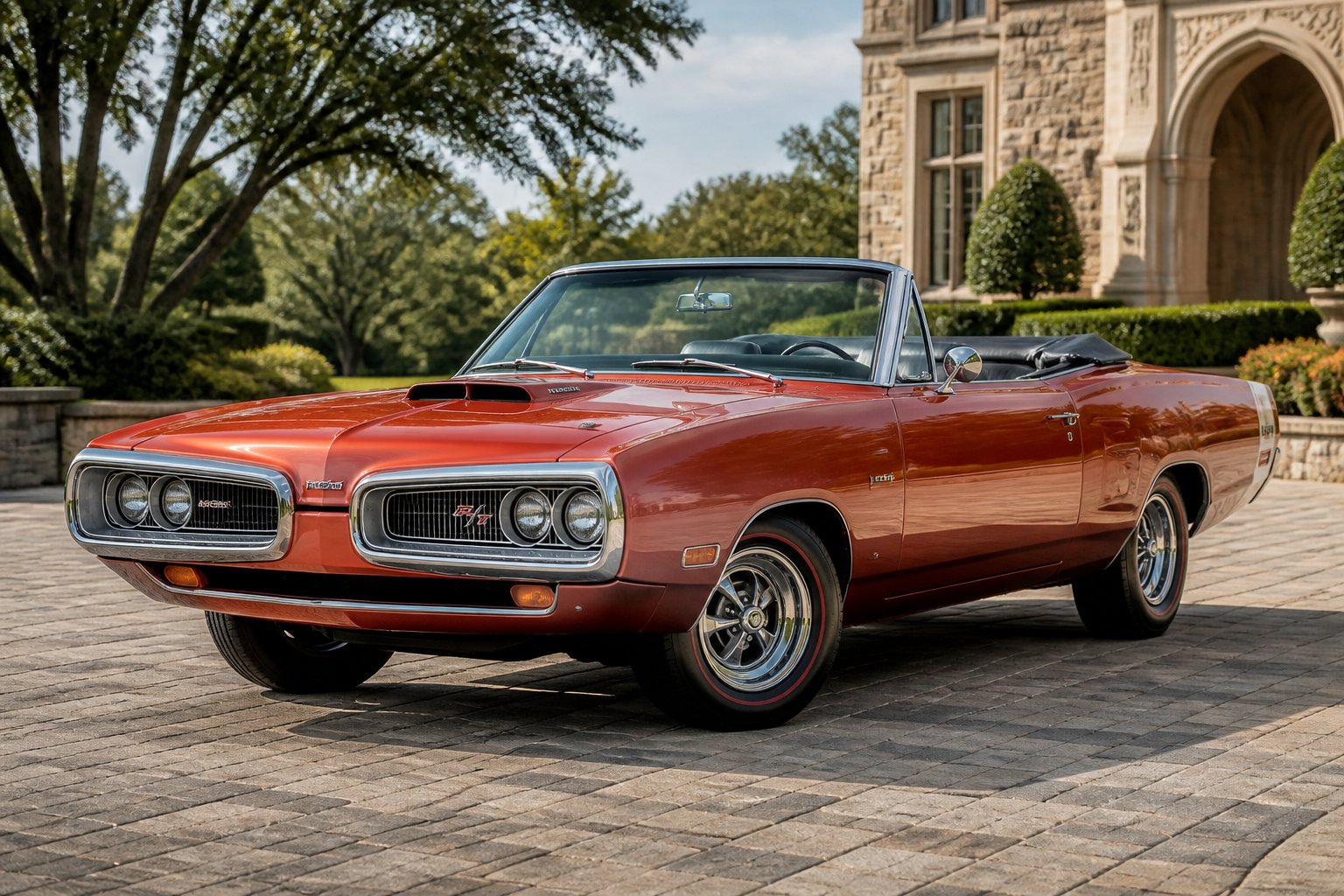
You’re looking at one of the rarest muscle cars Dodge ever built. Only 10 Coronet R/T convertibles came with the 426 Hemi in 1969, and just four of those had a four-speed manual transmission.
At Mecum, this particular example sold for $770,000, setting an all-time record for any Coronet regardless of year or configuration. That figure includes the buyer’s fee and surpassed a previous record of $687,500 set a decade earlier.
You should note that the Coronet R/T occupied a specific position in Dodge’s lineup. It offered more power than comparable Chrysler models and rivaled the Plymouth GTX in equipment level.
Documentation places this car among a small group of matching-numbers Hemi convertibles recognized in Mopar Collector’s Guide. Its combination of scarcity, drivetrain, and provenance explains why it commands such a premium among collectors focused on late-1960s B-body muscle cars.
17. 1970 Chevrolet Chevelle LS6 Convertible
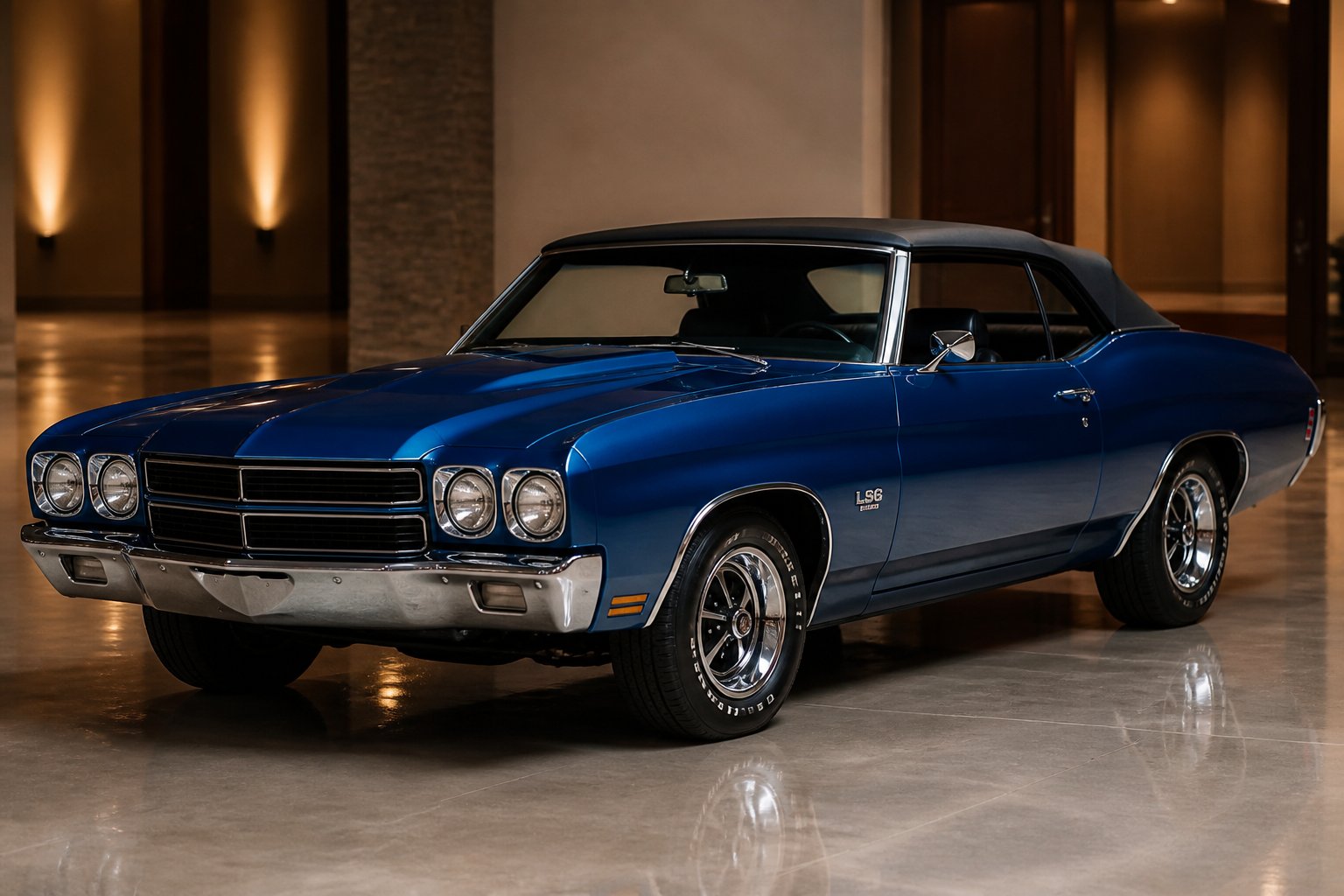
You’re looking at one of the highest prices ever paid for a Chevelle at public auction. A rare 1970 LS6 Convertible sold for $770,000, including buyer’s fees, at Mecum’s Kissimmee auction, surpassing a record set in 2024.
The LS6 package gave you 450 horsepower and 500 lb-ft of torque, making it the most powerful factory engine of the muscle car era. Chevrolet built 4,475 LS6-equipped cars for 1970, but records don’t clarify how many were convertibles versus hardtops.
That scarcity, combined with documented restoration and provenance, drives the value you see at auction. Other LS6 convertibles have sold for lower figures, including $600,000 and $396,000, depending on condition and history.
Some private sales reportedly exceeded $1 million, though those figures remain difficult to verify. The $770,000 result stands as a confirmed benchmark for the model at public auction.
18. 1970 Chevrolet Chevelle LS6
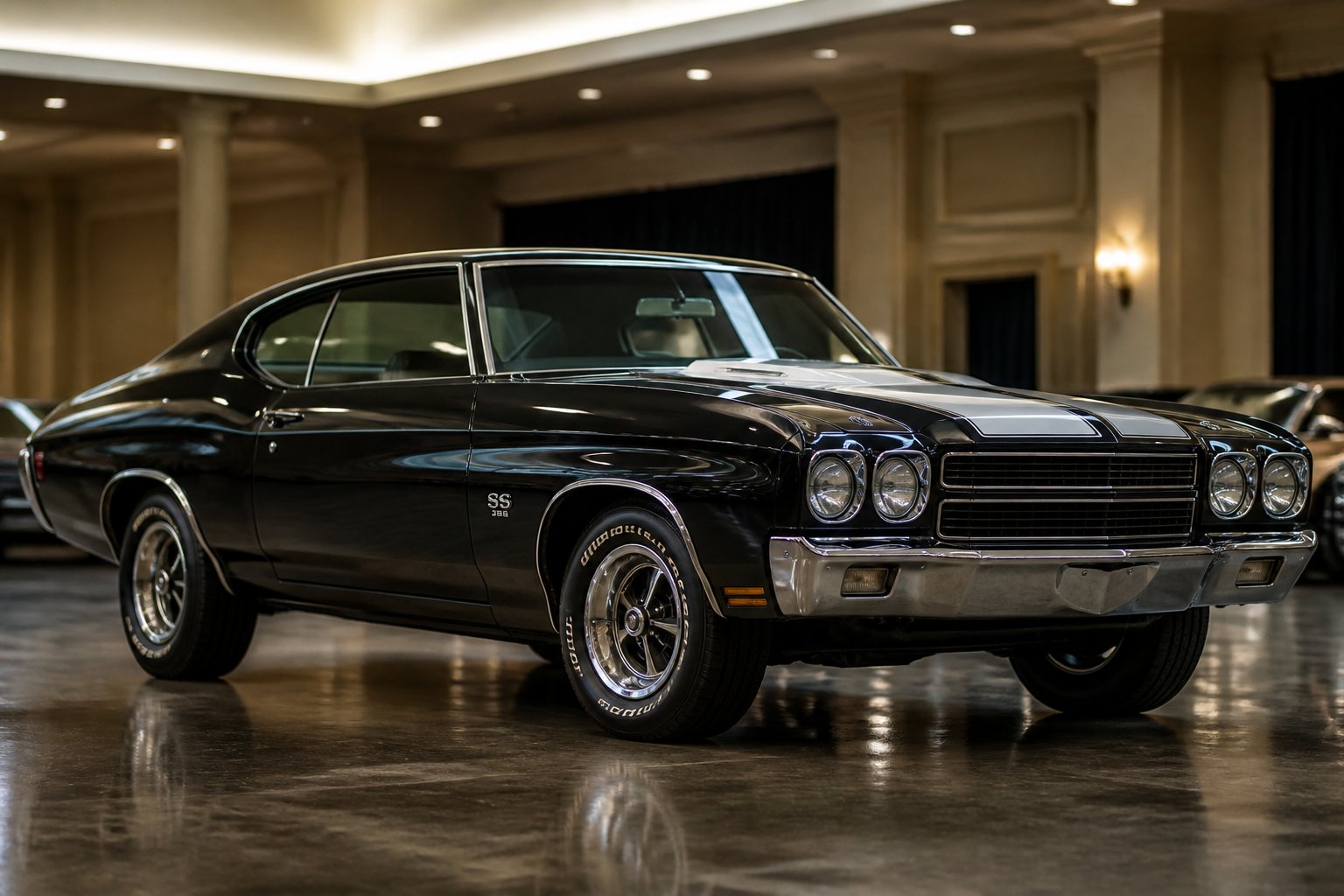
You’re looking at one of the most sought-after muscle cars from the golden era of American performance. The 1970 Chevelle LS6 was only offered for a single model year, and it came equipped with a 454 cubic-inch V8 producing 450 horsepower.
You’ll find that only a small number of LS6 Chevelles were built, with convertible versions being especially scarce. This rarity has driven collector demand for decades.
At auction, values for these cars have climbed steadily. A 1970 Chevelle LS6 convertible sold for $770,000 at Mecum’s Kissimmee event, setting a new record for the model.
Other LS6 examples have also commanded seven-figure prices over the years, including one that reached over $1.2 million. When you consider the combination of low production numbers and documented history, you can see why this Chevelle remains a benchmark for muscle car value.
19. 1970 Ford Mustang Boss 429
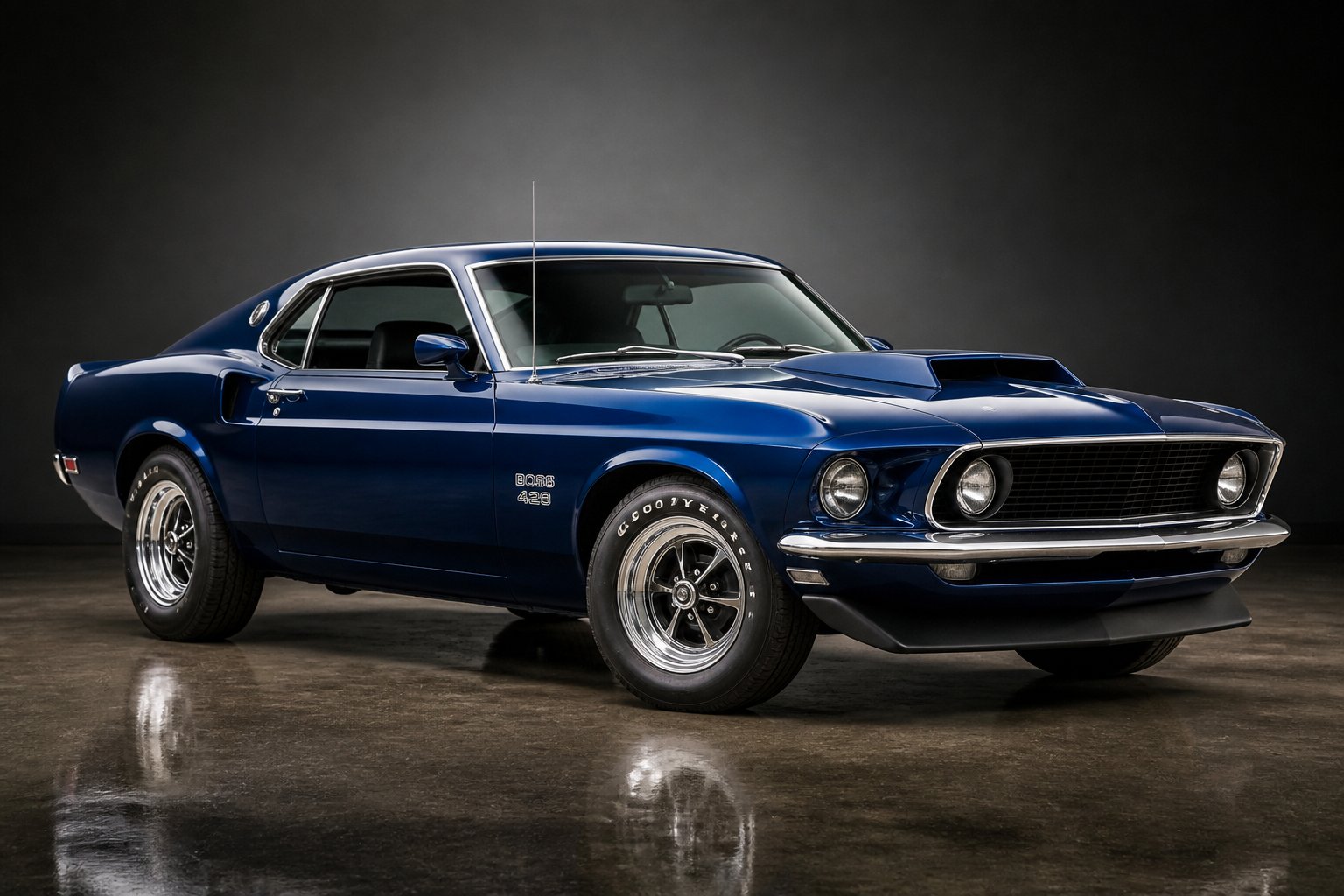
You’re looking at one of the most valuable pony cars in muscle car history. Ford built the Boss 429 to homologate its 7.0-liter semi-hemispherical V8 for NASCAR competition, and only 499 examples rolled off the line for 1970.
You’ll find that rarity within rarity drives the highest prices. A 1970 Boss 429 finished in an ultra-rare color combination, one of just 13 built that way, sold for over $600,000 at auction. Another example brought $660,000, matching a record shared with a 1969 model.
You should understand why these cars command such figures. The 429 engine was never meant for daily driving; it was a race motor stuffed into a street car for regulatory purposes. That combination of raw performance and limited production keeps demand high among serious collectors.
20. 1970 Ford Mustang Boss 302
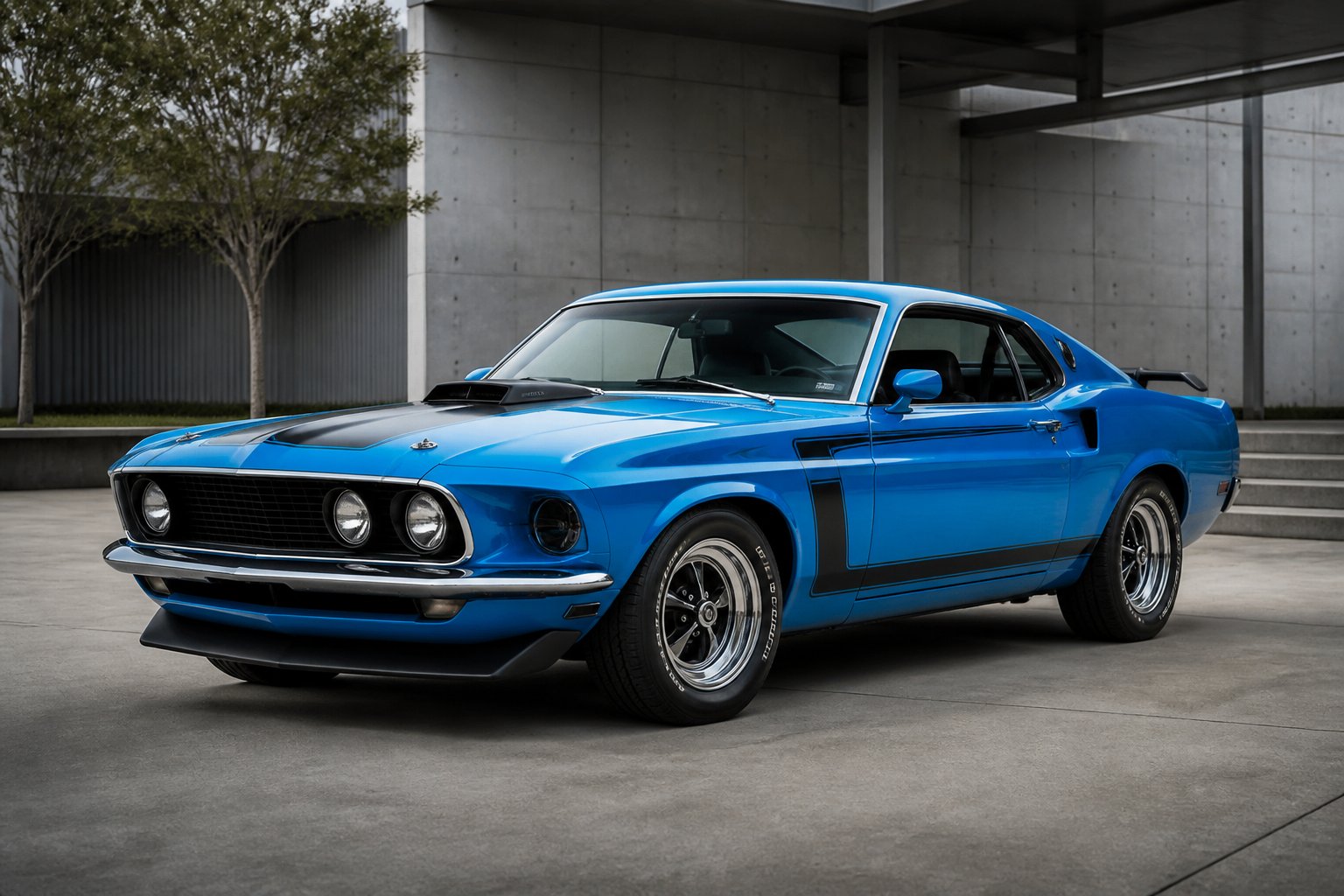
You’re looking at a car Ford built for one reason: to beat the Chevrolet Camaro Z/28 on the track. To race in SCCA’s Trans-Am series, Ford needed to homologate the model, and that meant building at least 6,500 street versions. In 1970, Ford produced 7,014 units, making this the final year of the original Boss 302 run.
Under the hood, you get a 302-cubic-inch V8 rated at 290 horsepower, paired with a suspension tuned for handling rather than straight-line speed. Quicker steering and F60x15 tires rounded out the package.
Recent auction results show a 1970 Boss 302 selling for $75,000 at Mecum’s Harrisburg event in July 2026. Top examples in concours condition have historically commanded well over $100,000, depending on originality and documentation.
21. 1970 Ford Mustang Mach 1 Twister Special
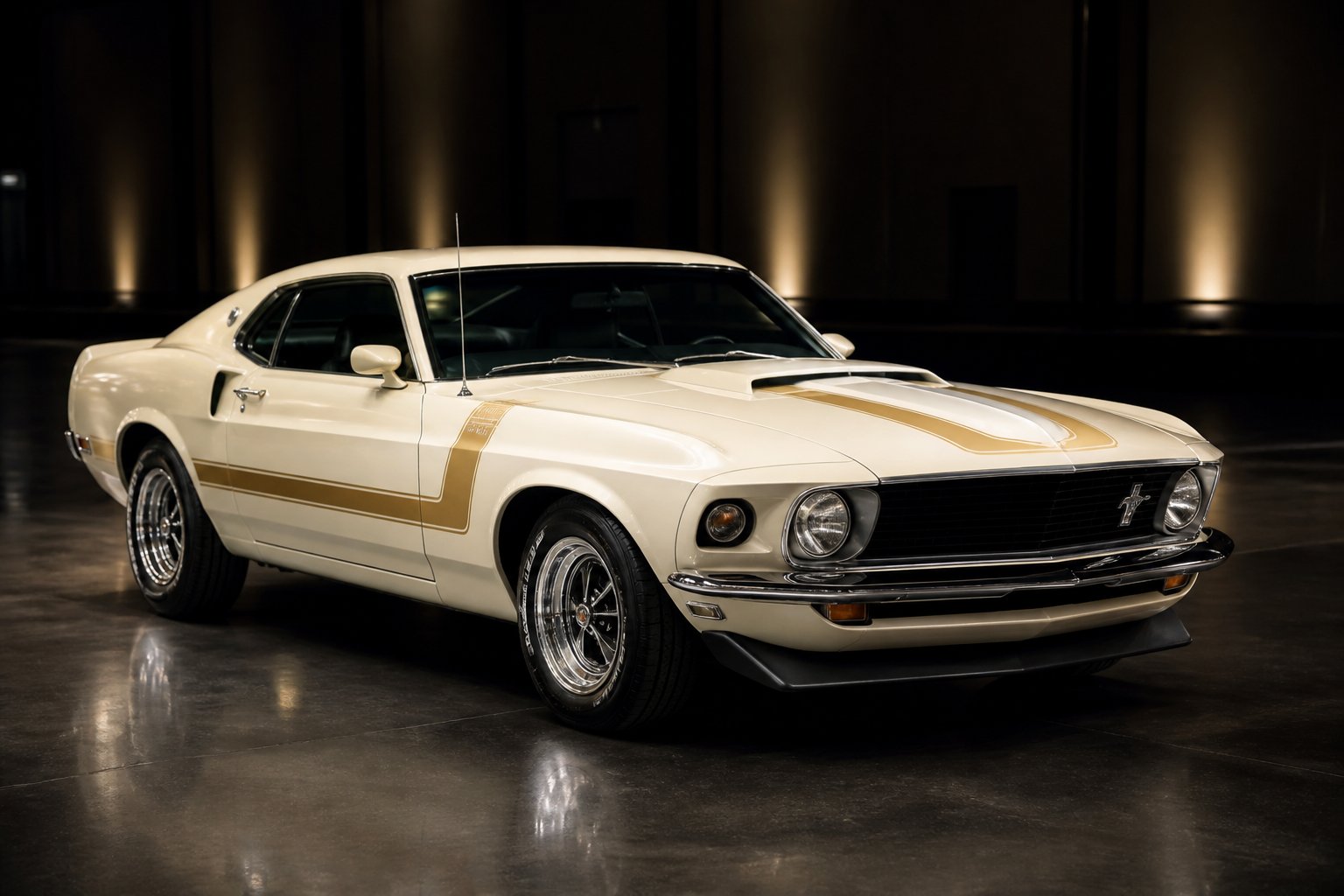
You’re looking at one of the rarest Mustang variants from the early ’70s, built exclusively for Ford dealers in the Kansas City region. Only 96 units exist, each wrapped in Grabber Orange paint with distinctive tornado graphics on the rear fenders.
The origin story adds to its appeal. Ford’s Special Promotion Division originally built these cars for American Raceways International, but ARI’s bankruptcy left Ford to repurpose the batch for regional dealer sales instead.
Under the hood, you’ll find either the Super Cobra Jet Ram Air engine or the 351ci Cleveland V8, paired with Drag Pack suspension. That combination gives these cars genuine performance credentials beyond their eye-catching appearance.
Today, fewer than 55 are confirmed to still exist, with even fewer retaining their original powertrains. When one surfaces at auction, prices reflect that scarcity, often exceeding $68,000 for well-documented examples with verified matching-numbers drivetrains.
22. 1970 Dodge Challenger Hemi R/T Convertible
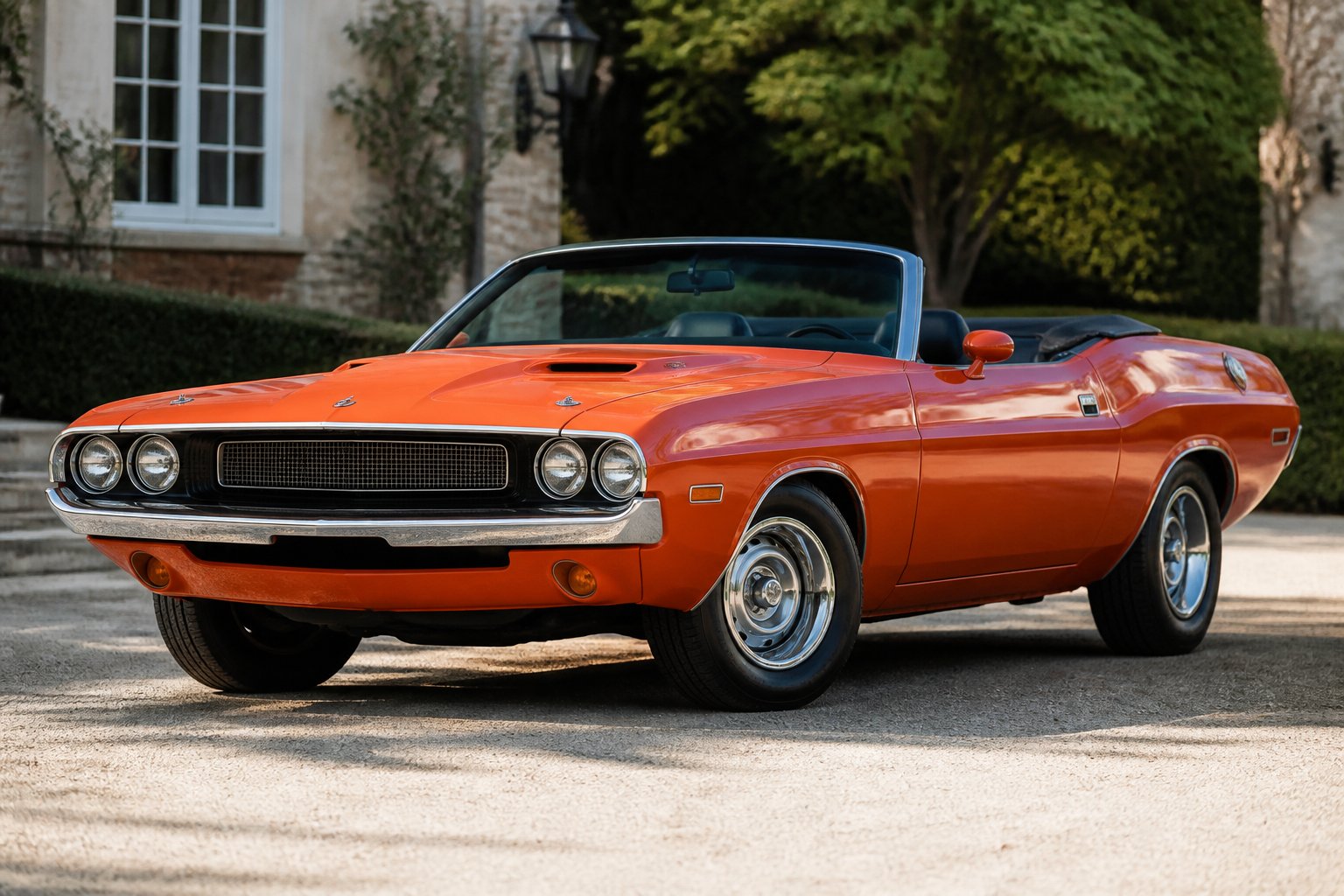
You won’t find many muscle cars rarer than this one. Only nine Dodge Challenger R/T convertibles left the factory with the 426 Hemi engine in 1970, making this one of the most sought-after pony cars in existence.
The Hemi V8 produced 425 horsepower, backed by a four-speed manual transmission and a Dana rear end geared for serious performance. That combination made it one of the fastest convertibles you could buy at the time.
Collectors know these cars command well over a million dollars at auction. Examples have sold for figures approaching $1.4 million, reflecting both their scarcity and their significance in Mopar history.
You’re looking at a car that represents the peak of Dodge’s muscle car era, before insurance costs and emissions regulations changed the market entirely.
23. 1970 Dodge Challenger Hemi R/T SE
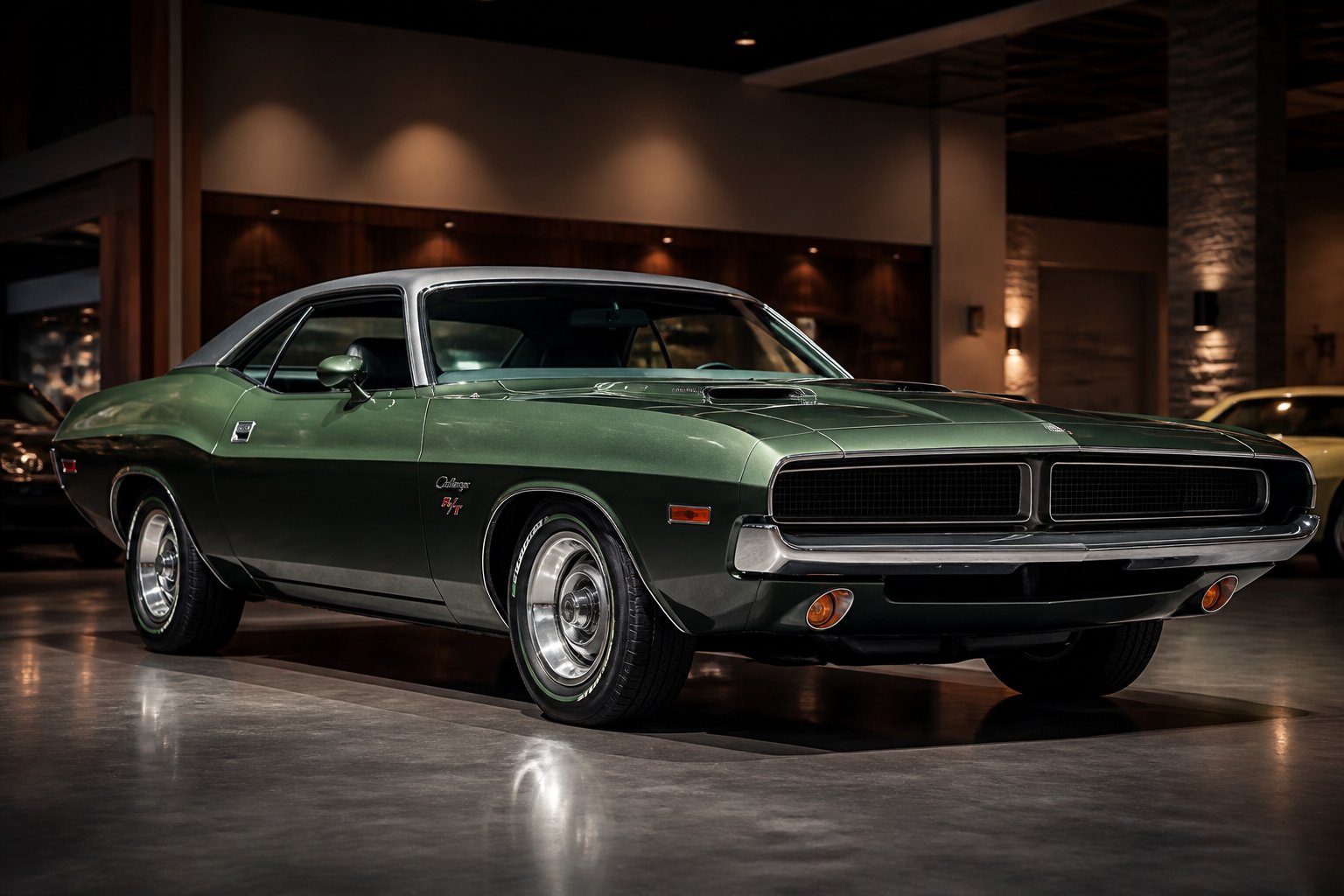
You’re looking at one of the rarest configurations Dodge offered in 1970. The R/T SE package added a padded vinyl roof, leather-and-vinyl seats, and a smaller steering wheel to the standard R/T’s performance credentials.
Dodge built only a small number of these cars with the 426 Hemi under the hood. That combination of luxury trim and race-bred power makes surviving examples highly sought after among collectors.
One notable Canadian-delivered example, one of just four R/T SE cars shipped there, crossed the auction block at Indy in 2026. Values for numbers-matching Hemi cars in this configuration have climbed steadily, with top examples reaching well into six figures.
You should expect prices to vary widely based on documentation, originality, and drivetrain verification, since Hemi engines were often swapped or misrepresented over the decades.
24. 1970 Plymouth Hemi Cuda Convertible
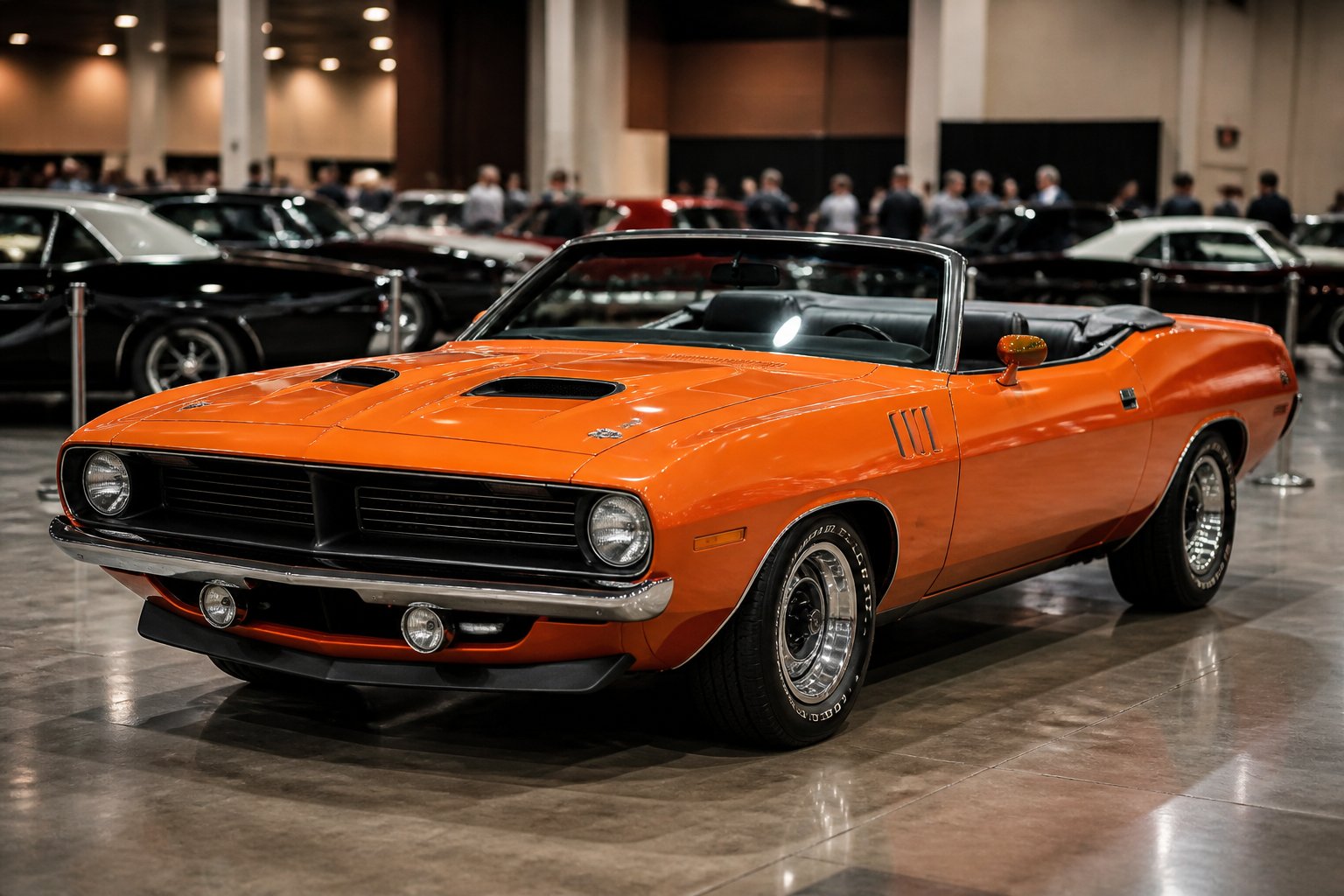
You’re looking at one of the rarest muscle cars Plymouth ever built. Only 14 Hemi Cuda convertibles rolled off the line in 1970, making each surviving example a genuine unicorn among collectors.
Under the hood sits a 7.0L Hemi V8 producing 425 horsepower, paired with either a manual or automatic transmission. That combination made the Hemi Cuda one of the most formidable performance packages of its era.
Sale prices for these convertibles have reached as high as $3.5 million at auction. A Canadian-market example finished in Lemon Twist, one of just three built for that market, sold for $2,530,000 at Mecum’s Monterey event, setting a record for the model at the time.
You can attribute the pricing to a straightforward mix of scarcity, engine pedigree, and documented history. Few muscle cars combine all three factors as convincingly as this one does.
25. 1970 Plymouth Hemi Cuda Rapid Transit System Convertible
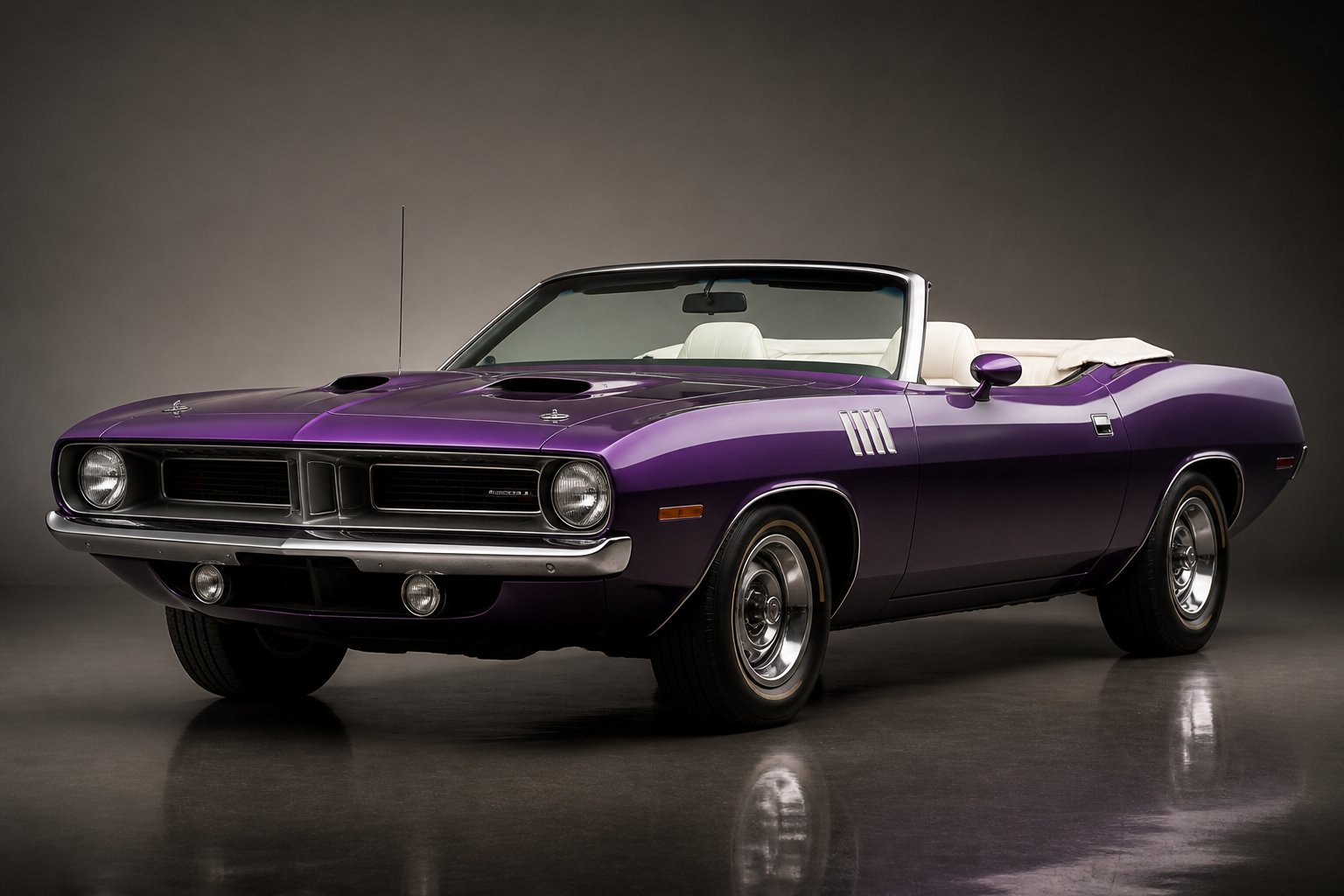
You’re looking at one of four show cars built for the Rapid Transit System Caravan, a Plymouth promotional tour that ran through car shows and dealerships in 1970 and 1971. This particular convertible spent decades out of public view before resurfacing.
The Rapid Transit System campaign was designed to showcase Plymouth’s muscle car lineup to enthusiasts and potential buyers. These cars featured custom touches that set them apart from standard production models, making them distinct from any Hemi ‘Cuda you’d find at a dealership.
Unrestored, low-mileage examples from this series carry significant value due to their originality and documented history. You get a direct connection to Plymouth’s marketing efforts during the muscle car era’s peak, combined with the rarity of the Hemi engine option.
Convertible Hemi ‘Cudas from 1970 are already scarce, with production numbers in the single digits for certain configurations. When you add the Rapid Transit System provenance, you’re dealing with a car that commands attention at any auction.
26. 1970 Plymouth Superbird 426 Hemi
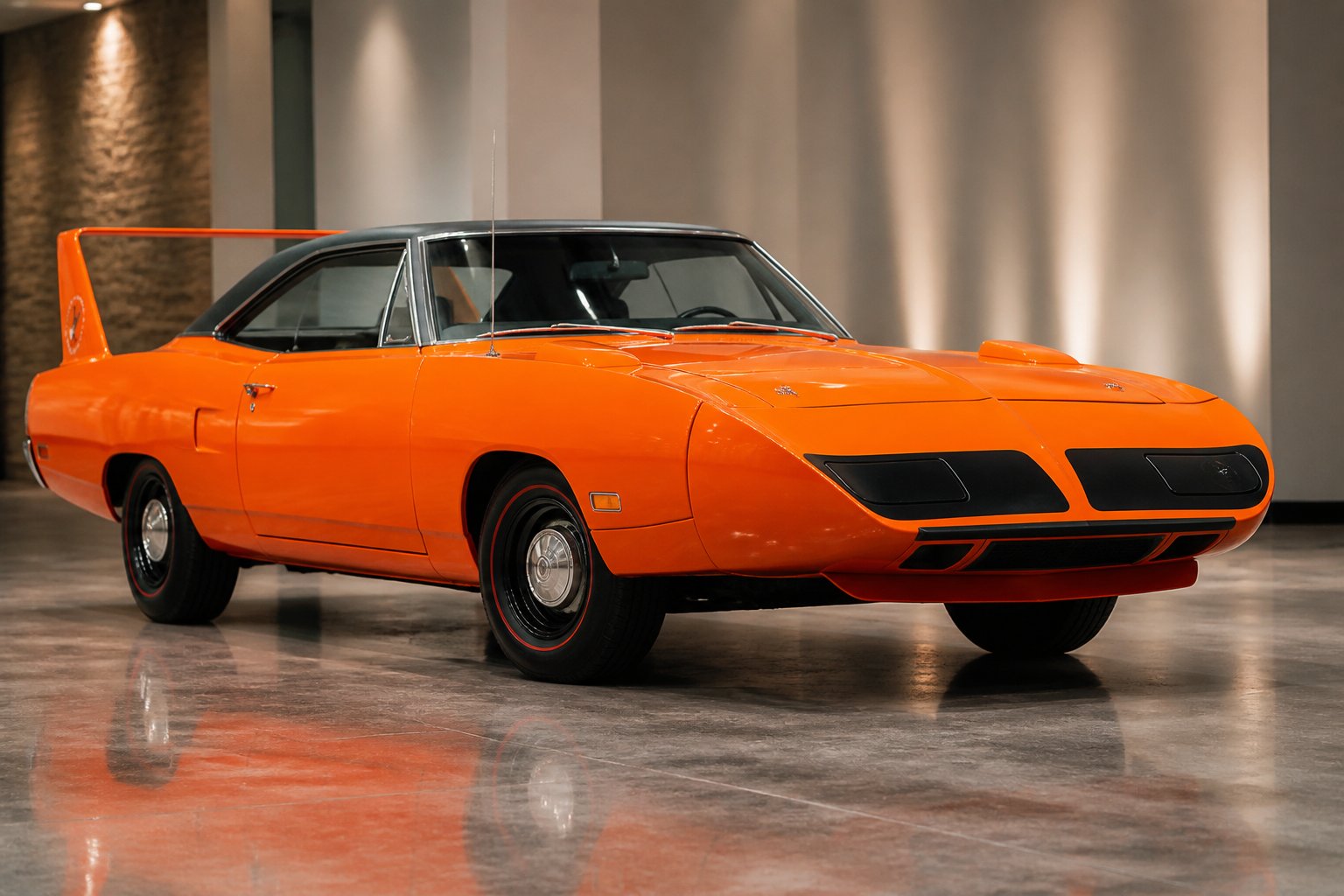
You’ll recognize the Superbird instantly by its pointed nose cone and towering rear wing, both engineered for NASCAR aerodynamics rather than looks. Plymouth built this car to homologate its design for stock car racing, and the wing wasn’t decorative; it kept the rear end planted at speeds over 190 mph on the track.
Under the hood, you get the 426ci Hemi V8, producing 425 horsepower and paired most desirably with a four-speed manual transmission. These Hemi-equipped cars are the rarest and most sought-after Superbirds on the market today.
At Barrett-Jackson in 2022, an all-original 426 Hemi Superbird sold for $1.65 million, setting the auction record for the model. You’ll find other examples trading between $400,000 and $800,000, depending on originality, mileage, and documentation.
27. 1970 Dodge Charger R/T SE 426 Hemi
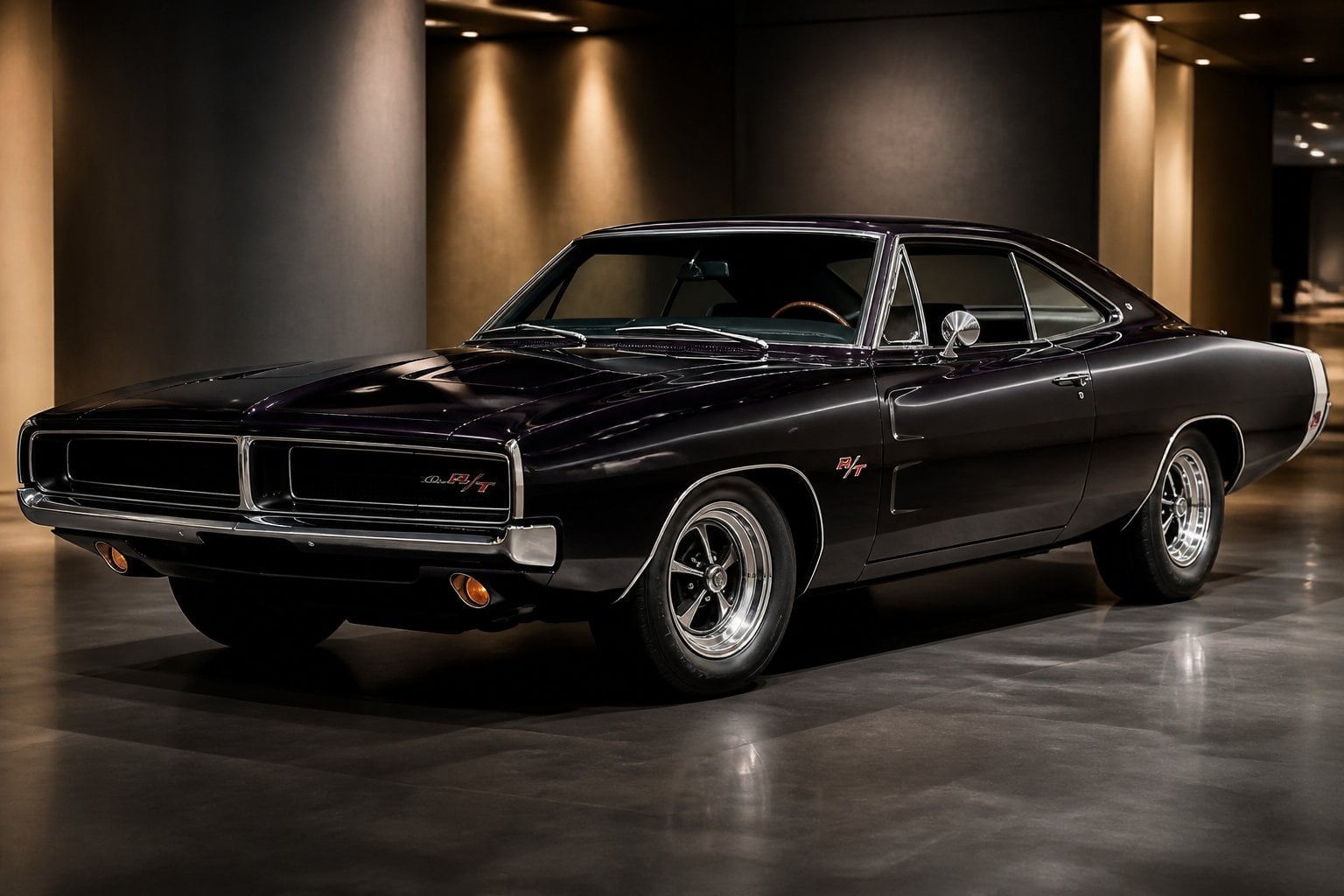
You’re looking at one of the rarest combinations Dodge ever offered on the second-generation Charger. The R/T SE package added a Rallye instrument cluster, leather-and-vinyl bucket seats, and other upscale touches to the standard R/T’s performance foundation.
Under the hood, you’d find the 426 Hemi, rated at 425 horsepower and 490 pound-feet of torque. Dodge built 10,337 Charger R/T models for 1970, but only 124 received the Hemi engine, and fewer still came with the SE trim.
This scarcity drives collector interest today. You’re dealing with a car that combines Chrysler’s most powerful production engine with a luxury-oriented package, a pairing few buyers chose at the time.
Values for documented, numbers-matching examples have climbed steadily, reflecting both the Hemi’s mechanical significance and the SE’s rarity within an already limited production run.
28. 1970 Chevrolet Camaro Z28 RS
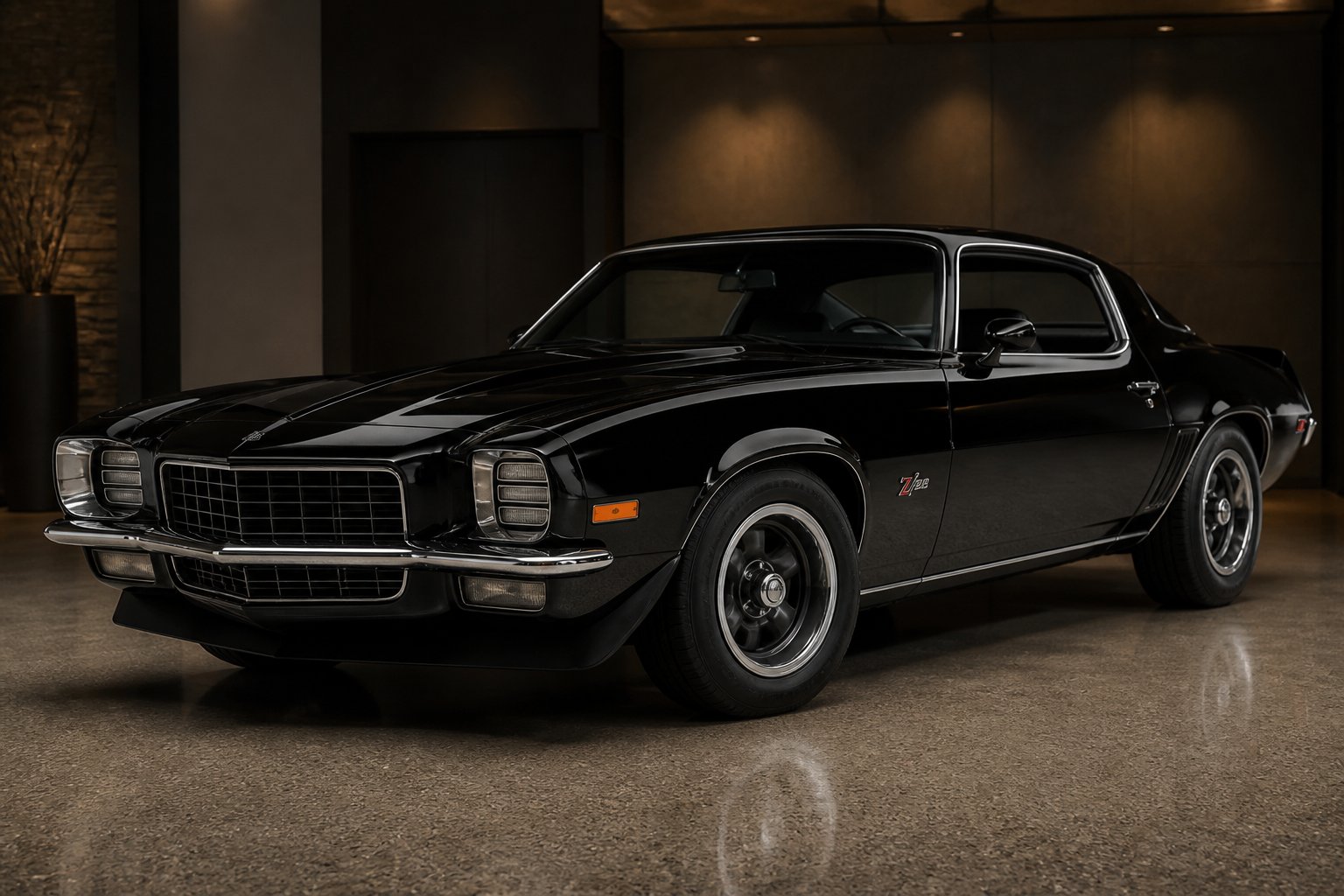
You’re looking at one of the most significant Camaros ever built. The 1970 model marked the first year of the second-generation Camaro, a complete redesign that changed the car’s shape and stance entirely.
The Z28 package added the new LT1 350 engine, which outperformed the previous big-block options in everyday driving. Chevrolet built this package to meet SCCA Trans-Am homologation rules, so you know the performance tuning wasn’t just for show.
Only 8,733 Z28 units left the factory that year, a small fraction of total Camaro production. Combine that rarity with the RS appearance package, and you get a car collectors actively seek out.
At auction, well-documented examples with the RS Z28 combination have sold in strong five and six-figure ranges, depending on condition and originality. You’re buying into genuine muscle car history when you go after this one.
29. 1971 Plymouth Hemi Cuda Convertible
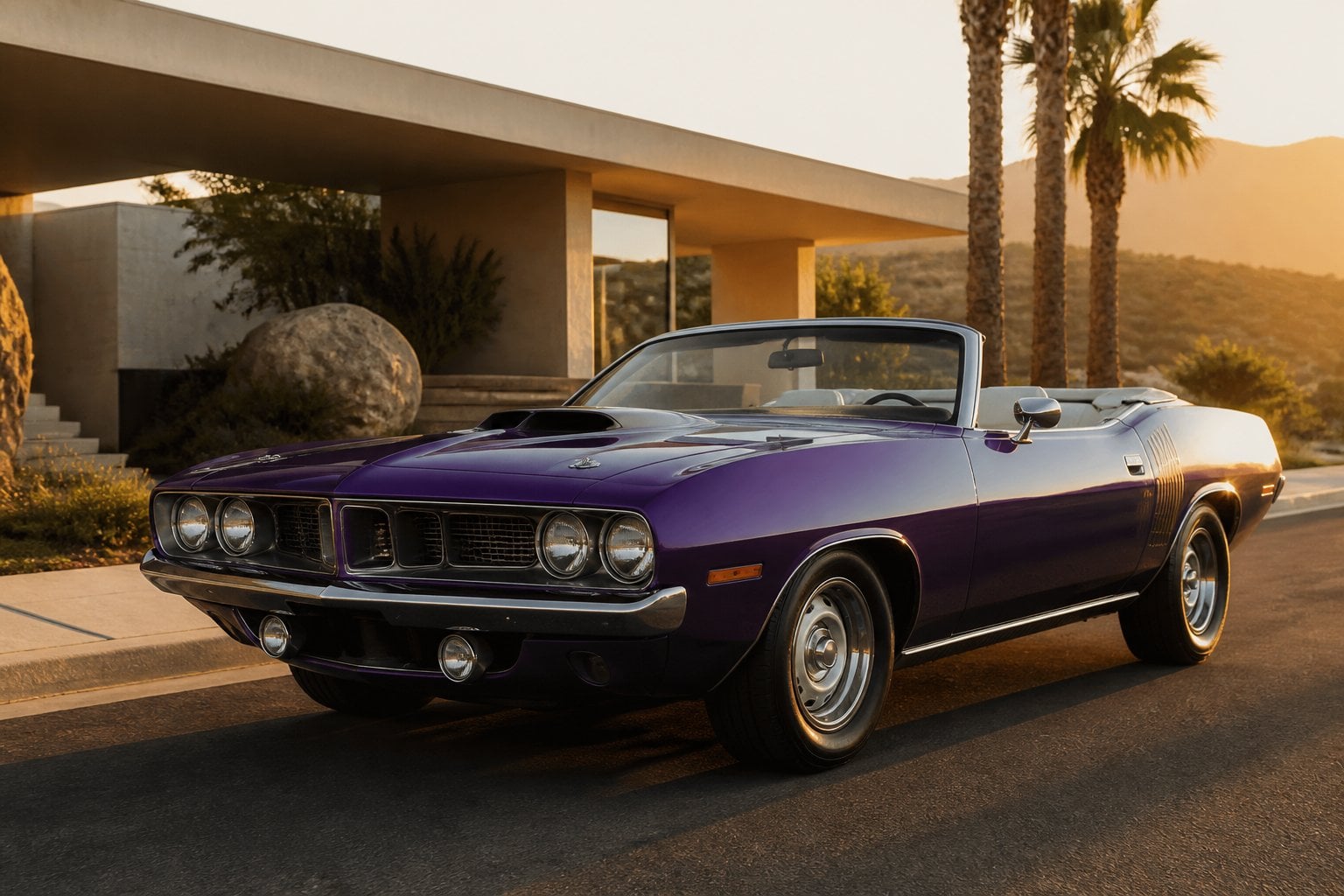
You’re looking at one of the rarest muscle cars Plymouth ever built. Only a handful of Hemi ‘Cuda convertibles rolled off the line in 1971, making this the final year for the 426 Street Hemi in this body style.
At Mecum’s Kissimmee auction, a numbers-matching example sold for $3.3 million. That figure places it just behind another 1971 Hemi ‘Cuda convertible, which set a record of $3.5 million at a Seattle sale in 2014.
You should know that value here comes down to scarcity and originality. The 426 Hemi engine, combined with the convertible body and E-Body platform, creates a combination collectors rarely see come to market.
This car originally sold new for around $4,500. Its climb to seven-figure territory reflects how much demand has grown for documented, unrestored Mopar muscle over the past several decades.
30. 1971 Plymouth Hemi Cuda 4-Speed
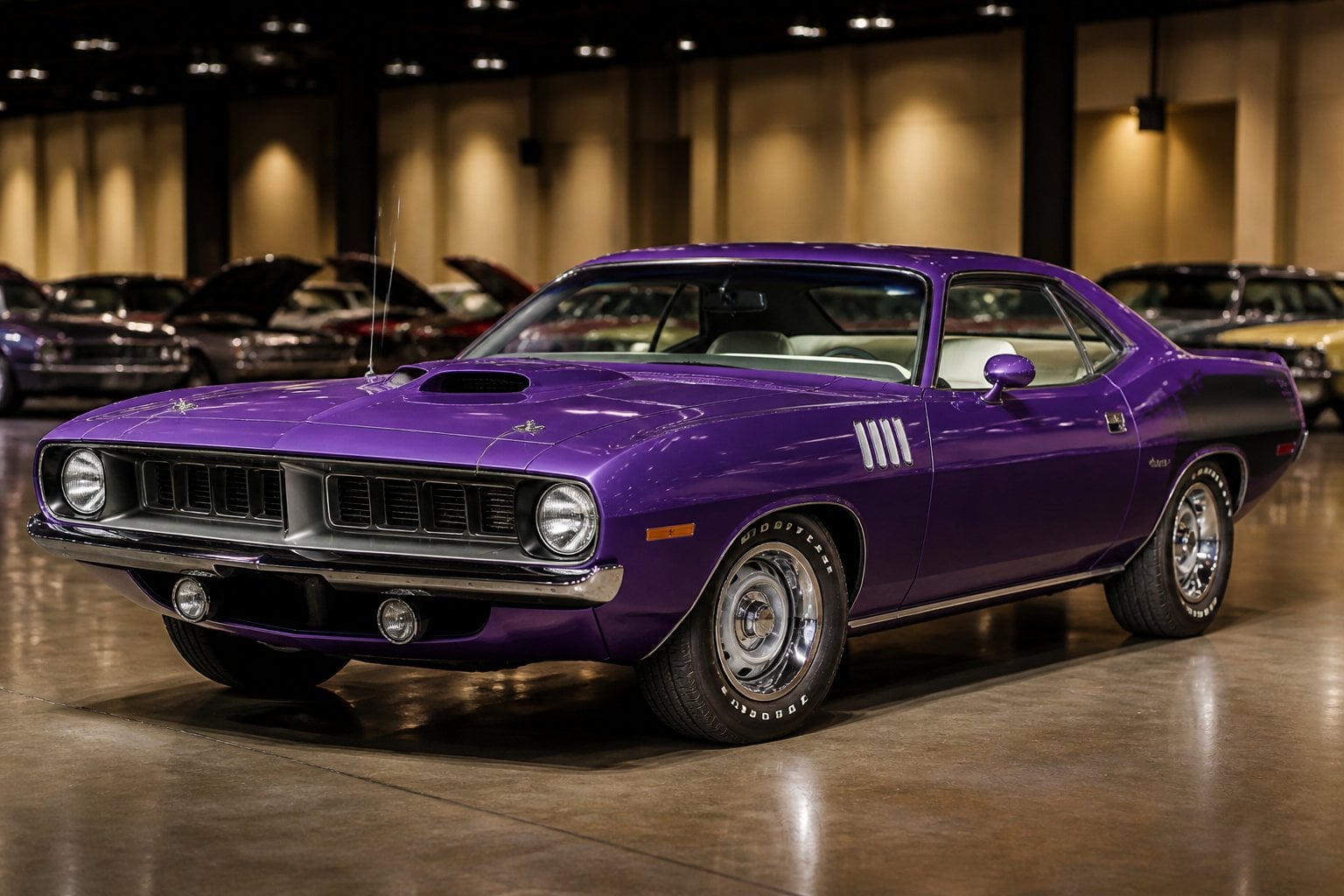
You’re looking at one of the most valuable Mopars ever brought to market. In 2026, a 1971 Plymouth Hemi Cuda convertible with a four-speed manual transmission sold at Mecum’s Kissimmee auction for $3.3 million.
That figure places it just below the $3.5 million record set by a similar Hemi Cuda convertible in 2014. Only a handful of these four-speed convertibles were built for the 1971 model year, and that scarcity drives the price you see today.
The 426 Street Hemi engine sits at the center of its appeal. Paired with the manual gearbox, it represents the most desirable configuration Plymouth offered on this body style.
You won’t find many surviving examples with numbers-matching drivetrains intact. That authenticity, combined with extreme rarity, keeps this car firmly among the top sales in muscle car auction history.
How Muscle Car Auction Values Are Determined
Several factors work together to set a muscle car’s final sale price, and none of them operate in isolation. Rarity, condition, and paperwork all carry weight, but two elements consistently separate six-figure sales from seven-figure records.
Provenance, Documentation, And Ownership History
A muscle car’s history can add or subtract hundreds of thousands of dollars from its value. You’ll find that cars with a documented chain of ownership, especially those tied to a single family or collector, command stronger bids than cars with gaps in their records.
Original window stickers, build sheets, and factory invoices confirm a car’s specifications at the time of manufacture. This matters because many muscle cars were modified or re-optioned over the decades.
Race history or celebrity ownership adds another layer of value. A car verified as a factory drag racer or one used in a film production, like the Shelby Mustang from “Gone in 60 Seconds,” carries a premium that generic examples of the same model can’t match.
You should also expect bidders to scrutinize:
- Title history and any lien records
- Photo documentation from past decades
- Magazine features or period advertisements
- Verification from marque-specific registries
Originality, Restoration Quality, And Matching Numbers
Matching numbers, meaning the engine, transmission, and rear axle all correspond to the car’s original build sheet, remain one of the strongest price drivers you’ll encounter. A numbers-matching example typically sells for significantly more than a comparable car with replacement components.
Restoration quality matters just as much as originality. You’ll see judged concours-level restorations, verified against factory specifications, achieve higher bids than cars restored with incorrect parts or aftermarket substitutions.
Unrestored, original-paint survivors occupy their own category. Collectors increasingly pay premiums for cars that retain factory finishes and untouched interiors, even with visible wear.
Market Trends In Collectible American Performance Cars
Values for high-performance American cars have climbed steadily since the early 1990s, driven by scarcity, documented history, and generational nostalgia. Your understanding of these forces helps explain why certain models command seven-figure prices while similar-looking cars sell for a fraction of that amount.
The Role Of Limited Production And Racing Heritage
Low production numbers directly affect what you’ll pay for a given model. A car built in the hundreds, rather than thousands, carries a scarcity premium that grows over time.
Racing heritage adds another layer of value. Cars with documented competition history, factory-backed racing programs, or connections to famous drivers typically outperform standard production models at auction.
Engine specifications matter too. Hemi-powered Mopars, for example, consistently rank among the highest sellers because of their combination of rarity and performance pedigree.
Key factors buyers weigh include:
- Original engine and drivetrain matching factory records
- Numbers-matching components verified through documentation
- Special factory options rarely ordered by original buyers
- Competition history tied to sanctioned racing events
Auction Houses, Private Sales, And Buyer Demand
Major auction houses like Mecum and Barrett-Jackson set benchmark prices that influence the broader market. Their televised events and detailed cataloging give you access to provenance information that private sales often lack.
Private transactions still account for many high-value sales, particularly when sellers and buyers prefer discretion. These deals rarely become public, making auction results your most reliable gauge of market trends.
Demand patterns have shifted in recent years. Buyers increasingly favor originality over modification, and unrestored “survivor” cars now command prices that rival fully restored examples.
You’ll also notice that provenance—verified ownership history and documentation—has become as important as the car itself in determining final sale price.