The 30 Worst Cadillac Models Ever Made: A Definitive Ranking
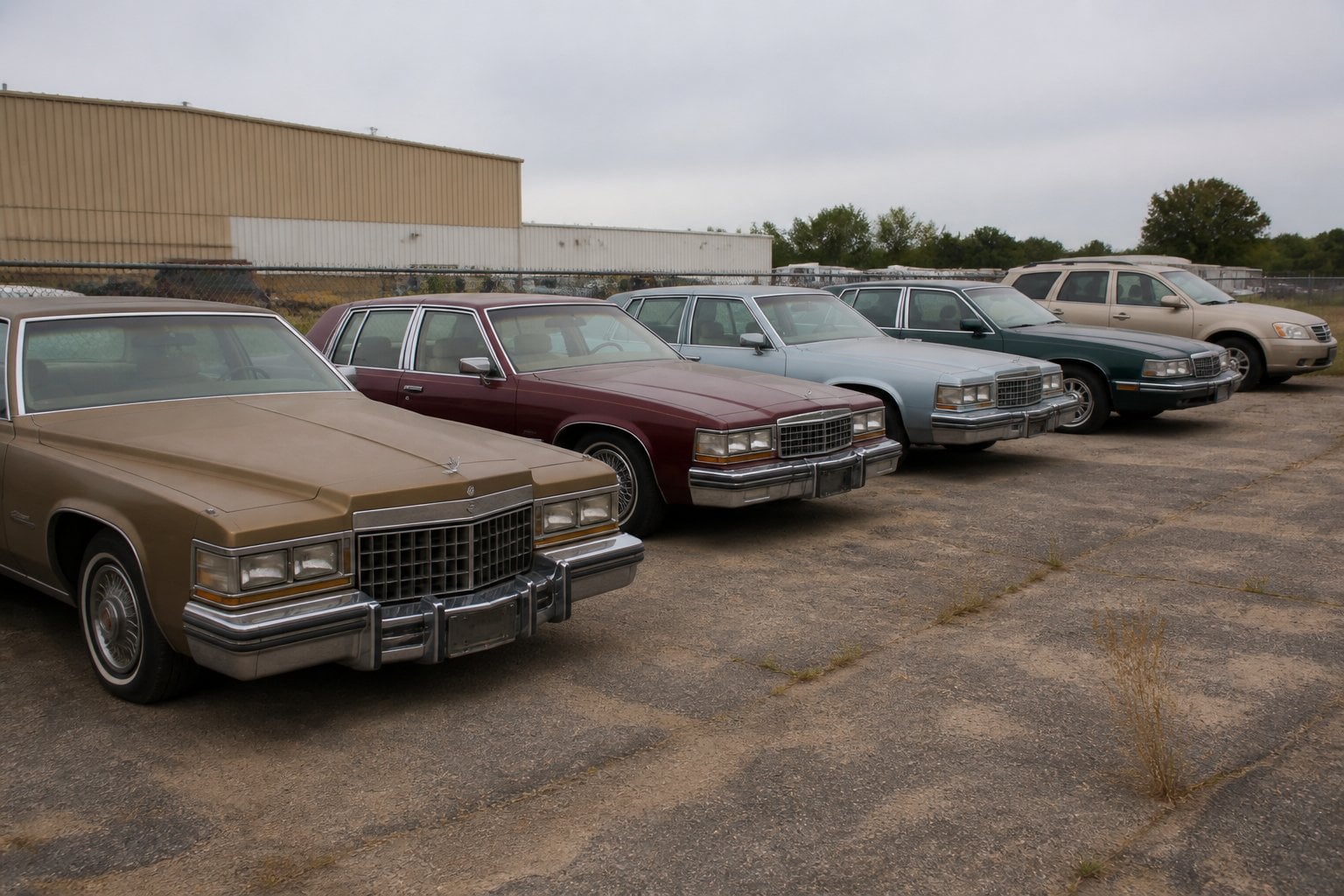
Cadillac has built cars for over a century, and not every model has lived up to the brand’s reputation for luxury and engineering. Some vehicles suffered from poor design choices, unreliable components, or a mismatch between price and quality.
If you’re researching Cadillac’s history, you’ll find that certain models stand out for their persistent mechanical problems, disappointing sales figures, or negative reception from critics and owners alike.
This list examines those vehicles and the factors that led to their poor reputations.
1. Cadillac Cimarron (1982–1988)
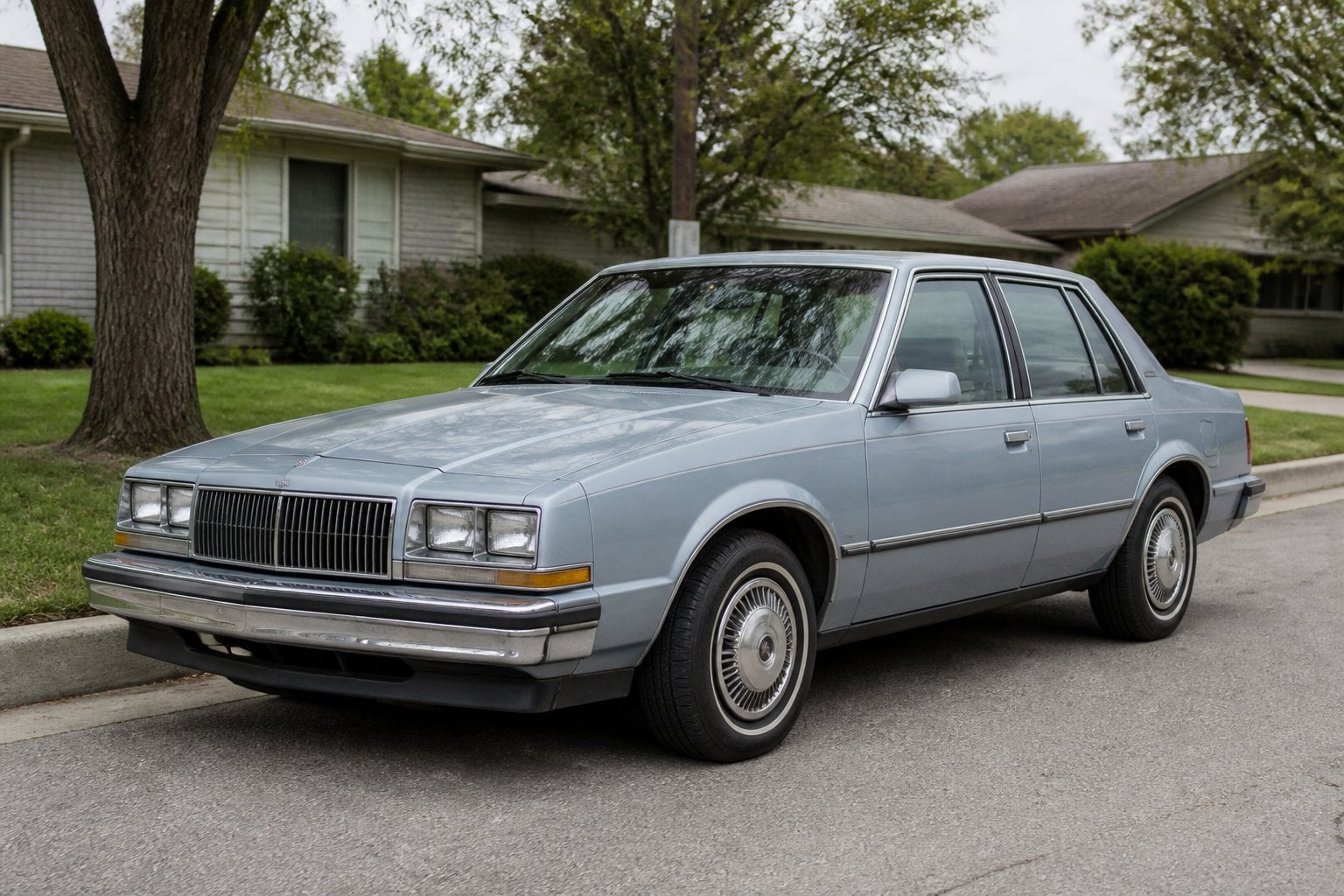
You can’t discuss Cadillac’s worst moments without starting here. The Cimarron was little more than a Chevrolet Cavalier with leather seats and a Cadillac badge, and buyers noticed immediately.
You paid a premium price for what was essentially an economy car underneath. The four-cylinder engine, compact platform, and basic interior didn’t match what you expected from the brand.
Sales figures tell the story. In 1982, you’d have seen nearly 26,000 units sold; by 1988, that number dropped to just 6,454.
You watched Cadillac’s reputation take a real hit among import-focused buyers who saw through the badge engineering. Critics and consumers alike recognized it as a rebadged Cavalier, and that perception never went away.
The Cimarron remains a textbook example of what happens when you cut corners on brand identity.
2. Cadillac Allanté (1987–1993)
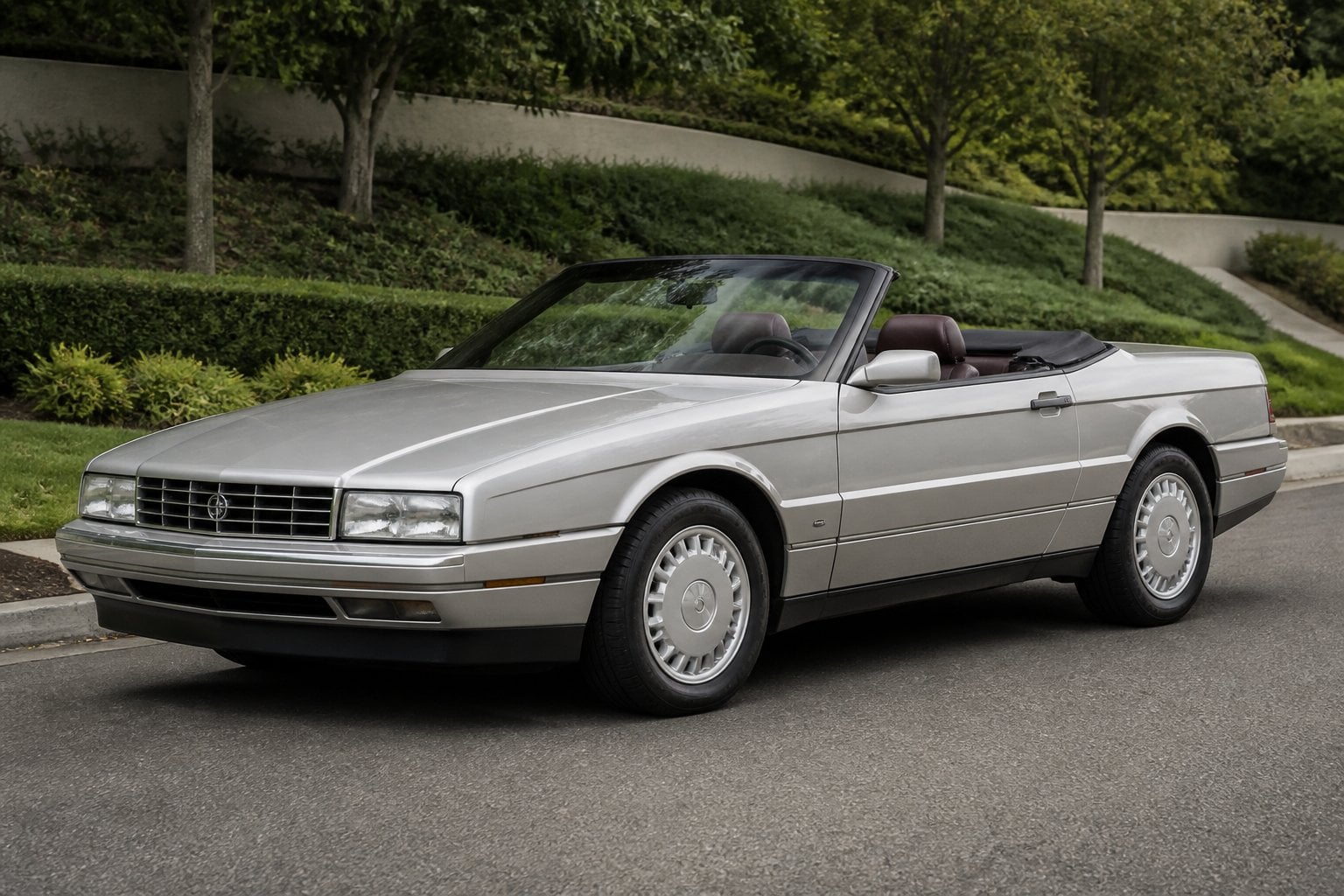
You expect a Cadillac roadster with an Italian pedigree to feel special. Instead, you get a car defined by a strange production process and inconsistent execution.
Pininfarina built the bodies in Italy, then flew them to Detroit for final assembly. That approach drove up costs and created quality control gaps you can still see in surviving examples today.
Early models left you underpowered, with a V8 that struggled to match the car’s price tag or ambitions. You paid luxury money for performance that didn’t measure up to European rivals it was meant to compete with.
The Northstar V8 arrived in 1993, finally giving you adequate power. By then, though, the damage to the model’s reputation was done, and Cadillac ended production that same year.
3. Cadillac Catera (1997–2001)
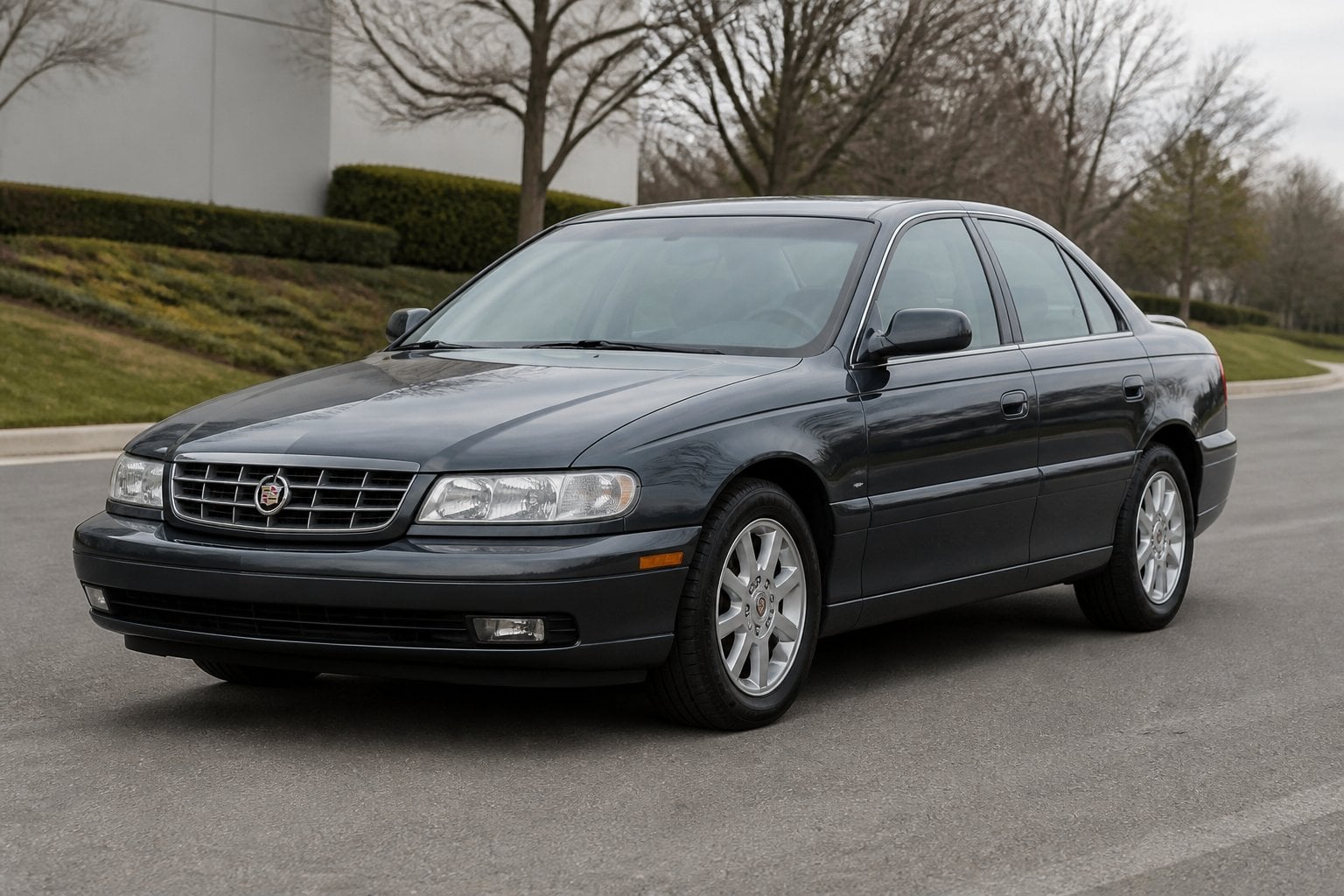
You know Cadillac as a brand built on American design, but the Catera broke that pattern. It was rebadged from the Opel Omega, a German sedan, and marketed with the awkward slogan “The Caddy that zigs.” The tagline didn’t fix the fundamental problem: it looked and felt more like an upscale Camry than a Cadillac.
You’ll find reliability issues throughout its production run. Timing belt tensioner pulleys were prone to failure, which could lead to bent valves and costly engine repairs. Electrical problems and cooling system faults were also common complaints among owners.
If you’re comparing model years, 1998 tends to show up as the weakest, while 2001 fared somewhat better. Even so, the Catera never shook its reputation for mediocrity. GM eventually scrapped the approach entirely, replacing it with the CTS.
4. Cadillac ELR (2014–2016)
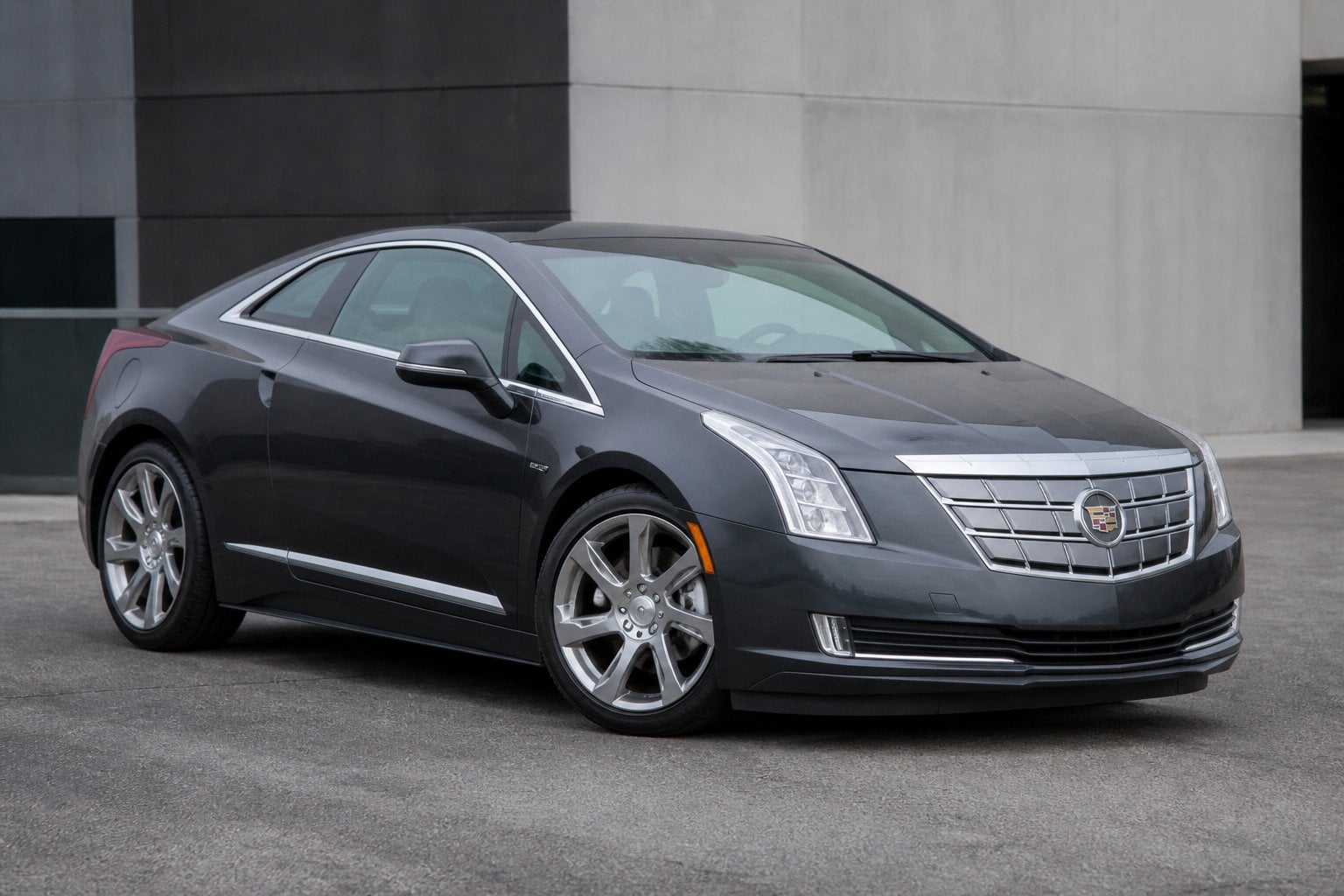
If you’re looking at an ELR, you should know it was a plug-in hybrid coupe built on the Chevrolet Volt platform, but priced closer to $75,000. That gap between components and cost was the car’s biggest problem.
You got a stylish design and a smooth electric drivetrain, but not much else to justify the price. The infotainment system felt clunky, visibility was limited, and features like automatic wipers and a heads-up display were missing.
Sales numbers confirm the mismatch: buyers compared it to the 2014 Tesla Model S and found the ELR lacking in speed and practicality. NHTSA complaint data shows issues with electrical systems and wheels/hubs across the 2014-2016 models.
You’re not dealing with a car full of mechanical failures. You’re dealing with one that never justified its price tag to begin with.
5. Cadillac XLR (2004–2009)
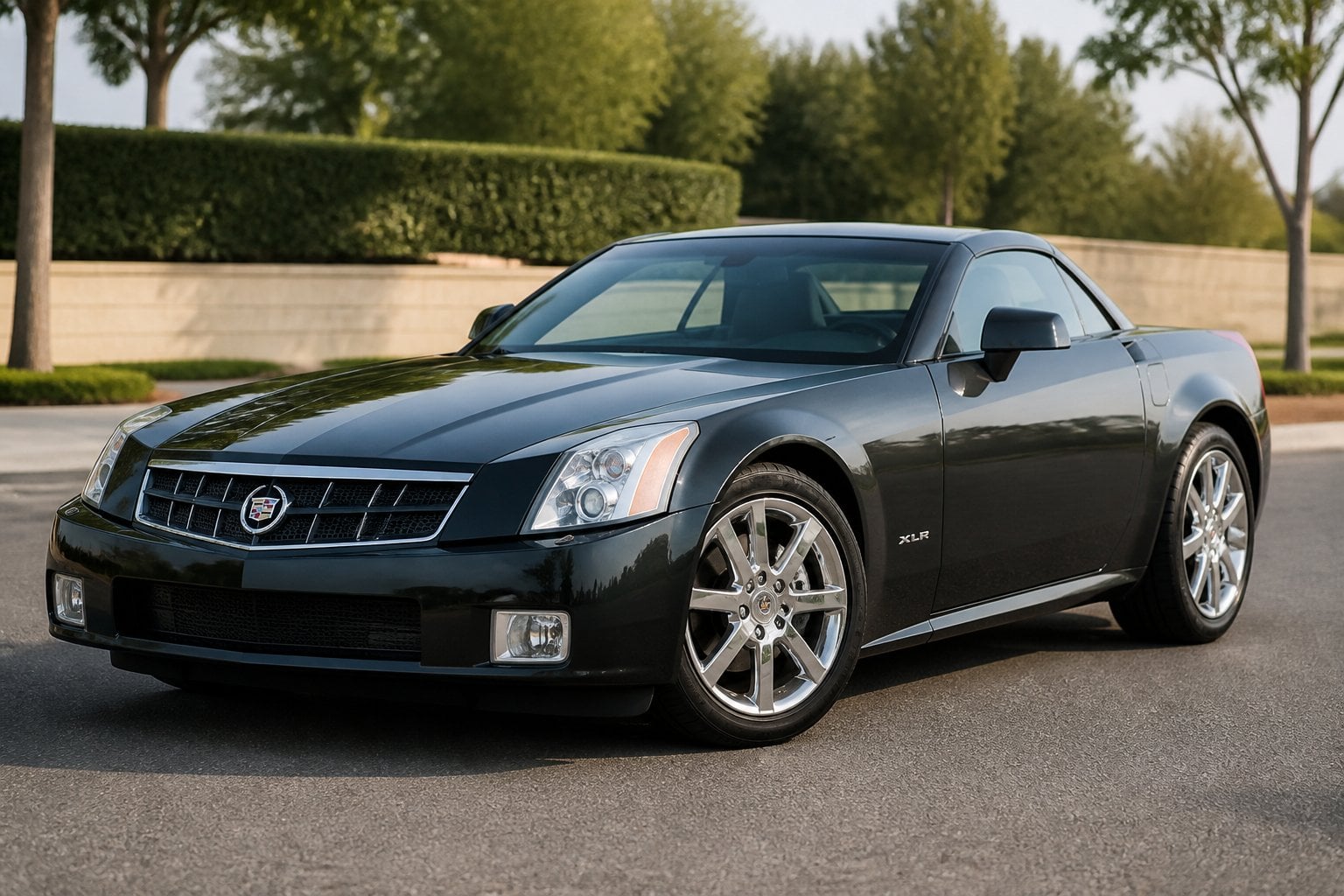
You get a luxury roadster that borrowed its chassis from the Corvette but wrapped it in a retractable hardtop and a much higher price tag. The problem is that the early years, especially 2004 and 2005, carry the bulk of the complaints.
You’ll find the retractable roof mechanism is a common failure point, along with electrical faults and body structure issues. NHTSA data backs this up, with structure and electrical system problems topping the list across the model’s production run.
If you’re shopping used, 2007 through 2009 models tend to have fewer reported issues than the first two model years. Parts scarcity is another concern you’ll run into, since the XLR never sold in large numbers and shares few components with more common Cadillac models.
6. Cadillac Fleetwood V8-6-4 (1981)
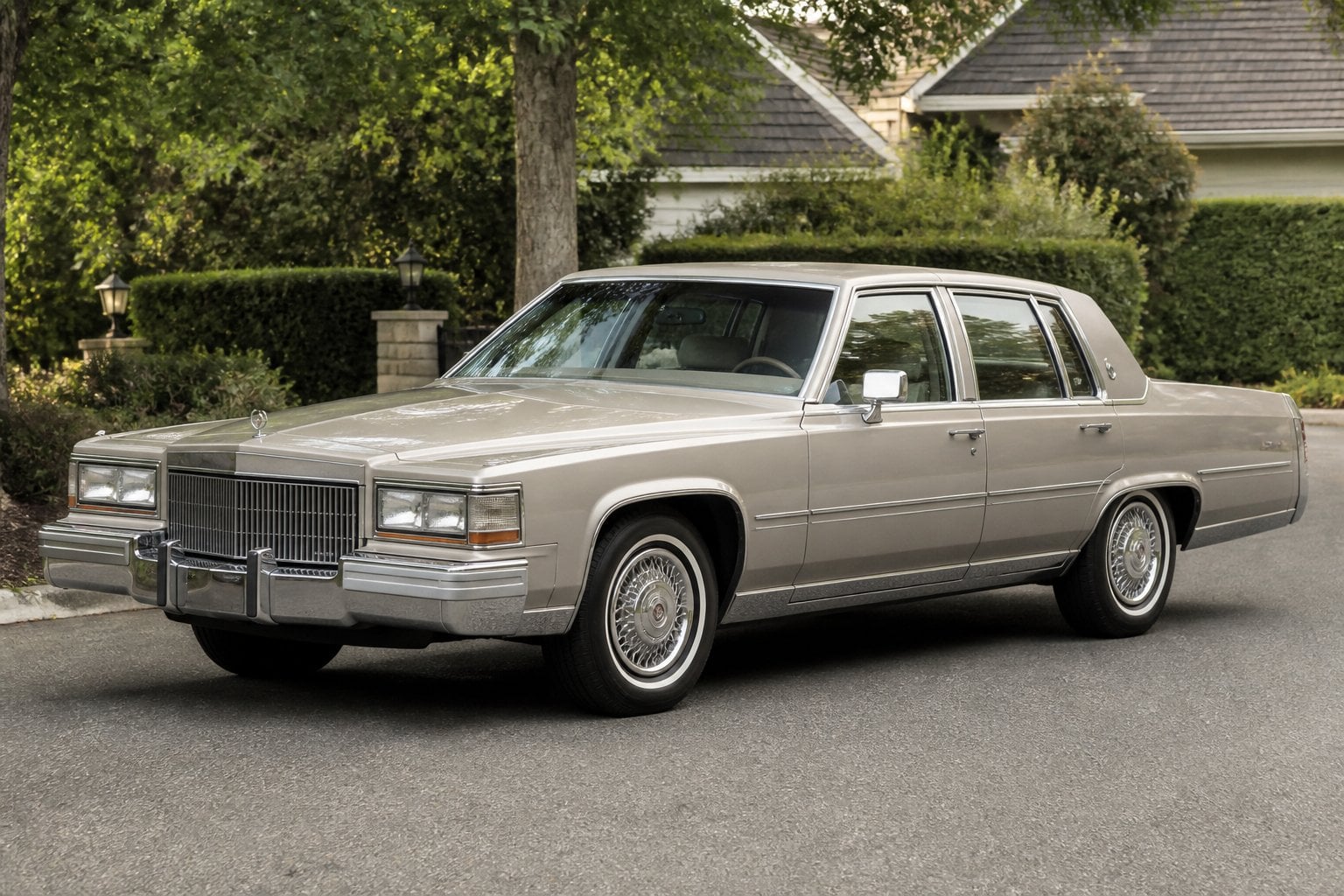
If you owned a 1981 Fleetwood, you got the L62 V8-6-4, Cadillac’s first attempt at cylinder deactivation. The engine used electronic controls to shut down cylinders during light-load driving, switching between eight, six, and four cylinders to save fuel.
You’d notice the problems quickly. The switching happened often and abruptly, and it produced hesitation, jerking, and stalling that undermined the smooth ride Cadillac was known for.
The computer controlling the system struggled to keep up with real-world driving conditions. Many owners had dealers disconnect the system entirely, leaving the engine to run as a standard V8.
Reliability issues compounded the driveability complaints, and you were often left with expensive repairs and a car that didn’t perform as advertised. Cadillac dropped the system after just one model year, making this engine one of the most notorious mechanical failures in the brand’s history.
7. Cadillac Seville Diesel (1979–1985)
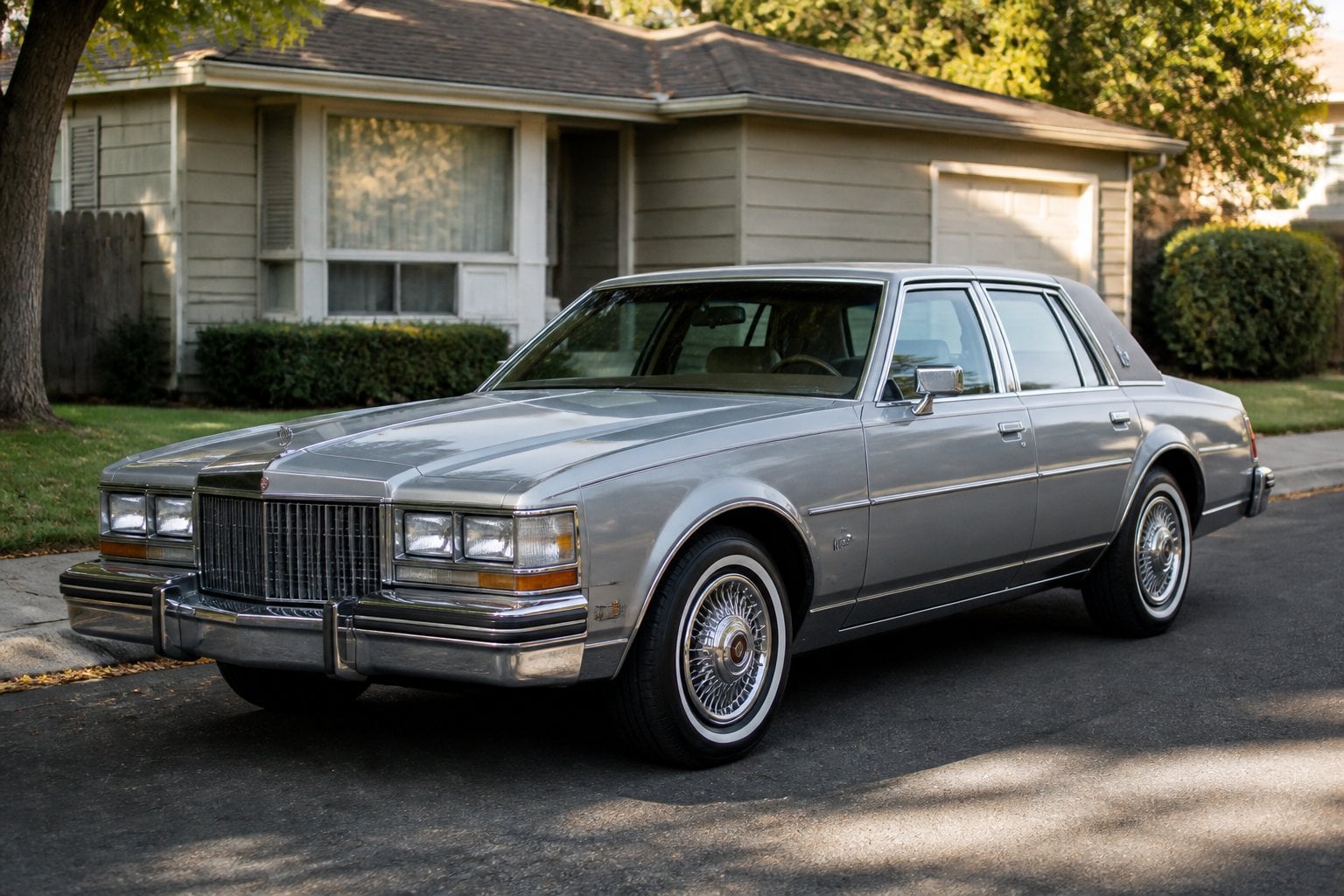
If you bought a diesel Seville expecting Cadillac’s usual smoothness, you were likely disappointed. The 5.7-liter diesel V8 was adapted from a gasoline engine rather than built from the ground up, and that decision led to widespread mechanical failures.
You’d notice weak acceleration right away, with 0-60 times stretching well past 15 seconds. Worse, many owners experienced blown head gaskets, cracked engine blocks, and stretched head bolts within the first few years of ownership.
By 1980, Cadillac made this troubled engine standard equipment on the Seville, so you couldn’t avoid it if you wanted the gas V8 instead. Word of the diesel’s unreliability spread quickly among buyers and dealers alike.
Your resale value suffered too, as the diesel’s reputation dragged down demand for these cars. It remains one of the clearest examples of Cadillac prioritizing fuel economy trends over engineering quality.
8. Cadillac Seville with HT4100 V8 (1982–1985)
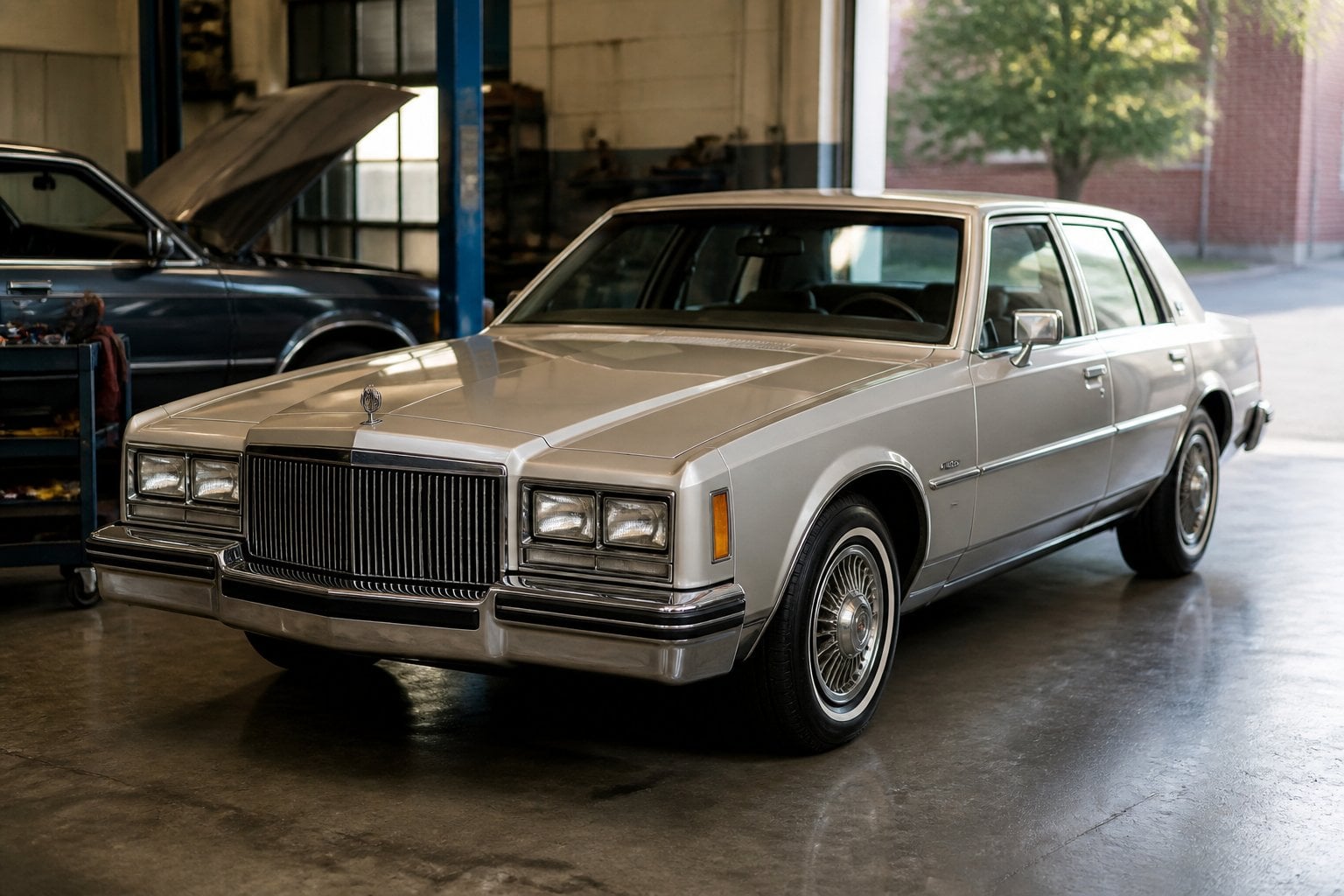
If you buy a Seville from this era, you inherit the HT4100 V8, an engine that undermined an otherwise well-styled car. Cadillac built the block from aluminum but used cast iron heads. That mismatch causes uneven expansion and contraction, which leads to head gasket failures and cracked components over time.
You’ll also find that intake manifold gaskets fail early, allowing coolant to leak into places it shouldn’t. Timing cover leaks are common too, and the engine’s bottom end doesn’t hold up well under stress.
Early electronic fuel injection systems add another layer of risk. They were unreliable by the standards of the time, and troubleshooting them today requires specialized knowledge.
If you’re considering one of these Sevilles, budget for major engine work. You’re looking at a car that demands mechanical expertise and financial patience, regardless of how attractive the bustle-back design looks in photos.
9. Cadillac DeVille with Northstar V8 (1993–2004)
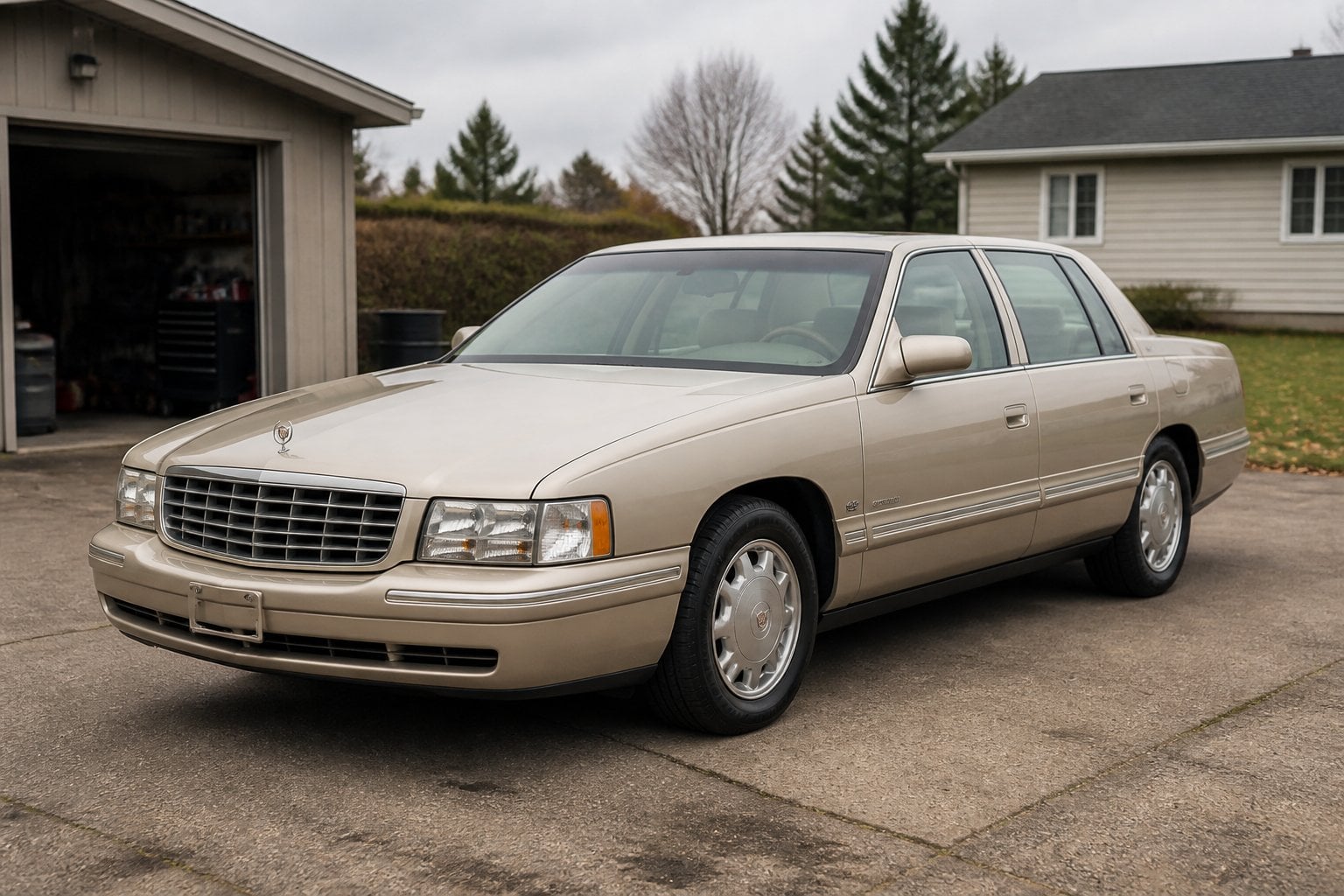
You get a lot of luxury with the DeVille, but the Northstar V8 brings problems you can’t ignore. Head gasket failures are the most common issue, and they often appear once the engine passes 100,000 miles. Repairs can cost you between $2,000 and $5,000, which quickly outweighs what you paid for the car.
The engine’s aluminum block also has a tendency to crack under stress, and once that happens, you’re looking at a full replacement. Oil consumption problems and rear main seal leaks add to your maintenance list, too.
You’ll find that 1993 through 2002 models carry the highest risk, since GM hadn’t yet addressed the design flaws in the head bolt threads. Later years show some improvement, but you still face expensive repairs if something goes wrong.
10. Cadillac Eldorado with Northstar V8 (1993–2002)
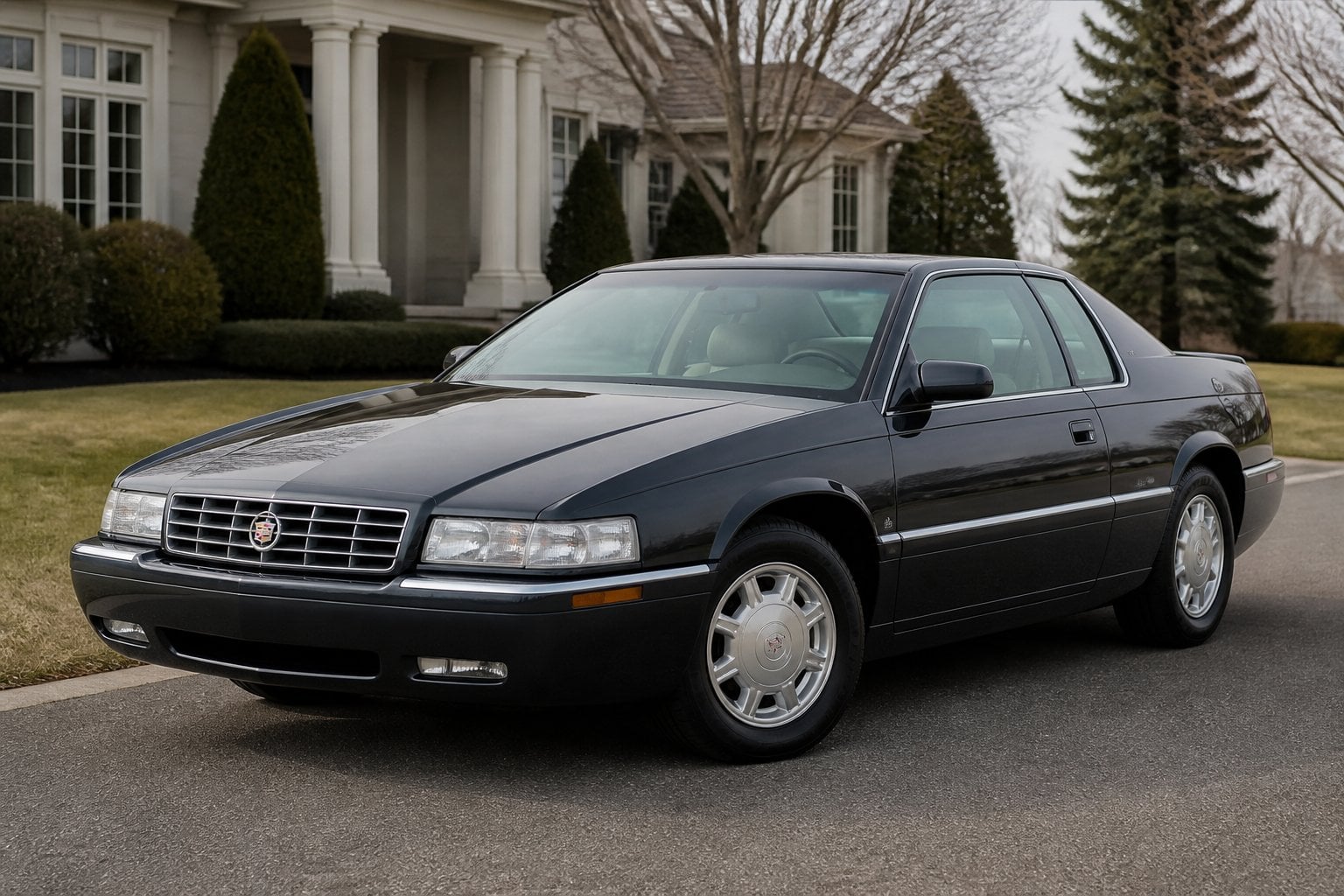
You get a lot of engineering ambition with this generation of Eldorado, but that ambition came with a price. The Northstar V8 was GM’s attempt to compete with European luxury engines, and on paper it looked impressive. In practice, you’re dealing with head bolt threads that strip out of the aluminum block, leading to head gasket failures.
Once coolant mixes with oil, you’re looking at repair bills that often exceed the car’s resale value. The anti-theft system on early models adds another headache, sometimes preventing the car from starting at all.
You’ll also find electrical gremlins throughout this generation, from sensor failures to dashboard warning lights that mean little. If you’re considering one today, budget for engine work before you even negotiate the purchase price.
11. Cadillac Seville STS (1992–2004)
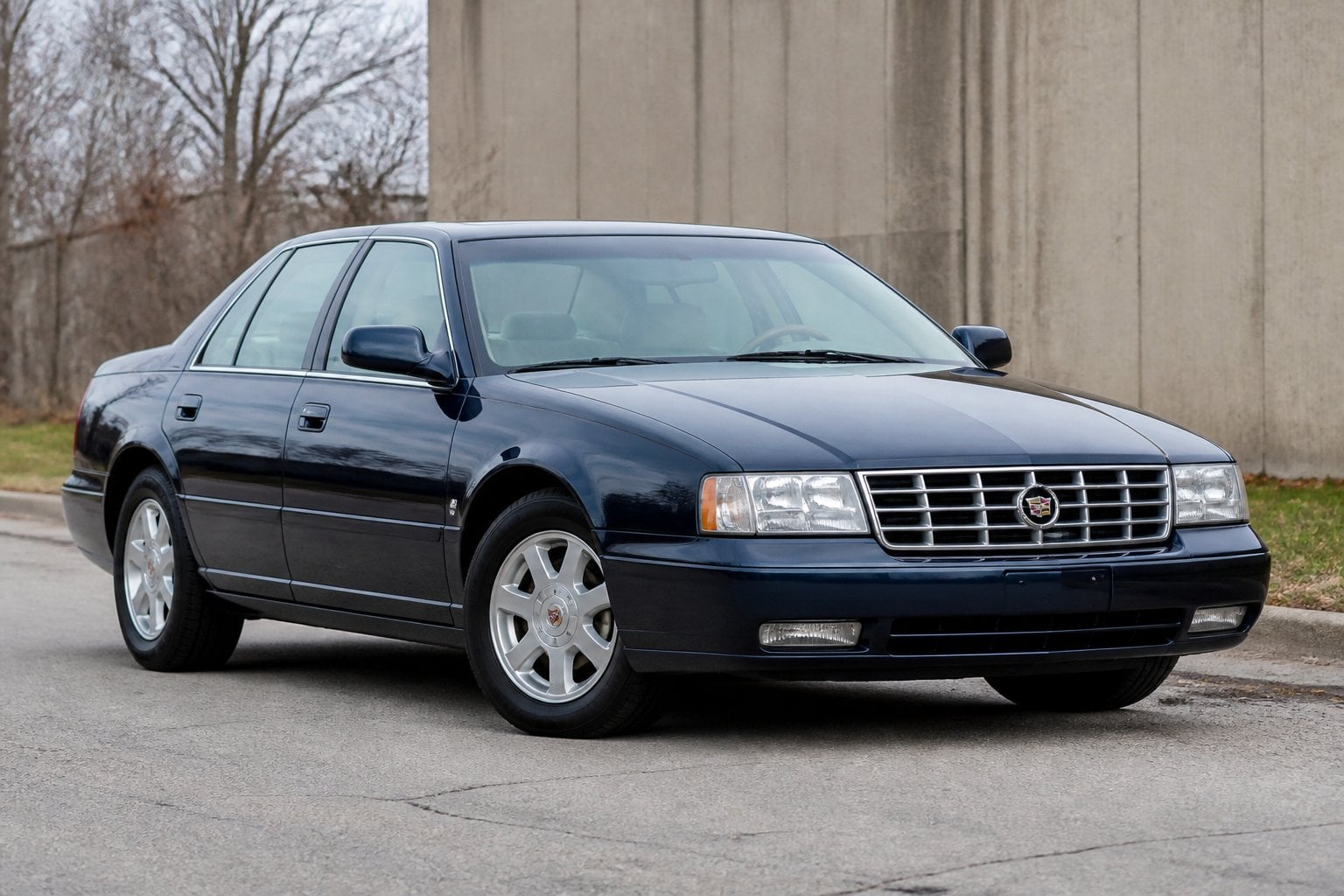
You get a sportier take on the Seville, but reliability doesn’t match the styling. The Northstar V8 that powers these models is prone to head gasket failure, and repairs often cost thousands of dollars.
Owners have also reported issues with the suspension system, particularly on models equipped with Road Sensing Suspension. When it fails, you’re looking at a stiff, uncomfortable ride and a repair bill that adds up quickly.
Electrical problems show up across multiple model years too. You may encounter faulty gauges, malfunctioning power accessories, or issues with the climate control system.
Transmission trouble is another recurring complaint, especially in higher-mileage examples. If you’re considering an older Seville STS, expect to budget for maintenance beyond typical wear items.
The 1998-2004 generation improved somewhat, but early 1990s models carry the highest risk. You’ll want a thorough pre-purchase inspection before committing to any year in this range.
12. Cadillac DeVille Concours (1994–1999)
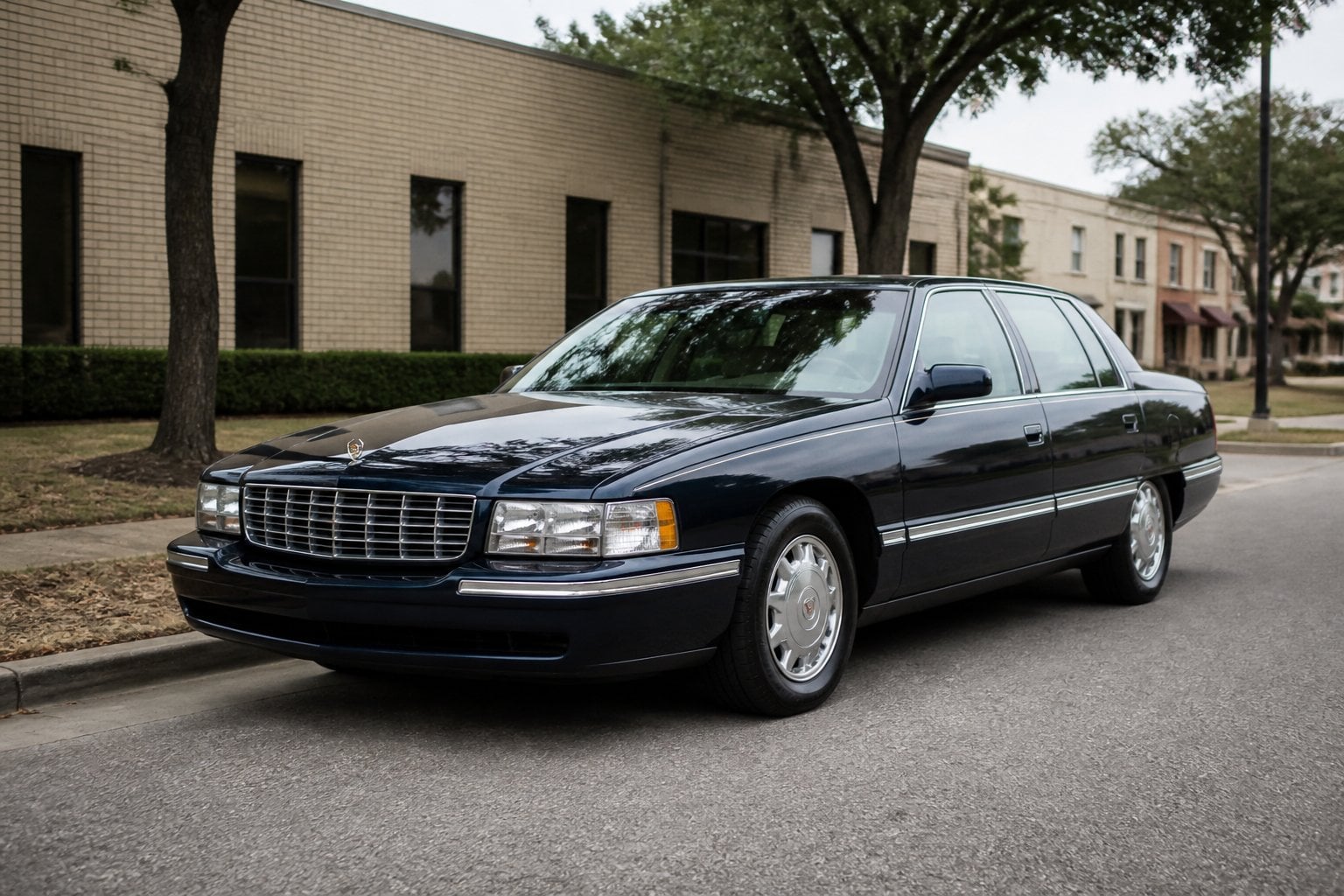
You get Cadillac’s flagship trim of the redesigned DeVille lineup, built to showcase the new Northstar V8. That 4.6-liter, DOHC 32-valve engine was a genuine departure from the old pushrod design, and it gave you real performance credibility. But you also inherit its weaknesses.
Head gasket failures plague these engines, often tied to stripped head bolt threads in the aluminum block. You’ll find that repairs aren’t simple bolt-tightening jobs; they frequently require expensive machine work or a full engine rebuild.
Cooling system problems compound the issue, since overheating accelerates gasket failure. You should also expect electrical gremlins affecting climate controls and dashboard components.
Owners have logged dozens of complaints about this generation, placing it near the bottom of Cadillac’s reliability rankings. If you’re considering one, budget for engine work before you buy.
13. Cadillac Eldorado ETC (1996–2002)
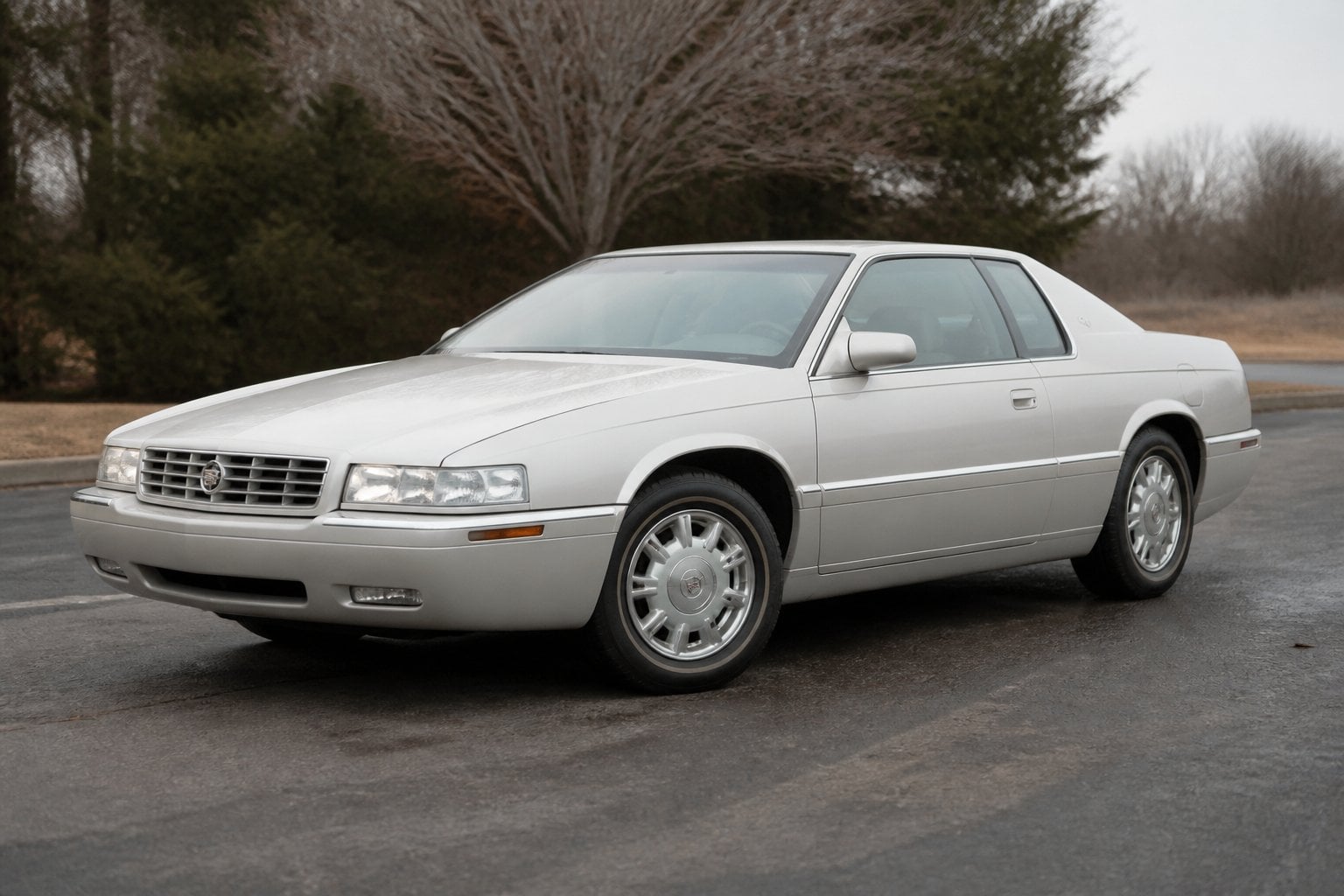
If you’re looking at a late-model Eldorado ETC, you should know 1996 stands out as the year with the most reported problems. NHTSA complaint data shows this model year drew significantly more owner complaints than others in the Eldorado’s production run.
Your main concern will be the Northstar V8 engine. Head gasket failures and cooling system issues show up repeatedly in owner reports, and repairs on this engine tend to be labor-intensive and expensive due to its design.
Electrical gremlins are another factor you’ll want to weigh. Owners have reported issues with power accessories and dashboard warning systems acting unpredictably.
By the time you reach 1997, many of the same problems persist, though slightly less frequently. If you’re set on buying one of these years, you should budget for engine cooling repairs and have a mechanic inspect the Northstar’s condition before you commit.
14. Cadillac CTS first generation (2003–2007)
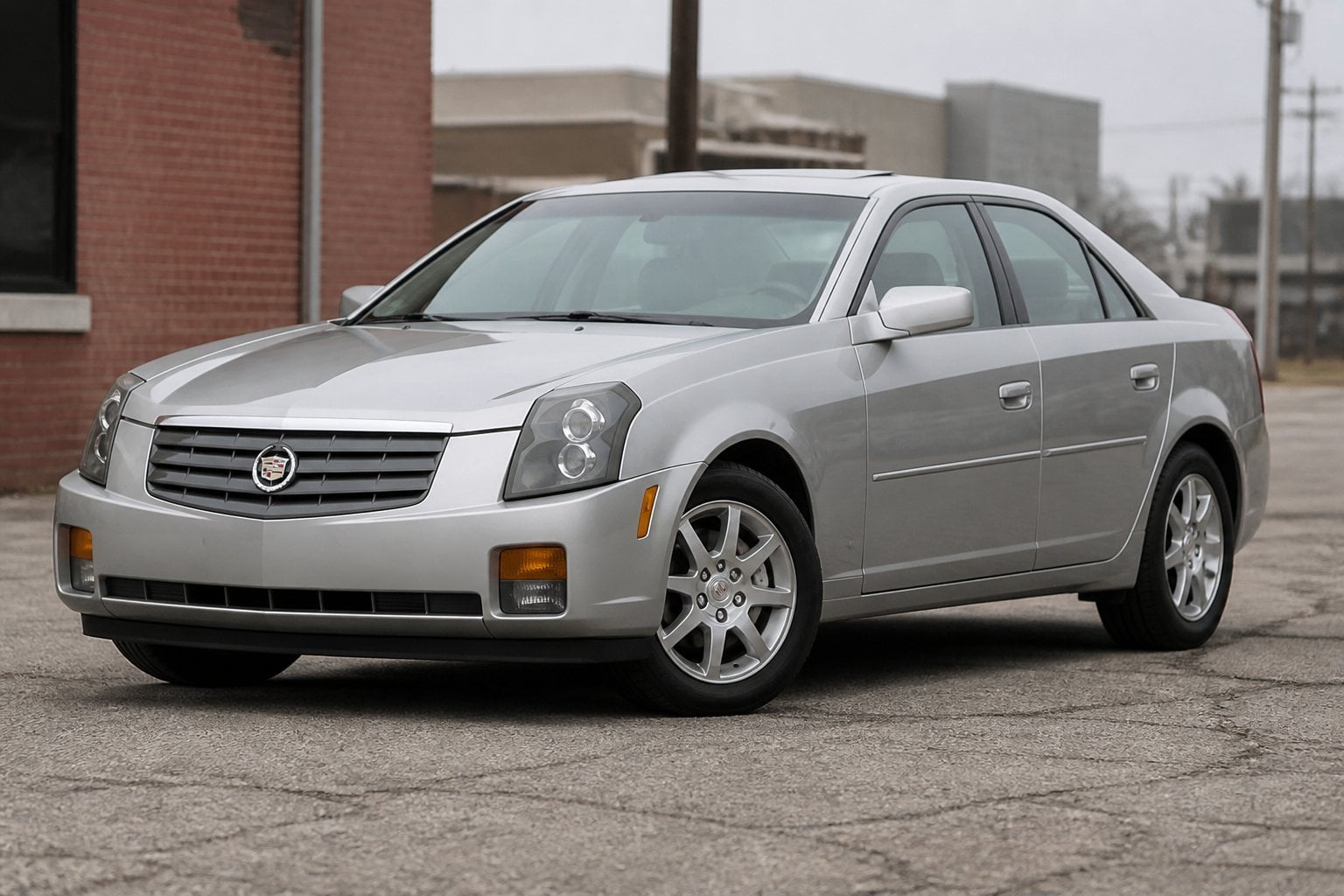
If you’re looking at an early CTS, you’re looking at one of Cadillac’s rockier reliability records. This generation ranks near the bottom of its class, with owners reporting a high volume of engine-related complaints.
You’ll also find recurring issues with the rear differential, which tends to wear out faster than it should. Suspension components are another weak point, often needing replacement earlier than you’d expect on a luxury sedan.
Electrical gremlins show up frequently too. You might encounter problems with sensors, wiring, or dashboard warning lights that don’t correspond to an actual issue.
The 2003 model year is particularly risky, since it carries the typical first-year quality problems that come with an all-new platform. If you’re shopping this generation, you should budget for repairs and get a thorough pre-purchase inspection before committing.
15. Cadillac CTS with 8-speed transmission (2014–2015)
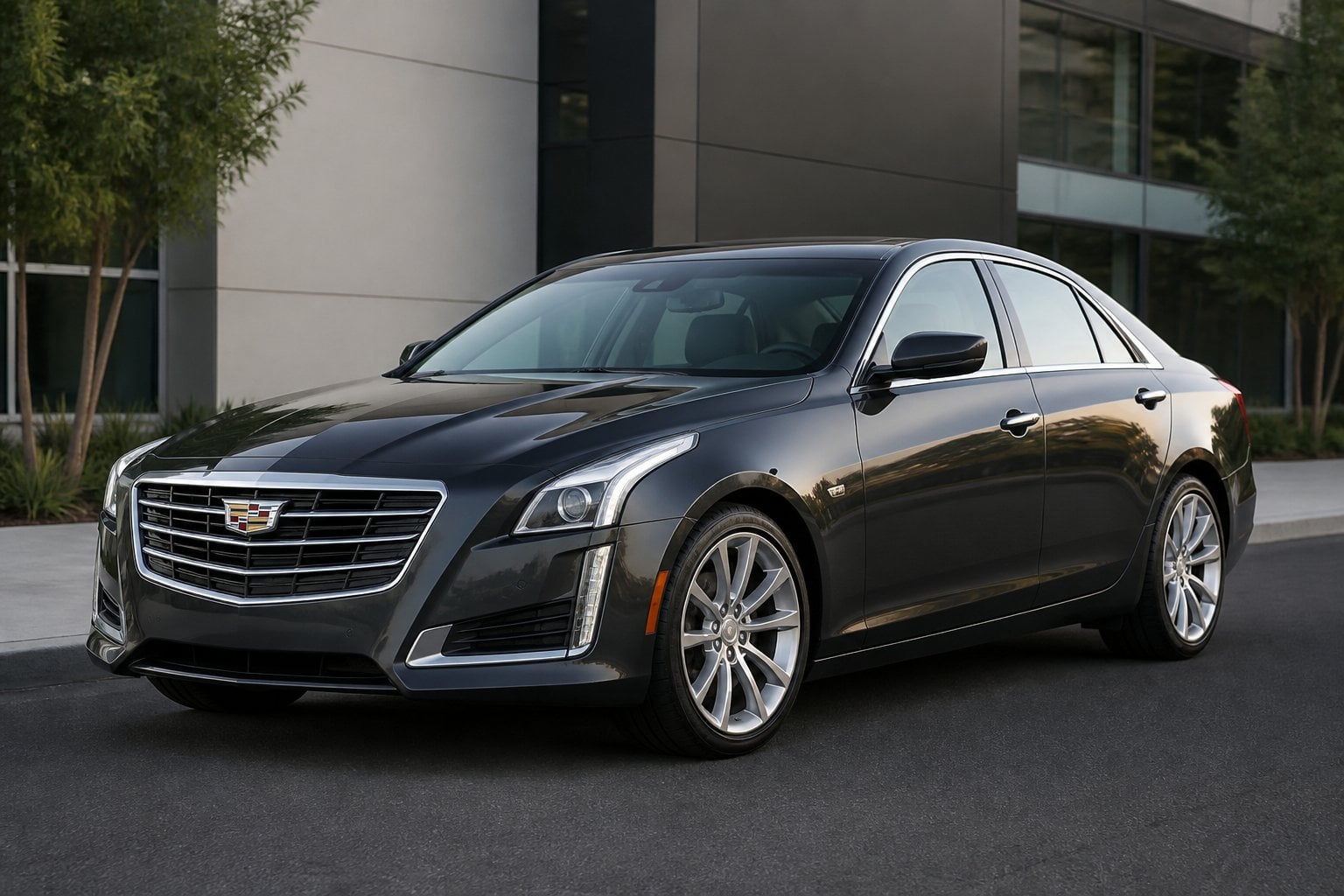
If you’re looking at a 2014 or 2015 Cadillac CTS, pay close attention to which transmission sits behind the engine. Some configurations from these model years came paired with an 8-speed automatic that developed a reputation for shudder during shifts, particularly under light throttle at low speeds.
You’ll find owner reports describing hesitation, jerking, and rough engagement, especially in stop-and-go traffic. These symptoms often point to torque converter clutch issues or software calibration problems rather than outright mechanical failure.
Repairs can involve software updates, torque converter replacement, or in some cases a full transmission rebuild. If you’re shopping for one of these years, ask for service records and confirm whether any transmission-related recalls or technical service bulletins have been addressed before you commit to a purchase.
16. Cadillac ATS early models (2013–2015)
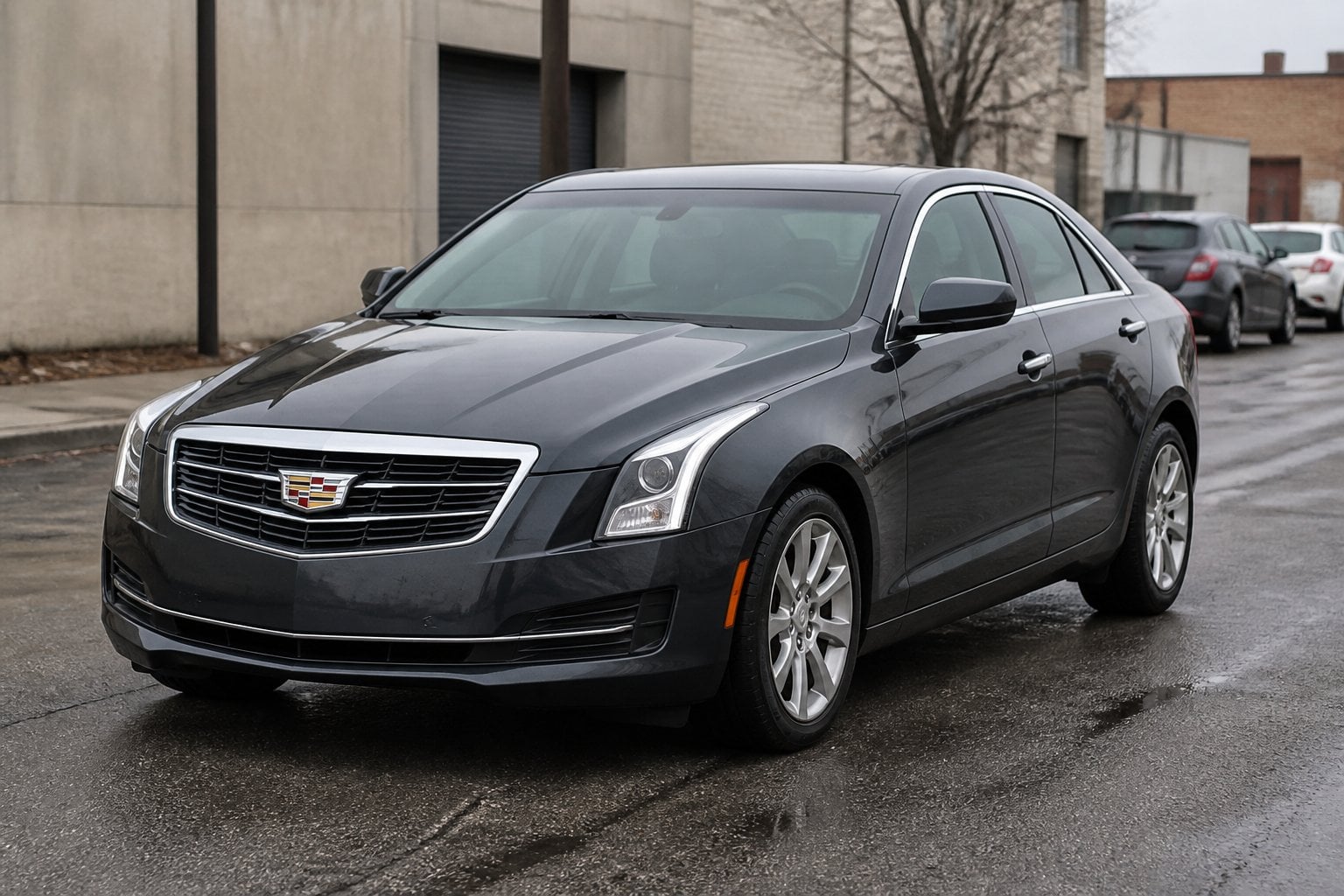
If you’re shopping for an ATS, steer clear of these three model years. They account for the vast majority of owner-reported problems in the model’s history.
You’ll run into transmission shudder and hesitation, especially on models paired with the automatic transmission. Turbocharger failures are common on the 2.0-liter engine, leading to expensive repairs and reduced performance.
Electrical gremlins are another concern. The CUE infotainment system frequently freezes or lags, and you may notice power steering failures cropping up as well.
Recalls add to the list of issues. GM recalled over 68,000 units for transmission problems and roughly 91,000 for shift cable detachment, a defect that could let you shift into a gear other than the one displayed.
Annual repair costs on these years average around $741, noticeably higher than later ATS models. If reliability matters to you, look toward 2017 or newer instead.
17. Cadillac ATS with 2.0-liter turbocharged engine (2013–2016)
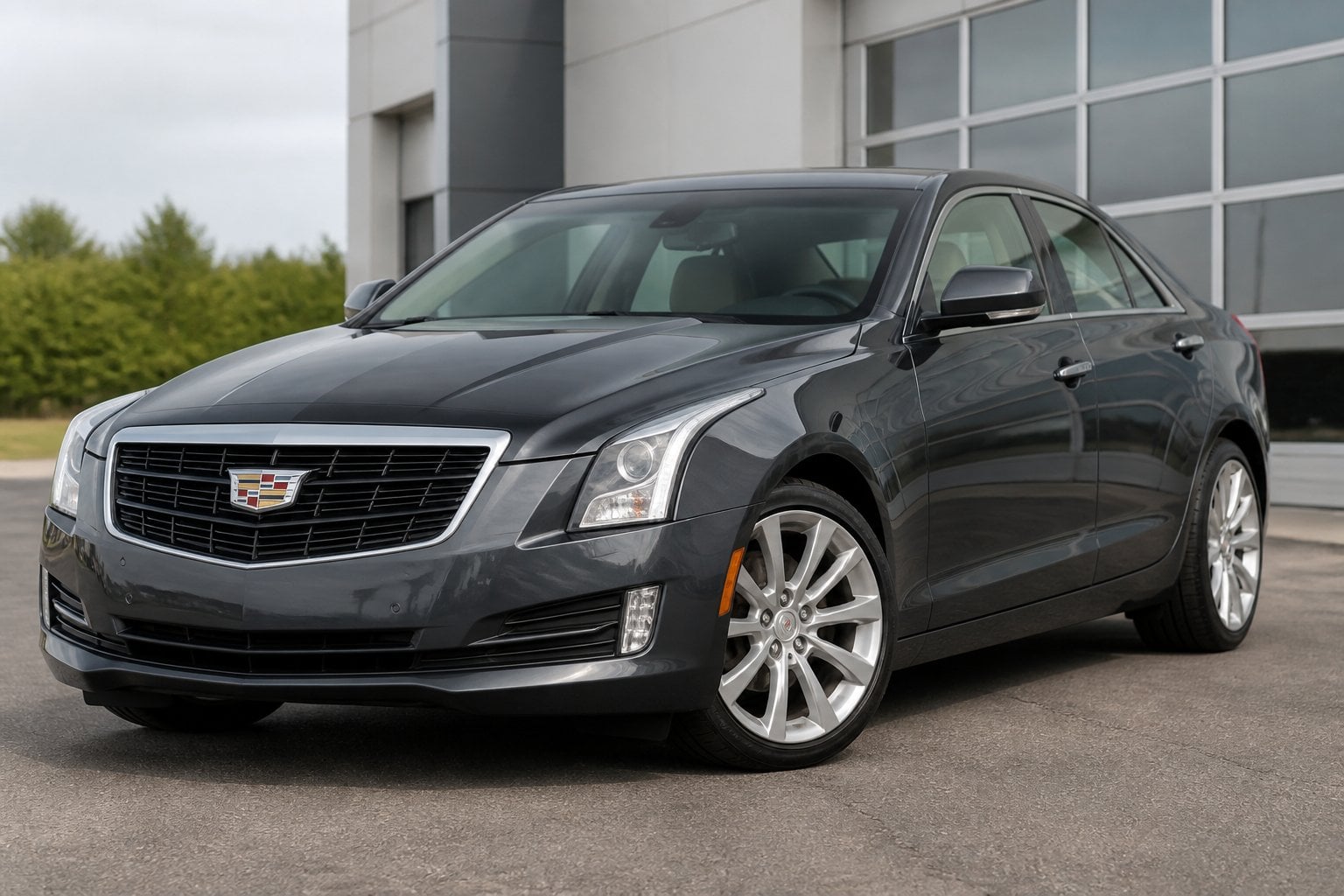
If you’re looking at an early ATS with the 2.0-liter turbo four-cylinder, you should know about the piston cracking issues tied to these model years. Material fatigue under boost conditions can lead to knocking noises, power loss, and eventually engine failure.
You’ll also want to watch for turbocharger problems, which owners have reported alongside misfires and coolant leaks. These issues often compound each other, since repeated misfires can damage pistons over time.
The 2013 and 2014 models add another concern: CUE touchscreen delamination. You’ll notice this as a hazy or peeling display, which affects usability but not mechanical performance.
If you stick with strict oil change intervals, you can protect the timing chain on these engines. Skipping maintenance, though, puts you at higher risk for the problems outlined above.
18. Cadillac CT6 early models (2016–2018)
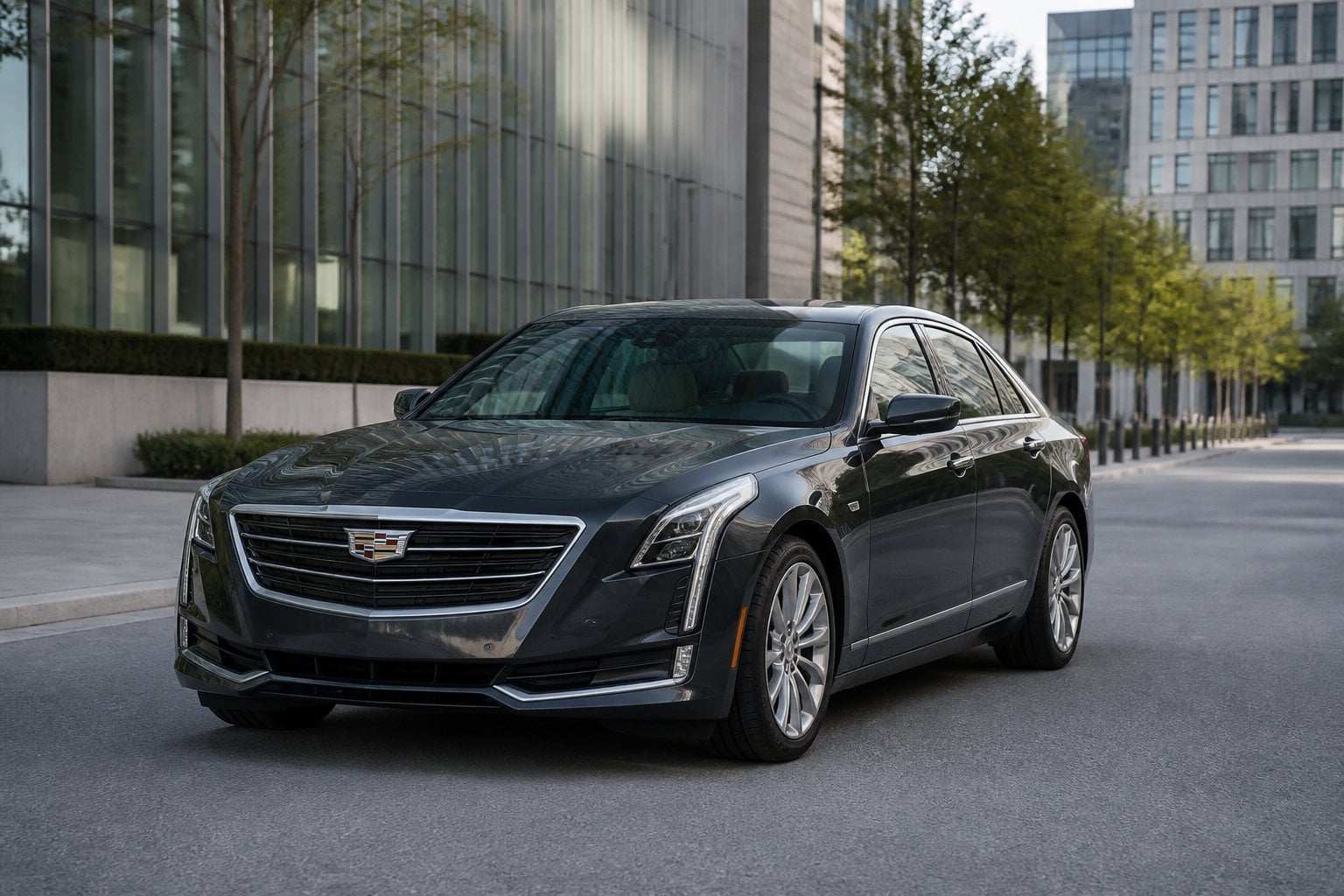
If you’re considering an early CT6, know that the 2016 launch year carries the most baggage. You’ll find electrical glitches were common, along with shudder complaints tied to the 8-speed transmission.
The first-generation CT6 also drew complaints related to the power train and suspension. These aren’t just isolated gripes—NHTSA records show a pattern across multiple owners.
Your best bet, if you want this body style, is to skip 2016 specifically. Many of the early bugs stemmed from Cadillac rushing new technology into production, including the Super Cruise system and an unfamiliar Omega platform.
By 2018, some issues had been addressed, but you’re still buying into a vehicle with a rockier reputation than later model years. If reliability matters more to you than price, the 2019 and 2020 CT6 models offer a more refined experience with fewer reported complaints.
19. Cadillac CT6 Plug-In Hybrid (2017–2018)
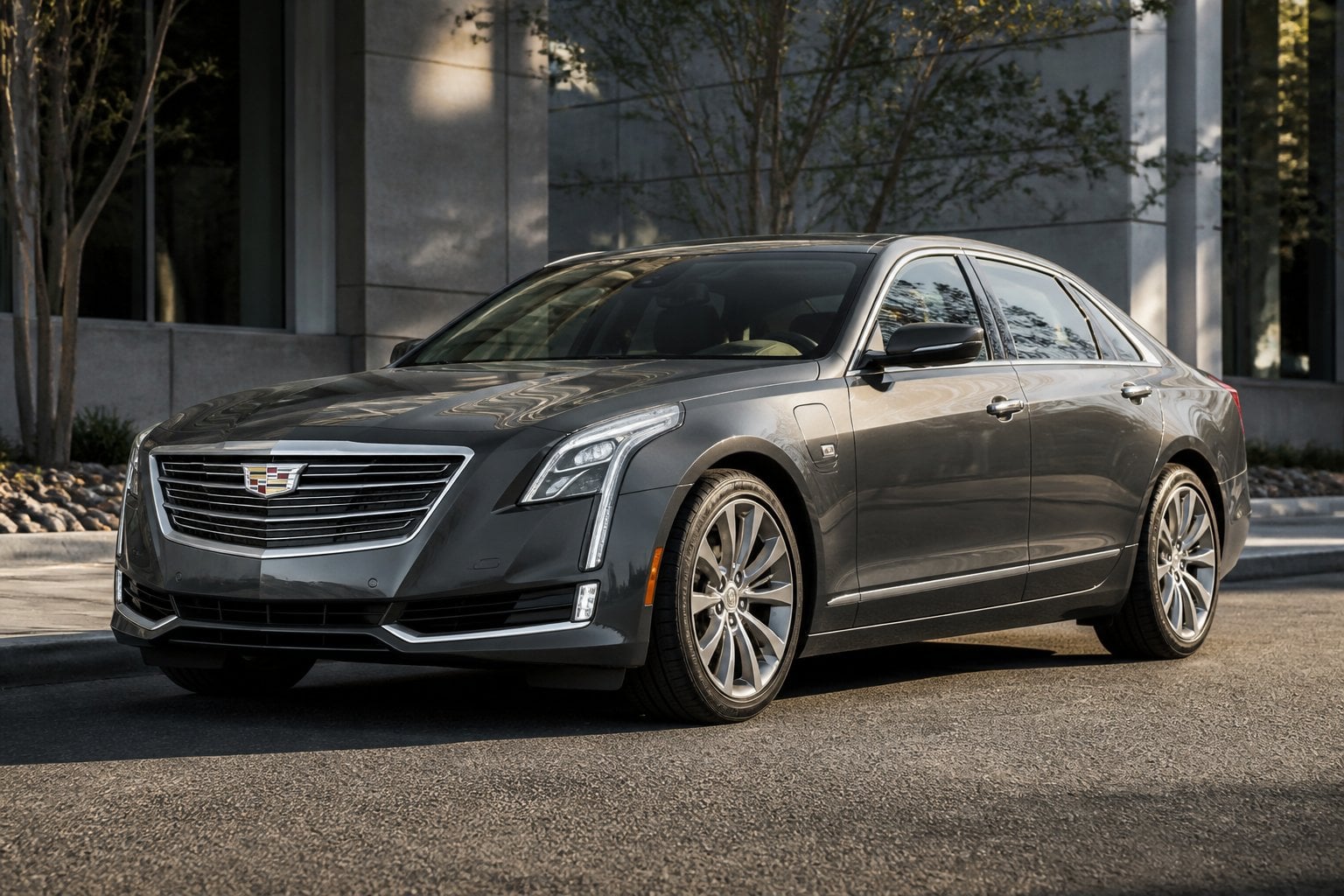
You get a lot of complexity when you choose the CT6 Plug-In Hybrid, and that complexity brings added risk. The battery and electric drive components layer extra points of failure onto a car that already had transmission issues.
You’ll find complaints tied to powertrain performance and infotainment glitches through the CUE system. These aren’t isolated quirks; they show up consistently across owner reports for these two model years.
If you’re shopping used, you need a specialist inspection before buying. Hybrid battery health isn’t something you can assess with a quick test drive, and repair costs climb fast when high-voltage components fail.
You’re also dealing with a low-production vehicle, which means parts and knowledgeable technicians can be harder to find when something goes wrong.
20. Cadillac XTS Early Models (2013–2015)
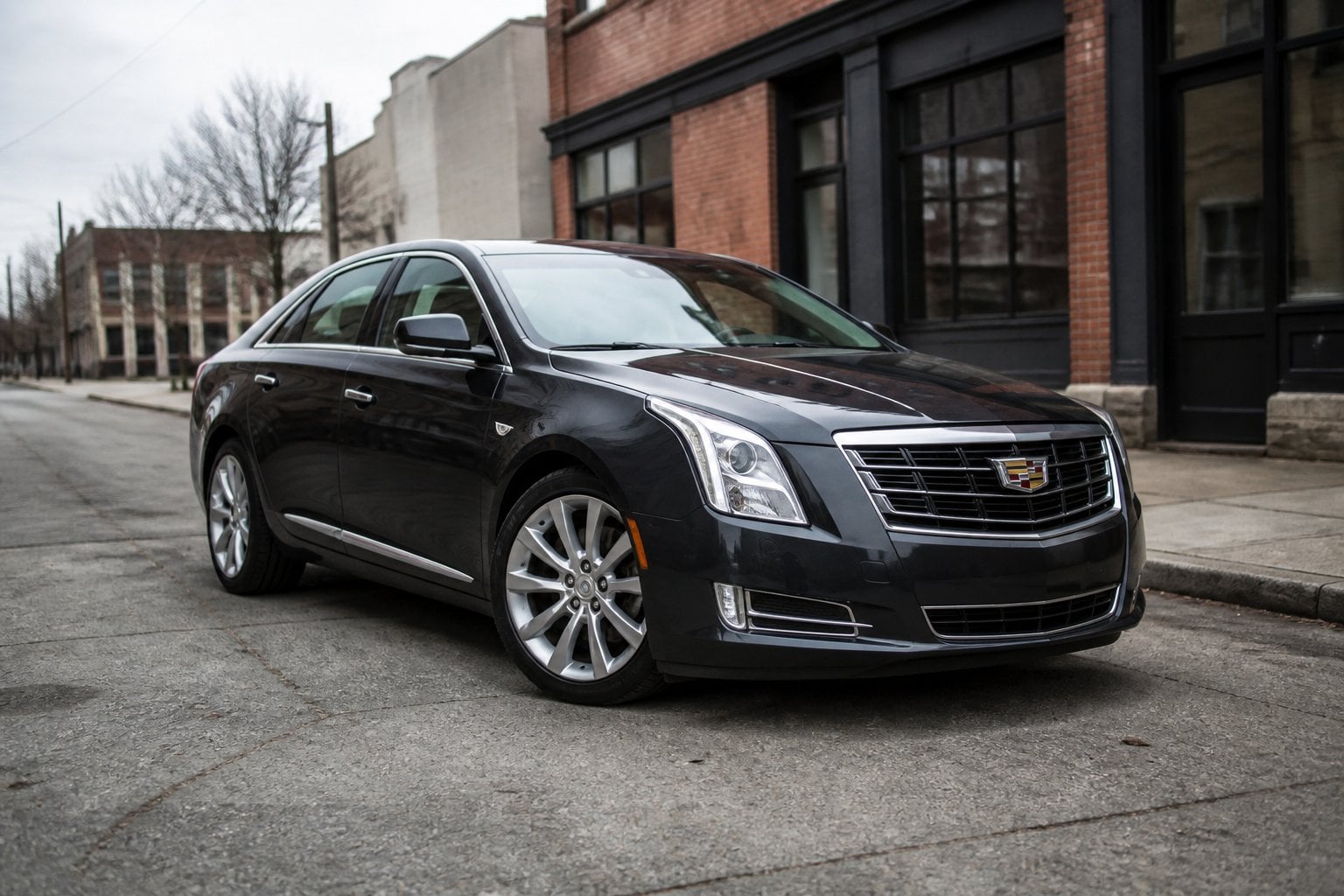
The XTS launched in 2013 as Cadillac’s flagship sedan, replacing the STS and DTS. Early production years brought a wave of complaints, with the 2013 model logging the highest number of reported issues.
You’ll find stability control malfunctions and suspension failures cited most often in 2013 units. The air suspension system caused particular frustration, with owners reporting inconsistent ride height and premature component wear.
The CUE infotainment system added to your list of concerns. Touch-sensitive controls were slow to respond, prone to freezing, and difficult to use while driving.
Electrical system problems persisted across these early years too. You may encounter issues ranging from faulty sensors to warning lights that trigger without clear cause.
If you’re shopping for a used XTS, the 2013 and 2014 model years carry the most documented reliability concerns. Later production years addressed several of these problems, making them a safer bet if you want the XTS body style without the early growing pains.
21. Cadillac XTS with 3.6-liter V6 (2013–2019)
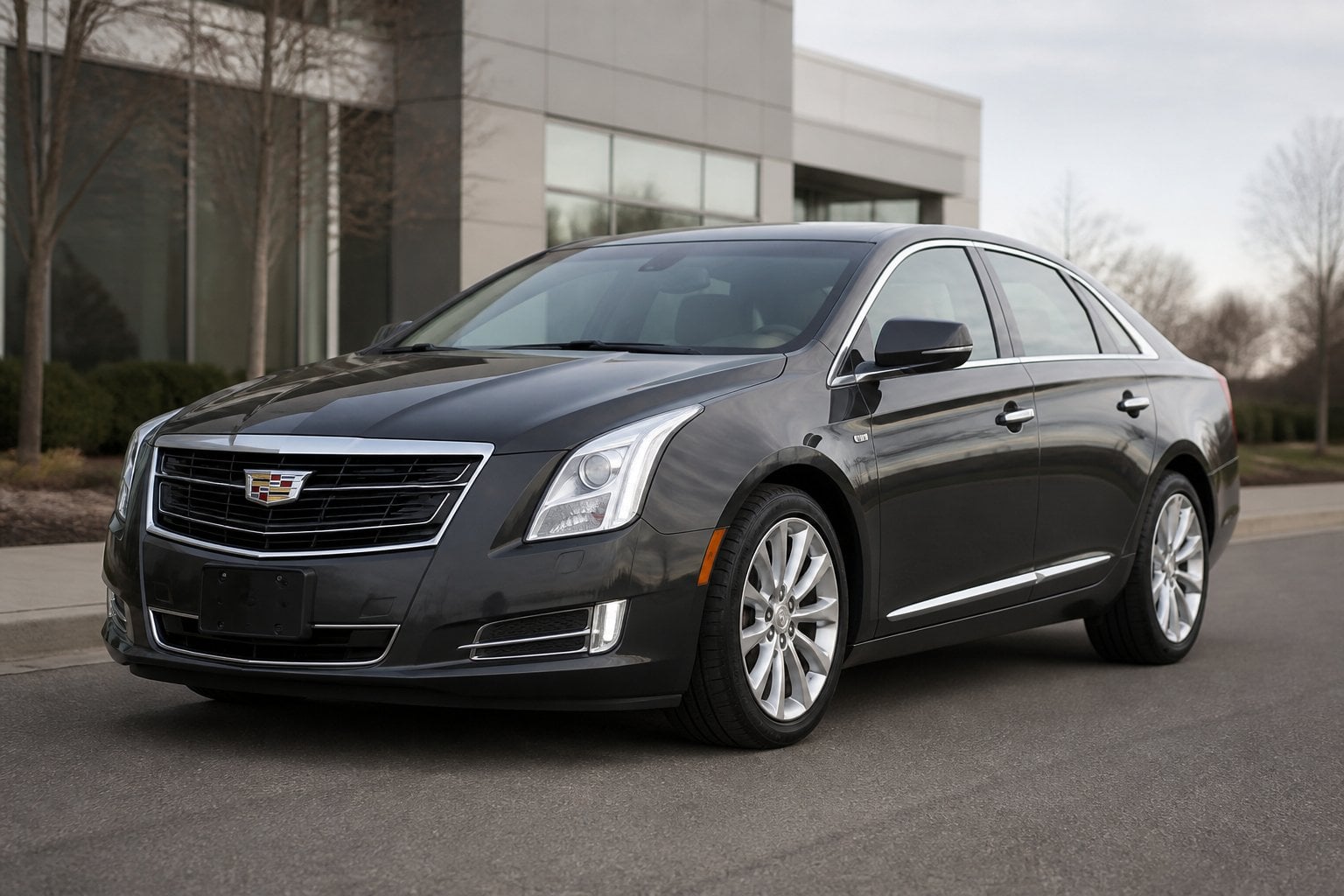
The XTS was Cadillac’s replacement for the DTS and STS, and it never quite matched either in refinement. You get a spacious cabin and a smooth V6, but the driving experience feels ordinary for a car wearing a luxury badge.
Early models, especially 2013, gave you the most trouble. The CUE infotainment system suffered from screen delamination, and electrical issues showed up frequently in owner complaints.
If you’re looking at a used XTS, the 2013 model year carries the highest complaint volume, tied to electrical, engine, and suspension problems. Later years, particularly 2016 through 2019, improved reliability significantly.
Consumer Reports has also noted that the ride quality feels jittery for a full-size luxury sedan, and the V6 can sound coarse under acceleration. If you’re comparing XTS years, you’ll want to steer clear of the earliest models and focus on the later production run instead.
22. Cadillac SRX second generation (2010–2016)
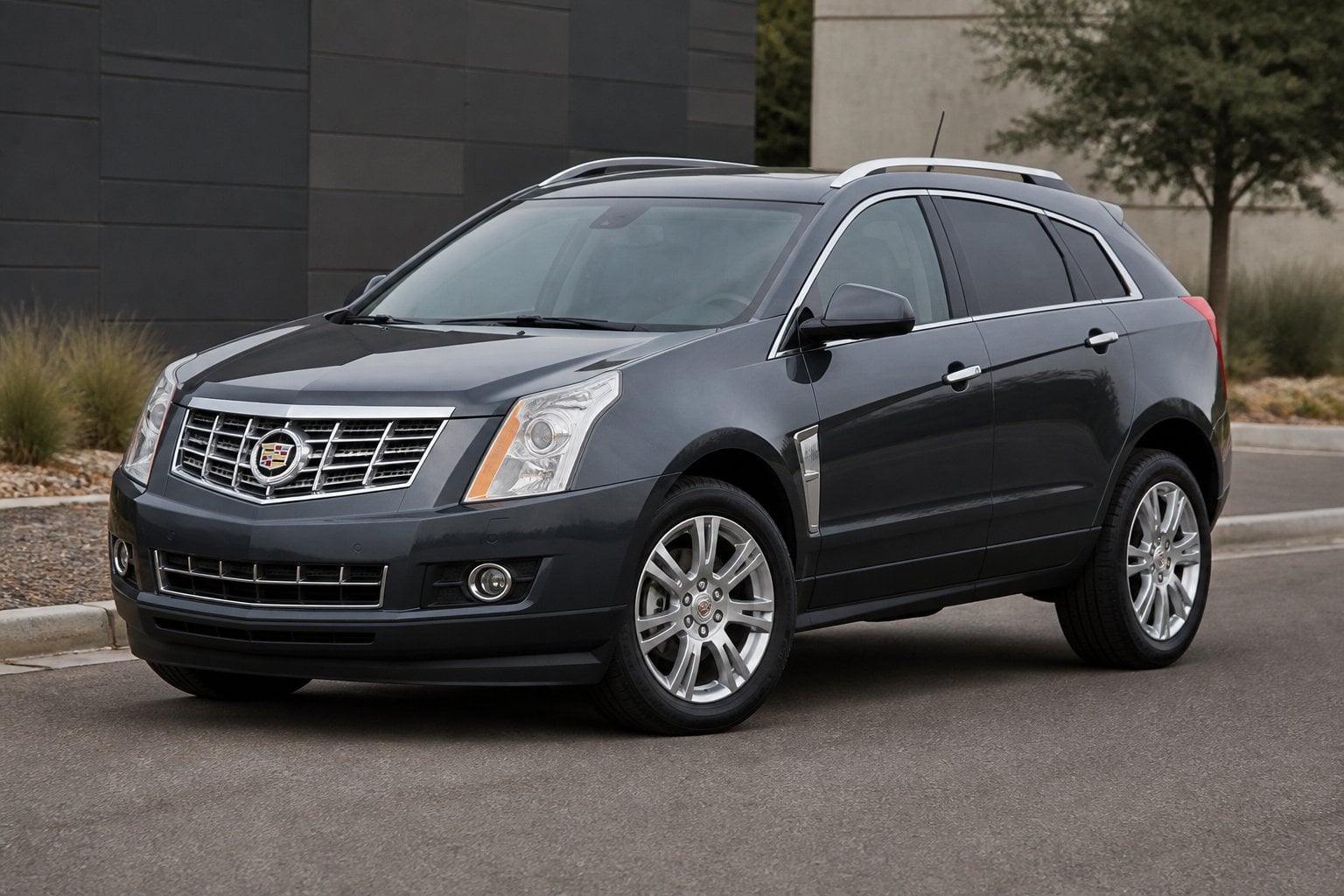
If you’re shopping for a used SRX, you’ll want to steer clear of the early years. The 2010 model launched with a 3.0L V6 whose timing chain could stretch prematurely, leading to costly repairs you probably didn’t budget for.
You’ll also find complaints about oil consumption issues on 2010 and 2011 models, along with headlight problems that plague this generation more than most. If you’re looking at a 2012, expect reports of leaks and hard starts too.
The good news is that GM improved things over time. If you target 2013 through 2016 models, you’ll get a more mature powertrain and a noticeably lower complaint rate.
You should treat the early years as a warning: buying one without a thorough inspection puts you at risk of inheriting someone else’s expensive problem.
23. Cadillac SRX with 3.6-liter V6 (2010–2012)
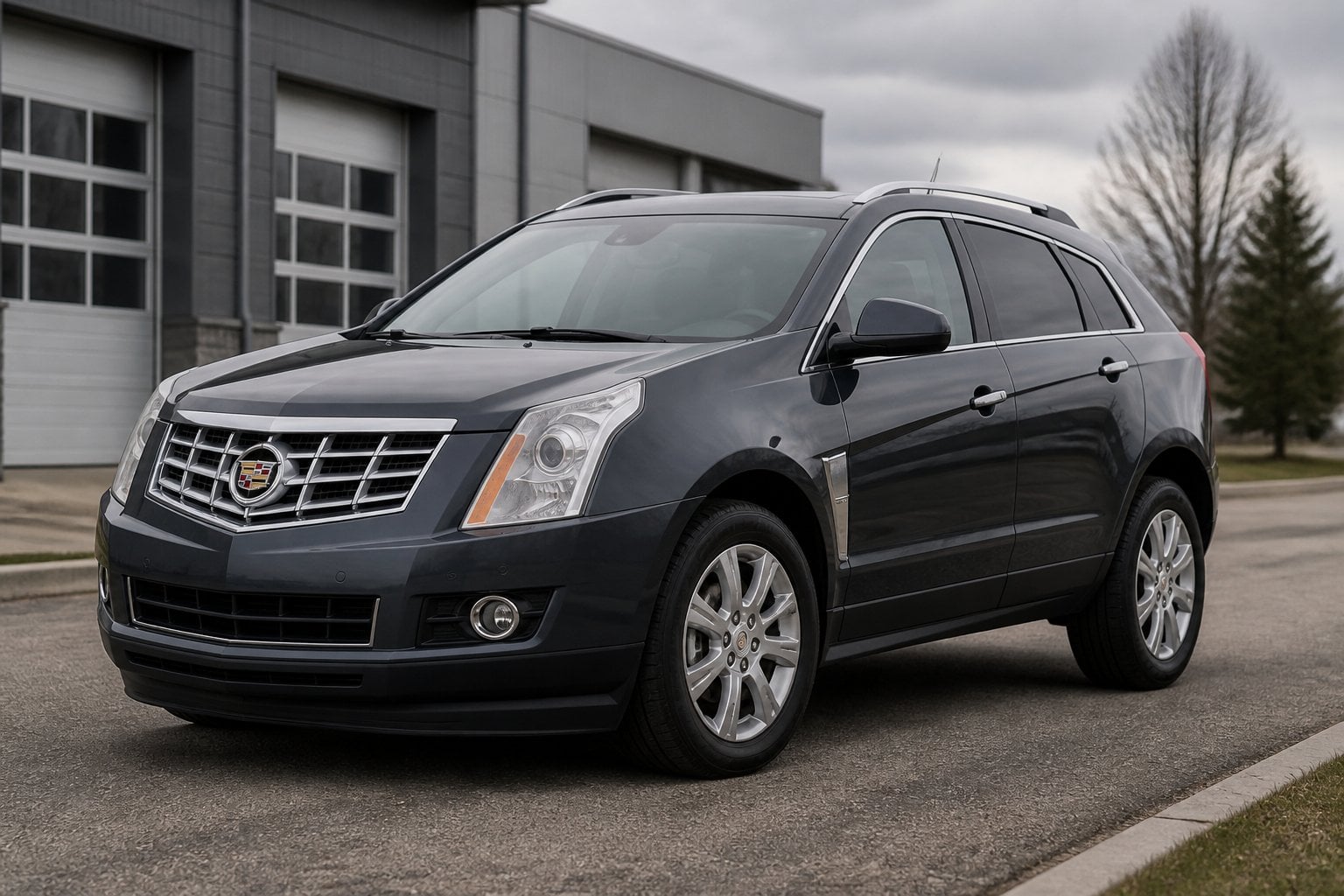
You get more power with the 3.6-liter V6 in the second-generation SRX, but you also inherit a fresh set of reliability concerns. This engine arrived alongside a new platform, and early production years brought the kinds of issues you’d expect from a first-generation redesign.
You’ll find timing chain problems reported across these model years, along with oil leaks that owners have flagged in complaints to NHTSA. Hard starting is another issue you may encounter, particularly as mileage climbs past the 40,000-mile mark.
Consumer Reports data shows below-average reliability scores for the 2012 model in particular. If you’re shopping for one of these SUVs, you should budget for potential engine-related repairs and get a thorough pre-purchase inspection before committing to a purchase.
24. Cadillac XT5 early models (2017–2019)
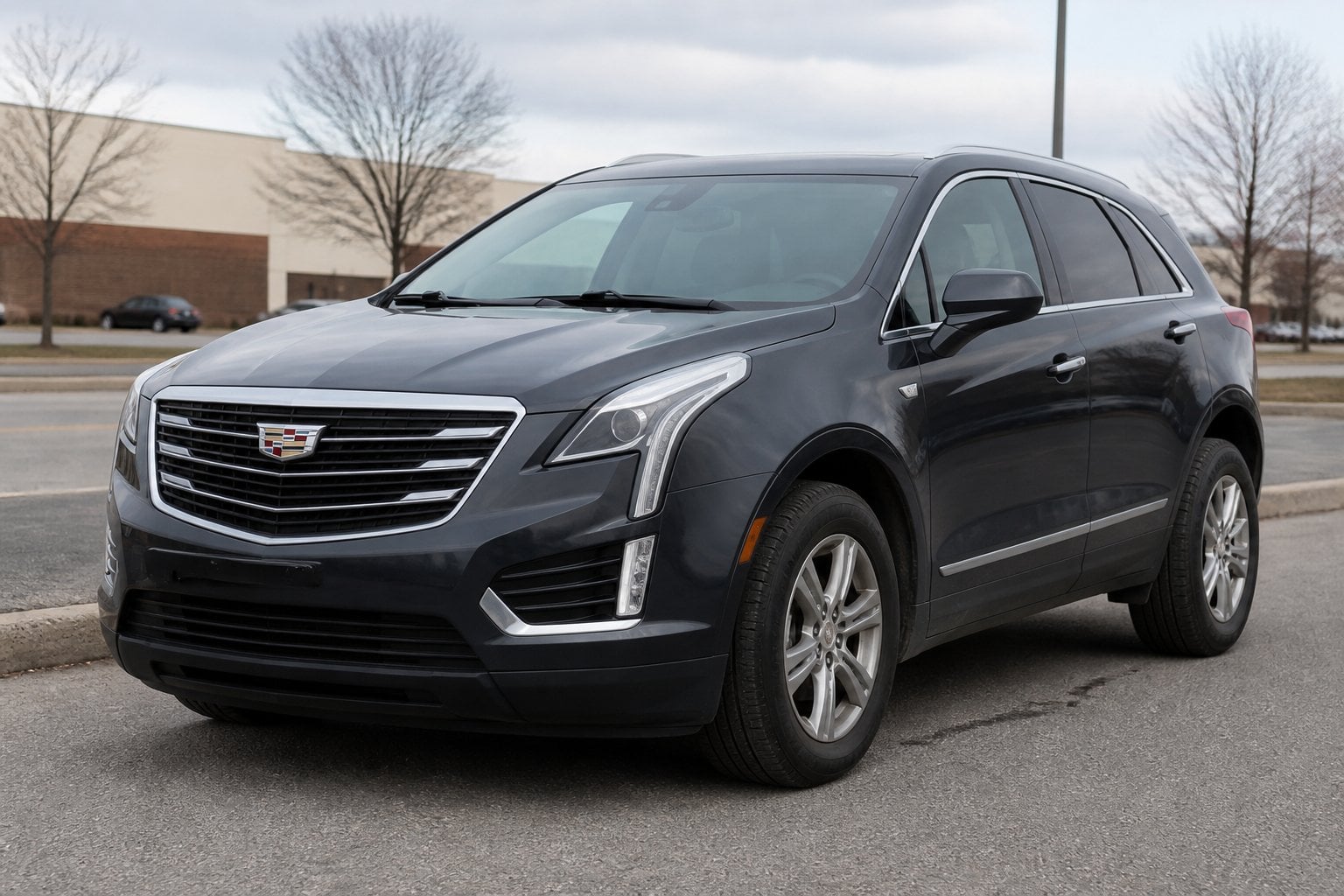
If you’re shopping for a used XT5, the 2017 through 2019 model years deserve extra scrutiny. These early production years generated the highest volume of owner complaints for this model, according to NHTSA data.
Transmission shudder is a common issue you’ll encounter with these years. Many owners report hesitation and rough shifting, particularly at low speeds, which points to problems with the automatic transmission’s calibration.
Electrical glitches are another concern you should factor into your decision. Infotainment screens can freeze or go black unexpectedly, and some owners have dealt with unreliable backup cameras and sensor malfunctions.
You’ll also find complaints about premature brake wear on these early models. Combined with the recalls issued for this generation, these issues suggest Cadillac hadn’t fully worked out the XT5’s engineering when it launched. If you’re considering one, a pre-purchase inspection is worth your time and money.
25. Cadillac XT5 with nine-speed automatic transmission (2019)
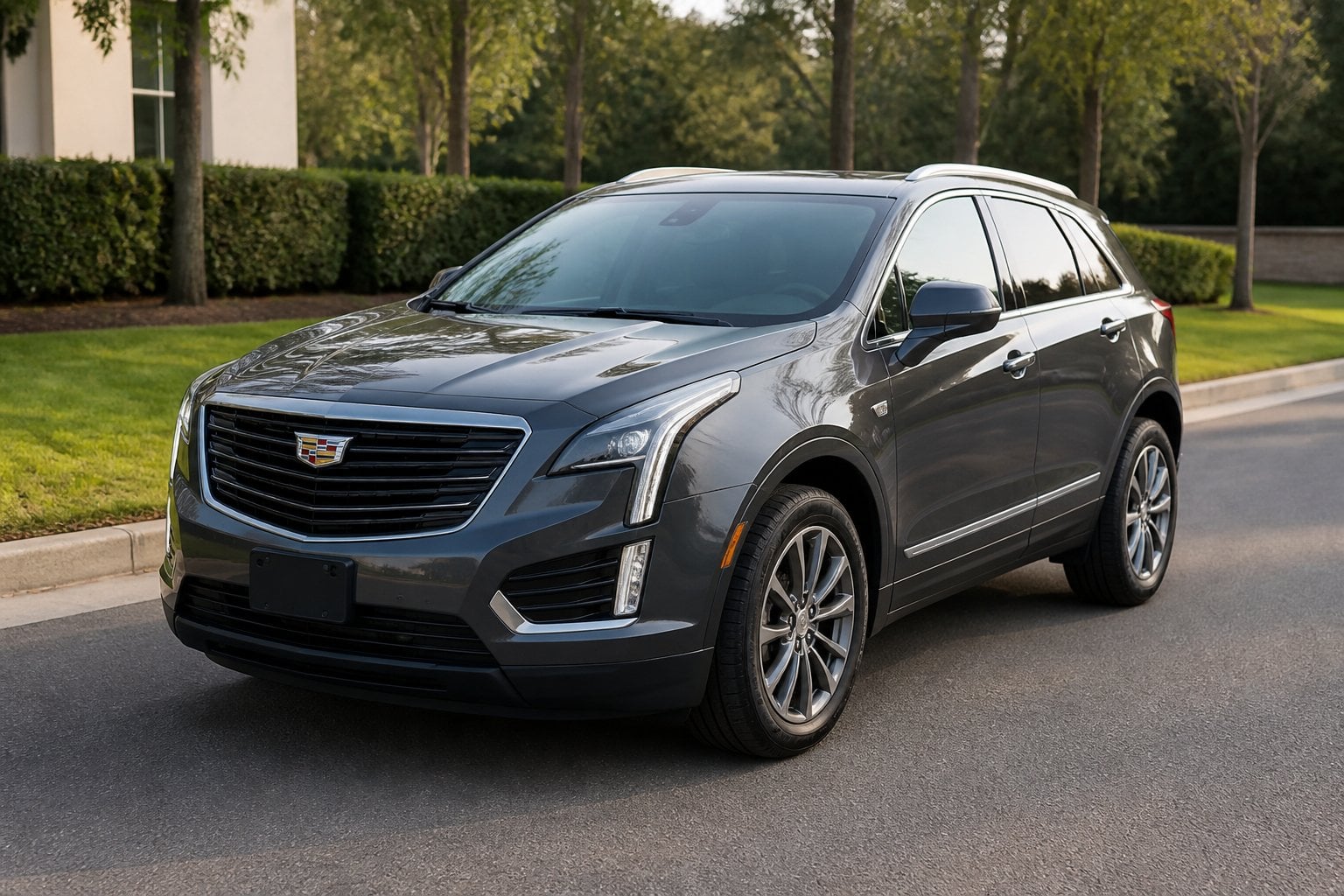
You’d expect a shift to nine speeds to smooth things out, but the 2019 XT5 tells a different story. Cadillac actually paired most 2019 models with an eight-speed automatic, not a nine-speed unit, and that mismatch alone signals confusion in how the model was marketed and understood by buyers.
If you’re shopping for this year, you’ll find owner complaints centered on the LFY 3.6L V6 and its transmission behavior, including hesitation and rough shifting. Active Fuel Management lifter issues add another layer of concern for V6 variants.
You’ll also encounter CUE infotainment glitches and stop-start system quirks that frustrate daily driving. Combined with 42 reported problems across categories like brakes and cooling, this model year gives you plenty of reasons for caution.
26. Cadillac Lyriq first model year (2023)
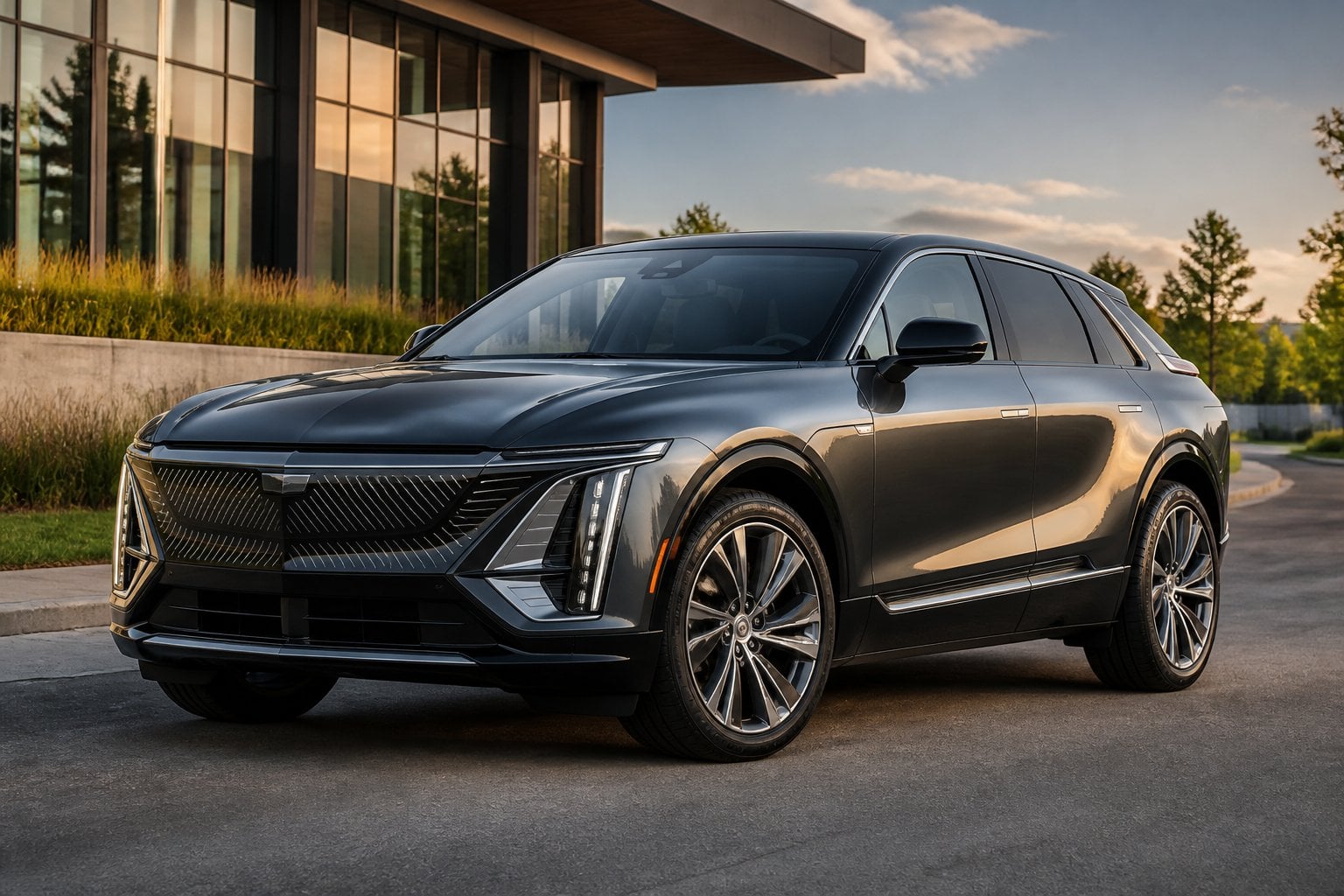
If you’re considering a used Lyriq, the 2023 model year deserves extra scrutiny. As the first production year for Cadillac’s electric SUV, it carries seven recalls on file, the most of any Lyriq year.
You’ll find issues tied to the braking system among the more serious concerns. Early production vehicles often carry these kinds of growing pains, and the 2023 Lyriq is no exception.
Software glitches also show up in owner reports from this year. Since the Lyriq relies heavily on its digital systems for climate control, infotainment, and driving functions, any instability there affects your daily experience behind the wheel.
You should have any 2023 Lyriq you’re considering inspected thoroughly and confirm all recall work has been completed. Given the limited long-term data on this newer EV, caution is warranted when evaluating this particular model year.
27. Cadillac Escalade EXT (2002–2013)
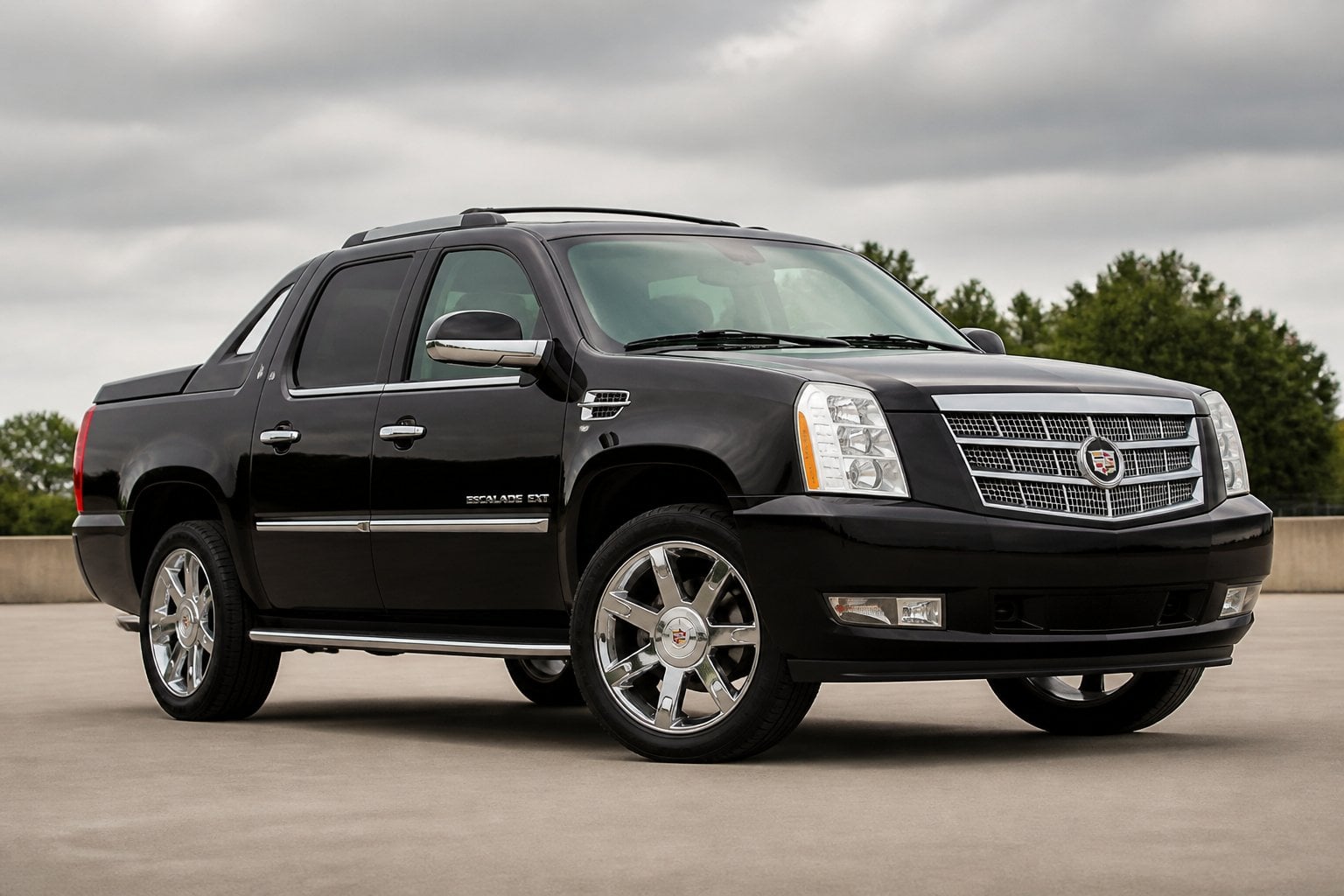
You get a strange mix with the Escalade EXT: full luxury SUV styling bolted onto a pickup bed. It shared its platform with the Chevrolet Avalanche, including the fold-down midgate that extended cargo space into the cabin.
Owners have logged over a hundred complaints with the NHTSA across the model’s production run. Airbag issues show up frequently in early years, particularly 2002 and 2003, along with engine and brake concerns that follow the vehicle through later model years.
You’re buying a niche product when you choose this truck. It never sold in the volumes of a standard Escalade or a traditional pickup, and that limited demand contributed to its eventual discontinuation in 2013.
If you want luxury and hauling capability in one vehicle, you’ll find the EXT’s reliability record makes it a questionable choice compared to Cadillac’s more conventional SUV offerings.
28. Cadillac Escalade third generation (2007–2014)
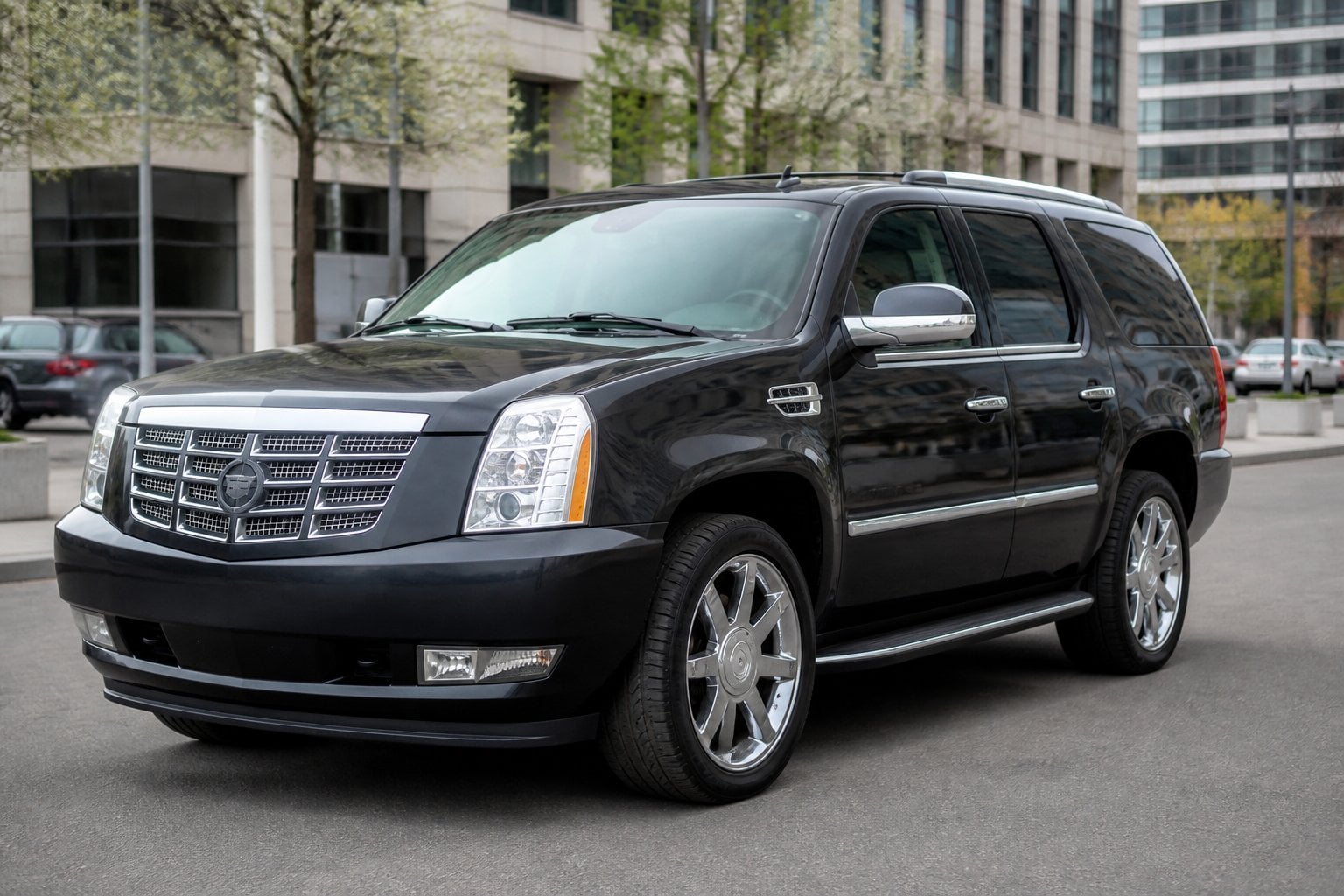
You get a lot of complaints tied to this generation, with 432 documented issues spanning airbags, electrical systems, and engine components.
The CUE infotainment screen, introduced on later models, tends to delaminate. You’ll notice bubbling, cracking, or a screen that stops responding to touch altogether.
Door handles are another weak point. Yours may snap off with regular use, a problem owners report across multiple model years in this generation.
If you’re looking at a 2007 or 2008 model, be aware these carry the worst reputation. You’ll find reports of transmission failures, cracked dashboards, and instrument cluster malfunctions concentrated in these early years.
The 6L80 transmission, paired with the 6.2L V8, generally performs reliably, but electrical gremlins throughout the cabin remain a persistent frustration for owners navigating this generation’s ownership experience.
29. Cadillac Escalade with 6.2-liter V8 oil-consumption issues (2007–2014)
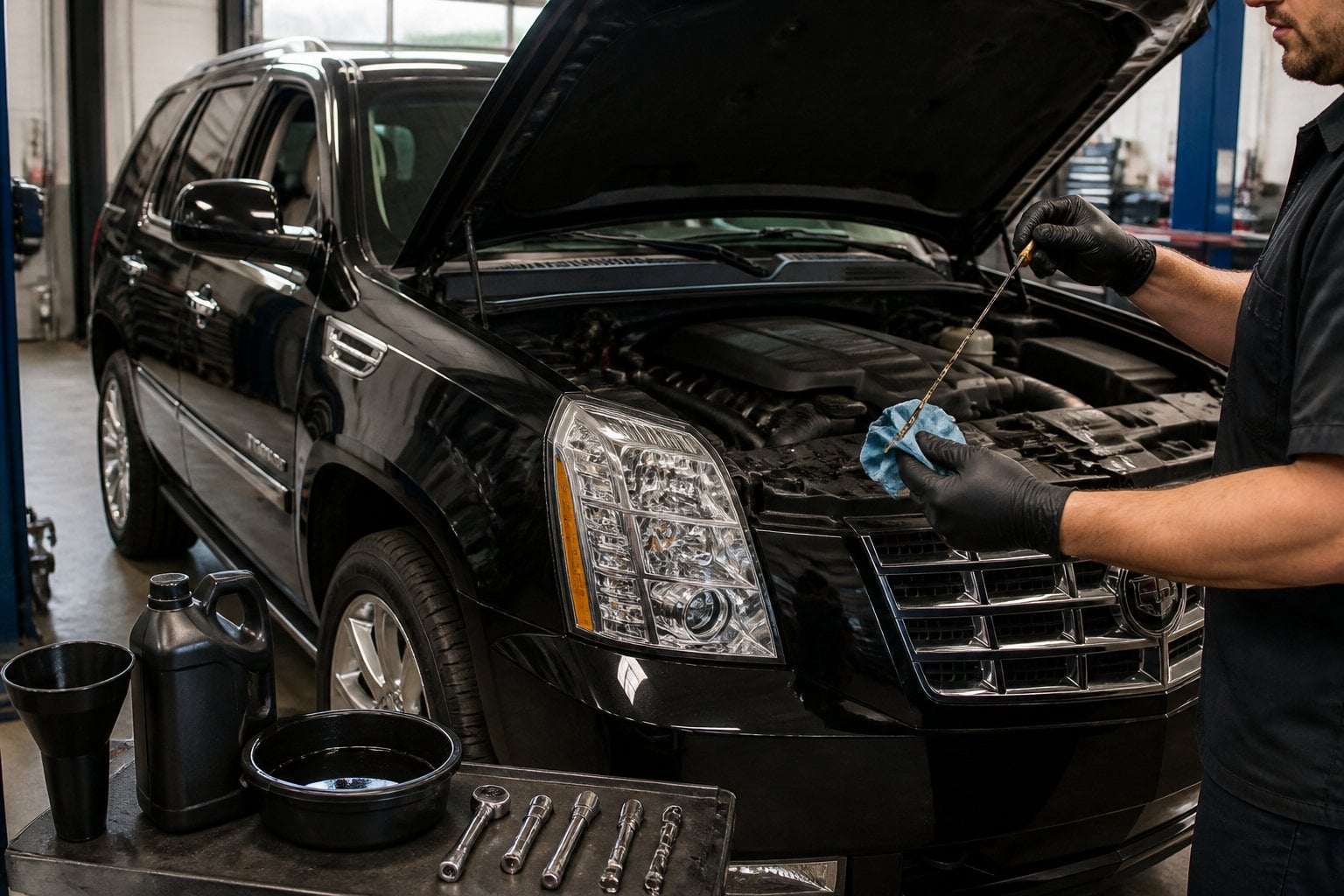
If you own a 2007-2014 Escalade with the 6.2-liter L92 or L94 V8, you may notice your oil level dropping faster than it should between changes. A PCV system design flaw allows oil to be pulled into the intake, leading to excessive consumption in many of these engines.
You might find yourself checking your dipstick every few hundred miles just to stay ahead of the problem. Some owners report needing a quart or more between scheduled oil changes, even with regular maintenance.
The NHTSA has logged dozens of complaints tied to this issue, with problems often surfacing around 70,000 miles. If left unaddressed, low oil levels can accelerate engine wear and increase your risk of more serious mechanical damage.
You’ll want to monitor oil levels closely if you drive one of these SUVs.
30. Cadillac Escalade fourth generation (2015–2020)
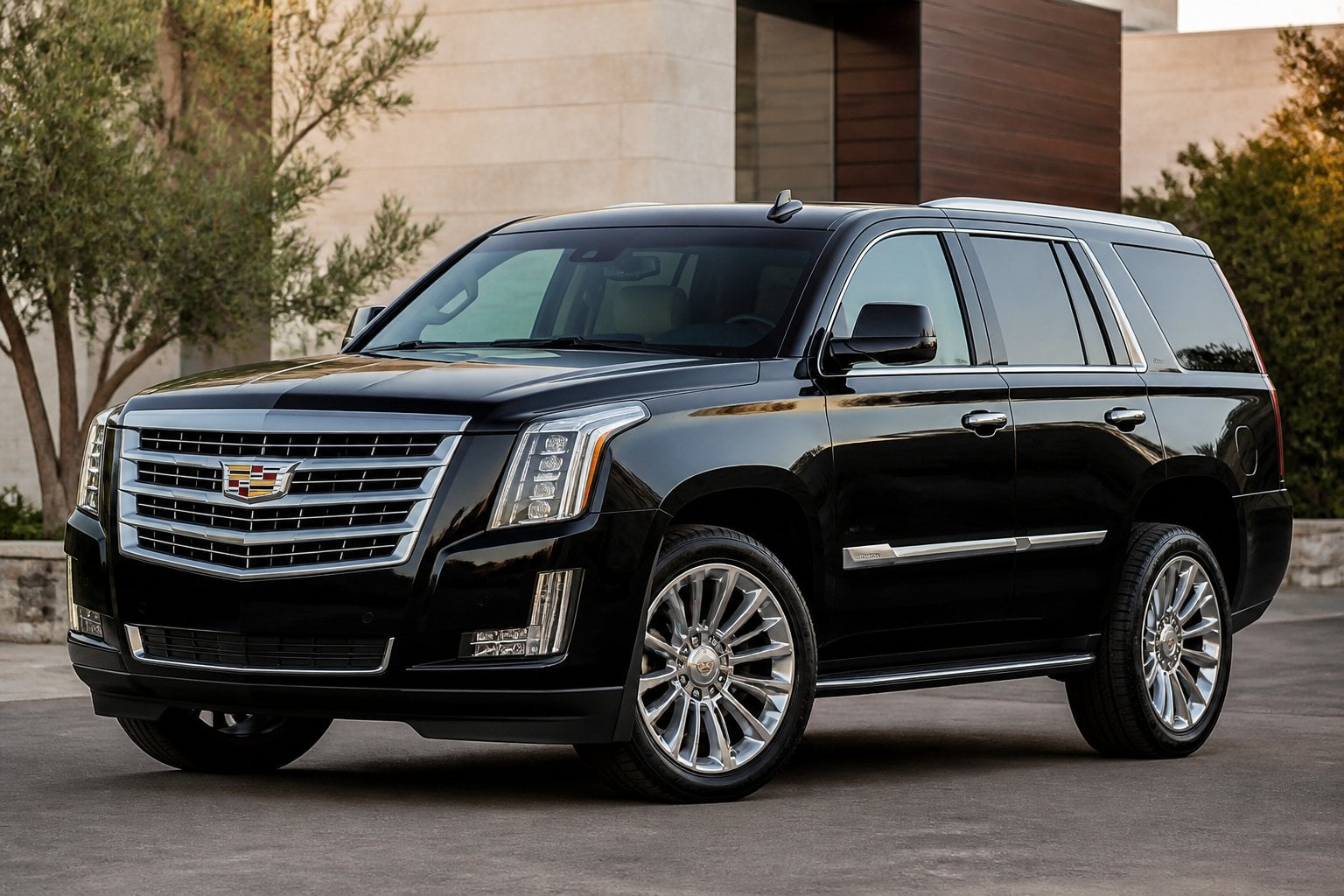
You get one transmission choice with this generation: the GM 8L90 eight-speed automatic paired with the 6.2L V8. Owners have reported hard shifts, hesitation, and premature wear in this unit across the production run.
You’ll also want to watch out for the CUE infotainment system. The touchscreen used in these years is prone to delamination, showing bubbles, cracking, and unresponsive touch controls over time.
Other issues you should know about include throttle body problems and engine misfires, which show up frequently in owner complaints. NHTSA data lists powertrain, engine, and brake system concerns among the most reported categories for this generation.
Given the Escalade’s price point, you’re paying a premium for problems you wouldn’t expect at this tier. If you’re considering a used model from these years, budget for these known weak points before you buy.
How Cadillac Quality, Engineering, And Market Pressures Shaped Problematic Cars
Cadillac’s worst models rarely stem from a single cause. You’ll find that corporate cost-cutting, shifting buyer priorities, and rushed engineering decisions all played a role in producing cars that damaged the brand’s reputation.
Changing Luxury-Car Expectations
You have to understand what “luxury” meant to General Motors in different decades to see why Cadillac stumbled. In the 1980s, GM assumed badge engineering and shared platforms would satisfy buyers who wanted a Cadillac nameplate at a lower cost.
The Cimarron is the clearest example. It was a rebadged Chevrolet Cavalier with minor trim upgrades, sold at nearly twice the price.
Buyers didn’t accept the substitution. You expect distinct engineering and materials when paying for a luxury badge, and Cadillac’s decision to skip that step cost it credibility for years.
Import brands like Mercedes-Benz and BMW capitalized on this gap by offering genuine engineering differentiation instead of shared parts bins.
Common Reliability And Design Issues
Several recurring problems show up across Cadillac’s weakest models. You’ll notice patterns when you compare complaint data and recall history side by side.
- Underpowered or unreliable engines: The V8-6-4 engine and diesel V8s from the early 1980s suffered from poor execution and frequent breakdowns.
- Electrical system failures: Infotainment glitches and faulty sensors appear repeatedly in later models, including some XTS and CT6 years.
- Rushed production timelines: The Allante required flying unfinished bodies from Italy to the U.S., adding cost and complexity without improving reliability.
- Poor build quality control: Inconsistent assembly led to higher-than-average repair costs and earlier failure points, according to CarComplaints.com’s PainRank data.
You can trace most of Cadillac’s low points to these overlapping issues rather than one isolated design flaw.
What Buyers Should Evaluate Before Purchasing An Older Cadillac
An older Cadillac can be a rewarding purchase, but you need to verify its history and understand what it will cost to keep running. Two areas deserve your close attention: the vehicle’s paper trail and the real-world expense of ownership.
Maintenance Records And Known Repairs
Ask the seller for complete service records before you commit to anything. A gap in maintenance history often signals deferred repairs that will surface later.
Pay attention to these common trouble spots:
- Northstar V8 engines (1993-2011): head gasket failures and head bolt thread damage
- Air suspension systems: leaking air struts and compressor failures on models like the Escalade and STS
- Electrical systems: faulty sensors and wiring issues in late-1990s and early-2000s models
- Transmission issues: slipping or hard shifting in higher-mileage examples
Request a pre-purchase inspection from a mechanic who has worked on Cadillacs specifically. You want someone who can identify whether previous repairs were done correctly, not just whether they were done at all.
Parts Availability And Ownership Costs
Parts availability varies significantly by model year and drivetrain. Common trim levels typically have better parts support than rare or low-production variants.
Independent mechanics who specialize in domestic luxury vehicles can often source parts faster and charge less than dealership service departments. Ask about part sourcing before you buy, especially for models built before 2005.