The 30 Worst Nissan Models Ever Made: A Definitive Ranking
Nissan has built millions of vehicles across more than nine decades, and not every model has held up well over time. Some suffered from weak engines, poor build quality, or design choices that didn’t age well with buyers or critics.
When you look closely at Nissan’s lineup history, certain models stand out for consistent mechanical failures, low reliability ratings, and widespread owner complaints. These vehicles often shared common problems like transmission failures, interior quality issues, or underpowered engines that couldn’t meet driver expectations.
You’ll find that this list draws from owner feedback, recall data, and documented reliability records to identify the vehicles that fell short of Nissan’s typical standards. Each entry reflects specific issues that affected performance, safety, or long-term ownership costs.
1. 2005 Nissan Pathfinder
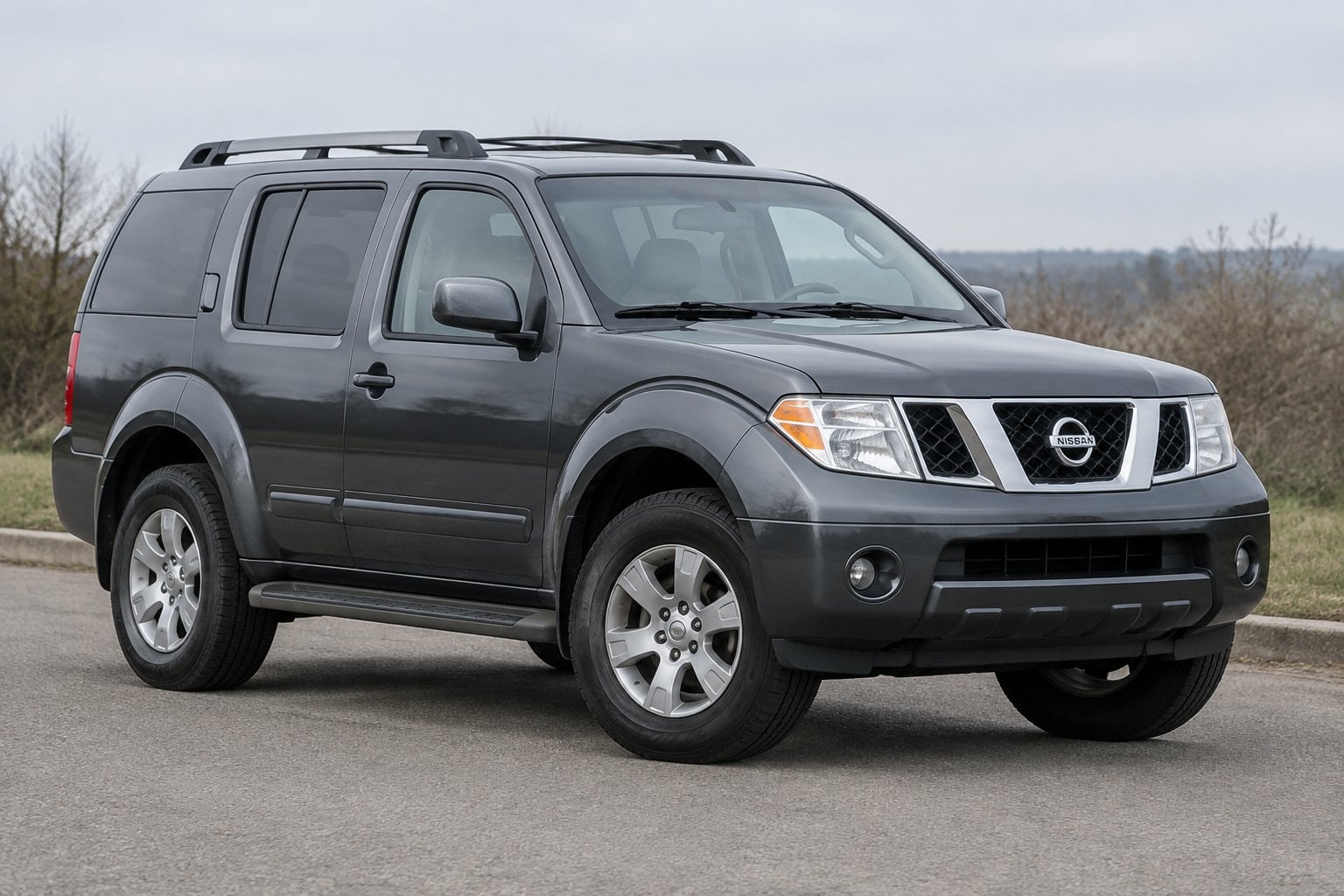
The 2005 Pathfinder ranks as one of the worst model years Nissan produced. Its main defect involves the transmission cooler, which allows coolant and transmission fluid to mix inside the radiator.
This contamination is often called the “strawberry milkshake” problem, based on the pinkish sludge that forms when the fluids combine. Once this happens, both the transmission and radiator typically suffer damage that requires full replacement.
You’ll find this issue is well documented, with thousands of owner complaints and multiple recalls tied to the 2005 model. Repair costs can climb into the thousands of dollars, especially if you don’t catch the problem early.
If you’re shopping for a used Pathfinder, you should ask for transmission service records before buying a 2005 model. Regular fluid checks can help you spot early signs of contamination before they cause permanent damage to your vehicle.
2. 2005 Nissan Xterra
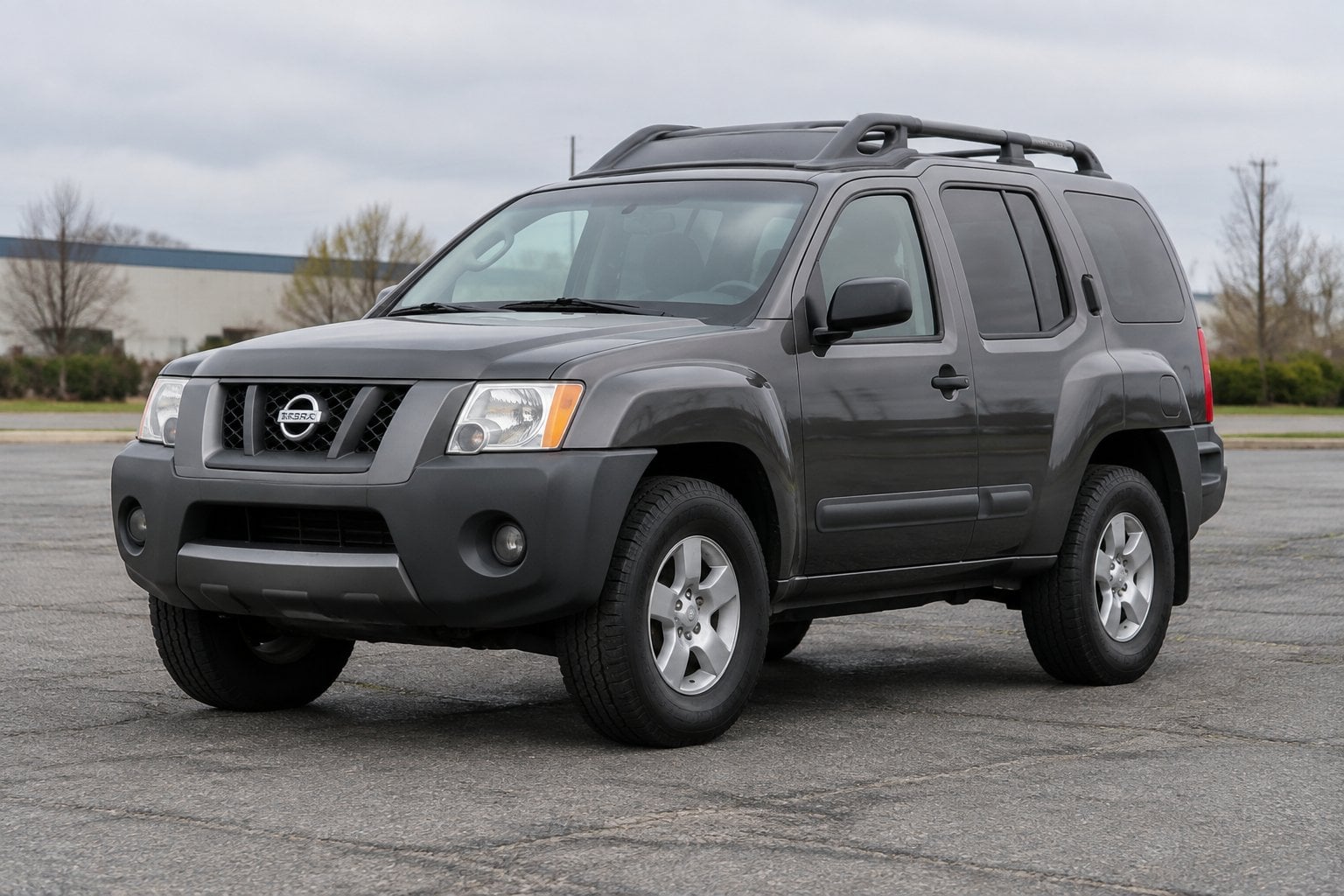
If you’re shopping for a used SUV, you should approach the 2005 Nissan Xterra with caution. This model year drew more than 400 owner complaints and six separate recalls, making it one of the least dependable years in the Xterra lineup.
Your biggest concern will likely be the transmission. Automatic transmission failures were common, and repair costs can run high if you don’t catch the problem early.
You’ll also want to check for rust, particularly around the frame and undercarriage. Corrosion issues affected many examples of this model year, and they can compromise structural integrity over time.
If you’re considering an automatic transmission version, ask the seller whether a radiator bypass has been installed. Without one, you’re looking at a higher risk of transmission overheating and failure.
Given these known issues, you’re better off looking at a different model year if reliability is your priority.
3. 2005 Nissan Frontier
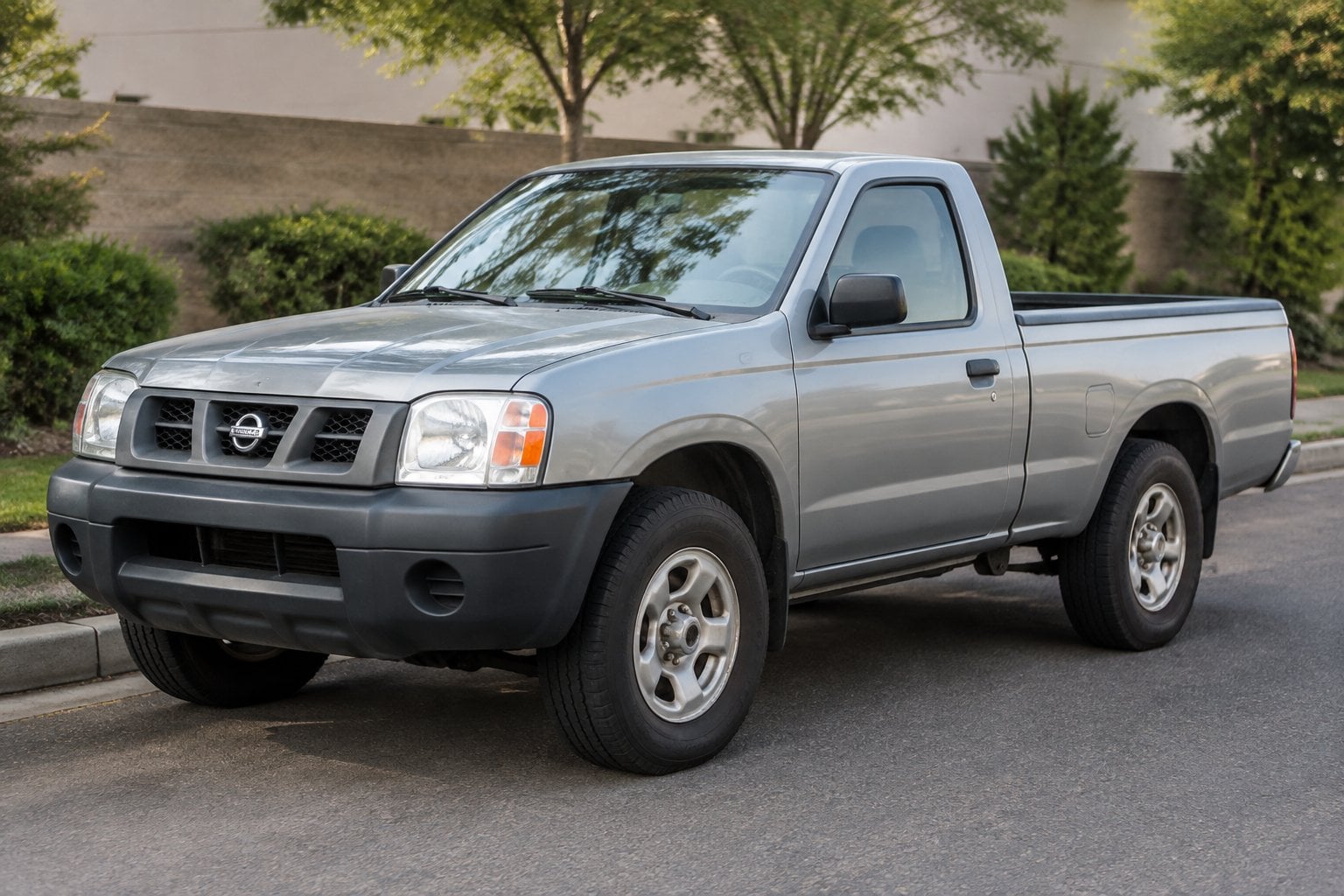
The 2005 Nissan Frontier marks the start of the second generation, and it comes with significant reliability problems you should know about. Owners reported over 1,000 issues, with transmission failures topping the list.
You’ll also find engine and fuel system complaints among the most common problems for this model year. Automatic transmission versions are particularly troublesome, with some units failing well before the truck reaches 100,000 miles.
Radiator failures present another serious concern. When the radiator fails, transmission fluid can mix with coolant, a problem that damages the transmission from the inside out and often requires a full replacement.
If you’re considering a used 2005 Frontier, expect to pay close attention to transmission and cooling system history. Repair costs for these failures run high, and the frequency of complaints suggests you’re taking on real risk with this model year.
4. 2007 Nissan Altima
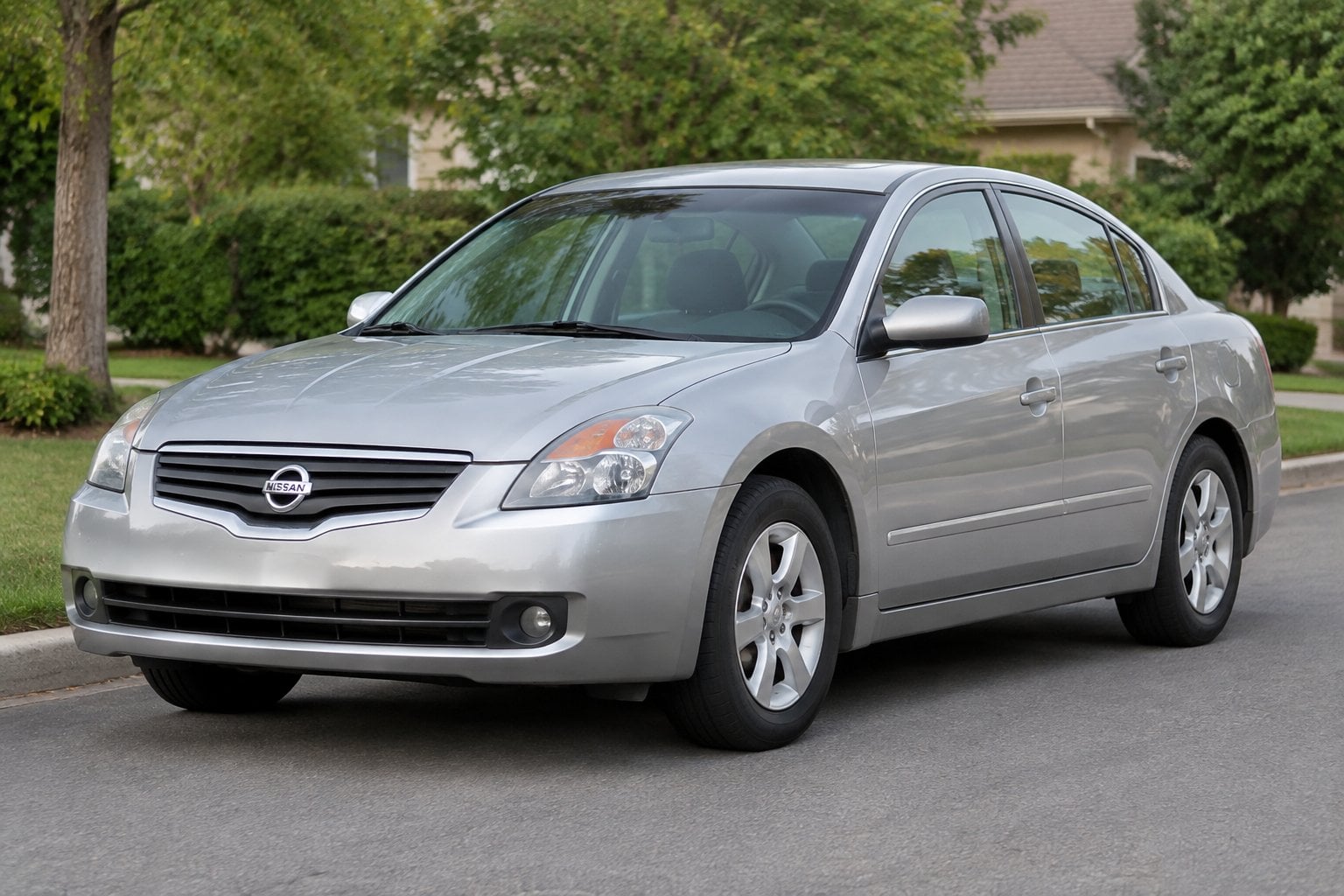
You should approach the 2007 Nissan Altima with caution if you’re shopping the used market. Owners have reported 701 problems, with transmission, engine, and body or paint issues topping the list.
The transmission concerns stand out as the most serious. This model year uses an early version of Nissan’s CVT, and you’ll find widespread reports of failure, often requiring replacement well before 100,000 miles.
Engine problems add to the risk. You may encounter issues with oil consumption and related wear that can shorten the engine’s lifespan if not addressed.
Body and paint complaints round out the major concerns, affecting long-term appearance and resale value. If you’re considering this year, budget for potential transmission repairs and have any used unit inspected thoroughly before you buy.
5. 2008 Nissan Altima
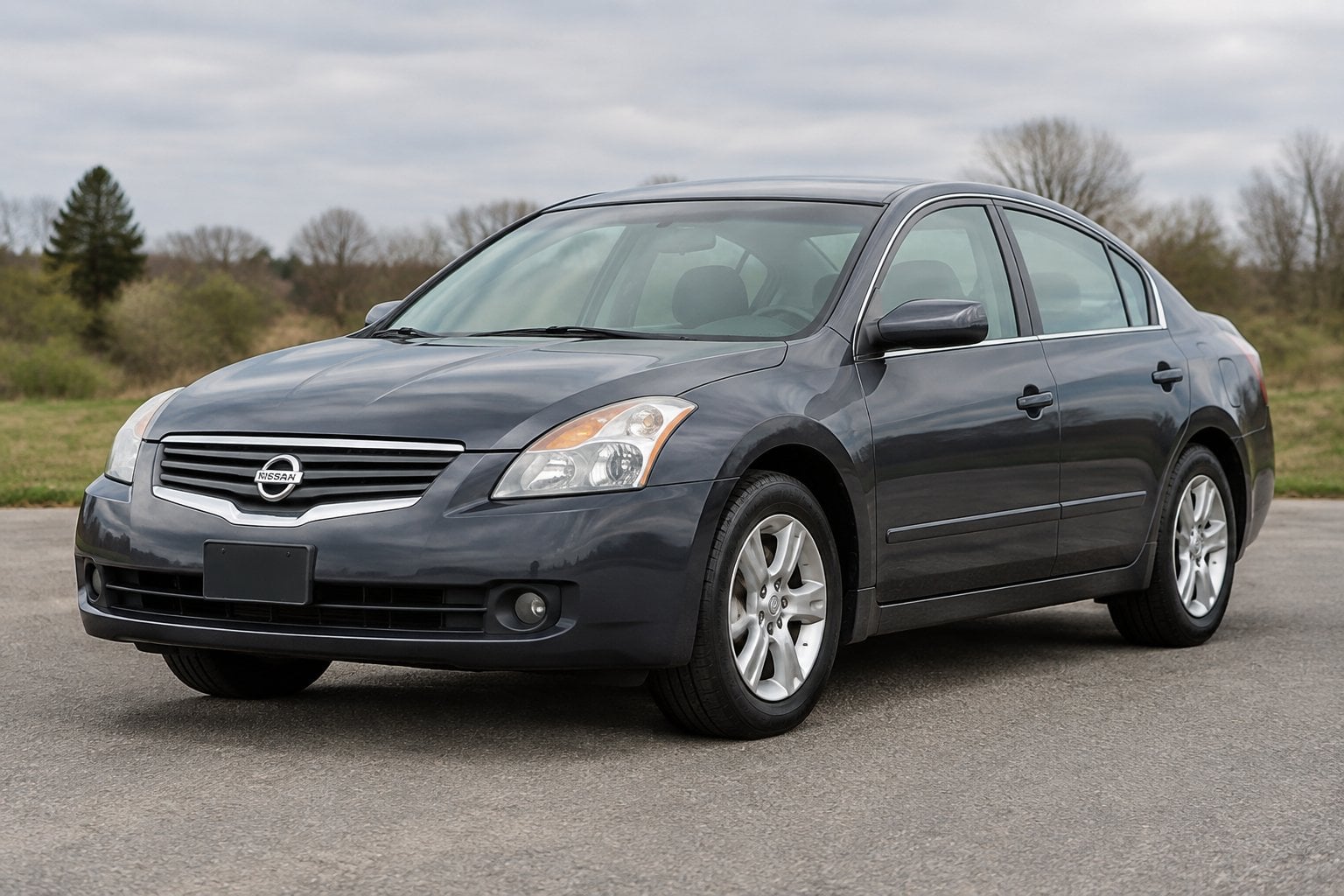
The 2008 Nissan Altima ranks among the least reliable model years produced. You’ll find over 1,600 owner-reported problems tied to this year, covering transmission, engine, and interior component failures.
The CVT transmission stands out as the biggest concern. If you own or consider buying this model, you should expect potential slipping, shuddering, or complete transmission failure, often before 100,000 miles.
Interior and accessory issues also affect this model year at high rates. You may encounter faulty dashboard displays, failing switches, and electrical glitches that compromise daily usability.
NHTSA complaint data shows over 1,000 reports specifically citing structural problems. This adds another layer of concern beyond mechanical reliability.
Repair costs for CVT replacement can run into thousands of dollars. Given the frequency and severity of these issues, you should approach this model year with caution.
6. 2009 Nissan Altima
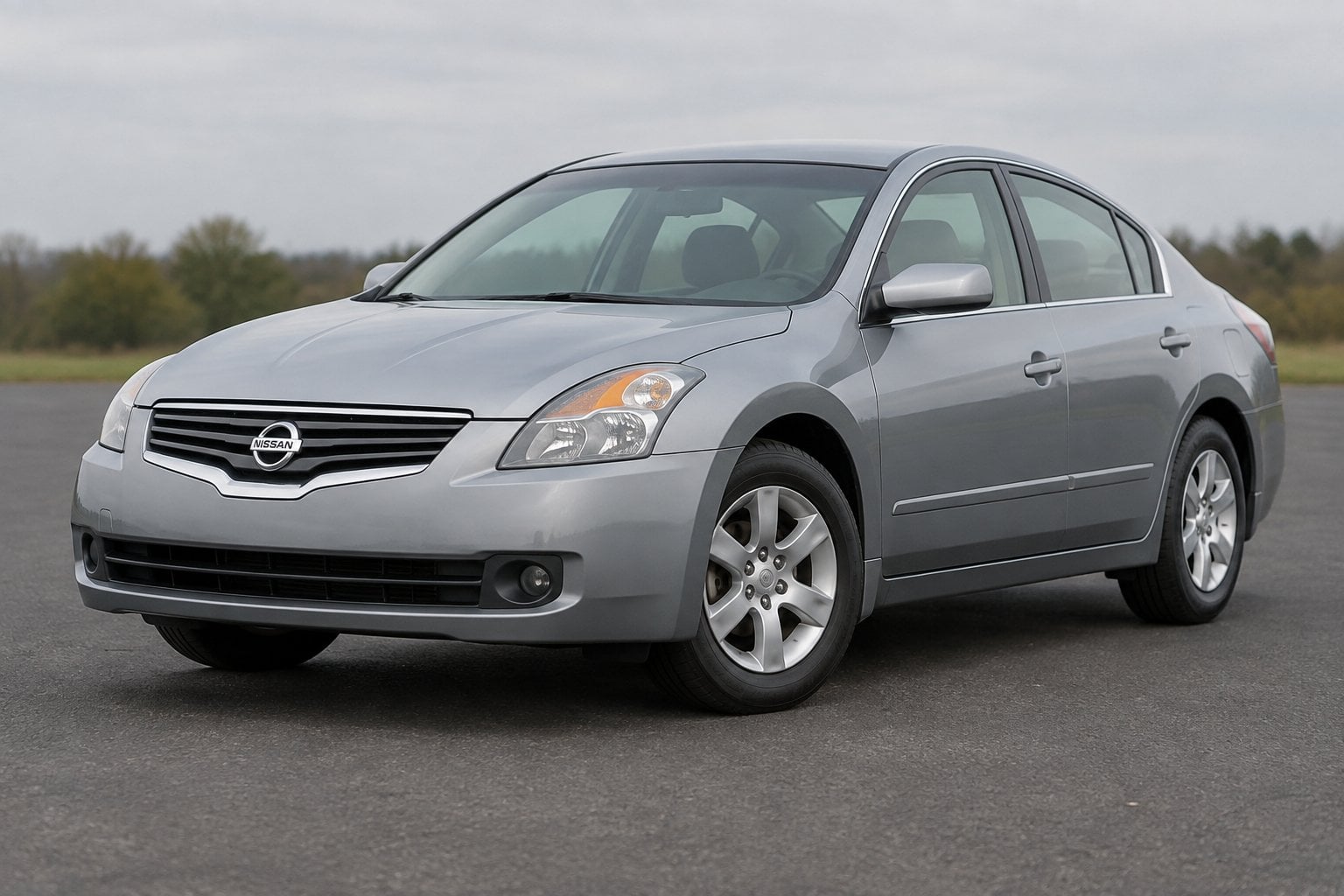
The 2009 Altima ranks among the most complaint-heavy model years Nissan has produced. Owners reported over 2,800 problems, with the CVT transmission topping the list.
You’ll find that failures often occur well before 100,000 miles, sometimes as early as 60,000. Symptoms include shuddering, hesitation, and complete loss of power, and repairs typically require a full transmission replacement rather than a simple fix.
Steering issues also show up frequently in owner complaints. You may encounter power steering failures that create difficulty controlling the vehicle at low speeds.
Interior components and accessories add to the list of concerns. Dashboard cracking and electrical glitches are common enough that you should inspect these areas closely before buying.
Given the scope and severity of these problems, you should approach a 2009 Altima with caution. If you’re considering one, budget for a possible transmission replacement and have a mechanic verify its condition first.
7. 2010 Nissan Altima
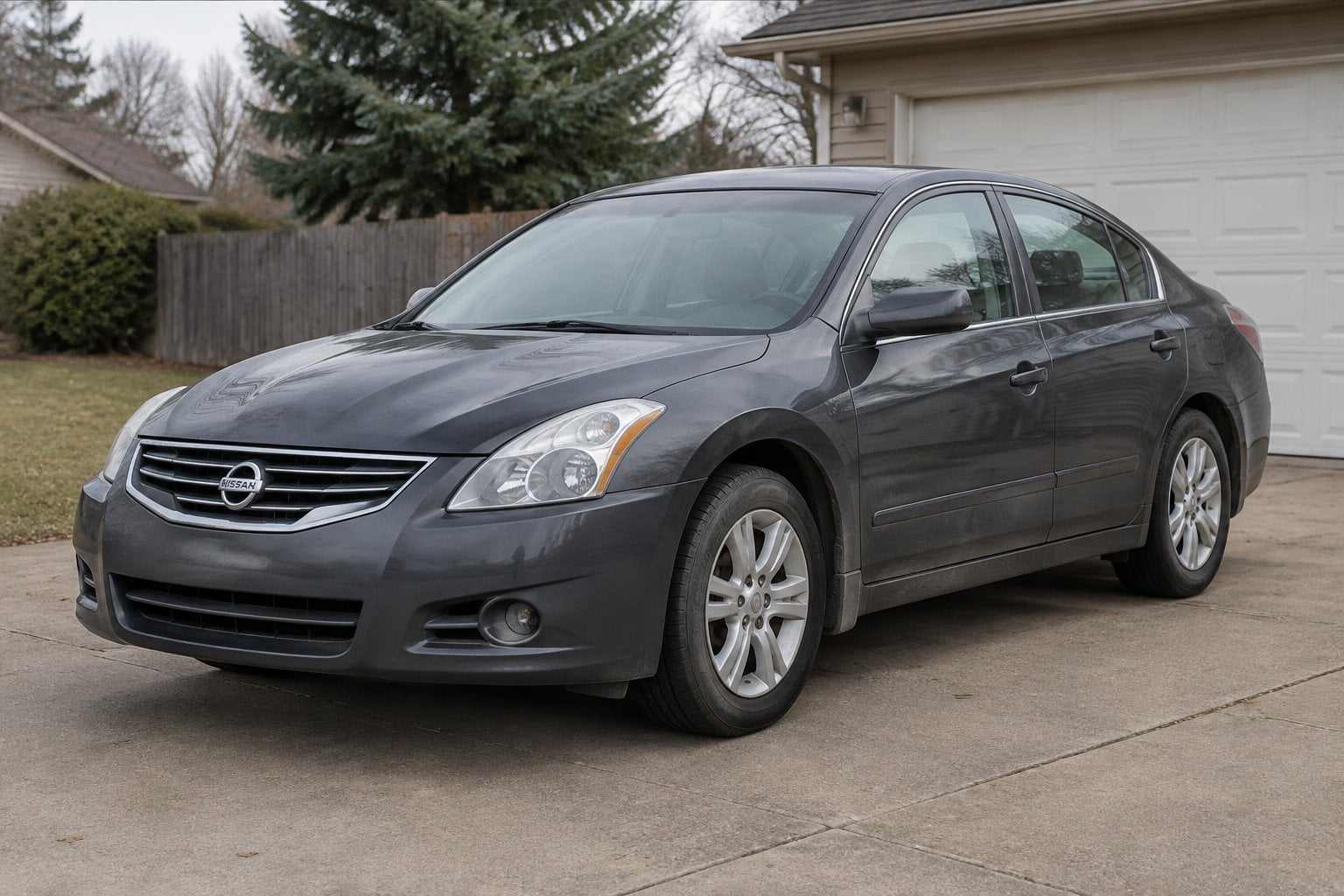
The 2010 Altima is one of the models you should approach with caution. Owners have reported over 500 complaints, covering transmission failures, electrical faults, and interior accessory problems.
Transmission trouble is the most serious issue. The continuously variable transmission (CVT) often fails prematurely, and you’re looking at repair costs that can run into thousands of dollars.
Electrical problems are also common. You might experience issues with power windows, dashboard warning lights, or battery drainage.
Engine complaints add to the list. Some owners report excessive oil consumption, jerky acceleration, and check engine lights turning on without clear cause.
If you’re considering this model year, you should factor in the likelihood of costly repairs. The CVT issues alone make this a risky purchase unless you verify maintenance records and get a thorough inspection first.
8. 2013 Nissan Altima
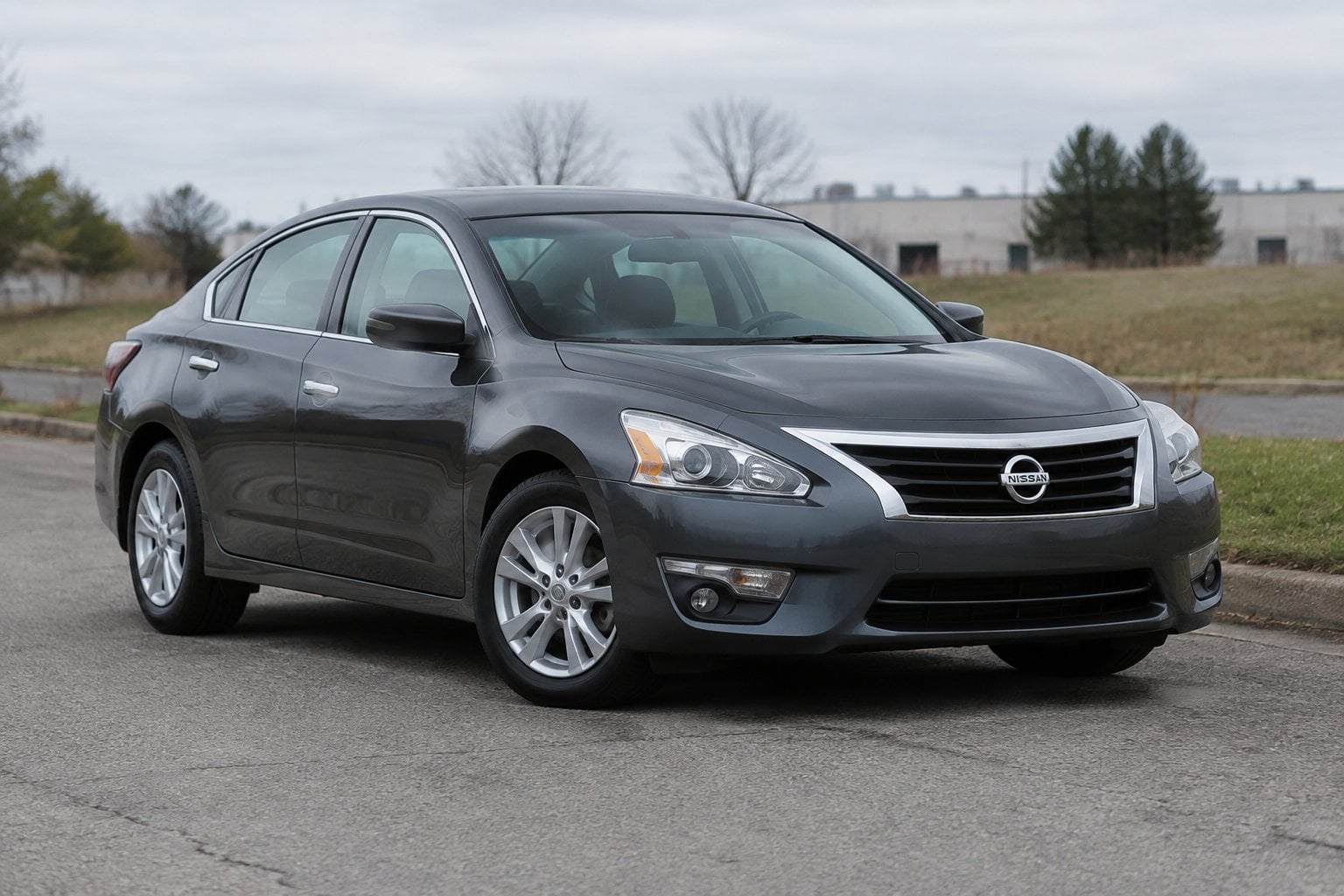
The 2013 Altima stands out as one of the worst model years in the lineup. You’ll find that its main weakness is the continuously variable transmission (CVT), which frequently failed between 60,000 and 100,000 miles.
Replacement costs often reached $3,500, and many owners reported problems well before their warranty coverage ended. This model has the highest number of transmission-related complaints among Altima years.
You should also know about the hood latch issue affecting this generation. Reports link the defect to unexpected hood openings while driving, which created serious safety concerns.
Beyond mechanical issues, you’ll encounter frequent reports of excessive oil consumption. Brake wear complaints were common too, adding to your maintenance costs over time.
If you’re considering a used 2013 Altima, expect higher repair expenses than average for a car this age. The combination of transmission failure risk and secondary issues makes this year one you should approach with caution.
9. 2013 Nissan Sentra
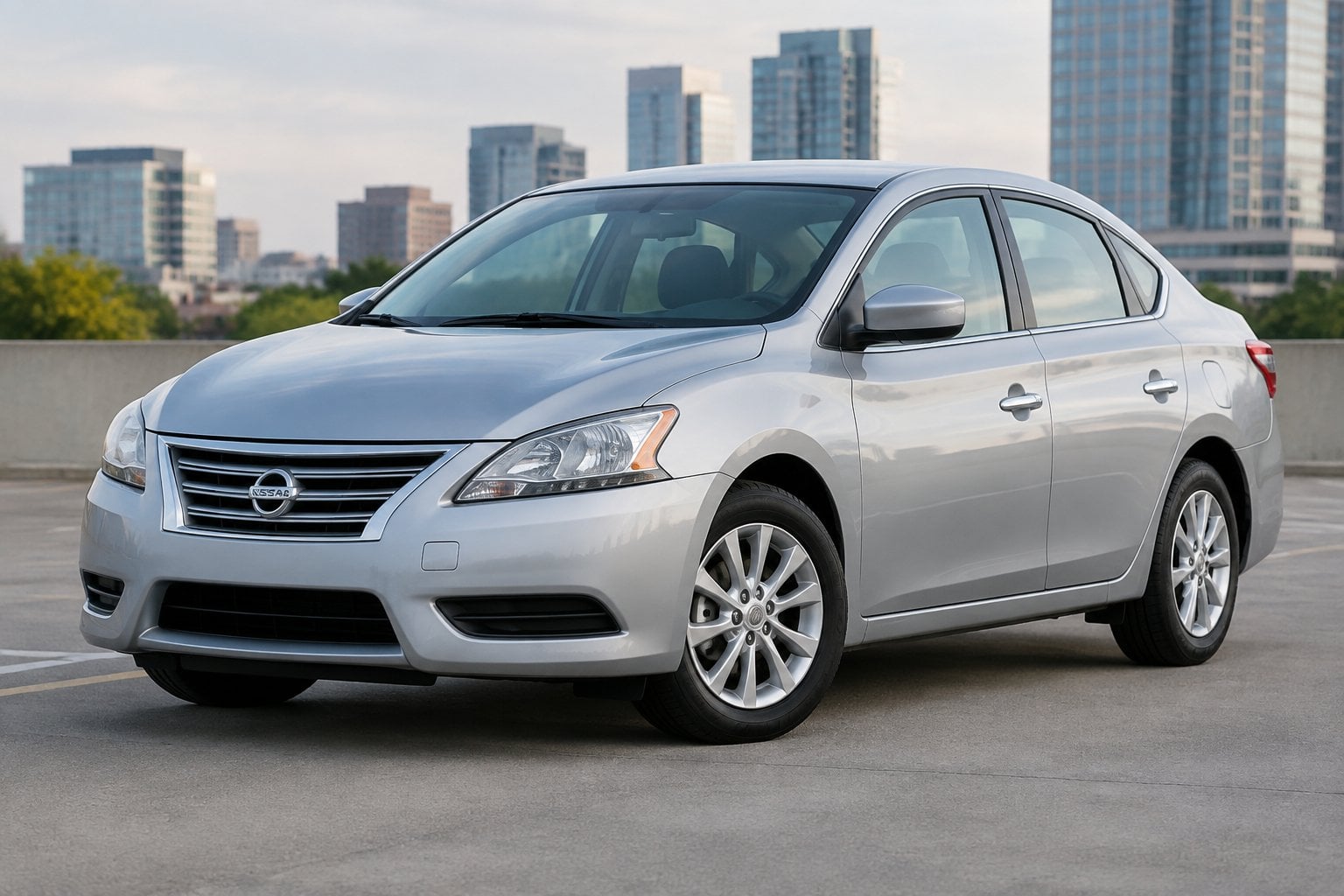
The 2013 Nissan Sentra marked the start of a new generation, and it brought a wave of transmission trouble with it. You’ll find widespread reports of CVT failures, often showing up well before 100,000 miles.
Owners reported shuddering, jerking, and sudden power loss while driving. In some cases, the transmission failed outright, leaving you with a repair bill that could rival a large chunk of the car’s value.
Beyond the transmission, you may run into engine problems and general build quality complaints tied to this model year. CarComplaints.com logged over 200 issues for the 2013 Sentra, with transmission, brake, and engine problems topping the list.
Nissan extended warranty coverage on some CVTs due to how common these failures were. If you’re considering a used Sentra, this is one year where the risks outweigh the savings.
10. 2014 Nissan Sentra
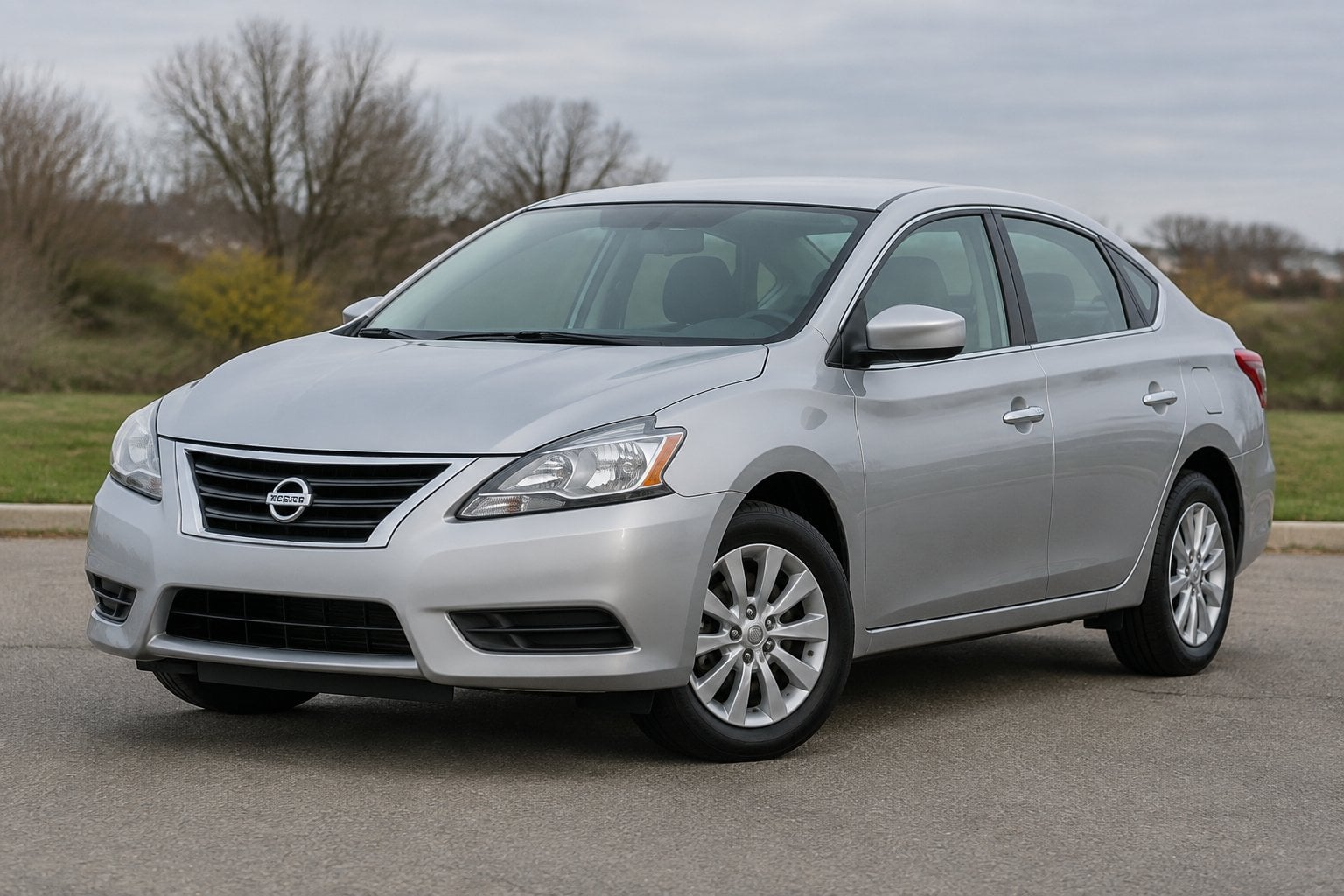
The 2014 Nissan Sentra carries a reputation for CVT problems. If you buy one, you should expect the transmission to be your biggest concern.
Owners have reported over 600 complaints about this model year, with transmission issues topping the list. Engine problems and AC/heater failures round out the most common issues you’ll encounter.
NHTSA data shows this year drew hundreds of formal complaints, including reports of crashes and injuries. Power train problems account for the largest share, followed by engine and airbag concerns.
You’ll find the CVT tends to fail prematurely in many cases, sometimes before 65,000 miles. Repair costs for these transmissions run high, and replacement is often the only fix once problems develop.
If you’re considering this model year, budget for potential transmission work. This isn’t a car you want to purchase without a thorough pre-purchase inspection.
11. 2015 Nissan Sentra
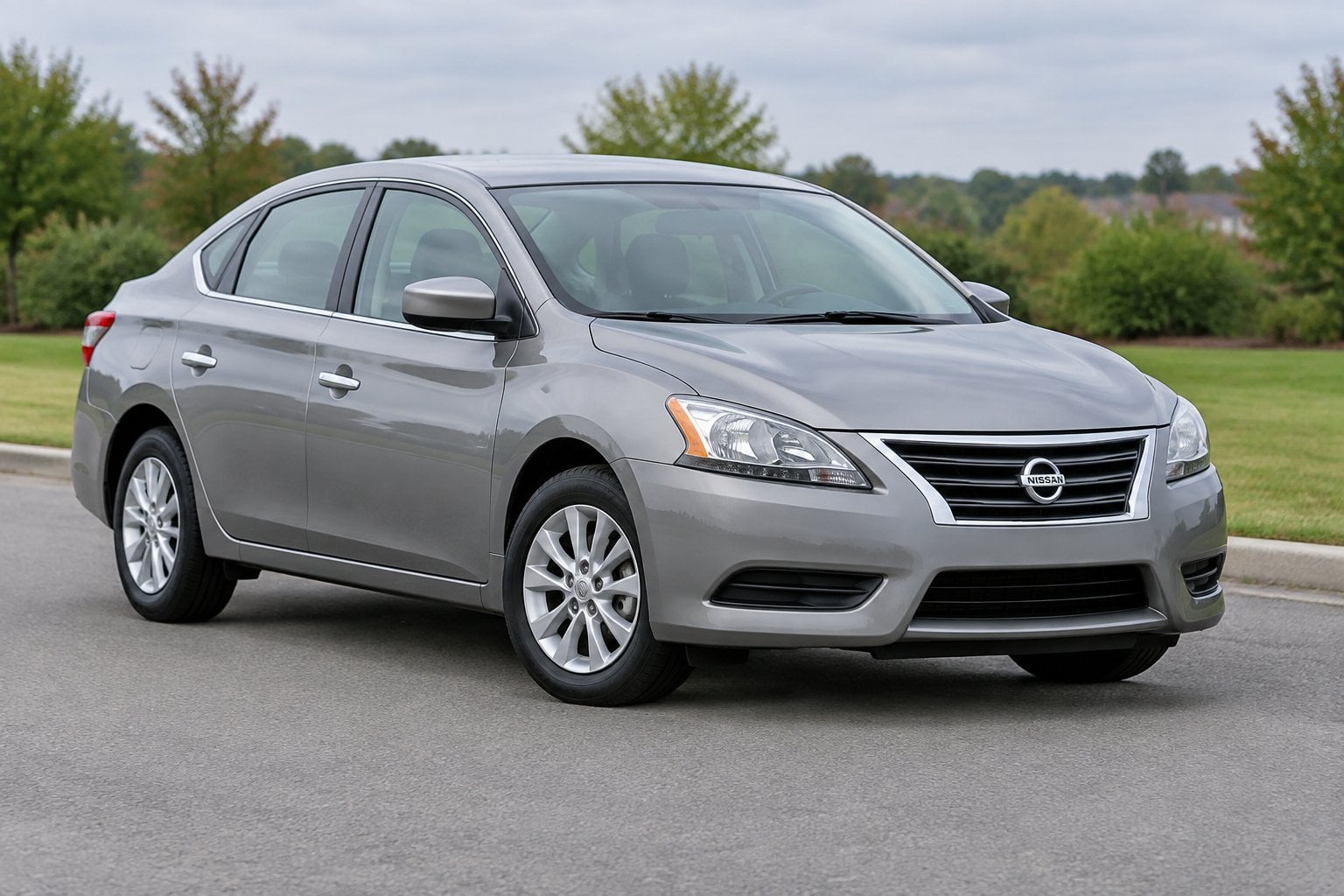
If you’re shopping for a used 2015 Nissan Sentra, you should know this model year carries a poor reliability record. Owners have filed roughly 550 complaints with the NHTSA, and transmission issues top the list.
The continuously variable transmission (CVT) in this generation is prone to premature failure. You may notice shuddering, hesitation, or complete power loss at low speeds, sometimes before the vehicle reaches 60,000 miles.
Electrical problems also show up frequently in owner reports. You could encounter dashboard warning lights that won’t clear or issues with power windows and door locks.
Engine complaints add another layer of concern. Some owners describe stalling or rough idling that required multiple dealership visits to diagnose.
If you’re considering this year, budget for a thorough pre-purchase inspection, particularly focused on the transmission. Repair costs for CVT replacement can run into the thousands, making this one of the more expensive Sentra generations to maintain long-term.
12. 2016 Nissan Sentra
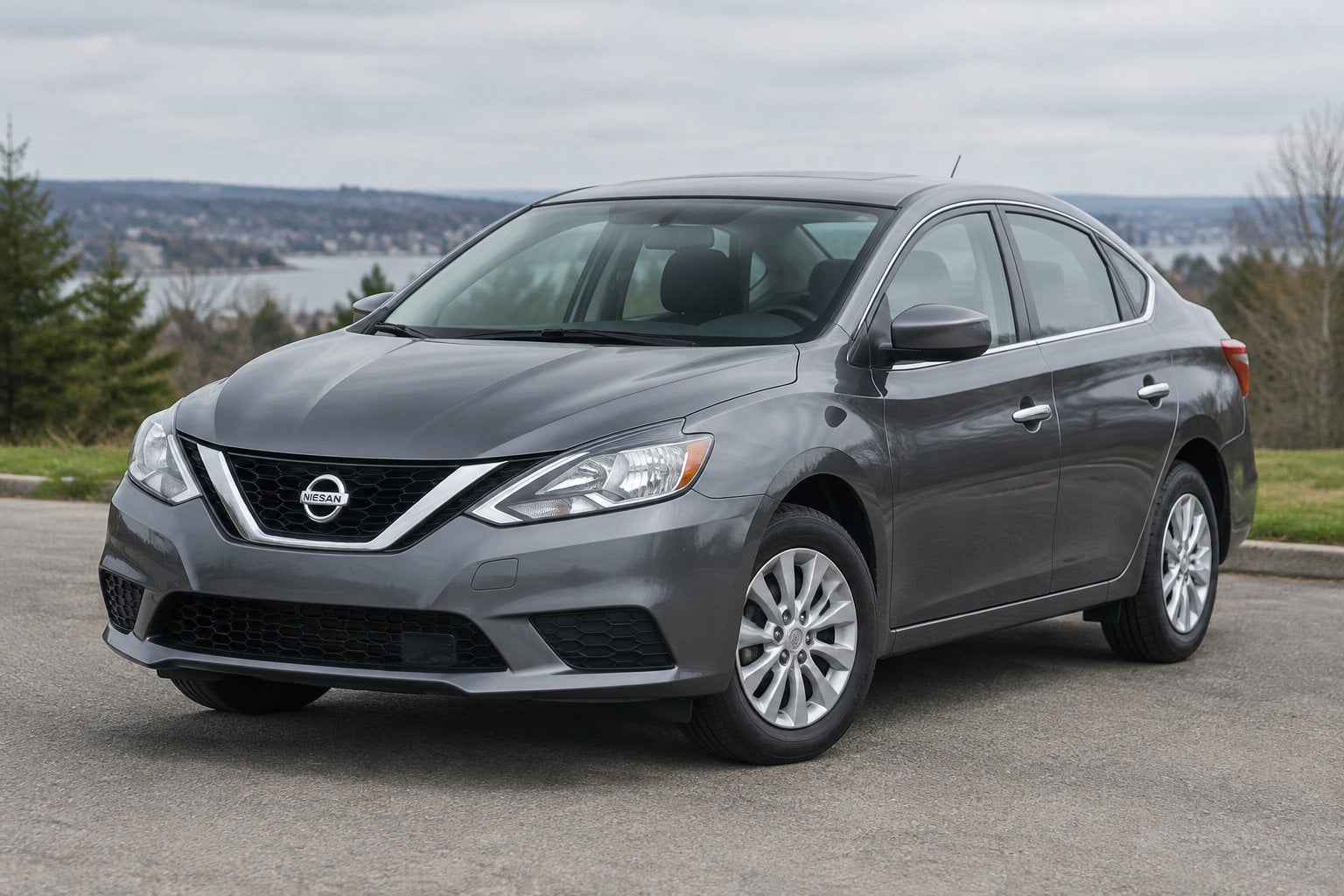
If you’re considering a 2016 Nissan Sentra, you should know it ranks among the more problematic model years for this vehicle. Owners reported hundreds of issues, well above the average for the Sentra line.
The main concern you’ll want to watch for is the Jatco CVT transmission. It’s known to judder, slip, and fail outright in many cases. Related class-action warranty extensions have since expired, so you won’t have that protection if you buy one now.
Beyond transmission trouble, you’ll find complaints about body and paint quality, along with other drivetrain problems. A separate recall affected the front passenger seat belt bracket, which could deform when securing a child restraint system.
Given these combined issues, you’re better off looking at a different model year if reliability is your priority.
13. 2013 Nissan Altima Coupe
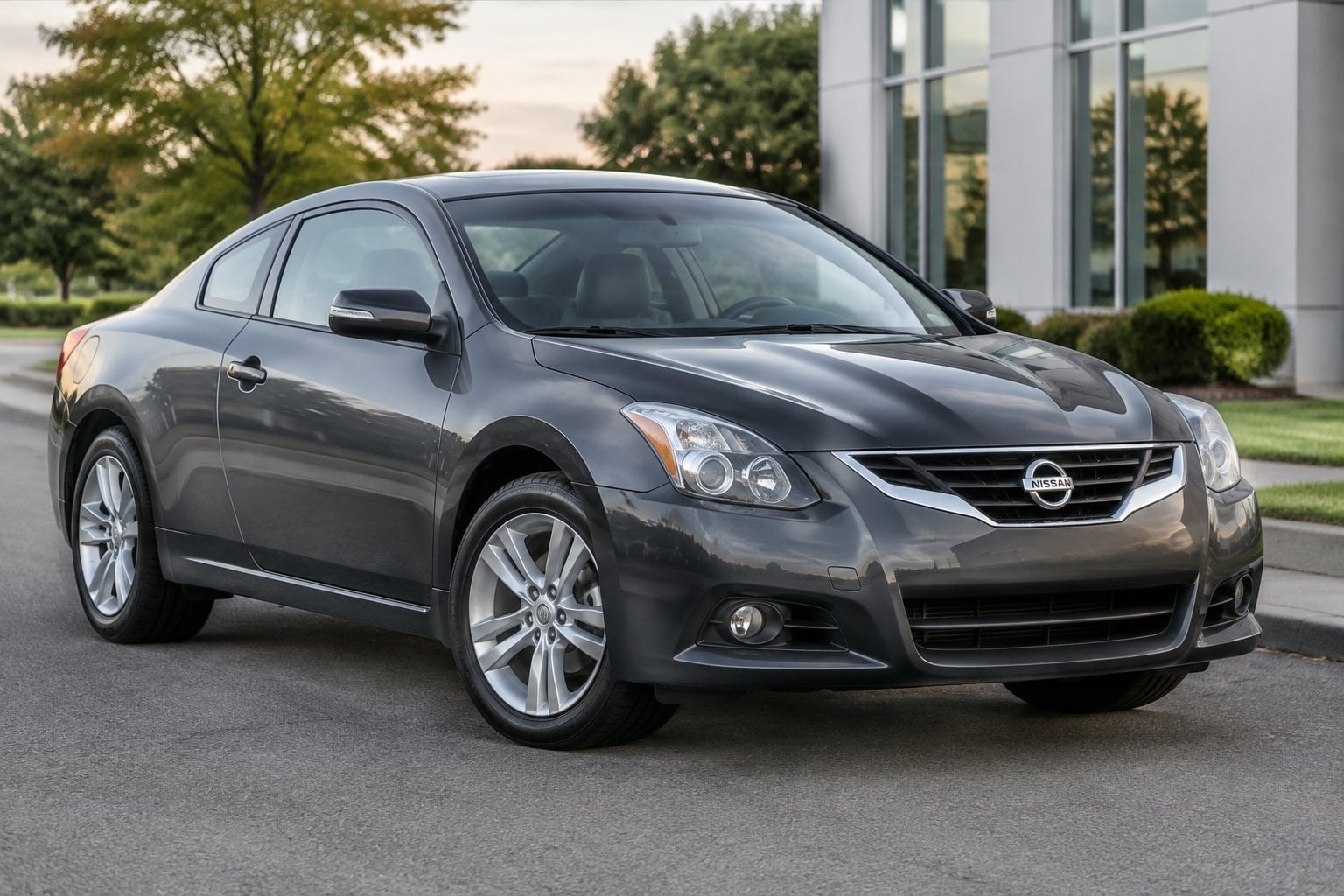
If you’re considering the 2013 Altima Coupe, you should know it shares the same CVT problems as its sedan counterpart. The continuously variable transmission in this model year frequently failed, with repair or replacement costs often exceeding $3,000.
You’ll also encounter reports of excessive oil consumption, which can catch you off guard between scheduled maintenance visits. This means you need to check your oil levels more often than you would with a typical vehicle.
Brake wear complaints are common among owners too. You might find yourself replacing pads and rotors sooner than expected.
The coupe body style doesn’t shield you from these issues. You’re dealing with the same underlying mechanical problems that plagued the sedan, just in a two-door package.
If you’re shopping for a used Altima Coupe, this year deserves extra scrutiny before you commit to a purchase.
14. 2008 Nissan Rogue
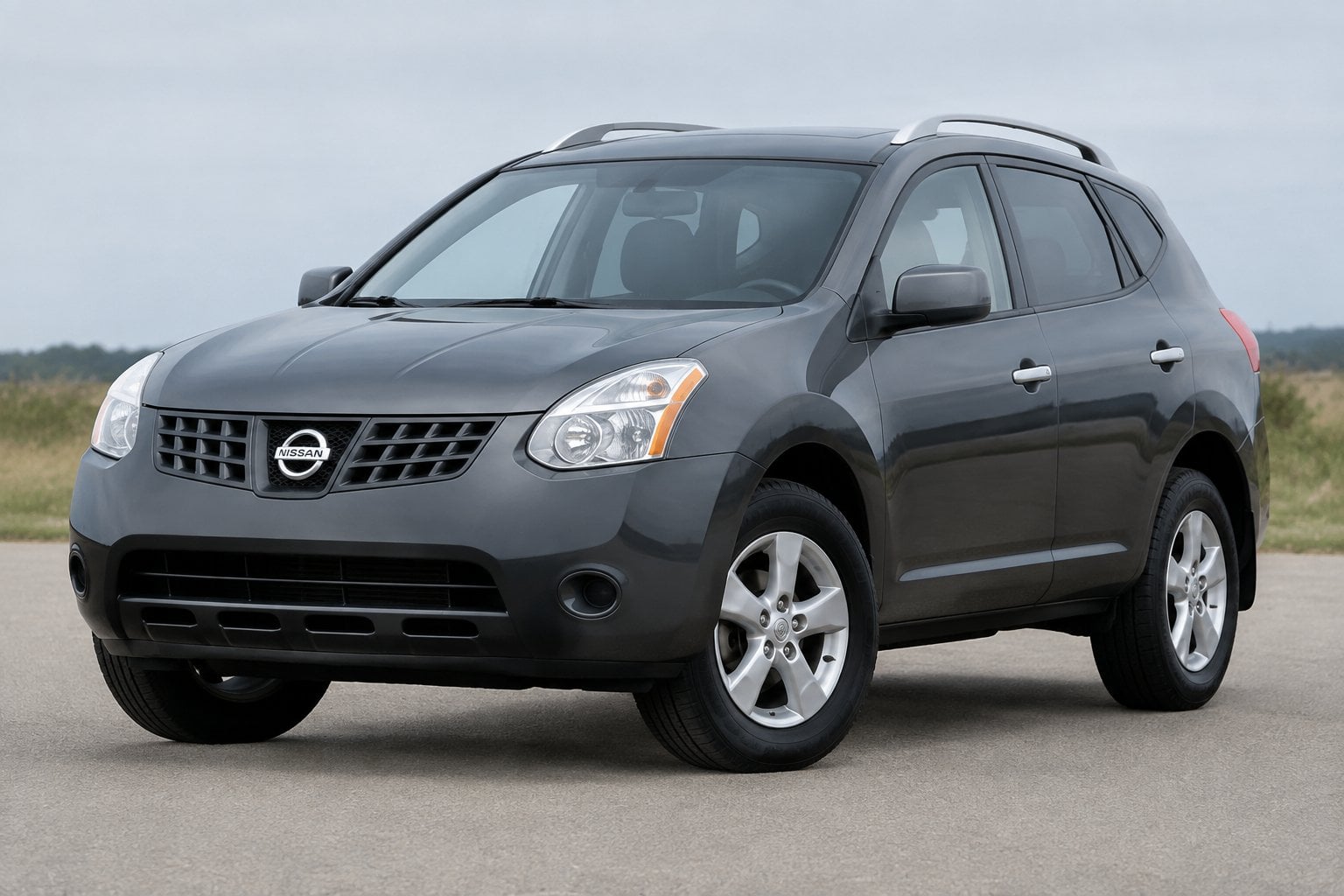
The 2008 Nissan Rogue was the first model year for this compact SUV, and you can see the growing pains in its reliability record. Owners reported hundreds of complaints, with transmission problems topping the list.
The CVT transmission caused the most concern. You’ll find reports of shuddering, jerking, and outright failure, sometimes before 100,000 miles.
Interior accessories were another weak point. Switches, trim pieces, and electrical components wore out or malfunctioned earlier than you’d expect from a new vehicle.
Engine issues added to the problems. Some owners dealt with stalling and rough idling that required repeated trips to the dealership.
If you’re shopping for a used Rogue, this model year deserves extra scrutiny. The combination of transmission and engine concerns makes it one of the least dependable choices in Nissan’s lineup, and repair costs can add up quickly if you’re not prepared.
15. 2009 Nissan Rogue
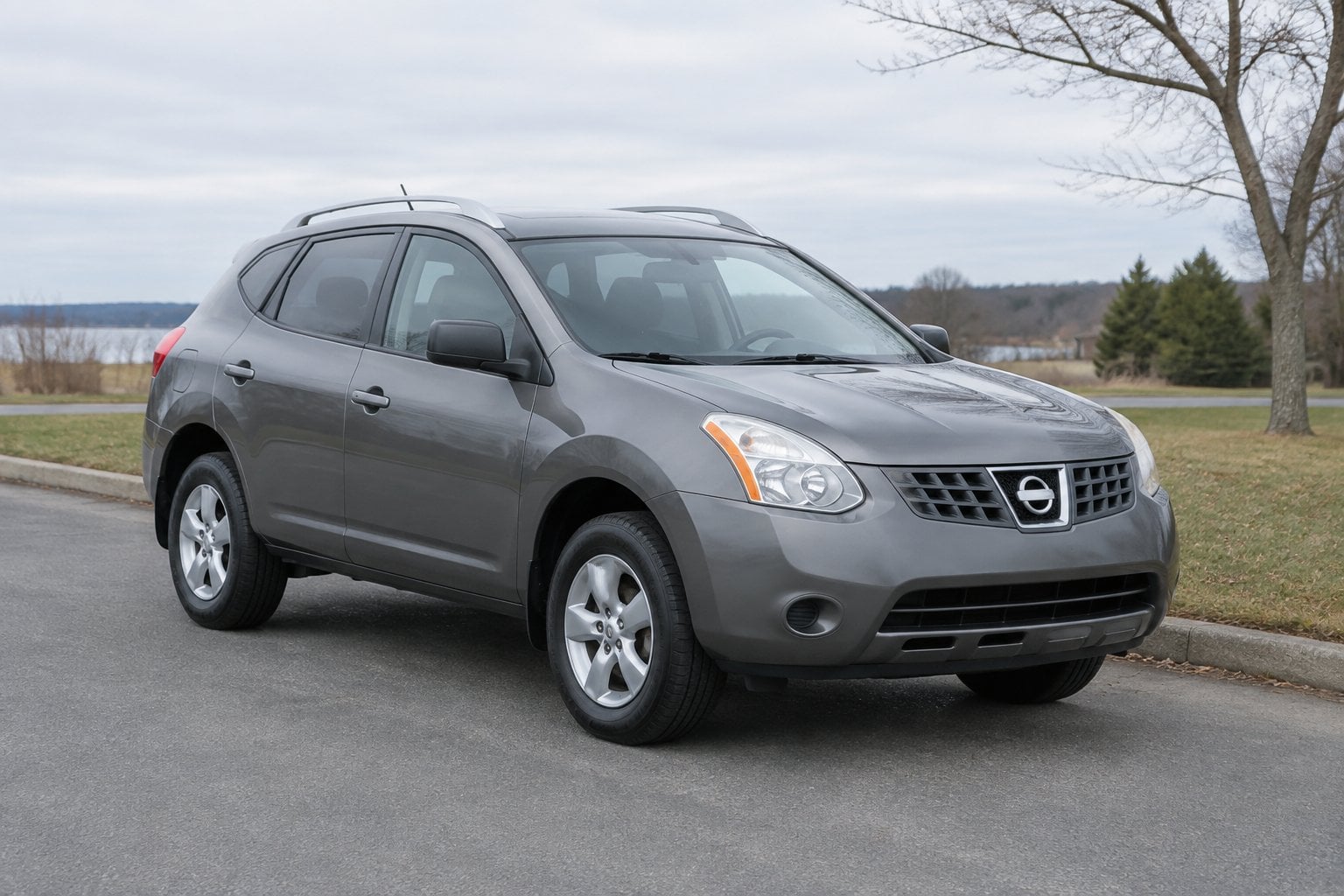
If you’re considering a 2009 Nissan Rogue, you should know it carries a heavy complaint history. NHTSA records show over 300 owner complaints and multiple recalls tied to this model year.
Airbag problems account for a large share of these complaints, with roughly 96 reports and repair costs near $1,100. You’ll also find engine issues reported by owners, including power loss, stalling while driving, and noticeable vibration.
Transmission problems add to the list of concerns you’d face with this model. Since the Rogue launched in 2008, Nissan hadn’t resolved core issues by 2009, and you’d be inheriting many of the same design flaws.
If you’re weighing this year against others, the complaint volume alone should give you pause. You’d be taking on a vehicle with documented reliability gaps across several major systems, not just isolated incidents.
16. 2010 Nissan Rogue
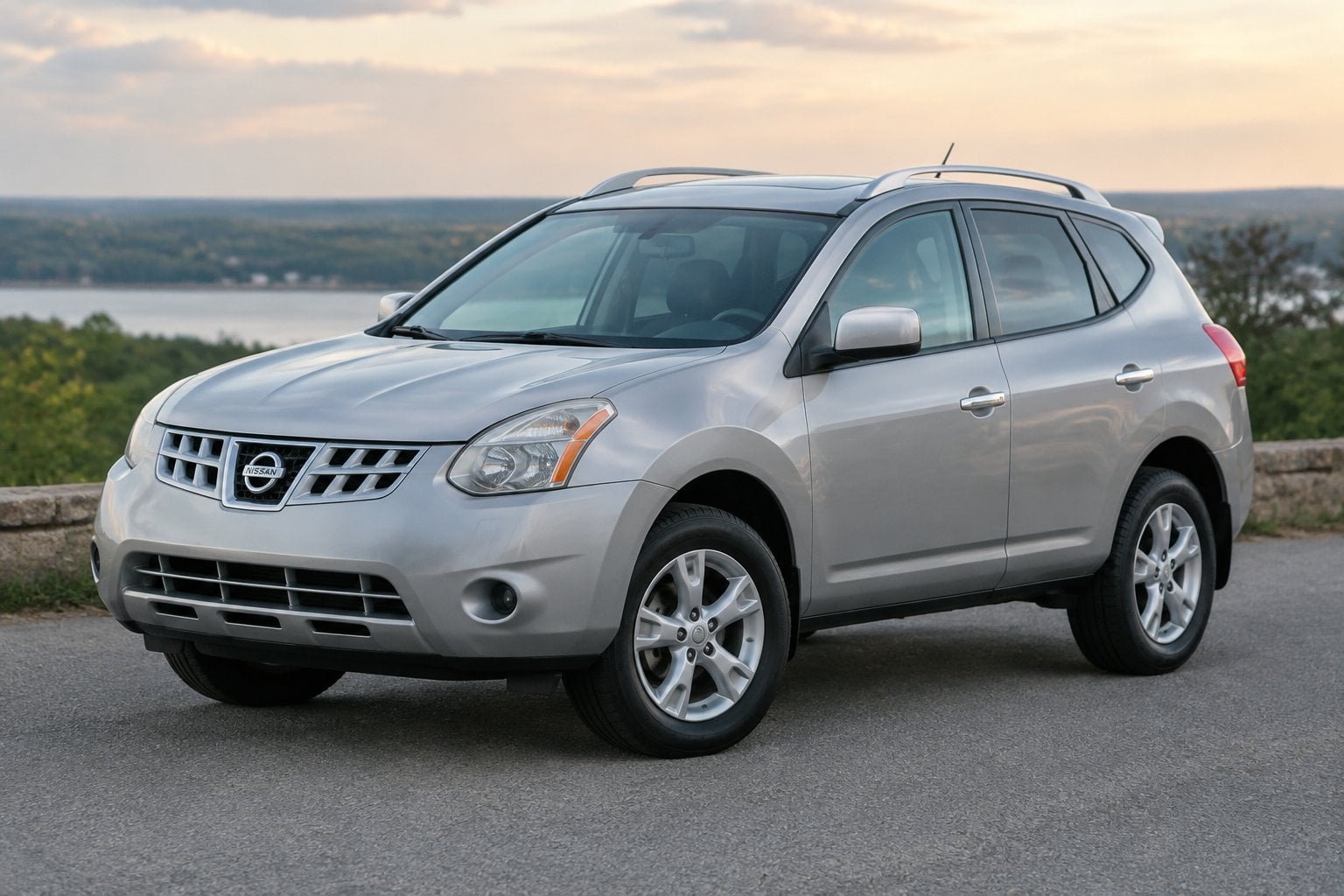
If you’re considering a 2010 Nissan Rogue, you should know it carries a reputation for CVT transmission failures. Owners have reported shuddering, jerking, and complete transmission failure, often before 100,000 miles.
You’ll find hundreds of complaints filed with NHTSA related to power train and vehicle speed control issues. Engine problems also appear frequently in owner reports.
Repair costs for a CVT replacement can run into the thousands of dollars. This makes the 2010 Rogue’s low purchase price less appealing once you factor in likely maintenance expenses.
You may also encounter reports of premature brake wear and electrical glitches. While not every unit will fail, the frequency of these complaints suggests a pattern rather than isolated incidents.
If you’re shopping for a used Rogue, you’re better off looking at newer model years where Nissan addressed these transmission durability concerns.
17. 2011 Nissan Rogue
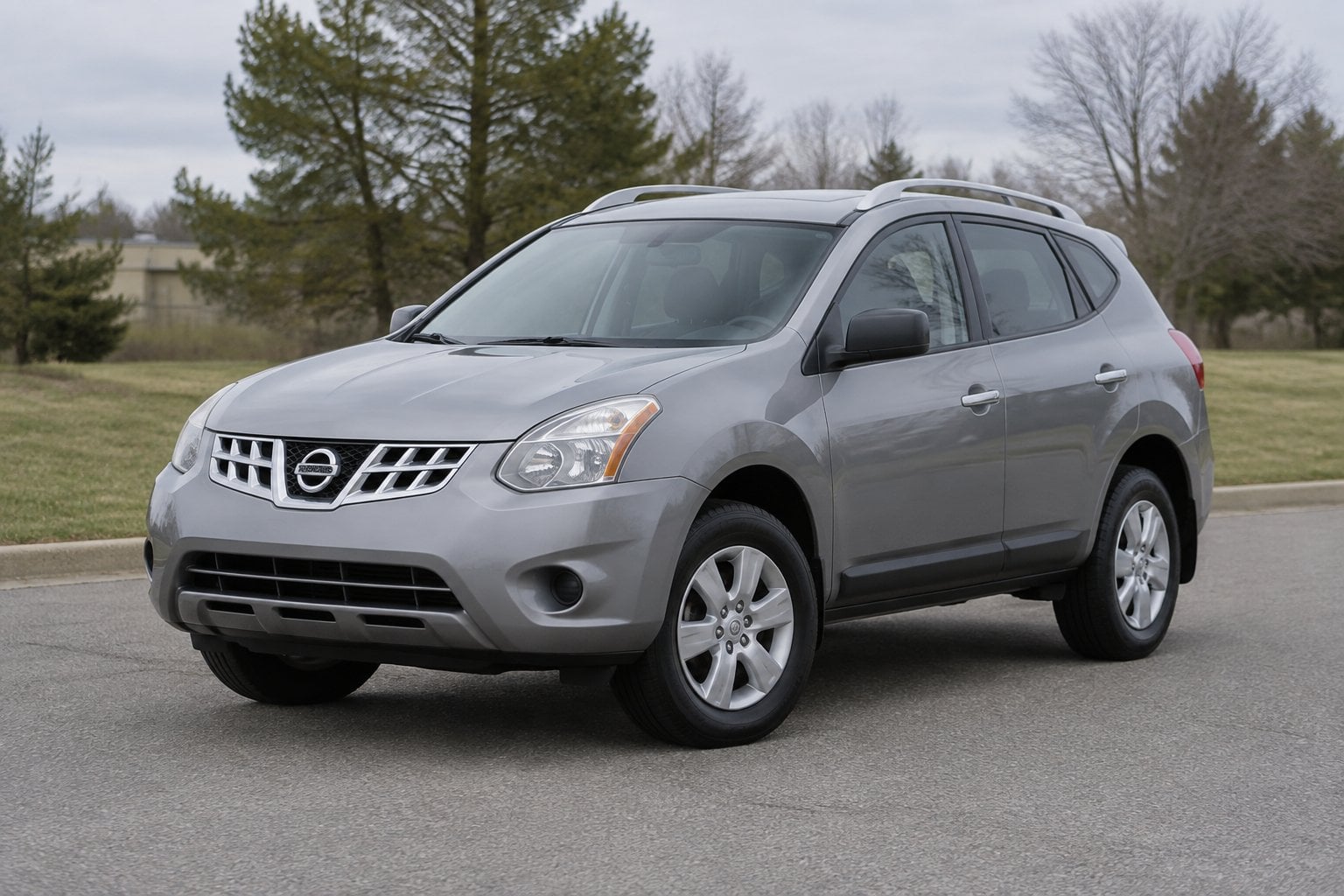
You’ll find the 2011 Nissan Rogue near the top of consumer complaint lists, with owners reporting 648 problems and defects. Transmission issues rank as the most common concern.
The CVT transmission can jerk, hesitate, or fail outright, often before you hit 100,000 miles. Replacement costs run into the thousands, and repairs don’t always resolve the underlying issue.
You’ll also encounter body and paint complaints. Owners report premature peeling, bubbling, and rust in areas that shouldn’t show wear this early.
Air conditioning and heater problems round out the major complaint categories. You may experience inconsistent airflow, weak cooling, or complete system failure.
If you’re shopping for a used Rogue, this model year requires extra caution. Get a pre-purchase inspection focused on the transmission and undercarriage before you commit. The combination of mechanical and cosmetic issues makes this one of the least reliable years in the Rogue lineup.
18. 2013 Nissan Rogue
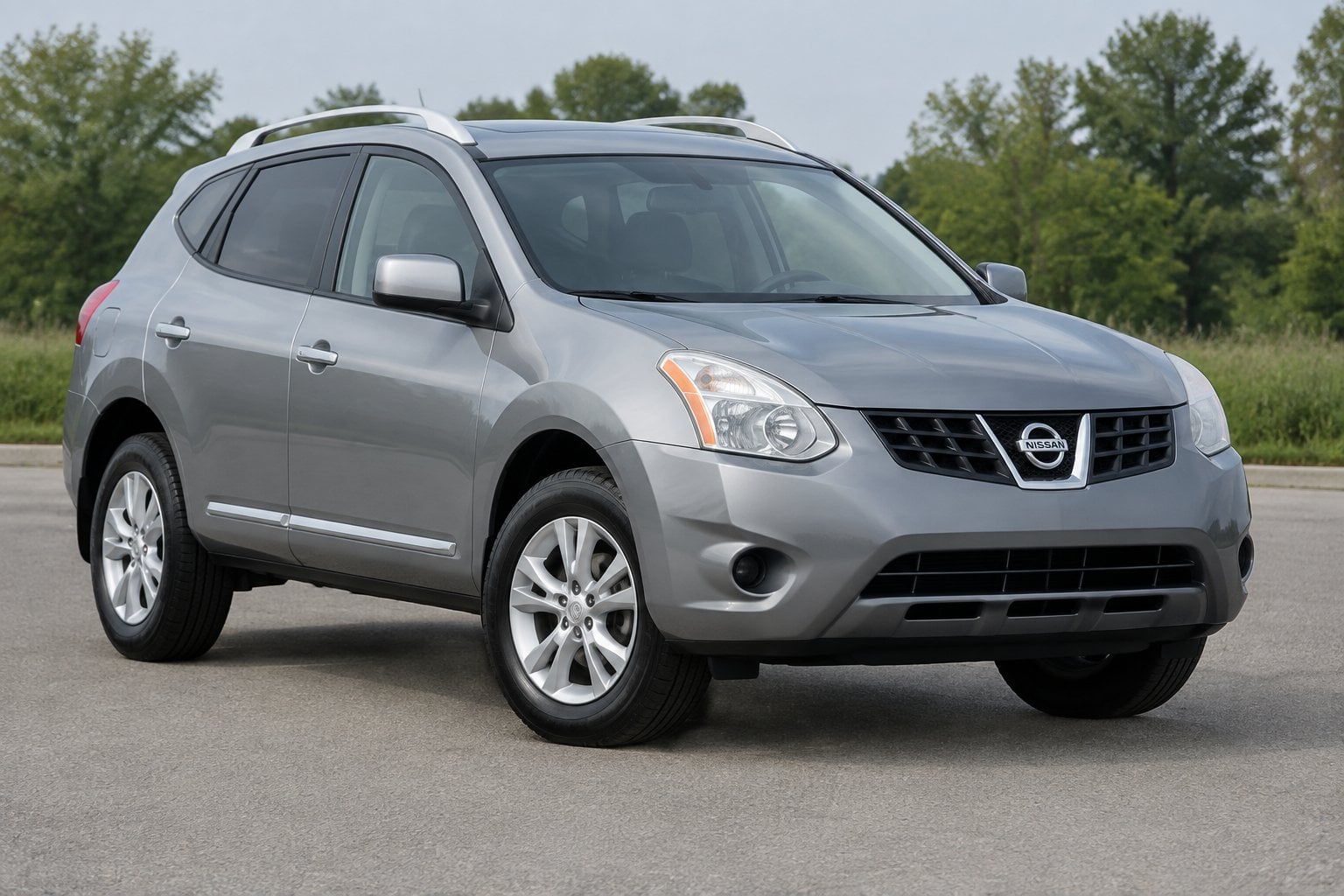
The 2013 Rogue tops many lists of problematic Nissan models, and for good reason. You’ll find over a thousand owner-reported complaints tied to this model year, with transmission failures leading the pack.
The CVT transmission is the main concern. Owners report jerking, hesitation, and shuddering during acceleration, often at mileage well under 100,000. In many cases, the transmission fails completely, leaving you facing a repair bill that can exceed $3,000.
Engine problems and body or paint defects round out the top complaint categories. If you’re considering a used 2013 Rogue, you should factor in the likelihood of transmission work into your budget.
This model year came before Nissan addressed known CVT design flaws in later Rogue generations. Buying one means taking on a documented risk that other Nissan crossovers from the same era manage to avoid.
19. 2014 Nissan Rogue
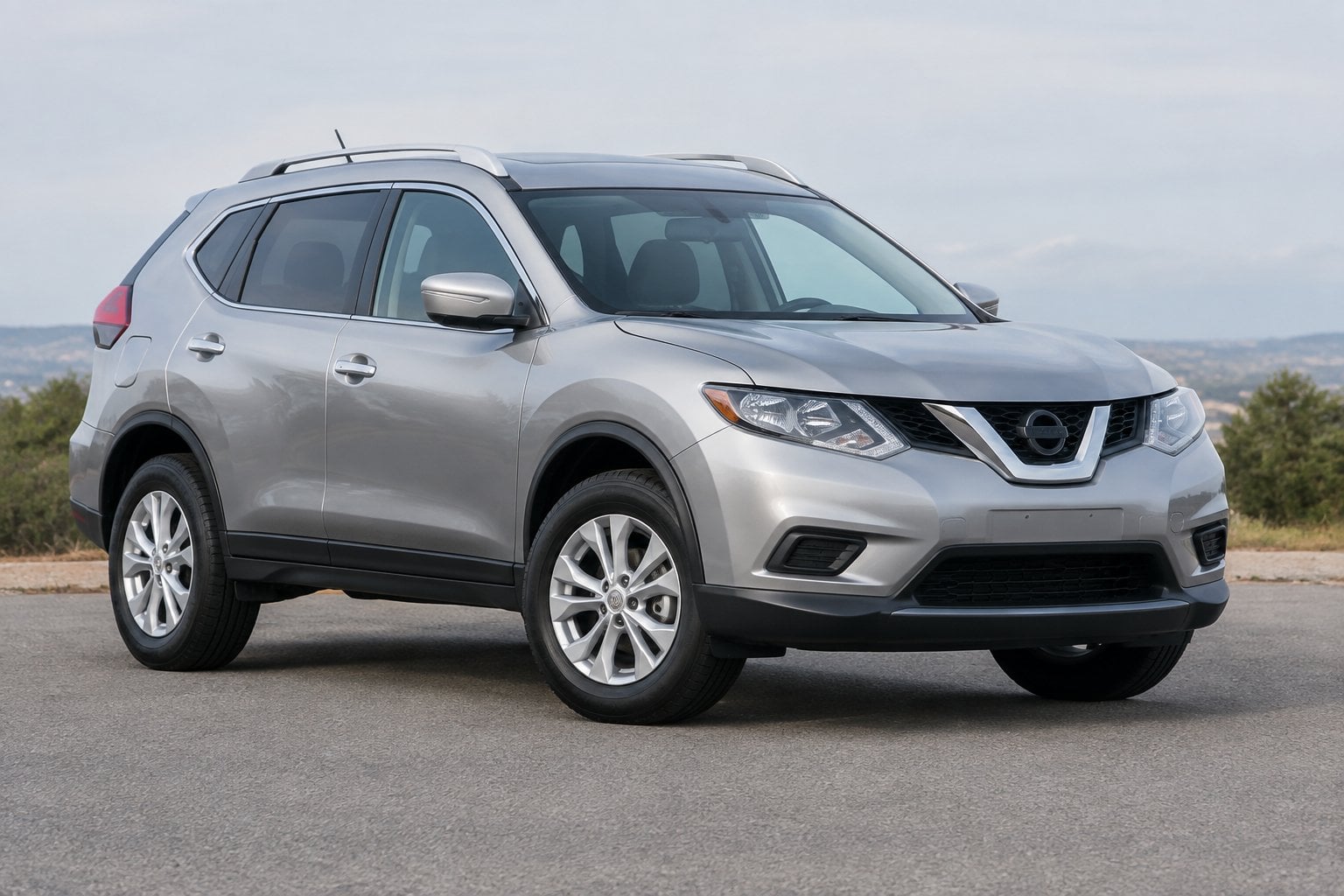
If you’re shopping for a used compact SUV, you should approach the 2014 Nissan Rogue with caution. Owners have filed hundreds of complaints against this model year, with CVT transmission failures topping the list.
You’ll typically see these transmission problems surface between 60,000 and 120,000 miles, often requiring expensive repairs or a full replacement. Beyond the transmission, you’ll also encounter HVAC blower motor failures and premature suspension wear.
Electrical issues add another layer of frustration. Some owners report AC and heater malfunctions alongside body and paint defects, which suggests quality control problems extended across multiple systems.
If you’re considering this year, you should budget for significant repair costs or look elsewhere. The combination of transmission unreliability and widespread owner complaints places the 2014 Rogue among the least dependable choices in Nissan’s SUV lineup.
20. 2015 Nissan Rogue
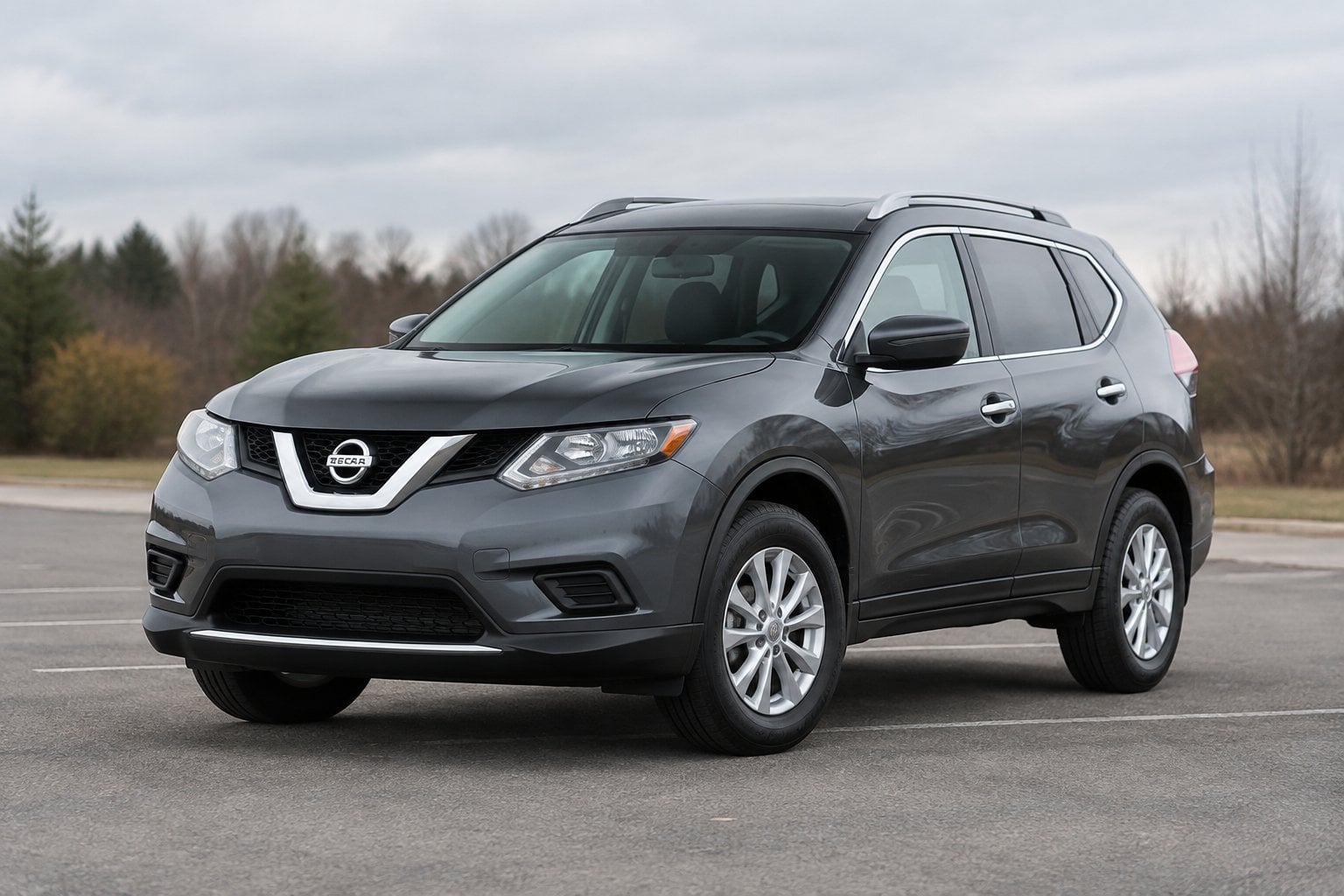
If you’re shopping for a used Rogue, you should approach the 2015 model with caution. It carries eight recalls, and owners have reported hundreds of problems across multiple systems.
You’ll find that engine stalling is one of the most serious issues. This defect can create dangerous situations, especially at highway speeds or in traffic.
Beyond stalling, you’ll encounter complaints about the transmission, particularly related to the CVT. Interior accessories and the climate control system also show up frequently in owner reports.
You should factor in the cost of potential repairs if you’re considering this model year. The combination of recall volume and reported defects makes the 2015 Rogue a riskier purchase than newer versions.
If reliability matters to you, you’re better off looking at Rogue models from 2017 onward, when Nissan addressed many of these earlier issues.
21. 2016 Nissan Rogue
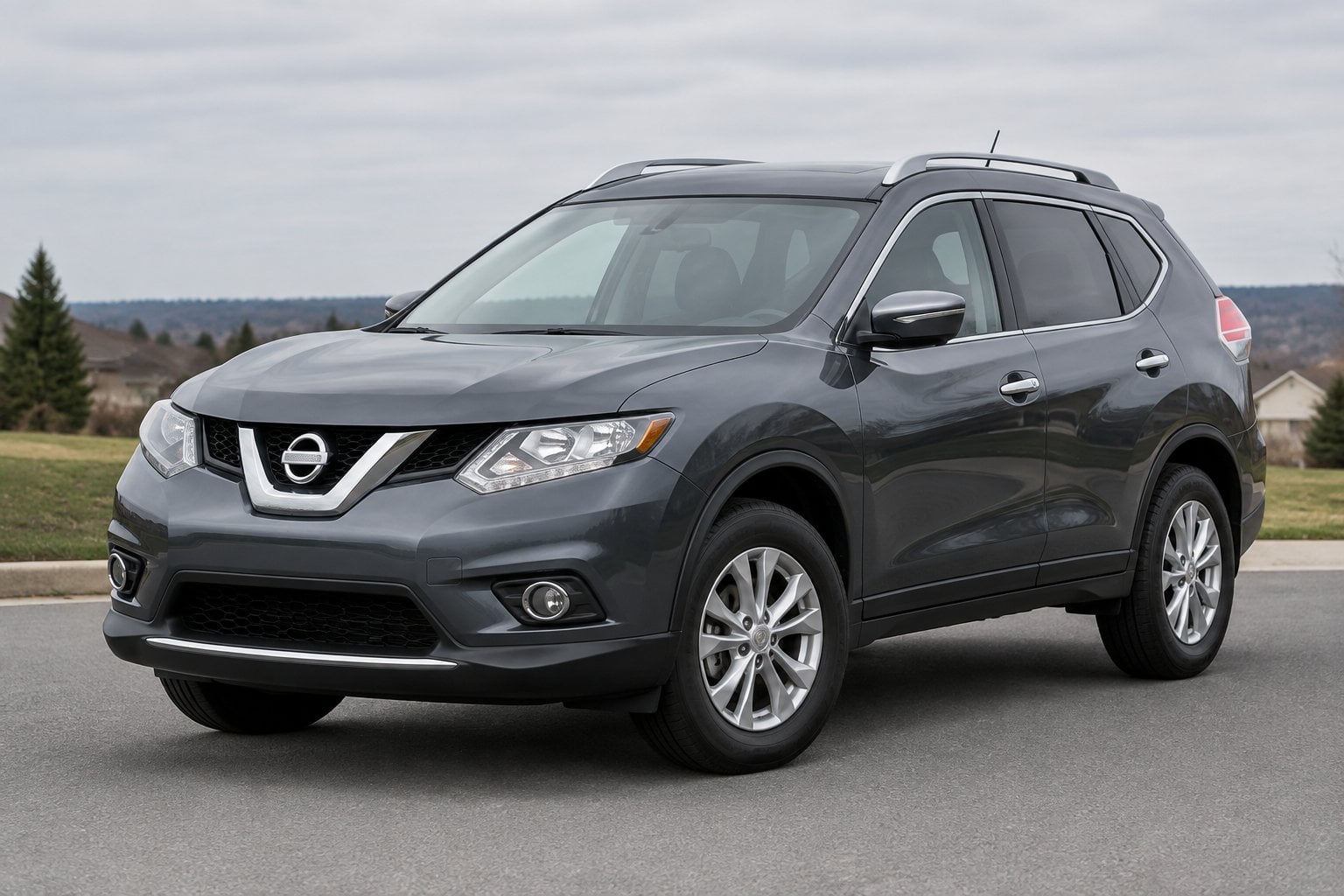
You’ll find nearly 540 owner complaints filed with NHTSA against the 2016 Rogue, along with 7 recalls. The biggest issue centers on the powertrain, accounting for over 170 complaints.
Transmission trouble tends to show up around 78,000 miles. Repairs for CVT failures can run you roughly $2,500.
This model year sits at the tail end of Nissan’s problematic CVT run, which stretched from 2013 through 2016. You’re looking at a transmission prone to shuddering, slipping, and overheating under normal driving conditions.
Some owners also reported acceleration loss, a symptom tied directly to CVT wear. Nissan improved the transmission design for the 2017 model year, so the 2016 version misses out on those fixes.
If you’re considering this year, expect the CVT to be your primary concern. Budget for potential replacement costs and check maintenance records carefully before buying.
22. 2017 Nissan Rogue Sport
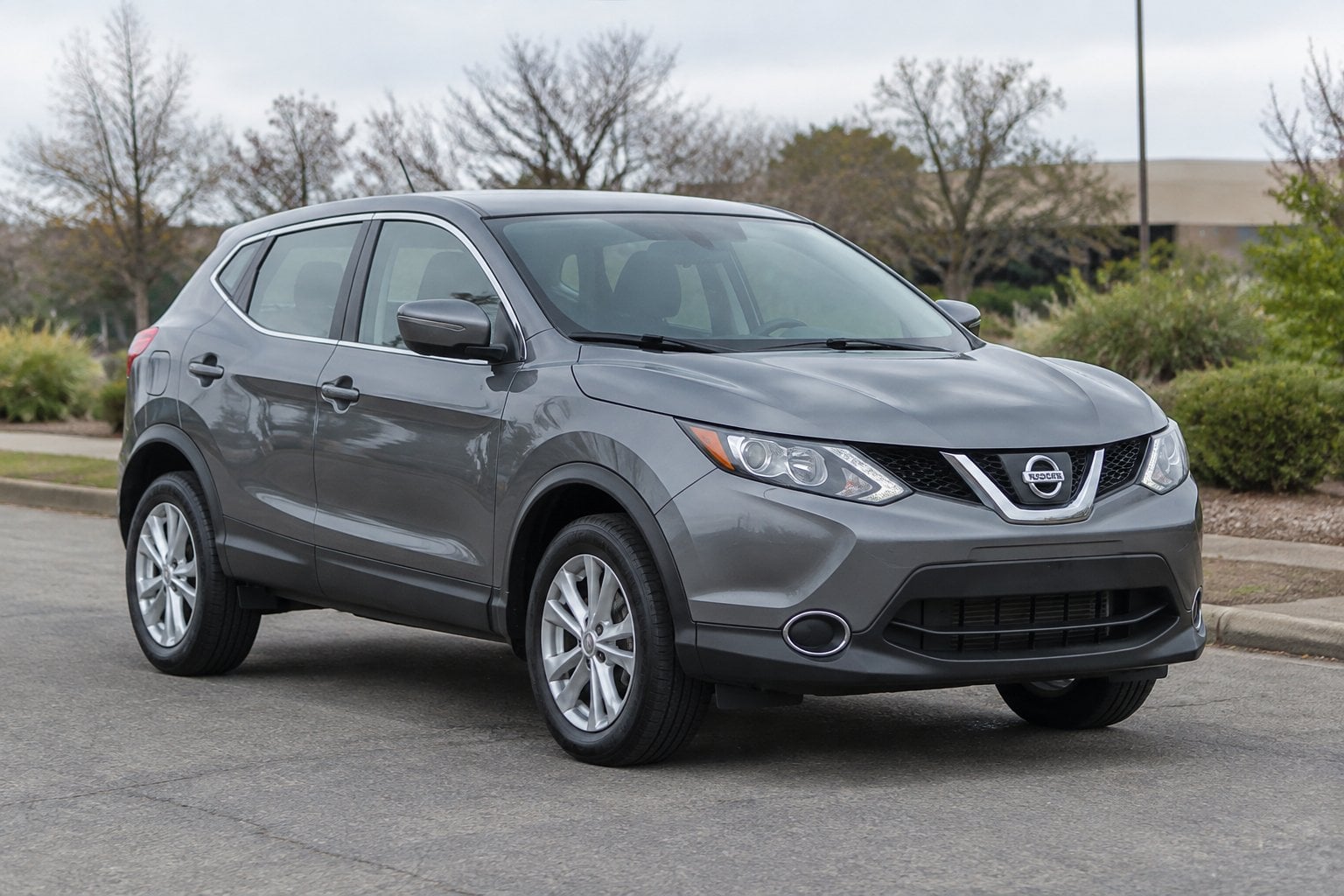
If you’re looking at a used 2017 Rogue Sport, you should know this was the model’s debut year, and it shows. Owners have filed dozens of complaints with NHTSA, with engine trouble topping the list.
You might encounter reports of sudden power loss while driving or unusual engine noises after routine service visits. Transmission problems are also common, including jerking and hesitation during acceleration.
Beyond the powertrain, you’ll find complaints about the AC and heating systems failing prematurely. Brake issues round out the list of frequent concerns for this model year.
Compared to later years like 2020 or 2022, the 2017 model carries significantly more reported defects. If you’re set on buying a Rogue Sport, you’d be better off skipping this launch year and choosing a newer model with a stronger reliability record.
23. 2003 Nissan Murano
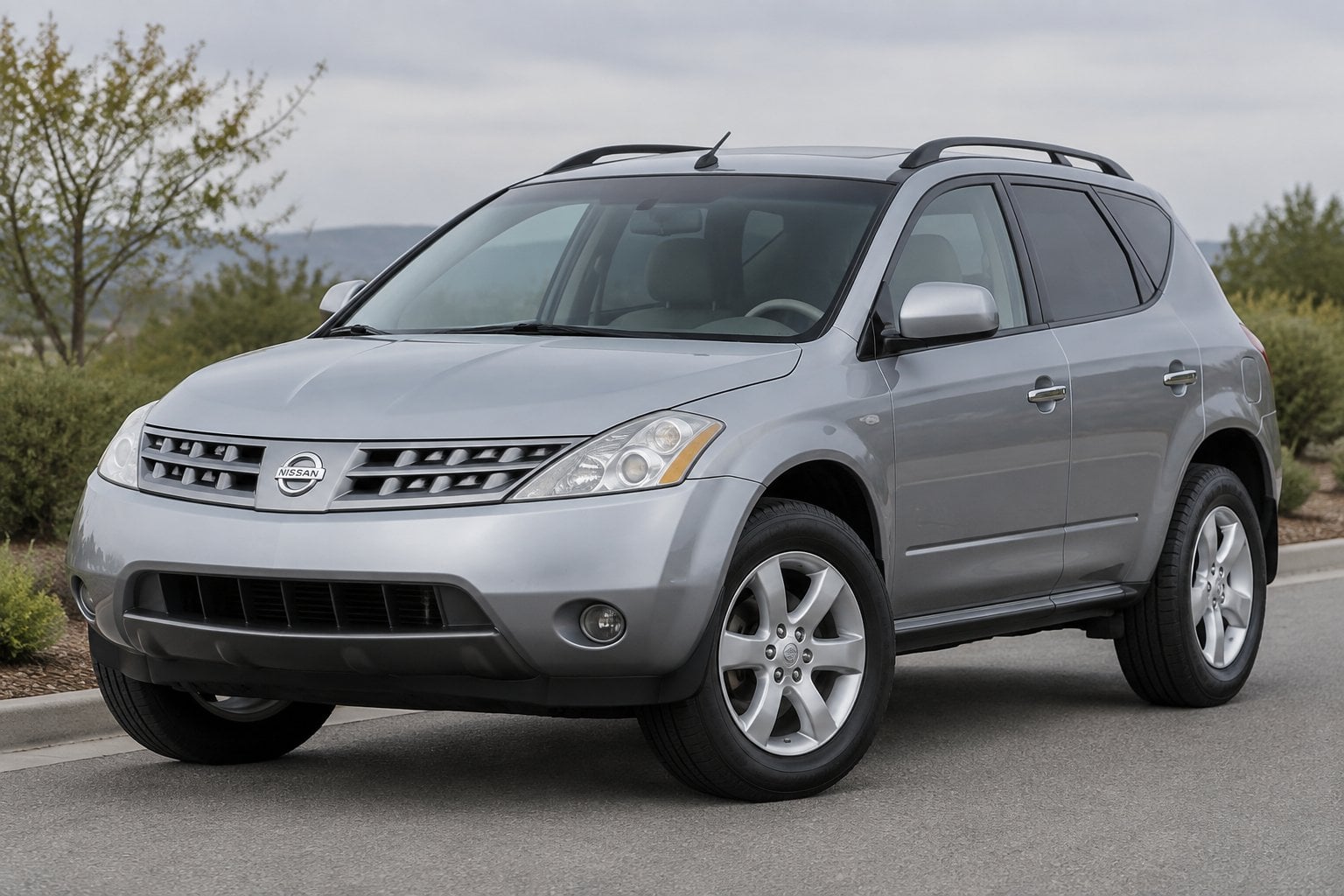
The 2003 Murano launched Nissan’s midsize SUV line, but the first model year came with significant reliability concerns. You’ll find over a thousand owner complaints tied to this vehicle, with transmission failures topping the list.
The continuously variable transmission (CVT) is your biggest concern here. Many owners reported premature failure, often before 100,000 miles, requiring costly replacement.
Engine problems also surface frequently in owner reports. You may encounter issues ranging from stalling to more serious mechanical failures that leave you stranded.
Interior components and accessories didn’t hold up well either. Owners noted electrical glitches, dashboard issues, and premature wear on trim pieces.
If you’re considering a used 2003 Murano, expect to budget for transmission repairs. This was the debut year for the model, and it shows in the number of unresolved mechanical issues you’re likely to face down the road.
24. 2004 Nissan Murano
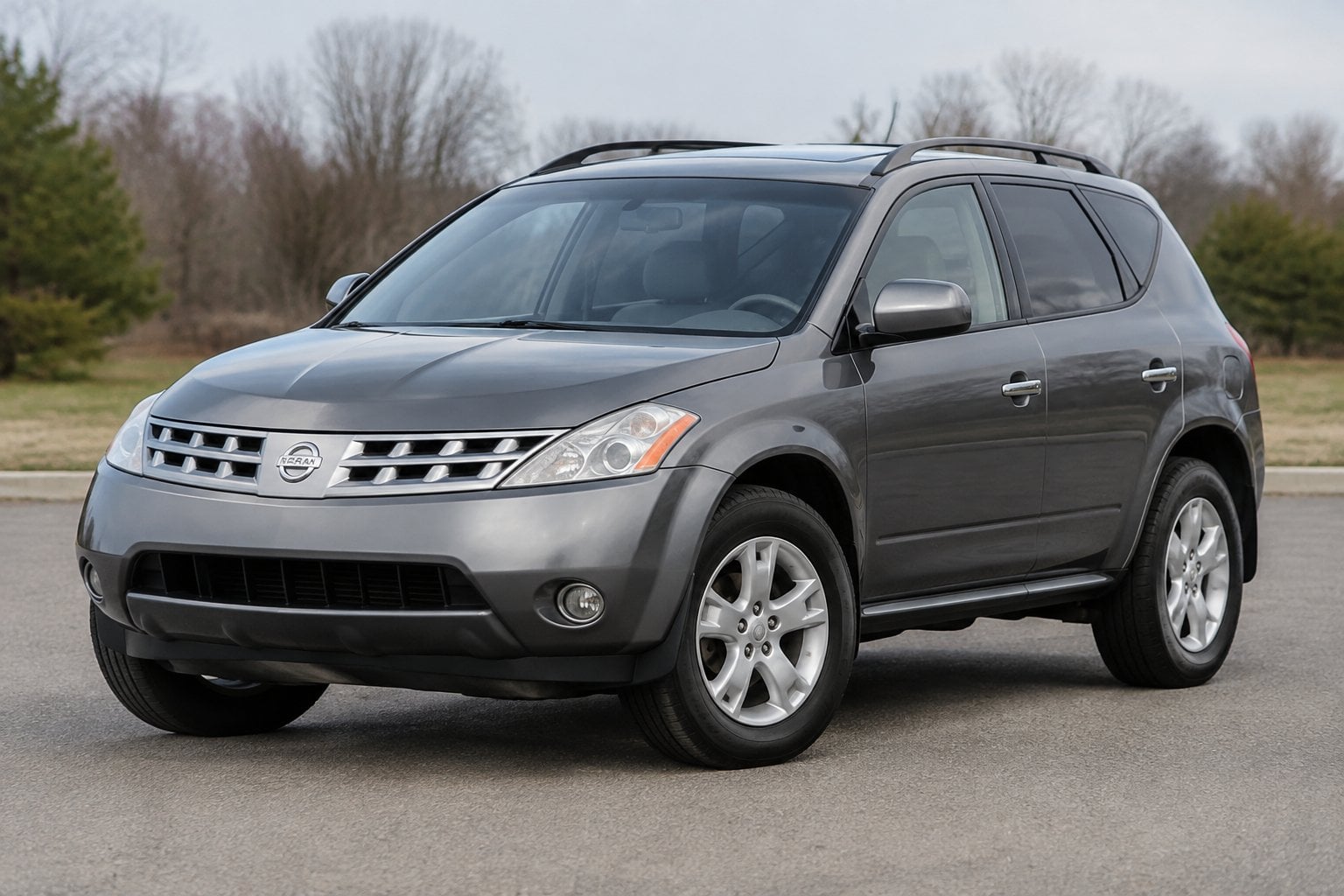
The 2004 Murano was the first model year of Nissan’s first crossover SUV, and it shows in the complaint numbers. You’ll find this year holds the highest rate of owner complaints among all Murano model years produced.
Transmission failure is the most common issue you’ll encounter. Owners report repair costs near $2,900, typically surfacing around 98,000 miles.
You may also run into engine failure linked to a faulty catalytic converter, with repairs costing roughly $5,800. Door handles breaking is another frequent complaint, though the fix is inexpensive at about $100.
If you’re shopping for a used Murano, this is the year you should skip. The combination of transmission and engine problems makes it one of the least dependable options in Nissan’s SUV lineup.
Later model years addressed some of these early defects, giving you better reliability if you look elsewhere.
25. 2005 Nissan Murano
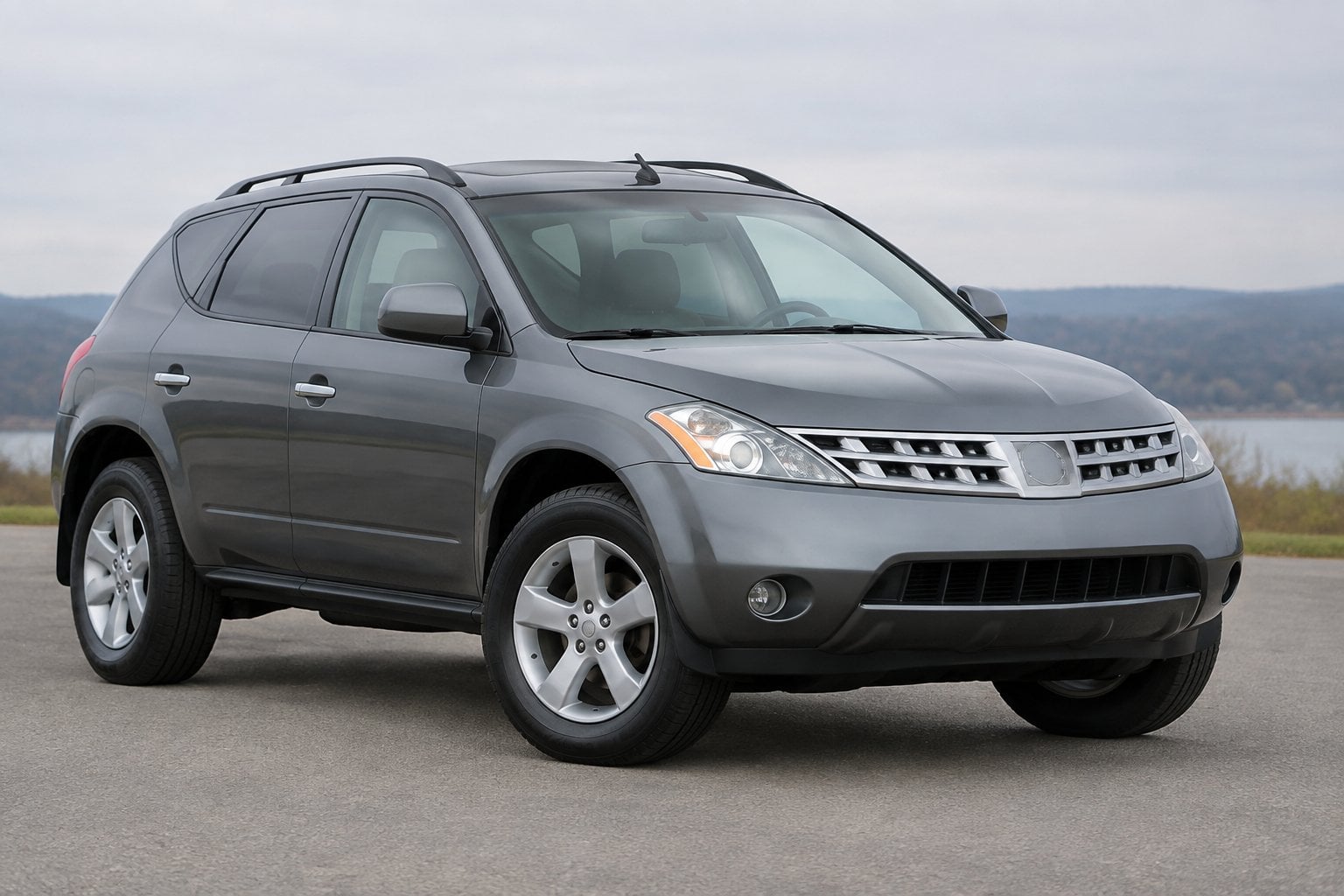
The 2005 Murano stands out as the weakest model year in the lineup. It carries six NHTSA recalls, one of the highest counts across all Murano years.
Transmission problems dominate owner complaints. The CVT in this model tends to shudder, hesitate, or fail well before you’d expect, sometimes as early as 60,000 miles.
If you’re looking at an AWD version, you should also watch for transfer case failures. These add another layer of repair costs on top of transmission concerns.
Electrical issues round out the list of problems. Owners report dashboard warning lights, faulty sensors, and inconsistent power accessories.
With nearly 1,000 complaints filed against this model, you’re dealing with a pattern rather than isolated incidents. If you’re shopping for a used Murano, this is the year you’ll want to skip.
26. 2009 Nissan Murano
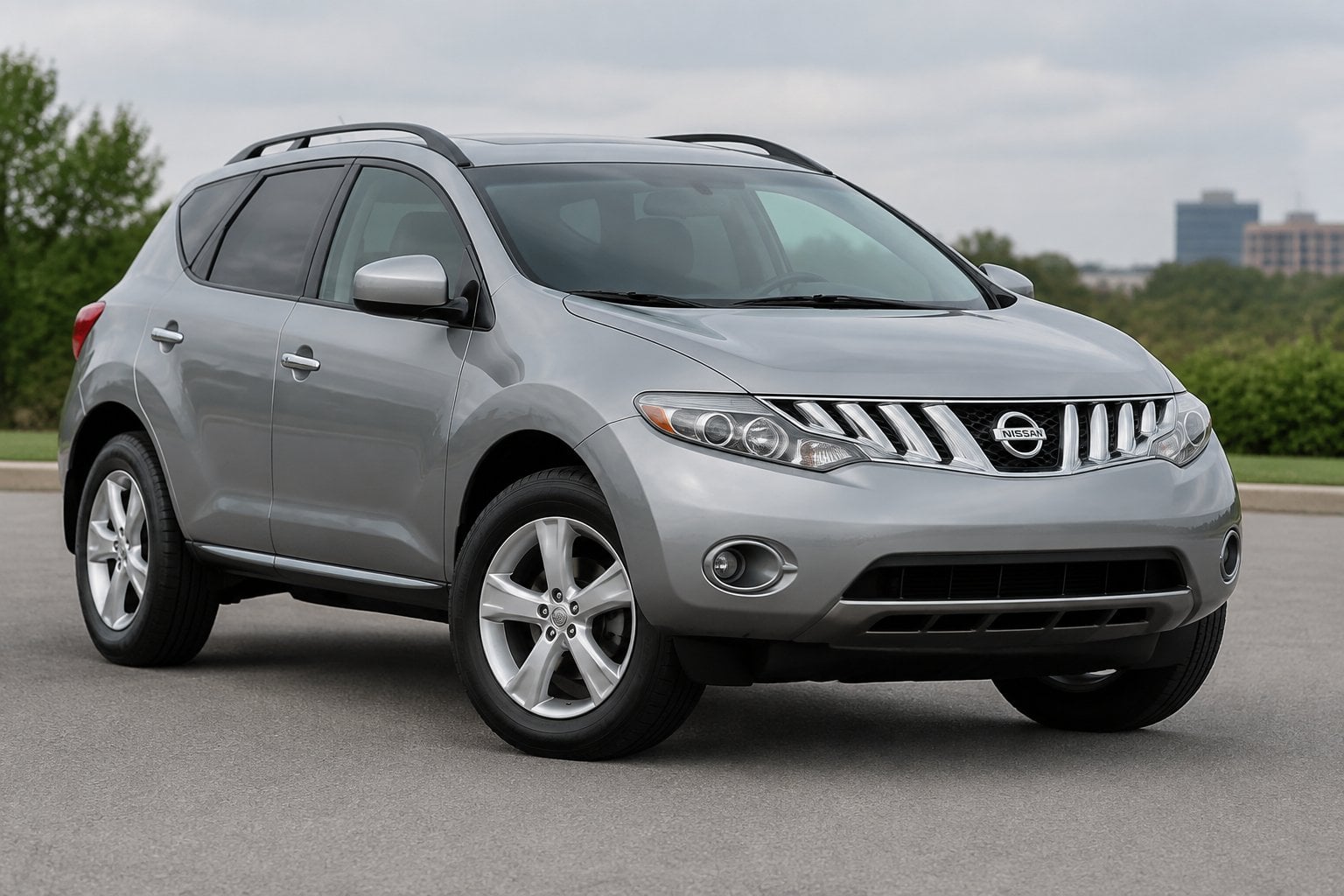
The 2009 Murano marks the start of the second generation, and it brought CVT transmission problems that continued to plague the model for years.
You’ll find widespread complaints about shuddering, jerking, and complete transmission failure, often occurring well before 100,000 miles. Many owners report repair costs running into thousands of dollars, since replacement units are typically required rather than simple fixes.
NHTSA complaint data ranks the 2009 model among the worst in the Murano’s history, with transmission issues making up the bulk of reported problems. You may also encounter electrical glitches and interior wear that appear earlier than expected for a vehicle in this class.
If you’re considering a used 2009 Murano, you should budget for potential transmission replacement or walk away entirely. The savings on the purchase price rarely offset the repair costs you’re likely to face down the road.
27. 2010 Nissan Murano
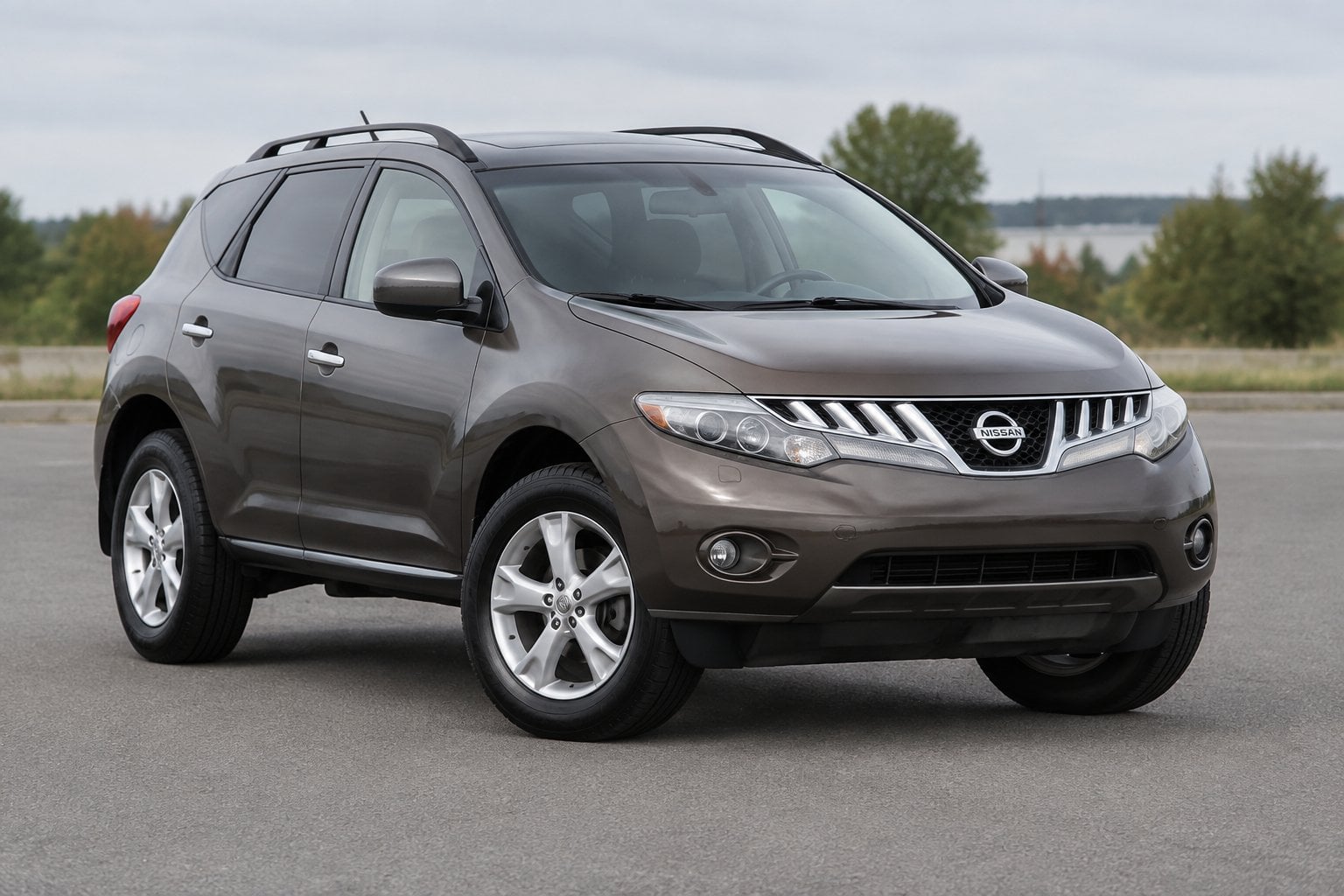
The 2010 Murano is one of the most complained-about model years in the vehicle’s history. You’ll find hundreds of NHTSA reports tied to this year, with transmission failures topping the list.
The CVT transmission is the main issue you should watch for. Owners have reported shaking, hesitation, and complete failure, often before 100,000 miles. Repair costs typically run into the thousands of dollars.
Brake problems are also common, with many owners reporting issues around 100,000 miles. You can expect repair costs near $450 for brake-related fixes.
Nissan issued a recall in 2017 covering thousands of these vehicles due to transmission defects that caused shaking and pulling during braking. If you’re considering a used 2010 Murano, you should factor in the likelihood of costly transmission repairs. This model year carries more risk than most other years in the Murano lineup.
28. 2011 Nissan Murano
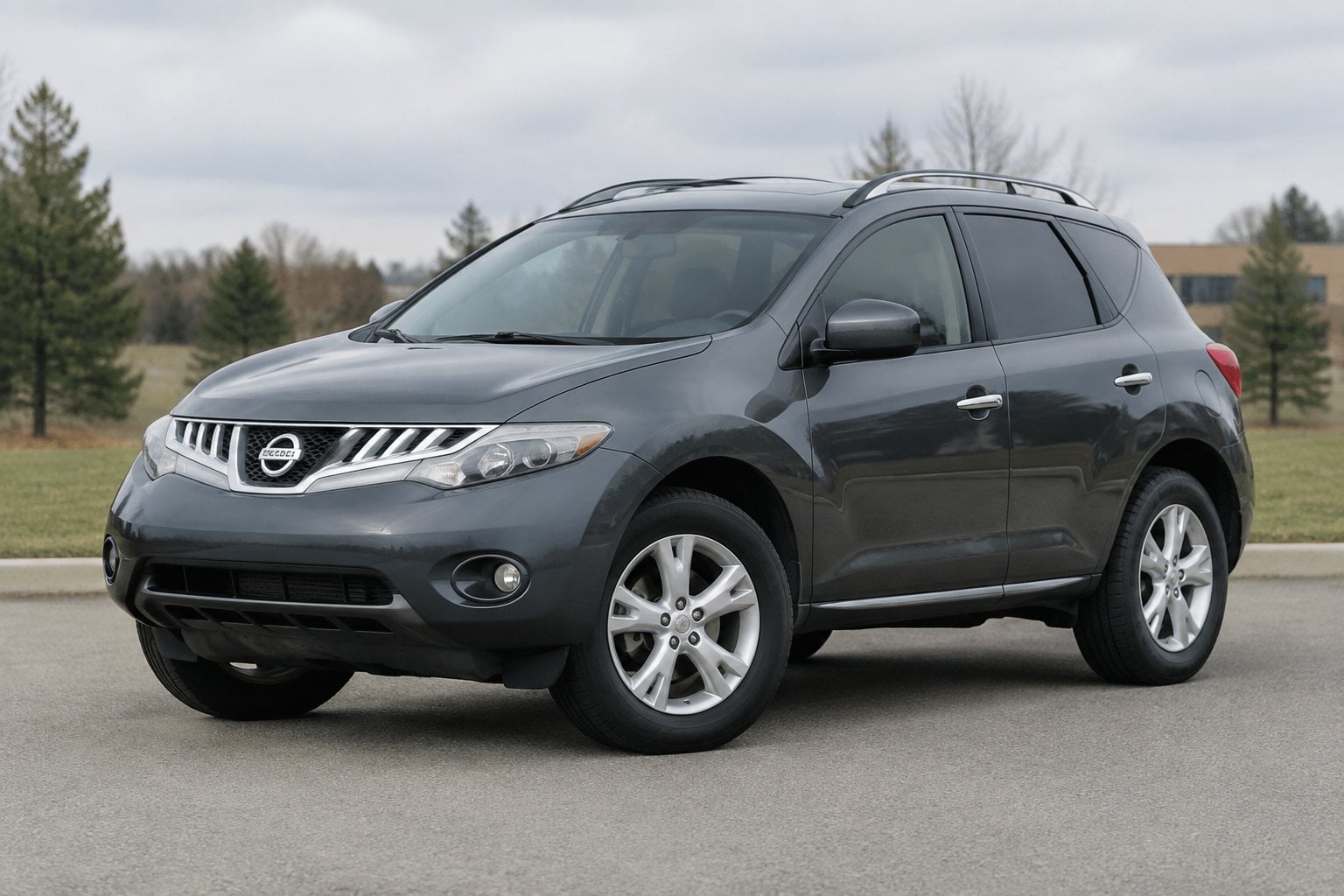
The 2011 Nissan Murano sits in the second generation of this SUV, and it carries a notable number of owner complaints.
Transmission issues rank among the top concerns you should watch for. The CVT in this model year can slip, hesitate, or fail outright, sometimes before the vehicle reaches 100,000 miles.
Brake problems also show up frequently in owner reports. You may encounter premature wear, unusual noise, or reduced responsiveness.
Interior accessories present another weak point. Electrical components, switches, and trim pieces have generated a fair share of complaints.
If you’re looking at a used 2011 Murano, request the transmission service history before you commit. A pre-purchase inspection focused on the CVT and brake system will help you avoid inheriting expensive repairs.
Given the volume of reported defects, you have reason to approach this model year with caution rather than confidence.
29. 2003 Nissan Quest
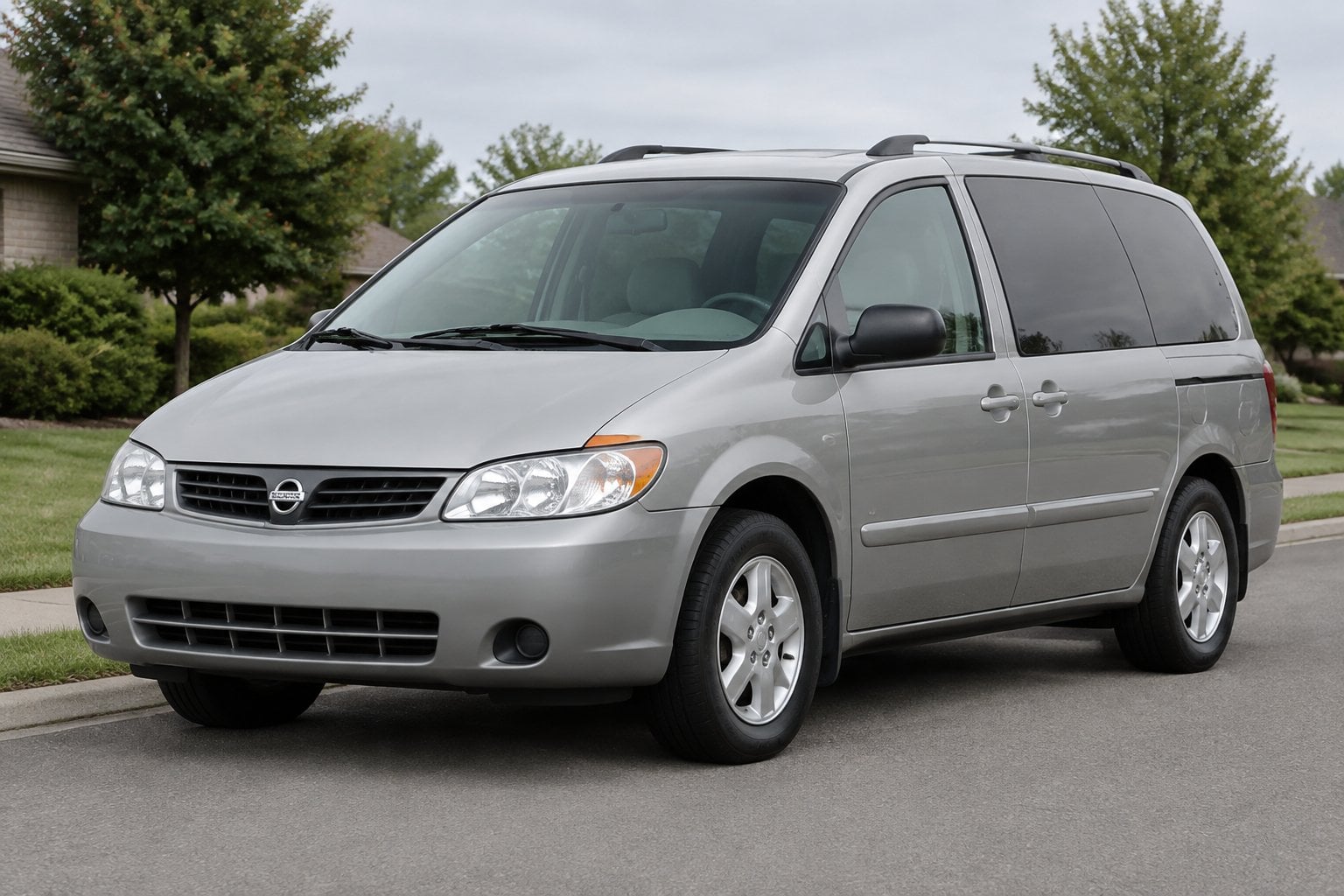
The 2003 Nissan Quest was part of the second generation, built through a joint venture with Ford. You should know this generation carries a poor reliability reputation, and the 2003 model year is no exception.
Transmission problems are among the most common complaints you’ll find for this vehicle. Owners have reported failures that often require expensive repairs or full replacement.
Electrical issues also affected this model year. You may encounter problems with power sliding doors that stick or fail to operate correctly.
Interior components tend to wear out faster than expected on this Quest. Dashboard cracking and faulty instrument clusters are recurring issues owners have documented.
If you’re considering a used 2003 Quest, budget for potential transmission and electrical repairs. These recurring problems place this model among the less dependable choices in Nissan’s minivan lineup.
30. 2004 Nissan Quest
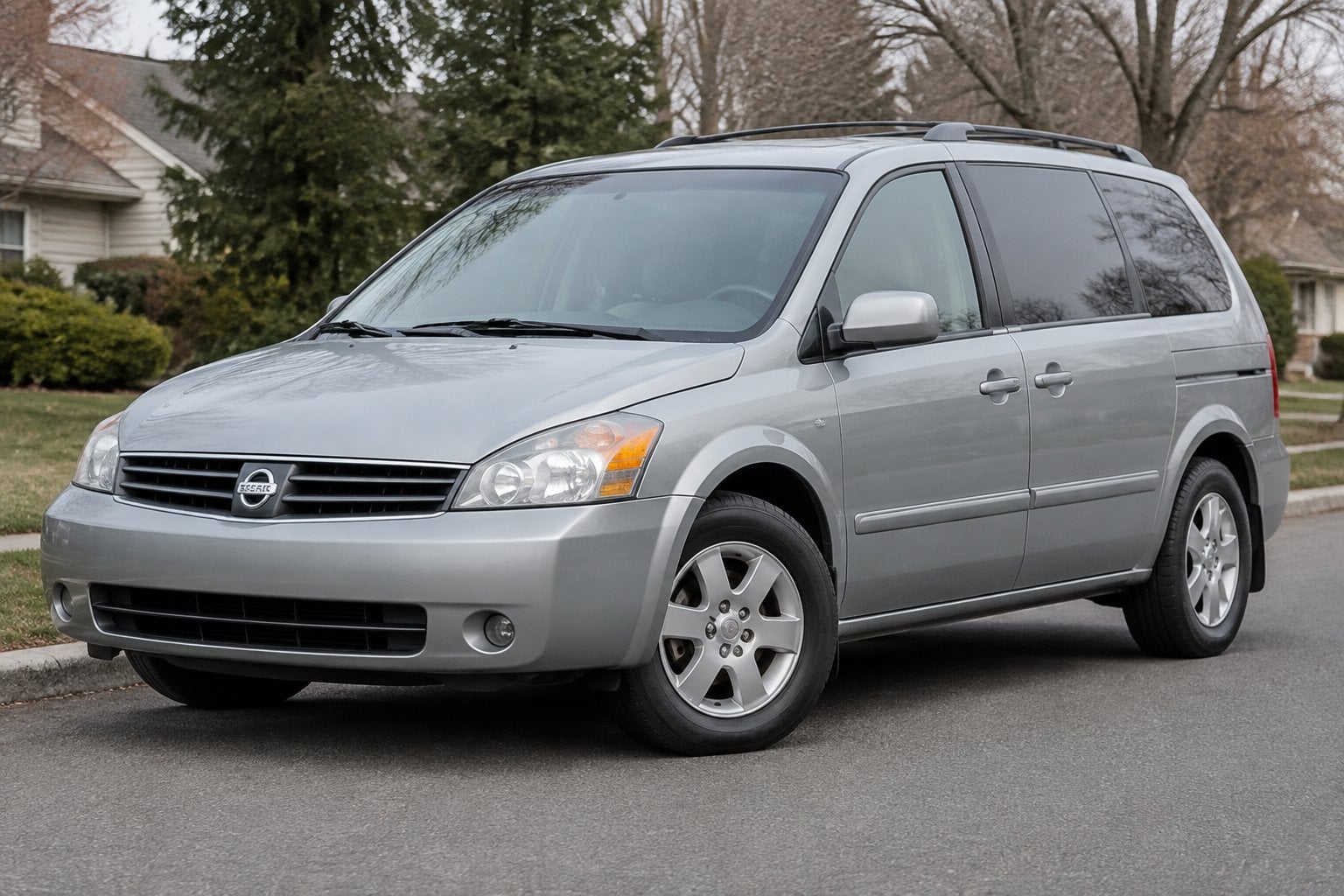
The 2004 Nissan Quest closes out this list as one of the least dependable minivans Nissan has produced. You’ll find it near the top of complaint databases, with over 700 issues reported to NHTSA. Engine and transmission problems make up the bulk of these complaints.
If you’re considering this model year, you should know that transmission failure often happens well before 100,000 miles. Many owners report the vehicle stalling unexpectedly, sometimes while driving at highway speeds. This creates a genuine safety concern, not just an inconvenience.
Electrical problems add another layer of frustration. You may encounter issues with power windows, dashboard warning lights, and interior electronics that malfunction without warning.
Sliding doors on this model are also known to stick or fail to open properly. Given the frequency and severity of these problems, you’re better off avoiding the 2004 Quest entirely when shopping for a used minivan.
How Nissan’s Product Strategy Shaped Reliability And Reputation
Nissan’s decisions on shared components, transmission technology, and manufacturing partnerships directly influenced the quality problems found in many of its models. Understanding these strategic choices helps you see why certain vehicles ended up on lists of the brand’s worst offerings.
Cost Cutting, Platform Sharing, And Quality Control
You can trace many of Nissan’s reliability issues back to the Renault-Nissan Alliance formed in 1999. This partnership pushed cost reduction across the lineup, and you’ll notice it in the materials and build quality of models from the 2000s onward.
Platform sharing became a core strategy. Nissan used common architectures across multiple models to cut development costs, but this meant a flaw in one platform often spread across several vehicles at once.
Quality control also suffered during rapid expansion periods. As Nissan pushed to increase production volume and global market share, you’ll find that inspection standards and supplier oversight didn’t always keep pace with output demands.
The Role Of Transmissions, Engines, And Electronics
Nissan’s widespread adoption of continuously variable transmissions (CVTs) created one of the most significant reliability problems you’ll encounter across its model history. These transmissions appeared in the Altima, Sentra, Rogue, and other high-volume vehicles, often failing well before 100,000 miles.
Repair costs for CVT replacements typically run into the thousands of dollars, which affected owner trust even in relatively young vehicles.
Engine and electrical system problems compounded these transmission issues. You’ll see recurring complaints about:
- Electrical glitches affecting infotainment and sensor systems
- Engine wear in specific four-cylinder applications
- Interior component failures, including switches and trim pieces
J.D. Power data reflects this pattern, showing Nissan’s rankings drop as these three problem areas—transmissions, engines, and electronics—intersected across multiple model years.
What Owners Should Check Before Buying A Used Nissan
A used Nissan can be a reasonable purchase, but you need to verify its history and physically inspect it before signing anything. Two areas matter most: paperwork that shows how the car was maintained, and physical signs that reveal how it was actually treated.
Service Records And Recall Completion
You should ask the seller for maintenance records before you consider the price. CVT-equipped Nissans need fluid changes on a regular schedule, typically every 30,000 to 60,000 miles.
If those records are missing or inconsistent, treat that as a red flag. A gap in transmission service history often points to expensive repairs down the road.
Run the VIN through the NHTSA recall database to check for open recalls. You want to confirm any recall work was completed by a dealer, not just scheduled.
Also request:
- Accident and title history reports
- Previous ownership records
- Records of oil changes and other routine service
A clean, documented history gives you more confidence in the car’s condition.
Common Warning Signs During Inspection And Test Drives
Start with the title status. A salvage or rebuilt title changes the car’s value and may signal past structural damage.
During your walkthrough, test every light, window, seat adjustment, and interior control. Malfunctioning electronics can indicate deferred maintenance or wiring issues.
Check fluid levels and look at the engine bay for cleanliness. Leaks, corrosion, or a poorly maintained bay suggest the previous owner skipped basic upkeep.
On the test drive, pay attention to:
- Jerking, slipping, or whining from the CVT
- Delayed acceleration or unusual noises at low speeds
- Vibration or shaking during highway speeds
Any of these symptoms point to transmission or drivetrain problems that are common in older Nissan models with CVTs.
Maintenance, Warranty, And Repair Cost Considerations
Nissan’s average annual maintenance costs generally fall below the industry average, but that figure changes significantly once you factor in major repairs like transmission or engine work. Your out-of-pocket exposure depends heavily on whether you have warranty coverage and how the vehicle’s repair costs compare to its resale value.
Extended Warranty And Coverage Options
Nissan’s factory warranty covers your vehicle for 3 years or 36,000 miles on basic coverage, with the powertrain warranty extending to 5 years or 60,000 miles.
Once that coverage expires, you’re responsible for repair costs, which is why extended warranties matter for models with known transmission or engine issues.
You have a few options for extended coverage:
- Nissan Security+Plus: Nissan’s own extended warranty, available through dealerships before your factory warranty expires.
- Third-party providers: Companies like CarShield or Endurance offer plans that can be purchased even after factory coverage lapses.
- CPO warranties: Certified Pre-Owned Nissan vehicles come with extended bumper-to-bumper and powertrain coverage.
If you’re buying a used CVT-equipped model, extended coverage becomes especially important. CVT replacement costs range from $3,500 to $8,000, and factory warranties often don’t extend far enough to cover failures that typically occur between 60,000 and 100,000 miles.
When Repair Costs Can Exceed Vehicle Value
Some older or higher-mileage Nissan models reach a point where a single major repair costs more than the car is worth.
This is common with CVT transmission failures in models like the Nissan Altima, Sentra, and Rogue from certain model years. A used Altima with a failing CVT might have a trade-in value of $4,000 to $6,000, while replacing the transmission can cost $3,500 to $6,000 depending on the shop and part sourcing.
Before committing to a repair, you should get a written estimate and compare it against the vehicle’s current market value using tools like Kelley Blue Book or NADA Guides. If the repair cost exceeds 50% of the vehicle’s value, most mechanics and consumer advocates recommend considering replacement instead.
You should also factor in the likelihood of additional issues. A car with one major failure at high mileage often has other components approaching the end of their service life.