The 30 Most Expensive Ferraris Ever Sold: Record Auction Prices From the 250 GTO to the Luce
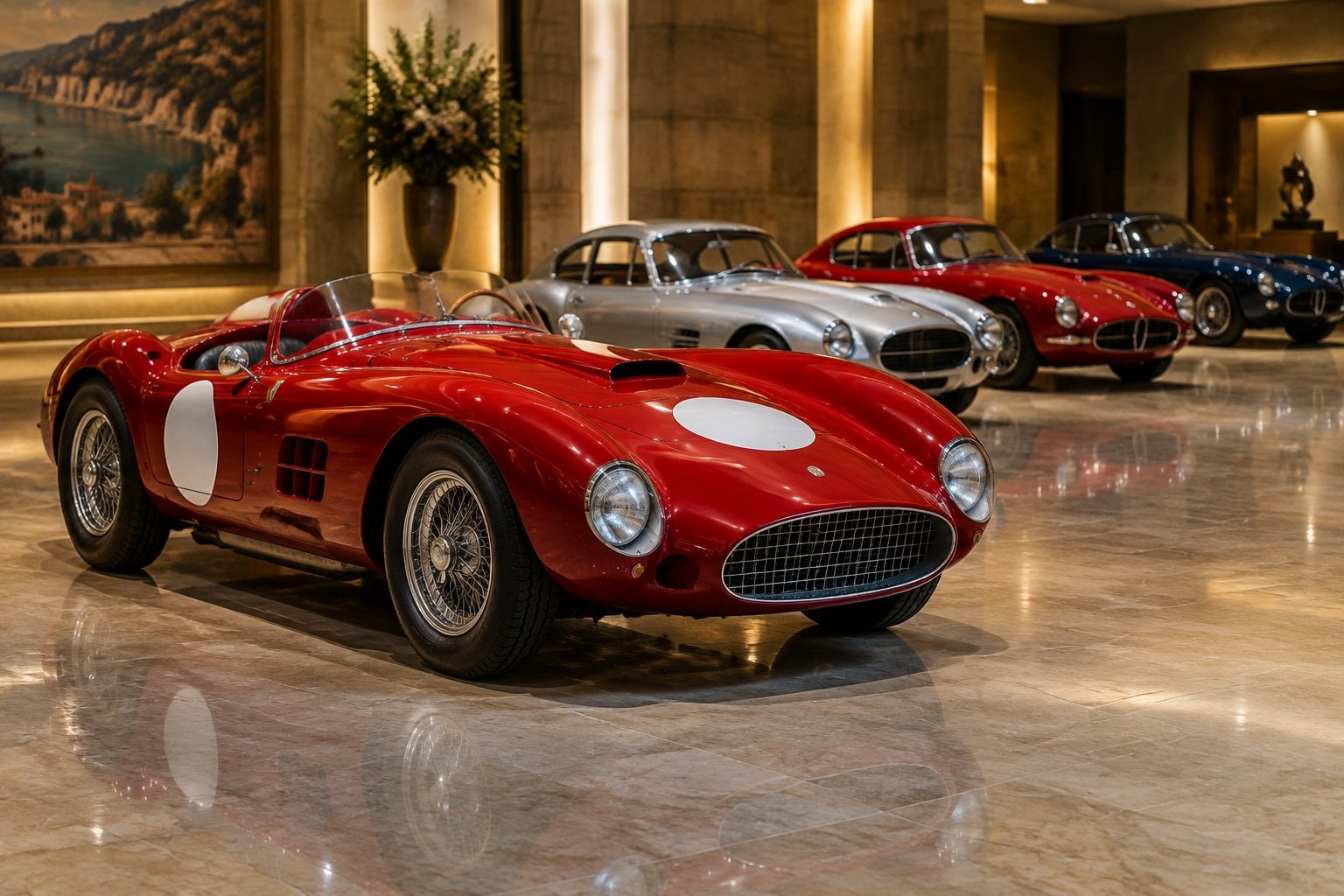
Few single-marque categories carry the auction weight of a Ferrari with the right chassis number behind it. Collectors have paid more for individual cars in this group than most people will earn in several lifetimes, and the trend keeps climbing rather than leveling off. The most expensive Ferrari ever sold at public auction is the 1962 Ferrari 330 LM / 250 GTO (chassis 3765LM), which brought $51,705,000 at RM Sotheby’s in November 2023.
That single sale sits atop a list dominated by two eras: front-engined competition Ferraris from the 1950s and early 1960s, and a handful of modern specials that have shown dealers and collectors alike that scarcity still commands a premium regardless of when a car was built. The 250 GTO name appears repeatedly here, as does the California Spider, and for good reason. Both represent moments when Ferrari’s road and racing programs overlapped in cars that were built to be driven hard and happened to turn out beautiful.
This ranking draws on verified auction results, hammer prices with buyer’s premium included, and documented chassis histories. Figures are reported in U.S. dollars at the time of sale, with foreign-currency results converted using contemporaneous exchange rates.
1. 1962 Ferrari 330 LM / 250 GTO (Chassis 3765LM): $51,705,000
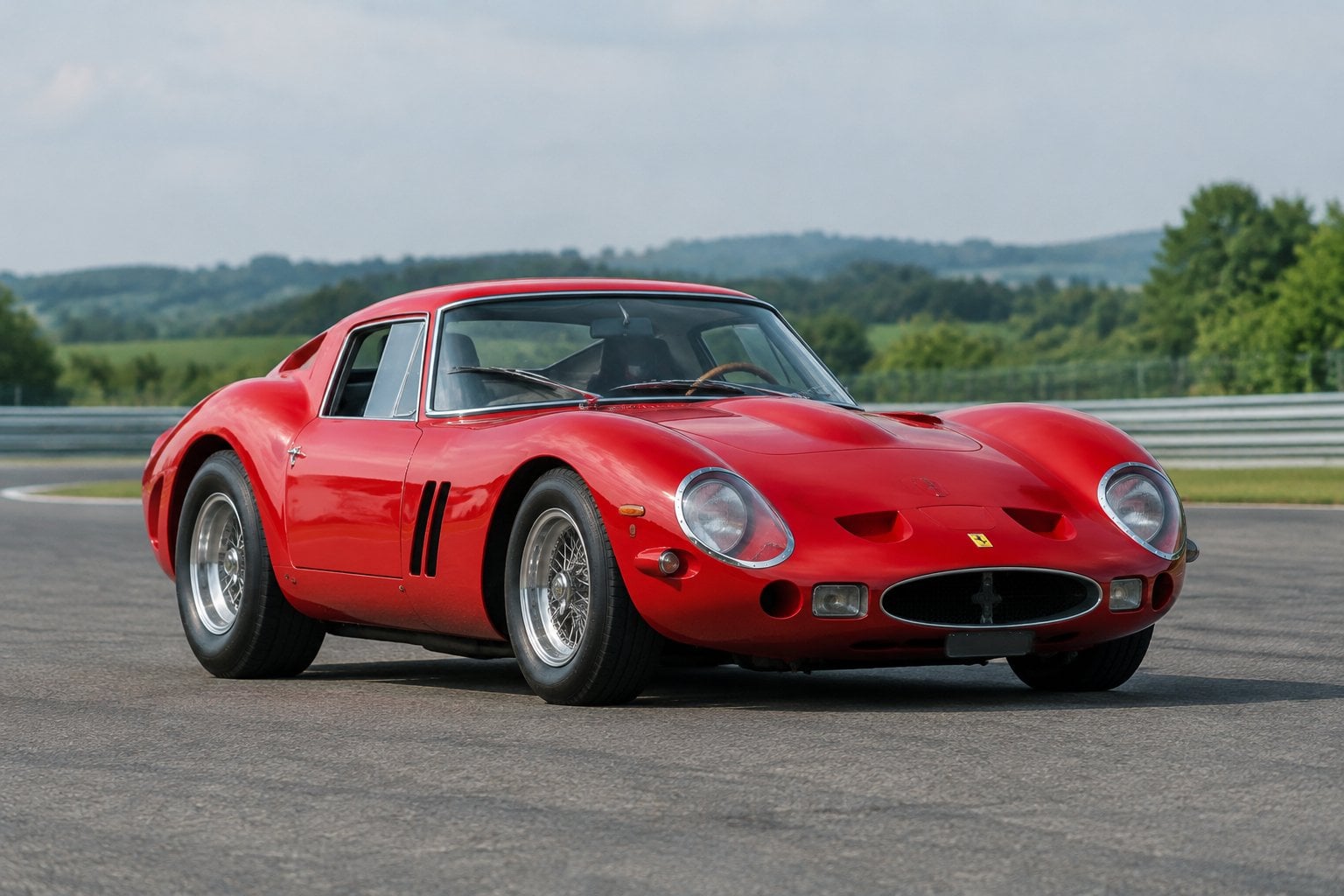
Chassis 3765LM began life racing at Le Mans in 1962 as a 330 LM, fitted with a larger-displacement engine before Ferrari rebodied it to 250 GTO specification. That dual identity makes it one of the more unusual cars in the GTO family, blending factory competition pedigree with the definitive Scaglietti shape collectors covet most.
RM Sotheby’s offered the car as a standalone sale in New York in November 2023, a format reserved for pieces the house considers singular rather than part of a themed docket. The result, $51,705,000, set the auction record for any Ferrari. Its history as a works entry, combined with the rarity of a 330 LM that later wore GTO coachwork, gave bidders a car with no direct comparison in the model’s production run.
2. 1962 Ferrari 250 GTO (Chassis 3413GT): $48,405,000
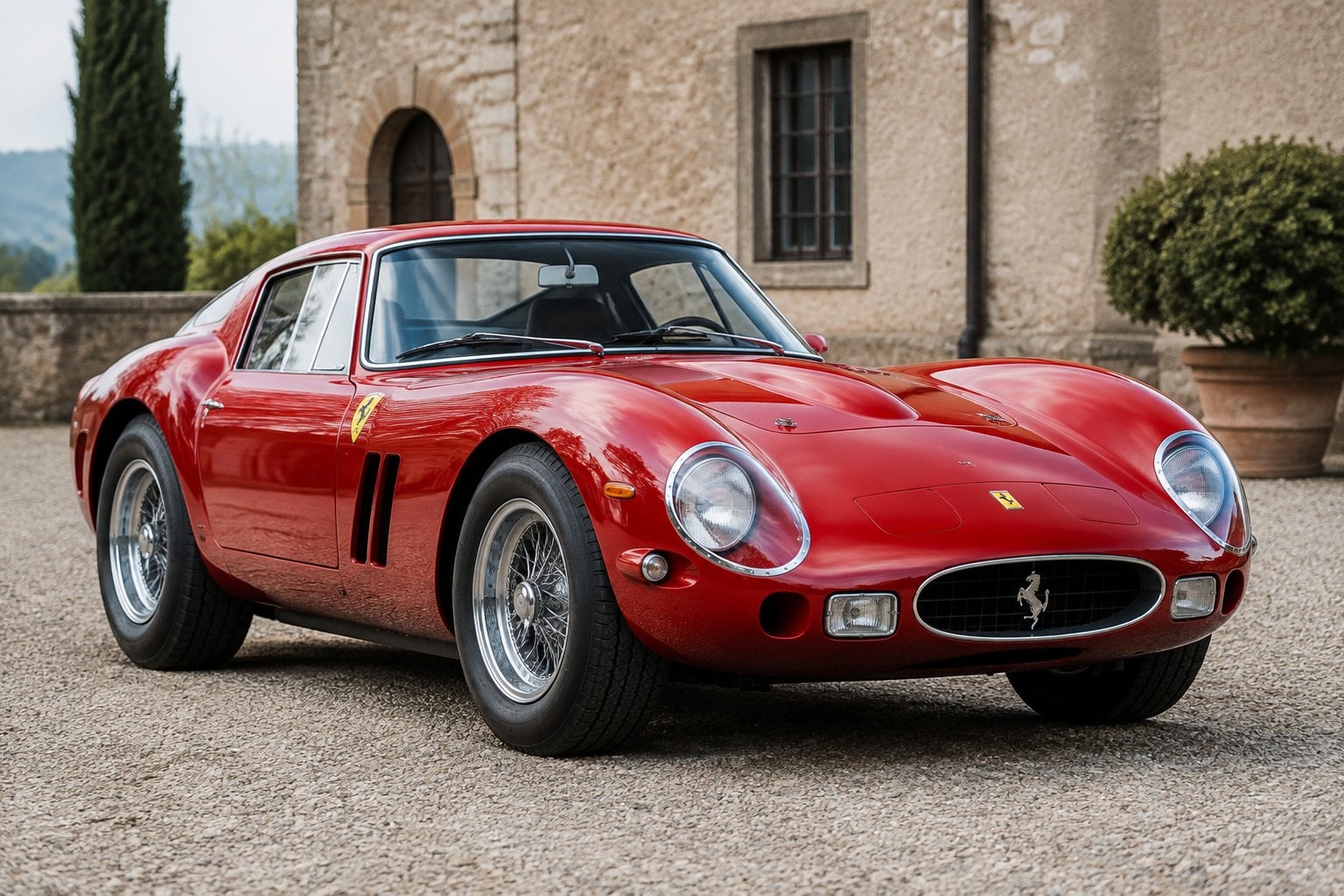
Chassis 3413GT represents the 250 GTO in its purest, most recognized form, one of roughly three dozen built between 1962 and 1964 under Enzo Ferrari’s personal approval. Buyers in period had to satisfy Ferrari directly that they intended to race the car, which shaped the ownership culture around these chassis from the start.
RM Sotheby’s sold 3413GT in Monterey during the August 2018 auction week, where it set what was then a new benchmark for the model and for the marque. The sale reinforced the GTO’s standing as the most sought-after Ferrari road-racer, a status built on a combination of low production numbers, a 3.0-liter V12 shared with Ferrari’s sports-prototype program, and decades of documented ownership among serious collectors. Few cars in the hobby carry comparable name recognition outside enthusiast circles.
3. 2026 Ferrari Luce “Tailor Made”: $40,000,000
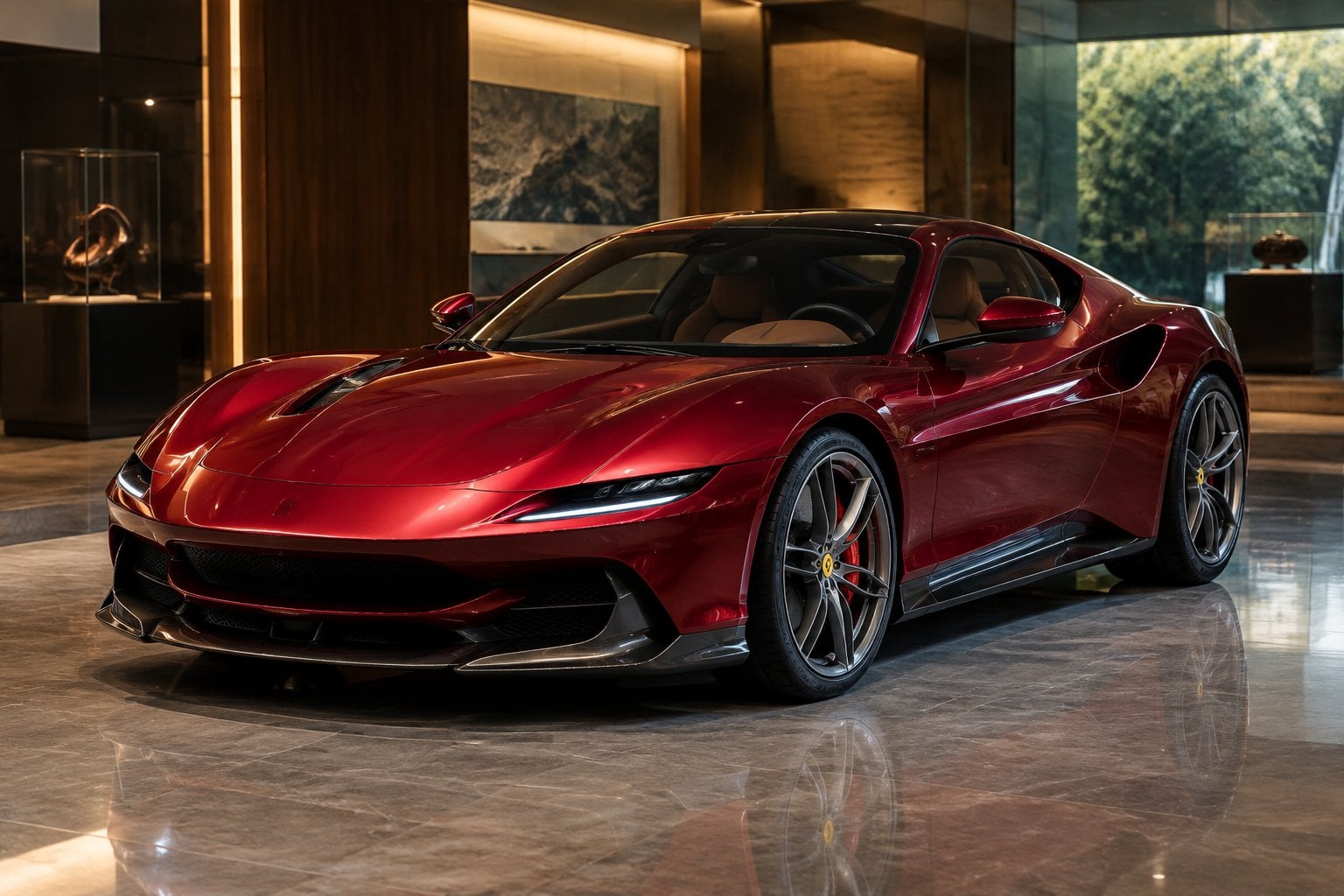
The Ferrari Luce is Ferrari’s first fully electric production car, and chassis 0, the very first example built, sold for $40,000,000 as a charity lot at RM Sotheby’s Monterey auction in August 2026. The result made it the most expensive new car and the most expensive electric car ever sold at auction.
Chassis 0 is a one-off Tailor Made build, finished in a Madreperla semi-gloss paint mixed just for this car, with a plaque marking it as the first production unit. Underneath, it uses the same powertrain as every other Luce: four electric motors fed by a 122 kWh battery pack. RM Sotheby’s had listed it with an estimate of “in excess of $1.1 million.” The buyer’s premium was waived, and every dollar went to the Ferrari Foundation, a charity that funds educational programs. Delivery from Maranello is planned for early 2027.
4. 1962 Ferrari 250 GTO (Chassis 3729GT): $38,500,000
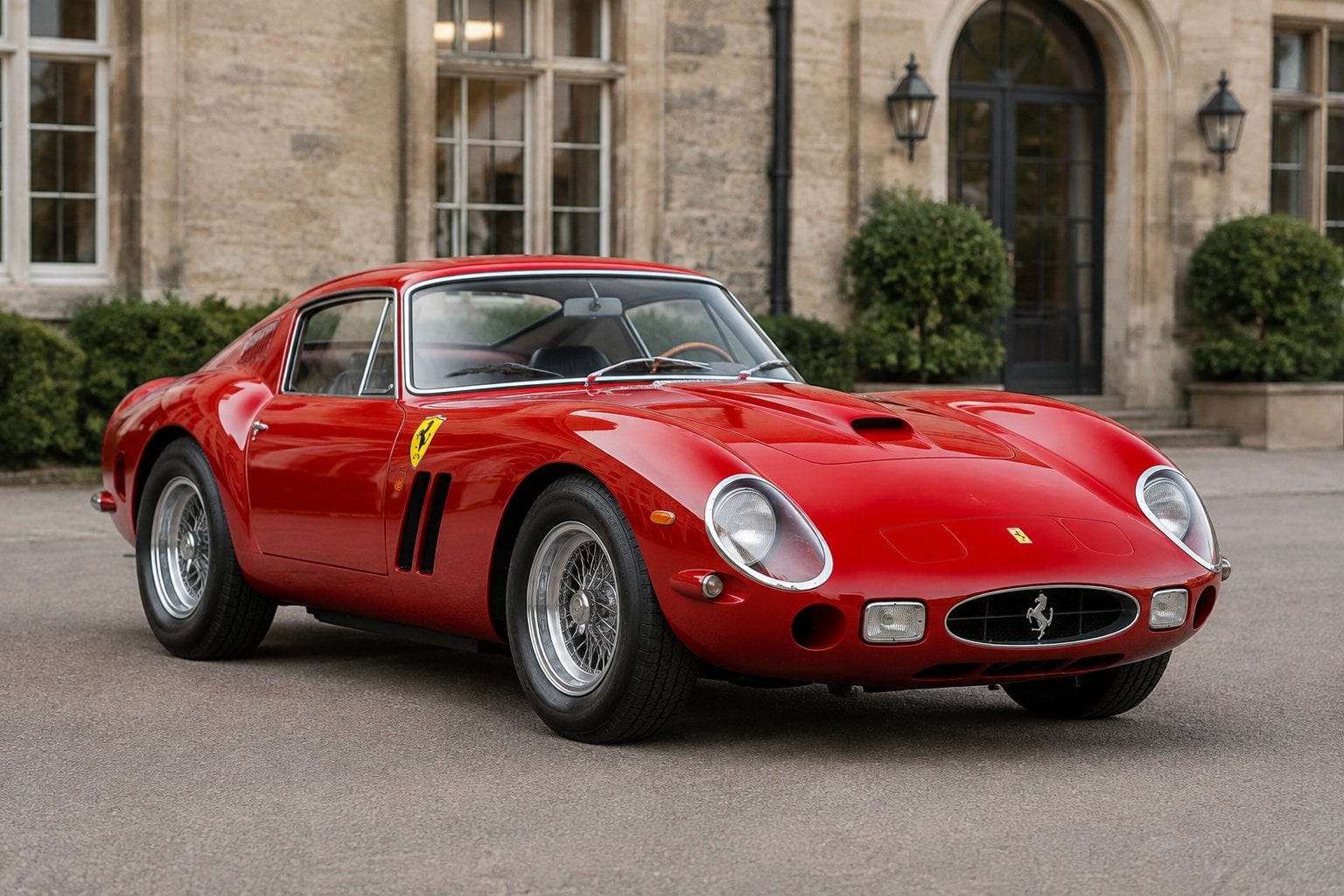
Chassis 3729GT is another example of Ferrari’s limited GTO production run, cars built specifically to homologate the 250 GT for FIA Group 3 GT racing. Each chassis carries its own competition record and ownership chain, factors that collectors weigh as heavily as the car’s mechanical specification.
Mecum brought 3729GT to its Kissimmee sale in January 2026, where it became the top result of the entire auction at $38,500,000. That outcome places the car among the highest GTO sales recorded and underscores how consistently this model outperforms nearly every other Ferrari at auction. The 250 GTO’s combination of a 3.0-liter Colombo V12, aluminum Scaglietti bodywork, and genuine racing use continues to anchor it at the top of the market more than six decades after production ended.
5. 1962 Ferrari 250 GTO (Chassis 3851GT): $38,115,000
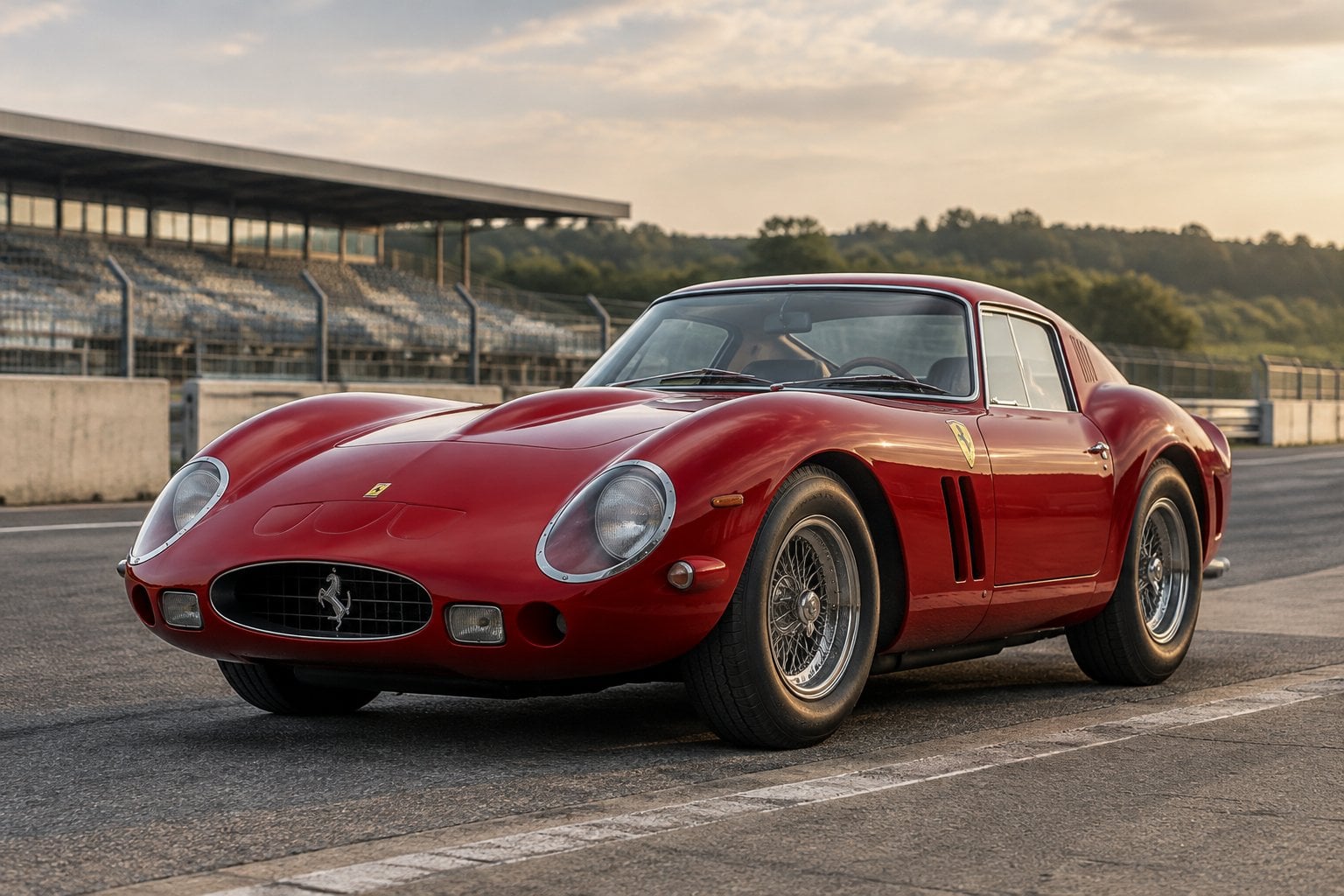
Chassis 3851GT sold for $38,115,000 at Bonhams’ Quail Lodge auction in August 2014, a result that set a world record for any car sold at auction at the time. It was offered with no reserve as part of the Maranello Rosso Collection, and the hammer fell at $34,650,000 before fees.
Built in September 1962 as the 19th 250 GTO, the car finished second overall in that year’s Tour de France Automobile in the hands of Jo Schlesser and Henri Oreiller. It was crashed at Montlhéry later that year and rebuilt. Italian collector Fabrizio Violati bought it in 1965 and kept it for the rest of his life, racing it in historic events, and his estate owned it until the sale, ending roughly 49 years with one family. Fewer than 40 250 GTOs were built, and few of them ever reach public sale.
6. 1964 Ferrari 250 LM (Chassis 5893): $36,344,960
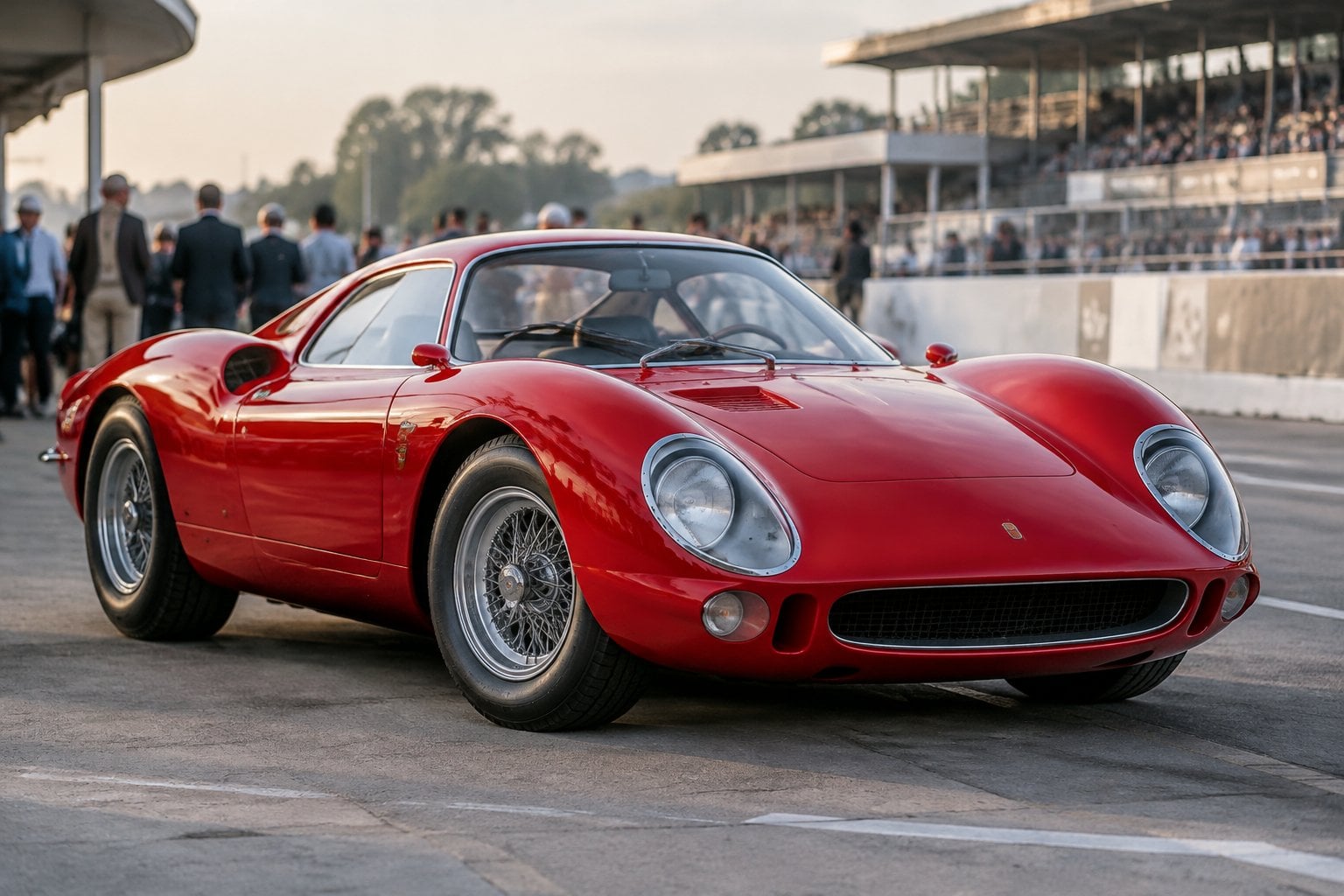
Chassis 5893 is a 1964 Ferrari 250 LM, the mid-engine berlinetta Ferrari developed as the GTO’s eventual successor for endurance racing. RM Sotheby’s sold the car in Paris in February 2025 for €34,880,000, converting to roughly $36,344,960 at the time of sale.
The 250 LM never achieved the GT homologation Ferrari sought, since the FIA deemed production numbers too low, and just 32 examples were built. This is no ordinary 250 LM: chassis 5893 is the actual car that won the 1965 24 Hours of Le Mans outright for Luigi Chinetti’s North American Racing Team, with Jochen Rindt and Masten Gregory driving. It was the last time Ferrari won Le Mans overall until 2023. The Paris sale is the highest price recorded for the model and reflects continued European demand for cars with strong factory-era racing credentials.
7. 1957 Ferrari 335 S (Chassis 0674): $35,730,510
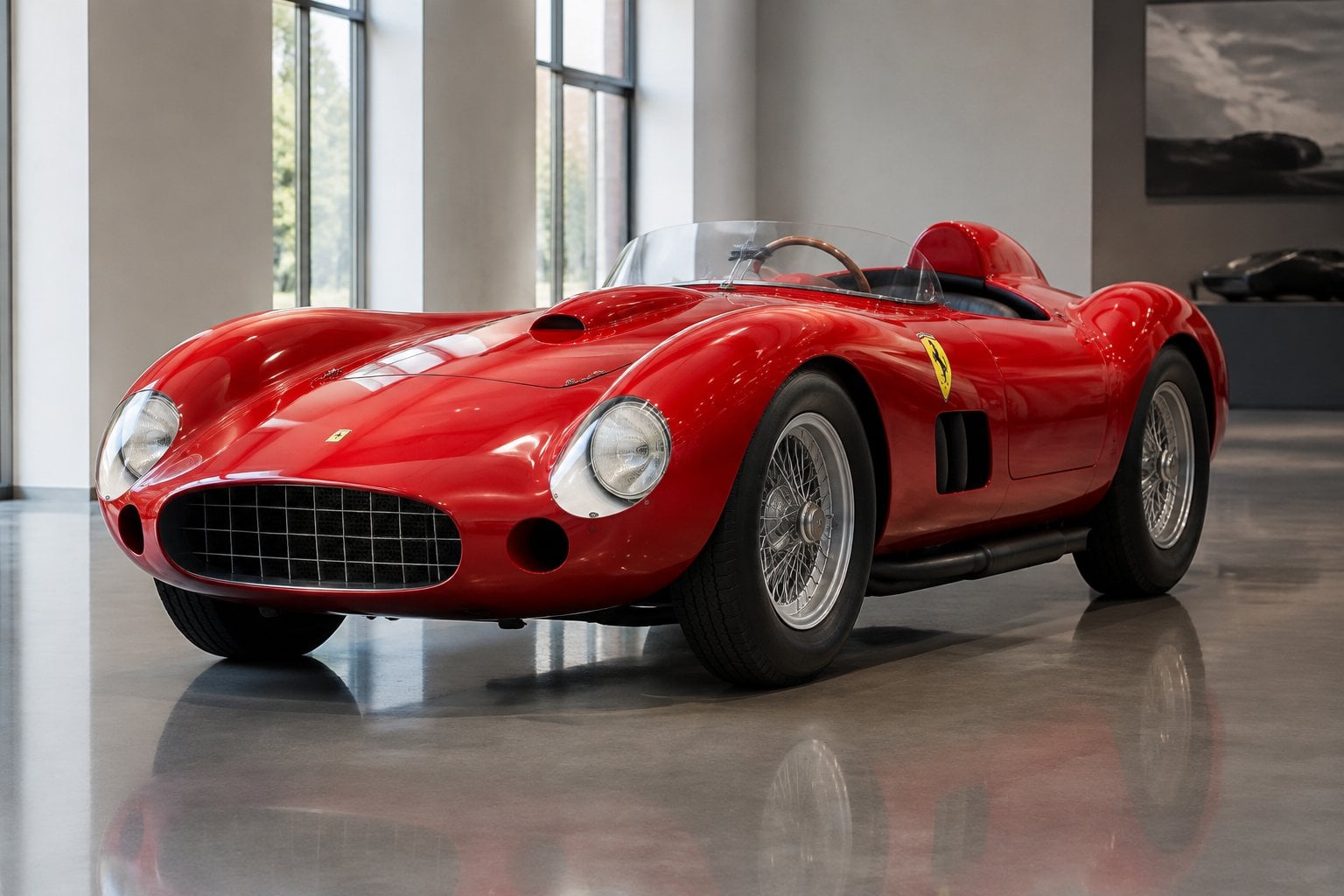
Chassis 0674 is one of just four Ferrari 335 S cars built, a model developed for top-tier sports car racing with a 4.0-liter V12 making around 400 horsepower. It began 1957 as a 315 S: Peter Collins and Maurice Trintignant drove it at the Sebring 12 Hours, and Wolfgang von Trips took it to second overall in that May’s Mille Miglia. Ferrari then fitted the bigger engine, turning it into a 335 S.
At Le Mans in 1957, Mike Hawthorn and Luigi Musso shared the car, and Hawthorn became the first driver to lap the circuit at more than 200 km/h before engine trouble ended its race. Artcurial sold 0674 from the Pierre Bardinon collection during Rétromobile week in Paris in February 2016 for €32,075,200, about $35,730,510, the biggest euro price ever paid for a car at auction at the time.
8. 1967 Ferrari 412P (Chassis 0854): $30,255,000
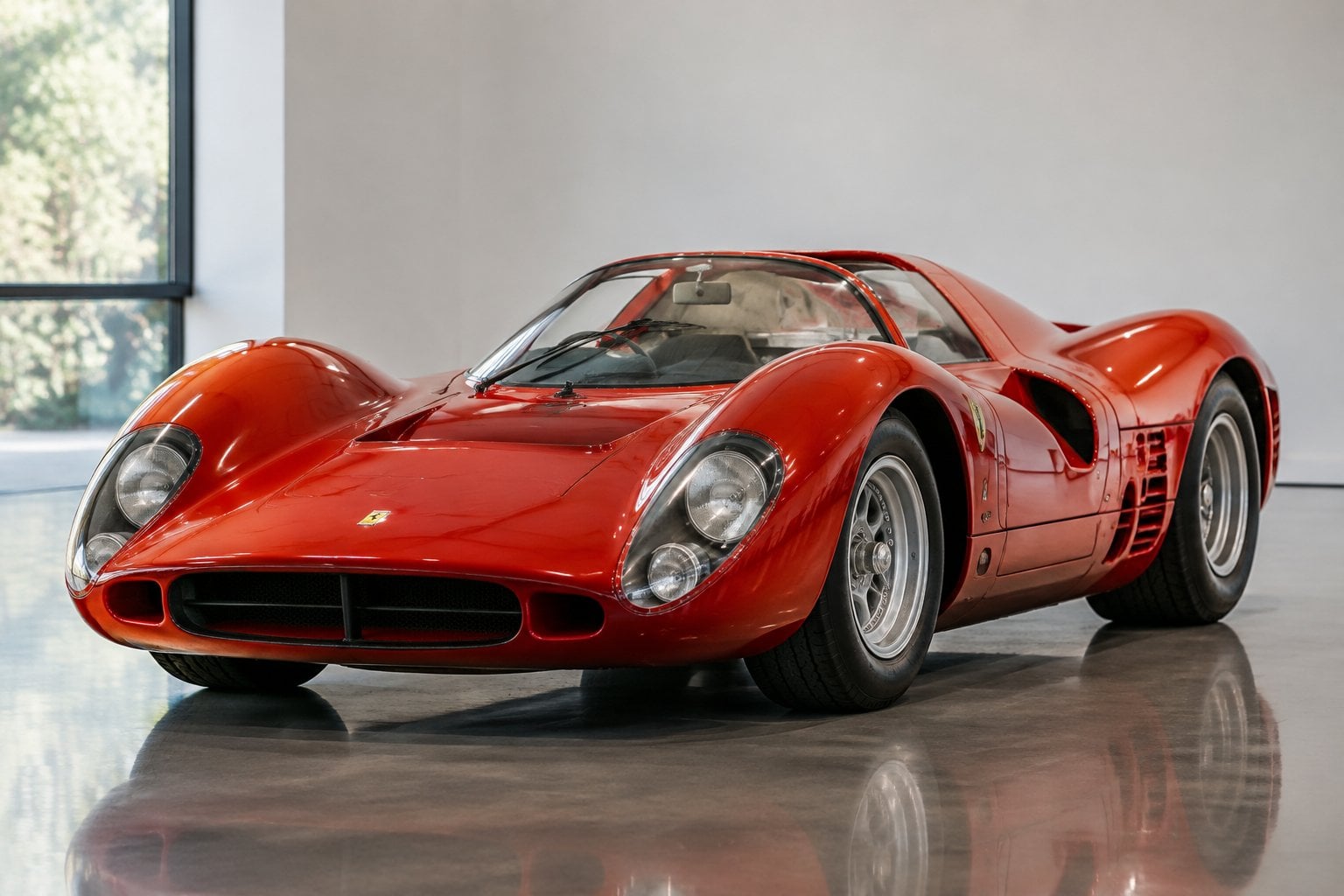
Chassis 0854 is the only surviving Ferrari 412P that retains its original body, chassis, engine, and gearbox, a distinction that matters enormously to collectors evaluating authenticity. The car was delivered new to Colonel Ronnie Hoare’s Maranello Concessionaires, Ferrari’s UK importer, in red with a Cambridge blue nose stripe.
In 1967 alone it was driven by Richard Attwood, Piers Courage, Lucien Bianchi, Jo Siffert, and privateer David Piper. Later owners included Sir Anthony Bamford and Bruce McCaw, and the car won the ArtCenter College of Design Award at the 2019 Pebble Beach Concours. Bonhams sold 0854 at its Quail auction in August 2023 for $30,255,000 ($27.5 million before fees), making it the highest-selling car of that year’s Monterey auction week. The 412P was built for independent teams to race against factory entries, and this car’s unmatched originality explains its strong result.
9. 1956 Ferrari 290 MM (Chassis 0626): $28,050,000
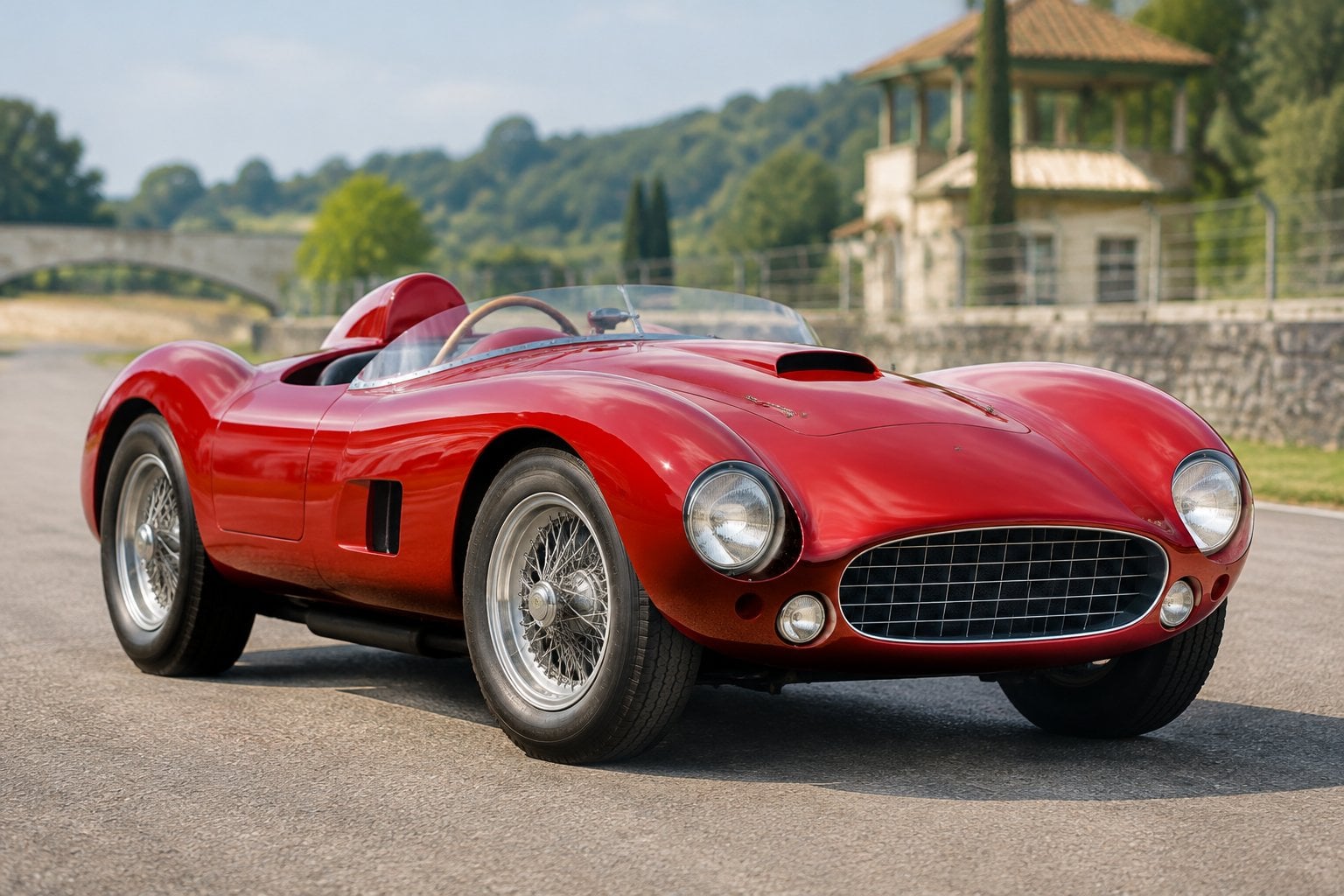
Chassis 0626 was built by the factory for Juan Manuel Fangio to drive in the 1956 Mille Miglia, where he finished fourth overall while teammate Eugenio Castellotti won in a sister car. Only four 290 MM examples were constructed, and this one carries one of the strongest driver associations of the group.
Fangio was far from its only star driver. A crew including Phil Hill and Olivier Gendebien shared it to third overall at the 1956 Nürburgring 1000 km, and Peter Collins, Luigi Musso, and Masten Gregory also raced it. The car still has its original chassis, matching-numbers engine, gearbox, and body, and it is Ferrari Classiche certified. RM Sotheby’s sold 0626 at its “Driven by Disruption” sale in New York in December 2015 for $28,050,000, against an estimate of $28 million to $32 million. The 290 MM’s low production count keeps every surviving example in contention for major results.
10. 1967 Ferrari 275 GTB/4*S N.A.R.T. Spider (Chassis 10709): $27,500,000
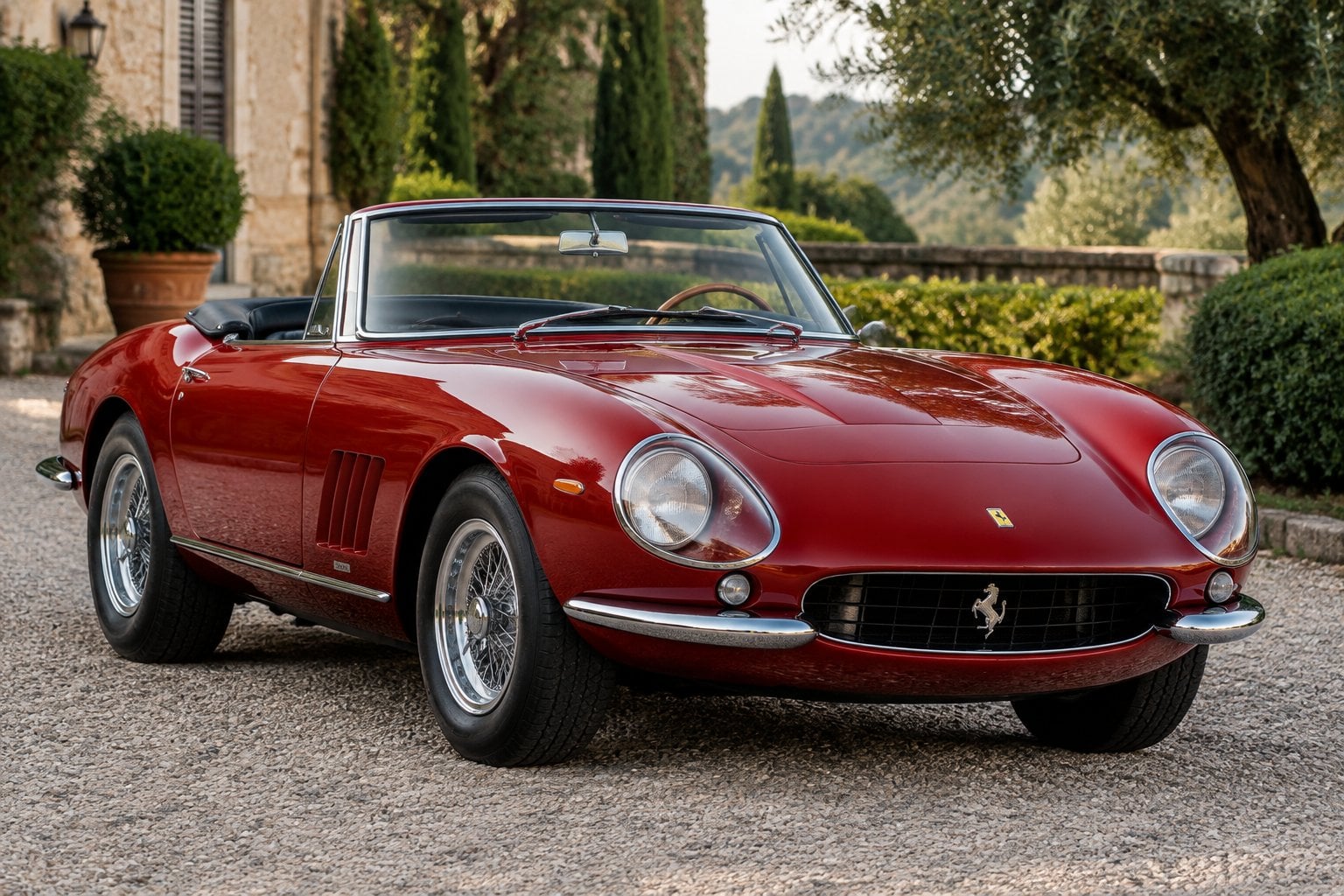
Chassis 10709 is one of just ten 275 GTB/4*S N.A.R.T. Spiders built, a model commissioned by Luigi Chinetti’s North American Racing Team to create an open-top version of the 275 GTB/4. The result was among the rarest open Ferraris of the 1960s.
This car was bought new by North Carolina businessman Eddie Smith Sr. and stayed with his family from then on. RM Auctions sold 10709 for the Smith family at its Monterey sale in August 2013 for $27,500,000, with the proceeds going to charity. At the time, that made it the most expensive Ferrari and the most valuable road-going car ever sold at public auction. The NART Spider’s combination of a Pininfarina-designed body, a four-cam V12, and extreme scarcity has made it one of the most recognizable Ferraris among collectors who focus on road cars rather than pure competition machines.
11. 1964 Ferrari 275 GTB/C Speciale (Chassis 06701): $26,400,000
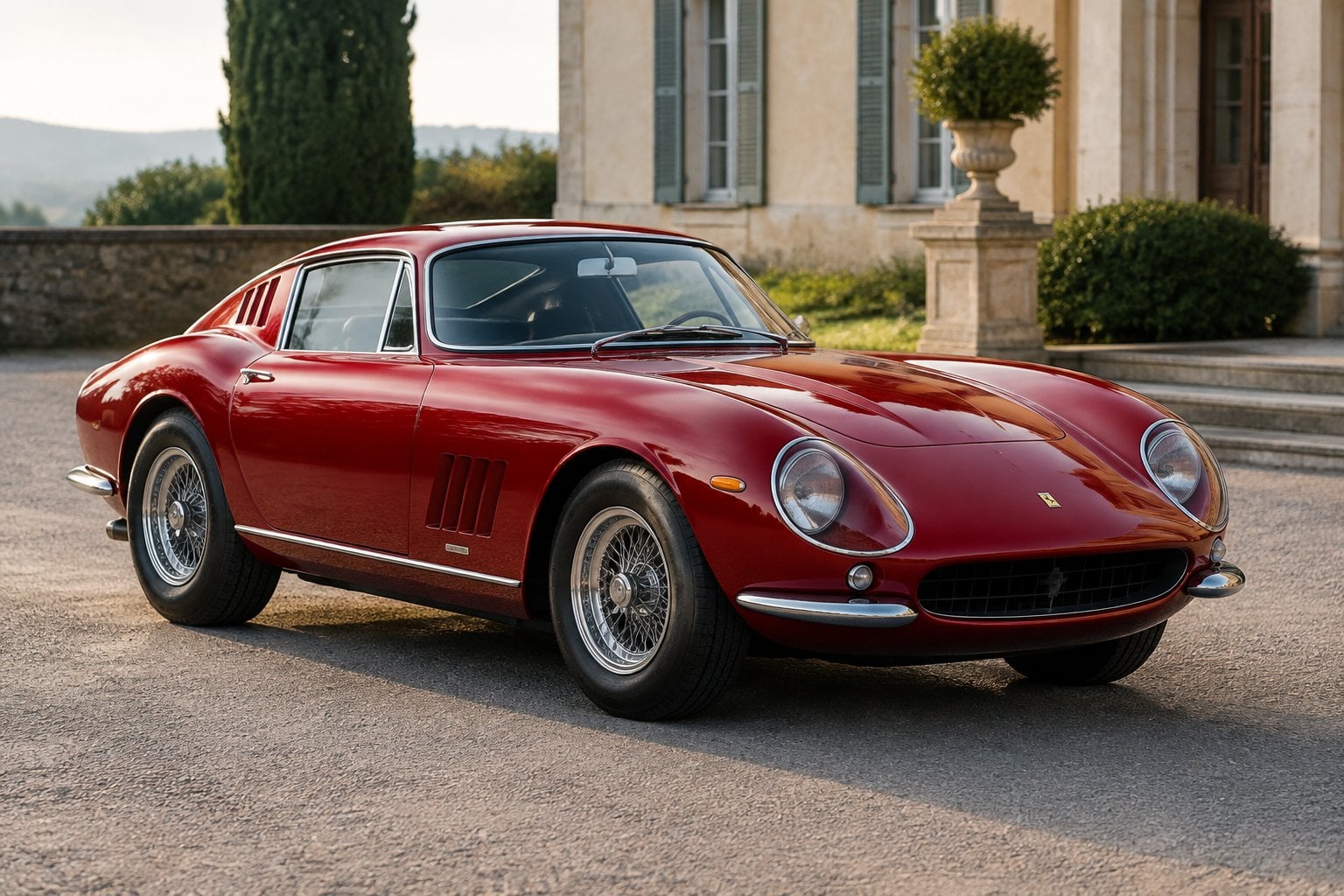
Chassis 06701 is the first of only three 275 GTB/C Speciale examples Ferrari built for the 1965 racing season, each constructed with a lightweight chassis and aluminum body panels over a 3.3-liter V12. The model introduced a transaxle gearbox and independent rear suspension, mechanical advances that set it apart from the 250 GTO it effectively replaced.
Completed in April 1965, 06701 stayed with the factory for development and FIA homologation work rather than going racing, so it has no period competition record of its own. Its sister car 06885 carried the model’s reputation, finishing third overall and winning the GT class at Le Mans in 1965. Later owners have run 06701 in historic events, including at Goodwood and at Mugello. RM Auctions sold it at Monterey in August 2014 for $26,400,000, keeping 275 GTB/C Speciale values among the highest of any Ferrari built after the 250 GTO.
12. 2025 Ferrari Daytona SP3 “Tailor Made” (599+1): $26,000,000
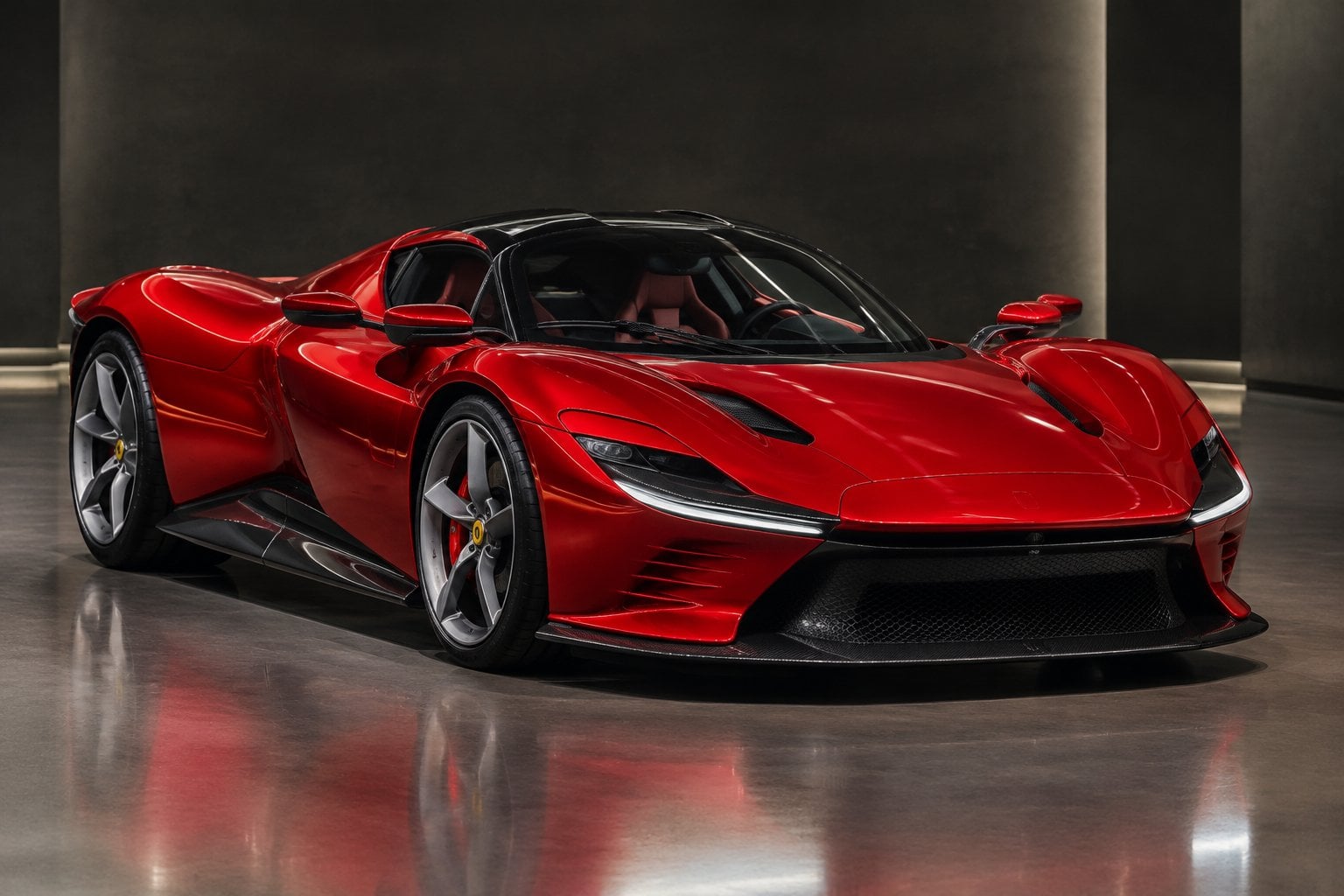
This Daytona SP3, known as the “599+1,” was built beyond Ferrari’s official 599-unit production run as a one-off commission through the Tailor Made personalization program. That status as an unofficial 600th car, marked by a plaque on the car, makes it unique within a limited series that was already difficult for Ferrari’s most loyal clients to acquire.
Ferrari donated the car, and every dollar of the sale went to the Ferrari Foundation, a charity that funds educational programs. RM Sotheby’s sold it at its Monterey auction in August 2025 for $26,000,000, more than ten times the standard car’s original price and, in RM’s words, the highest price ever paid at auction for a new Ferrari. The result reflected both the Daytona SP3’s standing as one of Ferrari’s most celebrated modern V12 specials and the added exclusivity of a chassis built outside the numbered run.
13. 1961 Ferrari 250 GT SWB California Spider Competizione (Chassis 2383GT): $25,305,000
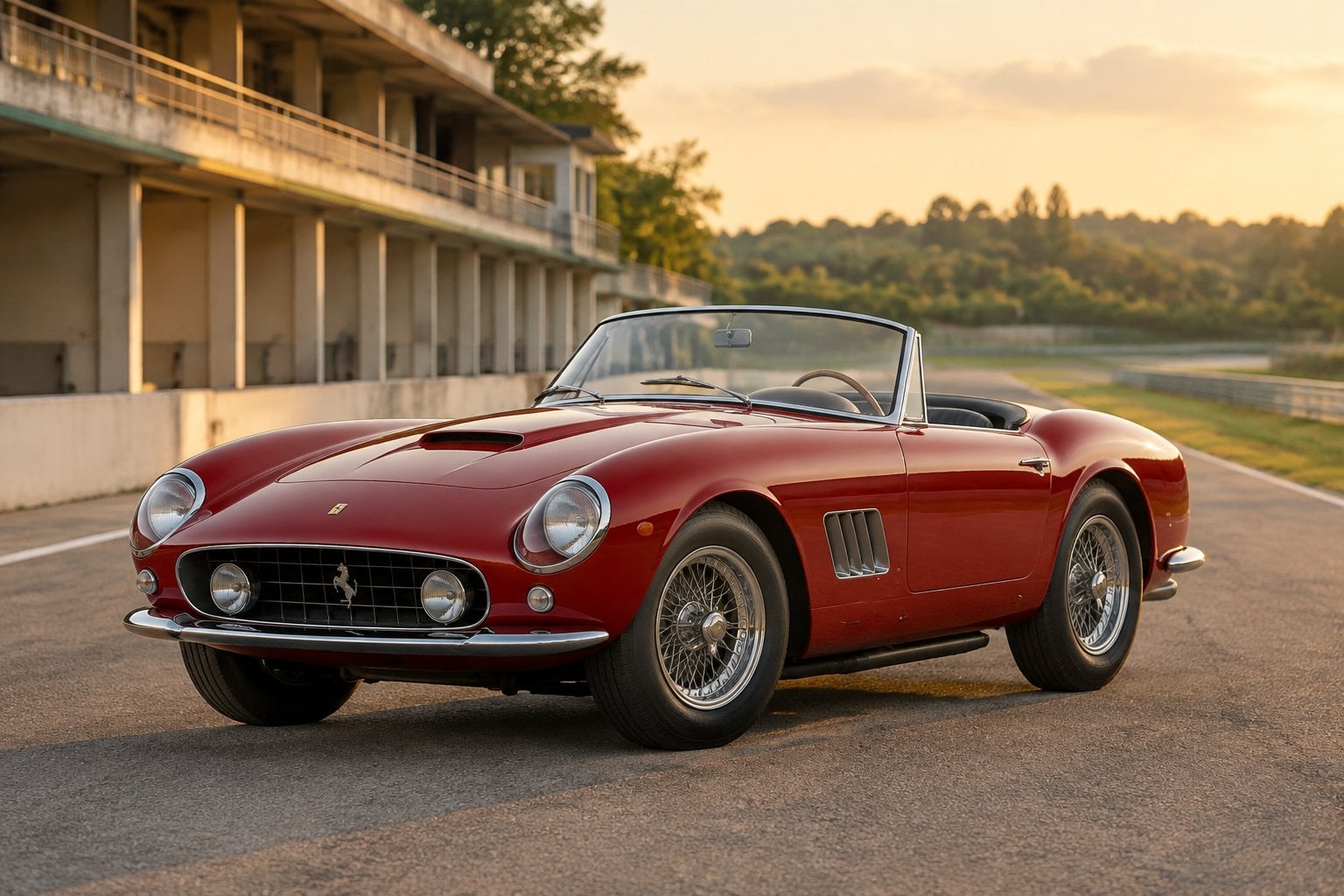
Chassis 2383GT is a competition-specification SWB California Spider, one of only two alloy-bodied, full-competition cars among the 56 short-wheelbase California Spiders. Its high-compression Tipo 168 V12 made an estimated 280 horsepower, about 40 more than standard, and it also has covered headlamps and a removable hardtop.
The first owner was Stuttgart privateer Ernst Lautenschlager, who won the Preis von Tirol and the Schorndorf and Eberbach hill climbs with it in 1961, then took fourth in class at the Solitude GT race in July 1962. Since 1968 it has had just three more owners, and it was restored in Italy by Dino Cognolato. Before 2025 it had never been offered for public sale. Gooding Christie’s sold 2383GT at Pebble Beach in August 2025 for $25,305,000, setting the auction record for any California Spider.
14. 1955 Ferrari 410 Sport Spider (Chassis 0598CM): $22,005,000
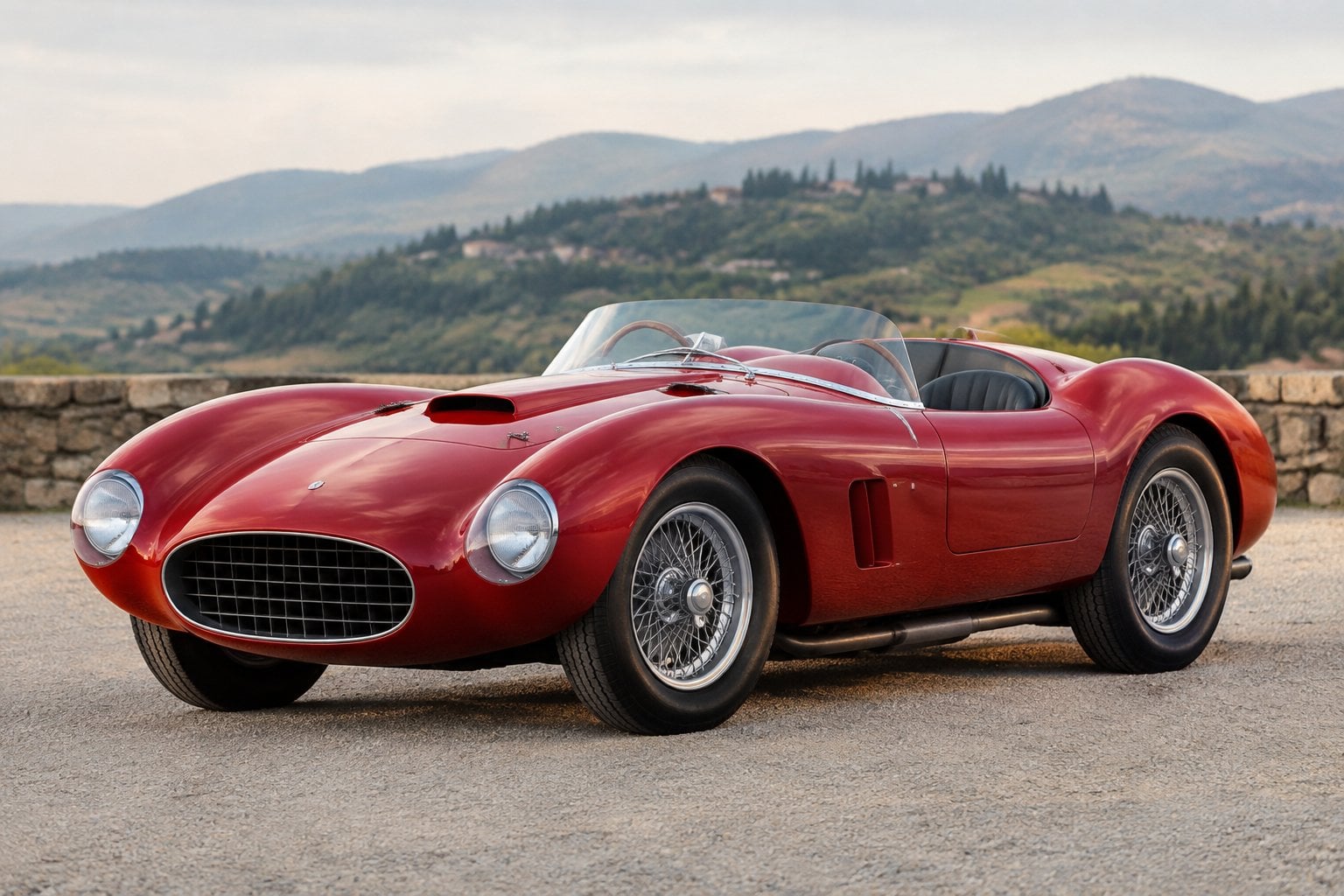
Chassis 0598CM is a 1955 Ferrari 410 Sport Spider by Scaglietti, built around a 4.9-liter V12 for top-level sports car racing. It still has its matching-numbers chassis, body, and engine, which is rare for a car from an era when many racers were driven hard and later modified or lost.
It ran as a Scuderia Ferrari team car for Juan Manuel Fangio at the 1956 Buenos Aires 1000 km, then went to John Edgar’s team in America, where Carroll Shelby drove it in 1956 and 1957. Shelby won more races in this car than in any other of his career, and his handwritten note on the original fuel tank says Enzo Ferrari told him it was the best Ferrari he ever built. Phil Hill and Richie Ginther raced it too. RM Sotheby’s sold 0598CM at Monterey in August 2022 for $22,005,000, the top result of that year’s Monterey week.
15. 1956 Ferrari 290 MM (Chassis 0628): $22,005,000
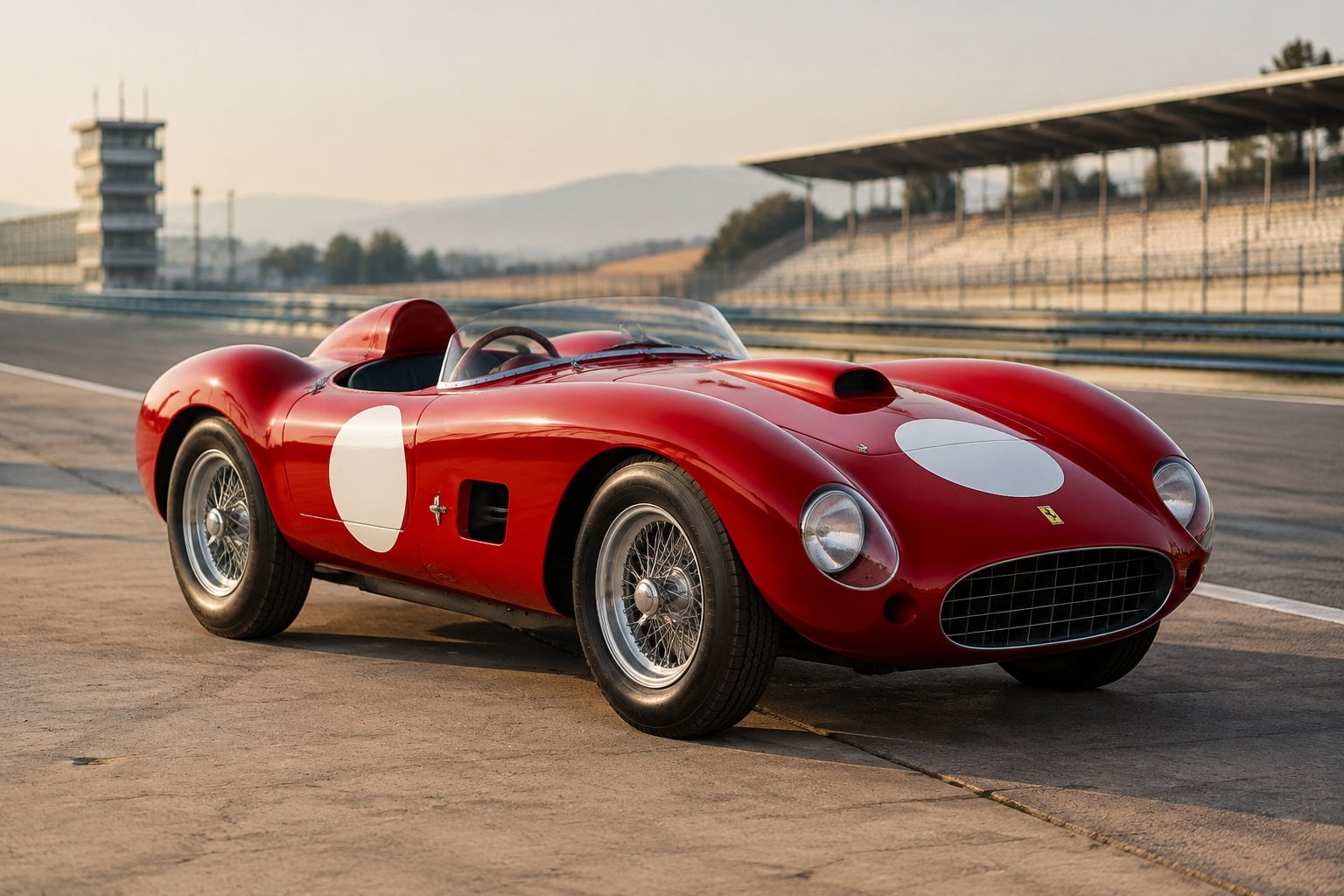
Chassis 0628 is the second 290 MM to appear on this list, and the fourth and final example of the four-car production run that included chassis 0626. It began 1956 with an 860 Monza engine, and in that year’s Mille Miglia Peter Collins drove it to second overall, with photographer Louis Klemantaski riding along.
Phil Hill and Wolfgang von Trips later shared it at the 1957 Sebring 12 Hours, where a battery failure forced it out. Juan Manuel Fangio, Olivier Gendebien, and Eugenio Castellotti also drove it for the factory, a roster that adds considerable weight to its provenance file. RM Sotheby’s sold 0628 at its Petersen Automotive Museum sale in Los Angeles in December 2018 for $22,005,000, the same price the 410 Sport Spider would bring at RM’s Monterey sale four years later. The car is Ferrari Classiche certified, and collectors judge each 290 MM on its own history.
16. 1962 Ferrari 250 GT SWB California Spider (Chassis 2955GT): $19,520,000
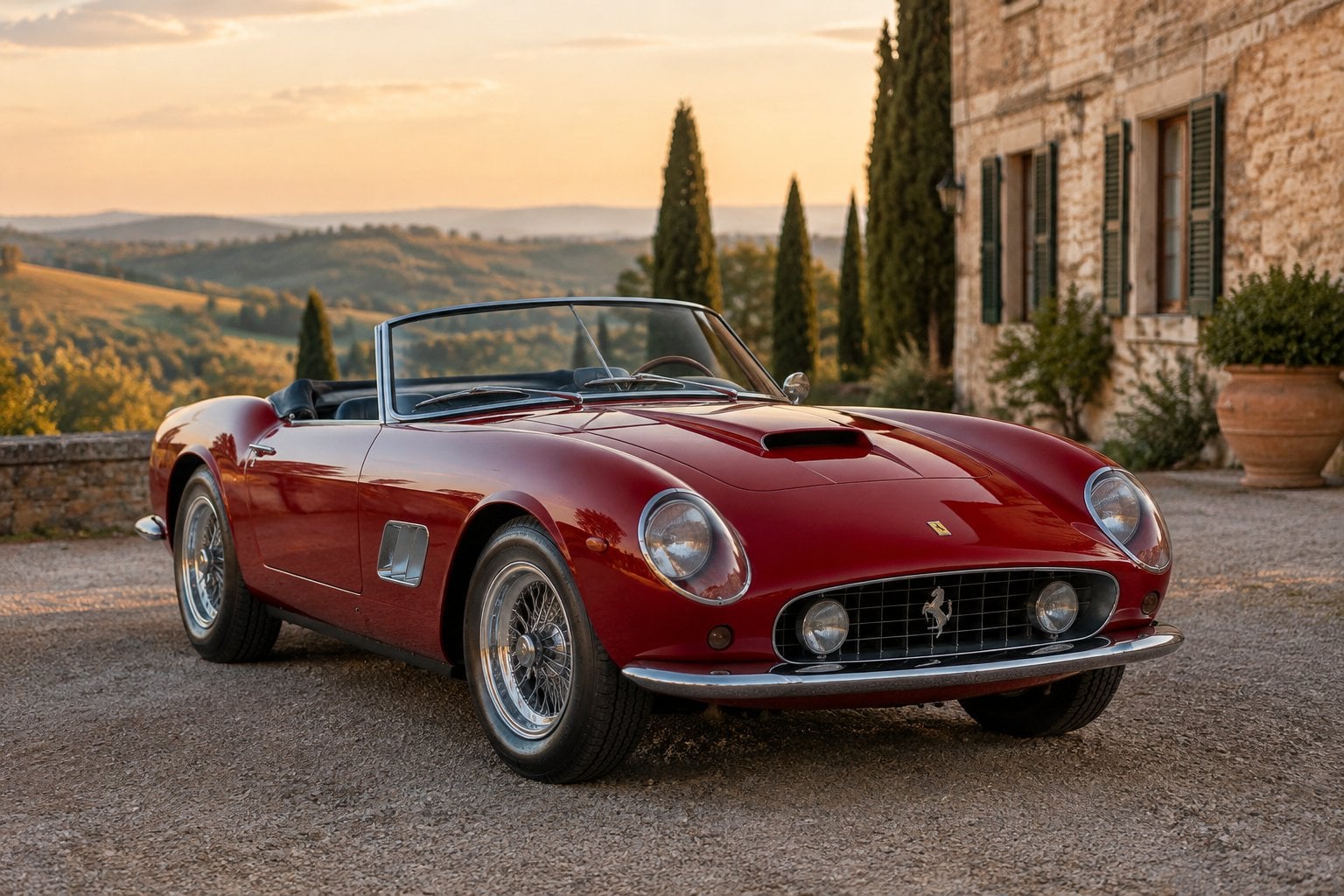
Chassis 2955GT set a new record for a road-going SWB California Spider when RM Sotheby’s sold it at the Grimaldi Forum in Monaco on April 25, 2026, for €16,655,000, roughly $19,520,000. The price beat a pre-sale estimate of €14.5 million to €16.5 million and broke the road-car record held for more than a decade by the ex-Alain Delon car further down this list.
The distinction from competition-specification cars like chassis 2383GT matters here, since 2955GT represents the model in its standard road trim. The SWB California Spider remains one of the most collected open Ferraris of the early 1960s, built in covered- and open-headlight versions across a production run of 56 cars. This car led a sale that totaled about €88 million, which RM Sotheby’s called the top-grossing collector car auction ever held in Europe.
17. 1963 Ferrari 250 P (Chassis 0810): $18,705,000
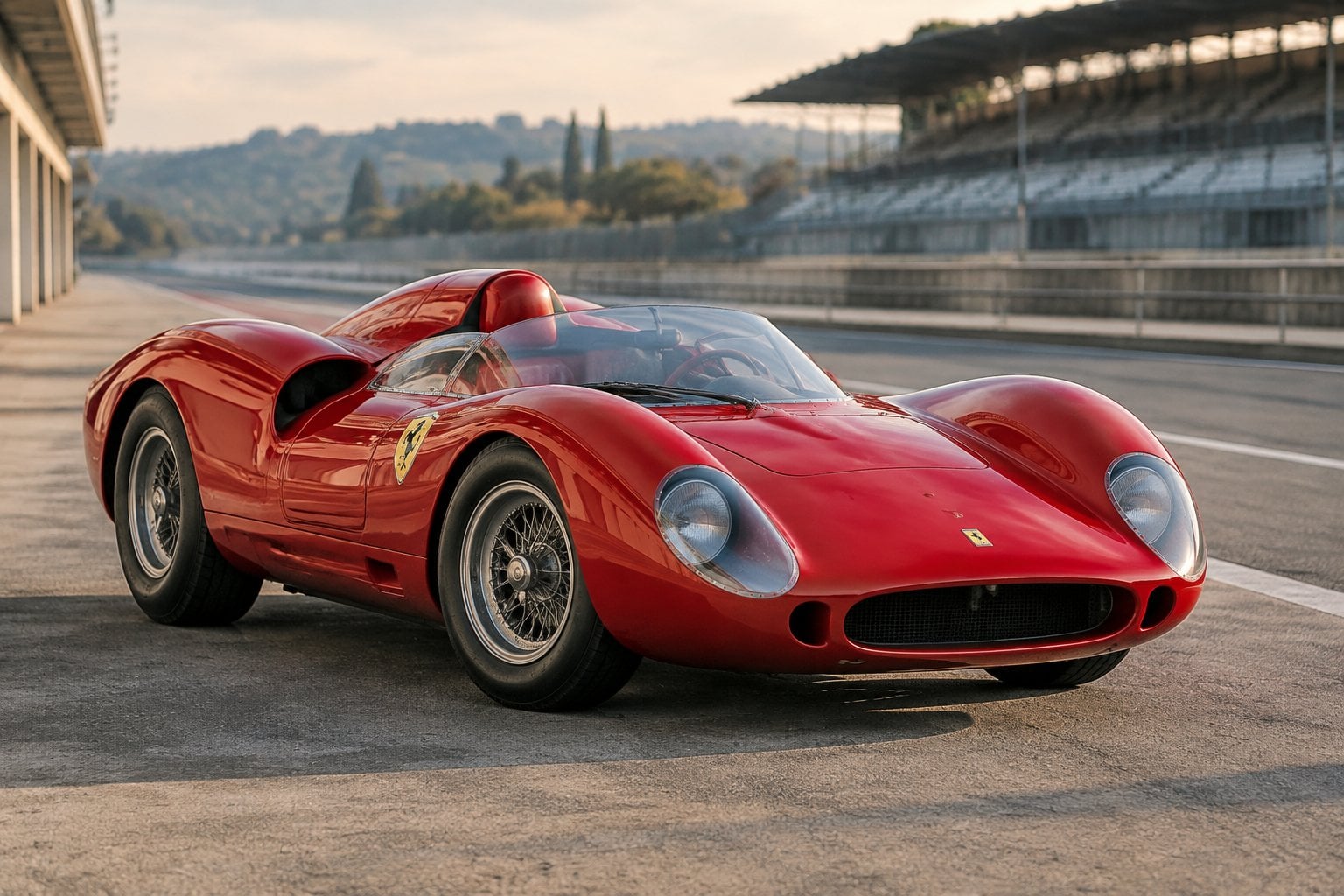
Chassis 0810 holds a specific place in Ferrari history as the first 250 P built, Ferrari’s original mid-engine V12 sports-racing prototype. That layout would shape the company’s competition cars for the rest of the decade, making 0810 a genuine turning point rather than simply an early example.
After its debut at Monza, Scuderia Ferrari kept the car for its 1963 works season. Willy Mairesse, Lorenzo Bandini, and Nino Vaccarella drove it to second overall at the Sebring 12 Hours, and Mike Parkes and Umberto Maglioli took it to third at Le Mans. In 1964 and 1965 it raced in America for Luigi Chinetti’s North American Racing Team and William McKelvy’s Scuderia Bear, including at Sebring, Bridgehampton, Mosport, and Nassau. Gooding Christie’s sold 0810 at Pebble Beach in August 2026 for $18,705,000, against an estimate of $15 million to $20 million.
18. 1961 Ferrari 250 GT SWB California Spider (Chassis 2935GT): $18,649,760
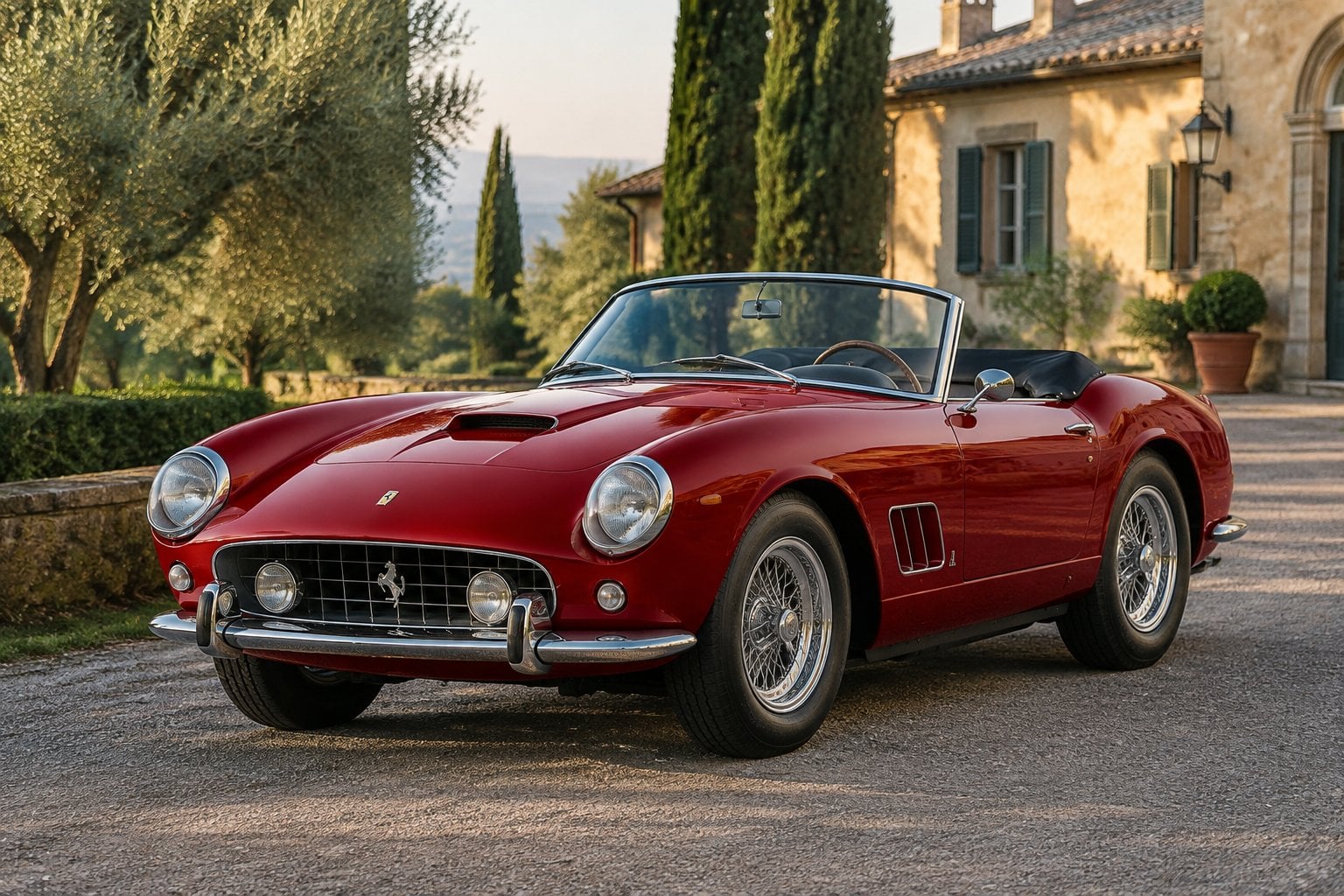
Chassis 2935GT carries one of the more unusual stories in the California Spider line. French actor Gérard Blain bought it new at the 1961 Paris Motor Show, then sold it to fellow actor Alain Delon, who later shipped it to Los Angeles after moving to California. In 1971 it joined the Baillon Collection, a cache of classics that sat neglected in France for decades.
When Artcurial uncovered the collection, 2935GT was found under piles of old newspapers, still wearing its covered headlights. Artcurial sold it, largely unrestored, in Paris in February 2015 for €16,288,000 including fees, about $18,649,760, against an estimate of €9.5 million to €12 million. The barn-find condition appealed to collectors who value original patina and untouched mechanical parts as much as polished presentation, and the celebrity provenance made it one of the most talked-about results of its season.
19. 1954 Ferrari 375-Plus (Chassis 0384AM): $18,300,000
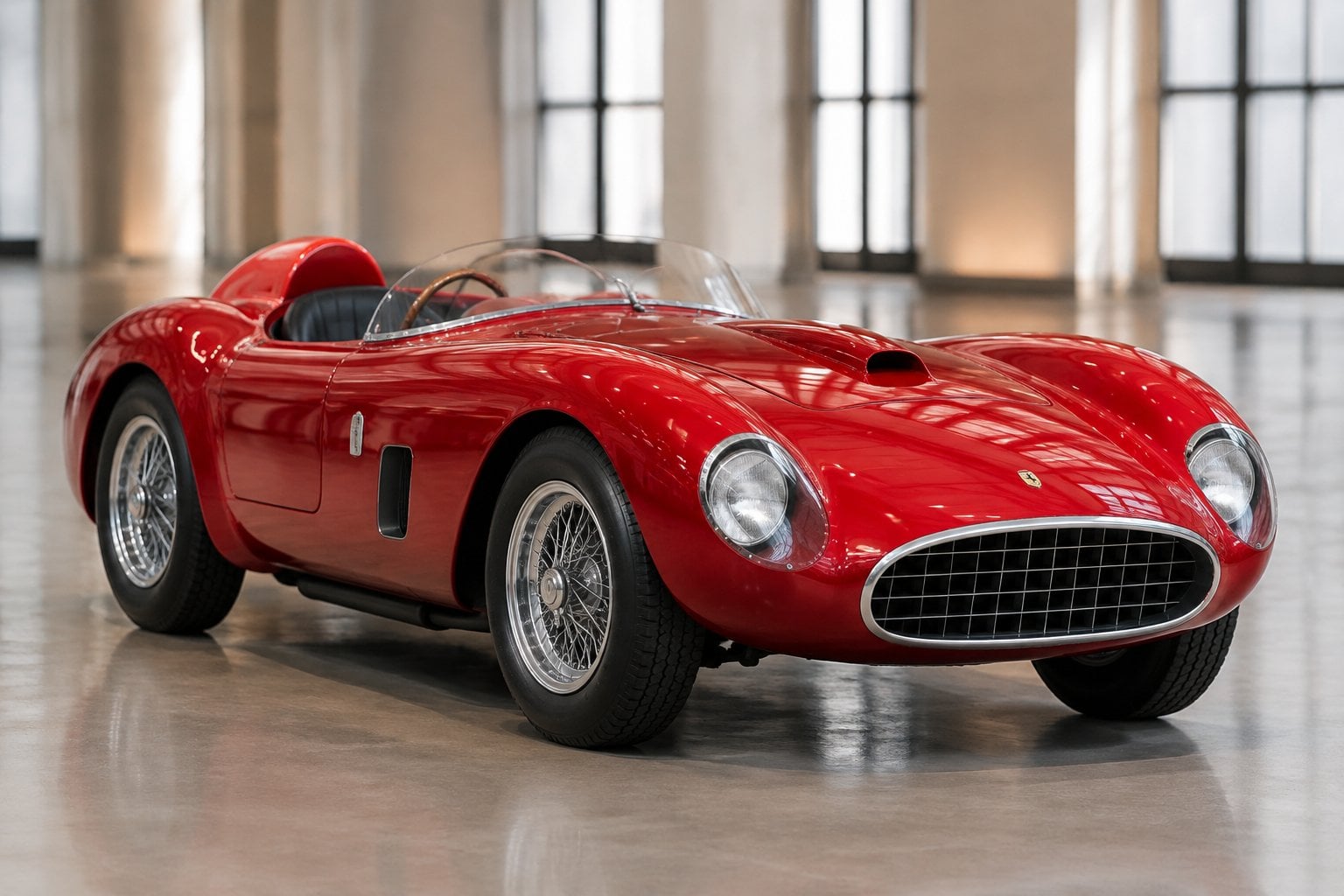
Chassis 0384AM is a 1954 Ferrari 375-Plus, one of just five examples built for the Ferrari works team. José Froilán González drove it to victory in the 1954 sports car race at Silverstone, and it also ran as a factory entry in the Mille Miglia.
At Le Mans that year, Umberto Maglioli and Paolo Marzotto drove 0384AM and led the race for a time; it was a sister 375-Plus driven by González and Maurice Trintignant that went on to win. Bonhams sold 0384AM at the Goodwood Festival of Speed in June 2014 for £10,753,500, roughly $18,300,000, the highest price paid at public auction for a racing Ferrari up to that point. The sale came after a two-year legal fight over who owned the car, which was settled privately shortly before the auction. With only five 375-Plus examples built, each surviving chassis is tracked closely by historians.
20. 1959 Ferrari 250 GT LWB California Spider Competizione (Chassis 1603GT): $18,150,000
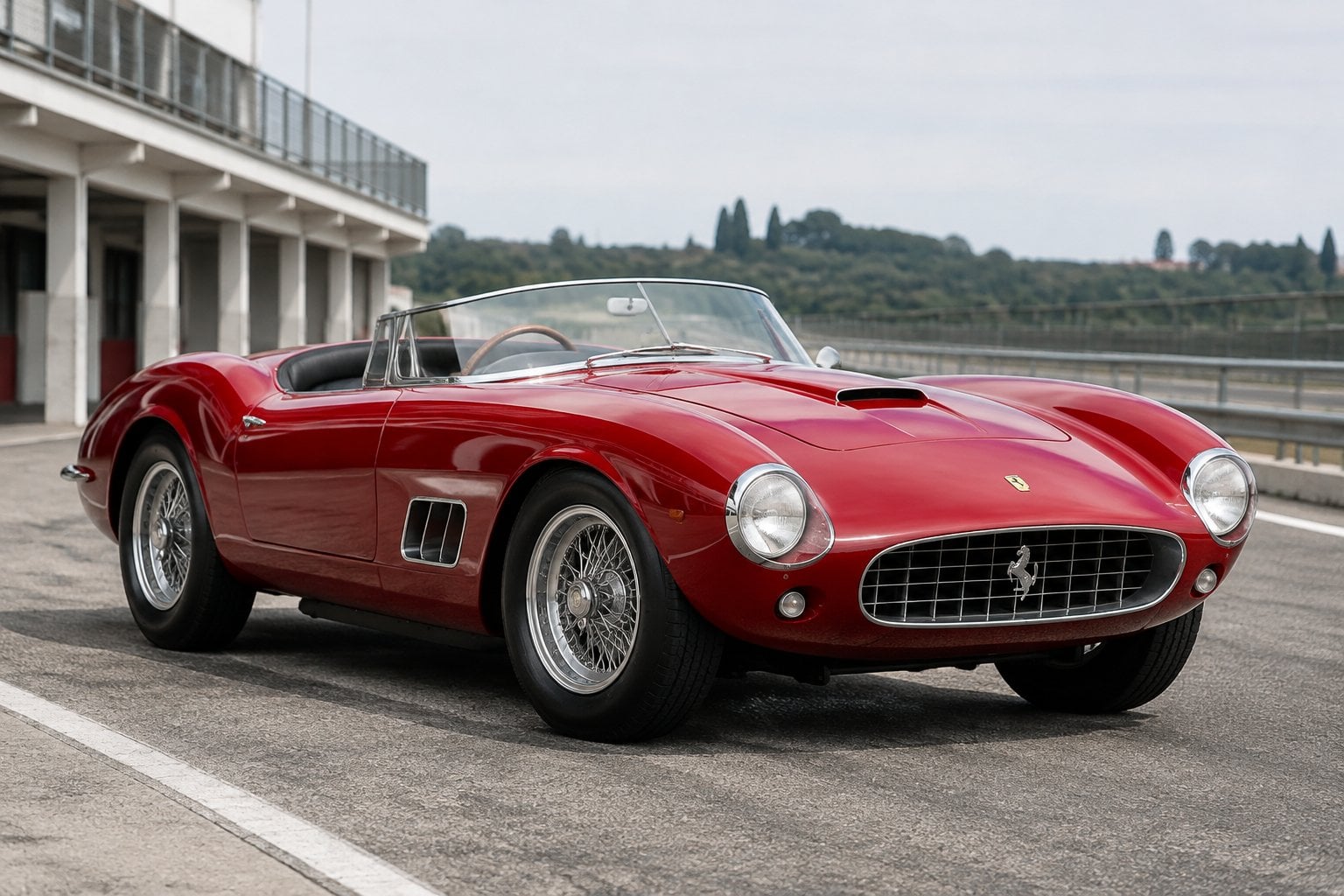
Chassis 1603GT is one of only nine alloy-bodied LWB California Spiders built to full competition specification, a rarer and lighter variant than the standard steel-bodied road cars. Delivered new to the United States, it came with every competition feature Ferrari offered, including a full-race engine and gearbox, four-wheel disc brakes, an endurance fuel tank, and covered headlights.
George Reed and Alan Connell drove it to fifth overall at the 1960 Sebring 12 Hours, and it raced at Bahamas Speed Week in Nassau in 1959 and 1960 before running in SCCA events through 1964. It now wears its 1960 Sebring livery and is Ferrari Classiche certified. Gooding & Company sold 1603GT at Pebble Beach in August 2016 for $18,150,000, against an estimate of $18 million to $20 million, the highest result in the company’s history at that point.
21. 1963 Ferrari 250 GT SWB California Spider (Chassis 4137GT): $18,150,000
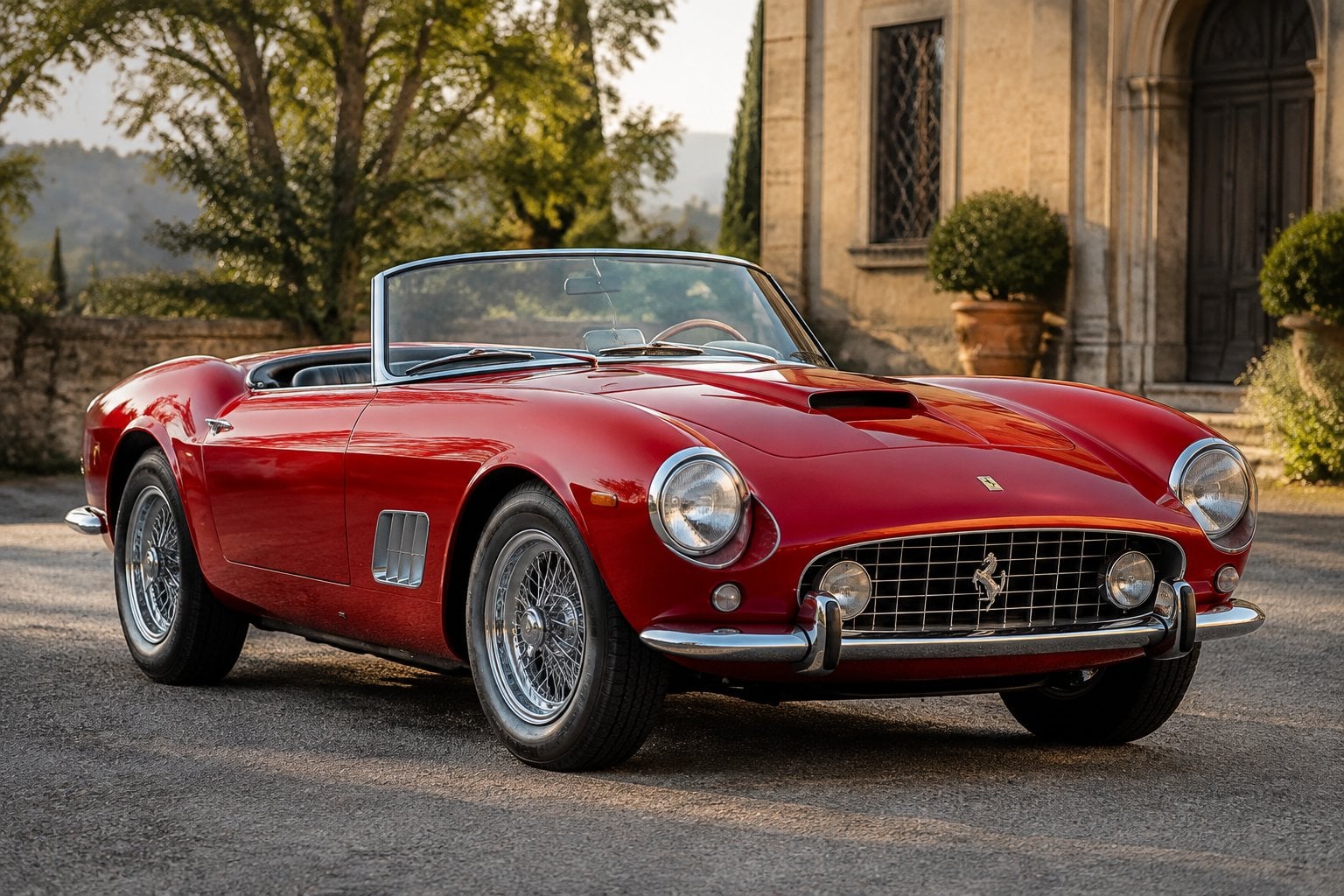
Chassis 4137GT holds the distinction of being the last SWB California Spider built, closing out a production run of 56 cars that began in 1960. That end-of-series status gives it a specific appeal among collectors who focus on first and last examples within a model line, and the car retains its original chassis, body, engine, and gearbox.
It has also been one of the most active California Spiders on the market lately. Mecum sold it at its Kissimmee auction in January 2024 for $17,875,000, and just over two years later, in May 2026, Mecum sold it again at Indianapolis for $18,150,000, the top result of that sale. The price matches exactly the result achieved by chassis 1603GT a decade earlier at Gooding & Company, a coincidence that highlights how tightly well-documented California Spiders cluster in value.
22. 1962 Ferrari 250 GT SWB California Spider (Chassis 3099GT): $18,045,000
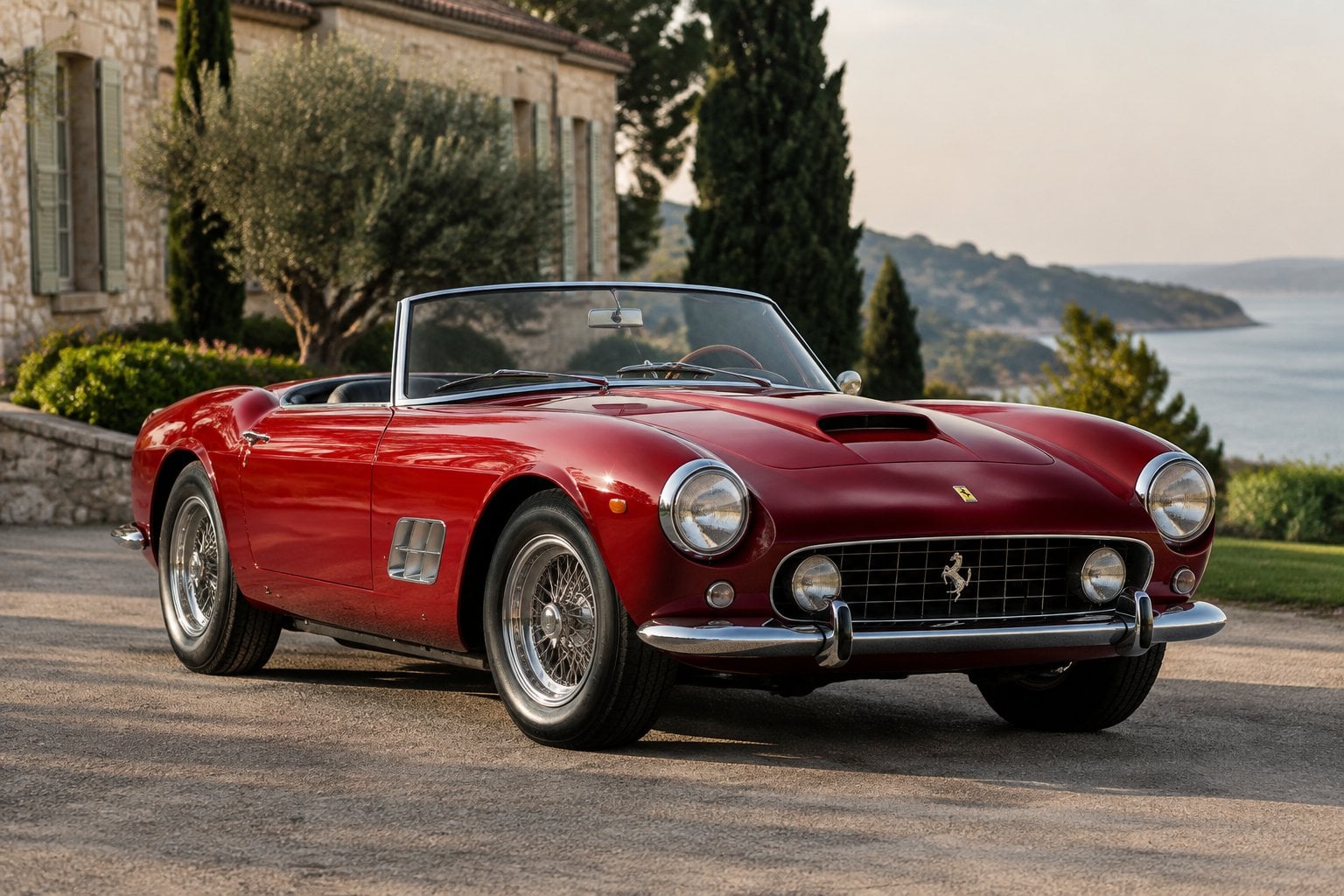
Chassis 3099GT is a 1962 SWB California Spider, one of the 56 short-wheelbase cars built between 1960 and 1963. It left the factory in February 1962 finished in Azzurro Metallizzato and went to Luigi Chinetti’s New York showroom before being driven in California.
Since 1972 it has belonged to just two major Ferrari collections. Its restoration was finished in 2004, and in 2008 Ferrari Classiche issued its Red Book, confirming the original chassis, coachwork, engine, gearbox, and rear axle. The car took First in Class at the 2010 Amelia Island Concours d’Elegance and the SWB California Spider Cup at the 2020 Cavallino Classic. Gooding & Company sold 3099GT at Amelia Island in March 2023 for $18,045,000, against an estimate of $18 million to $20 million. Collectors continue to treat the model as a benchmark for open-top Ferrari value.
23. 2003 Ferrari Enzo: $17,875,000
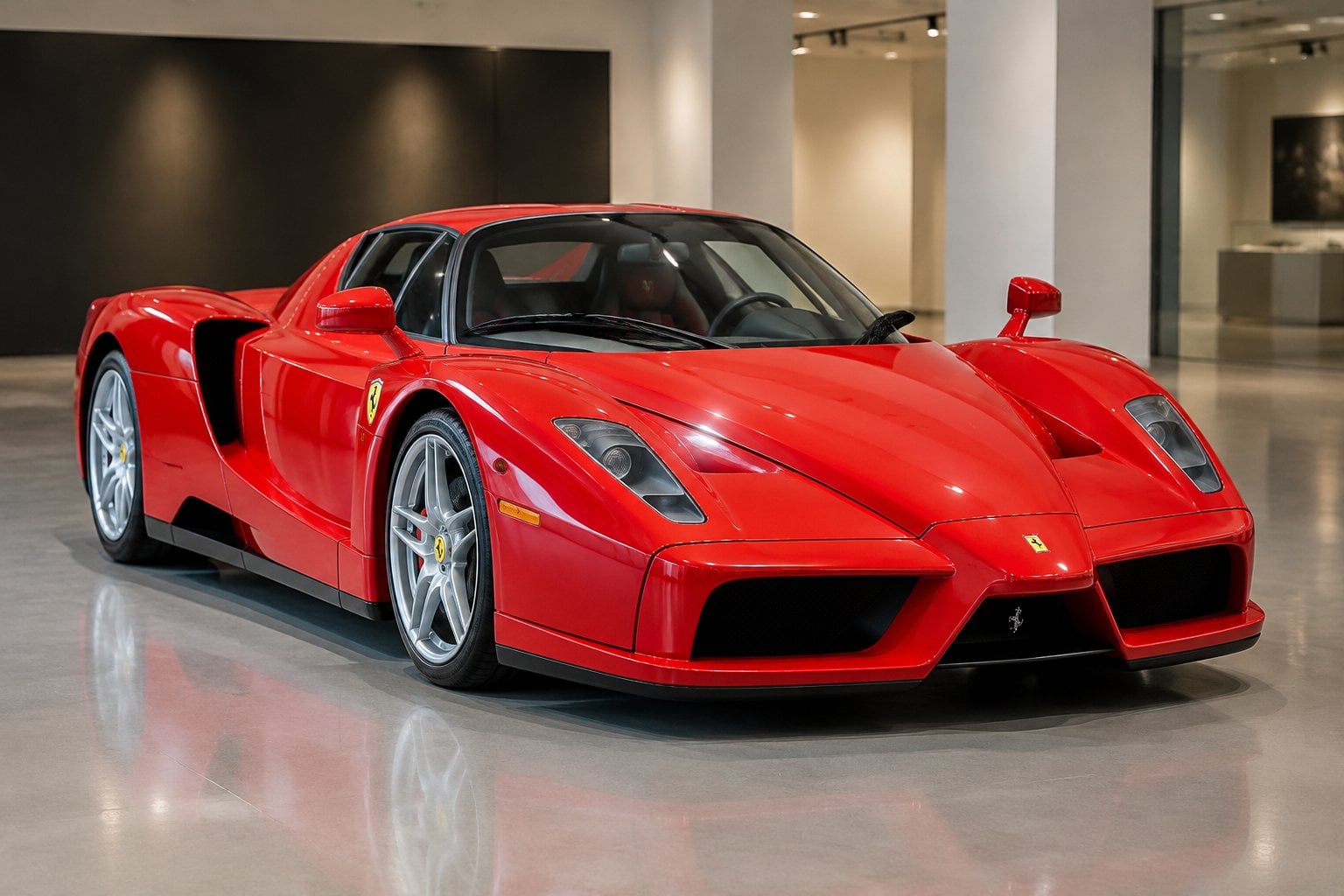
A 2003 Ferrari Enzo set the model’s auction record when Mecum sold it at Kissimmee in January 2026 for $17,875,000. The Enzo, Ferrari’s flagship supercar of the early 2000s, was built in a run of 400 cars powered by a naturally aspirated 6.0-liter V12 producing 650 horsepower, a figure still respectable more than two decades after its debut.
This one is finished in Giallo Modena yellow and came from the collection of the late Phil Bachman, whose family ordered it new. It showed fewer than 650 miles when it crossed the block. Enzo values have climbed steadily as the model has aged into modern-classic status, with low-mileage, well-documented examples commanding the strongest premiums. This result stands apart from the vintage competition cars that dominate most of this list, showing that a modern limited-production flagship with the right history can reach eight figures.
24. 2023 Ferrari Daytona SP3: $17,825,000
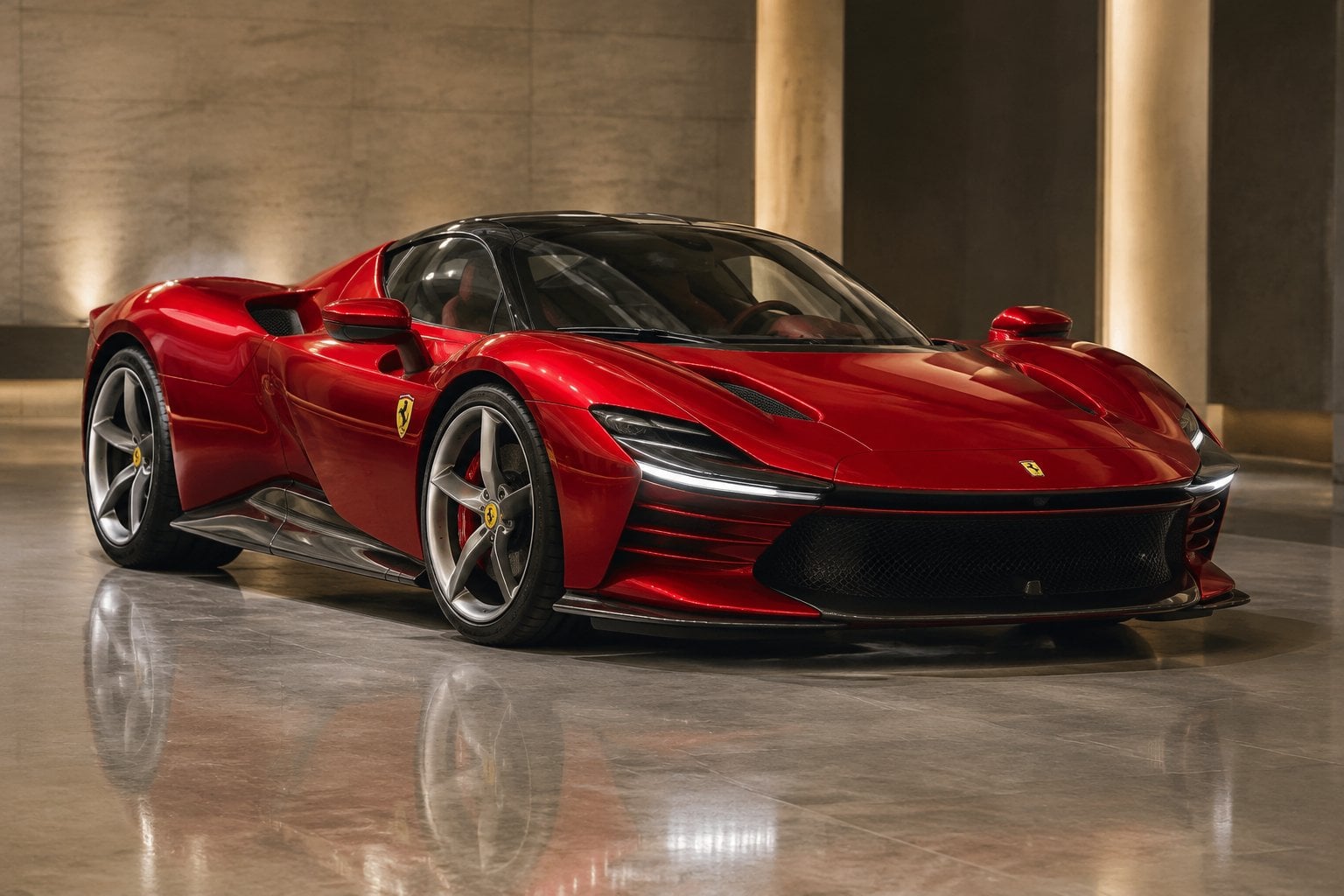
RM Sotheby’s sold this 2023 Ferrari Daytona SP3 at its Monterey auction in August 2026 for $17,825,000, a figure well above the model’s original limited-edition pricing. The Daytona SP3 is part of Ferrari’s Icona series, built with a naturally aspirated V12 and styling that references the brand’s 1960s sports-prototype racers.
Unlike the one-off 599+1 car higher on this list, this is a regular production example with no charity angle. It showed just 227 miles when it was catalogued, and RM Sotheby’s had estimated it at $10 million to $12 million. Bidding blew through that range, with the hammer falling at $16.2 million before fees. The result set a record for a standard Daytona SP3 at public auction. Strong results like this one point to sustained demand for Ferrari’s most recent V12 special series, especially nearly new, low-mileage cars.
25. 1964 Ferrari 250 LM (Chassis 6105): $17,600,000
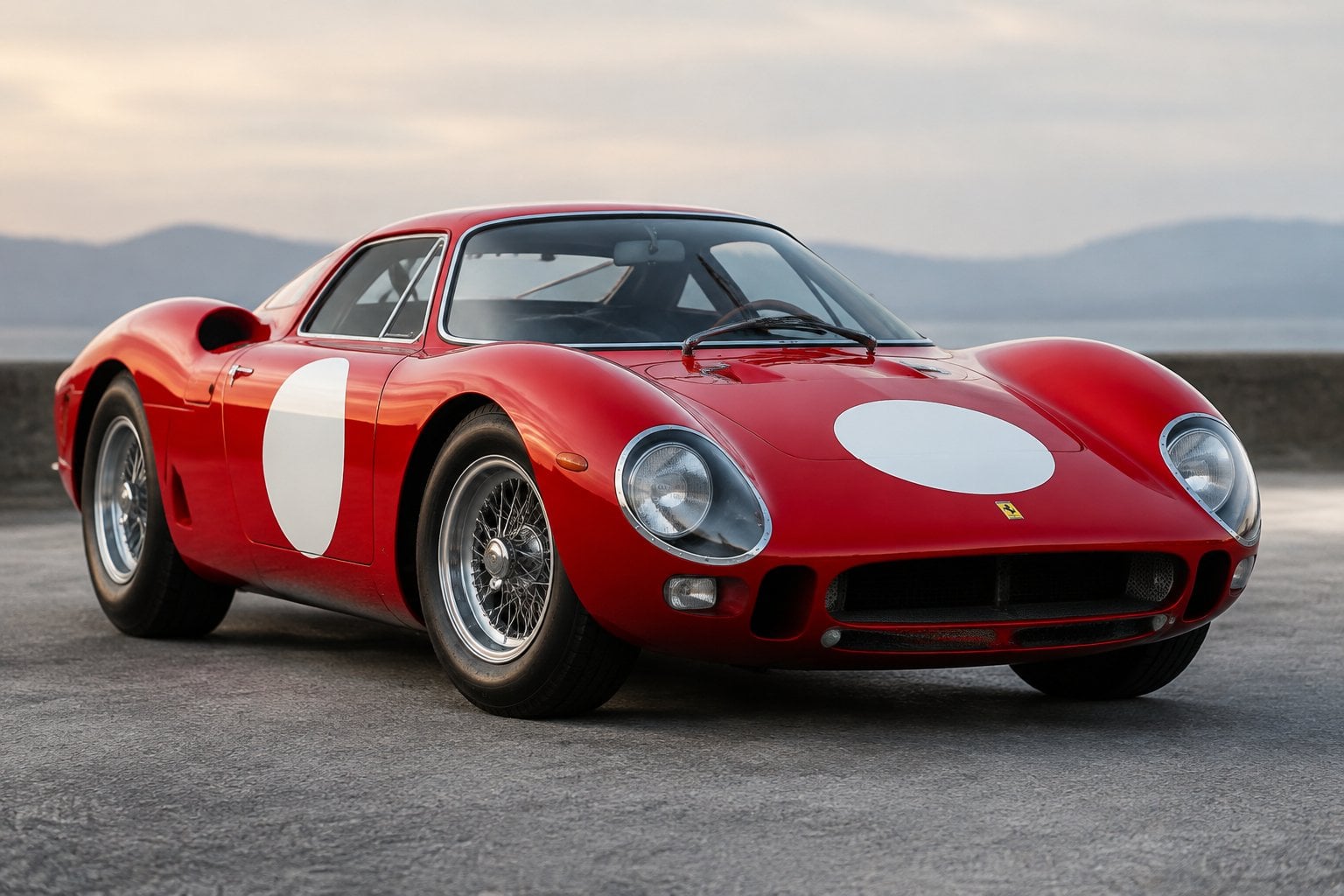
Chassis 6105 is a second 250 LM to appear on this list, the 23rd of the 32 cars built and from the same run as chassis 5893 near the top. It was shown at the 1964 Earls Court Motor Show in London shortly before Ron Fry bought it and raced it in Britain, and it kept racing with later owners before passing through respected collections, including the Matsuda Collection in Japan.
RM Sotheby’s sold 6105 at its Monterey sale in August 2015 for $17,600,000, the top price of that year’s Monterey week. Ferrari Classiche has certified that it keeps its original mechanical components. The gap between these two 250 LM results, roughly $18.7 million over a decade, comes largely from 5893’s history as the actual 1965 Le Mans winner, which shows how much a single race can separate otherwise similar chassis within the same model.
26. 1960 Ferrari 250 GT SWB California Spider (Chassis 1915GT): $17,176,418
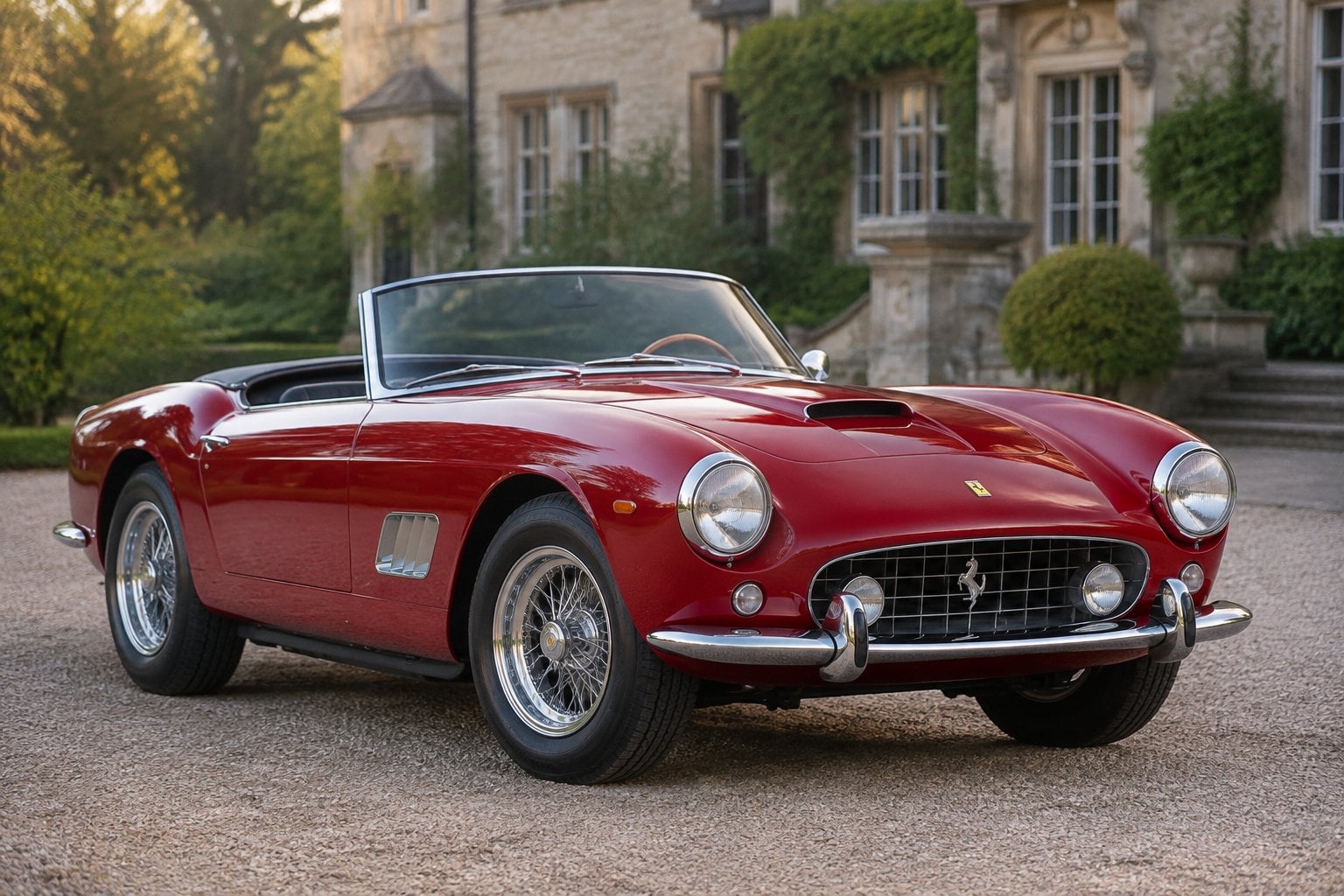
Chassis 1915GT is the third of the 56 short-wheelbase California Spiders built, completed in September 1960 and one of the cars made with covered headlamps. It was delivered new through Franco Britannic Autos, Ferrari’s Paris dealer, which showed it on the Ferrari stand at the October 1960 Paris Motor Show before selling it to Pierre Liechti. It was first finished in white with a black interior.
The car later passed through the hands of Roger Baillon, the collector behind the famous barn find, and has had five documented keepers from new. The consigning owner, who bought it in 1996, sent it to Carrozzeria Campana in Modena for a two-year restoration, and Ferrari Classiche has confirmed its matching-numbers chassis, engine, rear axle, and coachwork. RM Sotheby’s sold it in Paris on January 28, 2026, for €14,067,500, about $17,176,418, against an estimate of €12 million to €14 million.
27. 1961 Ferrari 250 GT SWB California Spider (Chassis 2871GT): $17,160,000
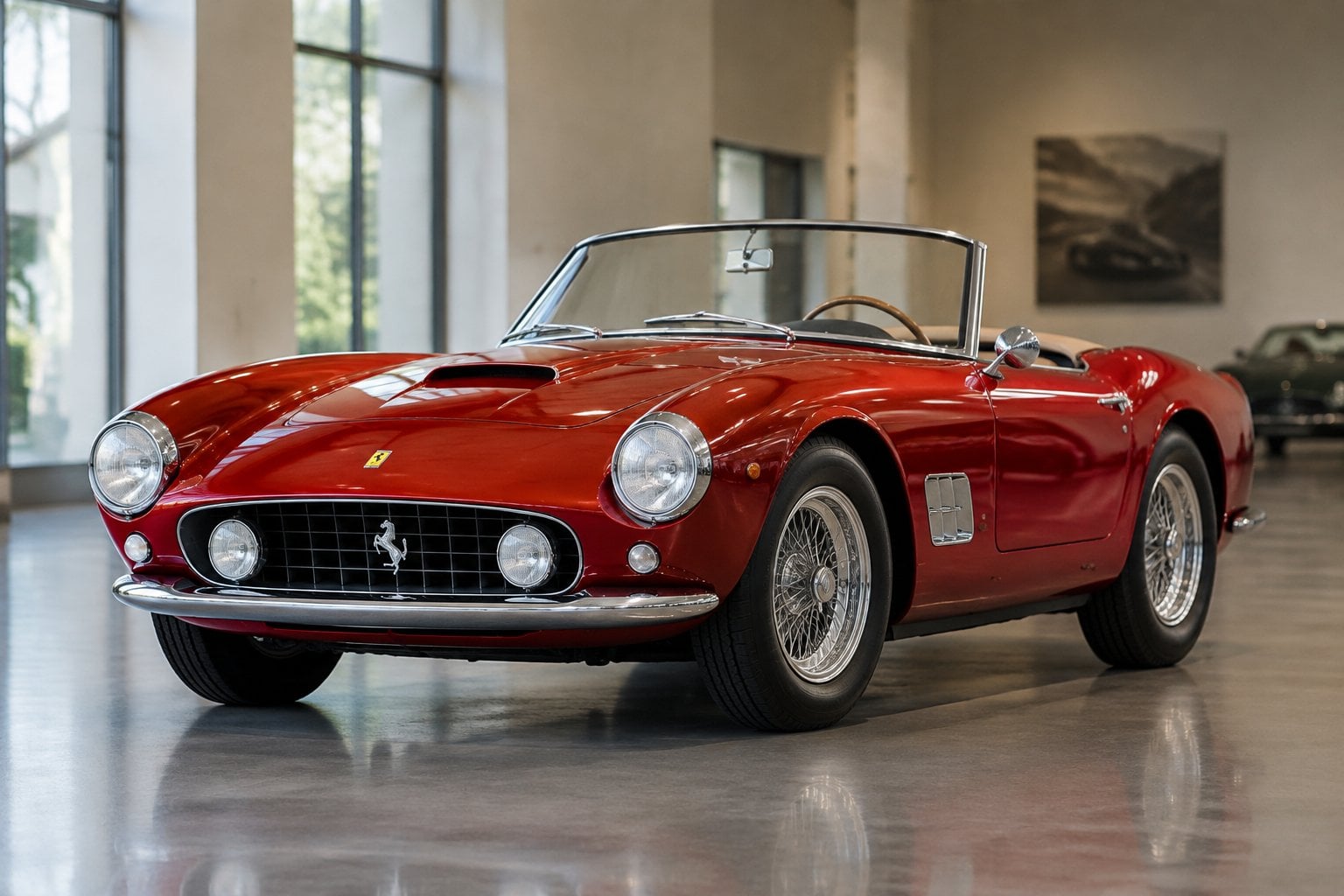
Chassis 2871GT sold at Gooding & Company’s Amelia Island auction in March 2016 for $17,160,000, against an estimate of $15 million to $17 million. That set a record for the Amelia Island auctions and was, at the time, the highest price Gooding had ever achieved at public auction, another entry in the long run of SWB California Spider results that cluster around $17 million to $18 million.
Gooding described 2871GT as the 22nd SWB California Spider built, and it is one of the covered-headlight cars. It had only three owners from new, the most recent since 1985. Built during the model’s peak production years, it shows the SWB California Spider in a configuration familiar to most Ferrari specialists: a 3.0-liter V12 and coachwork executed by Scaglietti to Pininfarina’s design. Its result shows how well understood the model’s value has become among collectors.
28. 1961 Ferrari 250 GT SWB California Spider (Chassis 3095GT): $16,830,000
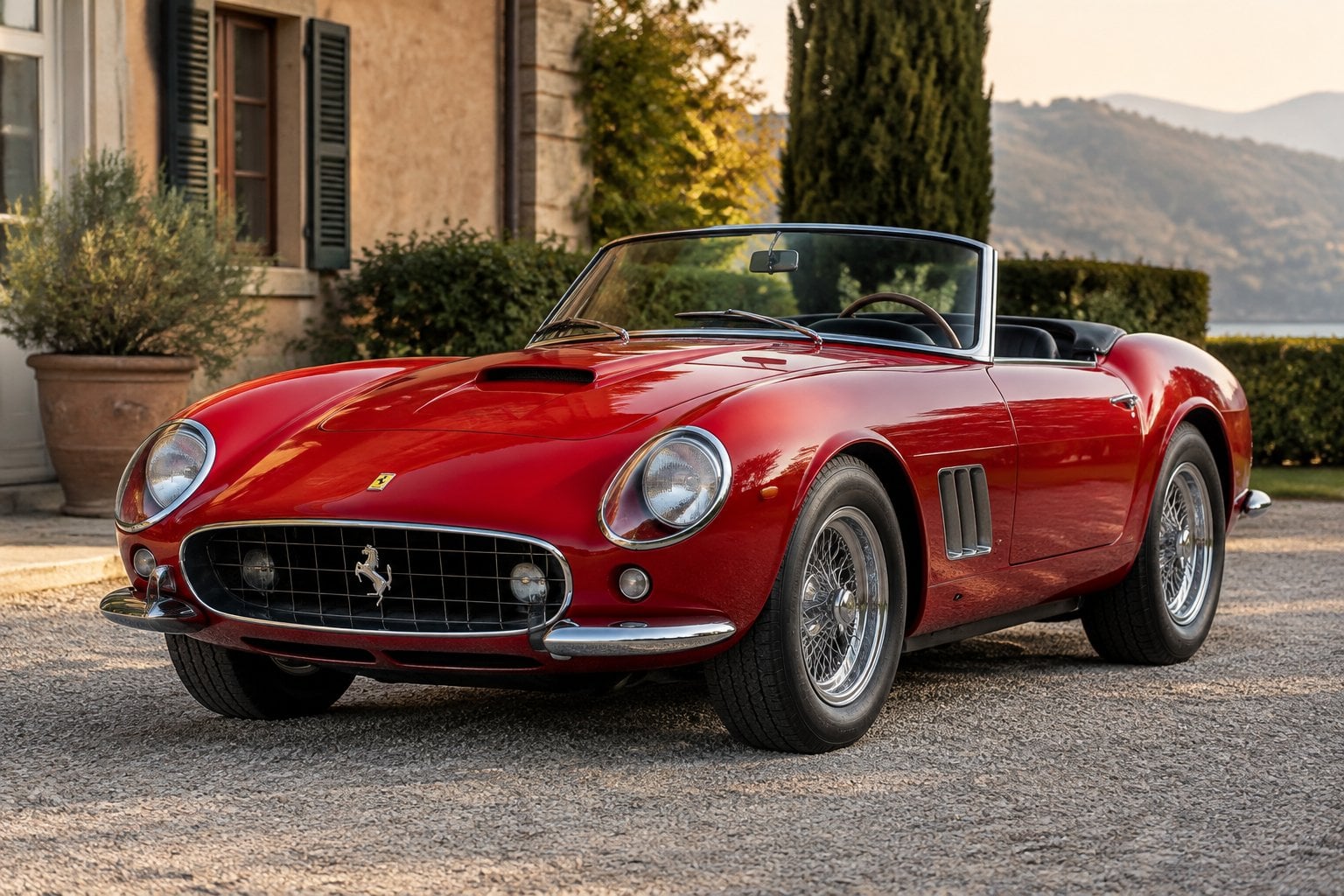
Chassis 3095GT sold at Gooding & Company’s Pebble Beach auction in August 2015 for $16,830,000, a result in line with other SWB California Spiders from the same production years. Its $16 million to $18 million estimate was the highest published estimate of any car at that year’s Monterey Car Week, and the final price set a single-lot record for Gooding at the time.
The car is a covered-headlight example finished in dark metallic blue with a red interior, and the sale was the first time it had been offered publicly in the United States since the 1960s. Like other examples from this run, 3095GT’s value rests on its specification, documented ownership chain, and the enduring appeal of Pininfarina’s open-top design. The SWB California Spider’s dual identity as both a usable road car and a credible competition entry continues to support strong prices.
29. 1960 Ferrari 250 GT SWB California Spider (Chassis 1963GT): $16,505,000
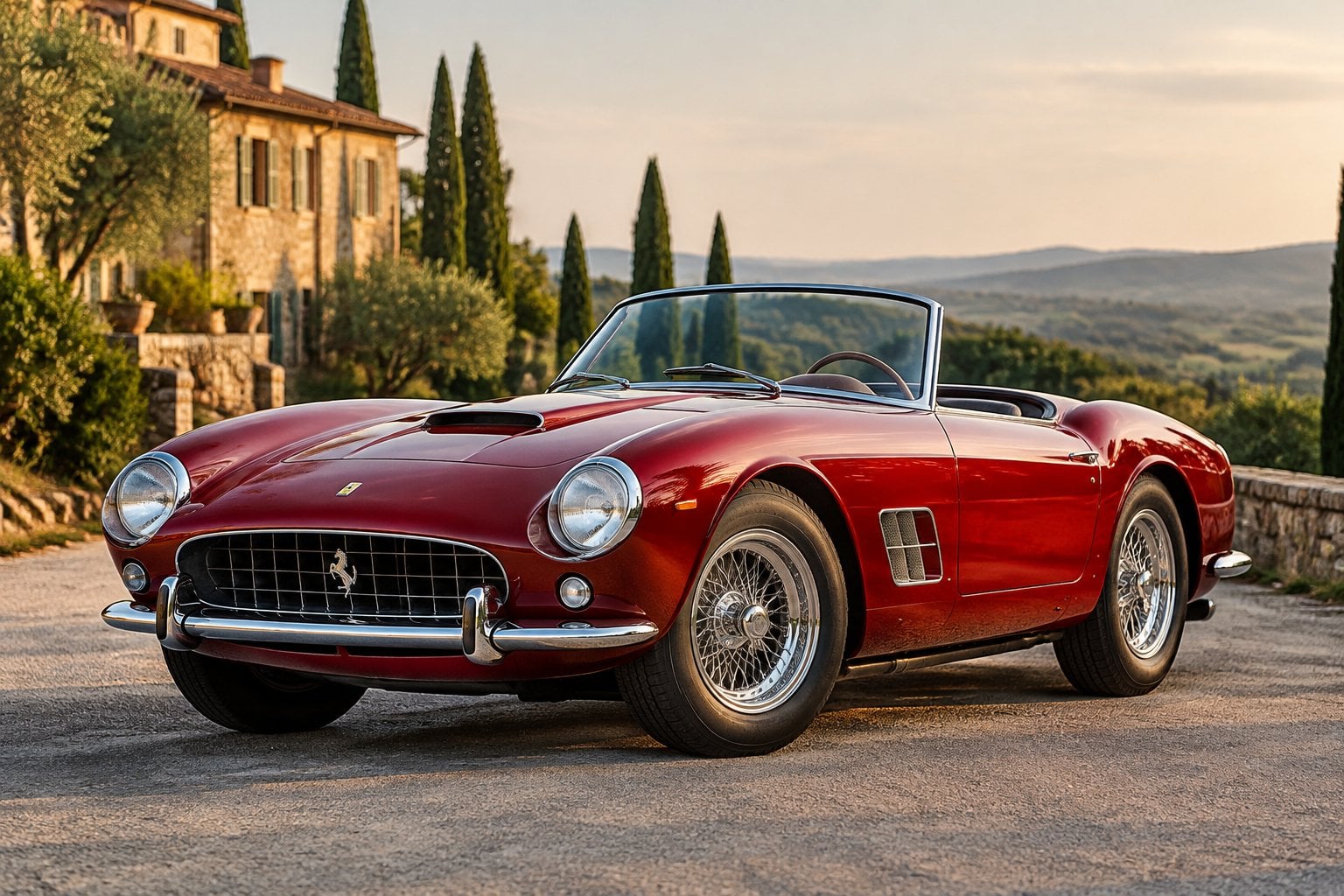
Chassis 1963GT, from the 1960 model year, sold at Gooding Christie’s Amelia Island auction on March 6, 2026, for $16,505,000, the top result of the sale, against an estimate of $16 million to $18 million. Despite the name, 1963 is its chassis number, not its build year.
This covered-headlight car was delivered new to Auto Becker, the Ferrari distributor in Düsseldorf, and comes with a rare factory hardtop. It spent more than 30 years with collector Ronald Van Kregten, and after his death it was found untouched in his garage and sold by Gooding at Scottsdale in 2009 as an unrestored survivor. Dennison International then restored it in non-metallic dark blue with tan leather, and it debuted at the 2010 Pebble Beach Concours. Ferrari Classiche certifies its original chassis, body, engine, gearbox, and rear axle.
30. 1962 Ferrari 250 GT SWB Berlinetta Speciale by Bertone (Chassis 3269GT): $16,500,000
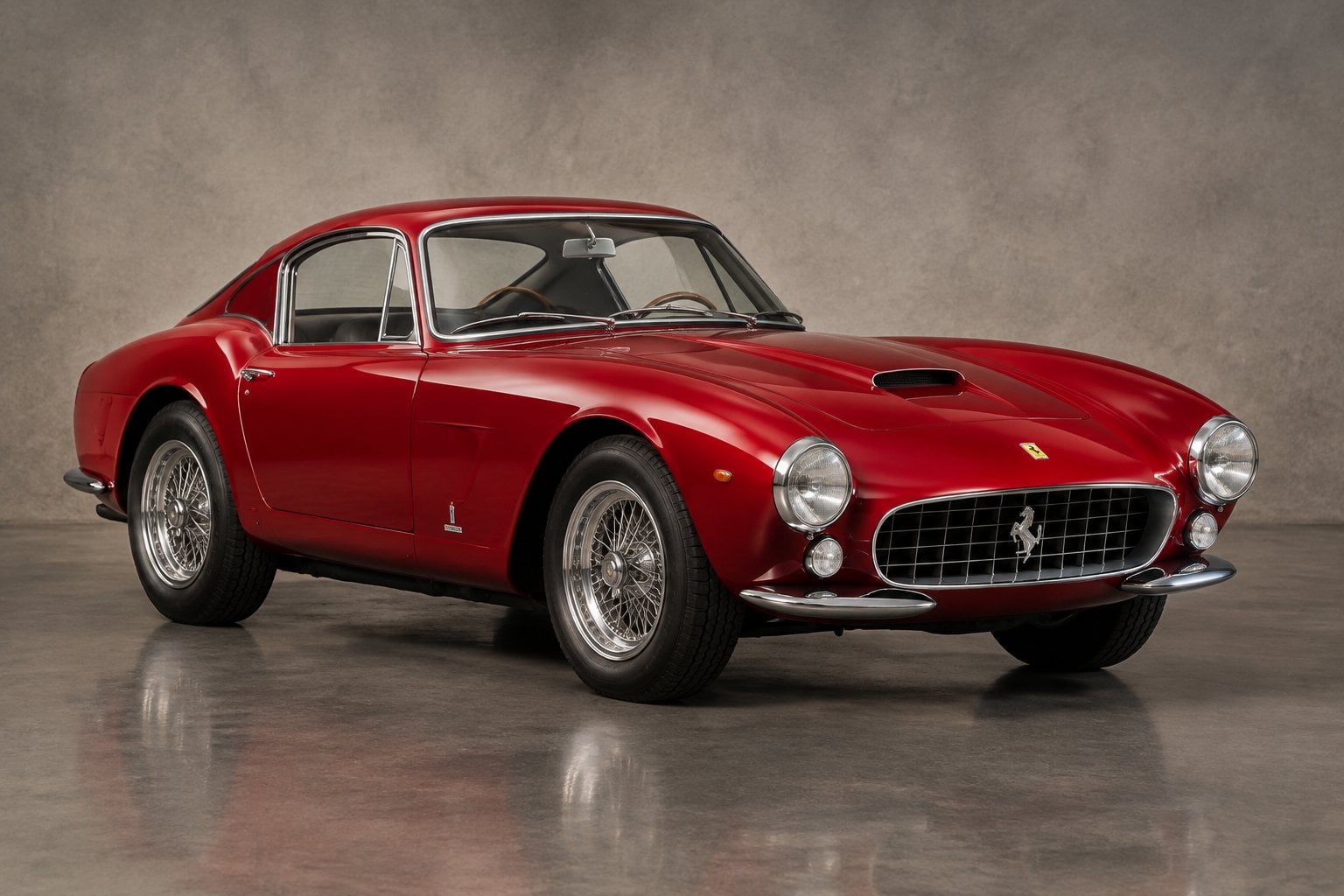
Chassis 3269GT stands apart from the California Spiders that fill much of this list: it is a one-off SWB Berlinetta Speciale bodied by Bertone rather than Ferrari’s usual coachbuilder Scaglietti or designer Pininfarina. Gooding credits its design to a young Giorgetto Giugiaro, one of the first cars he penned, with a “sharknose” front inspired by Ferrari’s 156 Formula 1 car.
Nuccio Bertone had the car built for himself to showcase his company at the 1962 Geneva and Turin motor shows, finished in Blu Notte Metallizzato with burgundy leather. It later spent more than 30 years in the collection of Lorenzo Zambrano. Gooding & Company sold 3269GT at Pebble Beach in August 2015 for $16,500,000, the first time it had ever been offered at public auction, against an estimate of $14 million to $16 million. Its one-off coachwork appeals to collectors who prize design history.
How These Ferrari Auction Sales Are Ranked
This list includes only results from public auctions with disclosed hammer prices, which allows for direct comparison across houses and years. Figures reflect the total price paid, not the pre-sale estimate, and every sale listed comes from a recognized auction house with a documented sale date.
Why Are Private Sales Excluded?
Private sales lack verifiable, publicly disclosed figures. The widely cited $70 million reported for a 1963 Ferrari 250 GTO sold privately to WeatherTech founder David MacNeil is a frequently repeated figure, but private transactions are not independently confirmed the way auction results are. Keeping this list limited to public auctions means every price here comes with a named auction house, a sale date, and a hammer result that other bidders witnessed directly.
How Does the Buyer’s Premium Affect the Sale Price?
Every price on this list includes the buyer’s premium, the additional percentage auction houses charge on top of the hammer price. This is standard practice for reporting auction results, since the buyer’s premium can add a meaningful amount to the final figure and omitting it would understate what the buyer actually paid. Premium rates vary by house and by price tier, but the all-in total is what gets reported publicly and compared across sales.
How Are Foreign-Currency Results Compared?
Several sales on this list took place in euros or British pounds, including results from Artcurial in Paris and Bonhams at Goodwood. These figures are converted to U.S. dollars using the exchange rate at the time of sale, which is the standard method for comparing international auction results in a single currency. A euro-denominated sale from 2016 and one from 2026 will reflect very different exchange rates, so the dollar figure attached to each is specific to its sale date rather than a current conversion.
Are Prices Adjusted for Inflation?
No adjustment for inflation is applied to the prices in this list. Each figure reflects the actual dollar amount paid at the time of sale, which is how auction houses, specialist publications, and the collector market itself report and compare results. An unadjusted ranking means older sales, like the 2013 NART Spider result, sit alongside recent ones without any attempt to normalize purchasing power across decades.
What Makes a Ferrari Valuable at Auction?
A Ferrari’s auction value comes down to the combination of chassis-specific history, originality, and documented racing provenance rather than the model name alone. Two examples of the same model, built the same year, can sell for very different prices depending on what happened to each individual car over six decades.
Why Does Chassis-Specific Provenance Matter?
Every Ferrari chassis number carries its own paper trail, and that history drives value as much as the model itself. A 250 GTO or SWB California Spider with a documented ownership chain, original matching-numbers engine, and no major accident history will outperform a cosmetically similar car with gaps in its record. Buyers and their specialists research chassis histories closely before bidding, checking factory build sheets, period race entries, and prior sale records against what’s being represented at auction.
How Do Racing History and Originality Influence Value?
Cars with genuine factory-team racing careers, like the 290 MM examples driven by Juan Manuel Fangio or the 335 S campaigned by Stirling Moss, command premiums tied directly to that competition record. Originality matters alongside racing pedigree: an unrestored car with its original engine, gearbox, and body panels, like the sole surviving 412P example, typically draws stronger interest than a heavily restored counterpart. Collectors weigh these two factors together rather than in isolation.
Why Can Charity Auctions Produce Exceptional Prices?
Charity consignments can produce results that exceed a car’s typical market value, since bidders are often motivated by the cause as much as the car itself and may benefit from a tax deduction tied to the donation. The $40 million result for the Ferrari Luce “Tailor Made,” sold with all proceeds benefiting the Ferrari Foundation, reflects this dynamic directly. Bidding on charity lots can also carry a reputational element, particularly when the buyer has an existing relationship with the manufacturer or cause being supported.