The 30 Worst BMW Models Ever Produced: A Complete Ranking
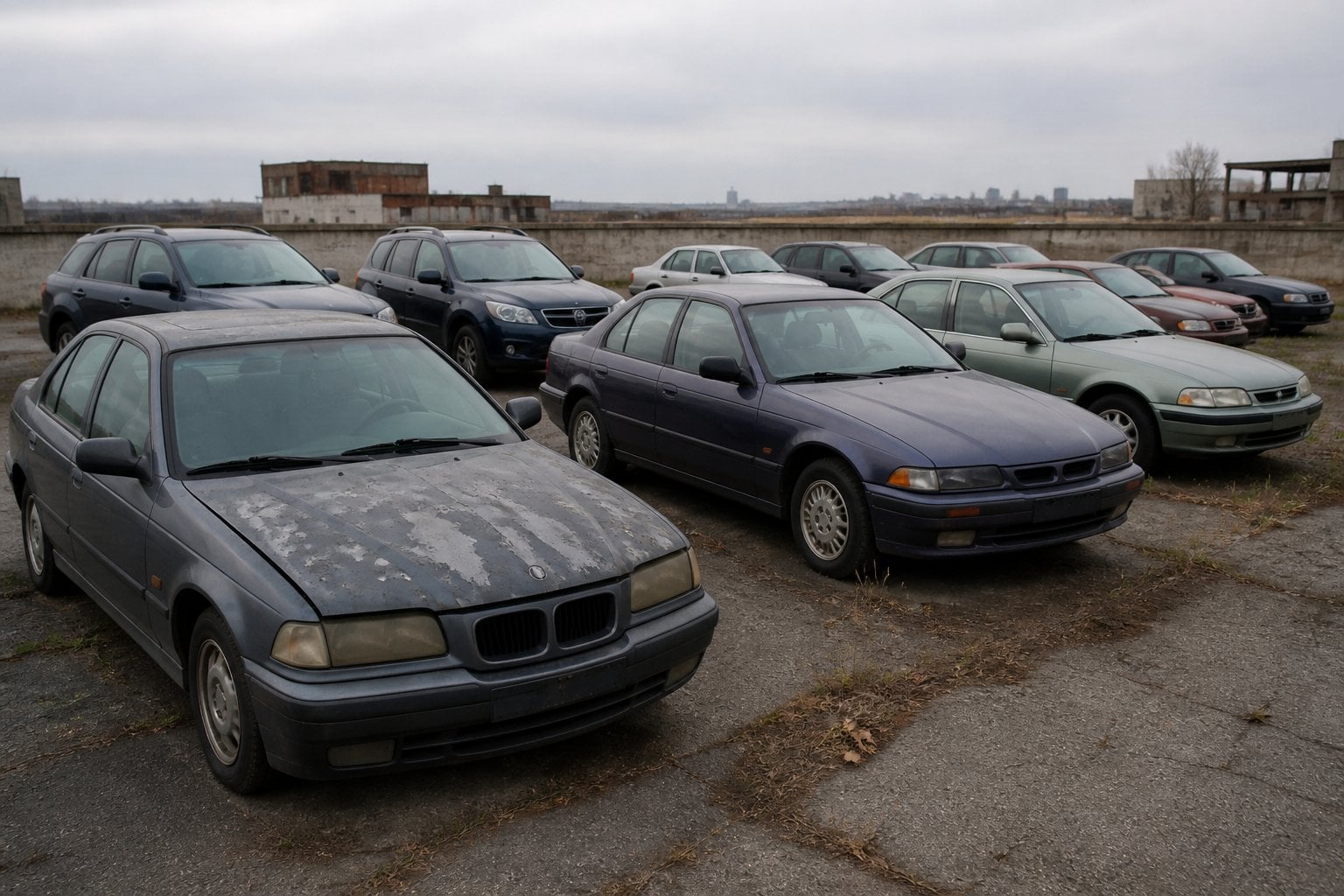
BMW has built a reputation for engineering, performance, and driving experience over several decades. Not every model has met that standard, though. Some vehicles suffered from mechanical issues, poor build quality, or design choices that didn’t work well in practice. Others struggled with reliability problems that led to costly repairs and frustrated owners.
This article looks at 30 BMW models that fell short of the brand’s usual standards, based on factors like reliability records, owner complaints, and repair costs.
You’ll find a range of vehicles here, from sedans to SUVs, spanning different eras of BMW’s production history. Each entry highlights specific problems that affected performance, reliability, or overall value.
1. BMW 7 Series E65/E66 (2002–2008)
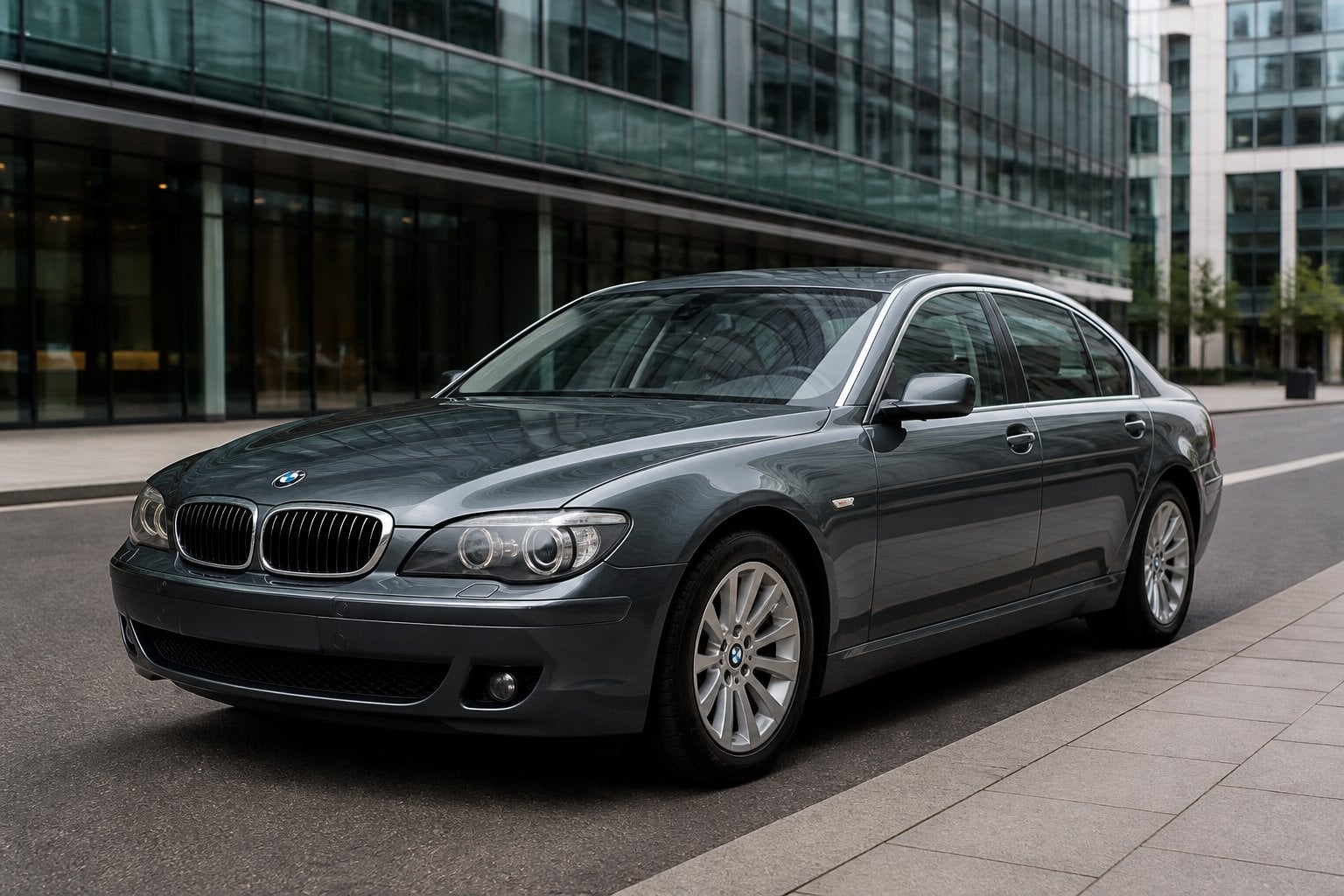
You’ll find the E65 and E66 at the center of most BMW reliability discussions, and for good reason. This generation introduced Chris Bangle’s controversial design and the first-generation iDrive system, both of which brought significant problems.
The electronics in your E65 are the main concern. You’ll likely encounter issues with the iDrive interface, faulty control units, and electrical gremlins that are difficult to diagnose and expensive to fix.
Beyond electronics, you should watch for automatic transmission failures and issues with the N62 V8 engines, including cracked valve seats and cooling system weaknesses. Early models from 2002-2003 carry the highest risk, since they combined unrefined electronics with mechanical teething problems.
If you’re considering this generation, the diesel-powered 730d and 740d models offer better reliability than their gasoline counterparts. Later production years also saw some improvements to iDrive and electrical components.
2. BMW 5 Series E60 (2003–2010)
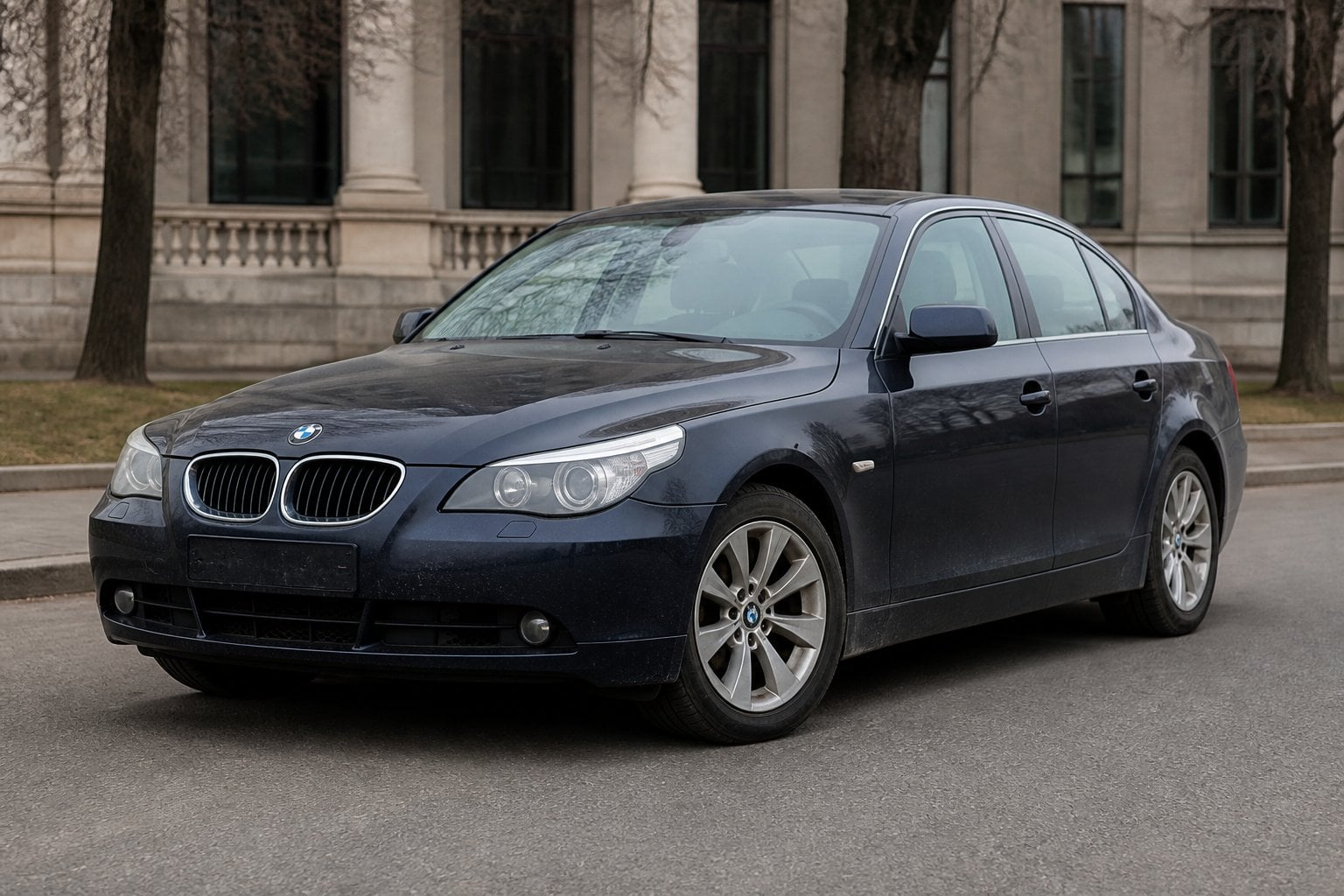
You get a lot of technology with the E60, and that’s part of the problem. This generation introduced iDrive and a heavily electronic control system to the 5 Series, and both added complexity without matching reliability.
The N54-equipped 535i suffers from high-pressure fuel pump failures, wastegate rattle, and injector problems, especially on early production models. If you’re looking at an N52-powered 525i or 530i, expect valve cover gasket leaks, VANOS solenoid issues, and electric water pump failures.
Electrical gremlins are common across the range, from window regulators to iDrive glitches. You’ll also want to check the eccentric shaft sensor, since failures here can leave you stranded.
Pre-2007 cars carry more risk than the facelifted versions that followed. If you buy one, budget for repairs beyond typical maintenance costs.
3. BMW 5 Series E61 Touring (2004–2010)
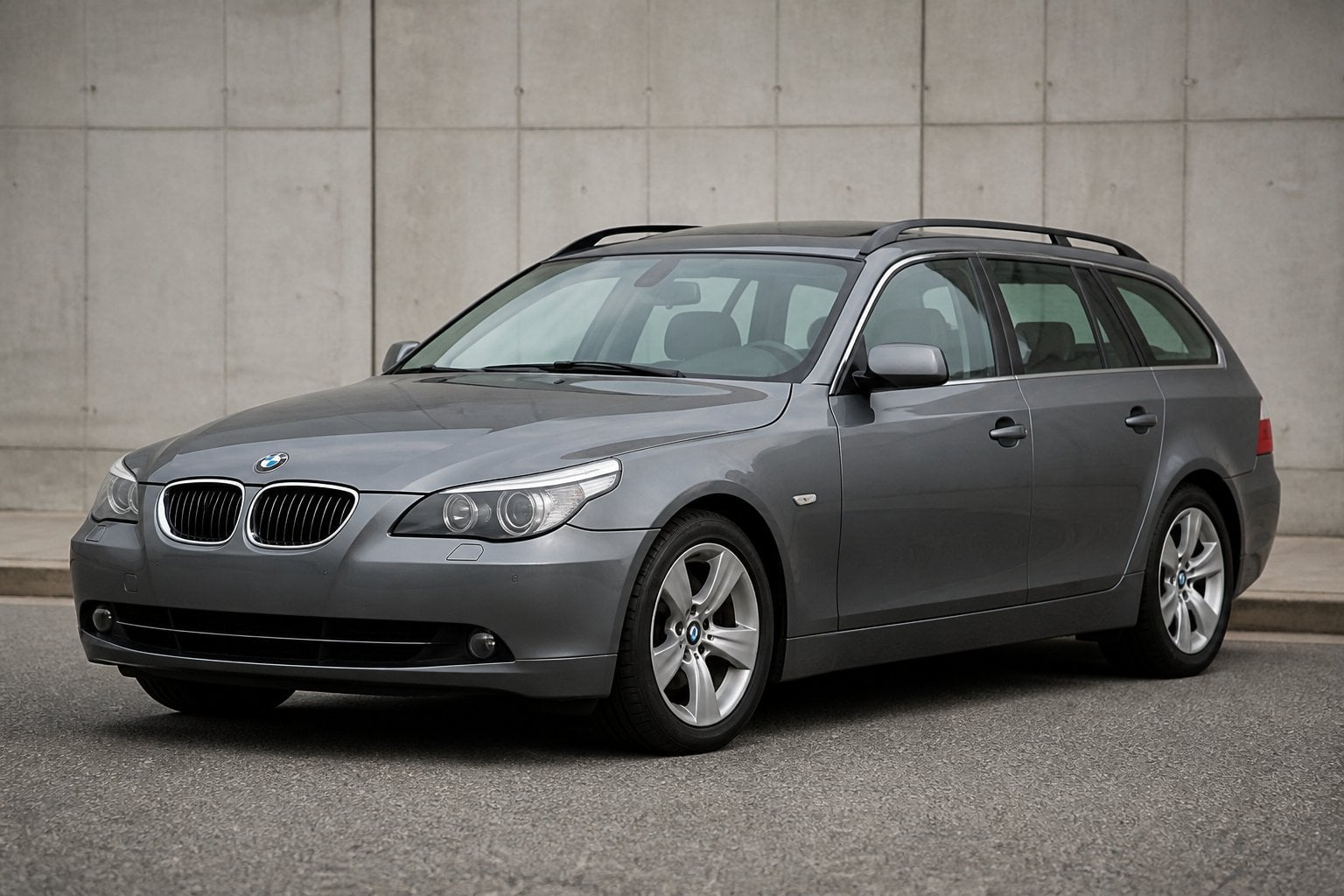
The E61 Touring gives you the practicality of a wagon with BMW’s typical driving dynamics, but it carries several reliability concerns worth knowing before you buy.
The self-leveling rear air suspension, standard on many trims, is a common failure point. You can expect repair costs to run high once the compressor or air struts wear out.
Cooling system components, including the water pump and thermostat, are prone to failure on the inline-six engines. You’ll want to check maintenance records for this specific issue.
Electrical faults are also frequent, particularly with the tailgate mechanisms and interior lighting modules. These aren’t always expensive individually, but they add up.
If you’re considering an E61, budget for these known weak points. A pre-purchase inspection focused on suspension and cooling systems will save you from unexpected costs down the road.
4. BMW 3 Series E90/E91/E92/E93 (2006–2013)
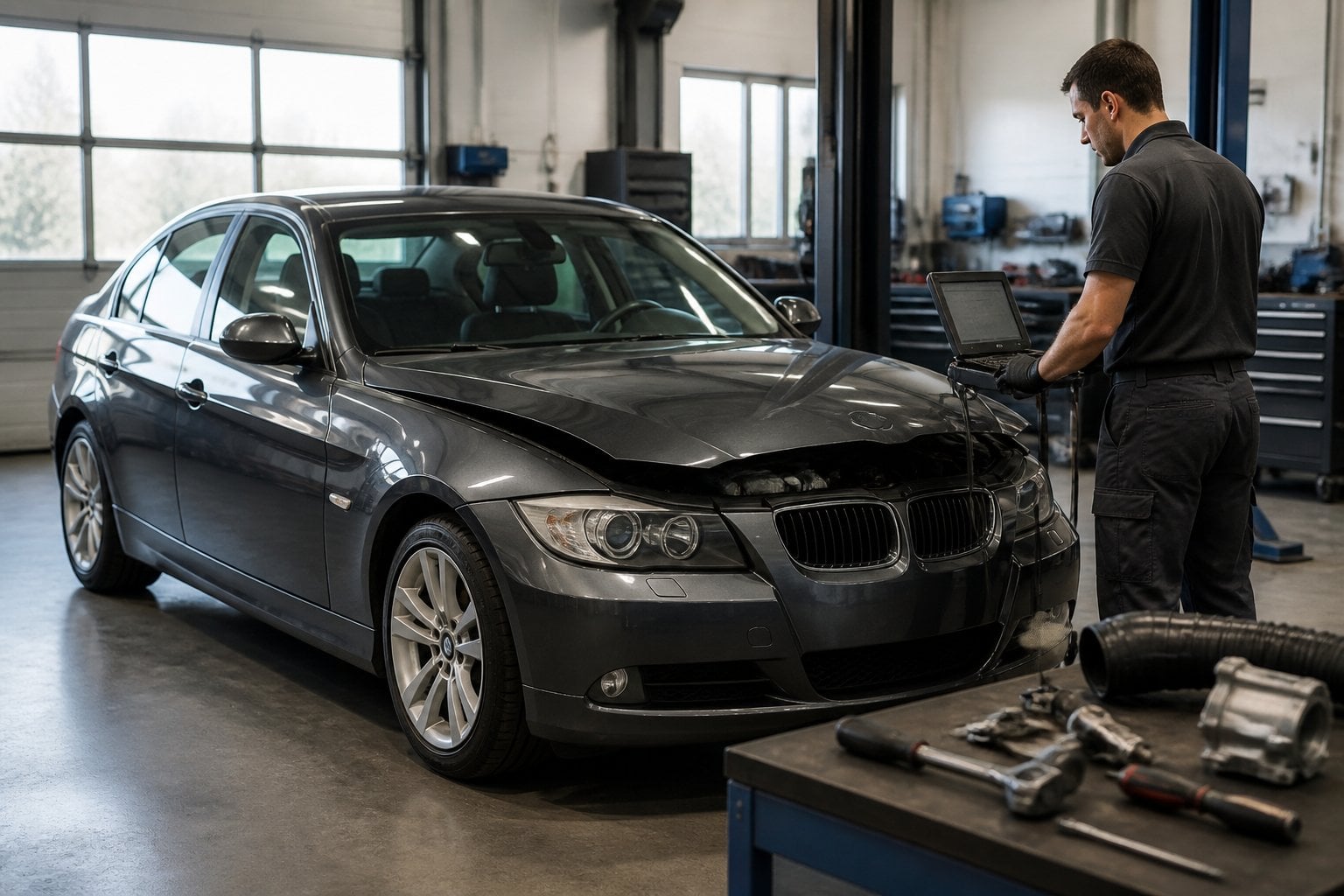
This generation gave you a solid platform, but a few recurring problems keep it on this list. The N51 and N52 inline-six engines are known for plastic coolant system components that crack over time. You’ll likely deal with a leaking water pump or thermostat housing before 100,000 miles.
High-pressure fuel pump failures also plague the N54 turbo engine, especially in early production years. If you own one of these, expect an eventual repair bill in the four-figure range.
Electrical gremlins show up too. Window regulators fail often, and the iDrive system can freeze or reset unexpectedly.
The M3 variant, powered by the S65 V8, avoids some of these issues but comes with its own rod bearing wear concerns. You’ll need frequent oil analysis to catch problems early.
Overall reliability sits below BMW’s own standards from other eras.
5. BMW 1 Series E81/E82/E87/E88 (2004–2013)
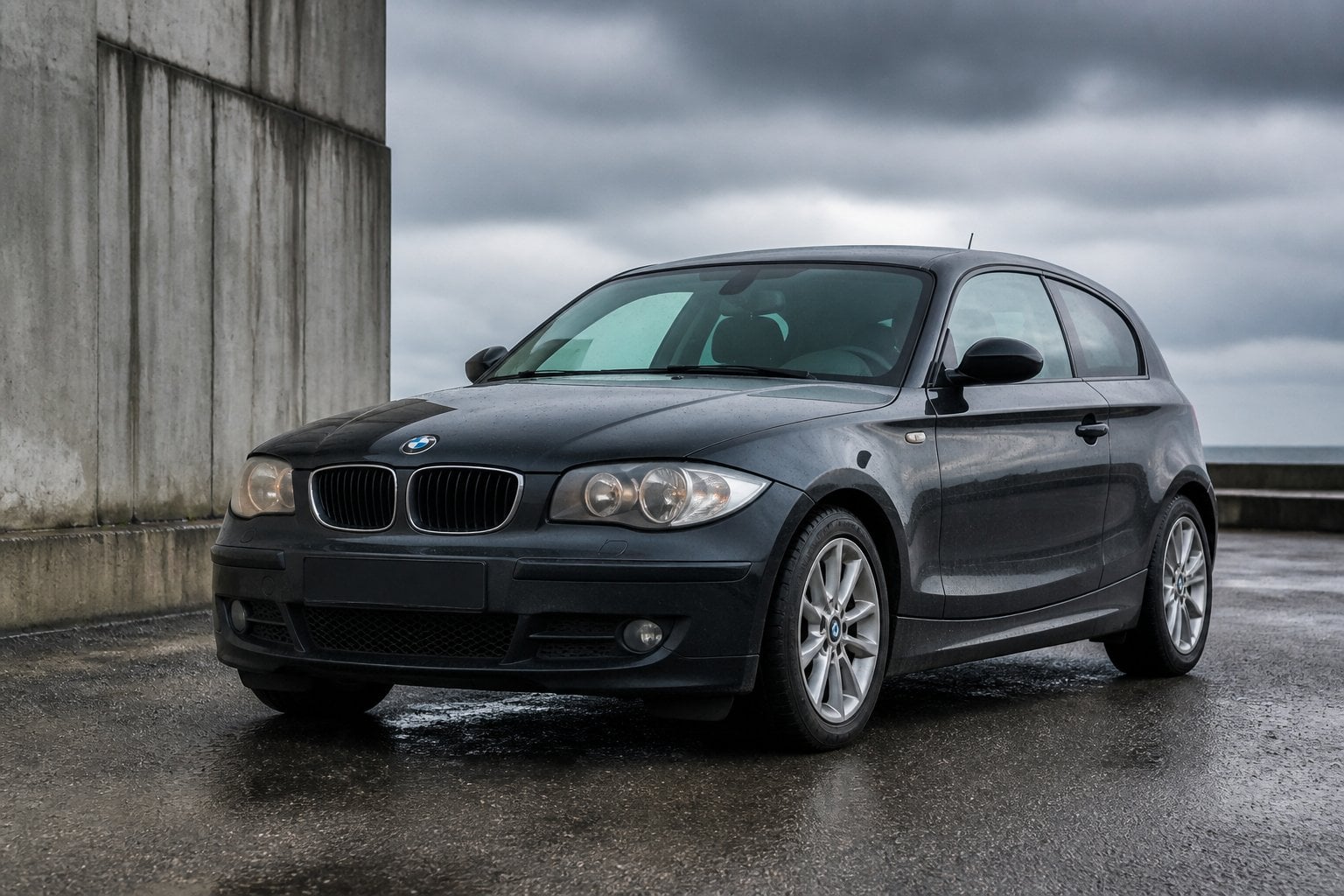
You get rear-wheel drive in a compact hatchback, coupe, or convertible, which sounds appealing until you factor in reliability concerns tied to this generation.
Early four-cylinder N43 and N45 engines are prone to issues with the timing chain and coolant leaks. If you own a six-cylinder model, watch for VANOS solenoid failures and worn plastic cooling system components.
Interior quality doesn’t match what you’d expect from BMW badging. Cabin plastics feel cheap, and the rear seats offer limited legroom for a car in this class.
Electrical gremlins show up across the range, from window regulators to sensor faults. You’ll also find that parts and labor costs run higher than rivals like the Audi A3 or Volkswagen Golf, despite the 1 Series delivering a comparable ownership experience.
6. BMW X5 E53 4.4i (2000–2003)
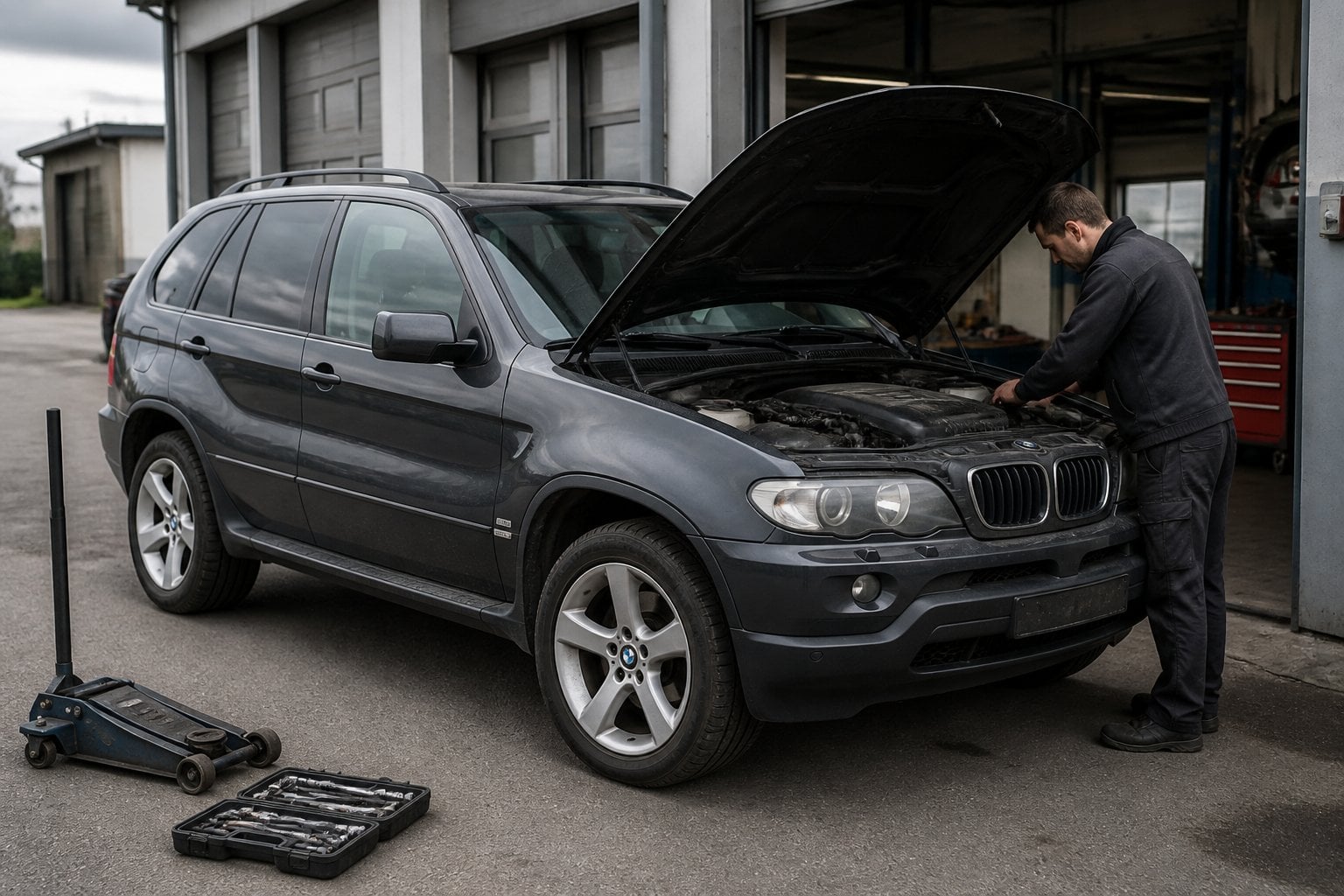
The 4.4i version of the first-generation X5 pairs a V8 with a long list of maintenance headaches. You’ll likely deal with plastic cooling system components that crack or fail well before 100,000 miles, including the radiator, expansion tank, and water pump housing.
Oil leaks are common too, often stemming from valve cover gaskets or the oil filter housing. If you buy one without service records, expect to inherit these issues rather than avoid them.
Front control arm bushings wear out faster than you’d want, affecting handling and ride quality. Electrical gremlins also show up here, from window regulators to various sensor faults.
The 4.4-liter M62 engine itself is reasonably strong, but the systems around it weren’t built with longevity in mind. You’re looking at a vehicle where ownership costs can quickly outpace the purchase price if problems compound.
7. BMW X5 E53 4.8is (2004–2006)
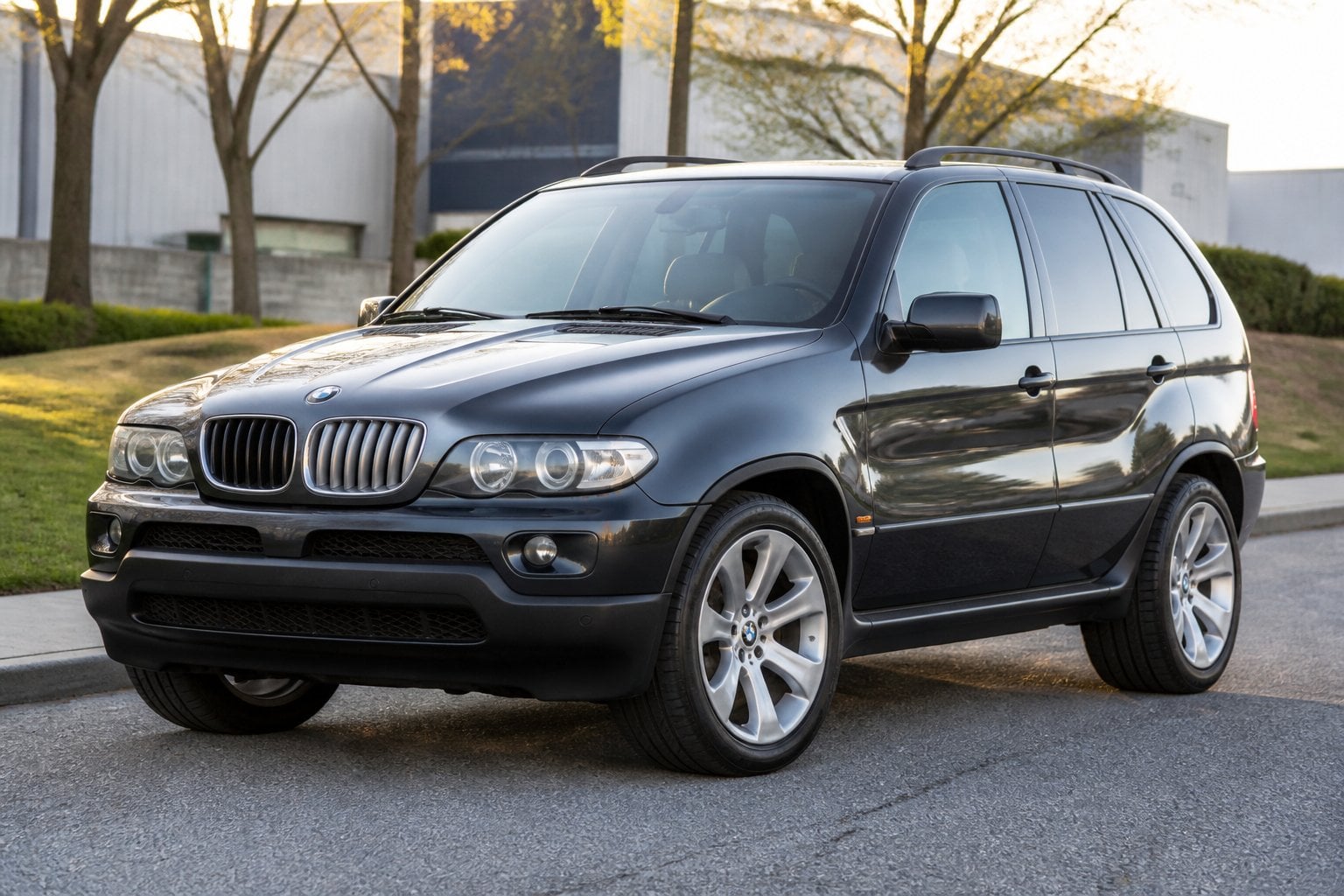
You get a 4.8-liter V8 producing around 355 horsepower, making this the most powerful E53 variant BMW built. That performance comes at a cost, though.
The cooling system is a known weak point. Coolant pipes, valve seals, and levers tend to fail as the vehicle ages, and repairs often require significant labor since the engine bay is tightly packed.
Suspension components wear out faster than you’d expect on a luxury SUV at this price point. Air suspension parts and control arm bushings are common replacement items, and they’re not cheap.
Electrical gremlins show up frequently too. You may encounter issues with window regulators, door lock actuators, and dashboard warning lights that appear without clear cause.
If you’re considering one, budget for maintenance beyond typical ownership costs. Parts availability is decent, but labor rates for BMW-specific repairs add up quickly over time.
8. BMW X5 E70 4.8i (2007–2010)
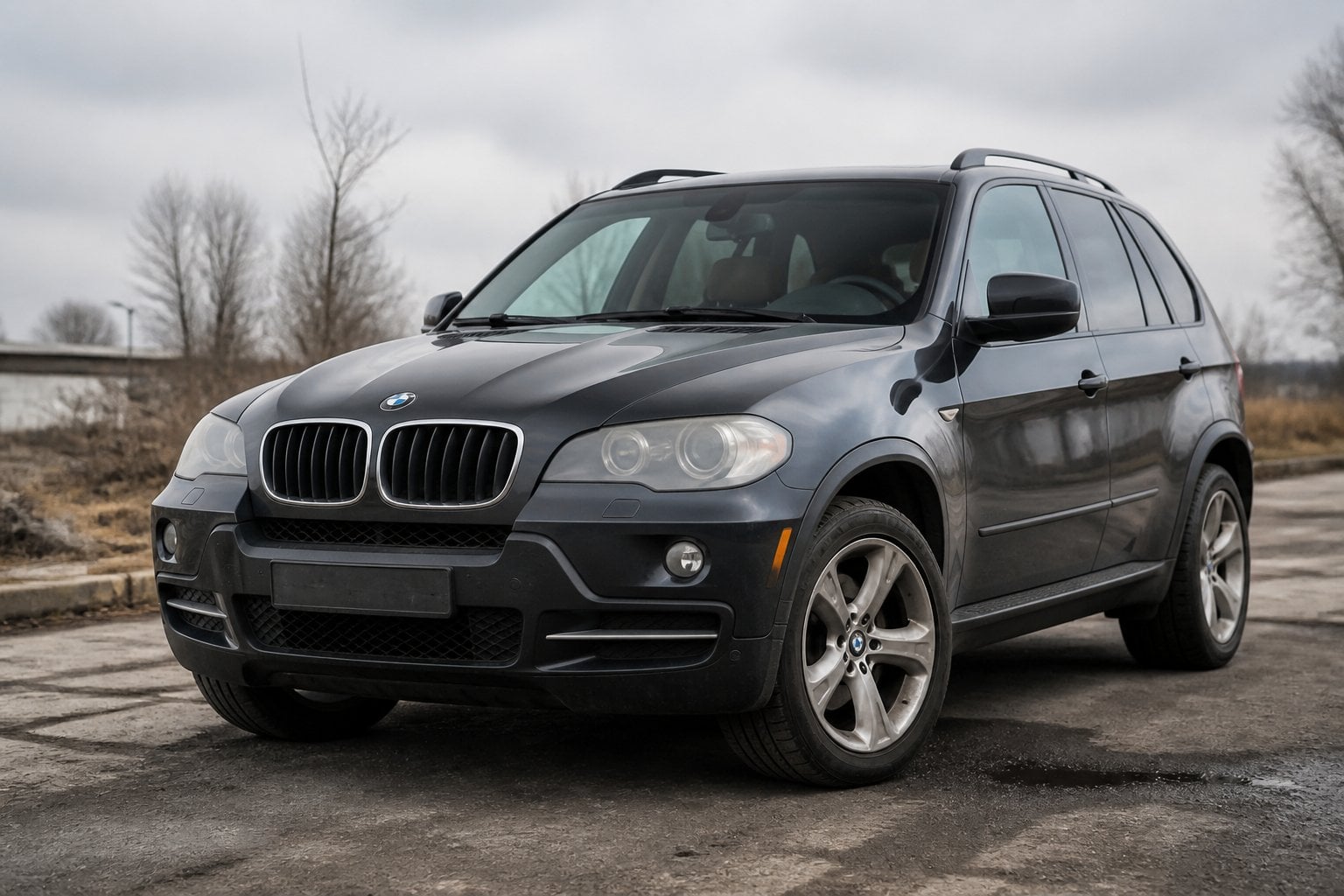
You get real power with the 4.8i, but the 4.8-liter V8 comes with recurring headaches. Valve stem seals wear out early, leading to noticeable oil consumption and blue smoke on startup.
You’ll also want to watch the electric water pump and thermostat housing. Both fail well before 100,000 miles, and a failure here can cause overheating if you don’t catch it quickly.
The rear differential and transfer case are known weak points too. Owners report leaks and premature wear, especially on vehicles used for towing.
Electrical gremlins show up often, from faulty window regulators to malfunctioning iDrive units. None of these issues are catastrophic on their own, but they add up.
If you’re considering this generation, budget for maintenance beyond what you’d expect from a typical SUV. The performance is there, but so is the upkeep.
9. BMW X5 E70 xDrive50i (2010–2013)
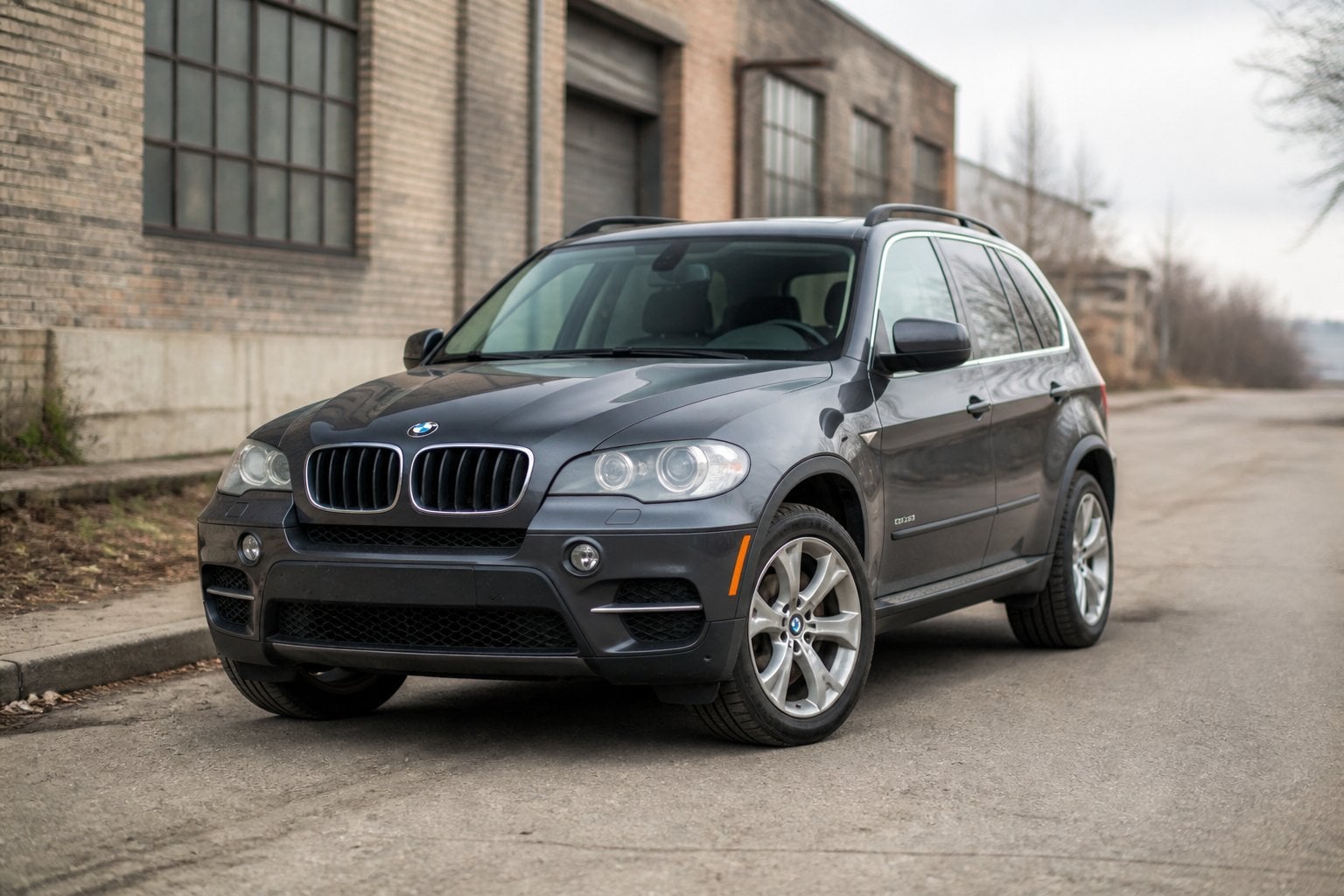
You get a 4.4-liter twin-turbo V8 with the xDrive50i, and it’s powerful. But that engine, the N63, comes with a reputation for problems.
You should expect issues with excessive oil consumption. Many owners report burning through a quart every 1,000 miles or less, even when the engine seems otherwise healthy.
The high-pressure fuel pump is another weak point you’ll want to watch. Failures aren’t rare, and replacement costs add up quickly.
Turbocharger problems also show up in this model. You may notice reduced power, unusual noises, or complete turbo failure well before you’d expect it on a vehicle in this price range.
Some owners have reported catastrophic engine failure shortly after their factory warranty expired, sometimes under 90,000 miles. If you’re considering this model, a thorough pre-purchase inspection and documented maintenance history matter more than usual.
10. BMW X5 F15 xDrive50i (2014–2018)
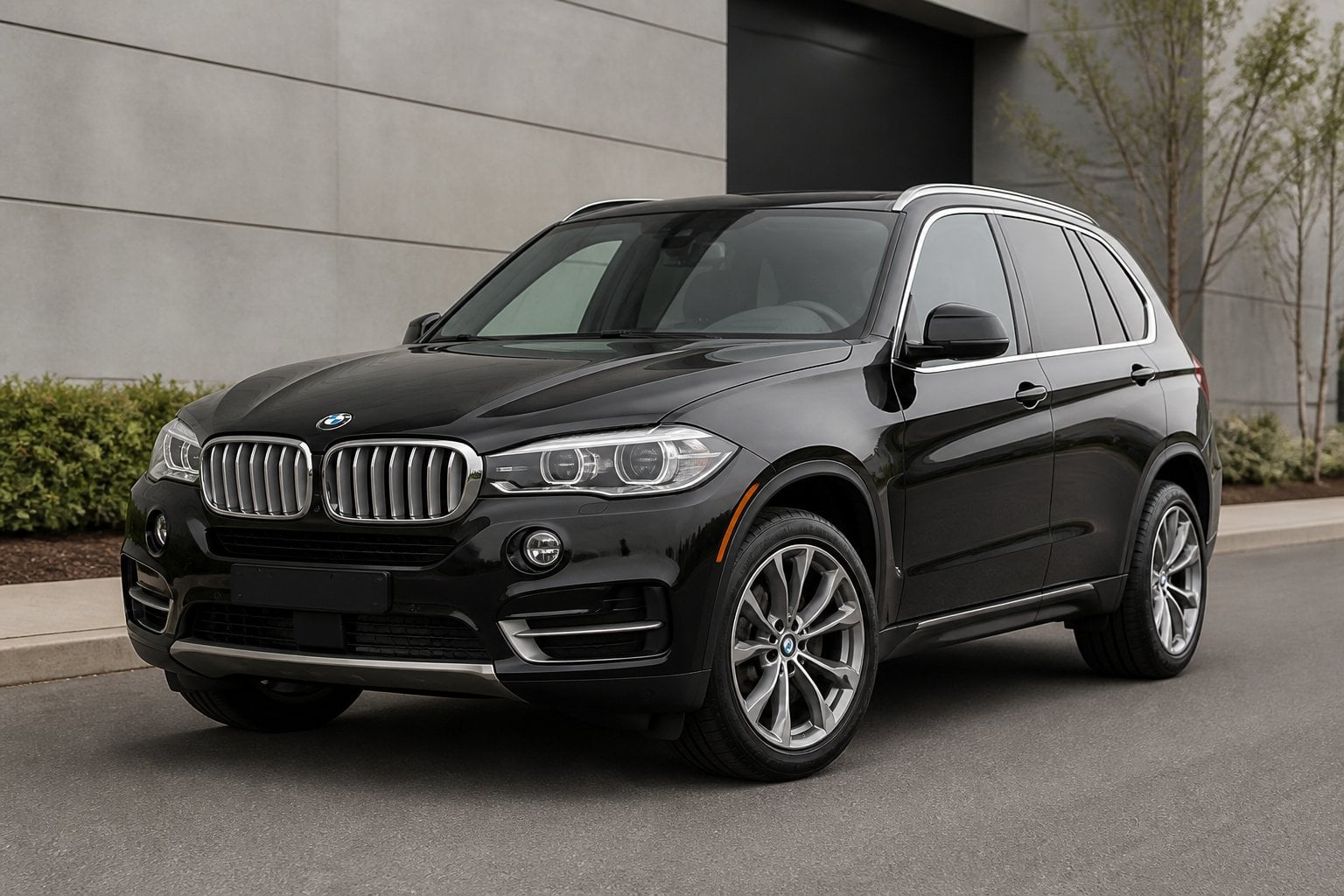
If you’re considering the xDrive50i, the twin-turbo 4.4-liter V8 gives you strong power, but you also take on more risk than with smaller-engine variants.
Timing chain and valvetrain issues are more common in this configuration, and repairs on the V8 cost significantly more than on the six-cylinder models. You’ll also want to budget for turbocharger wastegate rattle, a known complaint among owners of this engine.
Electrical glitches affecting the iDrive system and sensors show up across the F15 lineup, so you won’t avoid those just by choosing the V8. Air suspension problems are another factor, especially if your unit has the optional adaptive setup.
Maintenance costs climb fast once you’re outside the warranty period. If you’re weighing this model, factor in higher ownership costs than you’d expect from BMW’s smaller-displacement X5 options.
11. BMW X6 E71 xDrive50i (2008–2014)
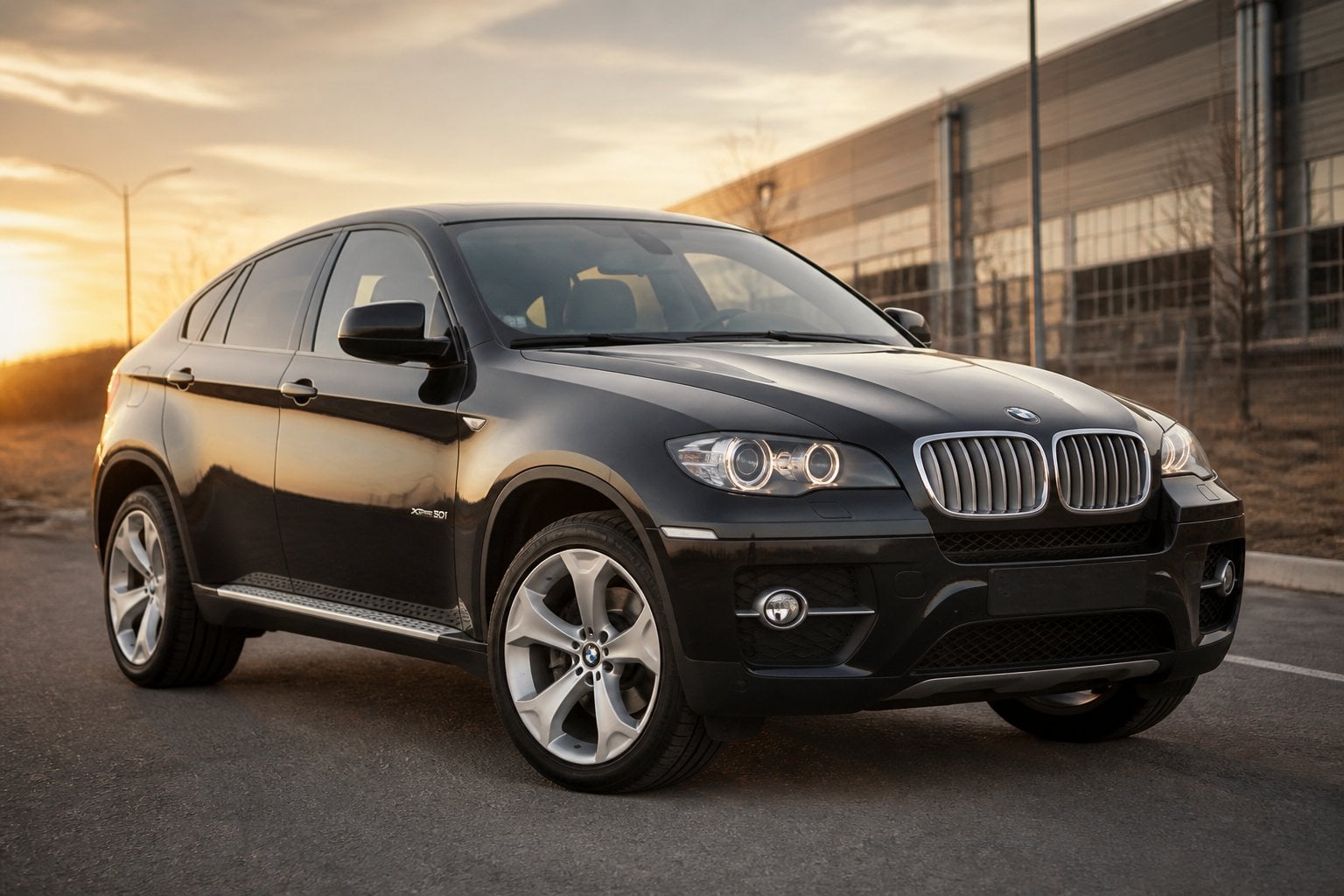
You get the N63B44 twin-turbo V8 in this trim, and it comes with a reputation problem. This engine is known for excessive oil consumption, a defect so common that BMW extended warranty coverage on affected models.
You’ll also want to budget for high-pressure fuel pump failures and turbocharger issues, both of which show up more frequently than they should on a vehicle at this price point.
Valve stem seal wear contributes to that oil burning problem, and you may find yourself topping off oil between scheduled changes.
Repair costs run high because parts and labor for this V8 aren’t cheap. If you’re considering this trim, get a pre-purchase inspection and ask for maintenance records showing oil consumption history before you commit.
12. BMW X6 F16 xDrive50i (2015–2019)
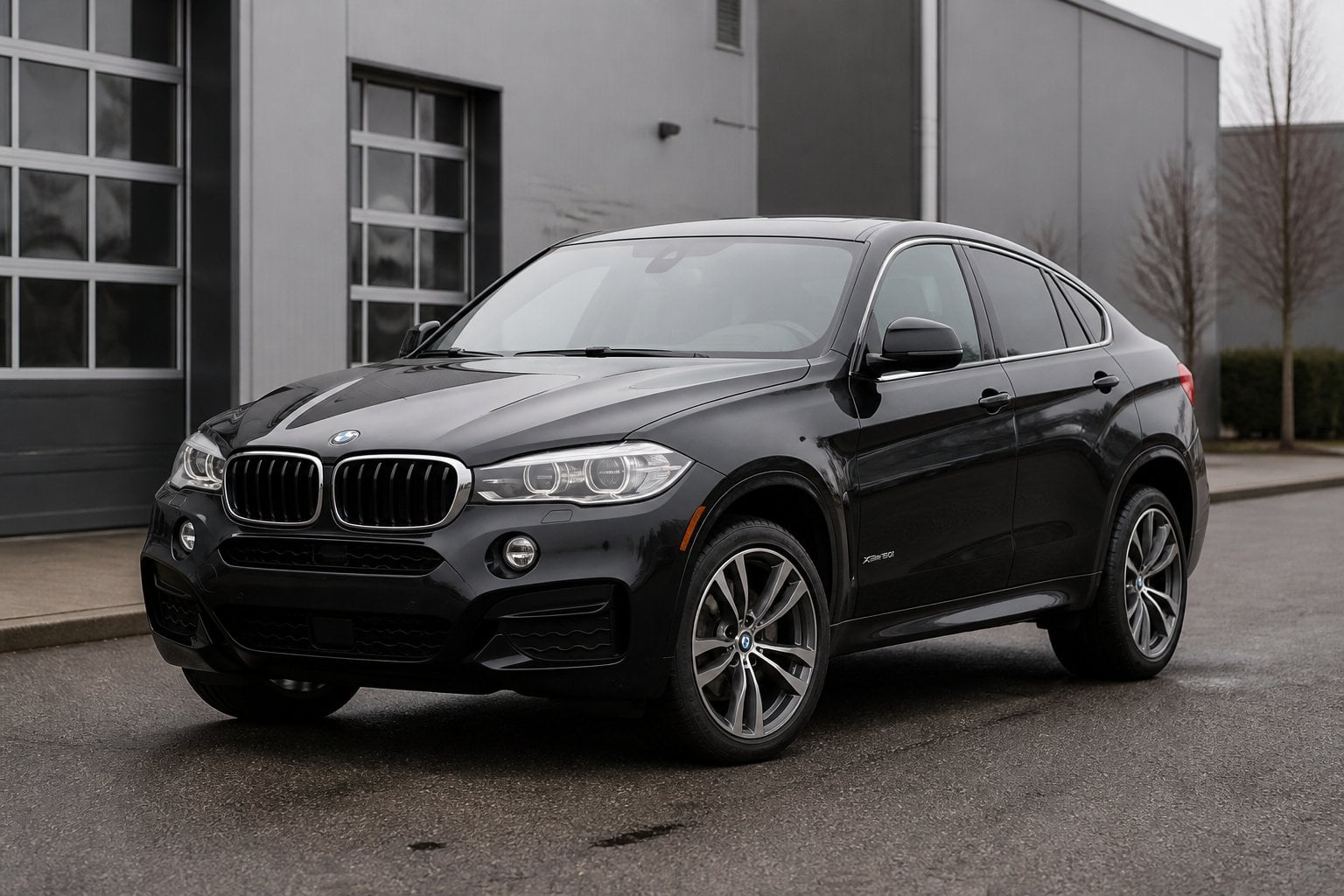
If you’re considering the xDrive50i, you’re looking at the V8 flagship of the second-generation X6. Your engine is the N63B44TU, producing up to 450 horsepower, but it carries the same reputation for trouble as earlier N63 variants.
You’ll want to budget for oil consumption issues, since this engine burns through oil faster than most owners expect. Turbocharger failures show up in higher-mileage examples, and you may also encounter high-pressure fuel pump malfunctions.
Timing chain guide wear remains a concern you can’t ignore, as it affects long-term reliability. Given the complexity of the twin-turbo V8, your repair costs will likely exceed those of four- or six-cylinder X6 variants.
You’re paying a premium for performance, but that performance comes with a higher risk of costly mechanical problems down the road.
13. BMW X3 E83 2.5si (2007–2010)
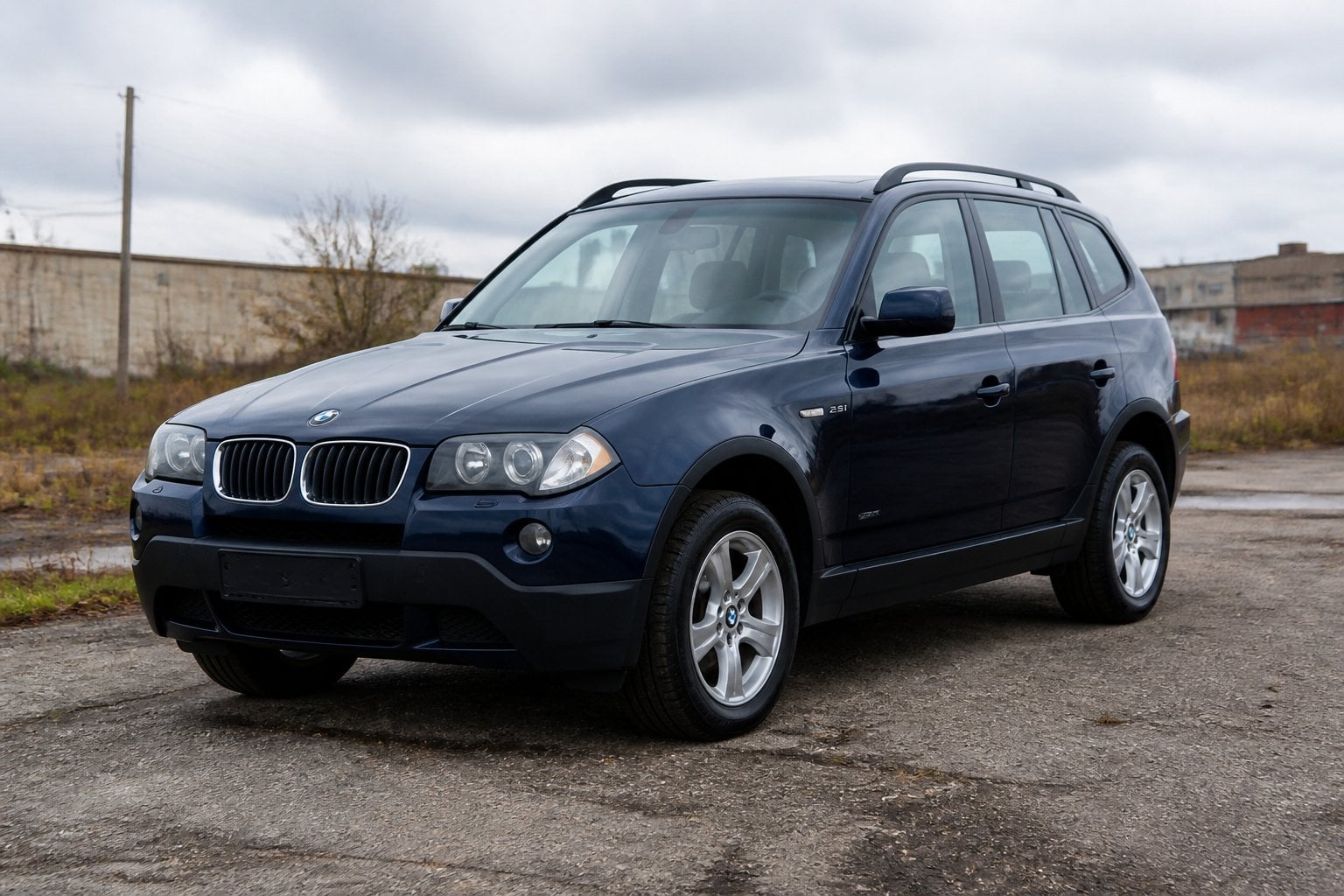
If you’re looking at the 2.5si, you’re getting the facelifted E83 with the N52 inline-six instead of the older M54. This engine brings its own headaches, mainly with the electric water pump and thermostat, which tend to fail earlier than you’d expect.
You’ll also want to check the plastic cooling system components. BMW used plastic radiator end tanks and connectors here, and they crack or degrade with age and heat cycling.
Window regulators are another common failure point you should test before buying. They’re not expensive to replace, but they’re annoying when they go.
Rear differential bushings wear out faster than they should, and you’ll notice it through vibration or clunking noises. Interior trim rattles are common too, particularly around the dashboard.
None of these issues are catastrophic on their own, but they add up if you’re not prepared for ongoing maintenance costs.
14. BMW X3 F25 xDrive28i (2011–2017)
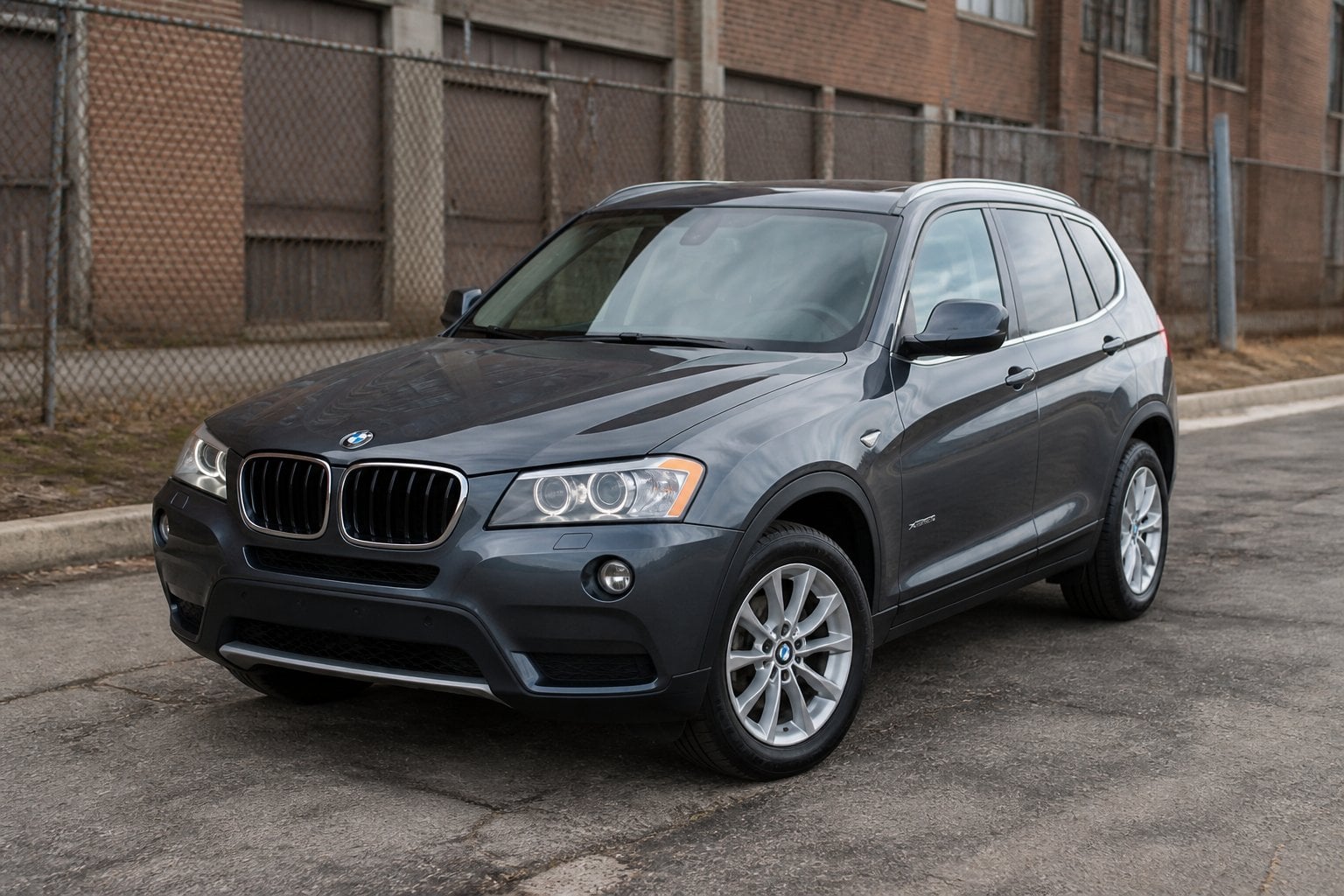
You’ll find the F25 xDrive28i offers a genuinely enjoyable driving experience, but you need to know what you’re getting into first. The 2.0-liter N20 turbocharged four-cylinder replaced the earlier inline-six in 2012, and it produces 245 horsepower paired with a ZF 8-speed automatic.
Your main concern with this engine is the timing chain system. Early N20 units suffered from chain guide and tensioner failures that could lead to costly repairs if ignored.
You should also watch for front suspension wear, including control arms and ball joints, which tend to degrade faster than expected on this model. Electrical gremlins and oil leaks are common complaints too.
If you’re shopping for one, later production years address the timing chain issue more reliably. You’ll want documentation proving the fix was applied before buying.
15. BMW X1 E84 xDrive28i (2010–2015)
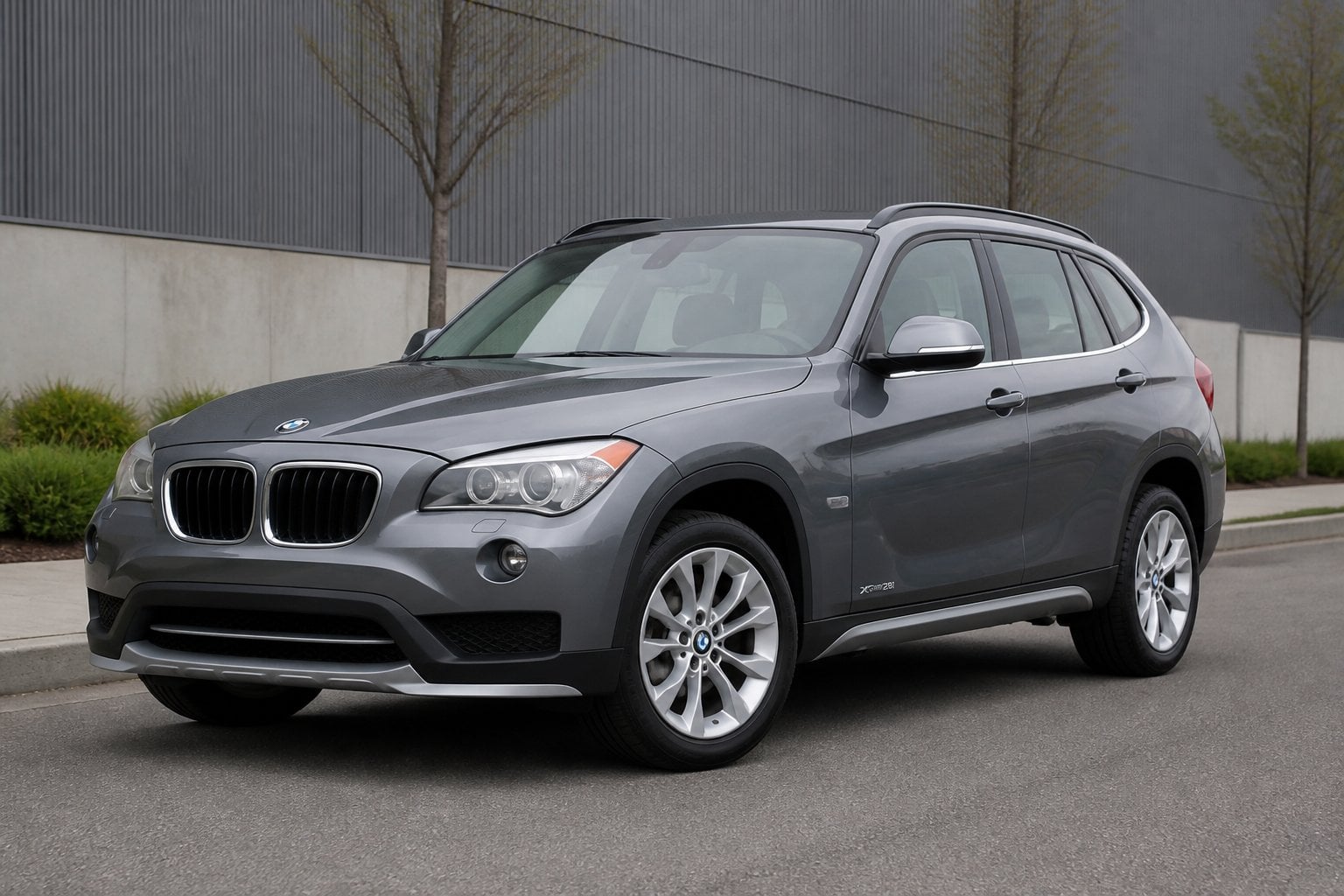
You get BMW’s first compact SUV attempt, and it shows in several rough spots. The E84 shares its platform with the 3 Series wagon, so it drives well, but that doesn’t offset its mechanical shortcomings.
You’ll likely deal with battery drain issues, particularly if you’re looking at 2013 models. Owners report the battery dying unexpectedly, often tied to electrical system quirks BMW never fully resolved.
Your turbocharged four-cylinder engine, introduced after the 2012 facelift, comes with its own baggage. Timing chain problems and oil leaks show up frequently enough to concern you if you’re buying used.
You also inherit BMW’s typical costly maintenance schedule, but without the cabin space or cargo room you’d expect from an SUV. It feels more like a raised wagon than a genuine crossover.
For the price you pay in repairs, you’re not getting proportional value or reliability.
16. BMW 3 Series E46 330i (1999–2006)
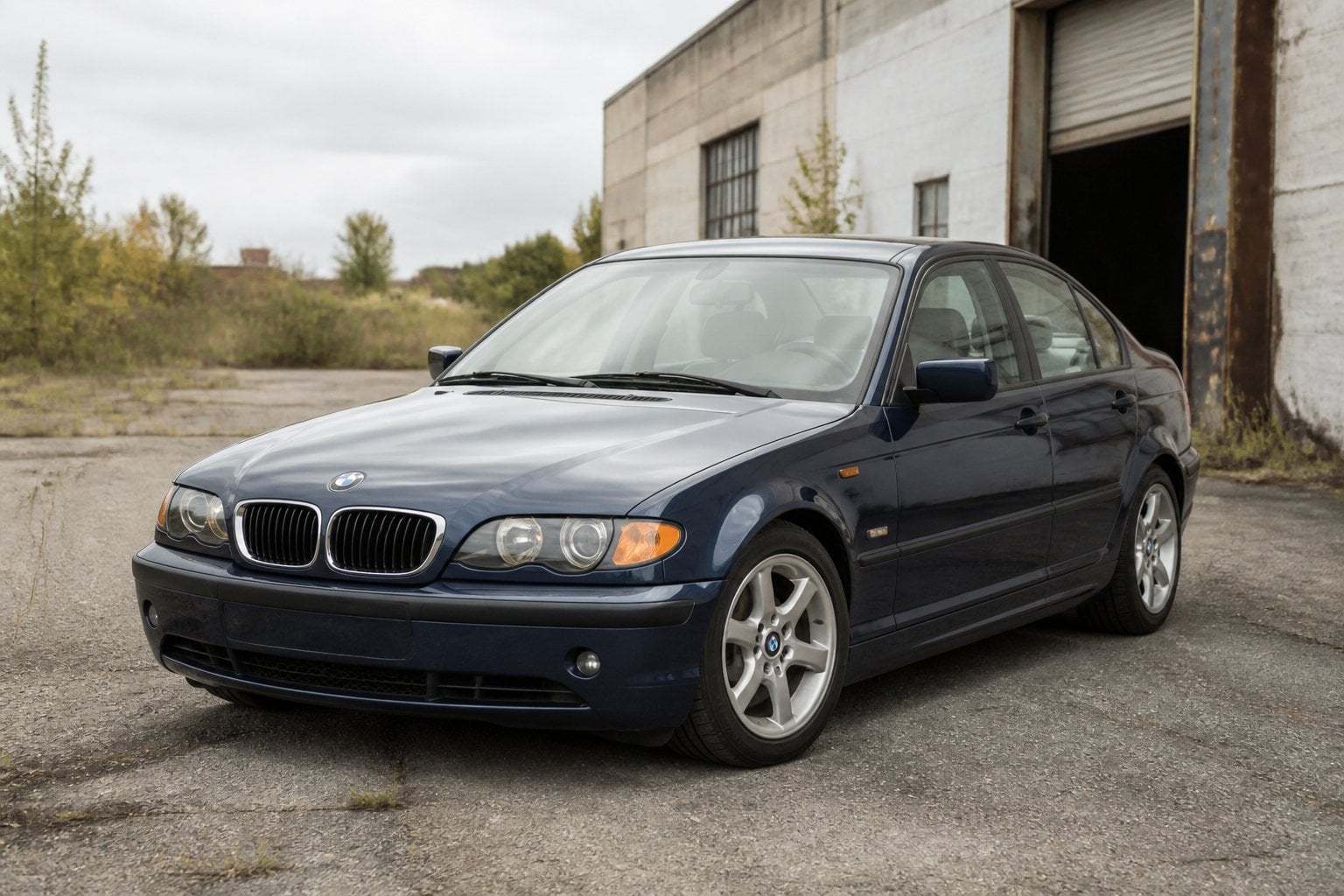
The 330i uses the M54B30 straight-six, generally regarded as one of the more dependable engines in this range. Its inclusion on this list comes down to the chassis it sits in, not the powerplant.
You’ll find that rear subframe mounting points on the E46 are prone to cracking, particularly on cars used for spirited driving or track days. This is a structural issue, not cosmetic, and repairs require welding reinforcement plates into place.
Rust is another factor you need to watch for. Rear wheel arches, sills, and jacking points corrode on cars that weren’t garaged or rustproofed early on.
Cooling system components, including the plastic radiator end tanks and water pump, wear out predictably by 100,000 miles. None of these problems are severe individually, but they accumulate cost over a car now approaching its third decade on the road.
17. BMW 3 Series E46 M3 (2001–2006)
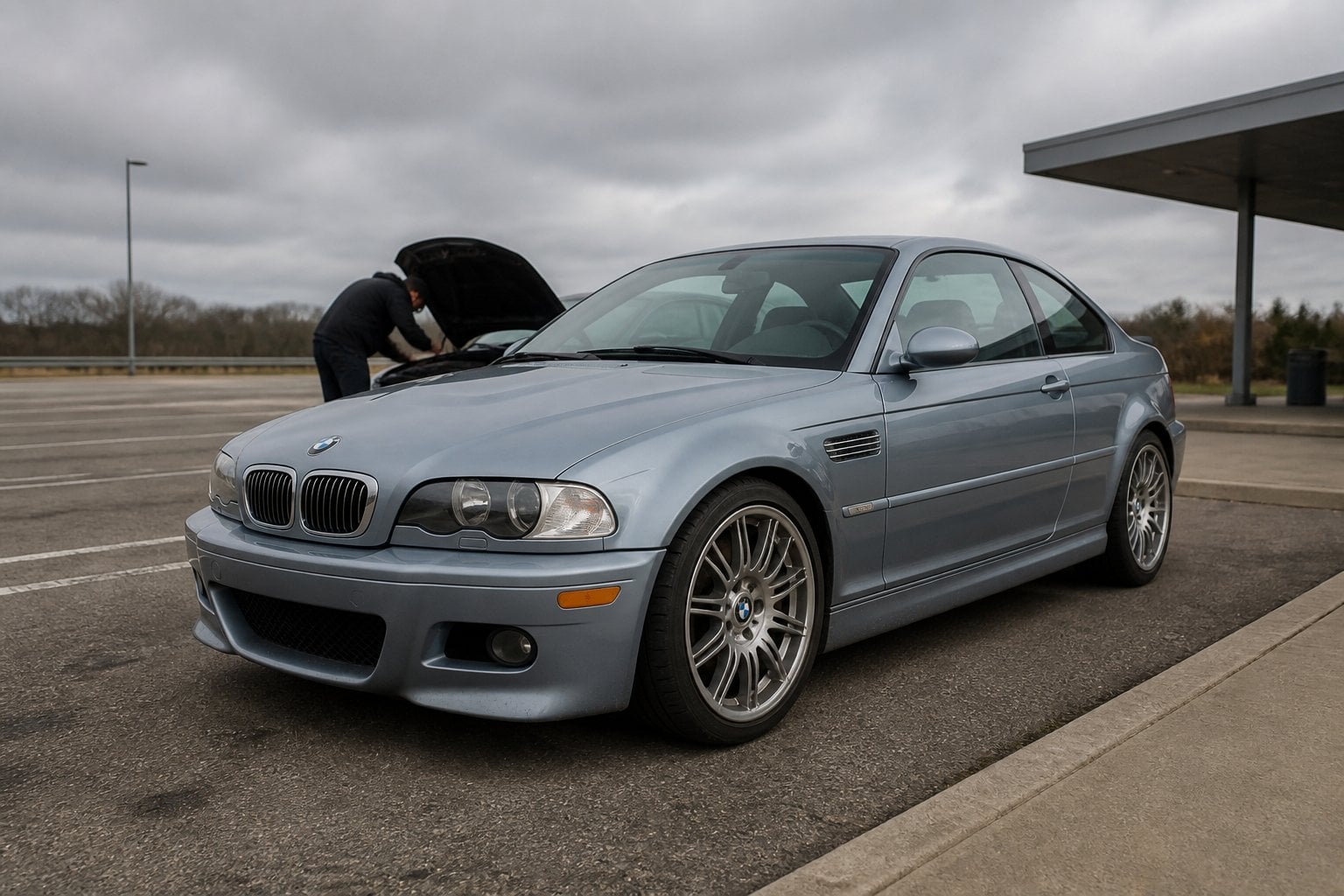
The E46 M3 uses the S54 inline-six engine, producing 333 horsepower. You’ll find this generation praised for its handling and naturally aspirated power delivery.
But you’ll also run into recurring mechanical issues. The rod bearings on the S54 engine are known to wear prematurely, and you need to monitor this closely if you own one.
The dual VANOS system requires regular servicing, and neglecting it leads to rough idling and power loss. You’ll also face subframe cracking on higher-mileage examples, which stems from stress at the mounting points.
The SMG transmission, offered as an alternative to the manual, has its own reliability concerns. You’ll notice actuator and pump failures are common as these units age.
Parts and labor costs run higher than you’d expect for a car this old, since specialized knowledge is often required for repairs.
18. BMW 3 Series E90 335i (2007–2010)
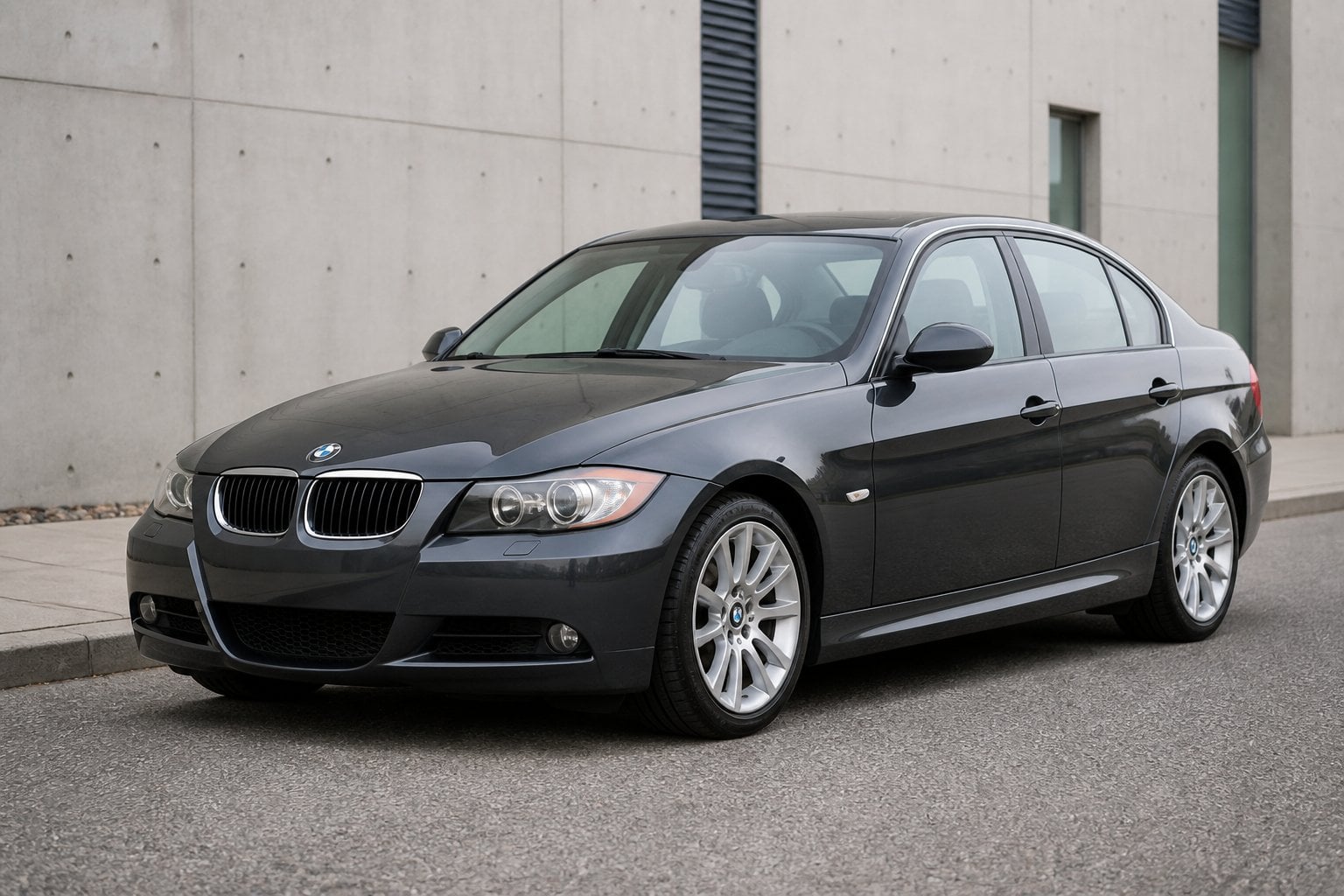
You get real performance from the E90 335i. It was BMW’s first mass-produced twin-turbo inline-six, delivering 306 horsepower with genuine sports sedan credentials. But you also inherit the N54 engine’s well-documented problems.
High-pressure fuel pump failure tops your list of concerns. You’ll also encounter faulty fuel injectors, wastegate rattle, and turbo failures as mileage climbs past 80,000.
Charge pipe cracks and carbon buildup on the intake valves add to your maintenance burden. These aren’t rare occurrences; they’re common enough that most owners face at least one major repair.
If you’re considering a 335i from this range, budget for repairs beyond the purchase price. The 2007 model year drew the heaviest complaints, while later years saw incremental improvements. Even so, you should expect above-average attention and cost if you choose this generation.
19. BMW 1 Series E82 135i (2008–2013)
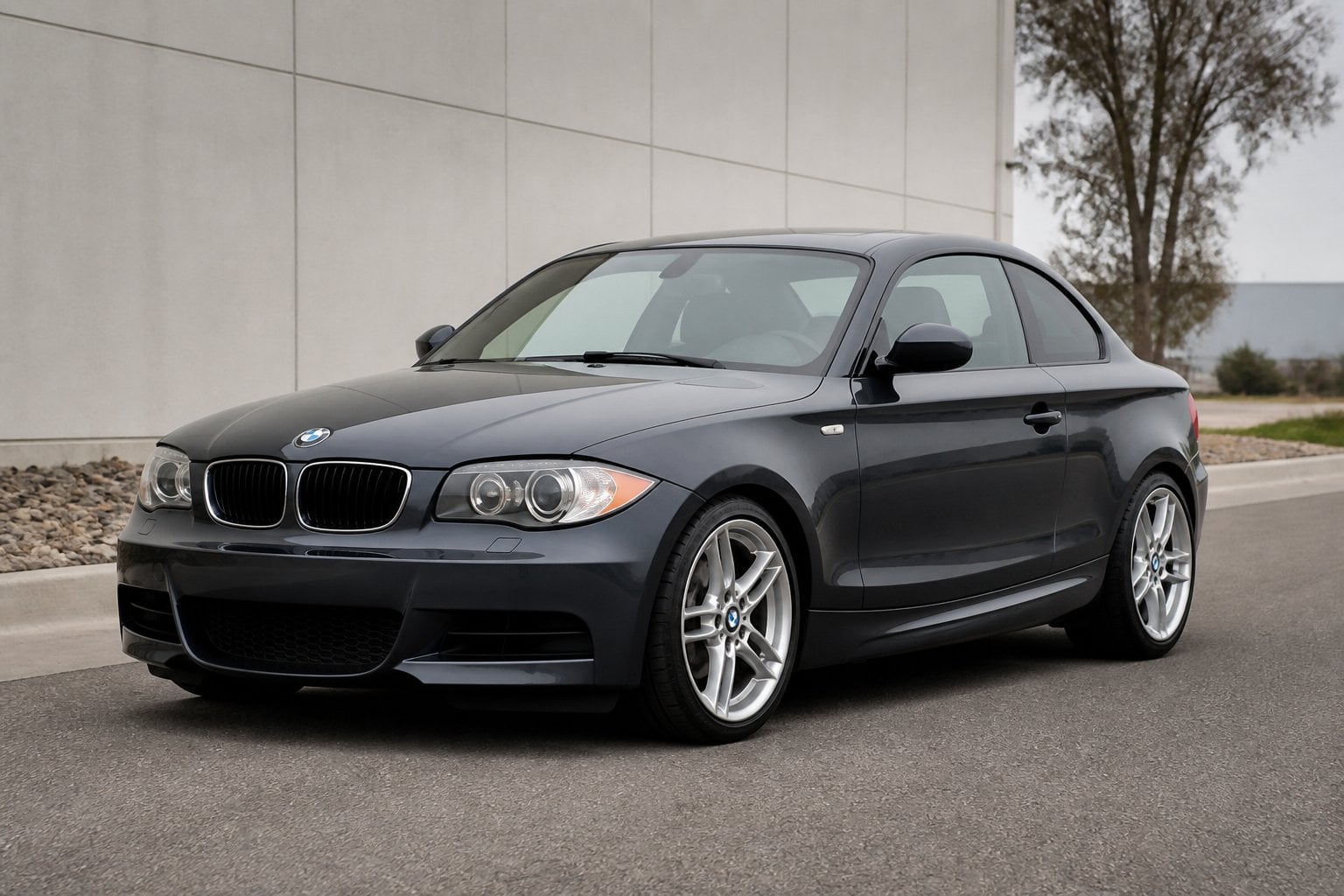
You get the N54 twin-turbo inline-six in the smallest, lightest chassis BMW offered at the time. On paper, this makes the 135i one of the most engaging cars in the lineup. In practice, you inherit every known weakness of the early N54.
The high-pressure fuel pump is the most common failure point. Expect issues with the wastegate rattle and injectors as well, often before 100,000 miles.
Carbon buildup on the intake valves is a recurring maintenance concern, since the engine uses direct injection. You’ll need periodic walnut-blasting to keep performance consistent.
Repairs on this platform aren’t cheap. Turbo components, fuel system parts, and labor costs add up quickly if you don’t stay ahead of maintenance.
The 135i rewards you when it runs right, but ownership means budgeting for known problems rather than hoping to avoid them.
20. BMW 5 Series E60 545i (2004–2005)
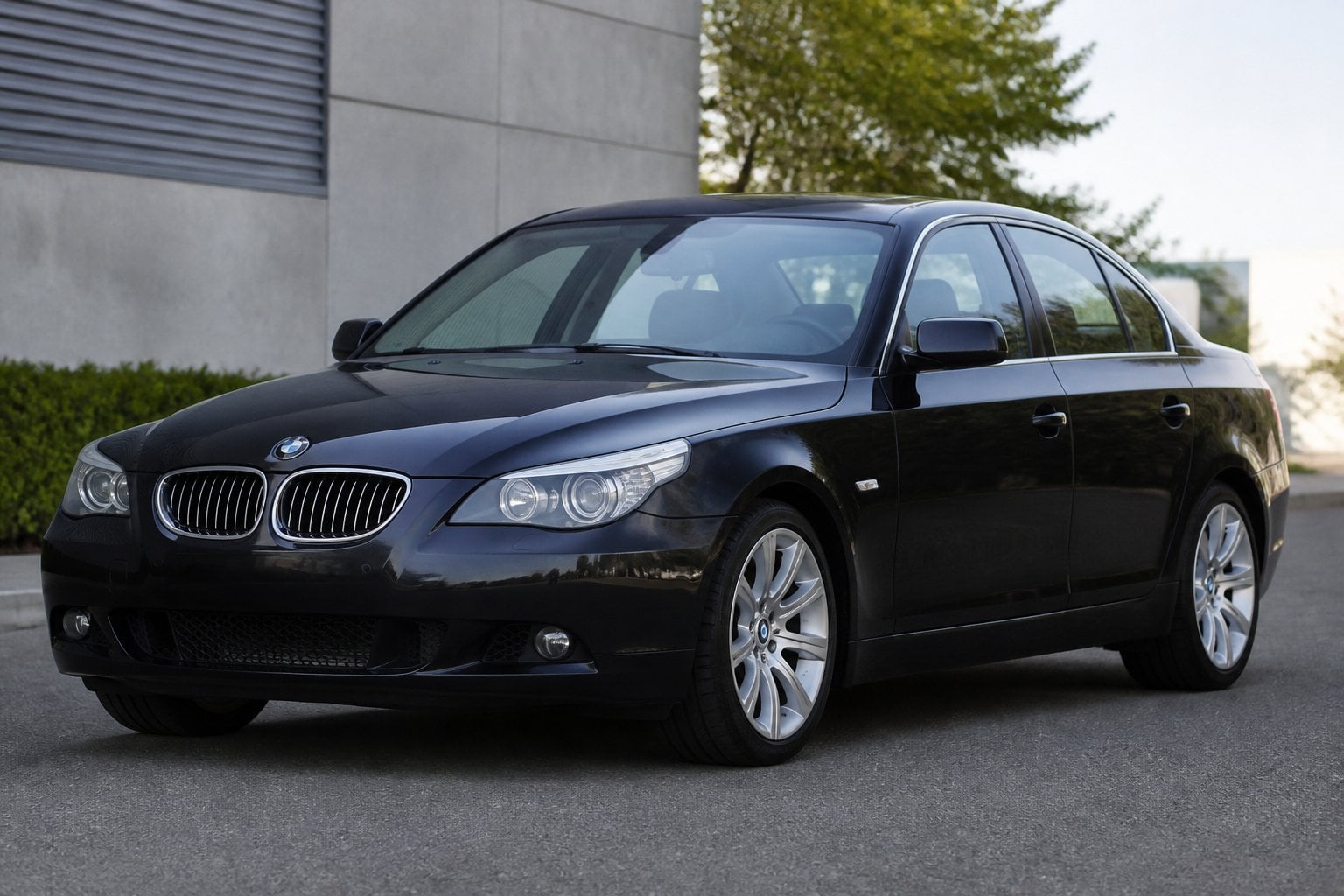
The 545i introduced the N62 4.4-litre V8, BMW’s first V8 with Valvetronic variable valve lift. On paper, you get 333 horsepower and smooth, linear delivery. In practice, early examples brought a level of electronic complexity that caught many owners off guard.
You’ll find recurring complaints about the N62’s valve cover gaskets and coolant transfer pipes, both prone to leaks. The Valvetronic and VANOS systems, while advanced, add repair costs that exceed what you’d expect from the outgoing E39 generation.
The E60 also marked BMW’s first use of iDrive, a system that drew criticism for being unintuitive at launch. Combined with early production issues common to redesigned platforms, the 2004–2005 545i asks you to accept higher maintenance demands in exchange for its performance and refinement.
21. BMW 5 Series E60 550i (2006–2010)
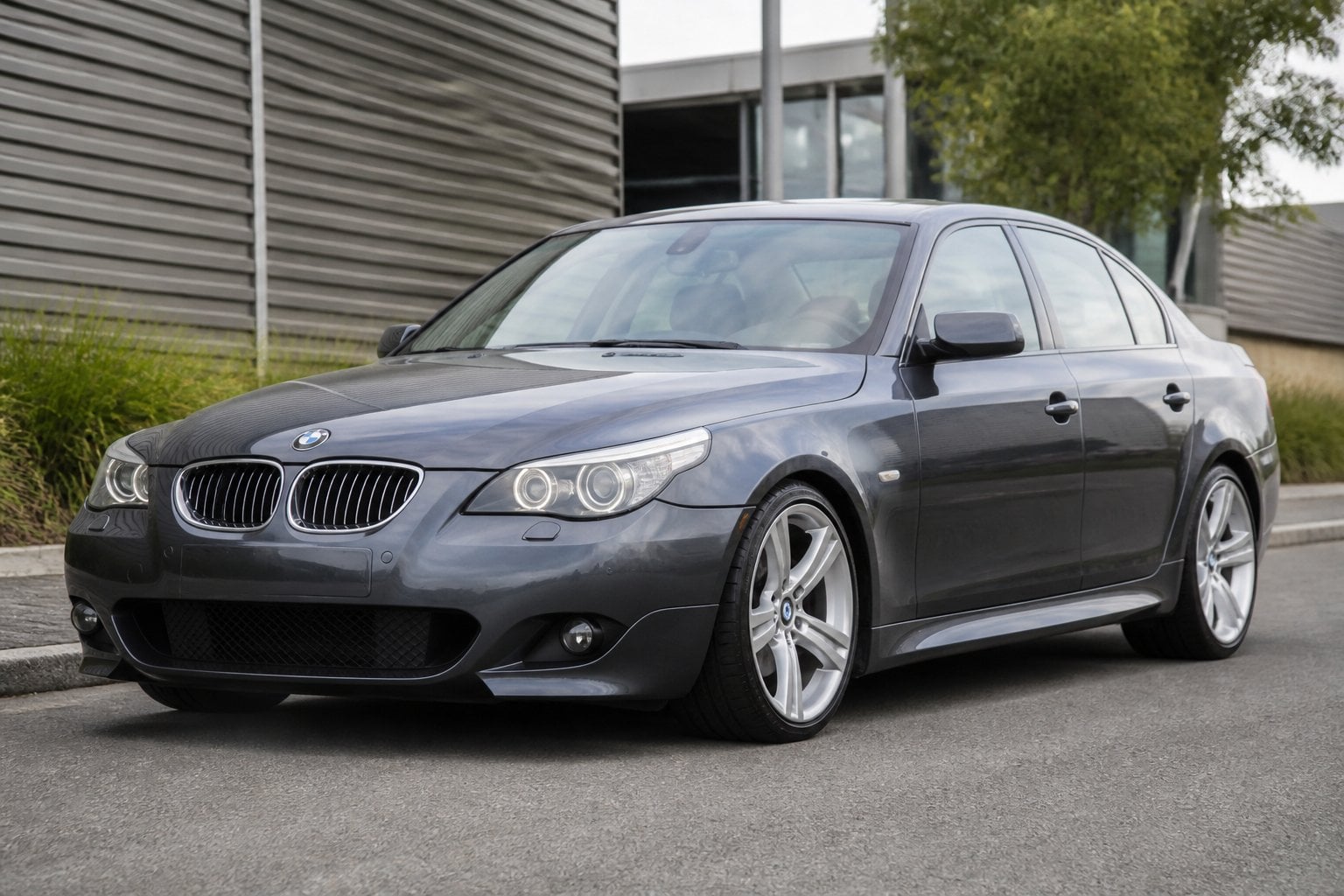
You get a 4.8-liter N62 V8 with the 550i, and it delivers strong power along with a long list of problems. This engine uses Nikasil-coated cylinder walls that wear unevenly over time, and you’ll likely face oil leaks from multiple gaskets.
Your biggest concern should be the electric water pump. It fails without much warning and can lead to overheating if you don’t catch it early.
You’ll also deal with valve stem seals that wear out, causing your car to burn oil and smoke on startup. The plastic components throughout the cooling system tend to become brittle and crack.
Electrical gremlins show up too, affecting your iDrive system and various sensors. Between the engine complexity and electrical issues, your repair bills add up quickly on this model.
22. BMW 6 Series E63 645Ci (2004–2005)
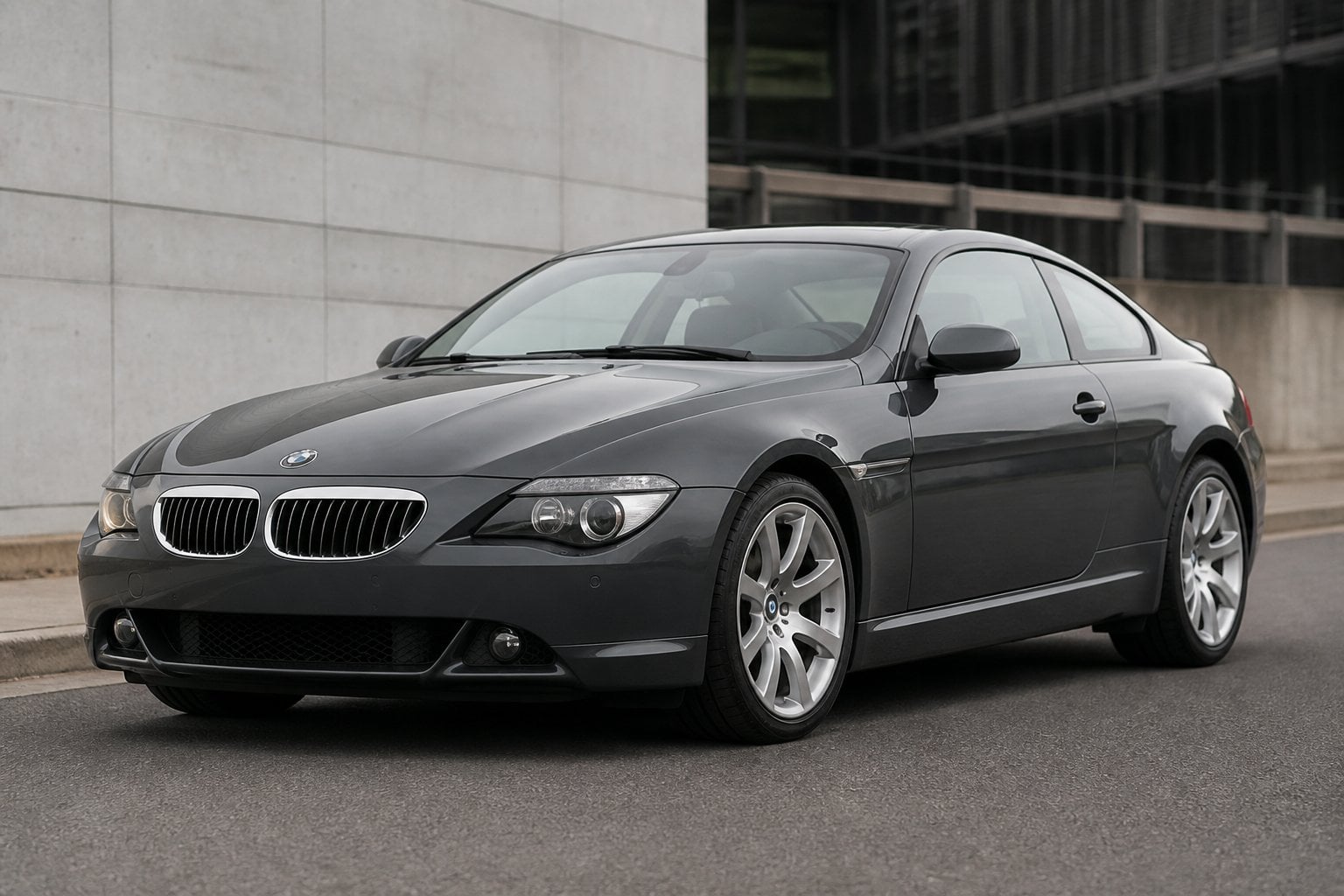
You’ll find the 645Ci appealing on paper: a 4.4-liter V8, a grand-touring body, and BMW’s signature driving feel. In practice, the early E63 models bring notable risk.
The N62 V8 is prone to coolant leaks and Alpina pump failures. You’ll also encounter valve stem seal wear, which leads to oil consumption and blue exhaust smoke over time.
Electrical gremlins are common, too. The early iDrive system feels dated and can act unpredictably, while window regulators and door module failures crop up frequently.
Your ownership costs will likely run higher than average, with annual upkeep often reaching $1,000 to $2,000 once the car ages past warranty coverage. Many owners report needing significant repairs by 80,000 miles.
If you’re considering an 04 or 05 645Ci, budget carefully and get a thorough pre-purchase inspection before committing.
23. BMW 6 Series E63 650i (2006–2010)
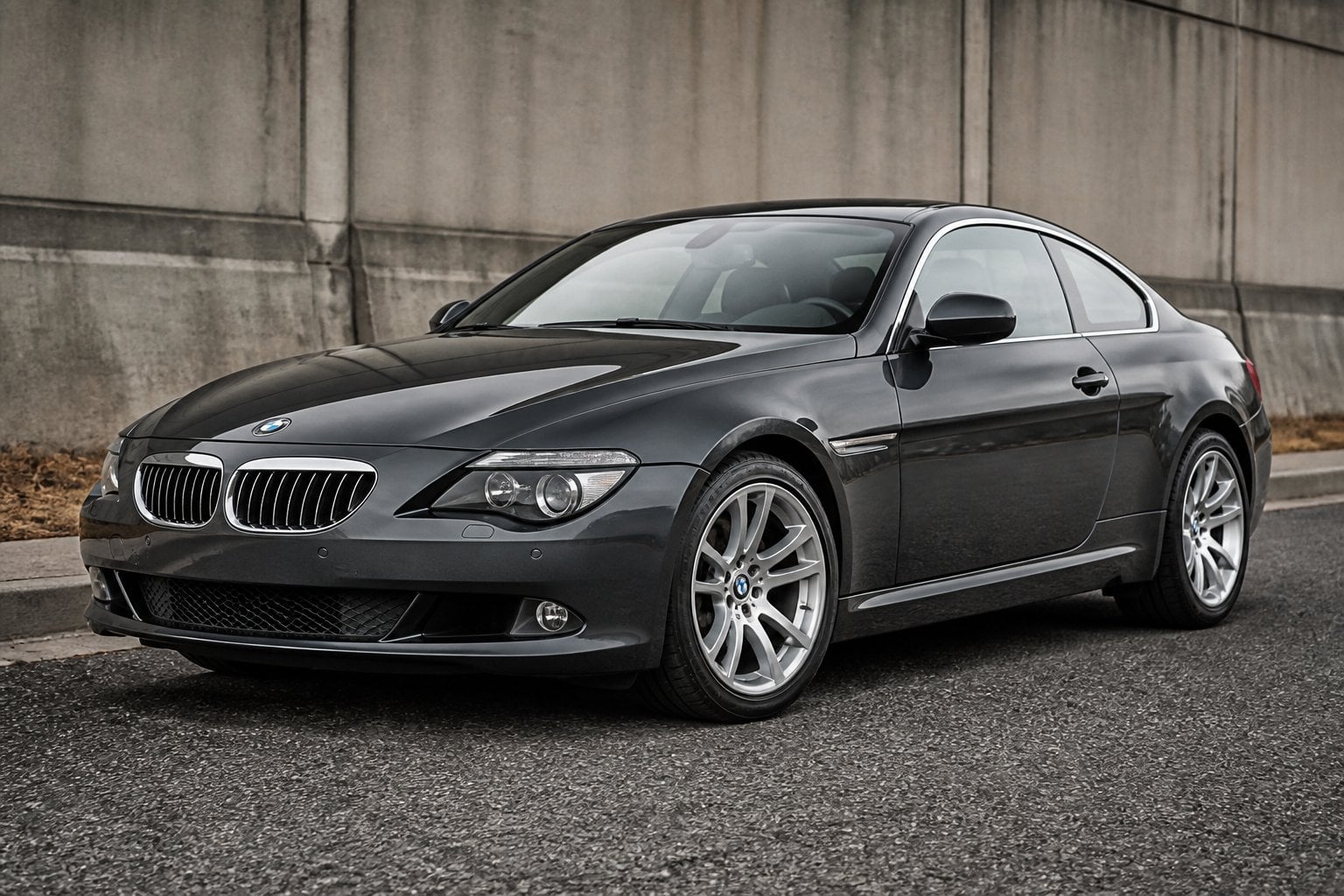
You get a grand tourer with a strong V8 and elegant styling, but you also inherit a list of recurring problems. The N62 engine in these models is known for coolant leaks, valve stem seal wear, and failing plastic components in the cooling system.
Electronics give you trouble too. iDrive glitches, window regulator failures, and issues with the SMG or automatic transmission are common complaints among owners.
Suspension components wear faster than you’d expect for a car in this price range, especially if it has air suspension. Repairs on this model tend to run expensive, since parts and labor for BMW’s V8 platform aren’t cheap.
If you’re considering a used E63 650i, expect a service history full of engine and electrical work. Reliability improves closer to 2010, but earlier examples from this range demand caution.
24. BMW 7 Series E38 750iL (1995–2001)
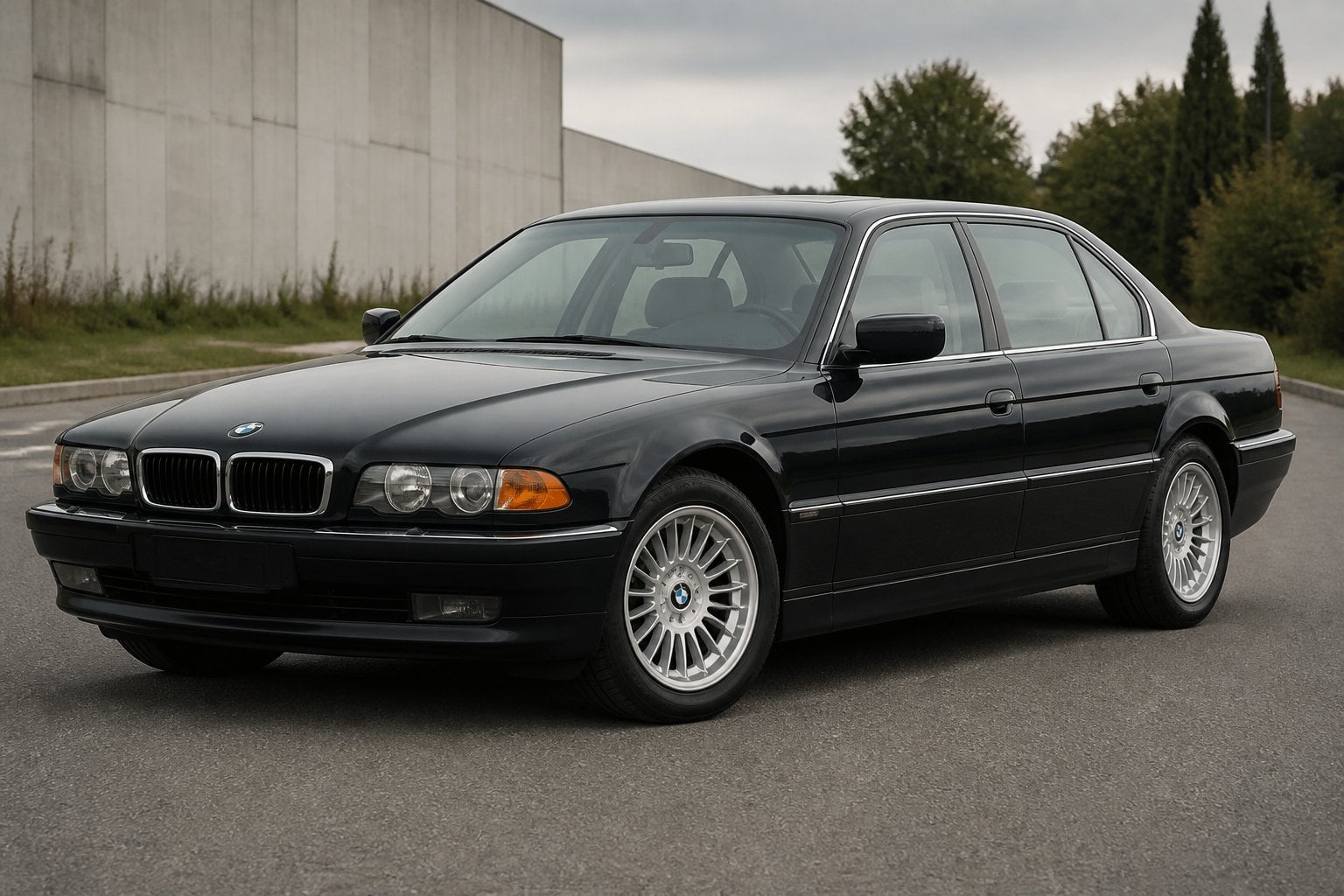
If you’re considering the E38 750iL, you’re looking at BMW’s flagship of the era, powered by a 5.4-liter V12. That engine delivers smooth power, but you’ll pay for it in complexity and cost.
You’ll find that parts and labor for the V12 cost more than the six-cylinder E38 models, and specialists familiar with this engine aren’t always easy to find. Electrical gremlins are common, affecting climate control, window regulators, and the onboard computer systems.
You should also expect issues with the cooling system, since plastic components in the radiator and expansion tank tend to fail with age. The self-leveling suspension can be another expensive repair if you neglect it.
If you want reliability alongside luxury, the 750iL will test your patience and your budget more than most used luxury sedans.
25. BMW 7 Series E32 750iL (1988–1994)
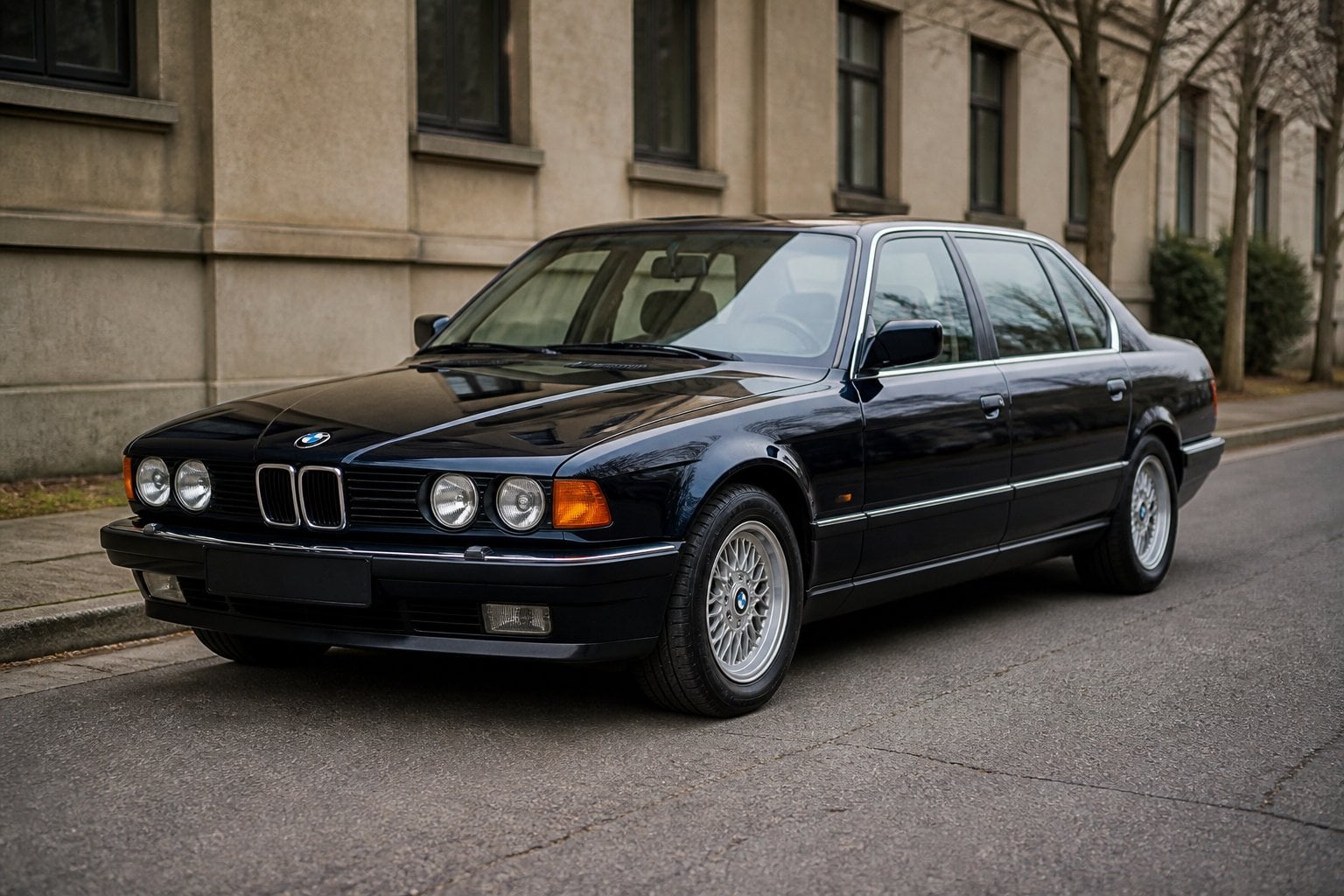
You get bragging rights with the 750iL. It was the first V12 sedan built in Germany since World War II, and it made a real statement when it launched. But that ambition comes with a price.
The V12 engine is notoriously difficult to work on. Even dealer technicians struggled with it, and parts costs reflect the car’s exotic status.
You’ll deal with two separate engine control units, two of nearly everything under the hood, and wiring complexity that turns simple diagnostics into hours of work. Cooling system failures are common, and when they happen, they often cascade into other problems.
Suspension components wear out and cost significant money to replace. The self-leveling system and adaptive suspension, impressive in 1988, now represent expensive failure points.
If you buy one today, expect a stack of maintenance records and a mechanic who specializes in E32s. Anything less turns ownership into a financial risk.
26. BMW 8 Series E31 850i (1990–1994)
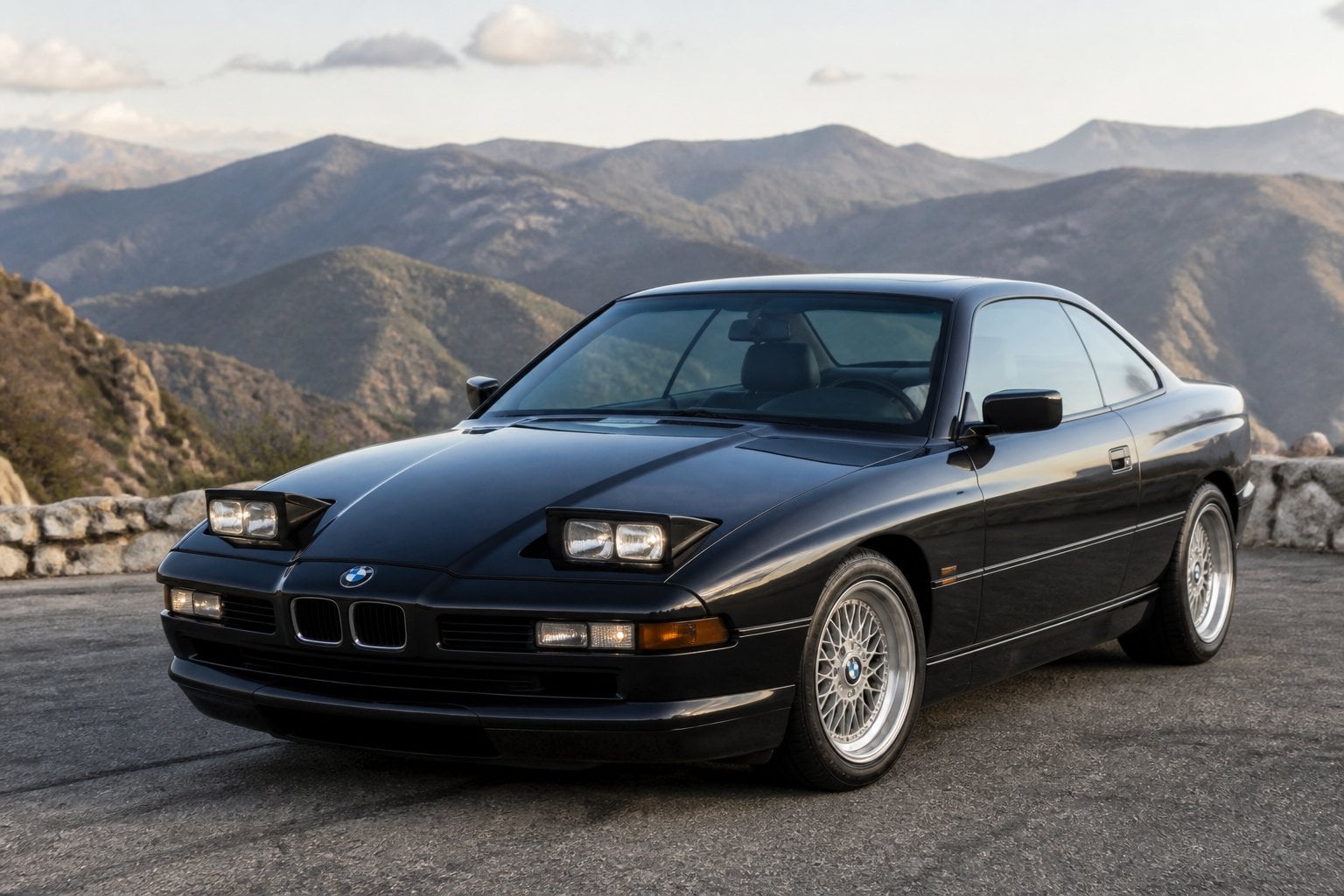
You get a genuinely impressive grand tourer with the 850i, but the early V12 models come with real ownership costs. The 4988cc V12 produced 300 hp, giving you strong performance for its era. That performance comes at a price, though.
Complexity is the main issue you’ll face. The E31 used advanced electronics for its time, including a self-leveling suspension and complicated wiring, and these systems age poorly. Repairs often require specialist knowledge, which limits where you can take the car for service.
Weight is another drawback. The 850i is heavy, and this affects both fuel economy and long-term wear on suspension components.
You should also expect high maintenance costs. V12 servicing, cooling system repairs, and electrical faults add up quickly, making the early 850i a demanding car to keep running properly.
27. BMW Z3 2.8 Coupe (1999–2002)
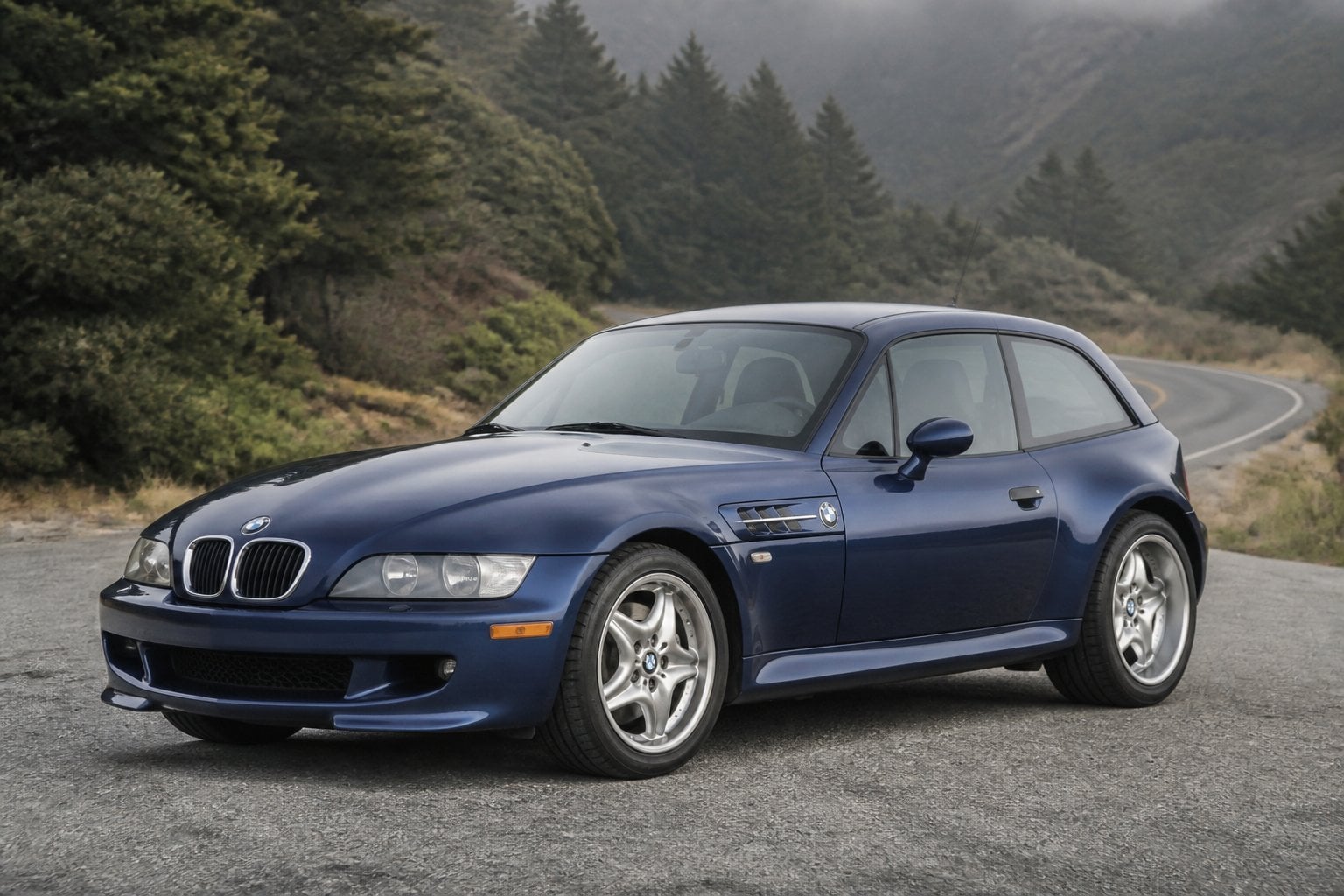
You get a car with a controversial shape often described as a shooting brake or “breadvan.” The styling divided opinion when new, and it still does today.
Under that unusual roofline sits a 2.8-liter inline-six making 193 horsepower. You’ll find the drivetrain solid, but the rest of the car brings compromises.
Storage space is tight, rear visibility is poor, and cabin ergonomics feel dated even by late-1990s standards. You’ll also notice road and wind noise inside the cabin, since the coupe body doesn’t isolate sound as well as you’d expect.
Parts availability can be limited, since BMW built the coupe in far smaller numbers than the roadster. If you need a specific trim piece or interior component, you may wait longer and pay more.
Resale value stays inconsistent, too. You’re buying a niche vehicle, so finding a buyer who appreciates its quirks takes patience.
28. BMW Z4 E85 2.5i (2003–2005)
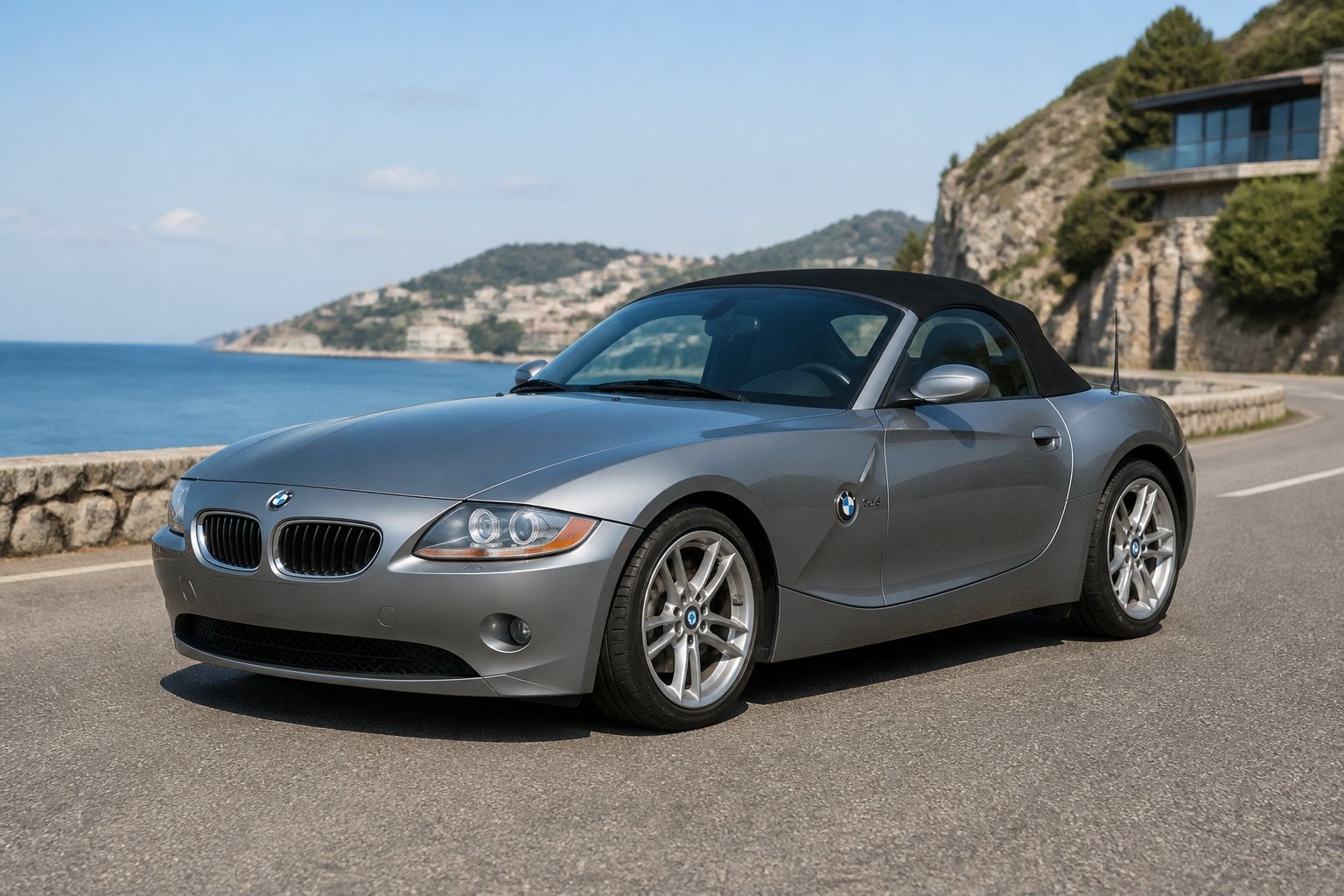
The early Z4 gave you Chris Bangle’s polarizing styling wrapped around BMW’s dependable M54 inline-six. On paper, 192 hp and rear-wheel drive sound appealing. In practice, these first three model years carry a reputation for problems that later Z4s resolved.
You’ll find recurring complaints about the convertible roof mechanism failing to open or close properly. Steering issues also show up frequently in owner reports and complaint databases from this period.
Electrical gremlins and airbag warning lights are common annoyances you’ll need to budget for. Oil and coolant leaks tend to develop as these cars age, adding to upkeep costs.
The 2003 model in particular gets singled out as one of the weaker years, despite BMW’s claims of above-average reliability. If you’re shopping for an E85 Z4, you’re better off targeting a later year once these early issues were addressed.
29. BMW Z4 E89 sDrive35i (2009–2016)
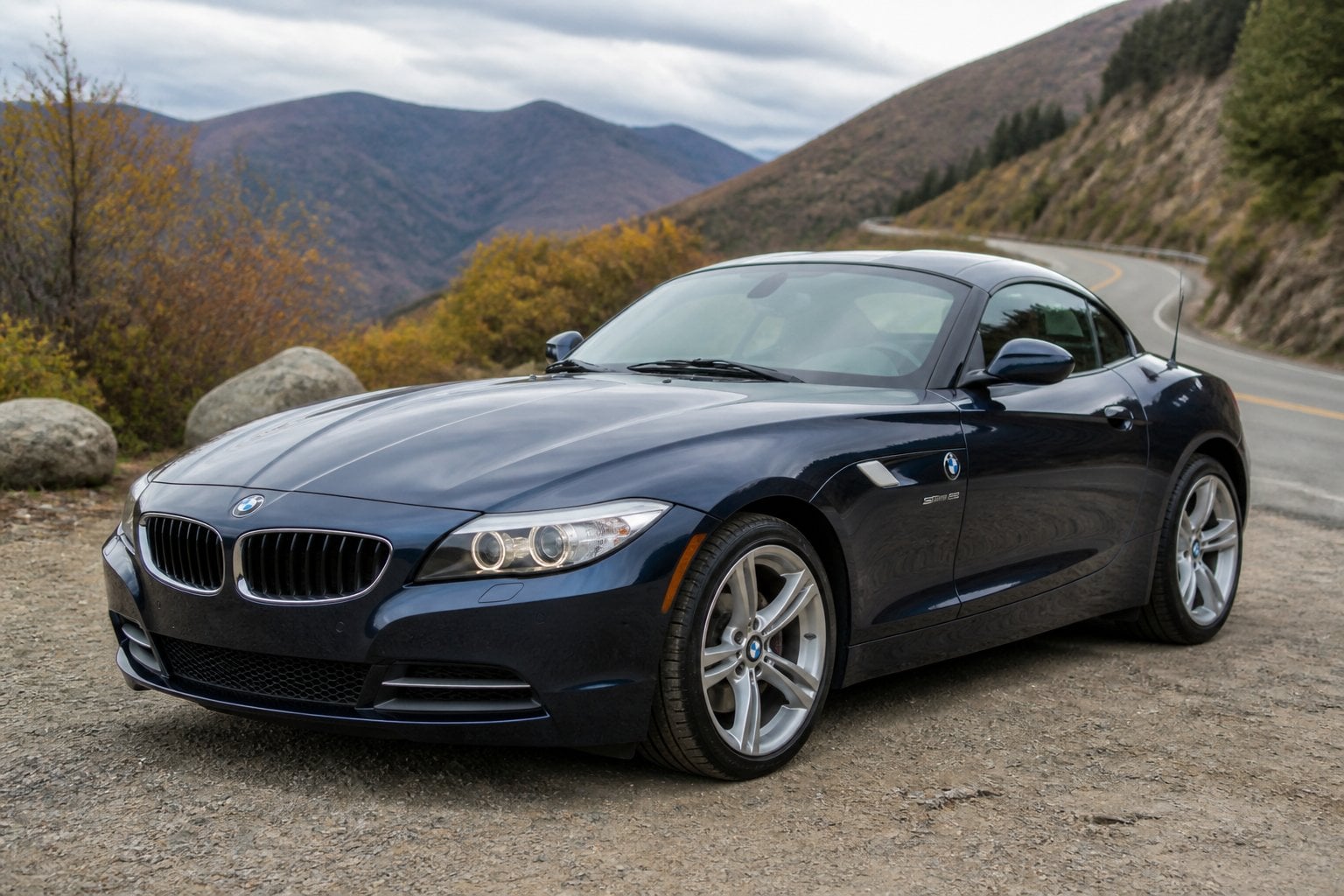
You get the N54 twin-turbo inline-six in the sDrive35i, and while it delivers 306 hp, you also inherit the reliability quirks that come with this engine. High-pressure fuel pump failures and injector problems are common complaints you’ll find across owner forums.
Your retractable hardtop mechanism adds complexity that soft-top roadsters don’t have. Motors, hinges, and seals in this system can fail over time, and repairs aren’t cheap.
If you choose the DCT transmission, you may face costly mechatronic issues down the road. Carbon buildup on intake valves is another N54 trait you’ll need to manage with regular walnut blasting.
You’re buying a car with genuine performance credentials, but you’re also taking on a maintenance burden that exceeds what typical roadsters demand.
30. BMW Z8 (2000–2003)
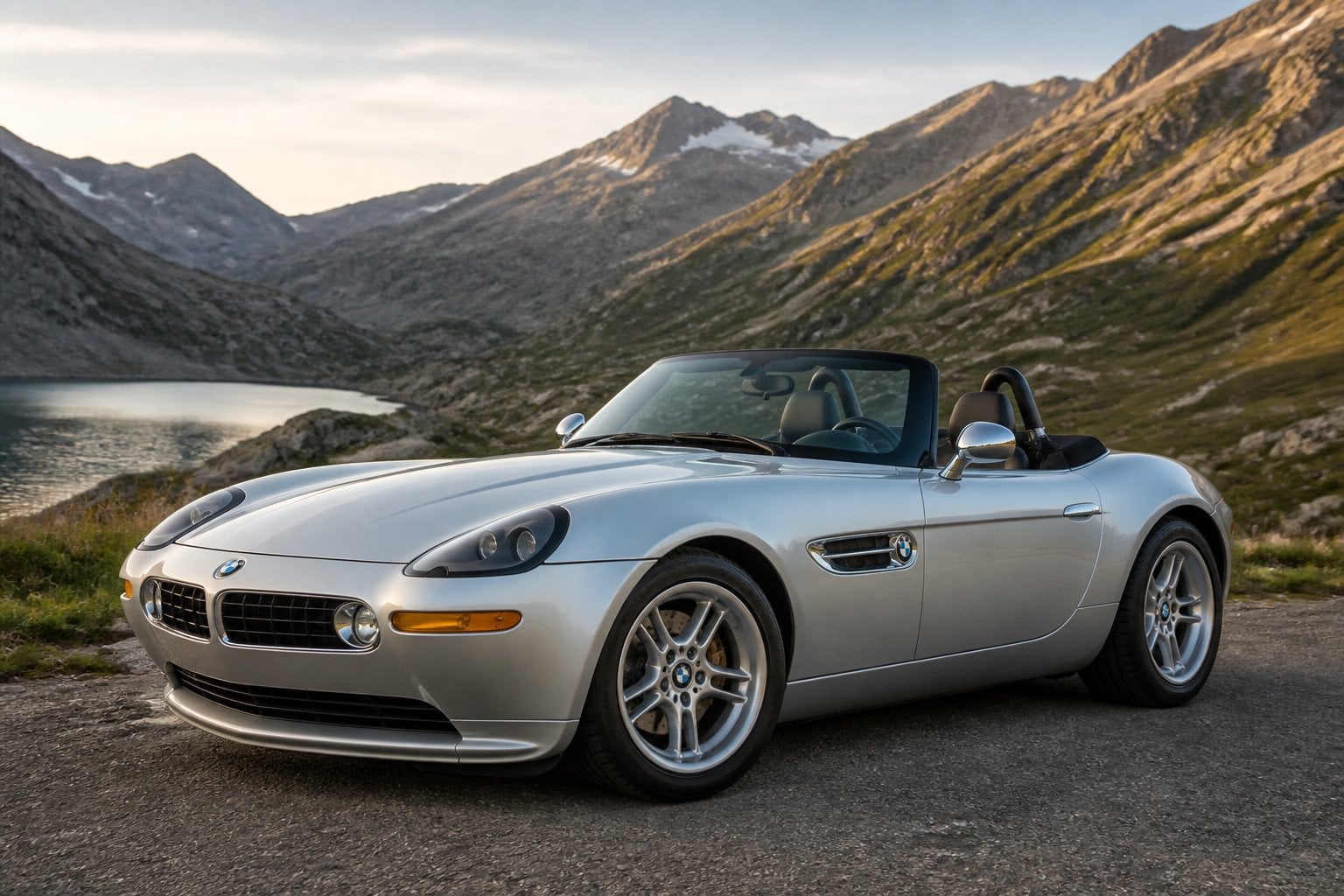
You’ll find the Z8 on this list for reasons that have little to do with driving dynamics and everything to do with practicality. BMW built this roadster as a tribute to the 507 from the 1950s, giving it hand-formed aluminum body panels and styling from Henrik Fisker.
Under the hood, you get a 4.9-liter V8 producing 395 horsepower, paired with a six-speed manual. That sounds appealing on paper, but the execution created real ownership headaches.
You’ll deal with a cramped cockpit, minimal trunk space, and a ride quality that feels stiff for a car marketed as a luxury cruiser. Parts and service costs run high, since BMW produced only 5,703 units.
If something breaks, you won’t find cheap fixes. The Z8’s rarity and beauty come at the cost of everyday usability, which is why it lands here despite its collector appeal.
How BMW Reliability Problems Developed
BMW’s reliability reputation shifted over the decades as engineering choices and business decisions changed how these vehicles hold up over time. You’ll find that two factors stand out: the complexity built into the cars themselves, and the cost pressures that shaped how they were manufactured.
Engineering Complexity and Maintenance Demands
You’re dealing with a brand that prioritizes performance engineering over simplicity. BMW’s engines, particularly the N54 and N63, use turbocharging and direct injection systems that require precise maintenance schedules.
If you skip oil changes or use the wrong specification, you risk carbon buildup on intake valves and premature timing chain wear. These issues showed up repeatedly in the 2007-2011 3 Series and early X5 models.
You also have to consider electrical architecture. BMW added layers of computer-controlled systems for suspension, cooling, and drivetrain management, and each added system creates another point where sensors or modules can fail.
Repair costs reflect this complexity. Parts aren’t interchangeable across generations, and labor requires specialized diagnostic tools, so your repair bill for a failed water pump or valve cover gasket often runs higher than comparable repairs on simpler vehicles.
The Role of Cost Cutting and Supplier Quality
You’ll notice that many of BMW’s worst reliability years correspond with periods of aggressive cost reduction. Plastic components replaced metal parts in cooling systems during the 2000s, and these plastic water pumps and thermostat housings became known failure points on the E90 3 Series and E70 X5.
Supplier quality also played a role. BMW sourced parts from multiple third-party manufacturers to reduce production costs, and inconsistent quality control across these suppliers meant some components failed well before their expected lifespan.
You can see this pattern in electrical connectors and sensor housings from this era, which cracked or degraded faster than BMW’s own specifications suggested they should. When you’re evaluating a used BMW, checking which supplier made specific components can tell you more about the potential failure than the model year alone.
What Buyers Should Check Before Purchasing a Used BMW
A thorough inspection separates a reliable BMW from a costly mistake. You need to review documented maintenance history and physically check the car for signs of neglect or hidden damage.
Service Records and Preventive Maintenance
Ask the seller for complete service records before you consider the purchase. A well-documented history shows you whether the previous owner followed BMW’s recommended maintenance schedule for oil changes, coolant flushes, and timing chain inspections.
Look specifically for records of:
- Valve cover gasket replacements (common on N54 and N55 engines)
- Water pump and thermostat service (electric water pumps fail frequently on 2006-2013 models)
- VANOS solenoid maintenance
- Transmission fluid changes, even on “lifetime fluid” transmissions
Gaps in service history often indicate deferred maintenance. You should treat missing records as a warning rather than an inconvenience, since BMW engines punish neglect more severely than many competing brands.
Common Warning Signs During Inspection
You should start any inspection with a cold start. Listen for a rattling timing chain, which signals wear in the timing chain tensioner, a known issue on N20 and N26 engines.
Check the engine bay for oil residue around the valve cover, oil filter housing, and rear main seal. White or blue exhaust smoke on startup points to piston ring or turbo seal wear.
A pre-purchase inspection by a BMW specialist remains your best safeguard against expensive surprises.