The 30 Most Expensive Cars From the Golden Age of Muscle: Record Auction Prices and Rare Legends
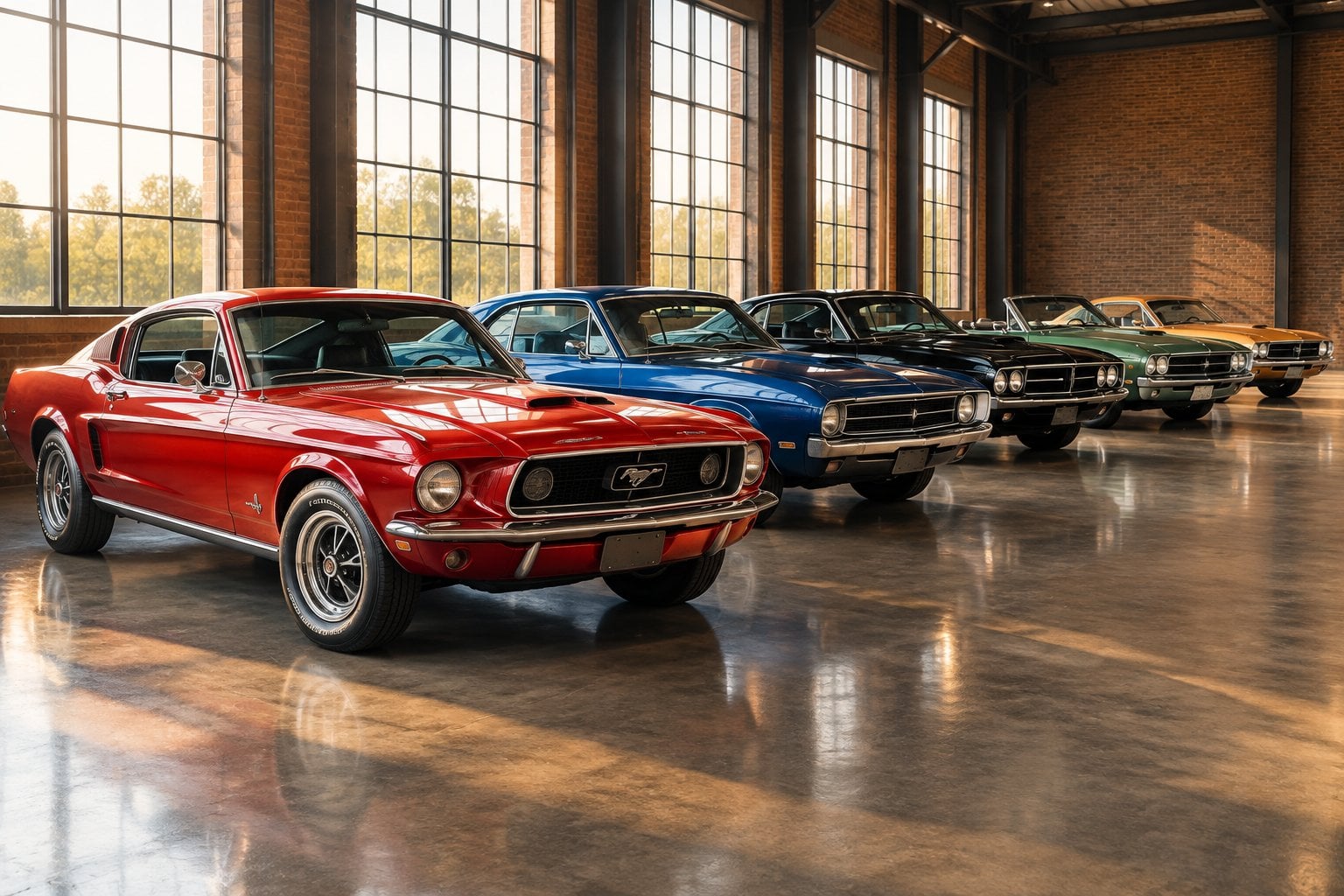
The golden age of muscle, roughly 1964 to 1972, produced some of the most powerful and recognizable cars in American history. These vehicles were built to deliver strong performance at a price many buyers could afford. Decades later, the best-preserved examples now sell for far more than their original sticker prices.
If you want to know which muscle cars bring the highest prices today, rarity, originality, documented history, and factory performance options are the factors that matter most.
This list covers 30 of the most expensive cars from the era, so you can see which models collectors value most.
1. 1970 Plymouth Hemi Cuda Convertible
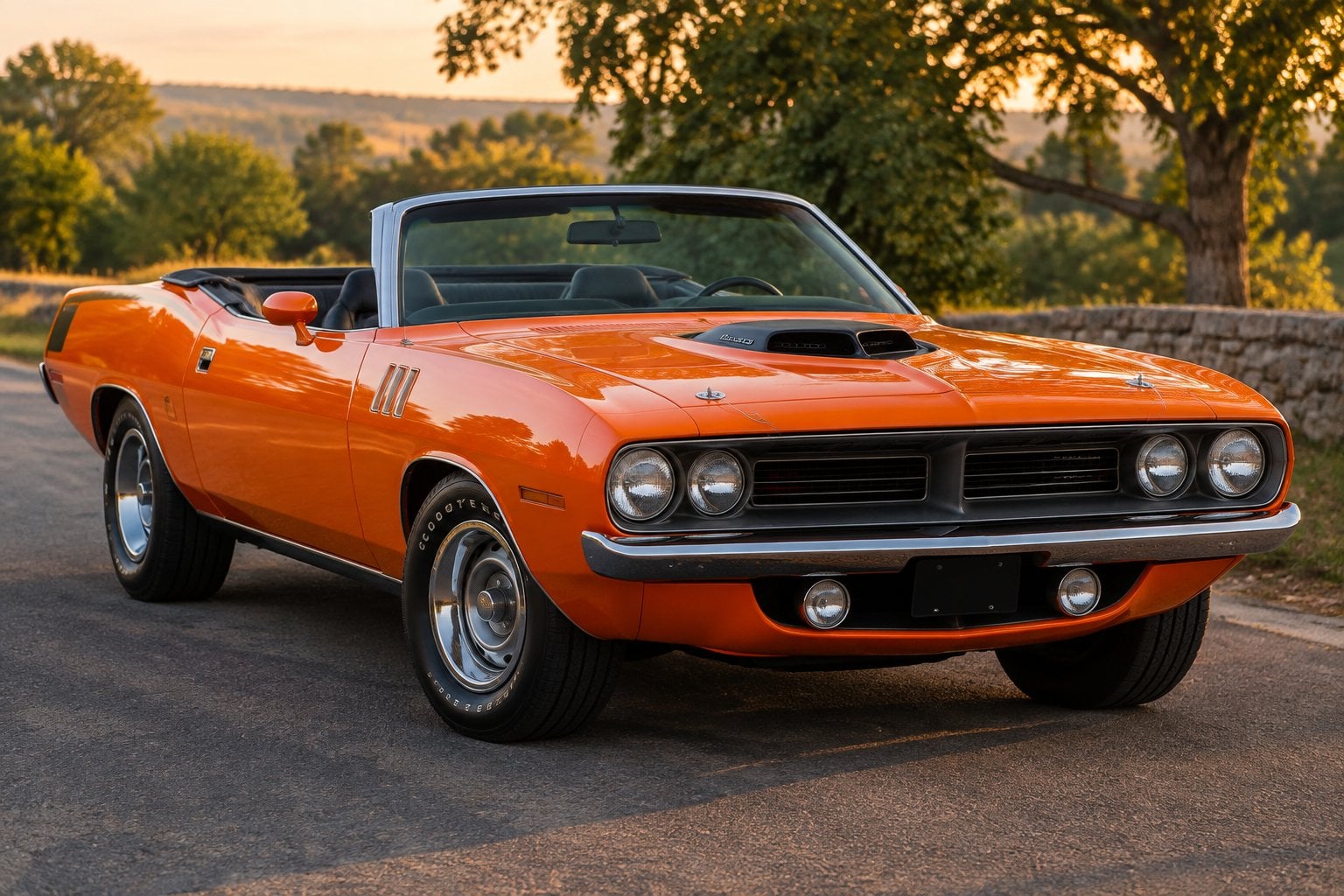
If you are looking for the top of the muscle car market, this is where you find it. Plymouth built only 14 Hemi ‘Cuda convertibles for the 1970 model year, and just three of those went to Canada.
The car rode on the E-body platform it shared with the Dodge Challenger. Under the hood sat the 426 Street Hemi, rated at 425 horsepower.
When new, the Hemi convertible sold poorly. High insurance rates and a steep price kept most buyers away.
That low production is what drives values today. A Lemon Twist example built for the Canadian market sold at Mecum’s Monterey auction for $2.53 million. Another car brought $2.675 million at Mecum Kissimmee.
Private sales and asking prices have been reported above $3 million. If you ever see one in person, you are looking at one of the rarest cars of the era.
2. 1971 Plymouth Hemi Cuda Convertible
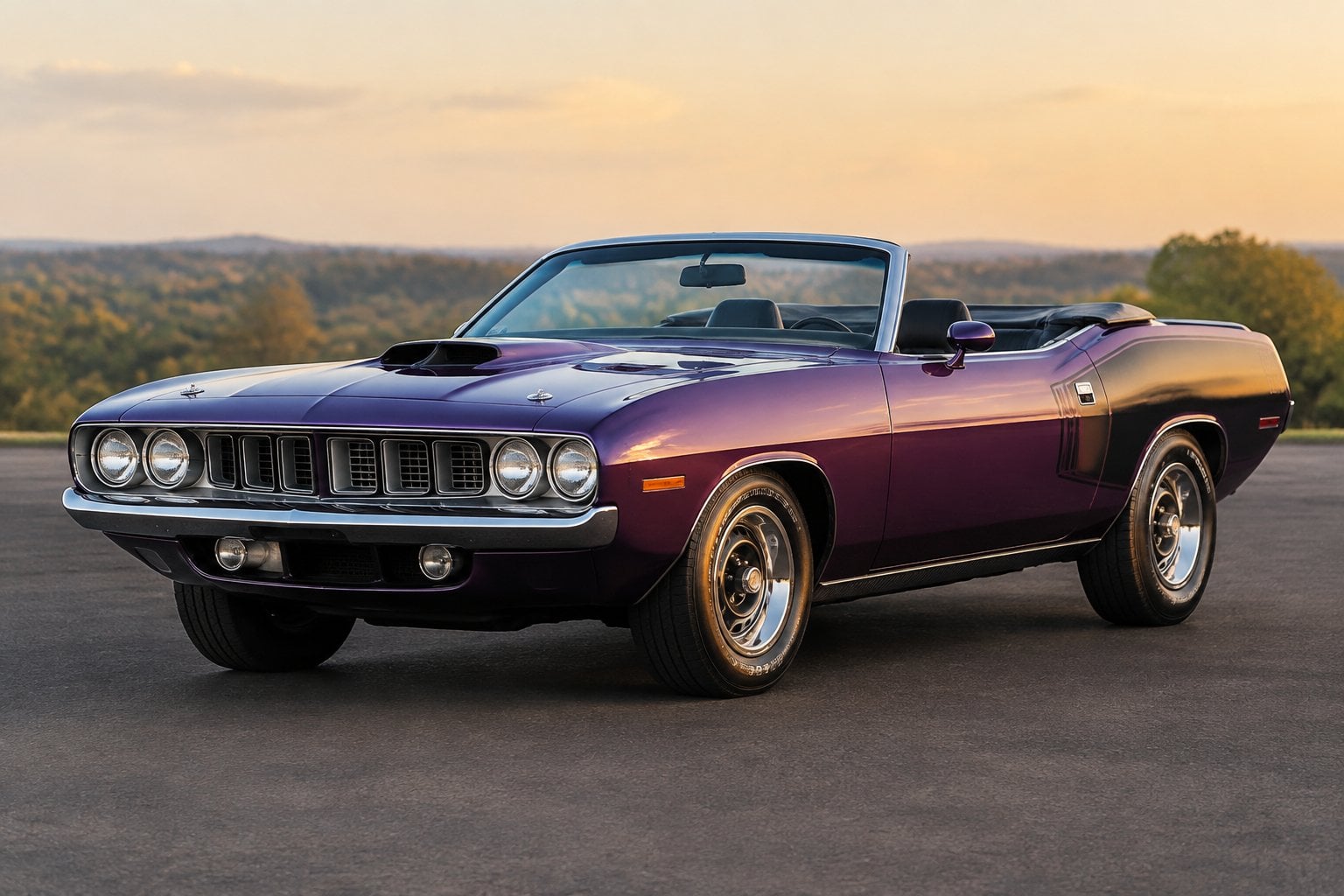
If you want to know which Mopar sits at the top of the collector market, start here. Plymouth built only 11 Hemi Cuda convertibles for the 1971 model year, and a few of those went to export markets.
Each car used the 426 Street Hemi V8, rated at 425 horsepower. That engine, combined with the open-top body and the one-year-only 1971 styling details like the fender “gills,” makes this model easy for you to identify.
The prices reflect that rarity. In 2014, one example sold at a Mecum auction in Seattle for $3.5 million, which remains the record for the model.
In January 2026, a Sno-White example crossed the block at Mecum Kissimmee and sold for $3.3 million. When new, a car like this cost roughly $4,500.
If you ever see one for sale, expect careful documentation checks, since authenticity drives nearly all of its value.
3. 1970 Chevrolet Chevelle SS 454 LS6 Convertible
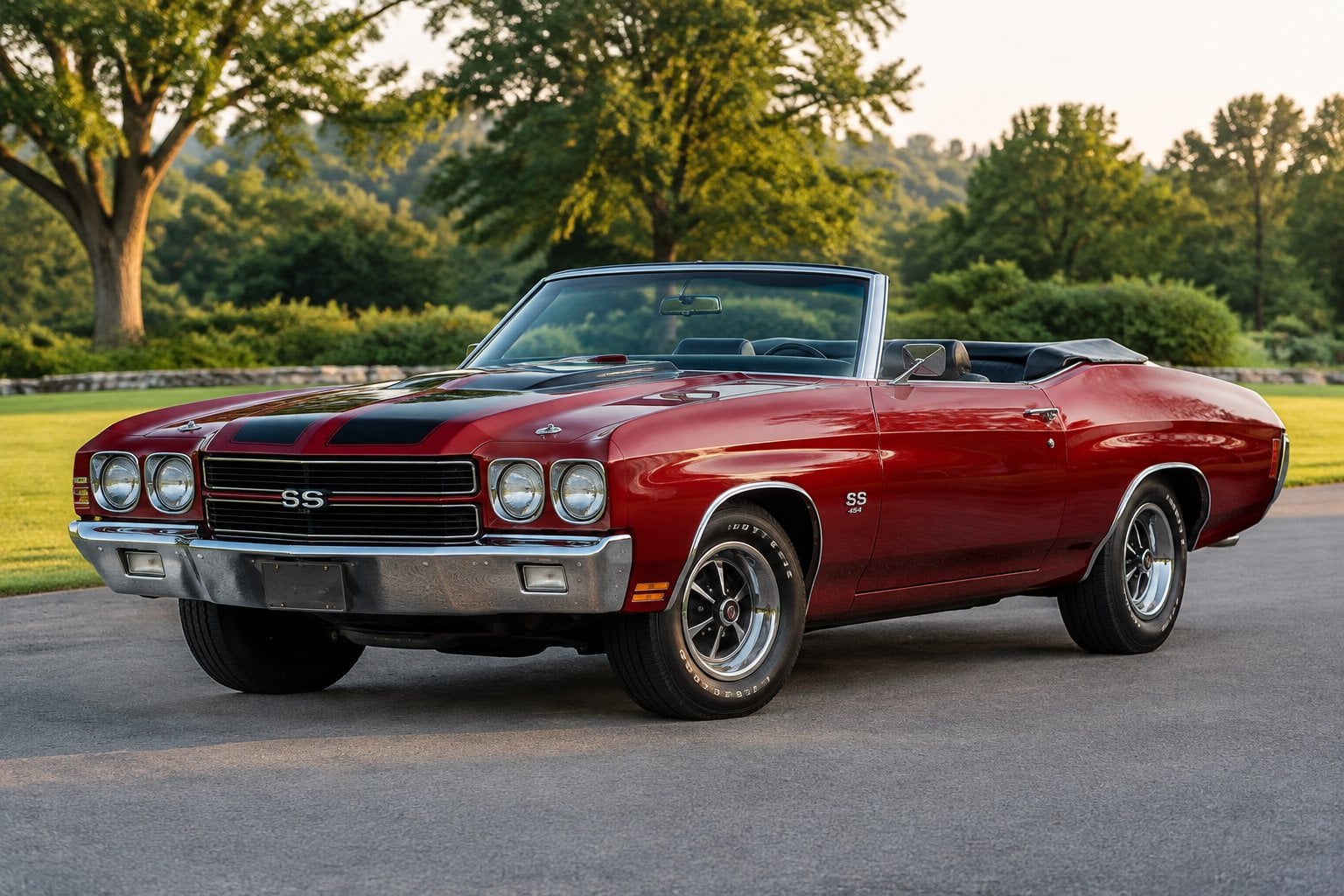
If you want the most valuable Chevelle ever built, you are looking at the 1970 SS 454 LS6 convertible. In January 2026, one sold for $770,000 including fees at Mecum’s Kissimmee auction. That set the record for a Chevelle at public sale.
The LS6 454 V8 carried a factory rating of 450 horsepower and 500 lb-ft of torque. That was the highest advertised horsepower figure of the muscle car era.
Chevrolet built 4,475 LS6 engines for the 1970 Chevelle line. That total covers all body styles, and no factory records survive showing how many went into convertibles. The number is known to be small, which explains the prices.
When you evaluate one, documentation matters. An original build sheet can confirm a genuine factory LS6 car.
4. 1970 Chevrolet Chevelle SS 454 LS6
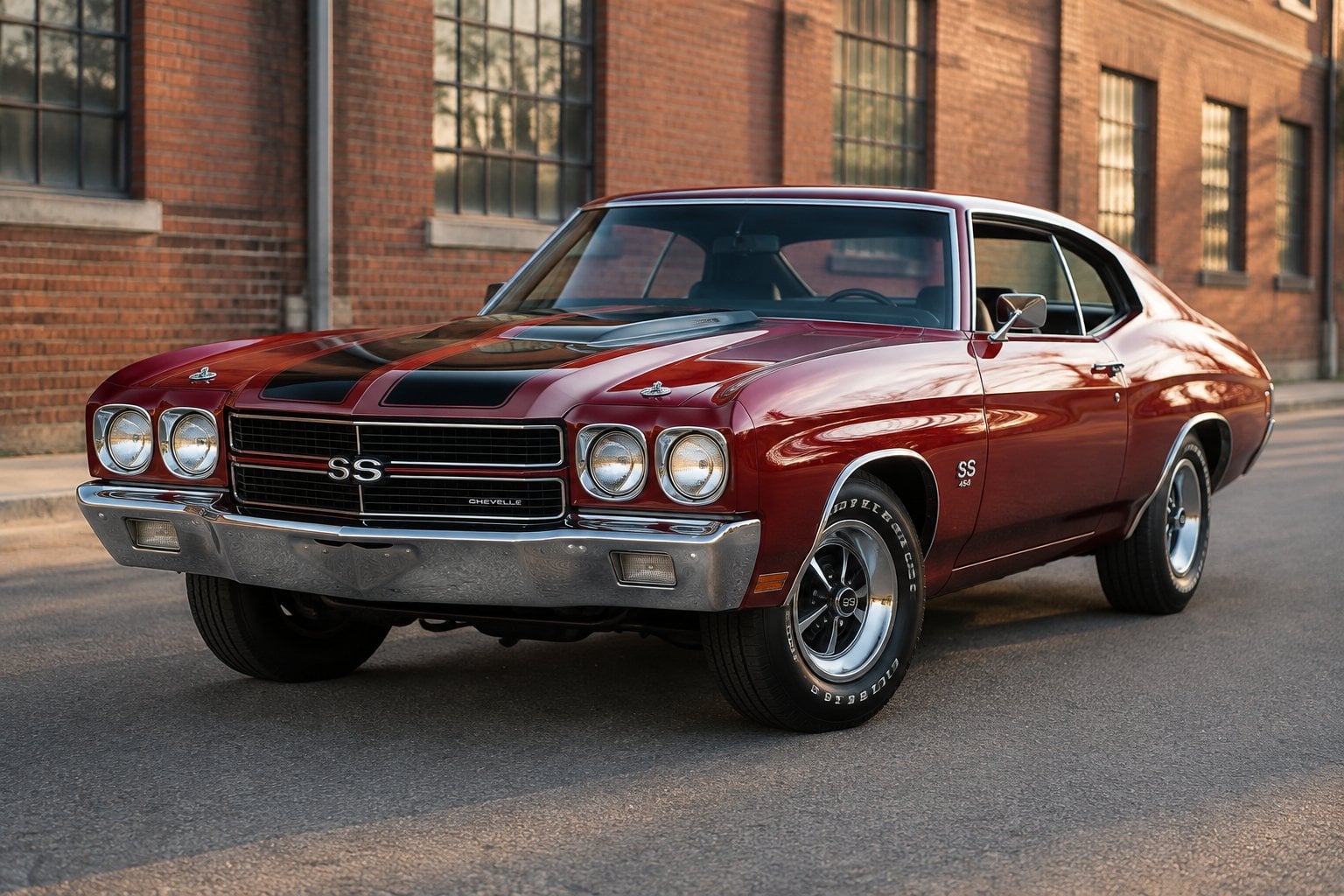
If you judge muscle cars by factory ratings, the 1970 Chevelle SS 454 LS6 sits at the top. Chevrolet rated its 454-cubic-inch big-block at 450 horsepower and 500 lb-ft of torque. No other factory muscle car of the era carried a higher horsepower figure.
The LS6 used 11.25:1 compression, a solid-lifter camshaft, rectangular-port heads, and a Holley 800-cfm four-barrel carburetor. It was offered only in 1970 and only in the Chevelle and El Camino.
You could also order the milder 360-horsepower LS5. That makes documentation important when you shop. Production numbers for the LS6 are still debated, and original engines, build sheets, and matching numbers strongly affect value.
Well-documented coupes regularly sell well into six figures. Genuine LS6 convertibles are much rarer and bring higher prices.
5. 1969 Chevrolet Camaro ZL1
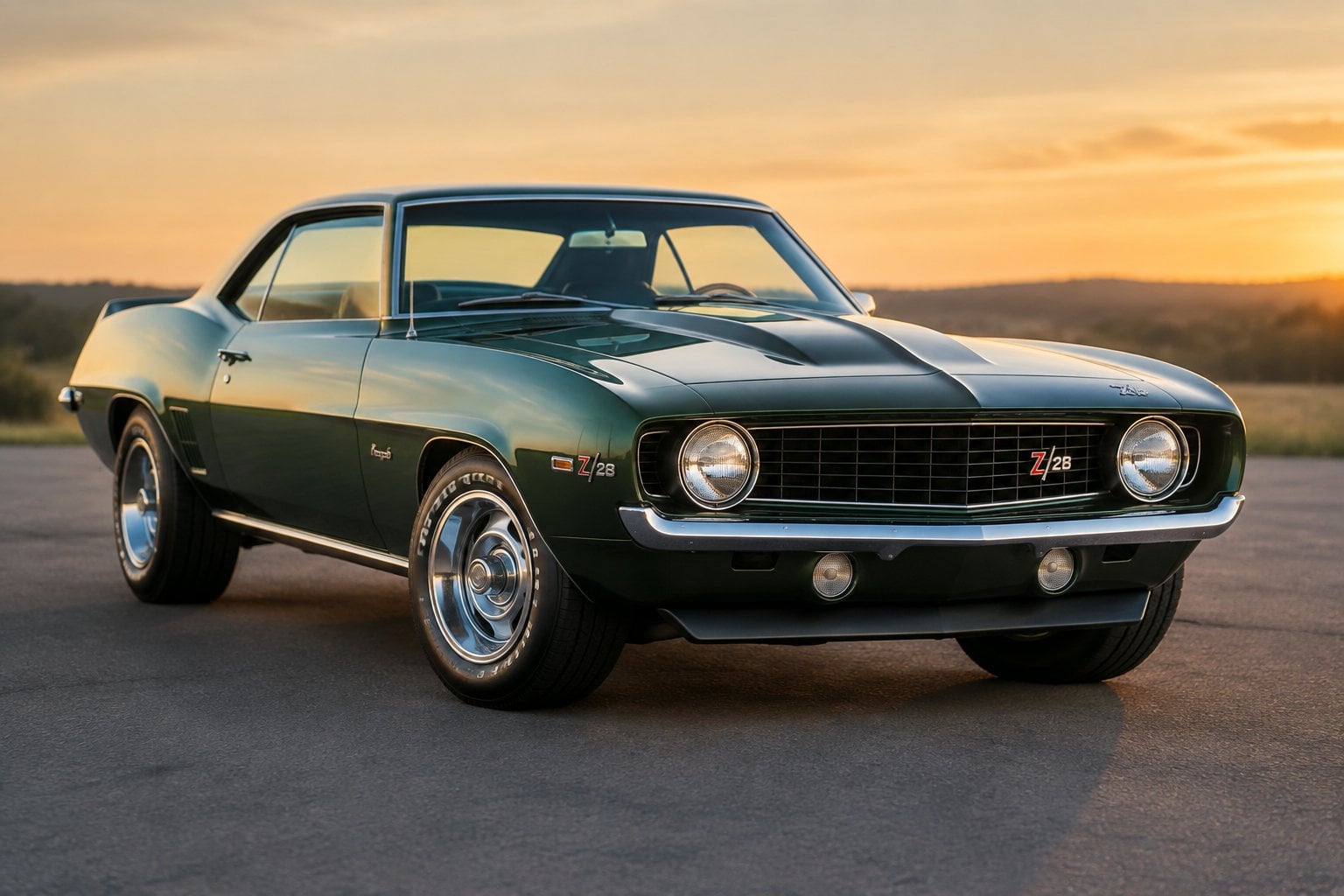
If you want the rarest factory Camaro of the era, the 1969 ZL1 is the car to know. Chevrolet built only 69 examples through the Central Office Production Order system, using COPO 9560.
The key was the engine. You got an all-aluminum 427 cubic-inch V8 derived from Can-Am racing, officially rated at 430 horsepower. Actual output was widely believed to be well above that figure.
That engine option alone cost about $4,160. With a base Camaro priced near $2,700 and the required heavy-duty hardware added, your total came to more than $7,200.
The high price made the ZL1 hard to sell when new. Today, that low production count is what drives its value.
Documented examples have sold for more than $1 million at auction. That places the ZL1 among the most valuable Camaros you can buy.
6. 1969 Chevrolet Corvette L88
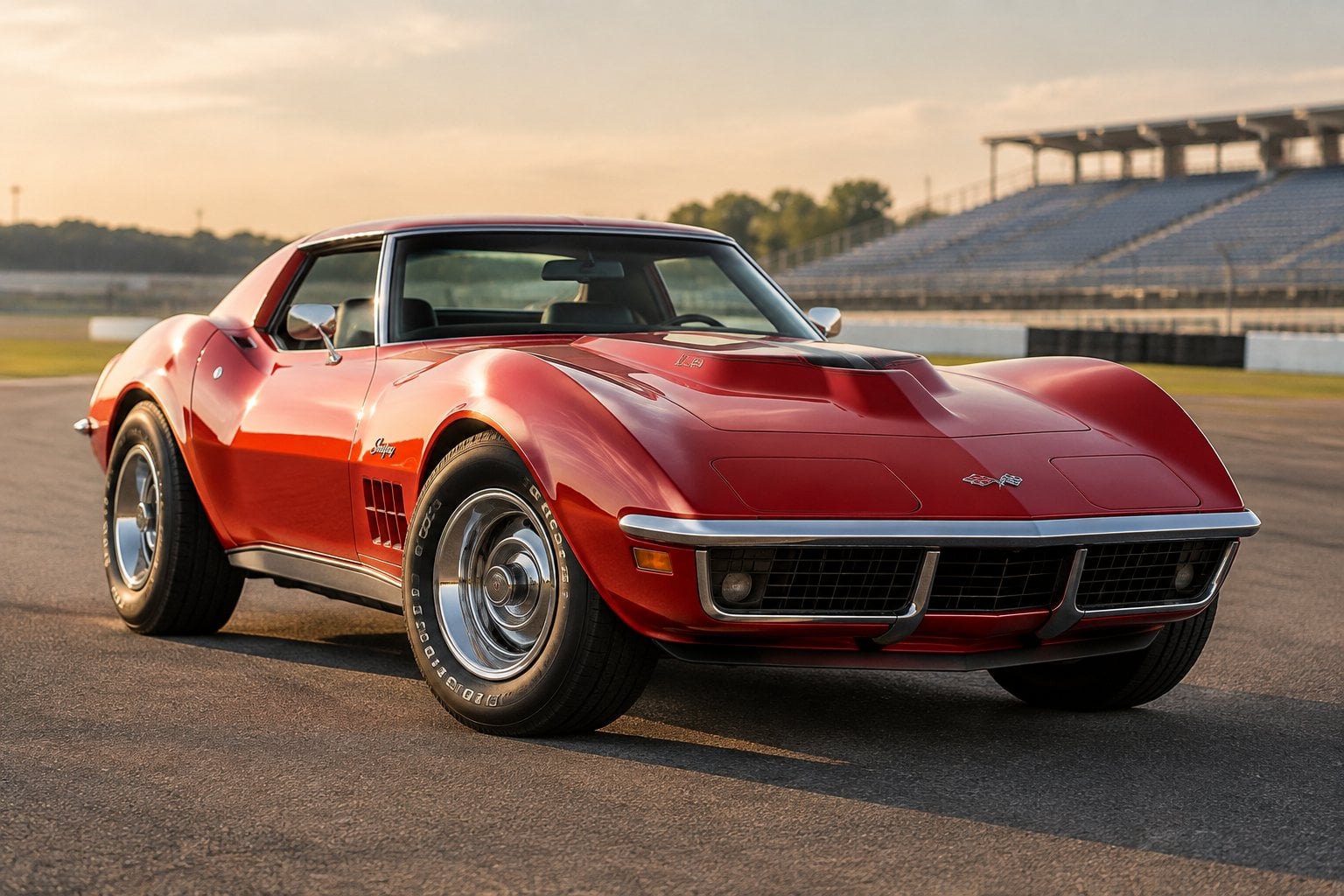
The 1969 model year was the final and highest-volume run of the L88 option. Chevrolet built 116 examples that year, out of 216 total L88 Corvettes produced from 1967 to 1969.
If you look at the specs, you can see the racing intent. The 427-cubic-inch V8 used a 12.5:1 compression ratio, aluminum cylinder heads, forged internals, and an aggressive camshaft. Chevrolet rated it at 430 horsepower, though the actual output was higher.
The package also removed comfort features. You could not order a radio or air conditioning with it.
Today, you should expect strong prices for authenticated cars. A 1969 L88 convertible with a four-speed manual sold for $850,000 on Bring a Trailer. Another example brought $759,000. According to classic.com, L88 Corvettes average around $434,000.
7. 1967 Chevrolet Corvette L88
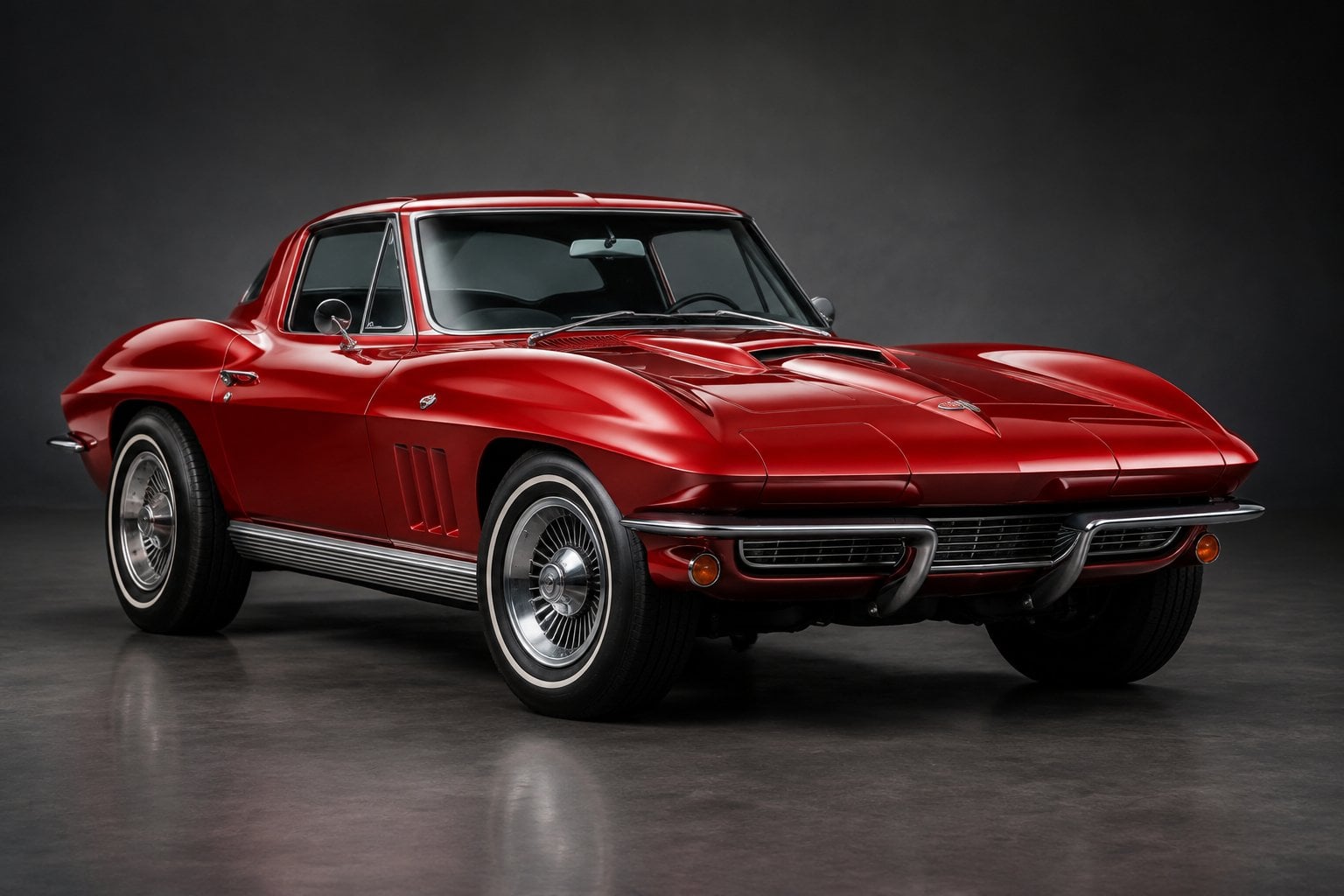
If you want the most valuable C2 Corvette, the 1967 L88 is the car to know. Chevrolet built only 20 of them that year, out of 22,940 Corvettes produced.
The L88 option added about $1,500 to the sticker price. For that money, you got a race-focused 427-cubic-inch V8 rated at 430 horsepower, though its real output was widely believed to be much higher. Chevrolet deleted the radio and heater to discourage street use.
The top example is the only Rally Red L88 coupe. It sold for $3.85 million at Barrett-Jackson in January 2014, setting the Corvette auction record.
That same car has since struggled to match its peak. It drew a high bid of $2.7 million at Mecum Kissimmee without selling, then later changed hands for about $3.2 million.
Other examples also bring strong prices, including a Sunfire Yellow coupe that sold for $2.25 million.
8. 1970 Plymouth Hemi Cuda
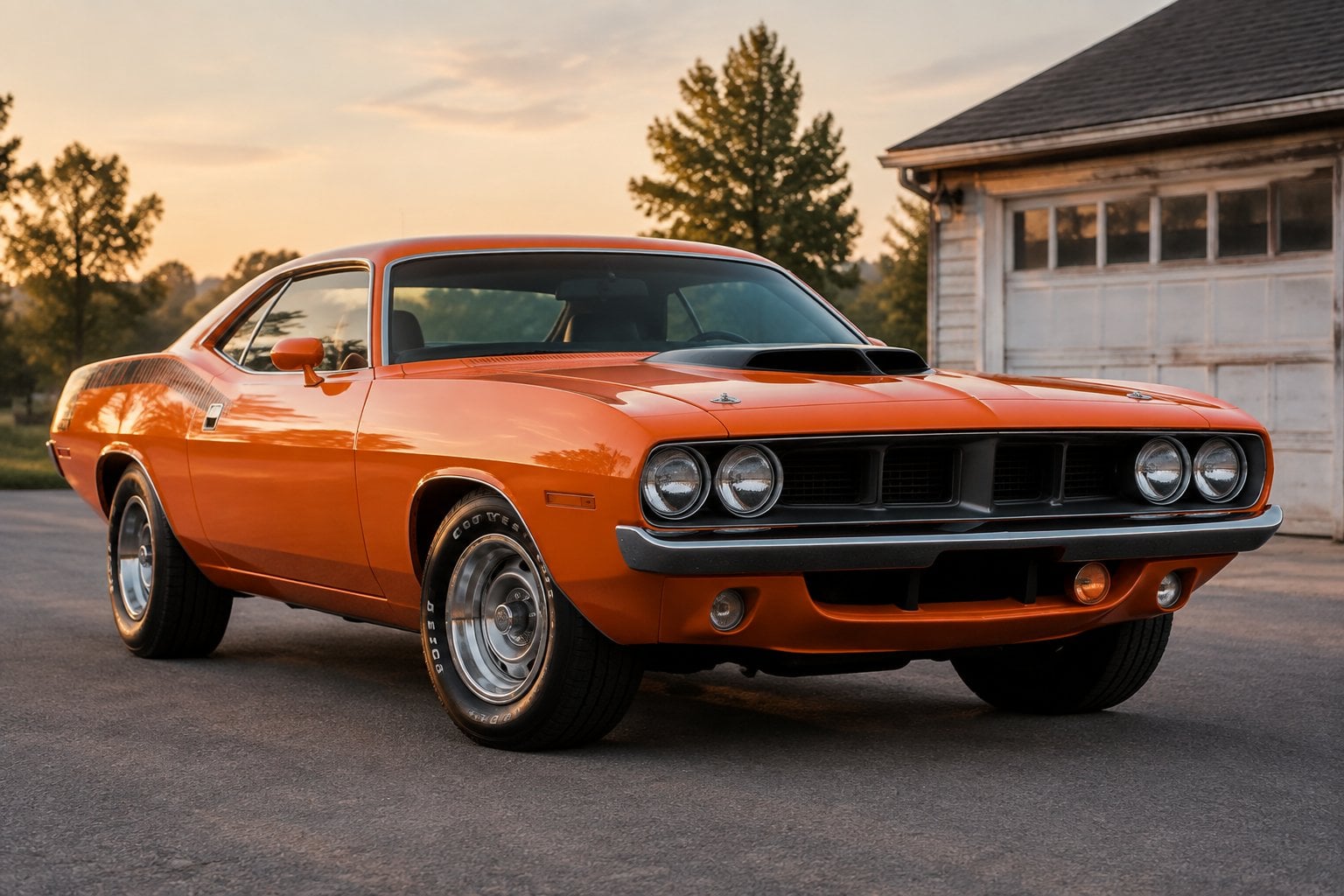
The 1970 Hemi ‘Cuda sat on Plymouth’s new E-body platform, which it shared with the Dodge Challenger. Compared with earlier Barracudas, it was lower and wider. Under the hood, you got the 426 Street Hemi V8, factory rated at 425 horsepower.
Production was limited. Plymouth built 666 Hemi ‘Cudas for the U.S. market in 1970, and only 14 were convertibles.
Buyers at the time often passed on the car because of its high price and insurance costs. That low demand is a major reason for its high value now.
If you want a documented hardtop, expect to pay roughly $600,000 to $1.5 million. Convertibles have sold for more than $3.5 million at auction. Because the Hemi option adds so much value, you should have any car verified by an expert before you buy.
9. 1971 Plymouth Hemi Cuda
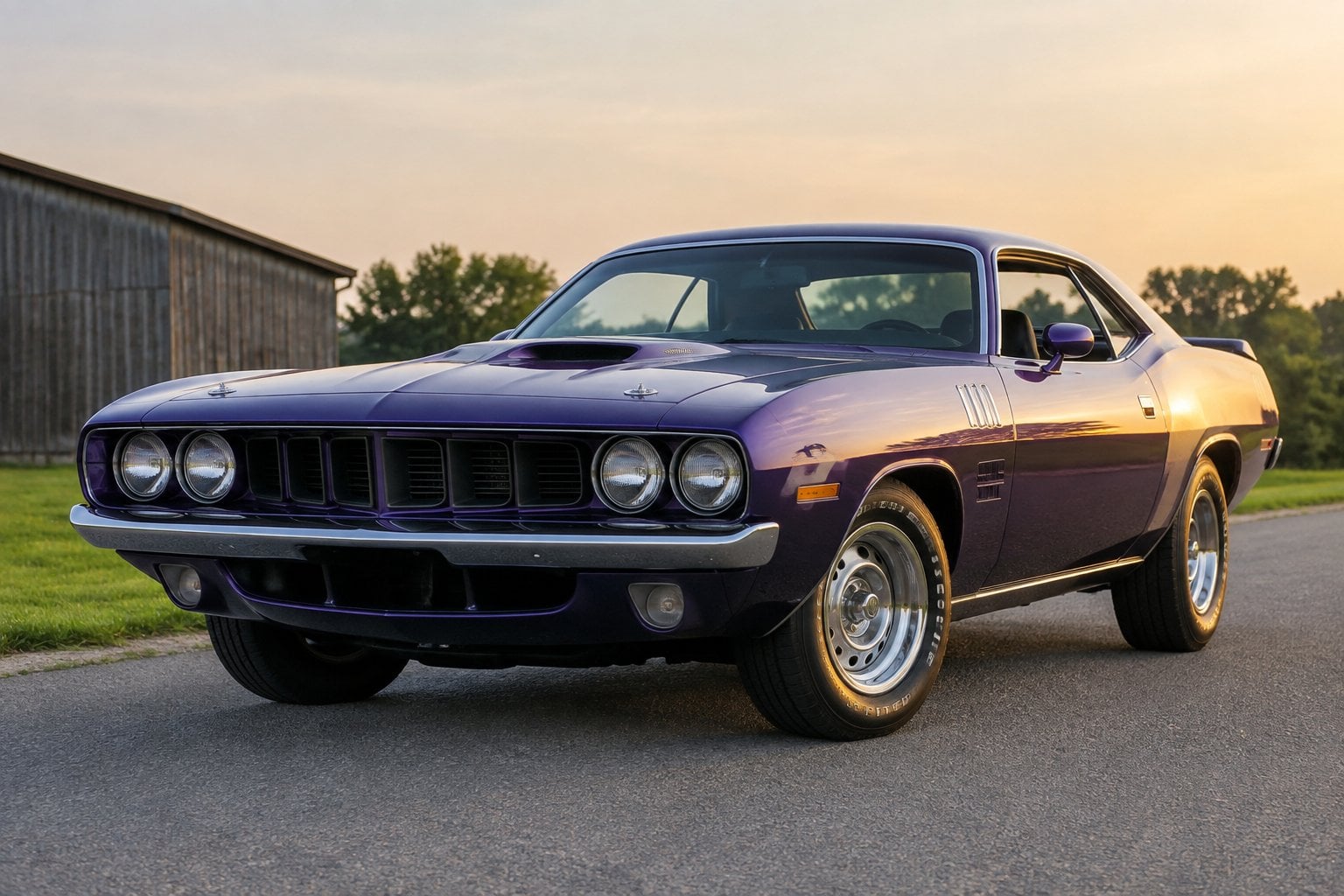
If you want to understand why rare Mopars dominate the collector market, the 1971 Hemi Cuda is a good place to start. Its value comes from low production numbers and the 426 Street Hemi V8, rated at 425 horsepower.
Plymouth built roughly 108 Hemi Cuda hardtops for 1971. The convertible is far rarer, with only about a dozen produced, and several of those went to export markets.
That scarcity shows up in auction results. In 2014, a 1971 Hemi Cuda convertible sold for $3.5 million at Mecum’s Seattle auction, setting a record for a Golden Age muscle car at the time.
In 2026, another convertible brought $3.3 million at Mecum Kissimmee, making it the second-highest price paid for one at auction. When new, the car sold for roughly $4,500.
Hardtops cost less, but you should still expect prices well into six figures.
10. 1969 Dodge Charger Daytona Hemi
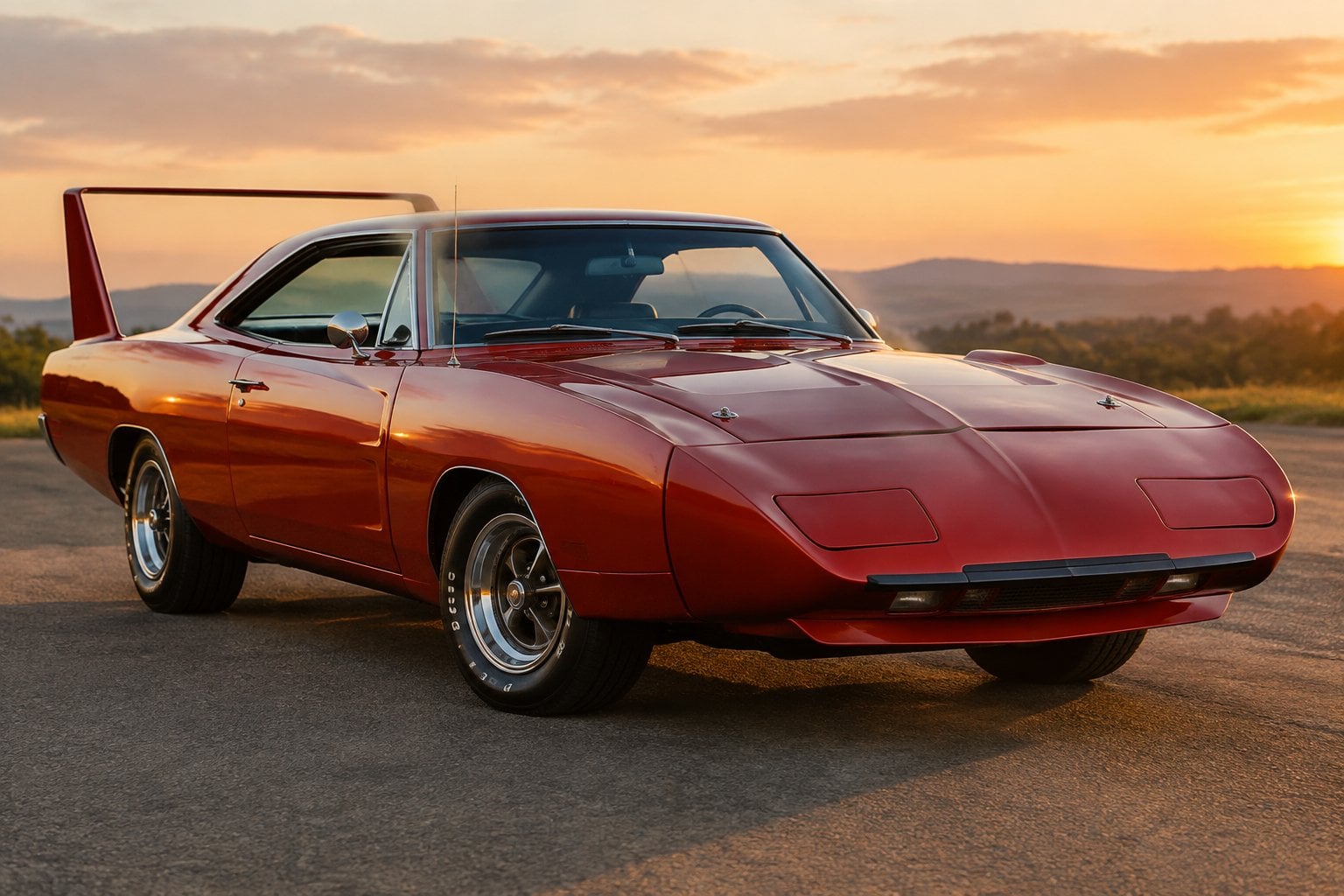
You can recognize the Charger Daytona by its pointed nose cone and tall rear wing. Dodge built it to win on NASCAR superspeedways, and the aerodynamic changes worked. In 1970, Buddy Baker drove a Daytona past 200 mph on a closed course, a first for NASCAR.
Dodge produced about 503 Daytonas for 1969. Only around 70 left the factory with the 426 Hemi V8, rated at 425 horsepower.
That rarity drives the prices you see today. At Mecum’s 2024 Monterey auction, a Hemi four-speed example sold for $3.3 million. It was one of just 22 built with that combination and is known as the most highly optioned Hemi Daytona in existence.
The sale roughly doubled the previous record for the model. It also made this car the first winged Mopar to pass both the $2 million and $3 million marks at auction.
11. 1970 Plymouth Superbird Hemi
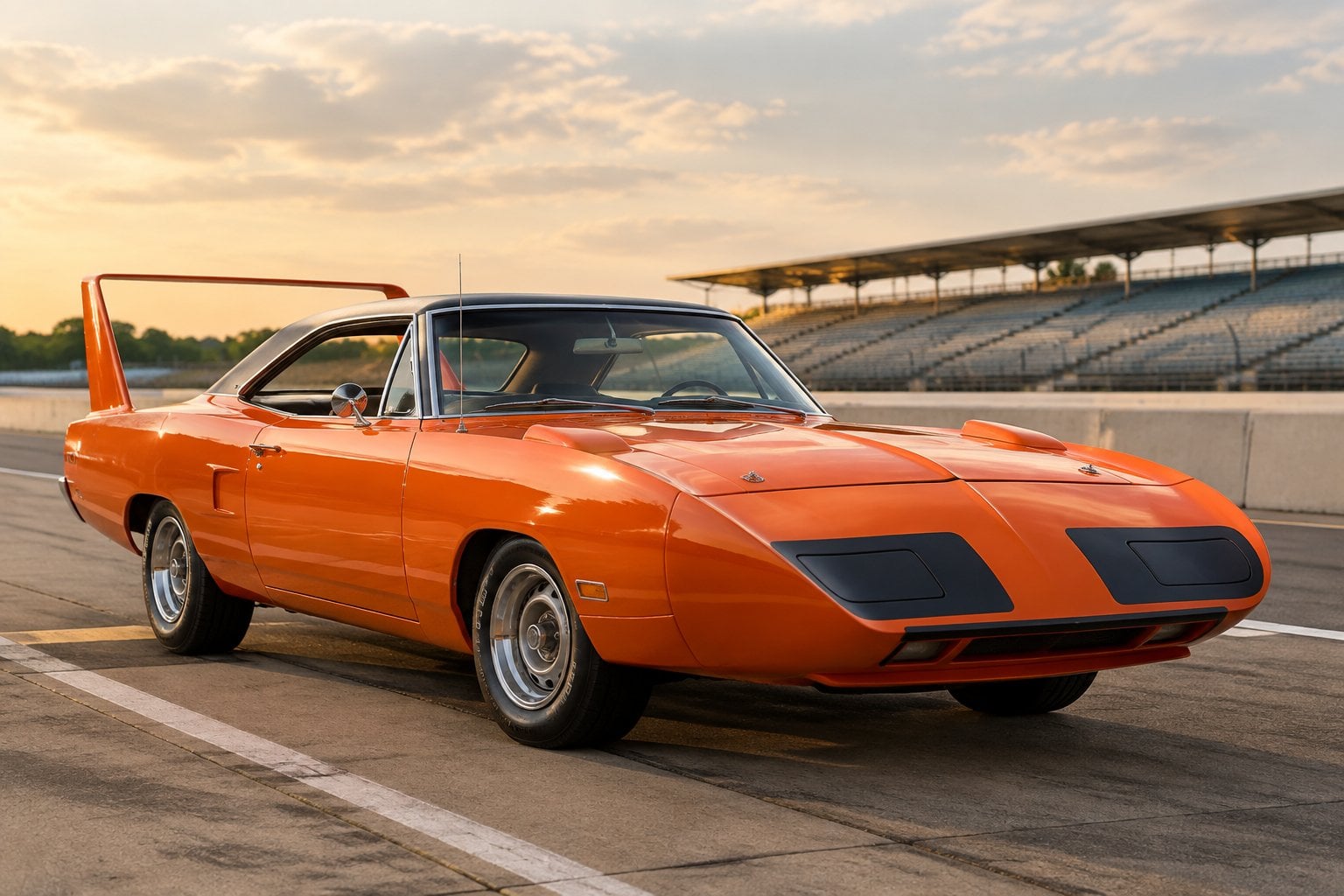
The Plymouth Superbird was built for one year only, 1970, to meet NASCAR homologation rules. You can spot it by its pointed nose cone and tall rear wing, both designed to improve high-speed stability on superspeedways.
Plymouth built fewer than 2,000 Superbirds, and only 135 left the factory with the 426 Hemi V8. That engine was rated at 425 horsepower and added nearly $1,000 to the $4,298 base price. In return, you got 0-60 mph times of around 4.8 seconds.
Today, the Hemi cars are the most valuable Superbirds. In 2022, an all-original example sold at Barrett-Jackson Las Vegas for $1.65 million, a record for the model.
Prices vary widely by condition and history. A pristine Hemi Superbird brought $803,000 at Mecum Kissimmee in 2025.
12. 1969 Ford Mustang Boss 429
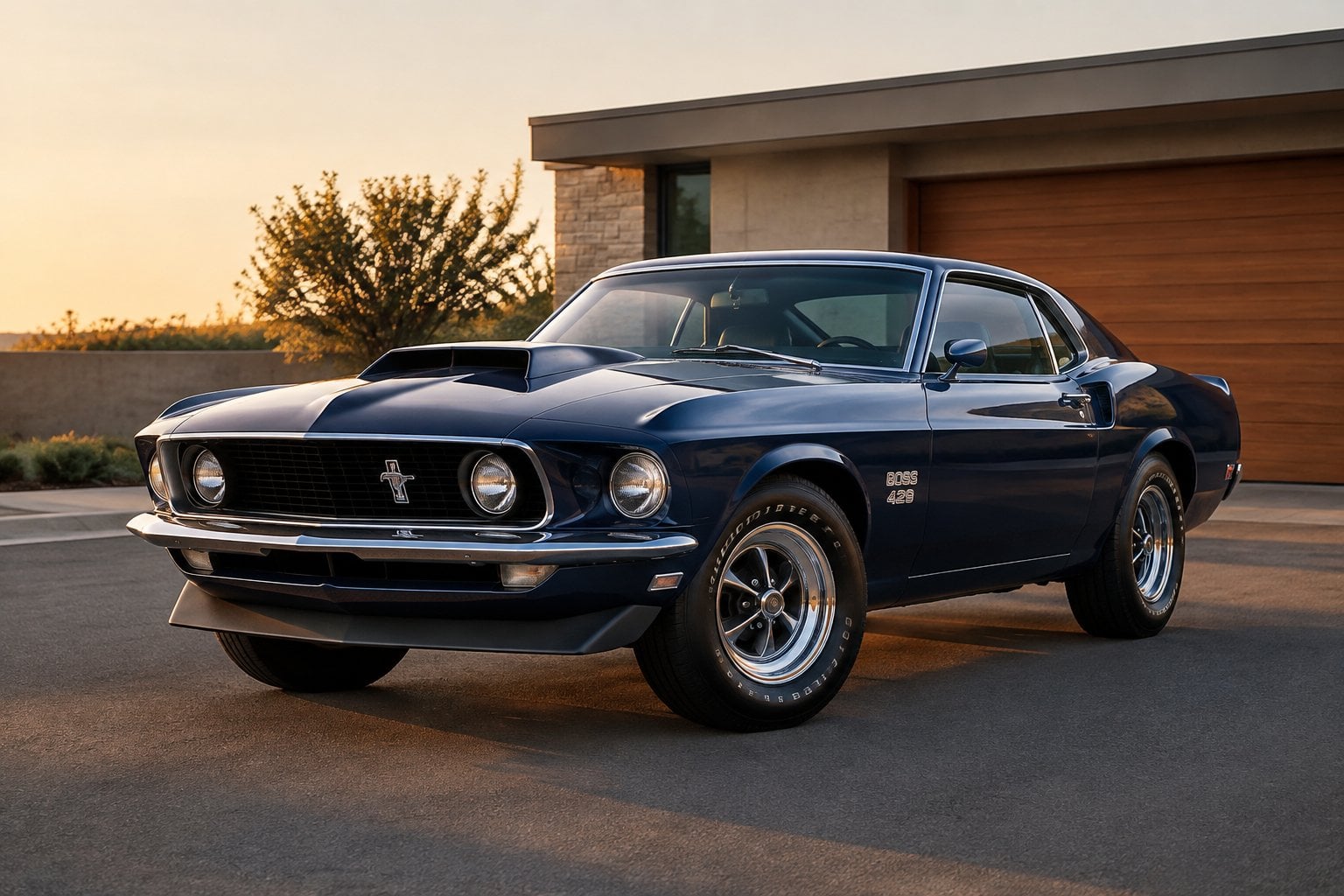
The Boss 429 exists because Ford needed to homologate its new semi-hemispherical 429 cubic-inch V8 for NASCAR. To meet that requirement, Ford installed the engine in a limited run of Mustangs.
The engine was so large that the cars had to be modified by Kar Kraft in Brighton, Michigan. Ford built only about 859 for the 1969 model year. The official rating was 375 horsepower, though many enthusiasts believe the real output was higher.
If you are shopping for one today, expect to pay roughly $175,000 to $580,000, depending on condition, originality, and documentation. Exceptional survivors can bring far more.
An unrestored, low-mileage example sold at Barrett-Jackson for a $950,000 hammer price. With fees included, the total reached $1,045,000. That sale shows how much you may need to spend for a well-preserved original car with documented history.
13. 1970 Ford Mustang Boss 429
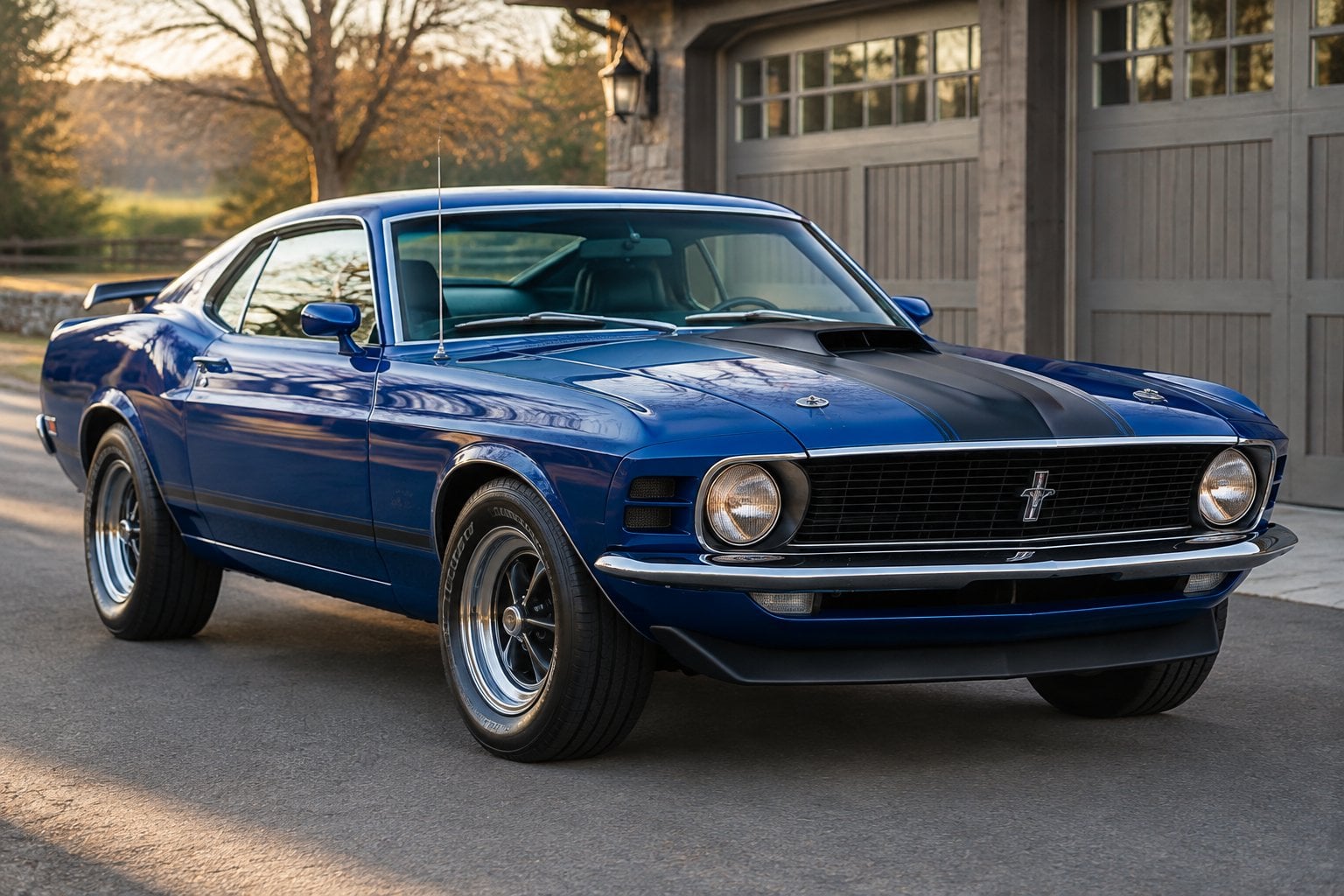
The Boss 429 existed so Ford could homologate its semi-hemispherical 429 cubic-inch V8 for NASCAR. You got a race-derived engine packed into the Mustang’s engine bay, which required significant modifications by Kar Kraft to fit.
Ford rated the engine at 375 horsepower and 450 lb-ft of torque. Many period testers believed the actual output was higher.
Production was limited. Ford built 859 units for 1969 and roughly 499 for 1970, making the second-year car the rarer of the two.
When new, the Boss 429 carried a price of about $4,087, the most expensive non-Shelby Mustang at the time. Today, you should expect to pay far more.
The auction record for the model stands at $660,000. A 1969 car and a 1970 car share that record.
14. 1969 Ford Mustang Shelby GT500 Super Snake
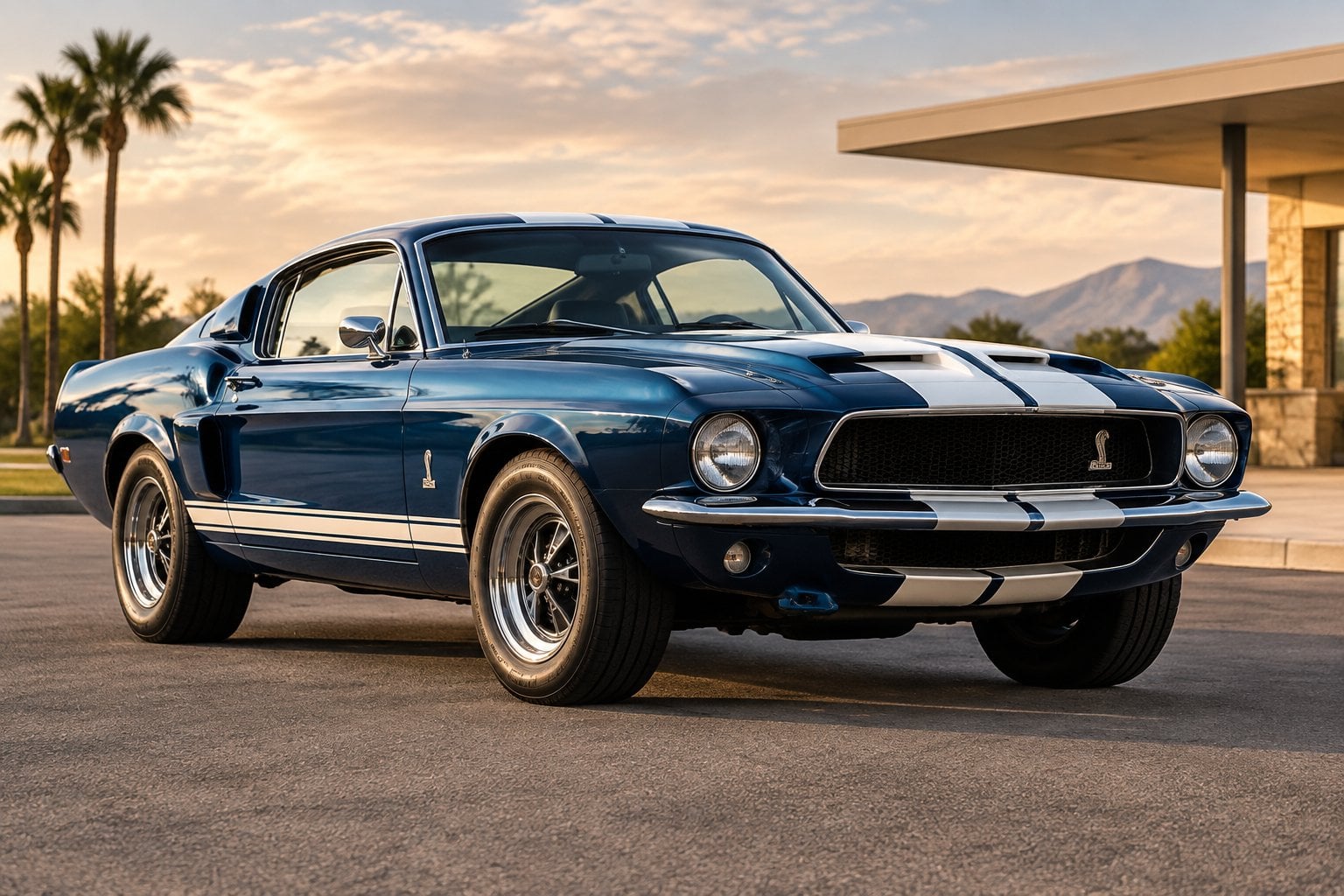
If you search for a 1969 GT500 Super Snake, you should know that Ford never offered it as a factory model. The original Super Snake was a single 1967 GT500 built for Goodyear tire testing, and that car has sold for over $2 million.
The 1969 GT500 itself came with the 428 Cobra Jet V8. Ford rated it at 335 horsepower, though its real output was widely believed to be higher.
For 1969, Shelby gave the car a longer fiberglass front end, extra hood scoops, and a more luxury-focused interior. It was also the last Shelby Mustang Carroll Shelby had meaningful involvement with. Ford retitled unsold cars as 1970 models.
Many 1969 GT500s have since received Super Snake-style modifications. When you evaluate one, check the documentation carefully, since original, unmodified examples typically bring the strongest prices at auction.
15. 1967 Shelby GT500 Super Snake
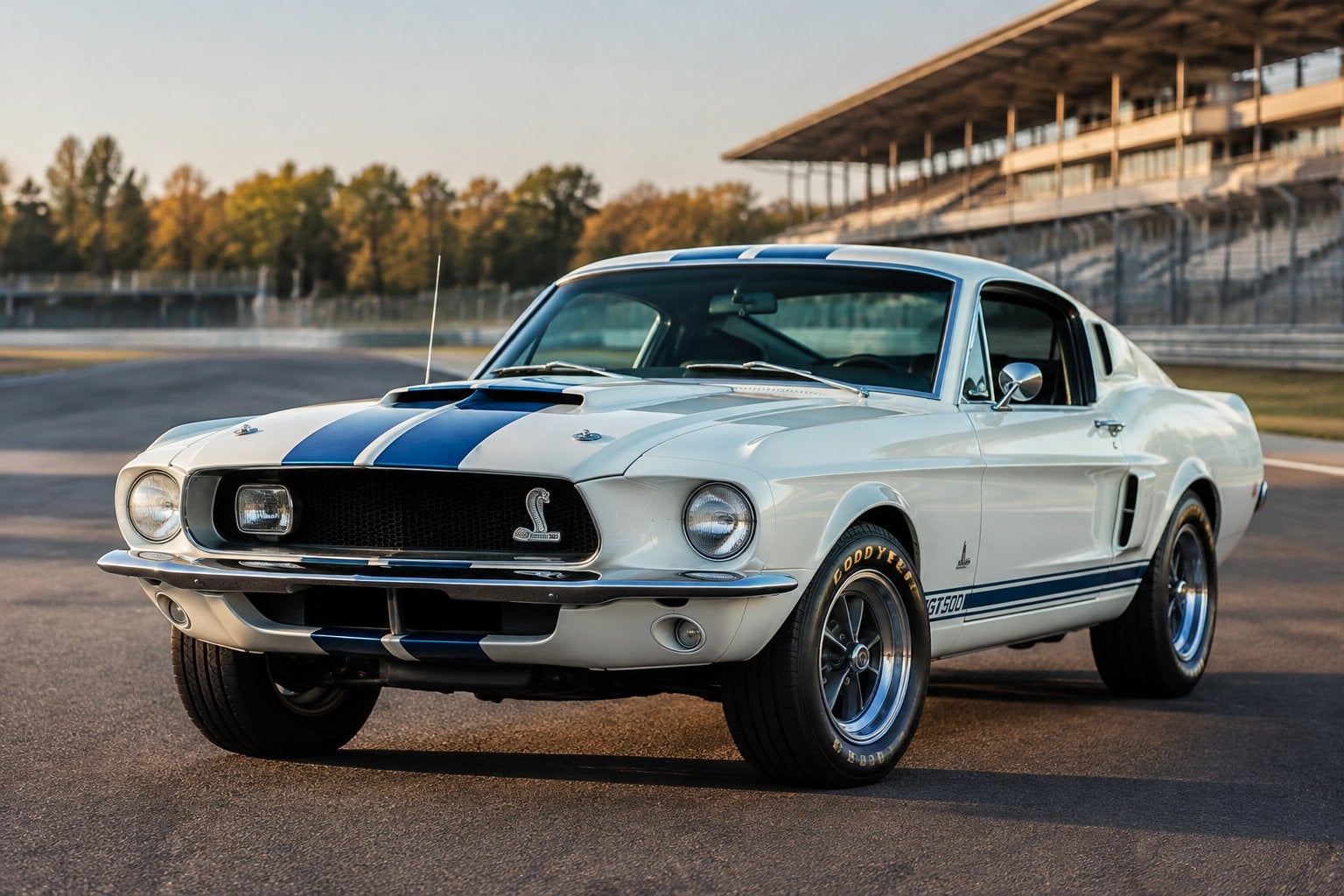
The 1967 Shelby GT500 Super Snake is a true one-of-one. It came from a suggestion by Don McCain, a car dealer and former Shelby American employee, who wanted a Mustang that sat above the standard GT500.
Under the hood, you find a 427-cubic-inch V-8 taken from Ford’s GT40 Mk II racing program. During a tire test, the car reached about 170 mph.
A planned limited production run never happened. The projected price of nearly $8,000 was more than a 427 Cobra cost, and buyers showed little interest.
That left only the test car. It sold for $1.3 million at Mecum in 2013, setting the record for a Mustang at auction.
In January 2019, it crossed the block again at Mecum’s Kissimmee sale. This time, you would have needed $2.2 million to take it home, and the car broke its own record.
16. 1969 Dodge Charger R/T Hemi
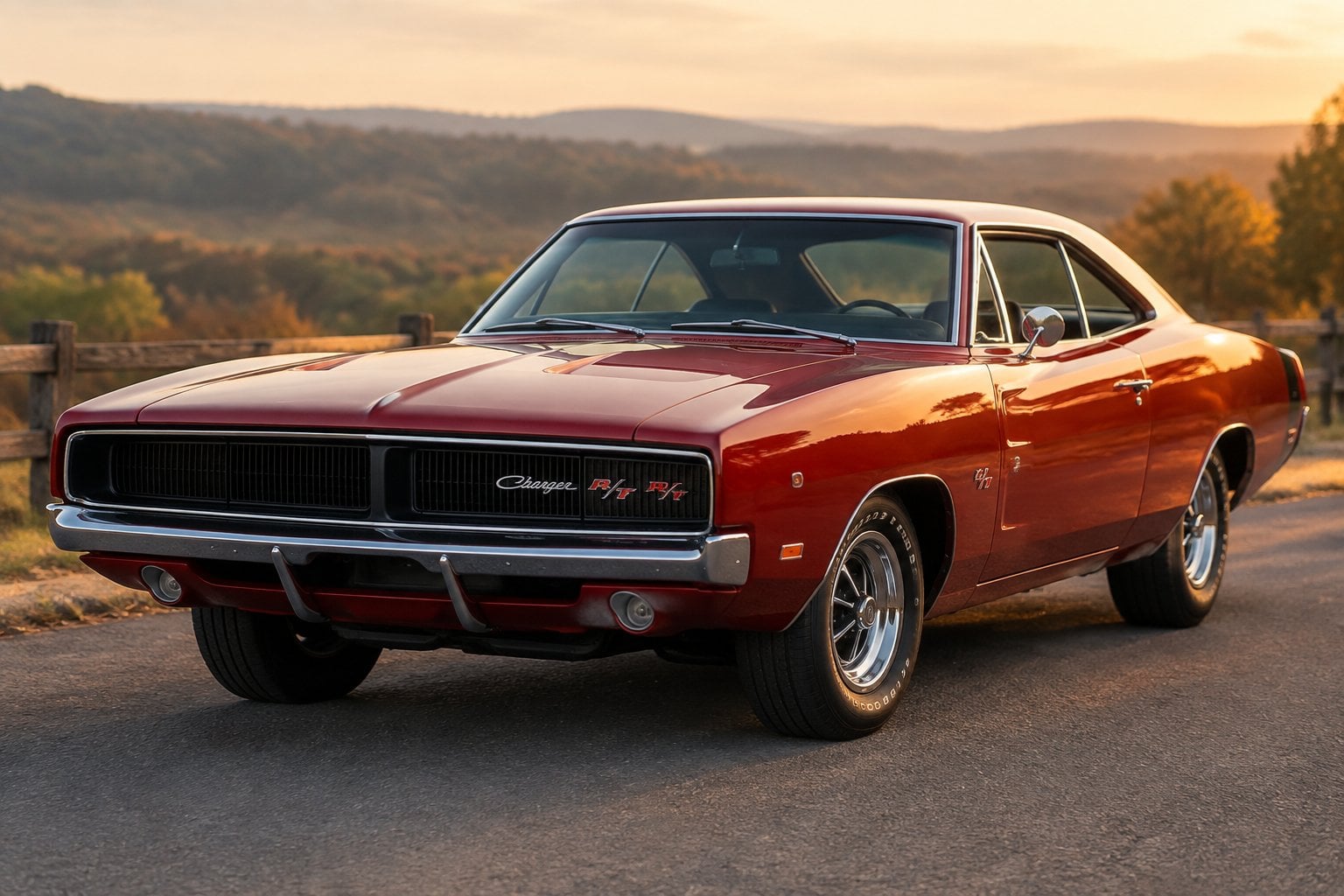
The 1969 Charger R/T kept the “Coke bottle” body, hidden headlights, and recessed rear window from the 1968 redesign. Dodge added a split grille and new taillamps for the model year.
The optional 426 Street Hemi V8 was rated at 425 horsepower. Few buyers paid for it, so only a few hundred Hemi Chargers were built that year.
That scarcity drives today’s prices. In 2026, you can expect an authenticated 1969 Hemi Charger R/T to sell for roughly $200,000 to $380,000, and exceptional cars can bring more at major auctions.
Transmission choice affects value. A one-of-one automatic example sold for $176,000 at Mecum Harrisburg in 2025, a record for an automatic 1969 Hemi Charger. Four-speed manual cars typically sell for more.
If you are shopping for one, confirm the documentation and numbers-matching drivetrain before you pay a Hemi premium.
17. 1970 Dodge Challenger R/T Hemi
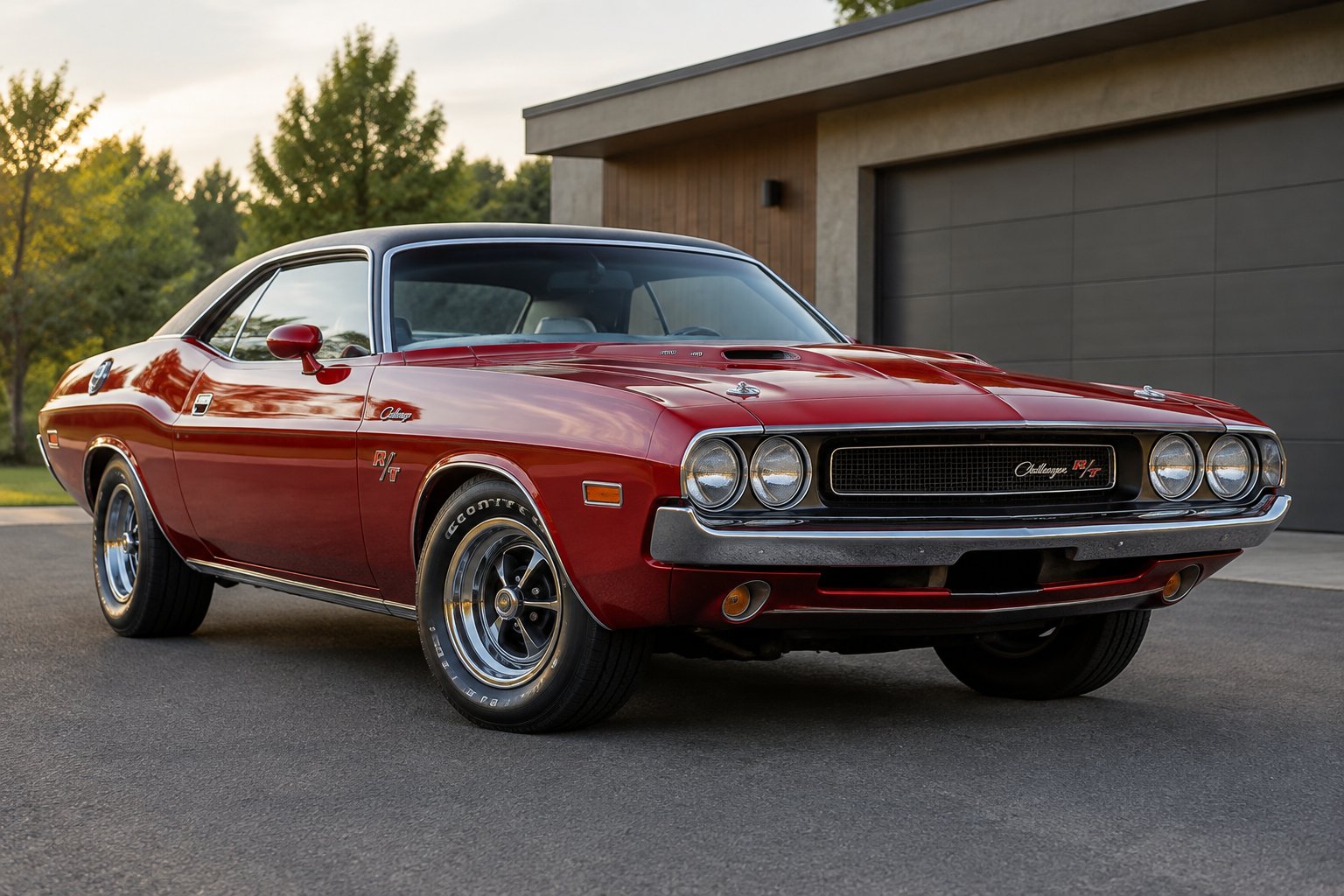
The 1970 model year was the Challenger’s first, and Dodge offered it with the 426 Hemi V8. That engine was rated at 425 horsepower. You could pair it with a four-speed manual or a TorqueFlite automatic.
Hemi cars were rare from the start. Roughly 356 Challengers left the factory with the engine in 1970, which is less than 0.5% of total Challenger production that year. Plymouth built noticeably more Hemi ‘Cudas, so the Dodge version is the harder car to find.
If you’re shopping for one, expect to pay a significant premium for documentation and original components. A numbers-matching R/T hardtop with a four-speed and a 4.10:1 Dana rear sold for $385,000 at Barrett-Jackson’s Palm Beach auction.
Convertibles are a separate category. Only nine Hemi R/T convertibles were built, and examples have sold for well over $1 million.
18. 1971 Dodge Challenger R/T Hemi
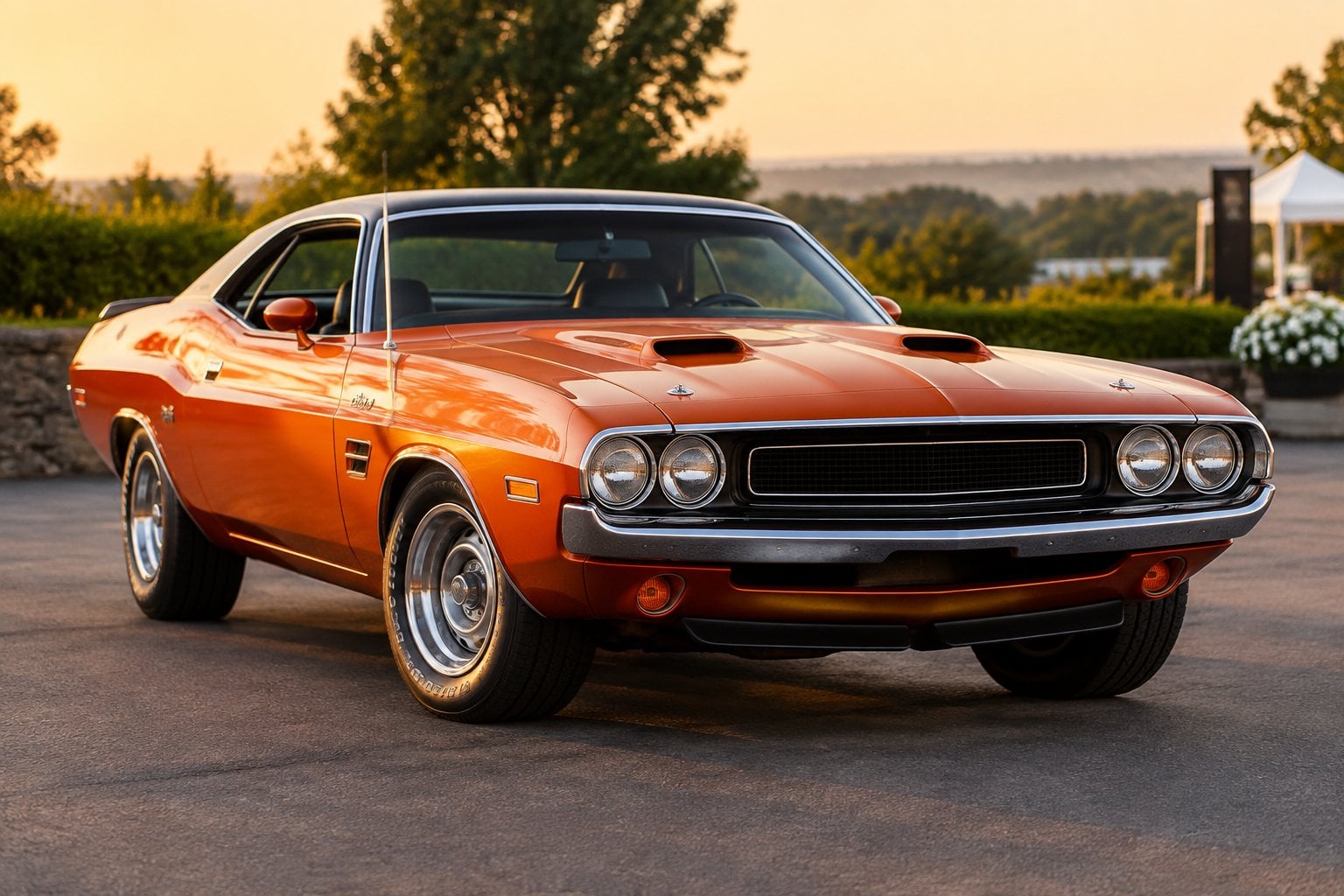
If you want one of the rarest Challengers, the 1971 R/T Hemi belongs near the top of your list. Dodge built only 71 of them that year, down from 356 in 1970.
The low number had clear causes. Insurance rates for high-performance cars were rising, and the Hemi was the most expensive engine option Dodge offered.
Under the hood, you get the 426 Street Hemi, rated at 425 horsepower and 490 lb-ft of torque. It used dual four-barrel carburetors, and buyers could pair it with a four-speed manual or a TorqueFlite automatic.
The 1971 model year was also the last for the Street Hemi. Chrysler dropped the engine as emissions rules tightened and compression ratios came down across the industry.
Today, documented numbers-matching examples regularly sell for well into six figures. Original paperwork and factory-correct details have a large effect on the price you can expect to pay.
19. 1969 Plymouth Road Runner Hemi Convertible
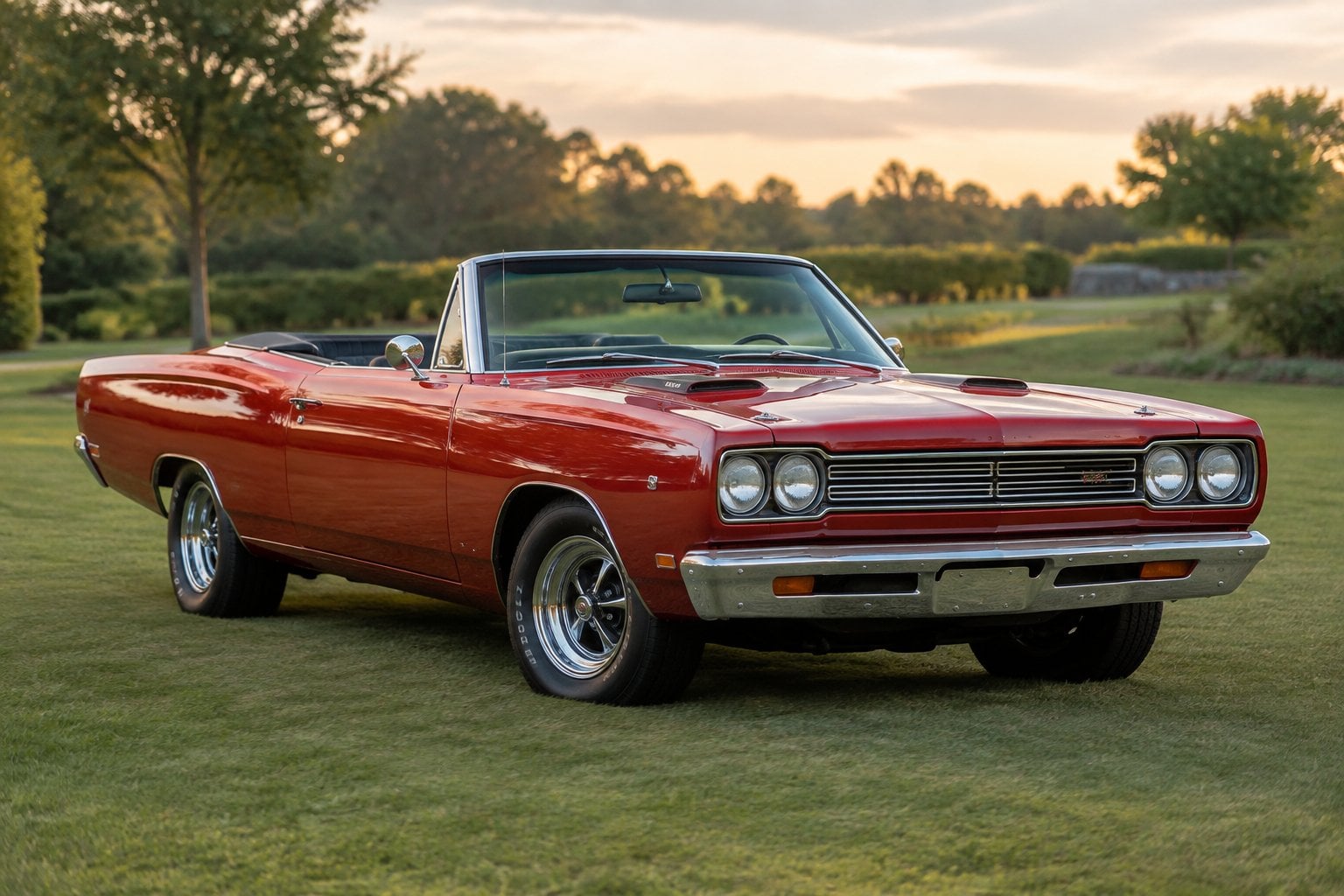
Plymouth added a convertible to the Road Runner lineup for 1969. It lasted only two model years, and you’ll find that 1969 accounts for most of the drop-tops built.
Just 2,128 Road Runner convertibles left the factory that year. Only about 10 of them came with the 426 Hemi, which makes this one of the rarest configurations of the car.
Under the hood, you get the 426 cubic-inch Hemi V8 with dual four-barrel carburetors, rated at 425 horsepower. Buyers could pair it with a four-speed manual or a TorqueFlite automatic. Many were also ordered with the new N96 Air Grabber hood.
If you’re shopping for one, documentation matters. Verified, date-code-correct examples regularly sell for several hundred thousand dollars at major auctions such as Mecum and Bring a Trailer. You should confirm the fender tag and broadcast sheet before bidding.
20. 1970 Plymouth Road Runner Hemi Convertible
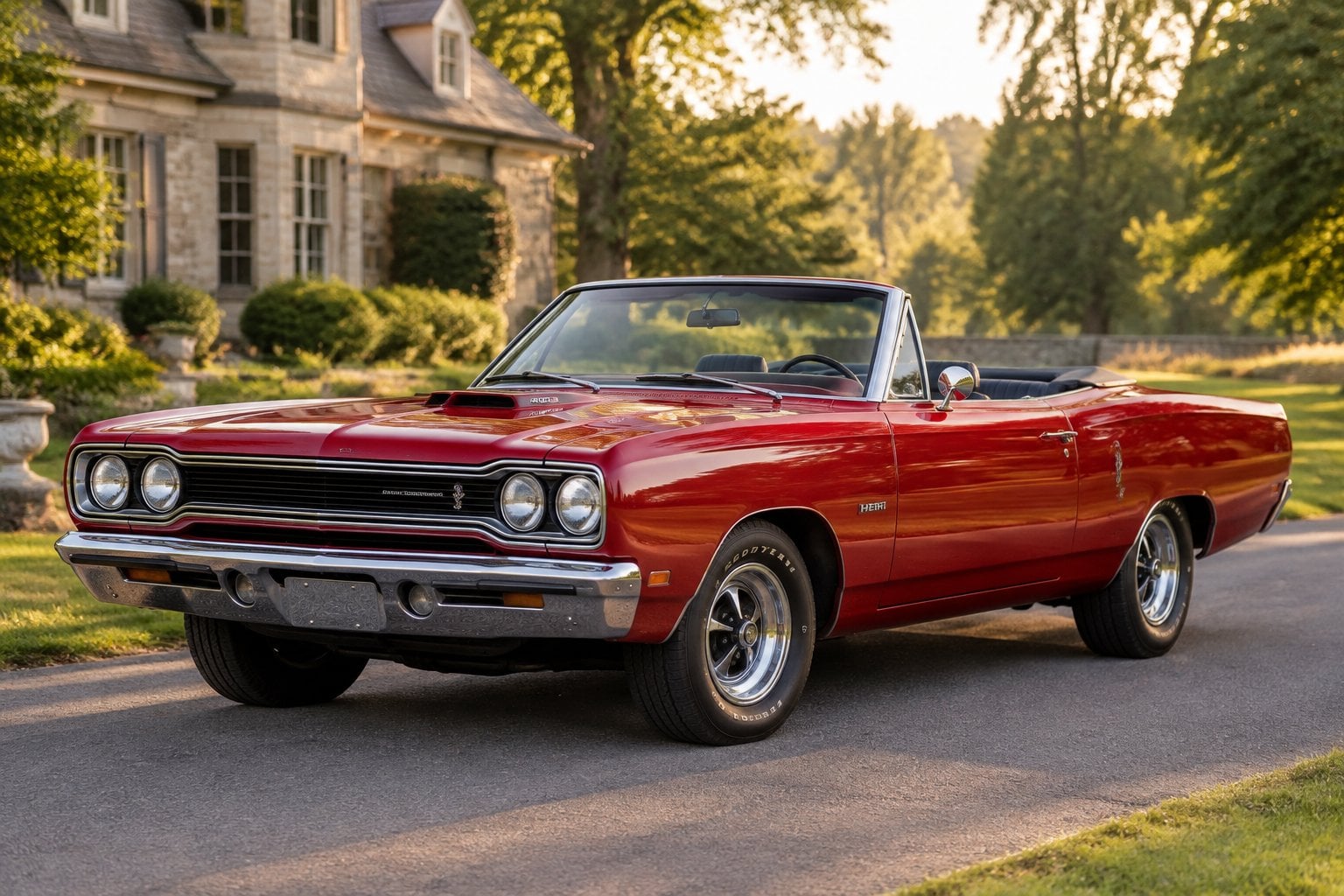
If you want one of the rarest Road Runners ever built, this is the one to look for. Plymouth offered the Road Runner convertible for only two model years, 1969 and 1970.
In 1970, Plymouth built 824 Road Runner convertibles. Only a handful of those, commonly cited as just three, left the factory with the 426 Hemi.
That engine was rated at 425 horsepower. It turned a budget-focused muscle car into one of the strongest performers in the Mopar lineup.
The rest of the car kept the Road Runner’s simple approach, with a B-body platform and few luxury extras. You paid for the engine, not the trim.
Because so few exist, you will rarely see one offered for sale. When a documented example does reach auction, it typically sells for far more than a standard Road Runner hardtop.
21. 1971 Plymouth Road Runner Hemi Convertible
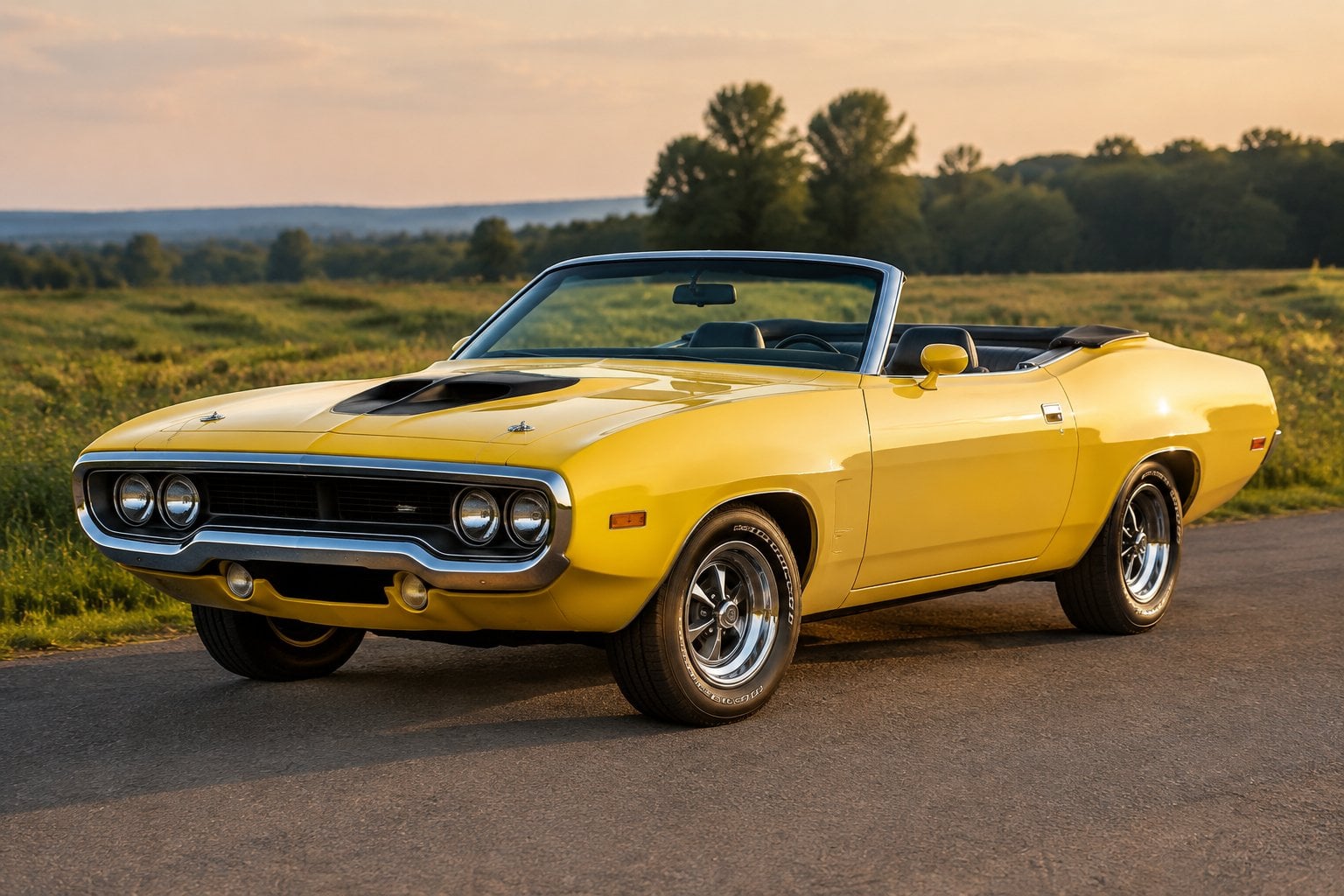
If you go looking for a factory 1971 Road Runner Hemi convertible, you won’t find one. Plymouth dropped the Road Runner convertible after 1970, and the redesigned 1971 body came only as a hardtop coupe.
That means any 1971 Road Runner convertible you see for sale is a conversion. You should check the fender tag and VIN closely before paying a premium.
The genuine 1971 Hemi Road Runner is still rare. Only about 59 were built with the 426 Hemi, and roughly 28 of those had a 4-speed manual.
Values show that rarity. A 4-speed example offered at Mecum Kissimmee in January 2025 carried an estimate of $200,000 to $250,000.
The 1971 model year was also the last time you could order a Hemi in a Road Runner. The engine left Plymouth’s production cars after that year.
22. 1969 Plymouth GTX Hemi Convertible
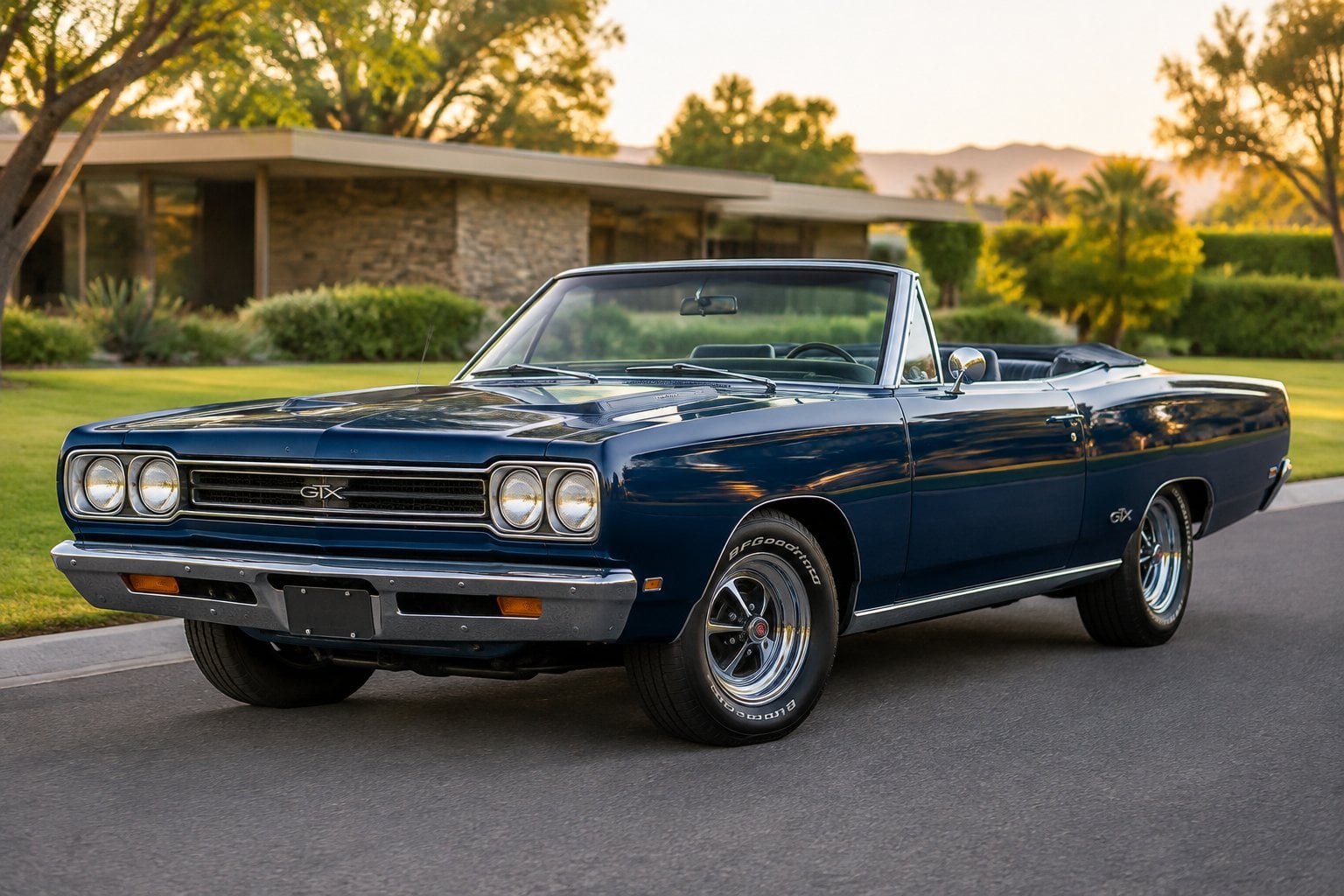
The GTX was Plymouth’s upscale muscle car, and 1969 was the last year you could order it as a convertible. Plymouth built only 2,406 GTX convertibles across the 1967 to 1969 model years.
The standard engine was the 375-horsepower 440. For about $700 more, you could step up to the 426 Hemi, rated at 425 horsepower. Few buyers chose that option in a convertible.
Only a handful of 1969 Hemi convertibles were produced. Sources count about five with the four-speed manual. You can confirm a genuine factory Hemi car by the “J” engine code in the VIN.
Hagerty reports a top auction result of $253,000 for a 1969 GTX in recent years. A documented Hemi convertible with its original drivetrain can bring well above standard GTX values, so you should expect to pay a strong premium.
23. 1970 Plymouth GTX Hemi Convertible
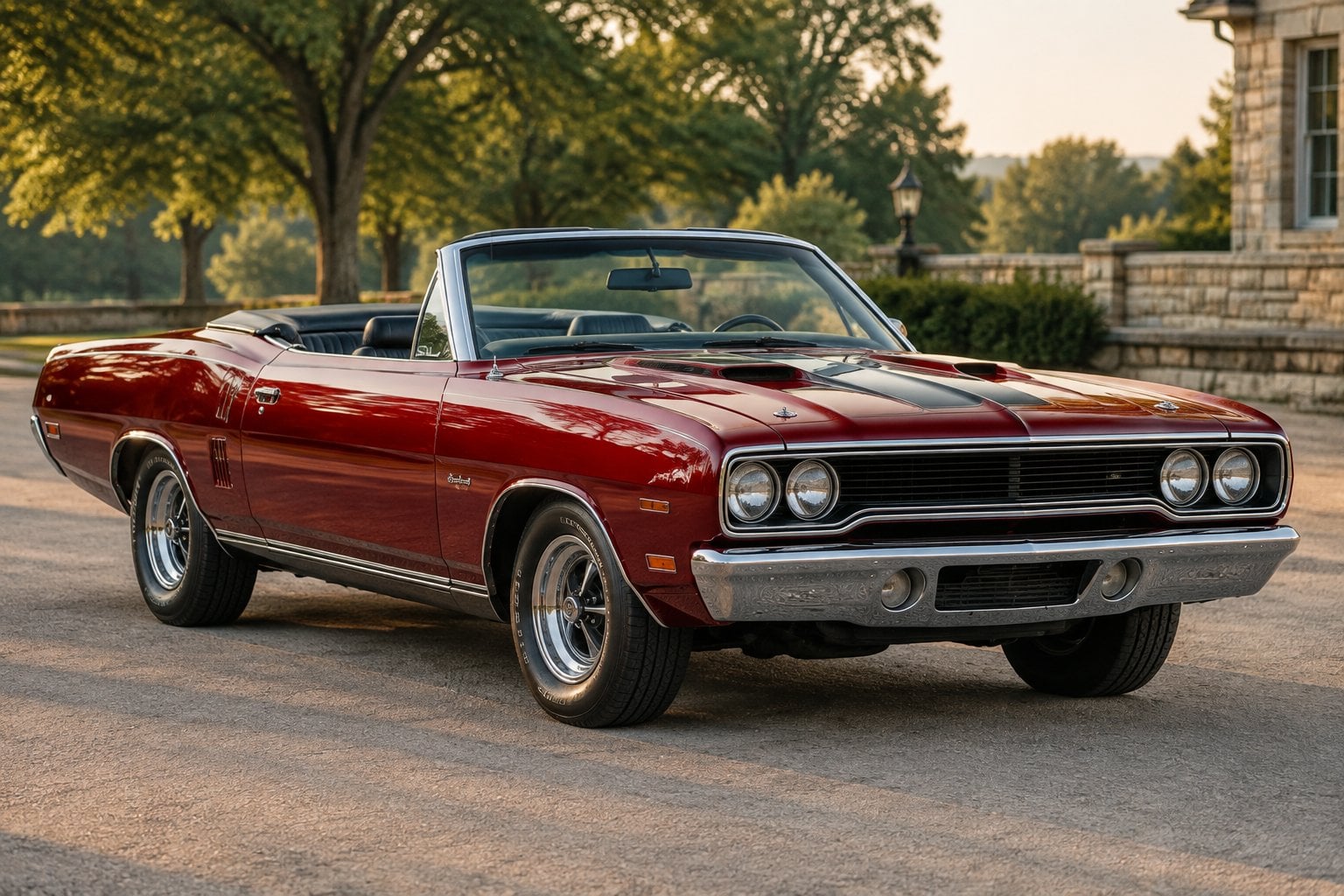
Before you shop for this car, you should know one key fact. Plymouth did not offer a GTX convertible for 1970. The body style ended after 1969, and the 1970 GTX was sold only as a two-door hardtop.
That means any 1970 GTX Hemi convertible you find is almost certainly a converted or recreated car. You should ask for documentation such as a fender tag and build sheet before you pay a premium.
The factory 1970 GTX is still a valuable car. Plymouth built 7,748 GTXs that year, and only 72 had the 426 Street Hemi, rated at 425 horsepower.
The standard engine was the 375-hp 440 Super Commando, and the 440 Six Barrel with three two-barrel carburetors made 390 hp. If you want a genuine Hemi GTX, you are looking at a small pool of cars. Numbers-matching examples often sell for well into six figures.
24. 1971 Plymouth GTX Hemi Convertible
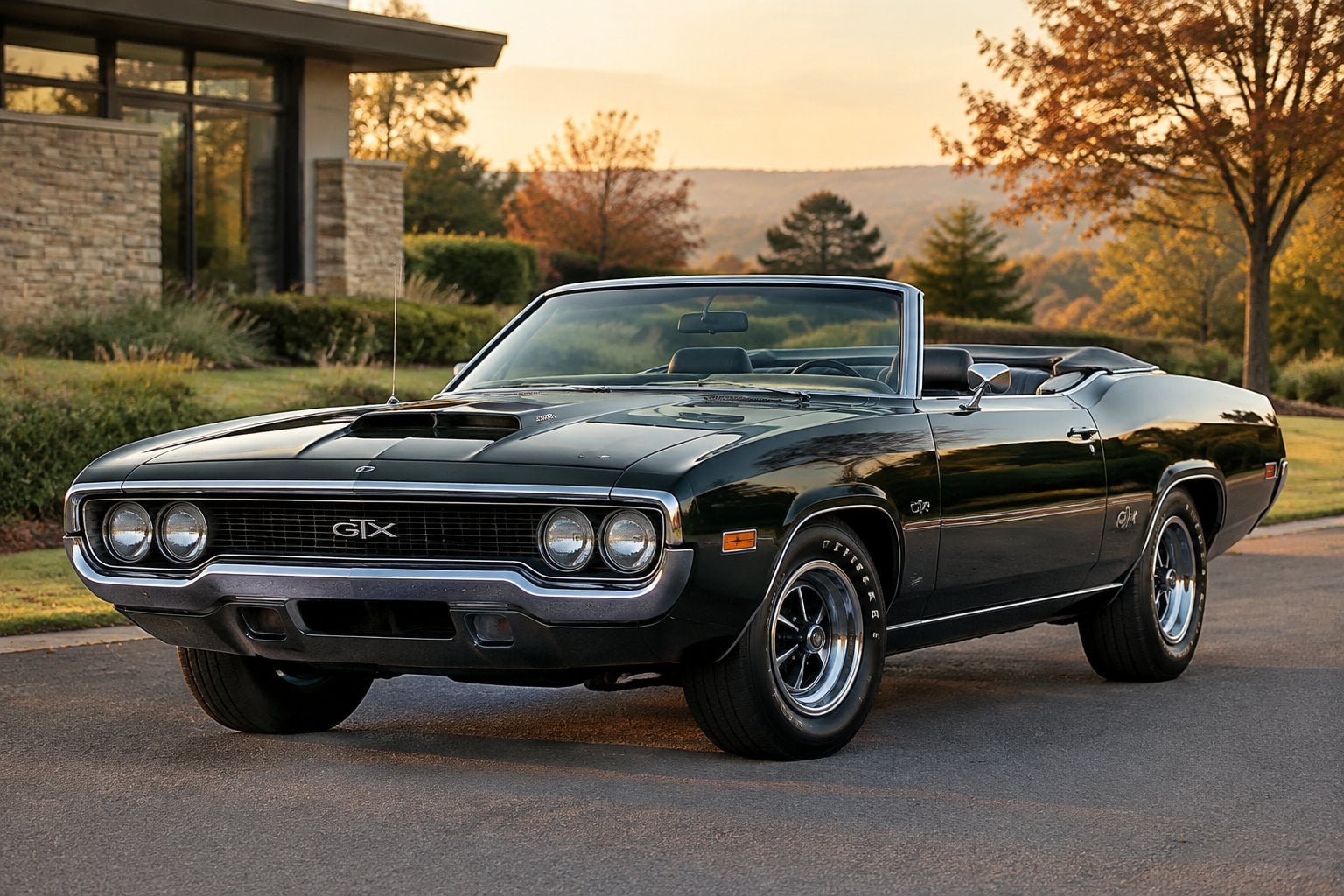
If you are searching for a factory 1971 Plymouth GTX Hemi convertible, you should know that Plymouth did not build one. The GTX convertible ended after 1970, and the redesigned 1971 GTX came only as a two-door hardtop.
Any 1971 GTX convertible you find is a conversion. These cars can be well built, but they do not carry the value of factory-original examples.
The real value lies in the 1971 Hemi GTX hardtop. It was the final year for both the GTX and the street 426 Hemi, which produced 425 horsepower. Production was very low, with roughly 30 Hemi GTX cars built.
That scarcity drives the prices. One unrestored, highly optioned example with a factory sunroof sold for about $374,000. Another 1971 Hemi GTX sold for more than $530,000.
Before you buy, verify the broadcast sheet and fender tag.
25. 1969 Pontiac GTO Judge Ram Air IV Convertible
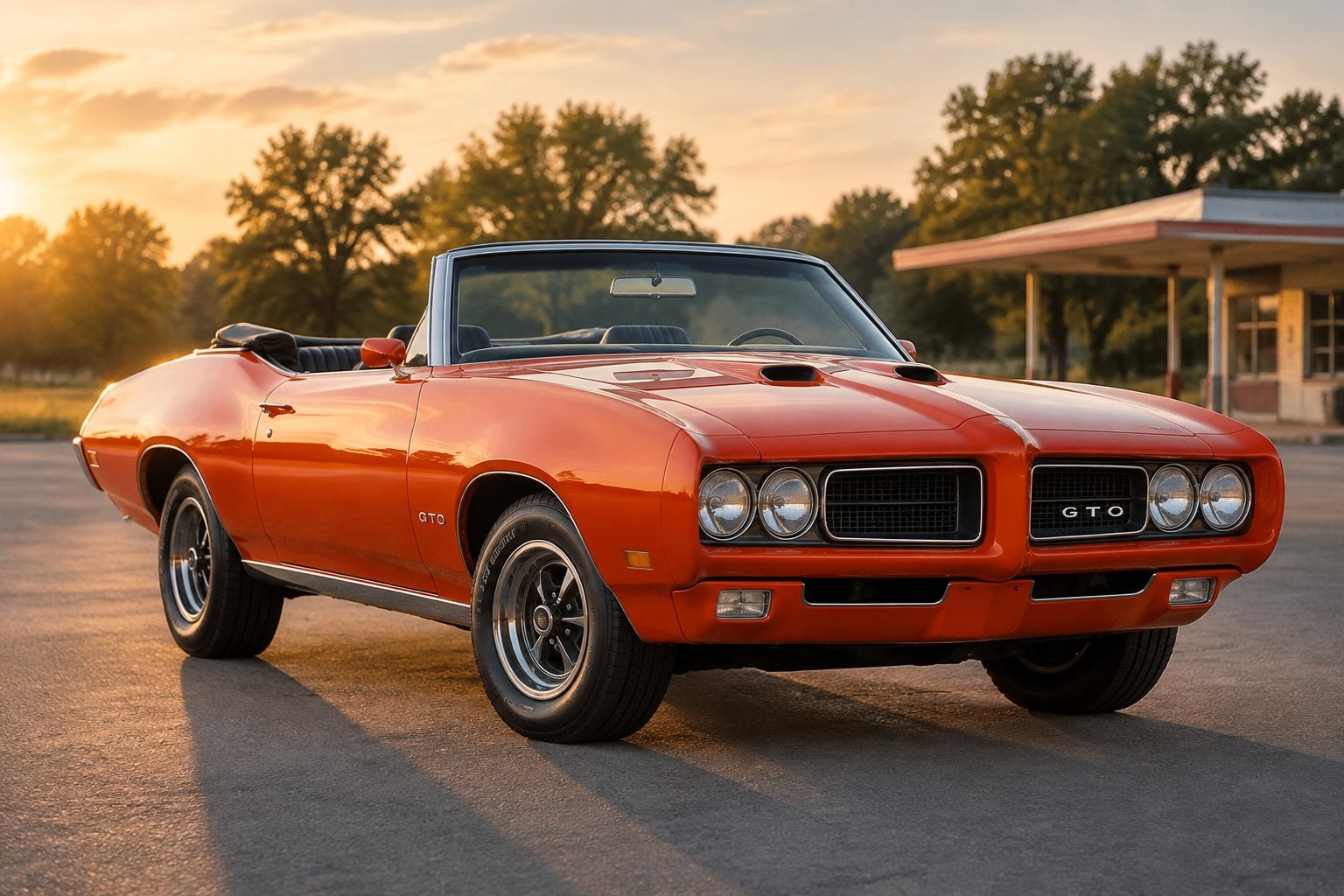
If you want one of the rarest GTOs ever built, this is the car to look for. Pontiac sold only 108 Judge convertibles in 1969, out of 72,287 GTOs in total.
Only a handful of those convertibles were ordered with the Ram Air IV engine. That was Pontiac’s top performance option, and it cost buyers an extra $389.68 at the time.
The Ram Air IV was a 400-cubic-inch V8 rated at 370 horsepower. Many enthusiasts believe the real output was higher. When Car and Driver tested a 1969 Judge with this engine, it ran the quarter-mile in 13.7 seconds at 103.6 mph.
You also get the Judge’s bright paint colors, stripes, and rear spoiler. With so few built, documented examples are hard to find. Verified cars regularly sell for several hundred thousand dollars at major auctions.
26. 1970 Pontiac GTO Judge Ram Air IV Convertible
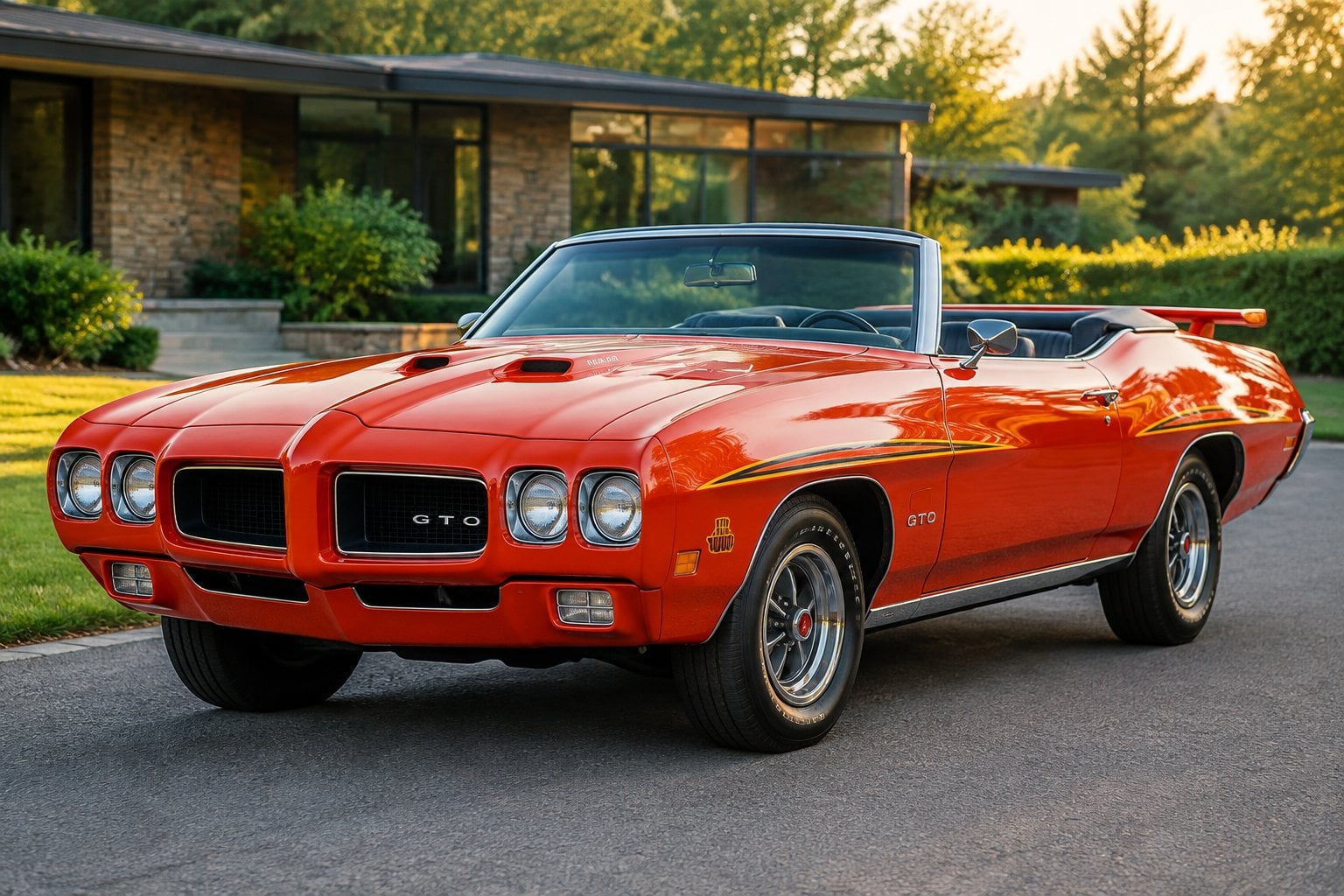
If you want one of the hardest Pontiacs to find, this is it. Only 17 GTO Judge convertibles left the factory with the Ram Air IV engine in 1970, and roughly 12 are reported to survive.
The Ram Air IV was a 400-cubic-inch V8 rated at 370 horsepower. It used freer-flowing cylinder heads, an aggressive camshaft, and functional hood scoops. Buyers could pair it with either a four-speed manual or a three-speed Turbo Hydra-Matic automatic.
The Judge package added bold stripes, a rear spoiler, and distinctive badging. Combined with the convertible body, it created a very small production run.
That scarcity shows up in the price. One example sold at a Mecum auction for $1.1 million, making it one of the most expensive Pontiacs ever sold. Ownership comes with added responsibility, since original parts and documentation are difficult to replace.
27. 1969 Pontiac Trans Am Ram Air IV
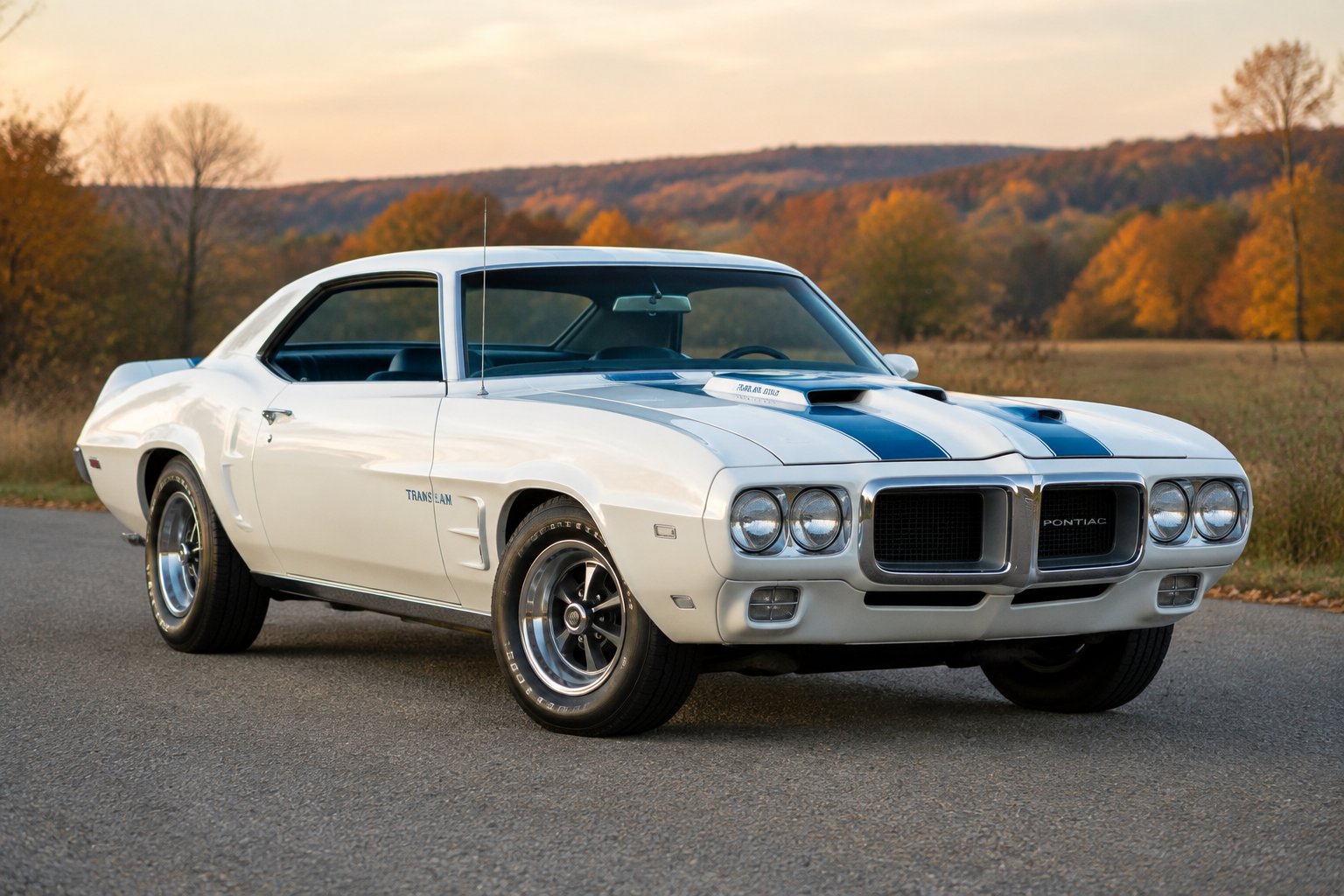
If you want one of the rarest first-year muscle cars, the 1969 Trans Am Ram Air IV belongs on your list. Pontiac built only 697 Trans Ams that year. The car was introduced with little promotion.
Most buyers chose the standard Ram Air III engine. Only 55 Trans Ams received the 400-cubic-inch Ram Air IV V8, and just nine of those were paired with the Turbo 400 automatic transmission.
Pontiac rated the Ram Air IV at 345 horsepower. Many enthusiasts consider that figure conservative. The engine used round-port heads, an aluminum intake, and a more aggressive camshaft than the Ram Air III.
Every Trans Am came in Cameo White with Tyrolean Blue stripes. You will also find a rear spoiler and functional hood scoops.
When a documented, matching-numbers example reaches auction, you can expect bidding to climb well into six figures.
28. 1970 Pontiac Trans Am Ram Air IV
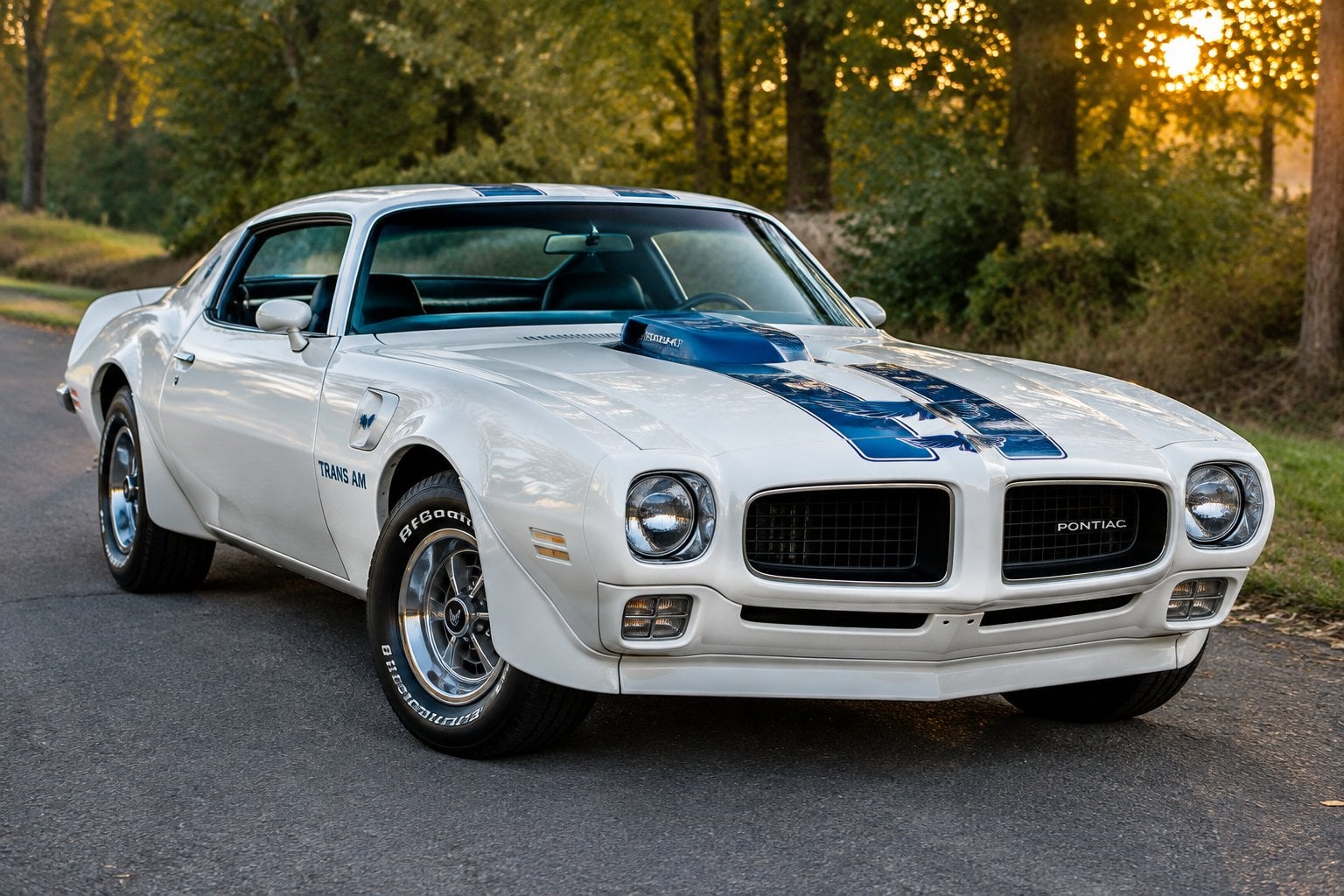
If you want one of the rarest Firebirds ever built, the 1970 Ram Air IV Trans Am belongs on your list. Pontiac built only 88 of them, and the Ram Air IV option lasted just one year in the redesigned second-generation car.
Under the shaker scoop sat a 400-cubic-inch V8 rated at 370 horsepower at 5,500 rpm. That output matched the Ram Air IV in the GTO.
The Trans Am weighed about 150 pounds less than the GTO, which gave it an advantage in straight-line performance. Most examples were paired with a four-speed manual transmission and a performance rear axle.
Today, you should expect strong competition when one crosses the auction block. Documented, numbers-matching cars regularly bring prices well into six figures. Original paperwork and verified build history can add significantly to the value.
29. 1969 Chevrolet Camaro COPO ZL1
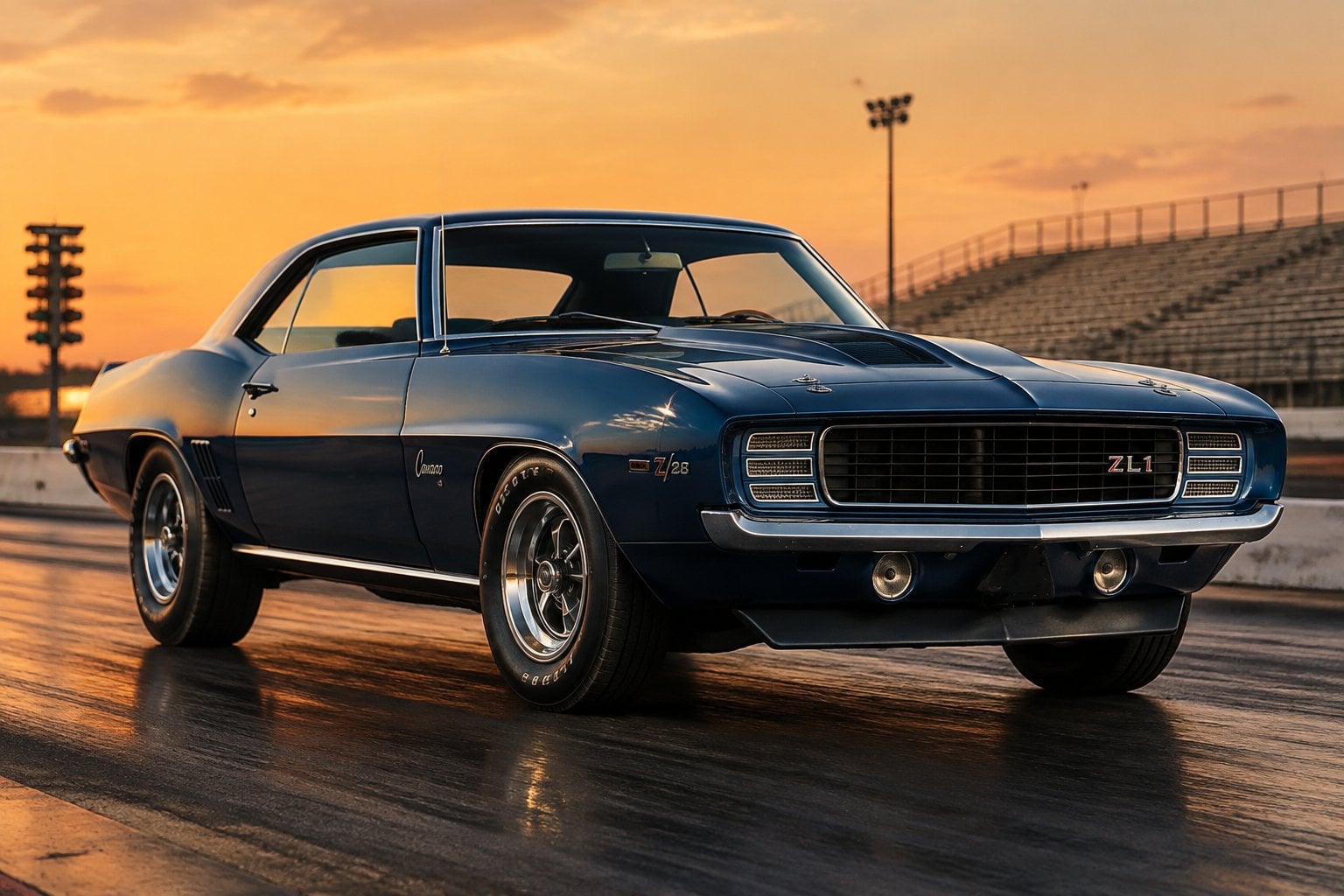
If you want one of the rarest first-generation Camaros, the 1969 COPO ZL1 is near the top of the list. Chevrolet built only 69 of them through the Central Office Production Order system, using code COPO 9560.
The key feature is the engine. The ZL1 used an all-aluminum 427 cubic-inch V8 derived from Can-Am racing. Chevrolet rated it at 430 horsepower, though you will find that actual output was considerably higher.
The car was developed largely for drag racing, with Fred Gibb Chevrolet in Illinois playing a major role in getting it built. At roughly $7,200, it cost about twice as much as a base Camaro. Some dealers struggled to sell theirs.
Today, the situation is reversed. You should expect to pay well over $1 million for a documented example, and auction sales have exceeded that figure.
30. 1970 Chevrolet Nova COPO 427
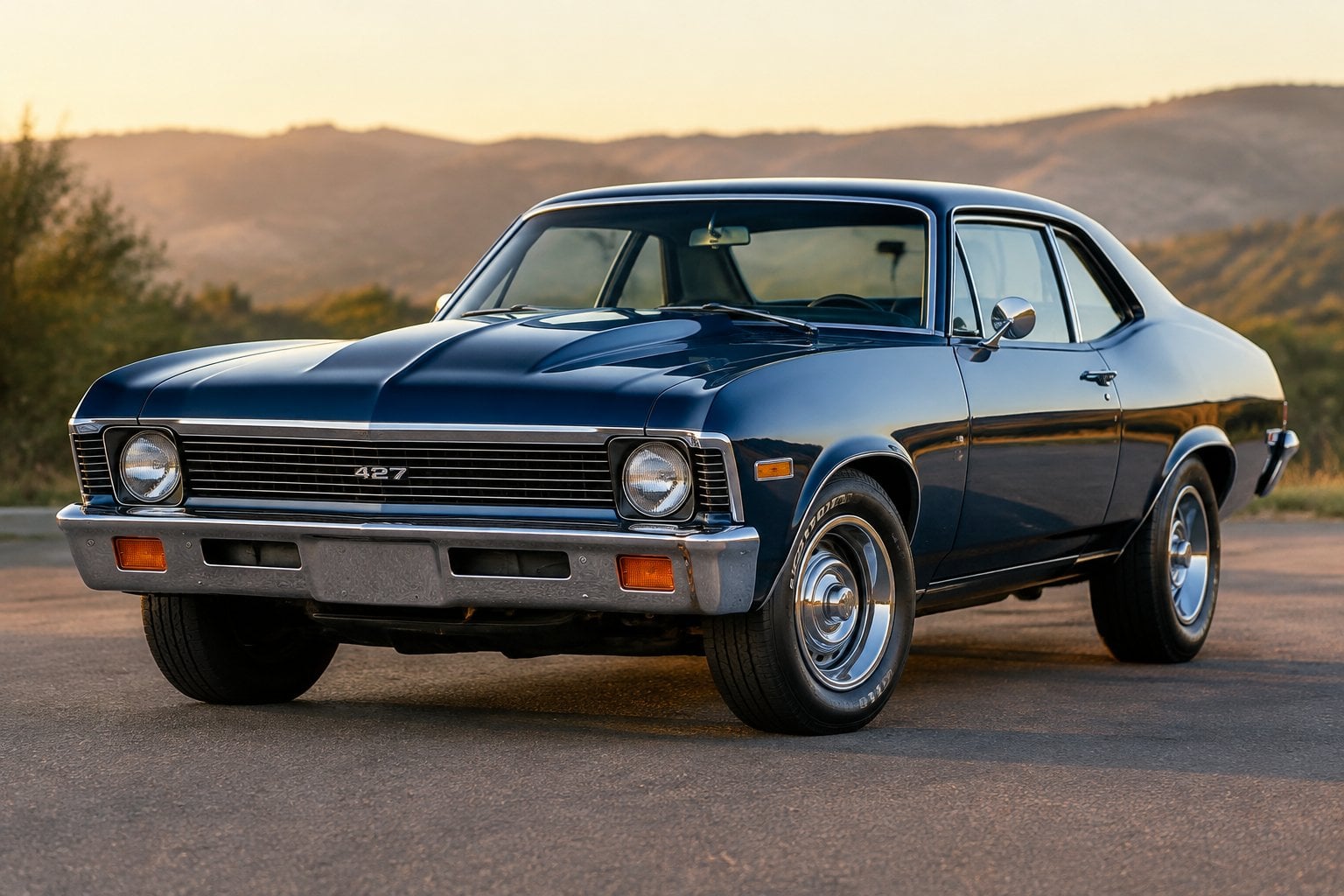
The 1970 Nova COPO 427 is one of the less familiar entries on this list. Chevrolet did not install 427 engines in Novas at the factory for retail sale. Instead, performance dealers used the Central Office Production Order (COPO) system to order heavy-duty Novas, then fitted them with 427 big-block V8s.
This setup gave you a compact, lightweight car with the power of a much larger muscle car. Very few were built, and documentation varies from car to car.
That paperwork matters if you plan to buy one. A properly documented dealer-built example can command a strong six-figure price at auction. Many 1970 Novas with 427 engines added later are sold instead, some for around $40,000.
You should verify the build records, dealer history, and original drivetrain components before paying a premium.
Defining the Golden Age of Muscle Cars
Most historians place the golden age of muscle cars between 1964 and 1974, a stretch bookended by the Pontiac GTO’s debut and new federal emissions standards. A true muscle car pairs a large V8 with a mid-size, rear-wheel-drive body at a price working buyers could afford.
Where the Era Begins and Ends
The era starts with the 1964 Pontiac GTO, which put a 389-cubic-inch V8 into the mid-size Tempest as an option package. Earlier cars like the 1949 Oldsmobile Rocket 88 used the same formula, but the GTO’s sales success pushed every Detroit brand to respond.
Output peaked in 1970, the year of the Chevelle SS 454 LS6 and the 426 Hemi ‘Cuda.
When you see auction listings, cars built from 1964 to 1972 typically draw the most interest.
What Qualifies as a Muscle Car
The core definition is narrow. A classic muscle car has:
- A mid-size, two-door body, such as the Chevelle, Charger, Road Runner, or GTO
- A large-displacement V8, usually a big-block
- Rear-wheel drive
- A focus on straight-line acceleration rather than handling
- An affordable base price for its performance level
Smaller pony cars like the Mustang, Camaro, and Challenger are commonly included when fitted with big engines.
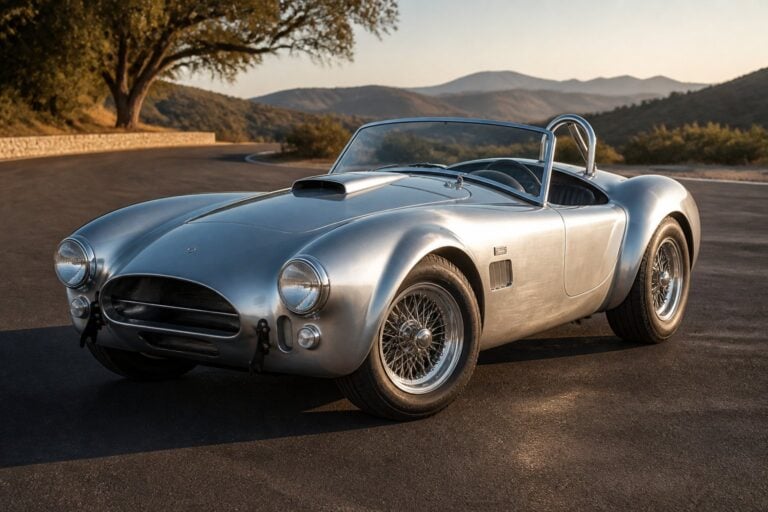
Cars like the Shelby Cobra are often grouped in, but you should know they are technically sports cars built for road racing.
Understanding Record-Setting Prices
Muscle car auction records depend on a car’s production numbers, documented history, and physical state. How you compare those records also depends on whether the figure includes buyer’s fees and what year the sale took place.
How Rarity, Provenance, and Condition Affect Value
Rarity is the starting point. Chrysler built only 11 Hemi ‘Cuda convertibles for the 1971 model year, and one sold for $3.5 million at Mecum in 2014. A standard ‘Cuda from the same year sells for a fraction of that amount.
Provenance is the car’s documented history. Broadcast sheets, build tags, dealer invoices, and ownership records confirm that a car left the factory with its current engine and options. A numbers-matching drivetrain can add a large premium over a similar car with a replacement engine.
Condition falls into three broad categories:
- Unrestored survivor: Original paint and interior, which many collectors value highly.
- Concours restoration: Rebuilt to factory-correct specifications.
- Restomod: Modified with modern parts, which usually sells for less than a correct original.
How Auction Fees and Inflation Affect Price Comparisons
When you read a sale price, check whether it is the hammer price or the total paid. Most major auction houses add a buyer’s premium, commonly around 10%, to the hammer price.
Inflation also affects how you compare sales from different years. A car that sold for $2 million in 2006 would equal roughly $3.2 million in 2026 dollars. A newer sale may therefore set a nominal record without being the highest price in real terms.
For accurate comparisons, confirm that every figure uses the same basis. That means either all hammer prices or all totals, adjusted to a single year.