
The 30 Worst Dodge Models Ever Made: A Definitive Ranking
Dodge has built a reputation on muscle cars, trucks, and bold styling choices. Not every model has lived up to that reputation, and some vehicles have stood out for the wrong reasons.
If you’re researching Dodge’s history, you’ll find models that faced quality issues, poor sales, or design decisions that didn’t resonate with buyers. This list breaks down the vehicles that most consistently show up when Dodge’s weakest efforts are discussed.
You’ll see the specific factors that made each model fall short, from mechanical problems to missed market expectations.
1. Dodge Aspen (1976–1980)
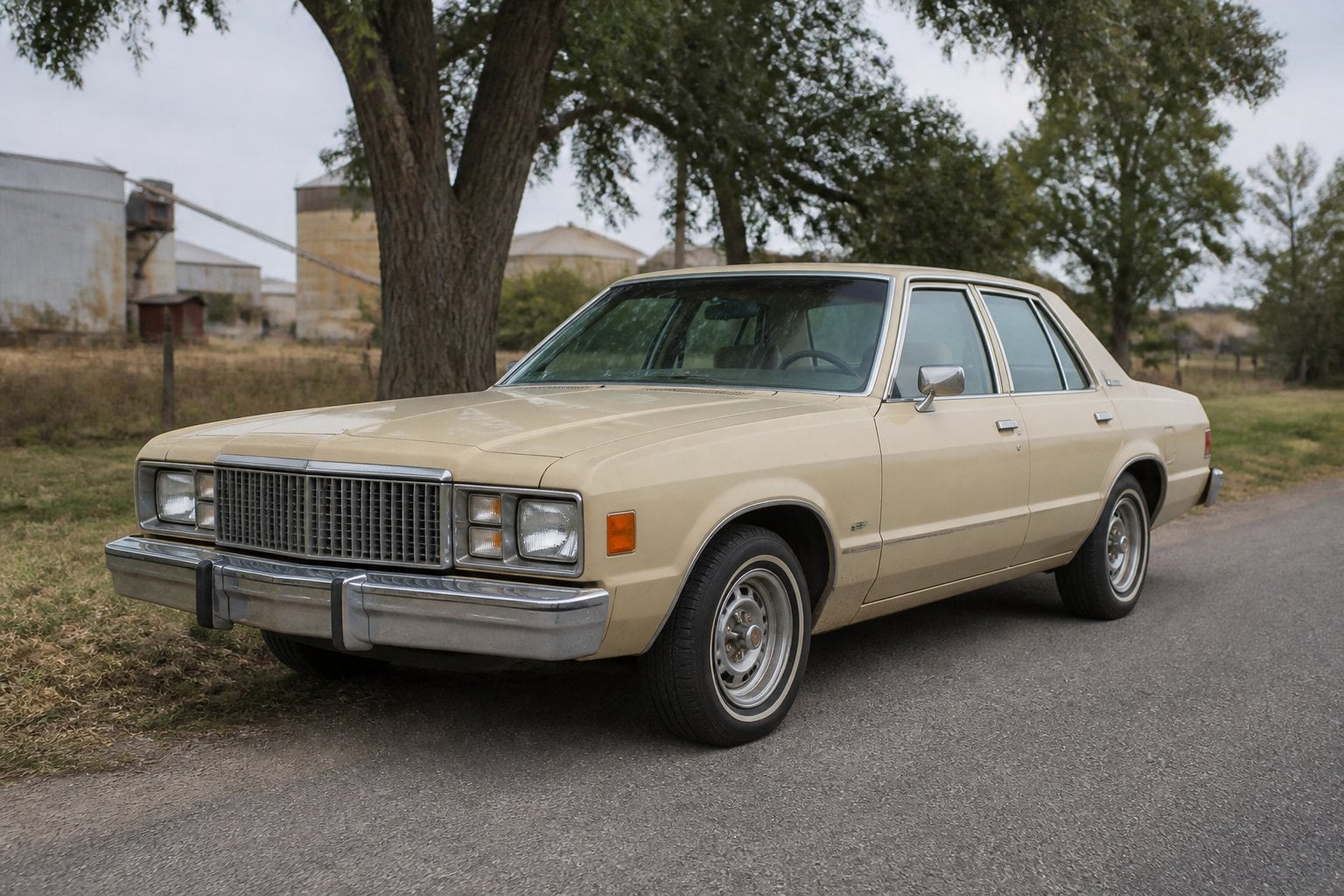
You can trace the Aspen’s problems back to its rushed launch as a replacement for the Dart. It won Motor Trend’s Car of the Year in 1976, but that praise didn’t hold up once owners started driving these cars.
Rust was your biggest concern with the Aspen. Bodies corroded at rates that alarmed even Chrysler’s own executives.
You’d also run into electrical faults and stalling issues tied to a poorly designed carburetor and vacuum system. Hood latches sometimes failed, and front fenders were prone to rattling loose.
Federal data points to the 1976 model year as the least reliable, with the highest complaint and recall rates of the bunch. If you’re considering an Aspen today, the 1979 and 1980 models address more of these early defects.
2. Dodge Aries (1981–1989)
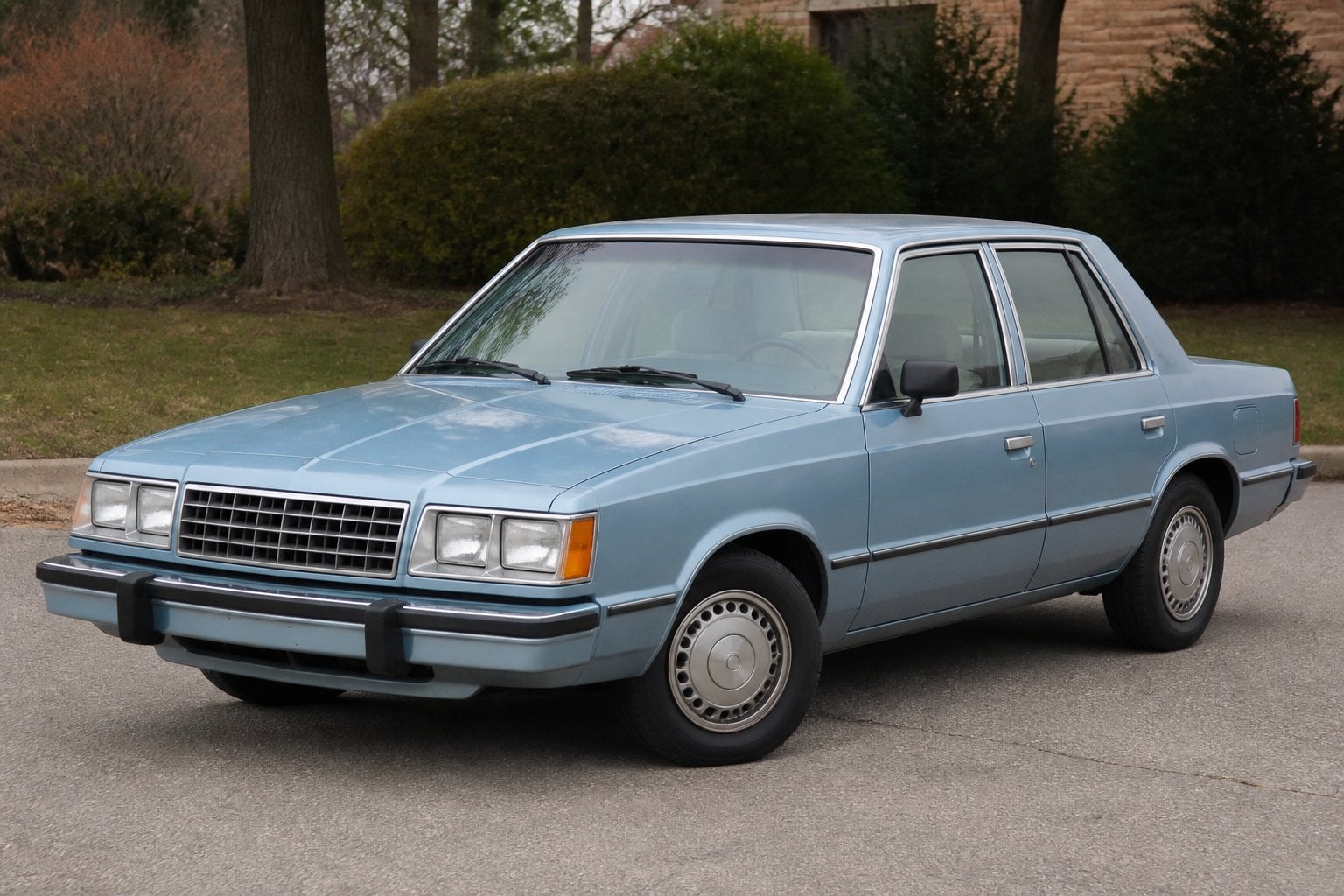
You’ll find the Dodge Aries at the center of Chrysler’s K-car lineup, a compact sedan built to keep the company solvent during a financial crisis. It succeeded commercially, but you shouldn’t mistake sales numbers for engineering excellence.
The 1987 model year gives you the most complaints, with transmission failures and electrical problems topping the list. If you’re looking at a 2.2L four-cylinder engine from this era, expect head gasket failures to show up as mileage climbs.
You’ll notice similar issues in the 1986 and 1988 models, suggesting a pattern rather than isolated defects. The Aries offered sedan, coupe, and wagon body styles, but none of them escaped the era’s quality control problems.
If you’re shopping for a K-car today, you should know these years demand extra scrutiny before purchase.
3. Dodge Omni (1978–1990)
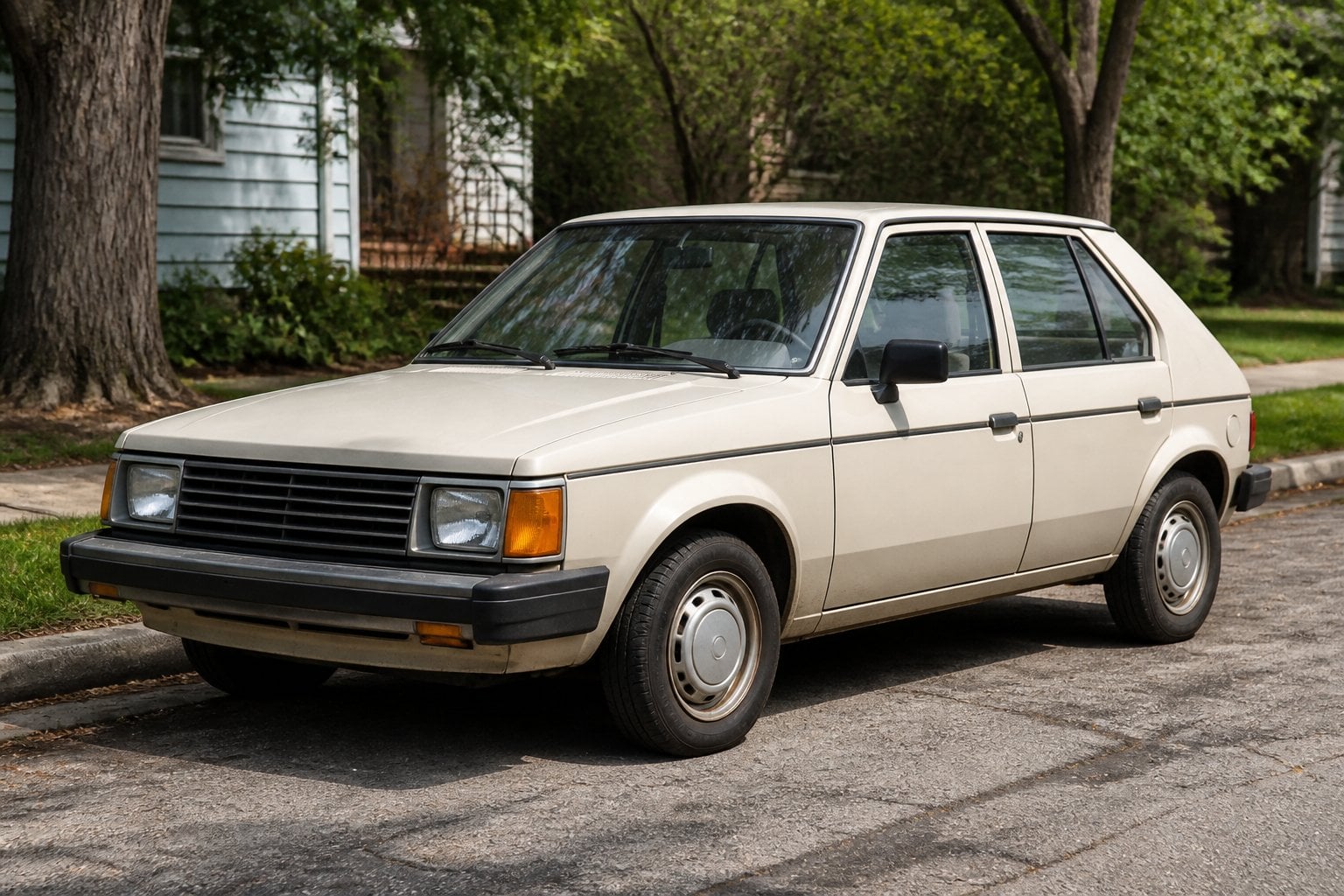
You get a car built for a single purpose: cheap, front-wheel-drive transportation during a fuel crisis. It worked, technically. Chrysler needed a domestic subcompact fast, and the Omni delivered basic mobility to buyers who wanted better mileage than a Dart or Aspen.
But you’re also getting thin body panels, a cramped cabin, and build quality that varied wildly from year to year. Early models suffered the most complaints and recalls, according to federal safety data.
The handling issues that surfaced in period reviews didn’t help its reputation, even after Chrysler addressed them.
You won’t find much refinement here. The four-cylinder engines were adequate at best, and the interior materials felt like an afterthought.
It survived twelve model years mostly because Chrysler needed the sales volume, not because the car earned lasting admiration.
4. Dodge Horizon (1978–1990)
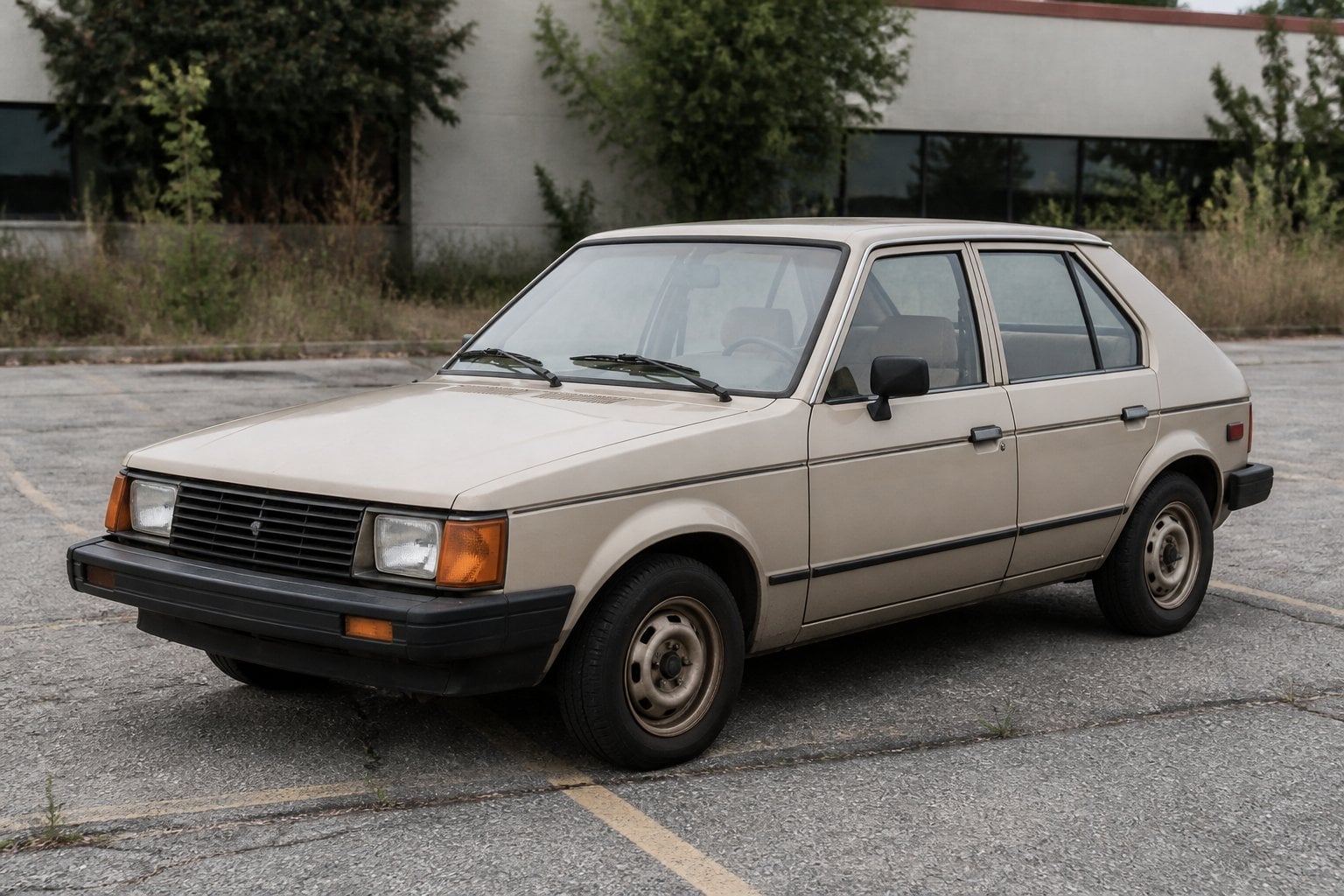
You know the Horizon as Chrysler’s answer to the front-wheel-drive economy cars flooding the market in the late 1970s. It shared its platform with the Dodge Omni, and both were built to compete with imports like the VW Rabbit.
You’ll find the Horizon’s build quality inconsistent. Early models suffered from rust issues, electrical gremlins, and engine problems that frustrated owners within the first few years of ownership.
Performance wasn’t a strong point either. The base engine felt underpowered, and you’d notice sluggish acceleration even by economy car standards of that era.
Chrysler kept the Horizon in production for over a decade with minimal updates. You can see this lack of innovation reflected in its declining sales toward the end of its run, as competitors offered better reliability and features for similar prices.
5. Dodge 600 (1983–1988)
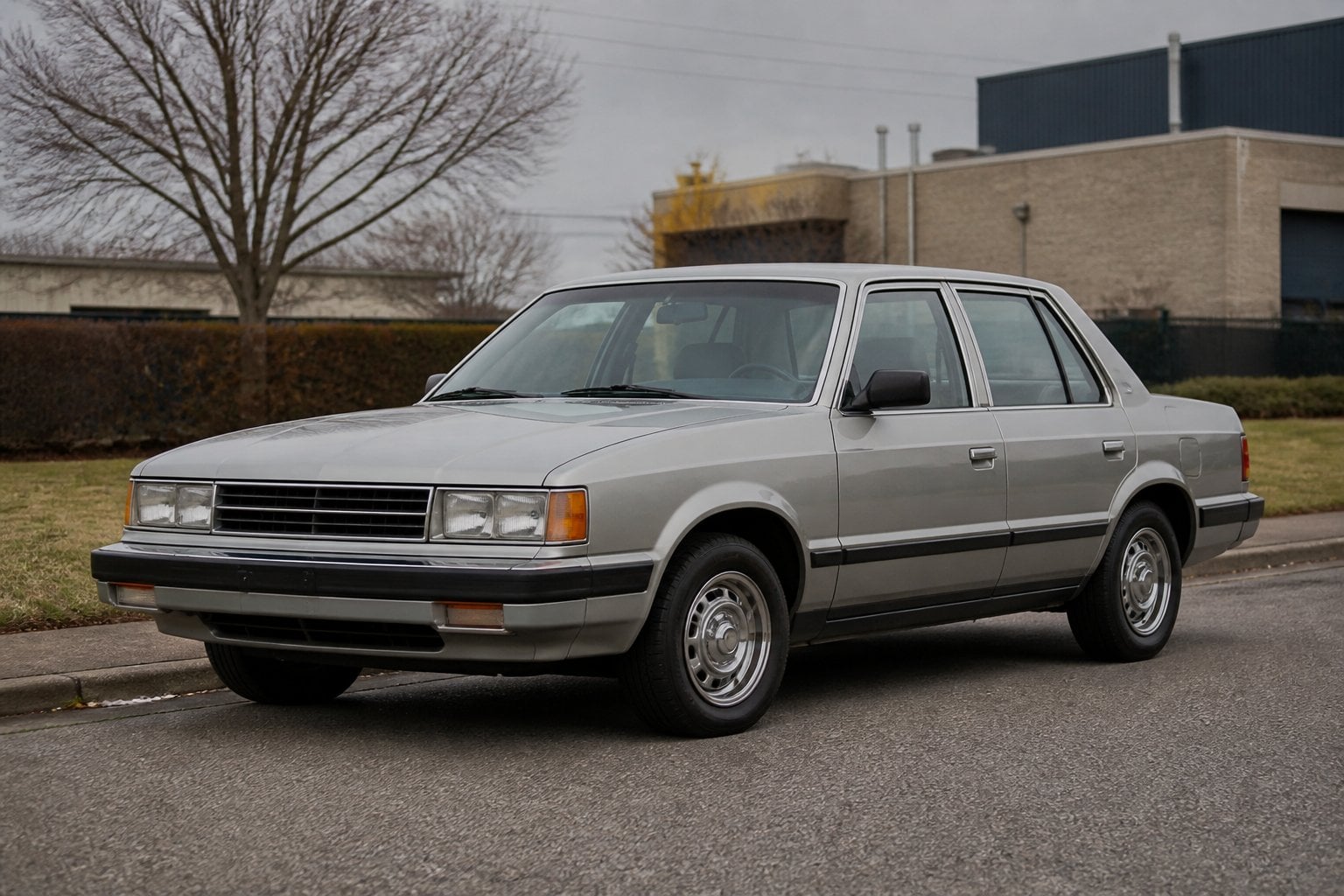
You get a stretched version of the K-car platform when you look at the Dodge 600. Chrysler added three inches to the wheelbase on sedans, though coupes and convertibles kept the original K-car proportions.
Your engine choices include a 2.2L inline-four and a 2.6L Mitsubishi-sourced V6. Neither option gives you much confidence in long-term durability, and the V6 in particular develops a reputation for head gasket failures and cooling system problems.
You’ll notice the styling doesn’t do the car any favors either. It borrows heavily from the Chrysler E-Class but ends up looking less cohesive, with proportions that never quite work.
If you compare it to its Chrysler sibling, you’ll find the 600 outlasted the E-Class by several years, despite similar underlying issues with build quality and electrical reliability.
6. Dodge Daytona (1984–1993)
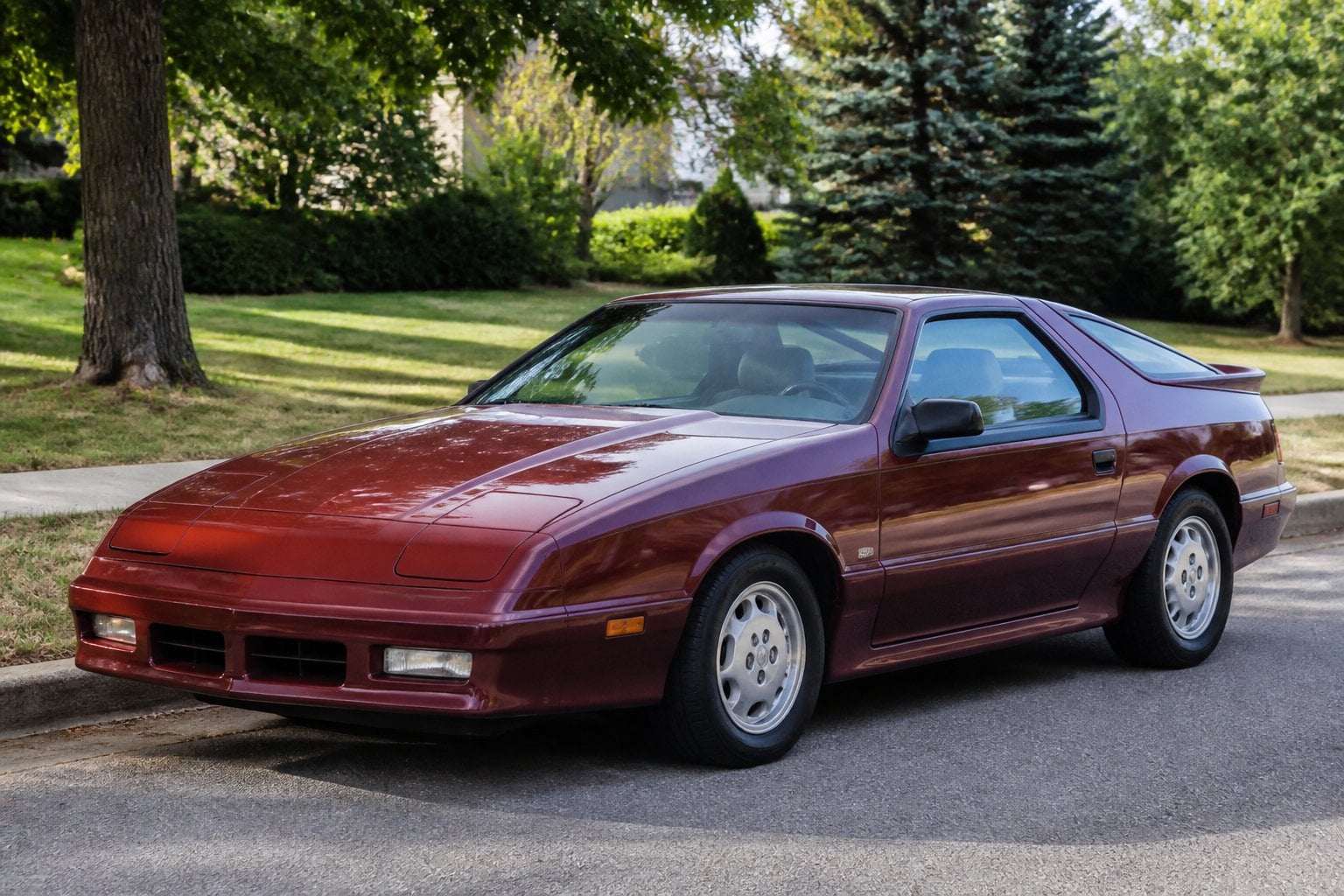
You’ll find the Daytona sitting in an odd spot in Dodge’s history. It launched with a strong initial run in 1984, offering turbocharged power and sharp handling for a compact price. But mid-cycle years introduced problems you’d want to avoid.
Fuel system issues affected several model years, and complaints point to inconsistent build quality as Chrysler made frequent changes. The 1993 model year shows the highest complaint rate in the lineup, suggesting late production wasn’t as refined as you might expect.
Electrical and HVAC concerns also show up across the run. If you’re considering a Daytona, you’ll want to focus on either the earliest models or the final 1992-1993 versions, since mid-cycle years tend to carry more accumulated flaws. Reliability data ranks it middle-of-the-pack among Dodge models overall, not a standout failure, but not a strong performer either.
7. Dodge Lancer (1985–1989)
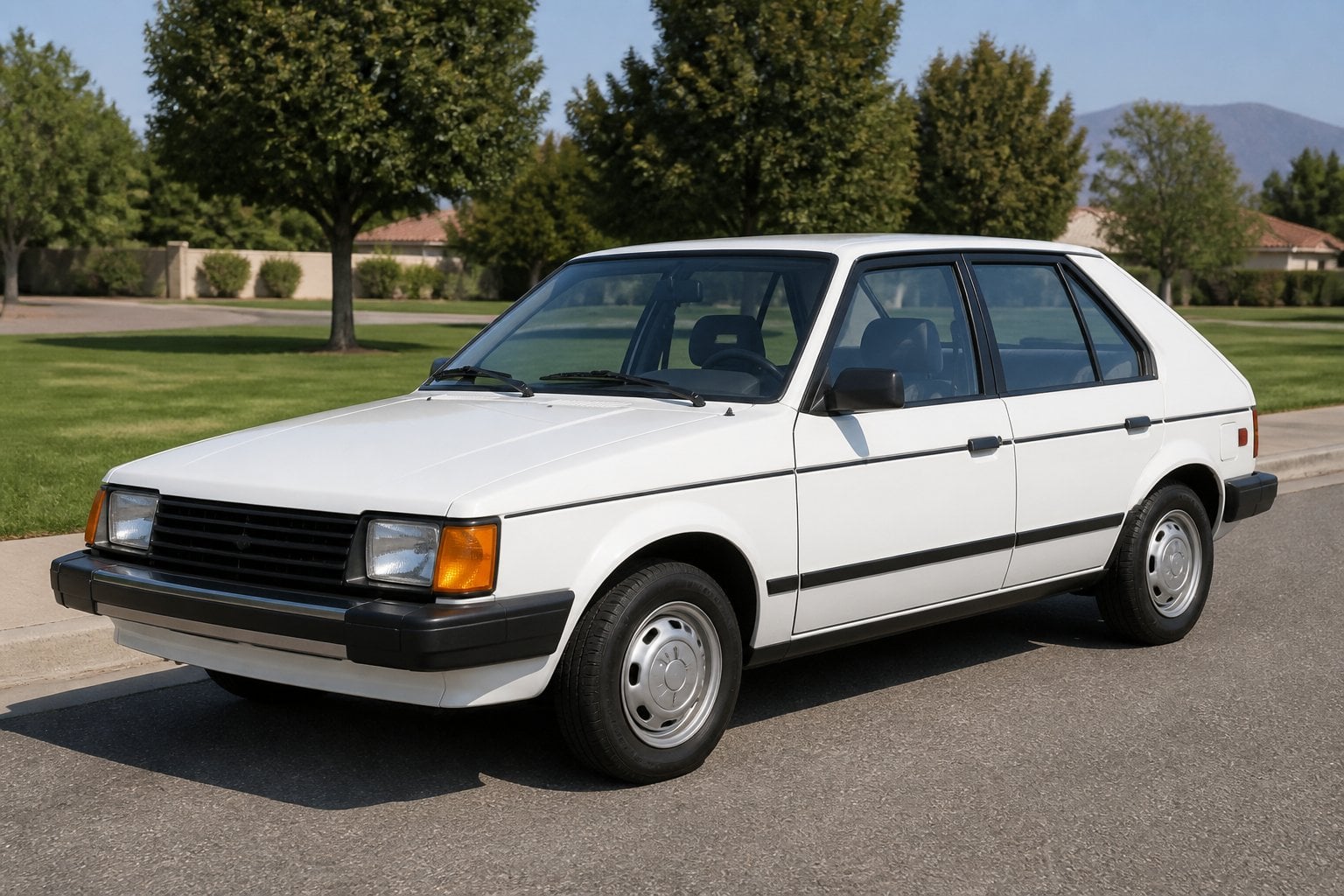
You’ll find the Lancer sitting in a rough patch of Dodge’s lineup. This mid-size sedan shared its platform with the Chrysler LeBaron GTS, but reliability data shows uneven quality across its short production run.
The 1986 model year stands out for complaint volume, with turbocharger problems affecting equipped versions. If you’re looking at a turbo model from this era, expect potential issues with boost control and long-term durability.
Recalls compound the picture. The 1985 model year alone carried five separate recall campaigns, addressing everything from mechanical faults to safety concerns.
You won’t find much consistency between model years either. Complaint rates swing noticeably from 1986 to 1987, suggesting quality control wasn’t standardized during production.
Chrysler discontinued the Lancer after 1989, folding it into other model lines. For buyers today, the combination of age, recall history, and inconsistent build quality makes this a car you should approach carefully.
8. Dodge Dynasty (1988–1993)
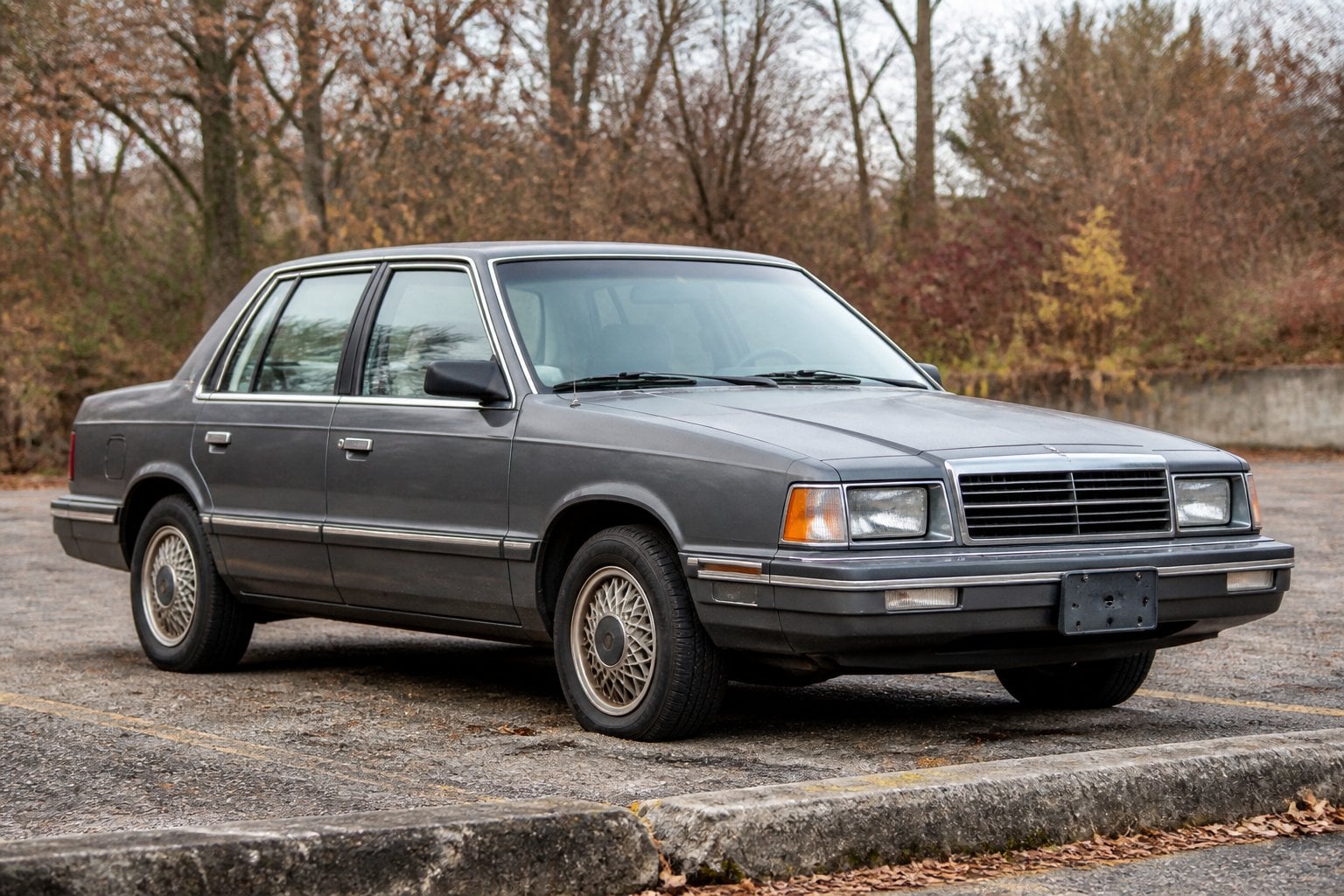
You get a mid-size sedan built for comfort, not excitement. Chrysler aimed the Dynasty at traditional buyers who wanted a soft ride and a roomy cabin, not performance or style.
Its boxy shape looked outdated even when new. You won’t find much innovation here, since the design leaned on fleet sales rather than individual appeal.
Engine choices include a 2.5L four-cylinder and 3.0L or 3.3L V6 options. If you’re shopping used, the V6 models tend to hold up better over time, while the 2.5L has more reported issues.
Complaints center on engine and HVAC problems across its production run. The 1992 model year stands out for higher rates of owner complaints and recalls compared to other years.
You end up with a car that prioritized practicality over refinement, and sales reflected that lack of distinction.
9. Dodge Monaco (1990–1992)
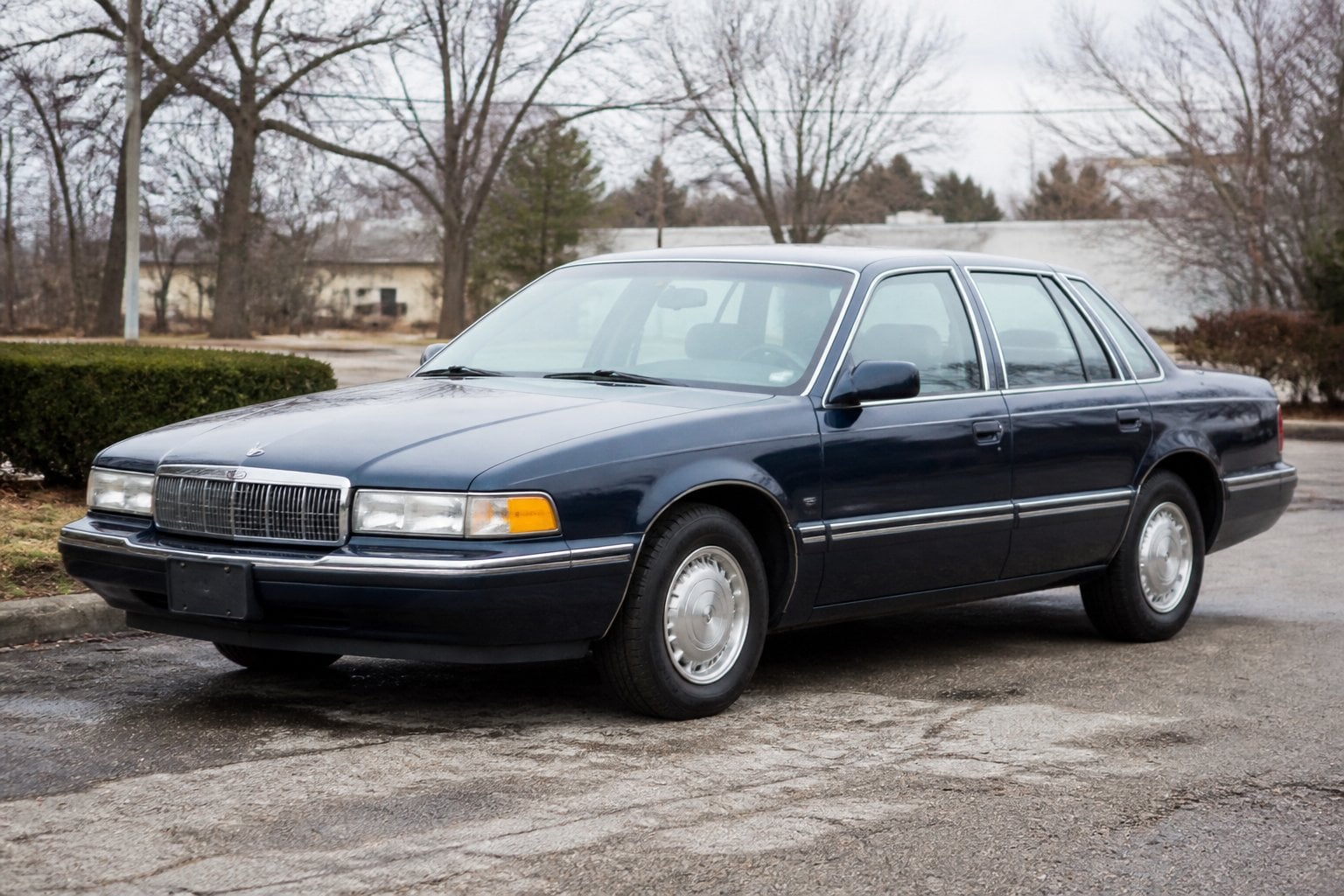
When you look at this generation of Monaco, you’re really looking at a rebadged Eagle Premier. Dodge revived a legendary nameplate and attached it to a car with no real connection to its predecessors.
The Premier came from the AMC-Renault partnership, and you can see that heritage in its build quality issues. Electrical problems were common, and transmission failures showed up frequently across these model years.
If you’re shopping for one today, you’ll find 1991 carries the highest complaint rate of the three years produced. The early computerized systems in these cars also give you headaches when it comes to diagnosis and repair.
Parts availability is another problem you’ll run into, since these cars never sold in large numbers. You’re dealing with a low-volume vehicle built on a platform that wasn’t designed with long-term reliability in mind.
10. Dodge Spirit (1989–1995)
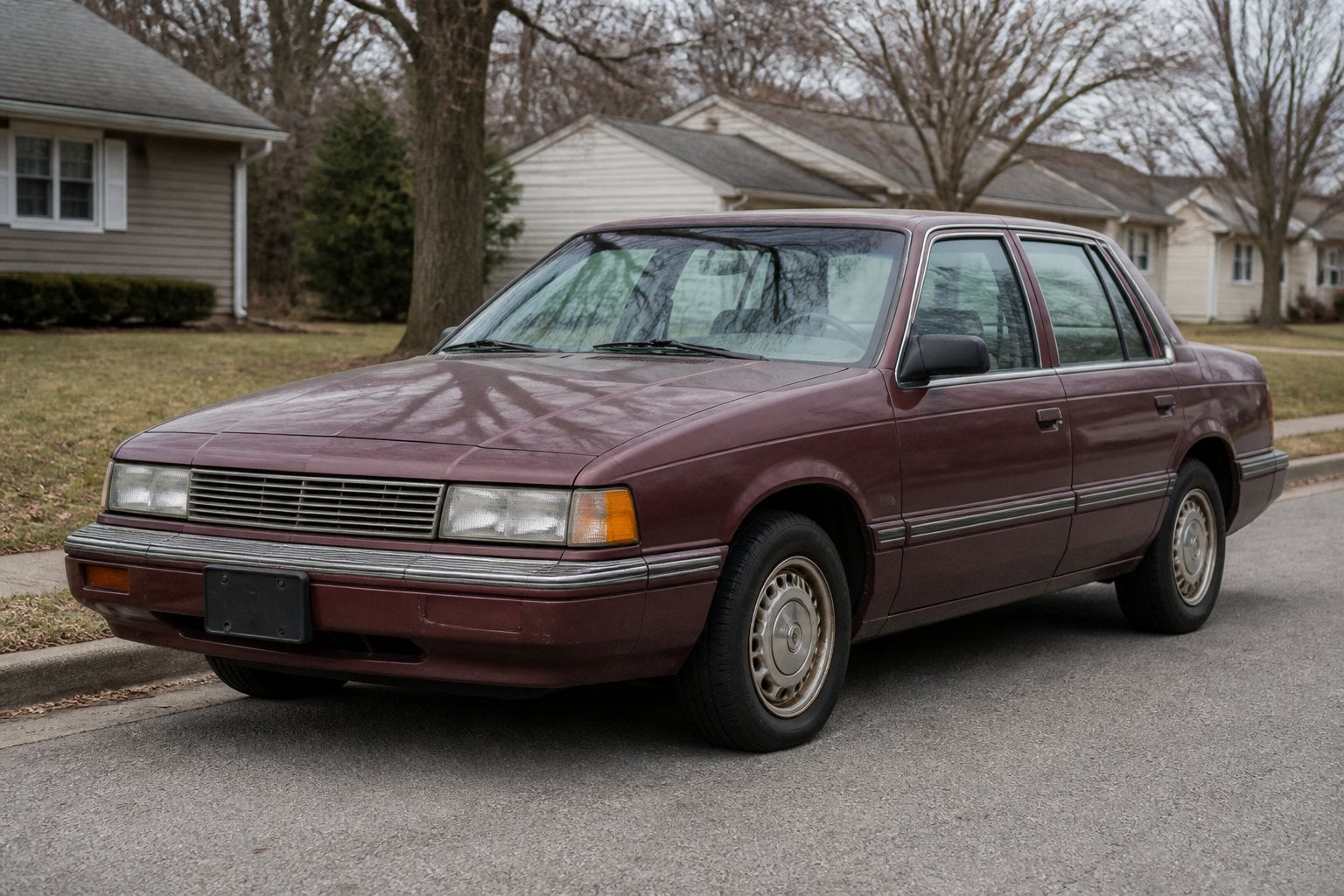
You’ll find the Dodge Spirit sits in the middle of the pack for mid-size sedans from this era, but that doesn’t mean it’s without flaws. Owner complaints point to engine and transmission problems across the model run.
Data shows 1994 models had the highest complaint rate, while 1991 and 1993 also drew significant owner reports. If you’re shopping for one, these are the years you’ll want to scrutinize closely.
The 1991-1992 Spirit R/T, with its turbocharged 2.2-liter engine, requires more mechanical knowledge to maintain properly. You’ll need to weigh that added complexity against your comfort level with turbo systems.
Despite competent engineering for its time, the Spirit’s build quality and long-term durability didn’t match its competitors. You’re getting basic transportation here, not a standout in reliability or refinement.
11. Dodge Shadow (1987–1994)
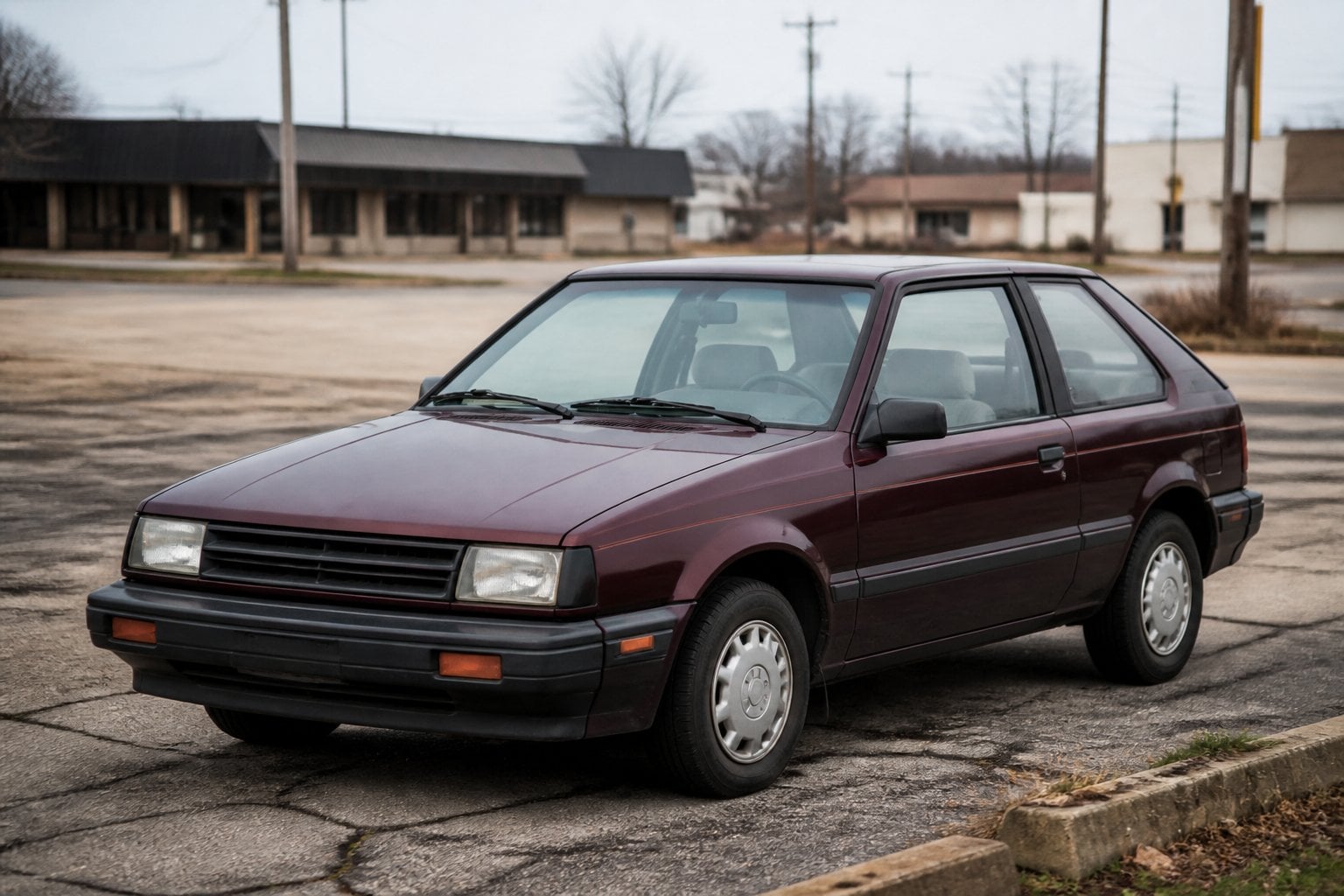
You get a compact car built to compete with imports on price and fuel economy. What you don’t get is much refinement or long-term durability.
Electrical faults show up across the lineup, with wiring and sensor issues causing stalling and dashboard malfunctions. Engine problems compound this, particularly in later model years.
You’ll find the 1994 model carries some of the highest complaint counts, with owners reporting fuel system defects alongside the electrical concerns. Earlier years aren’t spotless either, but the later production years tend to show more accumulated wear-related failures.
If you’re considering a Shadow, know that interior materials degrade quickly and body rust appears sooner than you’d expect for a car of this age range. You’re buying basic transportation, not a vehicle designed to last decades without significant repair costs.
12. Dodge Colt Vista (1984–1991)
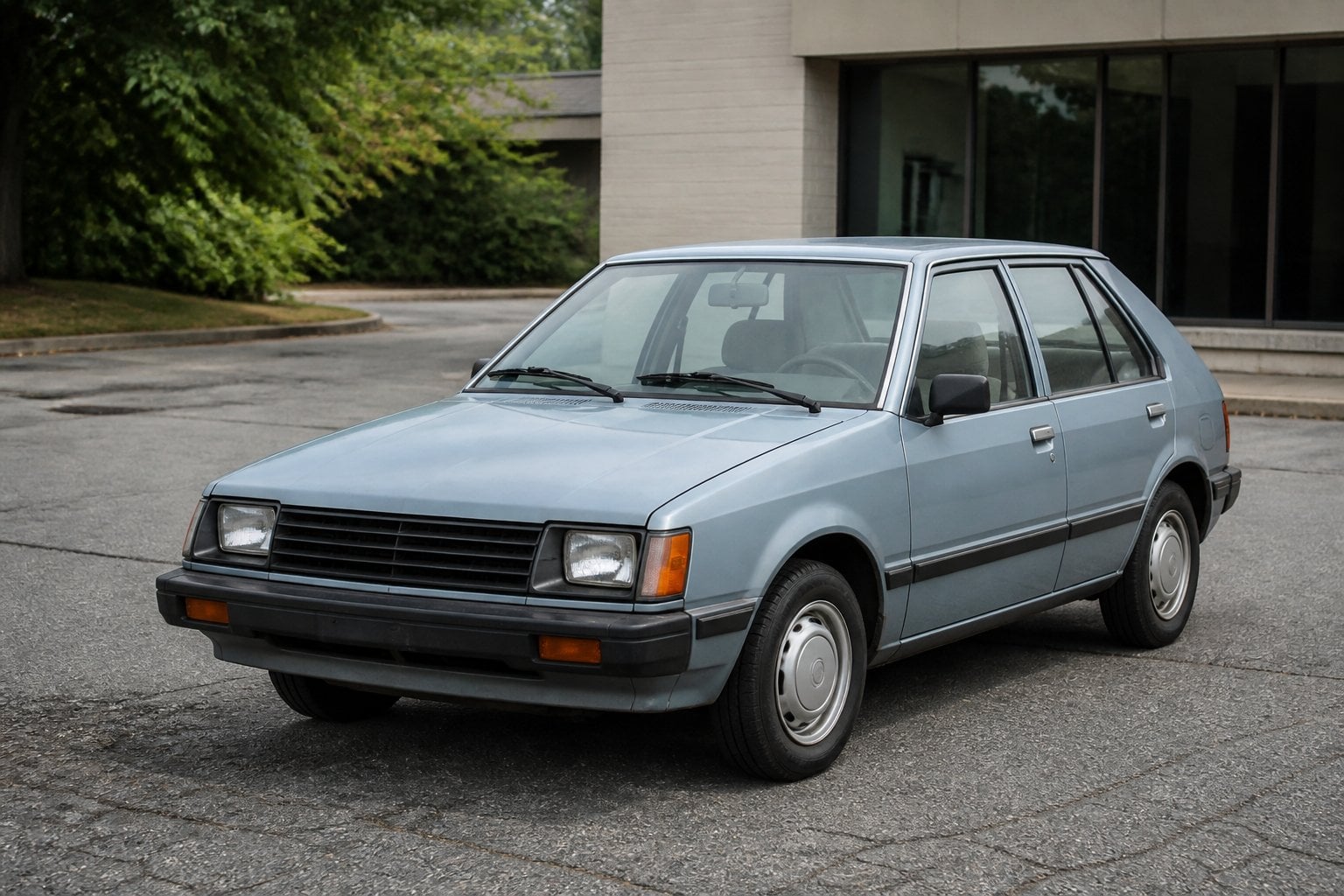
You’ll find the Colt Vista built by Mitsubishi and sold under the Dodge badge as a compact station wagon. It filled a niche for buyers who wanted more cargo room without stepping up to a full minivan.
Your ownership experience often depends on which model year you pick, since the 1991 and earlier versions carry known complaints about transmission wear and suspension components. Reports point to automatic transmission problems and engine hesitation as recurring issues.
You should also expect emissions system quirks on higher-mileage examples, a common trait among aging captive imports from this era. Parts availability can complicate repairs, since Mitsubishi supplied much of the drivetrain and body components.
If you’re considering one today, you’ll likely encounter a vehicle that reflects its age more than any single design flaw. It wasn’t a disaster, but it wasn’t built to last either.
13. Dodge Caravan (1991–1995)
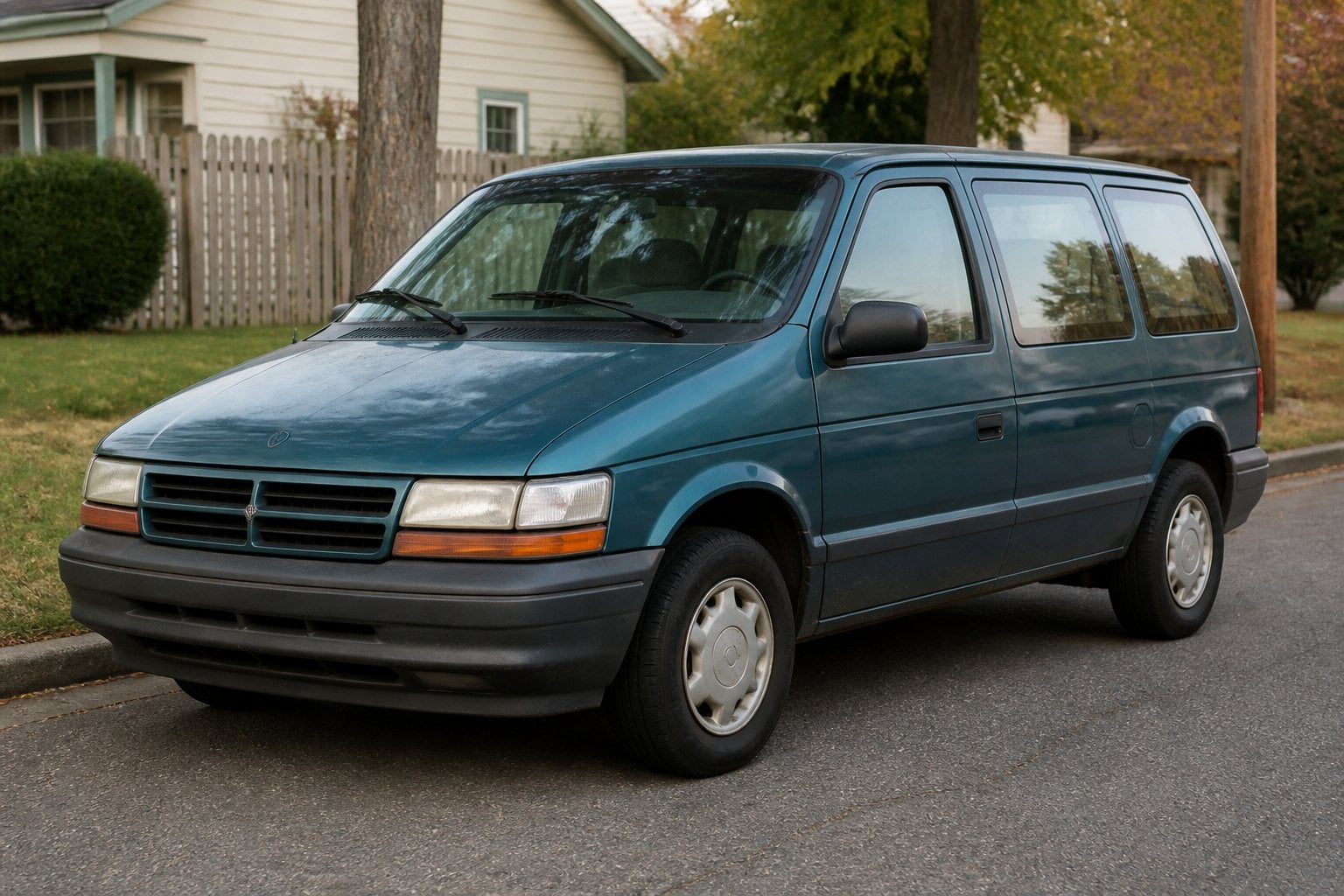
If you’re considering a second-generation Caravan, you should know the transmission is the main concern. The 3-speed and early 4-speed automatics in these vans often failed well before 100,000 miles.
You’ll also find fuel system complaints tied to the 3.0L and 3.3L V6 engines, including stalling and rough idle issues that owners reported repeatedly.
Body and paint problems show up frequently in owner complaints for the 1995 model year specifically. Rust around wheel wells and door seams was common, especially in colder climates where road salt accelerated corrosion.
Given these patterns, you’re better off looking at later Caravan generations if reliability matters to you. The 1992-1995 range ranks in the bottom third of Dodge Caravan generations for overall dependability, and repair costs on the transmission alone can exceed what the van is worth.
14. Dodge Ramcharger (1981–1993)
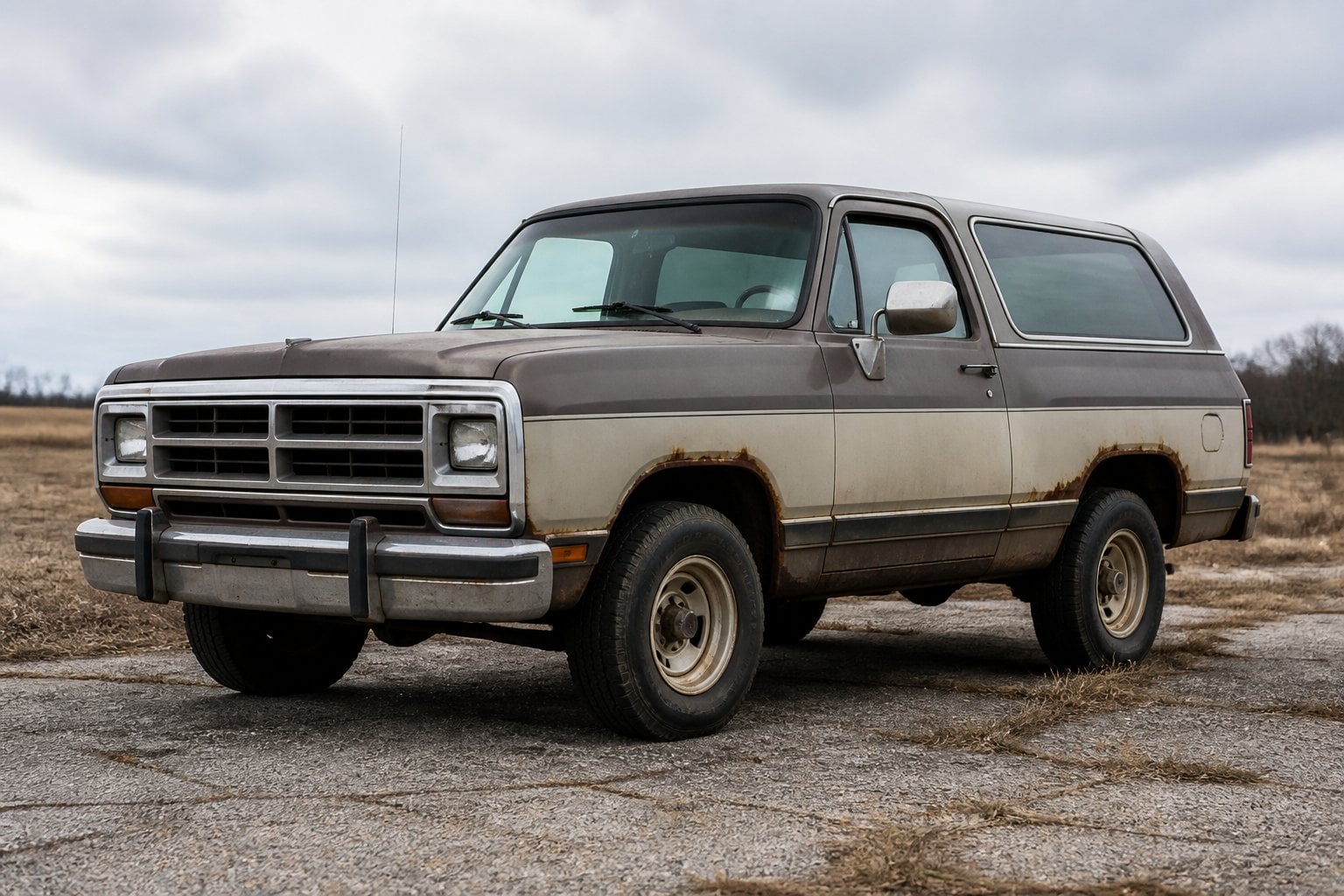
You get a full-size SUV built on a shortened Ram pickup chassis, offering body-on-frame durability and genuine off-road capability. That doesn’t mean you avoid problems.
Electrical faults show up often in these years, affecting dashboard gauges and wiring harnesses. You’ll also find carburetor and fuel delivery issues on earlier models before fuel injection became standard.
Rust is a serious concern if you’re looking at a Ramcharger from this era. Frame and body corrosion attacks the wheel wells, floor pans, and rear quarter panels, especially on vehicles that spent winters in salt-treated regions.
Transmission wear is another recurring complaint, particularly in higher-mileage examples. You should expect to budget for drivetrain repairs if you buy one without a documented service history.
Parts availability has also become limited, since Dodge discontinued the Ramcharger in 1993 and never replaced it with a direct successor.
15. Dodge Dakota (1997–2004)
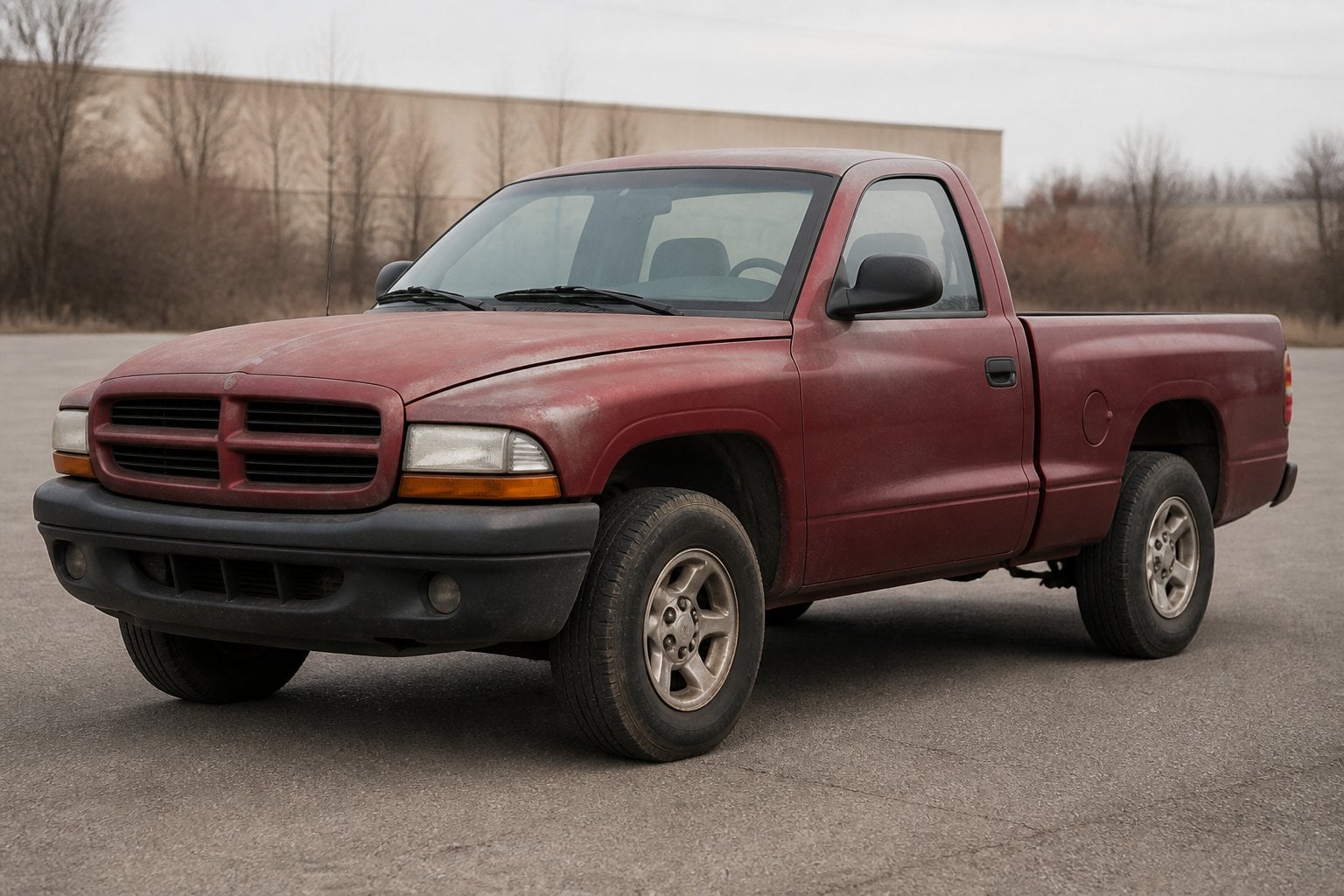
If you’re shopping for a used Dakota, steer clear of this generation. The front suspension is a major weak point, with components wearing out far sooner than they should.
You’ll also want to watch for engine trouble. The early V8 options in these trucks developed a reputation for problems that could leave you facing expensive repairs.
Owners have filed hundreds of complaints against these model years, covering everything from brake issues to engine concerns. That complaint volume puts this generation near the bottom when compared to other Dodge lineups from the same era.
Transmission reliability varies by unit, so you can’t assume every truck will fail the same way. Still, the risk is real enough that you should have any potential purchase inspected thoroughly before committing.
Given the combination of suspension, engine, and transmission concerns, you’re better off looking at a later Dakota model year instead.
16. Dodge Intrepid (1993–2004)
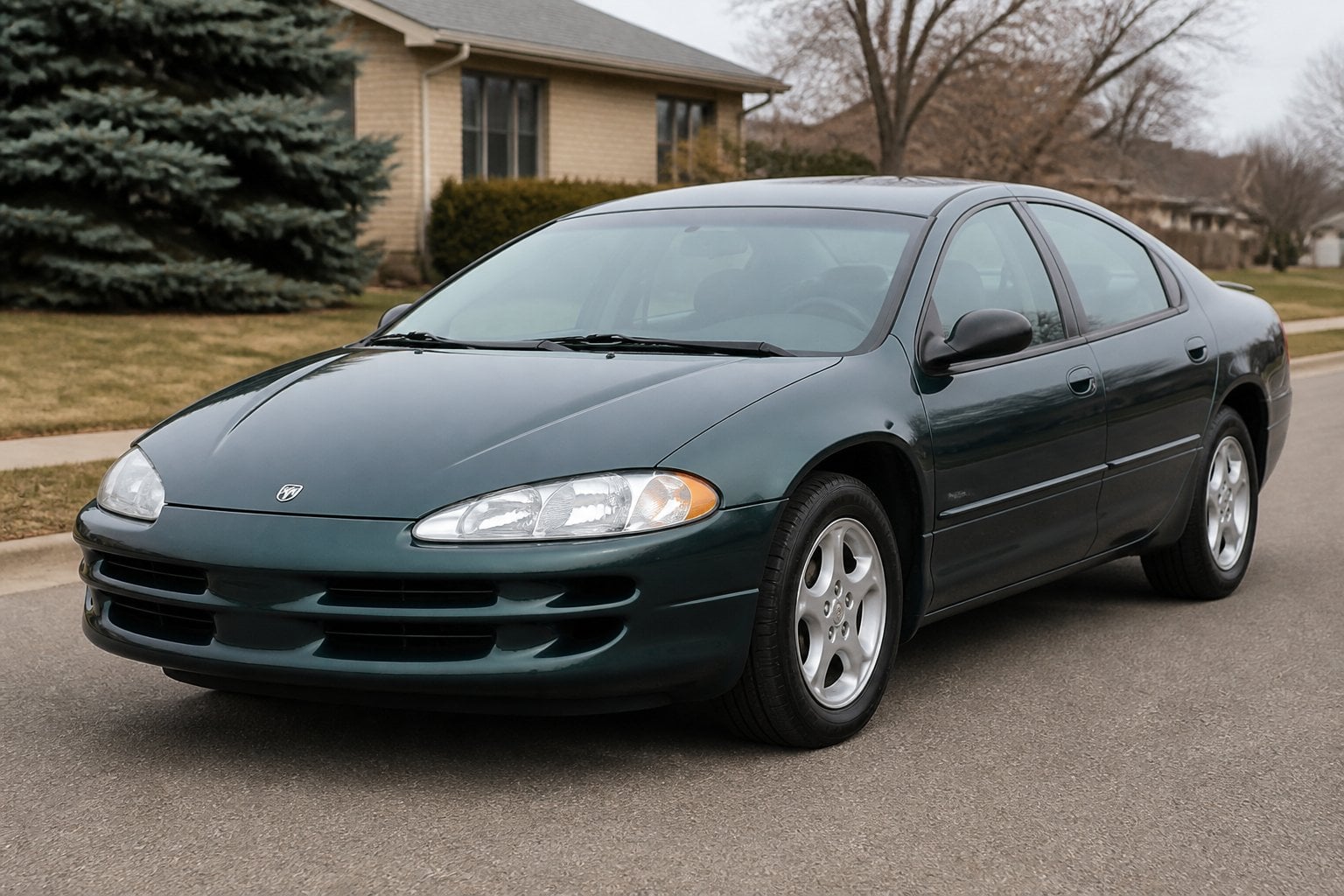
You’ll find the Intrepid remembered for its cab-forward styling, but reliability tells a different story. Owner complaint data shows engine problems topping the list across both generations, with transmission and cooling system failures close behind.
The 1999 model year stands out as particularly troublesome. Complaint rates for that year run notably higher than the Intrepid average, which itself sits above typical figures for the segment.
You should also know that most reported failures don’t surface until around four years of ownership, meaning many issues appear after the factory warranty expires. That timing left owners covering repair costs out of pocket.
If you’re considering a used Intrepid, the 2003 model year performed better than most others in owner-reported data. Earlier and later years, especially 1994, 1999, and 2000, carry higher complaint volumes and warrant closer inspection before purchase.
17. Dodge Stratus (1995–2006)
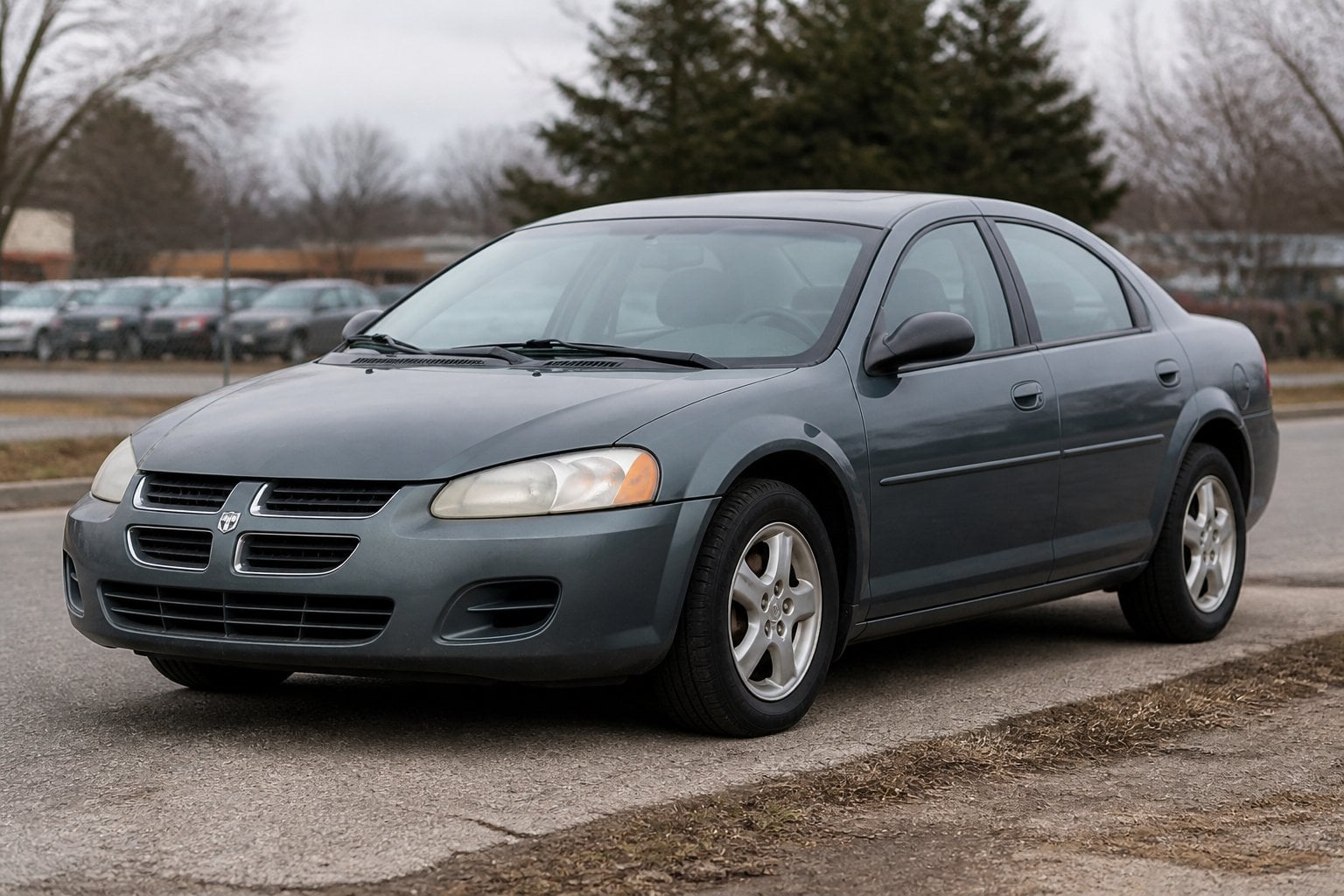
You get a midsize sedan that never rose above average. Chrysler built it to compete with the Accord and Camry, but it fell short in nearly every category that mattered.
The early years give you the most trouble. The 1995 and 1996 models carry the highest complaint rates, with engine and cooling issues topping the list. You’ll also find automatic transmission failures that show up well before 100,000 miles.
The 2.7L V6, introduced later, brings its own problems. Sludge buildup and oil passage failures are common if maintenance was ever skipped. You’re better off avoiding that engine altogether.
Interior quality doesn’t help the case either. Cheap plastics and poor fit and finish were common owner complaints throughout production.
If you want a usable Stratus, look at 2005 or 2006 models with the 2.4L four-cylinder. Even then, you’re settling for forgettable transportation.
18. Dodge Avenger (1995–2000)
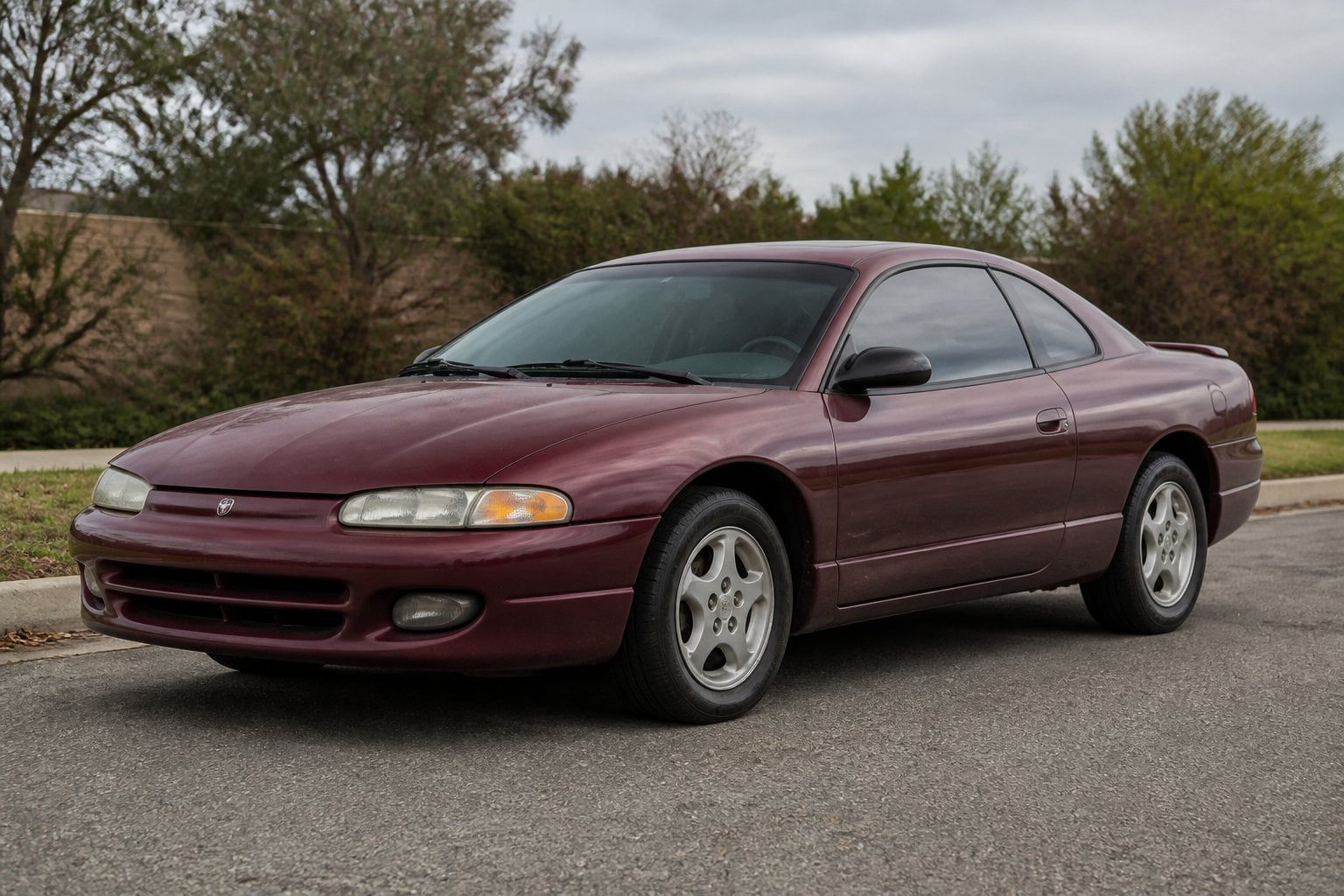
You get a coupe that struggled to distinguish itself in a crowded midsize market. Built on the Chrysler JA platform, it shared components with the Chrysler Sebring, but you won’t find much that stands out here.
Owners have reported cooling system and transmission problems as recurring complaints. You’ll also see electrical and engine issues cited among the more common defects for this generation.
Reliability rankings place this generation in the middle of the pack for Dodge vehicles, but that doesn’t mean you’re free of concerns. Interior quality falls short of what you’d expect, with materials that feel cheap and don’t hold up well over time.
If you’re shopping the used market, you should factor in these mechanical weak points before committing. This generation lacks the refinement and durability you’d want from a daily driver, making it a car you should approach with caution.
19. Dodge Neon (1995–2005)
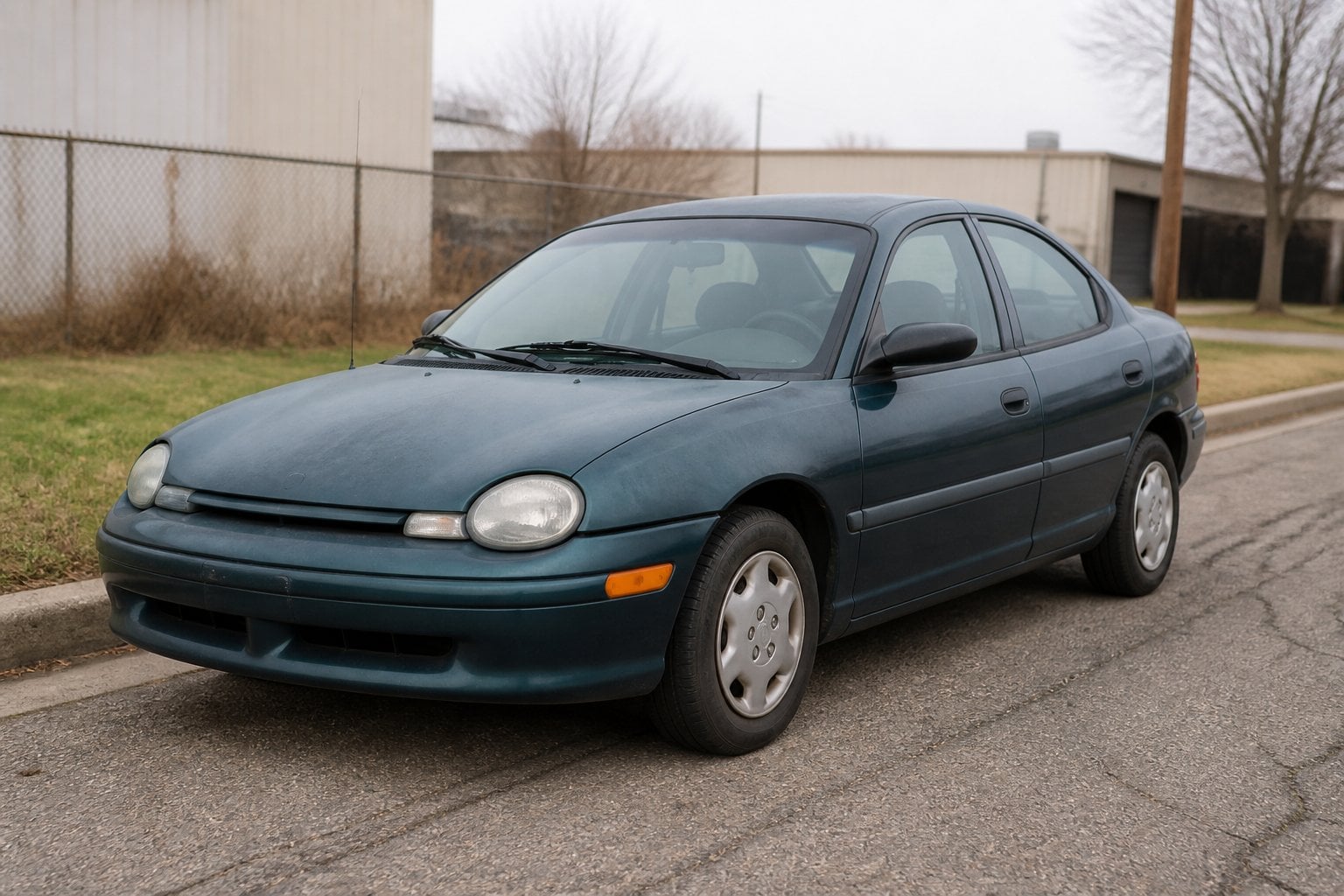
The Dodge Neon promised a lot for the price. You got a sporty compact with nimble handling and an affordable sticker, which is exactly why it sold so well early on.
Reliability tells a different story. If you look at the complaint data, the 1995 and 1996 models rack up the highest numbers, and engine problems dominate the list across most model years.
Head gasket failures were a recurring headache on early Neons, often showing up well before you’d expect major engine work. Transmission issues followed you into the 2000s, with the 2002 model year drawing particular criticism.
Radiator problems and cooling system failures added to the list of concerns you’d need to watch for. If you’re shopping for a used Neon, the 1999, 2004, and 2005 models carry fewer reported complaints than their predecessors.
20. Dodge Chrysler Sebring-derived Avenger (2008–2014)
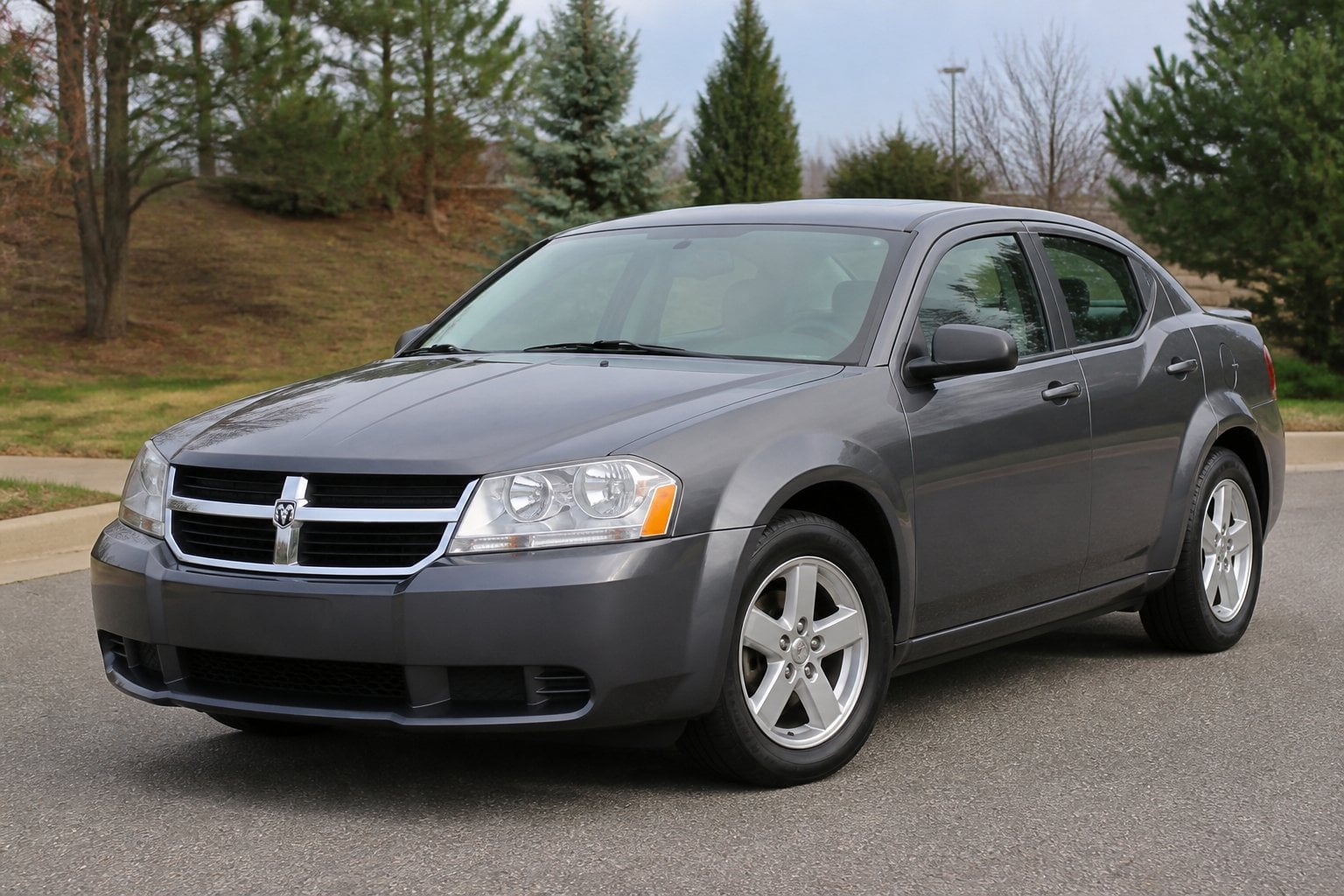
You get a car built to compete with the Camry and Accord, but you won’t find that same polish here. The Avenger shared its platform with the Chrysler Sebring, and it inherited many of that car’s weaknesses.
Interior materials feel cheap, and the fit and finish falls short of segment expectations. You’ll notice complaints centered on transmission problems, particularly in the 2008 model year, along with electrical glitches and engine stalling issues.
Chrysler improved the car with a 2011 refresh, addressing some of the roughest edges. Even so, the reputation had already stuck, and later model years still carried the weight of that early stumble.
If you’re shopping used, you’re better off targeting 2012 through 2014 models with the V6 engine, since reliability data shows fewer issues than the earlier four-cylinder versions.
21. Dodge Durango (1998–2003)
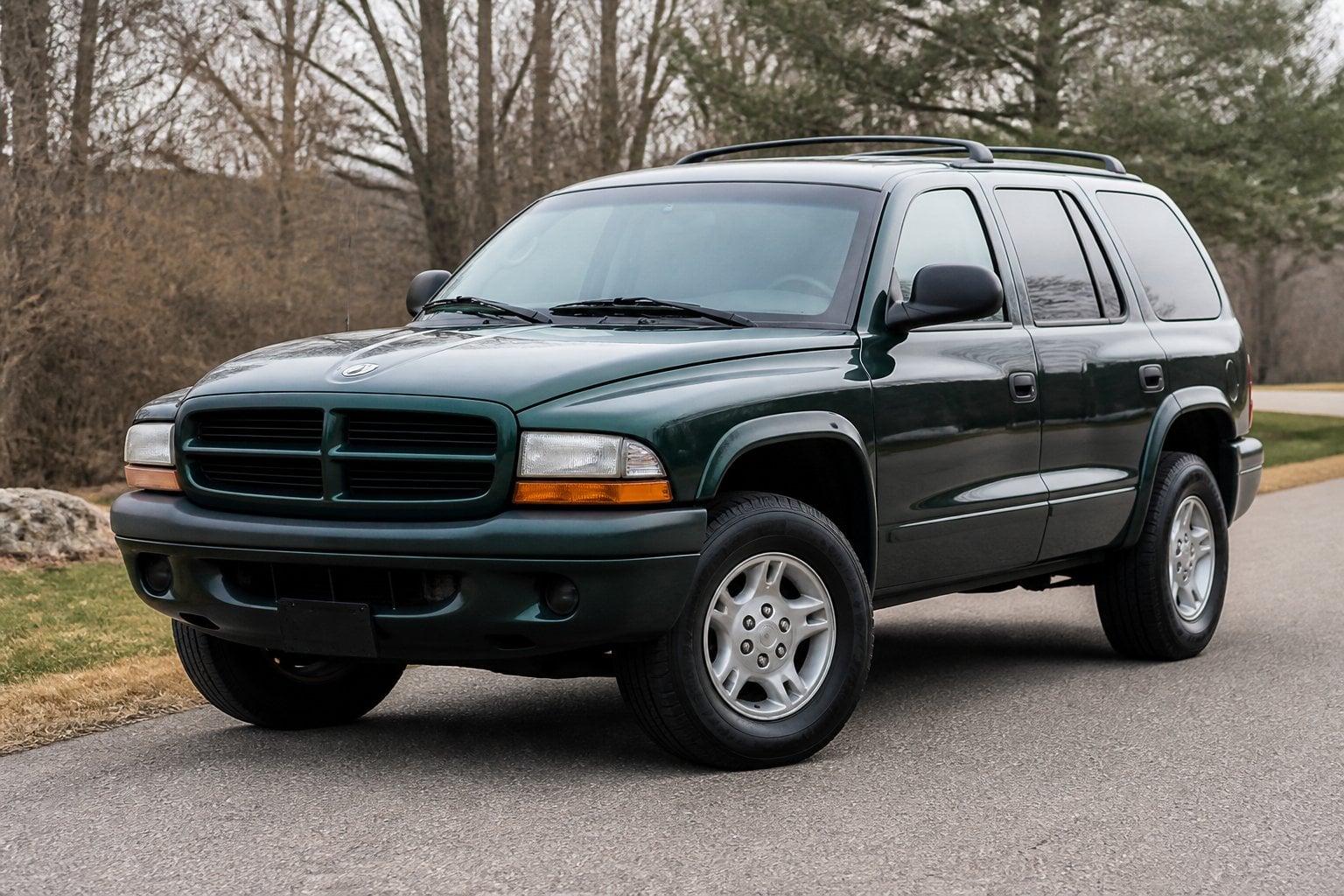
You’ll find the first-generation Durango carries a rough reliability record, with owners logging over 1,400 complaints across these model years. If you’re eyeing a 1999 model in particular, know that it’s regarded as one of the worst years in the entire Durango lineup, with more than 620 documented complaints and several recalls attached to it.
Ball joint failures show up repeatedly in owner reports, and this defect can lead to a loss of steering control. You’ll also encounter transmission issues and fuel system problems that plague these early trucks.
The 1998 and 2000-2001 models share many of the same faults as the 1999, so you shouldn’t assume any single year in this range is a safer bet. If you’re shopping for one of these SUVs, expect to budget for repairs beyond routine maintenance.
22. Dodge Viper RT/10 (1992–1995)
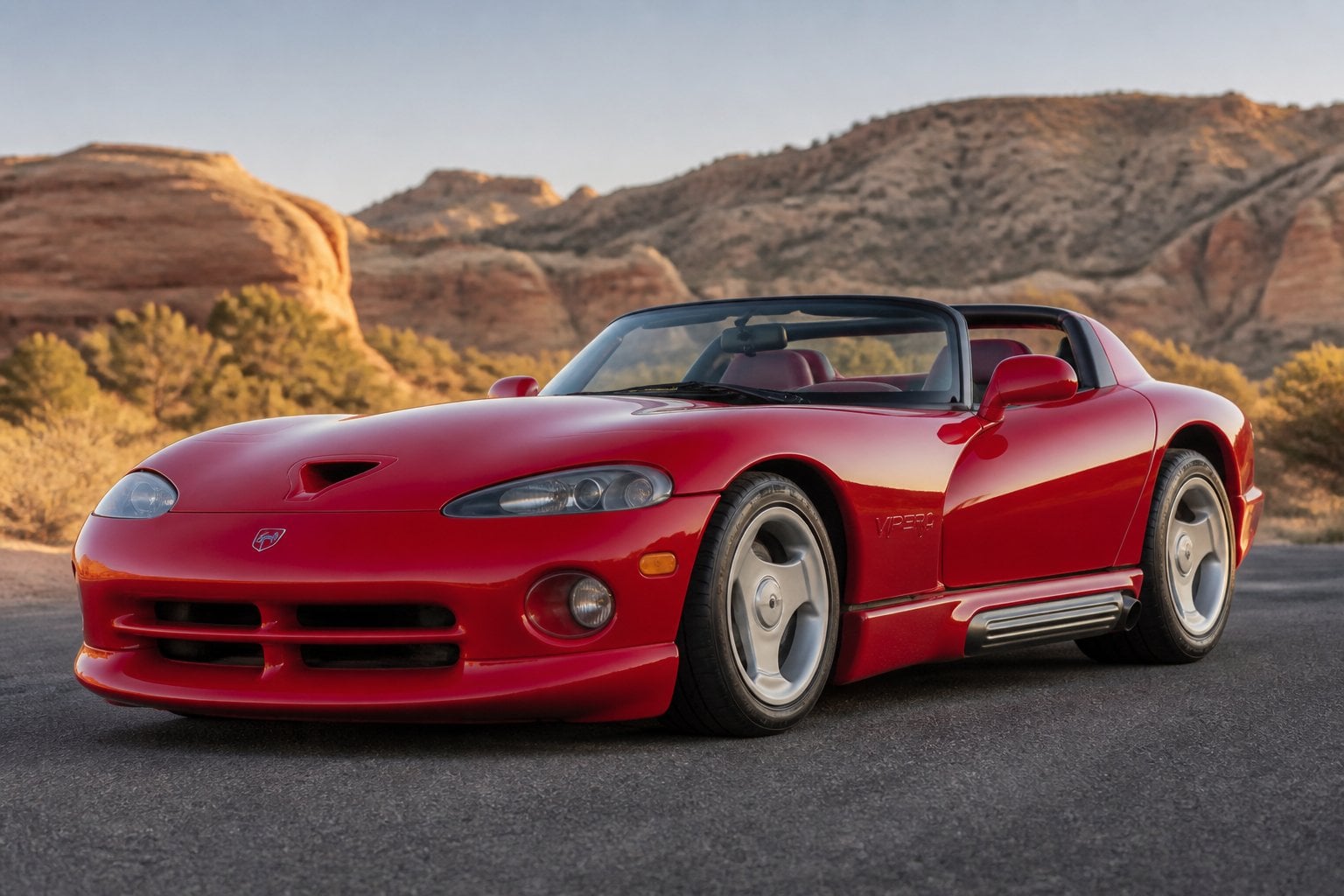
You get an 8.0-liter V10 producing 400 horsepower, but you don’t get anti-lock brakes, airbags, or even exterior door handles. Chrysler built this car for raw speed, not for your comfort or safety.
There’s no power steering here. You’ll fight the wheel at low speeds and get punished for any hesitation at high ones.
The soft top barely qualifies as weather protection. You’ll deal with leaks, difficult installation, and a cabin that traps heat from the massive engine sitting just ahead of you.
Side curtains instead of roll-up windows mean you’re exposed to wind noise and drafts on any drive longer than a quick errand. Build quality reflects Chrysler’s rushed development timeline, so you’ll likely encounter panel gaps and interior trim issues.
You’re buying a legend, but you’re also buying its first-generation compromises.
23. Dodge Magnum (2005–2008)
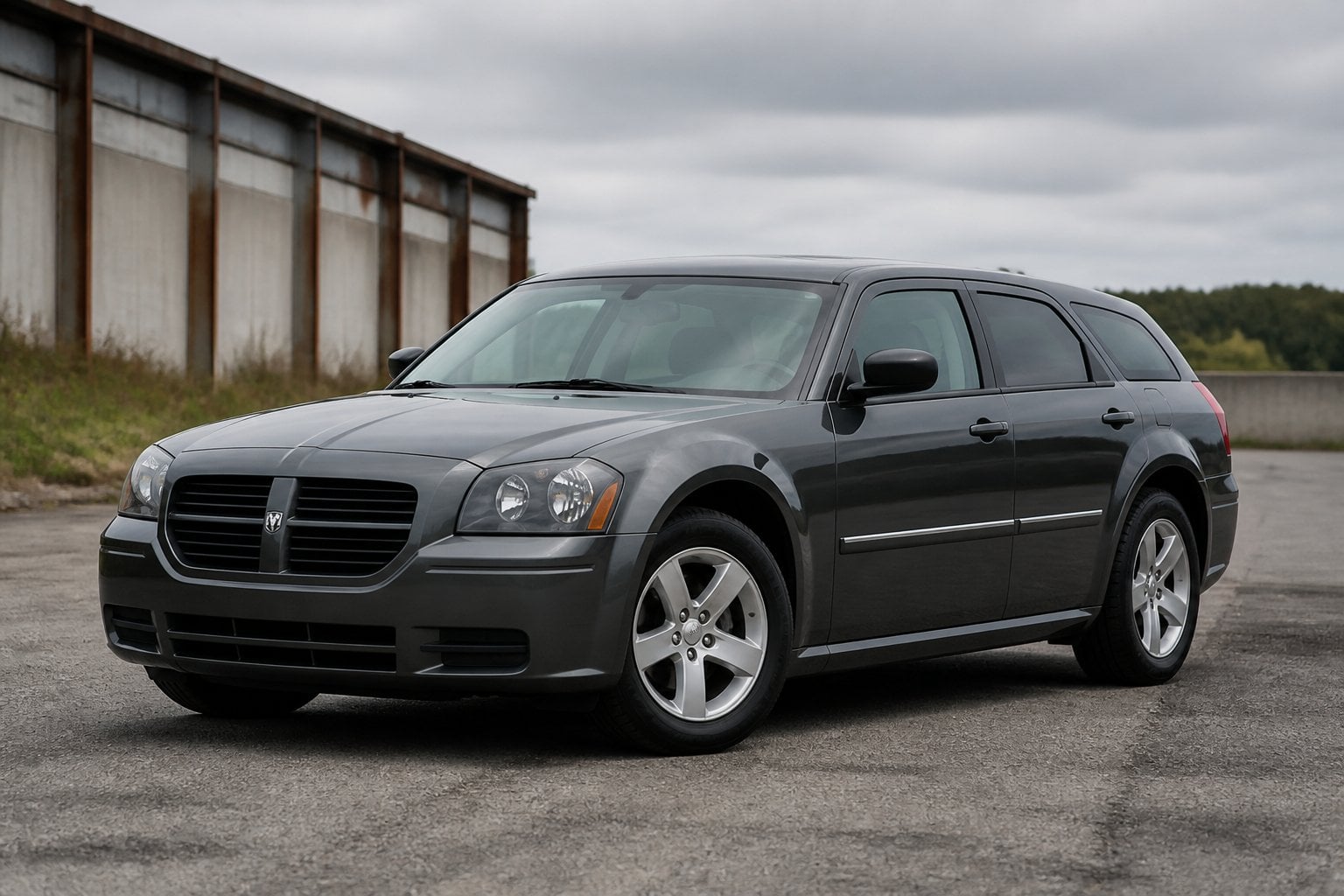
The Dodge Magnum brought back the station wagon in a muscular form, but you’ll find the first model year particularly troublesome. The 2005 Magnum suffered from TIPM electrical failures that could leave you stranded with a dead battery or non-starting engine.
Transmission problems plagued early models too. The NAG1 five-speed automatic often exhibited torque converter shudder, and front suspension components wore out faster than expected.
If you’re considering a 2006 model, you’ll still encounter electrical gremlins along with dashboard cracking issues. NHTSA complaint data shows 603 reported problems for 2005 alone, dropping significantly in later years as Dodge addressed some concerns.
Power train issues rank among the most commonly reported problems across the Magnum’s production run. While the 2008 model improved on reliability, you should approach 2005 and 2006 examples with caution given their documented electrical and mechanical shortcomings.
24. Dodge Caliber (2007–2012)
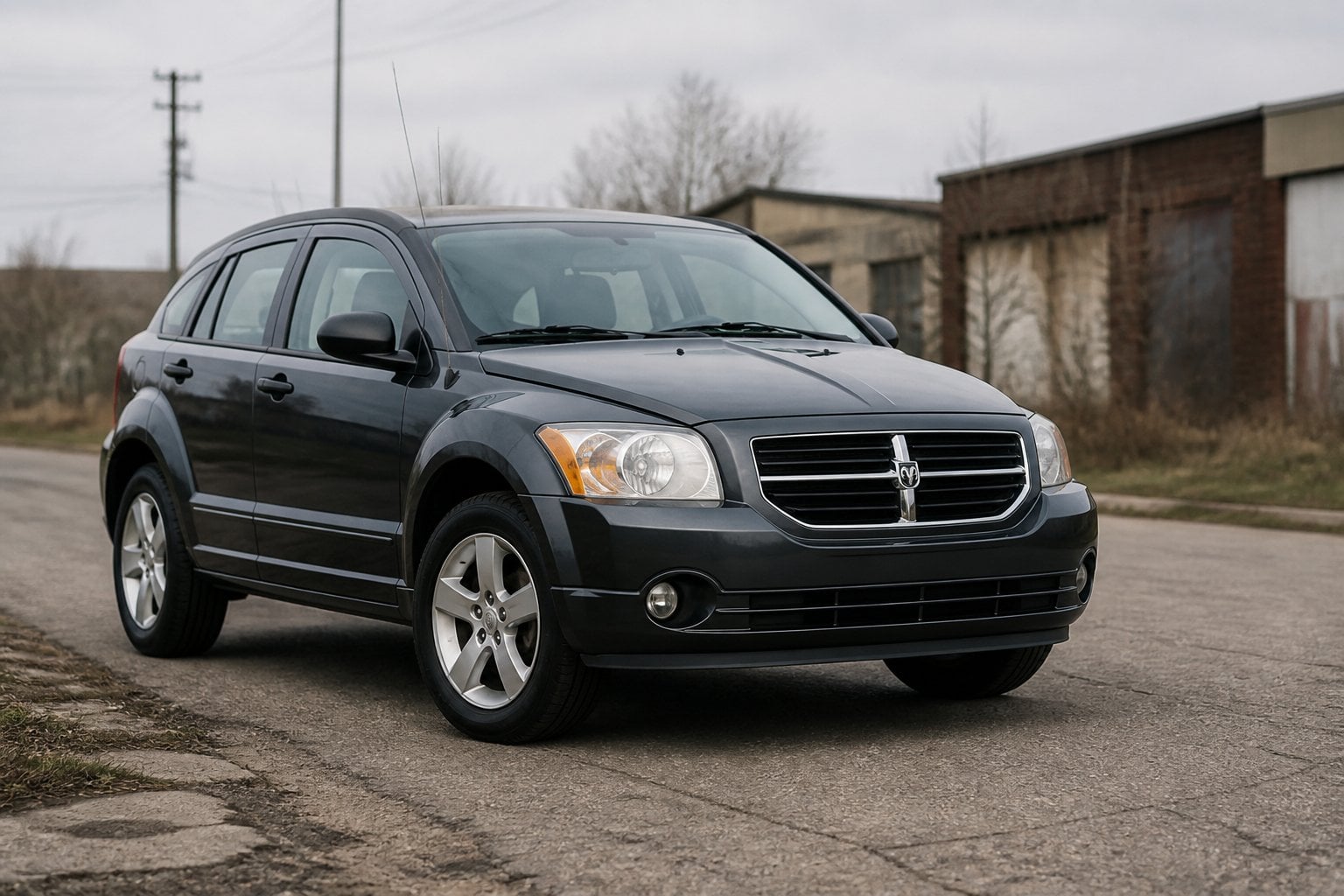
The Caliber was Dodge’s replacement for the Neon, and it struggled to meet expectations from the start. You’ll find owner complaints center on suspension failures, a common issue across nearly every model year in this generation.
The 2007 model is the one you should avoid most. It carries the highest complaint rate of the lineup, with transmission problems and interior build quality issues adding to the suspension concerns.
Cabin materials feel cheap, and the continuously variable transmission in early models often draws criticism for sluggish, unrefined performance. If you’re considering a used Caliber, later years like 2011 and 2012 offer some improvement, since Dodge addressed several early defects.
Even so, the Caliber never shook its reputation for mediocre engineering. You’re better off looking at competitors from this era if reliability and refinement matter to you.
25. Dodge Nitro (2007–2012)
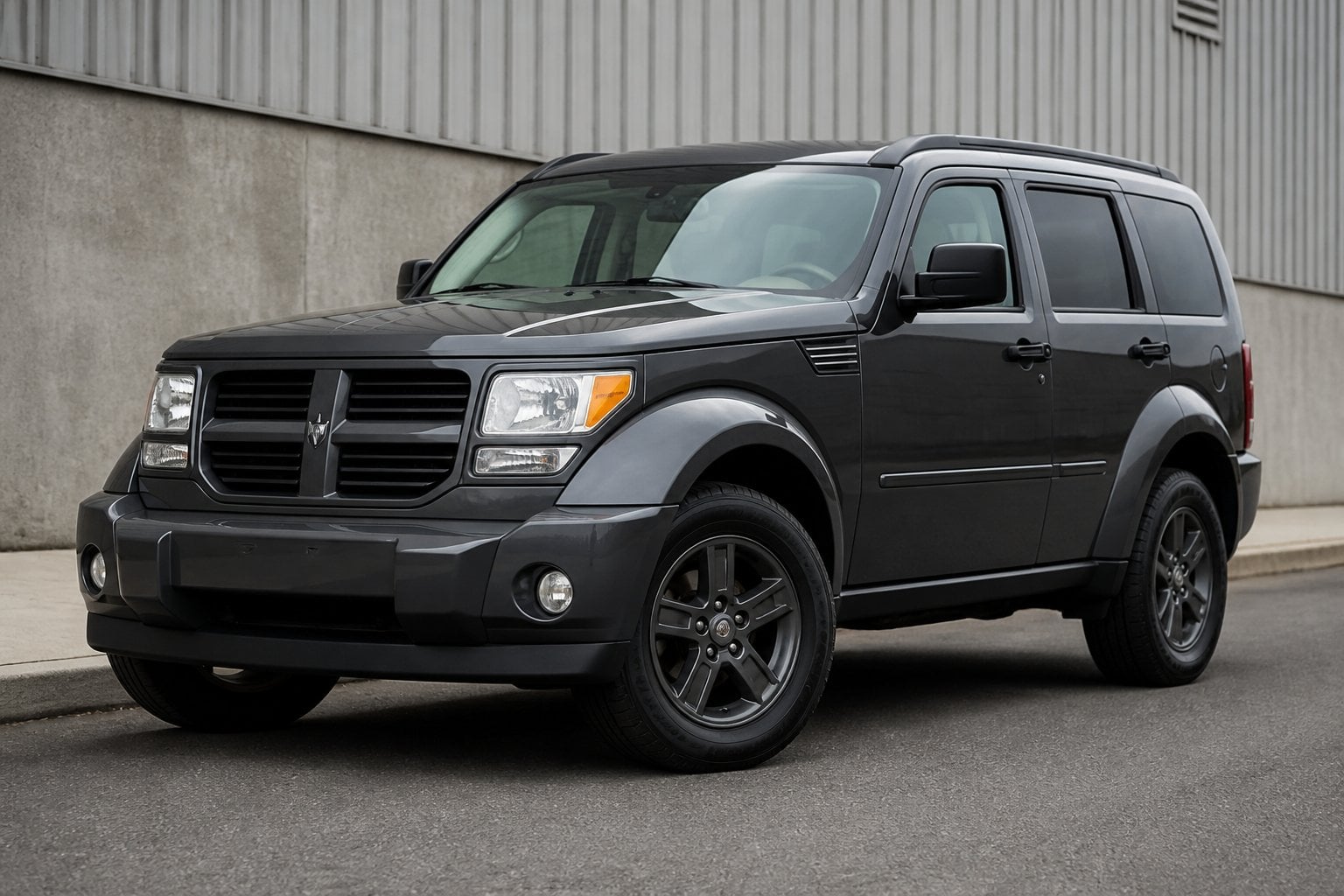
The Dodge Nitro gave you bold, boxy styling, but the mechanical reality behind that look often disappointed. Early models, especially the 2007 version, suffer from a high rate of complaints, with the Totally Integrated Power Module (TIPM) causing random electrical failures. You might find your windows, door locks, or even fuel system acting up without warning.
The 4-speed automatic transmission adds another layer of frustration. Harsh shifting and torque converter shudder plague nearly every model year, not just the early ones.
If you’re shopping for a used Nitro, the 2009 through 2011 models offer more stability, but you still need to watch for rust and suspension wear. The Nitro’s identity as a rugged SUV never quite matched its actual reliability, and that gap is why it earns a spot on this list.
26. Dodge Journey (2009–2020)
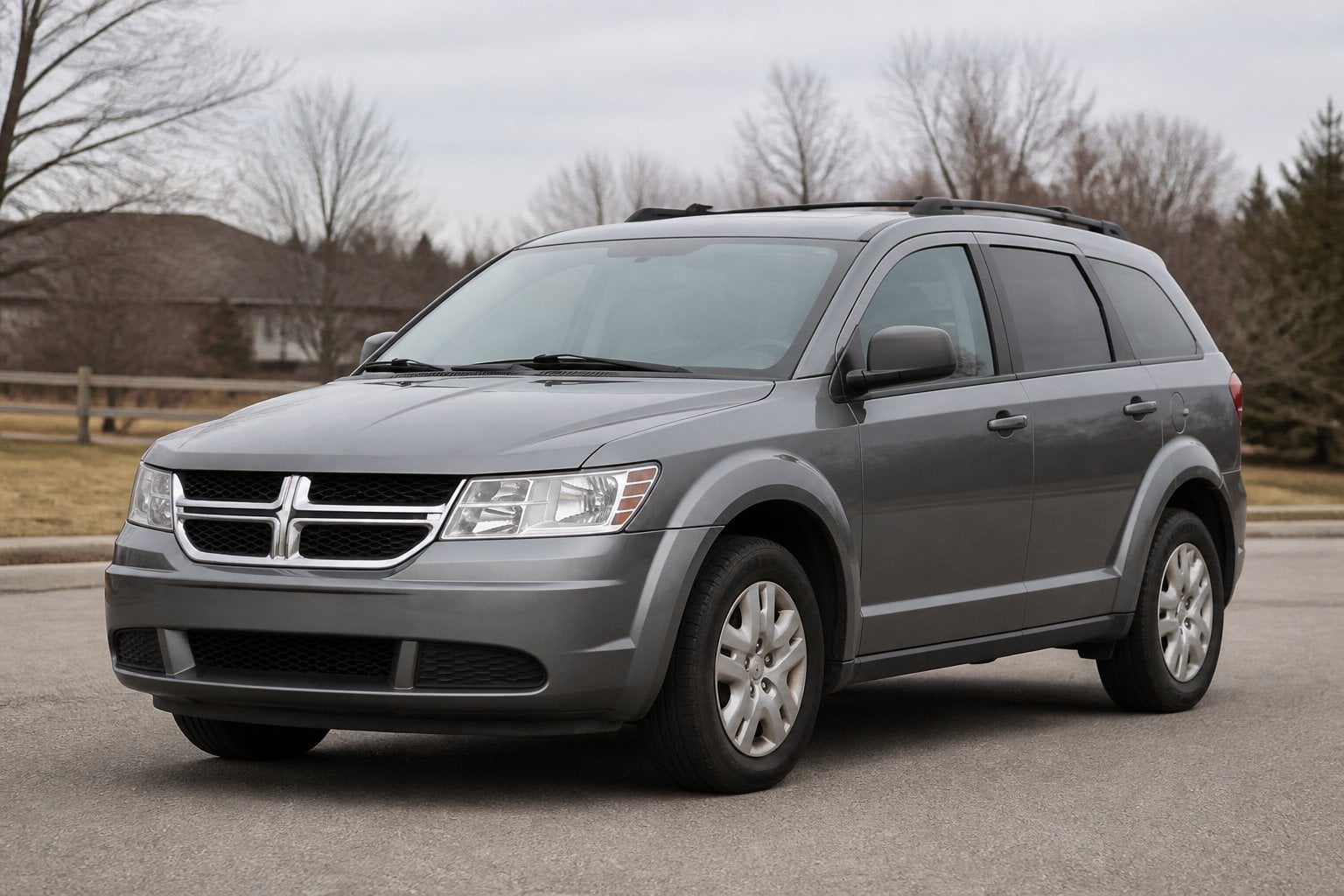
You’ll find the Dodge Journey on many lists of vehicles to avoid, and the reasons come down to consistency. Dodge kept this crossover in production for over a decade with only minor updates, so early problems carried into later model years.
The 2009 and 2010 versions used dated powertrains that owners report as unreliable, with electrical faults and transmission issues showing up repeatedly in complaint data. Even after a 2011 refresh, later years like 2014 through 2016 still logged high rates of engine-related failures.
If you’re shopping for a used Journey, you’ll want to research the specific model year carefully rather than assume improvement over time. Reliability scores across the lineup average in the mid-70s out of 100, which puts it behind most competitors in its class. Your safest bet within this generation is a 2019 or 2020 model, since Dodge addressed some issues before ending production.
27. Dodge Avenger (2008–2014)
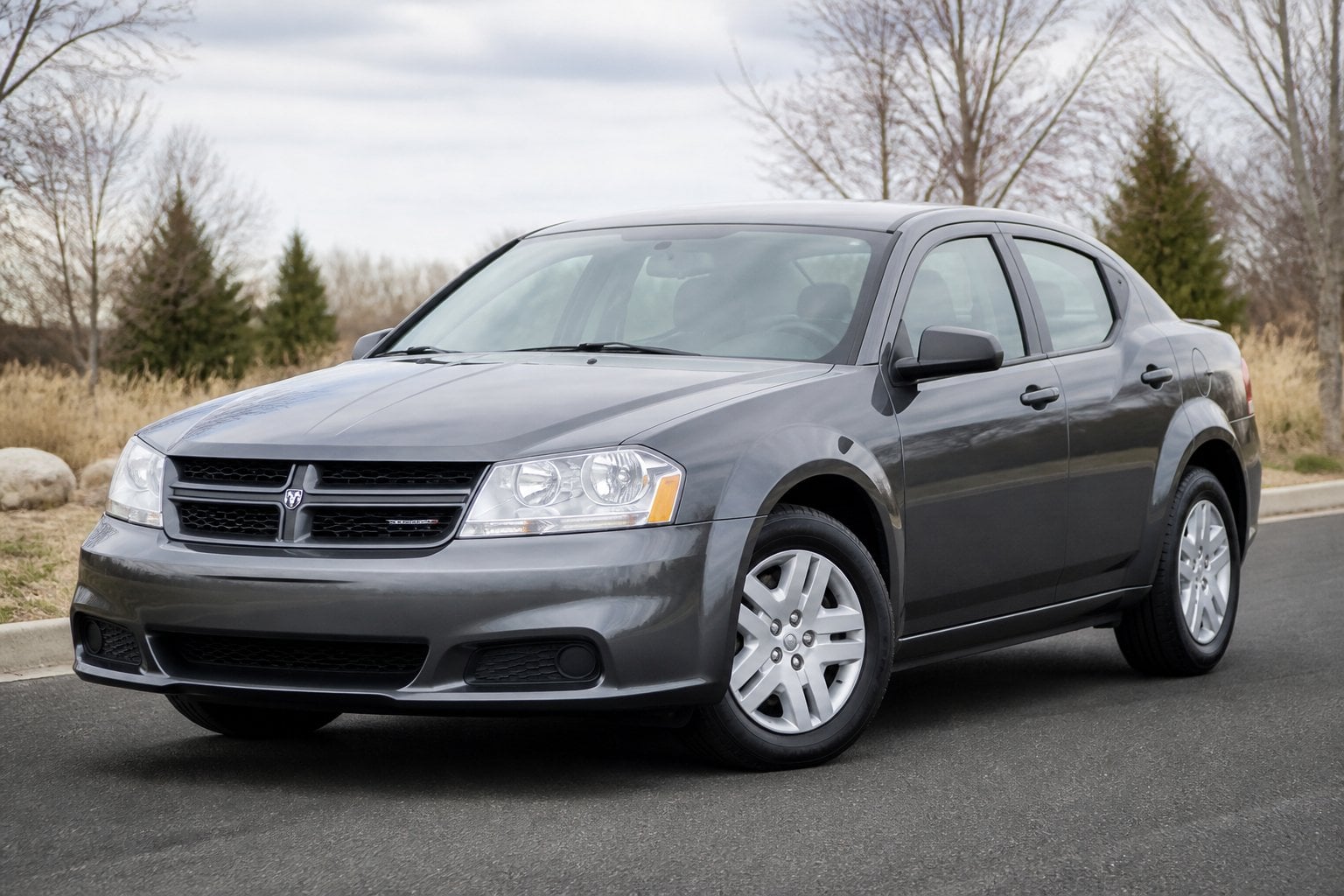
The second-generation Avenger brought over 800 complaints, with transmission problems topping the list. You’ll find owners reporting rough shifting, delayed engagement, and outright failures well before 100,000 miles.
The 2008 model year stands out as the weakest, with widespread transmission and electrical issues reported to NHTSA. If you’re shopping for one of these, steer clear of that specific year.
Interior quality falls short too. You’ll notice hard plastics and cheap-feeling controls that didn’t age well compared to competitors like the Camry or Accord.
Electrical gremlins also plague this generation, including issues with power windows and dashboard warning lights that turn on for no clear reason. Later years, from 2012 to 2014, show some improvement with a more reliable V6 option.
Still, the Avenger’s reputation for cutting corners on build quality keeps it firmly in the territory of models you should approach with caution.
28. Dodge Challenger V6 (2008–2010)
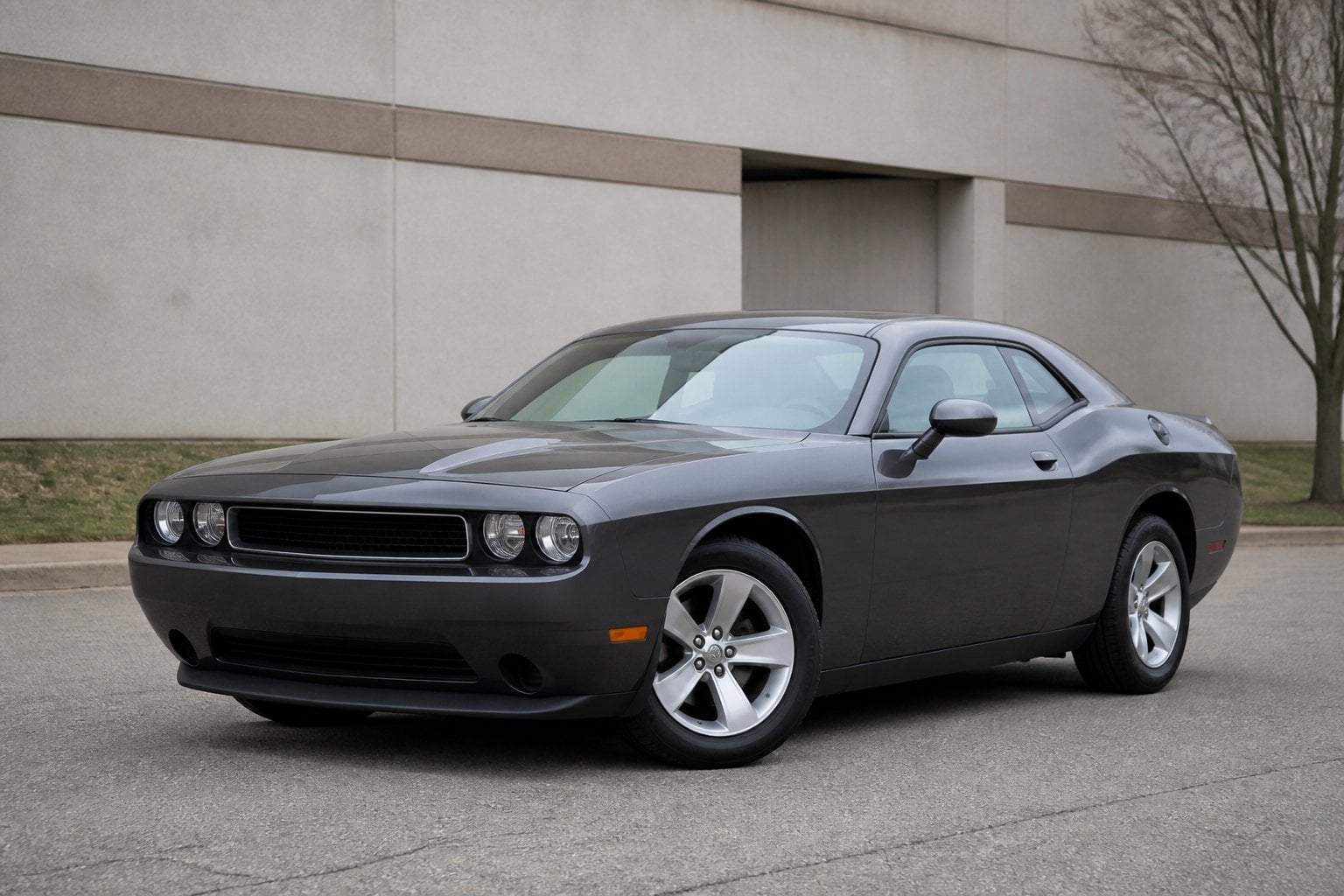
If you bought a Challenger during this era expecting muscle car performance, the base V6 model left you disappointed. The 3.5-liter engine produced only 250 horsepower, a weak number paired with a body that weighed over 3,700 pounds.
You got styling that matched the R/T and SRT8 versions, but none of the performance to back it up. Acceleration felt sluggish, and the four-speed automatic transmission was outdated even when new.
Early TIPM (Totally Integrated Power Module) issues also affected these model years, causing stalling and electrical problems. You could experience random starting failures or dashboard warning lights with no clear cause.
Dodge eventually fixed the V6 problem in 2011 with a more powerful and efficient engine. If you’re shopping for a used Challenger from this period, the 2008-2010 V6 models represent the weakest combination of performance and reliability in the lineup.
29. Dodge Charger SE (2006–2010)
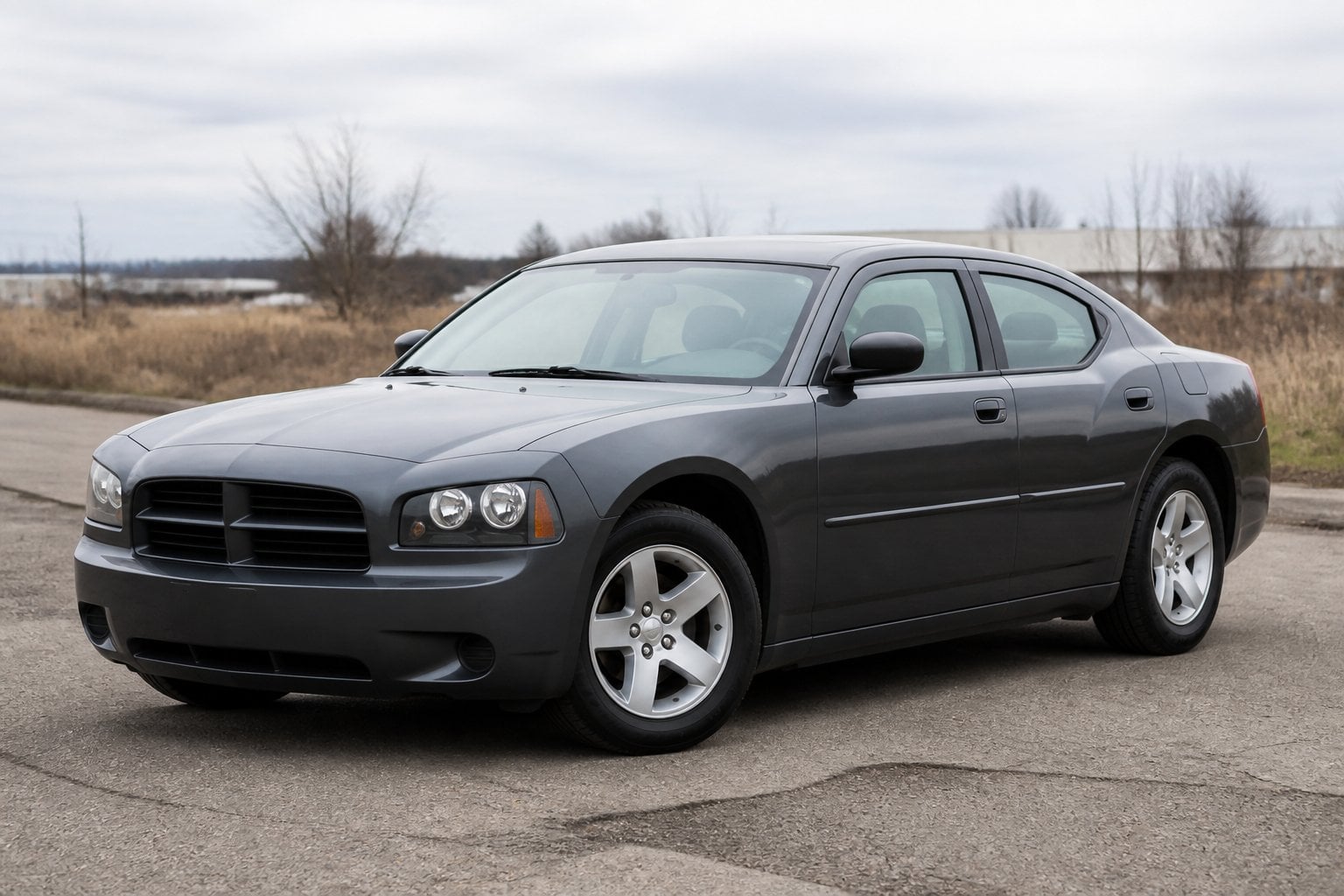
The 2006 to 2010 Dodge Charger SE brought back a classic name, but the execution left owners with real headaches. You’ll find hundreds of complaints tied to this generation, ranking it among the lowest for reliability across all Dodge lineups.
Engine problems are common, with premature failures reported well before you’d expect major issues. Transmission concerns add to the list, affecting how the car shifts and performs over time.
The 2006 model year stands out as particularly troublesome. As the first year of this redesigned Charger, you’ll encounter typical first-year issues: electrical glitches, suspension problems, and interior quality that doesn’t match the exterior’s promise.
If you’re considering a used SE from this era, expect to budget for repairs. The base trim doesn’t offer the performance that later Charger years provide, making the reliability problems harder to justify.
30. Dodge Grand Caravan (2008–2011)
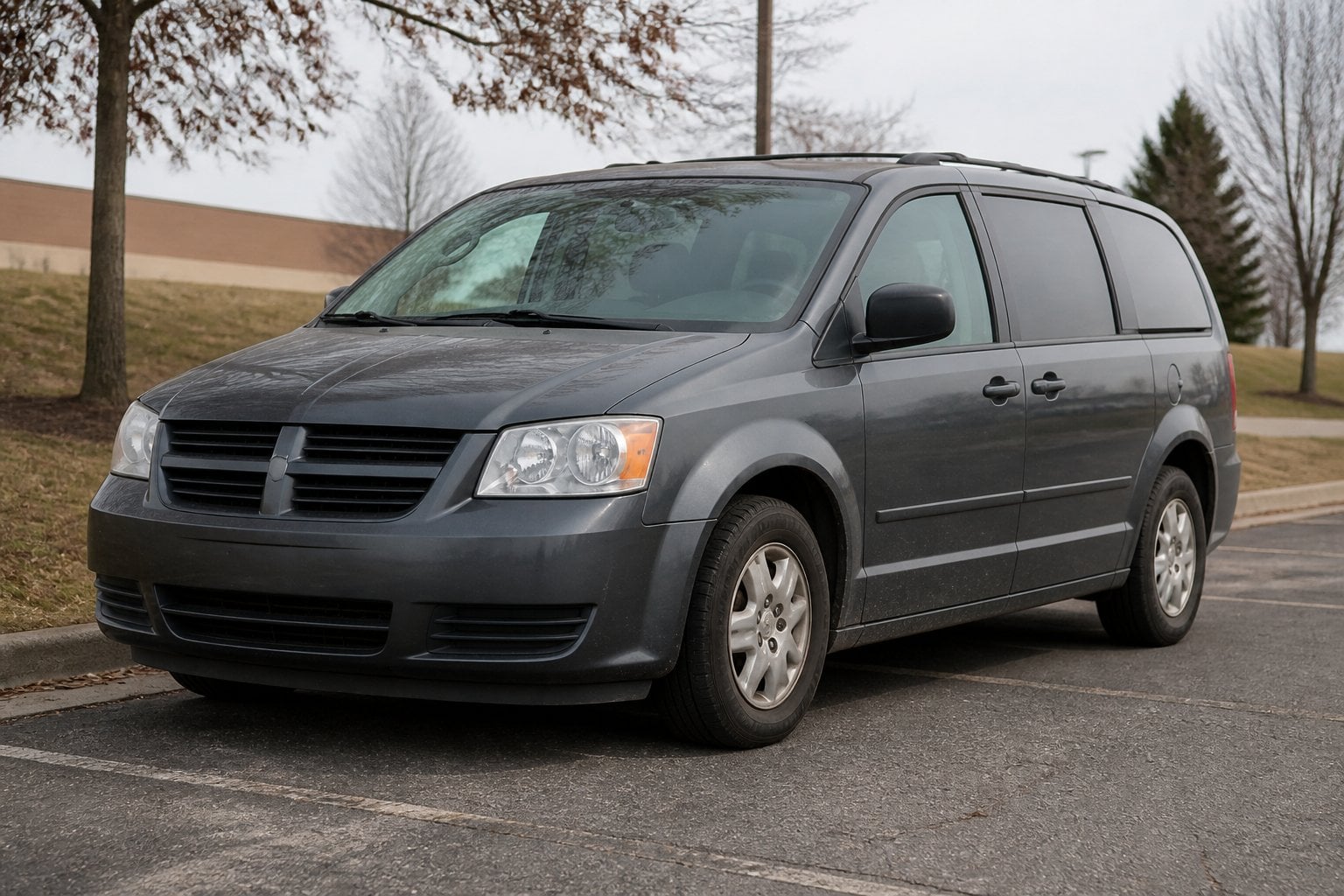
If you’re looking at a used Grand Caravan from this stretch of years, you’re looking at some of the least reliable minivans Dodge ever built.
The 2008 model tops the list of ones to avoid. You’ll find widespread complaints about the Totally Integrated Power Module, or TIPM, failing and causing electrical malfunctions ranging from stalling to unresponsive fuel pumps.
Transmission problems show up frequently too. Owners report rough shifting, delayed engagement, and outright failures well before you’d expect for a vehicle in this class.
Sliding door mechanisms are another weak point you’ll want to check closely if you’re considering one of these years. Doors that stick, fail to open, or won’t latch properly are common complaints.
The 2010 and 2011 models carry similar issues, so you shouldn’t assume the problems were fully resolved. Federal complaint data backs up what many owners have reported for years.
How Dodge Design, Engineering, And Market Pressures Shaped These Vehicles
Your understanding of these weak models improves when you look at the corporate decisions behind them. Parent company budgets, shared parts bins, and rushed development timelines explain why certain Dodge vehicles fell short.
Platform Sharing And Cost-Cutting Decisions
You’ll notice a pattern when you dig into Dodge’s worst models: many were built on platforms designed for other brands or purposes.
Chrysler’s K-platform, for example, underpinned everything from the Dodge Aries to the Shadow, stretching a single architecture far beyond what it could handle well.
This approach let Dodge cut development costs, but it also meant compromised handling, generic interiors, and engines that didn’t match the vehicle’s intended purpose.
You can see this in models like the Dodge Nitro, which shared its platform with the Jeep Liberty but never matched its off-road capability or on-road comfort.
Key cost-cutting patterns you’ll find across these models include:
- Reused interior parts across unrelated vehicle segments
- Underpowered base engines paired with heavier vehicle bodies
- Delayed redesigns that left models unchanged for a decade or more
- Badge engineering, where a Dodge was simply a rebadged version of another Chrysler product
Reliability, Safety, And Build-Quality Concerns
When you examine owner complaints and reliability data, certain issues show up again and again in Dodge’s weakest models.
Transmission failures plagued vehicles like the Dodge Journey, while oil sludge problems affected several V6-equipped sedans from the early 2000s.
You’ll also find that safety ratings varied significantly, with some models like the Dodge Shadow lacking the structural improvements competitors had already adopted.
Build quality issues you should know about include:
- Interior materials that degraded quickly, including cracking dashboards
- Electrical glitches in infotainment and climate systems
- Suspension components that wore out faster than industry averages
- Inconsistent panel gaps and paint quality on assembly lines under production pressure
These patterns tell you that market pressure to release vehicles quickly often outweighed thorough testing and refinement.
What Buyers Can Learn From Dodge’s Weakest Eras
Dodge’s history of underperforming models offers practical lessons for anyone shopping the used market. Two areas deserve your attention before you sign any paperwork: mechanical reliability and long-term ownership costs.
Researching Recalls And Common Mechanical Failures
Before you buy, check the NHTSA database for the specific year and model you’re considering. Recall patterns vary significantly between model years, even within the same generation.
Certain Dodge models developed known issues that repeat across owner reports. Watch for these patterns:
- Transmission failures in early 2000s models like the Intrepid
- Electrical system glitches, including faulty wiring harnesses
- Engine cooling problems tied to specific V6 and V8 configurations
- Interior component wear occurring earlier than industry averages
You can cross-reference complaint volume with your target model. A high number of complaints relative to production numbers signals a pattern, not an isolated incident.
Evaluating Used-Car Condition And Ownership Costs
Your inspection should go beyond a visual check. Ask for maintenance records and confirm whether recurring repairs were addressed with updated parts or temporary fixes.


