The 30 Greatest Porsche Models of All Time: A Comprehensive Ranking of Iconic Sports Cars
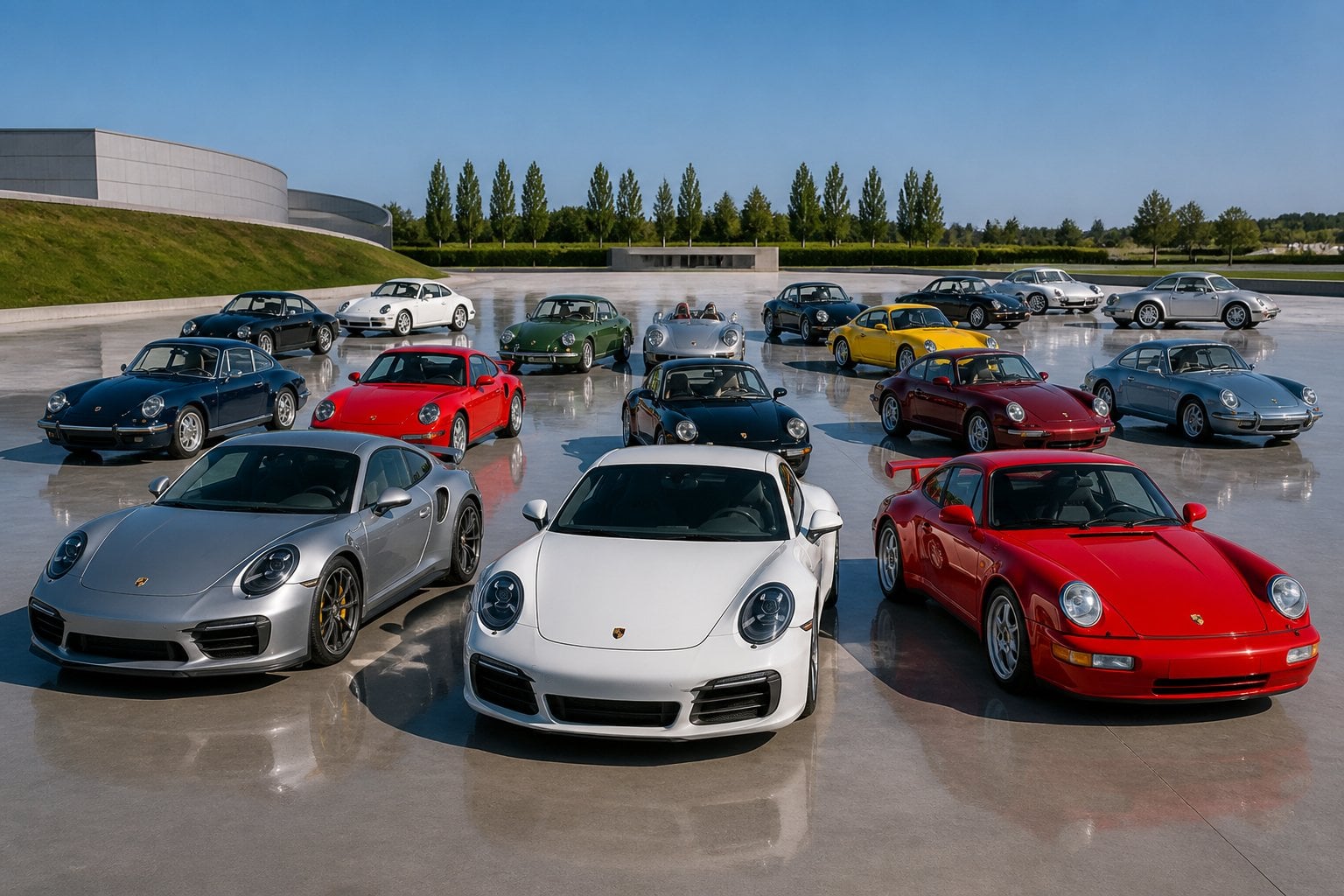
Porsche has built a legacy spanning over seven decades, producing some of the most influential sports cars and race machines ever created. From air-cooled classics that defined an era to cutting-edge hybrid supercars pushing the boundaries of performance, the German manufacturer has consistently delivered vehicles that blend engineering excellence with driving passion.
This ranking explores the 30 most significant Porsche models that have shaped automotive history, from legendary Le Mans winners to revolutionary road cars that changed what you could expect from a sports car.
The list includes groundbreaking race cars that dominated circuits worldwide, iconic 911 variants that became benchmarks for performance, and innovative models that expanded Porsche’s reach beyond traditional sports car territory.
You’ll find the original models that established Porsche’s reputation alongside modern interpretations that carry those core values forward. These vehicles represent the pinnacle of what Porsche has achieved across multiple generations of design and engineering philosophy.
1. Porsche 917 K
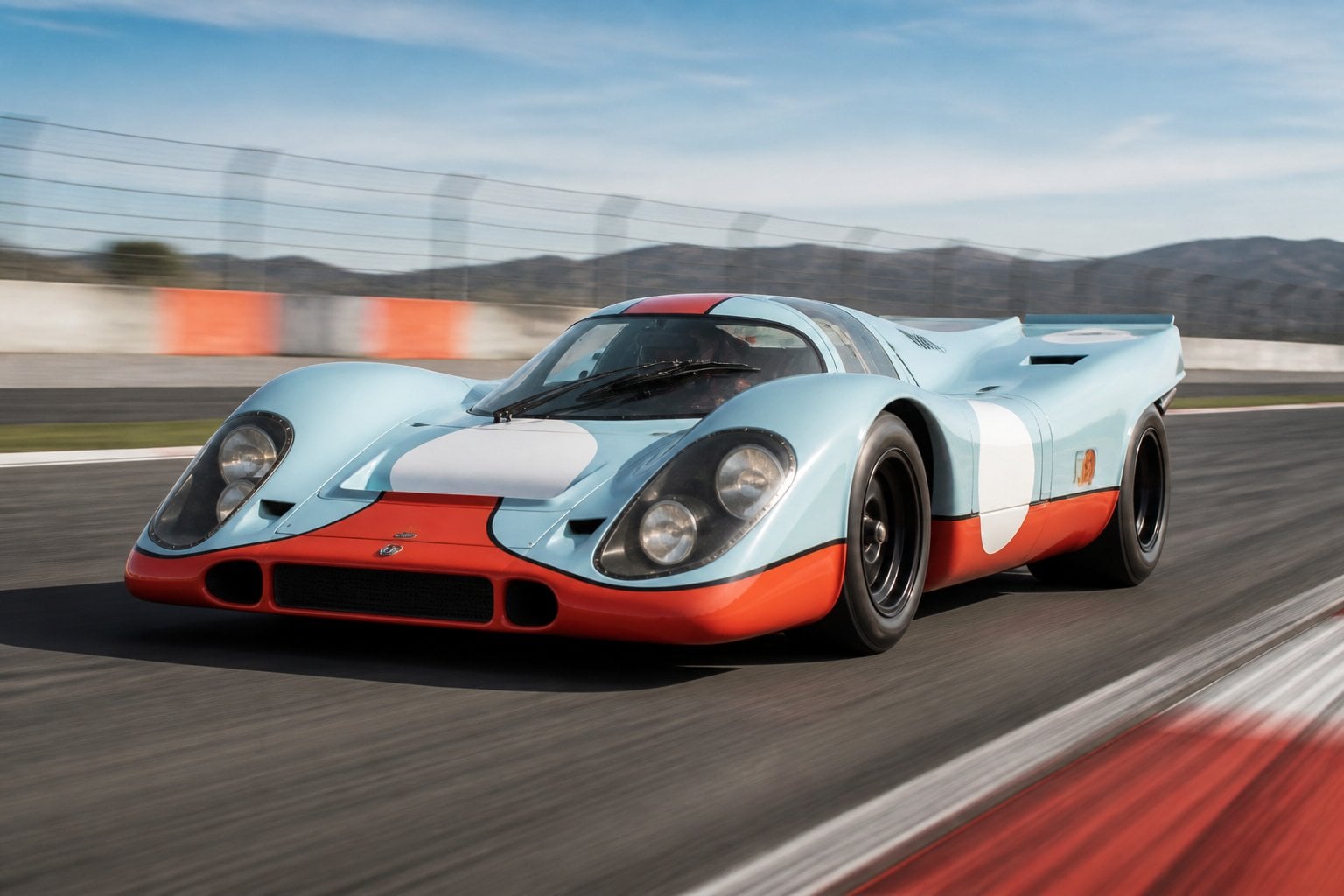
The 917 K delivered Porsche its first overall victory at Le Mans in 1970. You’re looking at a car that transformed Porsche’s racing reputation on the world stage.
Richard Attwood and Hans Herrmann piloted the winning 917 K at Le Mans, marking a turning point for the German manufacturer. The “K” designation stood for “Kurzheck” (short tail), a configuration developed to improve the car’s handling after the original long-tail version proved difficult to control.
Under the bodywork, you’ll find a flat-12 engine that grew from 4.5 to 5.0 liters during development. This powerplant gave the 917 K the performance needed to dominate endurance racing in the early 1970s.
The 917 K’s success extended beyond a single Le Mans win, establishing it as one of motorsport’s most significant race cars.
2. Porsche 911 (1964) – Original 901/911
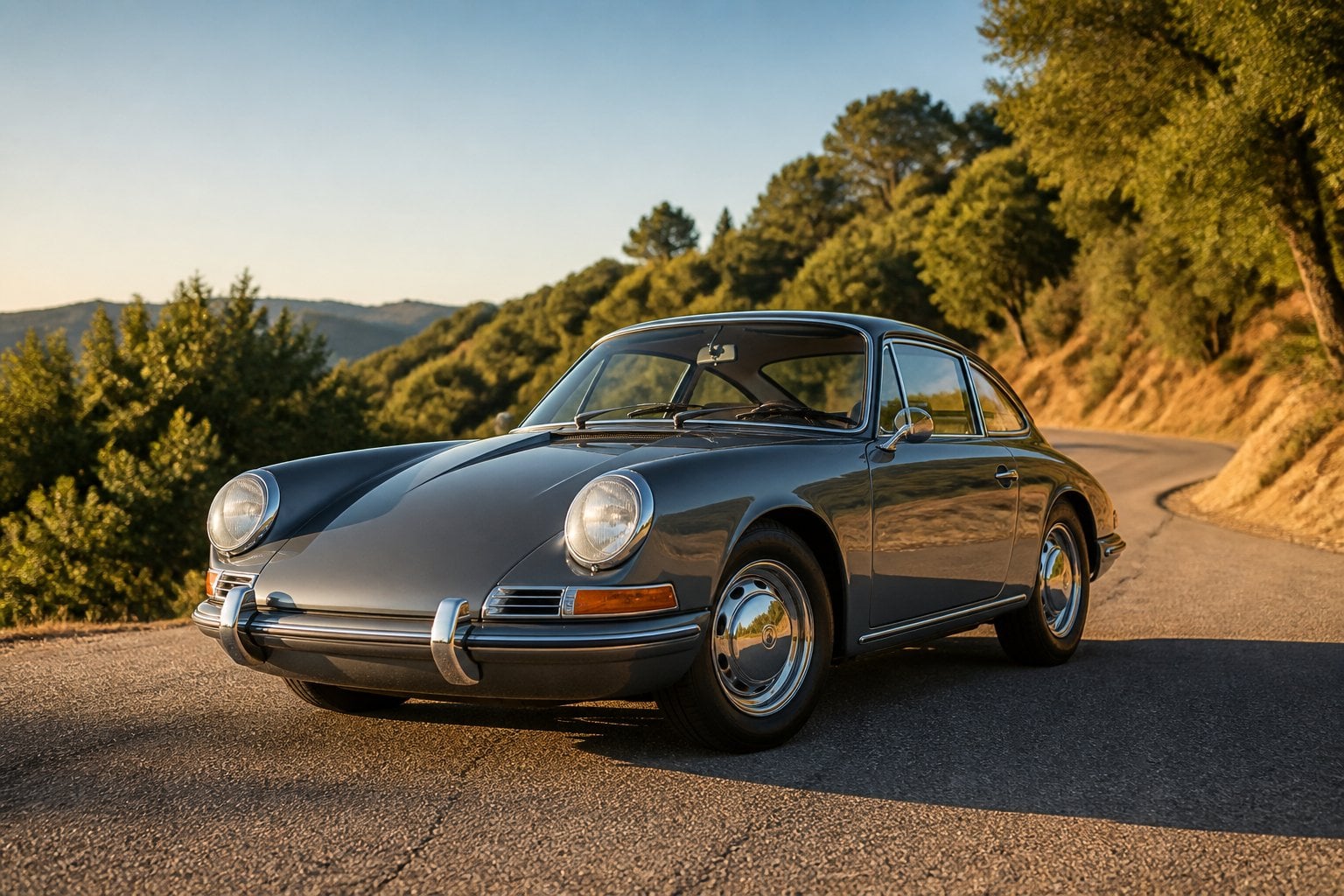
The 1964 Porsche 911 established the foundation for what would become automotive history’s most enduring sports car. Initially unveiled as the 901 at the 1963 Frankfurt Motor Show, Porsche renamed it to 911 before production began in September 1964. The reason was simple: Peugeot held trademark rights to three-digit model numbers with a zero in the middle.
You’ll recognize the original 911 by its distinctive rear-engine layout and sloped roofline, design elements that have remained characteristic of the model for over six decades. The car offered you a longer wheelbase than the 356 it would eventually replace, along with improved suspension and additional rear seating.
At launch, you could purchase the base model for 21,900 Deutschmarks. This original 911 ran through 1973 before evolving into subsequent generations, but it set the template for every 911 that followed.
3. Porsche 356 Speedster
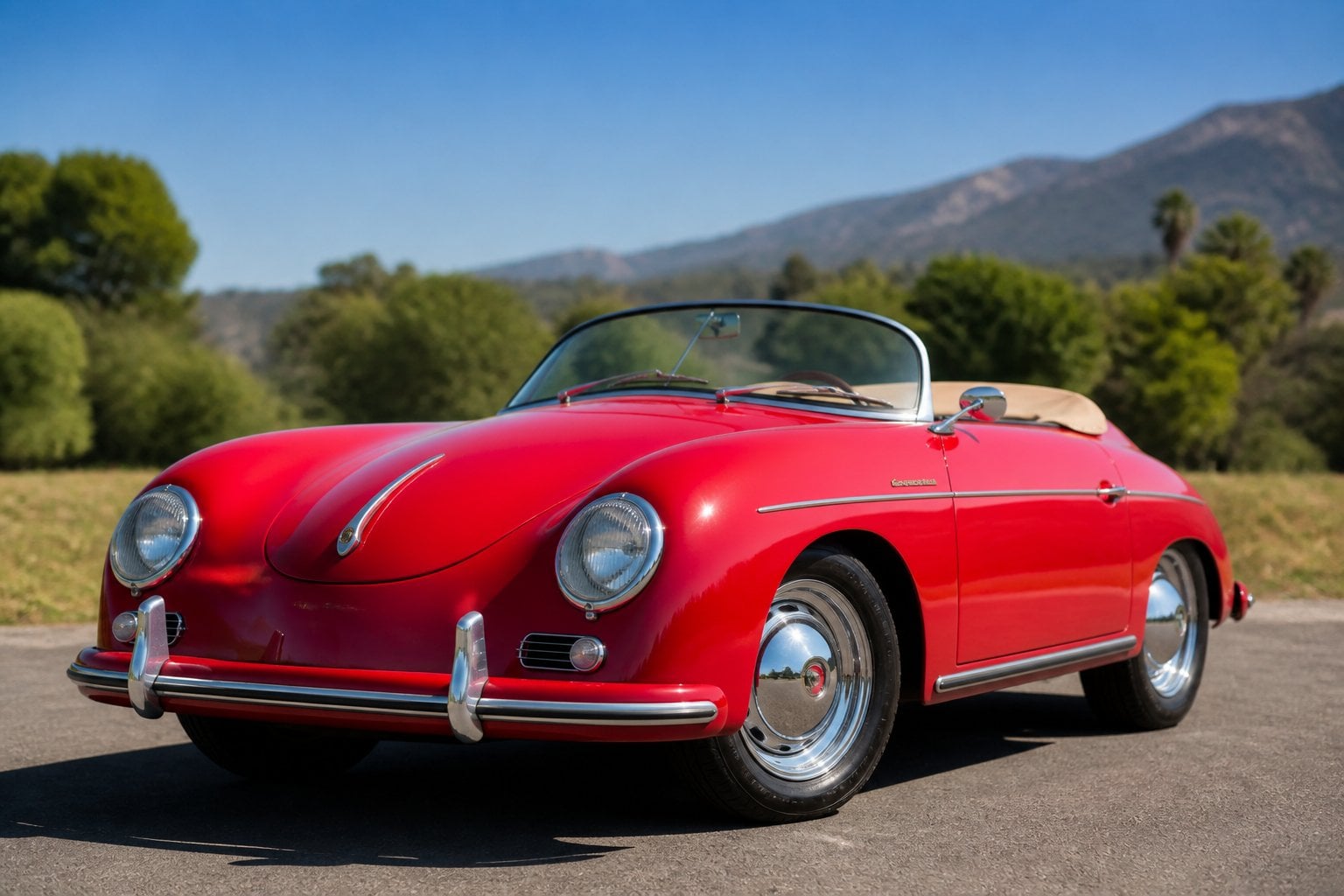
The 356 Speedster represents Porsche’s entry into affordable performance. Introduced in autumn 1954, it was developed at the request of American importer Max Hoffman, who wanted a stripped-down sports car priced under $3,000.
You’ll find the Speedster featured reduced furnishings compared to the standard 356, making it significantly lighter and more focused on driving. The minimalist approach included a basic windscreen, lightweight bucket seats, and side curtains instead of roll-up windows.
This model quickly made its mark in motorsports and became a cultural icon. Its low-slung profile and purposeful design established what would become Porsche’s “purist convertible” philosophy.
The 356 Speedster carries foundational importance in Porsche mythology. It proved that you could create an engaging sports car by removing excess rather than adding complexity, a principle that continues to influence Porsche design today.
4. Porsche 911 Carrera RS 2.7 (1973)
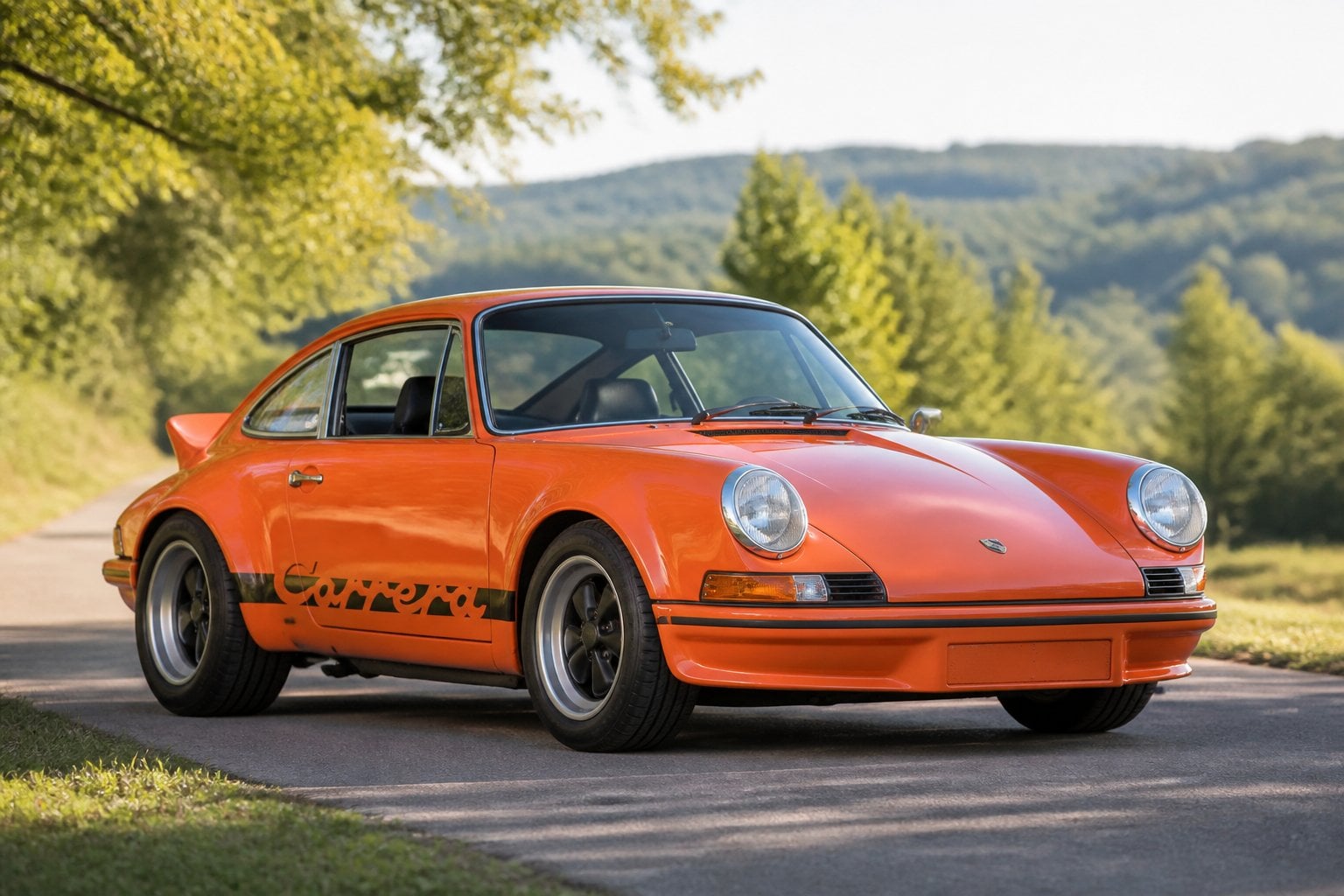
The Carrera RS 2.7 stands as one of the most significant 911s ever built. Revealed at the 1972 Paris Auto Show, this lightweight homologation special was developed to qualify the 911 for Group 4 racing.
Porsche needed to produce 500 units for homologation, but demand exceeded all expectations. By November, all 500 had sold, and production continued until 1,580 examples were completed by July 1973.
The RS featured a 2.7-liter flat-six engine producing 210 horsepower, making it one of the fastest German production cars of its era. You’ll recognize it by its distinctive ducktail spoiler, the first production 911 to wear such aerodynamic bodywork.
Built primarily in two variants—lightweight Sport and more comfortable Touring—the RS established the blueprint for all high-performance 911s that followed. Today, these cars command million-dollar prices at auction.
5. Porsche 911 Turbo (930)
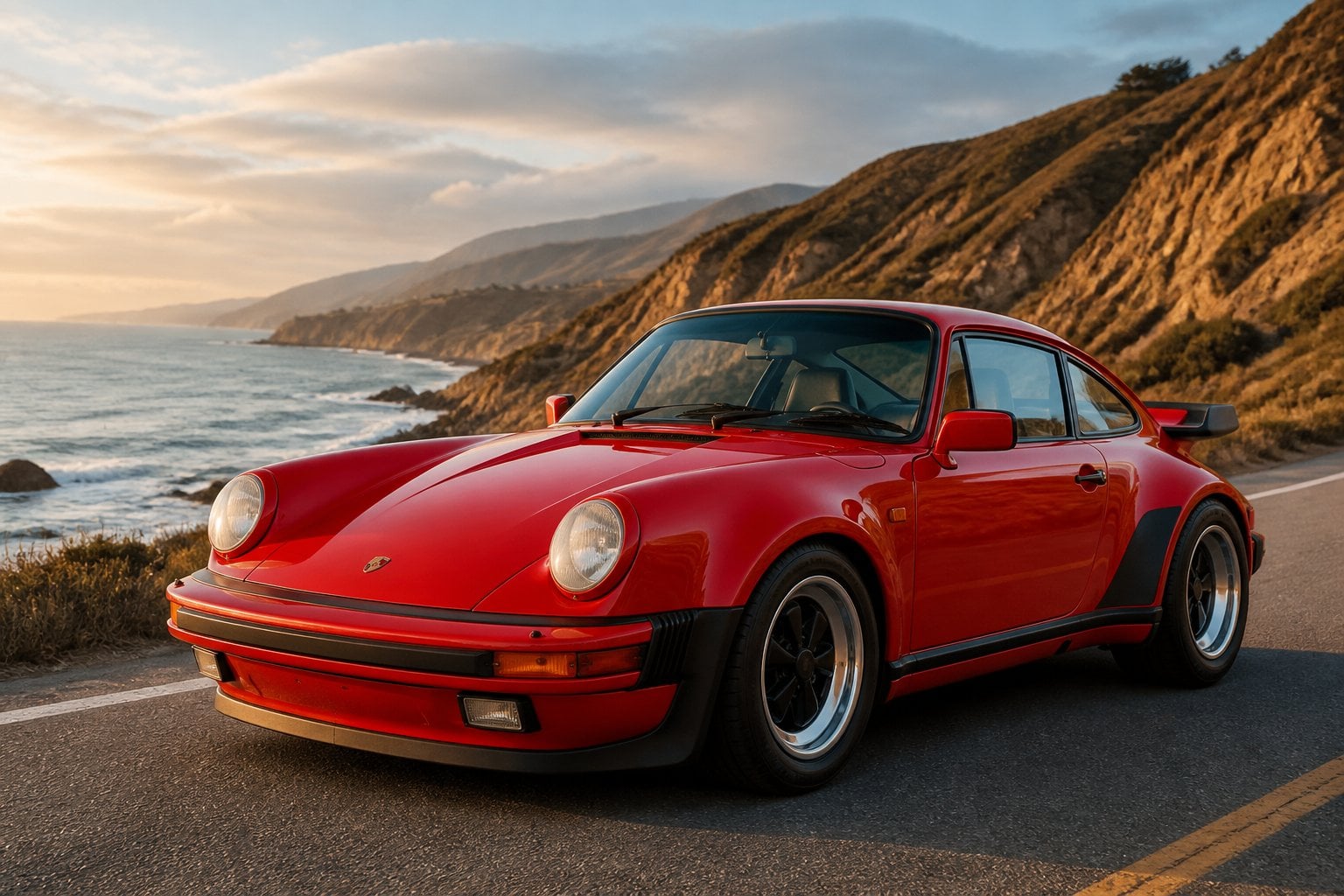
The 930 marked Porsche’s first production turbocharged 911 when it debuted in 1975. You’re looking at a car that was Germany’s fastest production vehicle at launch, combining turbo technology from the 917/30 race car with the 3.0-liter flat-six engine.
Originally developed for racing homologation, the 930 quickly became a street legend. It produced 260 horsepower and featured distinctive styling cues like the iconic whale-tail spoiler and widened rear fenders.
The 930’s turbocharged performance came with a challenging personality. Boost delivery was abrupt, and the rear-engine layout demanded respect from drivers. This earned it a formidable reputation among enthusiasts.
Production continued until 1989, establishing the Turbo as Porsche’s flagship 911 variant. The 930 proved that turbocharging could work in road cars and set the template for every 911 Turbo that followed.
6. Porsche 917/30 Can-Am
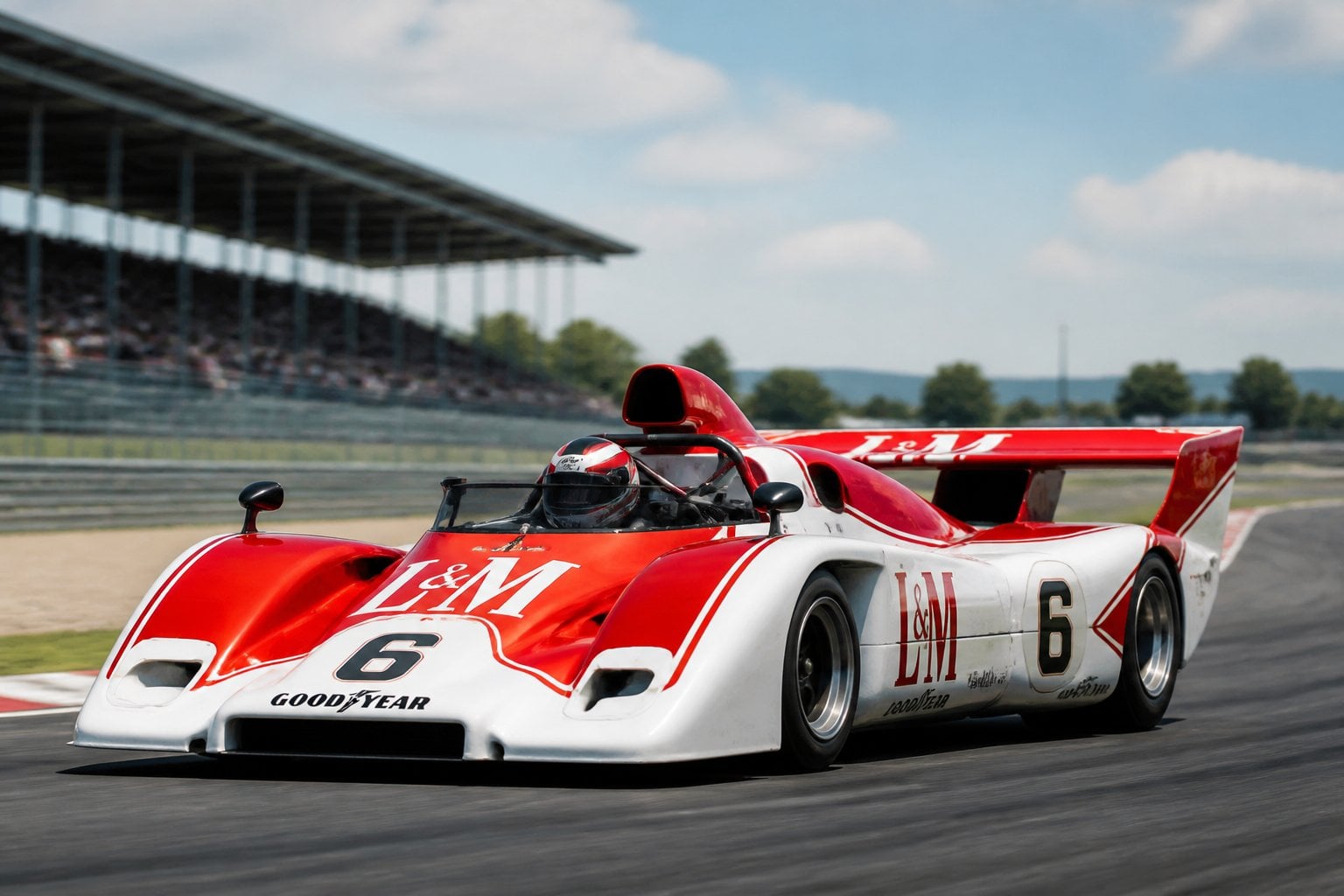
The 917/30 represents the absolute pinnacle of Can-Am racing dominance. Developed from the Le Mans-winning 917, this turbocharged monster produced over 1,100 horsepower from its 5.4-liter flat-12 engine, with some sources claiming figures exceeding 1,500 horsepower in qualifying trim.
Mark Donohue piloted the 917/30 to six victories in eight races during the 1973 Can-Am season, securing Porsche’s second consecutive championship. The car weighed just 850 kilograms, creating a power-to-weight ratio that remains legendary in motorsport history.
Porsche’s dominance proved so complete that it effectively ended the Can-Am series. The 917/30 stands as one of the most powerful circuit racing cars ever built, showcasing an era of unrestricted engineering ambition. Only two chassis exist today, preserving this remarkable chapter in racing history.
7. Porsche 959
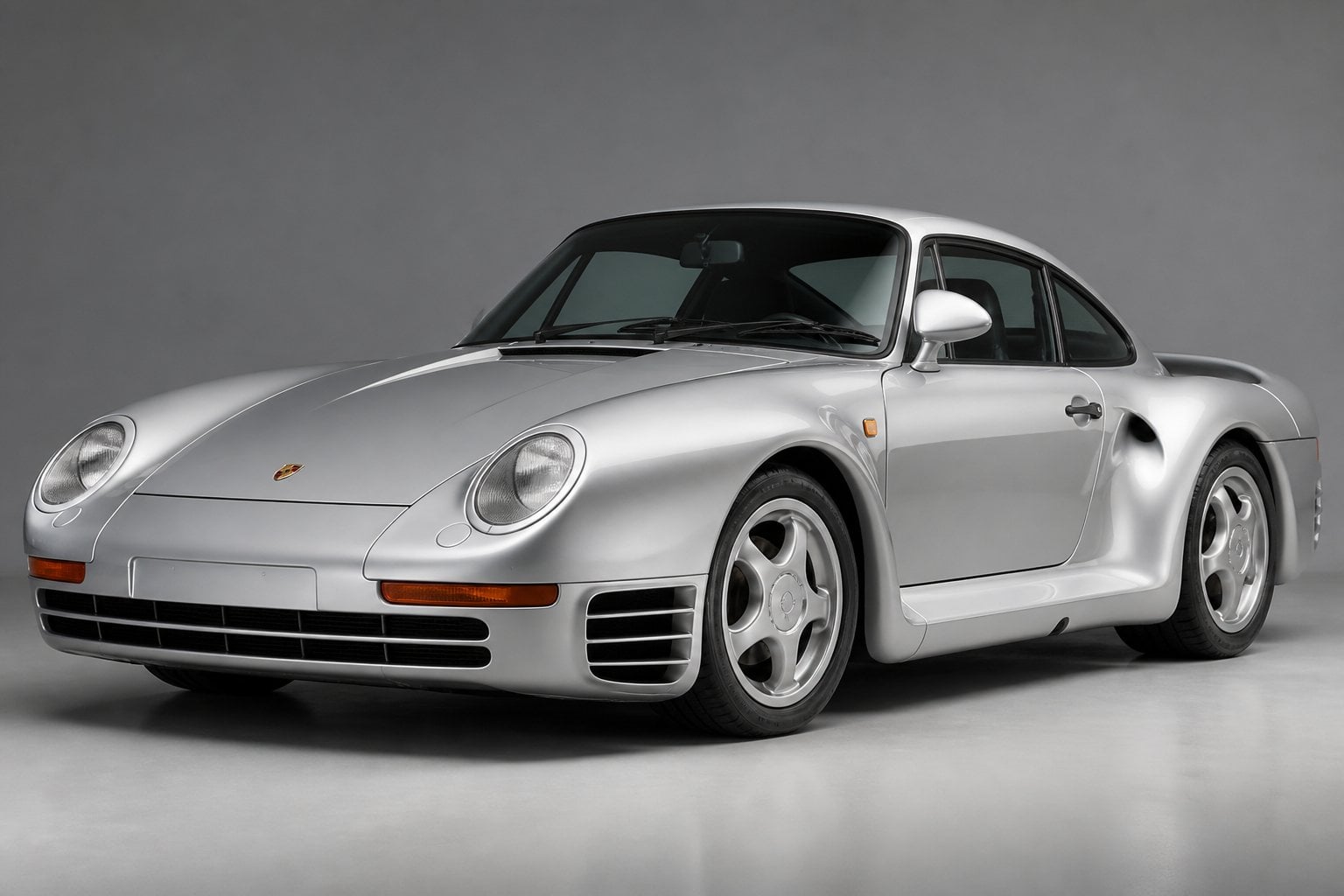
The Porsche 959 represented a technological leap when it debuted in 1986. You’re looking at a car that pioneered sequential twin turbocharging, all-wheel drive, and adjustable suspension in a production vehicle.
Porsche built the 959 to meet Group B rally homologation requirements, producing just over 200 units between 1986 and 1993. The car proved itself immediately by winning the grueling Paris-Dakar Rally in 1986.
With a flat-six engine producing around 450 horsepower, the 959 achieved a top speed of approximately 195 mph. It could sprint from 0 to 60 mph in just 3.6 seconds, performance figures that remained impressive for decades.
You’ll find the 959’s influence throughout modern supercar design. Its advanced all-wheel drive system and forced induction technology paved the way for today’s performance vehicles.
8. Porsche 911 GT3 RS (997)
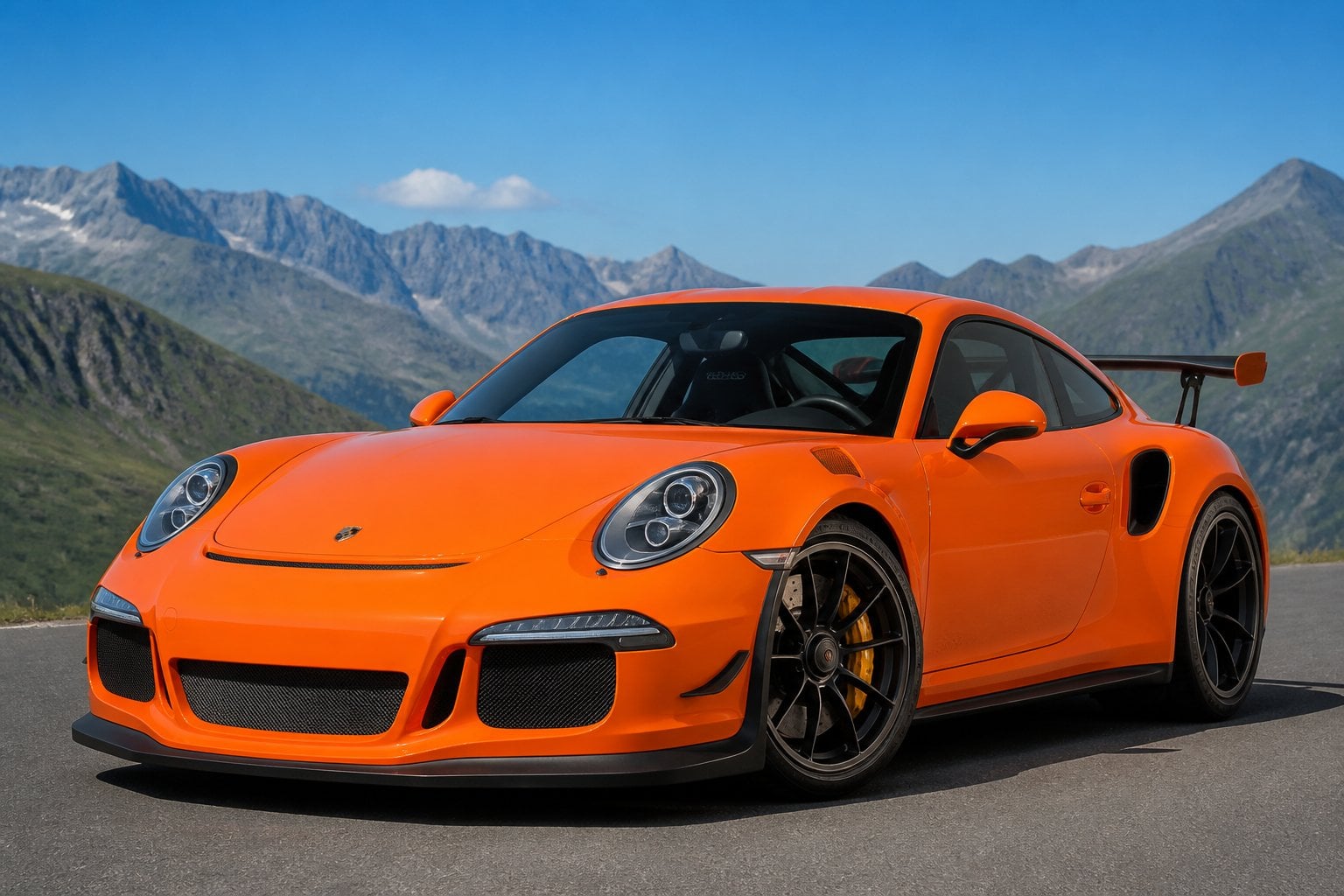
The 997 GT3 RS represents Porsche’s commitment to creating the ultimate street-legal track weapon. You’ll find three distinct variants across this generation: the 997.1 GT3 RS with its 3.6-liter engine, the 997.2 GT3 RS featuring a 3.8-liter unit, and the legendary RS 4.0.
The GT3 RS 4.0, launched in 2011 as the 997’s swan song, stands as the pinnacle of this generation. Its 4.0-liter Mezger engine delivered raw performance that cemented its place in Porsche history.
What sets the 997 GT3 RS apart is its motorsport DNA translated for road use. You get track-focused upgrades over the standard GT3, including weight reduction, enhanced aerodynamics, and suspension tuning. The combination creates one of the most engaging driving experiences Porsche has ever offered, making it highly coveted among collectors today.
9. Porsche 911 GT2 RS (991)
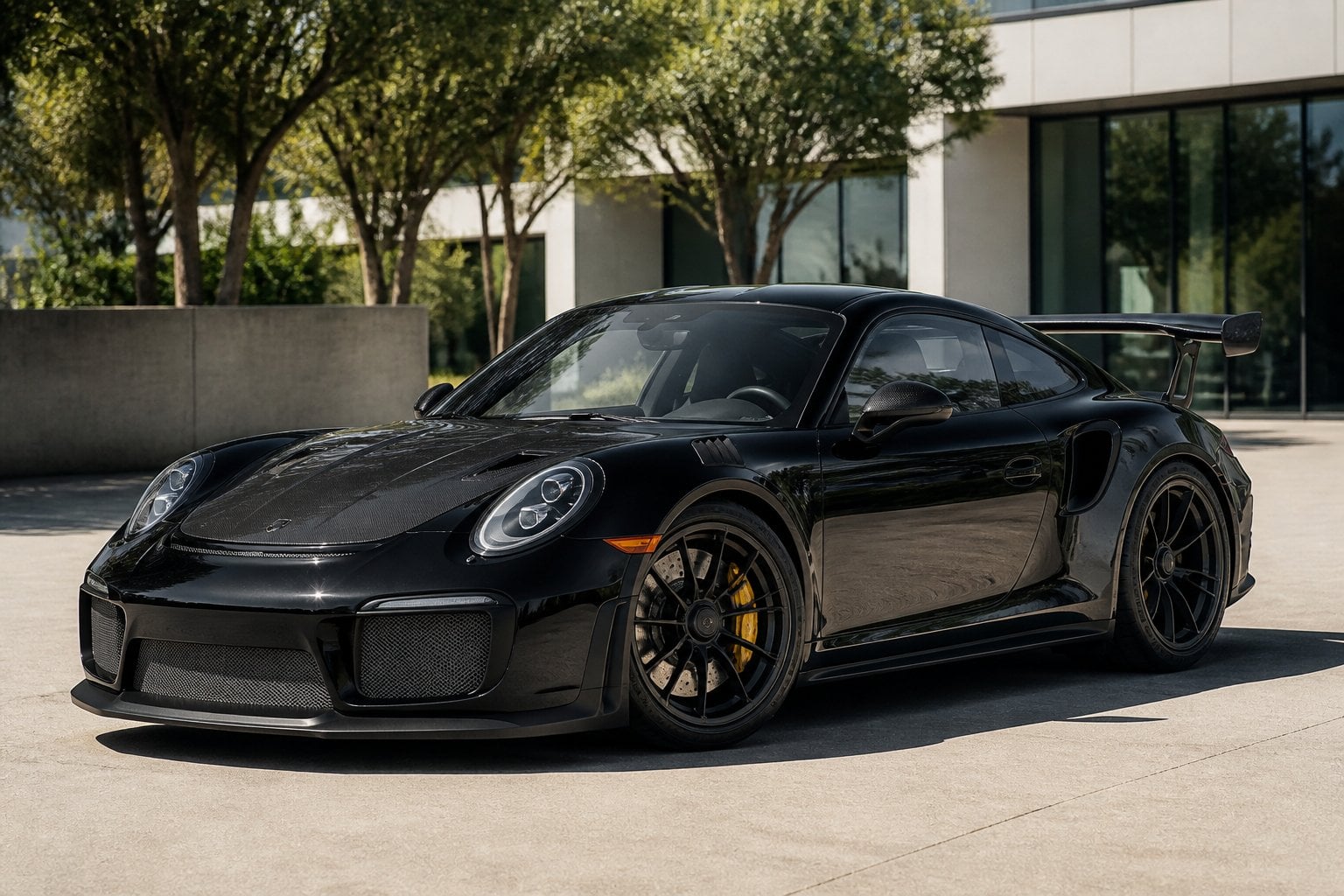
The 991 GT2 RS stands as the most powerful road-going 911 ever produced when it debuted in 2017. You get 700 horsepower from its twin-turbocharged flat-six engine, delivered exclusively to the rear wheels through a PDK transmission.
This configuration makes it lighter and more track-focused than the all-wheel-drive Turbo models. The GT2 RS achieved a 6:47.3 lap time at the Nürburgring, showcasing its track capabilities.
You’ll find carbon fiber construction throughout the vehicle, reducing weight to approximately 1,470 kilograms. The aerodynamic package generates significant downforce for improved high-speed stability.
While newer 992 Turbo S models may accelerate faster in straight lines due to all-wheel drive, the GT2 RS remains superior on circuit tracks. Its combination of power, reduced weight, and purpose-built design represented the pinnacle of 991-generation performance.
10. Porsche 356A Carrera GS
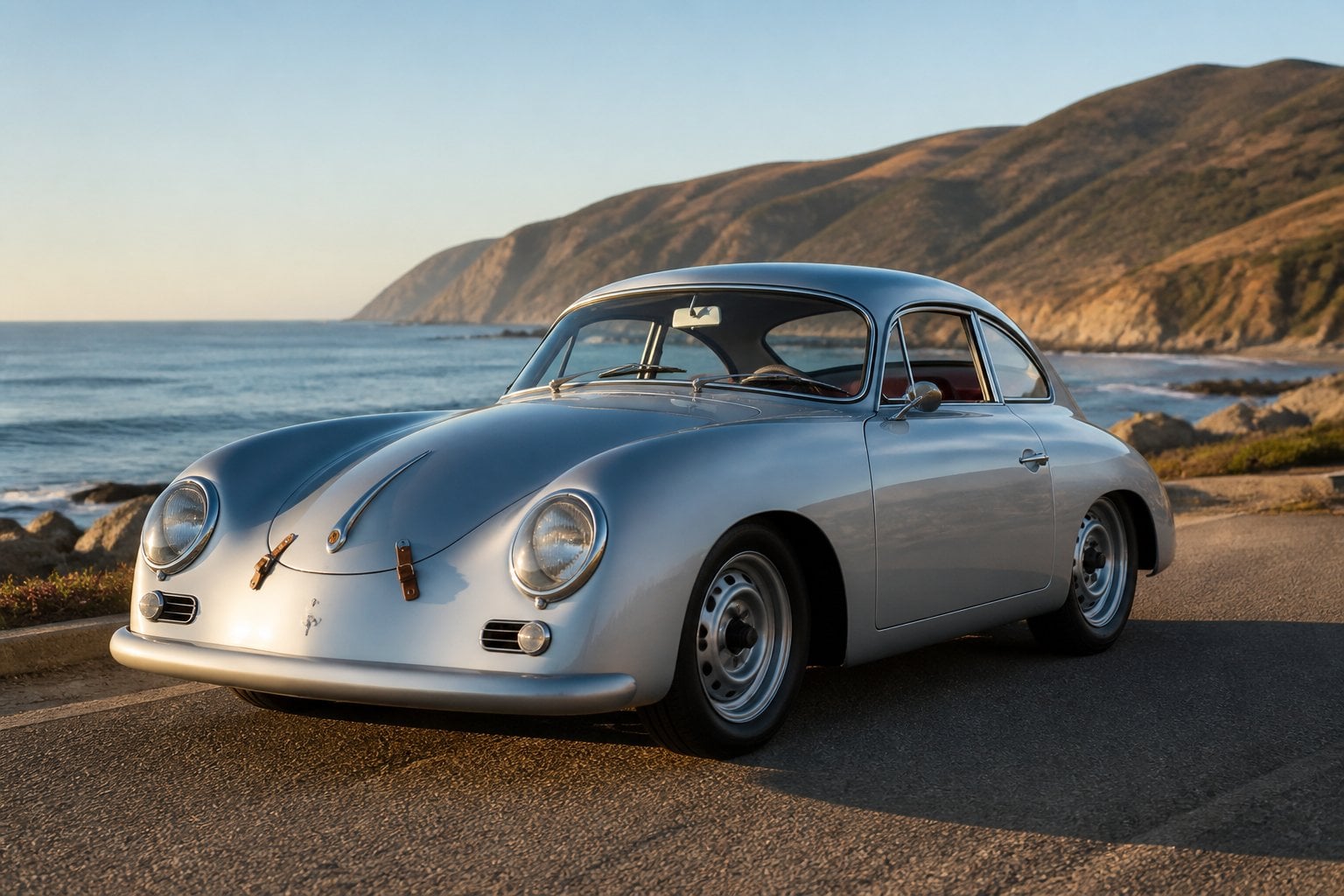
The 356A Carrera GS represents Porsche’s first true production sports car, debuting at the Frankfurt Motor Show in 1955. Named after Porsche’s victory at the Carrera Panamericana, this model featured the Type 547/1 four-cam engine from the 550 RS Spyder.
You’ll find this powerplant produced 100 horsepower, delivering performance that far exceeded the standard 356A. The engine’s dual overhead camshafts per bank made it significantly more powerful and free-revving than its pushrod counterparts.
Production ran through 1958, with the model available in coupe, cabriolet, and speedster configurations. The 356A Carrera Speedster stands among the rarest variants, with approximately 150 examples built.
This combination of racing-derived engineering in a road-going package established Porsche’s commitment to performance regardless of cost. The Carrera GS proved you could have genuine competition technology in a relatively practical sports car.
11. Porsche 911 R (2016)
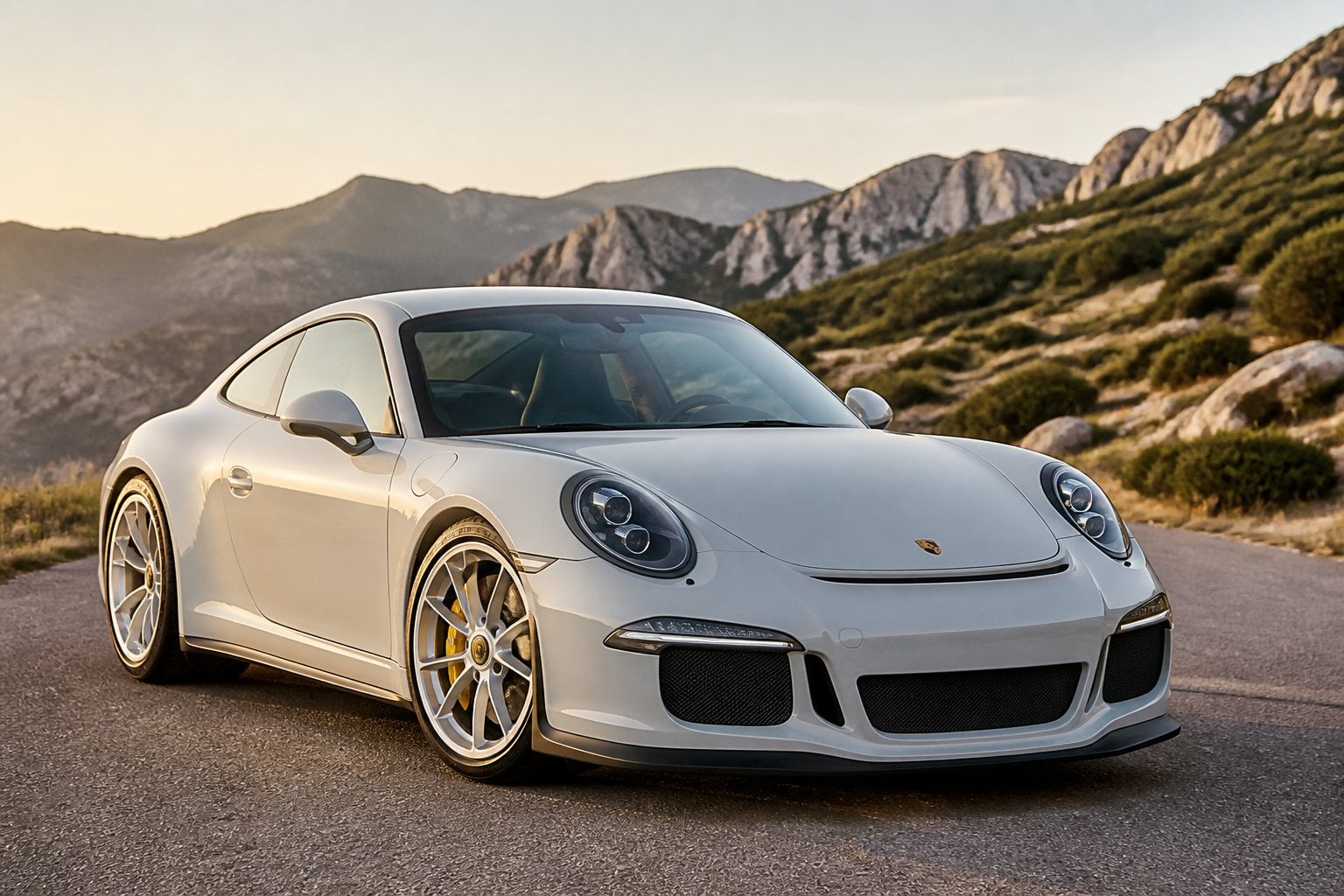
The 2016 911 R represents Porsche’s answer to enthusiasts who demanded a pure, uncompromised driving experience. You get the GT3 RS’s 500-horsepower 4.0-liter flat-six engine paired exclusively with a six-speed manual transmission.
Porsche stripped away the rear wing and roll cage, creating a lighter, more focused machine. With only 991 units produced, the R immediately became one of the most exclusive modern 911 variants you could own.
The car debuted at the 2016 Geneva International Motor Show and sparked intense collector interest. Market values quickly climbed from MSRP into the $400,000-$700,000 range.
What makes the 911 R special is its commitment to analog driving pleasure. You won’t find turbochargers or dual-clutch transmissions here—just naturally aspirated power and a manual gearbox connecting you directly to the road.
12. Porsche 911 (996) Turbo Cabriolet
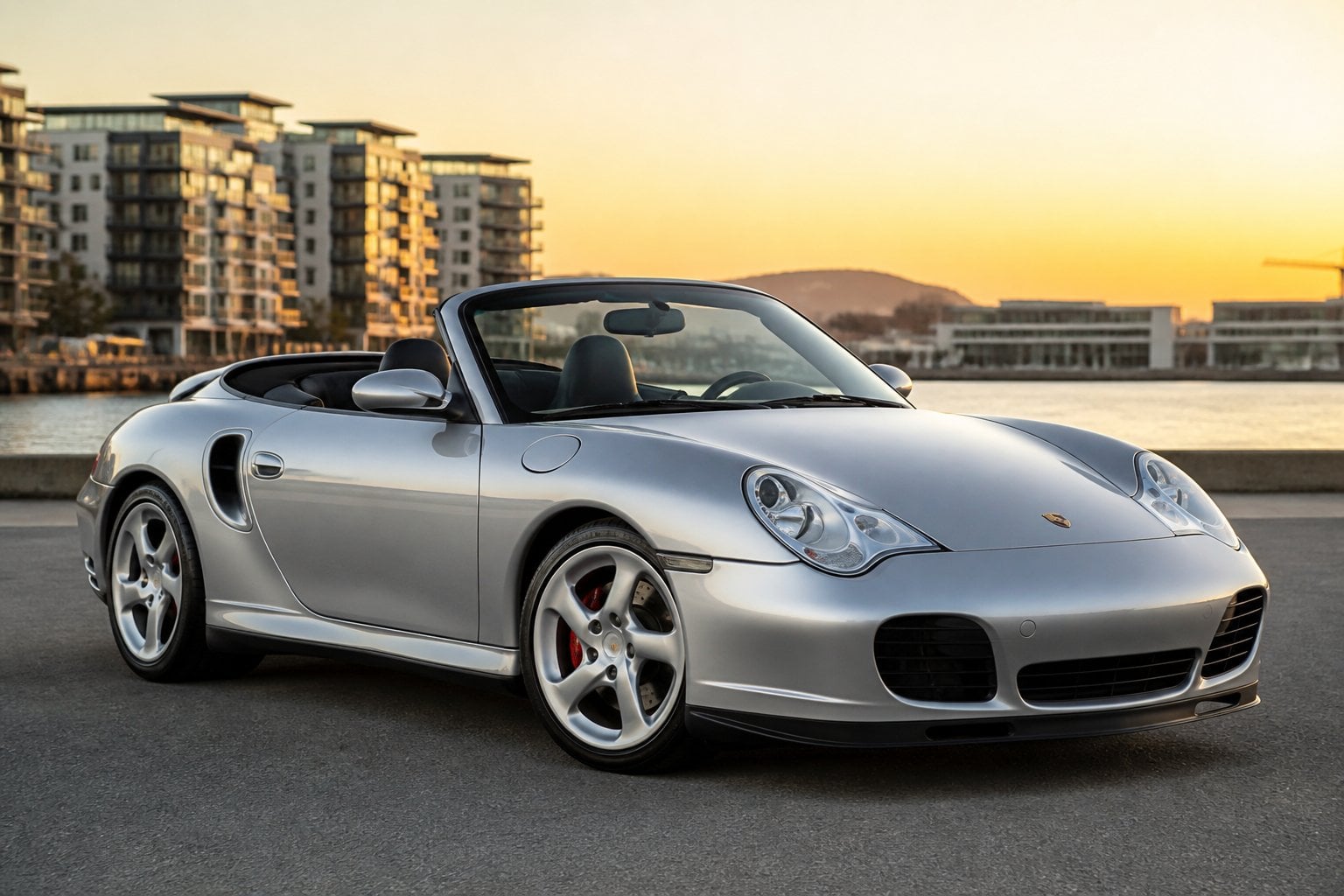
The 996 Turbo Cabriolet brought open-air thrills to Porsche’s turbocharged flagship when it debuted in 2004. This marked the first series-produced 911 Turbo Cabriolet since 1989, making it a significant addition to the lineup.
You get a twin-turbocharged 3.6-liter flat-six engine producing substantial power, paired with standard all-wheel drive for exceptional traction. The reinforced Carrera 4 Coupe bodyshell provided the structural foundation needed for convertible duty.
For the first time in a forced induction 911, you could specify a Tiptronic automatic transmission alongside the standard six-speed manual. This gave you greater flexibility in how you experienced the car’s performance.
The 996 Turbo Cabriolet combined the water-cooled reliability of the 996 generation with the drama of turbocharged performance and wind-in-your-hair driving. It represented a compelling choice for enthusiasts wanting maximum versatility from their high-performance Porsche.
13. Porsche 911 Carrera S (993)
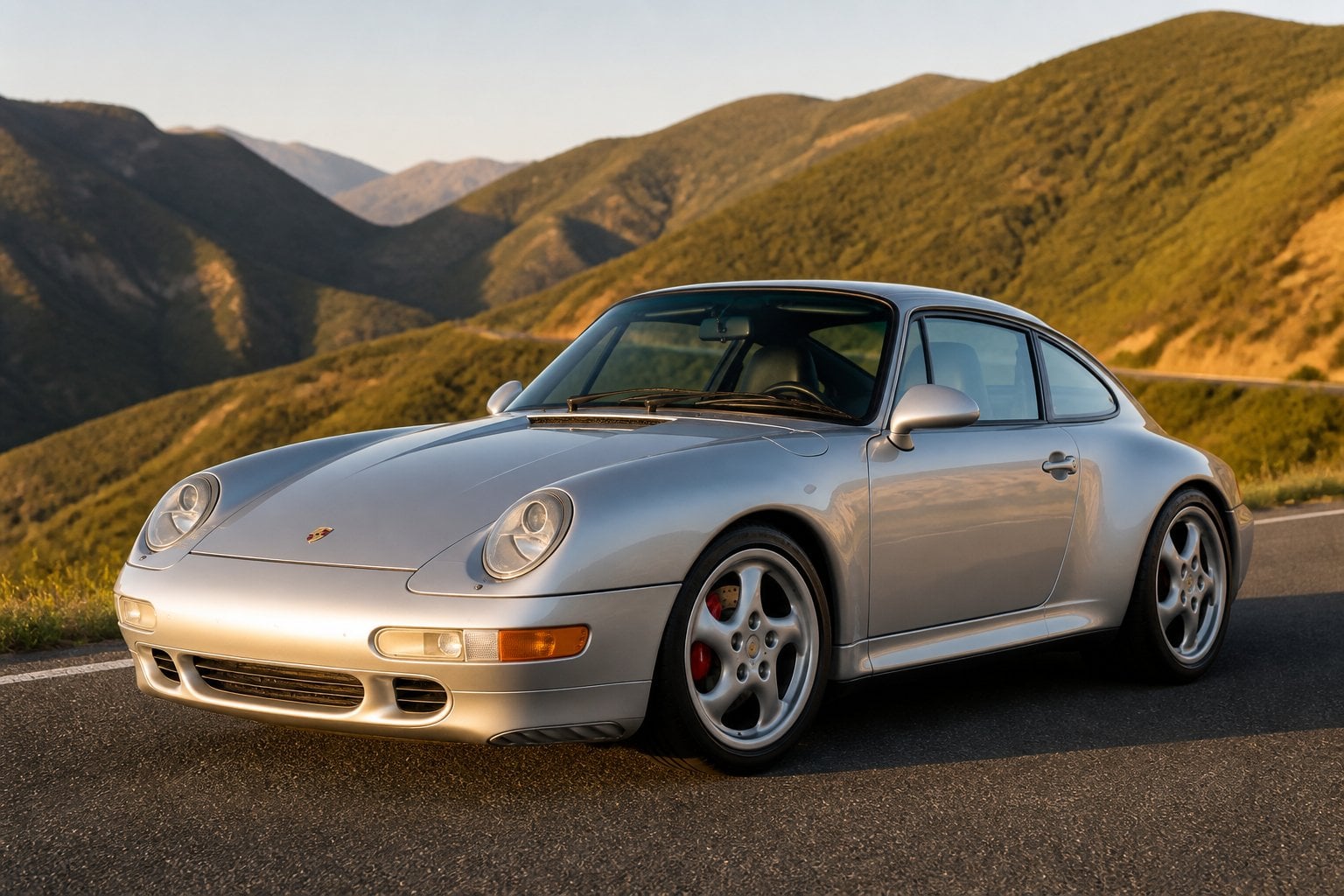
The 993-generation Carrera S represents the pinnacle of naturally aspirated air-cooled 911 engineering. Produced from 1995 to 1997, this model gave you a more powerful version of the 3.6-liter flat-six engine that defined the standard Carrera 2.
You got a wider body borrowed from the Turbo model, complete with distinctive fender flares and upgraded suspension components. The Carrera S delivered enhanced performance while maintaining the pure, mechanical connection that air-cooled 911s are known for.
This model bridged the gap between the standard Carrera and the full Turbo, offering you increased capability without forced induction. The combination of added power, wider track, and improved handling made it one of the most desirable 993 variants.
As the last air-cooled Carrera S, this 911 has become increasingly collectible among enthusiasts who value its blend of classic engineering and everyday usability.
14. Porsche 911 Turbo S (991)
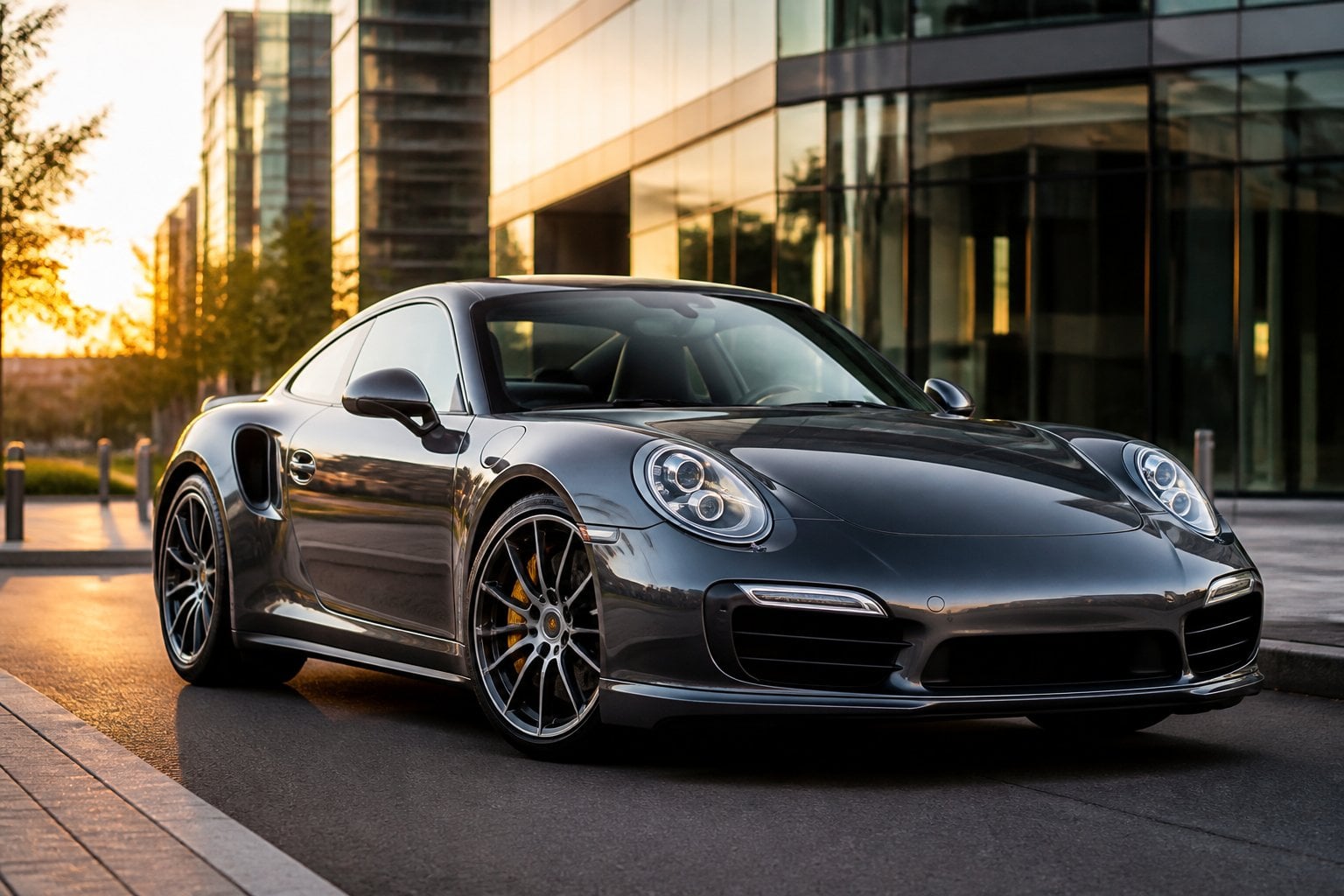
The 991-generation Turbo S represents a pivotal moment when Porsche perfected the formula for a daily-drivable supercar. Unveiled in 2013, this model introduced rear-wheel steering to the 911 lineup for the first time, dramatically improving handling dynamics.
Under the hood, you’ll find a twin-turbocharged 3.8-liter flat-six producing 560 horsepower in the initial 991.1 variant. The updated 991.2 version raised that figure to 580 horsepower. Both delivered blistering performance matched with surprising refinement.
Porsche built the 991 Turbo S on an entirely new monocoque with a 100mm longer wheelbase and enhanced rigidity. This platform allowed for better weight distribution and improved handling characteristics. The combination of all-wheel drive, active aerodynamics, and advanced chassis technology made this one of the most capable 911s ever produced.
15. Porsche 914/6
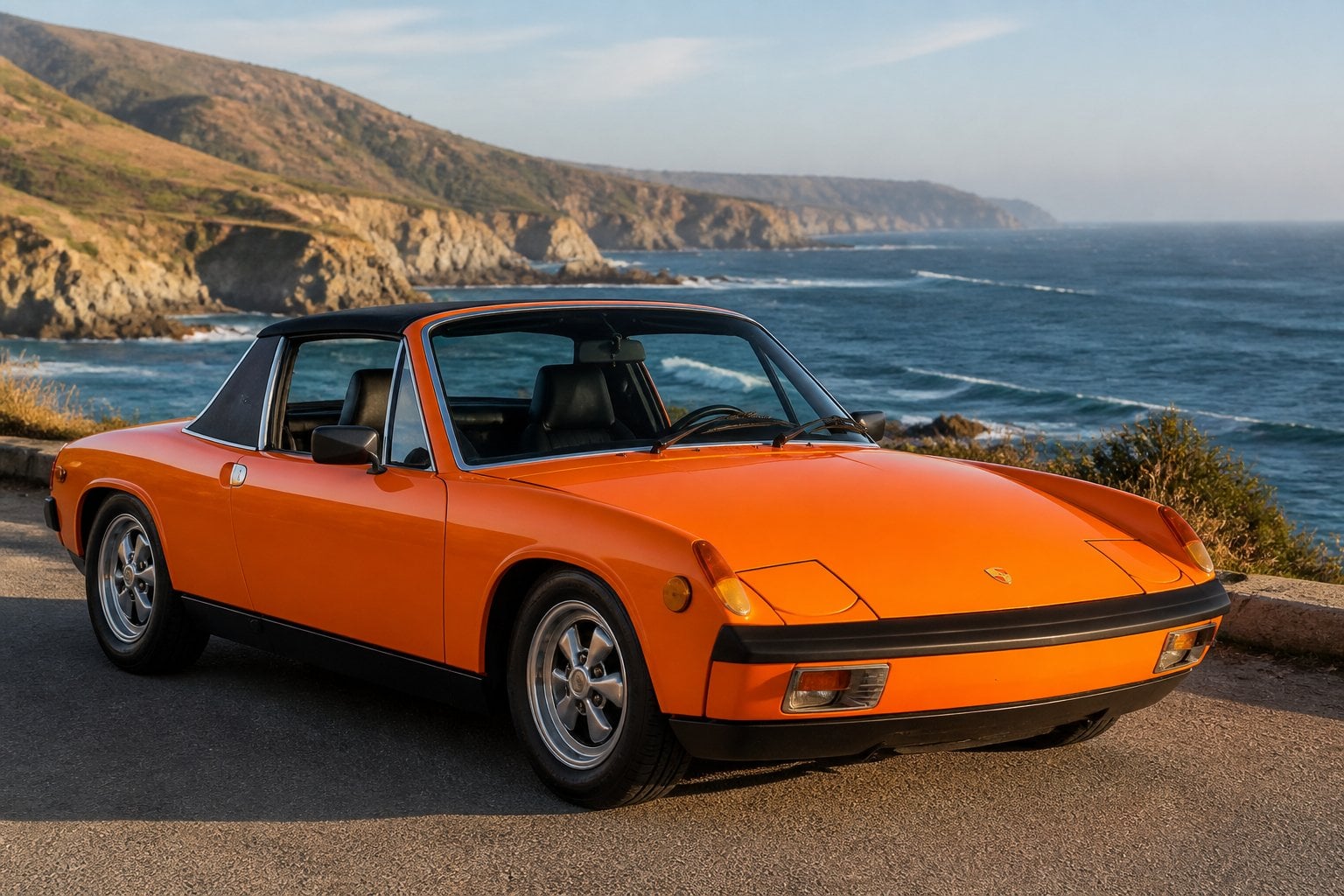
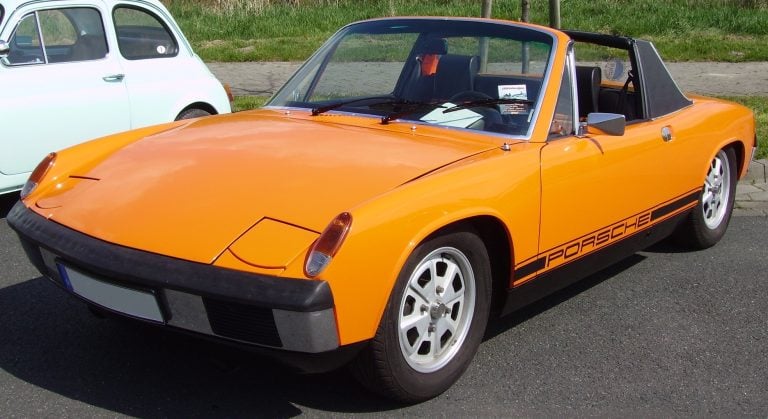
The 914/6 represented Porsche’s ambitious collaboration with Volkswagen, though it quickly distinguished itself as a genuine sports car. You’ll recognize it by its distinctive five-hole rims and mid-engine layout, a departure from Porsche’s traditional rear-engine configuration.
Under the targa roof, you’d find a 2.0-liter flat-six engine borrowed from the 911T, producing 110 horsepower. This allowed the 914/6 to sprint from 0-62 mph in under nine seconds and reach speeds exceeding 124 mph.
What made the 914/6 special was its balanced handling characteristics. The mid-engine placement gave you near-perfect weight distribution, creating a driving experience that rivaled its more expensive 911 sibling.
Produced from 1969 to 1976, the 914/6 filled a unique position in Porsche’s lineup. It offered you an accessible entry point to genuine Porsche performance, though its quality sometimes proved too good for its intended market position.
16. Porsche 904 GTS
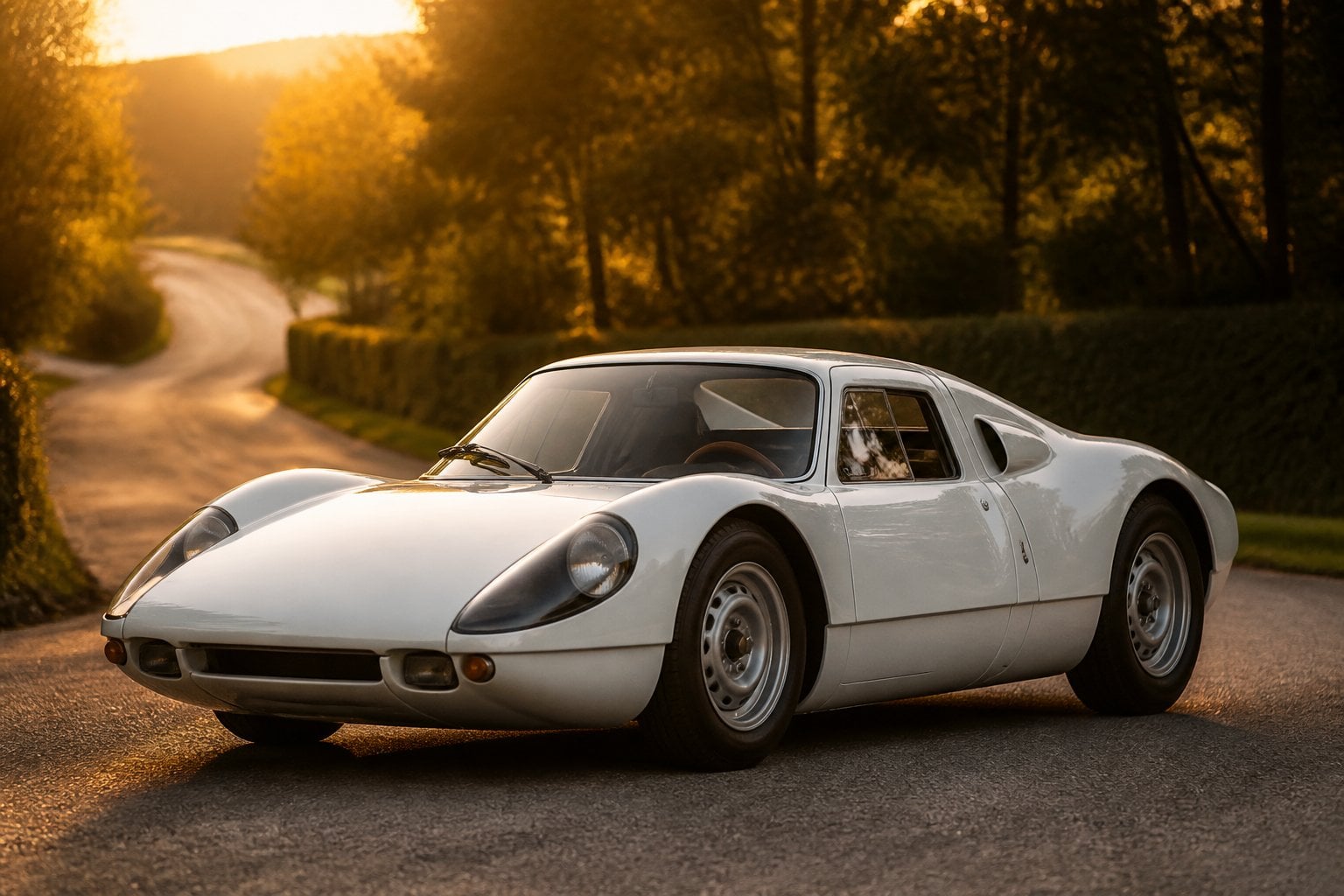
The Porsche 904 Carrera GTS represents a pivotal moment in Porsche’s racing history. Produced from 1964 to 1965, this mid-engine sports car was designed specifically for GT racing under FIA Group 3 regulations.
What made the 904 remarkable was its innovative construction. The car featured a fiberglass body mounted on a steel frame, keeping weight low while maintaining structural integrity. This approach was uncommon for race cars of that era.
Most 904s came equipped with a 2.0-liter flat-four engine producing 180 horsepower, derived from the 356 Carrera. However, some variants received flat-six and flat-eight engines, designated as 904/6 and 904/8 respectively.
The 904 was street-legal, allowing you to drive it on public roads. Porsche built approximately 106 examples, making it competitive across various racing series while remaining accessible to privateers.
17. Porsche 918 Spyder
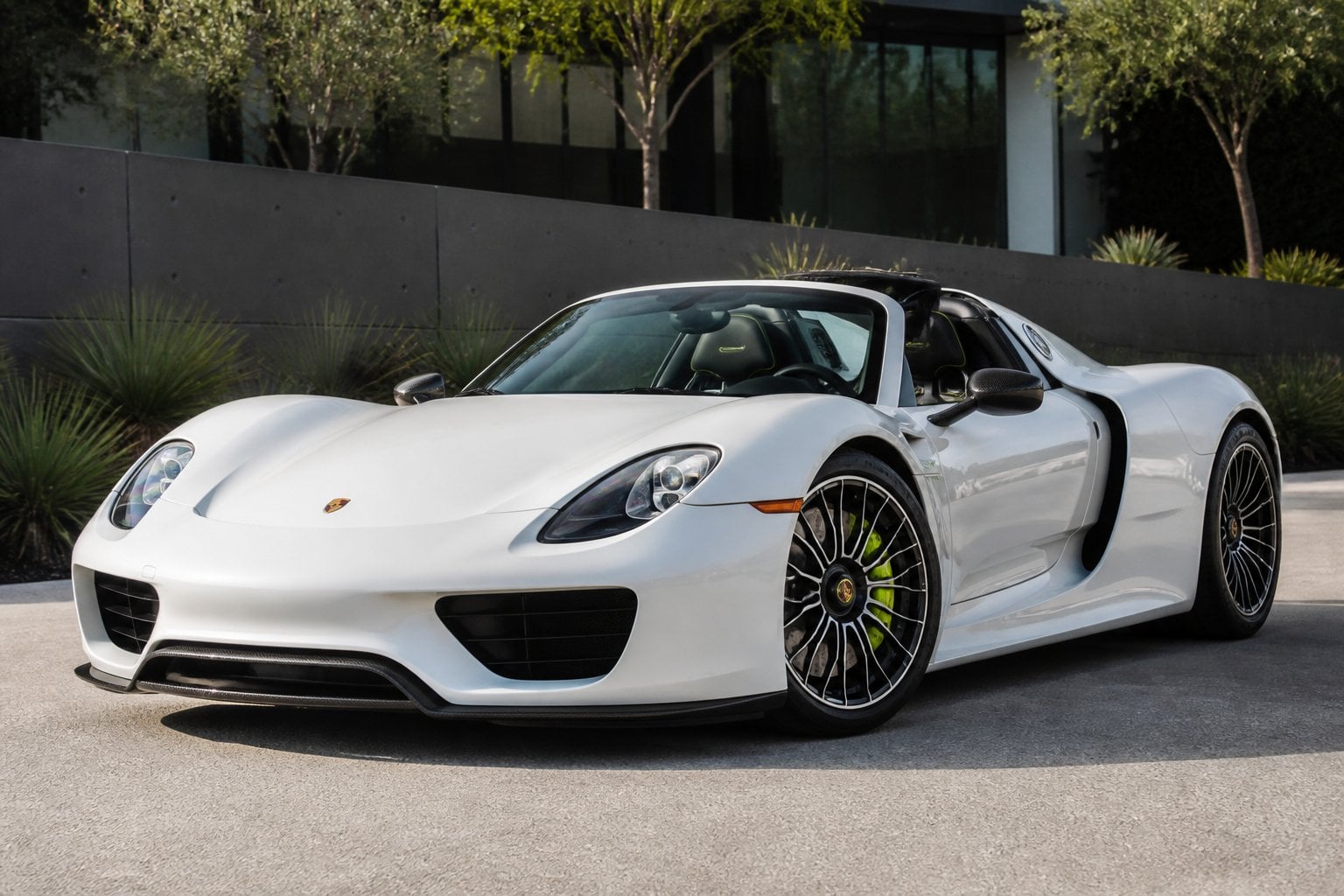
The 918 Spyder represents Porsche’s first serious venture into hybrid hypercar territory. Built from 2013 to 2015, production was limited to exactly 918 units worldwide.
You get 875 horsepower from its innovative powertrain combining a naturally aspirated 4.6-liter V8 with two electric motors. This setup launches you from 0 to 60 mph in just 2.6 seconds.
The 918 achieved what mattered most on the track. It set a 6-minute 57-second lap time at the Nürburgring, making it the fastest production car on that circuit at the time. The Weissach package offered further weight reduction for even sharper performance.
What sets this hypercar apart is its dual nature. You can drive it emission-free in electric mode or unleash its full power on the racetrack, demonstrating that hybrid technology and extreme performance aren’t mutually exclusive.
18. Porsche 962 C
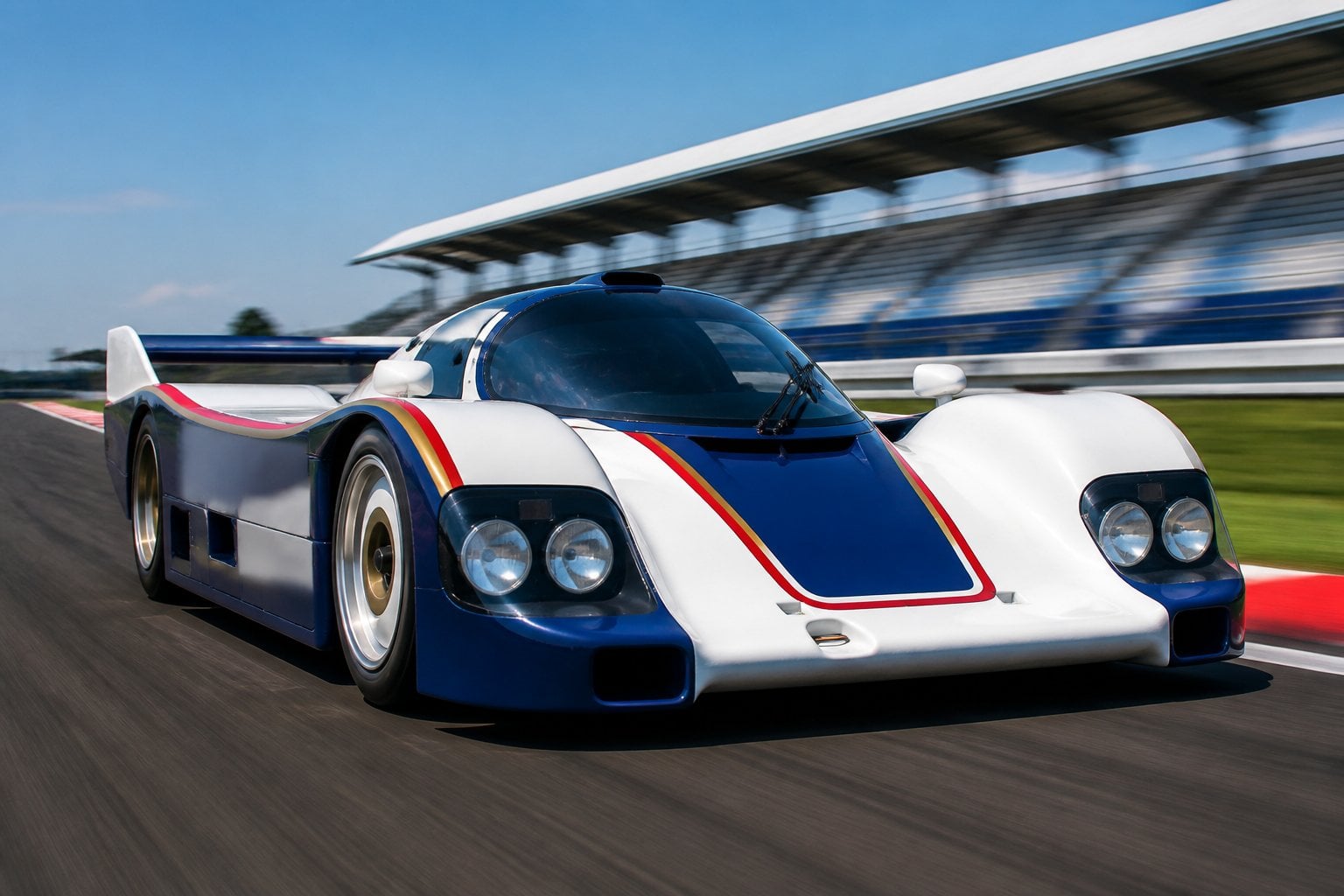
The 962 C stands as one of Porsche’s most successful racing machines. Introduced in 1984 as the successor to the 956, it was specifically developed to comply with Group C regulations in Europe and IMSA GTP rules in North America.
Porsche built 91 examples, making it the company’s most successful endurance racing car. The 962 C featured a twin-turbocharged flat-six engine mounted in a mid-engine configuration, with a wheelbase 120 millimeters longer than its predecessor.
The car’s competition record speaks for itself. It secured victories at Le Mans in 1986 and 1987 for the factory team, with privateer teams continuing to collect wins throughout the late 1980s and early 1990s.
You’ll find the 962 C dominated Group C racing during this era, proving equally competitive in both European and North American series.
19. Porsche 928 S4
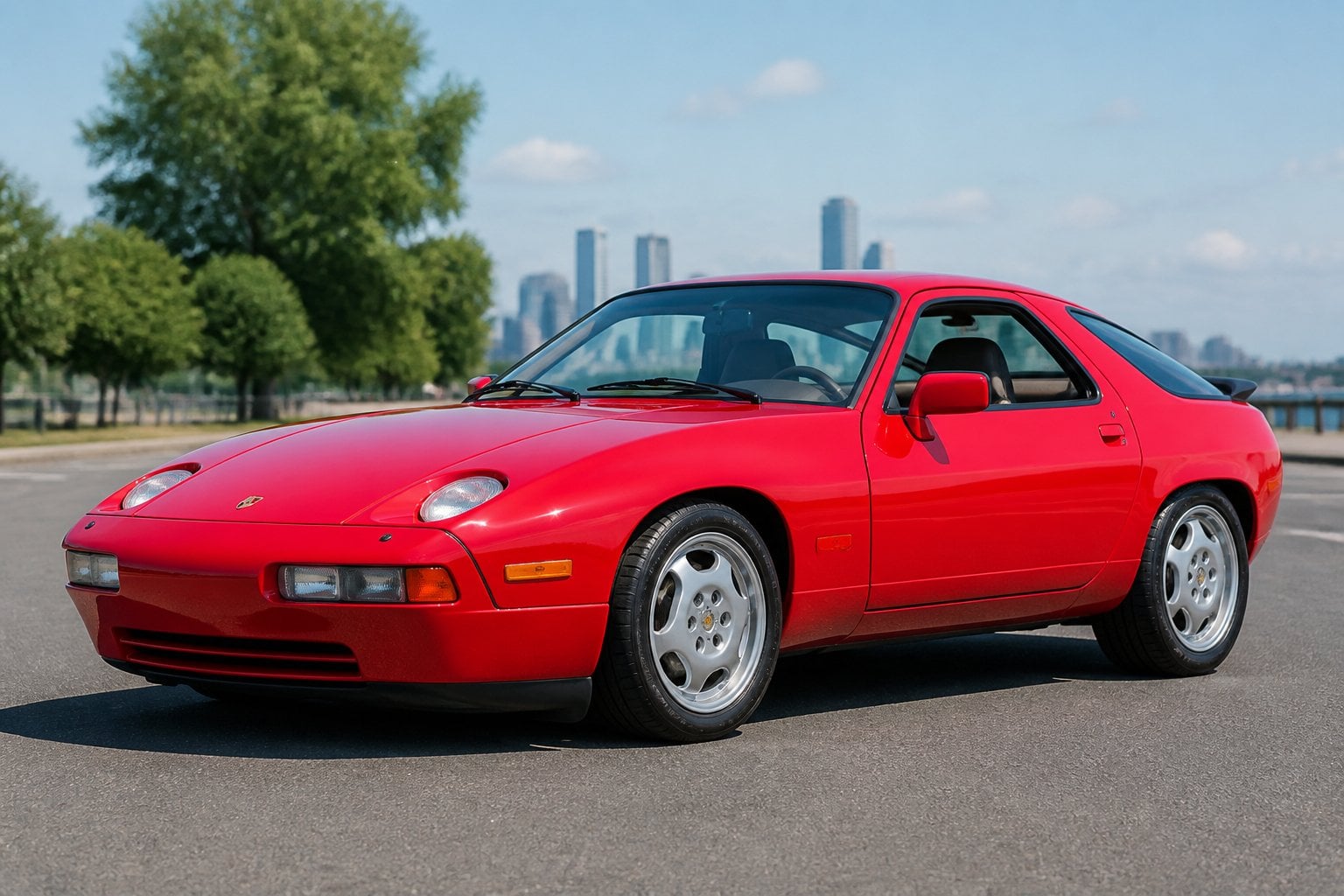
The 928 S4 represented Porsche’s refined vision of a front-engine grand tourer. Produced from 1987 to 1991, it improved upon the earlier S model with enhanced performance and sophistication.
You’ll find a 5.0-liter V8 under the hood, delivering smoother power delivery than its predecessors. The S4 featured aluminum body panels for the doors, front wings, and bonnet, keeping weight in check while maintaining structural integrity.
Porsche produced 17,837 S4 and GT units during the five-year run. For the 1990 model year, the manufacturer standardized RDK and PSD limited-slip differential across all markets, improving traction and handling characteristics.
The S4 stands out as one of the most balanced iterations of the 928 lineage. Its combination of performance, luxury, and advanced engineering made it a compelling alternative to the traditional rear-engine 911, even if it never replaced it.
20. Porsche Cayman GT4 (981)
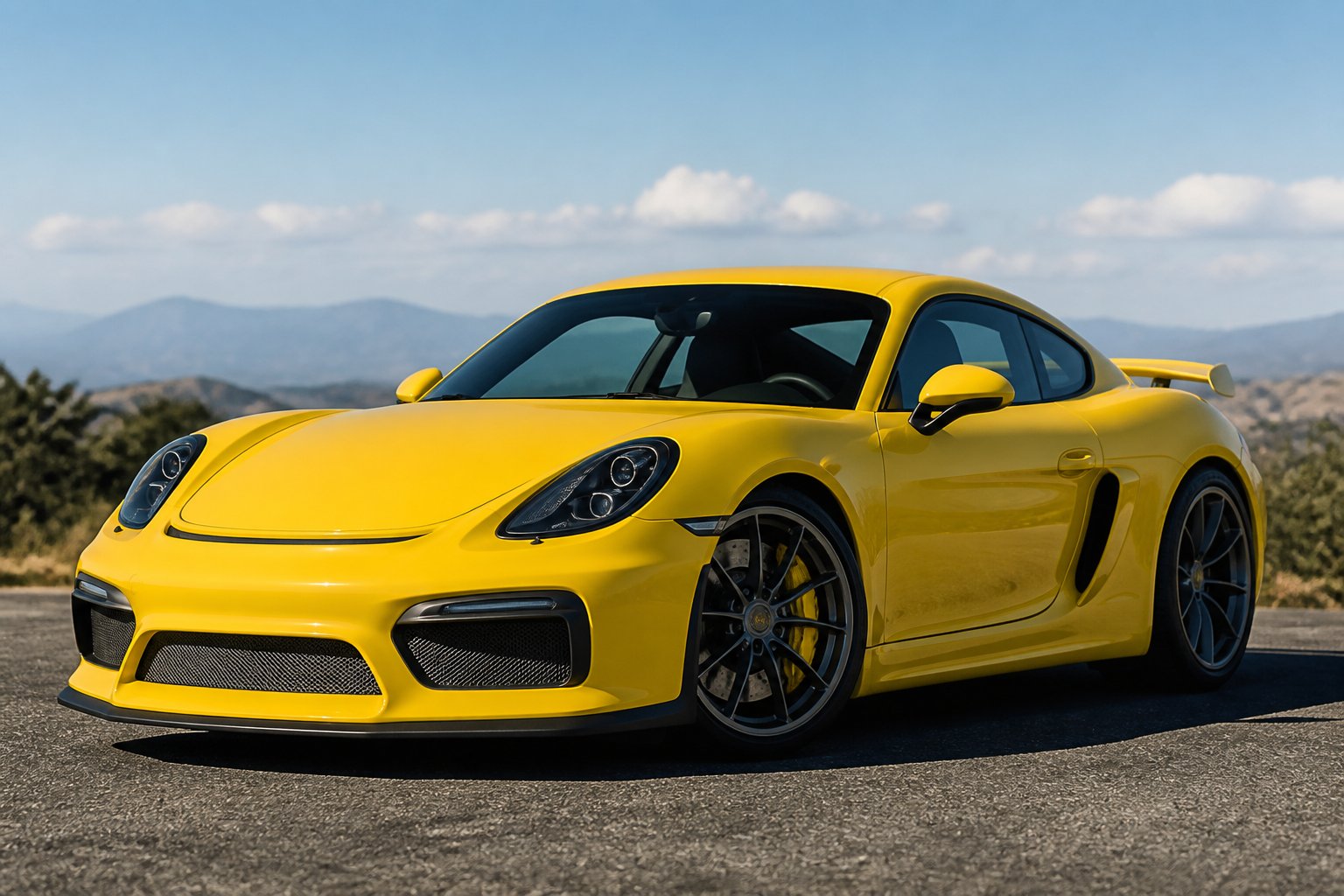
The 981 Cayman GT4 arrived in February 2015 as Porsche’s answer to years of demand for a track-focused, high-performance Cayman. It marked the first time the Cayman received the GT4 treatment, transforming the mid-engine sports car into a serious driver’s machine.
At its heart sits a 3.8-liter flat-six engine shared with the 911 Carrera S, producing 385 horsepower. Porsche paired this engine exclusively with a six-speed manual transmission, a choice that enthusiasts celebrated.
The GT4 distinguished itself through purposeful aerodynamic additions, including a fixed rear wing and aggressive front splitter. Weight reduction measures and track-oriented suspension tuning further separated it from standard Cayman models.
You’ll find this first-generation GT4 has become highly sought after in the collector market. Its combination of naturally aspirated power, manual transmission, and track capability represents what many consider the peak of the Cayman lineup.
21. Porsche Panamera Turbo S E-Hybrid
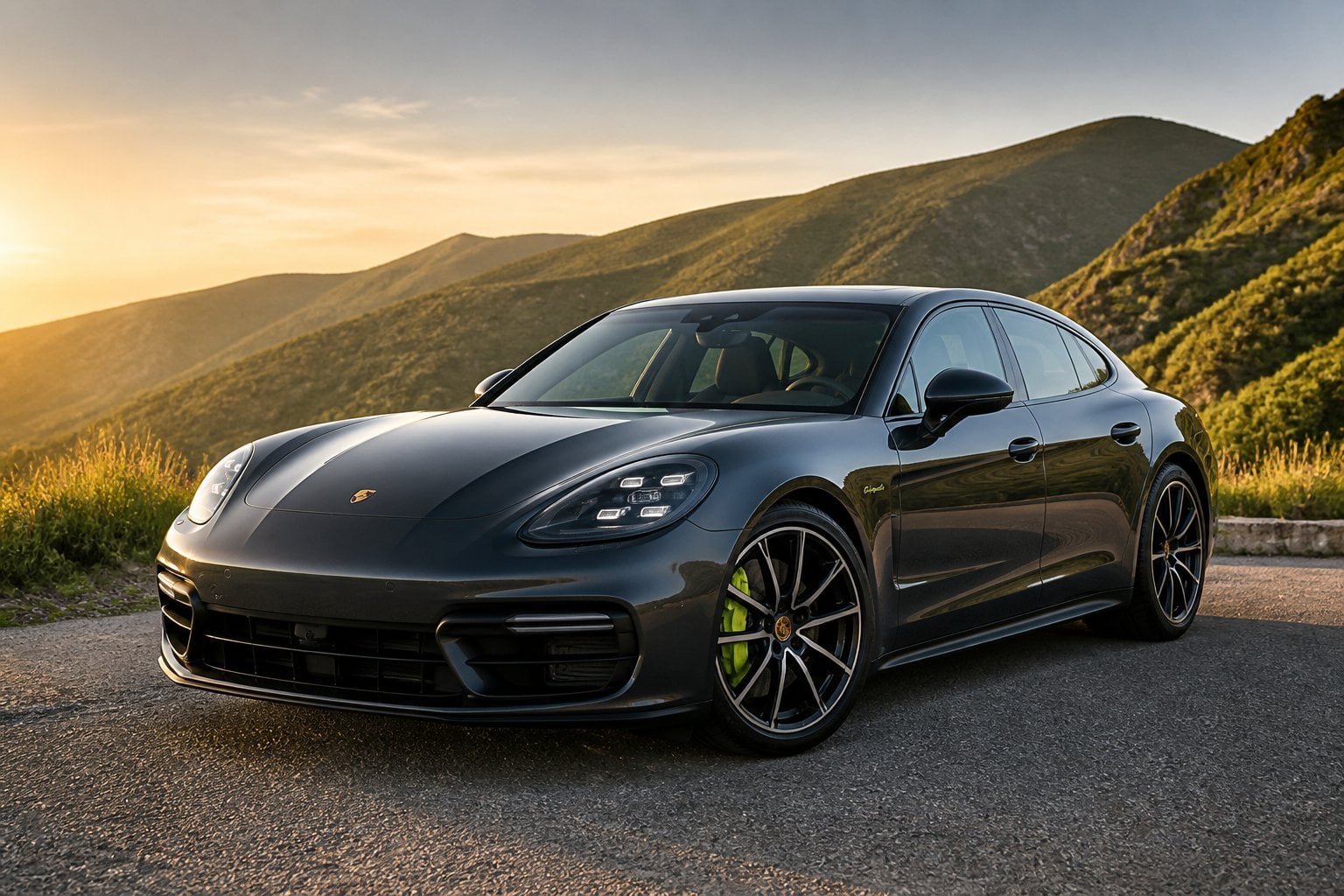
The Panamera Turbo S E-Hybrid represents Porsche’s commitment to combining luxury performance with electrification. You get 771 horsepower from a twin-turbocharged 4.0-liter V8 engine paired with an electric motor, making it the most powerful Panamera ever produced.
This plug-in hybrid system integrates a 187-horsepower electric motor into the eight-speed PDK dual-clutch transmission. The result is a vehicle that delivers supercar acceleration while maintaining the practicality of a four-seat luxury sedan.
Standard equipment includes ceramic composite brakes and forged 21-inch centerlock wheels. You can also opt for a carbon fiber aerodynamic kit that increases downforce by 132 pounds at 124 mph.
The Turbo S E-Hybrid currently holds the record as the fastest executive sedan around the Nürburgring. It demonstrates that electrification can enhance rather than compromise performance credentials.
22. Porsche Taycan Turbo S
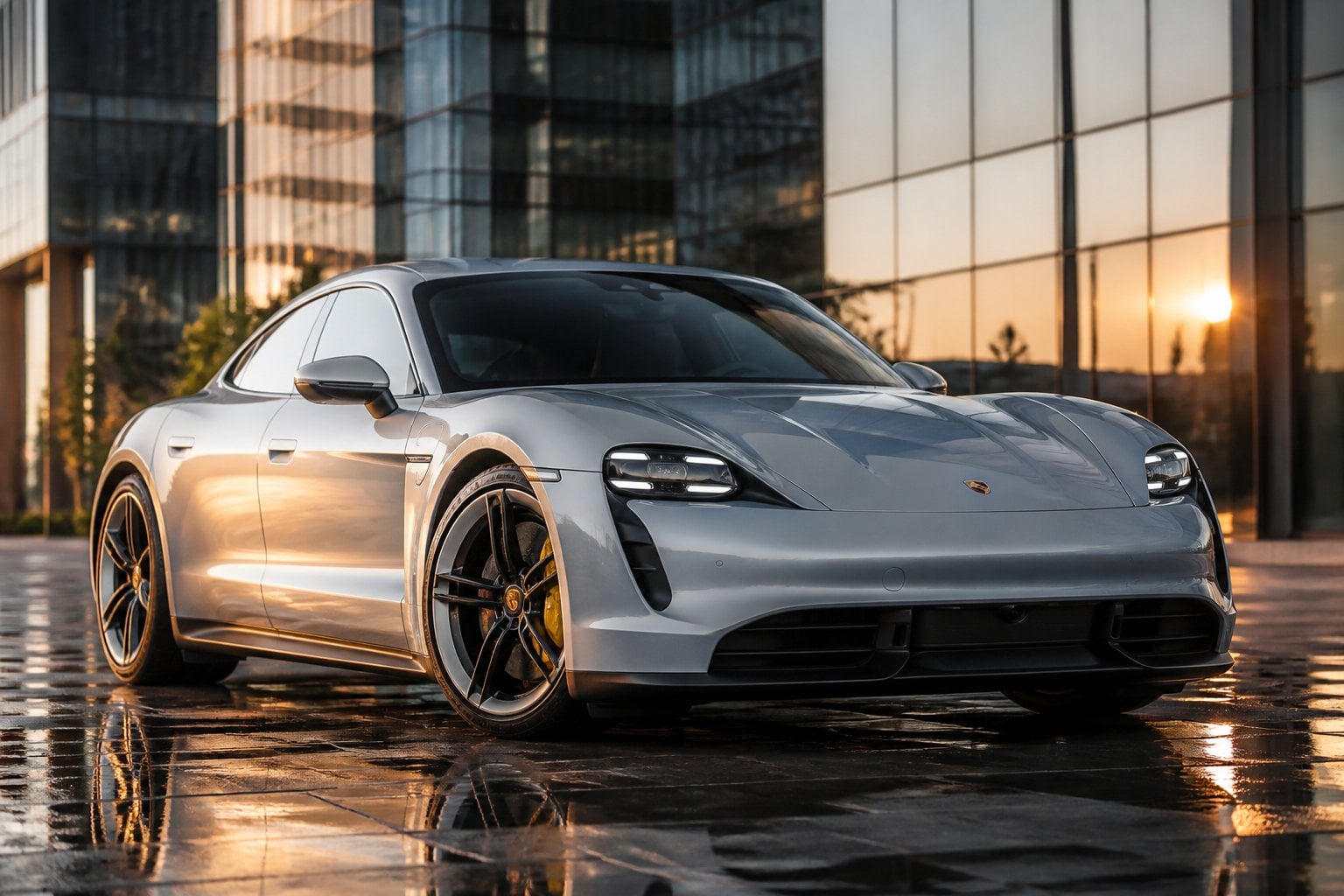
The Taycan Turbo S represents Porsche’s uncompromising approach to electric performance. When it debuted in 2020 as one of the first Taycan variants, it immediately established new benchmarks for what an electric sports sedan could achieve.
The latest iteration produces 952 PS, delivering blistering acceleration that rivals Porsche’s most powerful combustion models. You get a car that doesn’t just prioritize straight-line speed but maintains the brand’s characteristic driving dynamics.
What sets the Turbo S apart is its ability to blend extreme performance with genuine comfort. The interior features Porsche’s first fully digital instrumentation, including a curved 16.8-inch driver’s display. Carbon fiber trim and 20-inch wheels come standard.
This model proved that electric vehicles could deliver an authentic Porsche experience without compromise.
23. Porsche 356 Pre-A Coupe
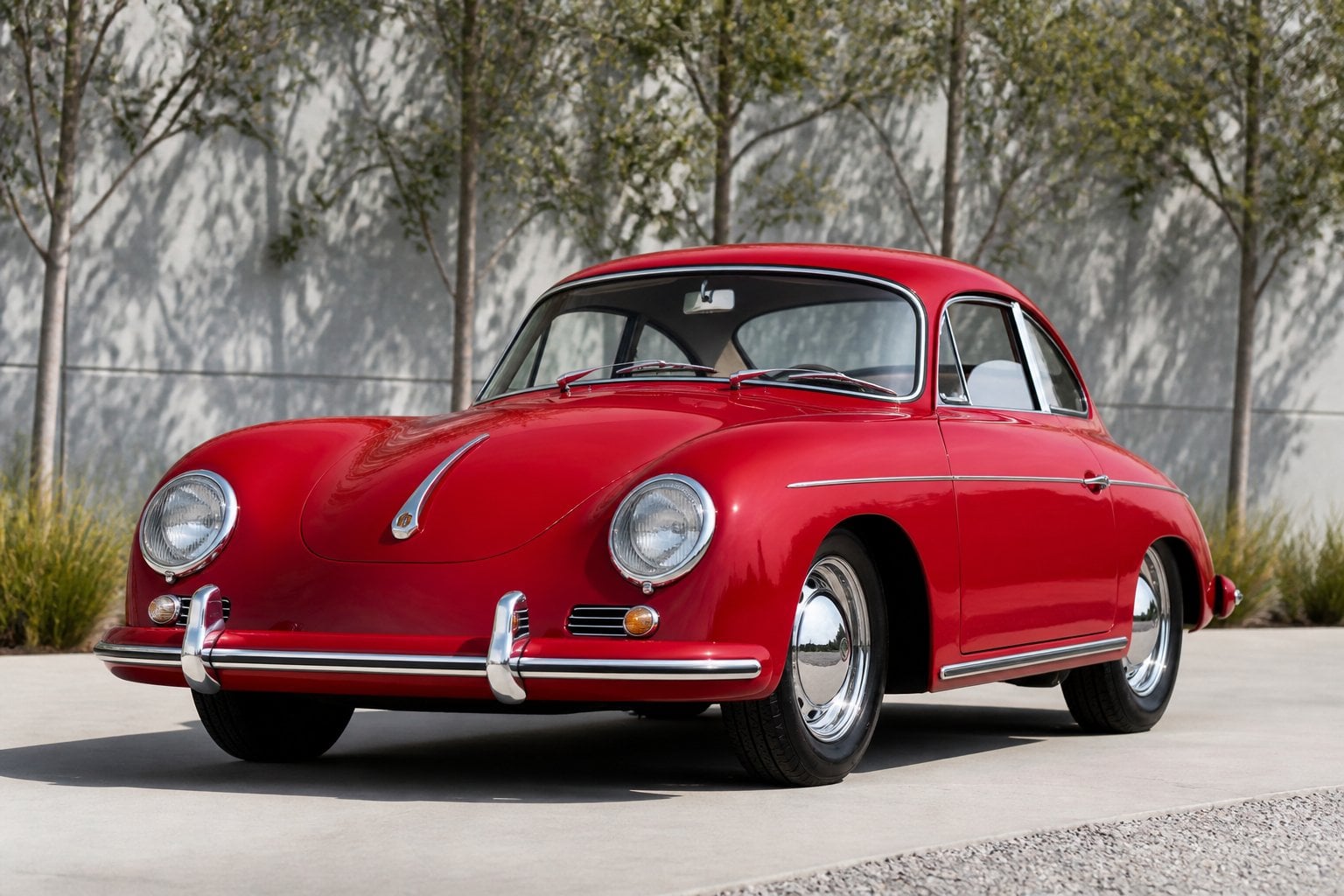
The Porsche 356 Pre-A represents the foundation of Porsche’s production car legacy. Built between 1948 and 1955, this rear-engine sports car established the design philosophy you’d see throughout Porsche’s history.
The Pre-A designation came later to distinguish these early models from the 356A introduced in October 1955. You’ll recognize the Pre-A by its split windshield on early examples and one-piece bent windscreen on 1952-1955 models.
March 1952 brought significant updates when Porsche partnered with Reuter to streamline production. The changes included more substantial bumpers designed for the American market and a synchromesh gearbox. This lightweight coupe delivered nimble handling through its rear-wheel drive layout and compact dimensions, setting the template for decades of Porsche sports cars to follow.
24. Porsche 550 Spyder
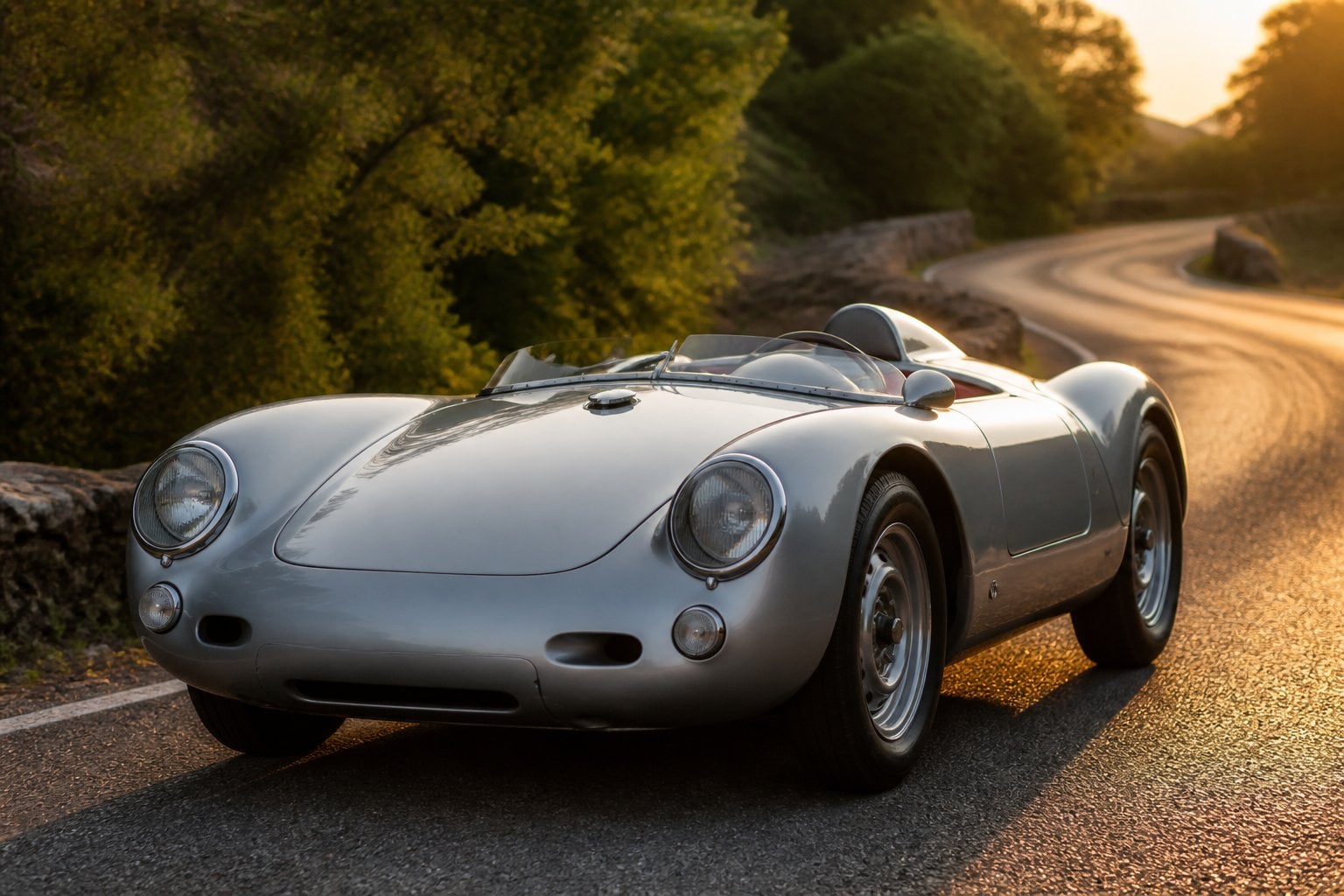
The 550 Spyder earned its “giant killer” reputation by defeating much larger competitors on racetracks throughout the 1950s. Porsche built this lightweight, mid-engine roadster from 1953 to 1956 as their first purpose-built racing car.
You’ll find a complex Type 547 four-cam flat-four engine powering this nimble machine. The mid-engine layout gave the 550 exceptional handling characteristics that would later become standard in top-level racing.
Only about 90 examples left the factory, with Wendler coach builders producing 69 cars for private customers. The combination of lightweight construction and aerodynamic design allowed the 550 to punch well above its weight class.
Production ended in 1956 when Porsche introduced the 718, its successor. Today, surviving examples command multi-million dollar prices at auction, reflecting the model’s historic significance in establishing Porsche’s racing credentials.
25. Porsche 911 GT1 Straßenversion
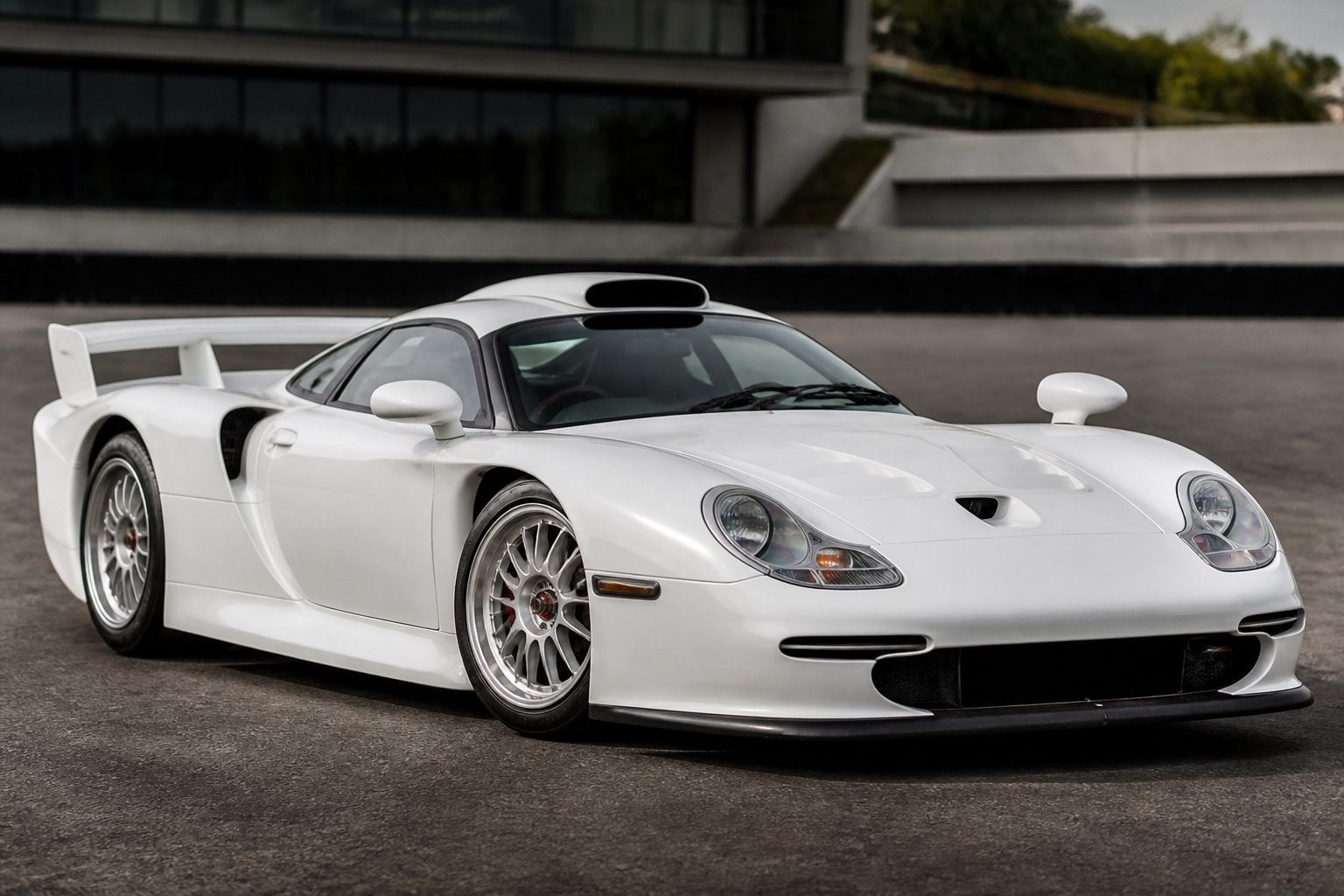
The Porsche 911 GT1 Straßenversion represents one of the most extreme road-legal cars Porsche has ever produced. Built primarily for homologation purposes in 1997, approximately 20 to 25 examples were constructed to qualify the race car for GT1 competition.
You’ll find a mid-mounted 3.2-liter twin-turbocharged flat-six engine producing 544 PS in the 1997 models. This configuration differs dramatically from the traditional rear-engine layout of standard 911s. The car accelerates from 0-100 km/h in roughly 3.9 seconds with a top speed around 309 km/h.
Most examples were finished in Arctic Silver or Fern White, though three received unique colors. The production models featured 996-style front headlights and incorporated elements from both the 911 and the legendary 962 race car.
The GT1’s racing pedigree culminated in an outright Le Mans victory in 1998.
26. Porsche 911 Carrera (997) S
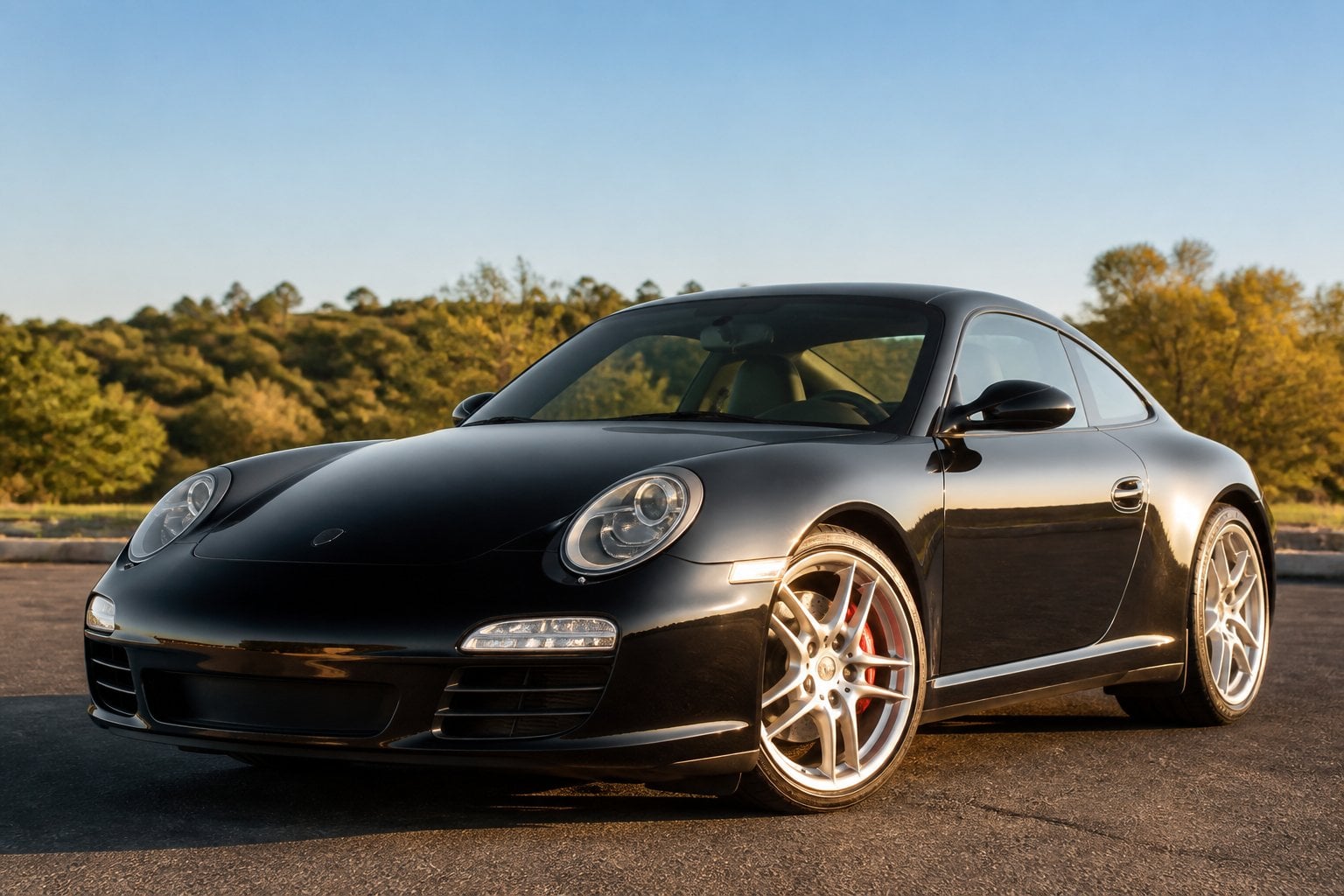
The 997 Carrera S represents one of the most balanced 911s Porsche ever built. Produced from 2005 to 2012, it delivered 355 horsepower in its initial form, later increased to 385 horsepower in the updated 997.2 version.
You get the best of both worlds with this model. It combines classic 911 styling with modern reliability and performance technology that makes it usable as a daily driver.
The 997.2 models introduced direct fuel injection and addressed many of the earlier concerns found in previous generations. You’ll find excellent value retention with these cars, which speaks to their desirability among enthusiasts.
The Carrera S sits perfectly in the 997 lineup, offering more power than the base Carrera without the complexity of the Turbo models. Your driving experience remains engaging and analog while benefiting from refined engineering.
27. Porsche 930 Slantnose Turbo
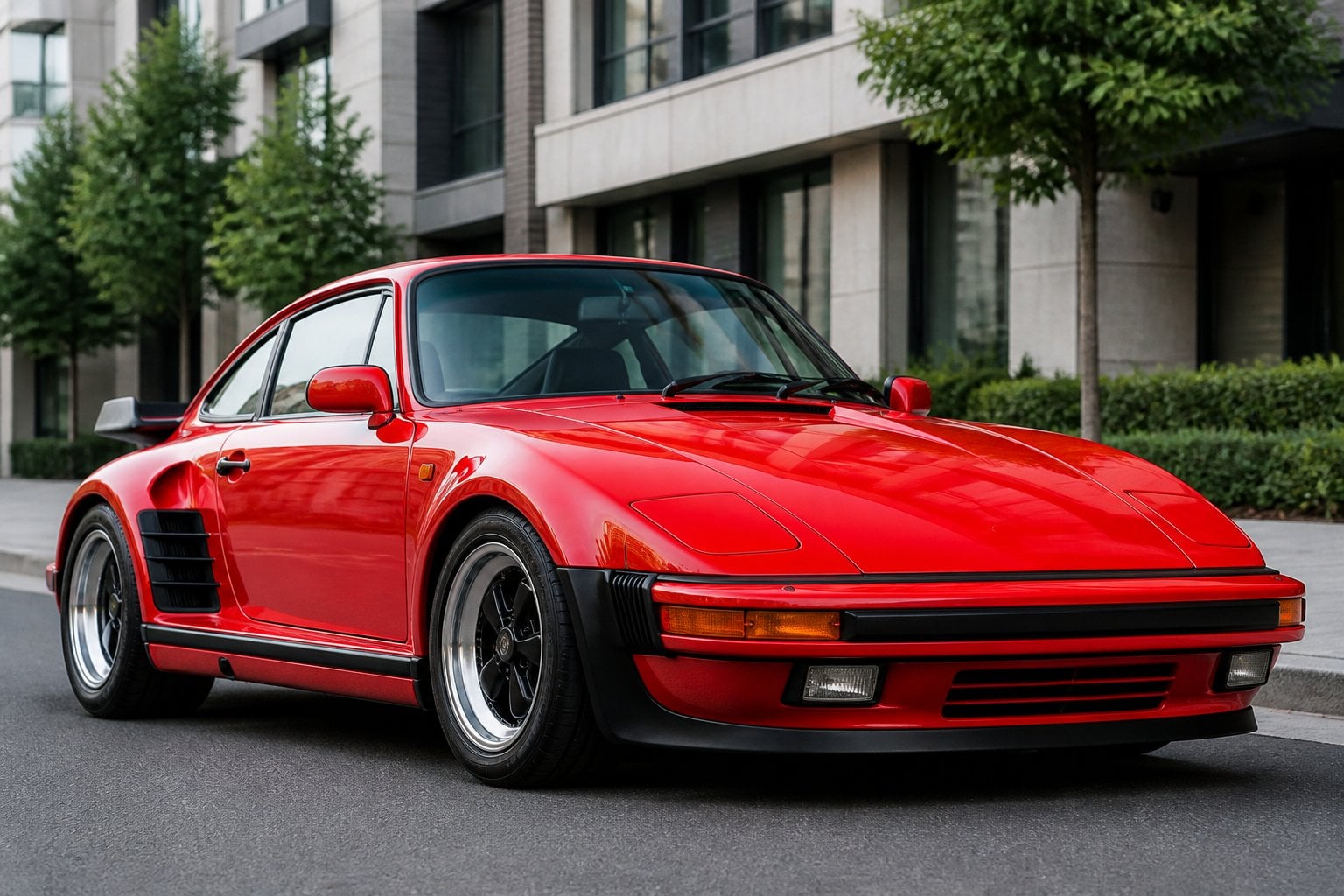
The Porsche 930 Slantnose stands as one of the most distinctive 911 variants ever produced. You’ll recognize it immediately by its unique sloped nose design, inspired by the 935 race car.
Porsche made this radical option officially available through its Sonderwunsch special requests program starting in 1987. The factory produced fewer than 1,000 examples between 1987 and 1989, making it exceptionally rare today.
Under the hood, you’ll find a turbocharged engine producing 330 bhp. This powerplant made the Slantnose one of the fastest Porsches of its era.
The model combined road-going comfort with aggressive race-inspired styling. Its pop-up headlights and widened fenders set it apart from standard 930 Turbos. This distinctive appearance has made it highly sought after among collectors, with notable owners including actor Matt LeBlanc.
28. Porsche 911 SC
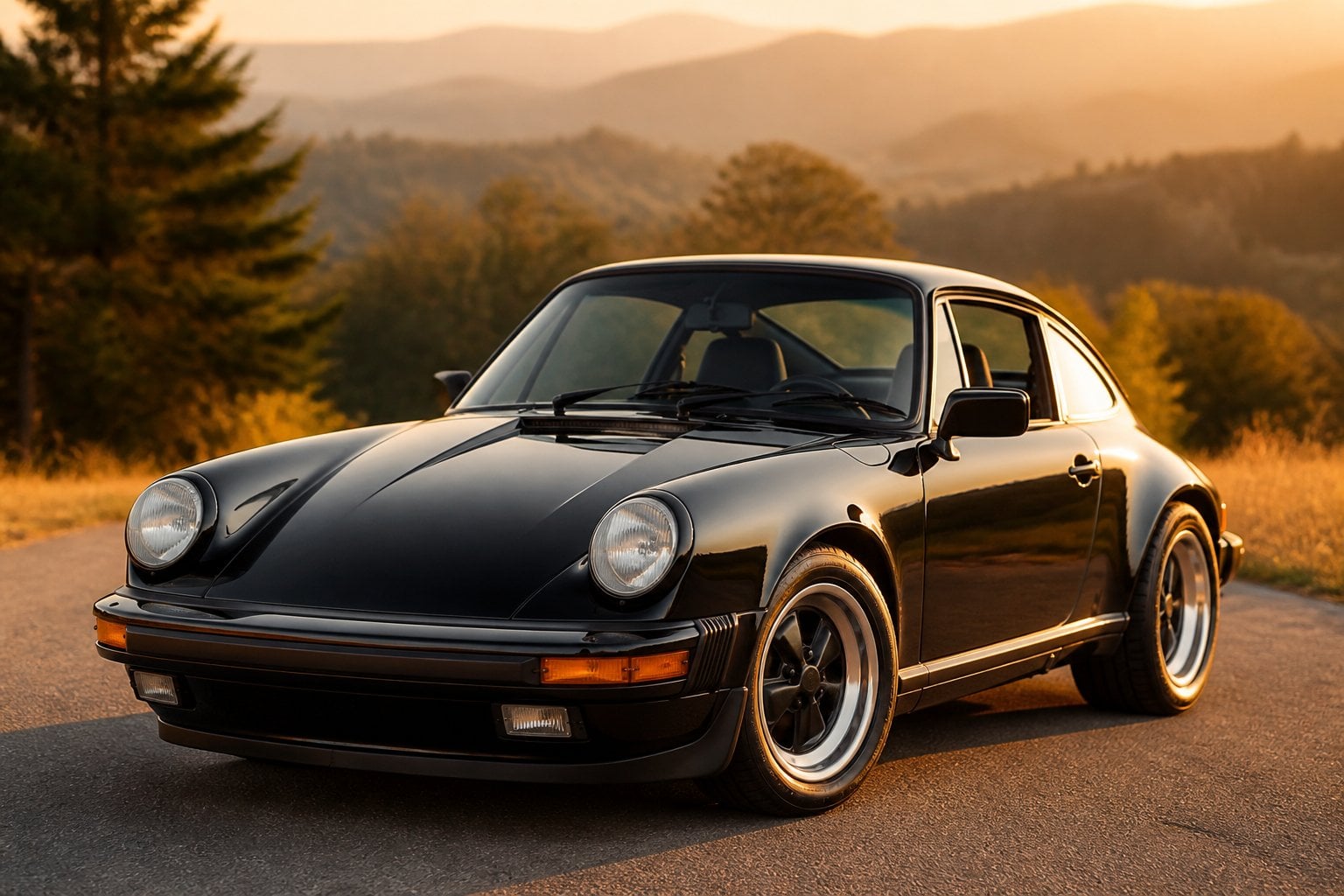
The 911 SC arrived in 1978 as a crucial bridge between the troubled late-1970s 911s and the modern era. Porsche designed it for reliability and durability, addressing quality concerns that had plagued earlier models.
You’ll find a naturally aspirated 3.0-liter flat-six engine under the rear deck, initially producing 180 horsepower. For the 1981 model year B-series introduced in August 1980, Porsche upgraded the Type 930/10 engine with an additional 16 horsepower, bringing total output to 196 horsepower.
The SC’s galvanized body provided exceptional rust resistance, a significant improvement over previous generations. This made it one of the most practical 911s for daily driving.
The model proved popular during its production run through 1983, selling over 58,000 units worldwide. Its combination of improved build quality, solid performance, and classic 911 styling makes it a compelling choice for enthusiasts seeking an analog driving experience without the fragility of earlier air-cooled models.
29. Porsche 944 Turbo S (951)
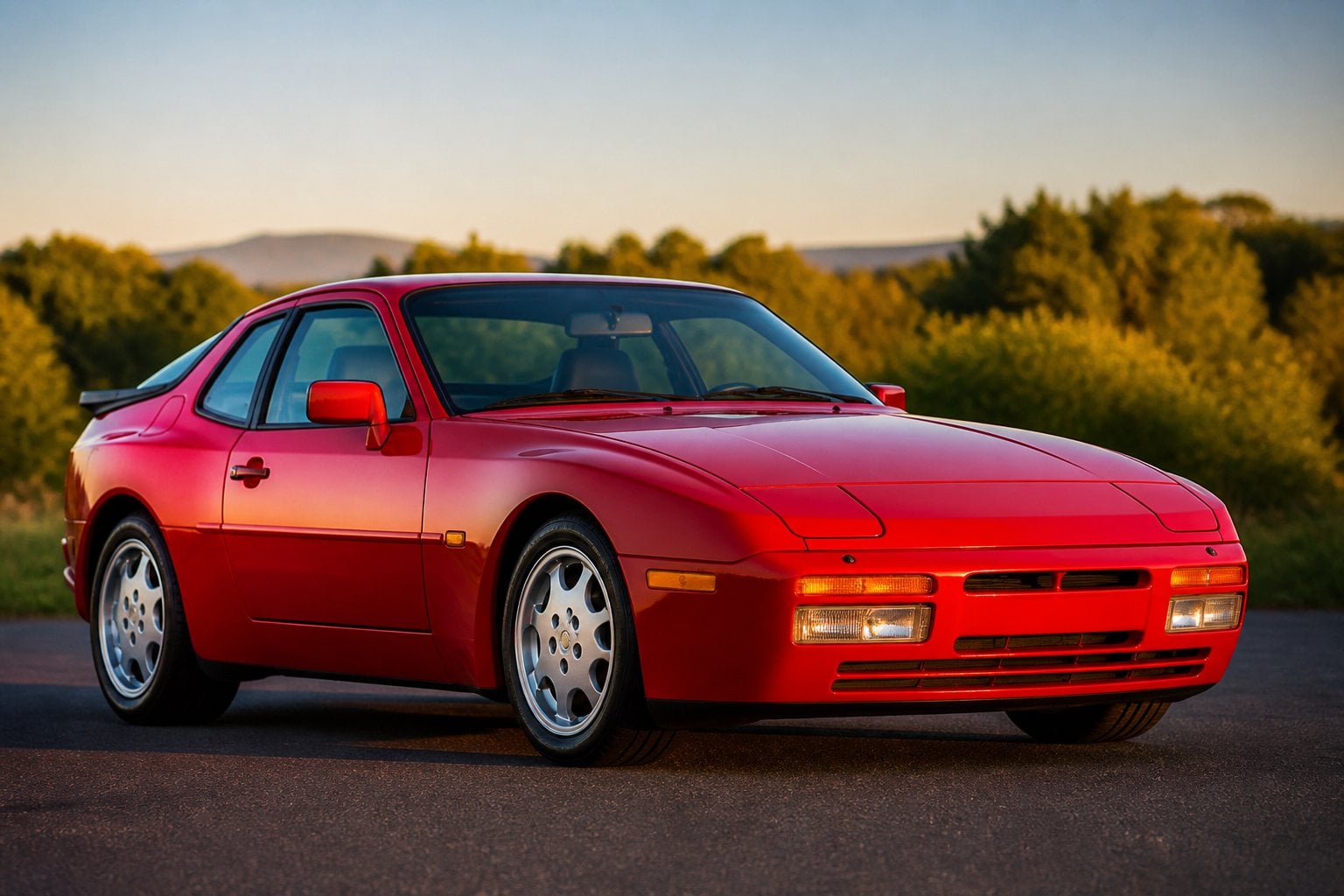
The 944 Turbo S represented the pinnacle of Porsche’s four-cylinder transaxle engineering. Introduced in 1988 as a limited production run of 1,635 units, it commanded a 10 percent premium over the standard 944 Turbo’s $43,350 price tag.
You got significant performance upgrades for that money. Porsche fitted a larger turbocharger with modified internals, increased boost pressure, and a revised engine management system. These changes extracted an additional 30 horsepower over the standard Turbo’s output, giving you 250 horsepower total.
The chassis received equal attention with improved aerodynamics and suspension tuning. This made it the fastest production four-cylinder car of its time, combining raw performance with the 944’s characteristic balance from its front-engine, rear-transaxle layout.
The Turbo S remains one of the most sought-after 944 variants today.
30. Porsche 959 Komfort
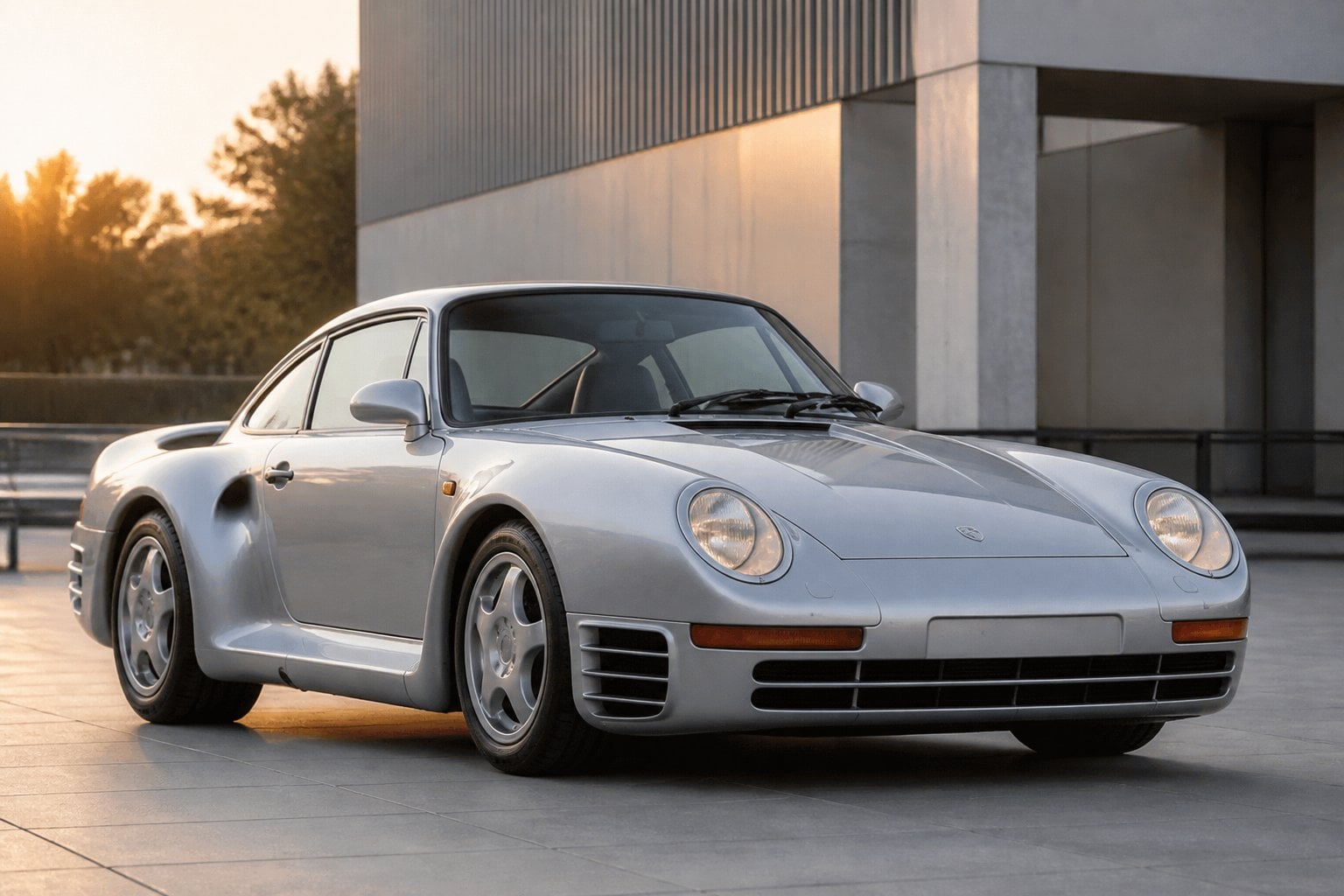
The 959 Komfort represented Porsche’s technological tour de force in the late 1980s. You’re looking at a supercar that pioneered all-wheel drive, sequential turbocharging, and advanced aerodynamics before these features became standard in high-performance vehicles.
Porsche built this variant from 1986 to 1993, producing it at Karosserie Baur rather than the main Zuffenhausen factory. The Komfort was the more road-friendly version compared to the track-focused Sport specification.
Under the hood, you’ll find a twin-turbocharged engine delivering 450 horsepower. This setup pushed the 3,200-pound machine to 195 mph and launched it from 0-60 mph in 3.6 seconds.
The 959 proved its capabilities by winning the grueling Paris-Dakar Rally in 1986. Today, you’ll need between $1.5 million and $2.2 million to acquire a Komfort model in strong condition.
Key Innovations and Engineering Milestones
Porsche’s technical achievements span from air-cooled flat-six engines to groundbreaking aerodynamic solutions and chassis innovations that reduced weight while increasing structural rigidity. These engineering advances transformed both road cars and racing machines, establishing benchmarks that competitors would chase for decades.
Evolution of Engine Technology
The air-cooled flat-six engine became Porsche’s signature powerplant, debuting in the 911 in 1963. This horizontally-opposed configuration offered a low center of gravity and natural balance that enhanced handling characteristics. The engine remained air-cooled in 911 models until 1998, when liquid cooling was introduced to meet stricter emissions standards and enable higher power outputs.
Turbocharging represented another milestone, first appearing in the 917/30 Can-Am racer that produced over 1,100 horsepower. The technology transferred to road cars with the 1975 911 Turbo, making forced induction accessible to production vehicles. The 917’s flat-12 engine pushed boundaries further, delivering Porsche’s first overall Le Mans victory in 1970.
Modern developments include variable valve timing, direct fuel injection, and hybrid systems in models like the 918 Spyder. The transition to water-cooled engines allowed for higher compression ratios and more consistent thermal management across all operating conditions.
Advancements in Aerodynamics
The 917 introduced active aerodynamic concepts with its long-tail and short-tail variants designed for specific race circuits. These configurations demonstrated how bodywork could be optimized for either maximum speed or high downforce depending on track requirements.
The 959 brought sophisticated aerodynamics to road cars in 1986, featuring an automatically adjustable rear spoiler and flat underbody. You can trace active aerodynamic elements in production Porsches directly to this model. The technology became standard in later 911 variants, adjusting wing angles based on speed and driving conditions.
Wind tunnel testing and computational fluid dynamics now shape every surface of modern Porsches. The Taycan achieves a drag coefficient as low as 0.22, while performance models balance low drag with functional downforce through carefully sculpted bodywork and adaptive elements.
Lightweight Materials and Chassis Design
Aluminum construction appeared early in Porsche’s history, with the 356 using an aluminum body over a steel chassis. The 917’s tubular space frame weighed just 92 pounds, demonstrating how material selection and structural design could minimize mass without sacrificing strength.
Carbon fiber reinforced polymer became integral to high-performance models starting with the Carrera GT. The 918 Spyder extended this approach with a carbon fiber monocoque that provided exceptional rigidity at minimal weight. You’ll find aluminum and high-strength steel mixed with selective carbon fiber in current GT models.
The development of unibody construction techniques allowed Porsche to create stiffer chassis while reducing overall vehicle weight. Modern manufacturing processes bond and rivet multiple materials together, placing each where its properties deliver maximum benefit for strength, weight, or cost considerations.
Porsche’s Cultural Impact Beyond the Road
Porsche’s influence extends far beyond engineering excellence into motorsport dominance, entertainment media, and automotive design philosophy that competitors study and emulate. The brand has secured 19 outright wins at Le Mans and shaped how manufacturers approach aerodynamics, weight distribution, and engine placement across the industry.
Motorsport Legacy
Porsche’s racing achievements define modern endurance racing. The 917 delivered Porsche’s first overall Le Mans victory in 1970, with its flat-12 engine and 917/30 variant producing over 1,100 horsepower for Can-Am series dominance. This single model established Porsche as a manufacturer that could compete and win against larger rivals.
The 956 and 962 models dominated Group C racing throughout the 1980s, collecting multiple Le Mans wins and manufacturer championships. These cars introduced ground-effect aerodynamics and advanced composite materials that became industry standards. Your understanding of modern prototype racing traces directly to these innovations.
Porsche’s 19 overall Le Mans victories exceed any other manufacturer. The brand also earned 31 class wins at the Nürburgring 24 Hours and numerous IMSA championships. The racing program influenced road car development, with technologies like PDK transmission and ceramic brakes appearing first on track before reaching production models.
Appearances in Popular Culture
Porsche vehicles became cultural symbols through strategic placement in film and television. The 356 appeared in post-war Hollywood films as a symbol of optimism and California car culture. Steve McQueen’s association with the brand, particularly his 917 driving scenes in “Le Mans,” cemented Porsche’s reputation among enthusiasts and casual viewers alike.
The 911 appeared in hundreds of films across decades, representing success, performance, and style. Tom Cruise drove a 928 in “Risky Business,” while “Top Gun: Maverick” featured the latest 911 models. These appearances reinforced Porsche’s position in public consciousness beyond automotive circles.
Musicians, artists, and designers embraced Porsche as part of their creative identity. The brand collaborated with fashion houses and contemporary artists, creating limited editions that blurred lines between automotive engineering and art.
Influence on Automotive Design
Porsche established design principles that competitors adopted industry-wide. The rear-engine layout with weight distribution optimized for traction influenced how manufacturers approached sports car architecture. Your recognition of a 911 silhouette from any angle demonstrates the success of evolutionary rather than revolutionary design.
The Carrera models introduced four-cam engines that proved complex engineering could work for road applications. This influenced Ferrari, Lamborghini, and other manufacturers pursuing similar technical sophistication. Porsche’s commitment to aerodynamic efficiency, visible in models from the 917 to the Taycan, pushed competitors to prioritize wind tunnel testing and computational fluid dynamics.
The brand demonstrated that electric performance vehicles could maintain driving engagement with the Taycan. Its 800-volt architecture and two-speed transmission showed manufacturers that electrification doesn’t require abandoning performance credentials.