The 30 Best Luxury Sports Cars Ever Made: A Ranking of Automotive Excellence
Luxury sports cars represent the pinnacle of automotive engineering, combining breathtaking performance with refined craftsmanship and cutting-edge technology.
These machines serve as both transportation and art, showcasing what manufacturers can achieve when budgets and creative boundaries are pushed to their limits.
This comprehensive ranking examines thirty exceptional vehicles that have defined the luxury sports car segment through their innovative design, superior performance capabilities, and lasting cultural impact.
From legendary Italian supercars to groundbreaking American muscle machines, each vehicle on this list has earned its place through a combination of engineering excellence, exclusivity, and the ability to deliver an unmatched driving experience that justifies premium pricing.
Here are the 30 best luxury sports cars ever made:
1. Ferrari LaFerrari
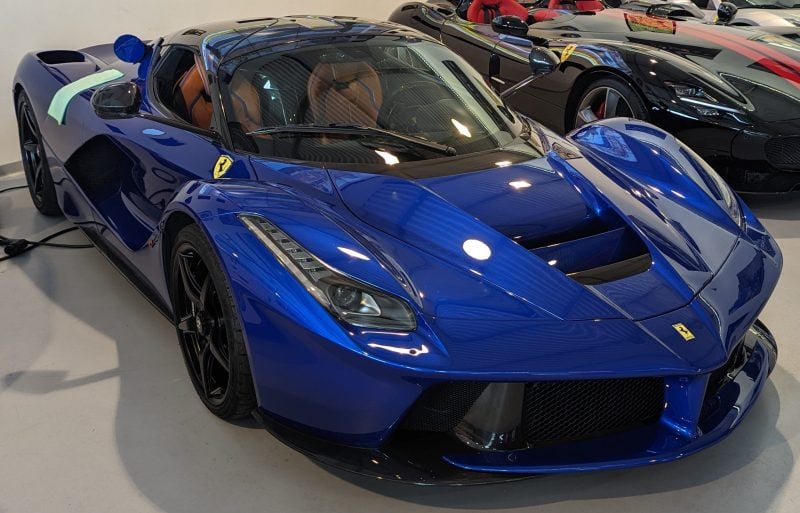
The LaFerrari represents Ferrari’s pinnacle of hypercar engineering. Launched in 2013, this hybrid masterpiece combines a naturally aspirated V12 engine with electric motor assistance.
The powertrain produces 949 horsepower and 663 pound-feet of torque. This configuration delivers exceptional performance while showcasing Ferrari’s commitment to hybrid technology innovation.
Ferrari manufactured only 499 coupe versions, making it extremely exclusive. The open-top Aperta variant saw even more limited production with just 210 units created.
Market values reflect this rarity. The final LaFerrari Aperta sold at auction for nearly $10 million, demonstrating collector demand.
The vehicle features Ferrari’s signature design language with advanced aerodynamics. Its carbon fiber construction and active suspension system optimize both performance and handling characteristics on road and track.
2. Bugatti Chiron
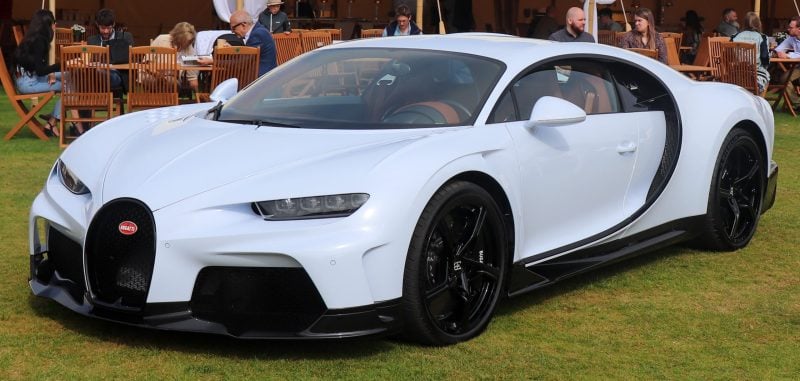
The Bugatti Chiron represents the pinnacle of automotive engineering and luxury performance. Unveiled in 2016 at the Geneva Motor Show, it succeeded the legendary Veyron while pushing performance boundaries even further.
The Chiron features an 8.0-liter quad-turbocharged W16 engine producing 1,480 horsepower and 1,180 lb-ft of torque. This powertrain delivers extraordinary acceleration and top-tier performance capabilities.
Named after Monaco-born racing driver Louis Chiron, the car embodies both racing heritage and modern innovation. The vehicle combines cutting-edge technology with meticulous craftsmanship throughout its design.
The Chiron Super Sport 300+ variant achieved a record-breaking top speed of 304.773 mph in 2019. This made it the first production car to exceed 300 mph, cementing its position among automotive legends.
3. Lamborghini Aventador
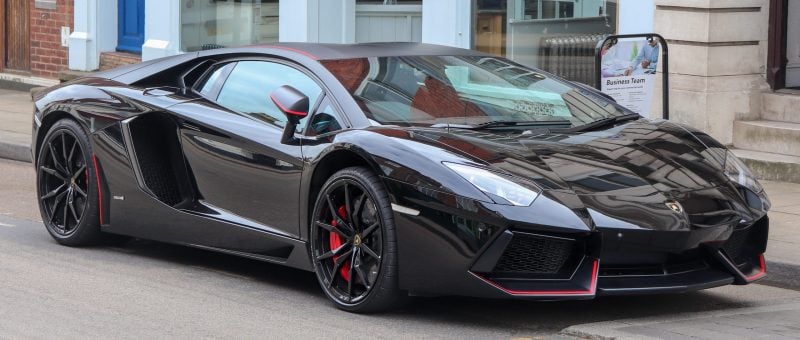
The Aventador represents Lamborghini’s flagship supercar achievement. It replaced the legendary Murcielago in 2011 and established new standards for Italian supercars.
Its naturally aspirated V12 engine produces over 700 horsepower. The carbon fiber monocoque chassis provides exceptional strength while keeping weight minimal.
The Aventador’s scissor doors and aggressive angular design became instantly recognizable. Sharp lines and aerodynamic elements create a commanding road presence that defines modern Lamborghini styling.
Multiple variants expanded the lineup throughout its production run. The SVJ variant pushed performance boundaries with advanced aerodynamics and track-focused engineering.
The model bridged traditional Lamborghini DNA with modern technology. Advanced all-wheel drive systems and electronic stability controls made the massive power more accessible to drivers.
Production ended in 2022 after an eleven-year run. The Aventador solidified Lamborghini’s position among the world’s premier supercar manufacturers.
4. McLaren P1
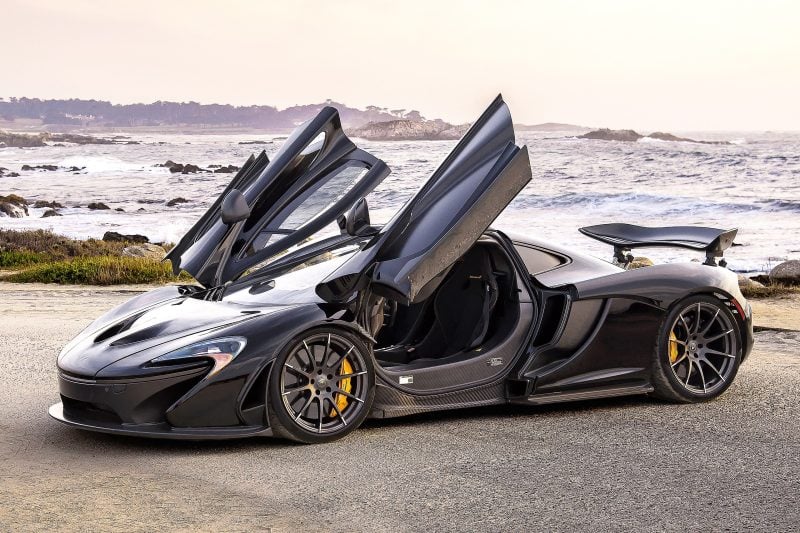
The McLaren P1 debuted at the 2012 Paris Motor Show as the spiritual successor to the legendary McLaren F1. Only 375 hand-assembled units were produced, making it one of the most exclusive hypercars ever created.
This mid-engine plug-in hybrid combines a twin-turbocharged V8 engine with an electric motor. The powertrain delivers extraordinary performance while showcasing McLaren’s commitment to advanced hybrid technology.
The P1 features groundbreaking carbon fiber construction and sophisticated aerodynamics. These elements work together to optimize both road comfort and track performance.
McLaren designed the P1 with one clear goal: creating the best driver’s car in the world. The vehicle achieves a top speed of 217 mph and offers handling precision that rivals pure racing machines.
All 375 units sold quickly when production began in October 2013. The P1’s limited availability and exceptional capabilities established it as a defining hypercar of the 2010s.
5. Porsche 911 Turbo S
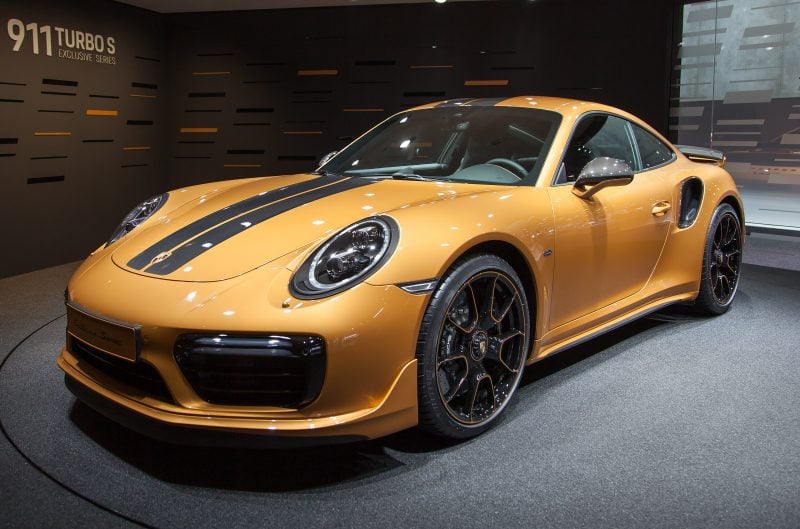
The Porsche 911 Turbo S represents the peak of the iconic 911 lineup. Since its debut in 1993 with the 993 generation, it has served as Porsche’s benchmark sports car.
The current model features a 3.7-liter twin-turbocharged flat-six engine producing 640 horsepower. This power enables acceleration from 0-60 mph in just 2.6 seconds.
Standard all-wheel drive ensures exceptional grip and control. The combination of raw performance and daily usability sets it apart from competitors.
Recent iterations have introduced hybrid technology while maintaining the car’s core character. This evolution keeps the Turbo S at the forefront of sports car development.
The 911 Turbo S balances track-focused performance with everyday comfort. Its rear-engine layout and distinctive silhouette remain true to the original 1963 design philosophy.
6. Aston Martin DBS Superleggera
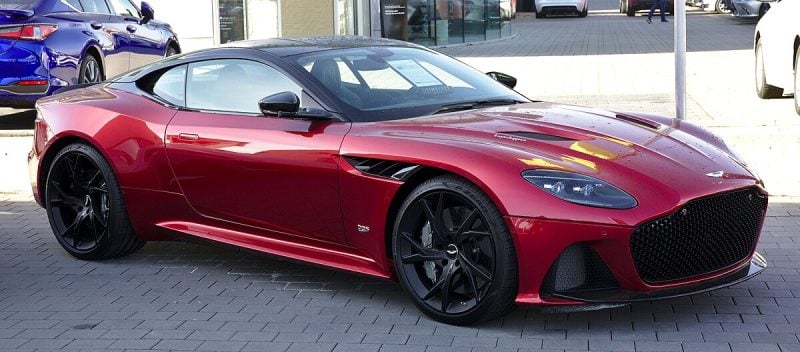
The DBS Superleggera stands as Aston Martin’s most powerful production car. Its twin-turbocharged 5.2-liter V12 engine delivers 715 horsepower, establishing new performance standards for the brand.
Introduced in 2018, the DBS Superleggera replaced the Vanquish S as Aston Martin’s flagship model. The car revives the iconic DBS nameplate that first appeared in 1967.
Advanced aerodynamics define the Superleggera’s engineering approach. The design manages airflow effectively while reducing drag and increasing downforce for enhanced stability.
The adaptive damping suspension system works alongside the aerodynamic package. This combination delivers exceptional handling characteristics across various driving conditions.
With a top speed of 211 mph, the DBS Superleggera represents the pinnacle of Aston Martin’s current lineup. The car successfully blends luxury grand touring capabilities with track-focused performance dynamics.
7. Mercedes-AMG GT Black Series
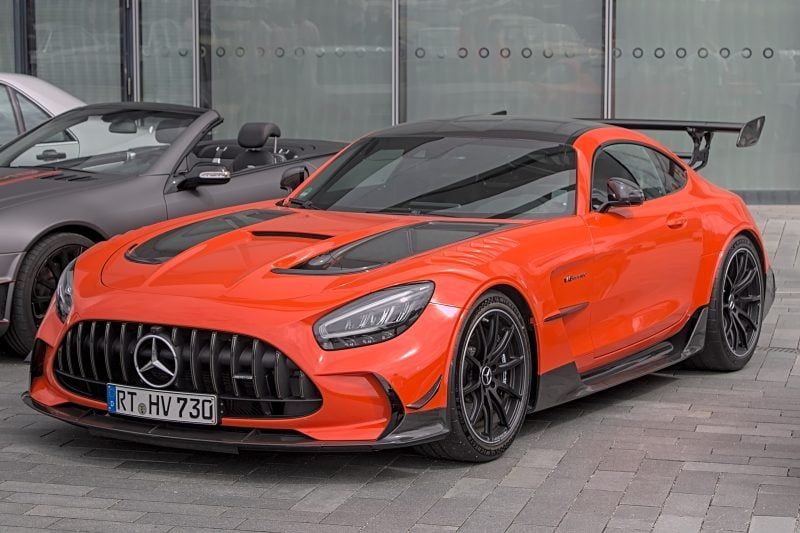
The Mercedes-AMG GT Black Series represents the pinnacle of AMG’s engineering capabilities. Introduced as the most hardcore AMG ever produced, it delivers 720 horsepower from its hand-built V8 engine.
This track-focused machine features race-inspired aerodynamics and design elements. The extensive use of carbon fiber reduces weight while enhancing structural rigidity.
The GT Black Series set a production car lap record at the Nürburgring in 2021. Its track-tuned suspension and advanced aerodynamics enable exceptional cornering performance.
Despite its racing credentials, the vehicle remains street legal. Mercedes designed it to dominate circuit driving while maintaining road usability.
The Black Series carries forward AMG’s 23-year tradition of high-performance luxury vehicles. It successfully blends extreme performance capabilities with Mercedes’ luxury heritage.
8. Chevrolet Corvette Z06
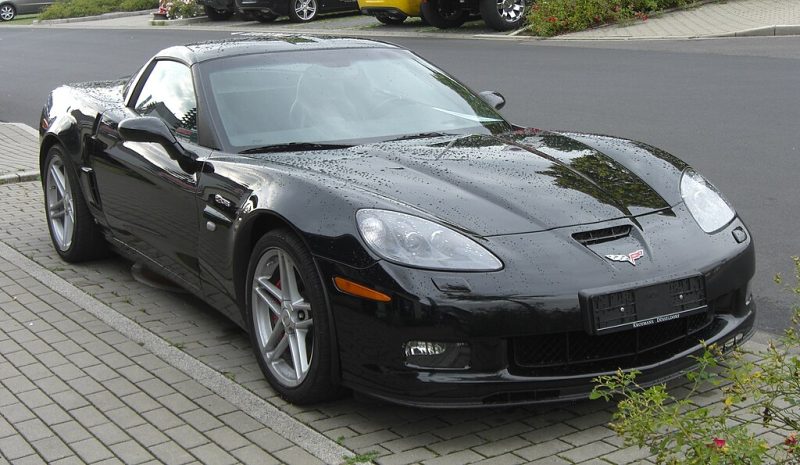
The Chevrolet Corvette Z06 represents the pinnacle of American sports car engineering. Its mid-engine layout delivers exotic-level performance at a fraction of European competitors’ prices.
The current Z06 features a naturally aspirated 5.5-liter flat-plane V8 engine. This powerplant produces 670 horsepower and revs to an impressive 8,600 RPM redline.
The car’s mid-engine configuration provides optimal weight distribution and handling characteristics. This layout puts the Z06 in direct competition with established European supercars.
Performance credentials include track-focused suspension tuning and aerodynamic enhancements. The Z07 package adds even more aggressive track-oriented features for serious driving enthusiasts.
The Z06 maintains the Corvette’s reputation for delivering exceptional performance value. It offers supercar capabilities while remaining more accessible than traditional luxury sports car alternatives.
9. Audi R8 V10 Plus
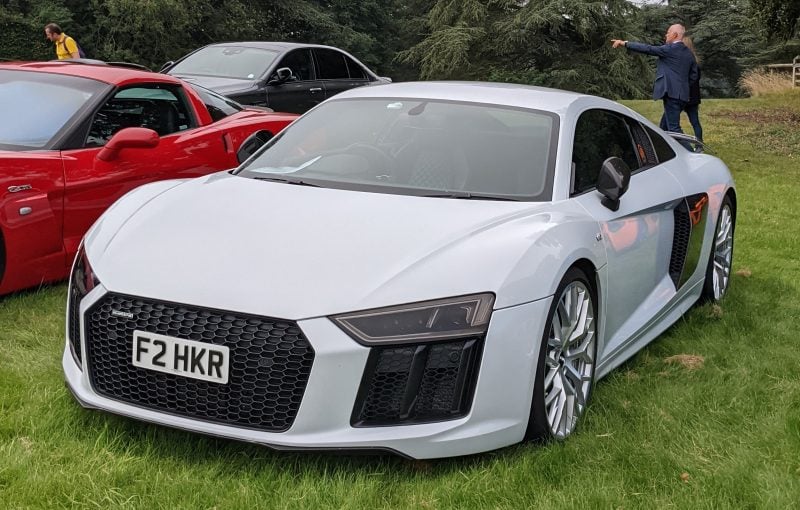
The Audi R8 V10 Plus stands as the pinnacle of German supercar engineering. Its naturally aspirated 5.2-liter V10 engine produces 610 horsepower, delivering exceptional performance without turbocharging complexity.
This mid-engine supercar features Audi’s quattro all-wheel-drive system. The combination provides superior traction and handling characteristics across various driving conditions.
The R8 V10 Plus bridges the gap between track performance and daily usability. Unlike many supercars, it maintains comfort and refinement for regular driving.
Audi introduced advanced lighting technology with the R8, including distinctive laser headlights on special editions. The design language influenced the brand’s entire sports car lineup.
Production of the R8 has ended, making the V10 Plus a final chapter in Audi’s naturally aspirated supercar era. This positions it as both a performance icon and future collectible.
10. Jaguar F-Type SVR
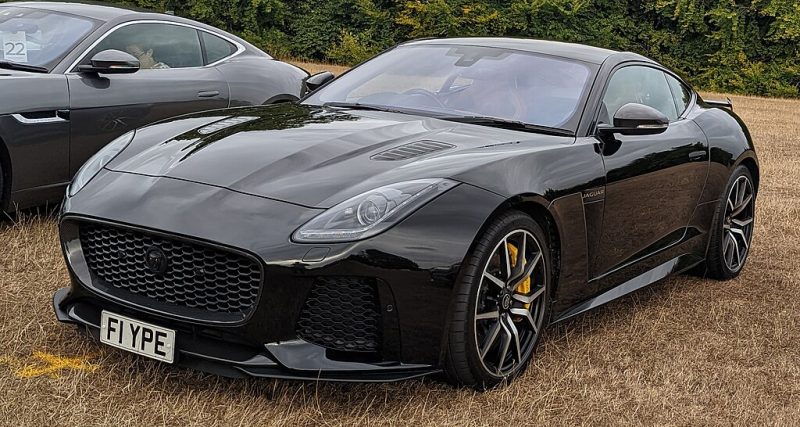
The Jaguar F-Type SVR stands as the most powerful production F-Type ever built. It features a supercharged 5.0-liter V8 engine producing 567 horsepower.
This powerplant enables the SVR to accelerate from 0-62 mph in just 3.7 seconds. The top speed reaches an impressive 200 mph.
The F-Type SVR combines raw performance with refined luxury. Engineers reduced weight while increasing power output compared to the standard F-Type R.
The exhaust system delivers a distinctive and aggressive sound signature. This audio experience enhances the driving dynamics significantly.
Jaguar’s Special Vehicle Operations department developed the SVR variant. The model represents the pinnacle of F-Type engineering and performance capabilities.
Advanced aerodynamics and suspension tuning optimize handling characteristics. The SVR maintains the F-Type’s elegant design while adding functional performance elements.
11. Maserati GranTurismo MC Stradale
The Maserati GranTurismo MC Stradale emerged as a hardcore variant that bridged the gap between road and track. This model responded directly to customer demands for a street-legal supercar with racing DNA.
Maserati developed the MC Stradale as a road version of their Trofeo race car. The design incorporated elements from the GT4 and GTD racing programs.
The MC Stradale featured a stripped-down approach with optional roll cage availability. Initially configured as a two-seater, later versions offered four-seat arrangements for buyers seeking additional practicality.
This variant represented Maserati’s commitment to pure driving dynamics. The MC Stradale eliminated unnecessary weight while maintaining the GranTurismo’s essential character.
The model showcased Italian engineering focused on track-inspired performance. Every modification served the purpose of enhanced driving engagement and reduced lap times.
12. Tesla Roadster (2025)
The 2025 Tesla Roadster represents Tesla’s vision for the ultimate electric sports car. Tesla claims the vehicle will accelerate from 0-60 mph in just 1.9 seconds, positioning it among the fastest production cars ever conceived.
The all-electric sports car features a tri-motor all-wheel-drive system designed to deliver exceptional power and torque. Tesla advertises over 620 miles of range on a single charge, addressing traditional electric vehicle limitations.
The Roadster was first unveiled in 2017 but has faced multiple production delays. Tesla’s Lars Moravy has described it as the “last best driver’s car,” suggesting it may be the company’s final performance vehicle before autonomous driving becomes standard.
An optional SpaceX package has been mentioned, though specific details remain limited. The vehicle aims to combine record-breaking acceleration with cutting-edge electric technology.
13. BMW M8 Competition
The BMW M8 Competition represents the pinnacle of BMW’s luxury sports car engineering. First released in 2018, it replaced the previous top-spec 6-Series coupe as BMW’s flagship performance model.
Under the hood sits a twin-turbo V8 engine that produces 617 horsepower. This powerplant enables the M8 Competition to accelerate from 0-60 mph in just 2.5 seconds.
The vehicle comes in three body styles: Coupe, Convertible, and Gran Coupe. Each variant maintains the same performance credentials while offering different practical considerations.
BMW positions the M8 Competition as both a luxury grand tourer and a serious performance machine. The car combines refined interior appointments with track-focused capabilities.
The M8 Competition demonstrates BMW Motorsport’s ability to create vehicles that excel in both comfort and speed.
14. Ford GT
The Ford GT stands as America’s answer to European supercars. This mid-engine masterpiece traces its lineage directly to the legendary GT40 that dominated Le Mans in the 1960s.
Ford produced two distinct generations of the GT. The first ran from 2005-2006, while the second generation launched in 2017 and continued through 2022.
The 2017-2022 Ford GT represents the pinnacle of Ford’s engineering capabilities. Its lightweight carbon fiber construction and twin-turbocharged V6 engine deliver exceptional performance on both road and track.
Limited production numbers make the Ford GT exceptionally exclusive. Ford carefully selected buyers through an application process, ensuring the car reached true enthusiasts rather than speculators.
The GT’s racing heritage remains integral to its identity. Ford developed this supercar specifically to compete at Le Mans, achieving a historic class victory in 2016 that honored the original GT40’s legacy.
15. Pagani Huayra
The Pagani Huayra represents Italian automotive artistry at its finest. This hypercar combines Mercedes-AMG’s twin-turbocharged V12 engine with Pagani’s signature carbon-titanium construction.
Horacio Pagani’s masterpiece features active aerodynamics that adjust to driving conditions. The car’s flaps move like wings to optimize downforce and airflow.
Each Huayra showcases meticulous craftsmanship in its interior design. Hand-stitched leather and precisely machined aluminum components create an luxurious cockpit environment.
The Huayra’s lightweight construction enables exceptional performance capabilities. Its advanced composite materials contribute to both structural integrity and weight reduction.
Multiple variants exist within the Huayra family. The track-focused Imola and limited-production R model represent the most extreme iterations of Pagani’s engineering prowess.
This hypercar demonstrates three decades of Pagani’s expertise in advanced composite materials. The result is a vehicle that balances raw performance with artistic beauty.
16. Koenigsegg Agera RS
The Koenigsegg Agera RS represents the pinnacle of Swedish hypercar engineering. This limited-production model combines elements from both the Agera R and Agera S variants.
The car features a 5.0-liter twin-turbocharged V8 engine producing 1,341 horsepower. It accelerates from 0 to 60 mph in just 2.9 seconds.
The Agera RS achieved a top speed of 277.9 mph, briefly holding the world speed record. Only a handful of these vehicles were produced, making them extremely rare.
Advanced technology includes active aerodynamics, sophisticated traction control, and a Triplex suspension system. The car meets safety standards and emissions requirements worldwide while delivering track-focused performance.
The Agera RS launched in 2015 at the Geneva Motor Show. Special variants like the Agera XS were created exclusively for individual customers, with only two units ever built.
17. Nissan GT-R Nismo
The GT-R Nismo represents the pinnacle of Nissan’s performance engineering. Built by Nismo, Nissan’s motorsport division, this track-focused variant takes the standard GT-R to extreme levels.
The Nismo version features enhanced aerodynamics and lightweight carbon fiber components. These modifications improve both downforce and overall performance compared to the base GT-R.
Engine output varies across different Nismo iterations, with some variants producing over 600 horsepower. The twin-turbocharged V6 delivers exceptional acceleration and top-end performance.
The most legendary variant remains the GT-R Nismo Z-Tune. Only 19 units were ever produced, making it extraordinarily rare. This special edition featured a 2.8-liter twin-turbocharged engine producing 493 horsepower.
Track-tuned suspension and advanced all-wheel-drive systems provide exceptional handling capabilities. The GT-R Nismo continues Nissan’s tradition of creating world-class performance cars that compete with established luxury sports car manufacturers.
18. Alfa Romeo 4C Spider
The Alfa Romeo 4C Spider launched in 2015 as the convertible version of the acclaimed 4C coupe. This mid-engine sports car featured a carbon fiber body and removable targa top.
The 4C Spider used a turbocharged 1.75-liter four-cylinder engine producing 237 horsepower. Despite its compact size, the car delivered impressive acceleration and handling dynamics.
Alfa Romeo positioned the 4C Spider as an affordable alternative to more expensive Italian exotics. The car’s carbon fiber construction and supercar-inspired design attracted enthusiasts seeking exotic looks without Ferrari pricing.
Production ended in 2020, but the 4C Spider has maintained strong resale values. The model represented Alfa Romeo’s return to lightweight, driver-focused sports cars in the American market.
The 4C Spider combined Italian styling with modern engineering. Its distinctive appearance and mid-engine layout created a unique presence in the luxury convertible segment.
19. Bentley Continental GT Speed
The Bentley Continental GT Speed represents the pinnacle of British luxury performance engineering. This grand tourer combines exceptional speed with the refinement Bentley is renowned for worldwide.
The 2025 model produces 782 horsepower through its Ultra-Performance Hybrid V8 powertrain. This system pairs a traditional V8 engine with electric motor assistance for remarkable acceleration.
Performance figures are impressive by any standard. The Continental GT Speed accelerates from 0-60 mph in just 3.1 seconds while achieving a top speed of 208 mph.
This makes it both Bentley’s fastest and most powerful production car ever manufactured. The hybrid system delivers instant torque while maintaining the brand’s signature luxury experience.
The Continental GT Speed excels as a long-distance grand tourer. Drivers can cover hundreds of miles in comfort without sacrificing performance capabilities when needed.
20. Rolls-Royce Wraith
The Rolls-Royce Wraith emerged in 2013 as the most powerful model in the brand’s history. This full-size grand tourer combines luxury with unprecedented performance for Rolls-Royce.
Built on the Ghost sedan chassis, the Wraith features a pillar-less two-door coupe design. The signature suicide doors provide dramatic entry to the opulent interior.
The Wraith marked a departure from Rolls-Royce’s traditional focus on comfort over speed. It delivered genuine sports car performance while maintaining the brand’s luxury standards.
Art Deco-inspired styling defines the interior, featuring premium materials and advanced technology. Every surface reflects Rolls-Royce’s commitment to craftsmanship.
The model revived a pre-war nameplate from 1938, connecting modern performance to the brand’s heritage. Production ended recently, closing the chapter on Rolls-Royce’s V12 coupe legacy.
Current pre-owned examples range from £159,950 to £235,000 depending on mileage and condition.
21. Cadillac CT5-V Blackwing
The Cadillac CT5-V Blackwing stands as America’s last manual transmission V8 sedan. Its supercharged 6.2-liter V8 engine produces 668 horsepower and 659 lb-ft of torque.
The car offers both six-speed manual and 10-speed automatic transmission options. Rear-wheel drive configuration delivers power to the road through a sophisticated suspension system.
Cadillac equipped the Blackwing with Magnetic Ride Control and Brembo brakes. The Precision Package adds carbon fiber aerodynamic elements and enhanced suspension tuning for track use.
The interior combines luxury materials with performance-focused design. Carbon fiber trim and Recaro seats provide both comfort and support during spirited driving.
The CT5-V Blackwing competes directly with European performance sedans at a lower price point. Its combination of power, handling dynamics, and manual transmission availability makes it unique in today’s market.
Production will end soon, marking the conclusion of an era for American performance sedans.
22. Lexus LC 500
The Lexus LC 500 represents the pinnacle of Lexus sports car engineering. This luxury coupe combines striking visual design with substantial performance capabilities.
At its heart lies a naturally aspirated 5.0-liter V8 engine. This powerplant delivers both impressive output and the distinctive sound enthusiasts expect from a premium sports car.
The LC 500’s exterior design stands among the most compelling in the luxury sports car segment. Its proportions and styling details create a distinctive presence on the road.
Inside, the cabin reflects Lexus’s commitment to luxury materials and craftsmanship. The interior balances sport-focused elements with the comfort expected from a luxury grand tourer.
The LC 500 offers a rare combination of style, performance, and exclusivity. Its limited production numbers contribute to its appeal among collectors and driving enthusiasts seeking something distinctive in the luxury sports car market.
23. Toyota Supra GR
The Toyota GR Supra returned in 2019 after a lengthy hiatus, marking the fifth generation of this iconic sports car. Toyota’s Gazoo Racing division engineered this modern interpretation to capture the essence of its legendary predecessors.
The GR Supra features a twin-turbocharged inline-six engine producing substantial power. Its rear-wheel-drive configuration and balanced weight distribution deliver engaging driving dynamics that sports car enthusiasts expect.
Toyota developed this model in collaboration with BMW, sharing platform technology while maintaining distinct character. The partnership allowed both manufacturers to create affordable luxury sports cars in a challenging market segment.
The 2026 model year introduces the Final Edition, representing the culmination of continuous refinements. This variant offers enhanced driving dynamics and represents the most polished version of the current generation.
The GR Supra delivers race car-like performance in a road-legal package. Its combination of precision engineering and accessible pricing positions it among the most compelling sports cars under six figures.
24. McLaren 720S
The McLaren 720S launched in 2017 as part of McLaren’s Super Series lineup. It immediately established itself as a benchmark in the supercar segment.
The 720S features a twin-turbocharged 4.0-liter V8 engine producing 710 horsepower. This power enables acceleration from 0-60 mph in just 2.9 seconds.
McLaren built the 720S on a carbon fiber monocoque chassis for optimal strength and weight reduction. The aerodynamic design incorporates active elements that adjust based on driving conditions.
An open-top Spider variant joined the lineup in 2018. McLaren engineered the convertible to maintain the coupe’s performance characteristics without significant compromise.
The 720S represents pure internal combustion engineering without hybrid complexity. It combines track-focused performance with road-car usability in McLaren’s signature lightweight package.
25. Ferrari 812 Superfast
The Ferrari 812 Superfast debuted at the 2017 Geneva Motor Show as the successor to the F12berlinetta. This front mid-engine grand tourer represents Ferrari’s most powerful naturally aspirated road car.
The 812 Superfast features a 6.5-liter V12 engine producing approximately 800 horsepower. Ferrari utilized a transaxle architecture that places the engine in front while maintaining optimal weight distribution.
The car’s design builds upon Ferrari’s V12 heritage dating back to the 1948 Ferrari 166 Inter. Its name pays tribute to the 1964 500 Superfast model while indicating its substantial power output.
Ferrari produced approximately 5,000 units of the 812 Superfast. The vehicle combines traditional front-engine, rear-wheel-drive configuration with modern performance technology and aerodynamic refinements that define contemporary Ferrari engineering.
26. Dodge Viper ACR
The Dodge Viper ACR represents American automotive engineering at its most focused. ACR stands for American Club Racing, signifying its track-oriented mission.
This variant stripped away comfort features like radios to prioritize performance. The result was a purpose-built racing machine designed for circuit domination.
At its heart sits a massive 8.4-liter V10 engine producing over 600 lb-ft of torque. This powerplant delivers the raw force expected from American muscle car heritage.
Extreme aerodynamic components distinguish the ACR from standard Viper models. These elements provide both aggressive styling and functional downforce for track performance.
The ACR achieved numerous lap records across various racetracks. Its combination of power, aerodynamics, and reduced weight created a formidable track weapon.
Production ended in 2017 when Dodge discontinued the entire Viper lineup. The ACR remains the ultimate expression of the Viper’s uncompromising performance philosophy.
27. Lotus Evora GT
The Lotus Evora GT represents the pinnacle of the British manufacturer’s mid-engine sports car philosophy. This track-focused variant delivers raw performance through its supercharged V-6 engine and lightweight construction.
The Evora GT’s chassis prioritizes agility over comfort. Its mid-engine layout provides exceptional weight distribution, while the aluminum construction keeps overall mass low for enhanced handling dynamics.
Lotus engineered the GT variant with motorsport-grade components adapted for road use. The suspension setup and aerodynamic elements draw directly from the company’s racing heritage.
The supercharged V-6 produces substantial power while maintaining the brand’s characteristic responsiveness. This powertrain configuration delivers immediate throttle response and linear power delivery throughout the rev range.
The Evora GT’s interior focuses on the driving experience rather than luxury amenities. Controls are positioned for optimal driver engagement, emphasizing the car’s performance-oriented mission over comfort features.
28. Audi RS5 Sportback
The Audi RS5 Sportback represents the perfect blend of practicality and performance in Audi’s high-performance lineup. This five-door sports car delivers serious capability without sacrificing everyday usability.
Under the hood sits a twin-turbocharged 2.9-liter V6 engine producing 444 horsepower and 443 pound-feet of torque. The powertrain enables acceleration from 0-60 mph in just 3.7 seconds.
Audi’s legendary quattro all-wheel-drive system comes standard, providing exceptional traction and stability across various driving conditions. The system enhances both performance and confidence behind the wheel.
The RS5 Sportback’s design strikes a balance between aggressive sporting cues and refined elegance. Its sleek profile maintains the coupe-like appearance while offering additional rear-seat space and cargo capacity.
Interior appointments reflect Audi’s commitment to luxury materials and advanced technology. The cabin combines sport-focused elements with premium comfort features expected in this segment.
This model competes directly with established rivals like the BMW M4 and Mercedes-Benz C63 AMG.
29. Mercedes-Benz SLS AMG
The Mercedes-Benz SLS AMG revived the legendary gullwing door design that made the 300SL famous decades earlier. Introduced in 2011, this supercar marked a significant milestone as the first vehicle engineered and built entirely by AMG.
The SLS featured a naturally aspirated 6.2-liter V8 engine producing 563 horsepower. This powerplant delivered exceptional performance with distinctive AMG sound characteristics.
The iconic gullwing doors weren’t just for show. They provided practical access to the cabin while creating an unmistakable visual signature that set the SLS apart from other supercars.
AMG’s complete control over the SLS development process resulted in a vehicle that perfectly balanced luxury appointments with track-ready performance capabilities. The car successfully combined Mercedes-Benz refinement with pure driving excitement.
Production ended in 2015, but the SLS established AMG as a standalone supercar manufacturer capable of competing with traditional exotic car builders.
30. Porsche Cayman GT4
The Porsche Cayman GT4 represents the pinnacle of mid-engine sports car engineering. Introduced in 2015, it transformed the Cayman lineup with track-focused performance and precision handling.
At its heart lies a 4.0-liter naturally aspirated flat-six engine producing 414 horsepower. This powerplant delivers a high-revving character with an 8,000 rpm redline that creates an engaging driving experience.
The GT4’s mid-engine layout provides exceptional weight distribution and balance. Its sharp chassis dynamics excel on both road and track, offering drivers uncompromising feedback and control.
Porsche refined the formula further with the 2022 GT4 RS variant. This version incorporates race-focused philosophy and advanced aerodynamics for enhanced performance capabilities.
The Cayman GT4 stands as a rare achievement in automotive engineering, combining accessible pricing with supercar-level performance and driving dynamics.
Defining Luxury Sports Cars
Luxury sports cars represent the intersection of exceptional performance engineering, premium interior appointments, and superior craftsmanship that distinguishes them from standard performance vehicles. These machines combine track-ready capabilities with comfort features and materials typically found in high-end luxury sedans.
Performance Standards and Engineering
Luxury sports cars typically generate between 400-700 horsepower from naturally aspirated or turbocharged engines. Premium manufacturers like Porsche, Ferrari, and Aston Martin engineer these powerplants for both explosive acceleration and refined delivery.
Key Performance Benchmarks:
- 0-60 mph acceleration under 4.5 seconds
- Top speeds exceeding 180 mph
- Advanced suspension systems with adaptive damping
- High-performance braking systems with ceramic rotors
The engineering extends beyond raw power. Active suspension systems adjust damping rates in real-time based on driving conditions. Sophisticated traction control and stability management systems allow drivers to exploit performance safely.
Advanced aerodynamics play a crucial role. Active spoilers and diffusers optimize downforce at speed while maintaining efficiency during cruising. Carbon fiber body panels reduce weight while increasing structural rigidity.
Luxury Features and Innovations
Premium sports cars integrate technology and comfort features that rival luxury sedans. High-resolution infotainment systems with touchscreen controls manage everything from climate to performance settings.
Standard Luxury Appointments:
- Premium audio systems (Bang & Olufsen, Bose, Burmester)
- Heated and ventilated seats with memory functions
- Dual-zone automatic climate control
- Advanced driver assistance systems
Customizable driving modes allow owners to tailor performance characteristics. Sport Plus modes sharpen throttle response and suspension settings. Comfort modes soften the ride for daily driving.
Connectivity features include wireless smartphone integration, premium navigation systems, and over-the-air software updates. Some models offer concierge services and remote vehicle monitoring through dedicated mobile applications.
Materials and Craftsmanship
Luxury sports cars employ premium materials throughout their construction. Italian leather upholstery receives hand-stitching and specialized treatments for durability and appearance. Alcantara suede covers high-contact surfaces for improved grip and tactile quality.
Carbon fiber trim pieces demonstrate both technical prowess and aesthetic appeal. Real wood veneers from sustainable sources provide traditional luxury touches. Aluminum and magnesium components reduce weight while adding visual interest.
Premium Material Categories:
- Exterior: Carbon fiber, forged aluminum, premium paint finishes
- Interior: Full-grain leather, Alcantara, brushed metals
- Functional: Ceramic brake rotors, titanium exhaust systems
Hand-assembly processes ensure precise fit and finish. Skilled craftspeople apply multiple paint coats and perform detailed quality inspections. Interior components receive individual attention for proper alignment and operation.
Many manufacturers offer extensive customization programs. Buyers can specify unique color combinations, custom stitching patterns, and personalized trim pieces to create distinctive vehicles.
The Impact of Luxury Sports Cars on Automotive Culture
Luxury sports cars have fundamentally reshaped automotive design philosophy and established new performance benchmarks across the industry. These vehicles transformed motorsport competition and became central figures in popular media, creating lasting cultural phenomena that extend far beyond transportation.
Influence on Design Trends
Luxury sports cars pioneered aerodynamic principles that became standard across all vehicle categories. The Ferrari 250 GTO introduced integrated spoilers in 1962, while Lamborghini’s Miura established the mid-engine layout that defines modern supercars.
Key Design Elements:
- Low-slung profiles with aggressive stance
- Functional air intakes and cooling vents
- Lightweight materials like carbon fiber
- Bold color schemes and distinctive lighting
Porsche’s 911 demonstrated how sports car proportions could influence sedan design. BMW’s M-series and Mercedes-AMG models directly transferred racing aesthetics to luxury performance vehicles.
The scissor doors of the Lamborghini Countach became an iconic design signature. This dramatic feature influenced numerous manufacturers to develop unique door mechanisms for their flagship models.
Interior design philosophy shifted toward driver-centric layouts with sport seats, carbon fiber trim, and minimalist dashboards. Luxury sports cars established the template for modern performance interiors across price segments.
Role in Motorsport and Popular Media
Le Mans racing elevated brands like Ferrari, Porsche, and Aston Martin to legendary status. The Ford GT40’s victories in the 1960s created an enduring American sports car legacy that continues with modern Ford GT models.
Formula 1 technology directly transferred to road cars through manufacturers like McLaren and Ferrari. Active suspension, carbon fiber construction, and hybrid powertrains moved from racetracks to luxury sports car showrooms.
Media Impact:
- James Bond films featured Aston Martin DB5 and other luxury sports cars
- Movies like “Ferris Bueller’s Day Off” immortalized the Ferrari 250 GT California
- Video games and television shows consistently feature luxury sports cars as symbols of success
These vehicles established billion-dollar collector markets and created automotive subcultures. Car shows, racing events, and enthusiast gatherings centered around luxury sports car ownership became global phenomena that influence automotive purchasing decisions across all market segments.