The 30 Rarest Muscle Cars Ever Made: Hemi Convertibles, COPO Chevys and More
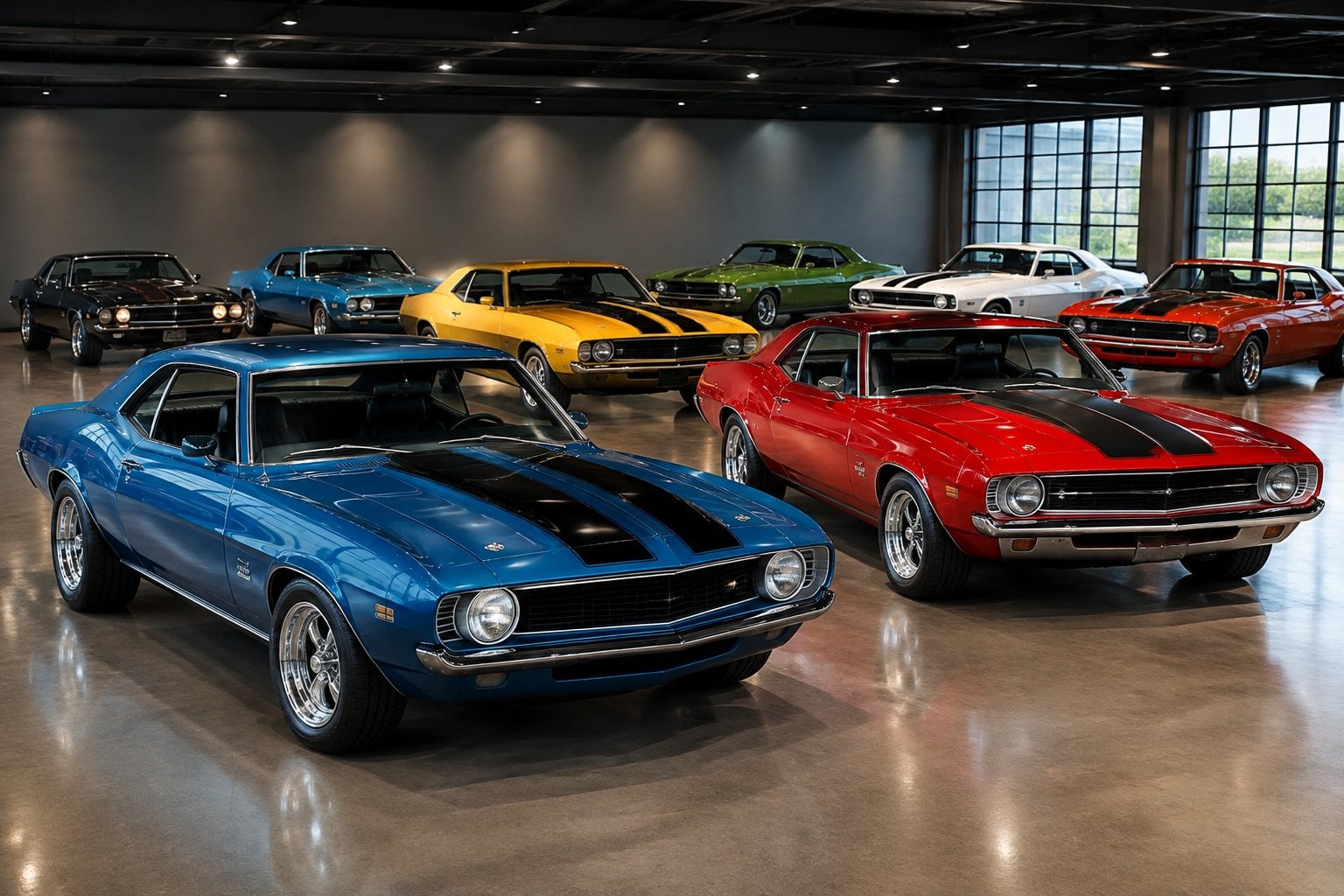
American muscle cars from the 1960s and 1970s were built in limited numbers for various reasons, including racing homologation rules, special order requirements, or simply low consumer demand at the time. Many of these models never reached mass production, making them difficult to find decades later.
If you want to understand what makes a muscle car rare, you need to look at factors like production numbers, engine options, body styles, and dealer modifications. Some cars were built by the dozen, while others exist in single digits today due to crashes, neglect, or restoration projects gone wrong.
This list covers 30 of the rarest muscle cars ever produced, giving you insight into their history, specifications, and why collectors continue to search for them.
1. Chevrolet Corvette L88 Coupe (1967)
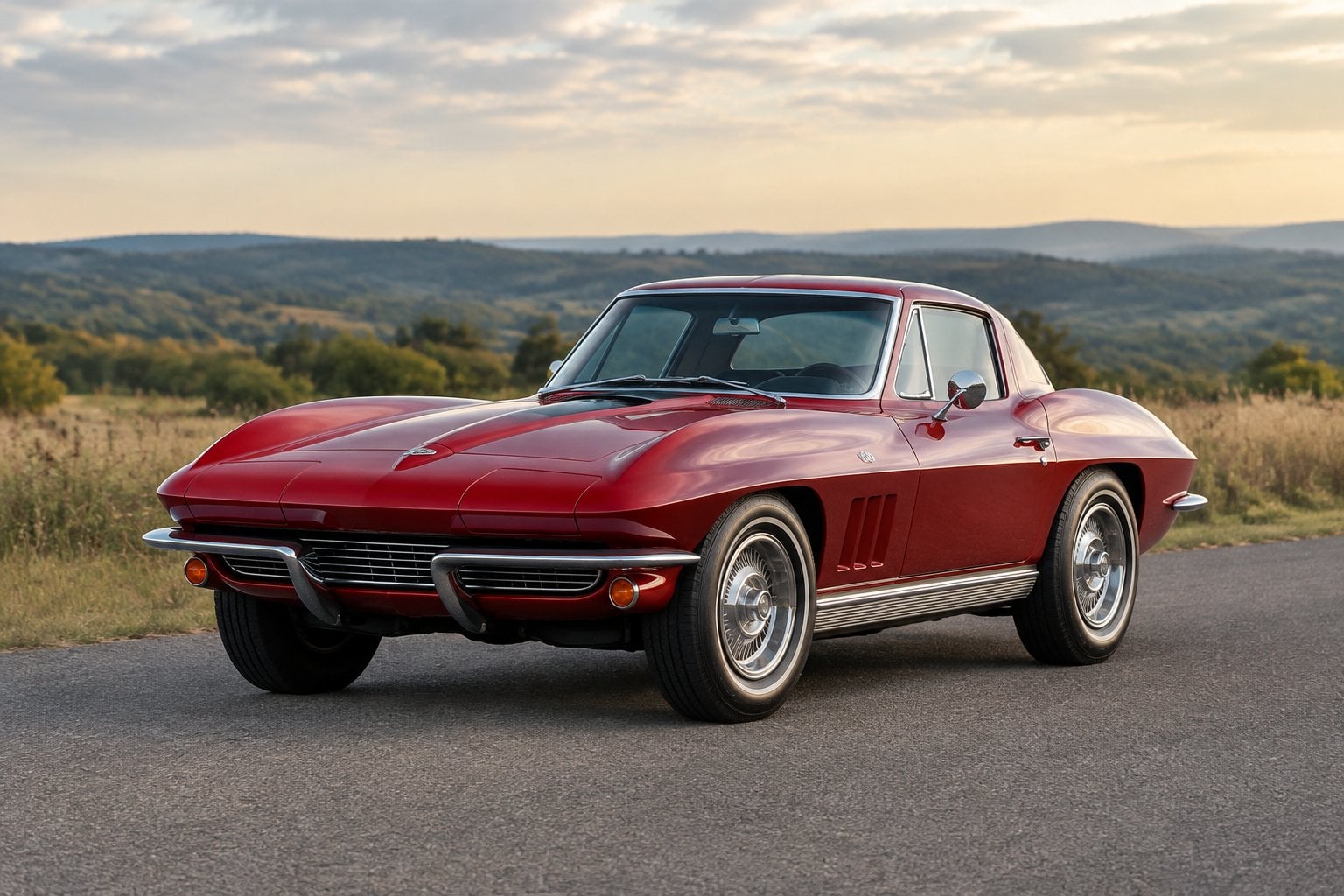
You are looking at the final year of the C2 Stingray generation, and the L88 package made it the most extreme Corvette Chevrolet offered at the time. Only 20 units were built with this option in 1967, out of 22,940 Corvettes produced that year.
The L88 centered on a 427 cubic inch V8 engine, officially underrated at 430 horsepower to discourage casual buyers and insurance scrutiny. In reality, the engine produced significantly more power, built with racing in mind rather than street comfort.
You’ll notice the distinctive stinger hood, a visual cue that hinted at what sat underneath. Chevrolet designed this package for competition use, stripping away items like a radio or heater in some configurations to keep weight down.
Several 1967 L88 Corvettes left the factory with one-of-one specifications, making individual cars distinct from one another even within this small production run. You won’t find another American performance car from this era with comparable scarcity and purpose-built racing intent.
The L88 option continued through 1969, but the 1967 version remains the most sought-after due to its limited numbers and status as the package’s debut year.
2. Shelby GT500 Super Snake (1967)
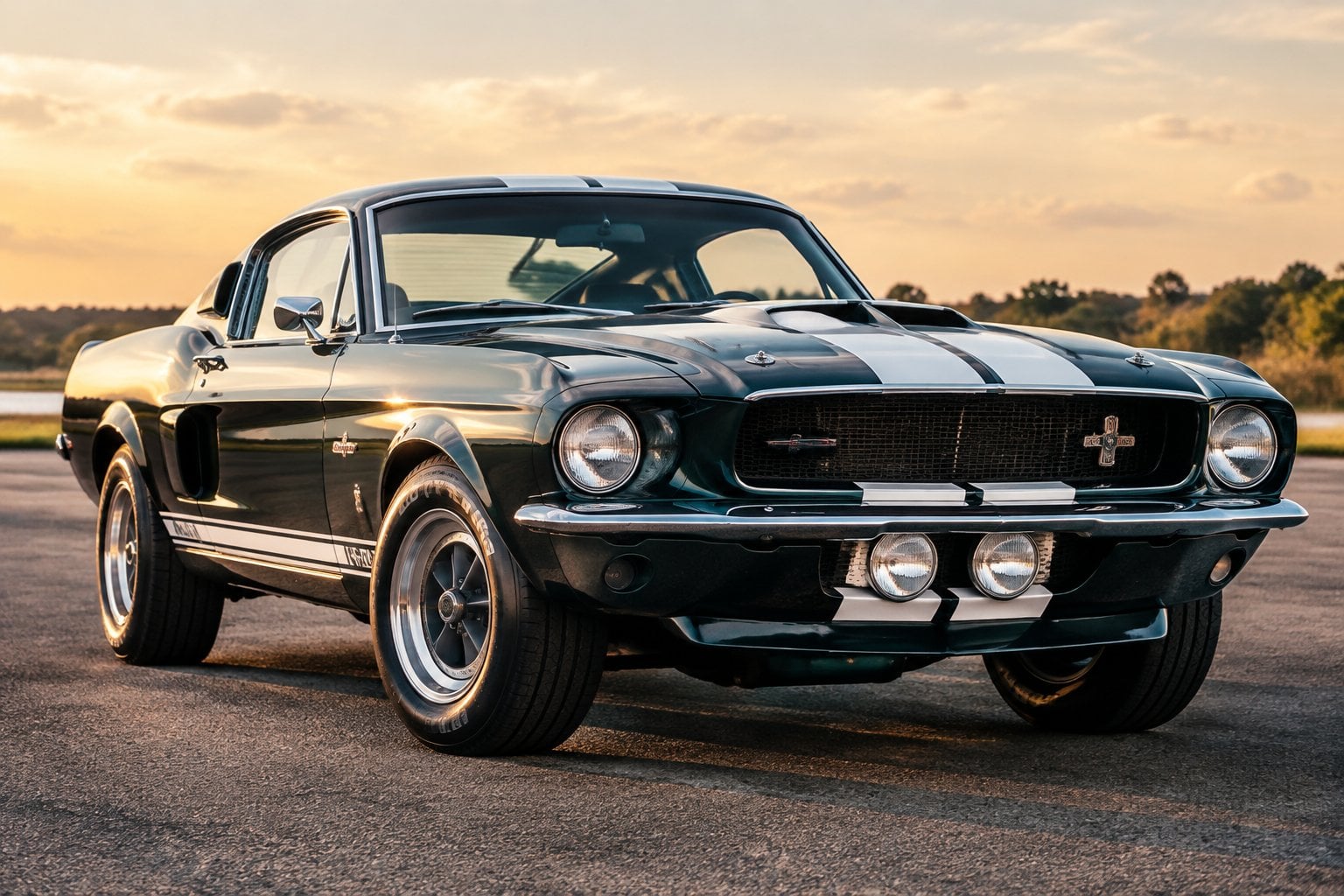
You won’t find another muscle car with a backstory quite like this one. Carroll Shelby built the GT500 Super Snake as a demonstration vehicle for Goodyear tires, meant to show off durability at high speed rather than serve as a production model.
Under the hood, you get a 427 cubic inch V-8 sourced from Shelby’s GT40 Mk II racing program, a far cry from the standard 428 engine used in regular GT500s that year. Output is commonly cited at more than 500 horsepower, a figure that dwarfed nearly every other performance car on the road in 1967.
Only one example was ever built. Shelby’s plan to produce 50 units fell apart once dealers realized the asking price, so the project ended after a single car.
That single surviving GT500 Super Snake is the only one of its kind, and you can trace its history through decades of ownership changes and restorations. Its rarity comes not from limited production runs like other Shelby models, but from the simple fact that it was never meant to be mass-produced in the first place.
3. Dodge Dart Hemi LO23 Super Stock (1968)
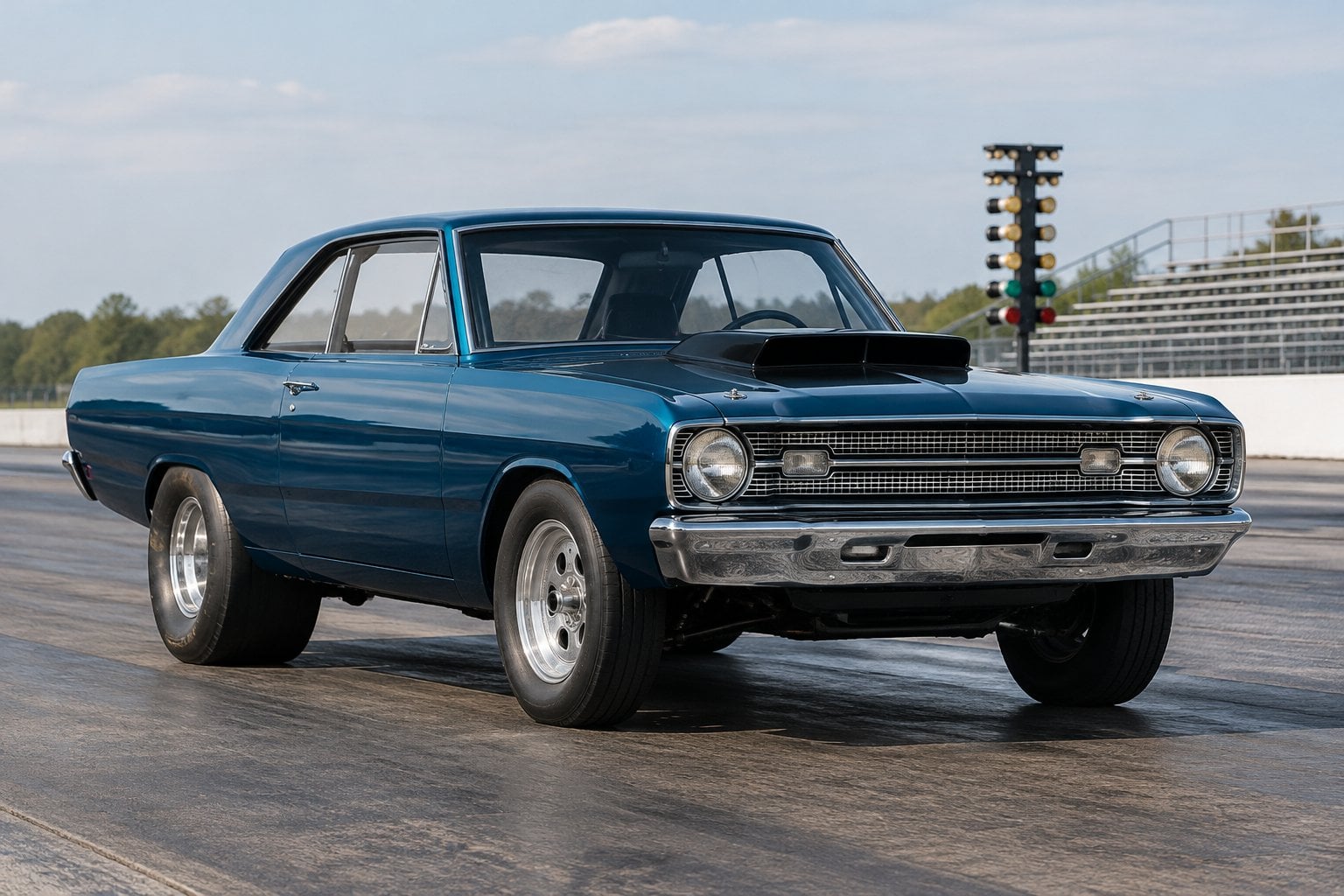
You are looking at one of the most focused factory drag cars Dodge ever produced. The LO23 Hemi Dart was built strictly for Super Stock competition, not street use.
Dodge contracted Hurst Performance to handle the conversion work. Each car received a 426 Race Hemi V8, rated at 425 horsepower, though actual output ran higher in race trim.
To keep weight down, you’d find acid-dipped body panels, a fiberglass hood, and lightweight front fenders. Sound deadening, carpeting, and even the rear seat were left out entirely.
There was no factory warranty on these cars, since Dodge classified them for supervised acceleration trials only. That designation kept them off public roads in stock form.
Production numbers are commonly cited at around 80 units for 1968. That figure makes the LO23 one of the rarest Mopar products of its era.
The car quickly became dominant in Class B Super Stock racing. Its combination of Hemi power and minimal weight gave it an advantage that lasted for several seasons.
4. Plymouth Barracuda Hemi BO29 Super Stock (1968)
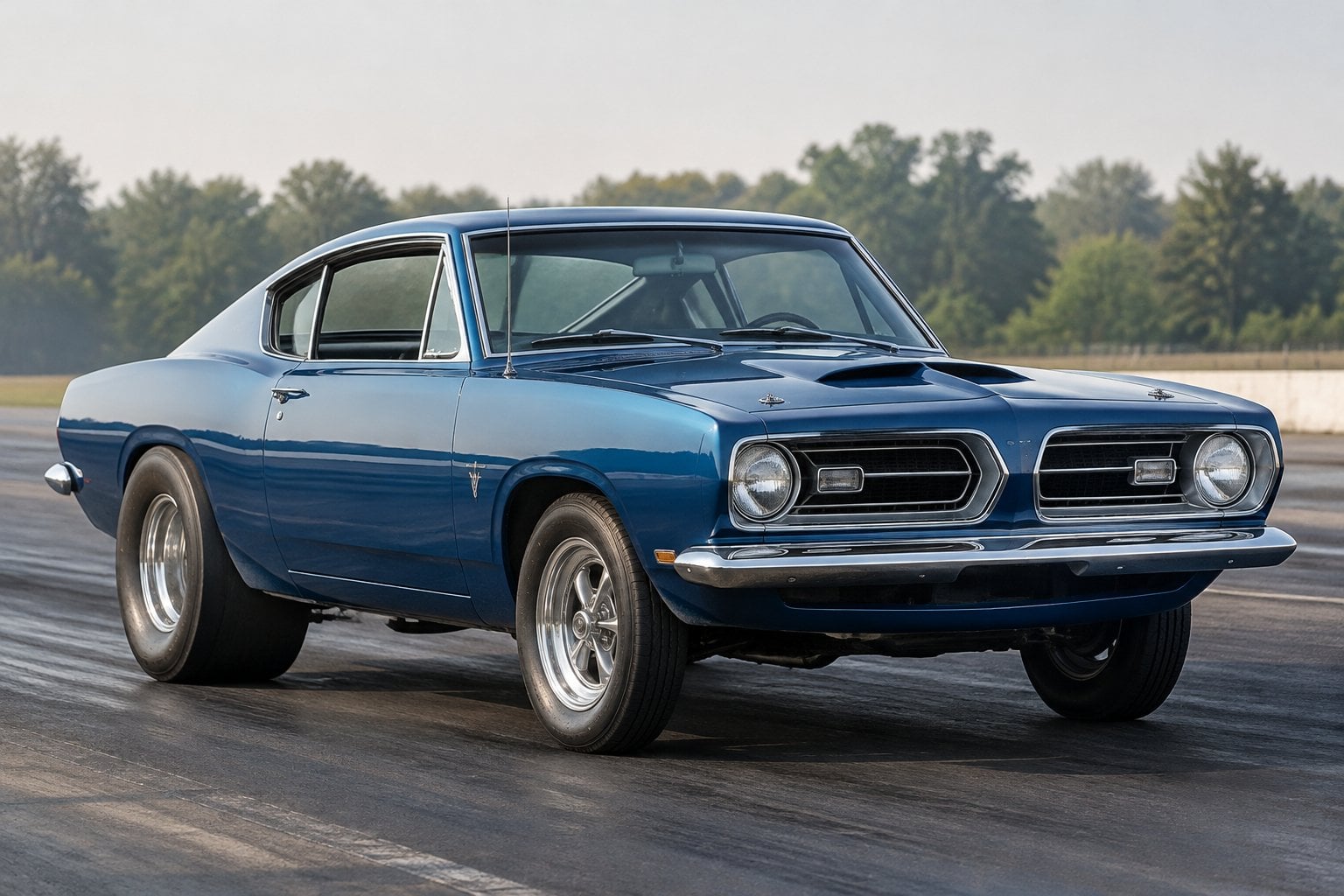
You are looking at one of the most purpose-built drag cars Plymouth ever produced. Chrysler commissioned roughly 70 examples of the BO29 Barracuda for the 1968 Super Stock season, built specifically to compete with the Dodge Hemi Dart LO23.
Under the hood, you get the 426 cubic inch Hemi V8, rated at 425 horsepower, though actual output was higher for racing purposes. The engine sat in a stripped-down, lightweight Barracuda body.
You won’t find sound insulation, a back seat, or many creature comforts in this car. Plymouth removed anything unnecessary for weight savings, since the goal was quarter-mile performance, not daily driving.
These cars came with no factory warranty, and buyers had to sign a disclaimer acknowledging the car’s race-only intent. Teams like Sox & Martin campaigned BO29 Barracudas, helping establish their reputation on the strip.
With only around 70 built, you’re dealing with a car that rarely surfaces at auction, and most surviving examples carry well-documented racing histories.
5. Dodge Charger R/T Hemi (1968)
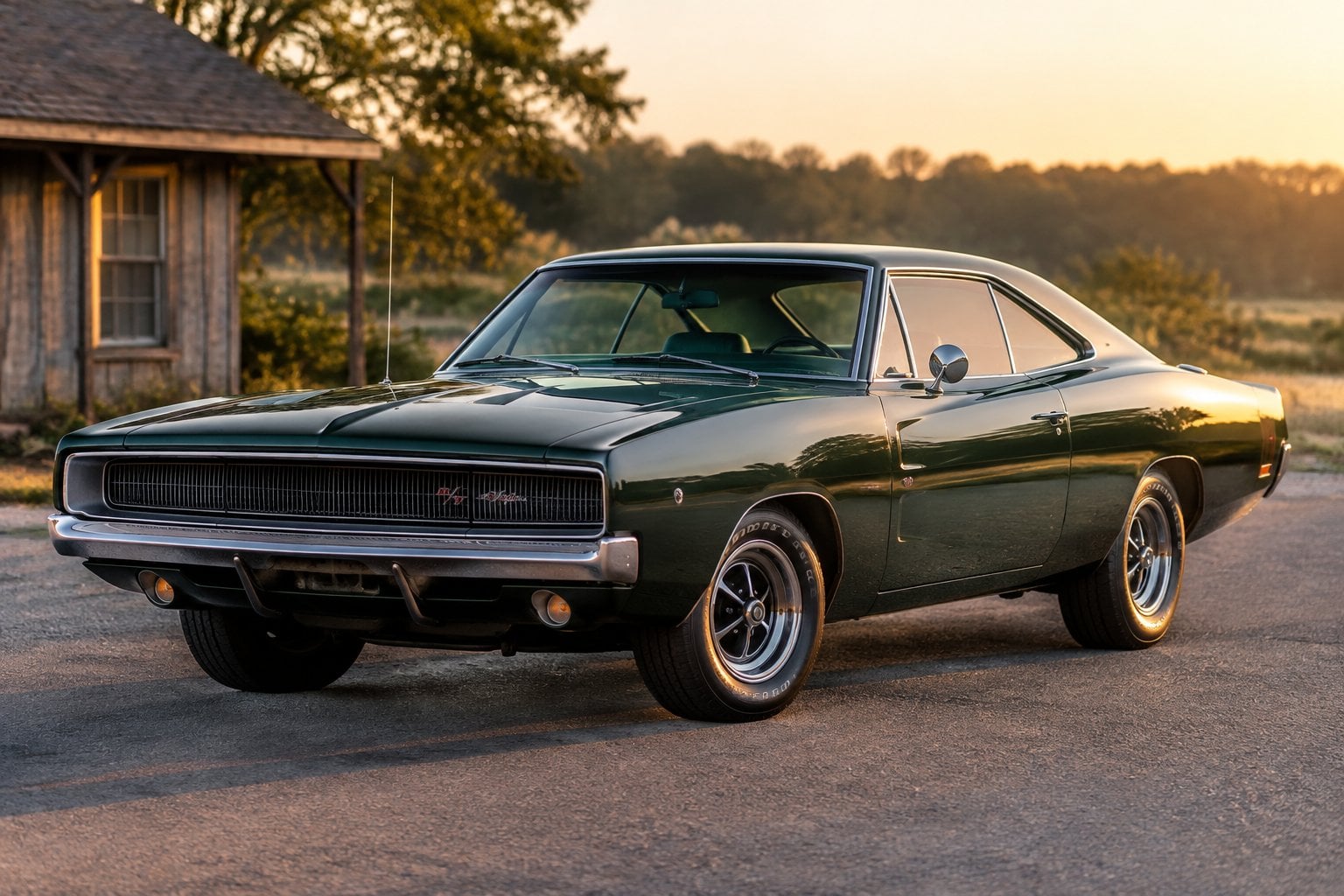
You’re looking at one of the most desirable Chargers of the second-generation body style. For 1968, Dodge redesigned the Charger with a new coke-bottle shape, hidden headlamps, and a recessed rear window, giving it a more distinctive look than its predecessor.
The R/T package came standard with the 440 cubic inch Magnum V8, rated at 375 horsepower and 480 lb-ft of torque. If you wanted more, Dodge offered the 426 cubic inch Hemi as an option, officially rated at 425 horsepower.
Only 264 Hemi-equipped Charger R/Ts with automatic transmissions were built for the 1968 model year, making this combination genuinely scarce today. Four-speed manual Hemi cars exist in even smaller numbers.
You should also know this generation gained cultural significance from its appearance in the 1968 film “Bullitt,” though that particular car used the standard 440. When you’re evaluating one of these for authenticity, numbers-matching Hemi cars with documented build sheets carry the most value and interest among collectors.
6. Chevrolet Corvette L88 Convertible (1969)
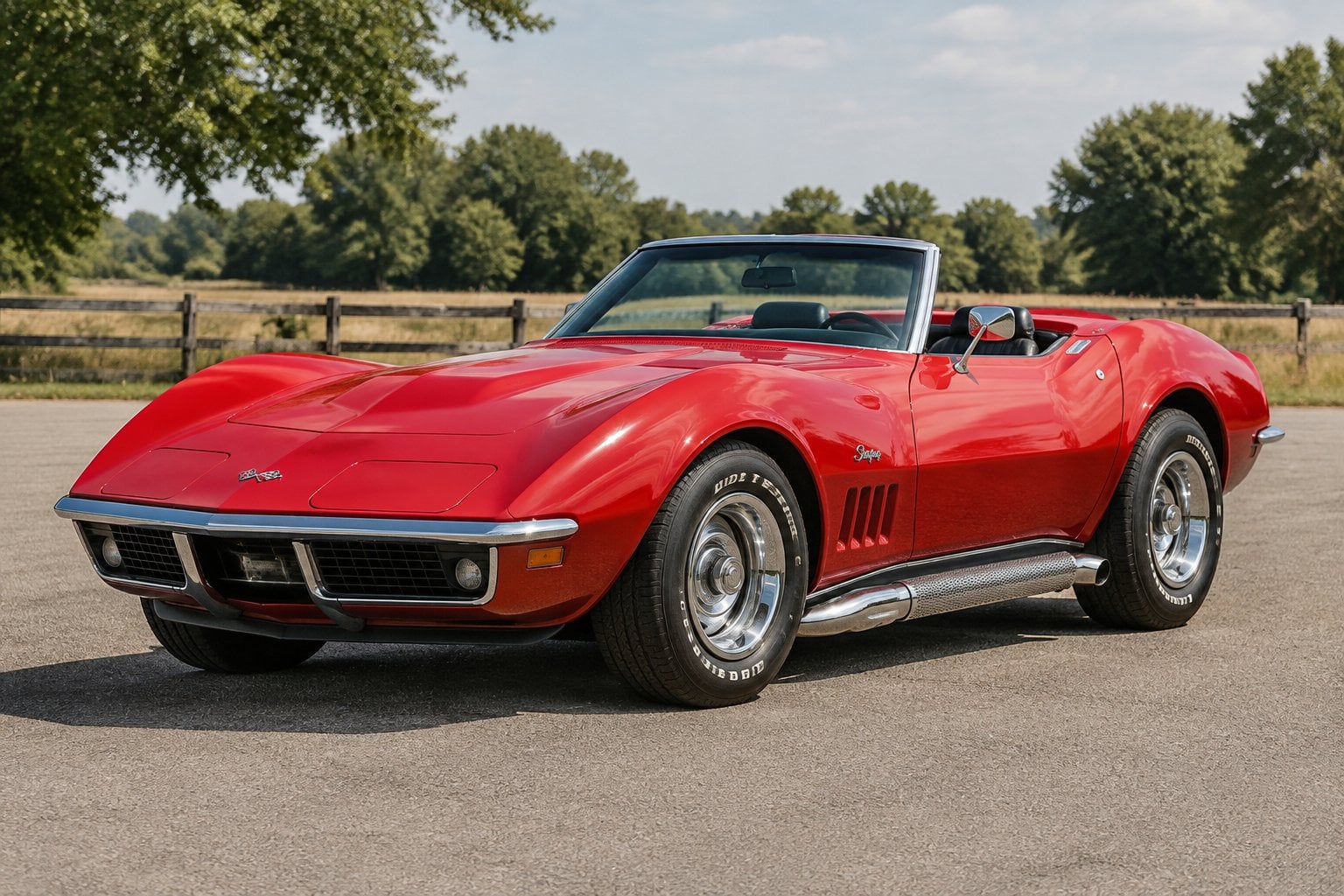
You won’t find many Corvettes rarer than this one. Chevrolet built just 116 L88 Corvettes in total for the 1969 model year (coupes and convertibles combined), the final and highest-production year for this option.
Under the hood sits the 427 cubic-inch L88 V8, officially rated at 430 horsepower. That figure was deliberately conservative; the engine’s aluminum heads, solid lifters, and high-compression design pushed real output well beyond the factory number.
Chevrolet never intended the L88 for casual driving. You had to work around factory roadblocks just to order one, since it required deleting the radio and heater and came without power steering or power brakes as standard.
This wasn’t a car built for comfort. It was built for the track, and GM’s paperwork reflected that intent at every step of the ordering process.
Combine the race-bred engineering with a convertible body style, and you get a combination few buyers chose in period. That low original take rate is exactly why surviving examples command such attention from collectors today.
7. Chevrolet Camaro ZL1 (1969)
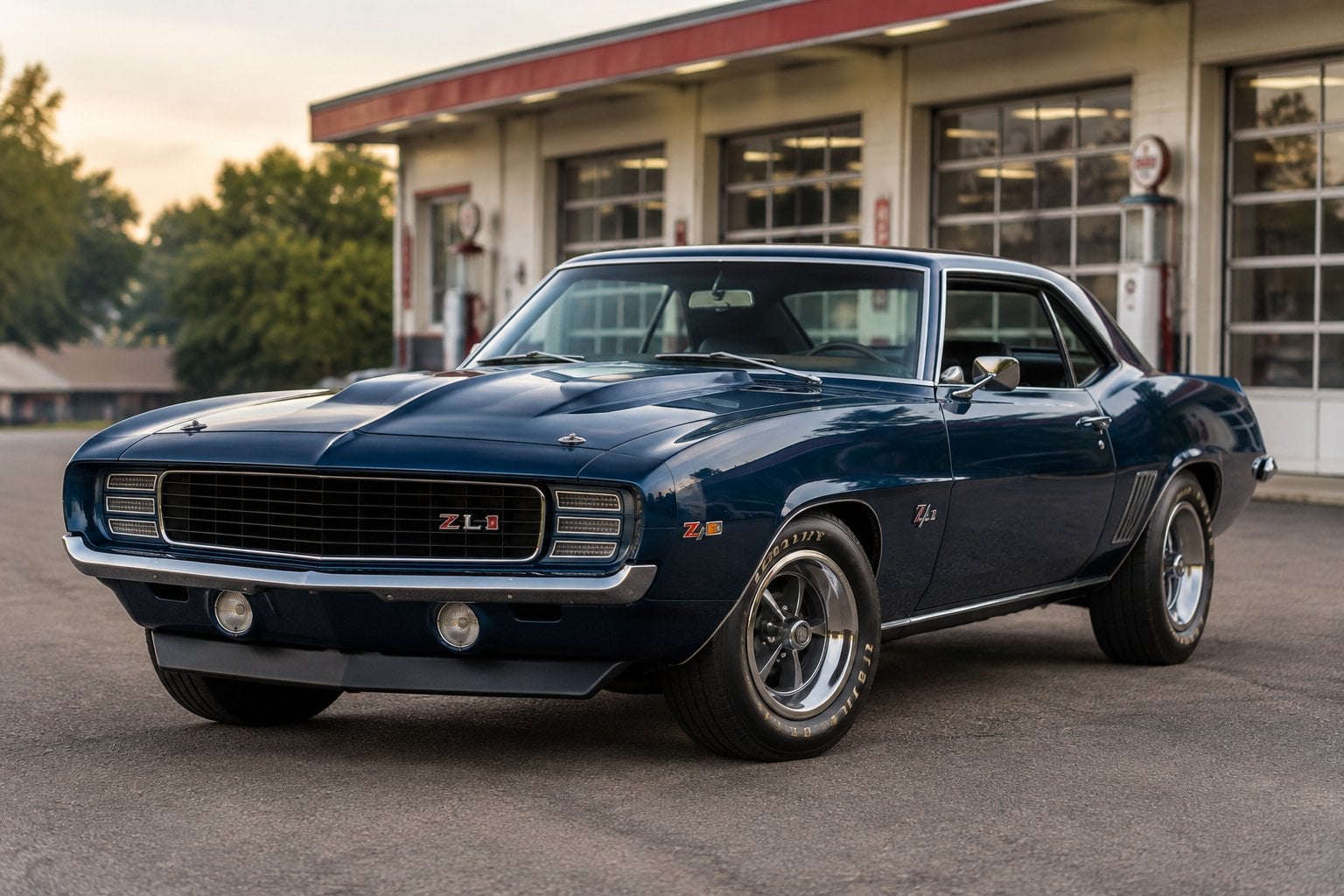
You’re looking at one of the most extreme Camaros Chevrolet ever allowed off the production line. The ZL1 came about through the COPO 9560 ordering system, a loophole that let dealers request special builds outside normal Camaro trim levels.
Under the hood, you’ll find an all-aluminum 427-cubic-inch V8, officially rated at 430 horsepower, though most agree the real output was closer to 500. This engine was originally designed for Can-Am racing, not street use, which tells you how serious this car’s intentions were.
Chevrolet built only 69 units in 1969, making it one of the rarest Camaros of any generation. The high cost of the ZL1 package, which nearly doubled the price of the car, scared off most buyers at the time.
That same rarity now makes surviving examples extremely valuable to collectors. If you ever come across one, you’re seeing a genuine factory race car that was never meant for mass appeal.
8. Chevrolet Corvette ZL1 (1969)
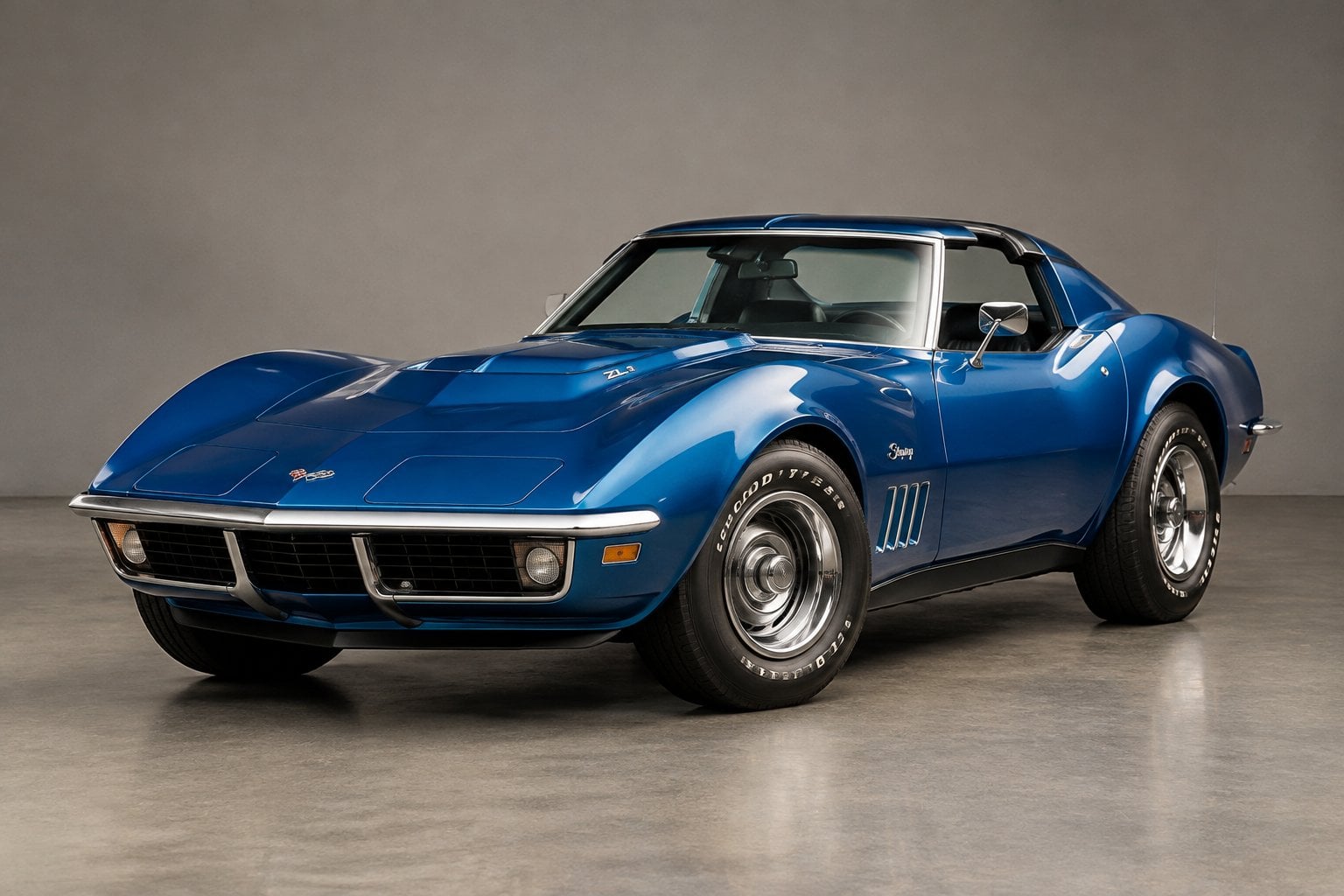
You won’t find many production cars rarer than the 1969 Corvette ZL1. Chevrolet built only two of these aluminum-block monsters, making it one of the scarcest Corvette variants ever offered to the public.
The ZL1 option paired an all-aluminum 427 cubic inch V8 with the Corvette’s third-generation Stingray body. This engine was essentially a racing block adapted for street use, shaving significant weight off the front end compared to the iron-block L88.
Chevrolet rated the ZL1 at 430 horsepower, though you should know this figure was widely understated for insurance purposes. Real-world output was likely closer to 500 horsepower, giving you a car that outperformed nearly everything else on the road in 1969.
The RPO L88 upgrade alone cost over $1,000, but the ZL1 package pushed that price even higher. At roughly $4,700 on top of the base Corvette price, you’re looking at the most expensive factory option available that year, which explains why so few buyers chose it.
Today, surviving examples represent one of the most significant engineering achievements of the muscle car era.
9. Chevrolet Camaro COPO 9561 427 (1969)
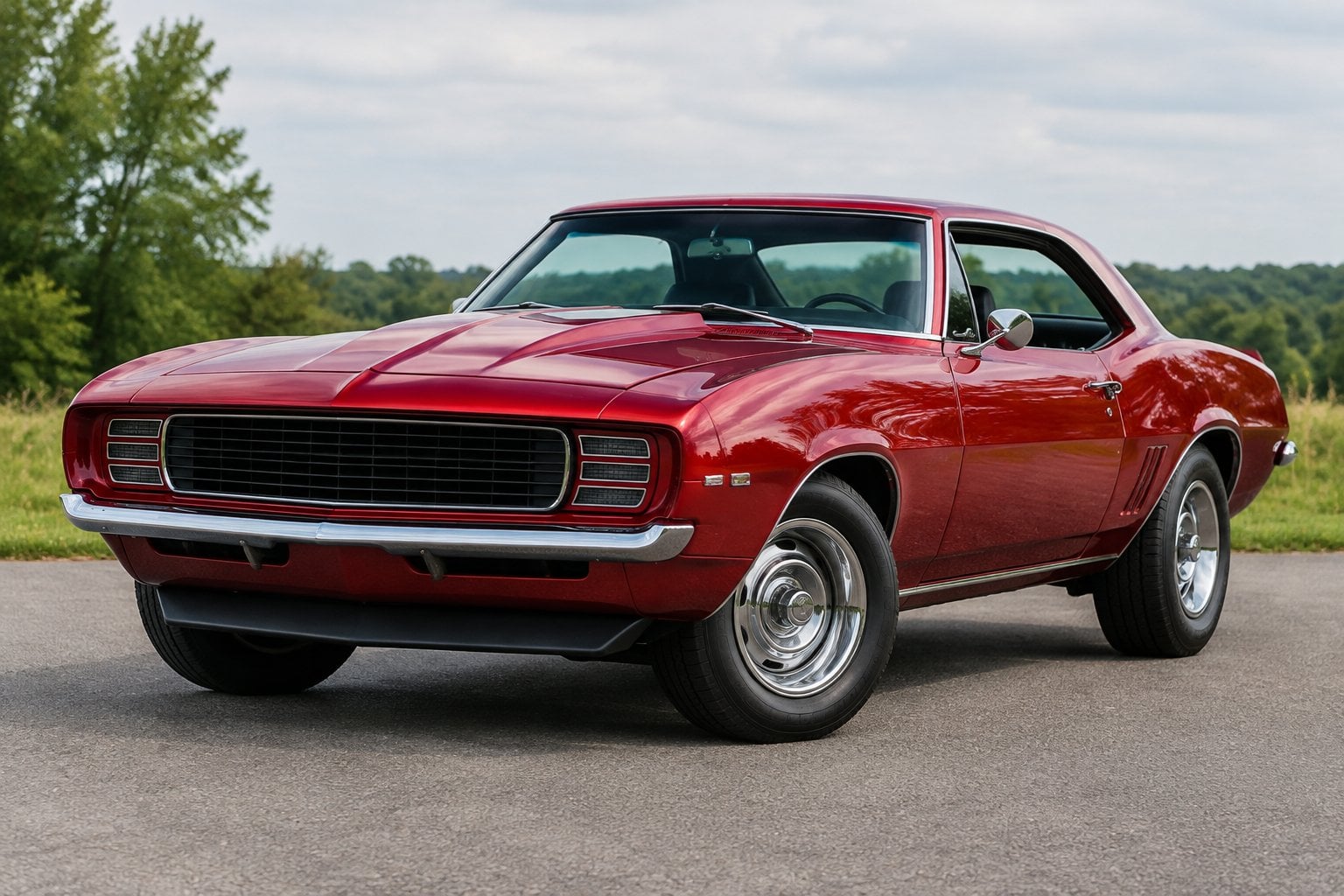
You find the COPO 9561 at the center of Chevrolet’s attempt to work around GM’s 400-cubic-inch limit for cars like the Camaro. Chevrolet used the Central Office Production Order system to approve a run of Camaros fitted with the L72 427, an iron-block, iron-head big-block V8.
The L72 was rated at 425 horsepower and 460 lb-ft of torque. Most sources agree these figures were conservative, since insurance companies and GM executives were closely watching horsepower claims on performance cars at the time.
Your 9561 package included a solid-lifter cam, rectangular-port heads, and a 780-cfm carburetor, paired with a heavy-duty four-speed or Turbo 400 automatic transmission. Chevrolet built roughly 1,000 of these Camaros for the 1969 model year, a low number for a mainstream pony car platform.
You can still identify surviving examples through documentation groups like the COPO Connection, which verify authenticity using original invoices and VIN records. Because so few remain in unaltered condition, a correctly documented 9561 holds a firm place among the rarest and most sought-after muscle cars from the era.
10. Ford Mustang Boss 429 (1969)
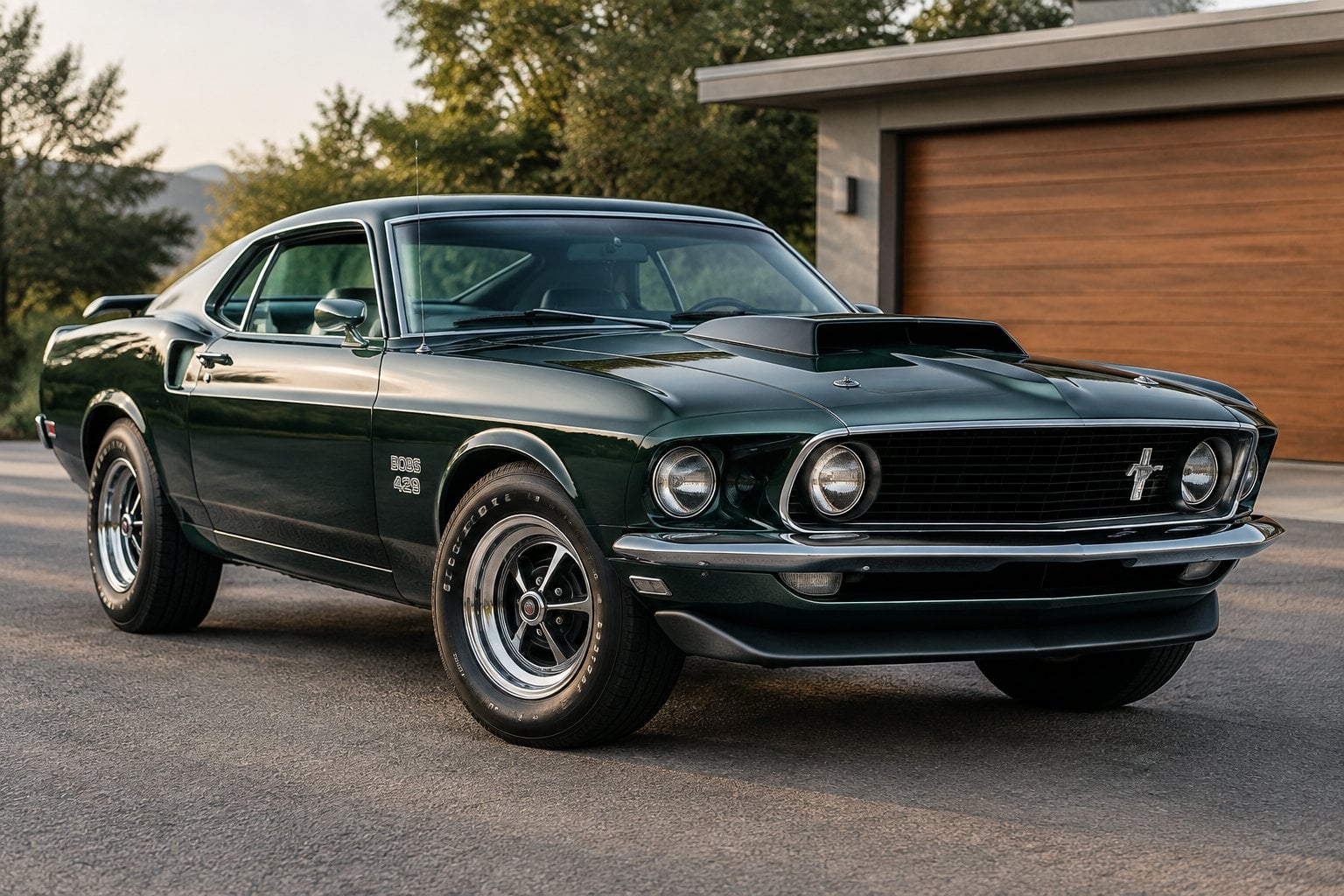
You can trace the Boss 429’s origins to Ford’s need for NASCAR homologation. The company wanted to race its 429 cubic inch semi-hemispherical V8, but rules required the engine to appear in a production car first.
Fitting the massive engine into a Mustang wasn’t simple. Ford sent cars to Kar Kraft in Brighton, Michigan, where workers widened the engine bay and modified the front suspension to make room.
Ford built only 859 examples in 1969. The engine was conservatively rated at 375 horsepower, though you’ll find most enthusiasts agree the real output was higher.
You get a car that looks deceptively restrained from the outside. The hood featured a distinctive scoop, but Ford kept exterior changes minimal compared to other performance variants of the era.
This approach reflected the car’s purpose: it existed to legalize an engine, not to make a styling statement. Low production numbers and genuine racing pedigree keep the Boss 429 firmly on the list of muscle cars collectors pursue most.
11. Pontiac Firebird Trans Am Convertible (1969)
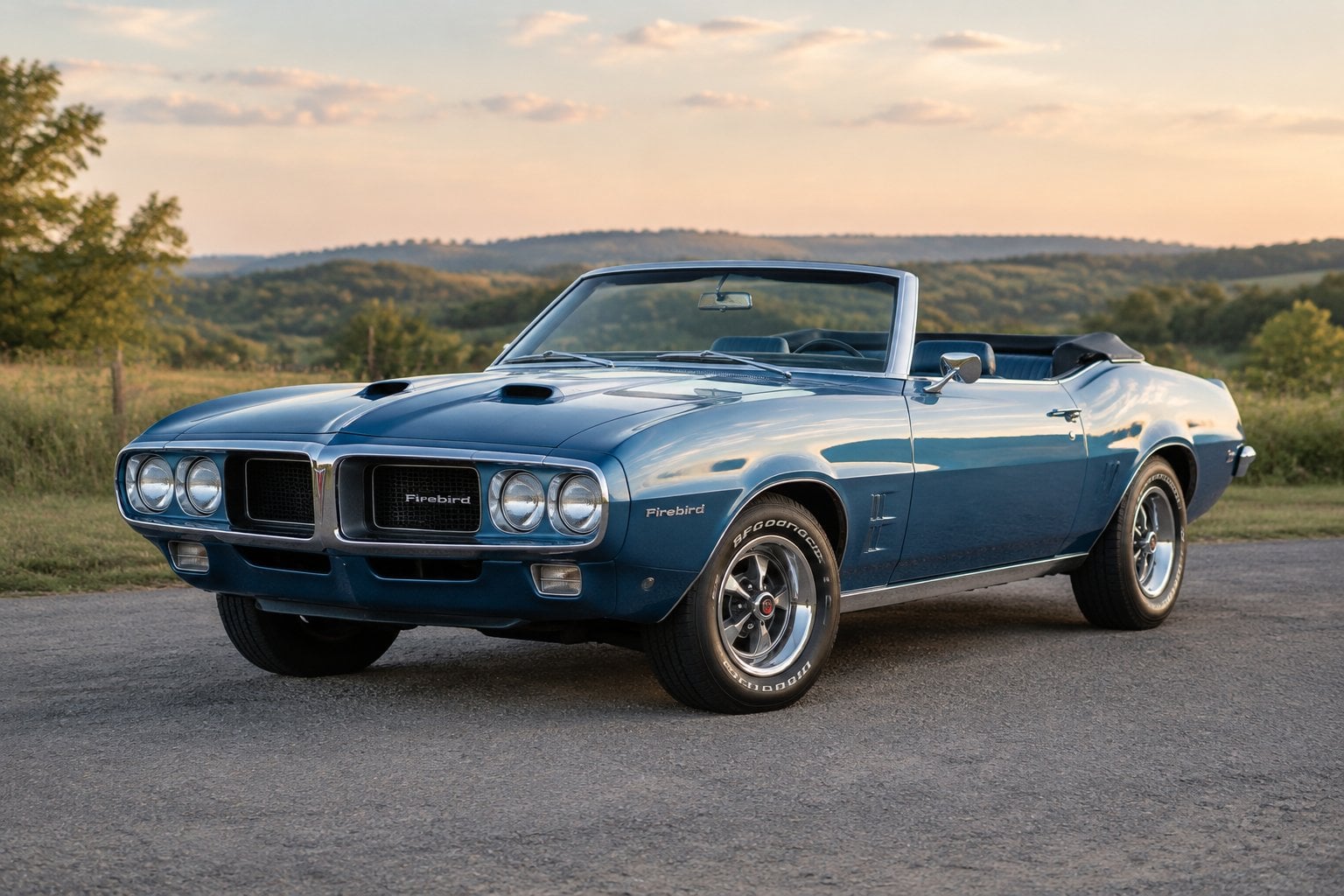
You’re looking at the rarest version of the very first Trans Am ever built. Pontiac introduced the Trans Am Performance and Appearance Package in March 1969, midway through the model year, under RPO code WS4.
Only 697 Trans Ams were produced for 1969. Of those, just 8 were convertibles, making this body style one of the scarcest muscle cars you’ll ever come across.
Every 1969 Trans Am came in Cameo White with Lucerne Blue stripes, paired with a 400 cubic-inch Ram Air III V8. This engine produced around 335 horsepower, giving you genuine muscle car performance to match the striking appearance package.
Because Pontiac launched the Trans Am without a major advertising push, demand grew slowly at first. Today, you’d find surviving examples treated as significant pieces of Pontiac’s muscle car history.
12. Pontiac Firebird Trans Am Ram Air IV (1969)
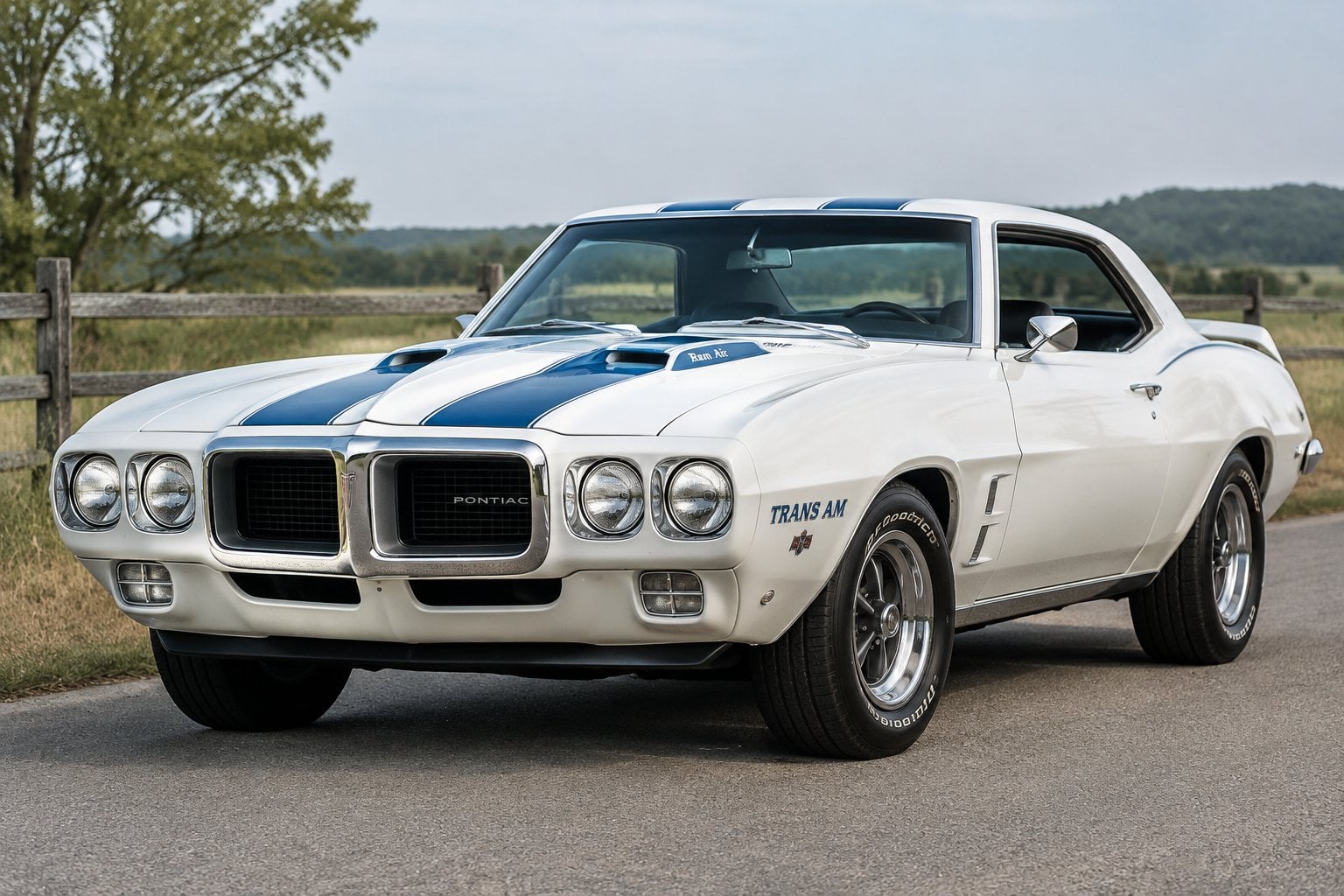
Pontiac introduced the Trans Am package in March 1969, partway through the model year. Only 697 units were built, making it one of the rarest first-generation Firebirds you can find.
Within that small production run, the Ram Air IV option was even scarcer. You’re looking at roughly 55 cars total equipped with this engine, split between manual and automatic transmissions.
The Ram Air IV used a 400 cubic inch V8 rated at 345 horsepower, backed by round-port cylinder heads and a higher-lift camshaft than the standard Ram Air III. Pontiac paired this engine with either a four-speed manual or a Turbo Hydramatic automatic.
Performance figures from period testing showed quarter-mile times in the low 14-second range, with speeds exceeding 100 mph through the traps. You’ll recognize these cars by their Cameo White paint and Lucerne Blue stripes, a factory-only color combination for the 1969 Trans Am.
Given the limited production and the rarity of the Ram Air IV option specifically, surviving examples command significant attention among collectors who value documented, numbers-matching muscle cars from Pontiac’s performance era.
13. Pontiac GTO Judge Ram Air IV Convertible (1969)
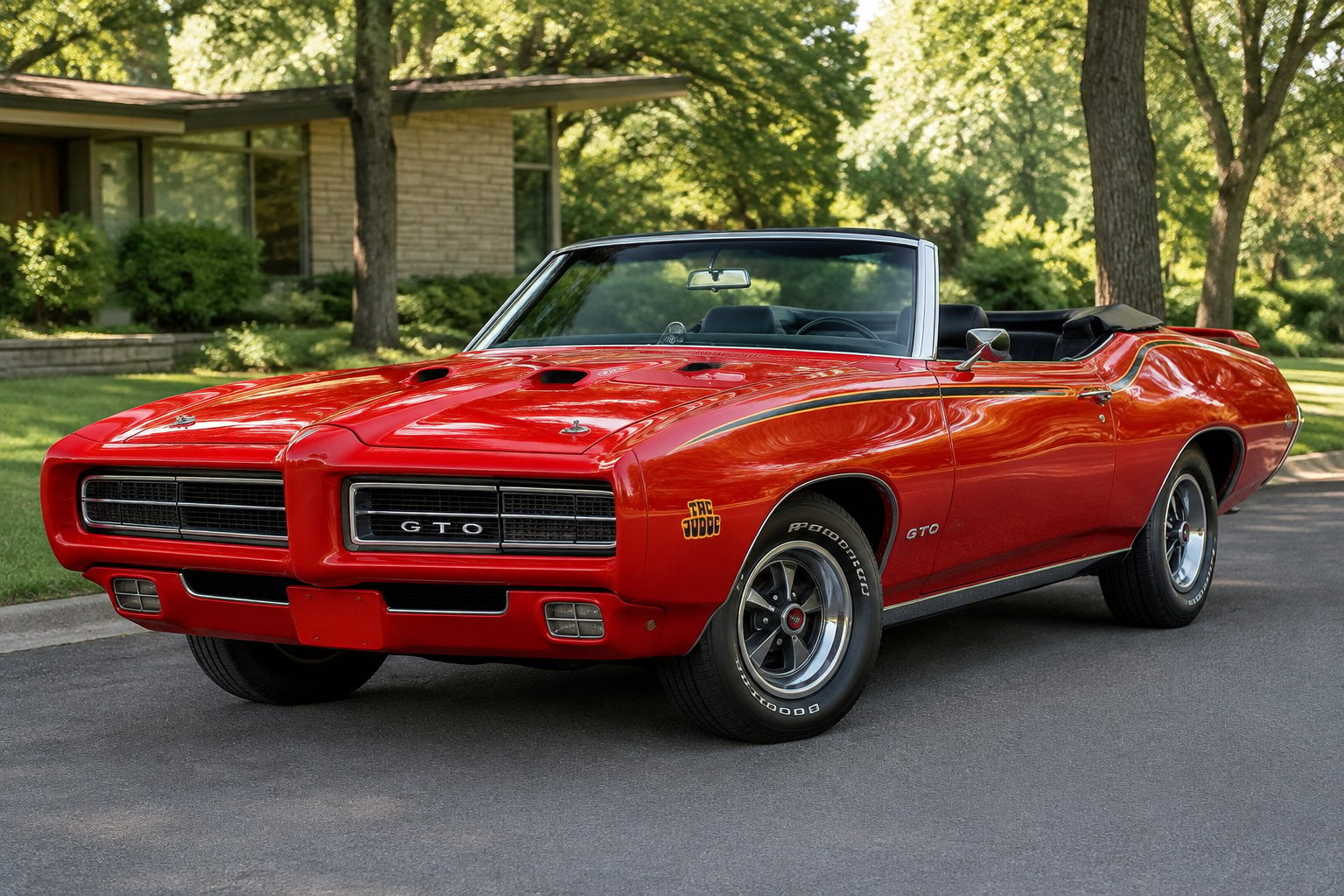
If you’re searching for the rarest version of the 1969 GTO Judge, this is it.
Pontiac paired the Judge appearance package with the Ram Air IV engine, a 400 cubic inch V8 rated at 370 horsepower. Few buyers chose this combination in a convertible body style.
You’ll find that most Judges came as hardtops, and most Judges that were convertibles used the standard Ram Air III engine instead.
Production is commonly cited at around five Ram Air IV Judge convertibles for the 1969 model year. That number makes it one of the scarcest documented combinations in the entire GTO lineup.
You should understand why collectors treat this car differently from other Judges. The Ram Air IV offered round-port cylinder heads, a higher-lift camshaft, and an aluminum intake manifold, components built for serious performance rather than casual cruising.
When you encounter one at auction or in a private collection, you’re looking at a genuine outlier within an already limited production run.
14. Buick GS 400 Stage 1 Convertible (1969)
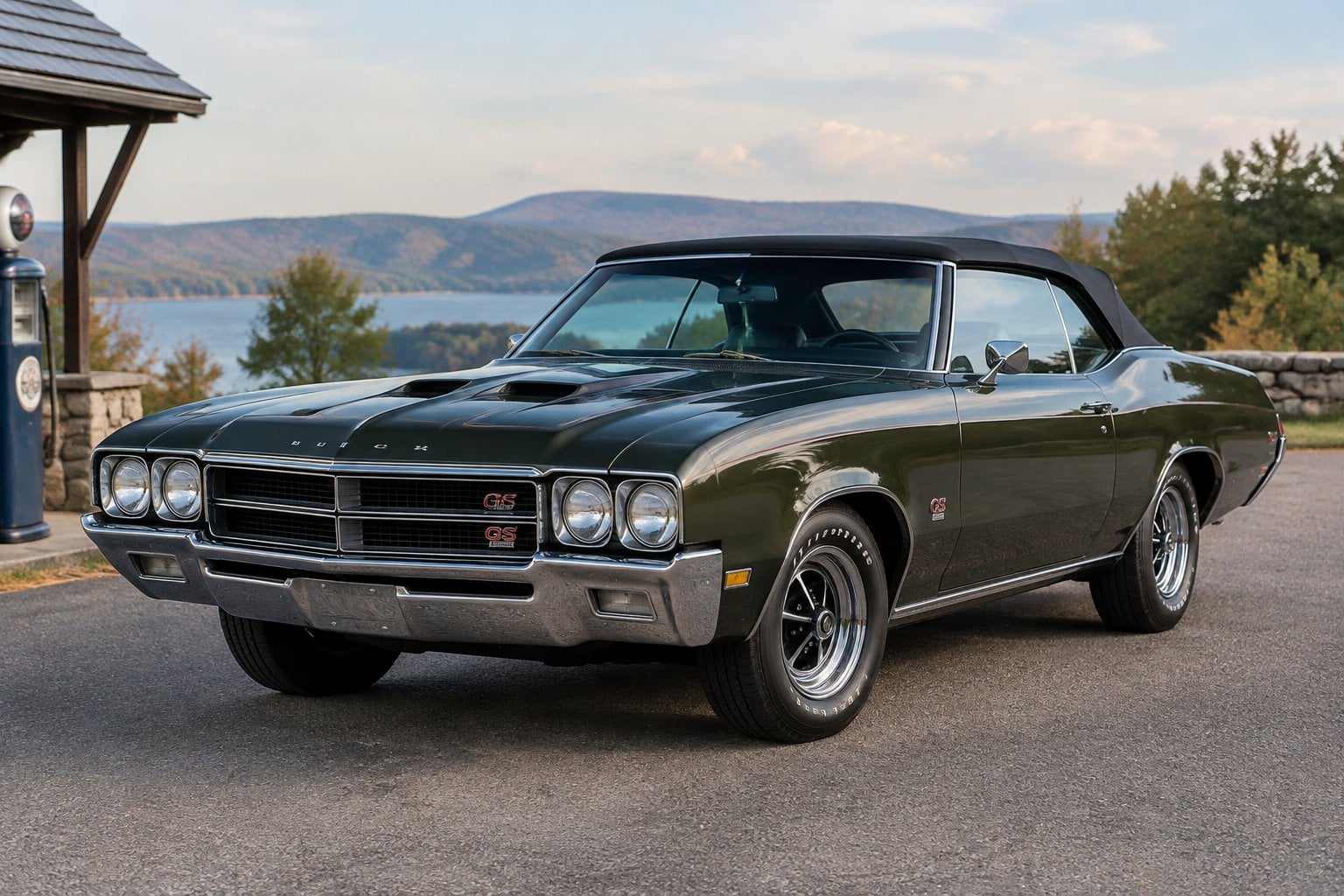
You won’t find many muscle cars rarer than the 1969 Buick GS 400 Stage 1 Convertible. Buick built very few of these convertibles that year, making it one of the scarcest big-block muscle cars from the era.
Under the hood, you get a 400 cubic-inch V8 backed by the Stage 1 package. This included a high-lift camshaft, a Rochester Quadrajet four-barrel carburetor, and a performance rear axle. Buick rated the engine at 345 horsepower, a conservative figure given the car’s real-world performance.
Unlike its hardtop counterpart, the convertible added weight and reduced structural rigidity, two factors that pushed most performance buyers toward the coupe. You’ll notice this is part of why so few convertibles were ordered with the Stage 1 package in the first place.
Buick’s approach to muscle cars differed from other GM divisions. Instead of chasing flashy graphics or aggressive styling, you get a car built around torque and refinement. That combination, paired with its low production numbers, makes this convertible a standout among collectors today.
15. Chevrolet COPO Chevelle 427 (1969)
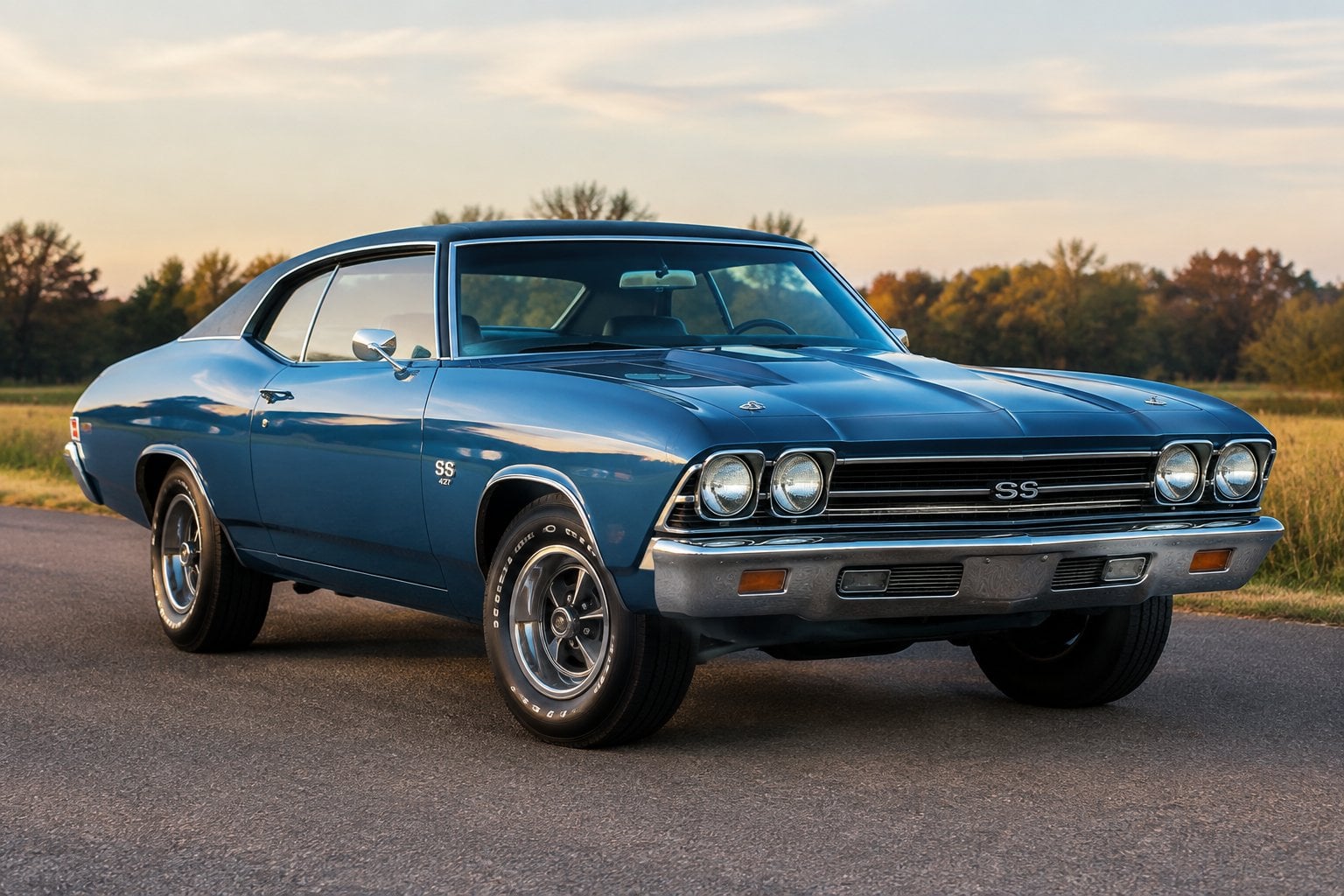
You won’t find this car on a regular Chevrolet order sheet. The 1969 COPO Chevelle came about through Central Office Production Order, a system Chevrolet used internally for fleet and special orders rather than performance upgrades.
Dealers with the right connections used this loophole to request the L72 427 cubic inch V8, an engine Chevrolet never officially listed for the Chevelle that year. You got 425 horsepower in a midsize body that wasn’t supposed to carry anything bigger than a 396.
Only 323 of these COPO Chevelles were built for 1969, making it one of the rarest documented muscle cars from Chevrolet’s lineup. The cars lacked typical big-block badging, so you could easily mistake one for a standard Malibu or SS 396 at a stoplight.
That understated look was intentional. Dealers like Fred Gibb and Don Yenko used the program to build cars capable of serious quarter-mile performance without drawing attention from Chevrolet’s own internal engine displacement restrictions.
16. Chevrolet Yenko Camaro (1969)
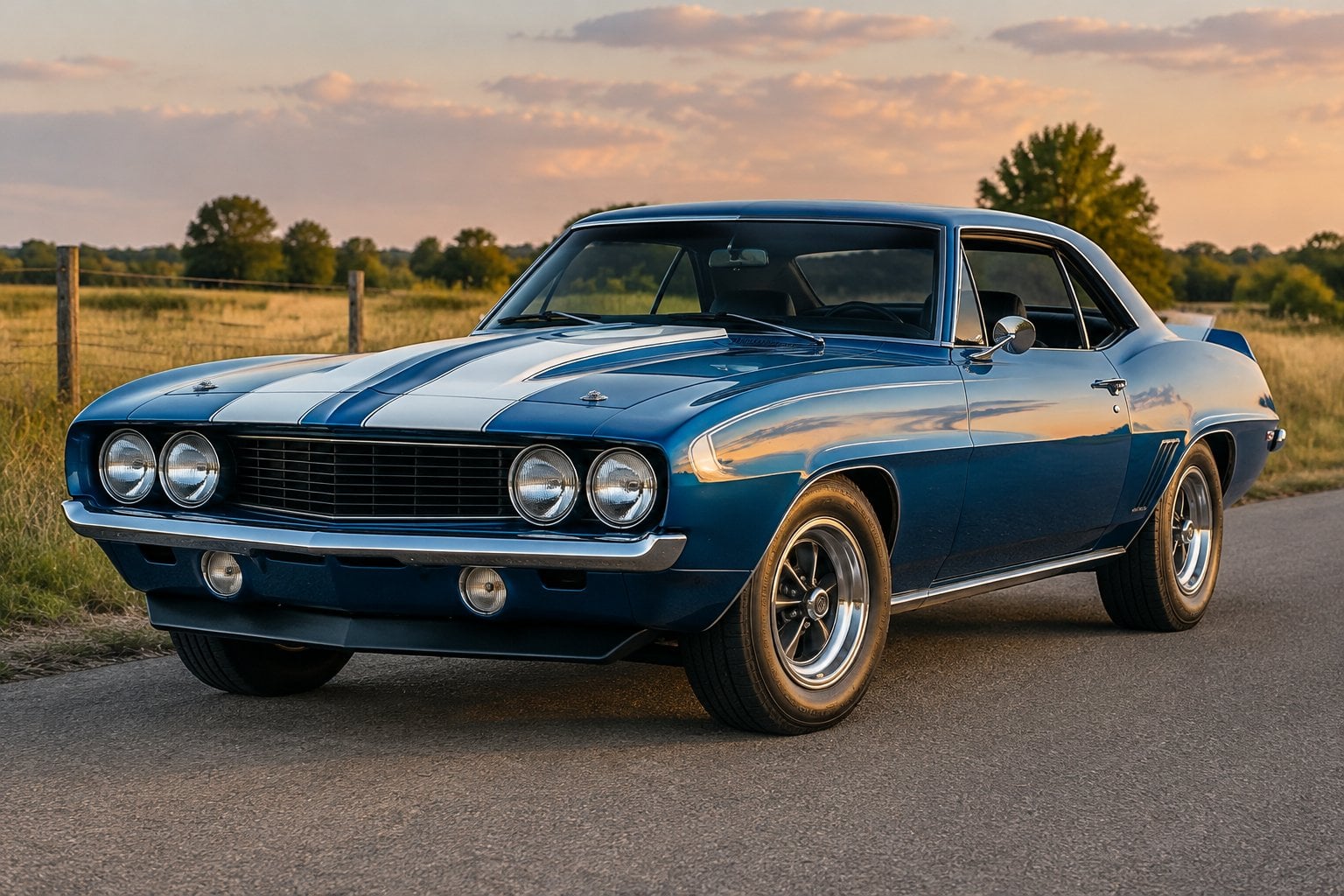
You can trace this car back to Don Yenko, a Chevrolet dealer and racer based in Canonsburg, Pennsylvania. He wanted a Camaro that could compete with the big-block muscle cars coming out of Detroit, so he worked directly with Chevrolet to make it happen.
Your 1969 Yenko Camaro started life as a COPO-ordered car, built with a 427 cubic inch V8 under the hood. Chevy rated this engine conservatively at 425 horsepower, though real-world output was higher.
Most came with a four-speed manual transmission, along with power disc brakes and a heavy-duty radiator. These were not show cars; you were buying something built for the street and the strip.
Yenko sold 201 of these Camaros in 1969, a number that’s widely cited among collectors and historians. That low production figure is a big part of why you see such strong demand for surviving examples today.
If you’re looking at the broader muscle car landscape, this Camaro represents one of the clearest examples of a dealer-modified car achieving factory-level performance credibility.
17. Dodge Charger Daytona 426 Hemi (1969)
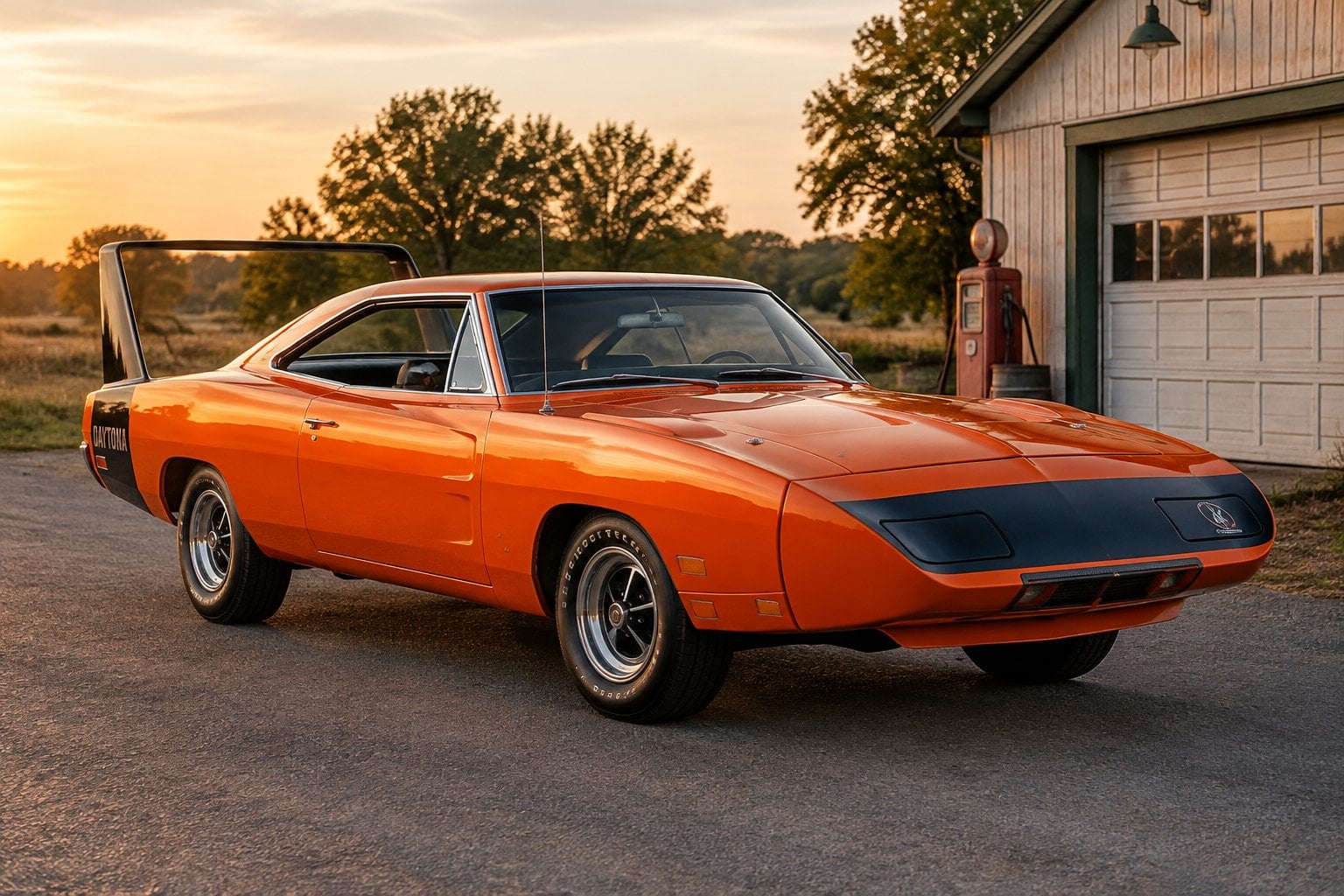
You’re looking at one of the most extreme NASCAR homologation cars ever built. Dodge created the Charger Daytona to win on high-speed superspeedways, and the design shows it. The pointed nose cone and towering rear wing weren’t styling choices; they came directly from wind tunnel testing.
Only 503 Daytonas were built for 1969, and you had two engine choices: the 440 Magnum or the 426 Hemi. The Hemi cars are the rarest of the bunch, with roughly 70 produced. That engine delivered 425 horsepower, backed by dual four-barrel carburetors and solid lifters.
You get a car built for one purpose: speed. The aerodynamic package helped the Daytona become the first NASCAR stock car to break 200 mph, a milestone that cemented its reputation.
Today, you’ll find Hemi Daytonas treated as some of the most significant muscle cars from the era. Their combination of low production numbers, racing pedigree, and raw power keeps them firmly in the upper tier of collector interest.
18. Plymouth Hemi ’Cuda Convertible (1970)
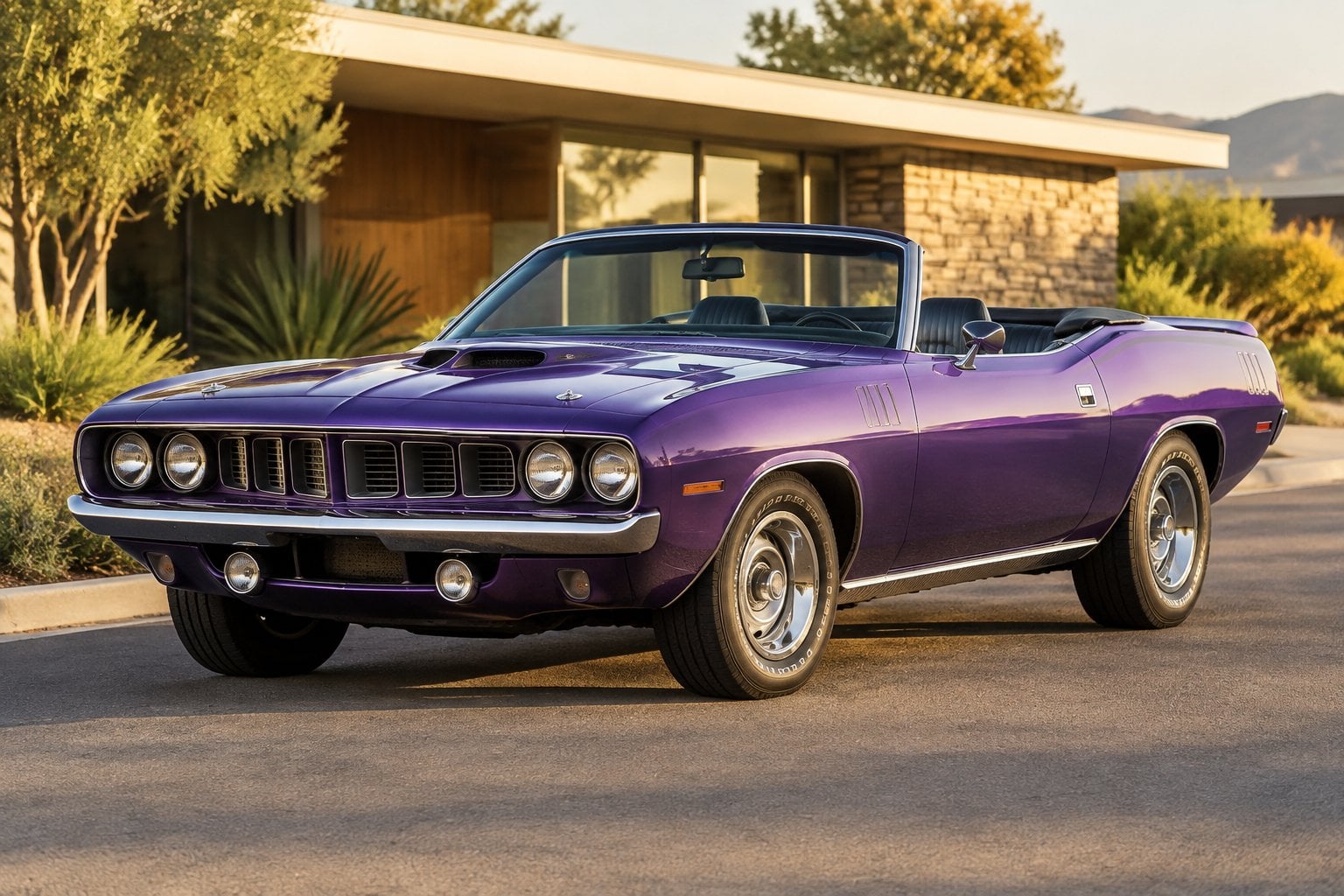
When you look at the 1970 Plymouth Hemi ‘Cuda Convertible, you are looking at one of the rarest American production cars built during the muscle car era. Plymouth produced only 14 of these convertibles for the 1970 model year, out of a total ‘Cuda production run that numbered in the tens of thousands.
Under the hood, you find the 426ci Hemi V8, rated at 425 horsepower and 490 lb-ft of torque. This engine used dual four-barrel carburetors and a cross-ram intake, giving you performance figures that matched or beat most competitors of that decade.
You should understand why so few were made. The Hemi option added significant cost to an already expensive convertible body style, and insurance premiums on high-horsepower cars had climbed sharply by 1970. Most buyers chose less expensive engine options or skipped the convertible altogether.
Today, when you encounter one of these 14 cars, you are seeing a documented piece of Mopar history. Collectors and auction houses treat surviving examples as among the most significant muscle cars ever built, given their combination of rarity, engine output, and historical production records.
19. Dodge Coronet R/T Hemi Convertible (1970)
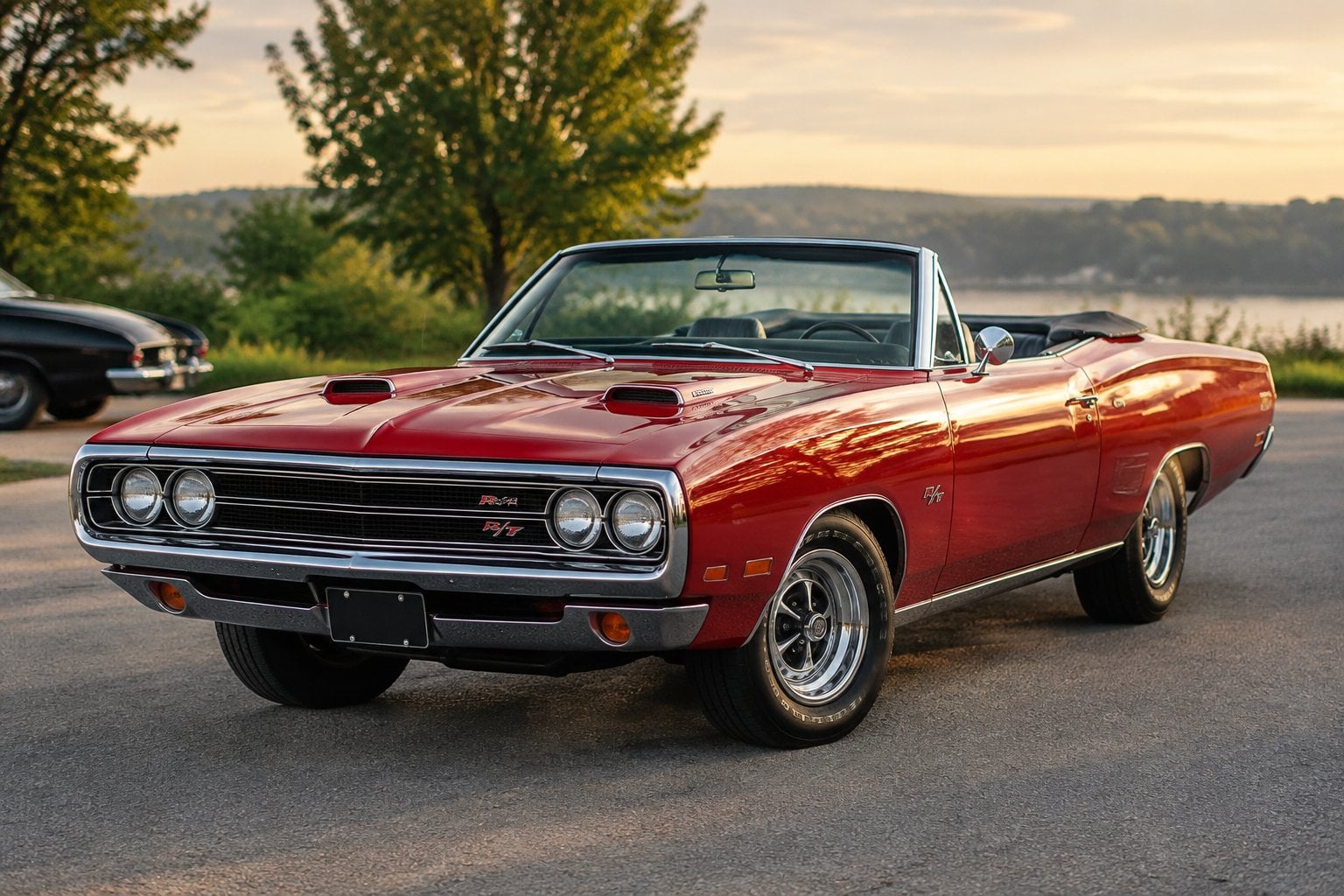
You won’t find many muscle cars rarer than this one. Dodge built only a tiny handful of 1970 Coronet R/T convertibles with the 426 Hemi (commonly cited as one or two), making it one of the scarcest production muscle cars from the era.
Under the hood, you get the legendary 426 Hemi V-8, rated at 425 horsepower and 490 lb-ft of torque. Dual four-barrel carburetors and a dual-exhaust system backed up those numbers, giving the Coronet serious performance credentials even by 1970 standards.
The Coronet R/T line itself wasn’t common to begin with, but adding the Hemi engine option to a convertible body style pushed production into near-nonexistence. Most buyers who wanted the Hemi chose the hardtop instead, which makes the convertible version an outlier within an already limited model.
You’re looking at a car that sat at the intersection of fading muscle car demand and rising insurance costs, factors that discouraged Dodge from building more. That combination of timing and rarity is why collectors and historians regard it as one of the rarest documented muscle cars ever produced.
20. Dodge Challenger R/T Hemi Convertible (1970)
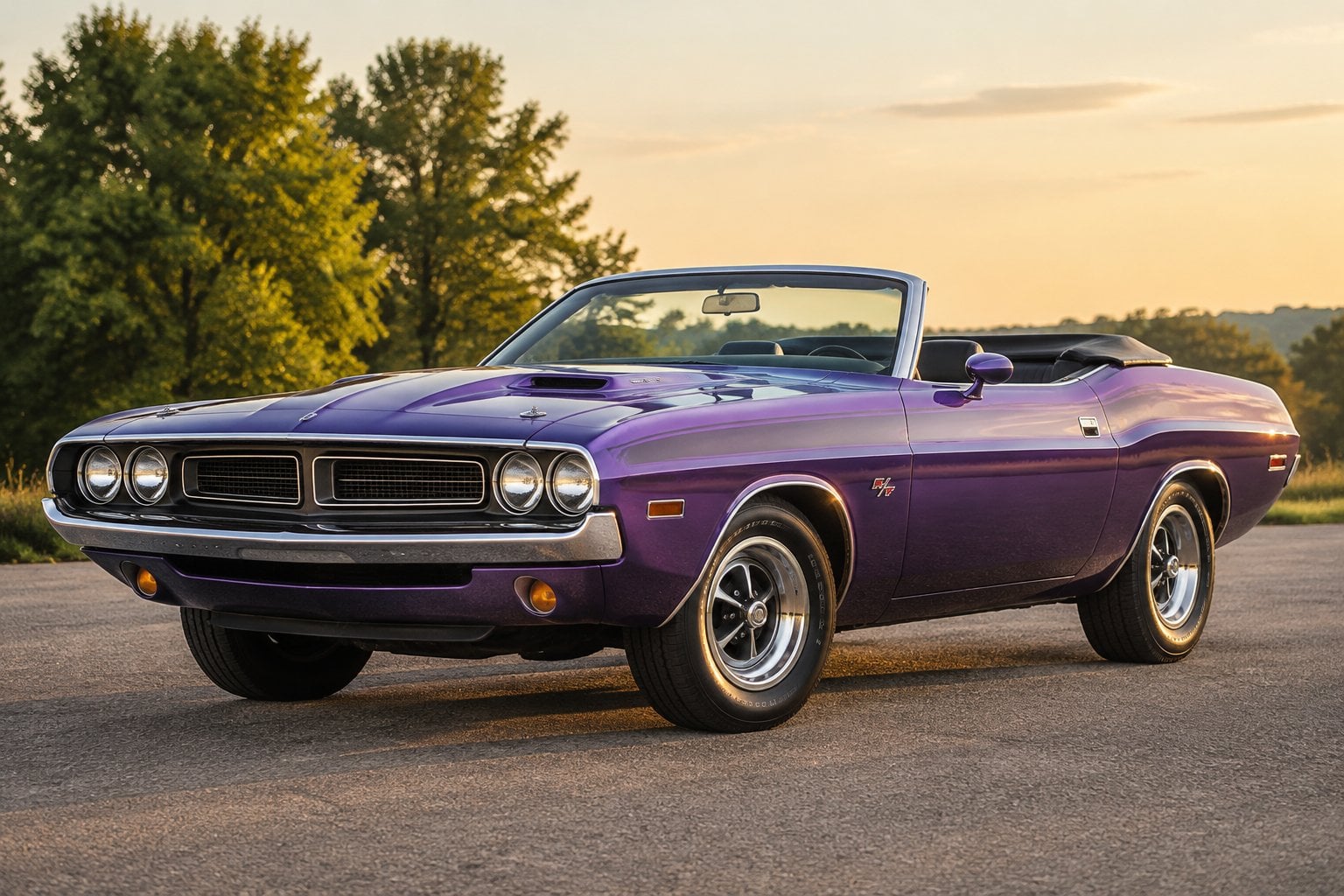
You won’t find a rarer combination in the Challenger lineup than this one. Dodge paired the R/T performance package with a convertible body and the 426 Hemi engine, a combination few buyers chose when the car was new.
The 426 Hemi produced 425 horsepower and 490 lb-ft of torque, backed by a hydraulic lifter valvetrain and dual four-barrel carburetors. You get a car built for straight-line performance, not comfort or fuel economy.
Only nine 1970 Challenger R/T Hemi convertibles were built, making this one of the scarcest muscle cars from any manufacturer. That production number has been widely confirmed through Chrysler build records and registry research.
You should know the Hemi option added significant cost in 1970, which discouraged most buyers already paying a premium for the convertible body style. That pricing reality is part of why so few exist today.
If you’re researching Mopar muscle cars, this convertible represents the intersection of three rare attributes: Hemi power, R/T trim, and open-top body style, all in a single model year.
21. Pontiac GTO Judge Ram Air IV Convertible (1970)
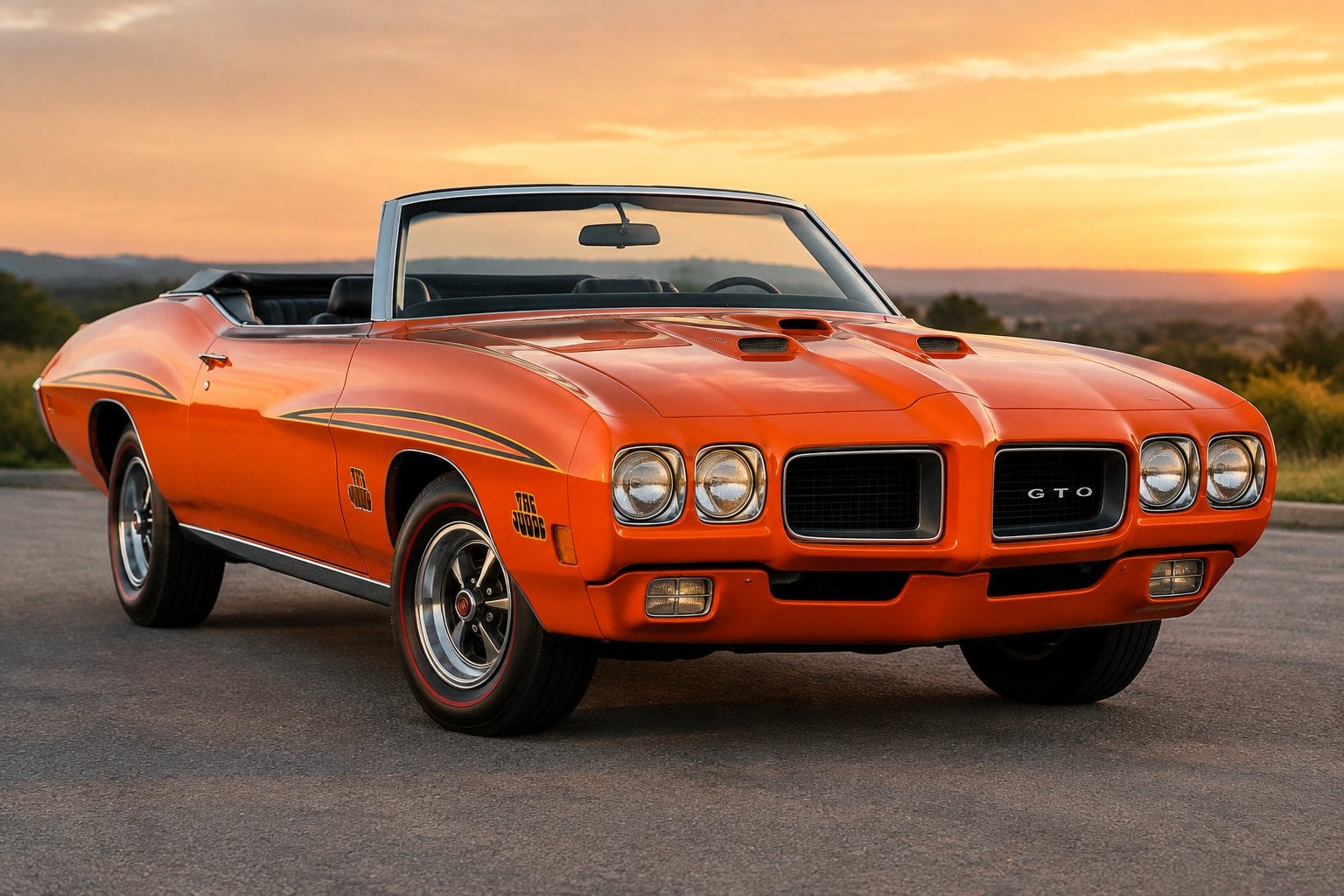
If you’re searching for a GTO Judge that stands apart from the rest, this convertible variant deserves your attention. Pontiac built only 168 convertible GTO Judges for the 1970 model year out of 3,797 Judges total.
Among those convertibles, a small number left the factory with the Ram Air IV engine instead of the standard Ram Air III. You’ll find that exact figures vary by source, with some citing six, seven, or 17 cars depending on how documentation is interpreted and which records are used.
The Ram Air IV used a 400 cubic inch V8 rated at 370 horsepower, backed by round-port cylinder heads, a higher-lift camshaft, and a stronger valvetrain than the standard Judge engine. You could pair it with either a four-speed manual or Turbo Hydramatic automatic, though manual-equipped cars represent an even smaller fraction of the total.
When you consider the combination of open-top body style, Judge trim, and Ram Air IV power, you’re looking at one of the most exclusive configurations in the entire GTO lineup. Collectors treat verified examples as top-tier pieces within the Judge hierarchy.
22. Oldsmobile 442 W-30 Convertible (1970)
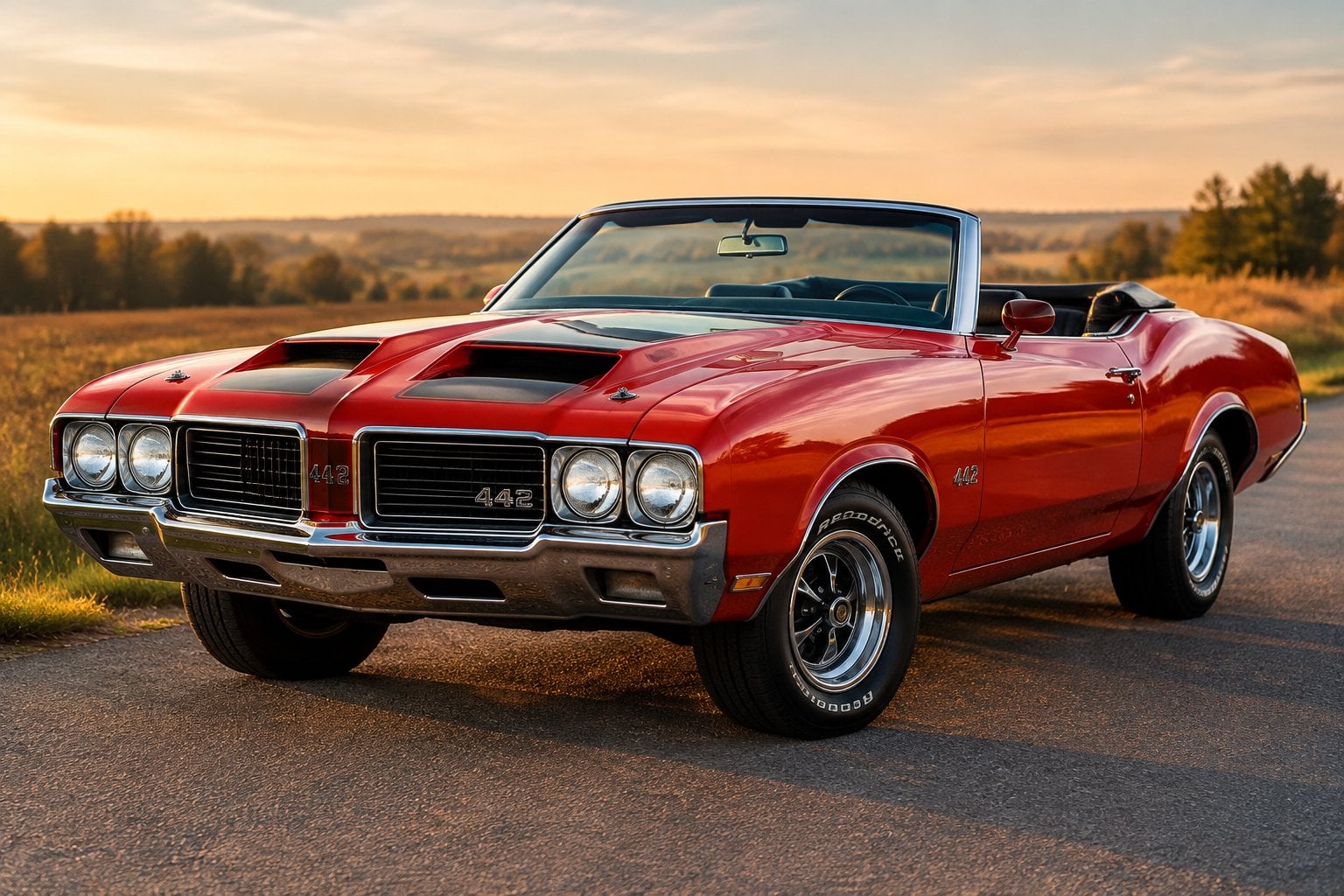
You’re looking at the peak of Oldsmobile’s muscle car program when you consider the 1970 442 W-30 Convertible. The W-30 package added a 455 cubic inch V8 rated at 370 horsepower, backed by a functional fiberglass ram-air hood and a specific camshaft tuned for performance.
Only a few hundred convertibles were built with the W-30 option that year. That makes this body style far scarcer than the coupe or hardtop variants, which already weren’t common to begin with.
You should understand why this car matters beyond its numbers. Oldsmobile developed the 442 to compete directly with the Pontiac GTO, and by 1970 it had matured into a genuine performance rival rather than a follower.
The W-30’s output figures were conservative by factory standards; many believe the real horsepower exceeded the official rating. You’ll also find that the 1970 model year represents the high point for 442 performance before emissions regulations began reshaping the muscle car market.
For collectors, this convertible combines rarity, documented performance credentials, and historical significance from the final stretch of Detroit’s unrestricted horsepower era.
23. Buick GS 455 Stage 1 Convertible (1970)
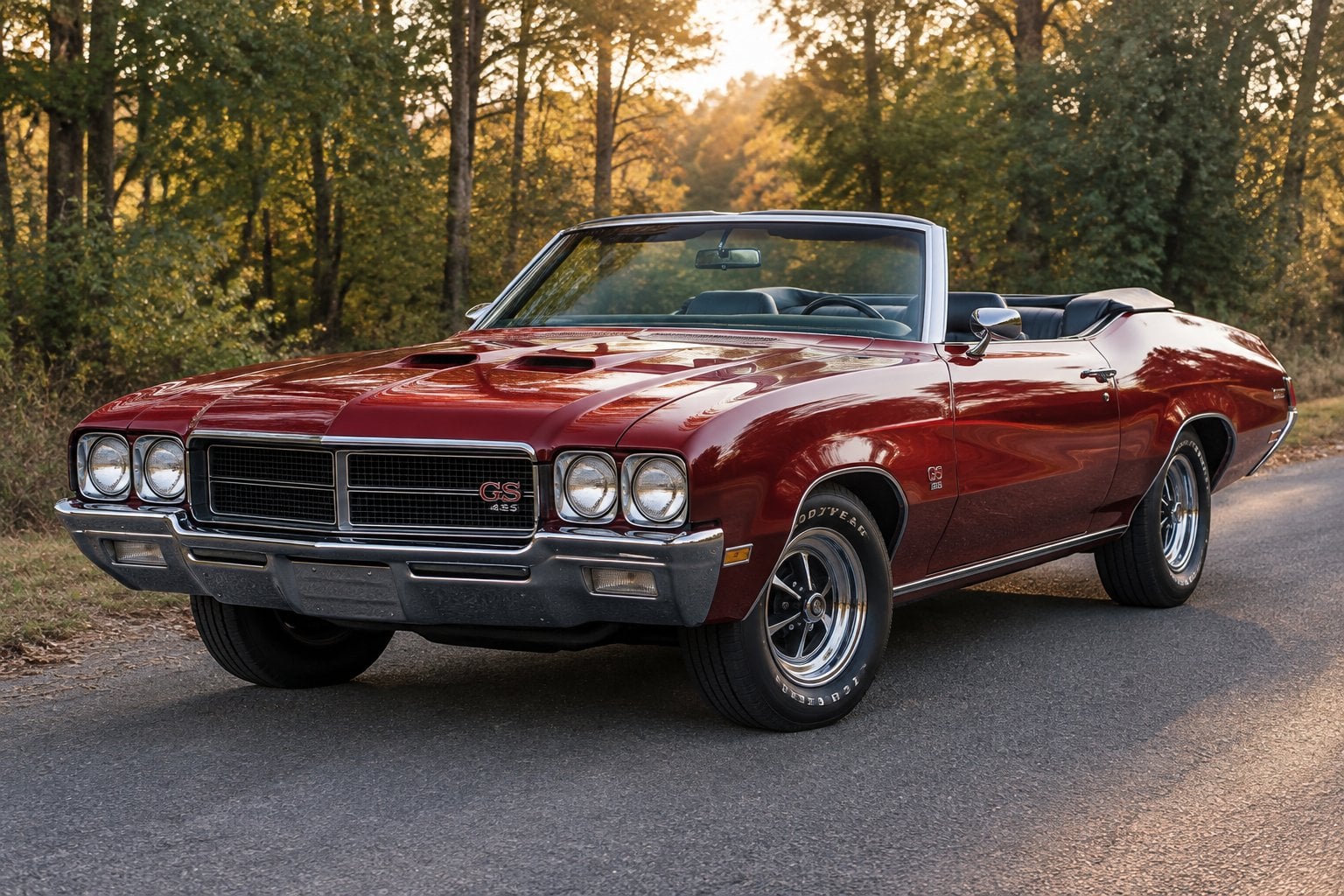
You’re looking at one of the most underrated performance cars of the muscle car era. Buick wasn’t known for building street brawlers, but the GS 455 Stage 1 changed that perception entirely.
Under the hood, you get a 455 cubic-inch V8 producing 360 horsepower and a massive 510 lb-ft of torque, one of the highest torque figures of any muscle car built during this period. That torque output gave the car brutal low-end acceleration, despite its reputation as a comfortable, luxury-oriented cruiser.
If you’re chasing rarity, the numbers back it up. Only a few dozen 1970 GS 455 Stage 1 convertibles are commonly cited, with four-speed manual versions the scarcest of all.
You won’t find many surviving examples today, especially ones with documented history or original drivetrains. Buick’s reputation for understated performance makes this convertible a sleeper in every sense, powerful, refined, and genuinely rare on today’s collector market.
24. Buick GSX Stage 1 (1970)
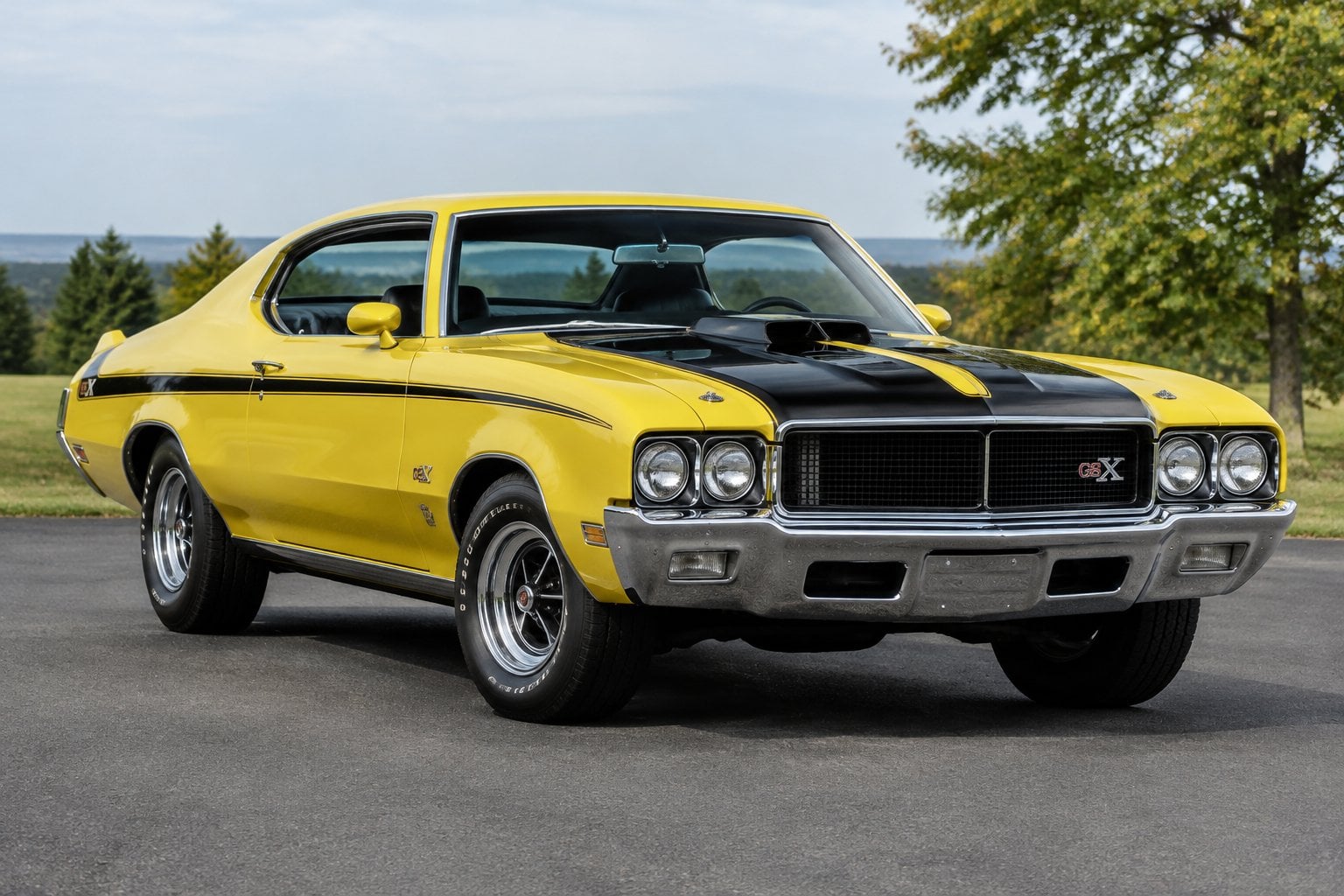
You won’t find many muscle cars that hid this much power behind such a conservative badge. Buick built its reputation on comfort and restraint, which makes the GSX feel like an outlier in the lineup.
For 1970, you get a 455 cubic-inch V8 under the hood, and with the Stage 1 package, output climbs to a factory-rated 360 horsepower. The torque figure stands out more than the horsepower number. At 510 lb-ft, it represents one of the highest torque ratings of any muscle car from that era.
You can expect quarter-mile times in the 13-second range, which was competitive with the quickest Chevelles and Road Runners being built at the same time.
Production numbers explain why this car commands attention today. Buick built only 678 GSX models for 1970, and just 400 of those came equipped with the Stage 1 engine. That scarcity, combined with the torque output, keeps this car firmly on collector radars decades later.
25. Plymouth Superbird 426 Hemi (1970)
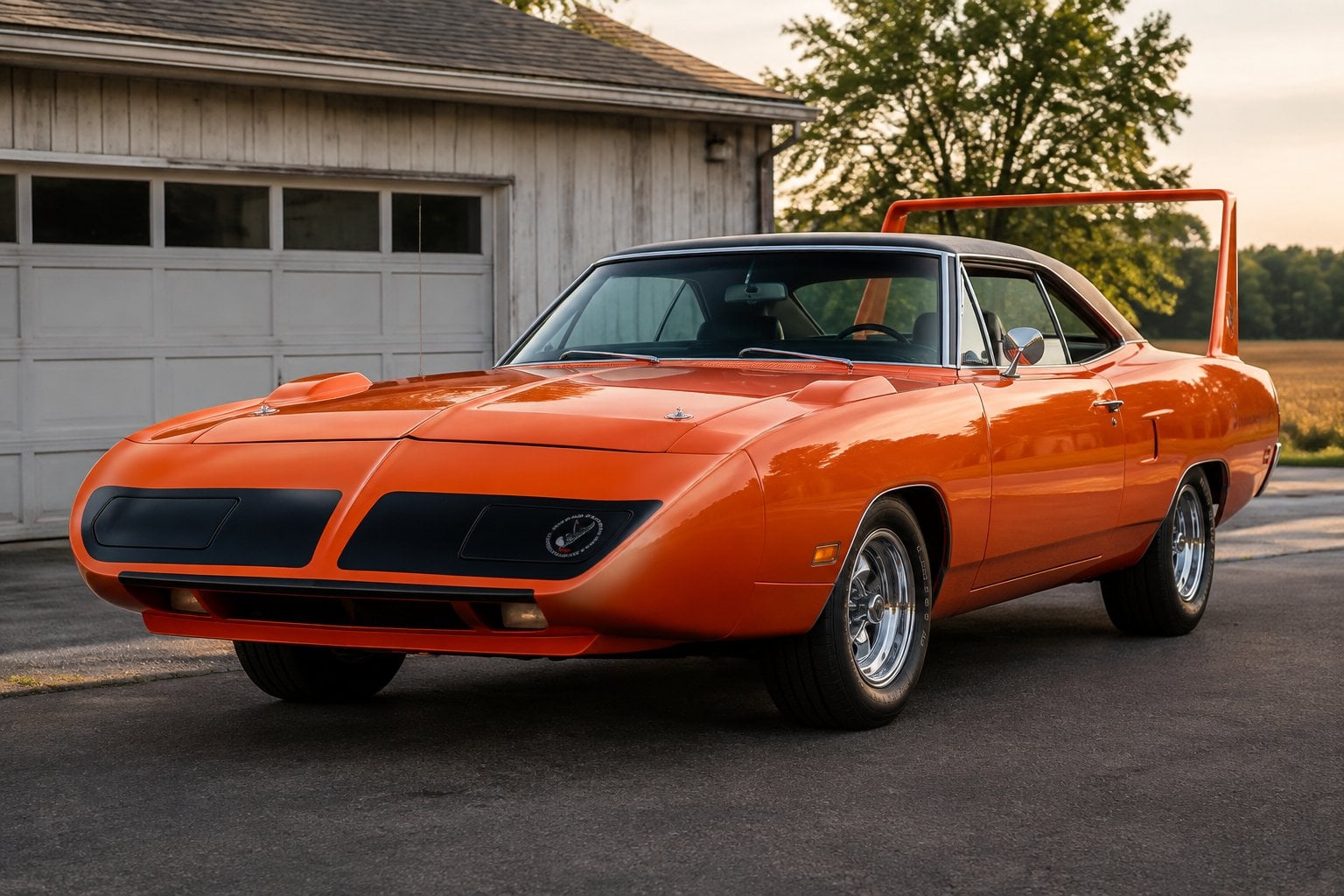
You’re looking at one of the most extreme muscle cars Chrysler ever sent to a dealership. Plymouth built the Superbird for one reason: NASCAR required manufacturers to sell a street version of any race car they wanted to compete with, and this winged machine was built to qualify Richard Petty’s team for the track.
Total Superbird production landed at around 1,935 units for the 1970 model year. Within that number, only 135 cars left the factory with the 426 Hemi V8 under the hood, making the Hemi variant a rare subset of an already limited car.
The 426 Hemi produced 425 horsepower, though many enthusiasts believe the real output was higher. You’d find this engine paired with either a four-speed manual or a TorqueFlite automatic, and documentation shows just 77 Hemi cars came with the automatic transmission.
The nose cone and massive rear wing weren’t styling choices. They reduced drag and added downforce at high speed, directly addressing the aerodynamic demands of NASCAR competition at the time.
26. Dodge Coronet Super Bee Hemi (1970)
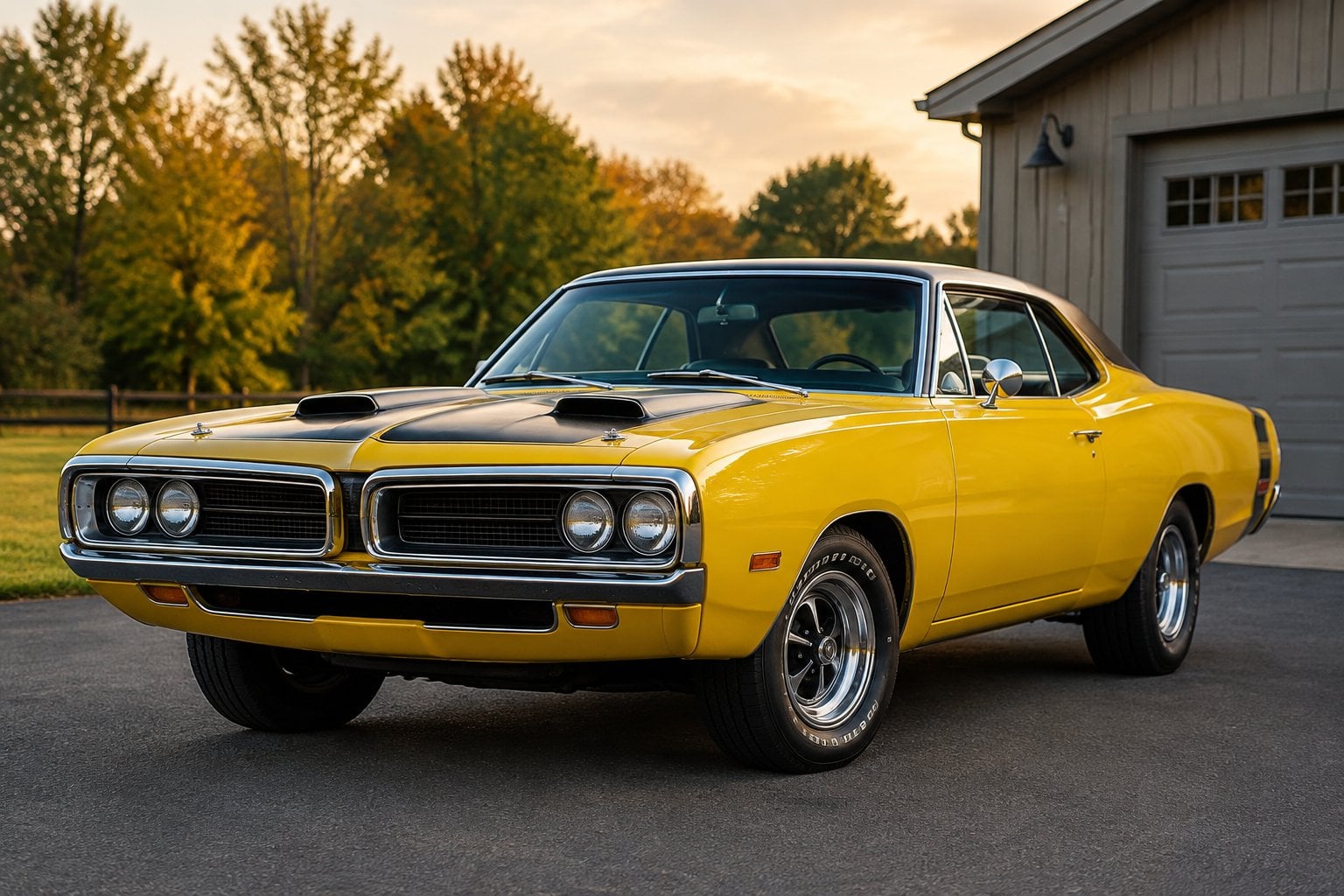
You’re looking at one of the most overlooked rare muscle cars from Dodge’s performance lineup. The Super Bee was built as a budget-friendly alternative to the Charger, but the Hemi option pushed it into a different league entirely.
Under the hood, you’d find the 426 Hemi V8, rated at 425 horsepower and 490 lb-ft of torque. Two four-barrel carburetors fed the engine, giving you serious power for the era.
The problem was cost. Adding the Hemi option to a Super Bee meant a steep price increase, which discouraged most buyers from checking that box on the order sheet.
As a result, production numbers stayed in the low double digits for 1970. Most buyers who wanted performance opted for the 440 Six Pack instead, since it delivered strong output at a fraction of the price.
That decision by consumers decades ago is exactly why you’ll rarely encounter a genuine 1970 Hemi Super Bee today. Surviving examples are scarce, and documentation matters enormously when verifying authenticity.
27. Plymouth Hemi ’Cuda Convertible (1971)
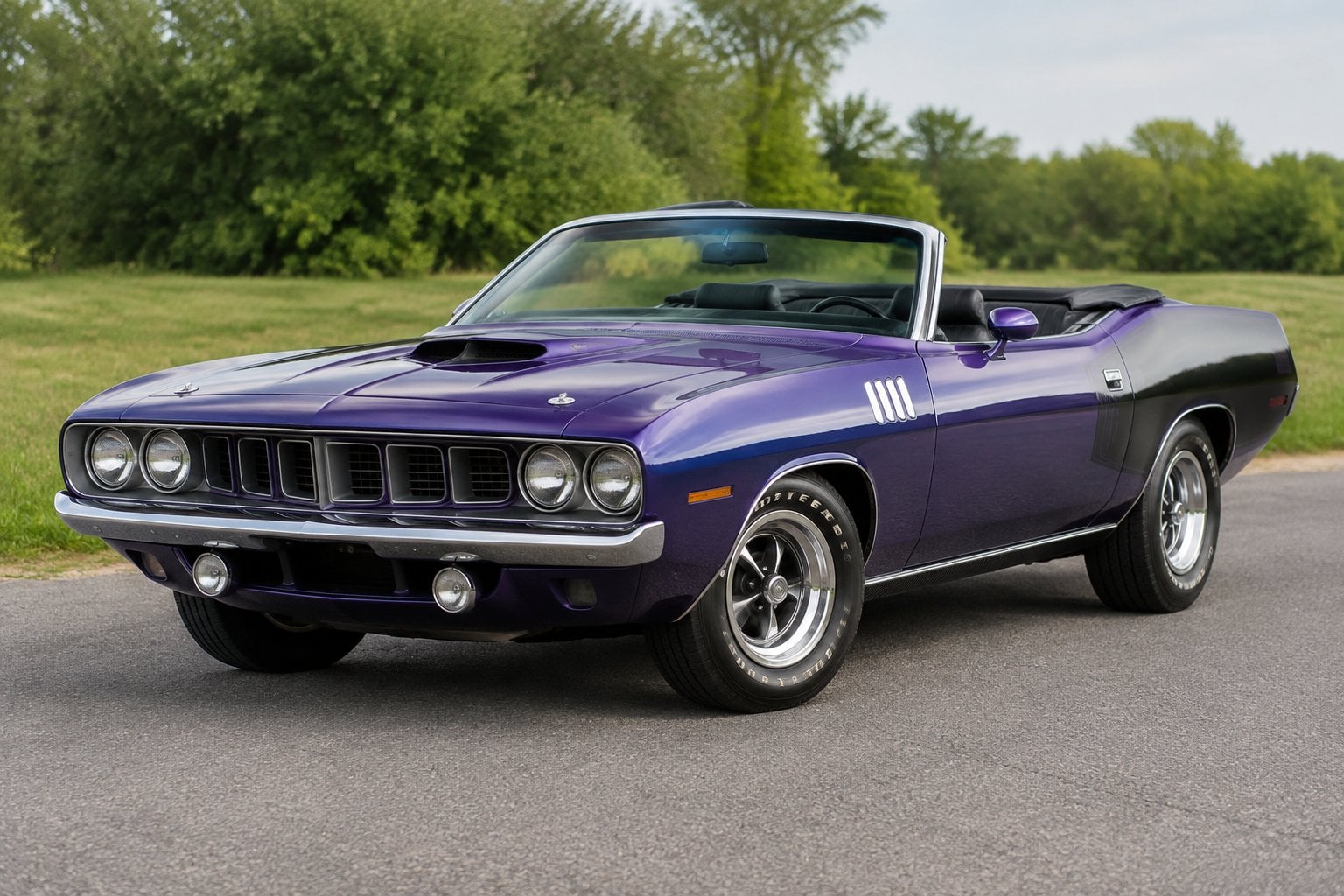
You won’t find a rarer combination of open-top styling and brute force than this one. Plymouth built only a handful of these convertibles for the 1971 model year, with widely cited production figures placing the number at around 11 or 12 units.
Under the hood, you get the 426 Hemi V8, rated at 425 horsepower, paired with a four-speed manual or TorqueFlite automatic transmission. The engine alone made this car a standout, but Plymouth also offered it with bold “High Impact” paint colors and functional hood scoops.
By 1971, emissions regulations and rising insurance costs were already squeezing the muscle car market. You’re looking at a car built right at the tail end of that era, when manufacturers knew performance options like this wouldn’t last much longer.
That timing, combined with the low production run, is why this convertible holds such a prominent place among collectors. If you’re researching rare American muscle, this is typically the car that tops the list.
28. Dodge Charger R/T Hemi (1971)
By 1971, the Charger had moved to a new, more rounded body, and the 426 Hemi was still on the options list for the R/T. It turned out to be the last year you could order a Hemi in a Charger, and most buyers had already moved on: insurance costs were climbing fast, and the Hemi added a large premium to the sticker price.
Dodge built just 63 Charger R/T Hemis for 1971, making it one of the rarest Hemi B-bodies of the era. The 426 Hemi was rated at 425 horsepower and 490 lb-ft of torque, and you could pair it with a four-speed manual or a TorqueFlite automatic.
Because so few were built and the Hemi disappeared after 1971, documented, numbers-matching examples are among the most prized late-era Mopar muscle cars you can find today.
29. Oldsmobile 442 W-30 Convertible (1971)
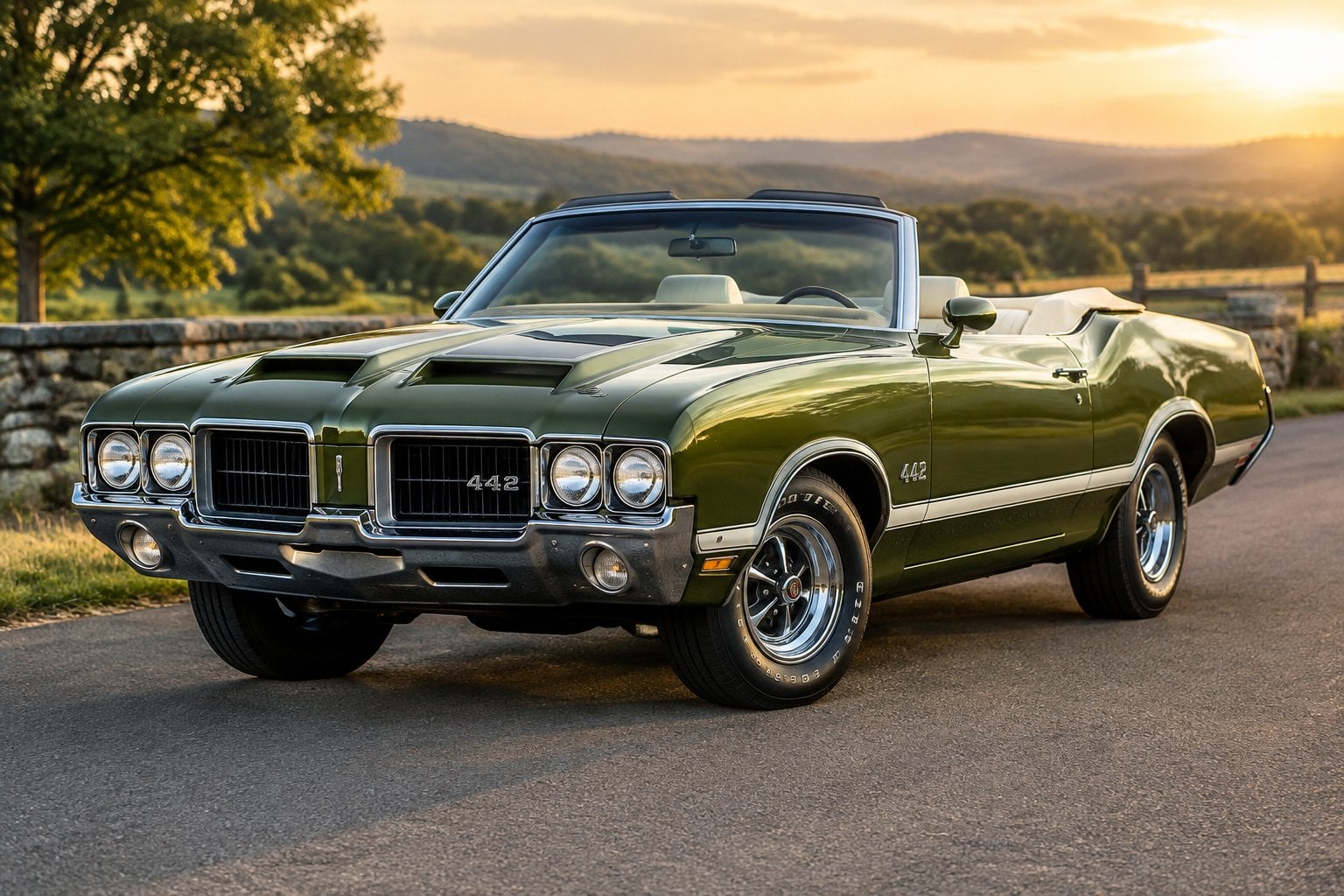
You are looking at the final true W-30 convertible before emissions and insurance pressures reshaped the muscle car market. Oldsmobile built very few of these convertibles for 1971, making it one of the scarcest 442 variants you can find today.
Under the hood sits the 455 cubic inch Rocket V8, with an aluminum intake and functional fiberglass hood scoops feeding a cold-air induction system. Horsepower was rated at 350, though real-world output was higher than the conservative factory figure suggested.
If you want the rarest version of this car, look for one built with a four-speed manual transmission. That combination pairs the W-30’s performance hardware with a true driver-focused gearbox, rather than the more common automatic.
You should also know this generation marked the end of an era. By 1972, compression ratios dropped and the W-30 package lost much of its edge, so this 1971 model represents the last unapologetic version of Oldsmobile’s muscle car flagship before the platform shifted toward comfort over performance.
30. Buick GSX Stage 1 (1971)
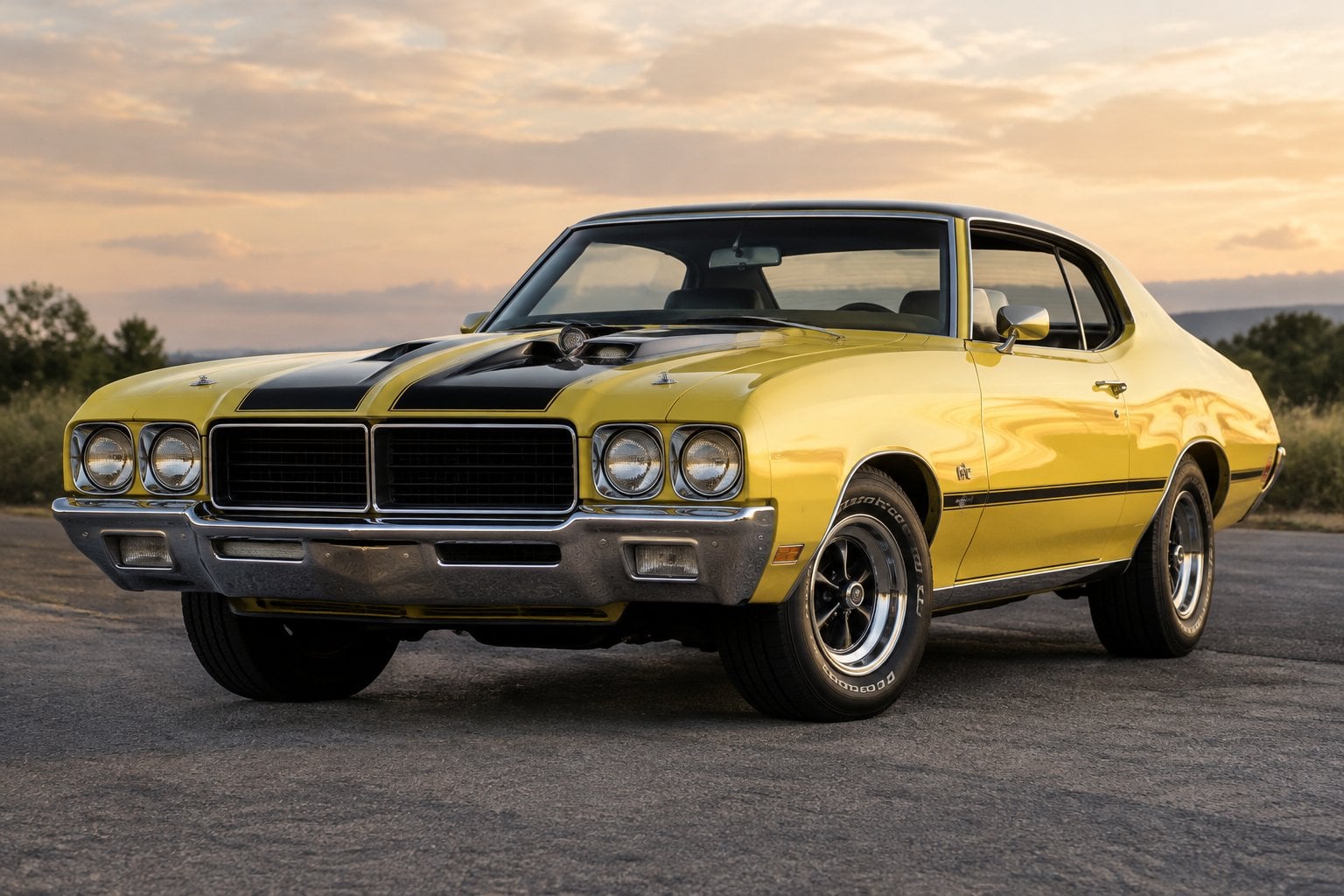
You get into GSX territory when you look at Buick’s attempt to match GM’s heavy hitters without losing the brand’s reputation for refinement. For 1971, Buick built only 124 GSX models, making this one of the scarcer entries in the muscle car era.
Under the hood, you find the 455 cubic-inch Stage 1 V8, officially rated at 345 horsepower and 510 lb-ft of torque. Those torque numbers put it ahead of many better-known rivals from the same period, even though horsepower dropped as Buick lowered compression for 1971.
You can spot a GSX by its bold stripe package, front spoiler, and rear deck spoiler. The car combined Buick’s comfort-oriented engineering with genuine performance hardware.
Because 1971 marked a steep decline in muscle car demand, production stayed low and buyer interest shifted toward fuel economy. That shift is part of why surviving, numbers-matching examples are difficult to find today.
How Muscle Car Rarity Is Measured
Rarity in muscle cars depends on more than a low production number. You need to look at how many cars left the factory, how many still exist today, and whether specific options or documentation separate a true rarity from a common model with a rare label attached.
Original Production Totals Versus Surviving Examples
You can start with factory production records, but these only tell part of the story. Chrysler, GM, and Ford archives list how many units of a given model left the assembly line in a given year.
A car built in small numbers, like the 1970 Dodge Hemi Challenger convertible, started rare and stayed rare. Other models produced in larger numbers became rare only because most examples were driven hard, wrecked, or scrapped.
You should compare the original build number against known surviving examples. Registries, clubs, and VIN-tracking databases help confirm how many cars remain.
A model with 500 units built but only 40 confirmed survivors carries more weight than a model with 300 built and 150 still accounted for.
Factory Options, Special Orders, and Prototype Status
You also need to examine the exact specification of the car, not just the model name. A base model and a factory special-order version can share a body but differ completely in rarity and value.
Options like a specific engine code, a manual transmission paired with a high-output motor, or a rare color combination can shrink a production number from thousands down to single digits.
Dealer-ordered packages, COPO builds, and prototype or pre-production cars fall into their own category. These vehicles often bypass standard catalog listings entirely.
You should verify documentation like broadcast sheets, build cards, or factory invoices before accepting any rarity claim, since option codes are where real scarcity is usually confirmed.
Authenticity and Collector Value
Rarity alone does not determine what a rare muscle car is worth. You also need to verify that the car is genuine, correctly documented, and in the condition claimed by the seller.
Verifying Factory Records and Matching Numbers
You verify a muscle car’s authenticity by checking that its engine, transmission, and rear axle carry the same date codes and casting numbers the factory originally installed.
Build sheets, broadcast sheets, and window stickers help confirm this. You can cross-reference a car’s VIN against production records from sources like the National Corvette Restorers Society, Galen Govier’s Mopar documentation service, or Marti Auto Works for Ford products.
A few steps you should always take:
- Request the original title history and prior ownership documentation.
- Check for a matching cowl tag or trim tag.
- Compare engine stampings to the VIN-derived codes.
- Look for PHS (Pontiac Historic Services) or similar authentication reports when buying GM muscle cars.
Missing documentation doesn’t always mean a car is fake, but it does lower your confidence and your resale value.
Distinguishing Original Cars From Clones and Tributes
A clone is a car built to look like a rarer or more valuable model, often by swapping badges, engines, or trim. You should treat these as distinct from “tributes,” which are usually sold honestly as recreations rather than passed off as factory-original.
Telltale signs of a clone include:
- Mismatched VIN tags or re-stamped numbers
- Welding or body seams inconsistent with factory assembly
- Paint codes that don’t match factory records
- Reproduction trim installed where original parts should exist
You protect yourself by having a specialist inspect the car’s unibody or frame stampings, since these are harder to fake than badges or decals. A clone can still be a fun driver, but you should never pay original-car prices for one.
How Condition and Provenance Influence Market Prices
Condition and history affect price as much as rarity does. You’ll see significant value differences between a numbers-matching car in unrestored original condition and one that’s been heavily modified, even if both share the same model and year.
- Numbers-matching drivetrain: Increases value significantly
- Documented ownership history: Adds buyer confidence
- Factory-original paint/interior: Commands premium over restoration
- Racing or celebrity provenance: Can multiply value
- Non-original parts or re-bodies: Reduces value substantially
You should also weigh documented race history or notable prior owners, since these details can push a car’s price well above comparable examples. A well-documented, low-mileage original typically outperforms a flashier but unverified restoration at auction.