30 Things We Miss About 1960s Muscle Cars
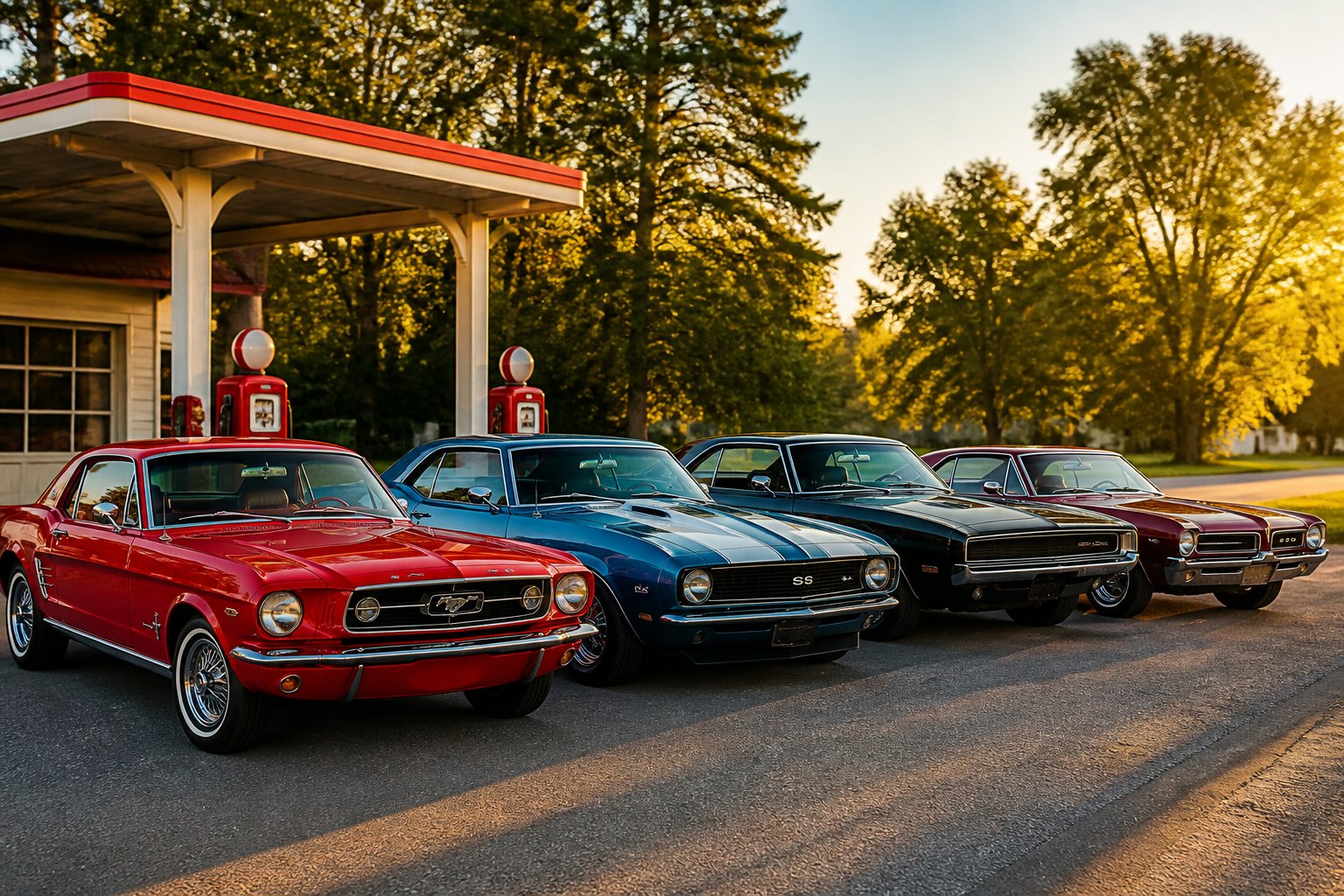
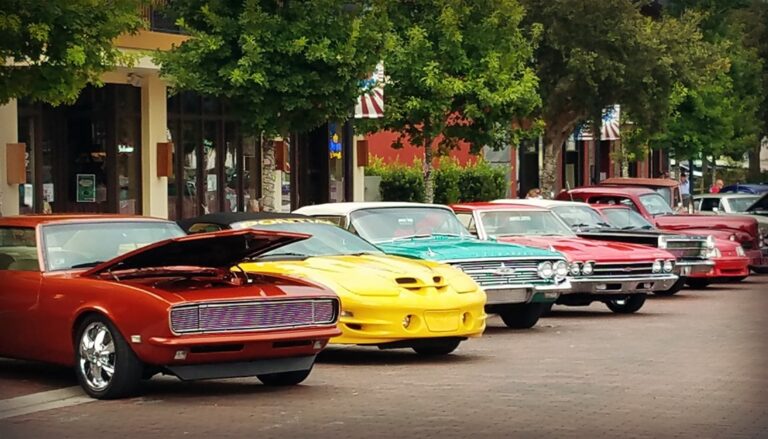
The 1960s muscle car era represents a unique moment in automotive history when American manufacturers prioritized raw performance and bold styling over efficiency and technology. These cars emerged from factory floors with powerful engines, distinctive designs, and a focus on straight-line speed that defined a generation’s relationship with driving.
What made these machines special wasn’t just their horsepower, it was the analog driving experience, the distinctive styling elements, and the cultural movement they represented that you simply can’t find in modern vehicles.
From the mechanical simplicity of carbureted V8s to the visual drama of hood scoops and chrome bumpers, these cars offered a direct connection between driver and machine that has largely disappeared from today’s automotive landscape.
This article explores the specific features, design choices, and cultural elements that made 1960s muscle cars memorable. You’ll discover what set these vehicles apart and why enthusiasts continue to seek out these characteristics decades later.
1. Raw big-block V8 engines (427/426 Hemi)
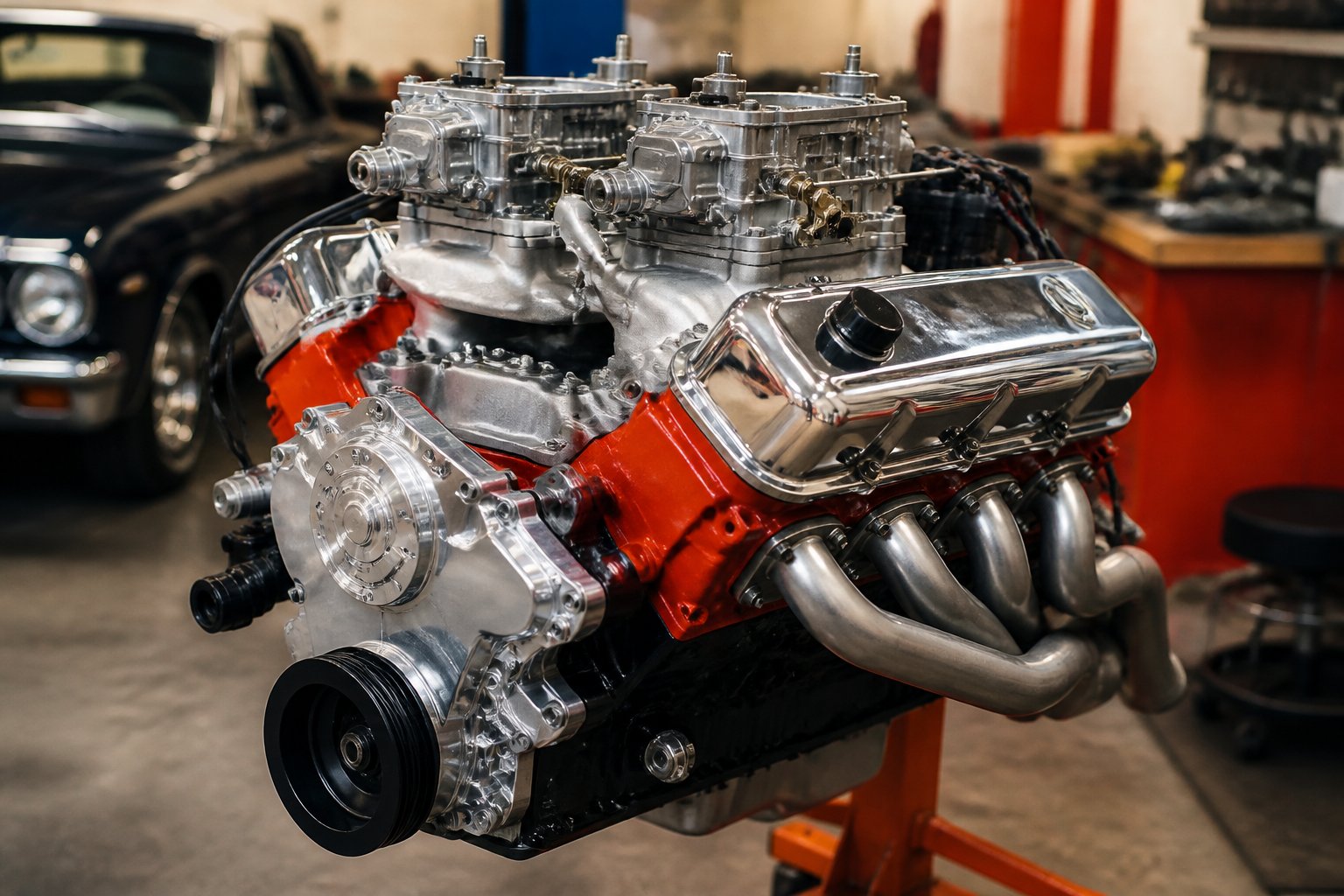
The 1960s muscle car era delivered some of the most powerful engines ever built, with big-block V8s defining the period. You could order factory cars with displacement figures like 427 cubic inches from Chevrolet or Ford, and Chrysler’s legendary 426 Hemi.
These engines represented pure mechanical power without the electronic controls you find today. The 426 Hemi earned its reputation through dominance on both the street and track, featuring hemispherical combustion chambers that optimized airflow and power delivery.
Chevrolet’s 427 big block appeared in Corvettes, Camaros, and full-size models from 1966 to 1969. Ford also produced their own 427, famously powering the Shelby Cobra to produce 425 horsepower in a lightweight chassis.
These engines cost more than their small-block counterparts, but they delivered the performance you wanted in an unfiltered package.
2. Push-button automatic transmissions
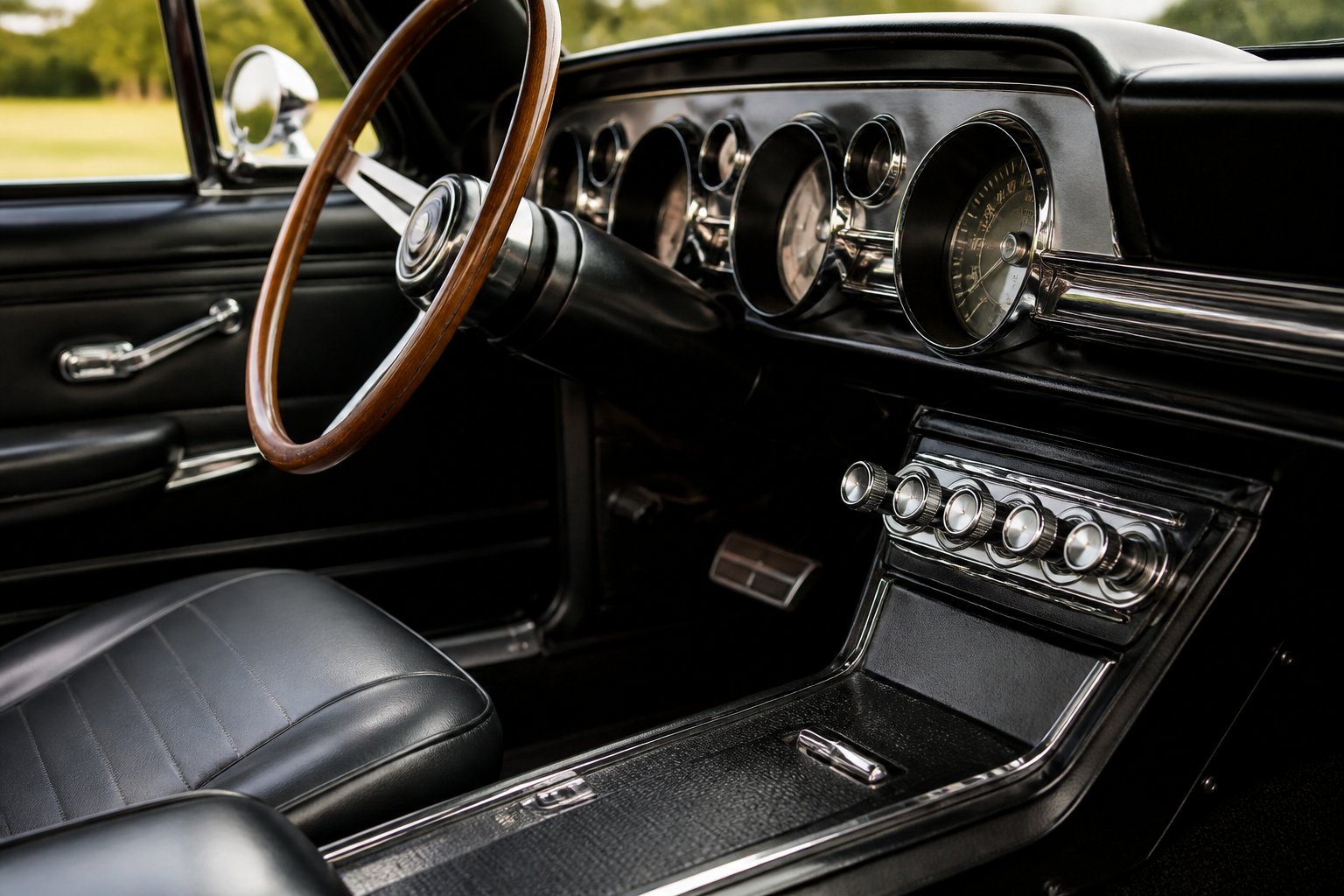
You could shift gears with the push of a button instead of pulling a traditional lever. Chrysler pioneered this feature across its lineup from 1956 through 1964, mounting the buttons conveniently on the dashboard.
The system connected to Chrysler’s TorqueFlite automatic transmission. You simply pressed labeled buttons to select Park, Reverse, Neutral, Drive, or Low. This setup freed up space on the steering column and center console while adding a futuristic touch to the interior.
Other manufacturers experimented with push-button shifting, but Chrysler remained the primary advocate. By 1963, they were the only company still offering this technology.
The feature eventually disappeared as traditional gear selectors regained popularity. Today, you rarely see push-button transmissions on classic cars, making them a distinctive reminder of 1960s automotive innovation and style.
3. Analog dash with chrome bezels
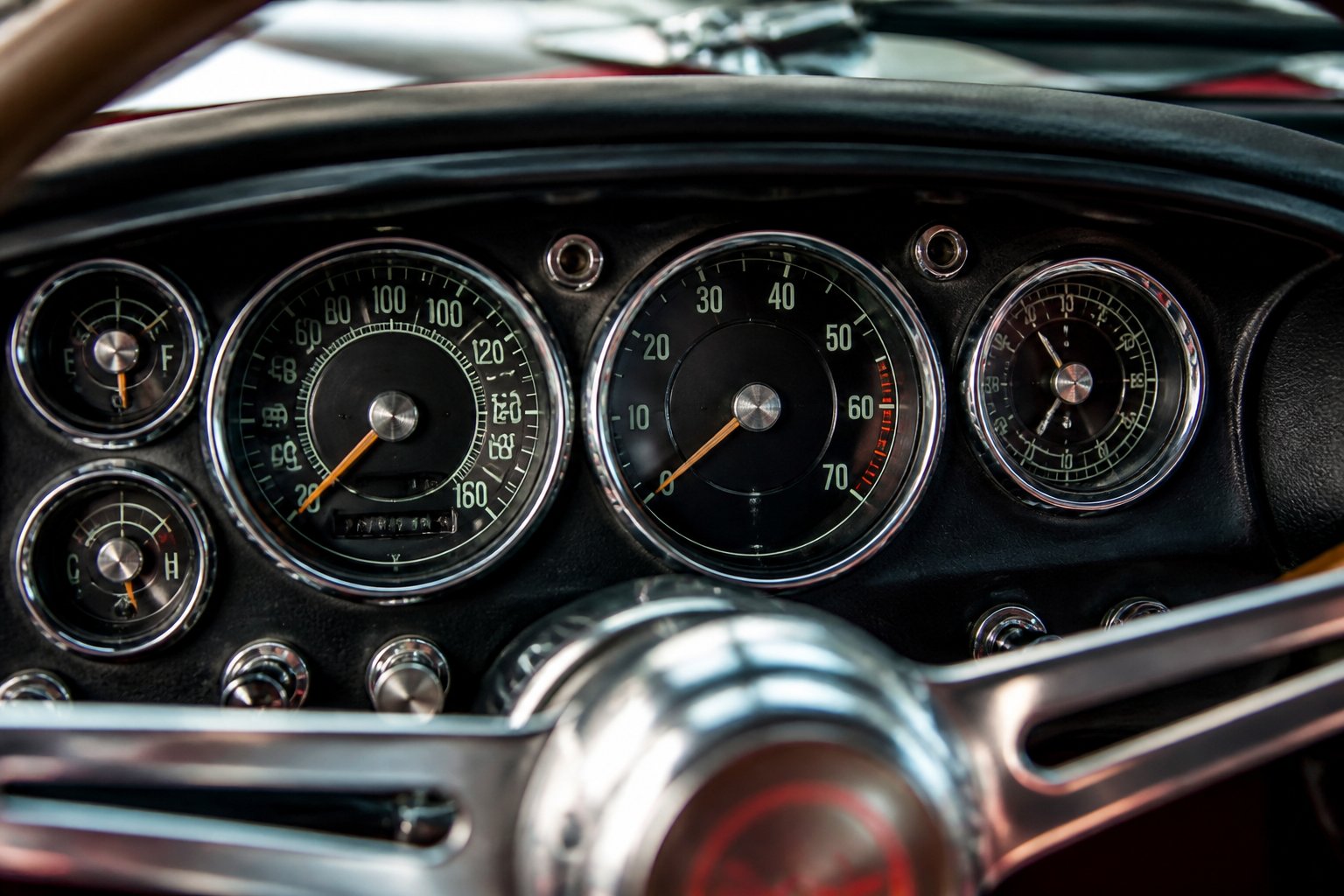
The instrument panels of 1960s muscle cars delivered information with style. You’d find large analog gauges with chrome bezels that caught the light and complemented the dashboard’s design. These instruments featured clear, easy-to-read faces with high-contrast numerals and bold pointers.
The chrome accents around each gauge bezel added a premium feel that’s largely absent from today’s digital displays. Your eyes could quickly scan the speedometer, tachometer, and auxiliary gauges without navigating through digital menus.
These dashboards emphasized functionality paired with visual appeal. The metalwork and attention to detail in the gauge clusters reflected the era’s commitment to craftsmanship. You had direct mechanical feedback through cable-driven speedometers and physical gauge movements that responded to your car’s performance in real time.
4. Bench front seats in performance trims
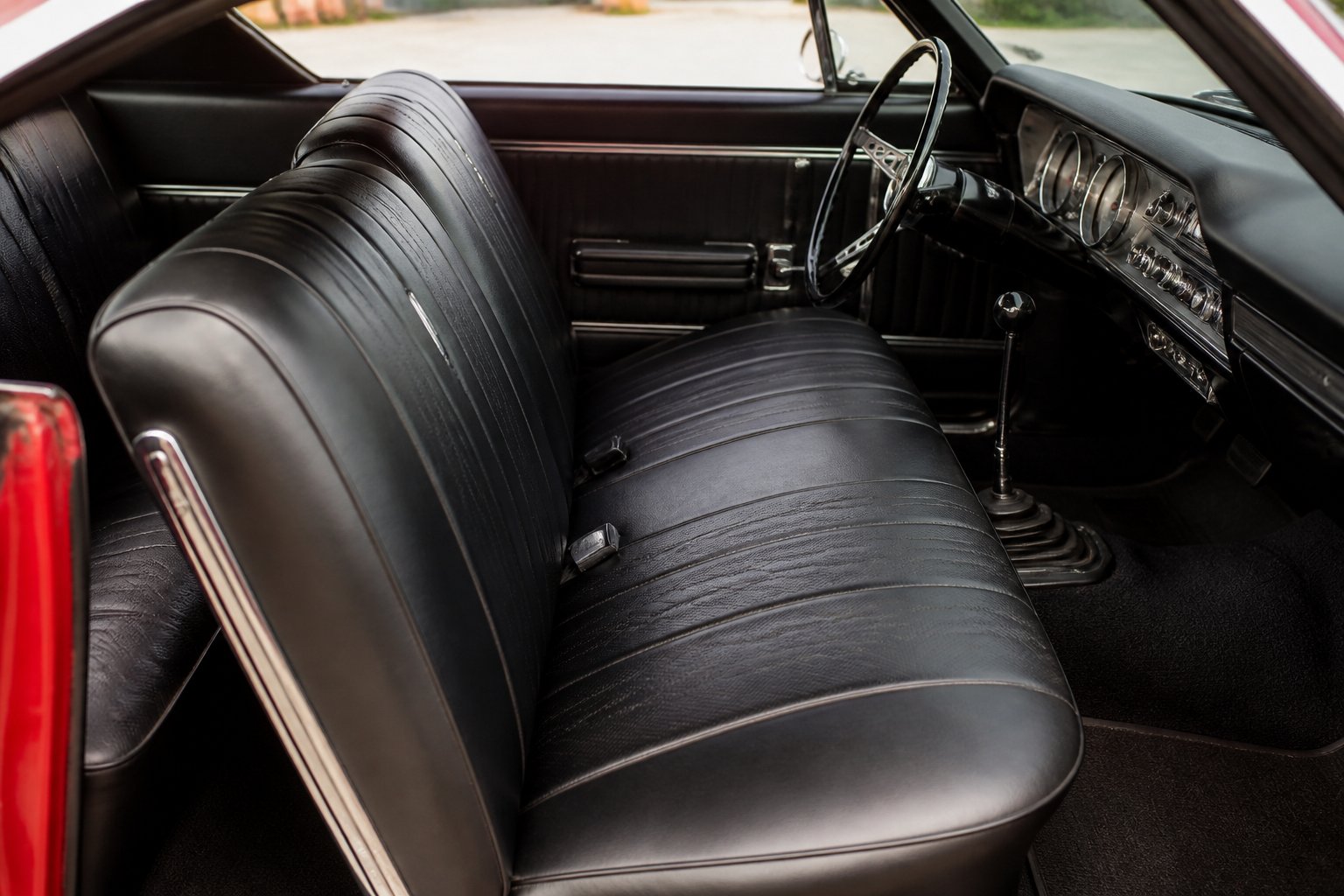
You could order a high-performance muscle car in the 1960s with a front bench seat instead of bucket seats. This wasn’t just for base models either. Cars like the Chevrolet Camaro and Ford Mustang offered optional front bench seats even in their first-generation performance variants.
The bench seat gave you room for three passengers up front, turning your muscle car into a genuine six-passenger vehicle. This made practical sense for families who still wanted performance.
The design reflected the era’s different priorities. You got that couch-like comfort borrowed from larger American cars, combined with the power and style of a performance vehicle. While bucket seats became the standard choice for enthusiasts, the bench seat option showed how 1960s muscle cars balanced sporting intentions with everyday usability in ways modern performance cars simply don’t offer.
5. Factory-installed tachometers
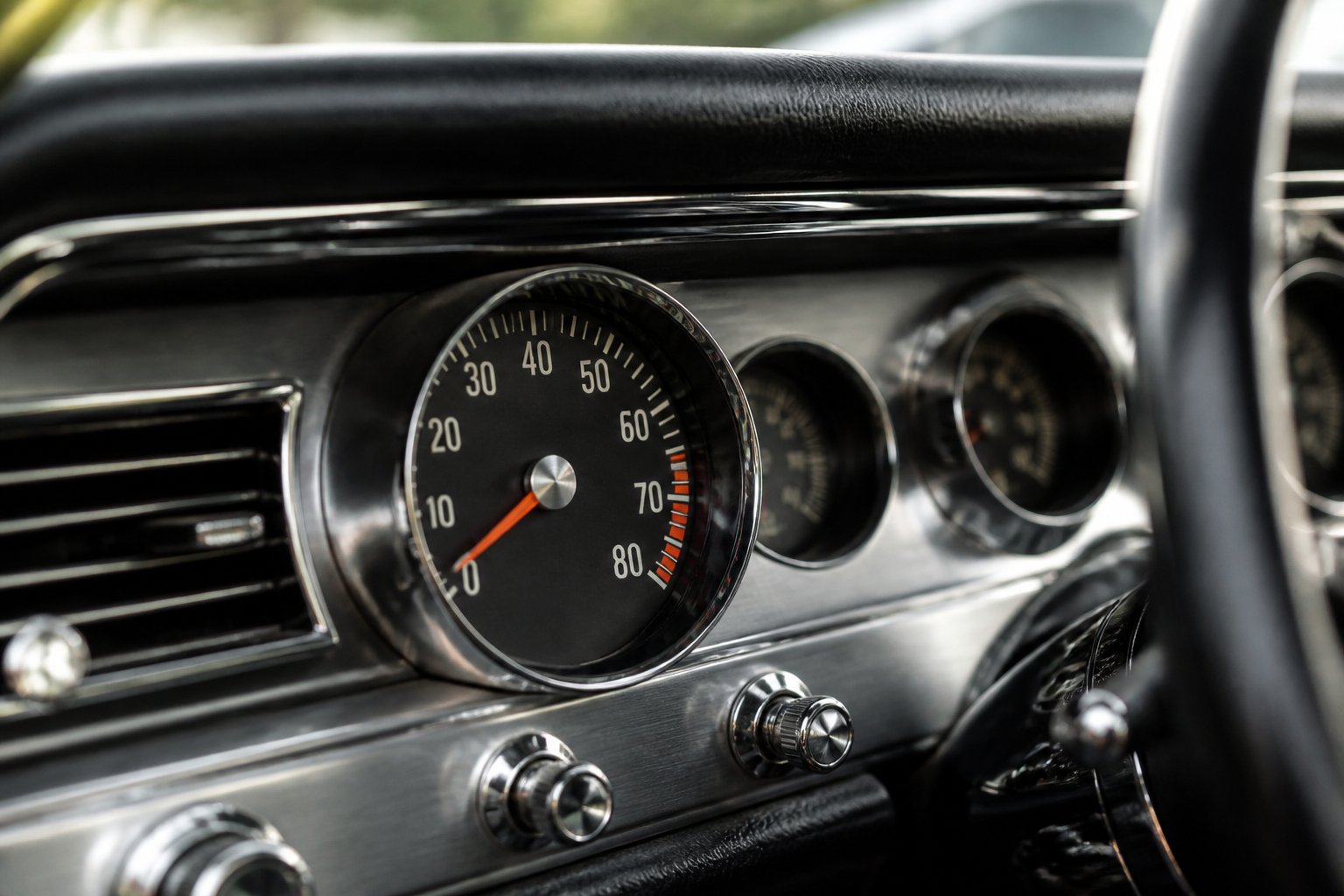
Factory-installed tachometers became a defining feature of 1960s muscle cars, though they weren’t always standard equipment. You had to specifically order them as optional extras on many models, and some manufacturers required you to purchase a console package to get one.
The tachometer’s purpose extended beyond aesthetics. You could monitor engine RPMs during drag racing and spirited driving, making it an essential tool for performance enthusiasts who wanted to maximize their car’s potential.
Pontiac introduced an innovative hood-mounted tachometer design that solved the problem of cramped instrument panels in full-size cars. Other manufacturers integrated tachs directly into the dashboard, creating some of the era’s most memorable gauge clusters.
By contrast, tachometers became increasingly rare in later decades, particularly during the 1970s and 1980s. Even performance-oriented American cars often lacked them, making the 1960s muscle car tach a nostalgic reminder of when performance truly mattered.
6. High-revving small-block V8s (289/302)
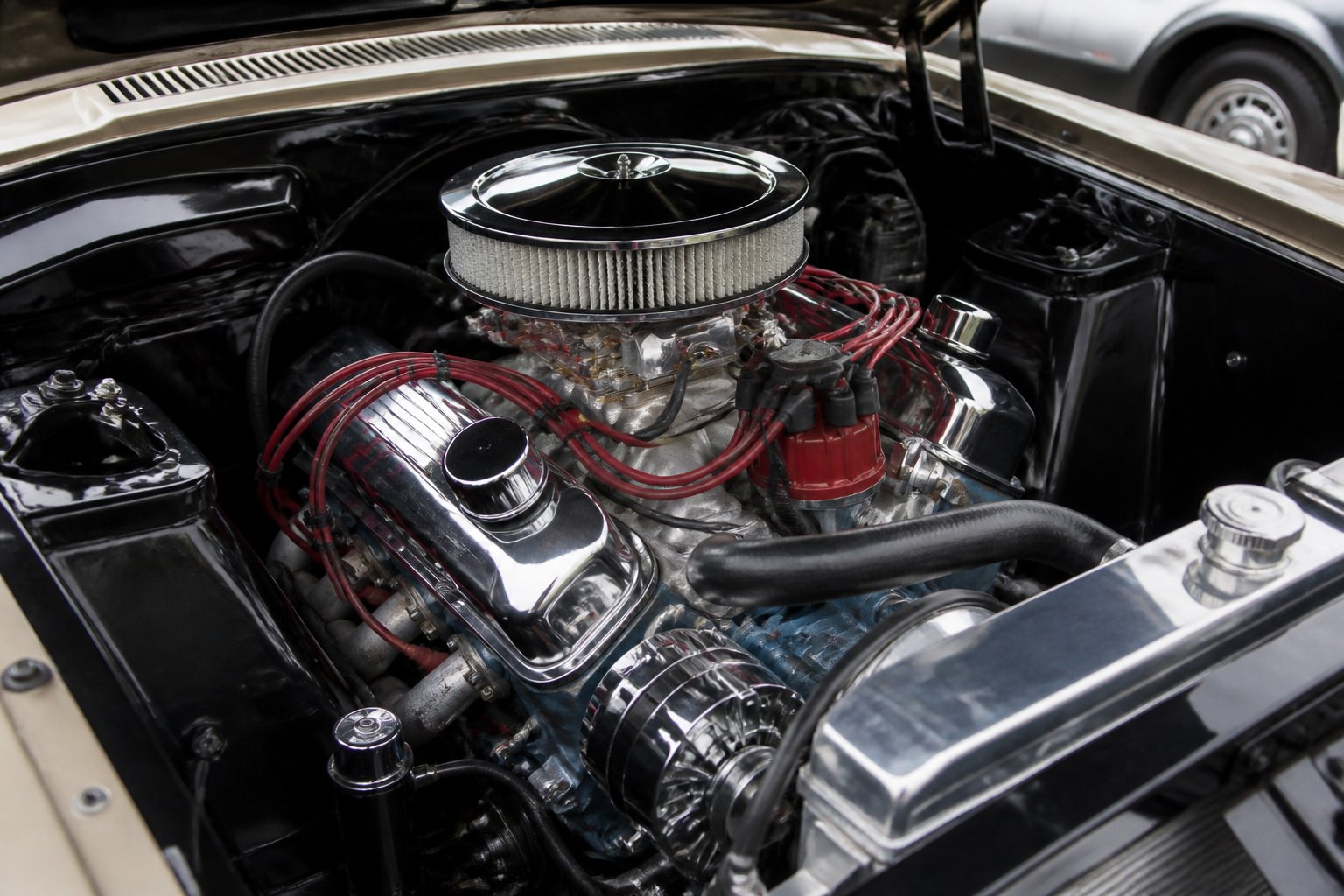
You didn’t need massive displacement to make serious power in the 1960s. The Ford 289 and Chevrolet 302 small-blocks proved that engineering precision mattered as much as cubic inches.
These engines were built for speed, not just muscle. The Chevy 302 in the Z/28 Camaro could spin past 8,000 rpm, while Ford’s 289 High-Performance delivered sharp throttle response and impressive power-to-weight ratios. Their lightweight construction and aggressive valve timing made them perfect for both street driving and track competition.
The 302 engines served Trans-Am racing requirements while giving you a driving experience that felt more connected than the big-block alternatives. Their willingness to rev and quick engine response created an engaging character that heavy, large-displacement motors couldn’t match.
These high-winding small-blocks represented a different approach to performance—one that prioritized agility and responsiveness over raw torque.
7. Distinctive hood scoops and ram-air systems
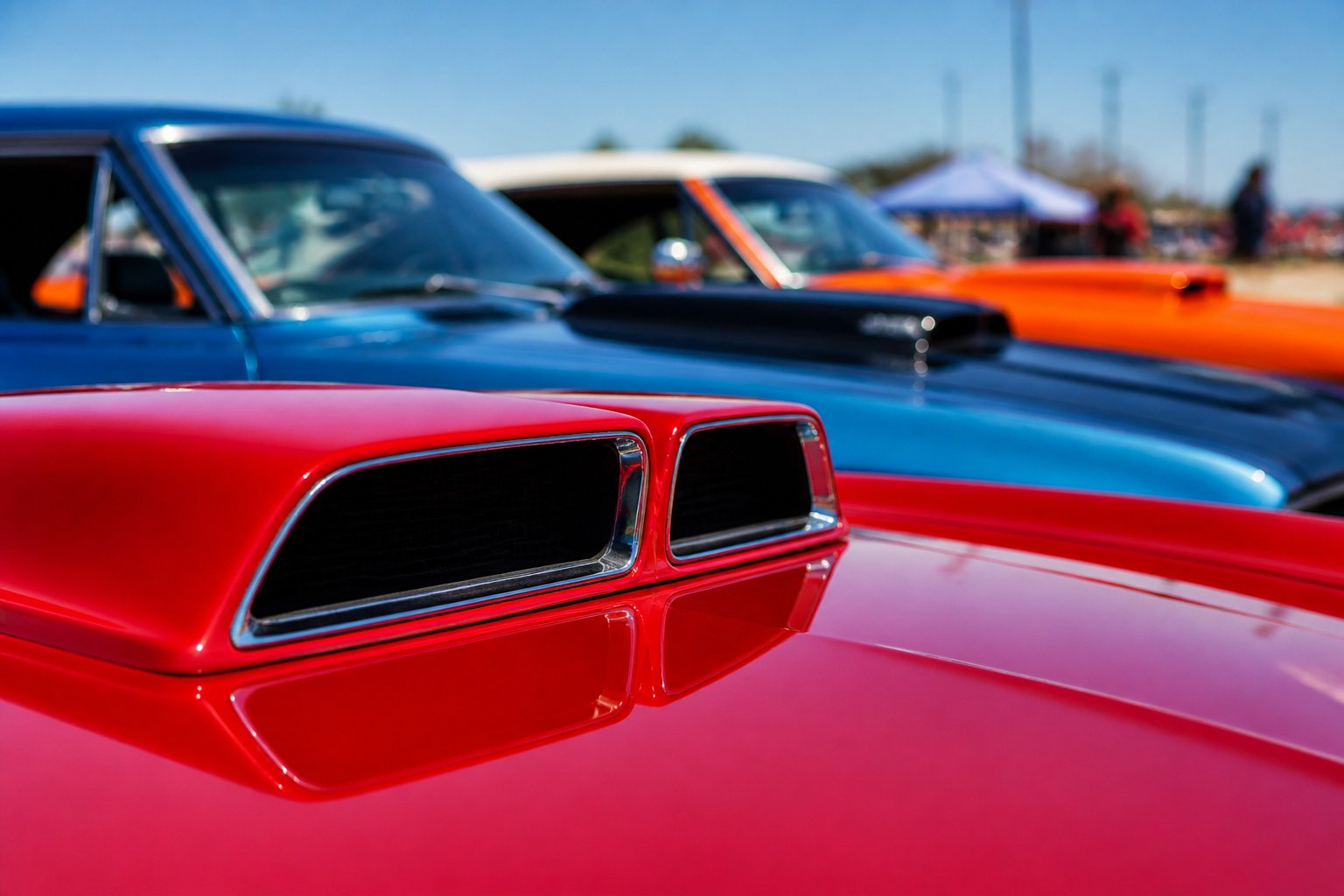
Hood scoops in the 1960s served a real purpose beyond aesthetics. They channeled cooler outside air directly into the engine, giving you measurable performance gains over the heated air trapped under the hood.
Ram-air systems like Pontiac’s Ram Air IV and Oldsmobile’s Force-Air induction didn’t just look aggressive. They delivered denser air to the carburetor, improving combustion and power output when you pushed the throttle.
The designs themselves became iconic. From the massive fiberglass shark-gill intake on the Plymouth ‘Cuda AAR to the understated twin scoops on Buick’s GS Stage 1 models, each manufacturer had its own approach. You could identify what was under the hood just by looking at these distinctive features.
Today’s muscle cars often hide their air intakes behind grilles and bumpers, sacrificing that bold visual statement that made 1960s muscle cars immediately recognizable.
8. Convertible muscle car options
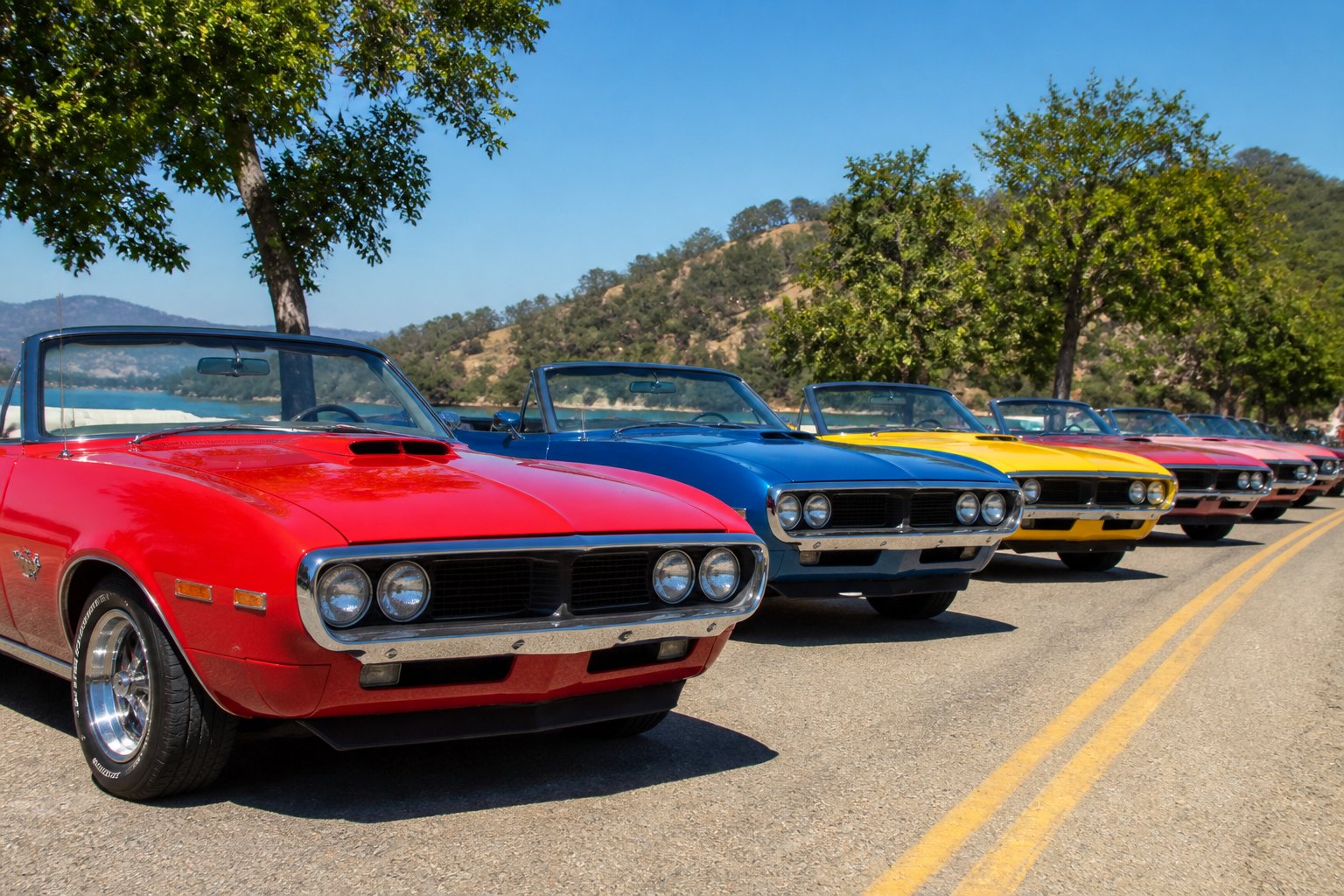
You had real choices when it came to combining performance with open-air driving in the 1960s. Major automakers offered convertible versions of their most powerful muscle cars, giving you the option to experience tire-shredding horsepower with the top down.
The 1970 Oldsmobile 4-4-2 convertible featured a stylish interior and potent performance in an open-top package. Ford’s Mustang convertible became an instant icon, while Pontiac offered the GTO in droptop form. Chevrolet gave you the Chevelle SS convertible, and Dodge delivered the Coronet R/T.
These weren’t compromised versions either. You could order big-block V8s and performance packages on most convertible models. The combination of raw power and wind-in-your-hair driving created an experience that’s largely disappeared from today’s automotive landscape. Production numbers were often limited, making these convertibles particularly special.
9. Dual exhaust with visible chrome tips
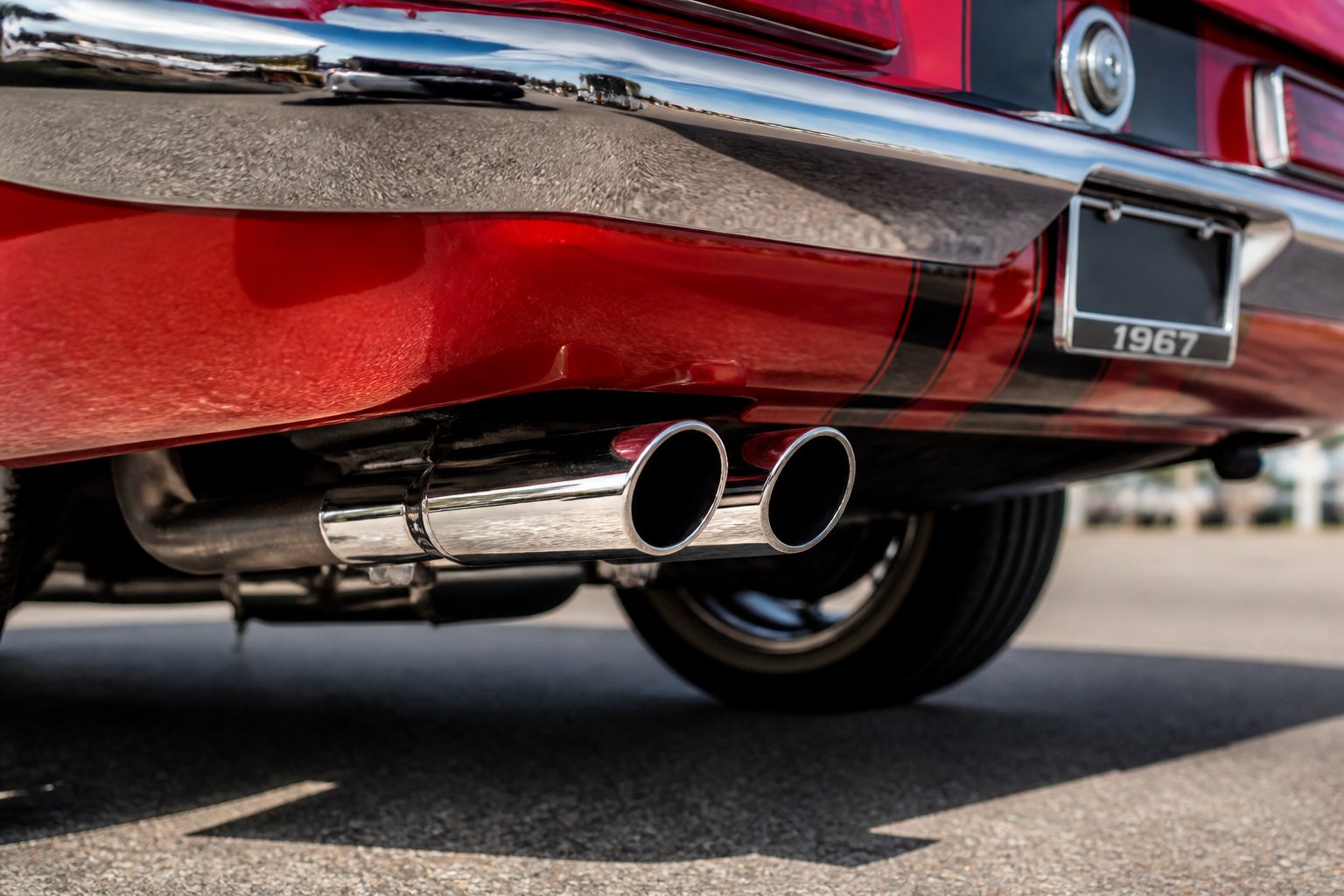
You could spot a serious muscle car from a block away by those gleaming chrome exhaust tips peeking out from under the rear bumper. Dual exhausts weren’t just for show—they improved engine breathing and performance by allowing exhaust gases to exit more efficiently through two separate pipes.
Before 1952, American cars only came with single exhaust systems from the factory. Dual setups quickly became the modification that separated muscle cars from ordinary vehicles.
The chrome tips themselves were a badge of honor. They announced that your car had the power to back up its aggressive looks. You’d see them polished to perfection at car shows and cruises, catching sunlight and turning heads.
These visible tips disappeared as modern cars tucked exhausts behind plastic bumpers and streamlined designs. The loss of that chrome sparkle removed a key visual element that made muscle cars instantly recognizable.
10. Minimal electronic driver aids (no traction control)
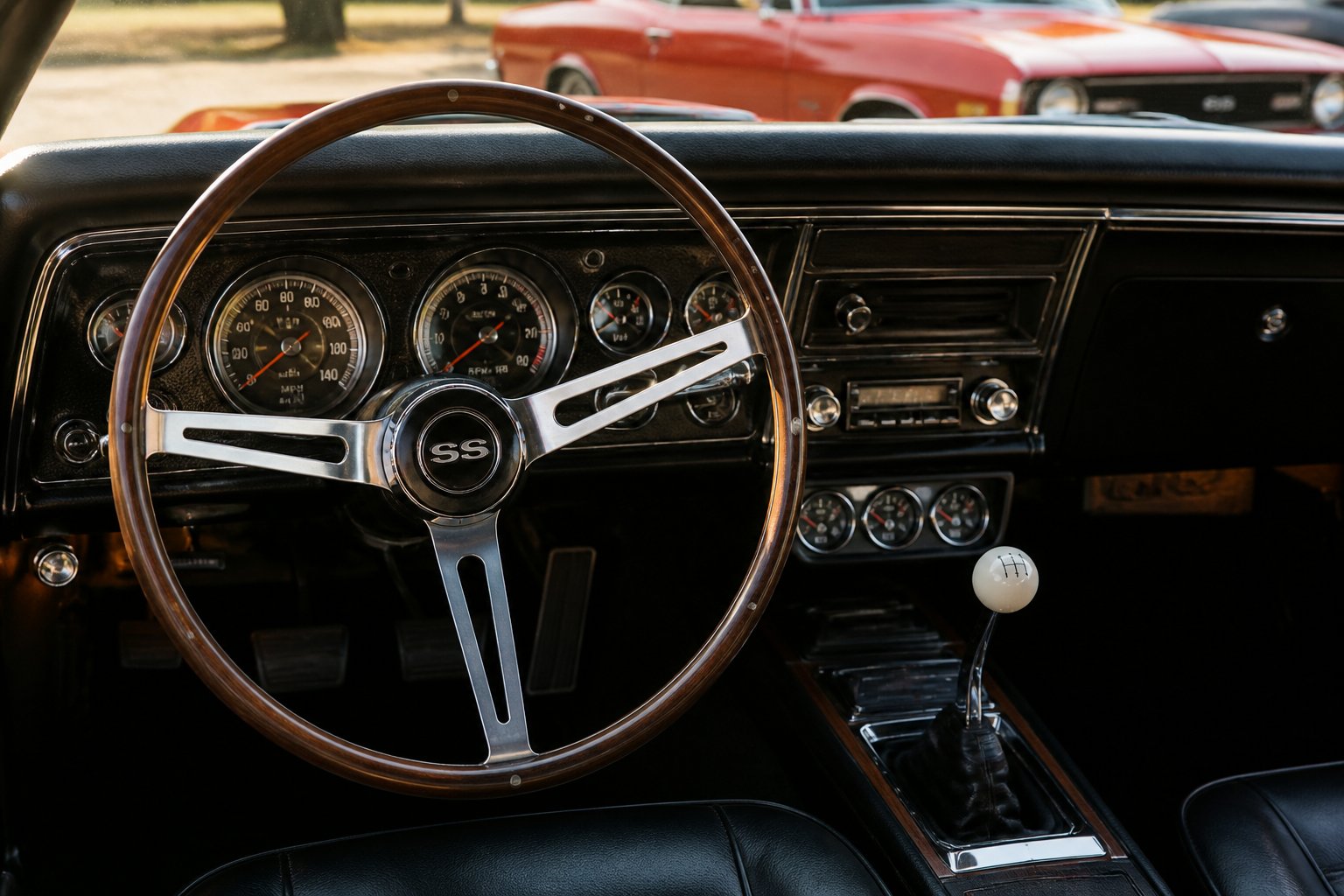
1960s muscle cars put complete control in your hands. There were no electronic systems monitoring wheel spin, no computers adjusting power delivery, and no safety nets between you and the road.
You relied entirely on your own skill to manage the throttle and steer through corners. The lack of traction control meant you felt every ounce of torque attempting to break the rear wheels loose.
These cars demanded respect and attention. A heavy foot could send you sideways instantly, especially in wet conditions or during hard acceleration from a stop.
This raw driving experience created a direct connection between driver and machine. You learned to modulate the throttle carefully and develop genuine car control skills that modern systems handle automatically today.
11. Pony car styling cues (fastback profiles)
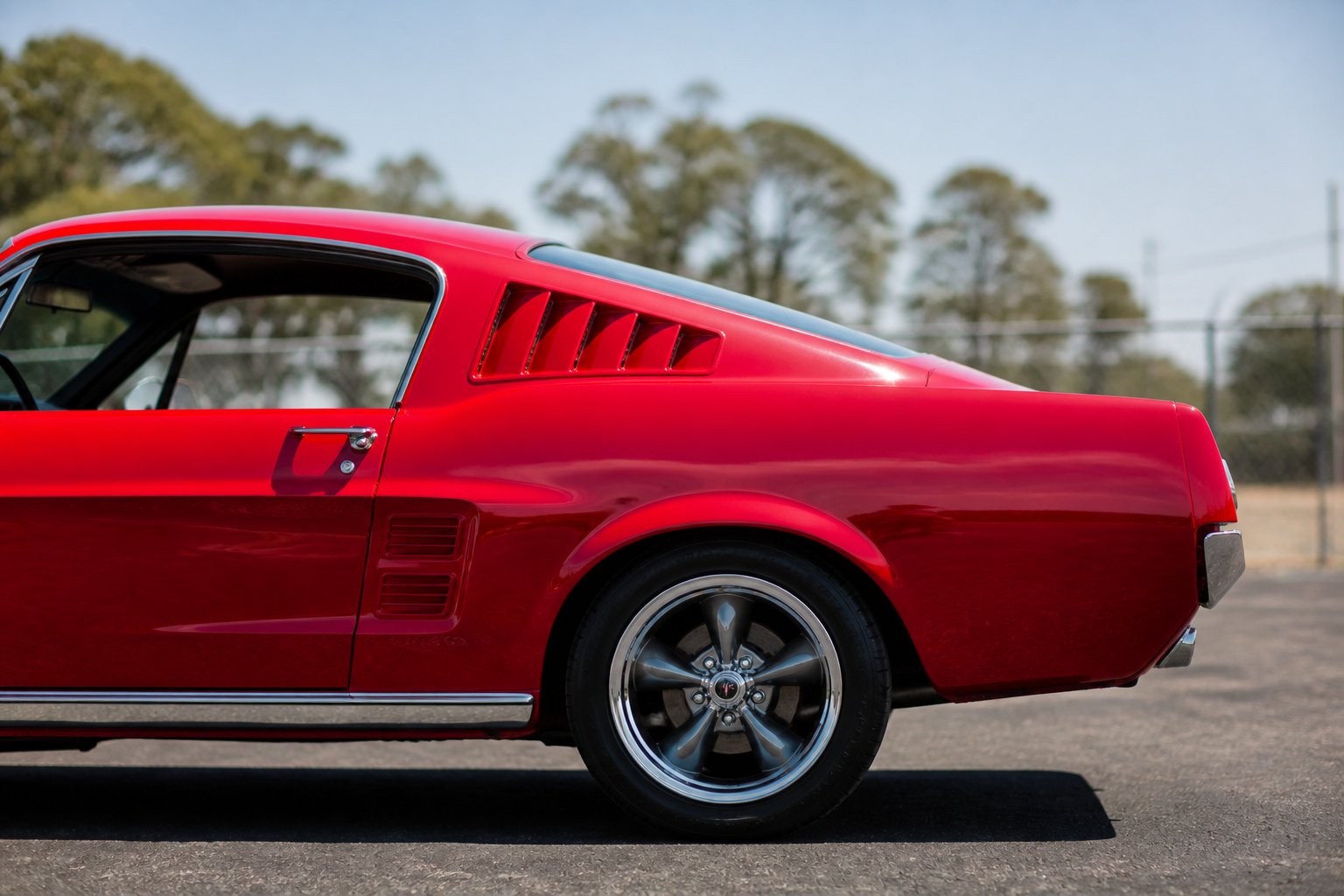
The fastback roofline defined pony car aesthetics in ways few other design elements could match. You saw this sweeping profile on everything from Mustangs to Camaros, where the roof gradually tapered toward the rear deck in one unbroken line.
This wasn’t just about looks. The fastback design improved aerodynamics while creating an aggressive, forward-leaning stance that suggested speed even when parked.
You could spot a pony car from blocks away thanks to these distinctive silhouettes. The long hood and short deck proportions paired perfectly with that sloping roofline, creating a visual formula that’s nearly impossible to replicate in modern designs.
Models like the AMC Javelin and Plymouth Barracuda proved that fastback styling could set smaller manufacturers apart in a crowded market. These cars had genuine presence on the road, turning heads without relying on chrome or flashy paint schemes alone.
12. Factory performance packages (R/T, GTO, SS)
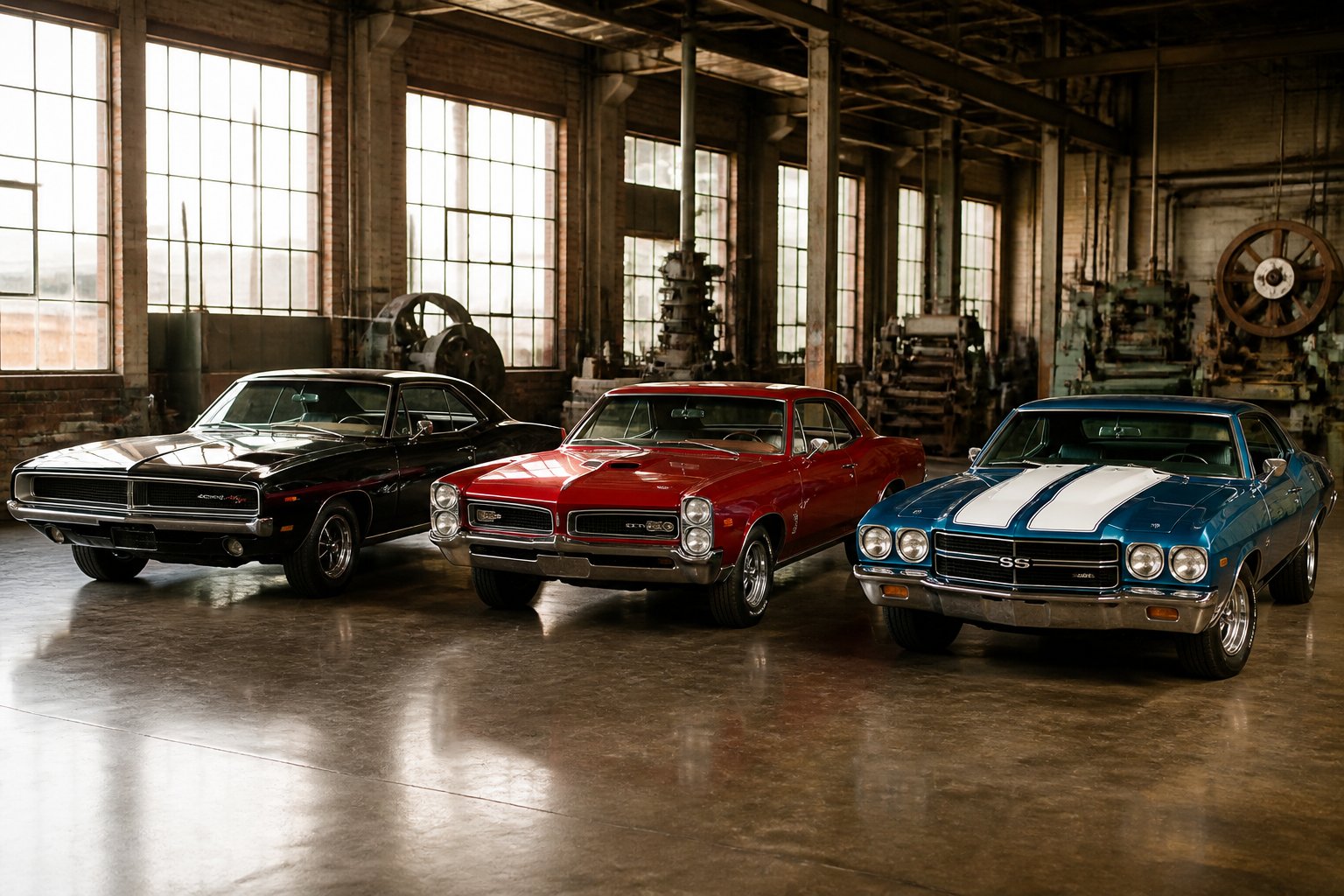
You could walk into a dealership and transform an ordinary family car into a street machine simply by checking the right box on the order form. Factory performance packages like Dodge’s R/T, Pontiac’s GTO, and Chevrolet’s SS made serious power accessible without custom builds or aftermarket modifications.
The 1964 Pontiac GTO started as the W62 package on a Tempest Le Mans, proving that automakers could deliver performance straight from the assembly line. These packages bundled big-block engines, upgraded suspension components, and performance axles into a single option.
You knew exactly what you were getting. Every major manufacturer offered their own version, creating a standardized approach to performance that made comparison shopping straightforward. The packages delivered repeatable results at the drag strip while maintaining factory warranties and dealer support.
This direct path to horsepower eliminated guesswork and made muscle cars attainable for regular buyers seeking legitimate performance credentials.
13. Carbureted induction and multi-carb setups
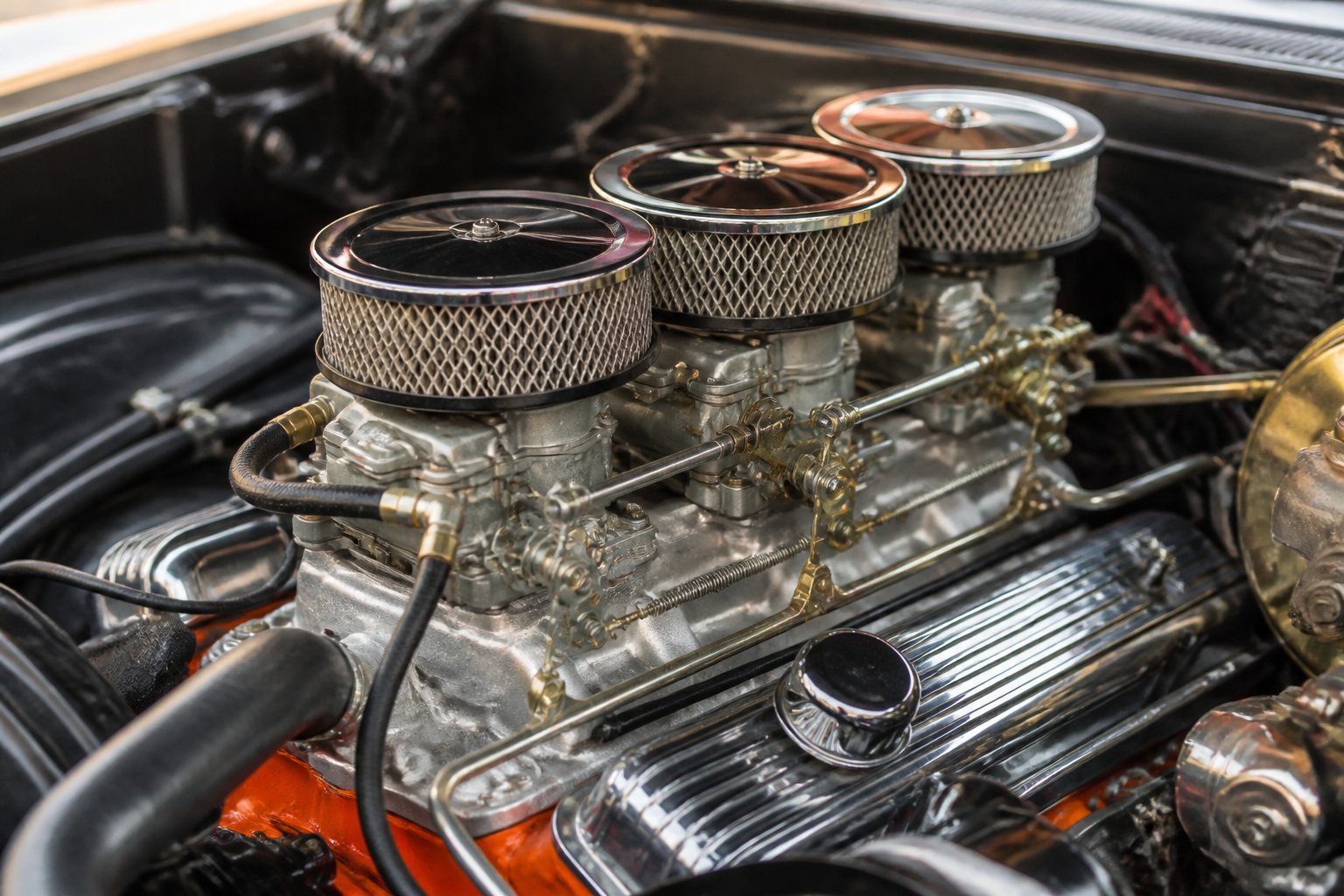
You could pop the hood and instantly see the power potential. Triple carburetors and dual-quad setups weren’t just functional—they announced a car’s performance credentials before you turned the key.
These multi-carb systems operated on straightforward principles. The center carburetor handled idle and part-throttle driving, while the outboard carbs opened at wide-open throttle to feed the engine’s appetite for air and fuel. Pontiac’s Tri-Power, Mopar’s Six Pack, and Chrysler’s triple two-barrel configurations each had their distinct characteristics.
The systems delivered real performance gains when single carburetors couldn’t flow enough air for increasingly powerful engines. You got immediate throttle response and that distinctive sound of multiple barrels opening up.
By 1967, corporate mandates started phasing out these setups in favor of single four-barrel carburetors. The mechanical simplicity and visual drama of multiple carbs disappeared as efficiency and emissions took priority.
14. Period-correct rally stripes and graphics
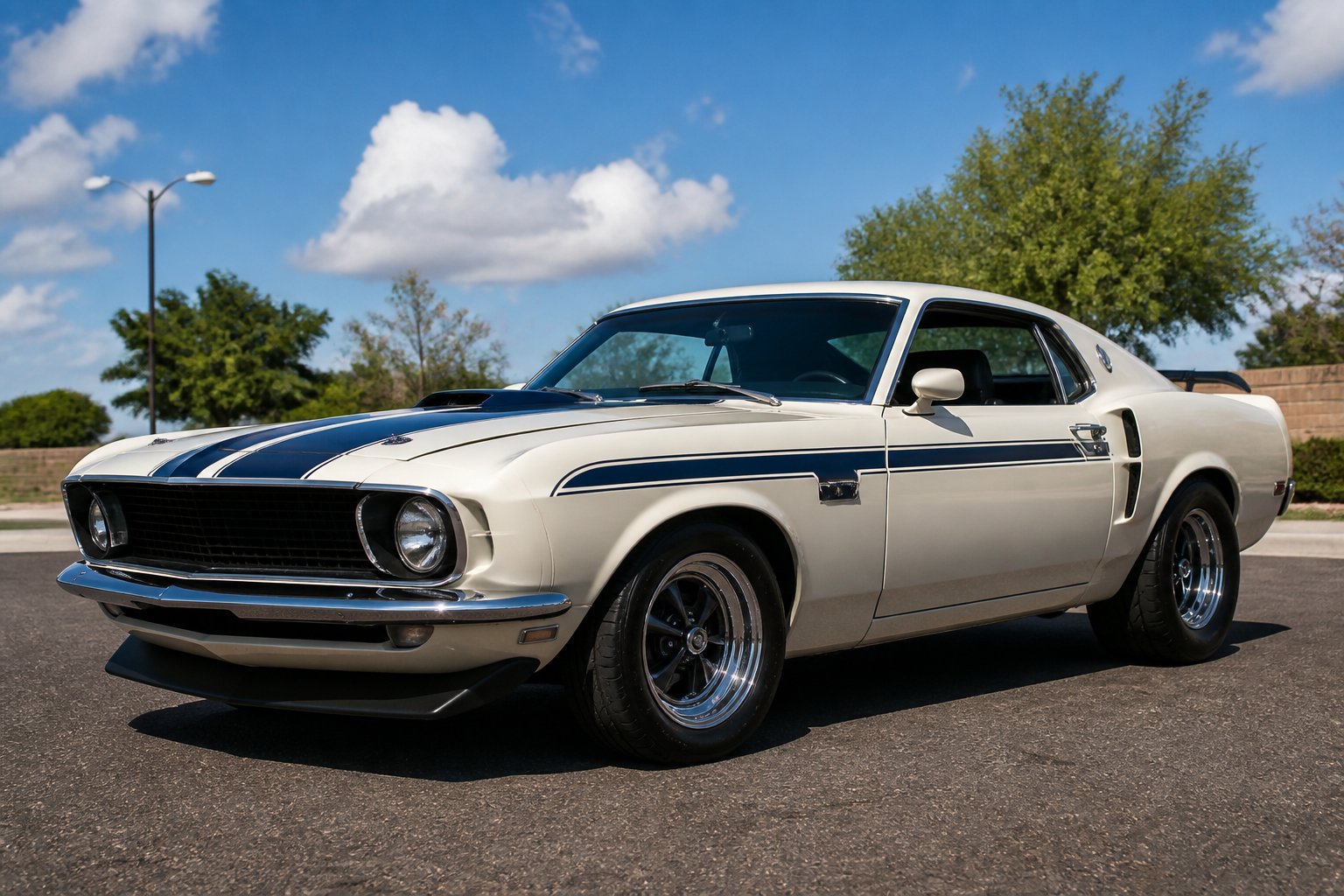
The bold graphics that defined 1960s muscle cars told a story before the engine ever roared. Dual racing stripes, cowl induction marks, and SS badges were placed with precision to highlight a vehicle’s performance credentials.
These weren’t arbitrary decoration choices. Manufacturers used specific stripe widths, colors, and placement that varied by model year and trim level. A ’69 Camaro’s rally stripes differed distinctly from a Chevelle’s hood graphics, and enthusiasts knew the difference immediately.
The stripes served a practical purpose too. They accentuated body lines and drew attention to functional elements like hood scoops. Today’s vinyl graphics offer convenience, but they lack the character of original factory-applied stripes that were part of the car’s identity from day one.
Period-correct restoration requires matching these exact specifications. The authenticity matters because these graphics were integral to each model’s visual signature.
15. Simple steel wheels with hubcaps and dog-dish trims
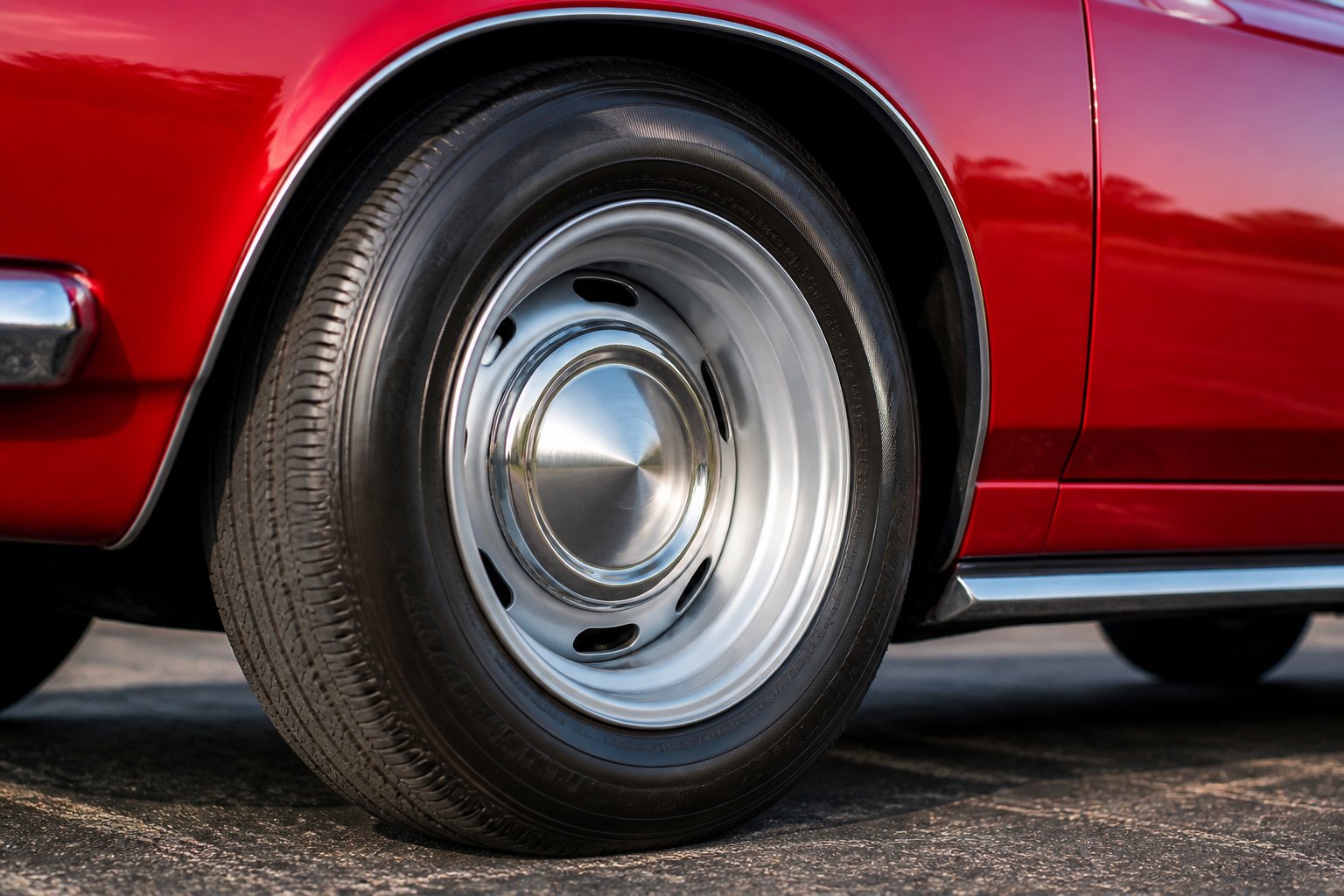
You didn’t need fancy alloy wheels to make a statement in the 1960s. Factory steel wheels paired with simple dog-dish hubcaps were the standard equipment on many muscle cars, and they looked right at home on high-performance machines.
These small center caps covered just the hub area, leaving the painted steel wheel visible. Chevrolet changed their dog-dish designs nearly every year from 1955 through the early 1970s, giving each model year a distinct look.
Performance-oriented buyers actually preferred this setup. COPO Camaros and other factory muscle cars rolled off the line with black steel wheels and basic hubcaps, putting function over flash. The combination saved weight and cost, letting you invest in what mattered: the engine and drivetrain.
This straightforward approach has become iconic, representing an era when muscle cars prioritized performance over appearance packages.
16. Manual three- and four-speed transmissions
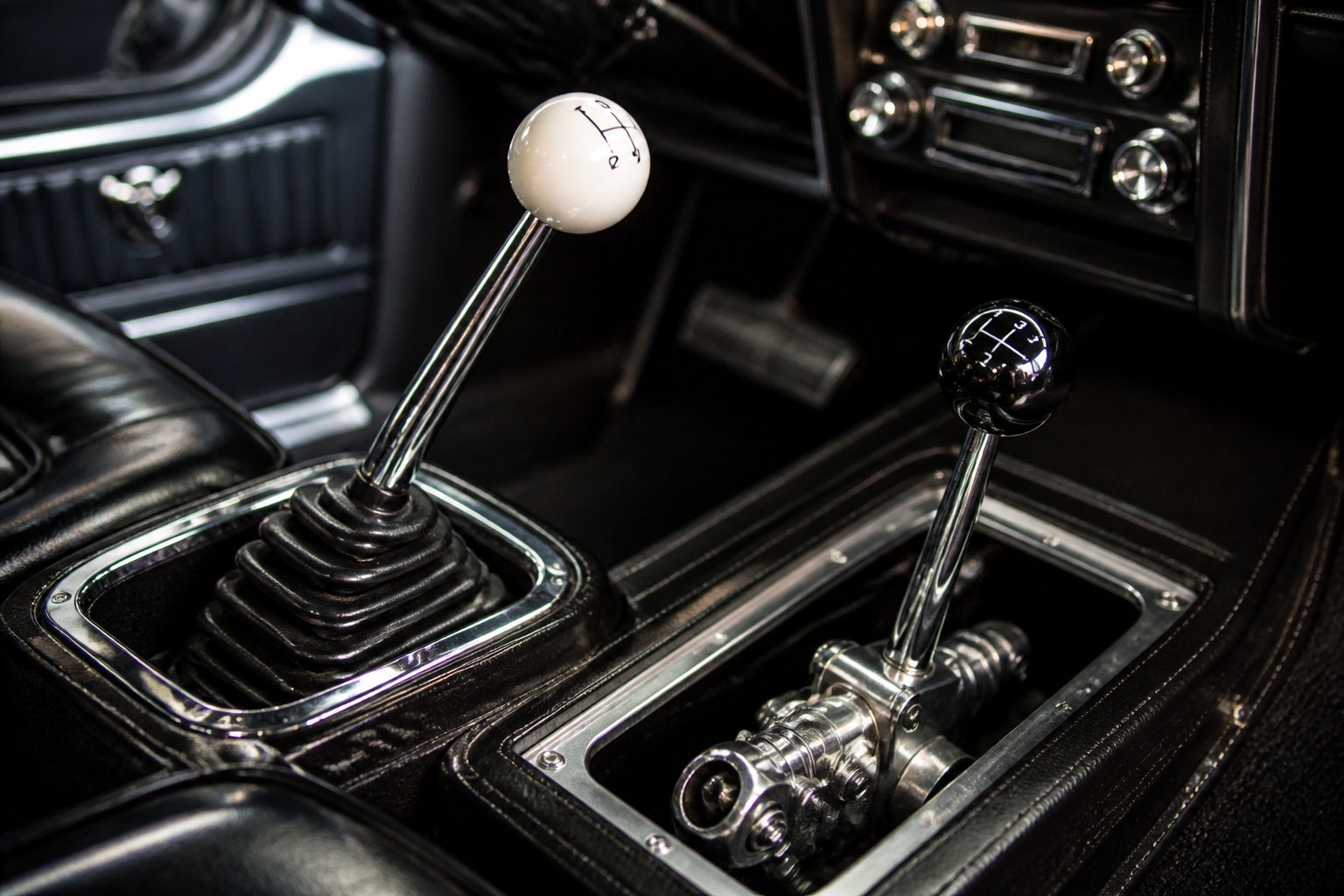
You felt every shift with manual transmissions in 1960s muscle cars. The four-speed became the ultimate performance option, with legendary units like the Muncie and Ford Toploader delivering power directly to your wheels.
Three-speed manuals were still common on base models and even some performance cars. They offered a cheaper entry point into muscle car ownership, and insurance companies actually charged lower premiums for three-speed equipped cars due to their reduced top speeds.
Four-speed transmissions defined the era’s high-performance driving experience. You controlled gear selection with precision, extracting maximum acceleration from powerful V8 engines. The direct mechanical connection between you and the drivetrain created an engaging driving experience that automatic transmissions couldn’t match.
These manual gearboxes required skill to master, especially models with non-synchronized first gears that demanded careful rev-matching.
17. Mag-style magnesium and steel wheels
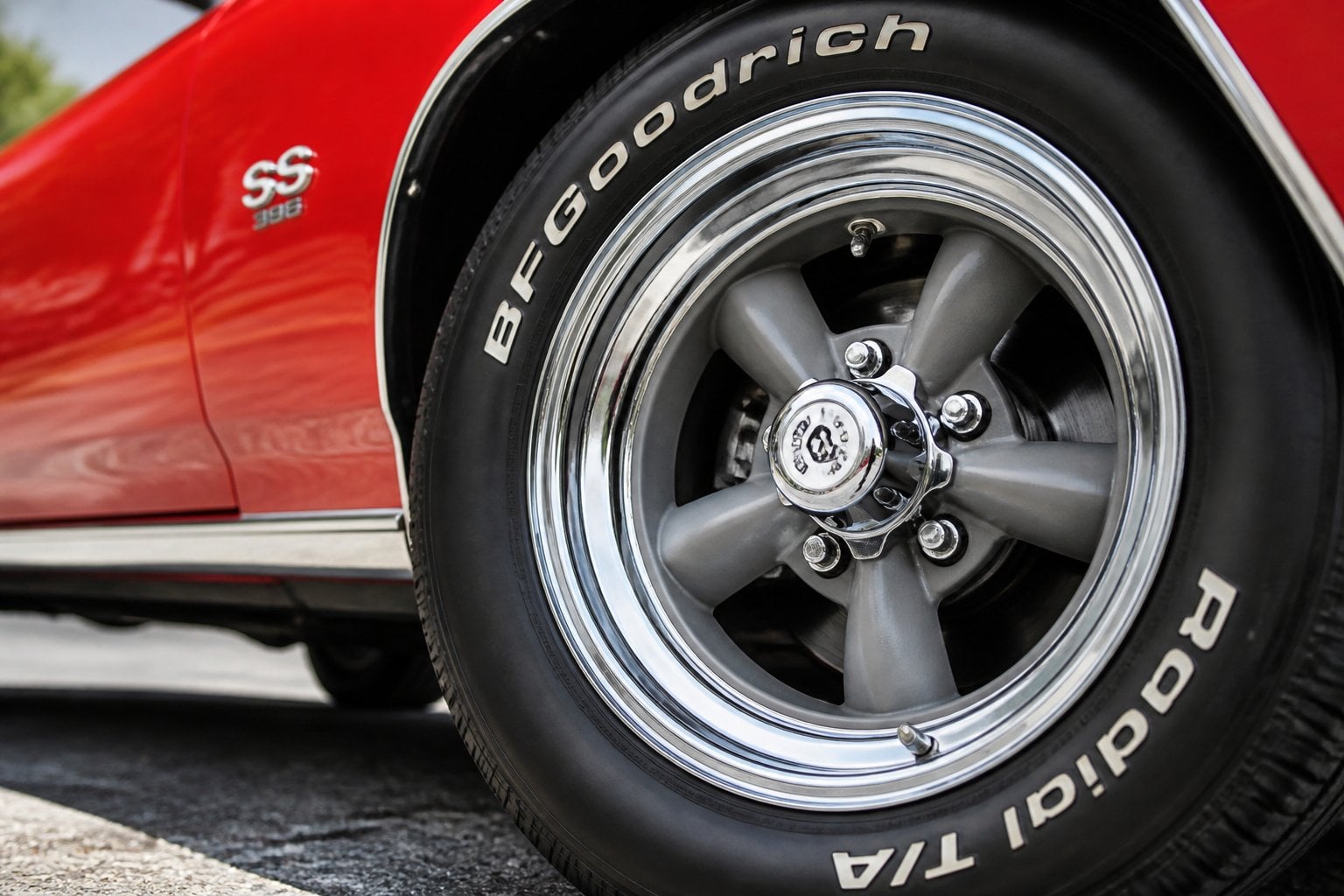
The distinctive look of mag wheels defined the 1960s muscle car aesthetic. These wheels gave your ride an aggressive, performance-oriented appearance that steel hubcaps simply couldn’t match.
True magnesium wheels came from the racing world, where lightweight construction mattered most. However, they were expensive and sometimes dangerous if damaged, as the material could catch fire when scraped against pavement.
Most muscle car owners opted for aluminum “mag-style” wheels that mimicked the racing look at a fraction of the cost. Brands like Cragar, American Racing, and Halibrand became household names with their iconic spoke designs.
Even budget-conscious enthusiasts could join the trend with mag-style wheel covers that snapped onto standard steel wheels. These gave you the appearance of performance wheels without the premium price tag, making the look accessible to nearly every muscle car driver.
18. Lightweight vinyl interiors with bucket seats
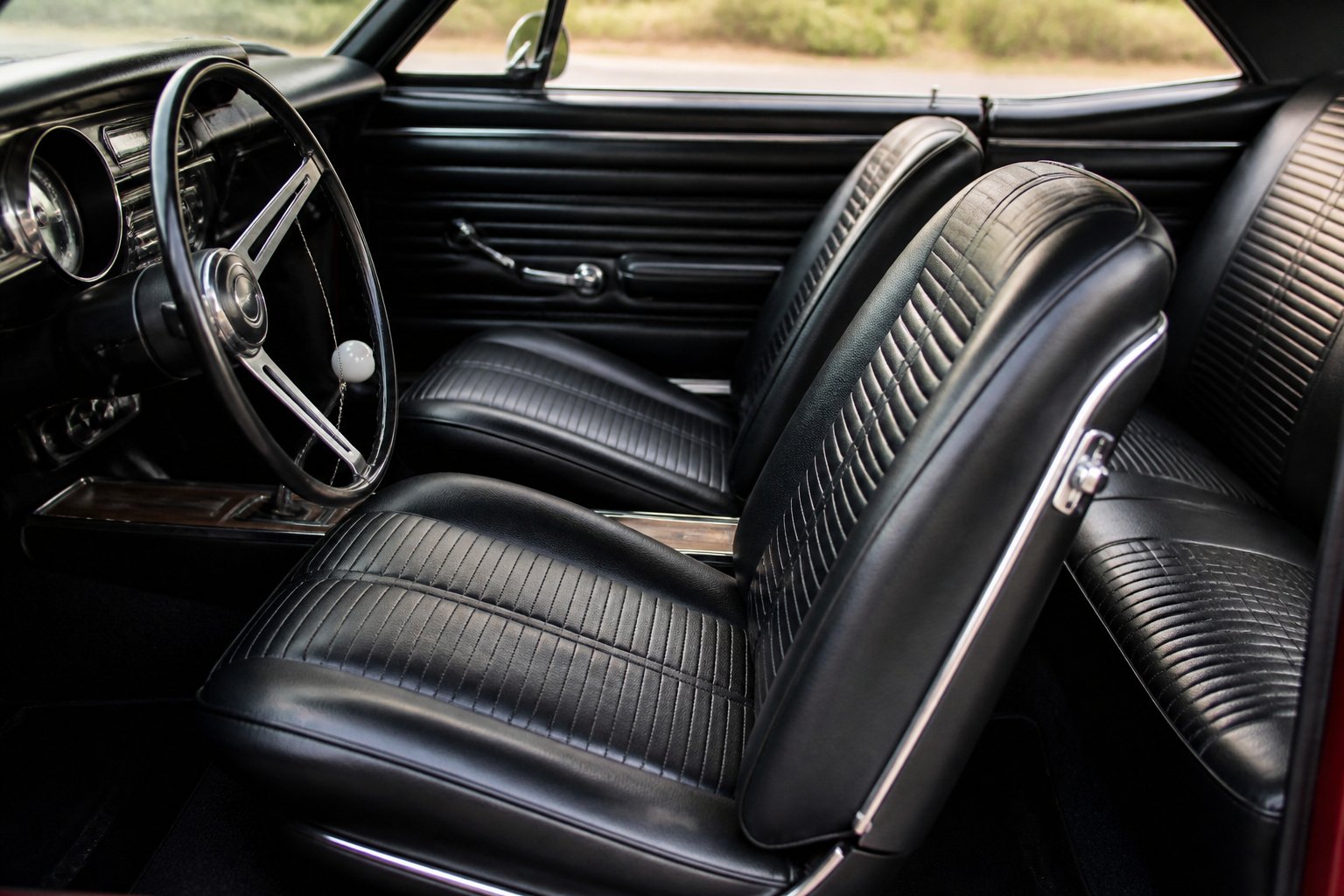
Vinyl upholstery dominated 1960s muscle cars for practical reasons. The material was affordable, durable, and easy to maintain compared to cloth or leather alternatives.
Bucket seats became increasingly popular throughout the decade after Pontiac introduced them as an option in 1958. These individual front seats replaced traditional bench seating and gave muscle cars a sportier, race-inspired feel.
The combination of vinyl and buckets created interiors that were both functional and lightweight. You didn’t have to worry about the extra weight that full leather interiors would add to your car’s performance.
Vinyl held up remarkably well against wear, sun exposure, and temperature extremes. The simple, straightforward design of these interiors meant you spent less time on maintenance and more time driving.
19. Selective limited-production special editions
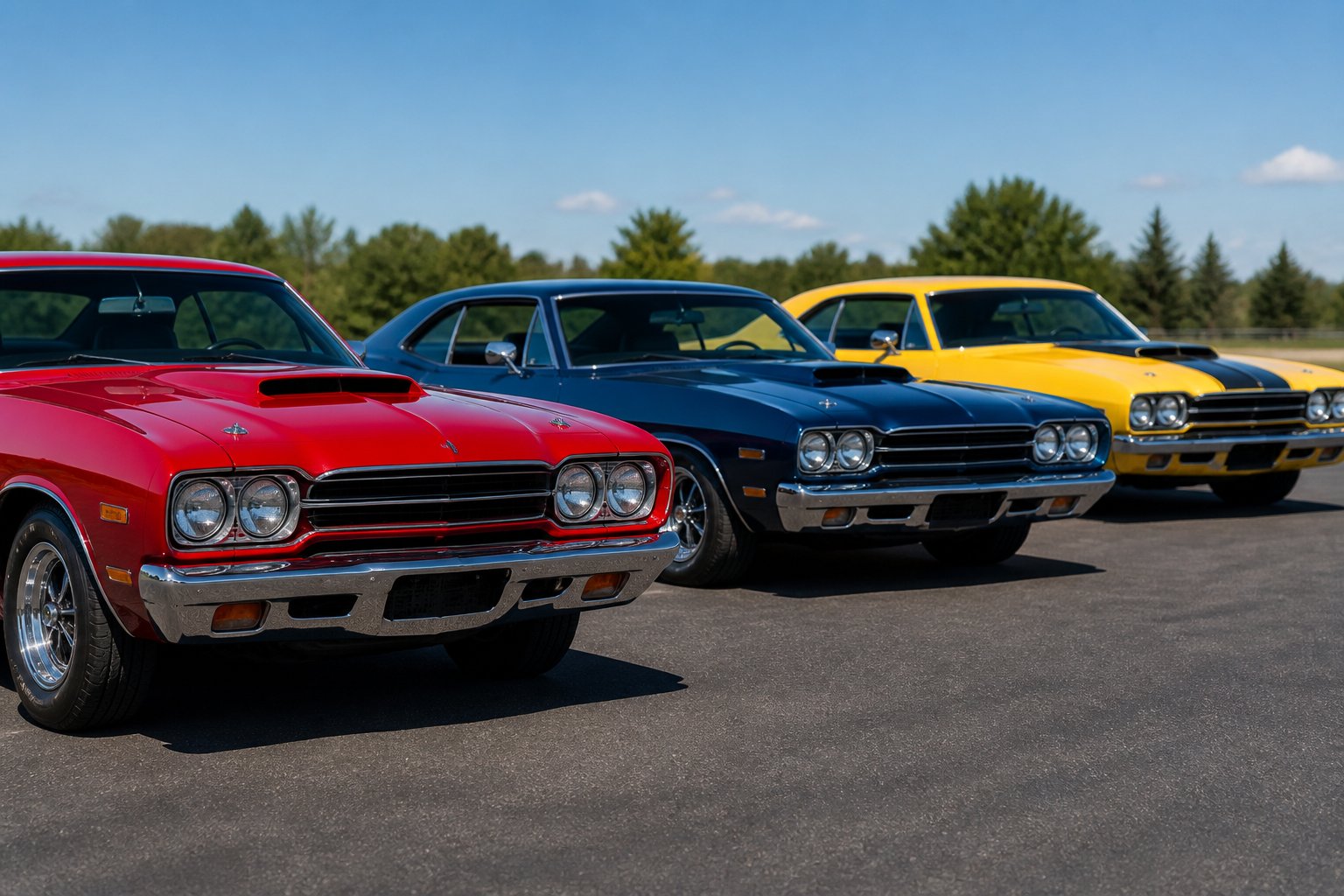
The 1960s brought you special edition muscle cars that were truly selective. Detroit’s Big Three built racing-ready variants you could drive straight from the dealership to the drag strip. These weren’t cosmetic packages with stripes and badges.
You got homologation specials and NASCAR-legal street cars built in minimal numbers. The Camaro ZL1 saw only 69 units produced, making it a special-order rarity designed for the racetrack. Pontiac built just 8 first-year Trans Am convertibles in total.
These limited runs featured genuine performance upgrades and competition-ready hardware. Independent builders like Carroll Shelby and Joel Rosen created variants the factories couldn’t officially produce. You witnessed manufacturers testing ideas and celebrating performance through legitimate scarcity, not manufactured exclusivity.
20. Quarter-mile drag-strip culture
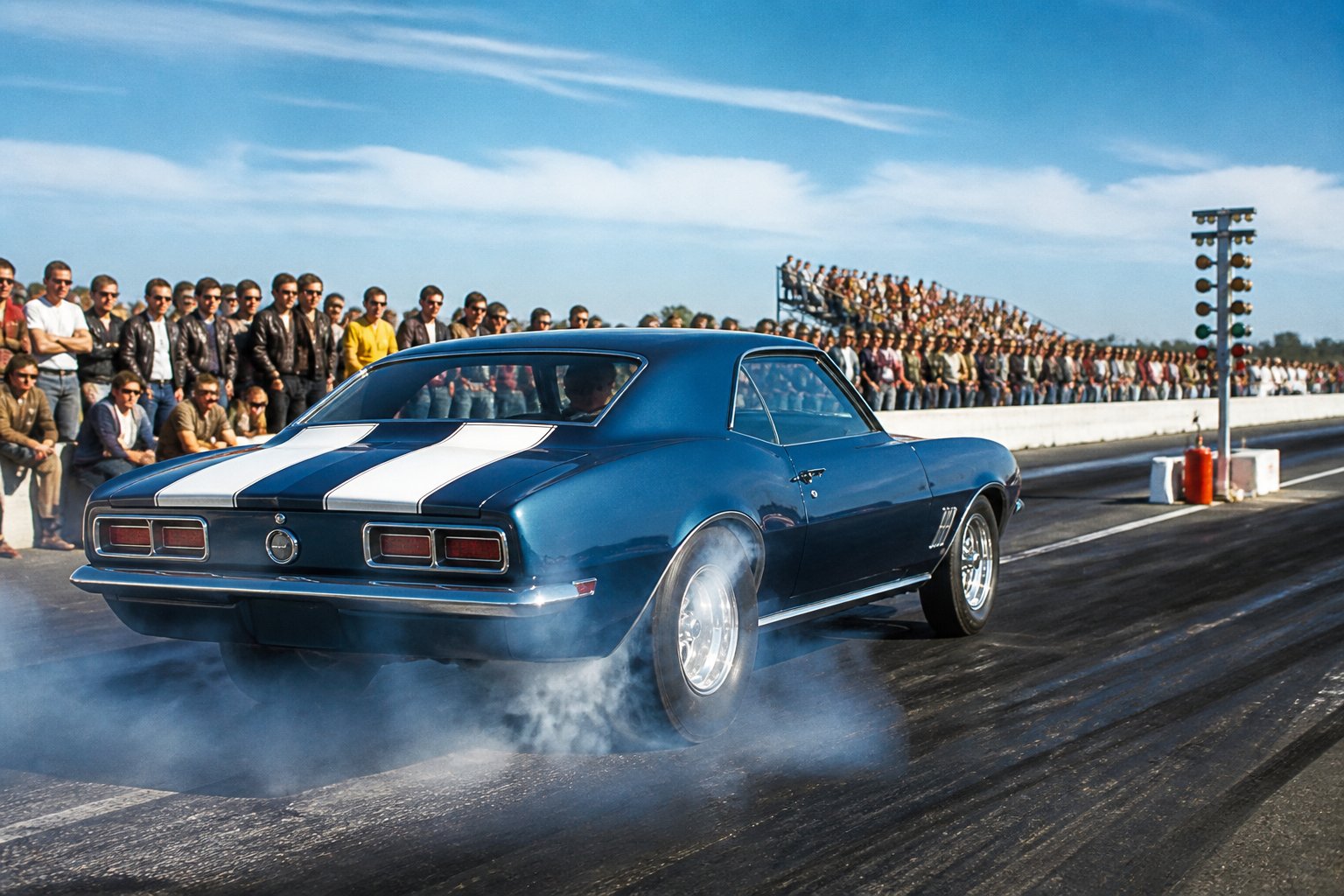
The quarter-mile became the universal measuring stick for performance in the 1960s. You could settle any argument about which car was faster with a single pass down the strip.
Detroit’s automakers treated drag racing as a battlefield where reputations were won and lost. They built special factory drag cars and performance packages specifically to dominate this exact distance. If you wanted to prove your muscle car’s worth, you took it to the local drag strip on Saturday night.
This culture created an entire social scene around straight-line speed. Young drivers gathered at sanctioned tracks and informal street races, comparing quarter-mile times the way others compared test scores. The drag strip became where automotive marketing claims met reality, and where factory engineers could showcase their latest high-performance creations to an eager audience of potential buyers.
21. Loud, unfiltered V8 exhaust notes
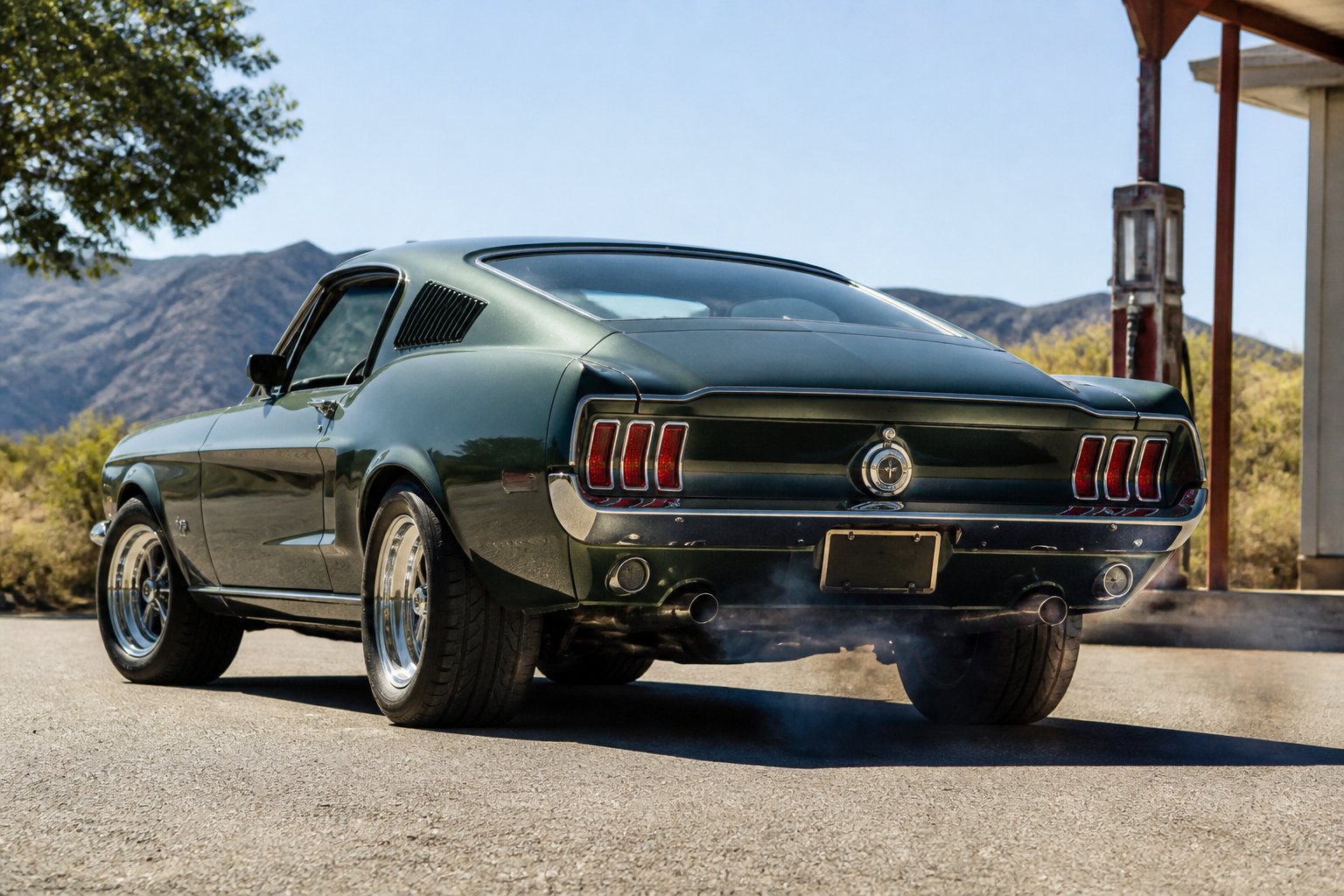
You could hear a 1960s muscle car coming from blocks away. The unfiltered exhaust note wasn’t just loud—it was distinctive, visceral, and completely unregulated by modern emissions standards.
These V8s relied on big displacement and simple exhaust routing to create their signature sound. Without catalytic converters, mufflers were often minimal or designed purely for flow rather than noise reduction. The result was a raw, mechanical soundtrack that changed character from idle to wide open throttle.
Modern performance cars can’t replicate this sound legally. Today’s emissions equipment and noise regulations ensure a more refined exhaust note, even on high-performance vehicles. That unfiltered growl at idle and roar under acceleration defined the muscle car experience in ways that lap times never could.
22. Owner-driven customization and resto-mod culture
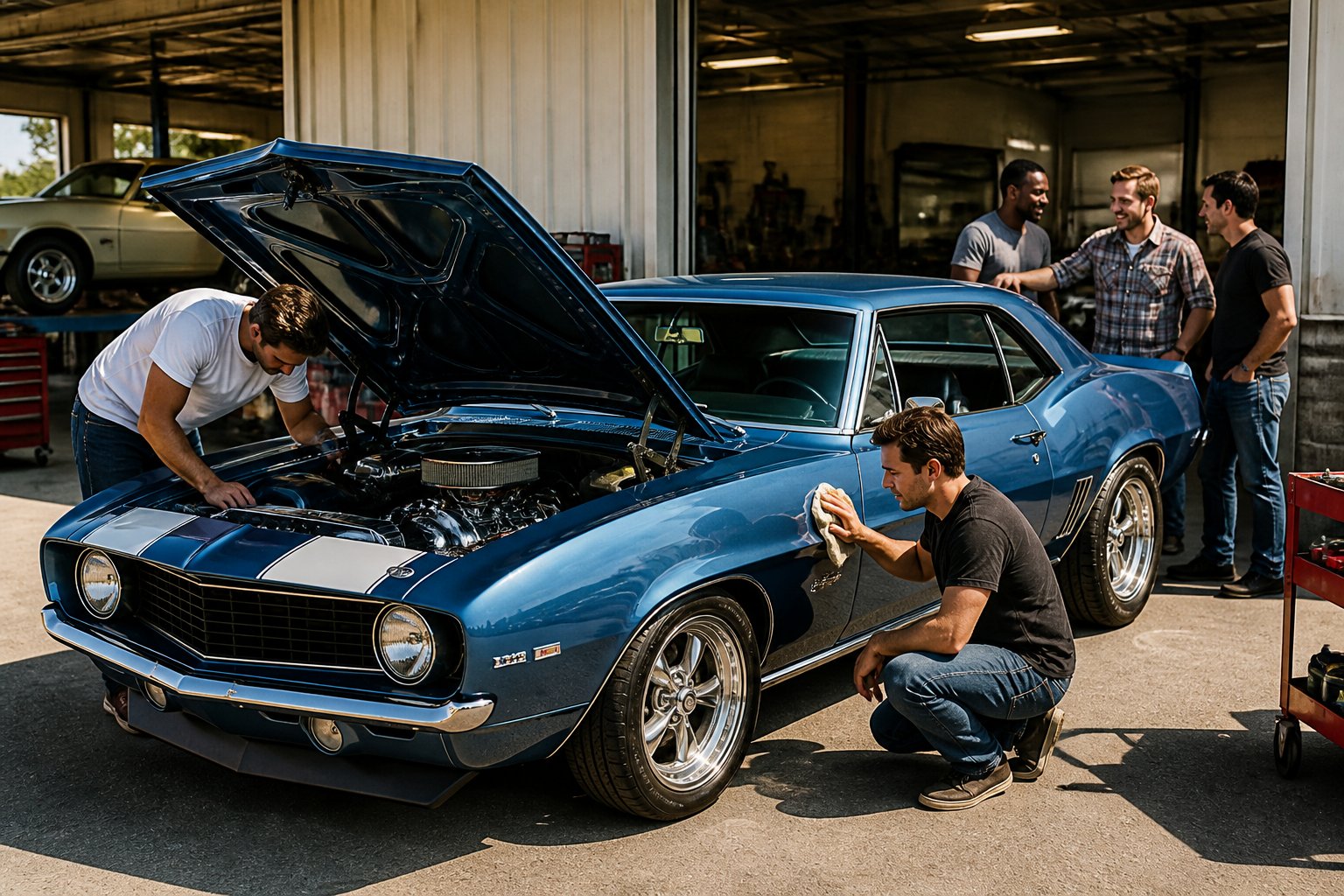
The 1960s gave birth to a hands-on customization culture that defined an entire generation of car enthusiasts. You could personalize your muscle car in your own garage with basic tools and mechanical know-how.
Vehicle modification became accessible to average owners, not just professionals. You removed running boards, swapped fenders, and added custom touches that made your car uniquely yours. This DIY spirit created a community where your skills and creativity mattered more than your budget.
Today’s restomod culture attempts to recapture that customization freedom by blending vintage aesthetics with modern performance upgrades. The difference is that contemporary modifications often require specialized knowledge and substantial financial investment, making them less accessible than the straightforward bolt-on customization you enjoyed in the 1960s.
23. Distinctive front grilles and hidden headlights
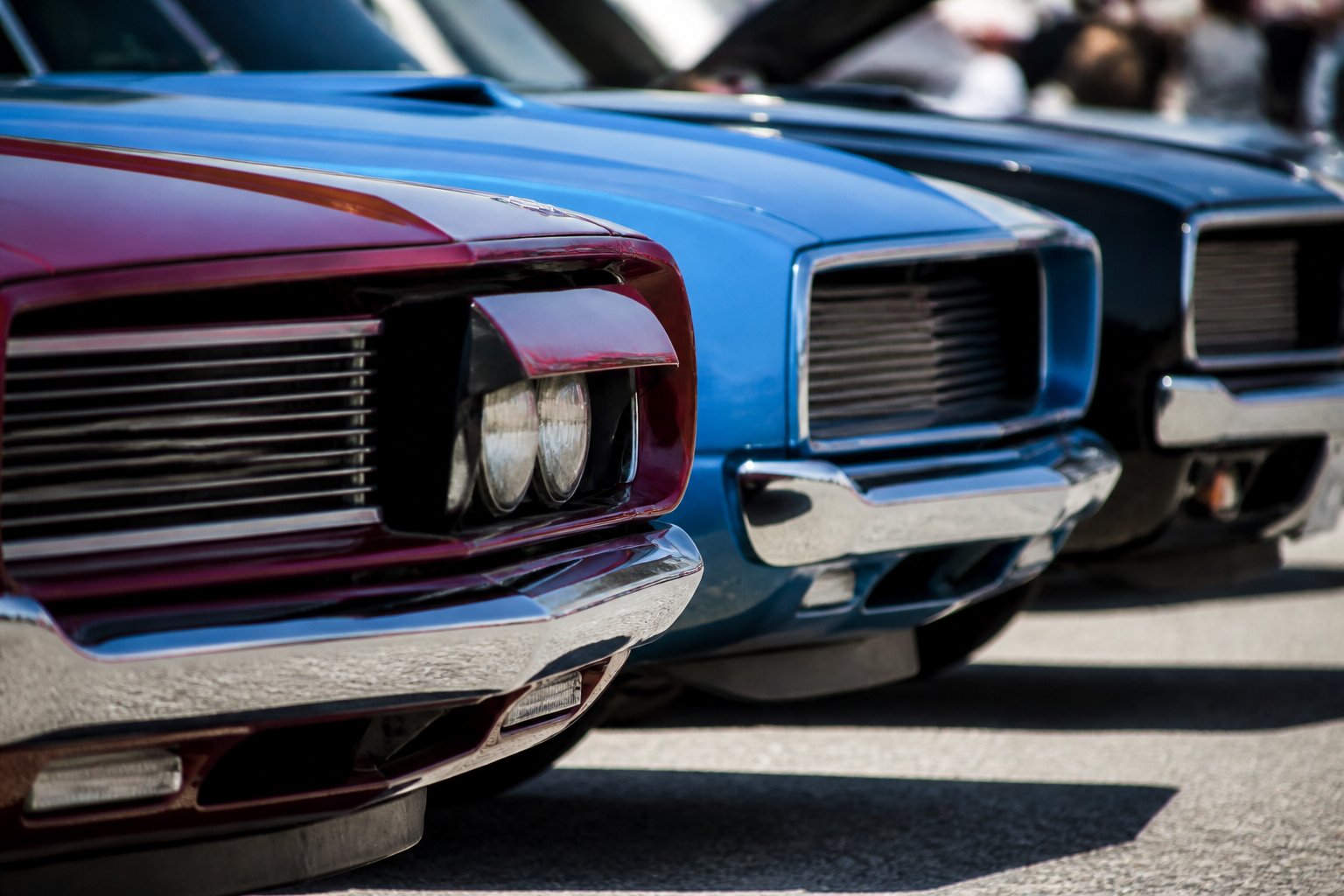
The front ends of 1960s muscle cars commanded attention with their bold grilles and innovative hidden headlights. These design elements transformed ordinary cars into powerful statements of style and engineering.
Hidden headlamps became a sought-after feature during this era. They combined aesthetics with aerodynamic benefits while adding an element of mystery to the car’s appearance. When you turned on the headlights, doors would flip open or grilles would rotate up to reveal the lights beneath.
Cars like the Dodge Charger, Chevrolet Camaro, and Mercury Cougar showcased this clever engineering. The Pontiac Grand Prix used doors that concealed the headlights behind the front end.
These features weren’t just about looks. They played a role in brand identity and helped muscle cars stand out in crowded showrooms. The combination of aggressive grilles and hidden headlamps created unforgettable front-end designs that still influence collectors today.
24. Chrome bumpers and brightwork detailing
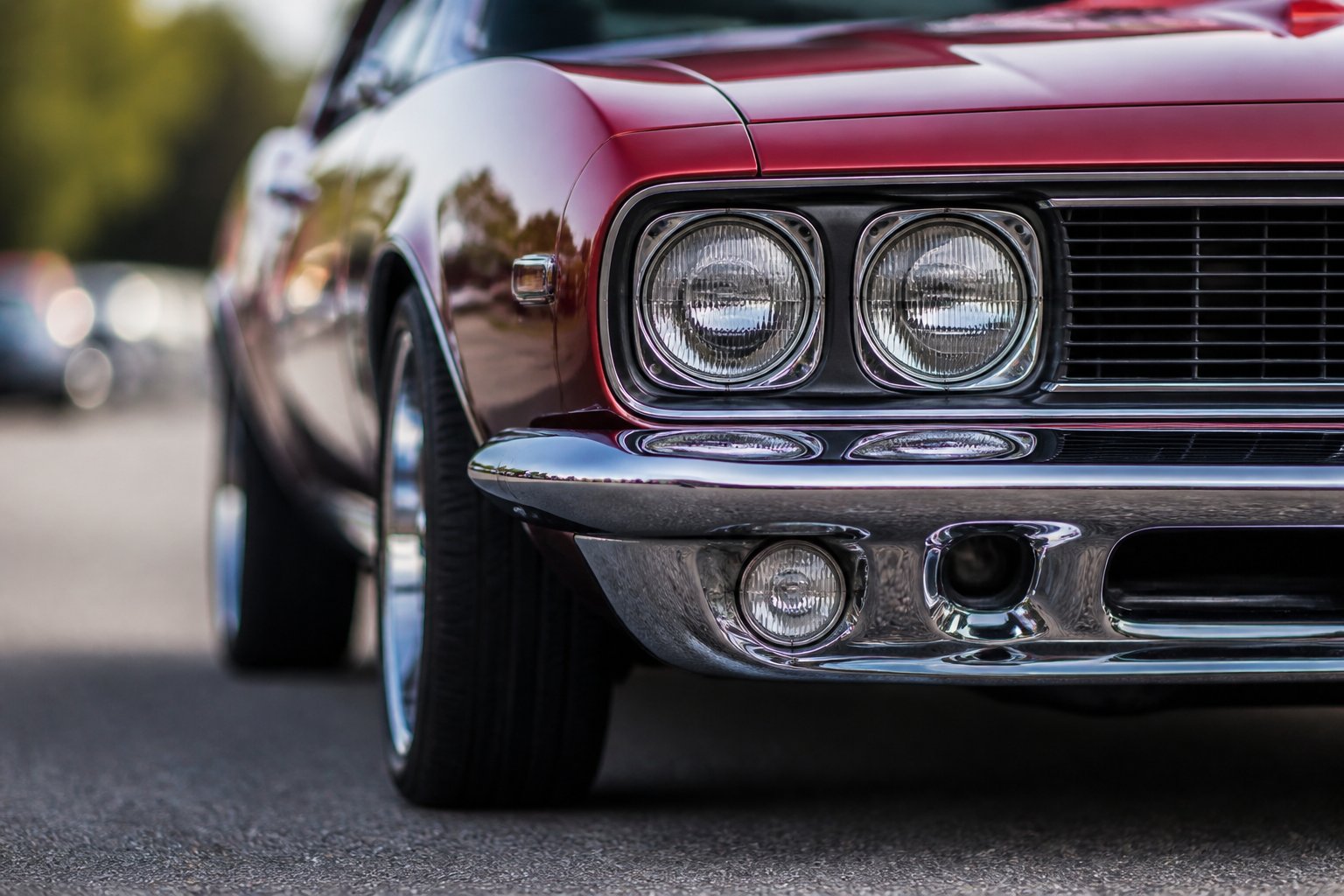
The thick chrome bumpers and gleaming trim on 1960s muscle cars demanded attention and regular care. You could spend a Saturday afternoon hand-polishing your bumpers, grilles, and window trim until they reflected like mirrors.
These bright accents defined your car’s character. The chrome wasn’t just decoration—it was substantial metal that you could restore with dedicated cleaners and elbow grease.
During this era, bumpers became slimmer and more integrated into performance-oriented designs. You had real metal to work with, not plastic covers. When oxidation appeared, you could polish away 80-90% of the damage yourself using the right products.
The process connected you to your machine. Each piece of brightwork told a story, and keeping it pristine was part of the ownership experience that modern cars simply don’t offer.
25. Dealer-installed performance options (mufflers, cams)
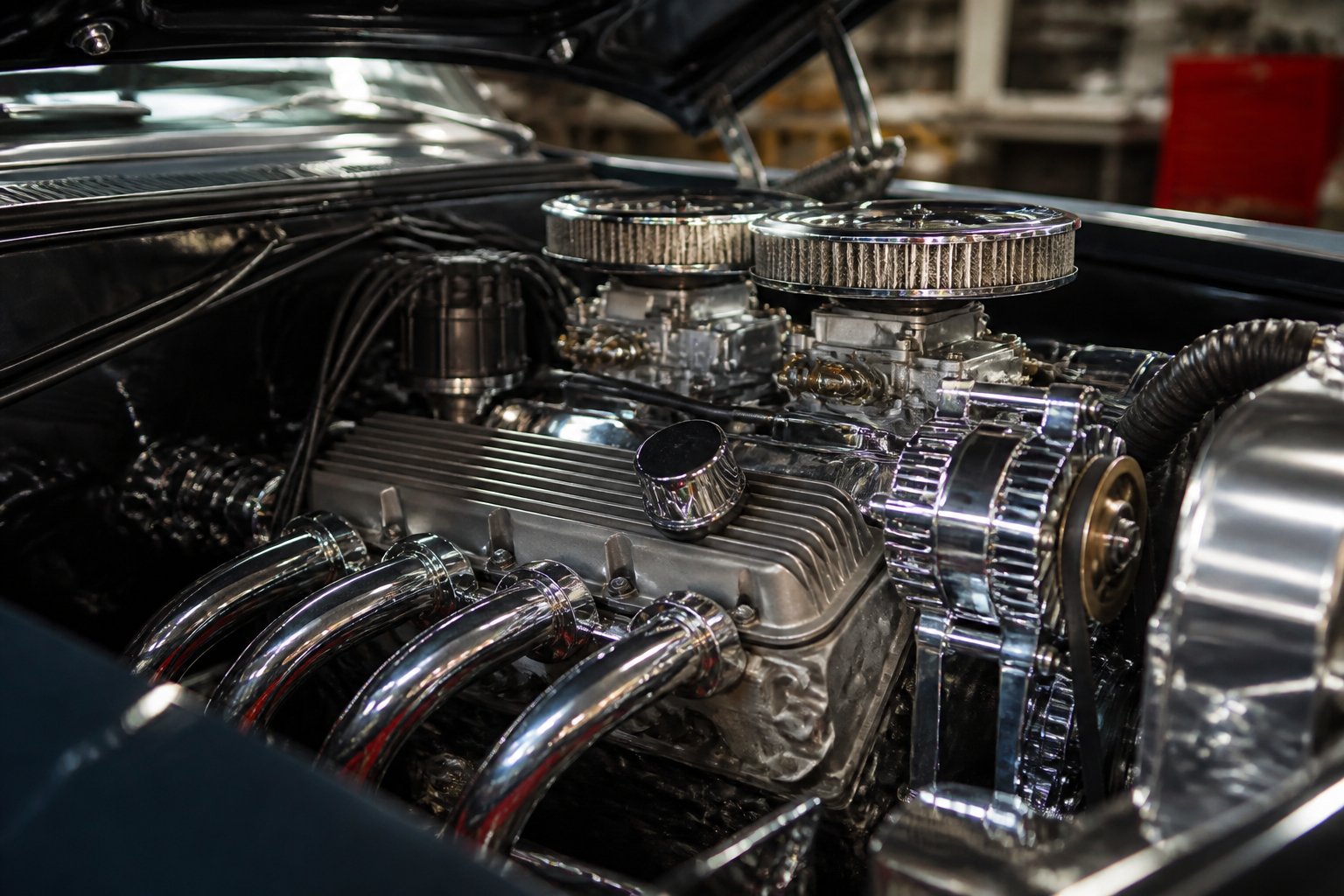
In the 1960s, performance-minded dealers offered upgrades that transformed stock muscle cars into even fiercer machines. You could walk into select dealerships and request modifications that weren’t available from the factory.
Dealers like Royal Pontiac became legendary for their specialized tuning services. Their “Bobcat” package included distributor re-curving, carburetor re-jetting, and valve adjustments that allowed engines to rev higher. These modifications boosted horsepower without voiding warranties in many cases.
You had access to performance mufflers, upgraded camshafts, and cold-air intake systems through your local dealer’s parts counter. This arrangement gave you factory-backed performance enhancements while maintaining some level of dealer support.
The dealer-installed route let manufacturers sidestep corporate restrictions on engine sizes and power outputs. You benefited from this loophole, gaining access to serious performance upgrades that technically weren’t factory installations.
26. Compact muscle platforms with big engines
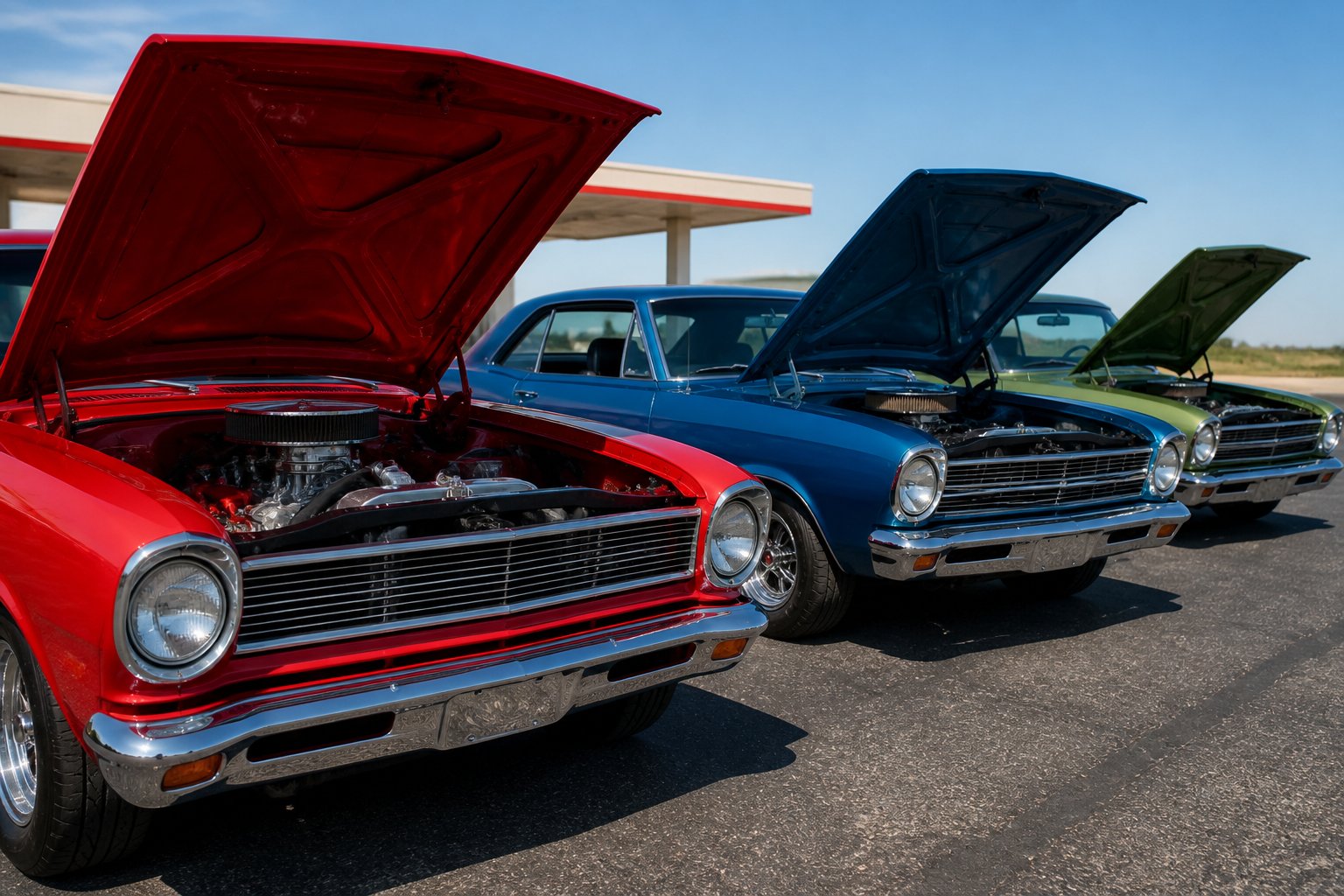
You didn’t need a massive frame to experience serious performance in the 1960s. Detroit discovered that dropping big-block V8s into compact platforms created an intoxicating combination of power and agility.
These smaller muscle cars offered something their mid-size siblings couldn’t match. You got impressive acceleration in a lighter package that was easier to maneuver and often more affordable.
Dealerships recognized the appeal of these compact performers. Modified versions from specialty builders pushed the concept even further, creating some of the era’s most memorable machines.
The formula was straightforward. Take a compact car designed for economy, remove the modest engine, and install the biggest V8 that could physically fit. You ended up with unexpected performance from unassuming bodies.
This approach challenged the conventional wisdom that muscle cars required large platforms to be legitimate performance vehicles.
27. Factory performance suspension packages
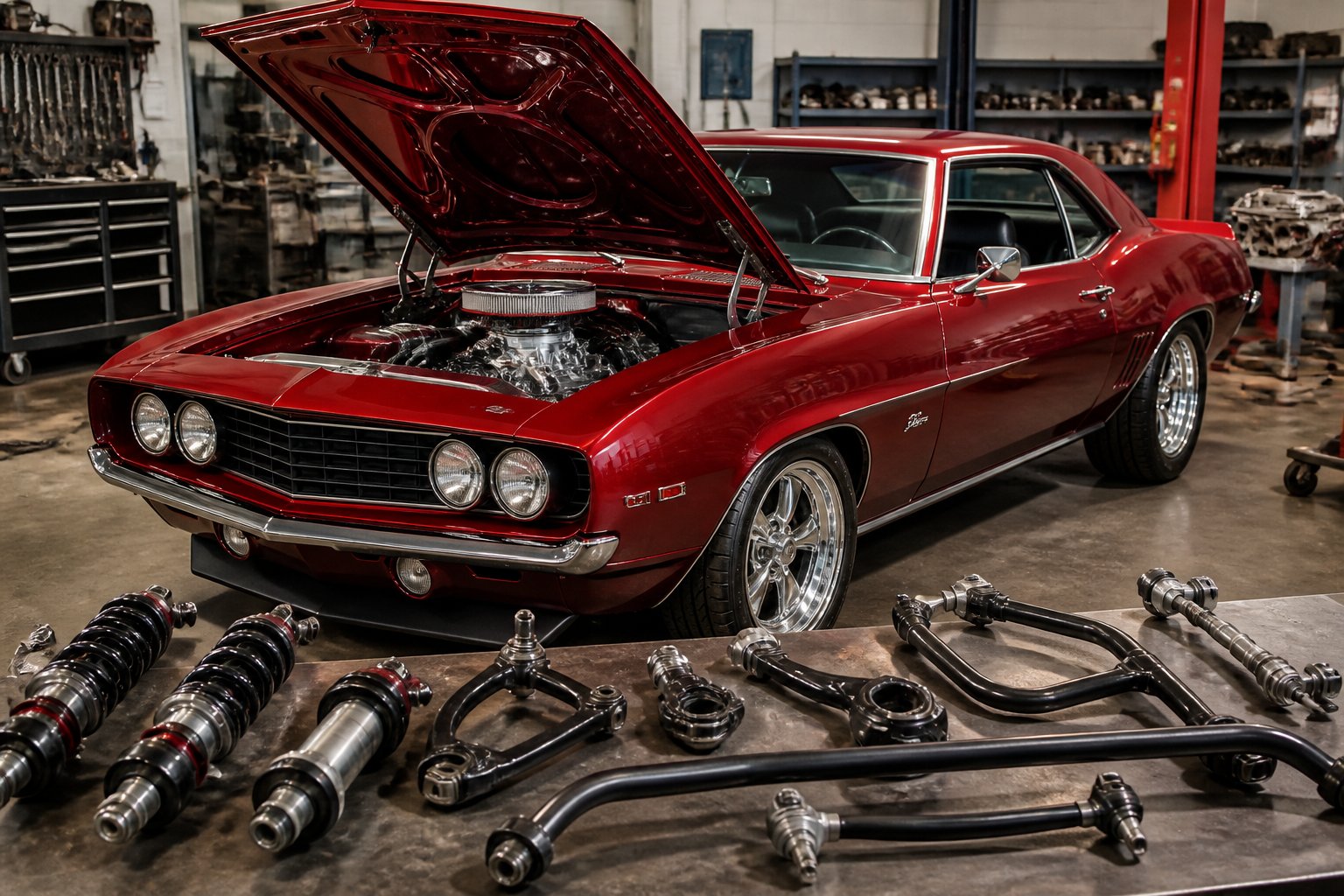
You could order handling upgrades straight from the factory in the 1960s, turning your muscle car into a more capable performer. Major manufacturers offered suspension packages that included heavy-duty springs, upgraded shock absorbers, and larger sway bars designed to work with the increased power of big-block V8 engines.
These factory options transformed how muscle cars handled corners and improved overall stability at high speeds. You got components specifically engineered for your vehicle rather than generic aftermarket parts.
Ford’s handling packages, Chrysler’s performance suspension options, and GM’s various HD suspension setups gave you real improvements in cornering ability. While straight-line speed dominated the era’s marketing, these packages showed manufacturers understood the importance of keeping all that horsepower under control. The best part was maintaining your warranty while getting legitimate performance enhancements.
28. Muscle car advertising and youth-oriented marketing
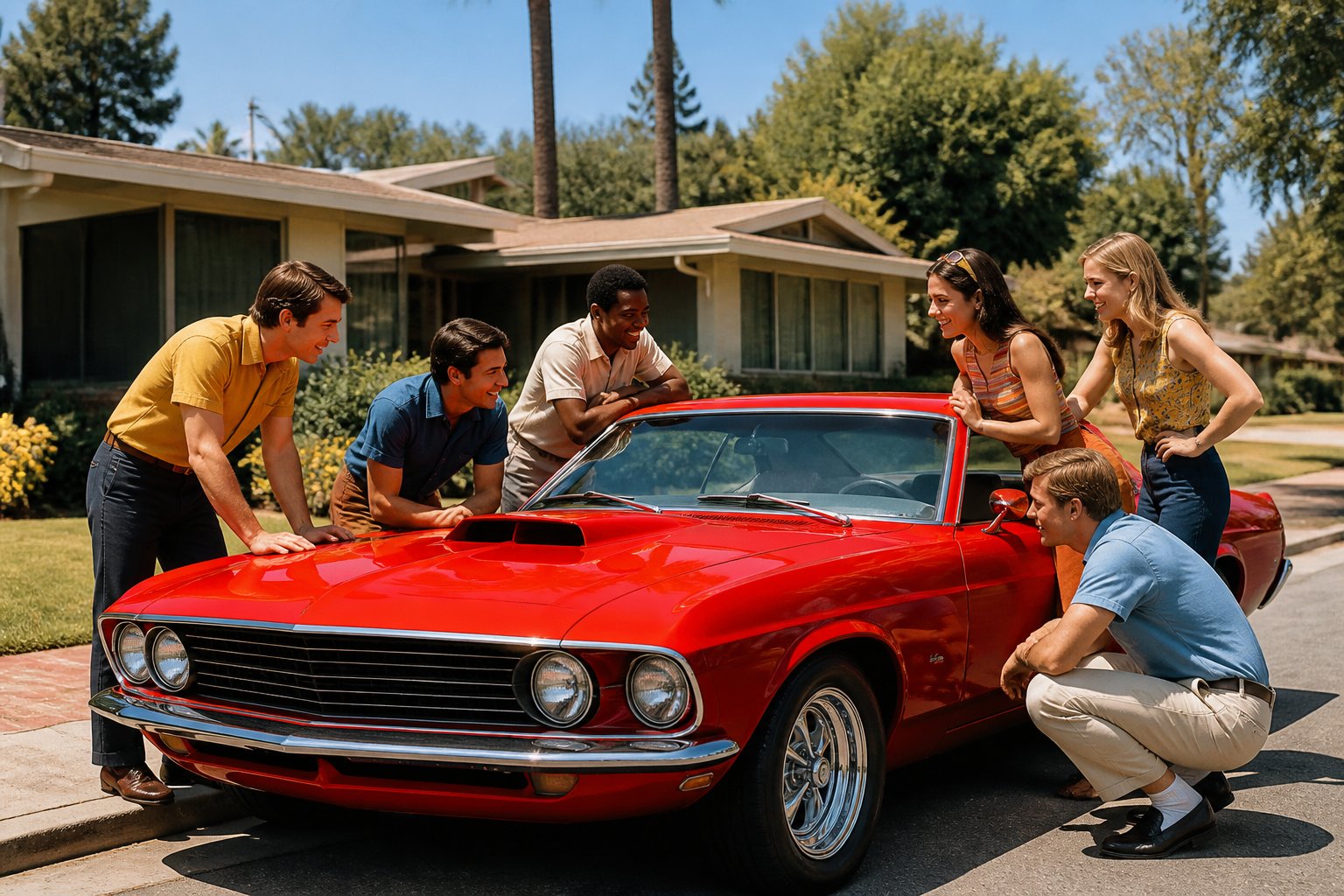
Muscle car manufacturers understood their target audience and crafted advertising campaigns specifically designed to appeal to young buyers in the 1960s. The marketing materials showcased raw power, performance, and rebellion rather than practical concerns like fuel economy or comfort.
Detroit automakers used bold graphics, aggressive language, and imagery that resonated with youth culture of the era. You would see ads emphasizing quarter-mile times, horsepower ratings, and tire smoke instead of safety features or family appeal.
This marketing approach represented a significant shift in automotive advertising. Manufacturers recognized that younger buyers wanted vehicles that reflected their desire for excitement and individuality. The campaigns successfully connected muscle cars with the broader cultural movements of the 1960s, making these vehicles symbols of freedom and self-expression.
29. Original dealer warranty cards and paperwork

When you bought a muscle car in the 1960s, you received a folder full of original documentation that told your car’s complete story. These warranty cards, dealer invoices, and factory paperwork connected you directly to the ordering and manufacturing process.
The documents included build specifications, dealer codes, and handwritten notes that captured exactly how your car was configured. You could trace every option and color choice back to its source.
Today, collectors recognize these papers as vital authentication tools. A complete set of original dealer paperwork can significantly impact a muscle car’s value and historical legitimacy. The warranty cards featured unique stamps and signatures that verified your car’s provenance.
Most owners stored these documents in glove boxes or with their owner’s manuals. Unfortunately, many were lost over decades of ownership changes, making surviving examples increasingly rare and treasured by enthusiasts.
30. Classic rally and hood ornamentation
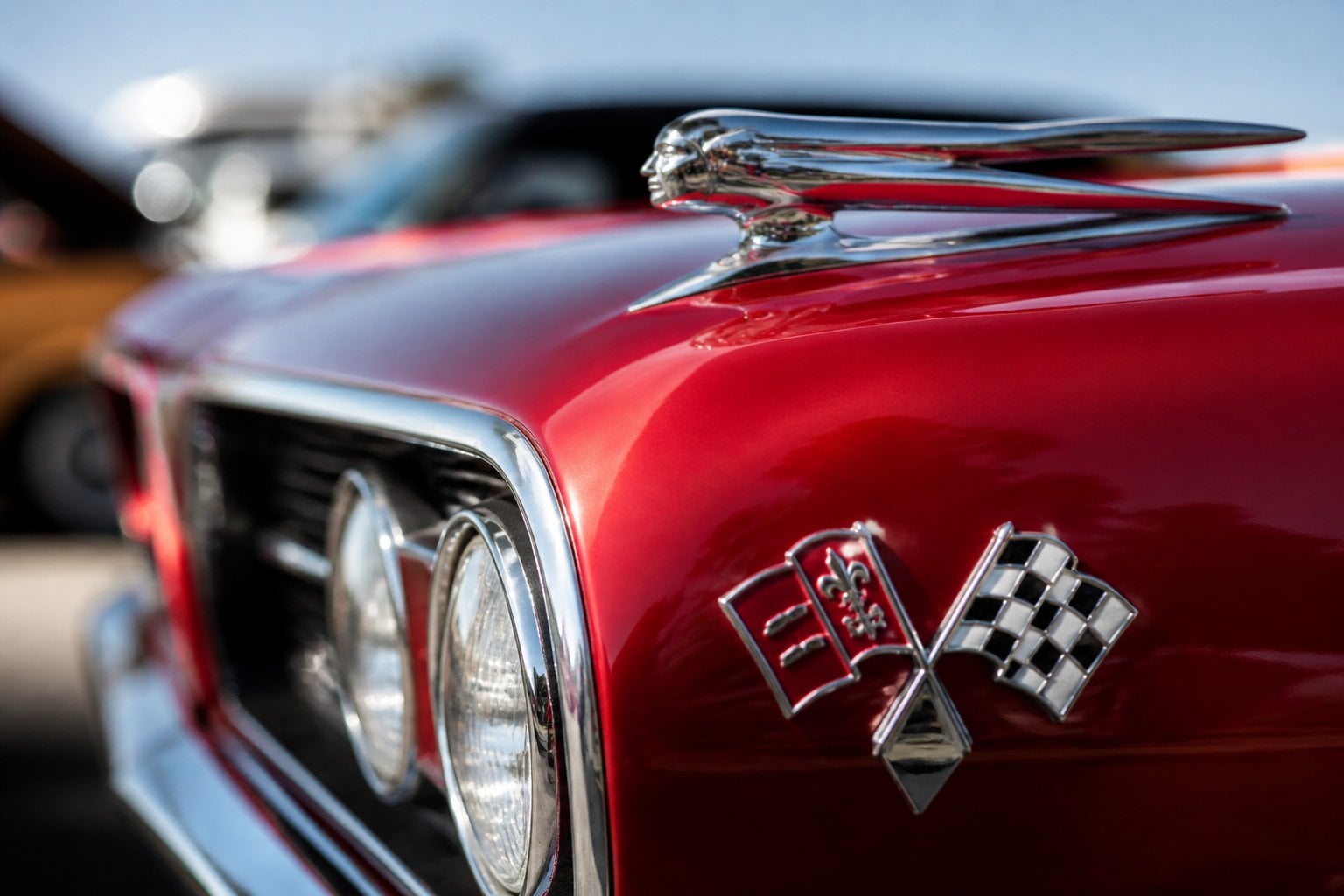
The hood ornaments of 1960s muscle cars served as distinctive badges of identity. These chrome sculptures weren’t just decorative additions—they represented the manufacturer’s brand and the car’s personality.
You could spot a Pontiac by its arrow-shaped emblem or identify a Dodge from across the parking lot. Each ornament was carefully designed to reflect the vehicle’s character and appeal to buyers who wanted their cars to stand out.
Beyond the hood, many muscle cars featured rally stripes that ran from front to back. These racing-inspired graphics added visual aggression and reinforced the performance-oriented nature of these vehicles.
The combination of sculptural hood ornaments and bold striping gave 1960s muscle cars a presence that modern vehicles rarely match. Today’s aerodynamic requirements and safety regulations have largely eliminated these three-dimensional emblems from automotive design.
Cultural Impact of 1960s Performance Cars
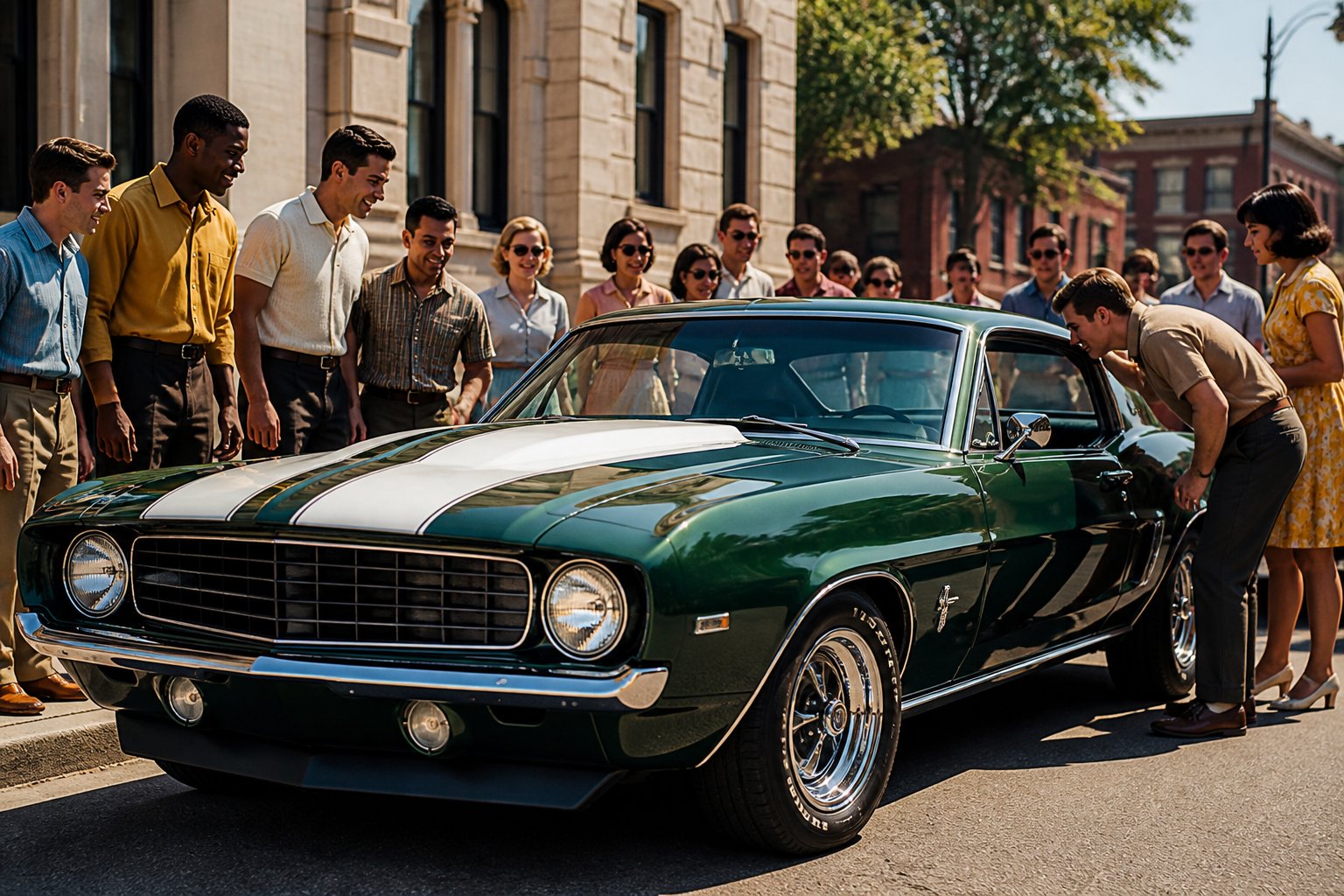
Muscle cars from the 1960s transcended their role as transportation to become cultural symbols that shaped American entertainment and created lasting social communities centered around automotive passion.
Influence on Popular Music and Movies
The Beach Boys immortalized drag racing culture with songs like “Little Deuce Coupe” and “409,” which celebrated specific engines and street racing. These tracks brought muscle car terminology into mainstream vocabulary and made automotive performance part of youth identity.
Hollywood embraced the muscle car phenomenon through films that showcased these vehicles as extensions of rebellion and freedom. Movies like “Bullitt” (1968) featured the Ford Mustang in one of cinema’s most memorable chase sequences. The connection between muscle cars and on-screen heroes reinforced their status as symbols of American independence and power.
Television shows integrated muscle cars into their storylines, with vehicles often becoming as recognizable as the characters themselves. This media exposure created aspirational value that extended beyond the automotive world into broader popular culture. Advertising campaigns from manufacturers like Pontiac, Dodge, and Chevrolet featured youth-oriented messaging that aligned their vehicles with rock music, speed, and nonconformity.
Role in Shaping Car Enthusiast Communities
The 1960s muscle car era established organized drag racing as a mainstream sport with sanctioned events at purpose-built facilities across America. You could find enthusiasts gathering at quarter-mile strips every weekend, comparing modifications and performance times.
Local car clubs formed around specific brands and models, creating social networks that persisted for decades. These communities developed their own knowledge bases about engine tuning, parts swapping, and performance optimization. Street racing culture emerged in urban areas, where drivers would test their vehicles against rivals on public roads despite legal risks.
Automotive magazines like Hot Rod and Car Craft documented the muscle car movement and provided technical information that educated a generation of home mechanics. This knowledge-sharing culture laid the groundwork for today’s collector car market and restoration industry.
Engineering Innovations and Design Philosophy
The 1960s muscle car era brought unprecedented powertrain developments and bold styling choices that prioritized performance over complexity. Manufacturers focused on straightforward engineering solutions that delivered maximum horsepower while creating visually aggressive designs that announced their capabilities.
Advancements in Powertrain Technology
The decade saw rapid evolution in V8 engine technology, with displacement growing from 350 cubic inches to over 450 cubic inches in many models. You could order factory options like the Chevrolet SS 396 or the Pontiac GTO’s 389 cubic inch powerplant, engines specifically designed for street performance.
Key powertrain innovations included:
- High-compression ratios reaching 10.5:1 or higher
- Performance camshafts with increased lift and duration
- Multiple carburetor setups including dual-quad and tri-power configurations
- Improved intake manifolds optimized for high-rpm breathing
Cylinder head design advanced significantly, with larger valves and better port flow becoming standard on performance variants. The emphasis remained on naturally aspirated power rather than forced induction, making these engines simpler to maintain and modify.
Distinctive Styling and Aerodynamic Choices
Muscle car design prioritized visual aggression over wind-tunnel efficiency. You got long hoods, short rear decks, and wide stances that communicated power at a glance.
Chrome bumpers, hood scoops, and dual exhaust tips served both functional and aesthetic purposes. Many hood scoops actually provided cold air induction, though some remained non-functional styling elements.
Design elements that defined the era:
- Fastback rooflines on models like the Charger and Torino
- Prominent body lines and character creases
- Wide rear tires requiring flared wheel wells
- Minimal overhangs for better weight distribution
The cars featured simple, angular bodywork that was easier to manufacture than today’s complex curves. This straightforward approach to design meant lower production costs and easier repairs when body panels needed replacement.