The 30 Worst Nissan Models Ever Made: A Comprehensive Analysis of Automotive Failures
Nissan has built a reputation for producing reliable and affordable vehicles throughout its decades-long history, yet not every model that rolled off the production line lived up to the brand’s standards.
Like all major automakers, Nissan has experienced its share of engineering missteps, design failures, and quality control issues that resulted in vehicles plagued by chronic problems.
This comprehensive analysis examines thirty of Nissan’s most problematic models, focusing on specific model years that suffered from transmission failures, reliability issues, poor build quality, and other significant defects that affected owners’ experiences.
The examination covers vehicles spanning from compact cars like the Sentra and Versa to larger SUVs such as the Pathfinder and Armada, revealing patterns of problems that emerged across different vehicle categories and time periods.
Here are the 30 worst Nissan models ever made:
1. 2016 Nissan Sentra
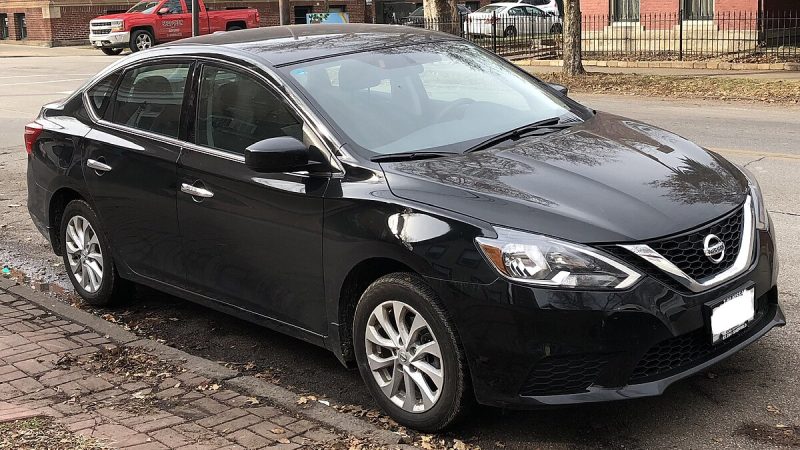
The 2016 Nissan Sentra ranks among the most problematic model years in the vehicle’s history. This model accumulated 382 reported problems, significantly higher than the average for Sentra models.
Owners frequently reported issues with the continuously variable transmission (CVT). The transmission would experience premature failure, jerking, and hesitation during acceleration.
Engine problems plagued many 2016 Sentras. Common complaints included stalling, rough idling, and complete engine failure at relatively low mileages.
The electrical system caused additional headaches for owners. Dashboard warning lights would illuminate without clear cause, and various electronic components would malfunction unexpectedly.
Interior quality fell below expectations for the model year. Cheap materials and poor build quality resulted in premature wear and rattling sounds throughout the cabin.
These reliability issues made the 2016 Sentra a costly ownership experience for many buyers.
2. 2012 Nissan Juke
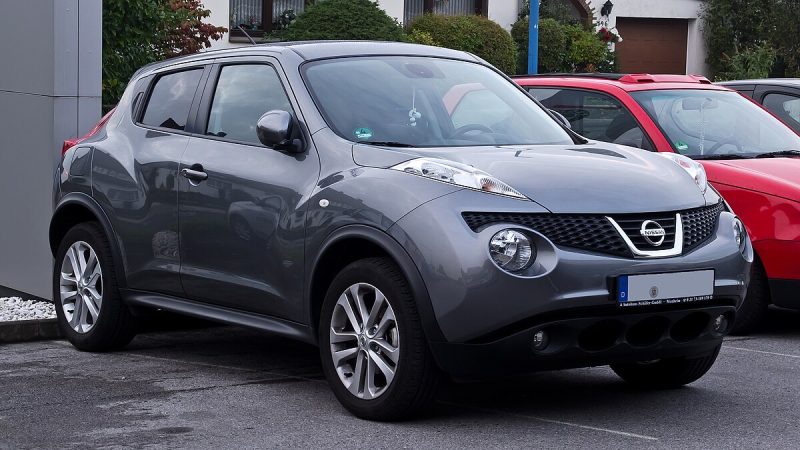
The 2012 Nissan Juke stands out as one of the most problematic model years in the vehicle’s production run. This compact crossover accumulated 156 reported problems and defects from owners.
Electrical system failures plagued the 2012 model. These issues often led to unexpected breakdowns and costly repair bills for owners.
Engine problems created significant reliability concerns. Many drivers experienced performance issues that affected daily driving and long-term vehicle dependability.
Transmission defects rounded out the major complaint categories. The CVT transmission showed early signs of the reliability issues that would continue to affect later Juke models.
The 2012 model year falls within the notorious 2011-2013 period that experts consistently recommend avoiding. These early production years suffered from manufacturing issues that Nissan struggled to resolve effectively.
3. 2007 Nissan Altima
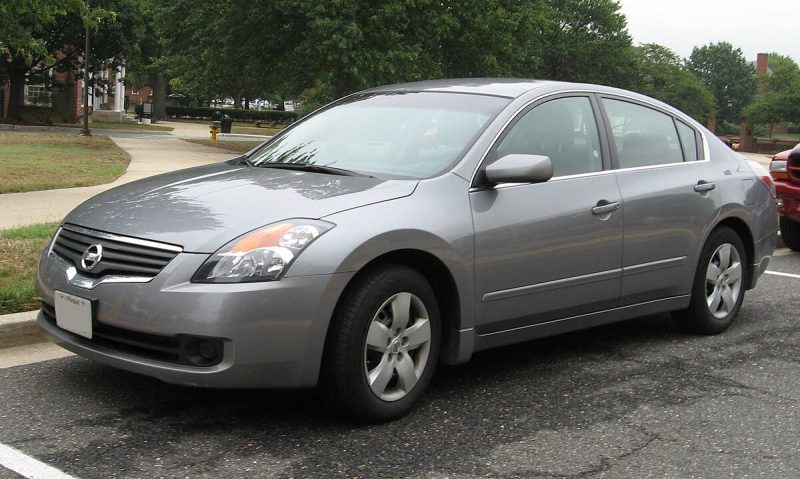
The 2007 Nissan Altima faced significant transmission problems that plagued owners throughout its lifecycle. The CVT transmission was prone to premature failure, often occurring before 100,000 miles.
Many drivers reported jerky acceleration and hesitation during normal driving conditions. The transmission would slip unexpectedly, creating dangerous situations on highways and city streets.
Engine problems also affected this model year. The 2.5-liter four-cylinder engine experienced issues with the crankshaft position sensor, causing stalling and no-start conditions.
Interior quality suffered compared to competitors. Dashboard materials felt cheap and were prone to cracking in warmer climates.
Repair costs for the transmission alone could exceed $4,000. This made the 2007 Altima an expensive vehicle to maintain as it aged, significantly impacting its long-term value proposition.
4. 2014 Nissan Pathfinder
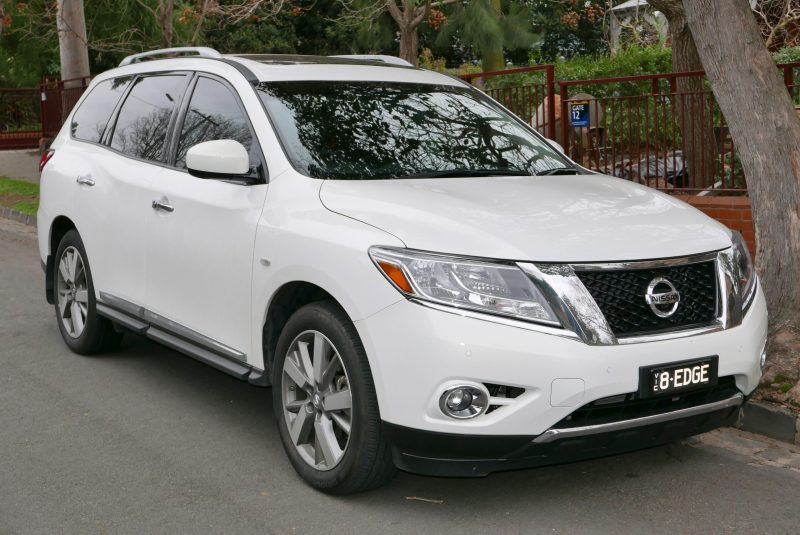
The 2014 Nissan Pathfinder represents one of the most problematic model years in the vehicle’s history. This SUV suffered from multiple widespread issues that affected reliability and owner satisfaction.
The CVT transmission became the primary source of complaints. Many owners experienced premature transmission failures, requiring costly replacements often before reaching 100,000 miles.
Electrical problems plagued the 2014 model extensively. Faulty wiring harnesses caused dashboard malfunctions, power window failures, and intermittent starting issues.
The timing chain system proved unreliable in this model year. Stretched timing chains created engine noise and potential internal damage if not addressed promptly.
Interior components showed poor build quality. Climate control systems failed frequently, and seat mechanisms broke under normal use conditions.
These reliability issues resulted in expensive repairs and frequent dealership visits for owners.
5. 2005 Nissan Xterra
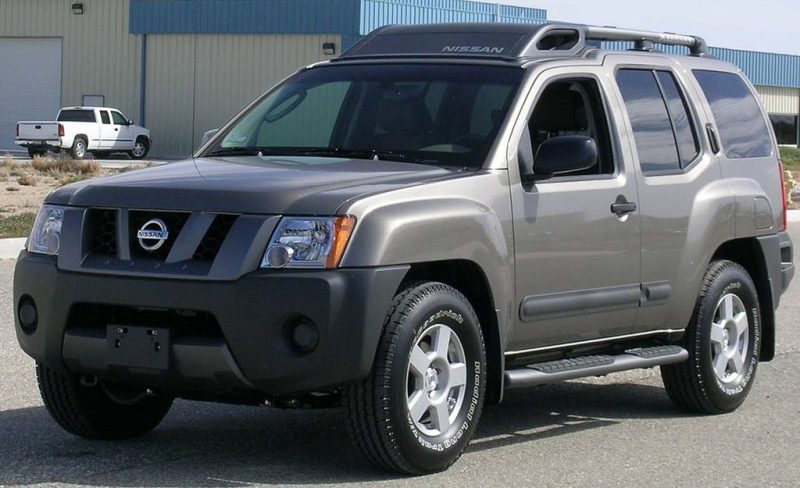
The 2005 Nissan Xterra stands out as one of the most problematic vehicles in Nissan’s history. This model year received over 400 complaints from owners and was subject to six recalls.
Major issues plagued multiple systems including the powertrain, fuel system, and electrical components. The timing chain proved particularly troublesome, leading to expensive engine repairs for many owners.
Steering problems created safety concerns for drivers. Suspension issues further compromised the vehicle’s reliability and performance.
The 2005 model accumulated more complaints than nearly any other year in the Xterra lineup. Repair costs were significantly higher than average, making ownership expensive.
These widespread mechanical failures and safety issues earned the 2005 Xterra its reputation as the worst year of the model line. The combination of frequent breakdowns and costly repairs made it a poor choice for consumers seeking reliable transportation.
6. 2013 Nissan Versa
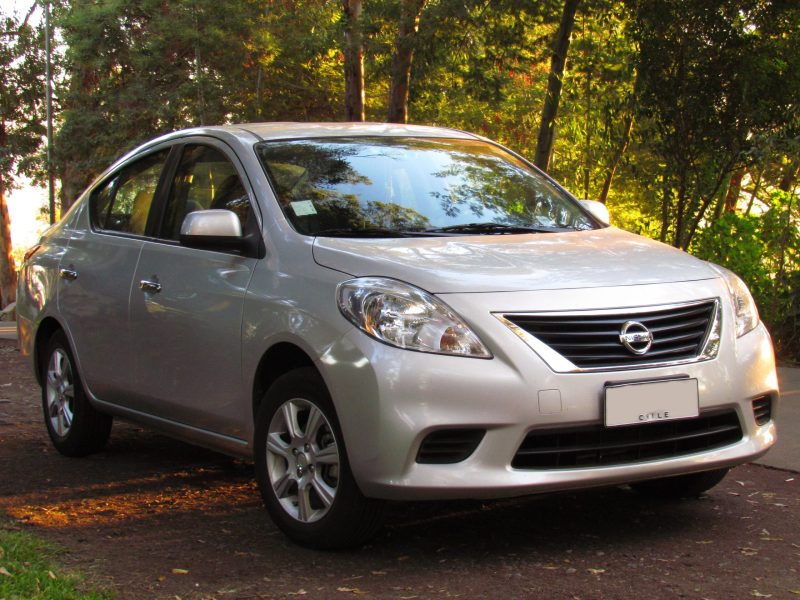
The 2013 Nissan Versa suffered from several reliability issues that made it problematic for owners. Transmission problems were among the most common complaints reported by drivers.
The continuously variable transmission (CVT) frequently experienced premature failure. Many owners reported jerky shifting, hesitation during acceleration, and complete transmission breakdowns within the first few years of ownership.
Engine troubles also plagued this model year. The Mass Air Flow sensor commonly malfunctioned, causing rough idling and poor performance. These sensor failures often led to expensive diagnostic procedures and repairs.
Catalytic converter issues were another frequent problem. The converter would wear out prematurely, resulting in failed emissions tests and costly replacements. This problem typically occurred earlier than expected in the vehicle’s lifespan.
Interior components showed poor build quality with premature wear of seat materials and dashboard cracking. The electrical system also experienced various glitches affecting radio and climate control functions.
7. 2010 Nissan Cube
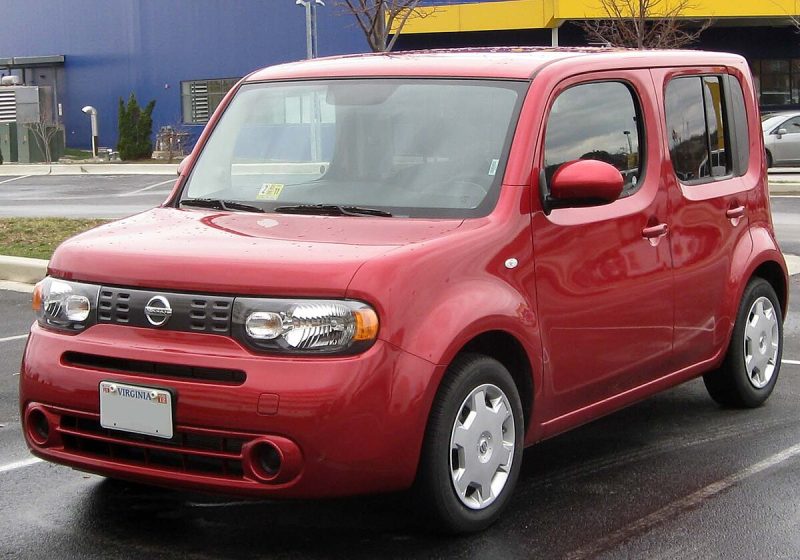
The 2010 Nissan Cube stands out as one of the most problematic model years for this quirky vehicle. Owners reported 127 distinct problems and defects during this production year.
Steering issues plagued many 2010 Cube owners. The vehicle experienced unpredictable handling characteristics that compromised driver confidence.
Transmission problems created significant headaches for drivers. Many owners reported jerky movements during gear shifts and erratic transmission behavior.
Electrical system failures added to the vehicle’s reliability concerns. These issues often required expensive repairs and left drivers stranded.
The 2010 model year accumulated 53 formal complaints from frustrated owners. This high complaint volume demonstrates the widespread nature of the vehicle’s problems.
Multiple sources identify 2010 as one of the worst years to purchase a used Nissan Cube. The combination of steering, transmission, and electrical problems makes this model year particularly unreliable.
8. 2008 Nissan Rogue
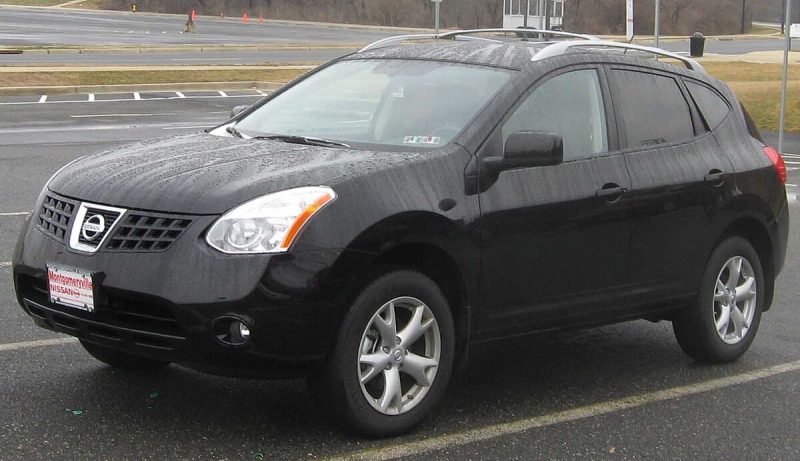
The 2008 Nissan Rogue marked the debut year for this compact SUV, but it came with significant reliability issues. As the inaugural model, it suffered from typical first-year production problems that affected long-term dependability.
Transmission problems plagued many 2008 Rogue owners. The continuously variable transmission (CVT) experienced premature failures and required expensive repairs or replacements.
Electrical system malfunctions were common complaints among owners. These issues ranged from faulty wiring harnesses to problems with the vehicle’s computer systems.
The 2008 model also faced engine-related concerns. Some owners reported excessive oil consumption and timing chain problems that led to costly repairs.
Build quality issues included interior trim pieces breaking prematurely and exterior components showing signs of poor construction. These problems contributed to lower overall satisfaction ratings compared to later model years.
9. 2011 Nissan Frontier

The 2011 Nissan Frontier sits in the middle of a problematic generation that plagued owners with multiple reliability issues. This model year suffered from significant transmission problems that affected both manual and automatic variants.
Engine timing chain issues became a major concern for 2011 Frontier owners. The timing chains would stretch or fail prematurely, leading to expensive repairs that often exceeded the truck’s value.
Radiator defects were another common problem. The radiator would fail and contaminate the transmission fluid, creating a cascading failure that damaged multiple systems simultaneously.
The 2011 model lacked modern safety features and technology that competitors offered during the same period. Basic amenities like Bluetooth connectivity and advanced airbag systems were either absent or outdated.
Fuel system malfunctions also affected this model year, causing poor performance and reduced efficiency.
10. 2006 Nissan Quest
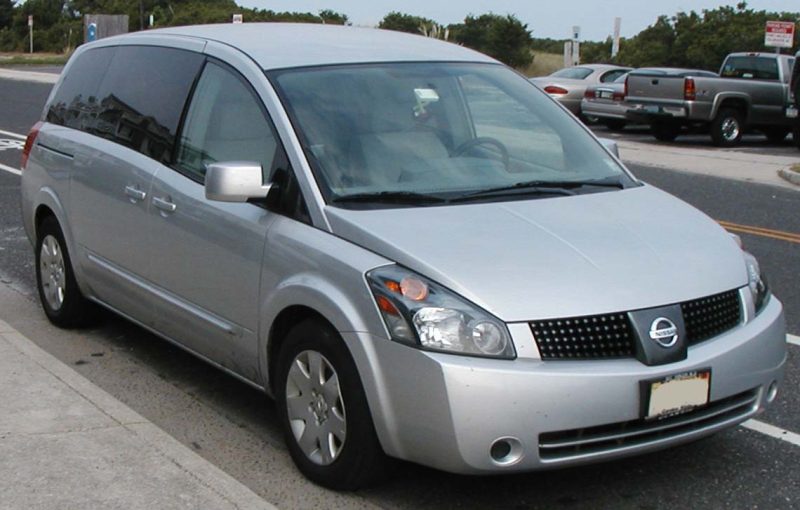
The 2006 Nissan Quest stands out as one of the most problematic model years in the minivan’s production run. Owners reported 159 documented problems and defects across multiple vehicle systems.
Transmission failures plagued this model year more than any other issue. The Quest’s continuously variable transmission experienced premature breakdowns and erratic shifting patterns.
Interior accessories presented the second most common complaint category. Power sliding doors, climate control systems, and electrical components frequently malfunctioned within the first few years of ownership.
Engine problems rounded out the top three concern areas. Many owners experienced timing chain issues and power train complications that required expensive repairs.
The 2006 model year accumulated 104 reported problems through consumer databases. Power train issues led all categories with 15 documented cases, followed closely by electrical system failures with 12 reported incidents.
11. 2015 Nissan Murano
The 2015 Nissan Murano stands out as one of the most problematic model years in the vehicle’s history. Multiple sources identify it as the worst year for the Murano lineup.
Severe transmission issues plague this model year more than any other. The CVT transmission experiences frequent failures that result in costly repairs for owners.
Owners report sudden power loss while driving, creating dangerous situations on the road. These transmission problems often occur with relatively low mileage, making them particularly frustrating.
The 2015 model year also suffers from various other mechanical defects beyond the transmission. These issues contributed to numerous NHTSA complaints and investigations.
Repair costs for the 2015 Murano can be substantial, especially when addressing the CVT transmission problems. The frequency and severity of these issues make this particular model year one to avoid when shopping for a used Murano.
12. 2004 Nissan Titan
The 2004 Nissan Titan marked the debut year for Nissan’s full-size pickup truck. This inaugural model suffered from numerous first-year production issues that plagued early owners.
The 2004 Titan accumulated 1,364 reported problems and defects from owners. The most severe complaints centered on drivetrain failures, cooling system malfunctions, and exhaust system defects.
Early buyers experienced transmission problems that led to costly repairs. The cooling system frequently overheated, causing engine damage in some cases.
Exhaust system components failed prematurely, creating safety concerns and expensive replacement costs. The truck’s reliability issues made it one of the most problematic model years in the Titan lineup.
Many automotive experts recommend avoiding the 2004 model year entirely due to these widespread mechanical problems. The combination of drivetrain, cooling, and exhaust issues created significant ownership costs for early Titan buyers.
13. 2012 Nissan Maxima
The 2012 Nissan Maxima suffered from significant transmission problems that plagued many owners. The continuously variable transmission (CVT) experienced premature failure, often requiring expensive replacements.
Many drivers reported transmission shuddering and hesitation during acceleration. These issues typically appeared around 60,000 to 80,000 miles, well before expected transmission lifespan.
The CVT problems created costly repair bills for owners. Replacement transmissions often cost between $3,000 to $5,000, making it an expensive vehicle to maintain.
Interior materials showed poor quality compared to competitors in the same price range. Dashboard components cracked prematurely, and seat fabrics wore down quickly with normal use.
The 2012 model also experienced brake system issues. Some owners reported premature brake pad wear and rotor warping, leading to additional maintenance costs and safety concerns.
14. 2009 Nissan Armada
The 2009 Nissan Armada suffered from significant reliability issues that made it a problematic choice for buyers. This full-size SUV experienced widespread transmission failures that left owners stranded and facing expensive repair bills.
Brake system problems plagued the 2009 model year. Many owners reported brake failure incidents that created serious safety concerns for families relying on this vehicle.
The 5.6-liter V8 engine developed timing chain issues that led to costly repairs. These mechanical failures often occurred well before expected maintenance intervals.
Interior components frequently malfunctioned in the 2009 Armada. The climate control system and electrical components experienced premature failures that frustrated owners.
The 2009 model falls within the problematic early generation of Armadas. Consumer reports documented numerous complaints about this particular year, making it one to avoid when shopping for a used SUV.
15. 2003 Nissan Sentra SE-R
The 2003 Nissan Sentra SE-R suffered from significant reliability problems that made it one of Nissan’s most problematic models. This performance variant experienced 265 reported problems and defects from owners.
Engine issues topped the complaint list for this model year. Drivers reported premature engine failures and costly repairs that often exceeded the vehicle’s value.
Transmission problems plagued the SE-R throughout its ownership cycle. Many owners experienced shifting difficulties and complete transmission failures within 100,000 miles.
The air conditioning and heating systems frequently malfunctioned. These climate control issues required expensive repairs and left drivers uncomfortable during extreme weather conditions.
Build quality concerns extended beyond mechanical components. Interior trim pieces broke easily and exterior paint showed premature fading and chipping.
The 2003 SE-R’s combination of engine, transmission, and climate control failures created substantial repair costs for owners.
16. 2017 Nissan Leaf Early Model
The 2017 Nissan Leaf faced significant quality control issues during its early production run. These early models experienced frequent brake system malfunctions that posed safety risks.
Transmission problems plagued many early 2017 Leaf units. Owners reported 22 distinct problems and defects with this model year.
The battery management system showed inconsistent performance in early production vehicles. Some units experienced faster-than-expected capacity degradation despite the improved 30 kWh battery pack.
Electrical system failures occurred more frequently in early 2017 models compared to later production runs. These issues often affected the vehicle’s charging capabilities and dashboard displays.
Build quality varied significantly during the model’s launch period. Later 2017 production runs addressed many of these initial problems through manufacturing improvements.
17. 2006 Nissan Sentra
The 2006 Nissan Sentra marked a problematic year for this compact sedan. This model year suffered from significant transmission issues that affected its reliability scores.
CVT transmission failures became a common complaint among owners. The transmission would often experience jerking, slipping, and complete failure at relatively low mileage.
Engine problems also plagued the 2006 model. Owners reported issues with the mass airflow sensor and catalytic converter failures that led to costly repairs.
Interior quality concerns emerged with this year as well. The dashboard materials felt cheap and showed premature wear, while electrical components experienced frequent malfunctions.
Despite these reliability concerns, the 2006 Sentra offered decent fuel economy and interior space. However, the mechanical problems overshadowed these positive attributes and contributed to higher ownership costs.
18. 2009 Nissan Versa
The 2009 Nissan Versa stands out as one of the most problematic model years in the vehicle’s history. This subcompact sedan suffered from widespread transmission issues that plagued many owners.
Engine performance problems were another significant concern for the 2009 model. These mechanical failures often required expensive repairs that exceeded the vehicle’s value.
The transmission system in particular developed a pattern of frequent breakdowns. Many owners reported premature transmission failure, leading to costly replacement needs.
Consumer complaint data shows the 2009 Versa received numerous reports from dissatisfied owners. The combination of transmission and engine troubles made this model year unreliable for daily transportation.
These mechanical issues were severe enough that the 2009 Versa earned recognition as one of the worst model years to avoid. The repair costs associated with these problems made ownership financially burdensome for many drivers.
19. 2008 Nissan Altima Hybrid
The 2008 Nissan Altima Hybrid stands out as one of Nissan’s most problematic vehicles. This model year accumulated 23 reported problems and defects from owners.
The most serious issues centered on electrical systems, engine performance, and exhaust system failures. Service brakes with hydraulic problems topped the complaint list with six reported cases.
Owner complaints reached 1035 total reports for this model year. The vehicle also faced one recall during its production run.
The first-generation Altima Hybrid from 2008-2011 ranked 17th out of 54 Nissan generations for overall reliability. Steering concerns added to the vehicle’s reliability problems.
Multiple automotive sources identify 2008 as part of the worst Altima production years. The hybrid system’s complexity contributed to increased maintenance costs and frequent repairs for owners.
20. 2010 Nissan Juke Nismo
The 2010 Nissan Juke Nismo launched as a performance variant of an already problematic model. The vehicle combined the standard Juke’s reliability issues with additional complexity from its sport-tuned components.
Engine problems plagued this first-year model, including turbocharger failures and timing chain issues. The 1.6-liter turbocharged engine showed signs of premature wear in many units.
Electrical systems frequently malfunctioned, causing dashboard warning lights and sensor failures. The CVT transmission exhibited jerky shifting and hesitation during acceleration.
Interior materials felt cheap and poorly assembled. The rear seats offered minimal space, making the vehicle impractical for families.
The Nismo’s suspension modifications resulted in a harsh ride quality that many owners found uncomfortable for daily driving. Parts availability became an issue as Nissan discontinued the Juke in the US market after 2017.
21. 2013 Nissan Pathfinder
The 2013 Nissan Pathfinder marked a problematic transition year for the model. Nissan redesigned the SUV from a truck-based platform to a car-based crossover design.
This generation switch created numerous reliability issues. The transmission became the most notorious problem area for owners.
Drivers experienced jerking and shaking during acceleration. The transmission frequently failed to engage properly when shifting gears.
Many owners reported their shifter getting stuck in the Park position. This left vehicles immobilized and required costly repairs.
The CVT transmission often failed completely within the first few years of ownership. Replacement costs typically exceeded $3,000 for most drivers.
These widespread transmission problems earned the 2013 Pathfinder a reputation as one of Nissan’s least reliable models. The issues were so common that they significantly impacted resale values.
22. 2015 Nissan Quest
The 2015 Nissan Quest suffered from significant reliability issues that placed it among Nissan’s most problematic models. Transmission problems dominated owner complaints, with many experiencing erratic shifting and premature failure.
The CVT transmission proved particularly troublesome. Drivers reported sudden loss of power, grinding noises, and complete transmission breakdowns requiring expensive replacements.
Engine problems also plagued the 2015 model year. Many owners faced issues with the timing chain, which could cause severe engine damage if not addressed promptly.
The Quest ranked poorly in reliability among minivans. With 421 complaints across its production run, transmission issues remained the primary concern for this model year.
Safety ratings declined in later Quest models, contributing to Nissan’s decision to discontinue the minivan after 2017. The 2015 model exemplified these quality control problems that ultimately led to the Quest’s demise.
23. 2007 Nissan Rogue
The 2007 Nissan Rogue was actually not produced. Nissan introduced the Rogue model line in 2008 as a 2008 model year vehicle.
This common misconception stems from confusion about model year designations versus production years. The first-generation Rogue debuted for the 2008 model year.
The 2008 Nissan Rogue that buyers received had significant issues. It featured a problematic CVT transmission that experienced premature failure in many units.
Engine problems plagued early production models. The QR25DE engine developed timing chain issues and oil consumption problems.
Interior quality was subpar compared to competitors. Cheap materials and poor fit-and-finish characterized the cabin.
The suspension system proved inadequate for long-term durability. Struts and bushings wore prematurely under normal driving conditions.
These early production problems established the Rogue’s reputation for reliability issues that persisted through multiple model years.
24. 2011 Nissan Juke
The 2011 Nissan Juke suffered from extensive reliability problems that plagued owners from the start. NHTSA received 247 complaints about this model year alone, marking it as one of the most problematic vehicles in Nissan’s lineup.
Engine issues dominated the complaint reports. Turbocharger failures occurred frequently, leaving drivers stranded with expensive repair bills. Timing chain problems also affected many vehicles.
The electrical system proved equally troublesome. Owners reported failures with various components, creating safety concerns and frustration. These electrical faults often required costly dealership visits.
Fuel system defects rounded out the major problem areas. These issues affected the vehicle’s performance and reliability, contributing to the model’s poor reputation.
The problems were so widespread that Nissan discontinued the Juke in the US market after 2017. The 2011 model year stands as a clear example of poor quality control and engineering oversight.
25. 2005 Nissan Titan
The 2005 Nissan Titan stands out as one of the most problematic model years in the truck’s history. This second-year production model suffered from numerous reliability issues that plagued owners.
Engine problems were particularly common in the 2005 Titan. Many owners reported premature engine failure and excessive oil consumption that required costly repairs.
The transmission also presented significant concerns. Drivers experienced rough shifting, transmission slipping, and complete transmission failure in some cases.
Electrical system malfunctions affected various components throughout the vehicle. Issues ranged from faulty sensors to complete electrical shutdowns that left drivers stranded.
The 2005 model year consistently ranks among the worst Titan years to avoid. These reliability problems resulted in high repair costs and frequent dealership visits for owners.
26. 2014 Nissan Armada
The 2014 Nissan Armada sits in the neutral category among Armada model years. While it doesn’t rank among the absolute worst, it lacks the refinement found in newer models.
This full-size SUV suffered from outdated technology compared to competitors. The infotainment system felt clunky and behind the times for 2014 standards.
Fuel economy remained poor with the aging 5.6-liter V8 engine. The Armada delivered disappointing gas mileage that hurt owners’ wallets at the pump.
Interior materials felt cheap for a vehicle in this price range. Hard plastics dominated the cabin, creating a less premium experience than buyers expected.
The 2014 model also showed signs of the platform’s age. Handling felt less refined than rival SUVs, with noticeable body roll in corners.
Reliability concerns included transmission issues and electrical problems reported by some owners.
27. 2012 Nissan Cube
The 2012 Nissan Cube suffers from significant transmission problems that plague the driving experience. The CVT system represents the most problematic category for this model year.
Owners frequently report jerky movements during gear shifts. These transmission issues create unpredictable driving conditions that affect daily usability.
The Cube’s polarizing design draws criticism from automotive reviewers and consumers alike. Its unconventional styling has been compared to a melted vehicle by critics.
Despite some positive owner ratings, the transmission reliability concerns overshadow other aspects of the vehicle. The CVT problems can lead to costly repairs and diminished resale value.
The 2012 model shares common issues with other early Cube years. These mechanical problems make it a questionable choice in the used car market.
28. 2008 Nissan Frontier
The 2008 Nissan Frontier ranks among the worst model years for this midsize pickup truck. Multiple reliability issues plagued this particular year, earning it a spot on most avoid lists.
Transmission problems dominated owner complaints for the 2008 model. The radiator coolant system frequently leaked into the transmission, causing premature failure and costly repairs.
Paint quality issues also affected many 2008 Frontiers. Owners reported excessive chipping and peeling, particularly on the hood and roof areas.
The timing chain tensioner presented another significant concern. This component often failed prematurely, leading to engine noise and potential internal damage if not addressed quickly.
Brake problems rounded out the major issues. Many owners experienced premature brake pad wear and rotor warping, requiring frequent replacements.
29. 2006 Nissan Murano
The 2006 Nissan Murano stands out as one of the most problematic model years for this crossover SUV. This vehicle accumulated over 1,000 reported problems and defects from owners.
Steering issues plagued many 2006 Murano owners. The steering system experienced various malfunctions that affected vehicle control and safety.
Interior accessories presented another major concern. Components frequently failed or malfunctioned, leading to costly repairs and owner frustration.
Engine problems also emerged as a significant issue. These mechanical failures often required expensive fixes that exceeded typical maintenance costs.
The 2006 model year represents part of the first-generation Murano lineup. Despite the vehicle’s V6 engine and structural design, this particular year suffered from reliability concerns.
Multiple automotive sources consistently identify the 2006 Murano as a year to avoid when shopping for used vehicles.
30. 2009 Nissan Xterra
The 2009 Nissan Xterra suffers from significant reliability issues that place it among the most problematic model years. Transmission failures represent the most common and costly problem affecting this SUV.
Owners frequently report premature transmission breakdown, often occurring well before 100,000 miles. The replacement costs can exceed $3,000, making it an expensive repair for many drivers.
The radiator system also presents ongoing problems in the 2009 model year. Coolant leaks and overheating issues force owners into repeated repair visits and mounting maintenance costs.
Timing chain problems plague this particular year, causing engine noise and potential catastrophic failure if left unaddressed. The repair requires extensive engine work and significant labor costs.
Despite being positioned as a reliable compact SUV, the 2009 Xterra’s multiple mechanical failures and high ownership costs make it a vehicle most buyers should avoid when shopping for used SUVs.
Common Issues Found in the Worst Nissan Models
The most problematic Nissan models share several recurring defects that impact performance and reliability. CVT transmission failures, engine timing chain issues, and electrical malfunctions dominate owner complaints across multiple model years.
Engine and Transmission Problems
CVT transmission failures represent the most widespread issue among problematic Nissan models. The 2013-2014 Altima models experienced premature transmission breakdowns, often requiring complete replacement between 60,000-100,000 miles.
Owners report jerky acceleration, shuddering during gear changes, and complete transmission failure. Repair costs typically range from $3,000 to $5,000 for CVT replacement.
Timing chain problems plague several Nissan engines, particularly in the 2005-2015 model years. The timing chain stretches prematurely, causing rattling noises during startup and potential engine damage if left unrepaired.
Oil consumption issues affect multiple models including the 2004 Maxima and 2015 Rogue. Engines burn excessive oil without visible leaks, requiring frequent top-offs between scheduled maintenance intervals.
Cooling system failures contribute to engine overheating in models like the 2005 Pathfinder. Radiator leaks and water pump failures occur earlier than expected, leading to costly engine repairs.
Electrical System Failures
Infotainment system malfunctions create ongoing frustration for owners across multiple model years. Touchscreens freeze, lose responsiveness, or display blank screens intermittently.
The backup camera system fails frequently in affected models. Screens go black or display distorted images, creating safety hazards during parking maneuvers.
Dashboard warning lights illuminate without corresponding mechanical issues. False alarms for ABS, airbag, and engine systems require expensive diagnostic procedures to identify phantom problems.
Power window failures occur in numerous models, with windows becoming stuck in down positions. The window regulator mechanisms break prematurely, requiring replacement of entire assemblies.
Electrical shorts damage wiring harnesses in some models. These issues cause intermittent starting problems, flickering lights, and unpredictable accessory operation.
Safety and Reliability Concerns
Steering problems create dangerous driving conditions in several problematic models. Power steering systems fail unexpectedly, requiring excessive force to turn the wheel during low-speed maneuvers.
Brake system issues include premature brake pad wear and brake fluid leaks. Some models experience brake pedal sponginess that reduces stopping effectiveness and creates safety risks.
Suspension component failures lead to poor ride quality and handling problems. Struts and shock absorbers wear out faster than expected, causing excessive bouncing and instability.
Airbag system defects trigger recall campaigns across multiple model years. Faulty sensors prevent proper airbag deployment during collisions, compromising occupant protection.
Fuel system problems cause stalling and poor performance. Fuel pumps fail prematurely, leaving drivers stranded and requiring towing to repair facilities.
Impact on Nissan’s Reputation and Consumer Trust
Nissan’s reliability declined significantly from its golden era in the 1980s and 1990s due to problematic models and manufacturing decisions. The brand currently ranks 12th out of 22 manufacturers for new car reliability according to Consumer Reports, though it performs better in used car categories.
Brand Perception Over Time
Nissan experienced its peak reputation during the 1980s and 1990s when the brand was synonymous with reliability and engineering excellence. Models from this era established consumer trust and positioned Nissan as a dependable alternative to domestic manufacturers.
The decline began in the 2000s as cost-cutting measures affected build quality. CVT transmission problems became particularly damaging to the brand’s image. Models like the 2013-2018 Altima and 2003-2010 Murano suffered widespread transmission failures that required expensive repairs.
Consumer Reports currently ranks Nissan 9th among 32 brands with a 4.0 reliability rating. However, this represents a significant drop from historical performance levels. The brand’s reputation suffered most in the compact and midsize sedan segments.
Online complaint databases show Nissan vehicles appearing frequently in worst-rated categories. The 2013 Pathfinder and 2014 Rogue generated thousands of consumer complaints about transmission and engine problems.
Lessons Learned by Nissan
Nissan recognized the CVT transmission issues as a major contributor to reliability problems. The company extended warranties on affected models and redesigned transmission components for newer vehicles.
Quality control improvements began around 2019 with updated manufacturing processes. The brand invested in better supplier relationships and component testing to prevent widespread defects.
Key changes implemented:
- Extended CVT warranties to 10 years/120,000 miles
- Improved transmission fluid formulations
- Enhanced pre-delivery inspections
- Updated software calibrations for smoother operation
The company partnered with Honda for future development projects, signaling a commitment to improved engineering standards. This collaboration aims to restore consumer confidence through shared technology and quality practices.
Recent models show measurable improvements in initial quality ratings. The 2024 Sentra and 2024 Altima received better reliability scores compared to their predecessors from the problematic 2013-2018 period.