The 30 Best Acuras Ever Made
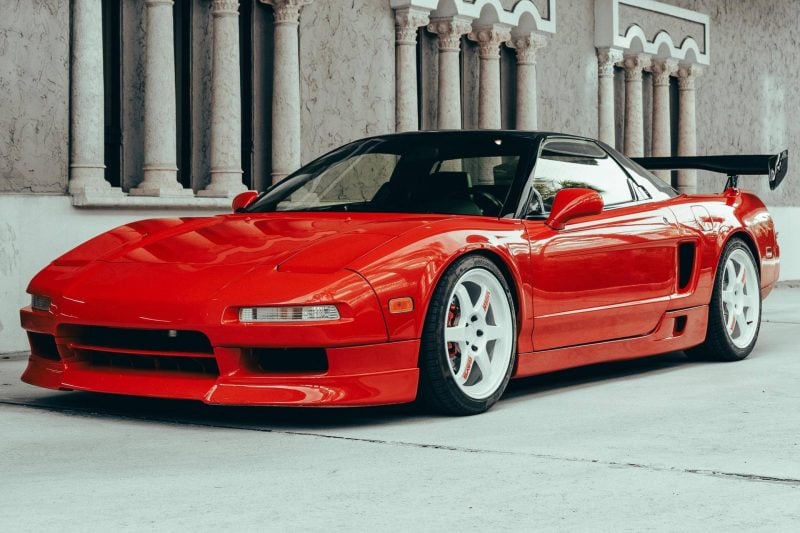
Acura has built a distinguished reputation in the luxury automotive market since its launch in 1986 as Honda’s premium division. The brand has consistently delivered vehicles that blend performance, reliability, and innovative technology across sedans, SUVs, and supercars.
This comprehensive ranking examines 30 standout Acura models from the brand’s nearly four-decade history, identifying the specific model years that represent peak engineering and design excellence.
The selection spans from legendary early models like the original Legend that established Acura’s credibility to modern innovations including hybrid powertrains and advanced safety systems.
Each model evaluation considers factors such as reliability ratings, performance capabilities, technological advancement, and lasting impact on the automotive landscape.
Here are the 30 best Acuras ever:
1. 2010 Acura TSX
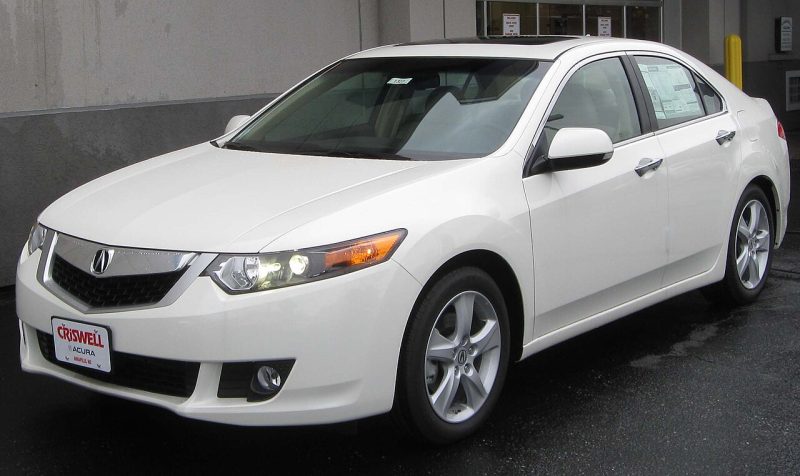
The 2010 Acura TSX represented a refined entry in the compact luxury sedan segment. Built on the European Honda Accord platform, it offered sharp styling and engaging driving dynamics.
The TSX featured a 2.4-liter four-cylinder engine producing 201 horsepower. This powertrain delivered acceleration from 0 to 60 mph in approximately 6.6 seconds.
However, the 2010 model year experienced notable reliability concerns. Timing chain issues emerged as a significant problem, leading to expensive repair costs for owners.
The interior provided premium materials and comfortable seating for four adults. Standard features included dual-zone climate control and a premium audio system.
Despite its appealing design and driving characteristics, the 2010 TSX’s mechanical problems affected its long-term reliability reputation. The timing chain failures required costly repairs that diminished the model’s overall value proposition.
2. 2011 Acura TSX
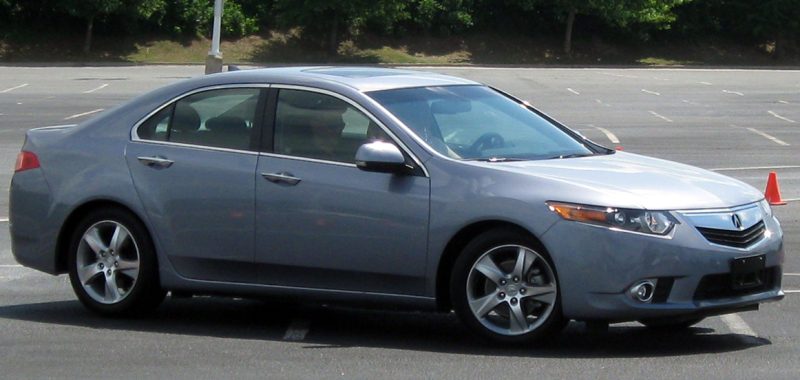
The 2011 Acura TSX stands out as one of Acura’s most compelling luxury sedans. This model year introduced the Sport Wagon variant, which debuted at the 2010 New York Auto Show.
The TSX featured a refined 2.4-liter inline-four engine producing 201 horsepower. This powertrain delivered smooth acceleration and responsive performance for daily driving.
Acura based the TSX on the European Honda Accord platform but enhanced it with premium materials and advanced features. The exterior showcased aggressive styling with angular headlights and bold front grille treatment.
The 2011 model year offered exceptional build quality and reliability. Interior appointments included high-grade materials and intuitive controls that elevated the driving experience.
The TSX provided sharp handling characteristics combined with a comfortable ride quality. This balance made it appealing to drivers seeking both performance and luxury in a compact sedan package.
3. 2012 Acura RL

The 2012 Acura RL served as the final model year for Acura’s flagship sedan. This luxury vehicle represented the culmination of the RL’s development before the RLX replaced it in 2013.
The 2012 model featured a 3.7-liter V6 engine producing 300 horsepower. This powerplant included VTEC technology on both intake and exhaust valves, delivering smooth acceleration and responsive performance.
Standard equipment included all-wheel drive and an 18-inch wheel package. The RL maintained its reputation for combining luxury features with reliable Honda engineering.
Interior appointments featured premium materials and comprehensive technology systems. The cabin provided spacious accommodations for passengers while maintaining the refined atmosphere expected from Acura’s flagship model.
The 2012 RL carried over largely unchanged from previous years. This consistency reflected Acura’s focus on maintaining the vehicle’s established strengths rather than introducing new complications.
4. 2013 Acura ILX
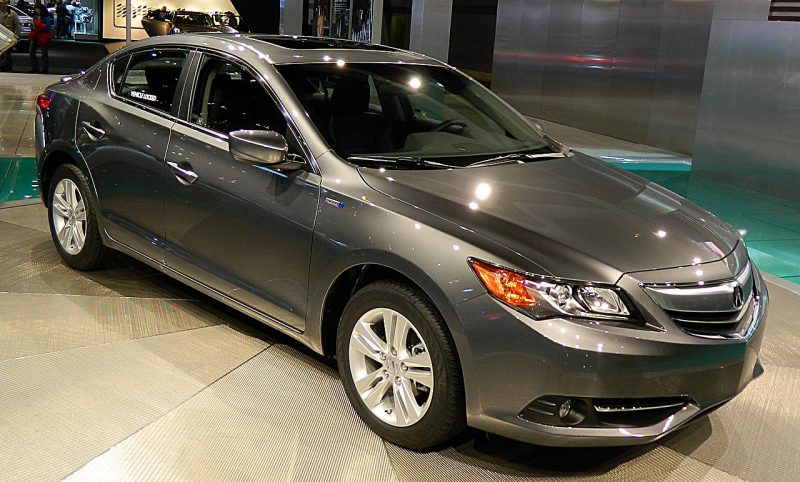
The 2013 Acura ILX marked Acura’s entry into the compact luxury sedan segment. It served as the brand’s new base model, targeting younger buyers in their twenties and thirties.
The ILX offered two engine options at launch. The base model featured a 2.0-liter four-cylinder engine paired with a five-speed automatic transmission. A hybrid variant combined a 1.5-liter engine with an electric motor.
Despite its position as an entry-level luxury vehicle, the 2013 ILX struggled with reliability issues. Multiple sources identify this model year as problematic, citing concerns with long-term dependability and higher repair costs.
The interior featured Honda Civic-based components with luxury appointments. Standard equipment included leather seating surfaces and a premium audio system.
While the 2013 ILX established Acura’s presence in the compact segment, subsequent model years addressed many of the initial reliability concerns through engineering improvements.
5. 2007 Acura TL Type S

The 2007 Acura TL Type S marked the return of Acura’s performance flagship after a three-year absence. This model year restored the Type S designation to the TL lineup with significant improvements.
The Type S featured a 3.5-liter V6 engine producing 286 horsepower. This powerplant delivered strong acceleration and responsive performance that narrowed the gap with German sport sedans.
Acura equipped the Type S with sport-tuned suspension and upgraded brakes. The handling characteristics provided a more engaging driving experience compared to the standard TL.
The 2007 model year is widely regarded as one of the best TL generations ever produced. Many automotive experts consider this specific year exceptional for its combination of reliability and performance.
The Type S maintained Acura’s reputation for build quality while adding genuine sporting credentials. This balance made it appealing to buyers seeking luxury and performance in one package.
6. 2008 Acura TL Type S

The 2008 Acura TL Type S represents one of the finest examples of Acura’s performance sedan engineering. This model year marked the continuation of the third-generation TL design with significant refinements.
The Type S variant featured a powerful 3.7-liter V6 engine that delivered impressive acceleration and performance. This engine configuration allowed the vehicle to achieve notable speed capabilities while maintaining Acura’s reputation for reliability.
The 2008 model year received praise for its balance of luxury features and driving dynamics. Enthusiasts particularly valued the Type S for its sport-tuned suspension and enhanced handling characteristics.
Many automotive experts consider the 2007-2008 TL Type S years among the best iterations of the model. These vehicles offered reasonable pricing in the used car market while providing an engaging driving experience.
The 2008 TL Type S maintained the sleek sedan design that made the TL series popular among luxury car buyers seeking performance and value.
7. 2015 Acura TLX
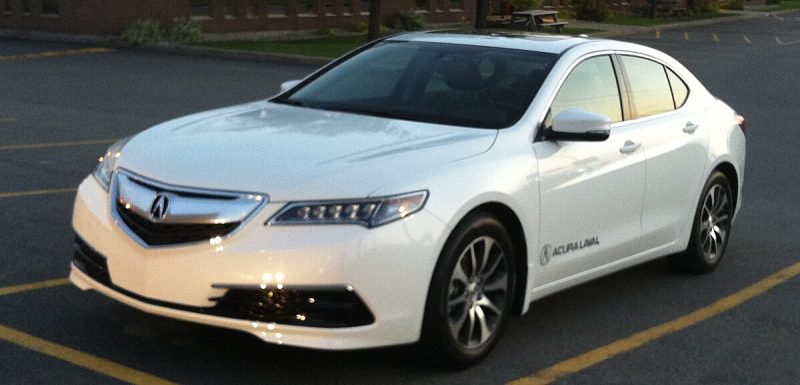
The 2015 Acura TLX marked a significant milestone for the brand as an all-new midsize sports sedan. It replaced both the compact TSX and midsize TL sedans, combining them into one unified model.
This inaugural year introduced the TLX’s sleek design language and performance-oriented features. The sedan was developed under the “Red Carpet Athlete” theme, blending luxury appointments with sporty dynamics.
The 2015 model established the TLX as Acura’s mid-level sedan, positioned between the ILX and RLX in the lineup. It offered buyers a fresh take on the premium sports sedan segment.
The TLX featured advanced technology and refined interior materials typical of Acura’s luxury positioning. Its launch represented Acura’s commitment to creating a compelling alternative in the competitive midsize luxury sedan market.
This model year set the foundation for the TLX nameplate that continues today.
8. First-generation Acura Legend (1986)
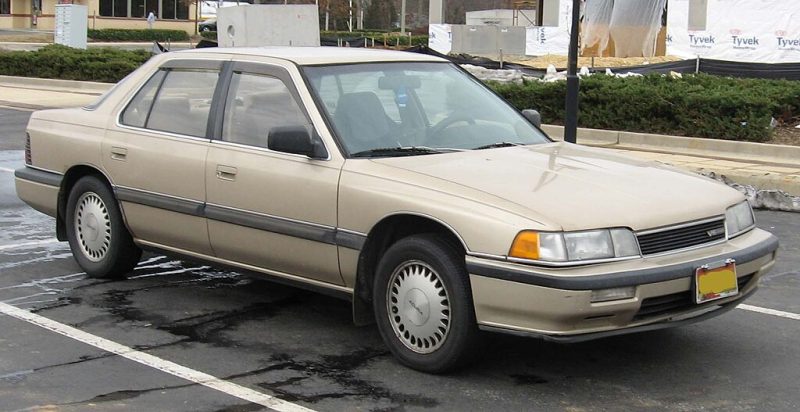
The first-generation Acura Legend launched Honda’s luxury brand in North America for the 1986 model year. It debuted as Acura’s flagship sedan, establishing the company’s presence in the premium market segment.
The Legend featured a 2.7-liter SOHC V6 engine paired with front-wheel drive. Buyers could choose between a 4-speed automatic or 5-speed manual transmission.
Honda initially offered the Legend in sedan form, with a coupe variant following in 1987. The vehicle came in notable trim levels including L and LS variants.
This model represented a collaboration between Honda Motor Company and the Austin-Rover Group. The Legend helped carve out the entry-luxury segment that didn’t previously exist.
Production of the first-generation Legend continued through 1990. Acura sold 52,869 Legend and Integra models combined during that inaugural model year, demonstrating strong market acceptance for Honda’s luxury venture.
9. Acura RSX
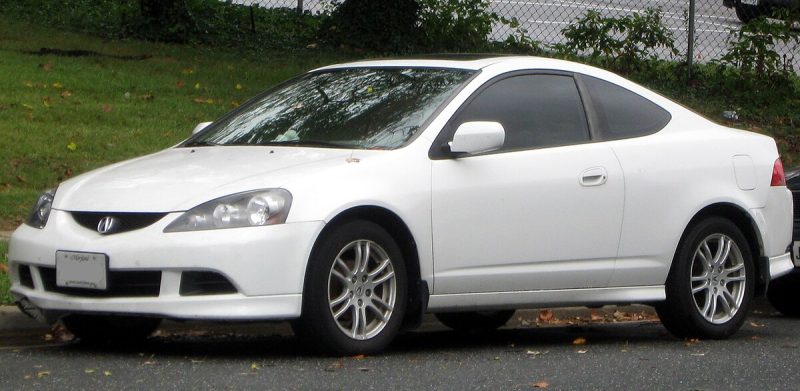
The Acura RSX served as Honda’s sporty compact coupe from 2002 to 2006. This model represented the fourth-generation evolution of the Honda Integra platform, known internally as the DC5.
The RSX featured a 2.0-liter four-cylinder engine that delivered solid performance. It could accelerate from 0 to 60 mph in 6.4 seconds, making it competitive in its class.
Two main variants were available during its production run. The base model offered reliable performance, while the Type-S version provided enhanced power and sport-tuned features.
Acura produced 130,852 RSX units in the United States during its four-year run. The final models rolled off the production line in July 2006, with some remaining inventory sold through 2008.
The RSX gained popularity among enthusiasts for its VTEC engine technology and aftermarket modification potential. Its combination of affordability, reliability, and performance made it attractive to younger buyers seeking a sporty driving experience.
10. Acura Integra
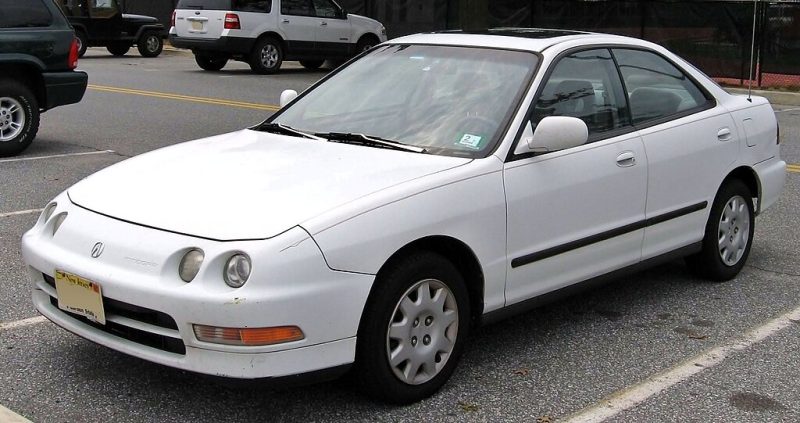
The Acura Integra stands as one of Honda’s luxury division’s most celebrated vehicles. This compact sports car first appeared in North American markets in 1990 and captured enthusiast attention for its sporty handling and affordable performance.
Car and Driver recognized the Integra’s excellence by including it on their Ten Best list six times. The publication specifically honored it in 1987, 1988, and consecutively from 1994 through 1997.
The 2001 model year represents the pinnacle of Integra development. Nearly 98 percent of reviewers gave the 2001 Integra lineup at least four stars, based on 538 reviews.
The GS-R variant gained particular recognition for its VTEC engine technology. This powertrain made later Integras highly sought after in the import tuner community.
Production ended in 2001 when Acura replaced the Integra with the RSX. The model returned in 2023 after a 22-year hiatus.
11. 2014 Acura MDX
The 2014 Acura MDX marked the beginning of the third generation with a complete redesign. It featured a sleek exterior design and sophisticated interior materials that elevated the luxury SUV segment.
Acura equipped the 2014 MDX with a powerful 3.5-liter V6 engine producing 290 horsepower. The engine delivered impressive fuel efficiency for its class while maintaining strong performance capabilities.
The interior offered spacious seating for up to seven passengers with high-quality materials throughout the cabin. Advanced safety features came standard, providing enhanced protection for occupants.
The 2014 model year introduced improved handling dynamics and a smoother ride quality compared to previous generations. The MDX maintained its reputation for reliability while adding modern technology features.
This generation established the foundation for future MDX models with its blend of luxury, performance, and practicality.
12. Acura NSX (first generation)
The first-generation Acura NSX debuted in 1991 and revolutionized the supercar segment. Honda built this mid-engine sports car to prove that supercars could function as reliable daily drivers.
The NSX featured an all-aluminum body construction and VTEC engine technology. Early models used a 3.0-liter V6 engine producing 270 horsepower paired with either a 5-speed manual or 4-speed automatic transmission.
In 1997, Honda introduced significant improvements including a larger 3.2-liter engine and 6-speed manual transmission. These NA2 models from 1997-2001 are considered the most desirable variants of the first generation.
The car’s precise handling and build quality influenced legendary supercars like the McLaren F1. Production continued through 2005, establishing the NSX as one of the most reliable and practical supercars ever created.
13. 2017 Acura NSX (second generation)
The 2017 Acura NSX marked the return of Honda’s flagship supercar after a 12-year hiatus. This second-generation model represented a complete departure from its predecessor’s naturally aspirated simplicity.
The NSX features a hybrid powertrain combining a twin-turbocharged V6 engine with three electric motors. This configuration delivers all-wheel drive capability and substantial performance gains over the original.
Honda developed this generation through collaboration between its Japanese and American divisions. All models are hand-built at a dedicated facility in Ohio.
The car includes a dual-clutch transmission and advanced torque vectoring systems. These technologies provide precise handling characteristics while maintaining daily driver comfort.
The 2017 NSX offers accessible supercar performance compared to European rivals. Its hybrid technology bridges the gap between traditional sports cars and modern electrified supercars.
14. 2016 Acura RDX
The 2016 Acura RDX represents one of the strongest years for this compact luxury SUV. This model year falls within the second generation’s facelift period, which brought significant improvements to the platform.
The 2016 RDX features a 3.5-liter V6 engine producing 279 horsepower. This powertrain delivers solid acceleration while maintaining reasonable fuel efficiency for its class.
Interior space remains generous with comfortable seating for five passengers. The cabin materials show good quality construction typical of Acura’s attention to detail during this period.
Reliability ratings for the 2016 model year are notably strong. Consumer reports and industry data consistently rank this year among the most dependable RDX models.
The 2016 RDX offers a balanced combination of performance and practicality. Standard features include leather seating, dual-zone climate control, and Acura’s infotainment system with premium audio.
15. Acura ZDX
The ZDX debuted as a 2010 model at the 2009 New York International Auto Show. This mid-size luxury crossover SUV pioneered the coupe-SUV segment alongside the BMW X6.
Built on the MDX platform, the ZDX featured a 300-horsepower 3.7-liter V6 engine. Super Handling All-Wheel Drive came standard across all models.
The 2011 and 2012 model years proved most reliable with fewer reported issues. The J-series engine demonstrated exceptional durability when properly maintained.
Acura discontinued the ZDX after the 2013 model year due to poor sales performance. Only 7,191 units were produced and sold in North America, making it one of the rarest Acura models.
The ZDX’s swoopy roofline design was ahead of its time. While initially criticized, this styling influenced the modern SUV-coupe segment that dominates today’s market.
16. 2018 Acura TLX
The 2018 Acura TLX stands out as one of the more reliable model years in the lineup. It addressed many of the transmission and engine issues that plagued earlier generations.
This model year marked a turning point for the TLX series. The 2018 version demonstrated improved build quality and reduced repair costs compared to its predecessors.
The sedan maintained its sporty design while offering better long-term reliability. Drivers reported fewer mechanical problems and lower maintenance expenses during ownership.
The 2018 TLX featured Acura’s refined engineering approach. It provided a solid balance of performance and dependability that made it attractive to buyers seeking a reliable luxury sedan.
This model year represents good value in the used car market. It offers the TLX’s signature blend of luxury and sportiness without the reliability concerns of earlier years.
17. Acura RLX
The Acura RLX served as Acura’s flagship sedan from 2013 to 2020. This mid-size luxury car replaced the RL model and represented the brand’s commitment to premium features and advanced technology.
The RLX received a significant update for the 2018 model year. Acura redesigned the front and rear fascias, added new side skirts and wheels, and introduced a dramatically different grille design that changed the car’s appearance.
Interior updates included new seat stitching with contrasting colors. The 2018 refresh incorporated design elements from Acura’s new design language that also appeared on the MDX.
The RLX was discontinued after the 2020 model year. Despite its relatively short production run, the sedan showcased Acura’s engineering capabilities and luxury positioning in the competitive mid-size premium segment.
18. Acura MDX Sport Hybrid
The Acura MDX Sport Hybrid represents Acura’s sophisticated approach to hybrid SUV technology. This three-row luxury SUV combines a V6 engine with an electric motor system for enhanced performance and efficiency.
The hybrid system delivers smooth power delivery that feels refined compared to many competitors. Honda’s experience with hybrid technology contributed to the system’s polished operation.
The Sport Hybrid features Acura’s Super Handling All-Wheel Drive system. This advanced drivetrain distributes power intelligently between all four wheels for improved handling and traction.
Interior space remains generous despite the hybrid components. The MDX Sport Hybrid maintains the practicality expected from a three-row family SUV.
The model includes advanced safety features and luxury amenities typical of Acura’s flagship SUV. Technology integration focuses on driver assistance and connectivity features that enhance the driving experience.
19. Acura TSX Wagon
The Acura TSX Sport Wagon debuted in 2011 as Acura’s first and only attempt at the wagon market. It represented a bold departure from the brand’s typical sedan and SUV offerings.
Based on the European Honda Accord Tourer, the TSX Wagon featured distinctive styling changes for the North American market. The wagon maintained the TSX’s sporty character while adding practical cargo space.
Acura unveiled the model at the 2010 New York Auto Show to gauge American interest in luxury wagons. The vehicle combined the TSX’s refined handling with increased utility for families seeking alternatives to SUVs.
The TSX Wagon powered by a 2.4-liter four-cylinder engine delivered solid performance credentials. Despite its practical advantages, the model struggled to find its audience in a market dominated by crossovers and SUVs.
Production remained limited, making the TSX Wagon a rare sight today. It stands as an underappreciated entry in Acura’s lineup.
20. 2019 Acura RDX
The 2019 Acura RDX marked the beginning of a new era for the brand. It featured the most extensive redesign Acura had implemented in over a decade.
This model introduced significant technological advances and design improvements. The 2019 RDX represented Acura’s commitment to modernizing their compact SUV lineup.
The vehicle came equipped with a turbocharged 2.0-liter four-cylinder engine producing 272 horsepower. It paired with a 10-speed automatic transmission for improved performance.
However, the 2019 model year experienced some reliability concerns as manufacturers worked through initial production issues. These problems were typical for first-year redesigns in the automotive industry.
The interior featured upgraded technology and premium materials. The cabin offered improved passenger comfort and cargo space compared to previous generations.
Despite being labeled among problematic years by some sources, the 2019 RDX established the foundation for future improvements in the model line.
21. 2005 Acura RL
The 2005 Acura RL represented a complete redesign that transformed the luxury sedan into a more competitive offering. Acura equipped this model with a 3.5-liter V6 engine producing 300 horsepower.
Standard all-wheel drive became a defining feature. The Super Handling All-Wheel Drive (SH-AWD) system enhanced both traction and handling dynamics.
Technology advances included a new navigation system with real-time traffic data from XM satellite radio. The interior featured premium materials and improved ergonomics compared to previous generations.
The 2005 model year marked the beginning of the second-generation RL’s best period. This redesign addressed many criticisms of earlier models while maintaining the sedan’s focus on luxury and performance.
Build quality remained consistent with Acura’s reputation for reliability. The 2005 RL offered a compelling blend of power, technology, and all-weather capability that appealed to luxury sedan buyers.
22. Acura TSX 2009 Refresh
The 2009 Acura TSX represented a significant refresh for Acura’s compact luxury sedan. This model year brought refined driving dynamics that enhanced the overall driving experience.
The interior received premium materials and finishes that elevated the cabin’s luxury feel. Standard features expanded considerably, offering more value to buyers in the entry-level luxury segment.
Acura updated the exterior styling with subtle but effective changes. The refreshed design maintained the TSX’s sporty appearance while adding modern touches.
The 2009 model retained the proven 2.4-liter four-cylinder engine that delivered solid performance. This powertrain provided a good balance of power and fuel efficiency for daily driving needs.
The TSX’s sharp handling characteristics remained a key selling point. The suspension tuning offered an engaging driving experience while maintaining comfort for passengers.
23. Acura TL 2009 Refresh
The 2009 Acura TL marked a significant redesign for the executive sedan. This refresh introduced bold new styling that departed from the previous generation’s conservative appearance.
Acura equipped the 2009 model with a powerful 3.7-liter V6 engine. The engine delivered strong performance capabilities and smooth acceleration.
The redesigned TL featured improved interior space and updated technology features. The cabin offered enhanced comfort and premium materials throughout.
This model year represented the beginning of the fourth generation TL lineup. The 2009 refresh established design elements that would continue through 2014.
The 2009 TL received positive reception for its performance and build quality. It provided drivers with a compelling combination of luxury features and driving dynamics in the executive sedan segment.
24. 2010 Acura ZDX
The 2010 Acura ZDX marked Acura’s bold entry into the SUV-coupe segment. This distinctive vehicle combined the practicality of an SUV with coupe-inspired styling.
The ZDX came standard with a 300-horsepower 3.7-liter V-6 engine. This powerplant delivered strong performance across various driving conditions.
Acura equipped every ZDX with Super Handling All-Wheel Drive as standard equipment. This system enhanced traction and handling capabilities in challenging weather.
The vehicle shared its platform with the popular MDX. This foundation provided proven reliability and structural integrity.
Critics praised the ZDX’s build quality and performance capabilities. However, its unique styling polarized potential buyers in the marketplace.
The cabin featured advanced technology for its time. Driver aid systems and infotainment options positioned it well for long-distance travel.
The ZDX represented Acura’s willingness to experiment with unconventional designs. Its distinctive appearance set it apart from traditional luxury SUVs.
25. Acura ILX Hybrid
The Acura ILX Hybrid represented Acura’s attempt to enter the compact luxury hybrid segment. It debuted alongside the regular ILX in 2013 as part of the brand’s first-generation compact sedan lineup.
The hybrid system combined a 1.5-liter four-cylinder engine with an electric motor. This powertrain delivered respectable fuel economy for its class while maintaining adequate performance.
Despite its potential, the ILX Hybrid faced significant market challenges. The high price point made it less competitive against established hybrid competitors from other luxury brands.
Production lasted only two model years, from 2013 to 2014. Sales figures remained disappointing throughout its brief run, leading Acura to discontinue the hybrid variant after 2014.
The vehicle offered typical Acura build quality and reliability. However, the lackluster hybrid system and premium pricing ultimately contributed to its market failure and quick discontinuation.
26. Acura CDX (China market)
The Acura CDX launched in 2016 as the brand’s first vehicle built specifically for the Chinese market. This subcompact luxury crossover debuted at the Beijing Auto Show in April 2016.
Guangqi Honda manufactured the CDX at their Zengcheng Plant in Guangzhou. Production ran from July 2016 until April 2022 when Acura discontinued the model.
The CDX marked Acura’s tenth anniversary in China with locally-produced manufacturing. This compact SUV targeted China’s growing premium crossover segment with luxury appointments and modern styling.
The vehicle featured a curb weight between 3,300 and 3,600 pounds. Acura offered an A-Spec variant during the model’s production run to enhance its sporty appeal.
The CDX represented Acura’s commitment to the Chinese automotive market. It demonstrated the brand’s ability to develop region-specific vehicles that met local consumer preferences and regulatory requirements.
27. Acura Vigor
The Acura Vigor represented a bold engineering experiment during the early 1990s. Positioned between the Integra and Legend, it filled a crucial gap in Acura’s lineup.
The Vigor featured an unusual longitudinally-mounted 2.5-liter five-cylinder engine producing 176 horsepower. This configuration was rare among front-wheel-drive sedans and set it apart from competitors.
Acura sold the Vigor in North America from June 1991 to April 1994. Despite its innovative design, only 43,908 units found buyers during its three-year run.
The sedan competed directly with the BMW 3-Series and Lexus ES300 in the entry-level luxury segment. Its unique five-cylinder engine delivered smooth power delivery and distinctive sound.
The Vigor’s limited production run makes it one of Acura’s rarest models today. Its mechanical uniqueness and refined driving dynamics earned respect among enthusiasts who appreciated its unconventional approach.
28. Acura Legend Coupe
The Legend Coupe joined Acura’s lineup in 1987, one year after the sedan debuted. This two-door luxury vehicle helped establish Acura’s premium positioning in the North American market.
The coupe earned distinction as the first Acura model equipped with a driver’s airbag. This safety feature was optional for the 1987 model year before becoming standard across both coupe and sedan variants in 1989.
Production ran from 1987 through 1995, spanning both first and second generations of the Legend platform. The coupe shared mechanical components with its four-door sibling while offering sportier styling and proportions.
Enthusiasts particularly favor the 1994-1995 models for their refined Type II engines and available six-speed manual transmissions. These final model years featured updated exterior styling with body-colored bumper covers and distinctive wheel designs that enhanced the coupe’s athletic appearance.
29. Acura CL
The Acura CL represented Honda’s luxury division’s ambitious entry into the sporty coupe segment. Production ran from 1997 to 2003, spanning two distinct generations that showcased different design philosophies.
The first generation launched in 1997 as a 1998 model year. It established the CL’s identity as a performance-oriented luxury coupe targeting younger buyers seeking style and refinement.
Acura completely redesigned the CL for 2001, creating the second generation on the TL platform. This version offered larger dimensions, refreshed exterior styling, and enhanced technology features throughout the cabin.
The 2001-2003 CL Type S became the performance flagship. Its 3.2-liter V-6 engine produced 260 horsepower, delivering genuine sports car acceleration in a luxury package.
Leather seating became standard across all trim levels starting in 1999. Acura discontinued the CL after 2003, ending a brief but memorable chapter in the brand’s coupe history.
30. Acura EL
The Acura EL was a Canadian-exclusive compact sedan sold from 1997 to 2000. Honda created this model as a badge-engineered version of the Honda Civic to provide an entry-level luxury option in the Canadian market.
The EL offered Honda Civic reliability with Acura’s premium touches. It featured upgraded interior materials, enhanced sound insulation, and additional luxury amenities compared to its Honda counterpart.
This compact sedan served as an affordable gateway into the Acura brand for Canadian buyers. The model provided practical transportation with a more upscale experience than the standard Civic.
The EL’s short production run makes it a unique piece of Acura history. Its combination of proven Honda engineering and Acura refinement created a solid entry-level luxury vehicle for the Canadian market during its brief availability.
Defining Acura Excellence: Key Factors That Set The Best Models Apart
Acura’s most exceptional models share distinct characteristics that separate them from ordinary luxury vehicles. These vehicles excel through precision engineering, distinctive styling elements, and advanced safety technologies that enhance both performance and driver confidence.
Performance Innovations and Engineering
Acura’s finest models feature VTEC (Variable Valve Timing and Lift Electronic Control) technology, which optimizes engine performance across different RPM ranges. This system delivers both fuel efficiency and power when needed.
The Super Handling All-Wheel Drive (SH-AWD) system represents another engineering breakthrough. It actively distributes torque between wheels during cornering, improving traction and stability.
Precision Crafted Performance engines in top models like the NSX utilize turbocharging and hybrid systems. The NSX combines a twin-turbo V6 with three electric motors for 573 total horsepower.
Acura’s transmission technology includes the 10-speed automatic and dual-clutch systems. These provide smooth shifts and quick response times that enhance the driving experience.
The brand’s suspension tuning prioritizes both comfort and handling. Models like the TLX Type S feature adaptive dampers that adjust to road conditions and driving modes.
Design Evolution and Signature Features
The Diamond Pentagon Grille became Acura’s defining visual element starting in 2013. This bold front fascia creates instant brand recognition across the model lineup.
Jewel Eye LED headlights provide distinctive lighting signatures while improving visibility. These multi-element designs create sharp, focused beams that enhance nighttime driving safety.
Acura’s interior design emphasizes driver-focused cockpits with premium materials. Real wood trim, leather seating surfaces, and metal accents create upscale cabin environments.
The A-Spec performance trim adds aggressive styling cues to multiple models. These packages include unique wheels, sport seats, and exterior enhancements that emphasize athletic character.
Body proportions follow Acura’s Precision Concept design language. Clean lines, sculpted surfaces, and strategic creases create sophisticated yet dynamic appearances.
Technological Advancements in Safety and Comfort
AcuraWatch safety suite comes standard on most models and includes collision mitigation braking and adaptive cruise control. These systems help prevent accidents and reduce driver fatigue during long trips.
The True Touchpad Interface controls infotainment functions through an intuitive touch-sensitive pad. This system reduces driver distraction by maintaining consistent hand positioning.
ELS Studio premium audio systems deliver concert-quality sound reproduction. These setups feature multiple speakers strategically positioned throughout the cabin for optimal acoustics.
Climate control systems include tri-zone automatic temperature control in larger models. Individual zones allow passengers to maintain preferred comfort levels independently.
Advanced driver assistance features include Traffic Jam Assist and Low-Speed Follow. These technologies provide semi-autonomous driving capabilities in specific conditions, reducing stress during heavy traffic situations.
Acura’s Impact on the Automotive Industry
Acura fundamentally reshaped luxury car expectations by establishing new benchmarks for reliability and performance. The brand challenged European manufacturers’ dominance while creating lasting standards that influenced the entire industry.
Influence on Luxury Segment Standards
Acura’s 1986 launch marked a pivotal shift in luxury automotive expectations. The brand introduced the concept that luxury vehicles could deliver both premium features and Honda’s proven reliability without the maintenance costs associated with European competitors.
The Legend and Integra models sold 109,000 units in 1987, demonstrating immediate market acceptance. This success forced established luxury brands to reconsider their approach to reliability and value proposition.
Key innovations Acura introduced:
- VTEC technology debut in the 1991 NSX
- Affordable luxury positioning strategy
- Performance-oriented luxury vehicles under $30,000
By 1990, Acura’s sales reached 138,000 units, surpassing many established luxury brands. This success validated the market demand for reliable luxury vehicles and influenced other manufacturers to prioritize dependability alongside premium features.
The NSX supercar particularly challenged perceptions about exotic vehicle reliability. Unlike temperamental European supercars, the NSX offered daily-driver dependability with supercar performance.
Legacy of Reliability and Customer Satisfaction
Acura established new industry standards for luxury vehicle dependability that competitors still reference today. The brand’s Honda engineering foundation created consumer expectations that luxury vehicles should not require frequent repairs or expensive maintenance.
Modern reliability ratings consistently place Acura models among top performers. The 2023-2025 RDX achieved a 78/100 J.D. Power reliability score, representing the highest consistency in its generation.
Acura’s reliability impact includes:
- Setting luxury segment durability expectations
- Influencing warranty programs industry-wide
- Establishing performance without sacrifice principles
The second-generation RDX exemplifies this legacy through its combination of Honda’s refined 3.5-liter V-6 and six-speed automatic transmission. This powertrain became one of the most dependable luxury SUV configurations available.
Acura’s approach attracted buyers seeking sophistication without traditional luxury ownership concerns. This demographic shift forced competitors to improve their reliability standards and reconsider their maintenance cost structures.