The 30 Most Overrated Cars in History: Iconic Vehicles That Failed to Live Up to the Hype
Not every car that earns fame, commands high prices, or dominates sales charts truly deserves its reputation. Some vehicles rise to iconic status through marketing campaigns, cultural moments, or nostalgia rather than objective performance or value. Others become legends because of a single strength while their weaknesses get overlooked or excused by fans.
Understanding which cars are overrated helps you make smarter buying decisions and avoid paying premiums for vehicles that don’t deliver on their promises.
This list examines 30 cars across different eras that have earned reputations exceeding their actual merits. From muscle cars praised for straight-line speed but little else to luxury vehicles that cost fortunes to maintain, these models show how hype can overshadow reality.
The vehicles covered range from classic American icons and European sports cars to modern electric sedans and retro-styled SUVs. You’ll see how factors like film appearances, brand loyalty, collector speculation, and marketing have inflated certain reputations beyond what the driving experience or ownership costs justify.
1. Ford Mustang (first-generation hype)
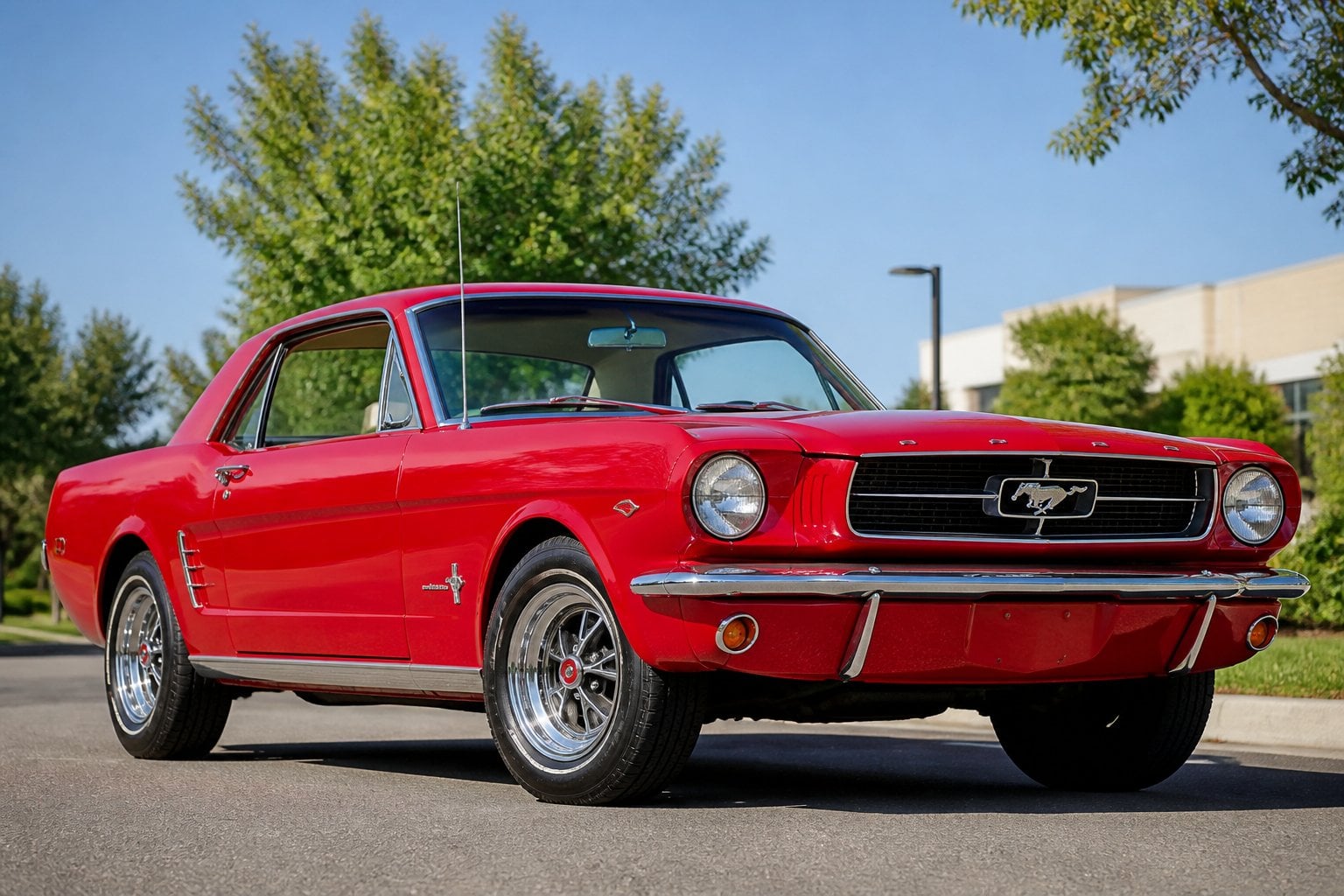
The 1965 Mustang revolutionized automotive marketing and became an instant cultural phenomenon. Ford’s genius lay more in positioning and styling than in groundbreaking performance.
When you look past the nostalgia, the first-generation Mustang’s actual capabilities don’t match its legendary status. The base models came with modest inline-six engines that prioritized economy over excitement. Even the GT variant with its 271-horsepower HiPo V-8 lagged behind competing muscle cars in raw performance metrics.
What made the Mustang special was its affordable price point and youthful image. Ford created a new market segment, but your poster-worthy dream car often couldn’t back up its sporty appearance with matching speed.
The Mustang earned its place in automotive history through smart marketing and accessible pricing. However, when you compare period performance figures to its muscle car contemporaries, the gap between reputation and reality becomes clear.
2. Chevrolet Corvette C4
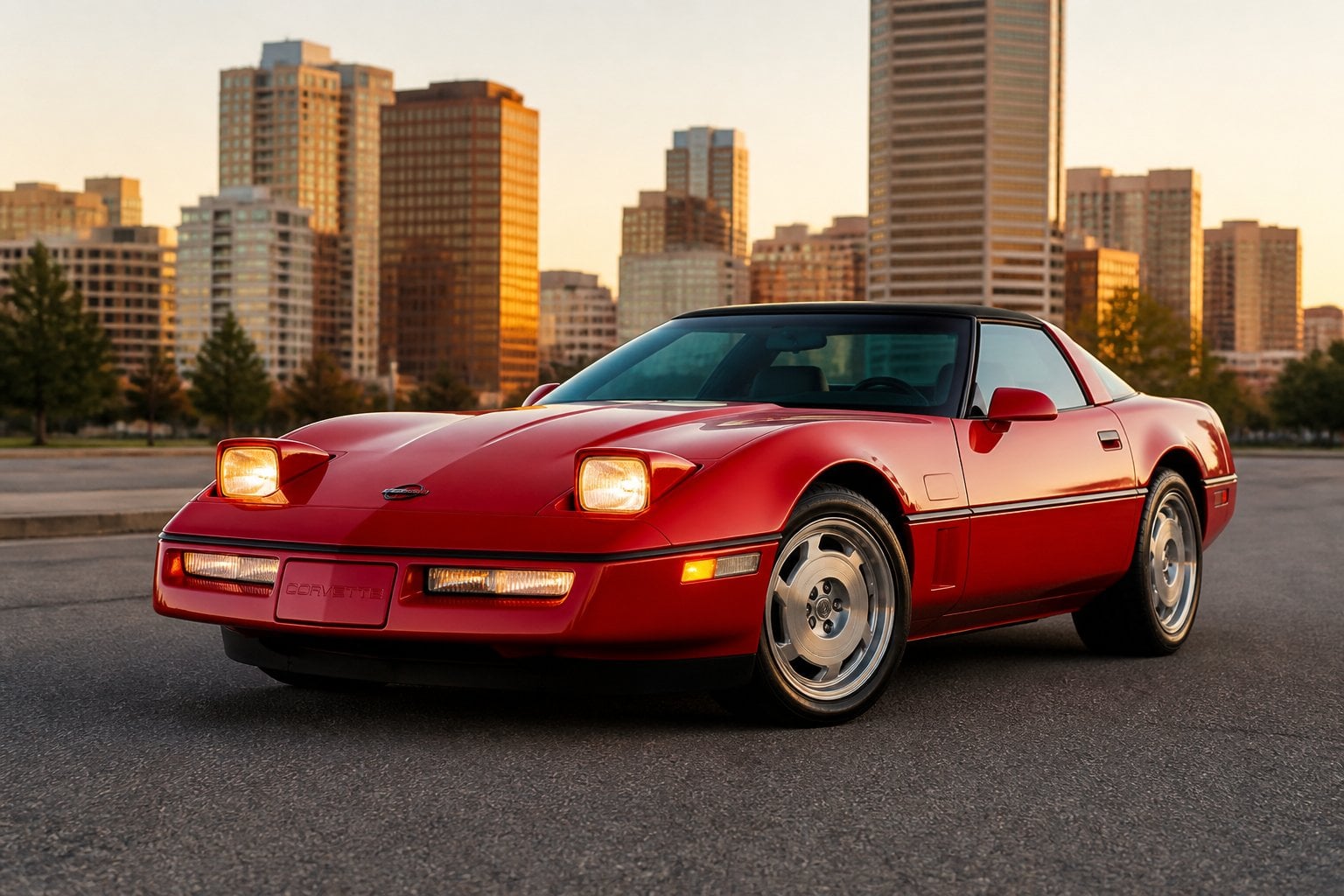
The C4 Corvette arrived in 1984 as a radical departure from previous generations, and not everyone appreciated the change. Its angular, wedge-shaped design broke from the flowing curves Corvette enthusiasts expected. Car and Driver criticized it for being too conservative despite its futuristic appearance.
You’ll find the C4 divided opinion more than any other Corvette generation. Early models suffered from significant structural issues that no amount of suspension tweaking could fix. The lack of cohesiveness in build quality became a persistent complaint among owners.
The C4 introduced modern technology and improved performance with engines like the L98 and LT1. However, its reputation as “the most unloved Corvette” stems from execution problems rather than concept. You’re looking at a car that promised European sports car performance but delivered inconsistent quality, especially in its early years from 1984 to 1987.
3. Nissan GT-R R35 (early hype vs price)
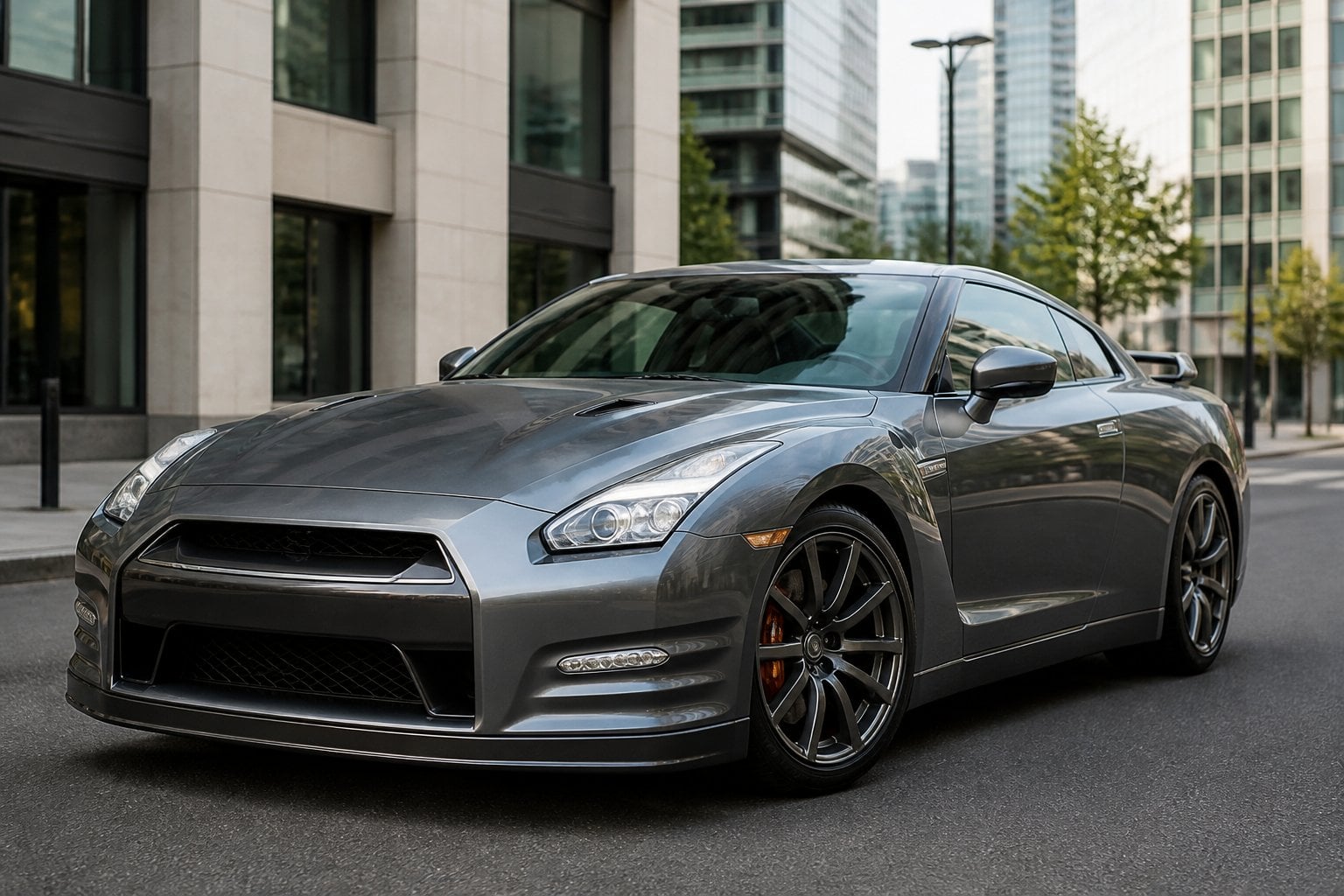
When the R35 GT-R debuted in 2007, it earned its reputation as a supercar killer. The twin-turbo V6 delivered nearly 500 horsepower and blistering performance at a fraction of competing sports car prices.
Fast forward to today, and the value proposition has changed dramatically. The 2024 model commands $122,885, more than $50,000 above its original base price. You’re paying premium money for a platform that’s nearly two decades old with minimal visual updates.
The R35 ended production in 2025 after a remarkably long run. While it remains capable, other sports cars now offer similar performance for considerably less money. The interior feels dated, and the technology shows its age.
The GT-R’s early reputation was well-deserved, but its pricing evolution hasn’t kept pace with its aging design.
4. Porsche 911 (997 era overvaluation)
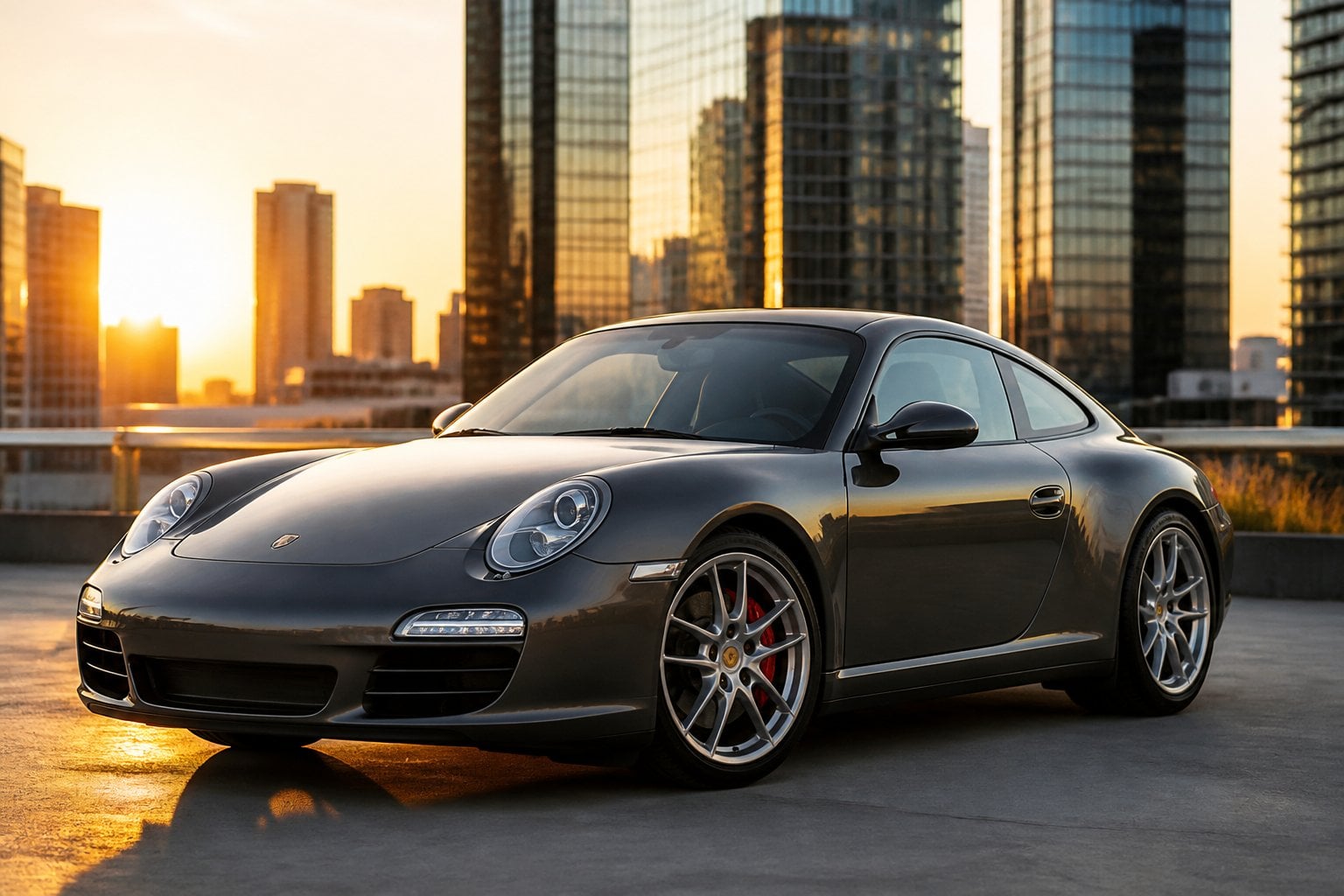
The 997-generation 911, produced from 2005 to 2012, has commanded premium prices that don’t always align with its actual improvements over the 996. Many enthusiasts overlooked the earlier generation simply due to styling preferences, pushing 997 values artificially high.
You’ll find the 997.2 GT3 particularly overvalued in today’s market. While it’s a capable track car, its pricing has escalated beyond what the driving experience justifies compared to alternatives.
The standard 997 Carrera models suffer from similar issues that plagued the 996, including intermediate shaft bearing problems in early years. Yet buyers consistently pay significant premiums for these cars based largely on aesthetic updates rather than substantial mechanical improvements.
The market has treated the 997 as the “safe choice” among modern 911s, creating inflated values that rarely reflect the actual ownership experience or performance gains you receive.
5. Toyota Prius (cult status vs driving dynamics)
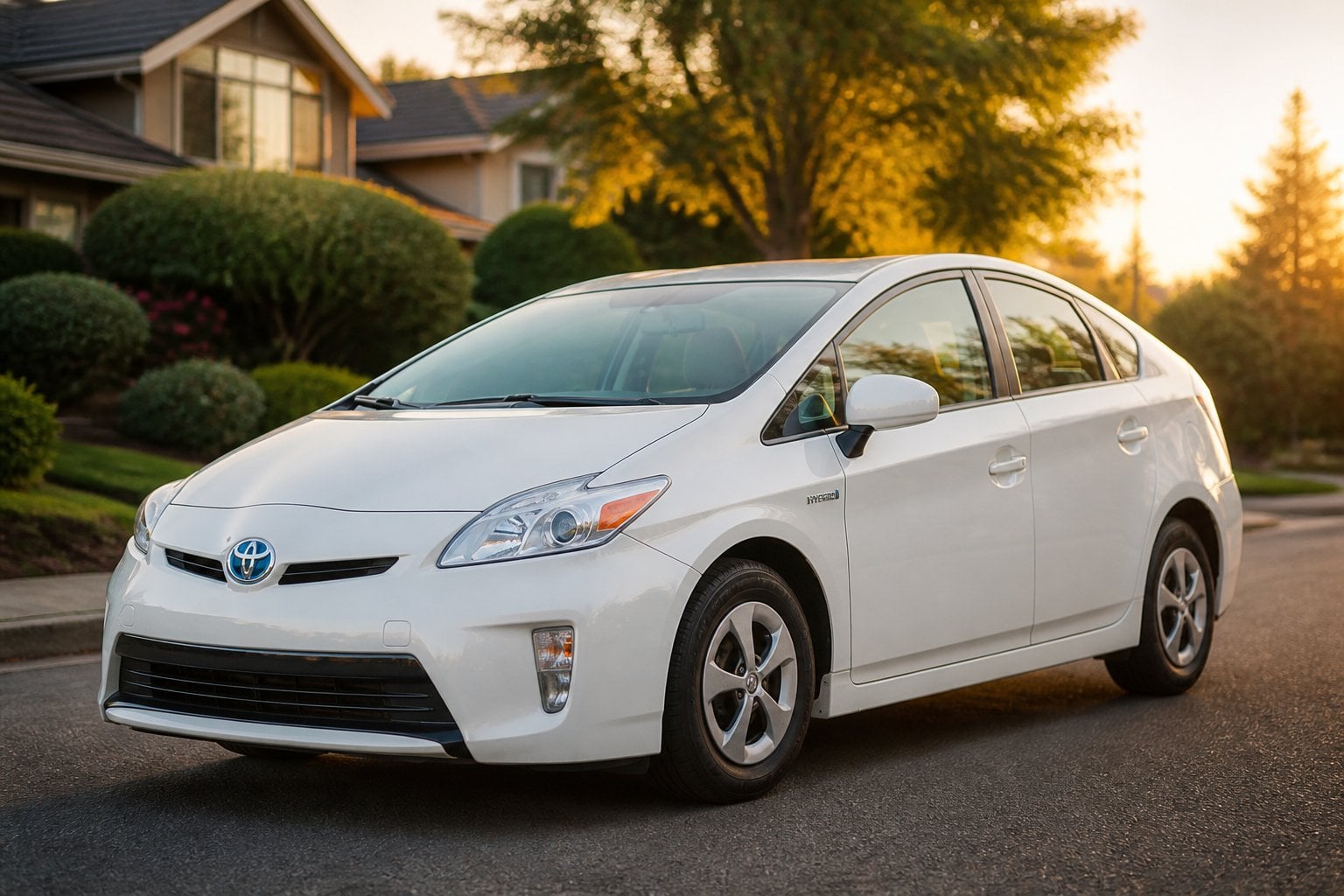
The Toyota Prius built a devoted following based on fuel efficiency and environmental credentials. You’ll find owners who praise its reliability and practical hybrid technology. However, the driving experience tells a different story.
The Prius lacks the engagement that makes cars enjoyable to drive. Your acceleration is slow, the handling feels disconnected, and the steering offers minimal feedback. The car prioritizes efficiency over any sense of driving pleasure.
Inside, you’ll encounter materials that feel underwhelming for the price point. The cabin design emphasizes function rather than quality or comfort.
The gap between the Prius’s cultural status and its actual performance is significant. While it excels as efficient transportation, it delivers little beyond basic mobility. Cars like the Honda Civic Si provide better driving dynamics at comparable prices.
6. Jeep Wrangler (iconic but impractical)
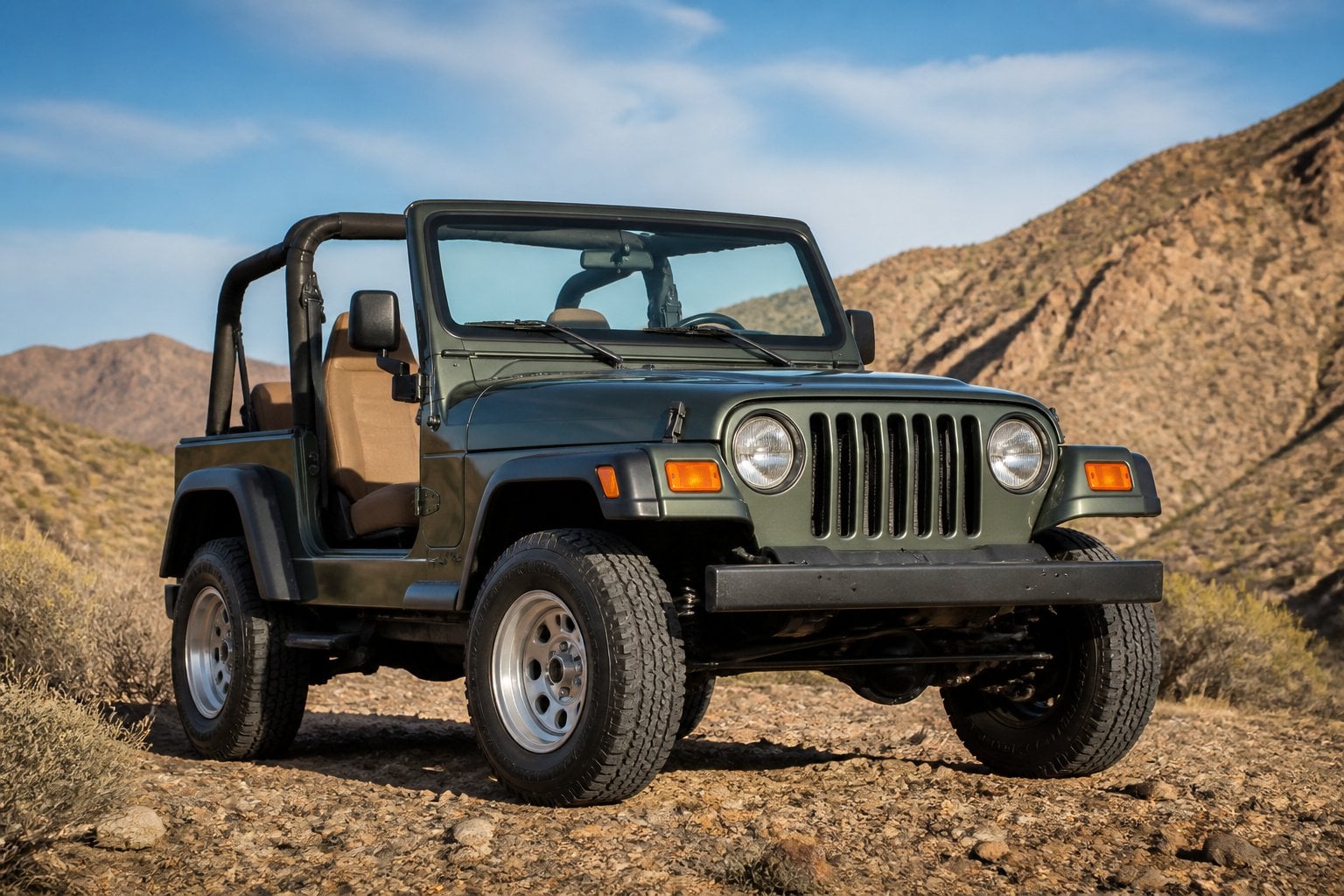
You recognize the Jeep Wrangler instantly with its distinctive grille and boxy shape. The vehicle has maintained legendary status since 1986, but your daily driving experience tells a different story.
Most Wranglers never venture off-road, yet you endure constant wind noise at highway speeds and fuel economy around 17 mpg. The ride quality feels rough on paved roads, and the cabin remains loud during commutes.
If you’re using your Wrangler exclusively for grocery runs and highway driving, you’re paying a premium for off-road capabilities you don’t use. The removable doors and roof panels that define its character become impractical features for everyday transportation.
Your Wrangler excels at trail crawling and rock climbing. For routine errands and freeway commuting, however, you’re driving one of the least efficient tools for the job.
7. Hummer H2
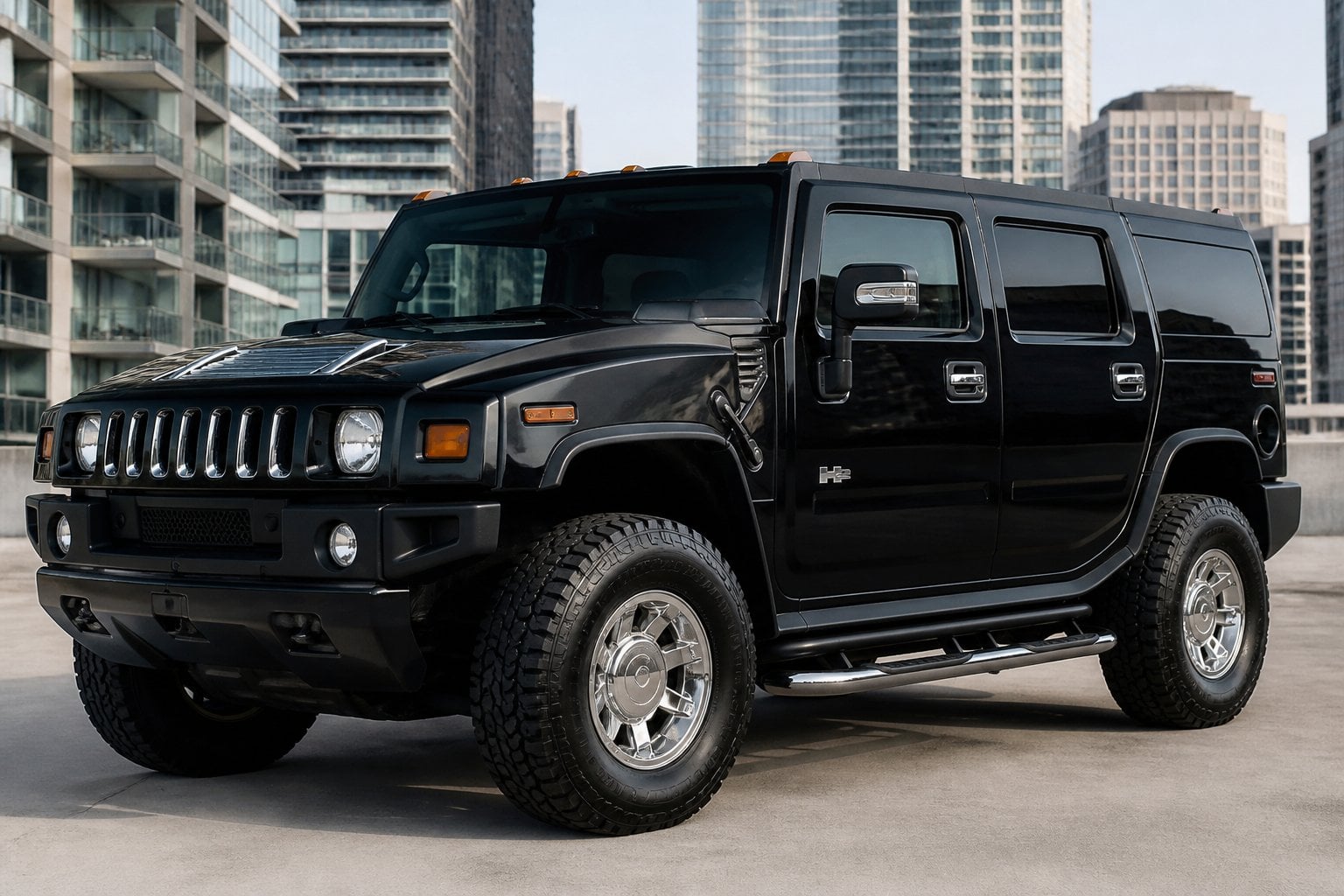
The Hummer H2 dominated roads from 2002 to 2009 as a status symbol, but its reputation far exceeded its actual capabilities. Despite its military-inspired appearance, it shared most components with standard GM SUVs like the Tahoe and Suburban rather than the authentic military Humvee.
You got disappointing fuel economy at around 10 mpg combined. The massive 6,400-pound frame made it impractical for everyday driving, particularly in urban settings where maneuverability mattered.
Off-road performance didn’t match the aggressive marketing either. While it looked the part, actual capability fell short of what buyers expected based on the Hummer name. Maintenance costs proved steep, and the sheer size created parking challenges.
The H2 commanded attention and projected an image of ruggedness. However, the driving experience and practical limitations didn’t justify the premium price or the hype surrounding this oversized SUV.
8. Mini Cooper (modern BMW-era)
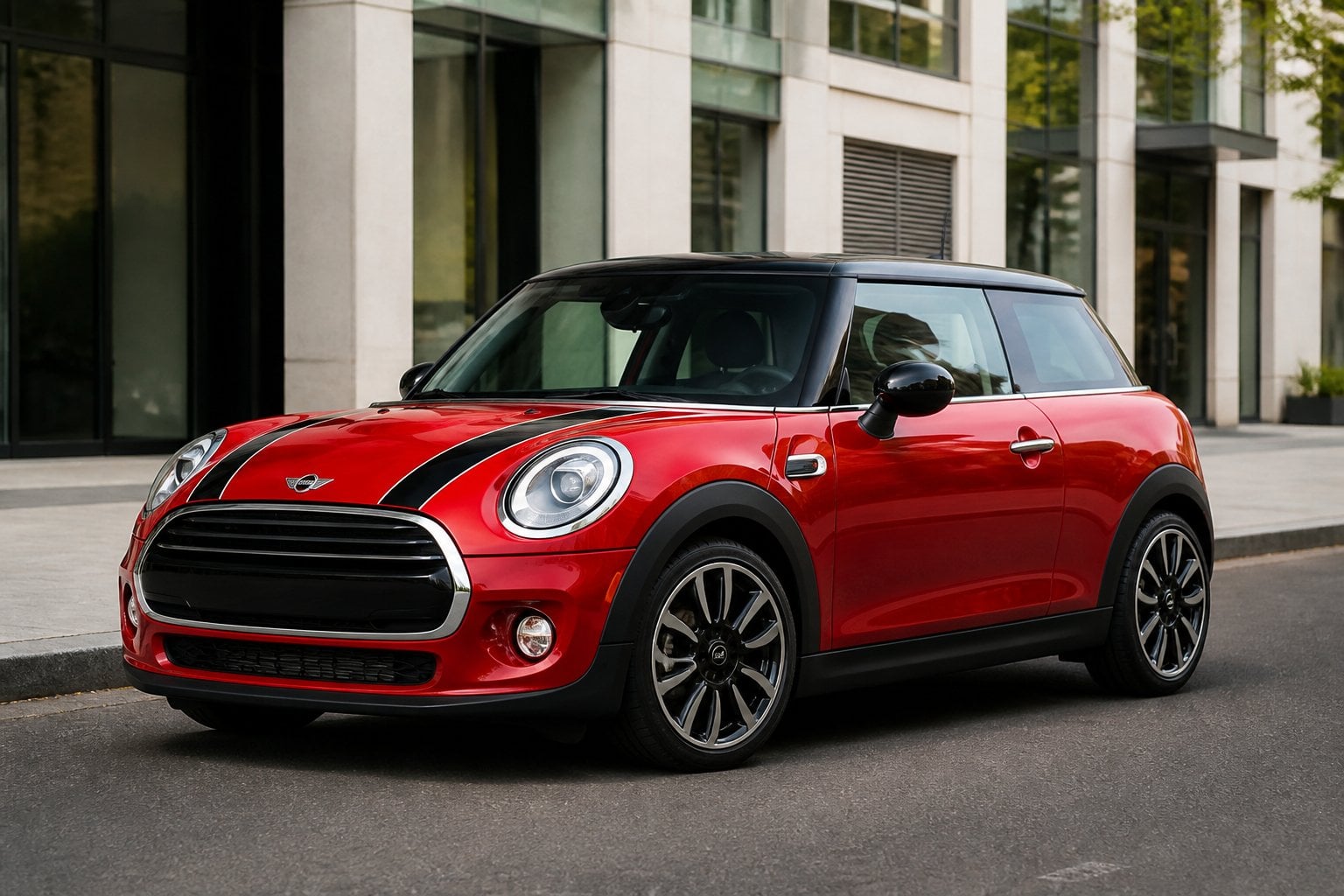
The BMW-era Mini Cooper has traded much of its original charm for premium pricing that doesn’t match its reliability record. You’re essentially paying luxury car prices for a small hatchback with a notorious track record for mechanical issues.
Maintenance costs reflect its BMW ownership, often exceeding what you’d spend on fuel. Reliability varies dramatically between model years, with some generations experiencing significant problems with engines, transmissions, and electrical systems.
The modern Mini commands a price premium based largely on its retro styling and perceived British heritage. However, you’re getting a German-engineered car with higher repair costs than many competitors.
While JD Power has given recent models decent ratings and the driving experience remains engaging, the ownership costs and inconsistent reliability make it difficult to justify the investment. You can find more reliable small cars with similar performance for considerably less money.
9. Mazda MX-5 Miata (NA fever vs limitations)
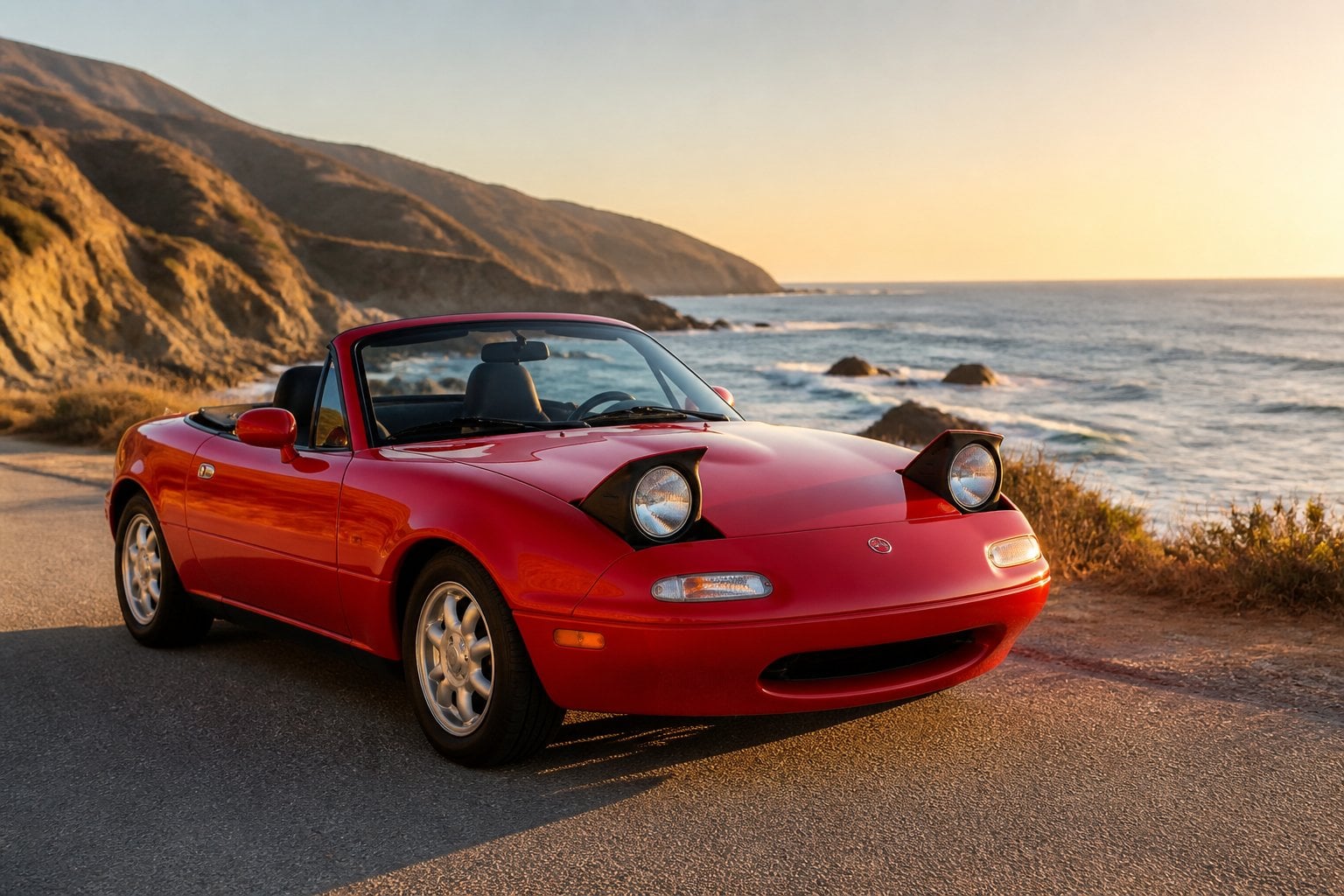
The first-generation Miata has achieved cult status that often overshadows its actual capabilities. You’ll find enthusiasts claiming it’s the answer to every automotive question, but this ignores some practical realities.
The NA Miata’s 1.6L and 1.8L engines produced modest power outputs, ranging from 115 to 133 horsepower. That’s adequate for spirited driving but hardly the performance revelation many claim it to be.
Storage space is minimal, even by sports car standards. You’ll struggle with basic road trip luggage, and the soft top offers limited security for your belongings.
The driving position doesn’t suit taller drivers well. If you’re over six feet, you may find yourself cramped with your knees against the dashboard.
Yes, the NA Miata offers balanced handling and affordability. But the fervent devotion it receives often glosses over these legitimate drawbacks that affect daily usability.
10. Dodge Challenger Hellcat (straight-line fame)
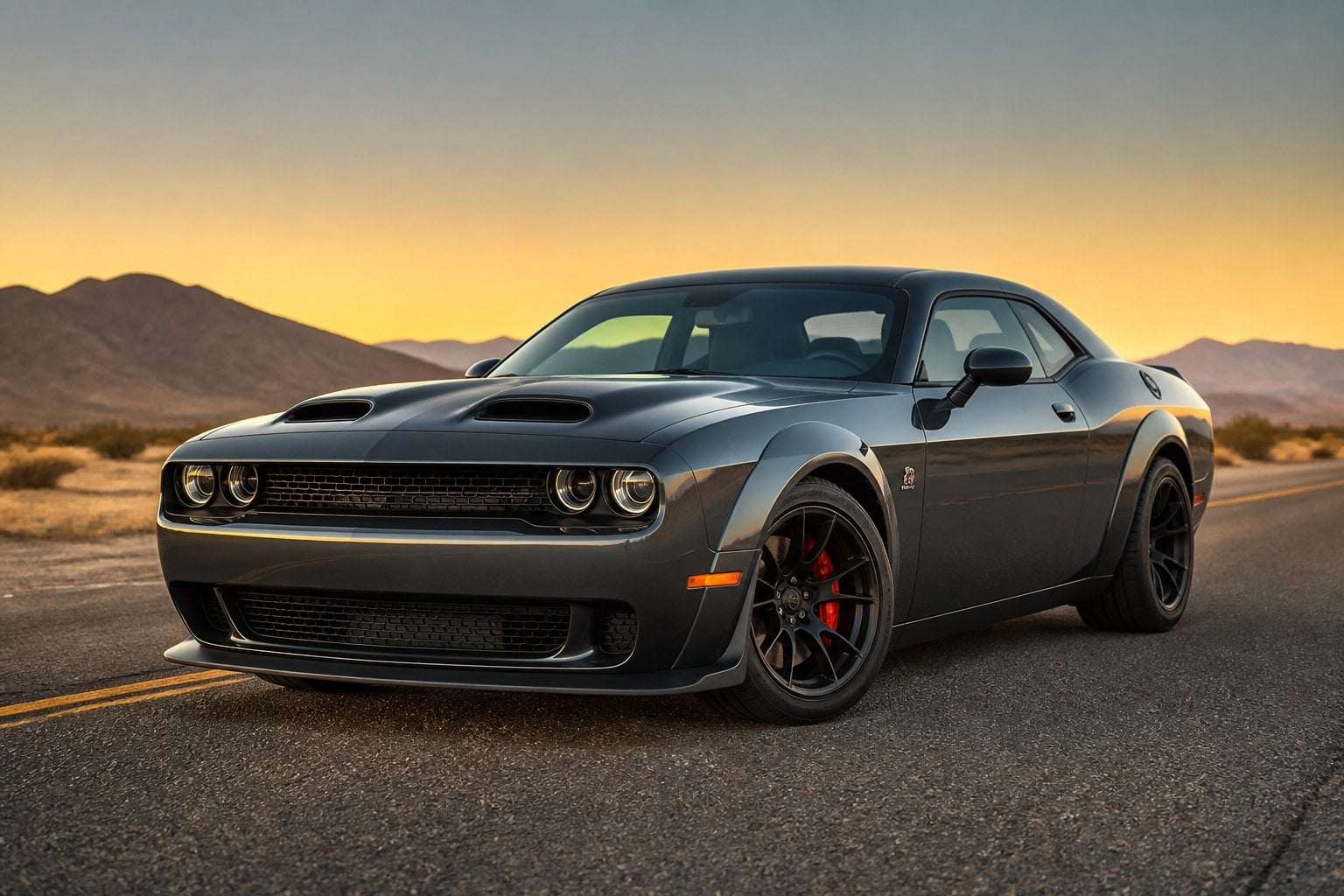
The Dodge Challenger Hellcat delivers impressive supercharged V8 power and dramatic straight-line acceleration. You get 707 horsepower and the ability to smoke tires on command.
However, the Hellcat’s performance credentials fall short when you consider its weight. At over 4,400 pounds, it’s heavier than many luxury sedans. This mass creates significant handling limitations on anything but a straight road.
The chassis design dates back over a decade, and you’ll notice the difference compared to modern sports cars. Braking performance doesn’t match the acceleration capability, and cornering feels cumbersome. The iron engine block adds unnecessary weight by contemporary standards.
If you want a drag strip hero or tire-shredding spectacle, the Hellcat delivers. But as an overall performance car offering precision and agility, it struggles to justify its reputation among more balanced competitors.
11. Ford GT (2005–2006 halo myth)
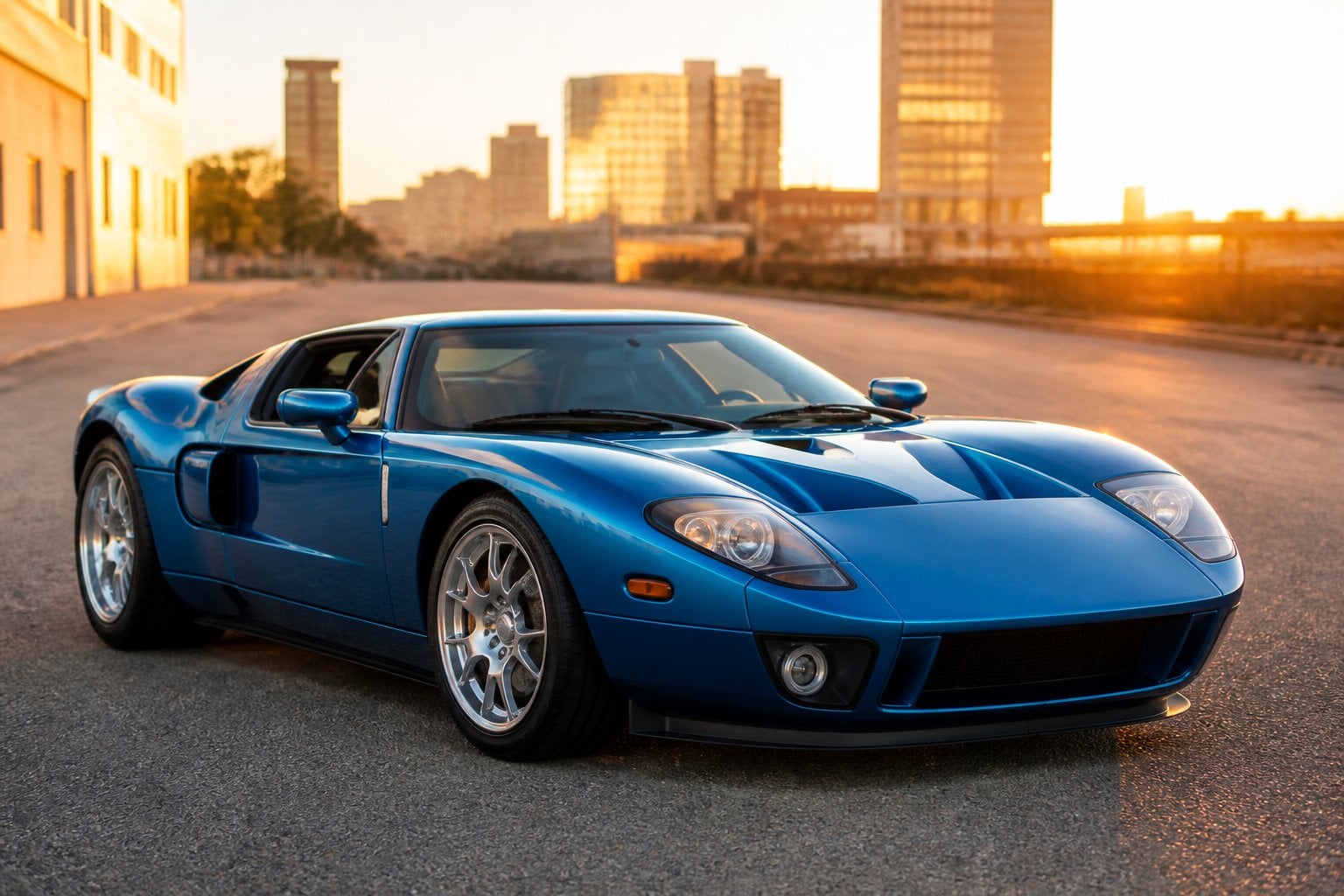
The 2005-2006 Ford GT arrived with massive fanfare as a tribute to the legendary Le Mans racer. While it packed a 5.4-liter supercharged V8 producing 550 horsepower, the production reality fell short of the mythology.
Ford built 4,038 units between 2004 and 2006, marketed at $139,995 initially. Dealers immediately inflated prices well beyond MSRP, exploiting the limited production numbers. You were paying a premium for a car shaped by federal crash regulations and numerous compromises that diluted the original race-bred concept.
The GT delivered impressive straight-line performance, but its reputation exceeded its actual capabilities as a driver’s car. Many owners treated it as a static collector piece rather than the track weapon it claimed to be. The halo effect generated more buzz than the car truly warranted.
12. Tesla Model S (autopilot / build quality concerns)
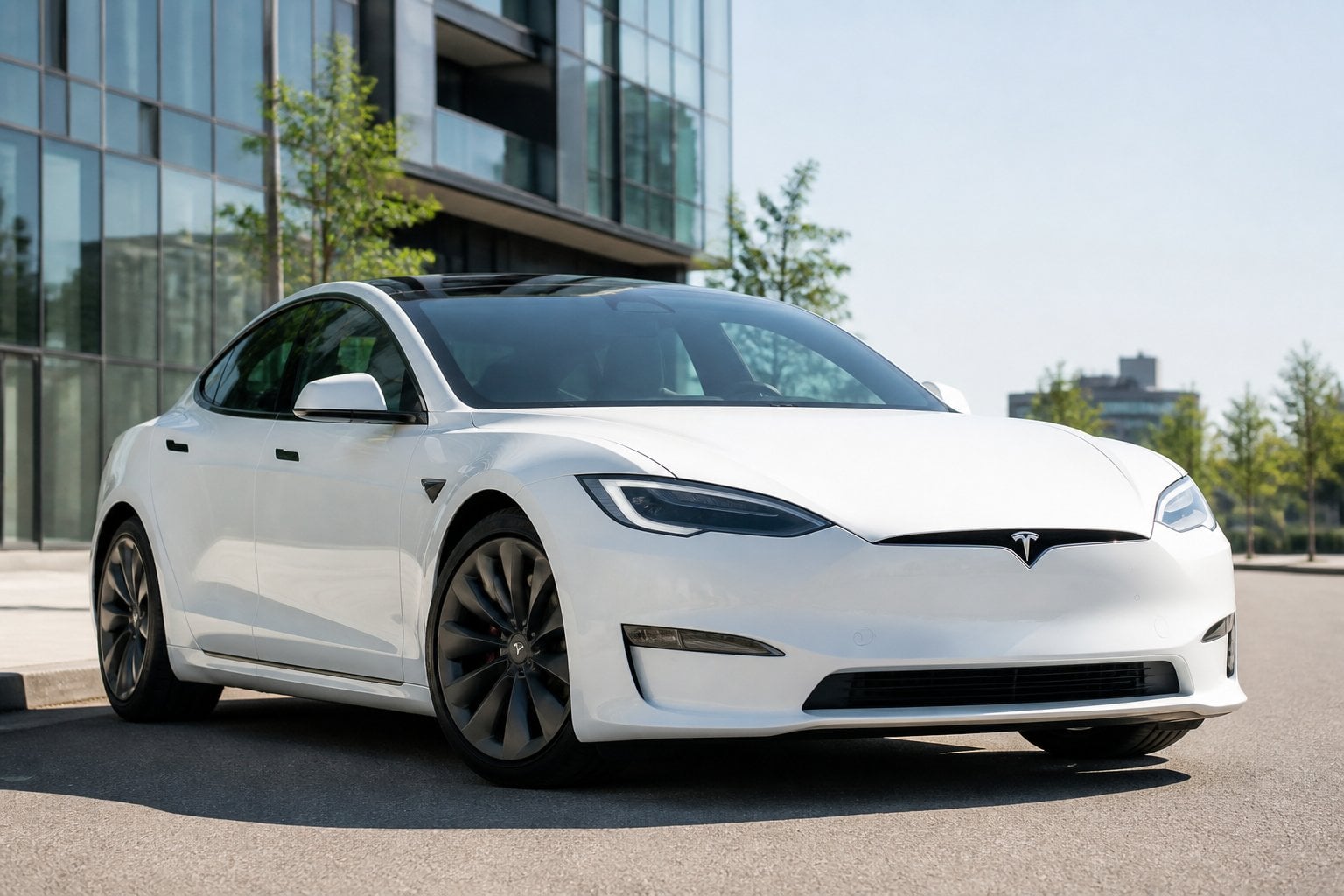
The Tesla Model S brought electric vehicles into the mainstream, but its reputation exceeds its execution in critical areas. Federal investigators identified 467 crashes involving the Autopilot system, including 13 fatalities, raising questions about the gap between promised capability and real-world performance.
Build quality remains inconsistent across model years. The 2015 and 2016 models score particularly low on reliability at 48/100 and 46/100, respectively, with suspension problems being a recurring concern. Early production years also suffered from panel gaps, paint defects, and interior trim issues.
While Tesla addressed some problems through redesigns, the brand’s overall reliability average of 41/100 across all Model S years falls short of traditional luxury vehicles. You’re paying premium prices for a car that doesn’t consistently deliver premium quality or the autonomous driving capabilities its name suggests.
13. BMW M3 (E46 legend vs cost of ownership)
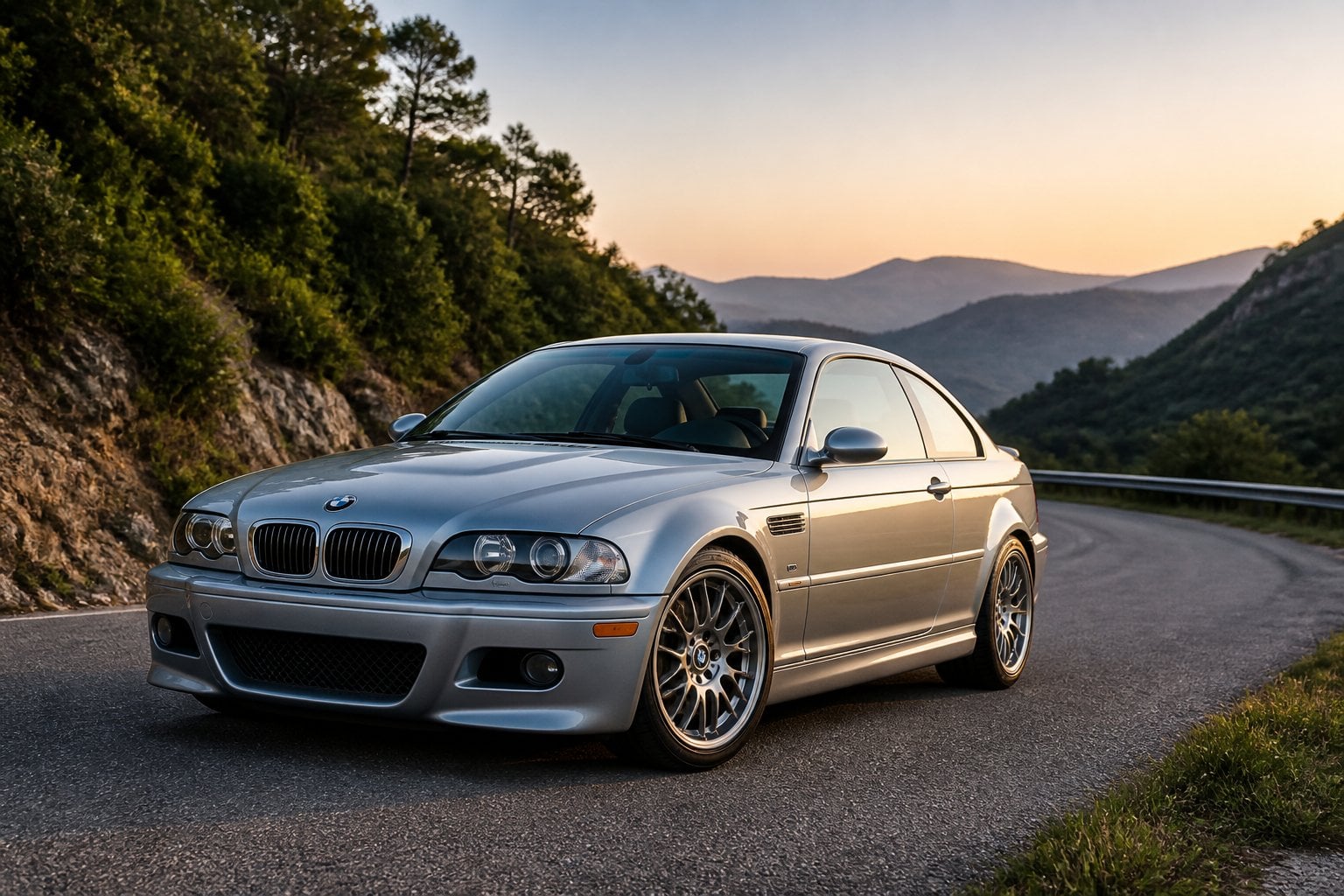
The E46 M3 has earned legendary status among enthusiasts, and its naturally aspirated S54 engine with an 8,400rpm redline deserves recognition. The problem isn’t the car’s capability—it’s the financial reality of ownership.
You’re looking at an average annual repair cost of $1,161, significantly higher than most vehicles in its class. The E46 M3 carries a reliability rating of just 2.0 out of 5.0.
Common issues like rod bearing failures and VANOS problems create expensive maintenance intervals. Clean examples now command $35,000-$55,000, and that’s just the entry price.
The driving experience is excellent, but the ownership costs don’t match the hype. If you can’t afford dedicated maintenance reserves and regular inspections, this “affordable” classic quickly becomes a financial burden that overshadows its performance credentials.
14. Lamborghini Murciélago (reputation > usability)
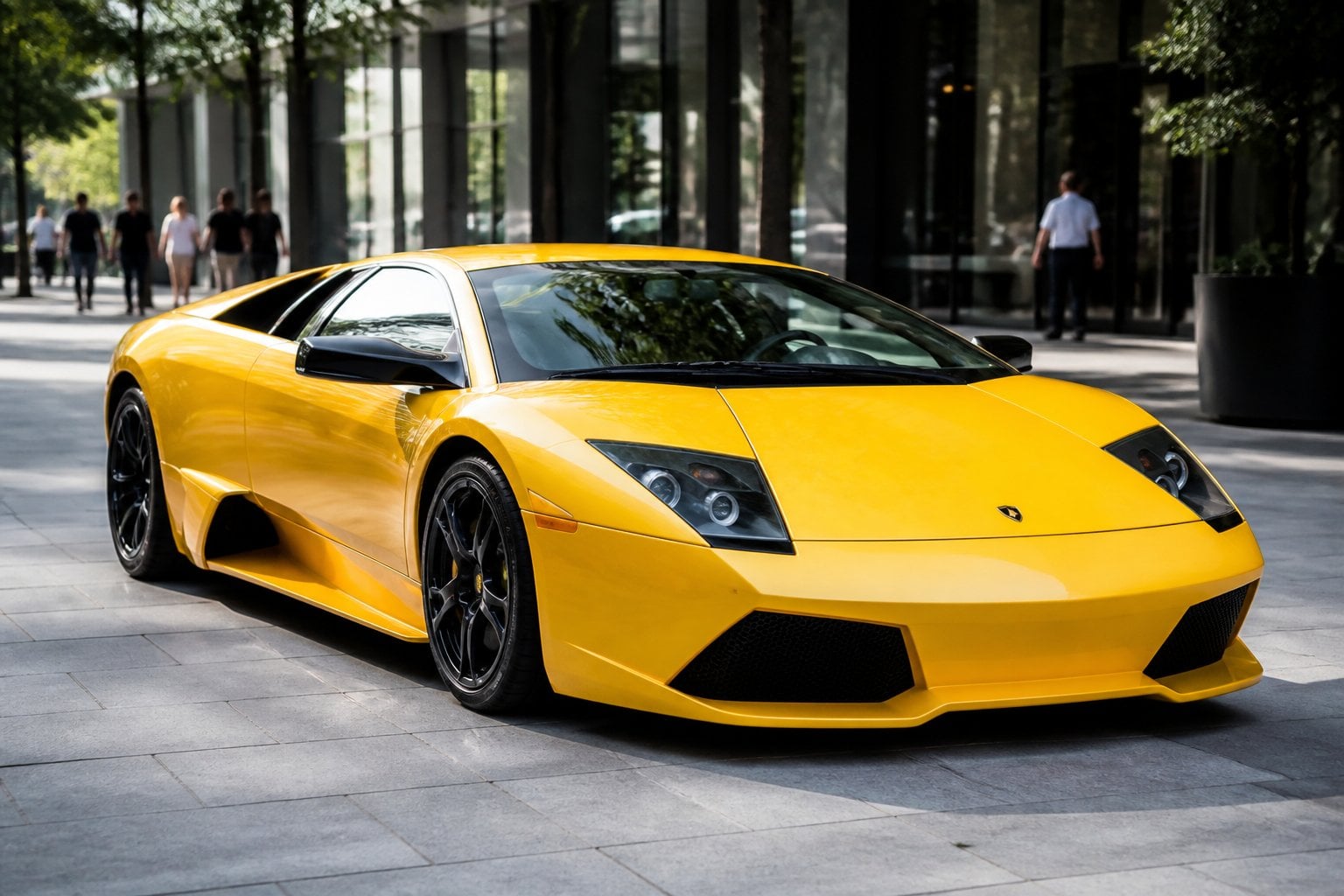
The Murciélago certainly delivers on drama with its scissor doors and screaming V12 engine. On paper, the 6.2-liter powerplant produced 572 horsepower and pushed the car to 60 mph in under four seconds.
However, you’d struggle to use this car regularly. The driving position is awkward, with visibility that makes parking a genuine challenge. The cabin becomes uncomfortably hot during normal driving, and the clutch requires significant effort in stop-and-go traffic.
Your maintenance costs will shock you, with routine service running into thousands of dollars. The wide body makes navigating typical streets stressful, while the low ground clearance means you’ll constantly worry about speed bumps and driveways.
The Murciélago trades everyday functionality for visual impact. You’re paying supercar money for a machine that spends most of its time sitting still.
15. Ferrari F40 (collector myth vs raw experience)
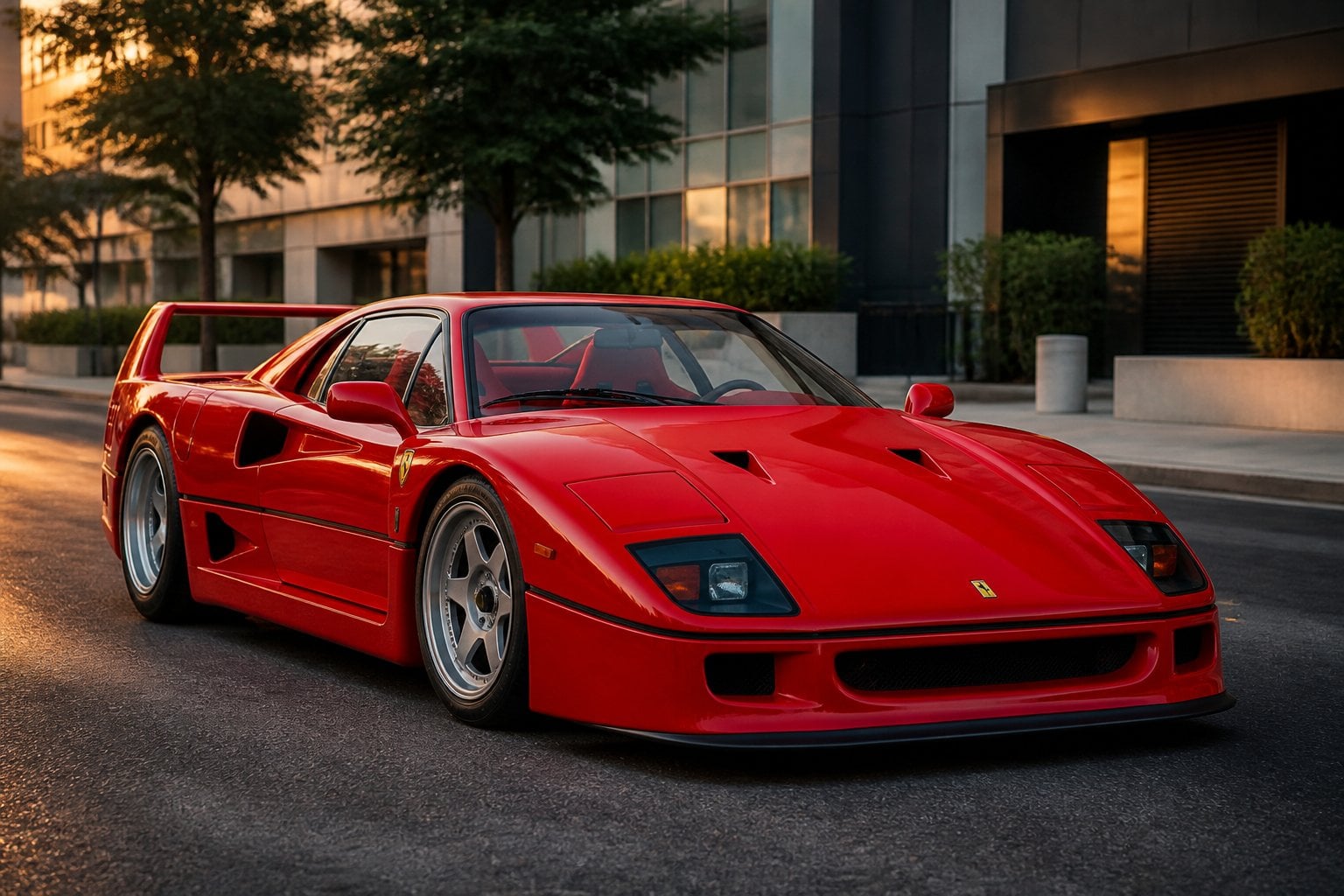
The Ferrari F40 carries enormous prestige as the last car Enzo Ferrari personally approved before his death. Built from 1987 to 1992, it was designed to celebrate Ferrari’s 40th anniversary and became the first production car to exceed 200 mph.
The collector market has elevated the F40 to mythical status, but the driving reality tells a different story. You’ll find a brutal, unrefined machine with minimal sound insulation, no power steering, and a harsh ride quality. The twin-turbocharged V8 delivers raw performance, yet the experience feels more punishing than polished.
What collectors revere as “authentic” is actually a lack of refinement that modern supercars have rightfully improved upon. The F40’s legacy rests heavily on timing and Enzo’s approval rather than being genuinely superior to its successors.
16. Toyota Supra Mk4 (MKIV cult pricing)
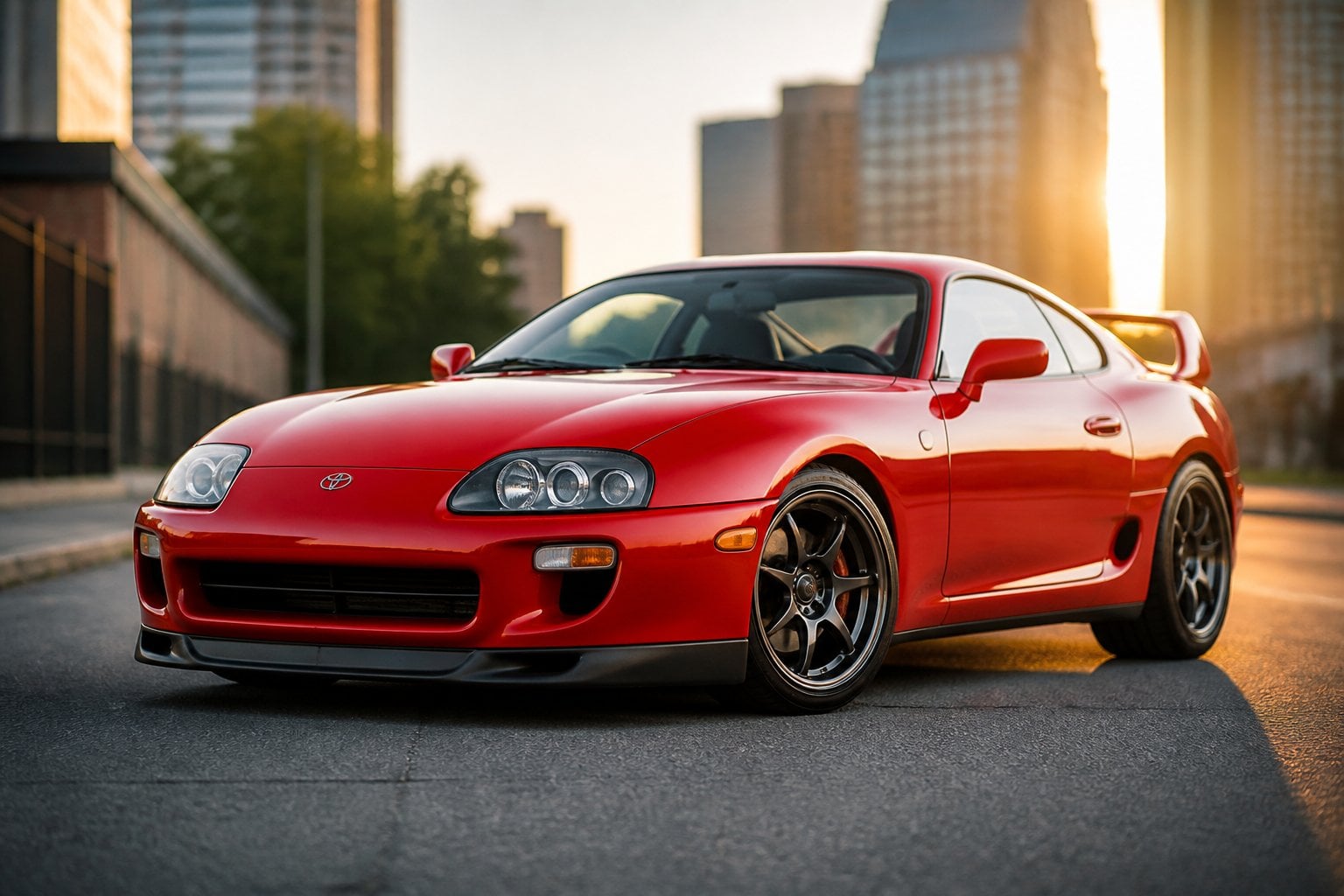
The Mk4 Supra has transformed from a $35,000-$40,000 grand tourer into a six-figure collectible, driven more by nostalgia than actual performance credentials. You’ll find examples selling for $50,000 to well over $100,000, despite the car’s stock form being relatively unremarkable.
The 2JZ-GTE engine is genuinely impressive, but the Supra’s weight and handling don’t match its legendary status. Its appearance in “The Fast and the Furious” franchise created artificial demand that skewed prices beyond reason.
When new, the Supra struggled to justify its price against competitors and sold poorly enough to end Toyota’s sports car ambitions. You’re now paying premium prices for a competent GT car that the market initially rejected. The current values reflect scarcity and pop culture influence rather than driving excellence.
17. Nissan 350Z/370Z (sports car hype vs refinement)
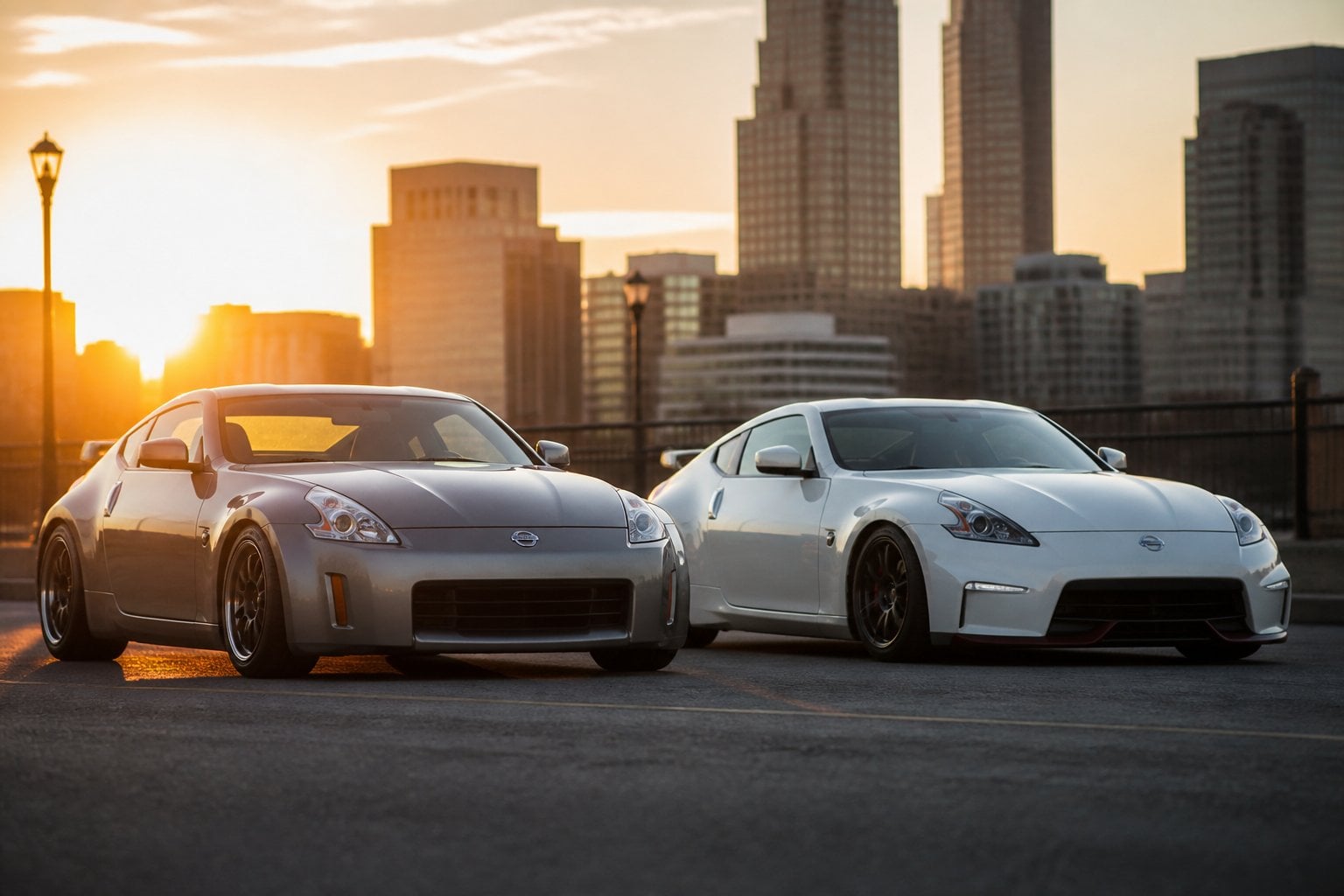
The Nissan Z-cars built massive followings based on their V6 power and rear-wheel-drive layout, but neither model delivered the refinement you’d expect from their price tags and reputation. The 350Z arrived in 2003 as a return to form, yet it felt unfinished with heavy steering, rough road manners, and an interior that bordered on cheap.
The 370Z was supposed to fix these issues. Instead, you got a slightly more powerful engine wrapped in similarly dated design choices and compromised handling dynamics. Both cars commanded premium prices while offering driving experiences that sport compacts often matched or exceeded.
The hype around these models often overshadowed their actual performance capabilities. You paid for the Z-car mystique more than you did for a genuinely refined sports car package.
18. Volkswagen Beetle (retro reboots)
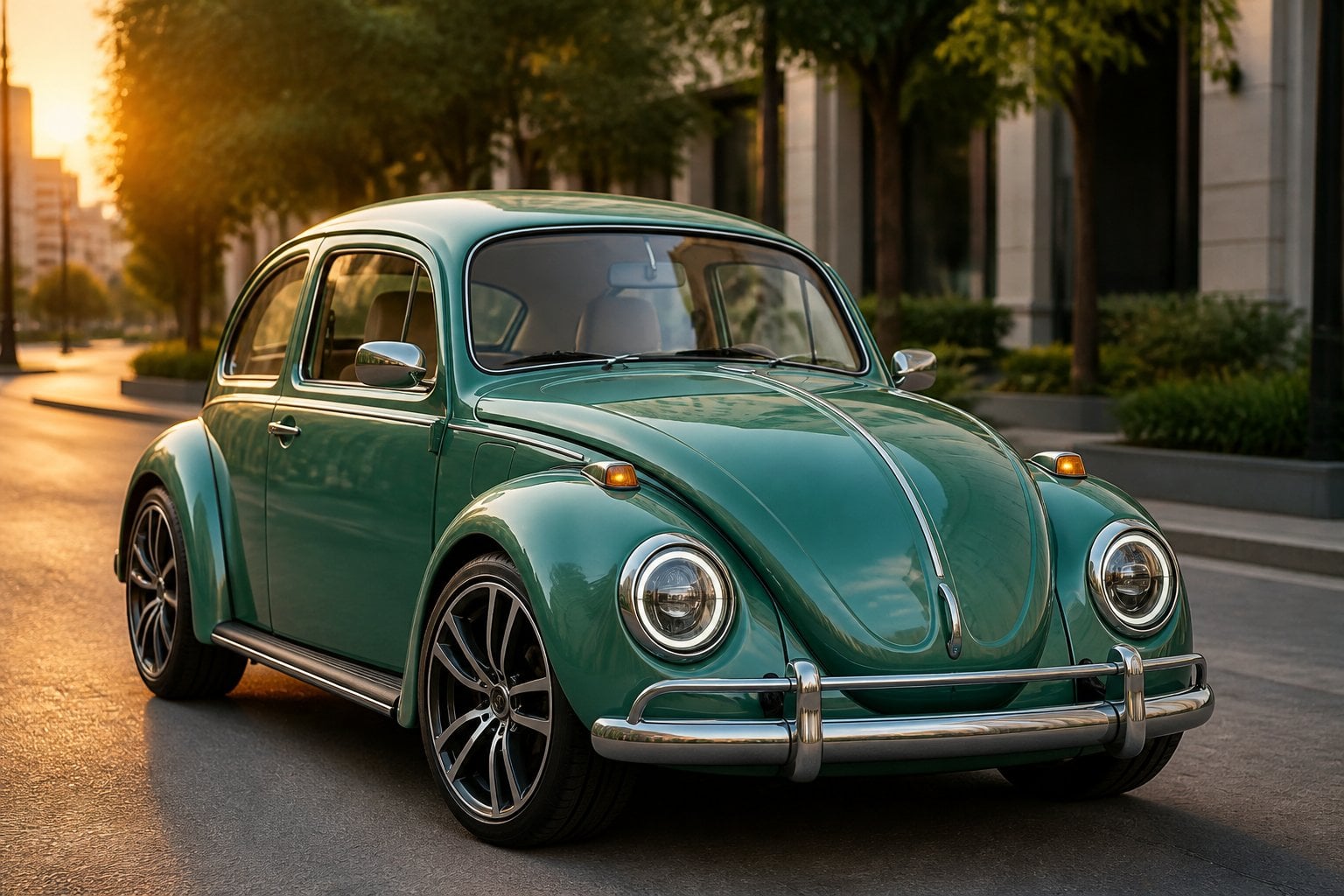
When Volkswagen reintroduced the Beetle in 1997 as the New Beetle, it relied heavily on nostalgia rather than substance. The car featured flower vases and soft curves that appealed to sentiment, but underneath it was essentially a Golf with quirky styling. Initial sales were strong, but the novelty quickly wore off.
By 2019, sales had plummeted to just 15,000 units as consumers realized the retro appeal didn’t justify the price tag. The New Beetle offered modest performance and few compelling reasons to choose it over competitors. While the original Beetle earned its place as a cultural icon and earned the title “Car of the Century,” the modern reboots traded on that legacy without delivering equivalent value.
You were paying a premium for nostalgia wrapped in a package that couldn’t match the original’s impact or practicality.
19. Pontiac Aztek (overrated by cult nostalgia)
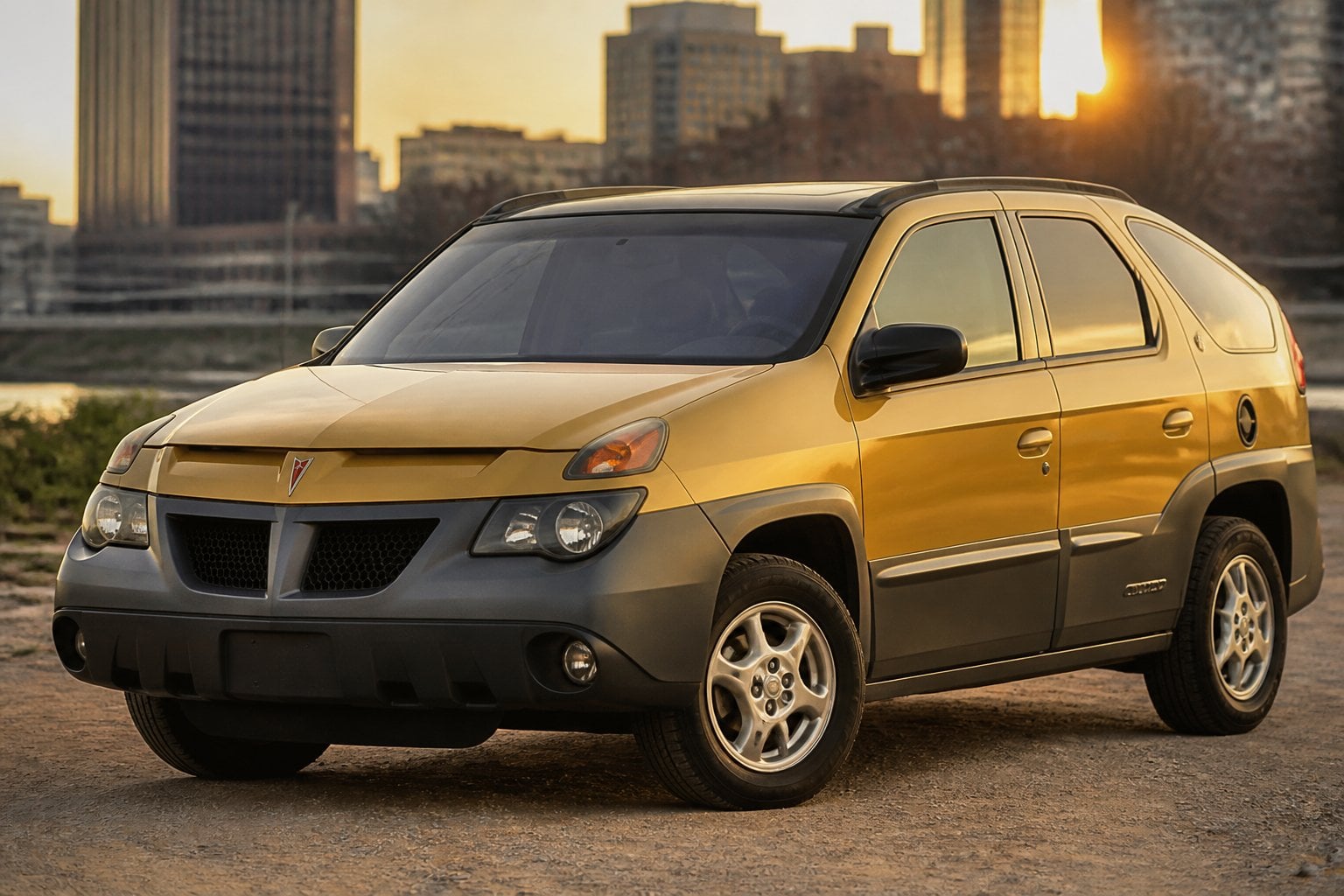
The Pontiac Aztek earned its place on TIME’s “50 Worst Cars” list for good reason. Its awkward proportions and disjointed styling made it an instant punchline when it launched in 2001.
Yet somewhere along the way, this design disaster became a cult classic. Much of this redemption came from Breaking Bad, where Walter White’s Aztek became iconic through association with the show’s popularity.
You’ll find enthusiasts now defending its “ahead of its time” versatility and practical features. The reality is that the Aztek had cheap interiors, unreliable electronics, and remained fundamentally flawed regardless of its camping amenities.
The car flopped commercially for valid reasons. Its current cult status stems more from pop culture nostalgia than actual automotive merit, making it genuinely overrated by modern defenders who mistake quirky for quality.
20. Chevrolet Camaro (fifth-gen marketing over substance)
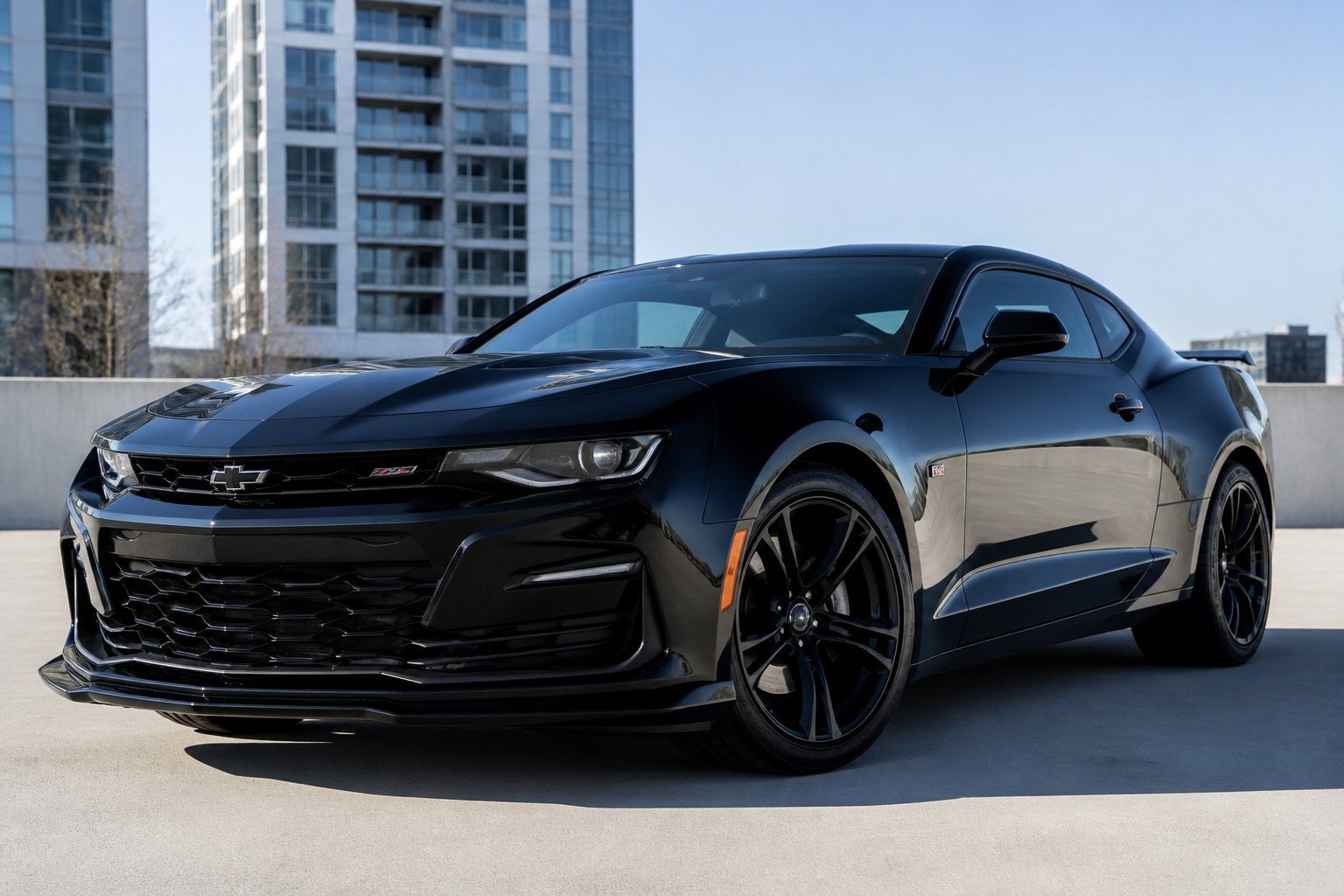
The fifth-generation Camaro arrived in 2010 with bold, concept-car styling that grabbed attention. Chevrolet marketed it as the triumphant return of an American icon after a seven-year hiatus.
However, the reality didn’t match the hype. You got a car with severely compromised visibility due to its thick pillars and high beltline. The interior felt cramped despite the Camaro’s large exterior dimensions, and the trunk opening was impractically small.
Build quality issues plagued early models, particularly 2010-2014 years. The initial 3.6L V6 suffered from timing chain problems that later years would address. Chevrolet prioritized aggressive aesthetics over practical functionality, leaving you with a car that looked better in photos than it performed in daily use.
21. Audi Quattro (historic aura vs daily practicality)
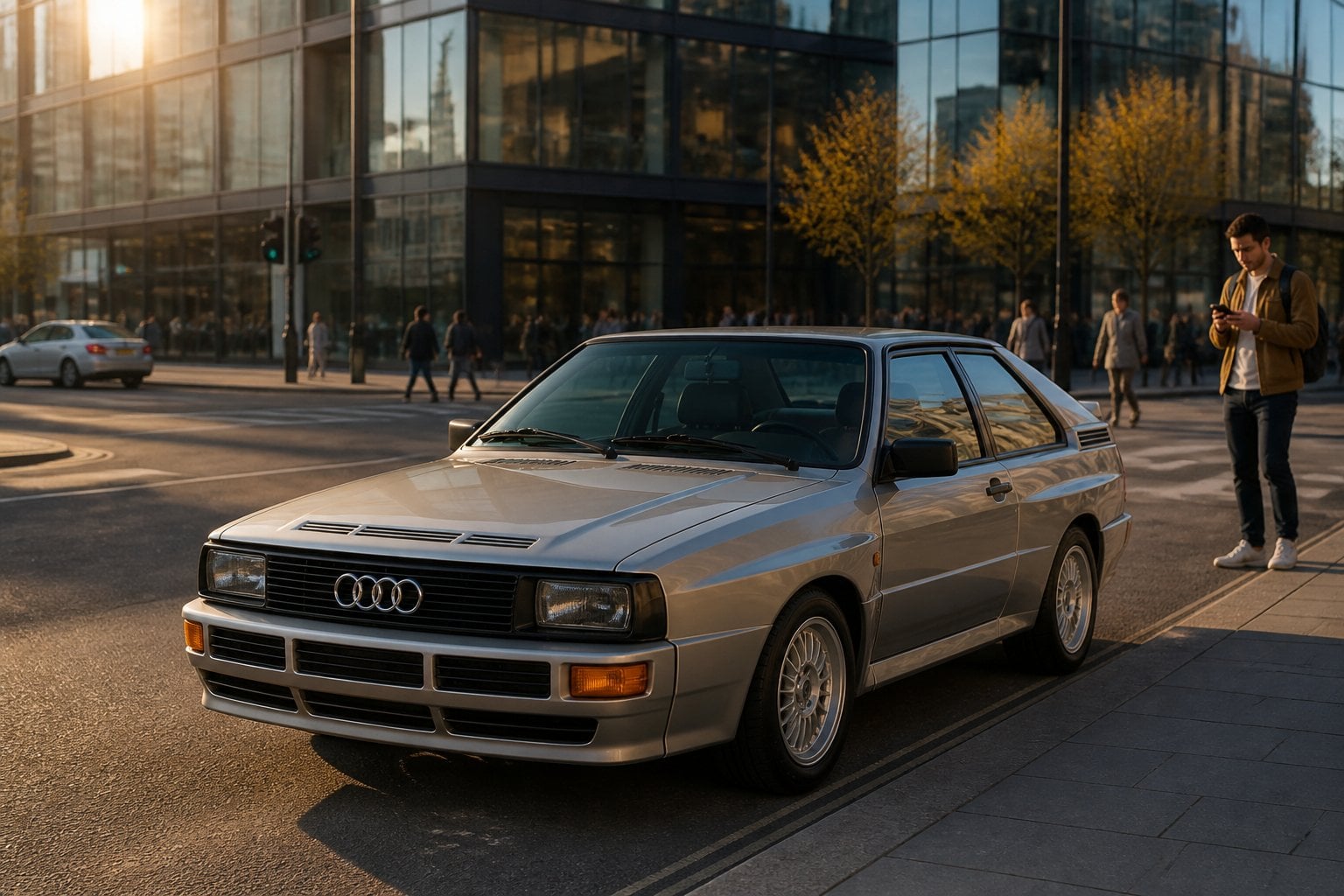
The Audi Quattro earned its legendary status through rallying dominance and pioneering all-wheel drive technology when it debuted in 1980. Its motorsport achievements created a reputation that still resonates today.
However, the gap between its historic significance and actual ownership experience is substantial. The original Quattro suffers from dated ergonomics, limited rear seat space, and maintenance demands that challenge daily usability. Parts availability can be problematic, and the inline five-cylinder engine requires regular attention.
You’re essentially buying automotive history rather than a refined driving tool. The car’s aggressive styling and rally heritage create expectations that the on-road experience doesn’t always fulfill for modern drivers. While the Quattro changed the industry, its practical shortcomings as transportation often get overlooked in favor of nostalgia.
22. Porsche Cayenne (brand halo SUV criticism)
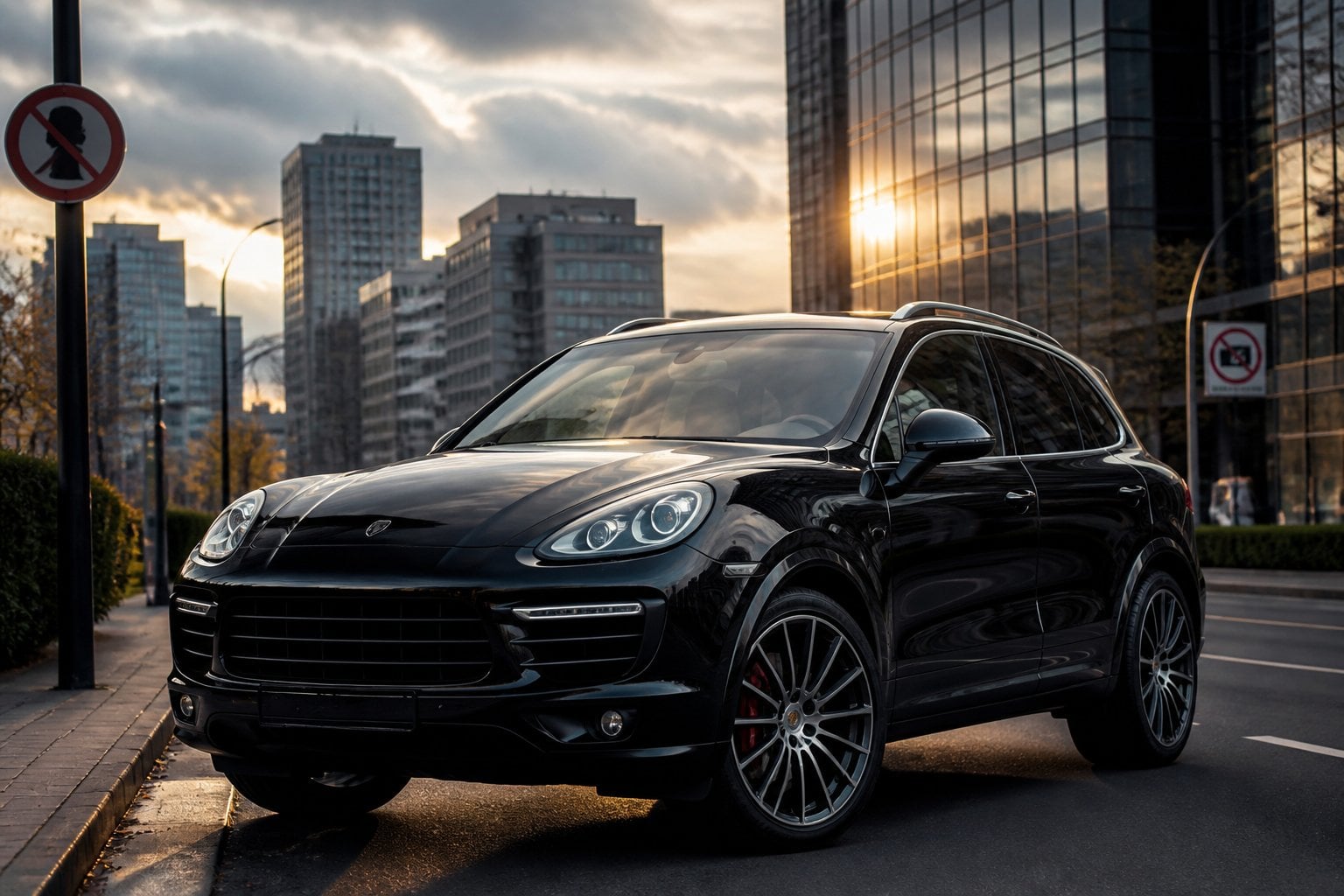
When Porsche launched the Cayenne in 2002, purists were outraged. The brand had built its reputation on sports cars, and this midsize SUV felt like a betrayal of those values.
The Cayenne certainly helped Porsche’s bottom line and proved financially successful. However, critics argue it diluted the brand’s identity. You’re essentially getting an SUV with a Porsche badge rather than a true Porsche driving experience, especially in the base models.
The early V6 variants particularly disappointed enthusiasts who expected more from the nameplate. While later performance versions improved significantly, the Cayenne established a precedent for luxury brands to chase SUV profits over heritage. You pay a premium for that Porsche crest, but the original Cayenne never captured what made the 911 legendary.
23. Mercedes-Benz S-Class (status vs complexity)
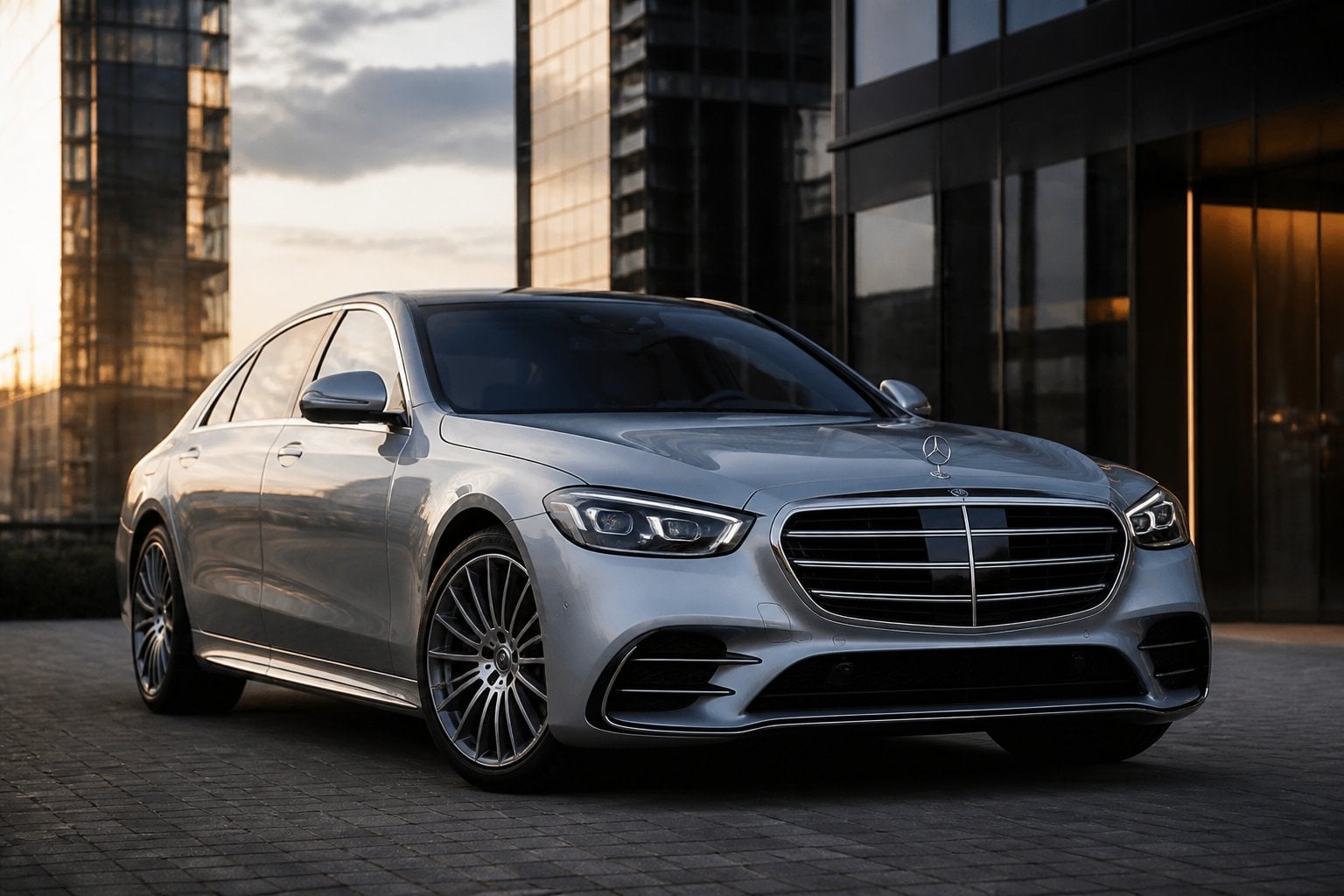
The Mercedes-Benz S-Class has long been praised as the benchmark luxury sedan, but its reputation often overshadows significant ownership challenges. You’re paying for cutting-edge technology and prestige, yet this comes with substantial complexity that can burden your daily driving experience.
Each generation introduces increasingly sophisticated systems that, while impressive at launch, frequently develop reliability issues as the vehicle ages. The W220 generation particularly struggled with electronic failures and build quality concerns that contradicted the brand’s luxury positioning.
You’ll face higher maintenance costs than comparable luxury sedans, with repairs often requiring specialized knowledge and expensive parts. The intricate technology that defines the S-Class becomes a liability rather than an asset over time.
While the car delivers status and comfort, you’re accepting considerable financial and practical compromises that many buyers don’t anticipate when purchasing this automotive icon.
24. Buick Riviera (classic styling overrated)
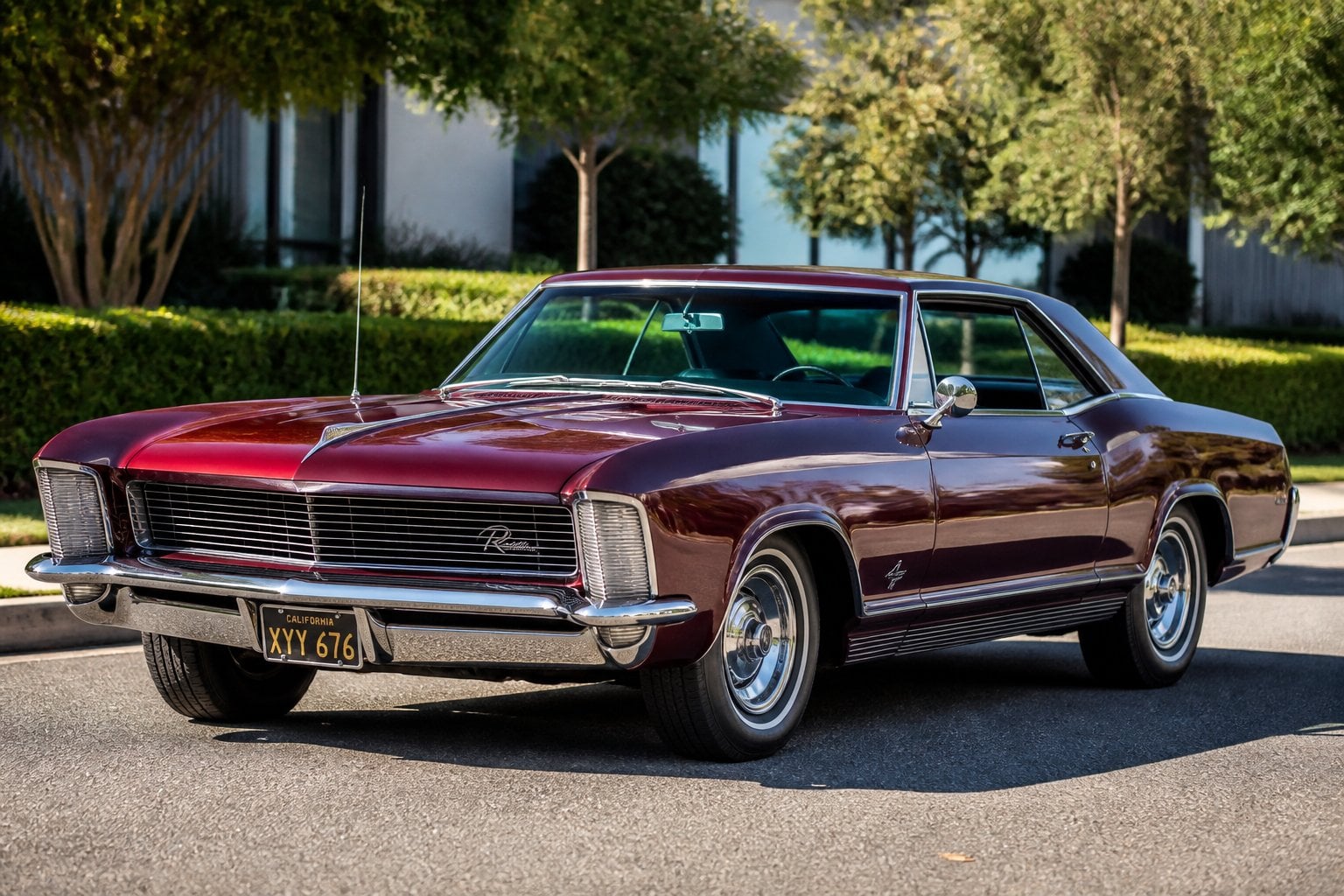
The Buick Riviera debuted in 1963 to widespread acclaim for its elegant design. It established itself as GM’s entry into the personal luxury car market with striking aesthetics that impressed automotive journalists.
However, the Riviera’s reputation often overshadows the reality of ownership. While the first generation set high standards, subsequent models struggled to maintain that initial appeal. The controversial boat-tail styling of the early 1970s divided opinion, and later generations became increasingly bloated and technology-laden without improving the driving experience.
Collectors frequently point to the Riviera as an example where nostalgia and poster-car appeal exceed the actual ownership reality. You’ll find the car praised more for its historical significance than its performance or reliability. The styling that once seemed revolutionary now appears dated, and the engineering doesn’t justify the premium prices some examples command at auctions.
25. Alfa Romeo Giulia (styling trumping reliability)
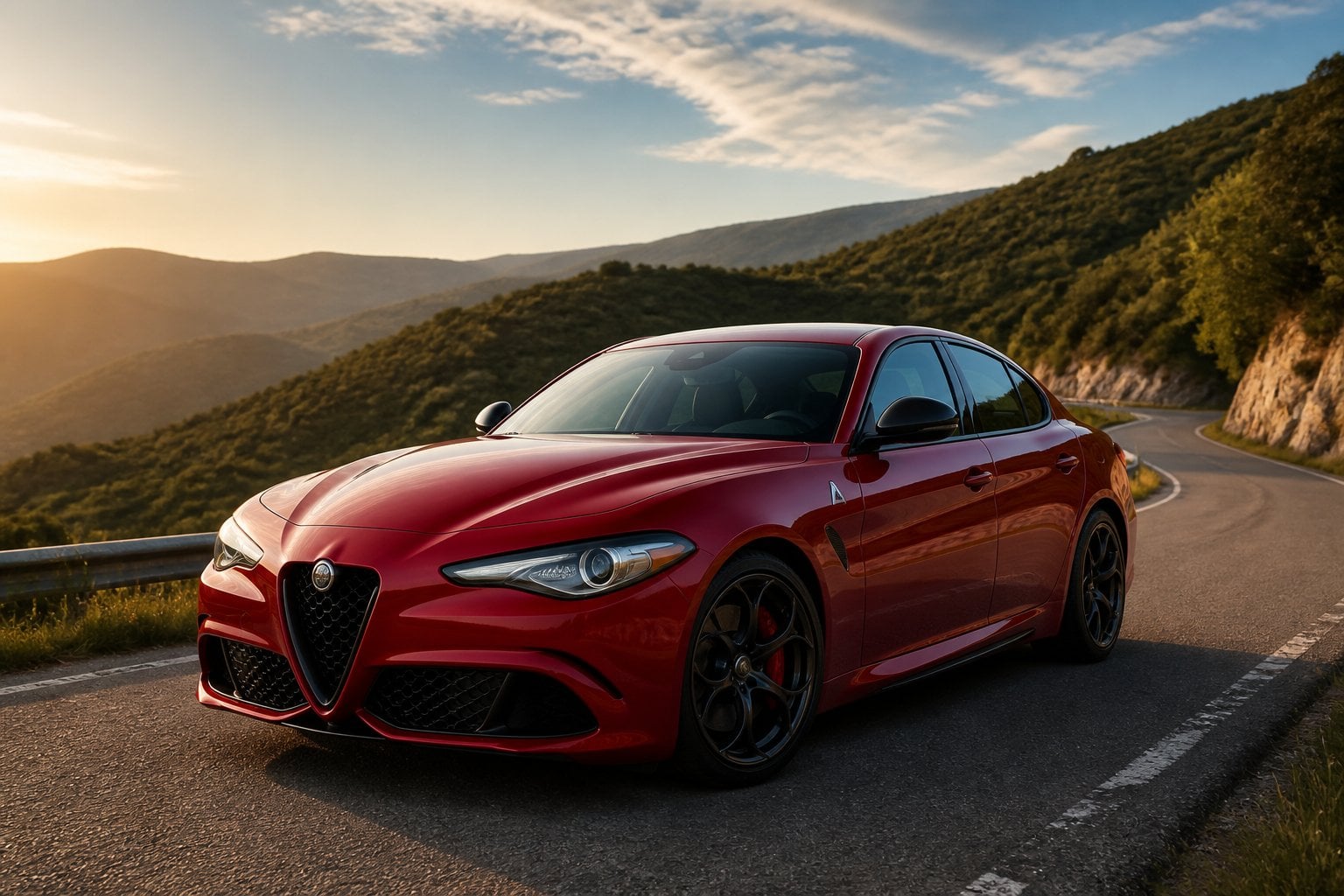
The Alfa Romeo Giulia returned to the market in 2016 with undeniable Italian styling and impressive performance credentials. It was designed to challenge established luxury sedans like the BMW 3 Series and Mercedes-Benz C-Class.
However, the Giulia’s striking design and engaging driving dynamics mask a persistent reliability problem. Owner surveys consistently report mixed results when it comes to dependability and dealer service quality. Common issues include electrical problems and various mechanical concerns that plague multiple model years.
While newer Giulias show improvements compared to older Alfa Romeo models, you’re still taking a significant gamble on long-term reliability. The gap between the Giulia’s visual appeal and its actual dependability makes it a prime example of form over function. You’ll find more reliable alternatives in this segment that won’t sacrifice your peace of mind for aesthetics.
26. Range Rover Classic/Classic-era (luxury vs durability)
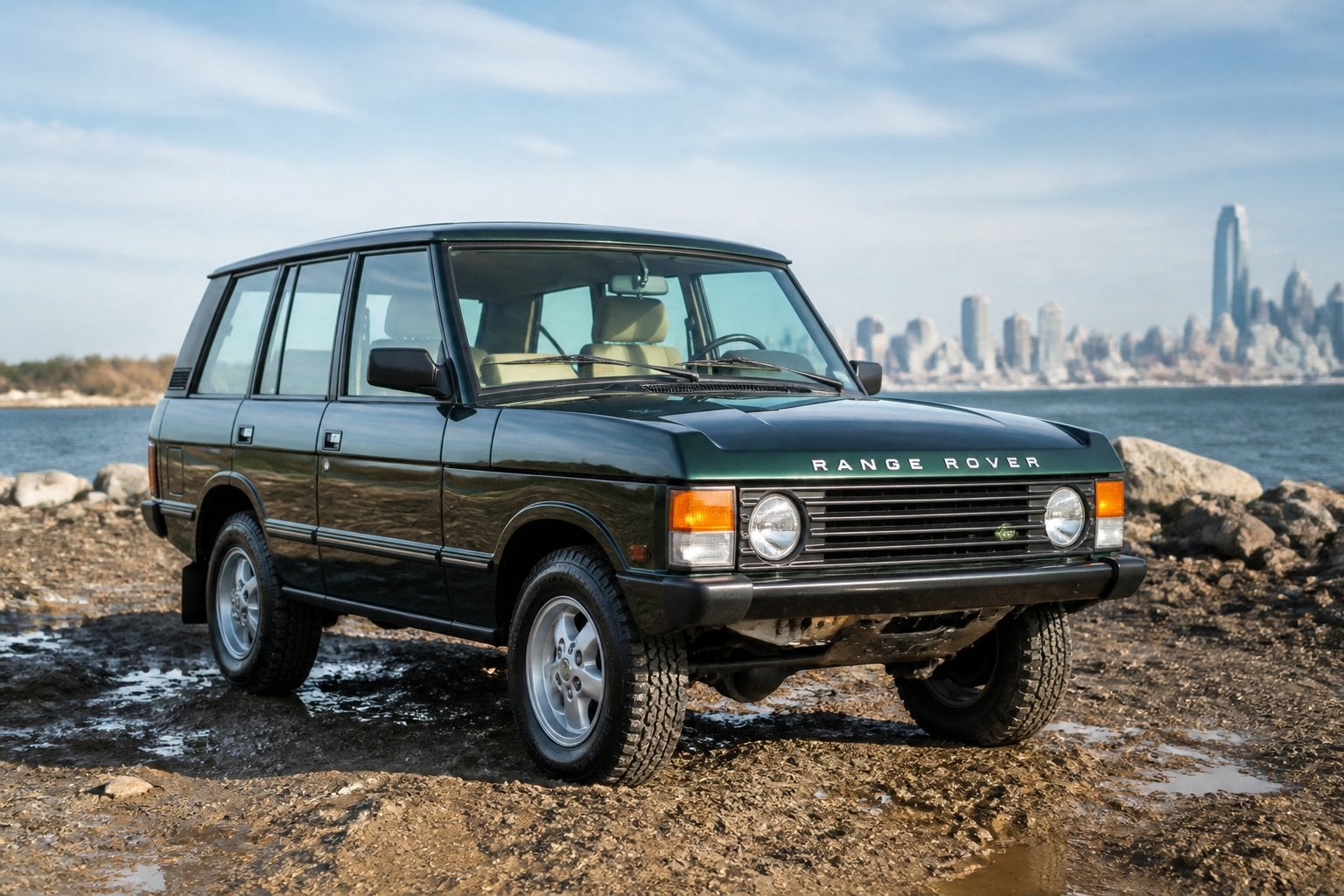
The Range Rover Classic earned praise for pioneering the luxury SUV segment during its 26-year production run from 1970 to 1996. You get genuine off-road capability paired with upscale interior appointments that were groundbreaking for their time.
The problem is that its reputation often overshadows significant reliability concerns. You’ll find that maintenance costs can escalate quickly, especially as these vehicles age. The Classic shares many components with the Defender and Discovery, making them relatively straightforward to work on if you have mechanical skills.
However, you should expect frequent repairs and parts replacement. Finding a well-maintained example with complete service records matters more than the specific year you choose. The luxury appointments that made this vehicle famous don’t hold up well without dedicated upkeep, which many buyers underestimate when purchasing their “dream classic.”
27. Acura NSX (first-gen reverence overrated by some)
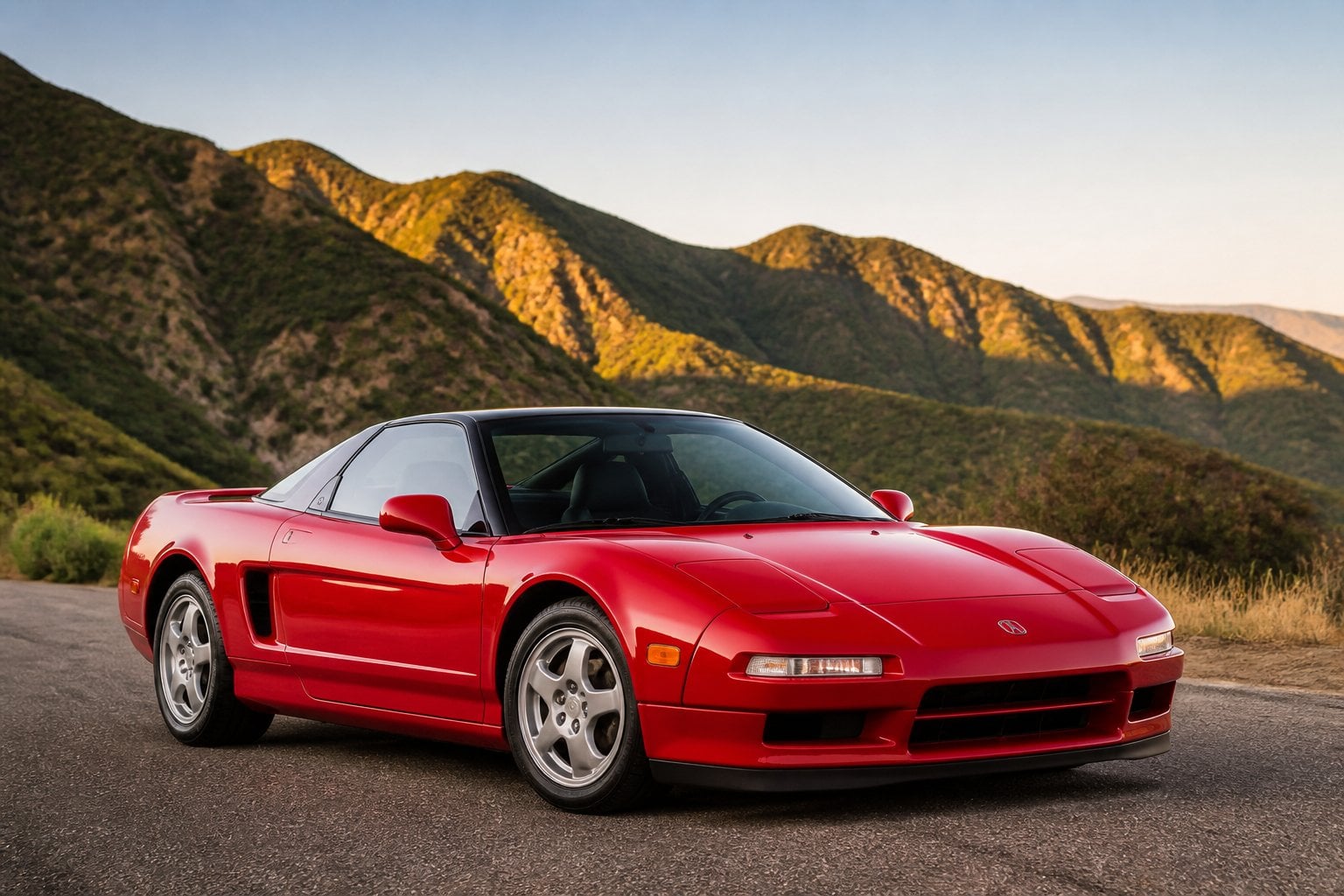
The first-generation NSX has achieved near-mythical status among enthusiasts, but some of that reverence deserves scrutiny. While Honda built a reliable and well-engineered sports car from 1991 to 2005, you’ll find the current market prices have become disconnected from reality.
Six-figure asking prices for these vehicles reflect hype more than actual performance capabilities. The NSX offered excellent build quality and daily drivability, but critics point out it can feel boring to drive compared to its Italian rivals. You’re paying a premium for the legend rather than raw driving excitement.
Honda expected stronger sales figures that never materialized, even as the car earned praise for changing supercar standards. The gap between the NSX’s reputation and what it actually delivers on the road has widened over time, making it a prime example of inflated expectations.
28. Toyota FJ Cruiser (retro styling over functionality)
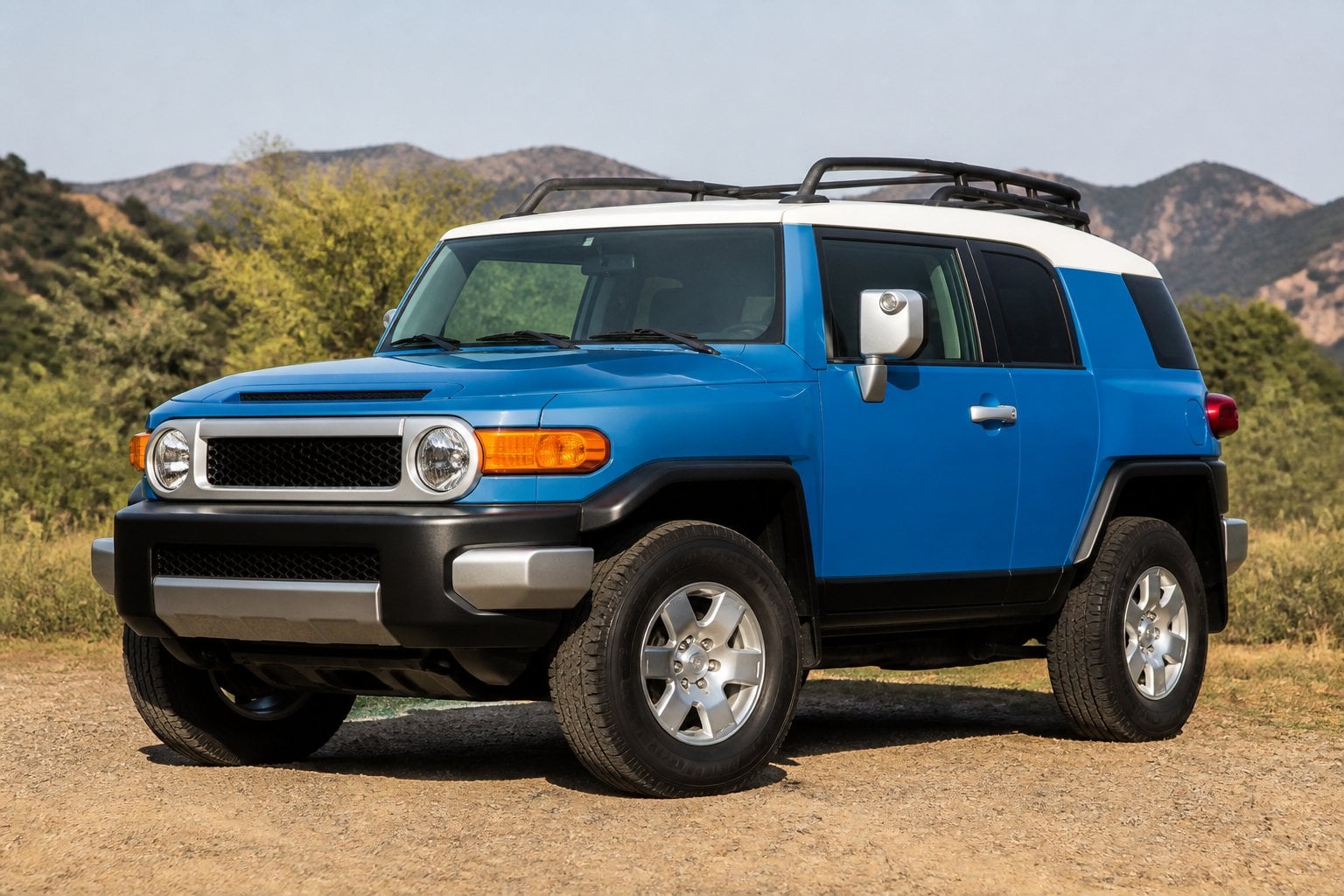
The Toyota FJ Cruiser captured attention when it debuted in 2007 with its bold throwback design mimicking the classic FJ40. While the styling successfully evoked nostalgia, it came at a cost to everyday practicality.
The most glaring issue was visibility. Those thick pillars and small rear windows that gave the FJ its distinctive look made checking blind spots and parking significantly harder than in conventional SUVs. The suicide rear doors required opening the front doors first, adding unnecessary steps to a simple task.
Despite legitimate off-road capabilities inherited from its 4Runner platform, most buyers used their FJ Cruisers for daily commuting where the quirky design became a liability. Toyota discontinued the model in 2014 after sales declined, though it maintained production for other markets until 2022. The FJ proved that retro appeal alone couldn’t overcome fundamental functionality issues.
29. Chrysler PT Cruiser (nostalgia-driven demand)
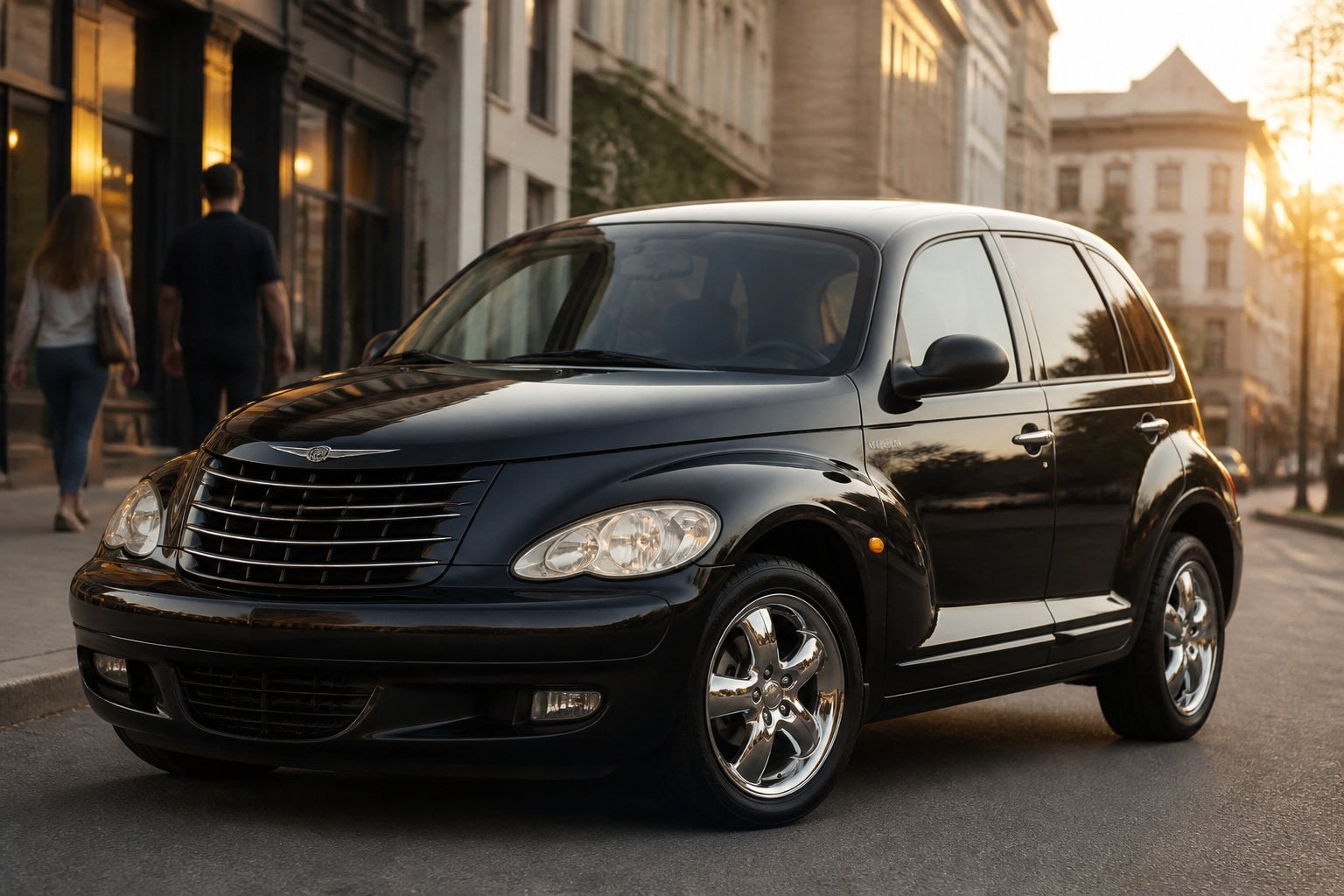
The PT Cruiser rode a wave of retro styling when it launched in 2001, selling over 144,000 units at its peak. Chrysler banked on 1930s and 1940s design cues to capture your attention, and it worked initially.
However, the nostalgia couldn’t mask the car’s shortcomings. You got just 150 horsepower and bargain-bin interior materials that aged poorly. The styling was the entire package, unlike competitors like the New Beetle and Mini Cooper that offered modern performance alongside their retro looks.
The PT Cruiser became one of those vehicles where reputation exceeded reality. While not terrible mechanically, it earned infamy through numerous recalls and reliability issues. You were essentially paying for looks over substance, making it a prime example of nostalgia-driven demand overtaking practical automotive value.
30. Mitsubishi Lancer Evolution (rally legend inflated)
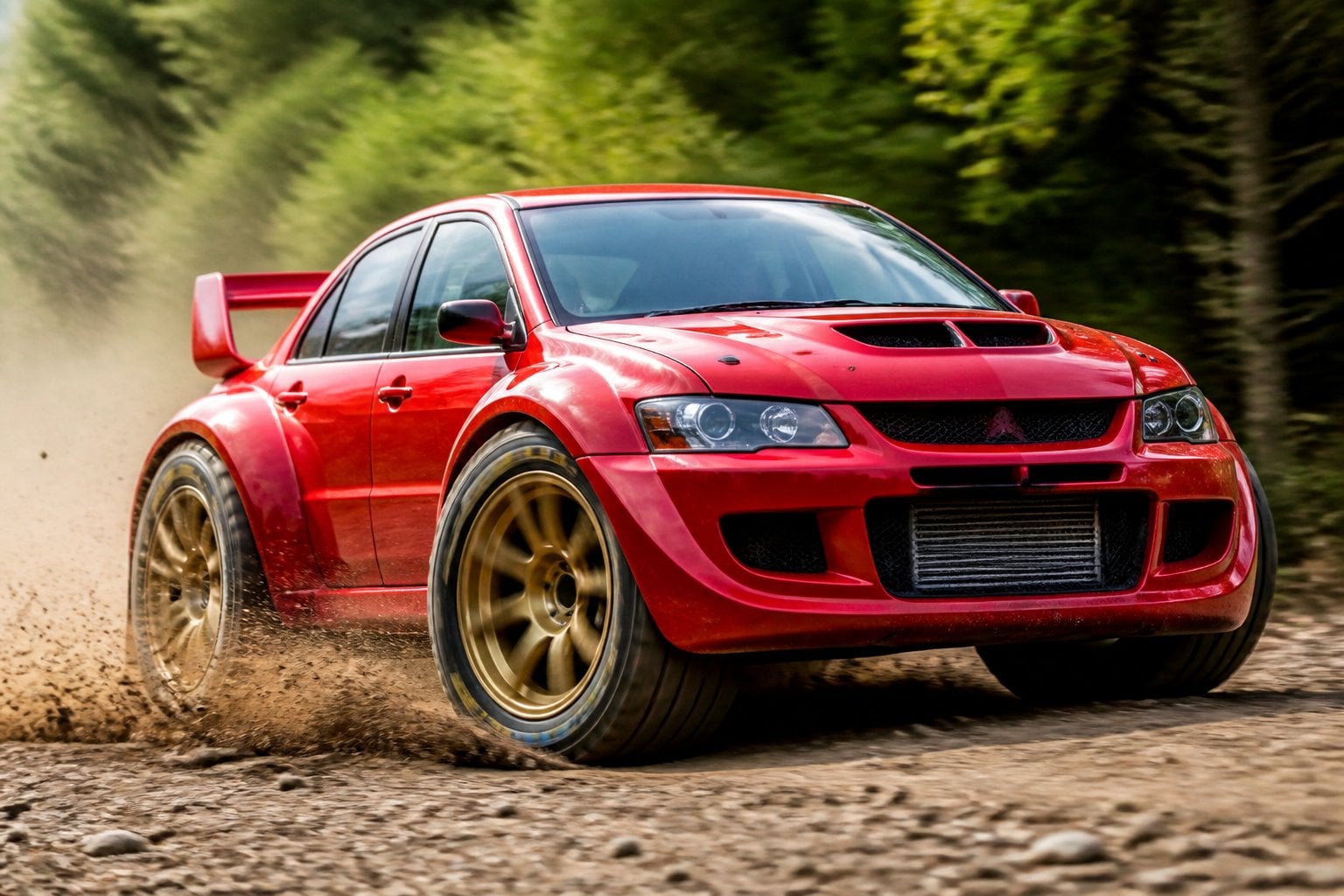
The Mitsubishi Lancer Evolution earned its reputation through genuine rally success, particularly with Tommi Mäkinen’s four consecutive World Rally Championship titles from 1996 to 1999. That motorsport heritage is real and documented.
However, you’ll find the Evo’s mystique often exceeds its practical capabilities. The car became a collector’s dream and enthusiast obsession partly due to manufactured scarcity and JDM worship rather than outright superiority. Many comparable AWD turbocharged sedans offer similar performance at lower price points.
The Evolution’s limited availability in certain markets created artificial demand. Its rally pedigree, while legitimate, doesn’t automatically translate to the road-going versions being exponentially better than competitors.
The Evo deserves respect for its engineering and racing achievements. But the reverence it receives sometimes overshadows more accessible alternatives that deliver comparable real-world performance without the inflated pricing and cult status.
Common Reasons Cars Become Overrated
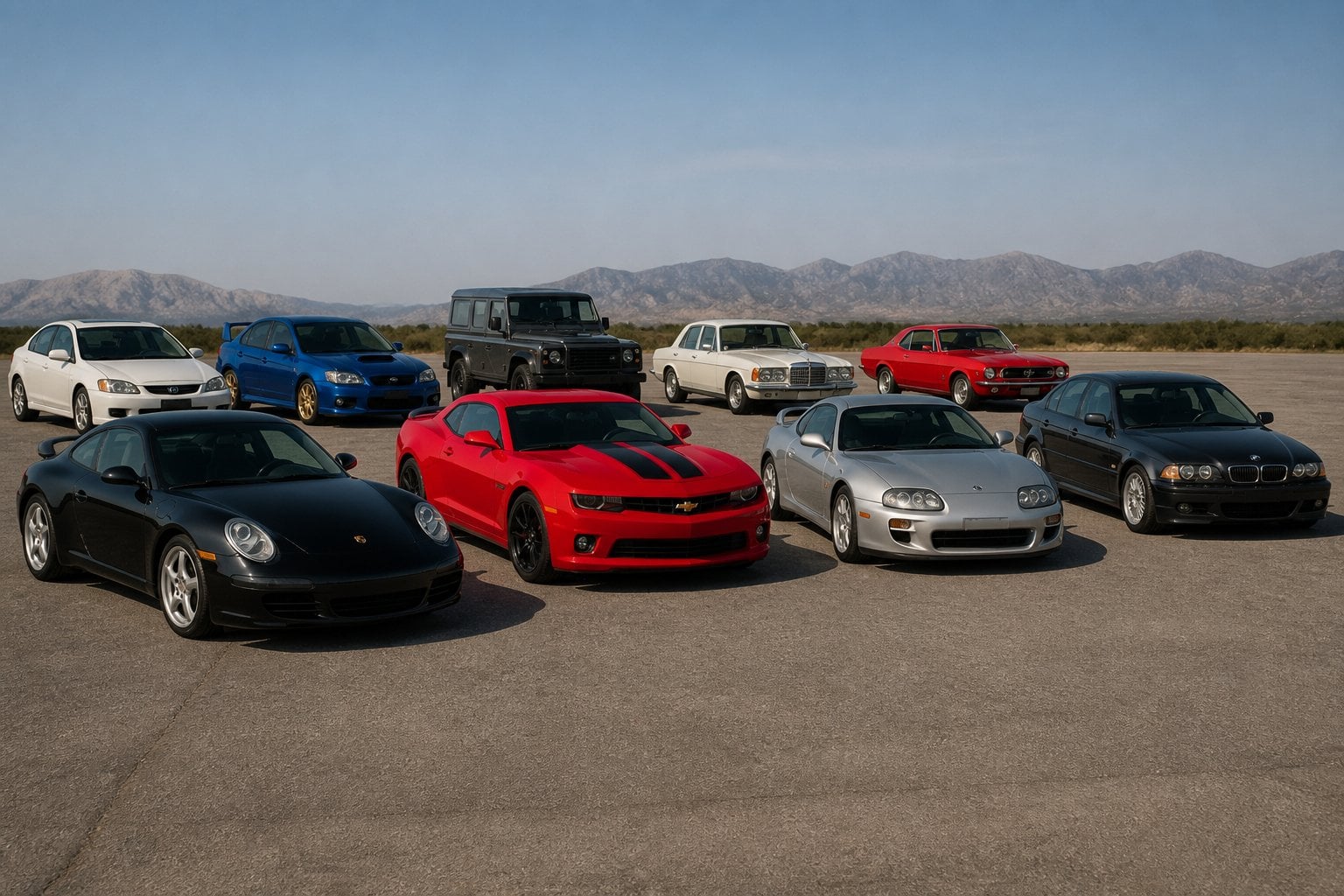
Cars gain inflated reputations through aggressive advertising campaigns, celebrity endorsements, and strategic brand positioning that creates perception gaps between promise and reality. Cultural moments, nostalgia, and media appearances can elevate ordinary vehicles to iconic status regardless of their actual capabilities.
Influence of Marketing and Hype
Automakers spend billions creating desire for their products through carefully crafted campaigns that emphasize lifestyle over substance. You see commercials showing vehicles conquering mountain passes or racing through city streets, yet most owners never push these cars beyond daily commutes. Marketing teams build narratives around performance figures, luxury features, and exclusivity that may not reflect real-world ownership experiences.
Dealer markups amplify this effect by creating artificial scarcity. When buyers pay thousands over sticker price, they’re already invested in believing the vehicle is exceptional. Launch events, influencer partnerships, and social media saturation generate momentum that overshadows objective reviews. The gap between advertised capability and actual performance becomes apparent only after purchase, when you’re navigating repair costs, quality issues, or discovering competitors offer better value.
Legacy Versus Actual Performance
A nameplate’s history doesn’t guarantee current models maintain the same standards that built the reputation. You might buy a sports car based on its racing heritage from the 1960s, only to find modern iterations prioritize comfort and technology over driving dynamics. Brand prestige can mask mediocre engineering, outdated platforms, or reliability problems that would sink lesser-known manufacturers.
Some vehicles trade entirely on their badge rather than competitive specs. You’re paying for the brand story rather than superior materials, handling, or innovation. When you compare performance metrics, fuel efficiency, or build quality against competitors at the same price point, the gaps become clear. Legacy protection also means manufacturers resist necessary changes, producing vehicles that feel dated compared to newer market entrants.
Impact of Nostalgia and Pop Culture
Cinema and television transform ordinary cars into cultural touchstones that command premium prices despite average capabilities. You recognize vehicles from famous films, and that emotional connection overrides practical assessment. Internet culture amplifies this effect through memes, viral content, and online communities that reinforce group enthusiasm regardless of objective merit.
Nostalgia convinces you that older designs were superior when period reviews often revealed the same flaws owners overlook today. You remember childhood dreams rather than harsh realities like poor safety ratings, unreliable components, or uncomfortable interiors. Social media creates pressure to own “cool” cars that photograph well rather than vehicles that serve your actual needs. This cultural cachet becomes self-perpetuating as ownership signals group membership more than it reflects rational purchasing decisions.
Consequences of Automotive Overhype
When cars receive inflated reputations beyond their actual capabilities, the effects ripple through pricing structures and buyer satisfaction levels. Both the used car market and consumer trust suffer measurable damage.
Market Value Distortions
Overrated vehicles create artificial price inflation that persists for years after initial release. You’ll find models like certain sports cars and luxury SUVs commanding premiums of 15-30% above comparable vehicles simply due to brand perception rather than performance metrics.
The used car market experiences particularly severe distortions. Vehicles that earned undeserved legendary status maintain resale values that don’t reflect their actual reliability or maintenance costs. You might pay $10,000 more for a “collectible” model that offers no tangible benefits over alternatives.
This pricing dysfunction affects the entire automotive ecosystem. Dealerships exploit the hype to justify markups. Insurance companies charge higher premiums based on inflated valuations. Parts and service costs increase because owners expect to pay more for “premium” vehicles.
The financial consequences extend to buyers who later discover they’ve overpaid. When you attempt to sell an overrated vehicle, you face depreciation that finally reflects real-world value rather than marketing promises.
Effect on Consumer Expectations
Overhyped cars establish unrealistic benchmarks that leave you disappointed with actual performance. When a vehicle receives excessive praise for handling or power, your real-world experience rarely matches the reviews you read.
This expectation gap damages your trust in automotive journalism and manufacturer claims. You become skeptical of legitimate innovations because previous “revolutionary” features proved mundane. The industry loses credibility with each vehicle that fails to deliver on its hyped promises.
Your purchasing decisions suffer long-term consequences. You might avoid entire brands after one disappointing overrated model, even when other offerings provide genuine value. The time and money spent researching overhyped vehicles represents wasted resources you could have directed toward truly suitable options.
Warranty claims and service visits increase when vehicles don’t perform as advertised. You spend more time dealing with issues that shouldn’t exist in supposedly premium products.

D Conroy
Meet our senior writer and content manager of Automasterx. He has worked in several mechanical garages and mastered different vehicle diagnoses and parts repair. He never stops until finding out the ultimate solutions for any vehicle fault code. However, ensuring the only solid solutions for each vehicle malfunction is his core part of the duty, alongside analyzing fault codes and signals.