The 30 Greatest Dodge Cars Ever Built
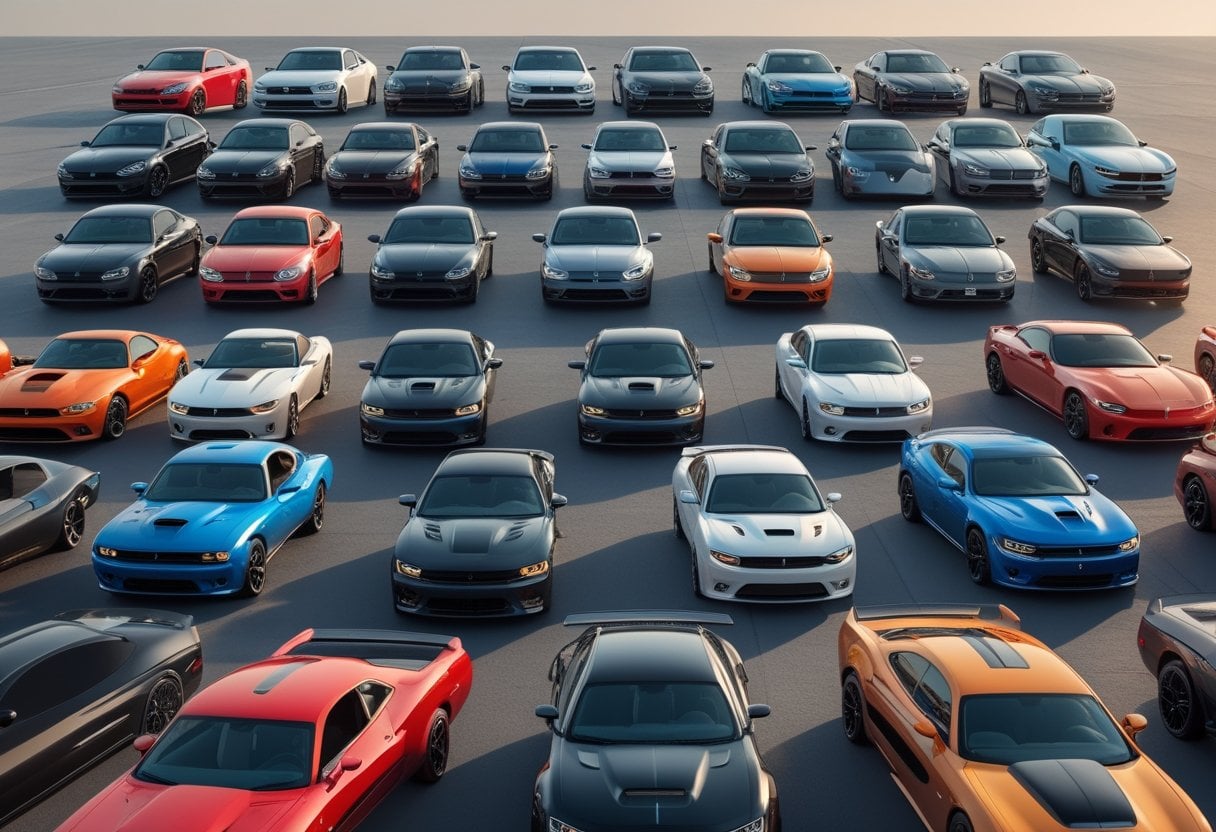
Dodge has shaped American automotive history for over a century, building vehicles that range from pioneering early automobiles to modern supercharged muscle cars.
The brand earned its reputation through consistent innovation and a commitment to performance that spans multiple generations. Whether through groundbreaking aerodynamic designs, legendary HEMI engines, or record-breaking horsepower figures, Dodge has left an unmistakable mark on the roads.
This ranking covers thirty vehicles that represent the most significant achievements in Dodge’s history, from the earliest days of the company to its most recent performance offerings.
You’ll find classic muscle cars from the golden era alongside modern interpretations that pushed boundaries in different ways. The list also includes unexpected entries that changed entire automotive segments and influenced how Americans think about transportation.
Each vehicle earned its place through a combination of engineering excellence, cultural impact, and lasting significance to the Dodge brand. From the Model 30 that launched the company to the latest Hellcat variants, these cars demonstrate why Dodge remains synonymous with American performance and innovation.
1. 1914 Dodge Model 30 Touring
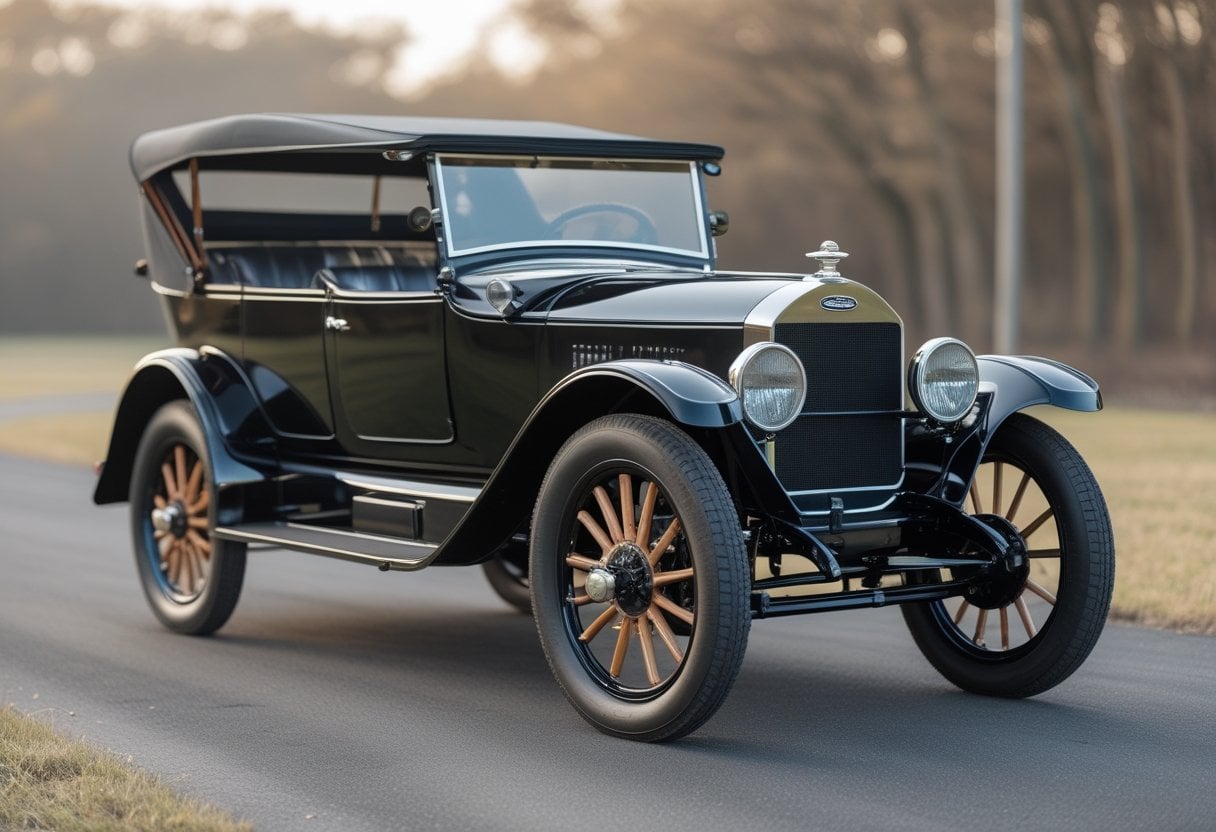
The Dodge Model 30 Touring marked the birth of the Dodge Brothers Motor Company as an automobile manufacturer. Introduced on November 14, 1914, in Detroit, this four-door touring car represented John and Horace Dodge’s transition from parts suppliers to automakers.
The Model 30 featured a 212-cubic-inch inline-four engine producing 35 horsepower at 2,000 RPM. You could reach speeds of approximately 60 mph, impressive for its era. The powertrain included a leather cone clutch and a three-speed manual transmission with floor-shift controls.
What set this vehicle apart was its construction quality and innovative features. The Model 30 came equipped with an all-steel body and electric starters, advanced technology for 1914. These engineering choices made it a direct competitor to Ford’s Model T, offering superior build quality and performance that quickly attracted buyers to the new Dodge brand.
2. 1934 Dodge Airflow
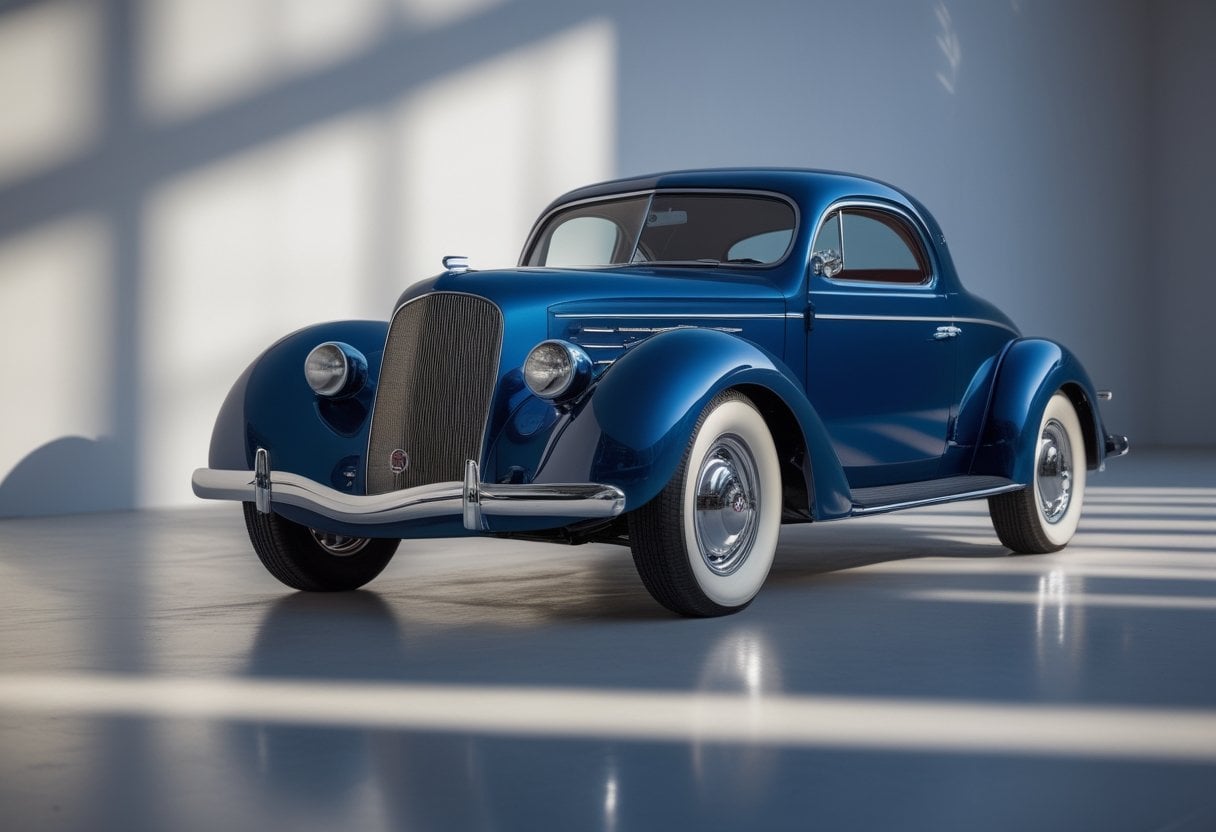
The 1934 Dodge Airflow brought revolutionary aerodynamic design to the automotive world when Chrysler introduced it alongside its corporate sibling. You’re looking at one of the first American production cars shaped with streamlining principles in mind, making it a genuine innovator for its era.
The Airflow featured advanced construction techniques and styling cues that set it apart from conventional vehicles of the 1930s. Its wind-tunnel-influenced body reduced air resistance, while the innovative packaging offered improved interior space for passengers.
Despite its technical achievements, the Airflow faced commercial challenges. The radical departure from traditional automotive design proved too unconventional for many buyers of the time. However, your appreciation for automotive history recognizes that the Airflow’s influence extended beyond its sales numbers, as manufacturers would later adopt many of its forward-thinking concepts.
3. 1949 Dodge Coronet
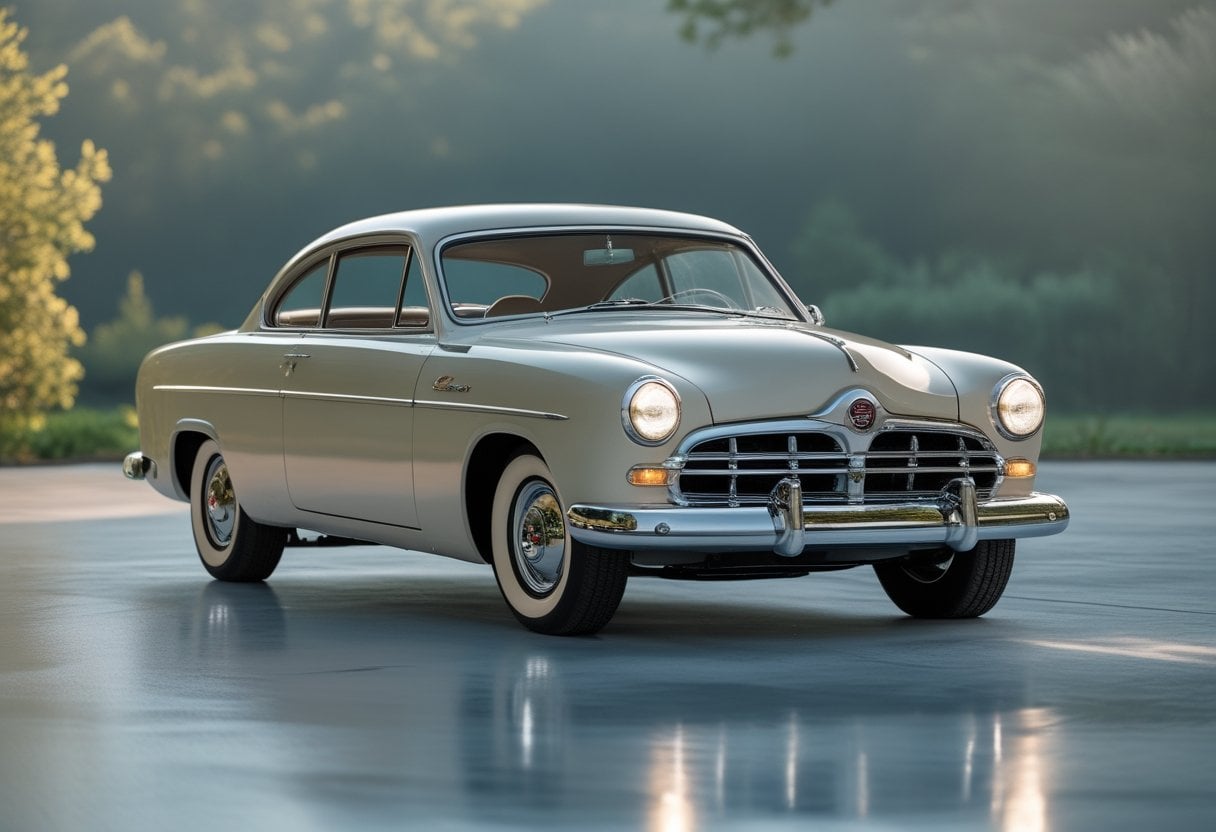
The 1949 Dodge Coronet marked a pivotal moment for the brand as its premier full-size offering in the post-war era. You’ll recognize it as part of Dodge’s first lineup to carry distinctive names rather than simple model numbers.
As the top trim level above the Wayfarer and Meadowbrook, the Coronet delivered the best appointments Dodge offered at the time. The name itself, derived from the small crown worn by aristocrats, reflected its upscale positioning.
Under the hood, you’d find a flathead inline-six engine displacing 230 cubic inches and producing 103 horsepower. While modest by later standards, this powerplant paired with the Coronet’s smooth “pontoon” styling represented Chrysler’s fresh direction for the division.
The Coronet proved popular with buyers seeking a more refined Dodge experience, establishing a nameplate that would eventually become legendary in the muscle car era.
4. 1955 Dodge Custom Royal Lancer
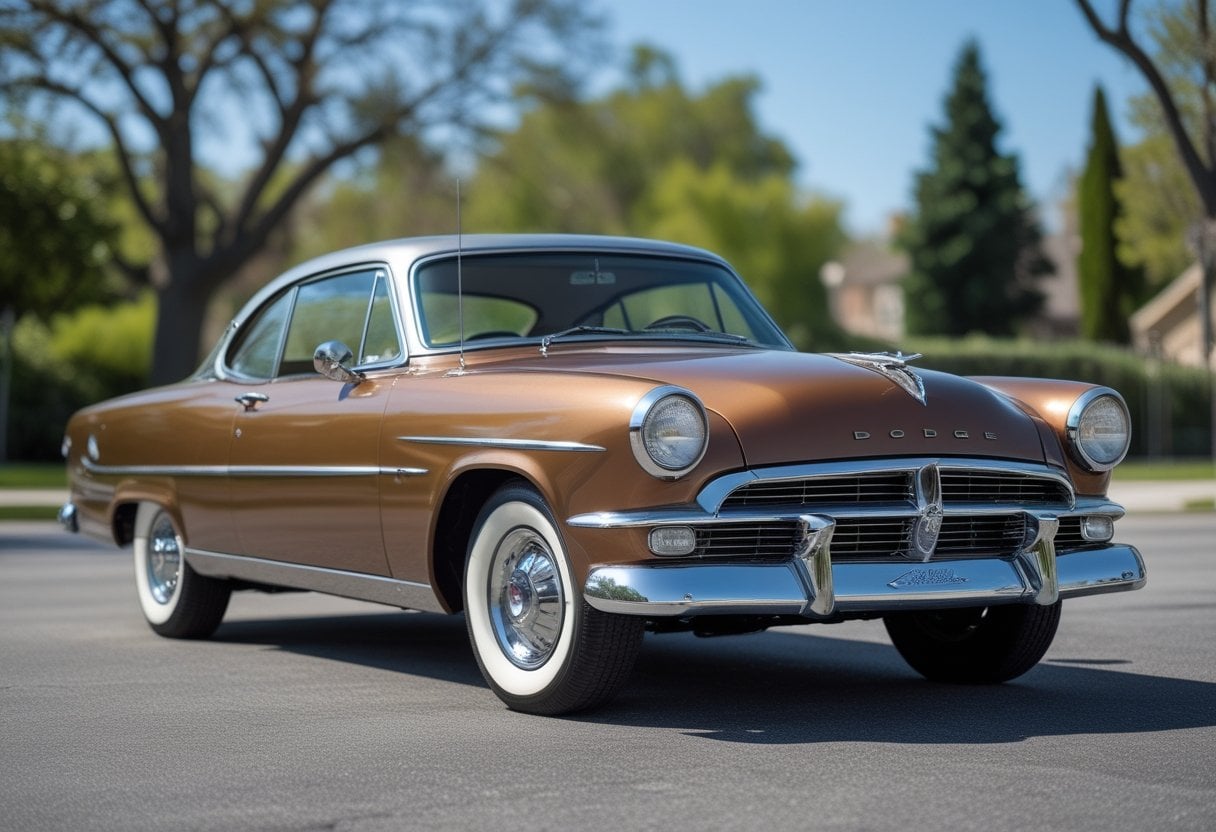
The 1955 Dodge Custom Royal Lancer arrived at a critical moment for Chrysler Corporation. After nearly going out of business in 1953 and 1954, the company secured a $250 million loan from Prudential to fund a complete redesign.
Virgil Exner’s “Forward Look” styling transformed Dodge’s image with the Custom Royal as the flagship model. You could choose from hardtop coupes or convertibles, both featuring distinctive three-tone paint schemes and wraparound glass.
The Custom Royal Lancer came equipped with the Super Red Ram V8 engine. At $2,370, it offered compelling value compared to competitors while delivering the top trim level in Dodge’s lineup. The model found 30,499 buyers in 1955, proving that Exner’s bold design direction resonated with customers looking for modern American style.
5. 1964 Dodge Dart GT
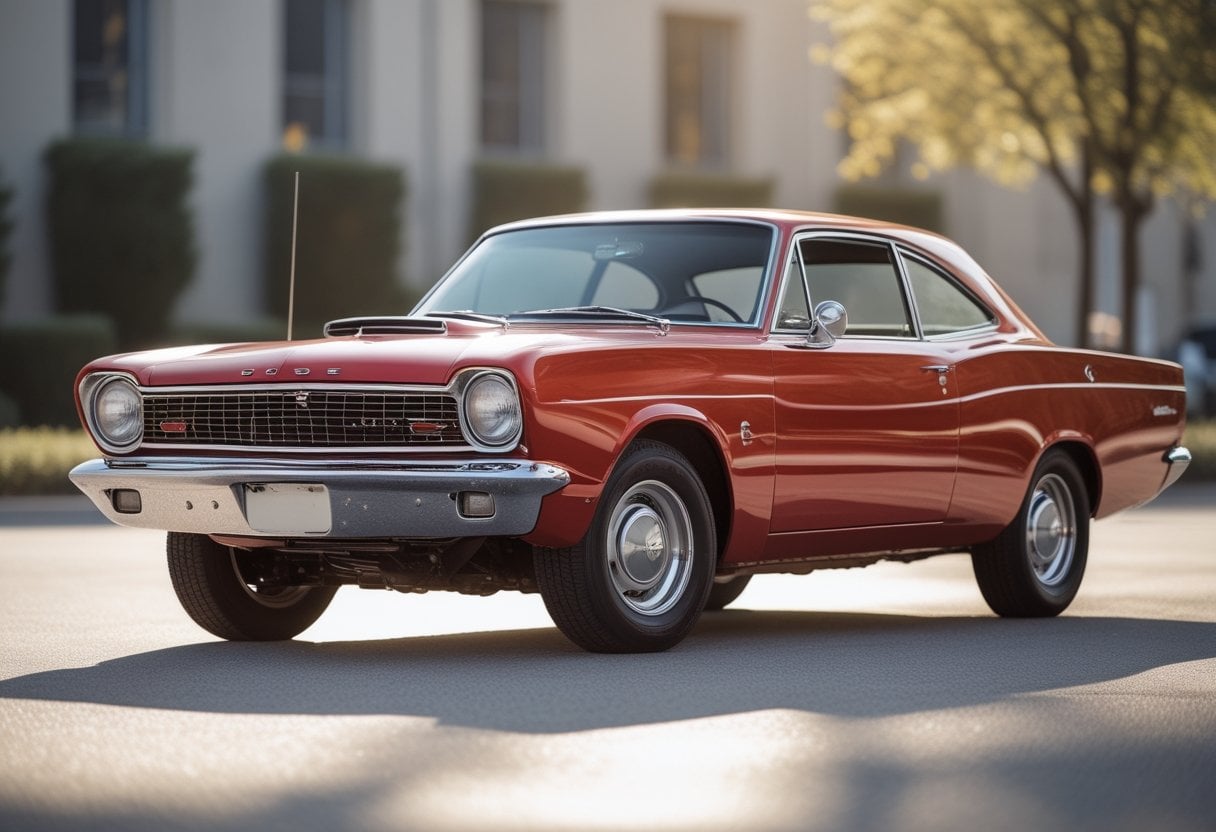
The 1964 Dodge Dart GT represented a turning point for Dodge’s compact lineup. You’ll find this model particularly significant because it helped establish the market for smaller, sportier vehicles before the Mustang made its debut.
The Dart GT came with compelling engine options, including the 273 cubic inch V8 that produced 180 horsepower. You could choose between a four-speed manual or automatic transmission, giving you control over your driving experience.
Built on a 111-inch wheelbase, the GT offered both convertible and hardtop body styles. The car featured upscale trim levels that appealed to single buyers, young couples, and two-car families seeking something more engaging than typical economy cars.
The 1964 model year marked the Dart’s second year on the compact A-body platform, which it would use through 1976. This version combined practical dimensions with genuine performance potential.
6. 1968 Dodge Charger R/T 426 Hemi
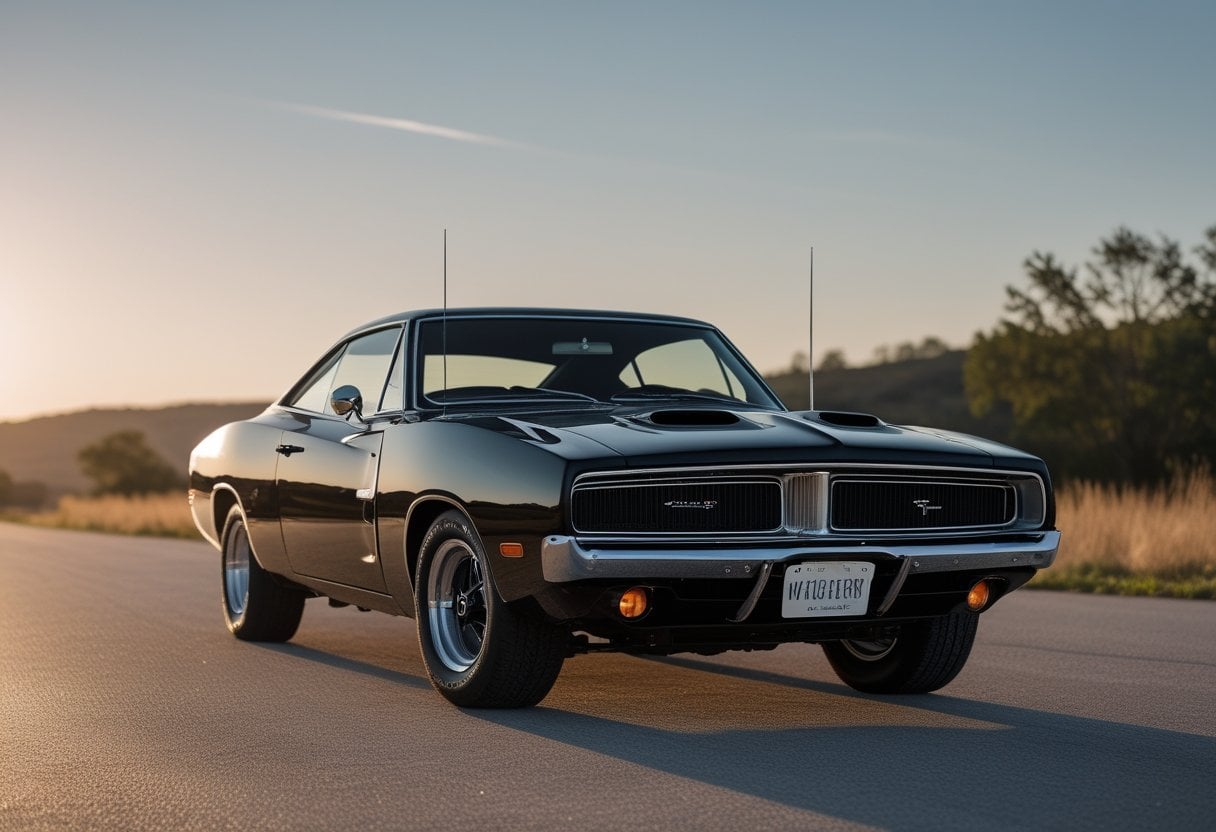
The 1968 Dodge Charger R/T represents a defining moment in muscle car history. This second-generation model introduced a radical redesign with hidden headlights and an aggressive stance that set it apart from its predecessors.
When you opted for the 426 Hemi V8, you got one of the rarest configurations available. Out of nearly 97,000 Chargers sold in 1968, fewer than 500 received the legendary Hemi engine. This powerplant delivered exceptional performance that made the R/T a formidable presence on both street and track.
The R/T package debuted in 1968, offering you a purpose-built performance vehicle. Built at the Hamtramck, Michigan plant, these Chargers combined striking design with raw power. The combination of the 426 Hemi and the Charger’s bold styling created an icon that remains highly sought after today.
7. 1969 Dodge Charger Daytona
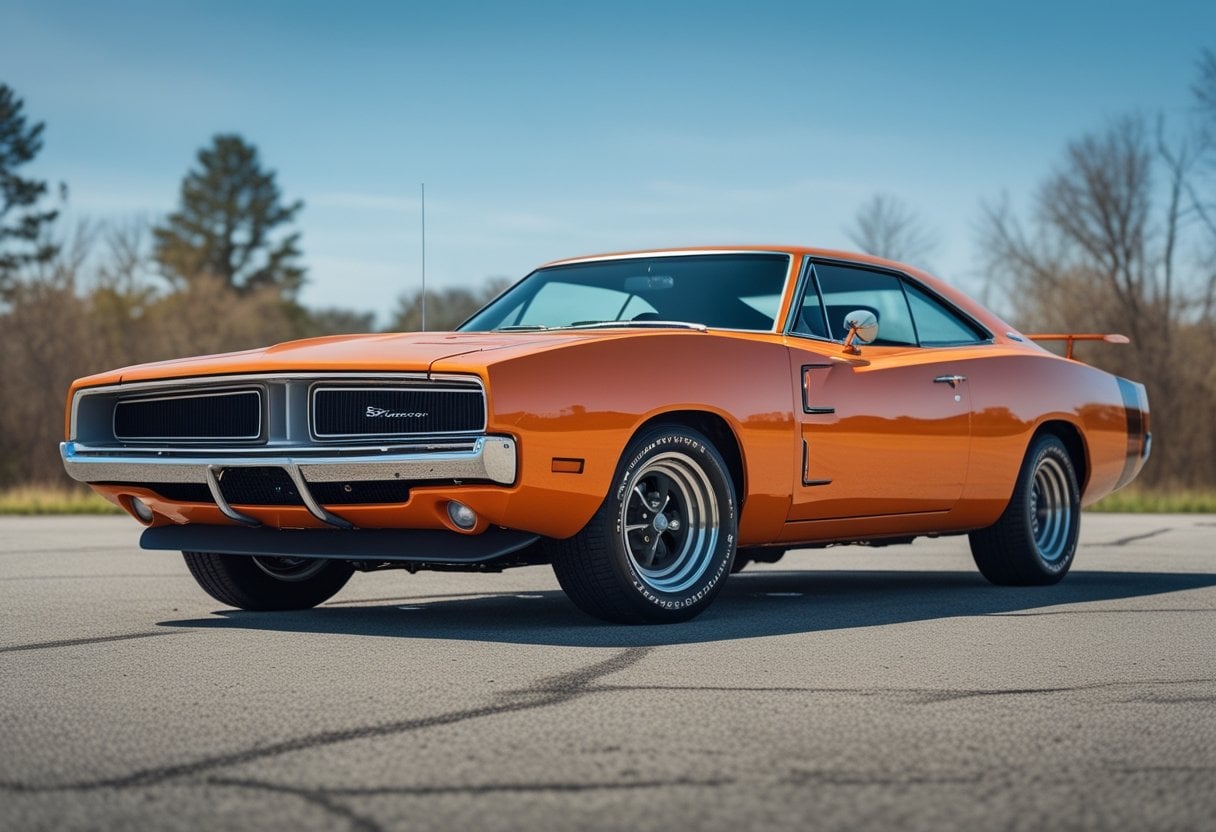
The 1969 Dodge Charger Daytona stands as one of the most distinctive vehicles in automotive history. Created specifically to dominate NASCAR’s high-speed ovals, this winged warrior featured a towering 23-inch rear stabilizer and an aerodynamic nose cone that replaced the standard Charger’s front end.
Dodge built only 503 examples to meet homologation requirements. You could order yours with either a 440 Magnum V8 or the legendary 426 Hemi engine, paired with either a four-speed manual or TorqueFlite automatic transmission.
The Daytona’s wild appearance served a practical purpose. Its aerodynamic modifications allowed it to slice through air resistance and achieve unprecedented speeds on NASCAR tracks. While it lasted just one model year, the Charger Daytona left an indelible mark on racing history and became one of the most sought-after muscle cars ever produced.
8. 1970 Dodge Challenger R/T 426 Hemi
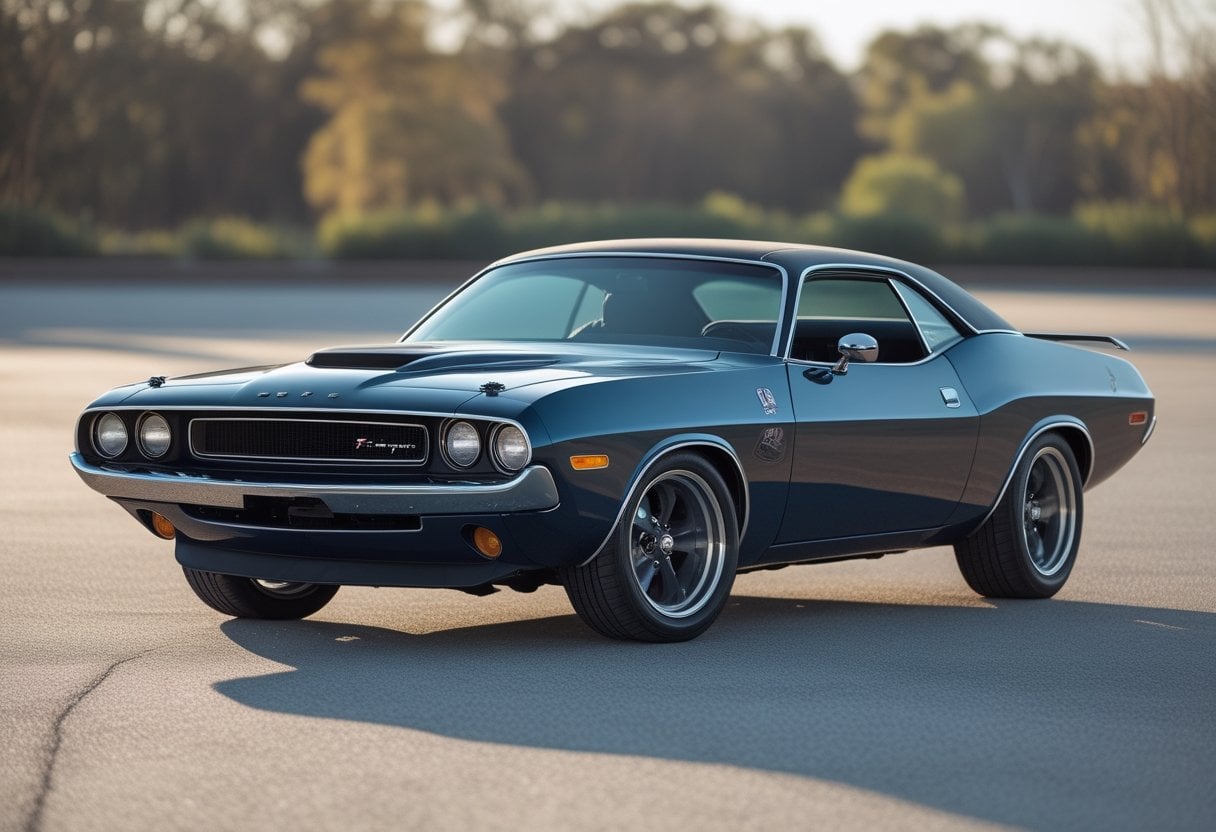
The 1970 Dodge Challenger R/T 426 Hemi represents Dodge’s first dedicated entry into the pony car segment. You’re looking at a vehicle that arrived fashionably late to challenge the Ford Mustang and Chevrolet Camaro.
What sets this model apart is the legendary 426 Hemi V8 engine under the hood. This 843-pound powerplant made the Challenger one of the most formidable muscle cars of its era.
Dodge built only a small number of these Hemi-powered Challengers in 1970, making them exceptionally rare today. The combination of the R/T package with the 426 Hemi created a muscle car that collectors now value at over $400,000.
You’ll find this first-year Challenger particularly significant because it used Chrysler’s E-body platform, which was specifically designed to accommodate the massive Hemi engine. The wide body structure gave it distinct proportions compared to its competitors.
9. 1970 Dodge Super Bee
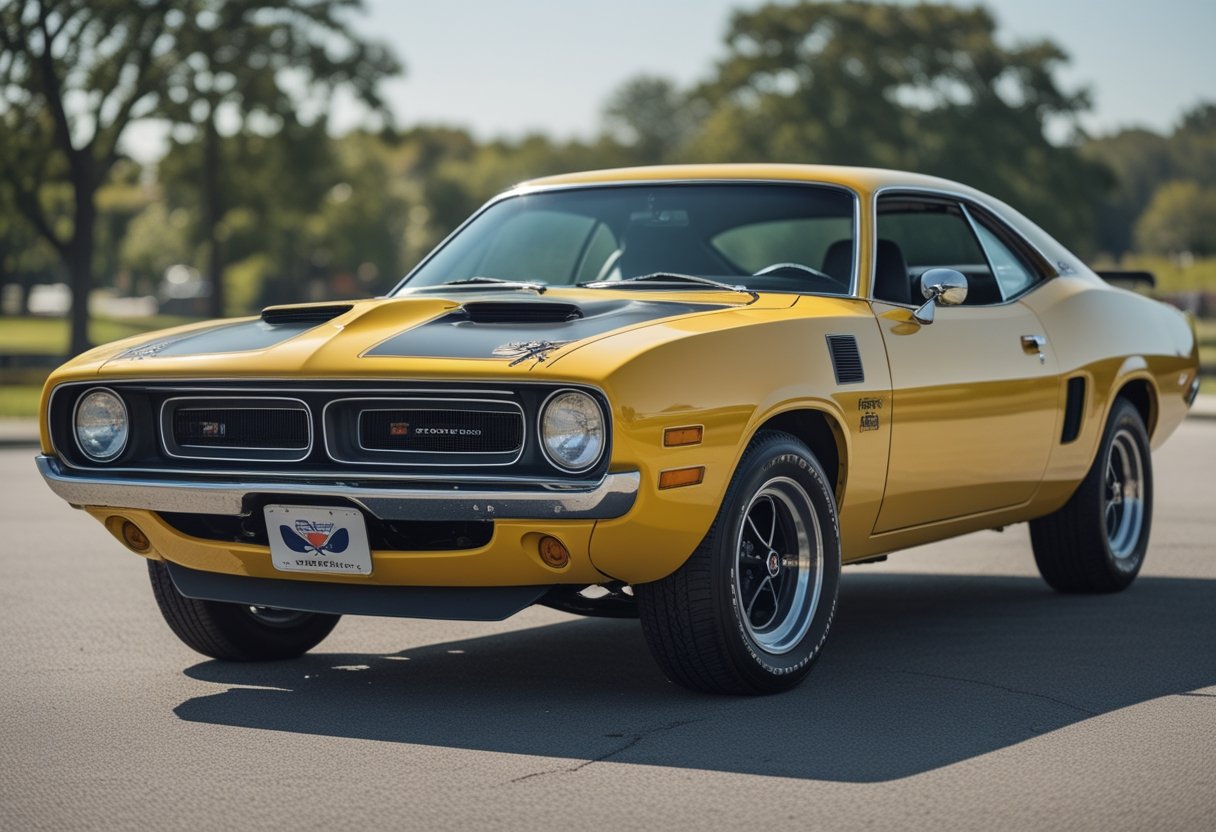
The 1970 Super Bee represented Dodge’s answer to affordable muscle car performance. Based on the redesigned Charger platform, it featured distinctive “bumble bee wings” chrome bumpers that framed the aggressive front grille.
You could buy one for just $3,012 with the standard 383 cubic inch Magnum V8. For serious performance enthusiasts, the 440 Six-Pack engine delivered 390 horsepower and could run the quarter mile in 13.8 seconds at 104.2 mph.
Dodge produced 11,540 hardtops and 3,966 coupes that year. The hardtop featured roll-down rear quarter windows, while coupes came with fixed flip-out glass. The Super Bee also offered you membership in Dodge’s Scat Pack lineup.
The rarest configuration paired the Super Bee with the legendary HEMI engine, produced in extremely limited numbers that make these cars highly valuable today.
10. 1971 Dodge Demon 340
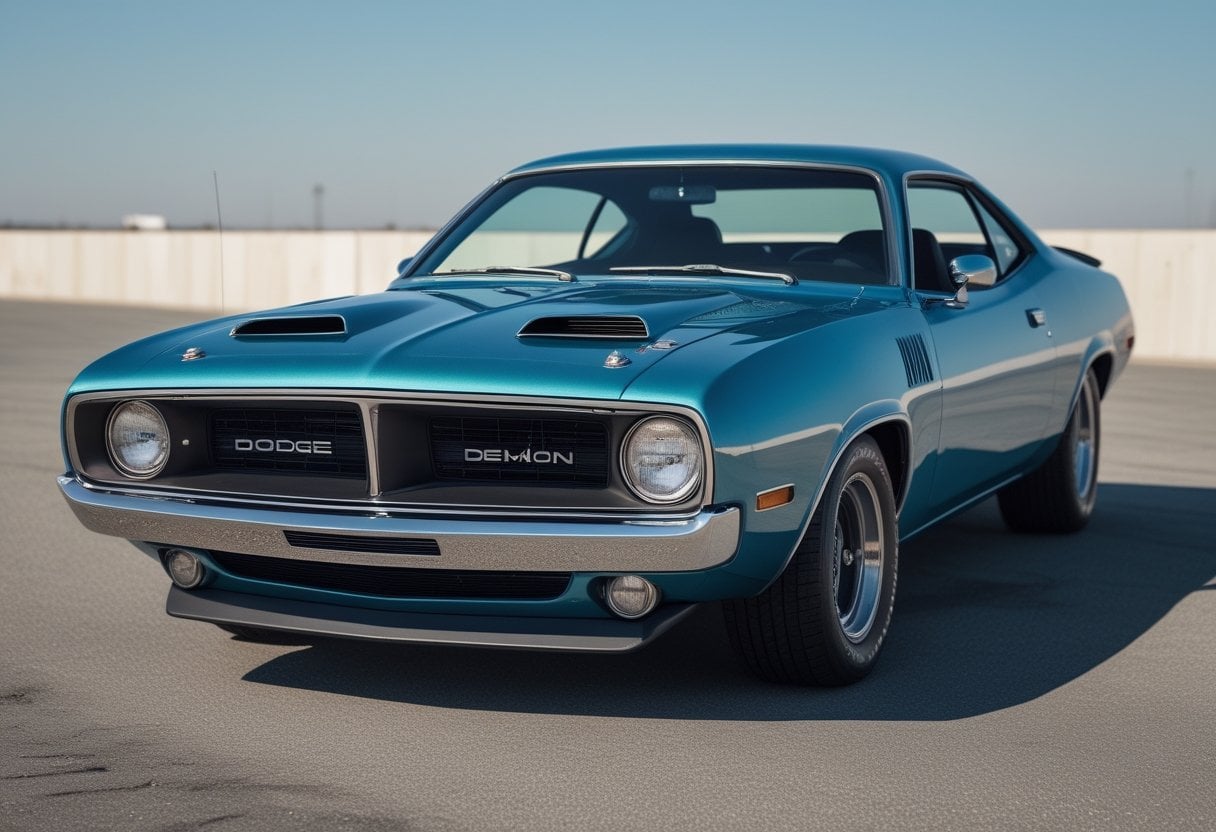
The 1971 Dodge Demon 340 proved that muscle car performance didn’t require a massive engine or premium price tag. Built on the compact Dart platform, this A-body coupe prioritized power-to-weight ratio over displacement, creating a legitimate street performer that could challenge more expensive competitors.
Under the hood, you’d find a 275-horsepower 340 cubic-inch V8 that helped the Demon run mid-14-second quarter miles in stock form. Period testing showed a 4-speed model hitting 14.41 seconds at 98.69 mph, impressive numbers for a budget-oriented package.
Dodge produced the Demon for just two model years before dropping the name. Of the 128,495 total Demons built, fewer than 20,000 received the top-spec 340 V8 option, making genuine examples increasingly collectible today.
11. 1974 Dodge Charger (Colt Twins era)
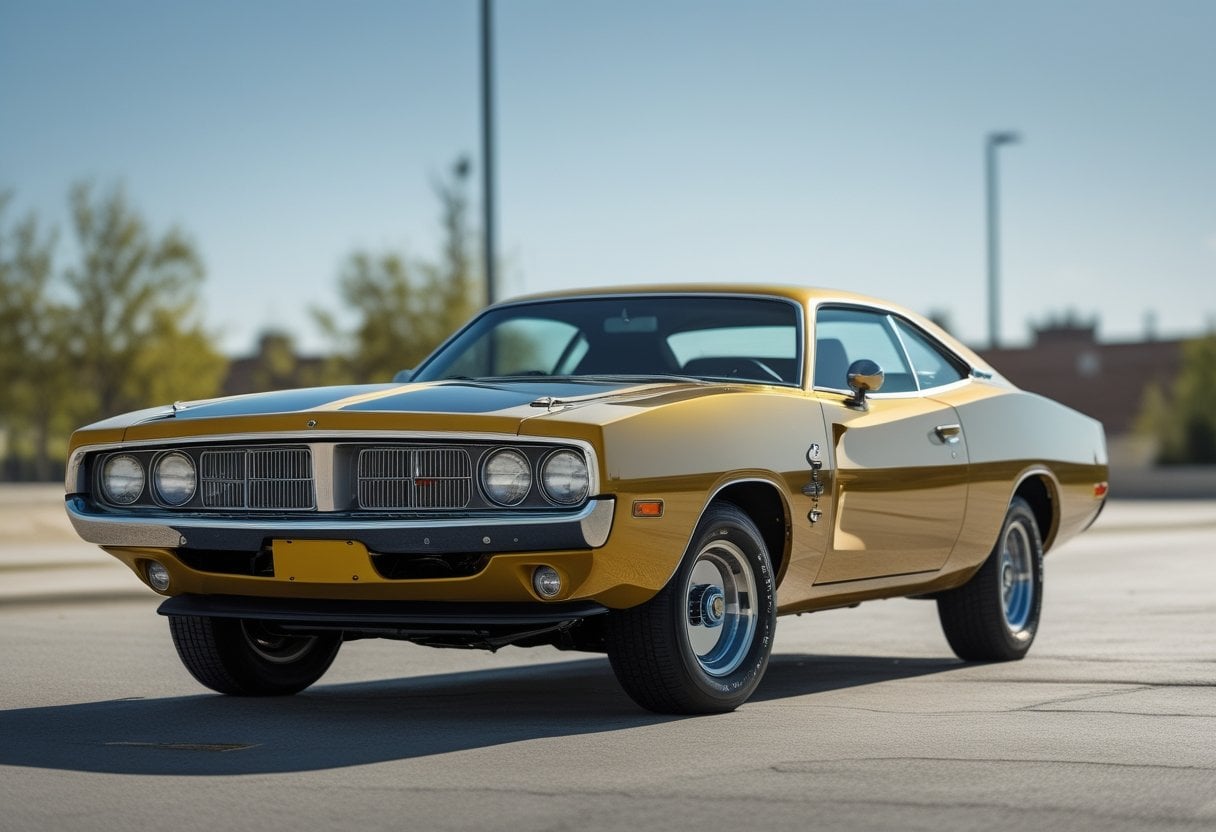
The 1974 Dodge Charger arrived as the muscle car era drew to a close. You’ll find this model marked a significant shift in Dodge’s strategy, transforming from raw performance to personal luxury coupe positioning.
This third-generation Charger retained the B-Body platform but focused on comfort over power. The SE trim became particularly popular, offering brocade cloth upholstery, plush carpeting, and available power accessories. Production exceeded 70,000 units during the 1974 model year.
Your 1974 Charger came with updated front bumperettes and revised engine options to meet changing regulations. While purists missed the high-performance engines of earlier years, this generation found commercial success by appealing to different buyers.
Notably, only 2,388 units featured the factory manual sunroof option, making these variants particularly rare today. The 1974 model essentially mirrored its 1973 predecessor with minimal changes.
12. 1983 Dodge Caravan
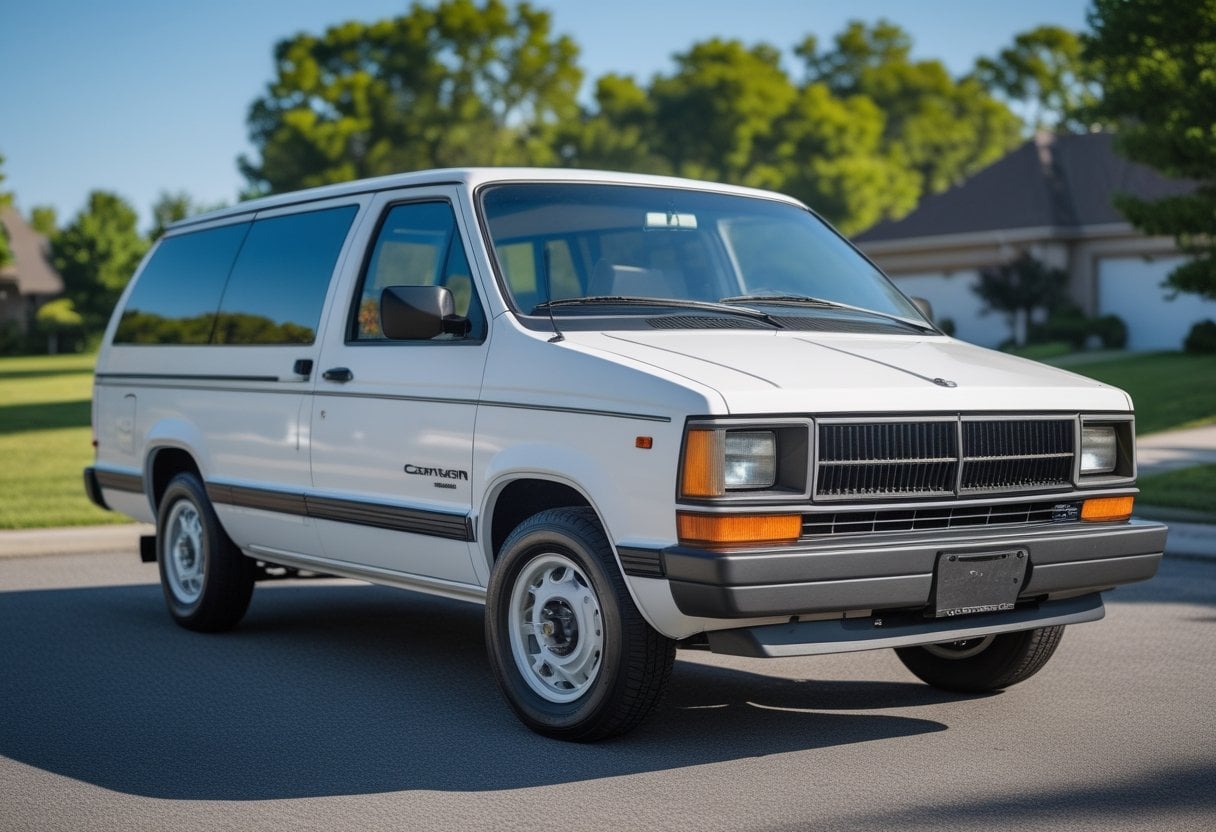
The 1983 Dodge Caravan fundamentally changed the automotive landscape when it launched alongside the Plymouth Voyager in November 1983 as a 1984 model year vehicle. This groundbreaking minivan addressed a gap in the market that you didn’t know existed until Chrysler filled it.
Built on a front-wheel-drive platform borrowed from Chrysler’s K-cars, the Caravan offered something families had never experienced before: the cargo space of a van combined with the driving dynamics of a passenger car. You could finally transport your entire family and their belongings without struggling to climb into a traditional van.
The Caravan’s car-like ease of entry, achieved through its lower floor height, made it accessible for everyone. Its three trim levels gave you options that fit your budget and needs, establishing the template for family transportation that would dominate for decades.
13. 1984 Dodge Shelby Charger
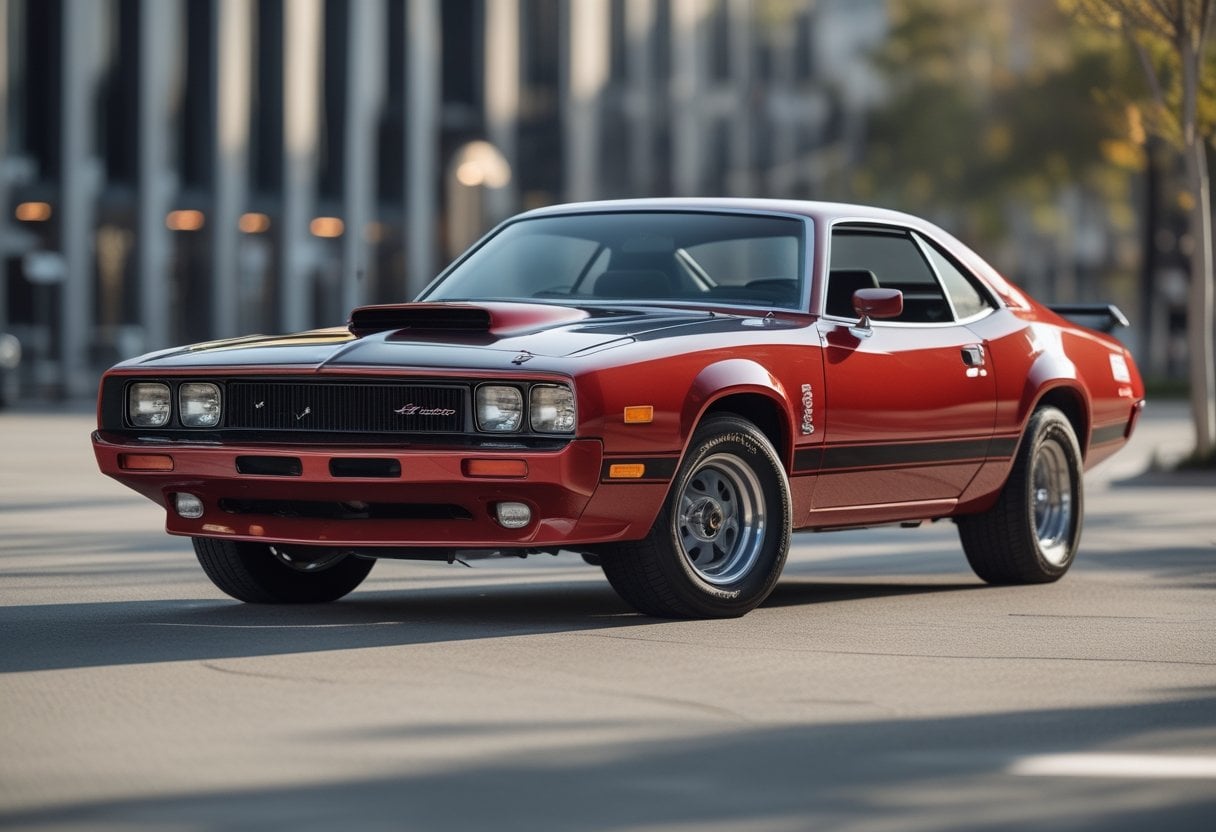
The 1984 Dodge Shelby Charger marked an unexpected collaboration between Carroll Shelby and Dodge, reimagining the Charger nameplate as a front-wheel-drive performance hatchback. Built on the compact L-body platform, this car departed dramatically from the muscle car heritage you’d associate with the Charger name.
The Shelby version offered enhanced performance with 110 horsepower from its 2.2-liter four-cylinder engine. Dodge improved the steering, gear ratios, and suspension to create a car focused on handling rather than straight-line power.
First appearing in showrooms during mid-1983, the Shelby Charger sold 8,251 units in its debut year. You’d pay $8,567 for the Shelby version compared to $6,513 for the base Charger. This hot hatch proved that performance could come in unexpected packages during the 1980s.
14. 1989 Dodge Daytona Turbo Z
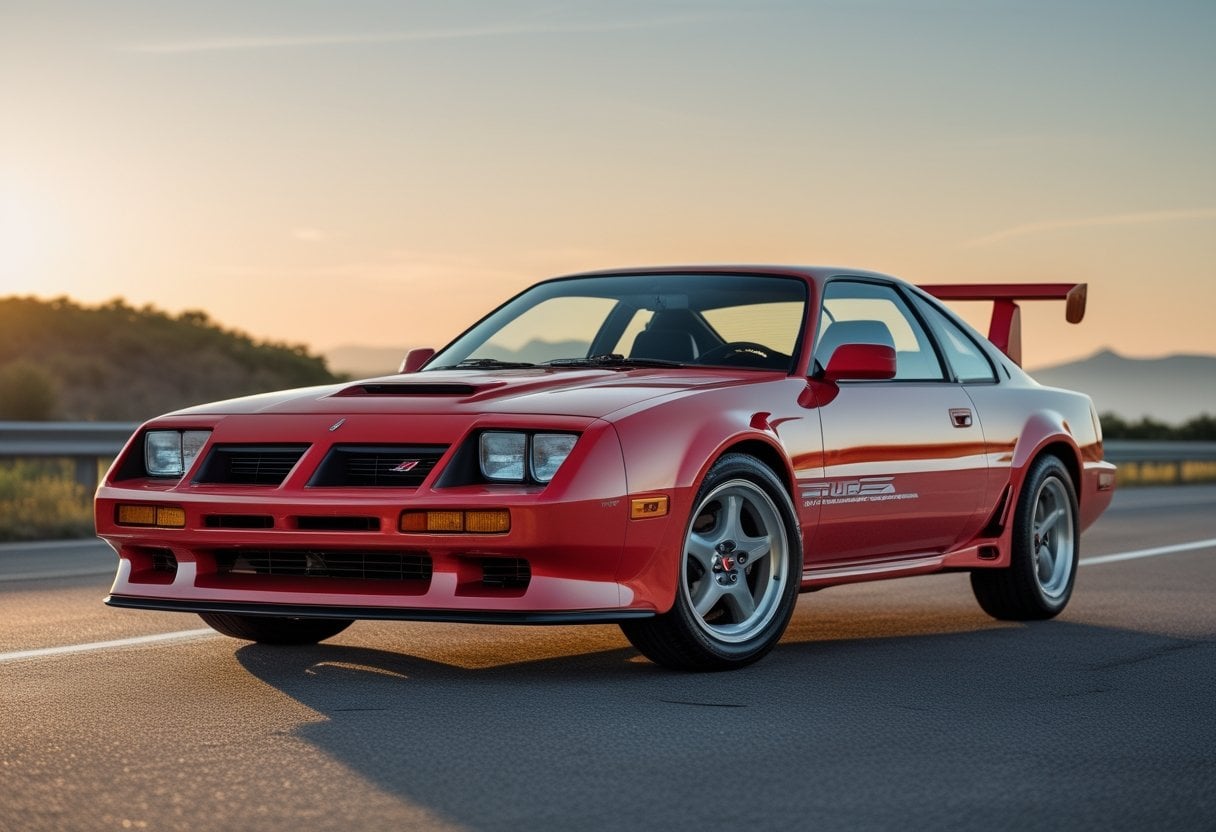
The 1989 Dodge Daytona Turbo Z represented Dodge’s commitment to affordable performance during the late 1980s. You got a turbocharged front-wheel-drive hatchback built on Chrysler’s modified K platform, featuring distinctive wedge-shaped styling that made it instantly recognizable.
Under the hood, the Turbo Z packed a 2.2-liter turbocharged four-cylinder engine producing 150 horsepower. This setup delivered 0-60 mph times around 8.5 seconds while maintaining impressive fuel economy of 22 mpg city and 35 mpg highway.
The car’s aggressive appearance matched its performance credentials, offering you a genuine sports coupe experience without the price tag of traditional V8 muscle. Production numbers for the Shelby Z variants from 1987-1989 totaled 19,743 units, making these models relatively uncommon today.
You could enjoy spirited driving dynamics in a package that balanced practicality with performance, exemplifying Dodge’s turbocharged era.
15. 1992 Dodge Viper RT/10 (concept production)
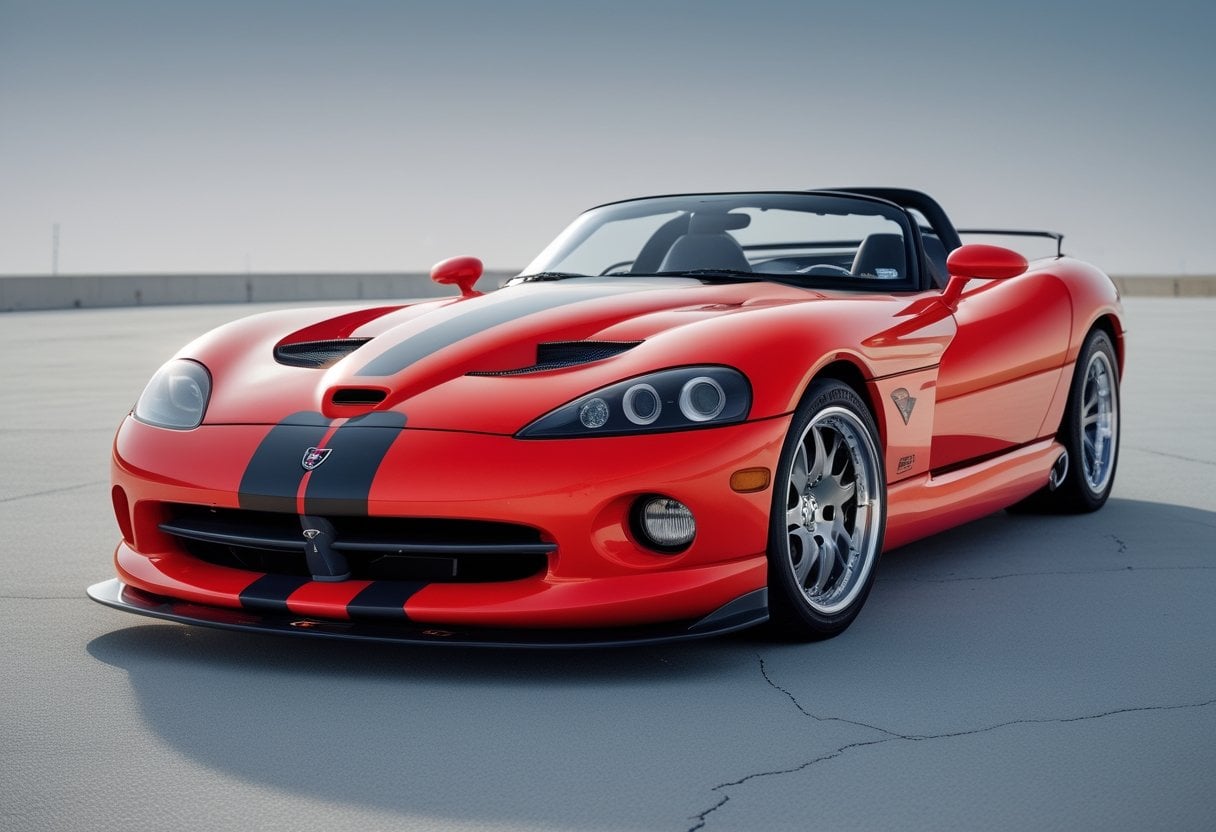
The 1992 Viper RT/10 brought American performance into a new era. Chrysler designed it as a modern interpretation of the classic big-engine roadster, drawing direct inspiration from Carroll Shelby’s vision for an ultimate performance car.
Production began in December 1991 at the New Mack Avenue assembly line. Only 285 units were built in that first year, all finished in red with black interiors. The car featured a raw 8.0-liter V10 engine producing 400 horsepower.
You got no luxury padding or modern conveniences. The manual transmission and rear-wheel drive setup delivered an unfiltered driving experience. This was a deliberate choice to create something that stood apart from European rivals.
The RT/10 shocked audiences with its brutal acceleration and unmistakable presence. It outperformed classic muscle cars like the Chevelle SS 454, proving Detroit could still build world-class sports cars.
16. 1996 Dodge RAM 1500 (first-year post–Dodge revival)
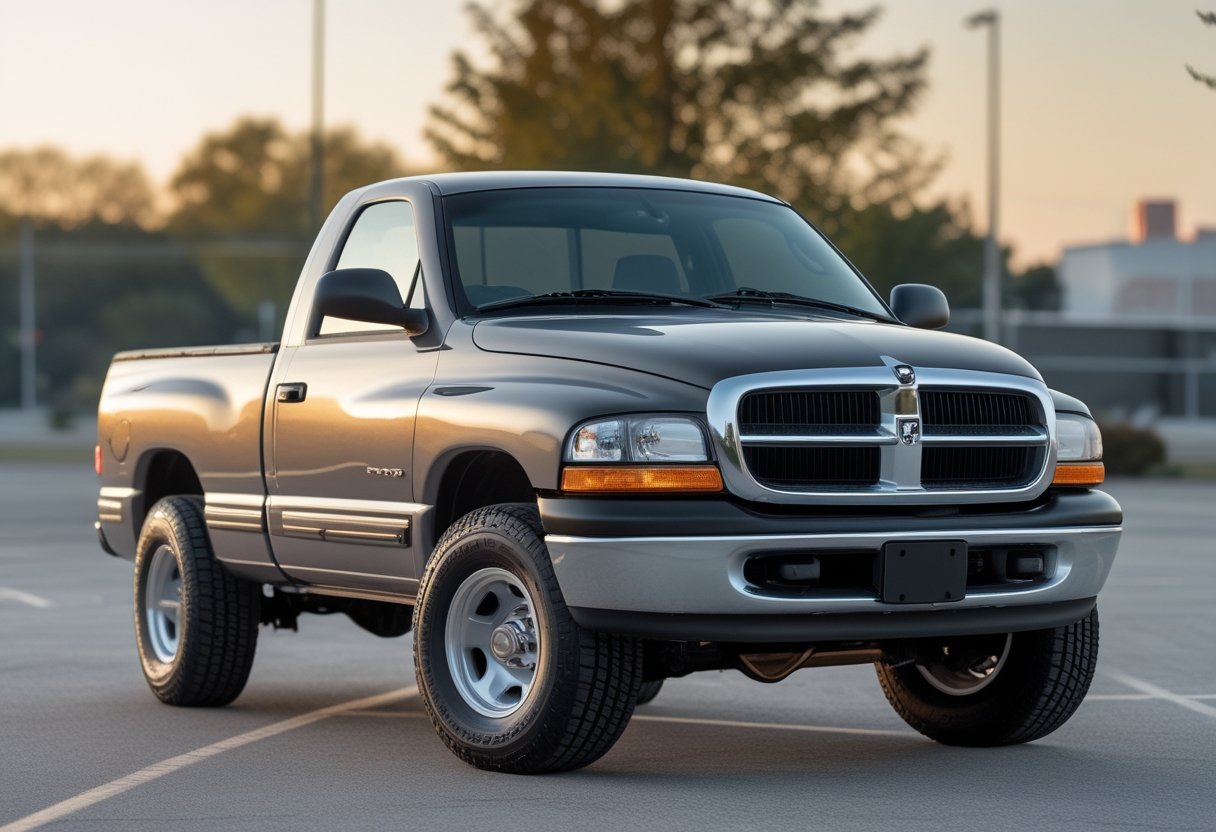
The 1996 Dodge RAM 1500 represented a pivotal moment in American truck design. This model year solidified the bold styling direction Dodge had introduced in 1994, featuring distinctive big-rig inspired front-end styling that separated it from conservative competitors.
You could recognize the RAM’s aggressive stance immediately, with its prominent grille and muscular fender flares. The truck offered you multiple engine options and configurations to match your needs.
Dodge also began exploring performance-oriented variants during this period. The 1996 RAM 1500 Indy 500 Special Edition exemplified this shift, celebrating the brand’s motorsports involvement with a single cab, short bed configuration.
This generation transformed how you viewed full-size trucks. The RAM proved that utility vehicles could combine capability with commanding road presence, fundamentally changing customer expectations for the segment.
17. 1999 Dodge Viper GTS
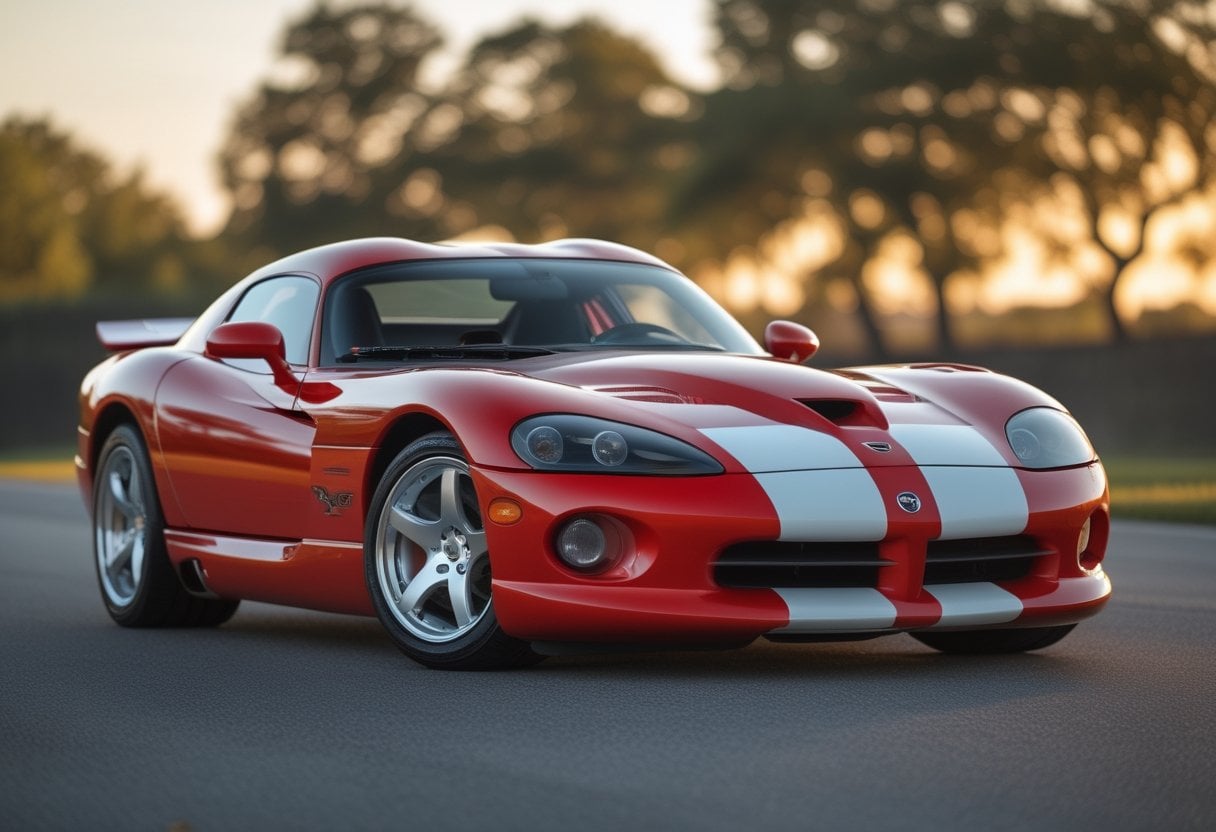
The 1999 Viper GTS represented the second-generation model at its peak. You got 450 horsepower from the 8.0-liter V10 engine, paired exclusively with a manual transmission. The distinctive double-bubble roof provided helmet clearance for track use.
This model year built on the GTS coupe’s reputation for both street performance and racing credibility. The weight reduction efforts focused on the engine and cooling system paid off with improved track times. You could choose from several color combinations and wheel packages.
The GTS coupe commands higher prices than the RT/10 roadster in today’s market. Its combination of raw power, track capability, and iconic styling makes it one of the most collectible Viper variants. The 1999 model year delivered the refined second-generation experience before the turn of the millennium.
18. 2006 Dodge Charger SRT8
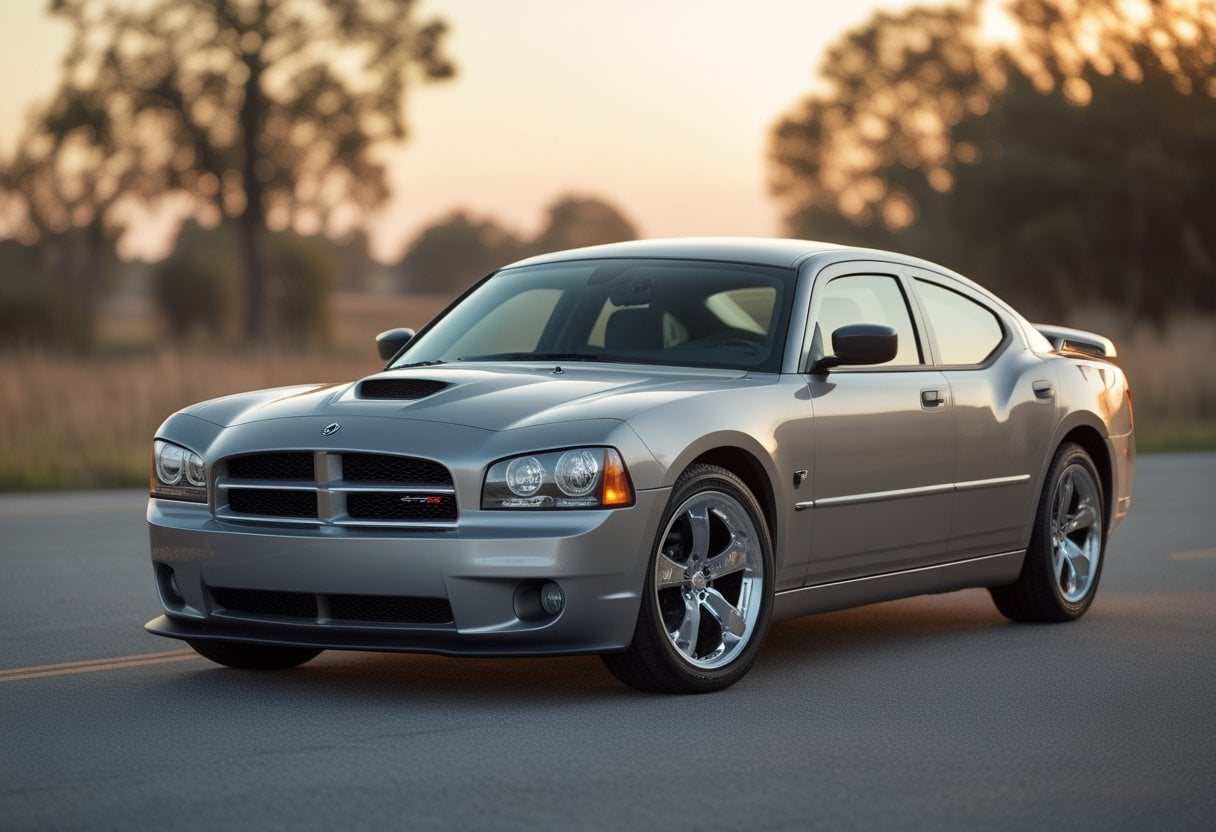
After a 19-year hiatus, Dodge brought back the Charger nameplate in 2006, and the SRT8 variant made a powerful statement. You got a 6.1-liter HEMI V8 engine producing 425 horsepower and 420 lb-ft of torque, numbers that were impressive for a four-door sedan at the time.
The SRT8 could accelerate from zero to sixty in approximately five seconds, making it one of the quickest highway-legal Dodge vehicles ever produced outside of the Viper. Built on the Chrysler LX platform, the Charger SRT8 delivered genuine muscle car performance in a practical four-door package.
Chrysler’s Street and Racing Technology team enhanced both power and handling, creating a sedan that appealed to performance enthusiasts who needed rear seats. The Charger SRT8 successfully combined classic American muscle with modern capabilities.
19. 2008 Dodge Challenger SRT8
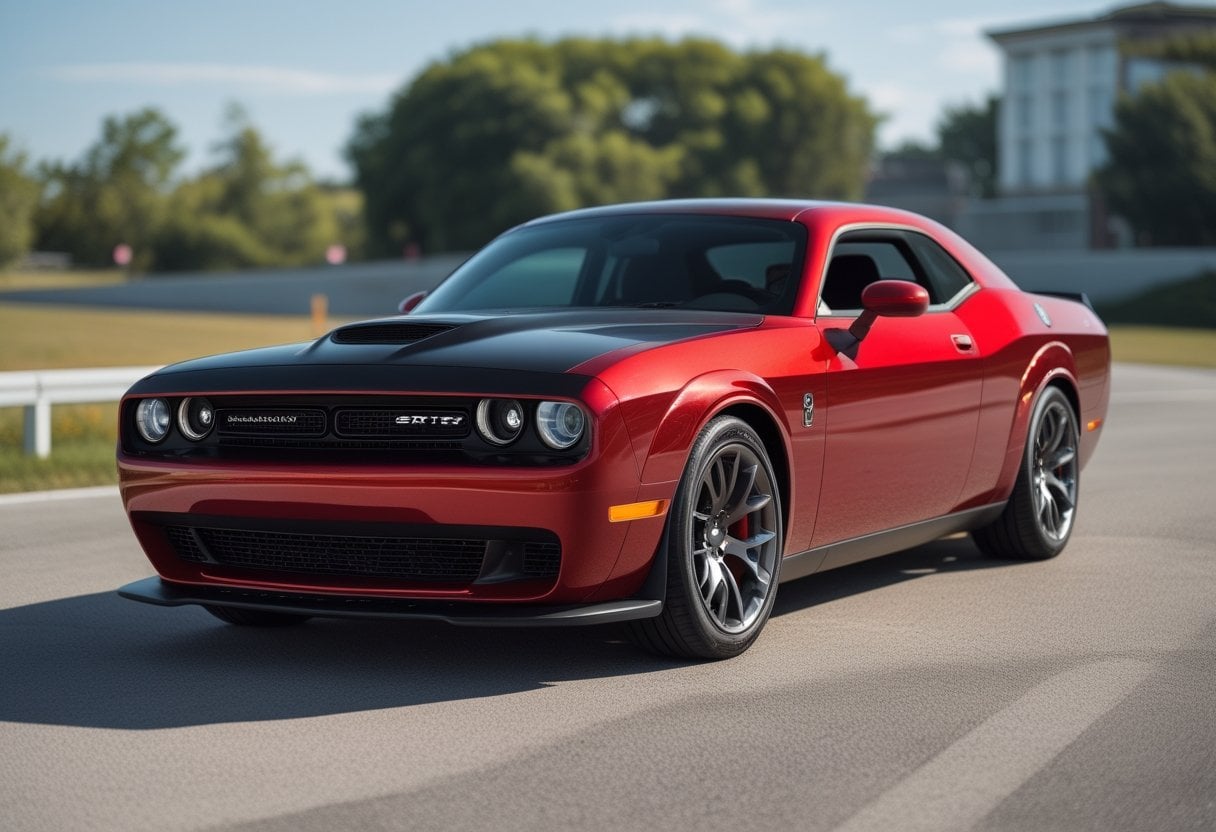
The 2008 Challenger SRT8 marked Dodge’s bold return to the muscle car arena. You got a modern interpretation that captured the classic early 1970s silhouette while incorporating contemporary performance technology.
Dodge limited the first year to just 6,400 units of the SRT8 model. All sold out before reaching showrooms. You could choose from three factory colors: HEMI Orange, Bright Silver Metallic, and Brilliant Black Crystal Pearl Coat.
Under the hood, you found a 6.1-liter HEMI V8 engine delivering serious power. The car weighed over 4,000 pounds but still provided impressive acceleration for its class.
The 2008 SRT8 successfully rekindled the original Challenger spirit. It combined retro-inspired styling with a luxurious interior and legitimate performance credentials, establishing the foundation for the modern Challenger’s fifteen-year production run.
20. 2008 Dodge Viper SRT10
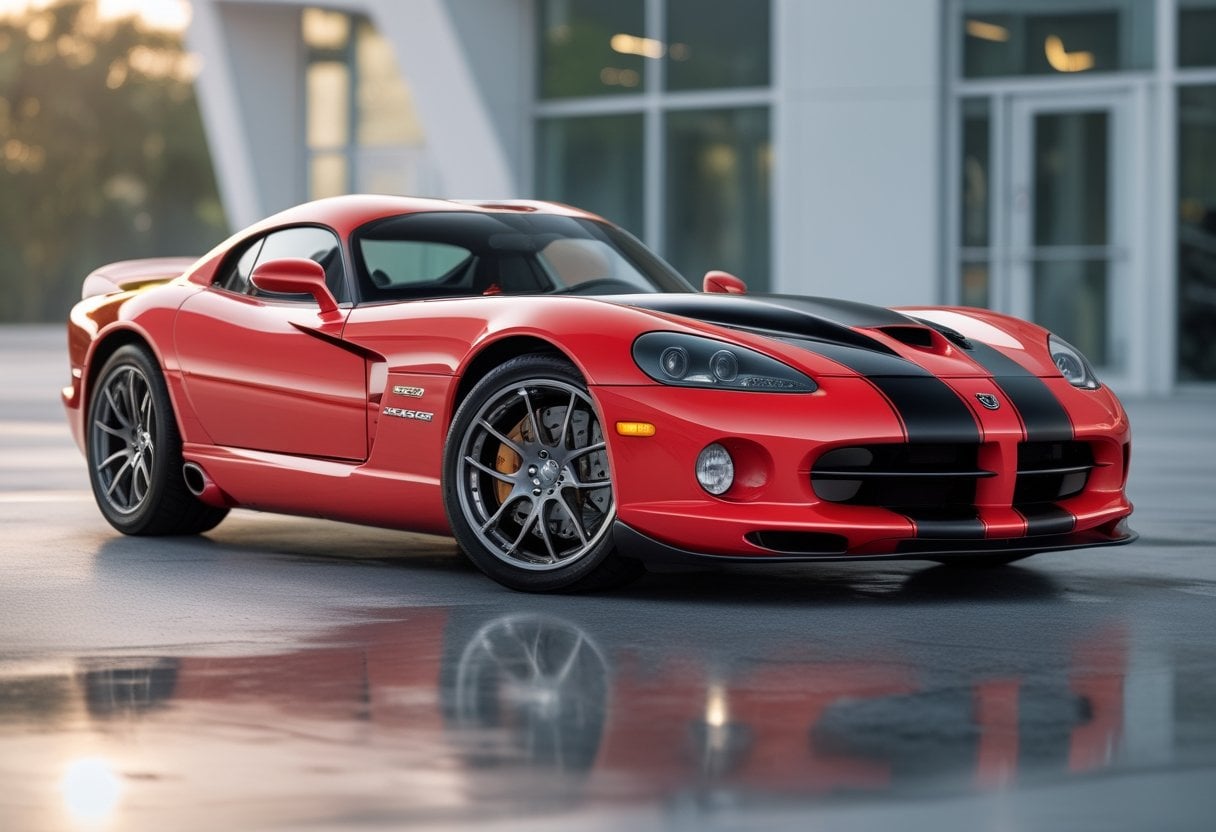
The 2008 Dodge Viper SRT10 marked a significant upgrade for the fourth-generation model. You got an improved 8.4-liter V10 engine producing 600 horsepower, up from the previous 8.3-liter unit.
The engineering changes went beyond displacement. The intake manifold featured a cast aluminum lower section with smooth runners for enhanced airflow, paired with a die-cast aluminum upper plenum. A revised air-cleaner box with a low-restriction filter fed air through dual electronic throttle controls.
You could choose between Roadster and Coupe body styles, both featuring a redesigned hood with a larger, more efficient scoop. The interior received race-inspired updates while maintaining the Viper’s aggressive styling.
This model delivered the raw performance that defined the Viper nameplate, combining substantial power with improved handling dynamics and braking capabilities.
21. 2011 Dodge Challenger SRT8 392
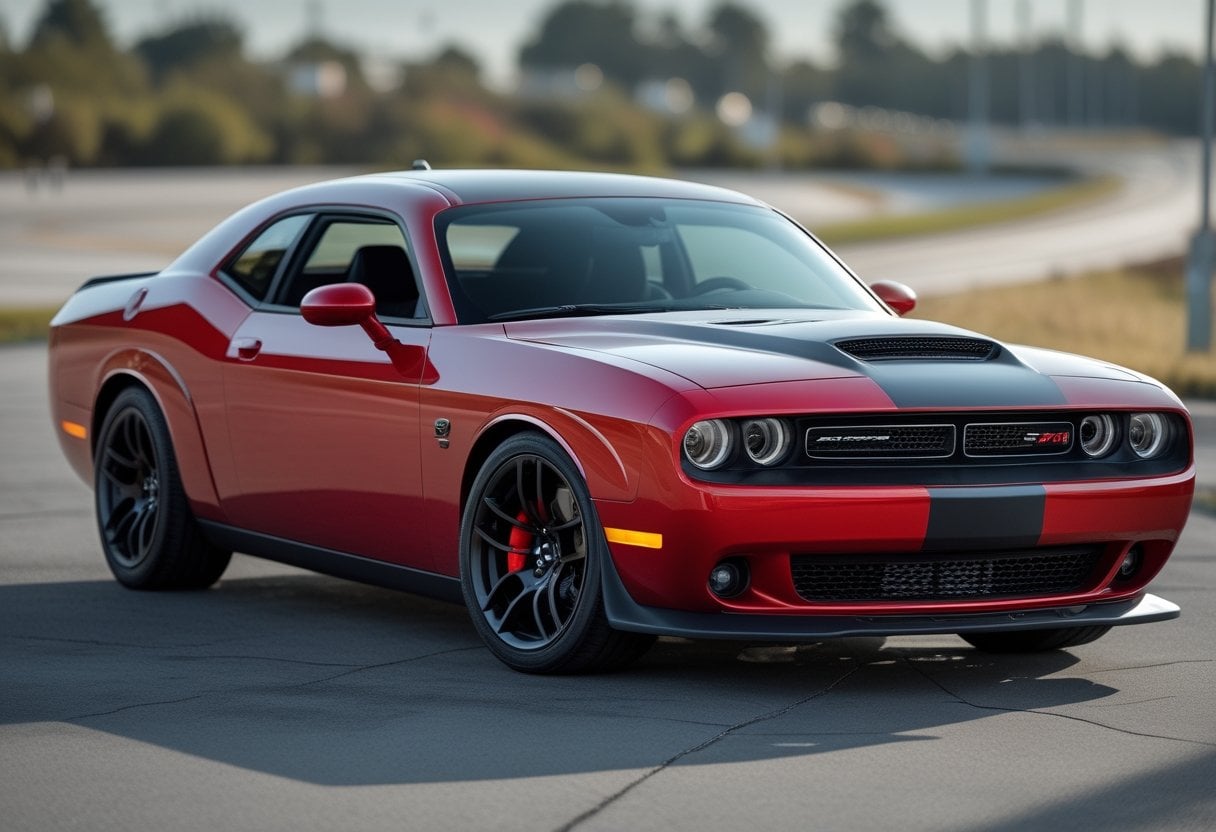
The 2011 Challenger SRT8 392 marked a significant upgrade with its enlarged 6.4-liter Hemi V8 engine. This powerplant delivered 470 horsepower, making it the most powerful production Challenger at the time.
You could choose between a Tremec TR-6060 six-speed manual transmission or a five-speed automatic with AutoStick. The manual gearbox came from the 2008 Dodge Viper SRT10, paired with an improved heavy-duty clutch for easier shifting.
Performance numbers were impressive for the era. The car achieved 0.93g on the skid pad, matching handling capabilities of world-class performance coupes. The 392 designation paid homage to the original 392 Hemi engine from 1957.
This model represented Dodge’s approach to significantly revising the Challenger platform while maintaining its classic muscle car character.
22. 2012 Dodge Charger SRT8 Super Bee
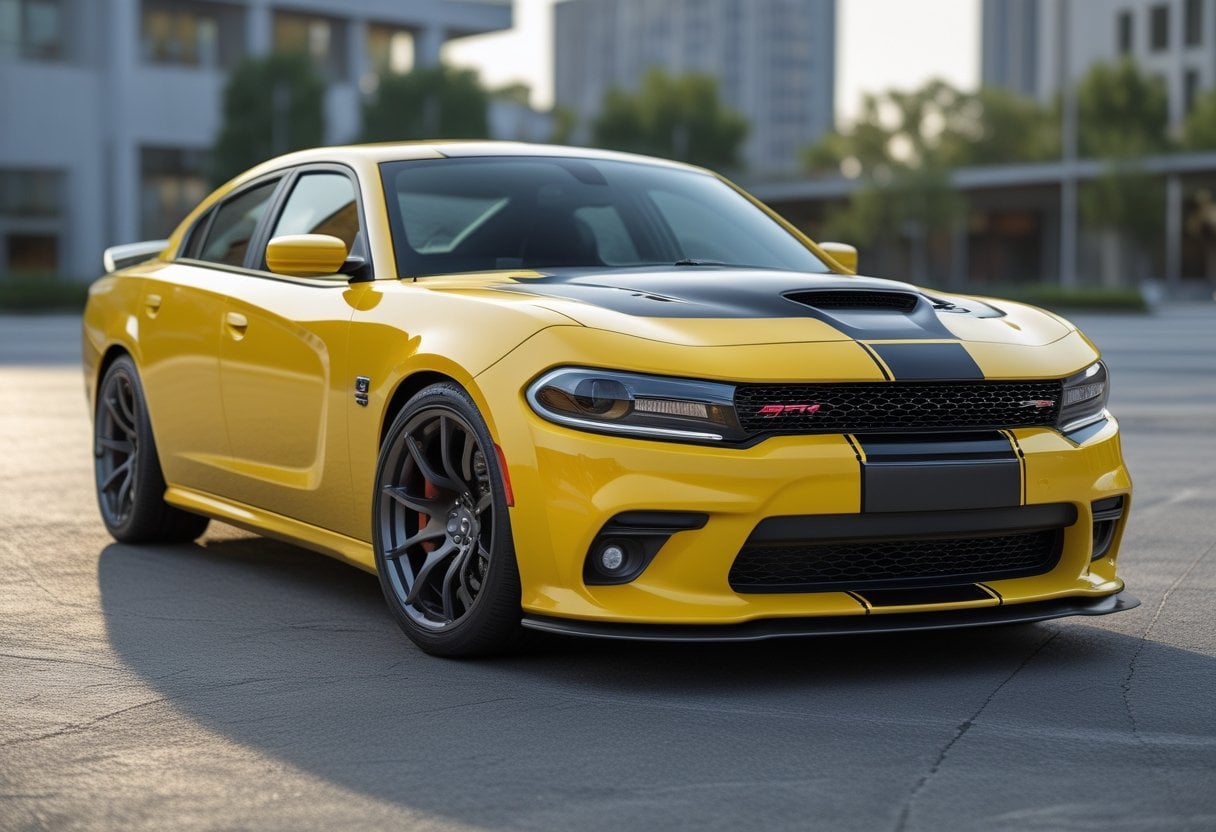
The 2012 Dodge Charger SRT8 Super Bee stripped away luxury features to deliver raw performance at a reduced price point. You got the powerful 392 HEMI V-8 engine producing 470 horsepower and 470 lb-ft of torque in a back-to-basics package.
This model debuted at the 2011 Los Angeles Auto Show and cost $4,300 less than the standard SRT8. The Super Bee achieved 0-60 mph times in the high-4-second range and completed the quarter-mile in 12.8 seconds.
You received unique styling elements including specific badging and fully polished wheels. The focus remained on core performance rather than premium amenities. The Super Bee represented Dodge’s commitment to building authentic muscle cars for driving enthusiasts who prioritized power and handling over extras.
23. 2015 Dodge Challenger Hellcat
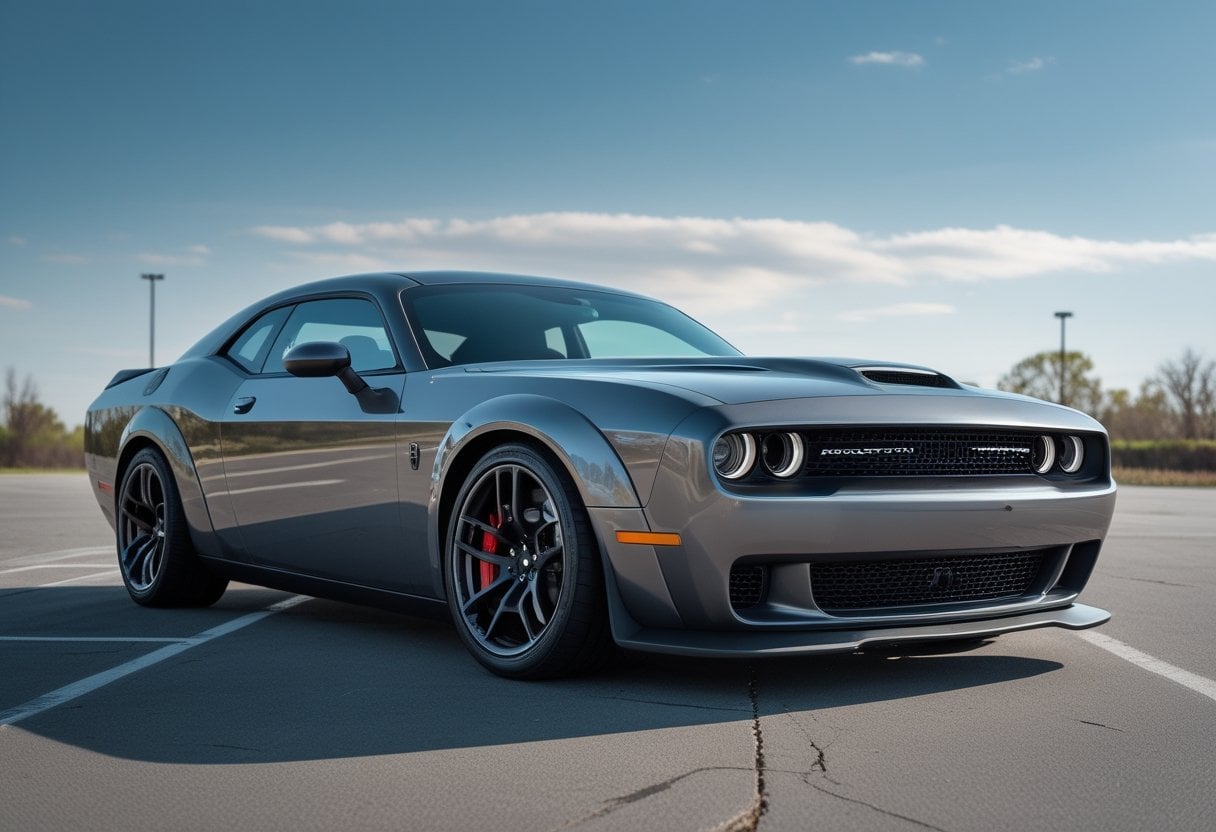
The 2015 Dodge Challenger SRT Hellcat arrived as a defining moment in modern muscle car history. You got a supercharged 6.2-liter HEMI V-8 engine producing 707 horsepower, making it the most powerful production muscle car of its time.
This wasn’t just about raw numbers. The Hellcat offered you accessible performance in a package that combined street comfort with track capability. Its 18.5-gallon fuel tank could drain in 15 minutes at full throttle, highlighting the engine’s extraordinary power output.
Built at Dodge’s Brampton, Ontario plant, the Hellcat debuted in the third quarter of 2014 as a 2015 model. It effectively challenged both the Camaro and Mustang with tire-spinning torque and bold styling. The car featured the largest brakes ever offered in a Chrysler Group vehicle at that time, matching the powertrain’s capabilities with appropriate stopping power.
24. 2017 Dodge Challenger Demon
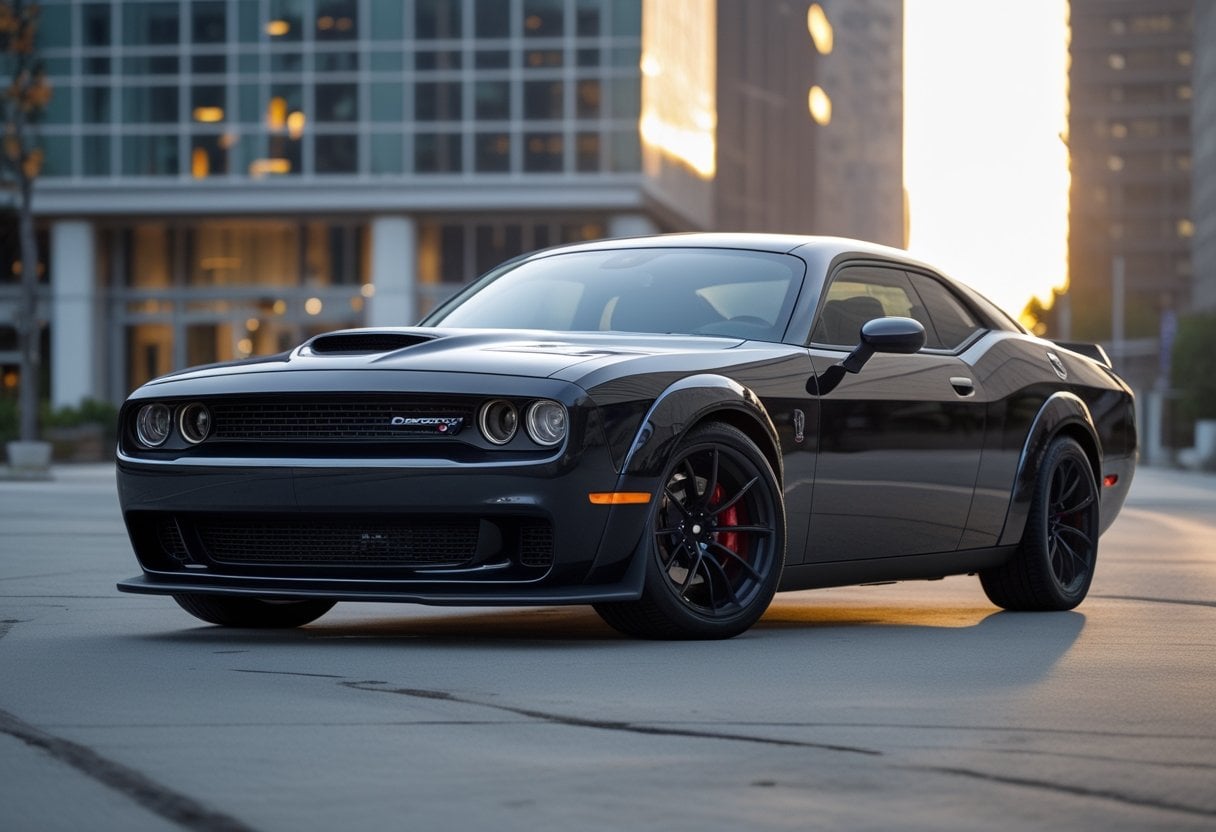
When Dodge unveiled the Challenger SRT Demon in 2017, it redefined what a production muscle car could achieve. This beast delivers 840 horsepower and 770 lb-ft of torque from its supercharged 6.2-liter HEMI V8 engine.
The Demon earned its reputation by running the quarter-mile in just 9.65 seconds with a trap speed of 140 mph. These numbers were so impressive that the NHRA banned it from sanctioned drag strip competition in stock form.
You get a purpose-built drag racing machine that came factory-equipped with features like a TransBrake and after-run chiller. Dodge even removed the passenger seat and rear seats to save weight, though you could add them back as a no-cost option.
The Demon represented Dodge’s commitment to pushing boundaries in American muscle car performance.
25. 2018 Dodge Challenger SRT Hellcat Redeye
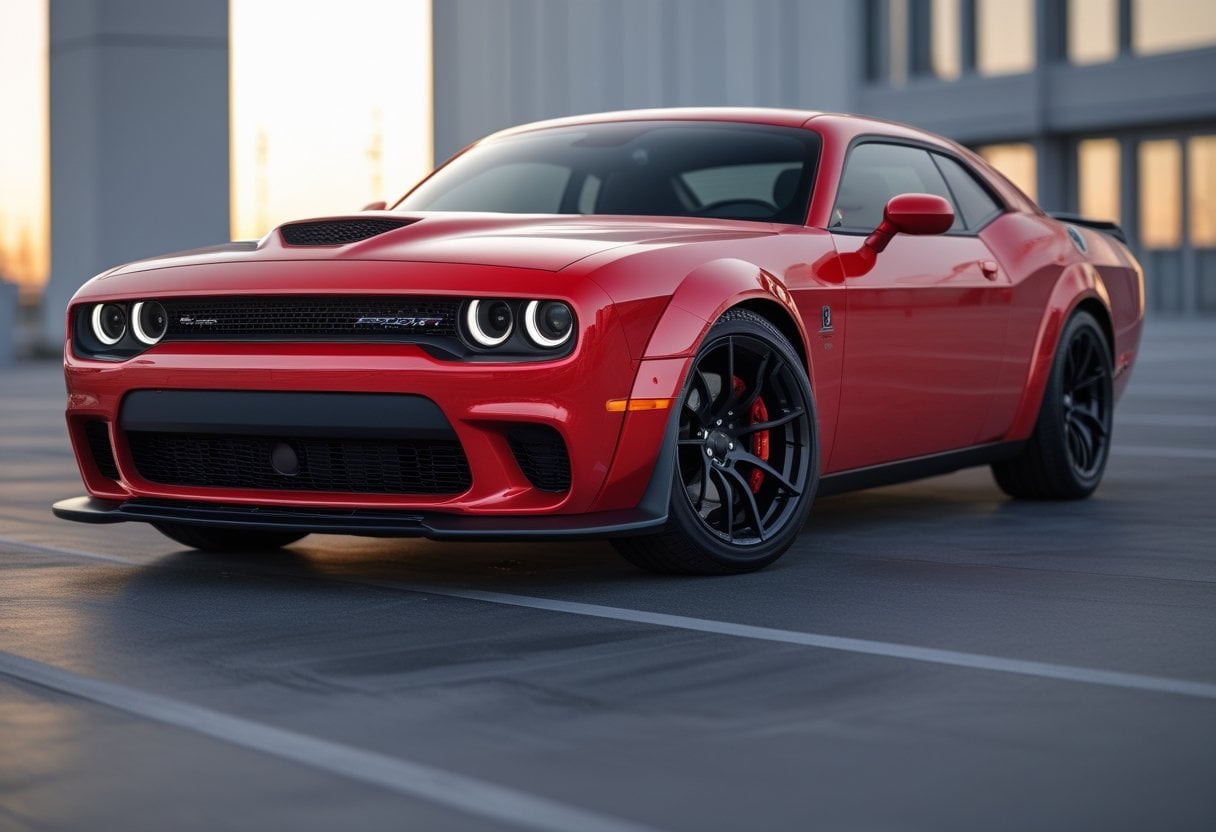
The 2018 Challenger SRT Hellcat Redeye arrived as Dodge’s answer to those who thought the standard Hellcat needed more punch. You get 797 horsepower from its supercharged 6.2-liter V8, a significant jump over the regular Hellcat’s output.
Dodge didn’t just add power and call it a day. The Redeye received functional upgrades to handle the extra horses, including improved cooling systems and stronger engine internals borrowed from the Demon.
You’ll find this variant carries one of the longer model names in automotive history, but Dodge needed specificity with 15 different Challenger variants available. The Redeye fills the gap between the standard Hellcat and the limited-production Demon.
This muscle car delivers straight-line performance with surprising interior comfort. It represents traditional American muscle in its most potent street-legal form for 2018.
26. 2018 Dodge Durango SRT
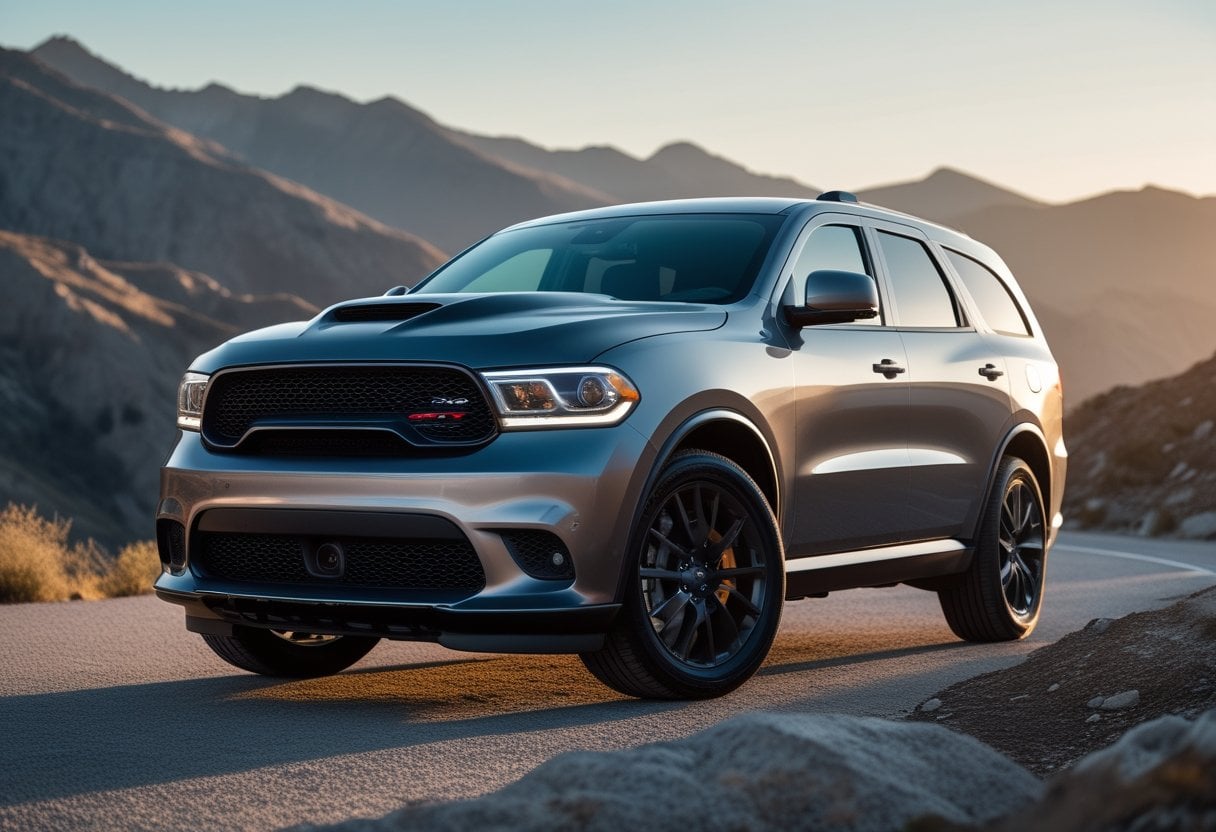
The 2018 Durango SRT brought legitimate performance credentials to the three-row SUV segment. Under the hood, you got a 6.4-liter V8 producing 475 horsepower, making it the fastest three-row SUV available at launch.
This wasn’t just straight-line speed. The SRT received upgraded suspension, Brembo brakes, and performance-tuned all-wheel drive that made it genuinely capable on twisty roads.
You could seat seven passengers and tow up to 8,700 pounds while still achieving 0-60 mph in around 4.4 seconds. The starting price of $64,090 positioned it as a performance bargain compared to European alternatives.
The Durango SRT proved that family haulers didn’t have to be boring. It delivered authentic muscle car performance without sacrificing practicality or everyday usability.
27. 2020 Dodge Charger SRT Hellcat Widebody
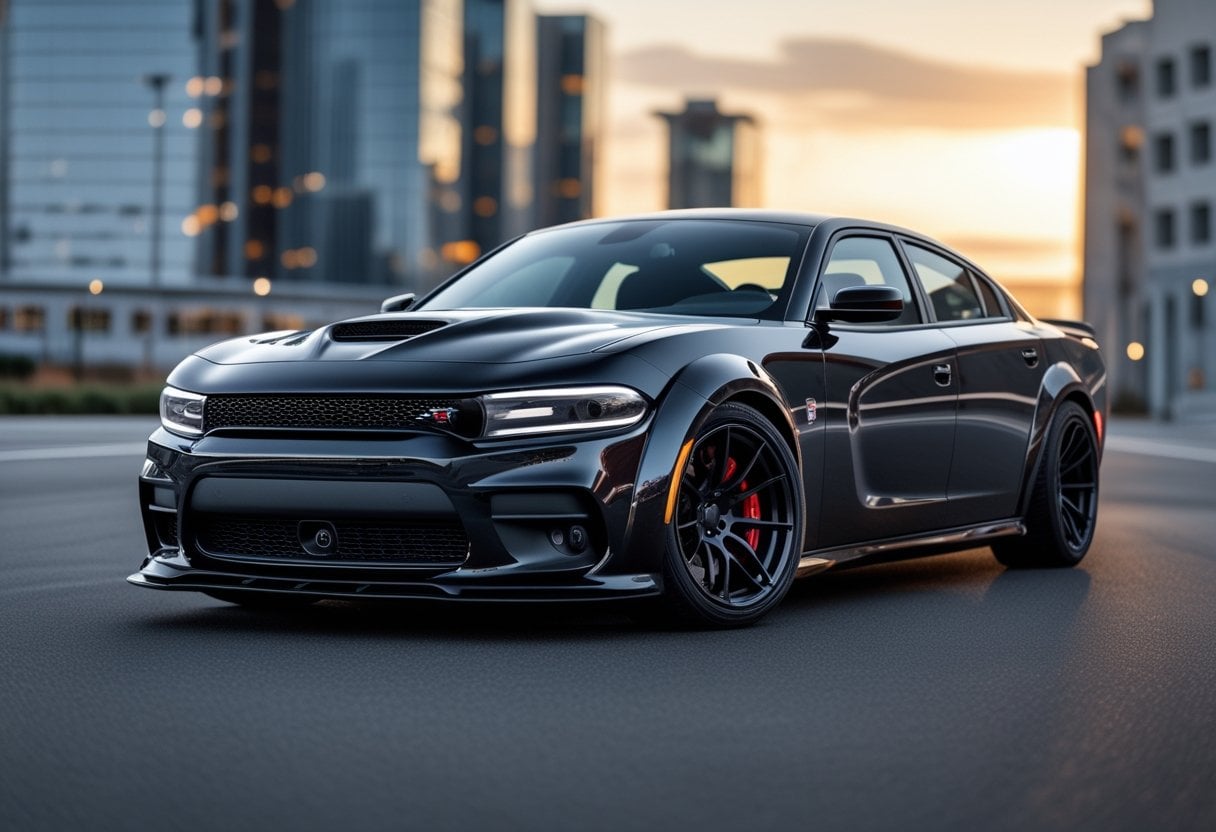
The 2020 Dodge Charger SRT Hellcat Widebody represents Dodge’s commitment to high-performance four-door sedans. This model made the Widebody package standard on all Hellcat variants for the 2020 model year.
Under the hood, you get a supercharged 6.2-liter Hemi V-8 engine producing 707 horsepower. The wider body isn’t just for aesthetics—it provides improved handling and allows for wider tires that give you better grip.
The starting price sat around $73,000, which positioned it as an accessible option in the high-performance sedan segment. You get a practical four-door layout combined with track-ready performance capabilities.
The Widebody design includes flared fenders and a broader stance that enhances both the car’s appearance and its road-holding abilities. This combination of power, practicality, and distinctive styling made it a standout in Dodge’s performance lineup.
28. 2021 Dodge SRT Super Stock
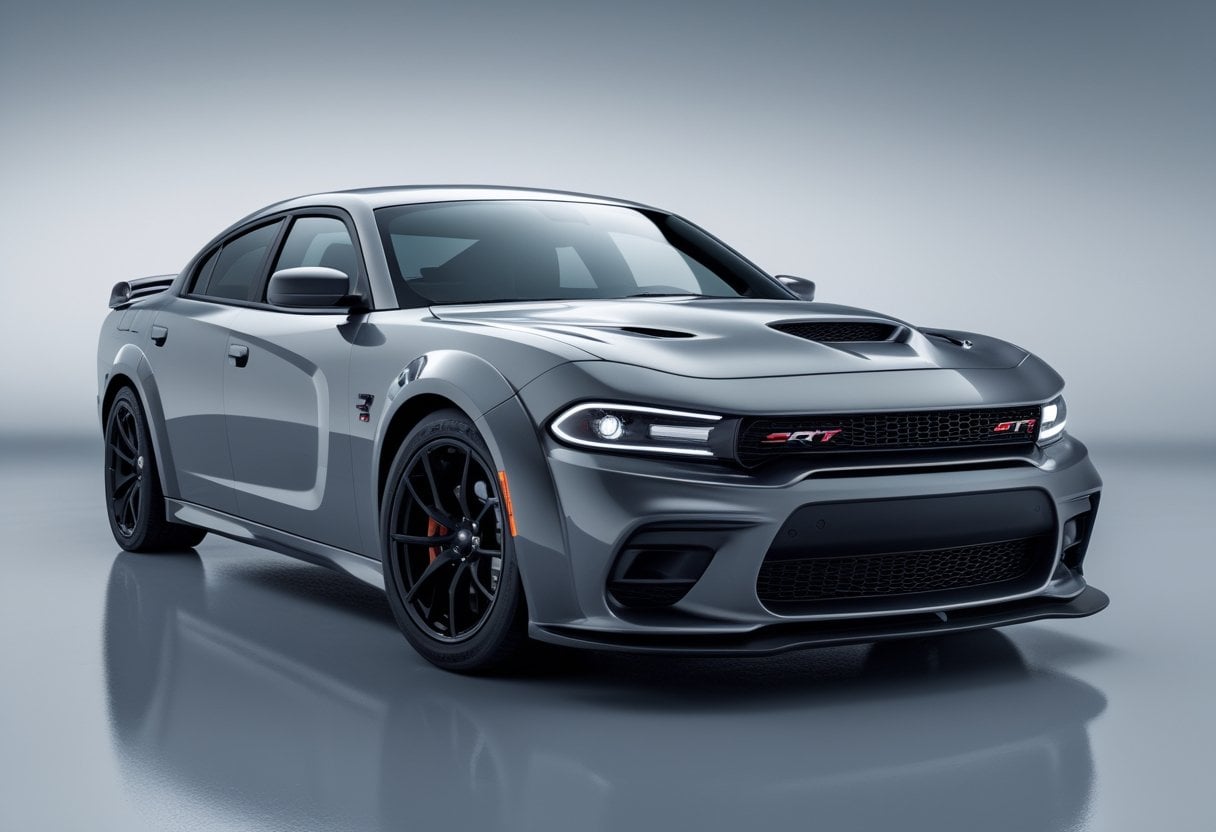
The 2021 Dodge Challenger SRT Super Stock stands as Dodge’s ultimate production drag-strip weapon. You get 807 horsepower from its supercharged HEMI V8, delivering quarter-mile runs in 10.5 seconds at 131 mph.
Dodge built this model to fill the void left by the Demon, creating what they marketed as the world’s quickest and most powerful muscle car at the time. The Super Stock achieves its 3.2-second 0-60 mph time through more than just raw power.
You’ll find track-tuned suspension components and drag radials that work together to maximize traction. Only 1,610 units were produced across its four-year run from 2020 to 2023, with 590 built in 2021 specifically.
The Super Stock represents Dodge’s commitment to straight-line performance in an era when such vehicles were becoming increasingly rare.
29. 1994 Dodge Stealth R/T Twin Turbo
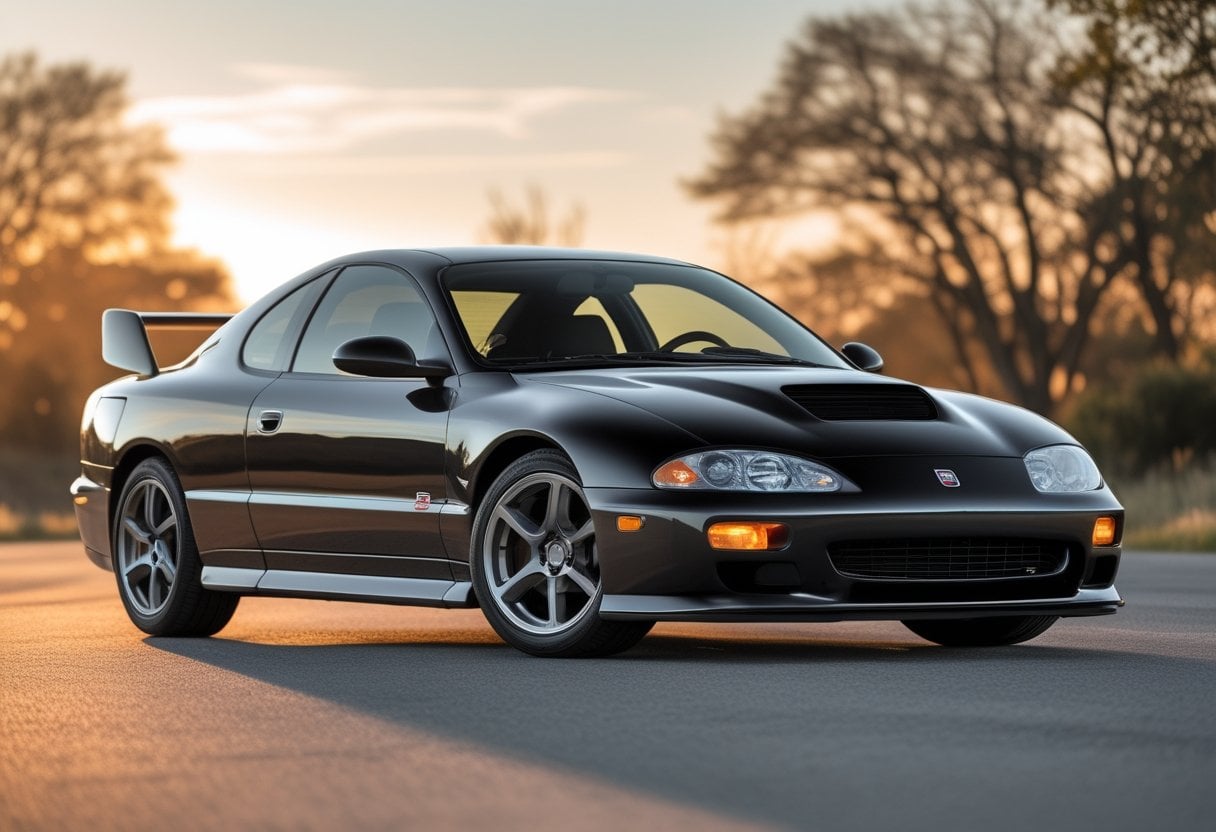
The 1994 Dodge Stealth R/T Twin Turbo stands as one of the most underappreciated performance cars of the 1990s. Built alongside the Mitsubishi 3000GT, this all-wheel-drive sports car packed a 3.0-liter twin-turbocharged V6 engine producing 320 horsepower.
You could sprint from 0 to 60 mph in just 5.3 seconds with the six-speed manual transmission. The Stealth shared its platform with the Mitsubishi 3000GT VR-4, giving you access to sophisticated Japanese engineering under Dodge branding.
The model faced an identity crisis when it was removed from consideration as the Indy 500 pace car for being too close to an import. Despite its impressive performance credentials, the Stealth remained in the shadows of more celebrated sports cars. Production ended in 1996 as consumer preferences shifted toward SUVs and minivans.
30. 2004 Dodge Magnum SRT8
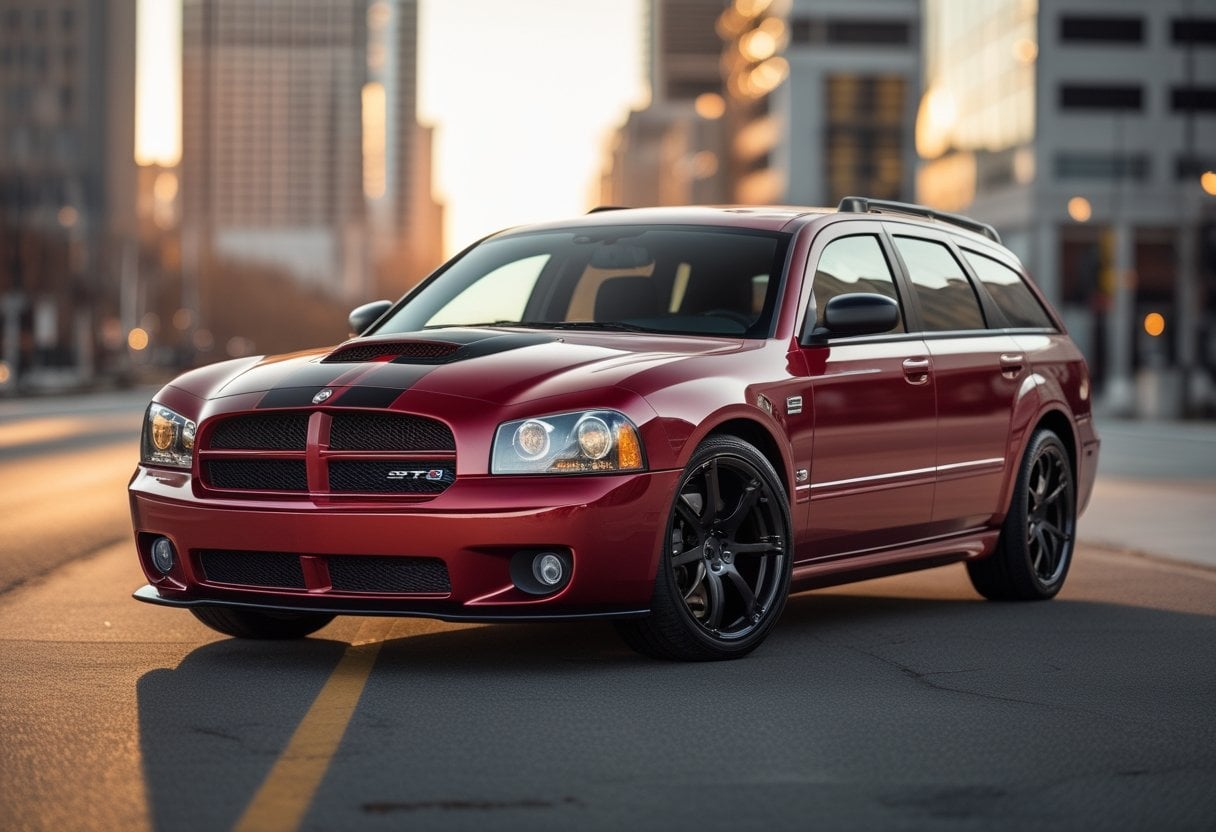
The Dodge Magnum SRT8 combined American muscle with practical station wagon utility in a package you wouldn’t expect. Introduced in 2005 for the 2006 model year, this performance wagon packed a 6.1-liter HEMI V8 engine under its hood, delivering 425 horsepower.
You got Brembo performance brake calipers at all four wheels, finished in distinctive SRT red. The aggressive styling and lowered stance set it apart from typical family haulers.
This was Dodge’s answer to European performance wagons, offering raw power for everyday tasks like grocery runs or school drop-offs. The five-speed automatic transmission channeled that HEMI power to the rear wheels, making it one of the most entertaining ways to haul cargo and passengers during the mid-2000s.
Key Design Innovations
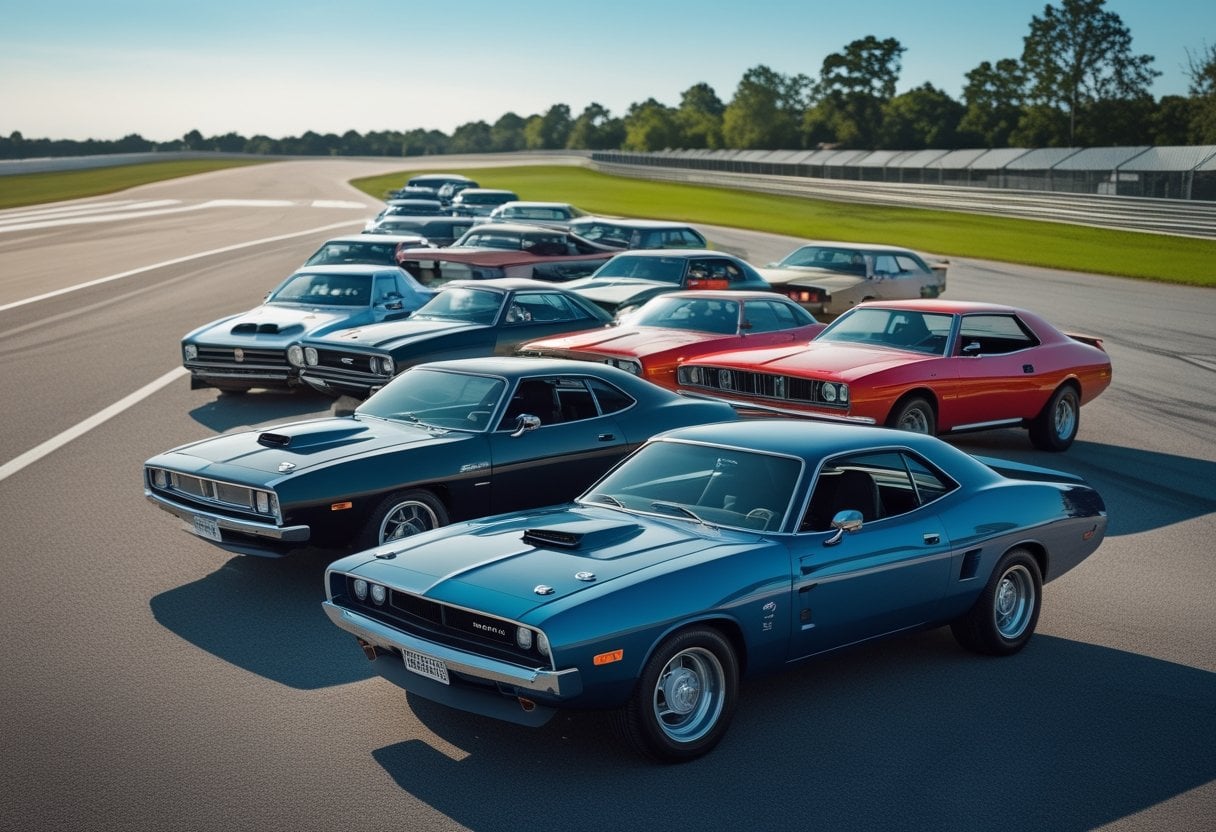
Dodge revolutionized American automotive design through breakthrough aerodynamics, bold muscle car aesthetics, and engineering features that defined performance standards for decades.
Aerodynamic Advances
Dodge pioneered wind-tunnel testing in production vehicles during the late 1960s, fundamentally changing how muscle cars were engineered. The 1969 Charger Daytona introduced the first functional rear wing and nose cone on an American production car, achieving a drag coefficient that allowed it to break 200 mph on NASCAR tracks.
The Daytona’s 23-inch tall rear stabilizer and extended nose reduced aerodynamic lift by 75% compared to standard models. This wasn’t just styling—the modifications added genuine downforce that kept the car planted at high speeds. You could see these principles carried forward in the third-generation Viper, which used computational fluid dynamics to achieve a 0.36 drag coefficient without compromising its aggressive stance.
The 2008 Challenger SRT8 incorporated active aerodynamics through its front air dam design, channeling air to cool brakes while maintaining optimal airflow. Even the Ram pickup trucks benefited from these innovations, with active grille shutters and bed designs that reduced fuel consumption through improved air management.
Muscle Car Styling
The Charger’s hidden headlights and full-width taillights created a design language that emphasized width and aggression. Your eyes are drawn to the signature split grille design that Dodge introduced in 1968, a styling cue that continues in modern vehicles like the current Challenger lineup.
Dodge’s Coke-bottle fender lines, first seen on the 1966 Charger, gave their vehicles a muscular stance that competitors scrambled to imitate. The long hood, short deck proportions became the template for American muscle cars. These weren’t arbitrary choices—the proportions accommodated large-displacement V8 engines while maintaining balanced weight distribution.
The brand’s use of bold graphics packages, particularly the R/T stripe configurations and bumblebee stripes, transformed cars into rolling statements. You could instantly identify a Super Bee or a Scat Pack from blocks away. Color choices like Plum Crazy, Go Mango, and TorRed became as iconic as the vehicles themselves.
Signature Performance Features
The HEMI engine architecture stands as Dodge’s most significant mechanical innovation. The hemispherical combustion chamber design, introduced in 1951 and perfected in 1964, delivered superior breathing and power output compared to wedge-head designs. You got approximately 20% more power from the same displacement through improved flame propagation and larger valves.
Dodge’s implementation of electronic fuel injection in the 1990s Viper showed the company could balance raw power with modern efficiency. The 8.0L V10 produced 400 horsepower while meeting emissions standards that seemed impossible for naturally aspirated engines. The brand’s Tremec six-speed manual transmissions, specifically calibrated for high-torque applications, gave you precise control over 500+ lb-ft of torque.
Four-wheel disc brakes became standard on performance models by the early 1970s, with the Challenger T/A featuring ventilated rotors. Limited-slip differentials and heavy-duty suspension packages transformed these vehicles from straight-line warriors into capable corner-carvers. Your modern Charger Hellcat benefits from adaptive suspension systems that trace their lineage directly to these pioneering technologies.
Influence on American Automotive Culture
Dodge has shaped American automotive culture through decades of motorsports dominance, memorable film and television appearances, and the creation of dedicated enthusiast communities that preserve and celebrate the brand’s muscle car heritage.
Impact on Motorsports
Dodge established its performance credentials on drag strips and NASCAR tracks across America. The 426 HEMI engine became a dominant force in drag racing during the 1960s and 1970s, with Dodge-powered cars setting records and winning championships. You’ll find that Dodge’s commitment to NASCAR competition resulted in aerodynamic innovations like the Charger Daytona and Plymouth Superbird.
The brand’s influence extended to grassroots racing, where affordable models like the Dart became popular platforms for amateur racers. Dodge vehicles won multiple NHRA championships and set countless speed records at sanctioned drag strips. The modern era saw a resurgence with the Challenger and Charger dominating factory stock drag racing classes.
Key Motorsports Achievements:
- Multiple NASCAR manufacturer championships
- NHRA Pro Stock and Super Stock class dominance
- Land speed records at Bonneville Salt Flats
- SCCA Trans-Am racing victories
Role in Pop Culture
Dodge vehicles became cultural icons through prominent film and television appearances. The Charger gained legendary status in “The Dukes of Hazzard” as the General Lee, introducing the muscle car to a generation of viewers. You can spot Dodge vehicles in action films like “The Fast and the Furious” franchise, where the Charger played a central role.
Television commercials featuring Dodge muscle cars emphasized American strength and independence. The brand’s association with rock music and blue-collar values reinforced its image as an authentic American automotive manufacturer. Music videos, video games, and print media consistently featured Dodge performance vehicles as symbols of power and rebellion.
Collectibility and Enthusiast Communities
Original HEMI-powered Dodge vehicles from the 1960s and 1970s command premium prices at collector auctions, with pristine examples selling for six or seven figures. You’ll find active enthusiast clubs dedicated to specific models like the Charger, Challenger, and Viper. These communities organize national meets, swap meets, and restoration workshops.
Online forums and social media groups connect thousands of Dodge owners who share restoration advice, parts sources, and technical knowledge. The brand’s consistent performance focus created multi-generational families of enthusiasts who pass down their passion for Dodge vehicles. Reproduction parts manufacturers support restoration efforts, making it possible to maintain classic Dodge vehicles to original specifications.