30 Cars to Avoid at All Costs: The Most Problematic Vehicles
Buying a car represents a significant financial decision for most people. Not all vehicles provide the same reliability, value, or performance, with some models consistently disappointing their owners through mechanical failures, rapid depreciation, or high maintenance costs.
Knowing which cars to avoid can save consumers thousands of dollars and countless headaches over the life of their vehicle. Car manufacturers occasionally release models with fundamental flaws or design issues that become apparent only after they’ve been on the market for some time.
These problematic vehicles often develop reputations within the automotive community, appearing frequently on mechanic’s lifts and in consumer complaint databases. Industry experts and experienced mechanics can identify patterns of failure across various makes and models, providing valuable guidance for potential buyers.
Here are 30 cars to avoid at all costs:
1. 2007-2011 Nissan Pathfinder
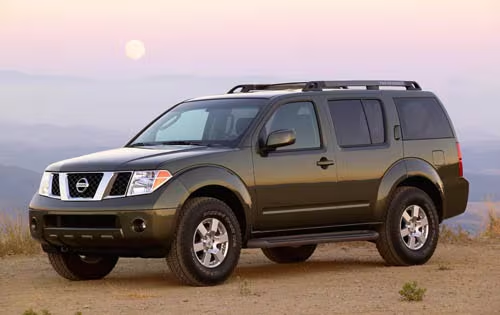
The 2007-2011 Nissan Pathfinder models have earned a notorious reputation for transmission failures. These SUVs commonly experience coolant leaking into the transmission fluid, causing catastrophic damage to the transmission system.
Repair costs for these transmission issues typically range from $3,500 to $5,000, making ownership financially burdensome. The problem generally manifests between 90,000 and 120,000 miles, often just after warranty expiration.
Additionally, these Pathfinder models suffer from timing chain problems that can lead to engine damage. The defective timing chain guides wear prematurely, creating a distinctive rattling noise before potential engine failure.
Fuel system components in these vehicles also show higher-than-average failure rates. Faulty fuel level sensors frequently cause inaccurate readings and warning lights, adding to maintenance headaches.
Consumer satisfaction ratings for these model years rank significantly below average compared to competitors in the midsize SUV segment.
2. 2009-2014 Ford Fiesta
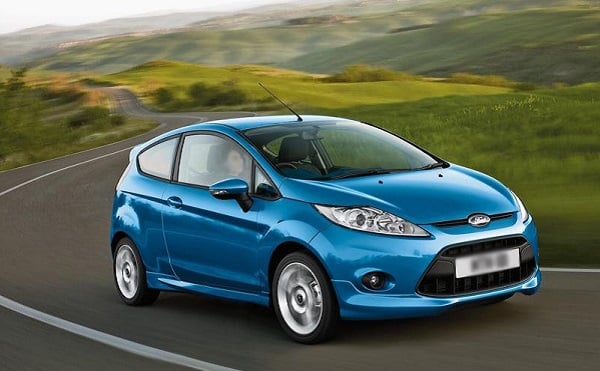
The 2009-2014 Ford Fiesta experienced significant transmission issues that plagued many owners. Its PowerShift dual-clutch automatic transmission became notorious for shuddering, slipping gears, and premature failure.
Owners reported frequent visits to dealerships for repairs, with many transmissions requiring replacement before reaching 60,000 miles. These problems led to a class-action lawsuit against Ford that was settled in 2020.
Beyond transmission woes, these Fiestas suffered from electrical system problems affecting the dashboard displays and lighting systems. Some models also experienced door latch failures, allowing doors to open while driving.
The Fiesta’s small fuel tank and underwhelming fuel economy fell short of competitors in the same class. Rust issues appeared prematurely on many models, particularly around wheel wells and underbody components.
3. 2012-2015 Fiat 500
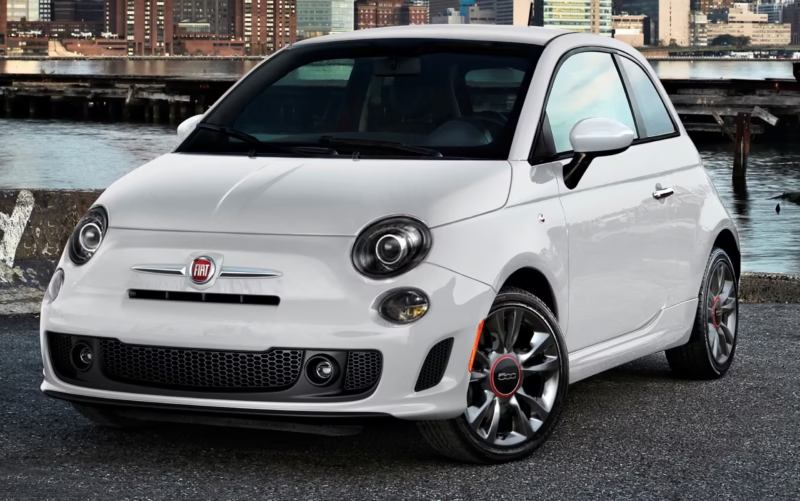
The 2012-2015 Fiat 500 models present several reliability concerns that prospective buyers should consider. These subcompact cars frequently experience transmission problems, particularly in models equipped with the automated manual transmission.
Electrical issues are common in these vehicles, with owners reporting malfunctioning power windows, erratic dashboard displays, and problematic wiring connections. The check engine light often illuminates due to various sensor failures.
Interior build quality falls short of expectations, with reported issues including loose trim pieces, easily worn upholstery, and climate control systems that fail prematurely. Maintenance costs typically exceed those of comparable subcompacts in this segment.
The Fiat 500’s tiny 1.4-liter engine delivers lackluster performance while still consuming more fuel than many competitors. These models also demonstrate poor depreciation rates, losing value more rapidly than other vehicles in their class.
4. 2006-2010 Chevrolet Cobalt
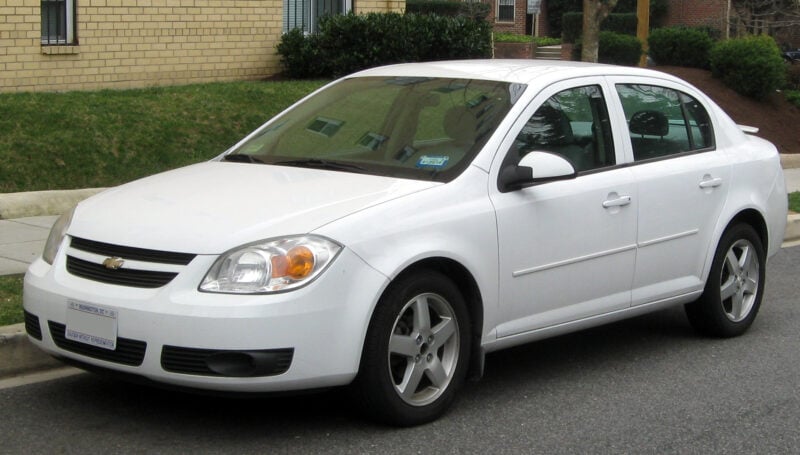
The 2006-2010 Chevrolet Cobalt has earned a troubling reputation for reliability issues. This compact car suffers from serious steering problems, with many owners reporting complete loss of power steering while driving.
Electrical system failures plague these models, particularly with the ignition switch. This defect caused vehicles to shut off unexpectedly while in motion, disabling safety systems and resulting in a major recall.
The Cobalt also exhibits premature wear of suspension components, leading to unsettling road noise and handling problems. Interior build quality falls short with cheap materials that deteriorate quickly.
Transmission issues commonly appear around 75,000 miles, with both manual and automatic versions experiencing premature failure. Consumer safety agencies have documented numerous complaints regarding these models, making them risky used car purchases.
5. 2007-2013 Dodge Caliber
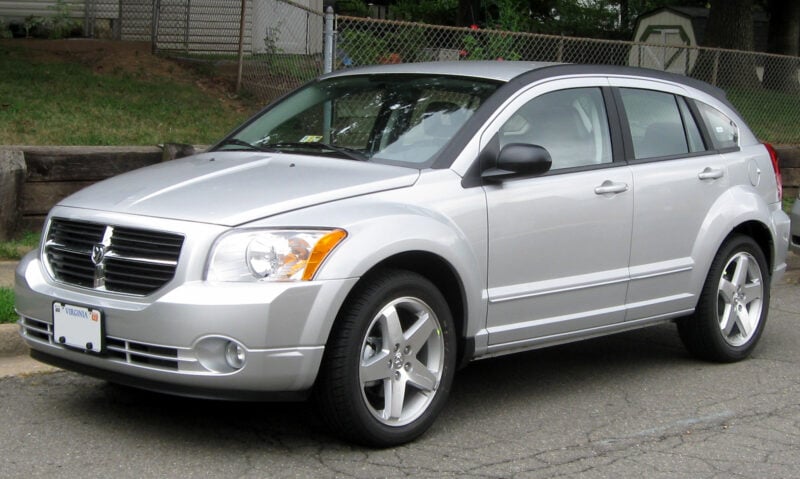
The Dodge Caliber represents one of Chrysler’s less successful attempts at creating a compact hatchback. It replaced the Neon with a bulky design that failed to impress consumers or critics.
Owners frequently report transmission problems, particularly with the continuously variable transmission (CVT) that tends to fail around 70,000 miles. Repairs often cost upwards of $3,000.
Interior quality was another significant issue, with cheap, hard plastics dominating the cabin. These materials aged poorly, leading to cracked dashboards and broken interior components.
The Caliber suffered from poor fuel economy compared to competitors in its class, delivering disappointing performance despite its small-car designation. Its noisy engine and rough ride quality further diminished the driving experience.
Electrical problems plague many Calibers, with issues affecting everything from power windows to the engine control module. These problems become increasingly common as the vehicles age.
6. 2004-2009 Chrysler PT Cruiser
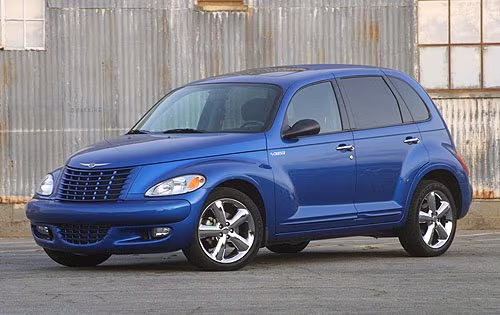
The 2004-2009 Chrysler PT Cruiser presents several concerns for potential buyers. These models frequently experience transmission failures, with repair costs often exceeding $2,500.
Electrical system problems plague these vehicles, affecting everything from power windows to dashboard controls. Many owners report issues with the cooling system, leading to overheating and potential engine damage.
Interior quality is another weak point, with cheap plastics that crack over time and seat fabrics that wear prematurely. The PT Cruiser’s fuel economy is disappointing, averaging only 18-22 MPG despite its compact size.
Suspension components tend to wear out quickly, creating unsafe driving conditions and expensive repairs. Consumer reliability surveys consistently rank these model years below average, with higher maintenance costs than comparable vehicles from the same era.
7. 2005-2010 Saturn Ion
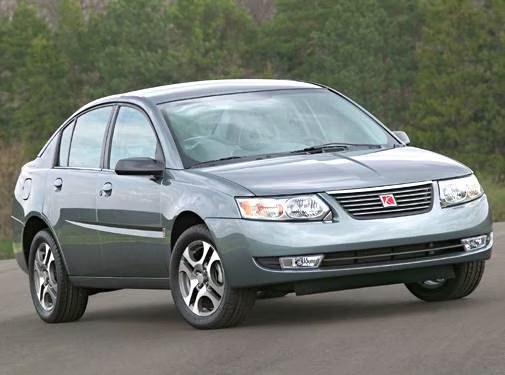
The Saturn Ion, produced during the final years of the Saturn brand, earned a reputation for problematic reliability. Its most notable issue was the faulty ignition switch, which could shut off the engine while driving and disable safety features like airbags.
Owners frequently reported power steering failures, particularly in 2005-2007 models. This defect eventually led to a recall but not before causing numerous safety concerns for drivers.
The Ion also suffered from poor build quality with numerous interior components prone to breaking or wearing prematurely. Cheap plastic materials dominated the cabin, resulting in frequent squeaks and rattles as the vehicle aged.
Transmission problems plagued many Ion models, with the automatic transmission prone to hard shifts and eventual failure. Electrical system issues were also common, affecting everything from dashboard lights to critical engine components.
8. 2010-2013 Mitsubishi Mirage
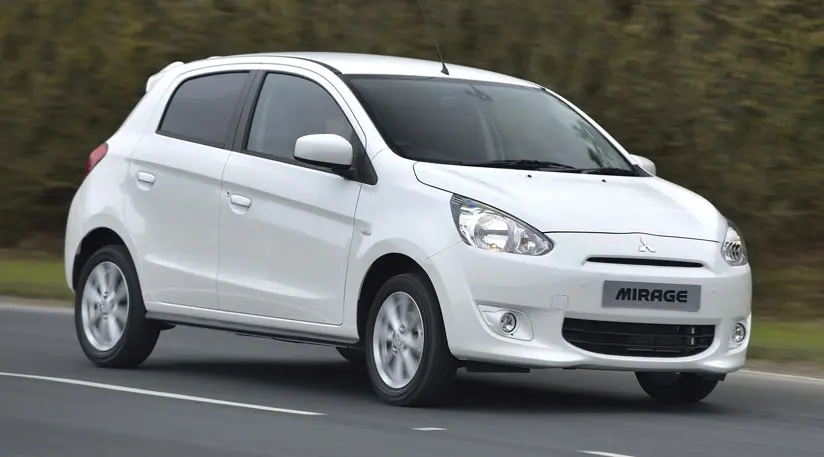
The 2010-2013 Mitsubishi Mirage suffered from numerous reliability issues that plagued owners. Its underpowered 1.2-liter three-cylinder engine delivered a disappointing 74 horsepower, resulting in sluggish acceleration and difficult highway merging.
Build quality was subpar, with thin sheet metal, cheap interior plastics, and uncomfortable seating. Many owners reported premature wear on interior components, particularly the steering wheel and shift knob.
The Mirage’s suspension system provided poor handling and an uncomfortable ride quality. Road noise was excessive at highway speeds, making longer trips particularly unpleasant.
Maintenance costs often exceeded expectations for a budget vehicle. Common problems included transmission issues, electrical system failures, and air conditioning malfunctions.
Safety ratings were below average compared to competitors, with limited standard safety features and poor crash test results in certain categories.
9. 2008-2012 Suzuki SX4
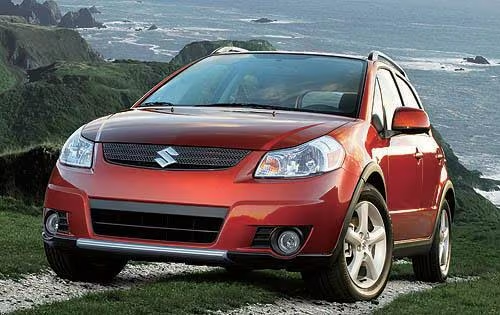
The 2008-2012 Suzuki SX4 presented itself as an affordable compact car with available all-wheel drive. However, this model suffered from numerous reliability concerns that potential buyers should consider.
Owners frequently reported transmission problems, particularly with the CVT models experiencing premature failure. The SX4’s small 2.0-liter engine struggled to deliver adequate power while returning disappointing fuel economy numbers compared to competitors.
Interior quality was another significant drawback, with cheap plastics and uncomfortable seating for longer trips. Many drivers complained about poor visibility due to thick A-pillars creating substantial blind spots.
Maintenance costs often exceeded expectations as parts became increasingly difficult to source after Suzuki exited the North American market in 2012. Rust problems affected many SX4 models, particularly around wheel wells and underbody components.
10. 2007-2010 Pontiac G5
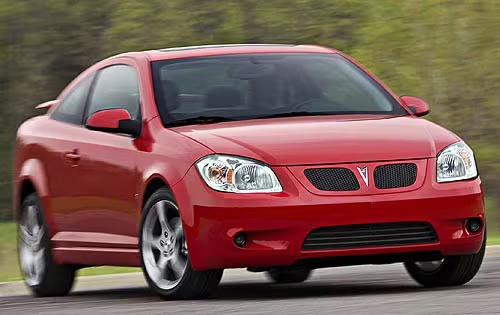
The 2007-2010 Pontiac G5 was essentially a rebadged Chevrolet Cobalt with minimal distinguishing features. This compact car inherited many of the Cobalt’s mechanical issues, creating significant headaches for owners.
One of the most concerning problems involved the ignition switch defect, which could shut off the engine while driving. This serious safety issue was part of a major General Motors recall that affected millions of vehicles.
The G5 also exhibited poor reliability scores from consumer reporting agencies. Common issues included premature wear of suspension components, electrical system failures, and power steering problems.
Interior quality was another weak point, with cheap plastics and uncomfortable seating that deteriorated quickly. The G5’s fuel economy also failed to impress compared to its competitors in the compact car segment.
Resale values dropped substantially after Pontiac’s discontinuation in 2010, making it a poor investment for buyers.
11. 2006-2011 Hyundai Accent
The 2006-2011 Hyundai Accent represents a generation of subcompact cars that fell short in several key areas compared to competitors. Despite its affordable price point, this model suffered from notably poor safety ratings that should concern potential buyers.
Crash test results revealed significant vulnerabilities, with the Accent receiving poor side-impact scores from the Insurance Institute for Highway Safety. The model also lacked standard safety features that were becoming common in other vehicles of the same era.
Build quality issues plagued these models, with numerous reports of premature transmission failures and electrical system problems. Interior materials were also subpar, featuring hard plastics and uncomfortable seating that degraded quickly with regular use.
Fuel economy, while acceptable for its time, was surpassed by several competitors offering better efficiency with similar or superior reliability. Resale values have historically been weak, reflecting the market’s overall assessment of this generation’s quality and desirability.
12. 2009-2012 Jeep Compass
The 2009-2012 Jeep Compass suffered from numerous reliability issues that plagued owners throughout the vehicle’s lifespan. Consumer reports consistently ranked it among the lowest-rated compact SUVs during this period.
Major problems included a CVT transmission known for premature failure, often beginning around 60,000 miles with repair costs exceeding $3,000. The interior quality also disappointed, with cheap plastic materials that broke easily and uncomfortable seating.
Many owners reported persistent electrical problems affecting the power windows, dashboard displays, and starting system. The 2.0L and 2.4L engines developed oil consumption issues that could lead to catastrophic failure if not monitored closely.
The vehicle’s poor build quality resulted in excessive road noise and frequent development of rattles and squeaks. Its underpowered engine combined with the problematic CVT delivered lackluster performance and disappointing fuel economy compared to competitors.
13. 2005-2008 Pontiac G6
The 2005-2008 Pontiac G6 was plagued with numerous reliability issues that make it a vehicle to avoid on the used car market. Common problems included faulty electrical systems that caused unpredictable power windows and dashboard displays.
The G6 suffered from premature transmission failures, with many owners reporting complete transmission replacements needed before reaching 100,000 miles. This represents a significant repair cost that often exceeded the vehicle’s diminishing value.
Interior quality was another weak point, with frequent complaints about plastic trim pieces breaking or detaching. The retractable hardtop in convertible models was particularly problematic, experiencing motor failures and alignment issues.
Numerous safety recalls affected these model years, including issues with the steering system and brake lights. The G6’s poor resale value reflects these reliability concerns, making it a poor investment compared to contemporary midsize sedans from other manufacturers.
14. 2011-2014 Smart Fortwo
The 2011-2014 Smart Fortwo stands out as one of the most impractical vehicles on the market despite its innovative city-friendly design. Its tiny two-seat cabin offers minimal passenger space and almost nonexistent cargo capacity, making it unsuitable for most daily needs.
Performance issues plague this microcar, with a sluggish 70-horsepower three-cylinder engine that struggles on highways. The automated manual transmission delivers jerky, unrefined shifts that frustrate even the most patient drivers.
Fuel economy, which should be exceptional given its size, disappoints at around 34 mpg combined – numbers that many larger, more practical vehicles easily match. Safety concerns also arise from its diminutive stature when sharing roads with larger vehicles.
Reliability ratings fall below average, with owners reporting electrical issues and transmission problems. Repair costs often run high relative to the vehicle’s value, making ownership increasingly expensive over time.
15. 2008-2010 Volkswagen Routan
The 2008-2010 Volkswagen Routan represents one of VW’s least successful ventures into the American minivan market. Despite Volkswagen badging, the Routan was essentially a rebadged Chrysler Town & Country with minor cosmetic changes.
Owners reported frequent transmission failures, often requiring complete replacements around 60,000-80,000 miles. The 4.0L V6 engine suffered from timing chain issues that could lead to catastrophic engine damage.
Electrical problems plagued these vehicles, with malfunctioning power sliding doors, dashboard displays, and entertainment systems being common complaints. The Routan inherited the same problematic brake system from its Chrysler siblings, with premature rotor warping and caliper failures.
Volkswagen discontinued the model after just three years due to poor sales and reliability concerns. Parts availability has become increasingly difficult as these vehicles age, making repairs more expensive than comparable minivans from the same era.
16. 2004-2007 Ford Freestar
The Ford Freestar minivan replaced the Windstar in 2004 but failed to stand out in the competitive minivan market. Its 3.9L and 4.2L V6 engines delivered adequate power but suffered from poor fuel economy compared to rivals.
Transmission failures were common in these models, often occurring before 100,000 miles. Repairs typically cost owners between $2,000 and $3,000, making ownership expensive over time.
Rust problems plagued the Freestar, particularly around wheel wells and along the bottom of sliding doors. Interior quality also disappointed many buyers, with cheap plastics and trim pieces that broke easily.
The National Highway Traffic Safety Administration issued multiple recalls for the Freestar, including problems with the torque converter and issues with the rear axle. Resale values dropped dramatically, reflecting the market’s lack of confidence in this model.
17. 2009-2011 Mini Cooper S (non-turbo)
The 2009-2011 Mini Cooper S models without the turbocharger presented significant reliability issues that potential buyers should be aware of. These vehicles suffered from timing chain problems that could lead to catastrophic engine failure when left unaddressed.
Oil consumption was another common complaint, with many owners reporting the need to add a quart every 1,000 miles. This excessive consumption often indicated deeper engine issues that proved costly to repair.
Electrical problems plagued these models as well, with common failures in the power window regulators and central locking systems. The cooling system showed design flaws, frequently requiring thermostat, water pump, and radiator replacements before 60,000 miles.
While these Minis offered charming aesthetics and nimble handling, their maintenance costs often exceeded reasonable expectations. Repair bills typically ran much higher than comparable vehicles in the same class.
18. 2008-2012 Kia Soul (early models)
The 2008-2012 Kia Soul models represented the first generation of this compact car and came with several notable issues. Early Souls suffered from premature engine failure, particularly in the 1.6L and 2.0L engines, often before reaching 100,000 miles.
Electrical problems plagued these models, with many owners reporting malfunctioning power windows, intermittent headlight failures, and issues with the audio system. The air conditioning system was another weak point, frequently requiring expensive repairs after just a few years of ownership.
Transmission problems were common in these early models, with jerky shifting and premature failure reported by numerous owners. Interior quality also left much to be desired, with cheap materials that wore quickly and seats that became uncomfortable on longer drives.
Suspension issues resulted in excessive road noise and a harsh ride quality that many drivers found unpleasant compared to competitors in the same class.
19. 2006-2010 Dodge Nitro
The Dodge Nitro was introduced as a mid-size SUV with bold, boxy styling meant to attract attention. Unfortunately, its eye-catching design masked significant reliability issues that plagued the vehicle throughout its production run.
Owners frequently reported problems with the powertrain, particularly with the 3.7L and 4.0L engines. These issues often led to expensive repairs and diminished performance as the vehicles aged.
The Nitro also suffered from subpar fuel economy, averaging only 16 mpg in city driving. This inefficiency became increasingly problematic as fuel prices rose during its production years.
Interior quality was another common complaint, with cheap plastic materials that wore poorly and dashboard components that cracked over time. The cabin felt outdated even when new.
Suspension problems were prevalent, resulting in a harsh ride quality and poor handling characteristics compared to competitors in the same segment.
20. 2010-2013 Chevrolet Aveo
The 2010-2013 Chevrolet Aveo ranked consistently low in reliability ratings during its production years. This subcompact car suffered from numerous quality issues that plagued owners throughout their ownership experience.
Transmission failures were common, with many owners reporting complete transmission replacement needed before 60,000 miles. The electrical system was another significant weak point, with issues affecting everything from power windows to the engine control module.
Interior quality fell below segment standards, with cheap materials that wore out quickly and uncomfortable seating for longer trips. Safety ratings also trailed competitors, with the Aveo scoring poorly in several crash test categories.
Fuel economy, despite being a small car, was surprisingly unimpressive compared to rivals like the Honda Fit and Toyota Yaris. Resale values plummeted quickly, making the Aveo a poor investment for buyers looking for value retention.
21. 2011-2013 Toyota Prius (1st Gen)
The 2011-2013 Toyota Prius represents a problematic choice for used car buyers despite its reputation for fuel efficiency. These models experienced significant issues with their hybrid battery systems, often requiring expensive replacements around the 100,000-mile mark.
Many owners reported premature headlight failures, which created safety hazards and added unexpected maintenance costs. The factory-installed navigation systems in these vehicles became quickly outdated and were known for malfunctioning after several years of use.
Brake system complaints were common, with owners noting a distinctive lag between pressing the pedal and actual vehicle response. The 1st Gen Prius models also suffered from poor soundproofing, resulting in excessive road noise that many drivers found disturbing during highway travel.
The vehicle’s low ground clearance made it susceptible to undercarriage damage from speed bumps and driveways, leading to costly repairs not covered under warranty.
22. 2007-2010 Mazda Tribute
The 2007-2010 Mazda Tribute presents numerous reliability concerns that have disappointed many owners. This compact SUV shares a platform with the Ford Escape, inheriting many of its mechanical problems.
Transmission failures are particularly common in these models, often occurring before reaching 100,000 miles. Repair costs frequently exceed $3,000, making it an expensive fix for a vehicle of this age.
The Tribute also suffers from premature brake wear, requiring more frequent replacement than competitors. Owners report excessive rusting on the undercarriage, especially in regions where road salt is used during winter months.
Engine problems include failing ignition coils and throttle body issues that can cause stalling or hesitation. The power steering system is another weak point, with many vehicles developing leaks or complete pump failures.
Interior quality doesn’t fare much better, with flimsy materials and climate control systems that often malfunction within the first few years of ownership.
23. 2009-2011 Honda Element
The 2009-2011 Honda Element presents several concerning issues for potential buyers. These model years suffer from persistent electrical problems that can cause dashboard malfunctions and unpredictable power window operation.
Many owners report premature door lock failures, requiring expensive replacements. The unique clamshell door design that initially attracted buyers has proven problematic over time, with hinges wearing out and alignment issues becoming common.
Fuel economy is another disappointment, with the boxy design and dated powertrain delivering subpar efficiency compared to competitors. The Element averages only 19-20 MPG combined, making it costly for daily commuting.
The 2011 model in particular experienced transmission problems that Honda never fully addressed before discontinuing the Element line. Water leaks around the sunroof also plague these models, leading to interior damage and potential electronic failures.
24. 2006-2008 Land Rover Freelander
The 2006-2008 Land Rover Freelander represents one of the most problematic SUVs from this era. These models suffered from persistent transmission failures, with many owners reporting complete transmission replacements before reaching 60,000 miles.
Electrical system issues plagued these vehicles, causing unpredictable failures in everything from window controls to critical engine management systems. The cooling system was another significant weakness, with radiator and water pump failures being common occurrences.
Engine oil leaks developed frequently around the valve cover gaskets and oil pan seals. Additionally, the Freelander’s suspension components wore out prematurely, leading to expensive repairs that often exceeded the vehicle’s diminishing value.
Consumer reliability surveys consistently ranked the Freelander at the bottom of its class during these model years. Parts availability became increasingly limited as Land Rover discontinued the model, making repairs both expensive and time-consuming.
25. 2005-2009 Suzuki Reno
The Suzuki Reno was a compact hatchback produced between 2005 and 2009 in North America. It was a rebadged version of the Daewoo Lacetti, aimed at budget-conscious consumers.
Unfortunately, the Reno suffered from numerous reliability issues, particularly with its electrical system and transmission. Owners frequently reported premature failure of alternators and power window mechanisms.
Performance was another weak point for the Reno. Its underpowered engine struggled to accelerate adequately, creating potentially hazardous merging situations on highways.
Consumer ratings consistently placed the Reno near the bottom of its class. Depreciation hit these vehicles particularly hard, with resale values dropping significantly faster than competitors.
Fuel economy was also disappointing for a compact car, making the Reno impractical even as a budget option. Parts availability became increasingly limited after Suzuki’s exit from the North American market.
26. 2012-2014 Nissan Juke (early models)
The 2012-2014 Nissan Juke’s quirky design caught attention, but early models suffered from significant reliability issues. Continuously Variable Transmission (CVT) failures were common, often requiring expensive replacements around 60,000 miles.
Turbocharger problems plagued these models, with many owners reporting premature failures. The direct injection system was prone to carbon buildup, affecting performance and fuel economy over time.
Electrical issues were another concern, with reports of malfunctioning sensors and dashboard display glitches. Many owners experienced fuel system problems, including fuel pump failures that left vehicles stranded.
Interior build quality was subpar, with numerous complaints about rapid wear on seat upholstery and dashboard materials. Limited cargo space and cramped rear seating further diminished the vehicle’s practicality despite its crossover classification.
27. 2007-2010 Subaru Tribeca
The 2007-2010 Subaru Tribeca faced significant criticism primarily for its original controversial design. Subaru attempted to rectify this with a facelift in 2008, but it wasn’t enough to save this model from its reputation problems.
Performance issues plagued the Tribeca, particularly with its underpowered engine relative to its weight. The 3.0L six-cylinder engine in early models struggled to move the hefty SUV efficiently, resulting in poor fuel economy averaging just 16 mpg in the city.
Reliability concerns centered around the Tribeca’s transmission problems and electrical system failures. Many owners reported expensive repairs after relatively low mileage.
Interior space was another drawback, with a cramped third row that was nearly unusable for adults. This limitation made it less practical than many competing three-row SUVs of the same era.
28. 2009-2012 Hyundai Veracruz
The 2009-2012 Hyundai Veracruz represents one of the automaker’s less successful ventures into the midsize crossover market. This model suffered from a transmission system prone to failure, with many owners reporting complete transmission replacements needed before reaching 100,000 miles.
Electrical issues plagued the Veracruz as well, particularly with the power window mechanisms and dashboard electronics. The vehicle’s fuel economy was notably poor, typically achieving only 15-17 MPG in city driving, below competitors in its class.
Many owners experienced premature wear of suspension components, leading to costly repairs. The third-row seating, while a selling point, was cramped and difficult to access compared to rival models.
Hyundai discontinued the Veracruz in 2012, replacing it with the more refined Santa Fe, suggesting even the manufacturer recognized its shortcomings.
29. 2006-2009 Ford Focus (early gen)
The 2006-2009 Ford Focus represents a low point in the model’s history. These early second-generation North American models suffered from numerous reliability issues that made ownership frustrating for many consumers.
Transmission problems were particularly common, with many owners reporting premature failures requiring costly repairs. The automatic transmissions in these models were known to shudder, slip, and sometimes fail completely before reaching 100,000 miles.
Electrical system defects plagued these Focus models as well. Issues ranged from malfunctioning power windows to complete instrument panel failures and intermittent starting problems.
Interior quality also disappointed, with cheap materials that wore poorly and broke easily. Door handles, seat adjusters, and dashboard components frequently failed under normal use.
While fuel economy remained a strength, the numerous mechanical and electrical issues make these Focus models poor used car choices compared to more reliable competitors from the same era.
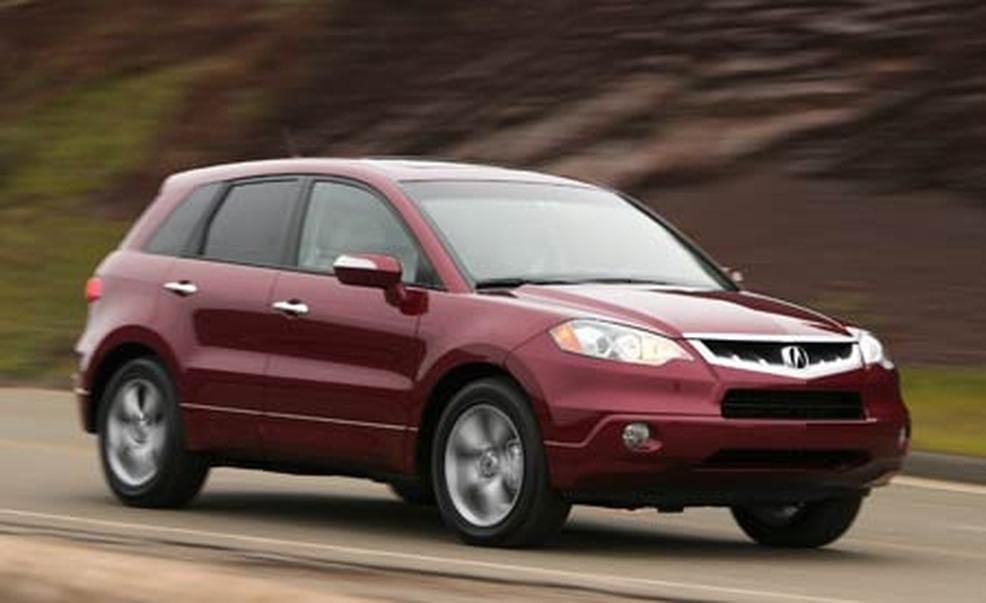
30. 2007-2010 Acura RDX (first gen)
The first-generation Acura RDX hit the market as a compact luxury crossover with high expectations. Unfortunately, it arrived with several notable issues that plagued owners throughout its production run.
One major problem was the turbocharged engine’s poor fuel economy, averaging just 17-19 MPG combined despite its smaller 2.3L size. This underperformance disappointed many buyers who expected better efficiency from a compact SUV.
The RDX also suffered from premature brake wear, with many owners reporting the need for replacements at just 15,000-20,000 miles. Turbocharger failures were another common complaint, often occurring between 60,000-80,000 miles with costly repair bills.
Interior quality issues plagued this model as well. Peeling dashboard materials, malfunctioning infotainment systems, and uncomfortable seats were frequently reported problems that diminished the luxury experience Acura aimed to deliver.
Common Pitfalls When Choosing a New Car
Purchasing a new vehicle involves navigating numerous decision points that can significantly impact your satisfaction and finances. Many buyers focus exclusively on appearance and initial price while overlooking critical factors that determine long-term value and reliability.
Overlooking Long-Term Reliability
Reliability data should be a cornerstone of any car-buying decision. Many vehicles look impressive on the showroom floor but develop serious problems after 3-5 years of ownership.
Consumer Reports and J.D. Power reliability ratings offer valuable insights into how vehicles perform over time. These organizations track repair frequencies across thousands of vehicles to identify problematic models.
Some manufacturers consistently produce more reliable vehicles than others. Toyota and Lexus typically rank high for dependability, while certain European luxury brands often require more frequent repairs.
Warning signs to watch for:
- Models in their first production year
- Vehicles with newly introduced technologies or engines
- Cars with significant negative owner reviews mentioning specific recurring issues
- Models with multiple recalls early in their lifecycle
- Misleading Marketing Claims
Car manufacturers employ sophisticated marketing tactics that can distort consumer perceptions. Advertised fuel economy figures often reflect ideal laboratory conditions rather than real-world driving.
“Best-in-class” claims require careful scrutiny as they may reference narrow categories created specifically to showcase a particular vehicle favorably. Similarly, safety ratings might emphasize strengths while concealing significant weaknesses.
Horsepower and torque figures, while technically accurate, don’t always translate to better driving experiences. Many buyers find themselves disappointed when performance doesn’t match expectations based on statistics alone.
Be particularly cautious of:
- Fuel economy claims that seem too good to be true
- Limited-time offers creating artificial urgency
- Vague comparisons to “leading competitors”
- Technical specifications without context
- Ignoring Total Cost of Ownership
The purchase price represents only a fraction of what you’ll spend on a vehicle over its lifetime. Insurance costs vary dramatically between models, with some vehicles commanding premiums thousands higher annually than others.
Maintenance expenses differ significantly across brands. German luxury vehicles typically cost 30-50% more to maintain than their Japanese counterparts. Even routine services like brake replacements or timing belt changes can vary by hundreds of dollars.
Depreciation often represents the largest ownership expense. Some vehicles lose over 50% of their value in three years, while others retain 70% or more.
Consider these often-overlooked expenses:
- Depreciation: Research 3-5 year residual values
- Insurance: Get quotes before purchase
- Fuel costs: Calculate annual expenses based on your driving habits
- Maintenance: Research typical repair frequencies and costs
- Parts availability: Some models require expensive specialty components
- Warning Signs of Problematic Vehicles
When shopping for a car, recognizing potential red flags can save you from costly mistakes. Being vigilant about these warning signs helps you avoid vehicles that may become financial burdens.
Frequent Recalls and Safety Issues
Vehicle recalls indicate fundamental design or manufacturing flaws that could compromise safety and reliability. Always check a model’s recall history before purchasing. The National Highway Traffic Safety Administration (NHTSA) maintains a database where you can search by make and model.
Multiple recalls for the same issue suggest the manufacturer struggles to properly address the problem. This pattern often indicates deeper engineering issues that may persist despite repairs.
Pay attention to the severity of recalls. Critical safety components like airbags, brakes, or fuel systems warrant greater concern than minor convenience features.
Consumer complaints can reveal problems before official recalls occur. Look for patterns in owner feedback about specific issues across multiple vehicles of the same model.
Poor Resale Value Indicators
Rapid depreciation often signals underlying problems with a vehicle’s quality, reliability, or market perception. Cars losing more than 50% of their value within three years typically have concerning issues.
Compare similar models within the same class. When a specific vehicle depreciates significantly faster than its competitors, consider this a warning sign.
High maintenance costs contribute to poor resale value. Research typical repair expenses for models you’re considering by consulting reliable sources like Consumer Reports or RepairPal.
Market oversaturation can also impact resale value. Vehicles commonly used as rental cars or fleet vehicles flood the used market, driving prices down.
Insurance costs provide another clue. Unusually high premiums often reflect poor safety ratings or expensive repair costs that should make you reconsider your purchase.